10 global traditions that leave tourists completely baffled
 Culture
10 global traditions that leave tourists completely baffled
Travel is the ultimate cure for the narrow-minded, but it’s also a quick way to find yourself in a state of utter confusion. What is considered a standard polite gesture in one corner of the globe might be a grave insult in another. From the night before a German wedding to the dinner tables of Cairo, the world is filled with traditions that might catch a tourist off guard. Here are ten social customs from around the world that prove "normal" is entirely relative.
Greece: "Spitting" on the bride
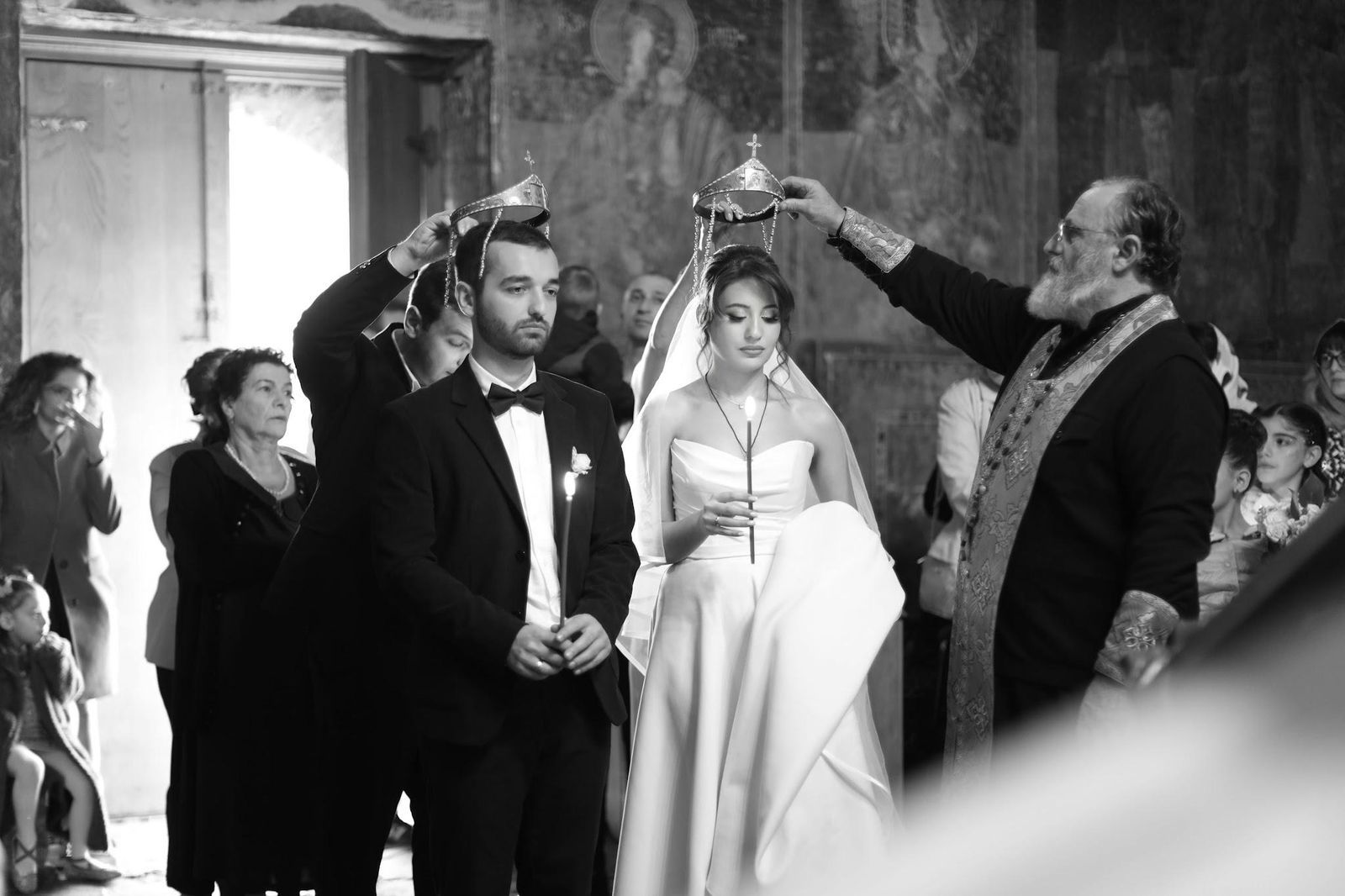
If you attend a Greek wedding and see guests leaning in toward the bride to make a "ftou ftou ftou" sound, don’t call security. They aren't actually showering her with saliva; they are performing a traditional "dry spit."
In Greek culture, the "evil eye" is a very real concern. It is believed that excessive praise or good fortune can attract the envy of malevolent spirits. By mimicking the act of spitting, guests are essentially tainting the luck just enough to keep the spirits away. It’s a superstitious safety measure intended to ensure the bride’s happiness remains uninterrupted.
Egypt: Don’t touch the salt
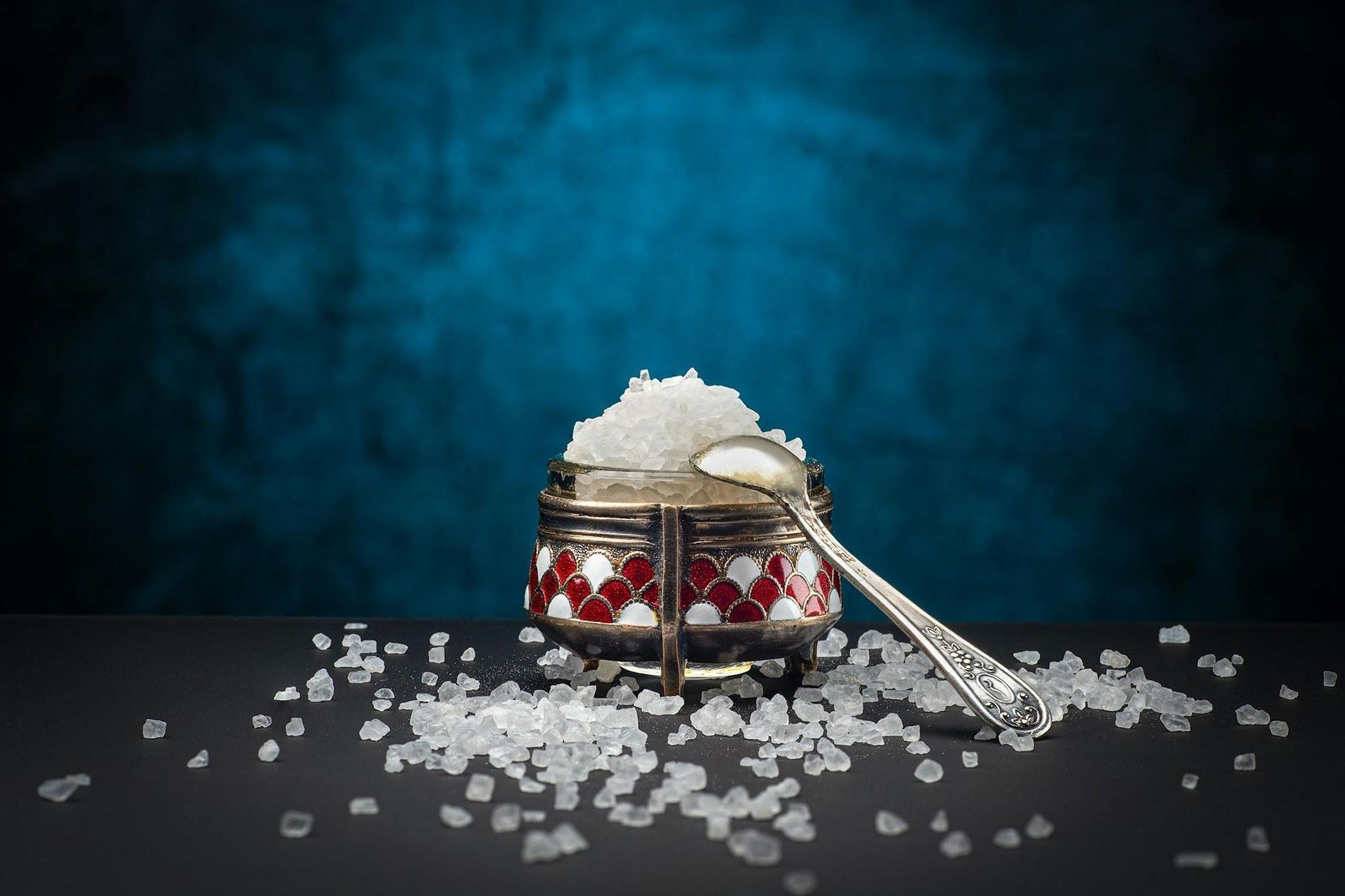
In most Western households, reaching for the salt shaker is a mindless habit. In Egypt, it’s a diplomatic incident. If you are a guest in someone’s home or dining at a traditional restaurant, adding salt to your meal is viewed as a direct insult to the chef.
The logic is simple: the chef has seasoned the dish exactly as it was meant to be enjoyed. By adding salt, you are suggesting that the food is bland or that the host failed in their hospitality. To keep the peace, always taste the food and offer a compliment before even thinking about extra seasoning.
Japan: The art of the noodle slurp

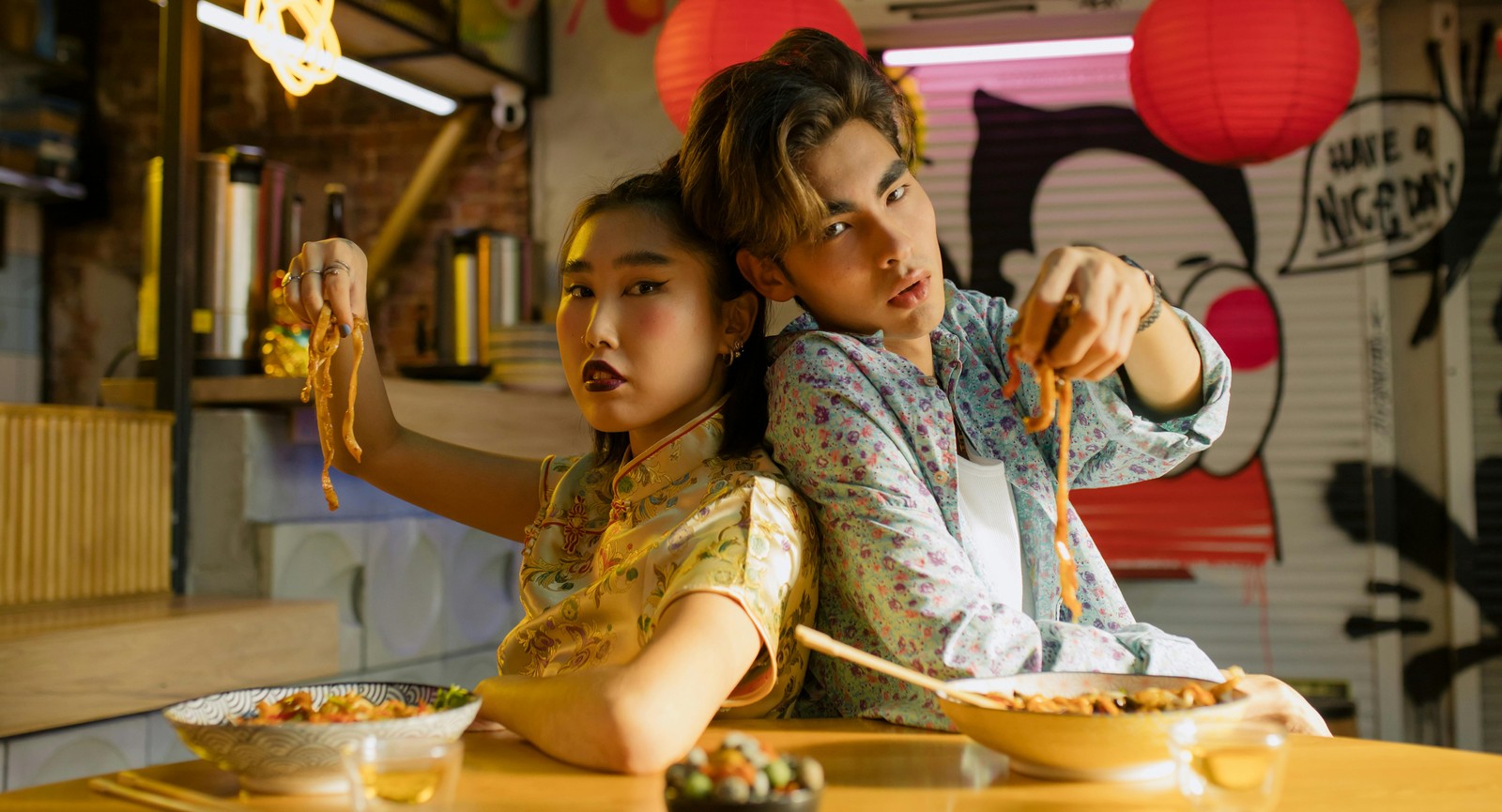
In many cultures, eating loudly is the pinnacle of bad manners. In Japan, however, if you aren't slurping your ramen, you aren't doing it right. Slurping your noodles—loudly and with gusto—serves two practical purposes: it draws air into the mouth to cool the piping hot broth, and it is said to enhance the flavor.
More importantly, it is a non-verbal "thank you" to the chef. Silence at a ramen bar can be misinterpreted as boredom or dissatisfaction. If you want to blend in, leave your quiet etiquette at the door and make some noise.
Finland: The wife-carrying race

Finland is known for its stoic locals and world-class education, but once a year, it becomes the epicenter of Eukonkanto, or Wife Carrying. Men race through an obstacle course featuring sand, grass, and a deep pool of water, all while carrying a female teammate on their backs.
The custom has its roots in 19th-century legends of wife stealing, but today, it’s a lighthearted international sport. The most outlandish part? The winner traditionally receives the wife’s weight in beer. It’s a grueling test of endurance that celebrates strength, partnership, and a very specific type of hydration.
Germany: The "Polteranende" dish smashing

If you hear the sound of shattering porcelain outside a German house the night before a wedding, don’t worry, it isn't a domestic dispute. It’s a Polterabend. Guests bring old plates, flowerpots, and tiles (but never glass or mirrors, which bring bad luck when broken) to the couple’s home and smash them on the ground.
The Polterabend is intended to drive away evil spirits. The most important part of the ritual comes afterward: the bride and groom must work together to sweep up the shards. This symbolizes their ability to work as a team and handle the messes that life will inevitably throw at them.
Spain: The "El Colacho" baby jumping
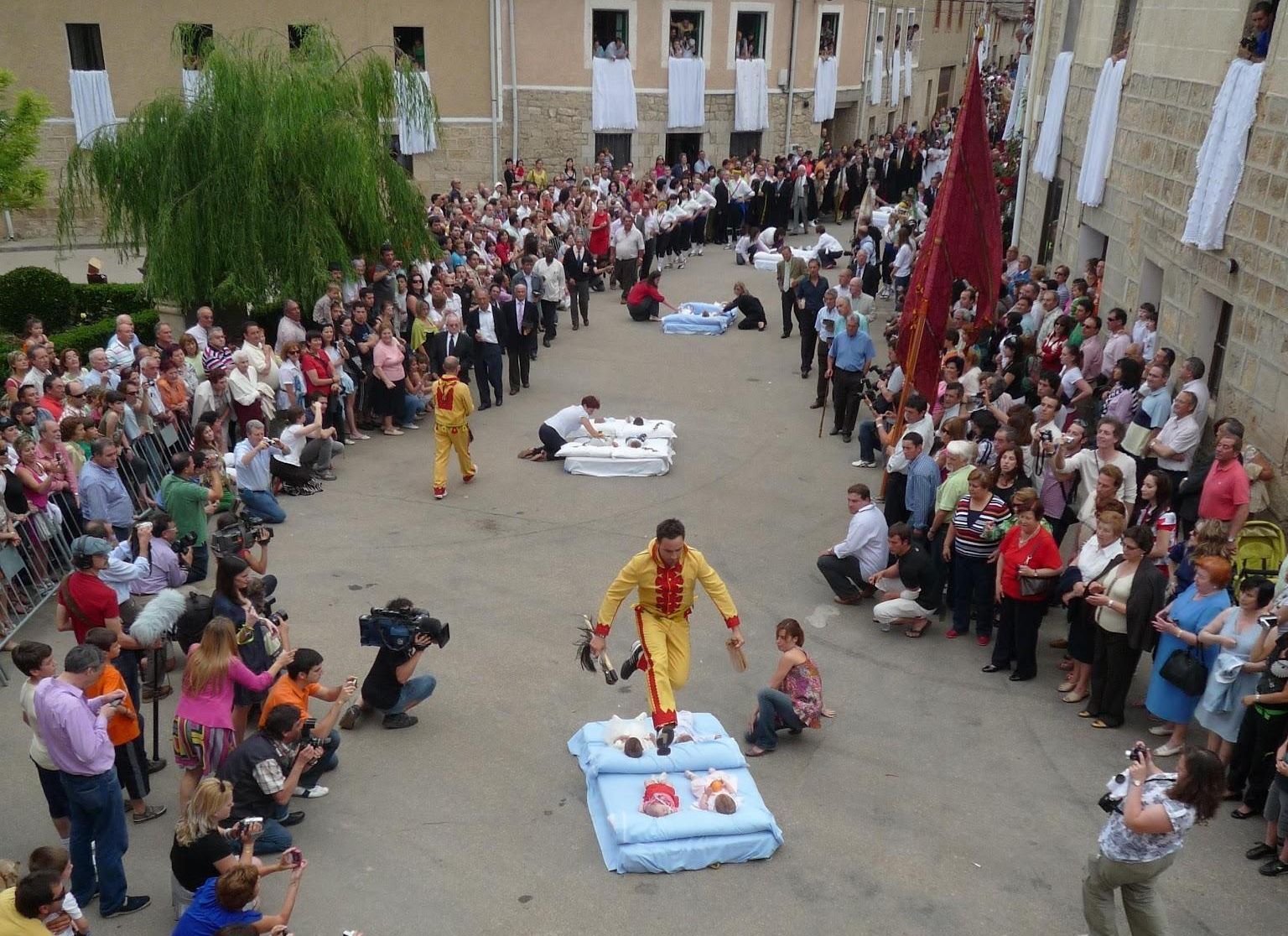
In the village of Castrillo de Murcia, northern Spain, people have been practicing a tradition since the 1600s that would give any modern pediatrician a heart attack. During the feast of Corpus Christi, men dressed as "El Colacho" (the Devil) run through the streets, whipping bystanders before leaping over rows of actual infants.
The babies, born within the previous year, are laid out on mattresses in the street. The "Devil" jumps over them to symbolically absorb their sins and protect them from illness and evil spirits. While it looks like a high-stakes stunt, it is a deeply rooted religious rite of passage. If you find yourself in Castrillo de Murcia in June, don’t be alarmed, the "Devils" are quite skilled at their hurdles.
Fiji: The Numbing Kava juice
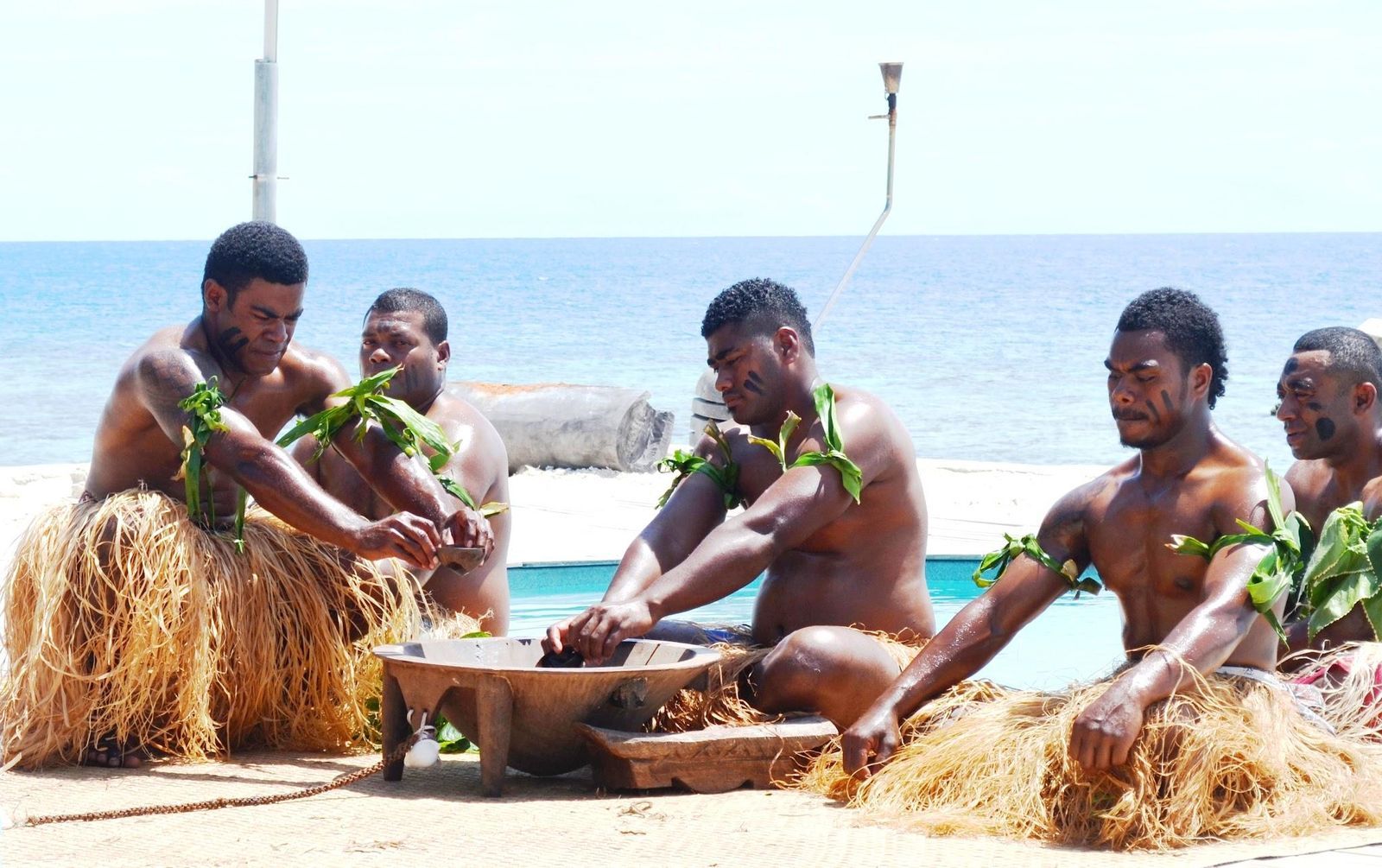
When visiting a village in Fiji, you will likely be invited to a Kava ceremony. Kava is a drink made from the crushed root of a pepper plant, mixed with water in a large wooden bowl called a tanoa. It looks like muddy water and, according to many tourists, tastes somewhat like it, too.
However, the real surprise is the physical effect. Kava contains kavalactones, which act as a mild sedative. Within minutes of drinking, your lips and tongue will go numb, and a sense of calm will wash over you. It is a vital part of Fijian social fabric, used to welcome guests, settle disputes, and mark important milestones. Just remember to clap once before and three times after you drink your bowl.
South Korea: The danger of red ink

In South Korea, you should be very careful when choosing a pen to sign a birthday card or write a note. Writing a living person's name in red ink is a massive taboo. Historically, red ink was used on death certificates or to record the names of the deceased in family registers.
Consequently, writing a living person’s name in red implies that they are either dead or that you wish them harm. While the younger generation is less superstitious, it remains a social gesture that can cause genuine discomfort for older Koreans. When in doubt, stick to blue or black.
Indonesia: The Dani tribe’s finger cutting

One of the most intense and jarring customs comes from the Dani tribe in the highlands of Papua, Indonesia. Known as Ikipalin, the tradition involves women cutting off the top segments of their fingers to express grief when a family member dies.
The physical pain is meant to represent the emotional pain of loss and to appease the spirits of the deceased. While the practice has been officially outlawed by the Indonesian government and is rarely practiced by the younger generation, you can still see many elderly Dani women with shortened fingers.
Greece: Throwing teeth on the roof
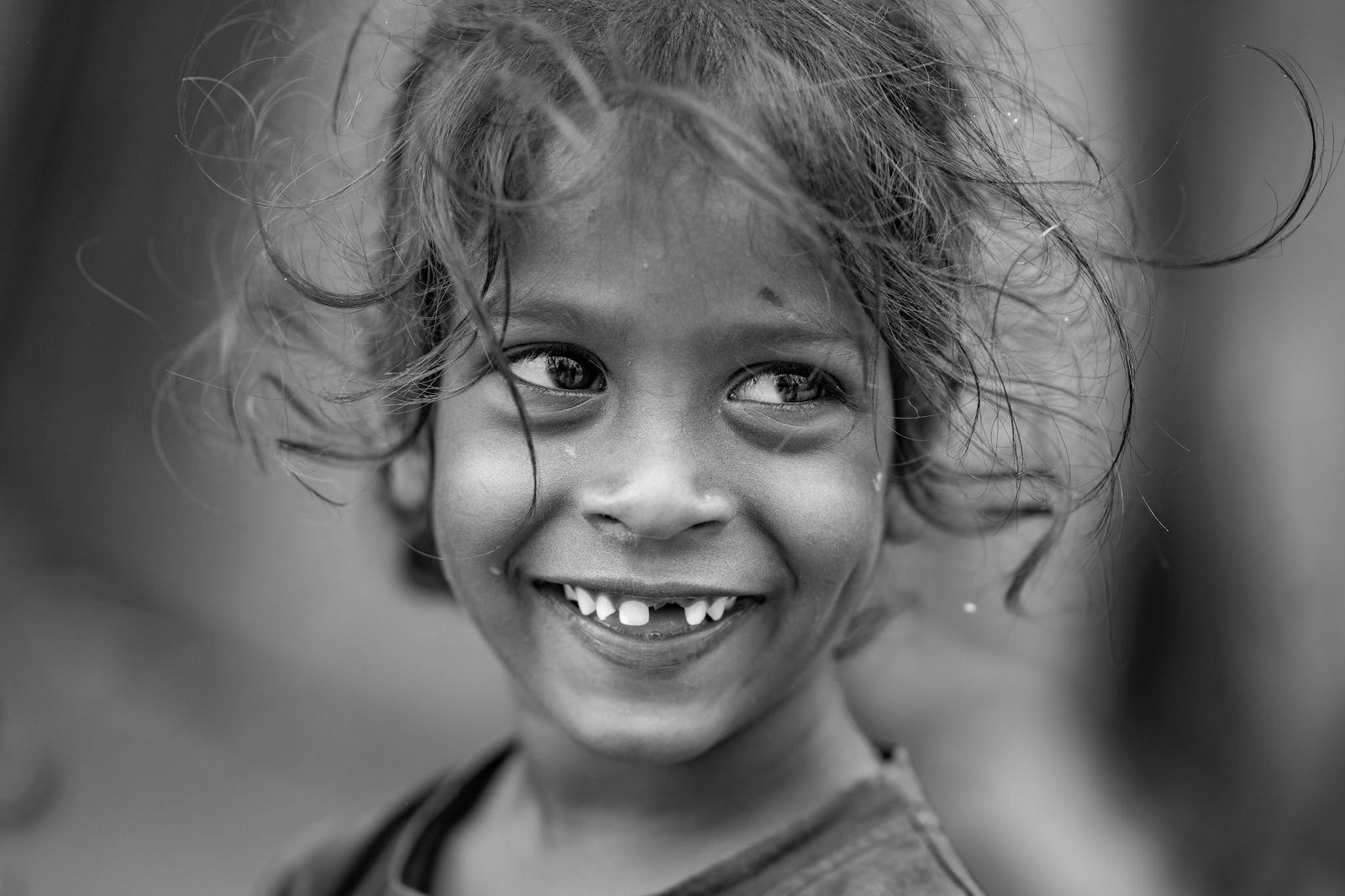
While children in the U.S. or the UK wait for the Tooth Fairy to leave money under a pillow, Greek children have a much more athletic tradition. When a Greek child loses a baby tooth, they make a wish for "strong, healthy teeth" and throw the tooth onto the roof of their house.
This tradition is rooted in the idea that the tooth will be replaced by one as strong as a pig’s or a crow’s. It’s a communal way of celebrating a child’s growth, though it certainly makes for a strange sight for a tourist watching a kid hurl dental remains on the roof.
Global festivals: 10 Reasons to pack your bags and join the party
Passport to celebration: 10 global festivals worth the journey
From the neon-soaked streets of Rio de Janeiro to the quiet, lantern-lit homes of India, the world is a mosaic of celebration waiting to be explored. These iconic festivals offer more than just a party; they provide a profound window into the soul of a culture, blending ancient rituals with modern energy. Whether you’re looking to join a crazy tomato fight in Spain or share a peaceful picnic under Japan's cherry blossoms, these ten global events are essential milestones for any traveler’s bucket list.
Carnival – Rio de Janeiro, Brazil
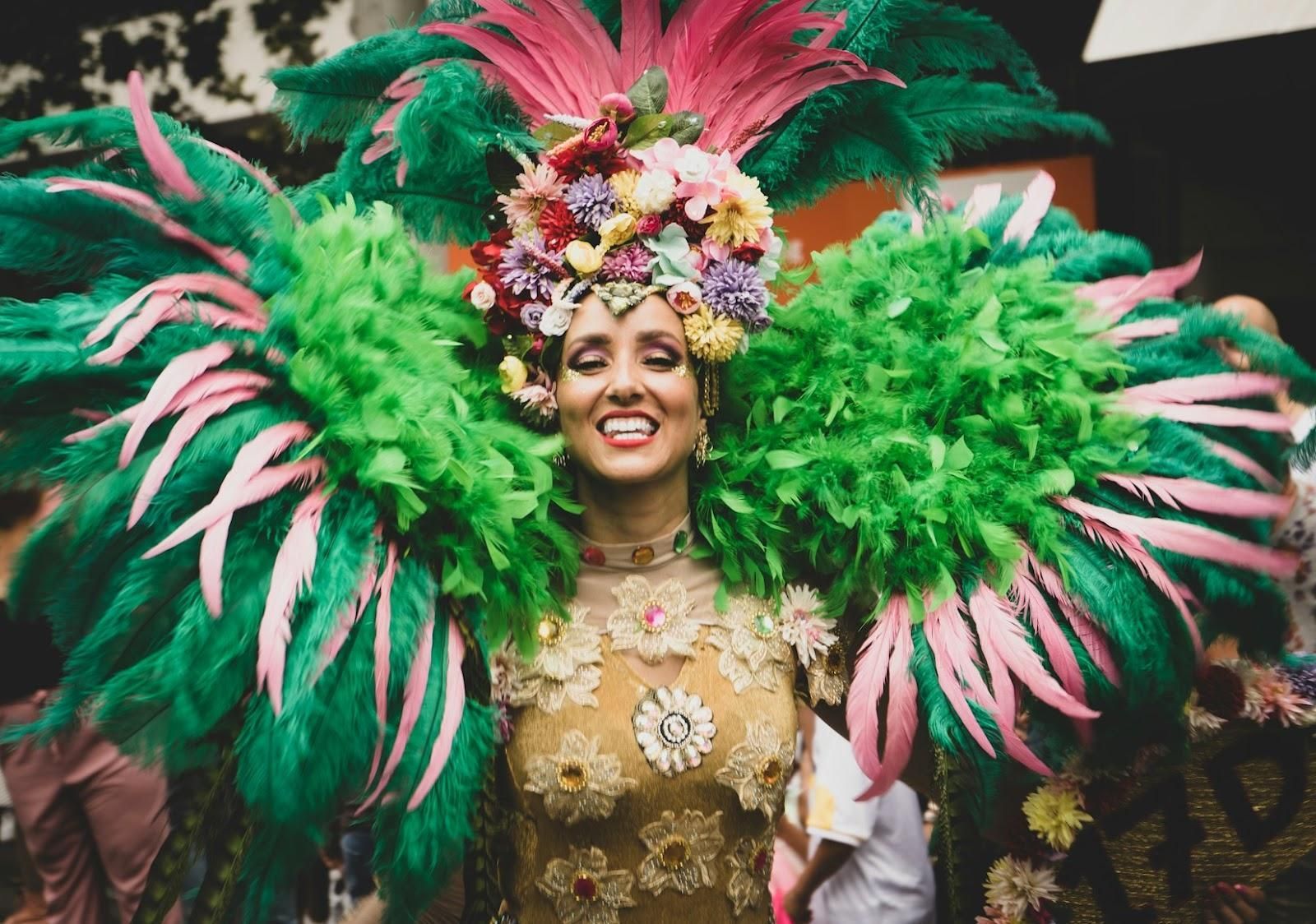
Music, bright colors, glitter, and dancing: can you think of anything more fun? Carnival in Rio takes place in February or early March, with planning and rehearsals starting months in advance across the city. Samba schools prepare elaborate performances for the official parades held at the Sambadrome, where tickets are required and events follow a set schedule.
At the same time, neighborhood street parties called blocos erupt throughout many areas. Visitors can choose between reserved seating at the parades or wandering residential streets where celebrations unfold more spontaneously. Have we convinced you to visit this vibrant South American city yet?
Oktoberfest – Munich, Germany
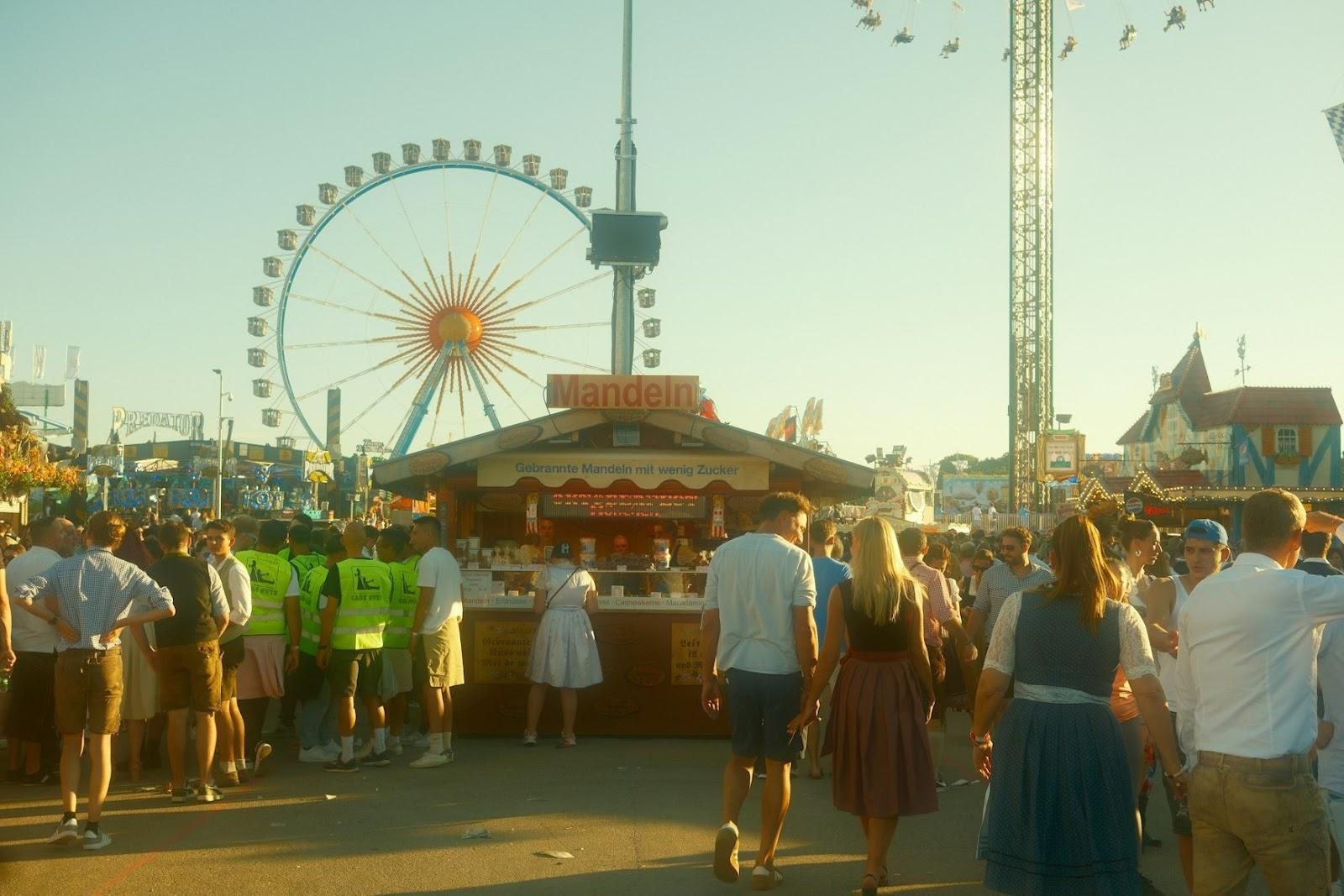
If you are a beer connoisseur, then this festival is for you. Oktoberfest runs from late September into early October and began in 1810 as a public celebration for a Bavarian royal wedding. Over time, it developed into a massive annual festival held on designated grounds in Munich.
The event is organized around several large beer tents, each operated by a local brewery that follows established traditions and strict serving rules. Inside the tents, visitors sit at long shared tables, enjoy regional foods such as sausages and pretzels, and listen to live brass bands.
Diwali – India

Known as the Festival of Lights, Diwali is India's most significant and widely celebrated holiday. It is observed across the country in October or November, depending on the lunar calendar, and centers primarily on family life rather than large public events. In the days leading up to the festival, households clean their homes and prepare decorations, including small oil lamps and strings of lights.
Families cook traditional sweets and share them with relatives, friends, and neighbors. Many people take part in prayers at home or in nearby temples. Fireworks are common in some cities, usually in the evenings, but much of the celebration happens indoors. For visitors, Diwali proves that a major festival can revolve around domestic activities like cooking and spending time together.
La Tomatina – Buñol, Spain

La Tomatina is a world-famous festival held in the town of Buñol, near Valencia, where thousands of people gather to engage in what is often called "the world's largest food fight." Participants spend about an hour hurling overripe tomatoes at one another until the streets are literally flowing with red juice.
The festival, which began in the mid-1900s, takes place once a year in late August and is scheduled for a single morning. Trucks deliver large quantities of tomatoes to the main square, where participants throw them during a set time window. Tourists flock to La Tomatina not just for the spectacle, but for a high-energy, "bucket list" experience that is uniquely Spanish. Are you up for it?
Chinese New Year – China
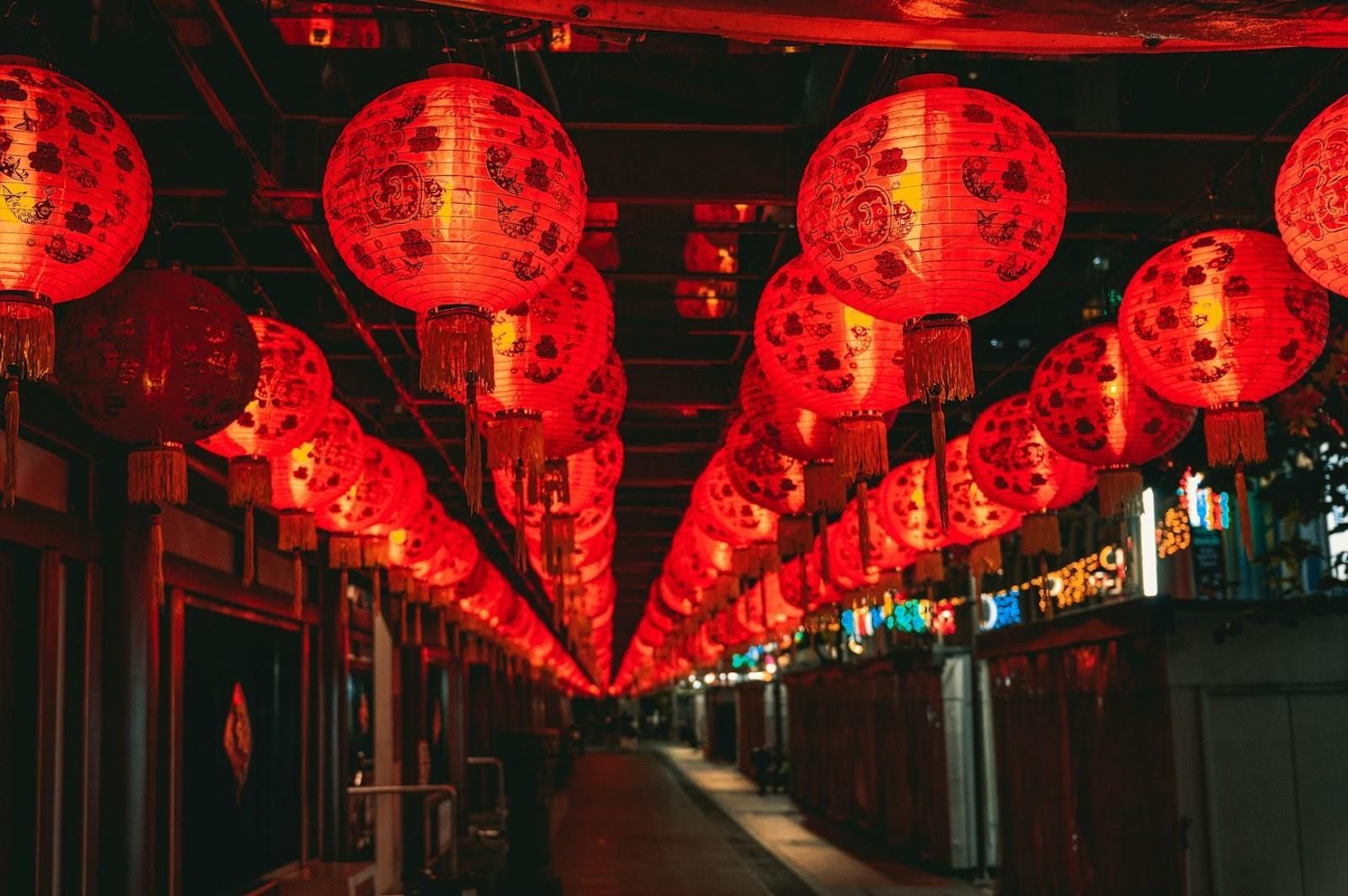
Chinese New Year, also known as the Spring Festival (Chunjie), is the most important traditional holiday in China. It marks the beginning of the lunar new year and is a time for family reunions, honoring ancestors, and wishing for prosperity.
Rather than being limited to a single day, the celebration unfolds over roughly 15 days and falls between late January and mid-February. Homes and streets are decorated with red banners and lanterns, and public areas host dragon and lion dances, temple visits, and community events. Fireworks are common, especially on key days. Experiencing Chinese New Year is often described as the "ultimate cultural immersion," offering a sensory overload of tradition, food, and celebration that you simply cannot find elsewhere.
Mardi Gras – New Orleans, USA

In New Orleans, Mardi Gras unfolds over several weeks rather than a single day. Parades organized by krewes follow planned routes through different neighborhoods, often at the same times each year. Spectators line the streets to watch floats pass by and collect beads, while local musicians and brass bands add to the festive atmosphere.
Many residents set up chairs or gather on porches to watch, treating the parades as part of everyday life. Restaurants, bars, and public spaces remain active throughout the season. For visitors, Mardi Gras shows how a long-running tradition can become part of a city’s regular rhythm.
Songkran – Thailand

Marking the Thai New Year, Songkran began as a ritual of water blessings carried out in temples and family settings. That tradition continues today, with people pouring water over Buddha statues and gently over the hands of elders as a sign of respect. At the same time, many cities organize public water activities in streets and squares, where residents and visitors take part together. The festival is held in April and lasts several days. Visitors can choose between attending temple ceremonies, watching from the sidelines, or joining the larger public gatherings.
Cherry Blossom Festival – Japan

The Cherry Blossom Festival, or Sakura Matsuri, is one of Japan's most beloved and enduring cultural traditions. It celebrates the blooming of the cherry trees (sakura), which marks the arrival of spring and serves as a powerful symbol of renewal and the fleeting beauty of life.
It occurs in late March or early April, depending on local temperatures and seasonal forecasts. Japanese culture is often seen as reserved and formal, but this event temporarily transforms that image. During the festival, the parks become lively, joyful communal spaces. Seeing businessmen in suits, families, and students all laughing and sharing food under the trees offers a heartwarming perspective of Japan that you don't always see in the rush of everyday city life.
Glastonbury Festival – Somerset, UK

If rock and roll is more your thing, then Glastonbury is the way to go. This iconic event is the largest greenfield music and performing arts festival in the world. For several days in June, farmland in southwest England becomes a temporary town built specifically for the festival.
The event began in 1970 and has since grown to include dozens of music stages, along with areas for theater, art displays, talks, and a wide range of food stalls. Glastonbury is famous for its "Kindness" ethos. For five days, you step away from the real world and into a sense of freedom where the social barriers of age, wealth, and status disappear. A unique adventure everyone should experience at least once.
Carnival – Venice, Italy

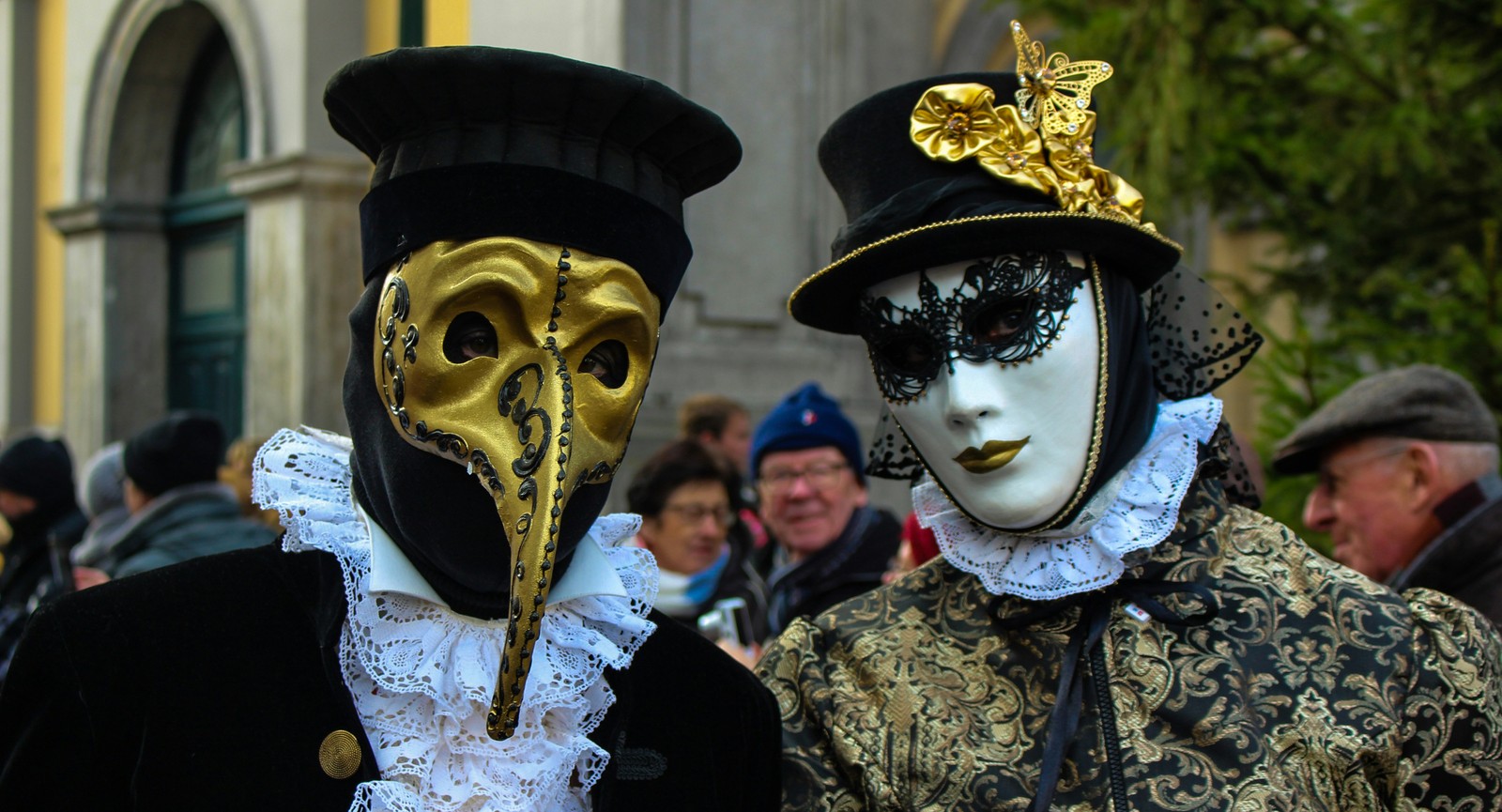
Held in February and rooted in the Middle Ages, this carnival places greater emphasis on visual tradition than on large-scale public spectacles. Masks and period costumes are worn throughout the city, especially in public squares, on bridges, and along the canals.
Experiencing this legendary event is a transformative travel experience that turns one of the world's most beautiful cities into a living 18th-century film set. While Glastonbury is a celebration of music and counter-culture, the Carnival of Venice is a celebration of mystery, historical opulence, and theatricality. A celebration not of noise, but of atmosphere and illusion.
Keep wandering
There’s always
more to explore
 General

Why are hard landings sometimes the perfect landings?
6 min.
Read Now
 History

Was Moby-Dick a real whale? These marine stories have real backgrounds
6 min.
Read Now
What passengers never see after midnight on a cruise ship
4 min.
Read Now

These 10 mysteries were solved. So why do we still believe them?
6 min.
Read Now