Think twice before ordering this specific drink in Ireland
 Culture
Cultural blunders
Think twice before ordering this specific drink in Ireland
Cultural clashes can often be surprising. The rules of the game are not always the same across countries. Each place has its own customs, everyday gestures, and ways of interacting that can sound unfamiliar to a first-time tourist. Here are a few points that can lead to laughs or awkward moments; better to be prepared.
Ireland - Cocktail misunderstandings
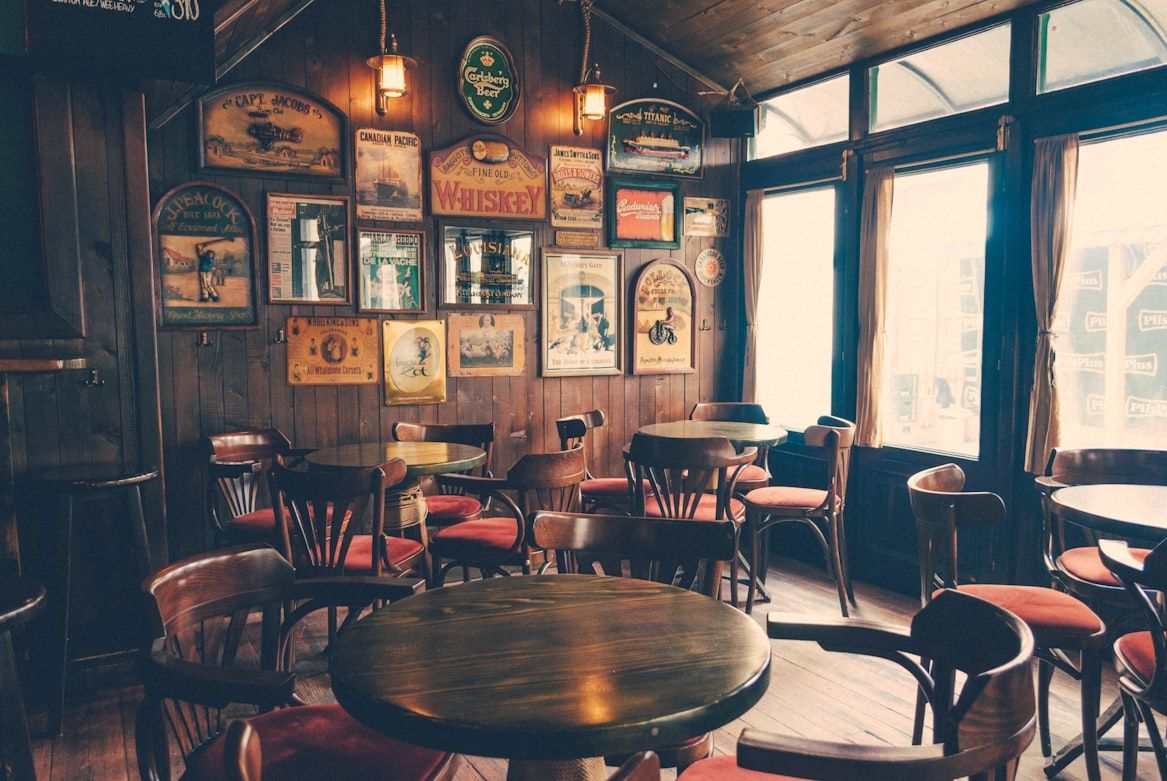
In the US, an Irish Car Bomb is a beer cocktail made with Guinness Stout, Irish Cream liqueur, and Jameson Irish Whiskey, typically consumed in St. Patrick's celebrations. But if you are in a pub in Ireland, you'd better check out the menu before ordering the classic "Irish Car Bomb." You might find it as "Irish Slammer" or "Dublin Drop." The reason? The "Irish Car Bomb" is a nod to a violent period in Northern Ireland referred to as The Troubles, which lasted from the late 60s to 1998.
The fight consisted of two groups, Unionists and Nationalists, disputing whether Northern Ireland might be part of the United Kingdom or join Ireland. During that time, bombings, shootings, and riots were frequent until an agreement was reached. So, asking for the drink by that name can feel offensive for good reasons; it’s better to be warned off.
Brazil - Using the "OK" hand gesture

In the 1950’s, Vice-President Richard Nixon emerged from a plane in Brazil, gesturing to the crowd the "OK" sign with both hands. While he was trying to express goodwill to San Pablo’s people, they didn’t take it as a good sign. Why was that?
In Brazil, forming a circle with the thumb and the index finger is considered extremely vulgar.
A gesture that signals "OK" to Americans has a meaning in Brazil more akin to the middle finger.
Spain - Eating dinner at 6 pm
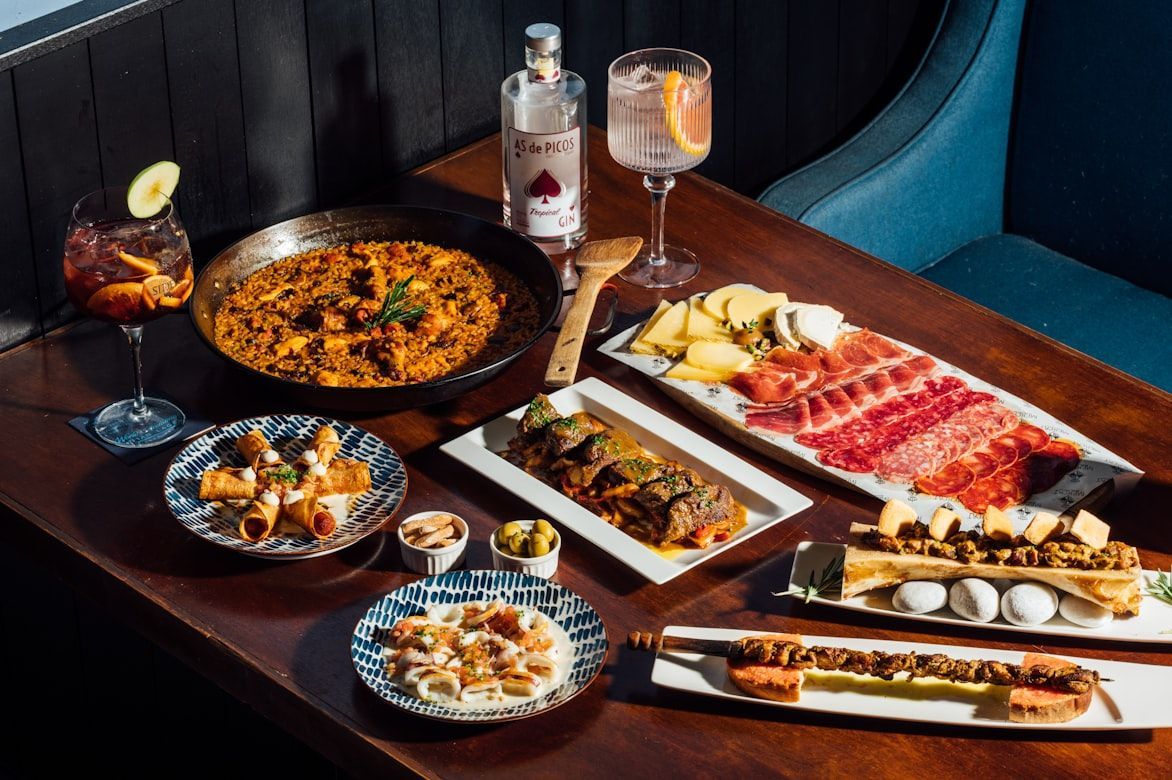
In the land of flamenco and paella, meal times are not the same as in the US. Spaniards usually have snacks between lunch and dinner, called merienda. It’s similar to the five o’clock tea in the United Kingdom.
Therefore, dinner doesn’t start until around 8:00 or 8:30 pm. So, if an American tourist looks for a restaurant to have dinner at their usual time, around 6 pm, it will likely be closed or serving only snacks. Could you adapt to a later dining routine while traveling?
Japan - "Hi" and "hai"

Imagine you’re walking the streets of Tokyo and stop some locals to ask where the subway station is. The first thing you ask is, "Do you understand English?" and they keep answering "hi." Confused, you pull out your phone’s translator and discover that in Japanese, "hai" means "yes" or "I see," and it sounds very similar in both languages.
This is one of the most common misunderstandings between the two languages. The good news is that even if they don’t answer in English, they will still try to help you.
UK - Flashing the peace sign with your palm inward
In the United Kingdom, the peace sign with the palm facing inward can come across as rude because it carries a long-standing meaning of defiance rather than peacefulness. One popular explanation traces it back to English archers, who supposedly used the gesture to mock their enemies after battle, turning it into a symbol of insult over time.
Now you know that when asking a local for a photo, the peace symbol is no option… Unless you do it with your palm facing outward.
South Korea - Tipping
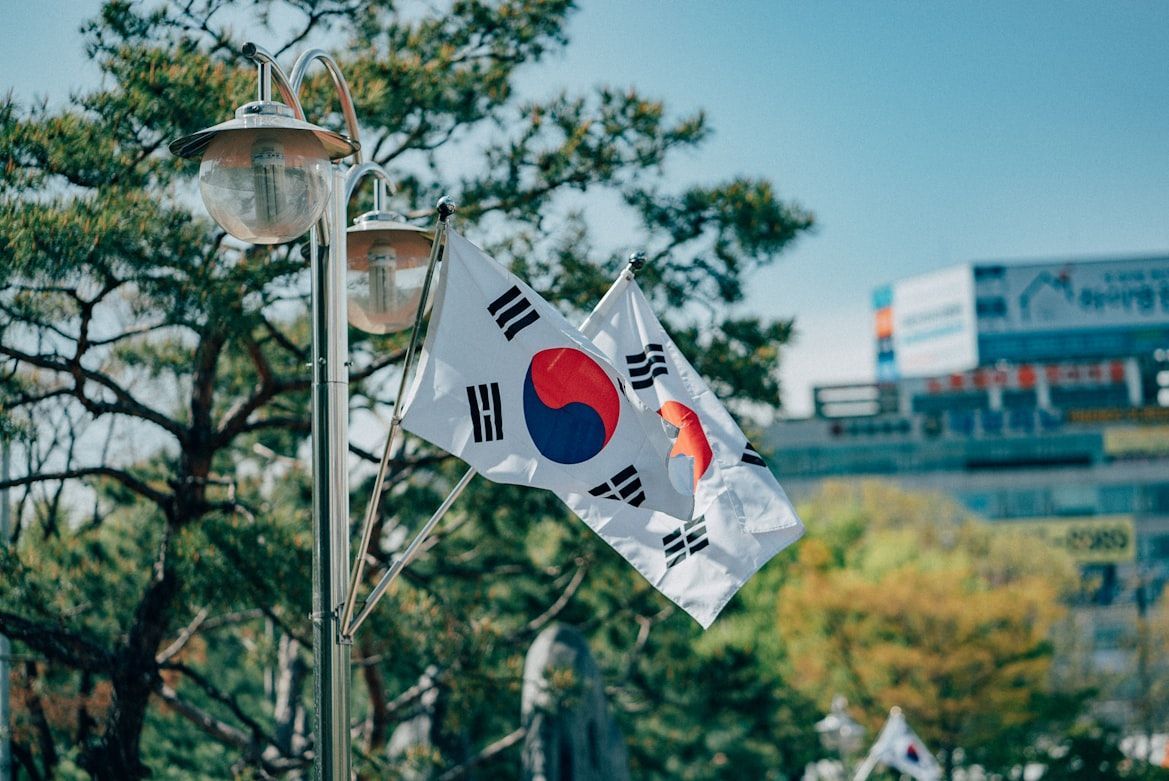
If it’s your first time in South Korea and you’re grateful for the service you received at a hotel or restaurant, you might feel inclined to leave a tip. Spoiler: don’t. In many cases, tipping can be perceived as inappropriate or even disruptive to the wage system, as it may suggest that the worker needs extra money from customers.
The good news is that service staff are already paid fair wages, and since this is a widely shared cultural norm, it’s best to respect it. A simple "thank you," or other polite gestures, are the preferred way to show appreciation.
Turkey - Nodding your head for "yes"
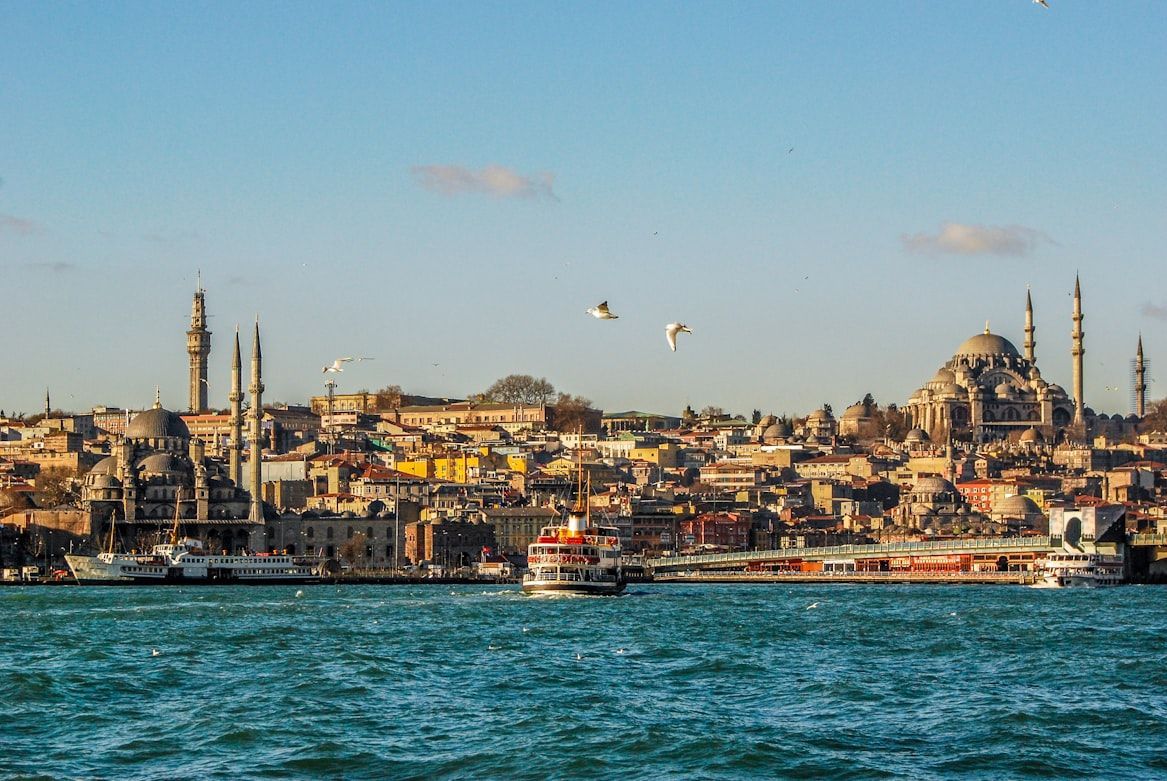
In Turkey, things can get a little confusing when it comes to gestures. Someone might raise their eyebrows or give a quick upward nod, and you’ll think they’re saying "yes" or just acknowledging you. But they’re actually saying "no."
If you’re not a local, you might find yourself waiting for an answer that has already happened. Once you catch on, though, it all starts to make a lot more sense, but at first it can be very confusing.
France - Not saying "bonjour" before anything else
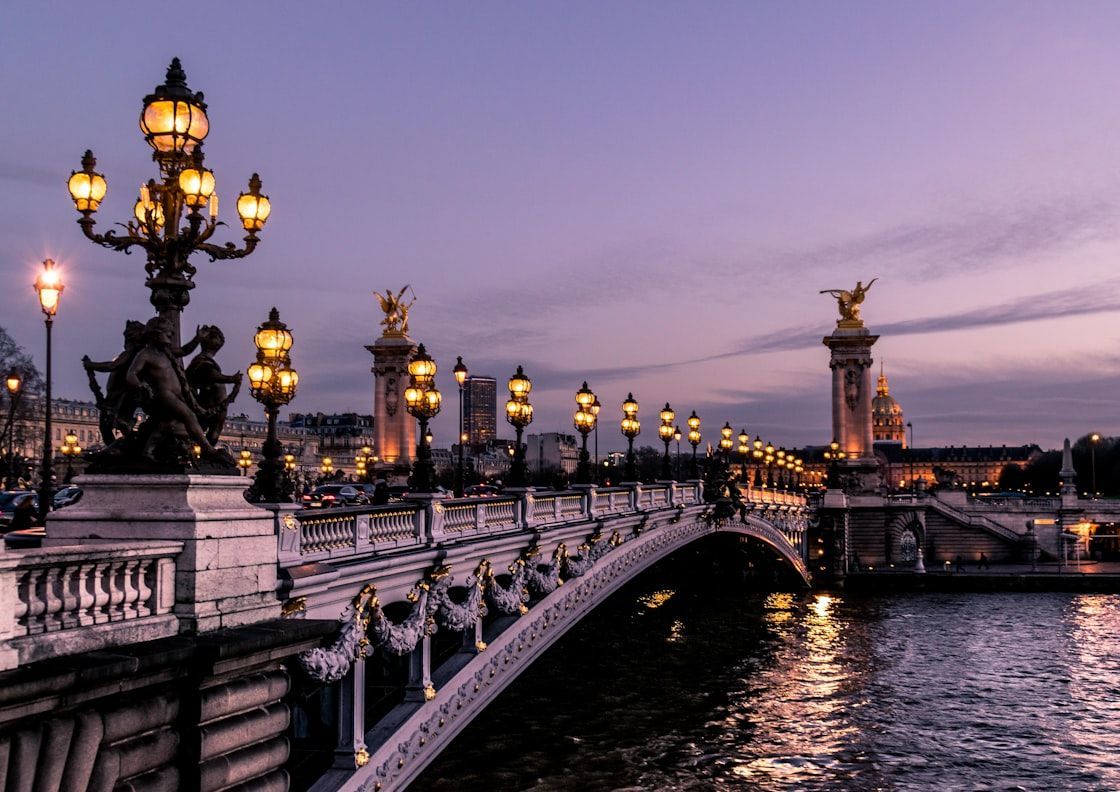
In France, small talk plays an important role in everyday interactions. If you don’t begin a conversation with "bonjour," it can come across as impolite or abrupt.
This simple greeting sets the tone, and skipping it may lead to awkward exchanges or limited responses. Although adapting to a foreign language can be difficult for tourists with many things on their minds, this is one of the most important details not to forget.
Japan - Talking loudly on public transport
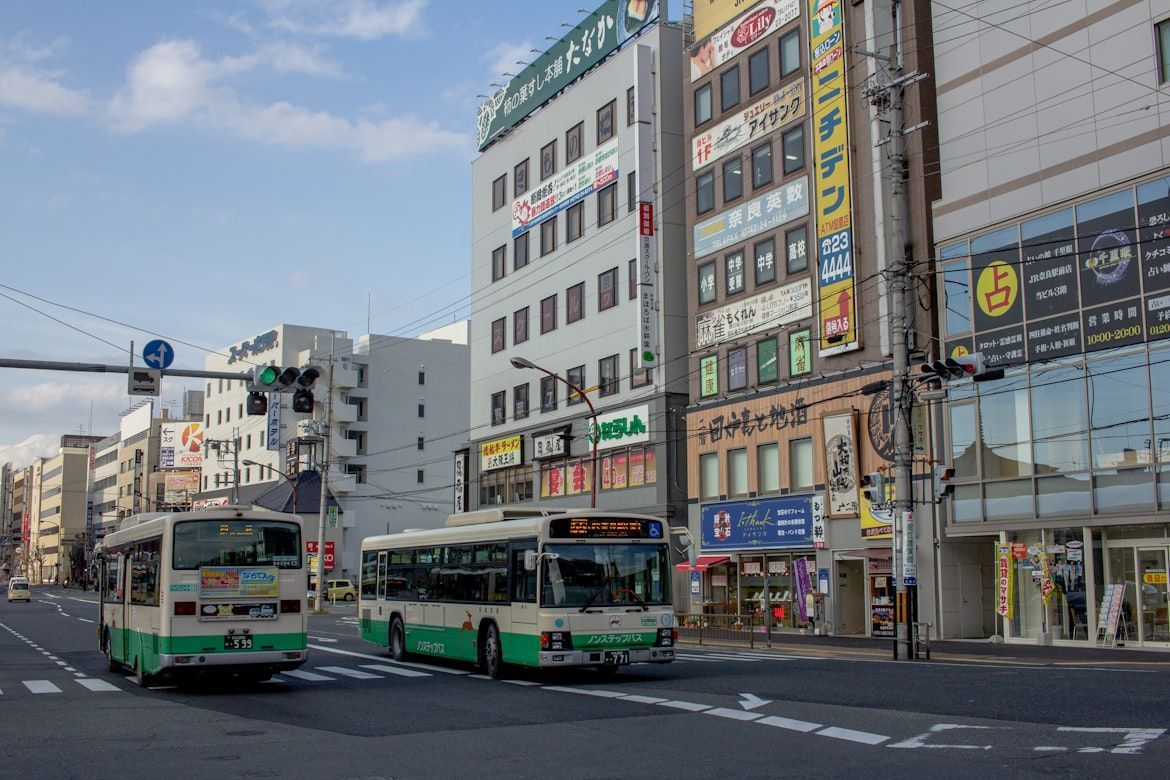
In Japan, stepping onto public transport feels like entering a shared quiet zone. Trains and buses are often so silent that even a phone vibration could stand out, and conversations are kept to a minimum or avoided altogether. For many excited tourists, this level of quiet can feel unusual, and they may stand out among locals, sometimes receiving uncomfortable looks. Could you stand the silence?
Mexico - Drinking tap water without checking
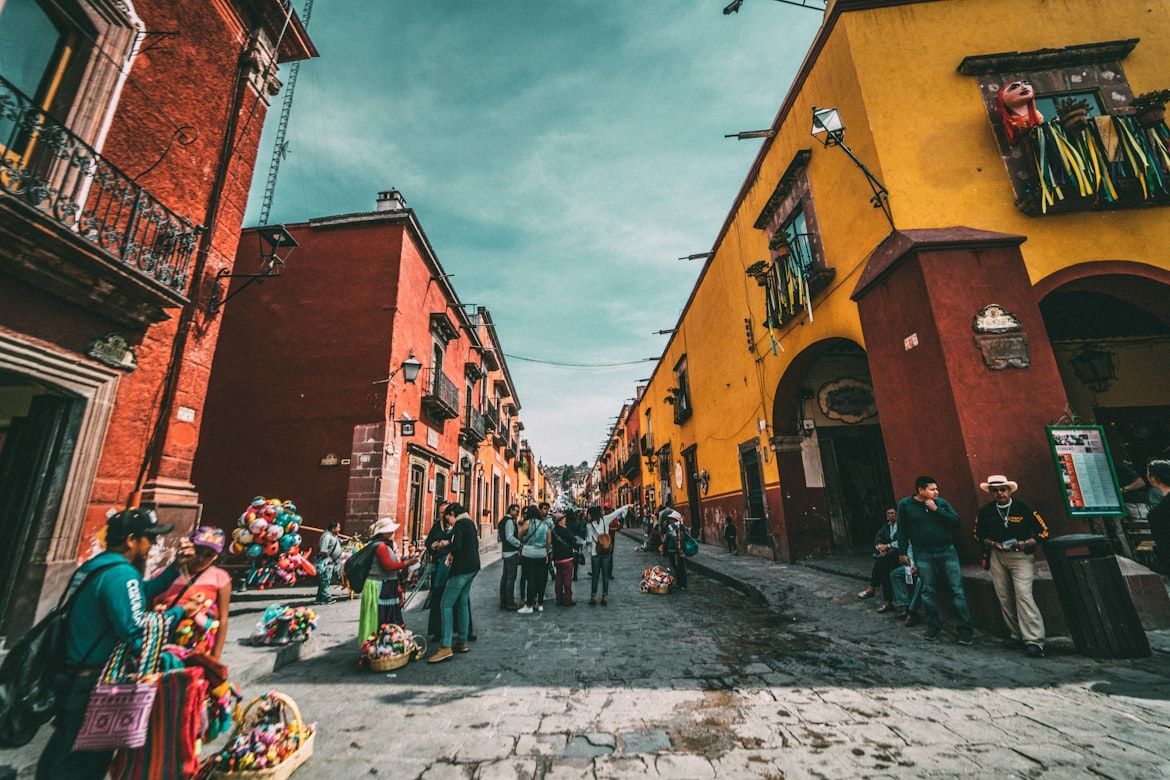
According to the Centers for Disease Control and Prevention (CDC) and the World Health Organization (WHO), visitors to Mexico should avoid drinking tap water to prevent waterborne illnesses. They would risk catching some bacteria, viruses, and parasites. So, if you are planning to visit the country, make sure to have bottled water on hand; otherwise, you might not enjoy your trip as much.
Never travel without this item in your carry-on!
 General
10 safety measures and items you should always travel with
Safety is essential! Want to know how to travel in the smartest way possible? Beyond travel insurance and your important documents, there are several other items and precautions you should never forget. Whether you have a trip planned or not, you’ll be glad you read these 10 tips.
Learn the local emergency numbers
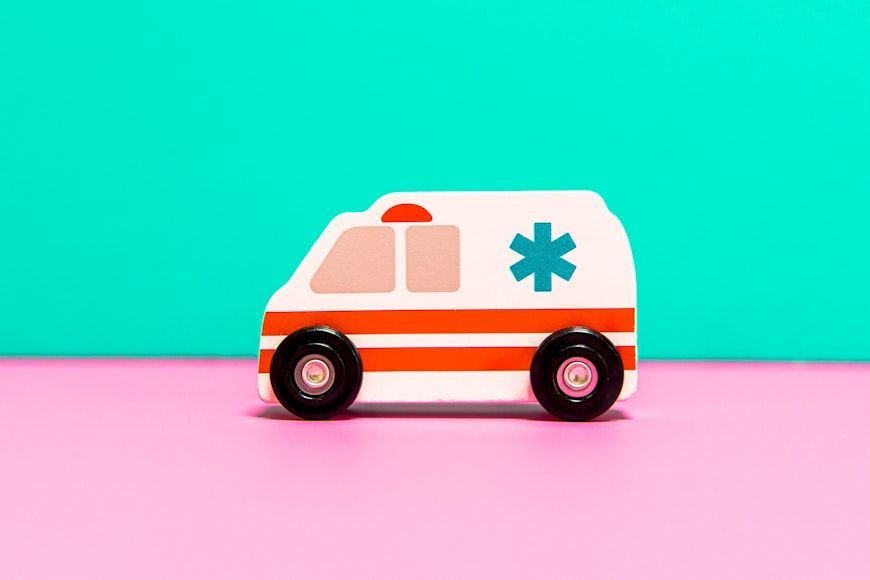
It may seem obvious, but with the excitement of arriving somewhere new, it’s easy to forget basic safety tips. Being prepared helps you relax and truly enjoy your trip, so make it a priority to learn the local emergency numbers as soon as you arrive. In a stressful moment, knowing exactly who to call can save you valuable time and a lot of worry.
Choose the safest floors

For total peace and quiet, many travelers prefer rooms on the upper floors, where you’re farther from the noise and chaos of the street below. But if security is your top priority, experts often recommend choosing a room between the 2nd and 6th floors. The 2nd floor is typically high enough to reduce the risk of easy break-ins from the street, while anything above the 6th floor can be harder for emergency responders to access quickly.
Opt for simple outfits
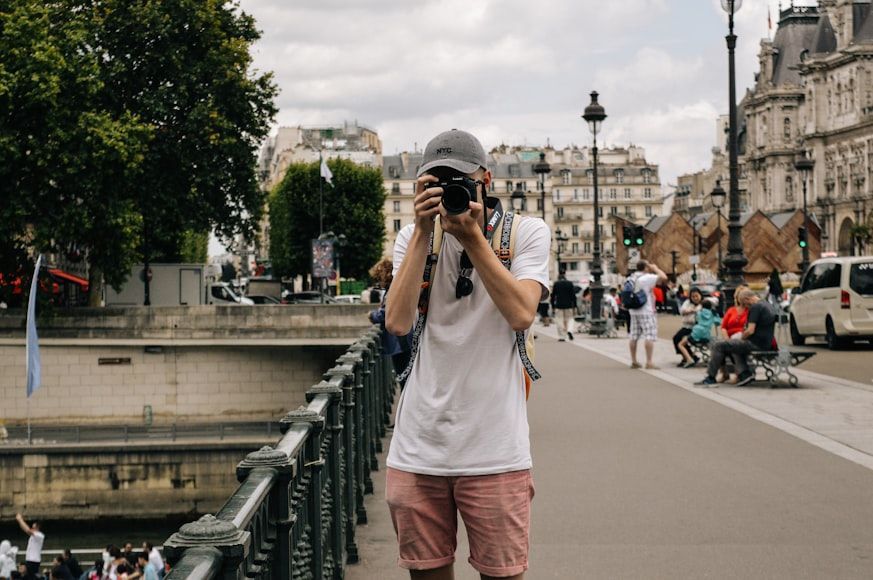
You’ve arrived at the hotel, dropped off your suitcase, and taken a quick nap. All right! Now it’s time to explore the city. But wait: if you’re in an unfamiliar country, one safety tip you’ll often hear is to keep your outfits simple. This might not be the moment to show off. Flashy jewelry, diamond rings, or gold chains are probably better saved for another occasion.
Get yourself a pair of AirTags
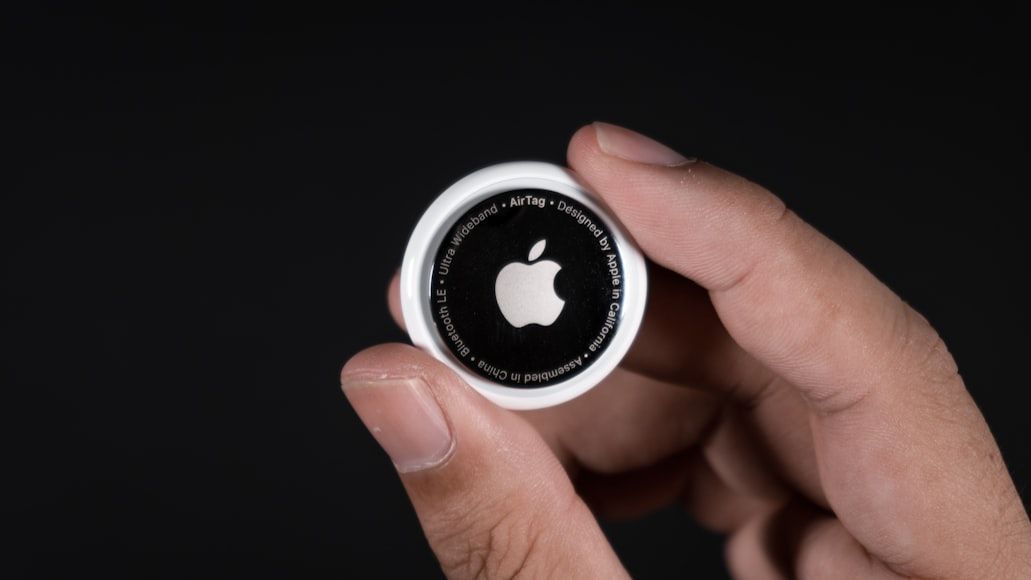
Apple AirTag devices are something you’ll definitely want to have with you when you travel (and, honestly, in your everyday life too!). These tiny trackers can be located right from your phone with impressive accuracy, which is why so many people tuck them into suitcases, put them into handbags, or even attach them to their pets. Just link it to your iPhone via Bluetooth, and you're ready to go.
If possible, avoid driving
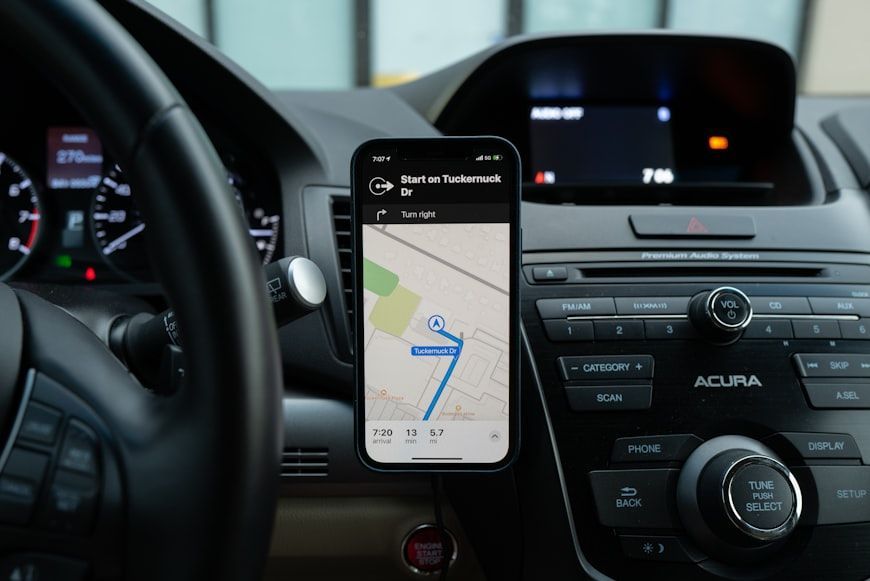
No one knows a city better than the people who live there. That’s why, if you’re visiting a place you don’t know, it’s usually safer to use public transportation during appropriate hours or book taxis through trusted apps. Driving on your own isn’t always the best option, even if you’ve studied the city in advance, because traffic patterns, local regulations, and even GPS directions can sometimes be inaccurate or confusing.
Don’t forget your money belt
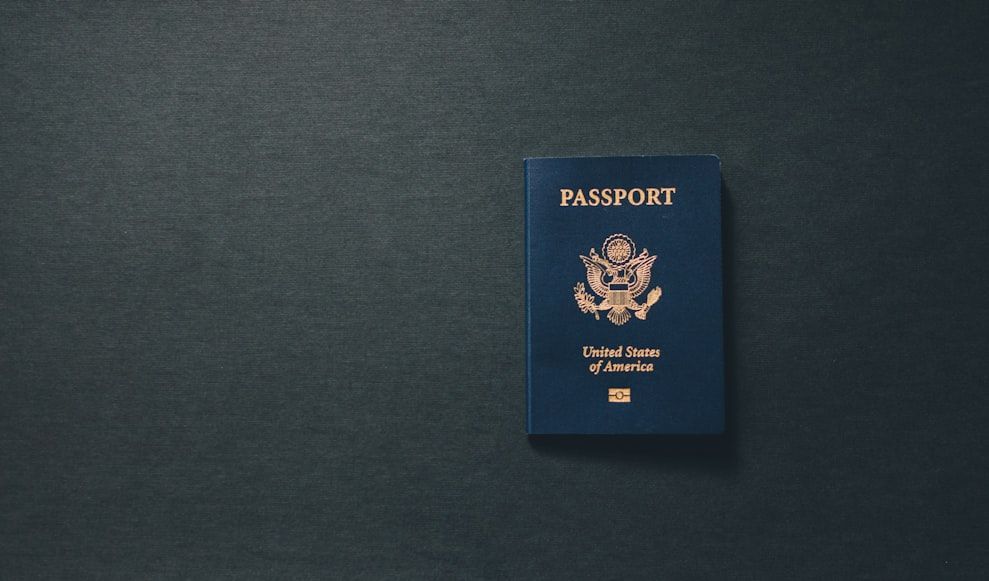
If you plan to walk around and explore a city you’re visiting for the first time, a money belt can be an essential item. It works just like a hidden pocket worn under your clothes, perfect for keeping cash, important documents, and credit cards secure. It’s not easily accessible to anyone else, and it gives you full control over your most valuable items while you focus on enjoying the adventure.
Pack that travel adapter
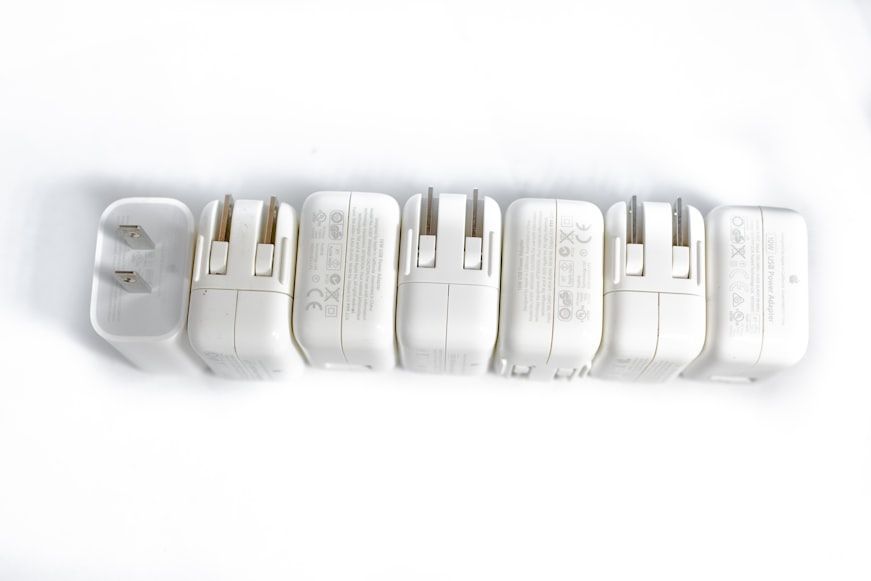
You can pack chargers for all your devices, but when you try to plug them into the wall, you might discover that your destination uses a completely different outlet type or even a different voltage. Surprise! That’s why anyone traveling abroad should never forget a reliable travel adapter. It’s a small item that can save you from a major inconvenience and keep you powered up. A voltage converter may be required in addition to an adapter in some cases.
A couple of doorstops won't hurt
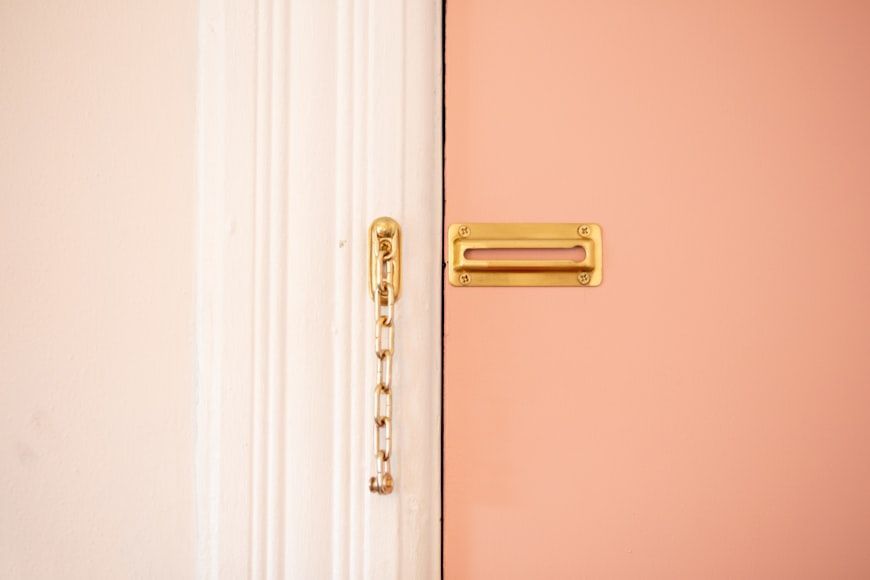
Even in the best hotels, mistakes can happen, and someone might accidentally try to open your room door. That’s why it’s always wise to lock your door and use any built-in security features. But if you’re the kind of person who can’t fully relax unless you feel completely secure, consider packing a couple of doorstops. They take up almost no space in your suitcase, and they can make a real difference.
A wireless charger can be your best friend
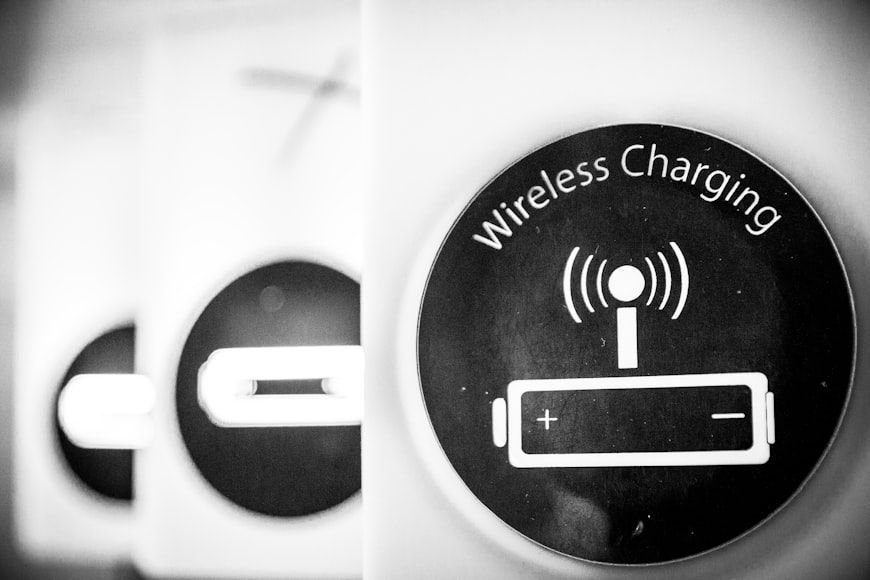
Whether you’re traveling for business or leisure, there’s one item that always belongs in your carry-on: a wireless charger. Yes, really; your phone battery could die at the worst possible moment. If you want reliable access to your contacts, GPS, tickets, or hotel reservations, don’t overlook this small but powerful gadget.
Be discreet with your information
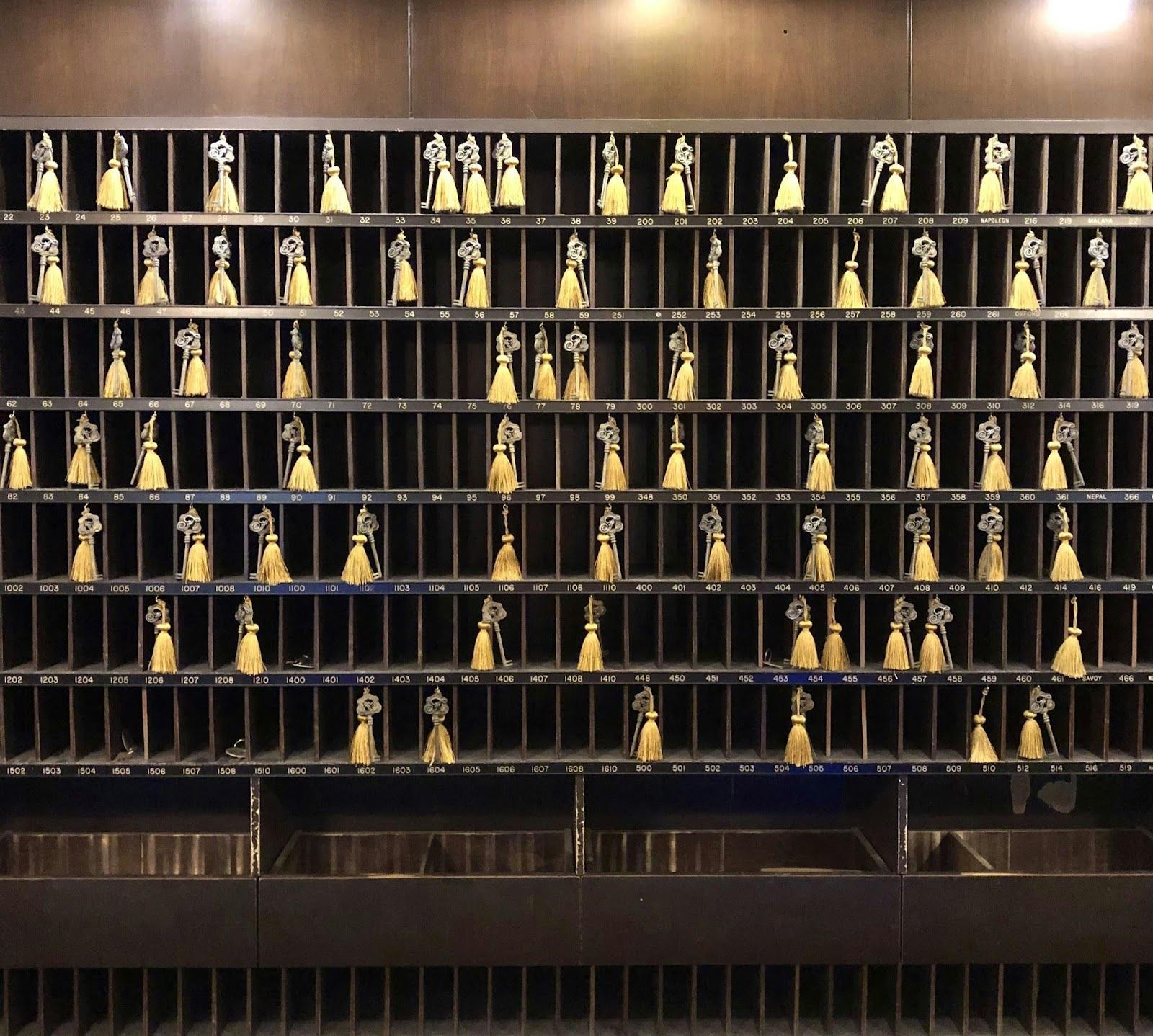
Hotel staff often recommend being careful with your room number. One of the simplest and smartest precautions is to cover the number on your key card or its holder; it only takes a second and adds an extra layer of protection. It’s also common sense to avoid sharing that information with strangers or posting anything online that reveals it. No need to be paranoid; most hotels have security staff and safety measures in place, but a little discretion never hurts.
Keep wandering
There’s always
more to explore
 Landmarks
The construction mistake that made this tower famous
5 min.
Read Now
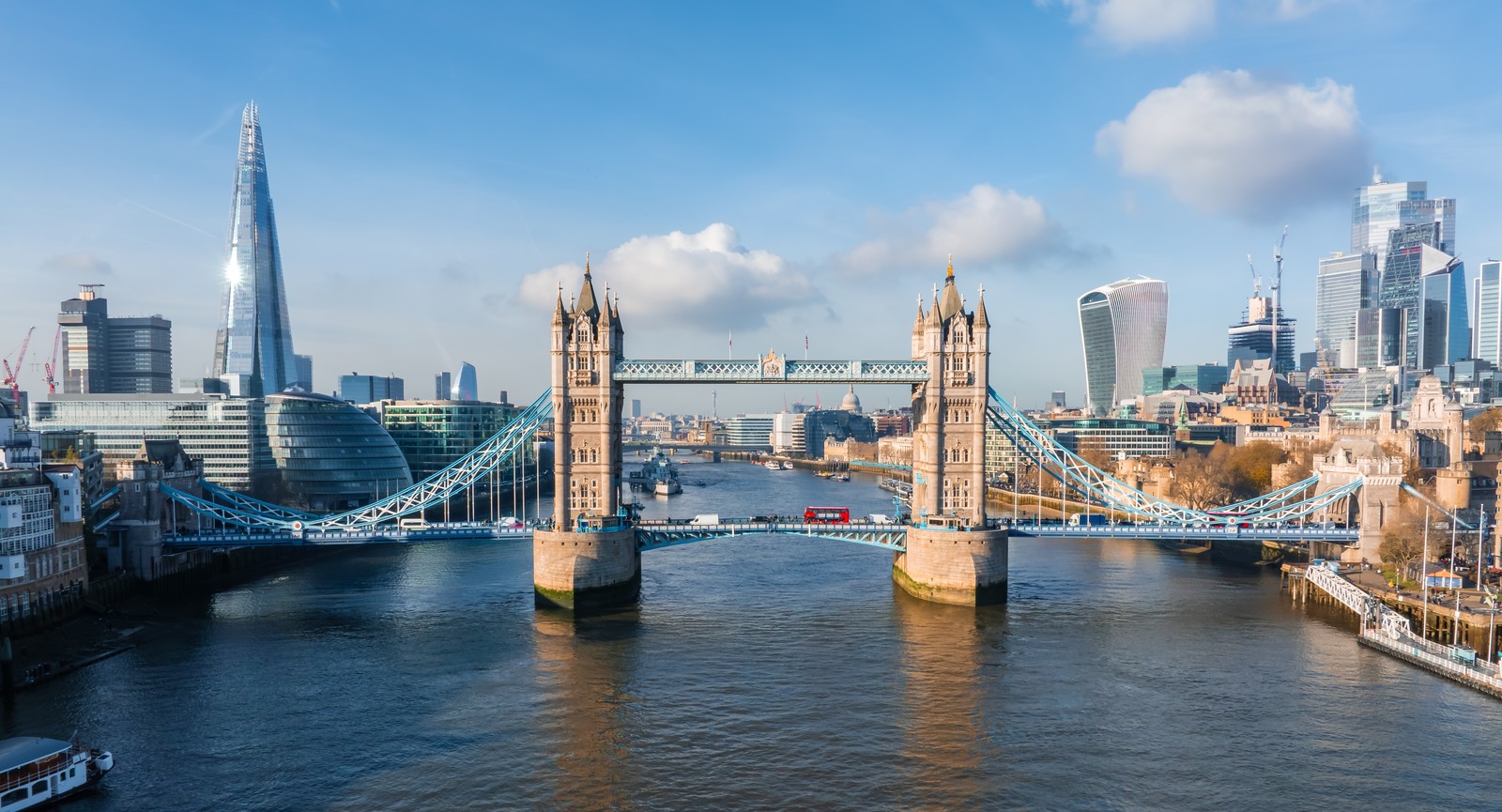
Most tourists never find these London spots hiding in plain sight
3 min.
Read Now
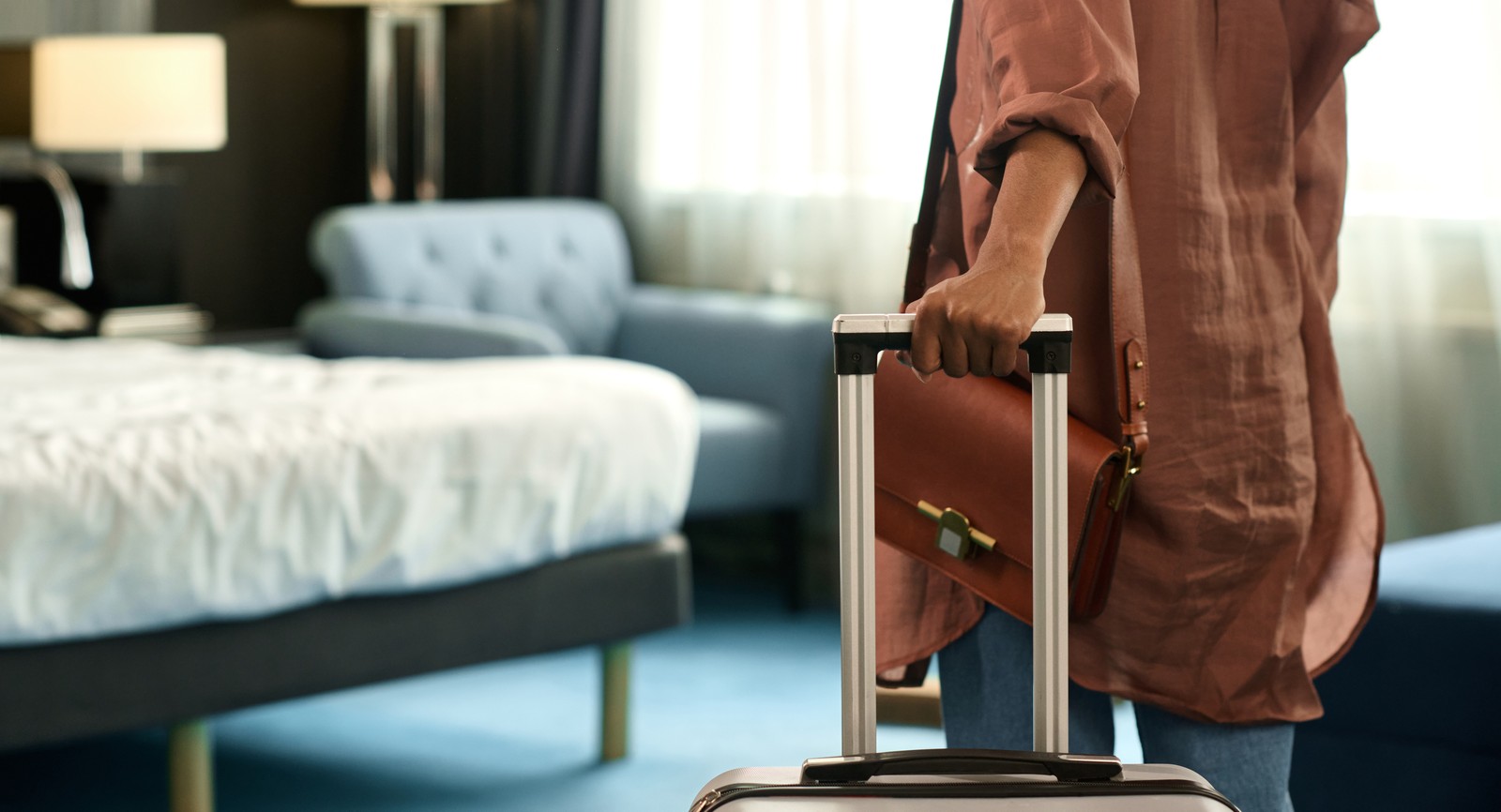
Why do hotels have bed scarves, two peepholes, and bathroom phones?
6 min.
Read Now

Your feet do what!? No one tells you what outer space does to your body
6 min.
Read Now