Tired of tourist traps? 10 unconventional U.S. travel adventures
 General
Tired of tourist traps? 10 unconventional U.S. travel adventures
While famous landmarks attract millions of visitors every year, the most unforgettable American journeys happen when you step off the beaten path. From historic music trails in the Blue Ridge Mountains to airboat rides through swampy wilderness, the United States offers a number of unique travel experiences. So, history enthusiasts, music lovers, and outdoor adventurers, prepare to discover 10 out-of-the-box adventures that offer fresh perspectives.
Follow the legacy of the Underground Railroad in Pittsburgh
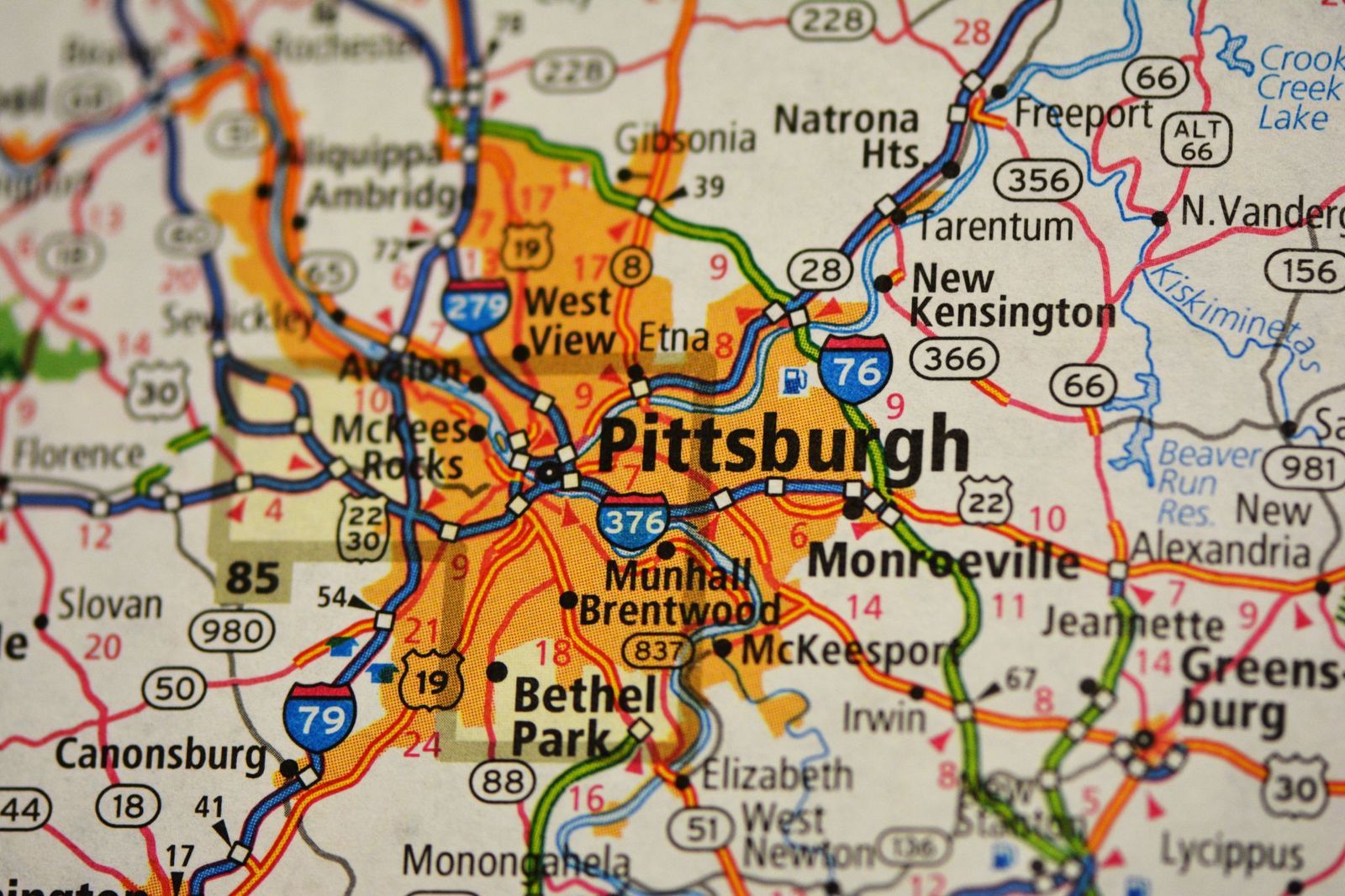
In the 19th century, Western Pennsylvania served as a crucial gateway to freedom for enslaved people moving north to Canada. Pittsburgh’s strategic position along the Allegheny and Monongahela rivers made it a center ground for abolitionist activity.
Exploring Pittsburgh’s Underground Railroad heritage takes you through historic sites like the Freedom House and the Monongahela River riverfronts where freedom seekers boarded steamships under cover at night. Guided walking tours and museum exhibits across Allegheny County show the network of abolitionists who risked everything to operate safe houses throughout the region.
Cruise Marilyn Monroe’s Los Angeles
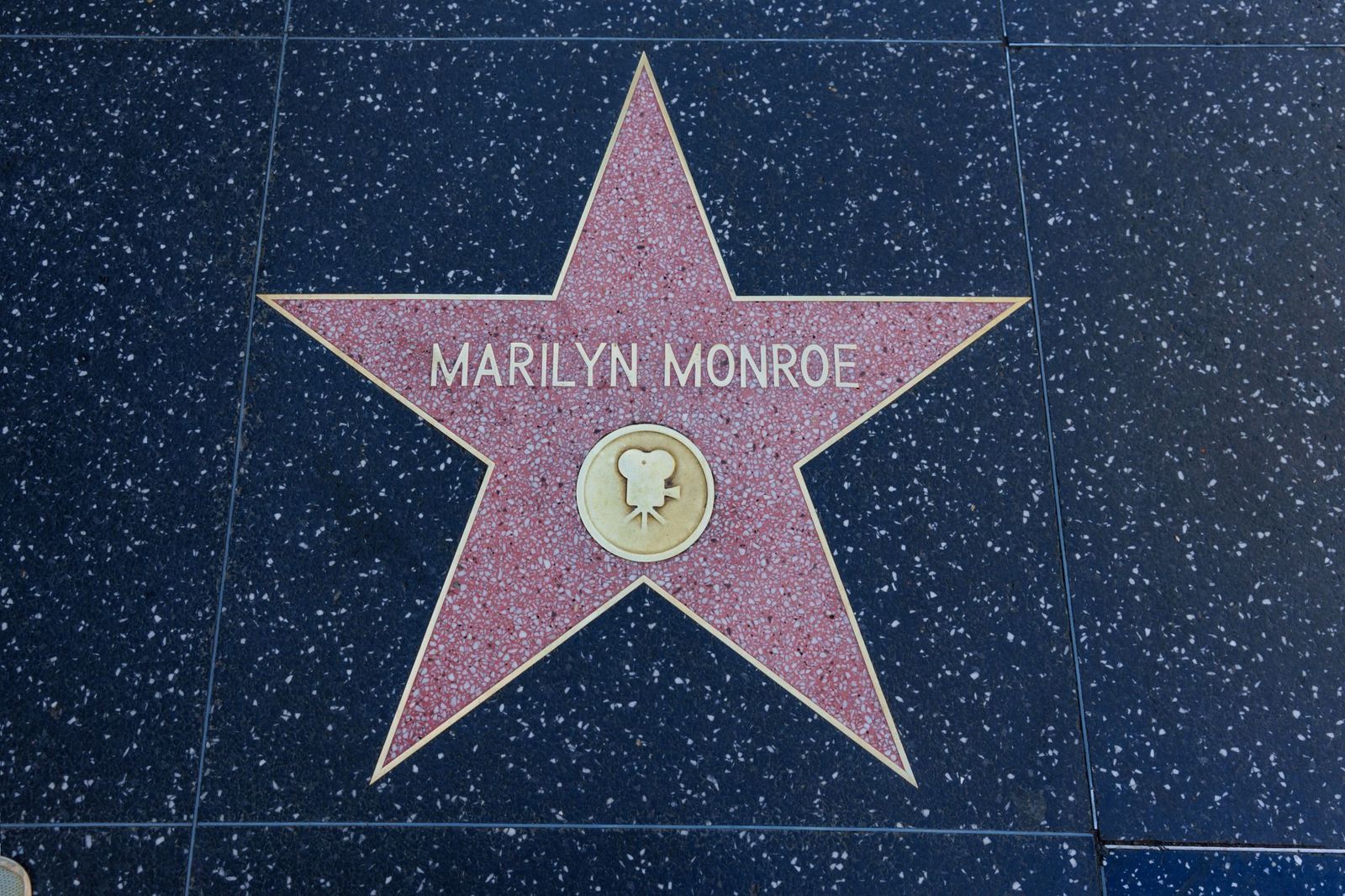
Skip the generic celebrity bus tours and trade them in for a drive through the life and legend of Marilyn Monroe. Los Angeles is filled with landmarks that shaped the Hollywood icon’s brief but dazzling life.
Rent a classic convertible or book a guided ride to visit the Hollywood Roosevelt Hotel—where Monroe lived early in her career—, the legendary Formosa Cafe, the historic Fox Wilshire Theatre, and her former residences in Brentwood. Driving through the palm-lined avenues of Westwood and West Hollywood provides an intimate look into the golden age of cinema away from crowded tourist traps.
Sing along with Nashville’s women
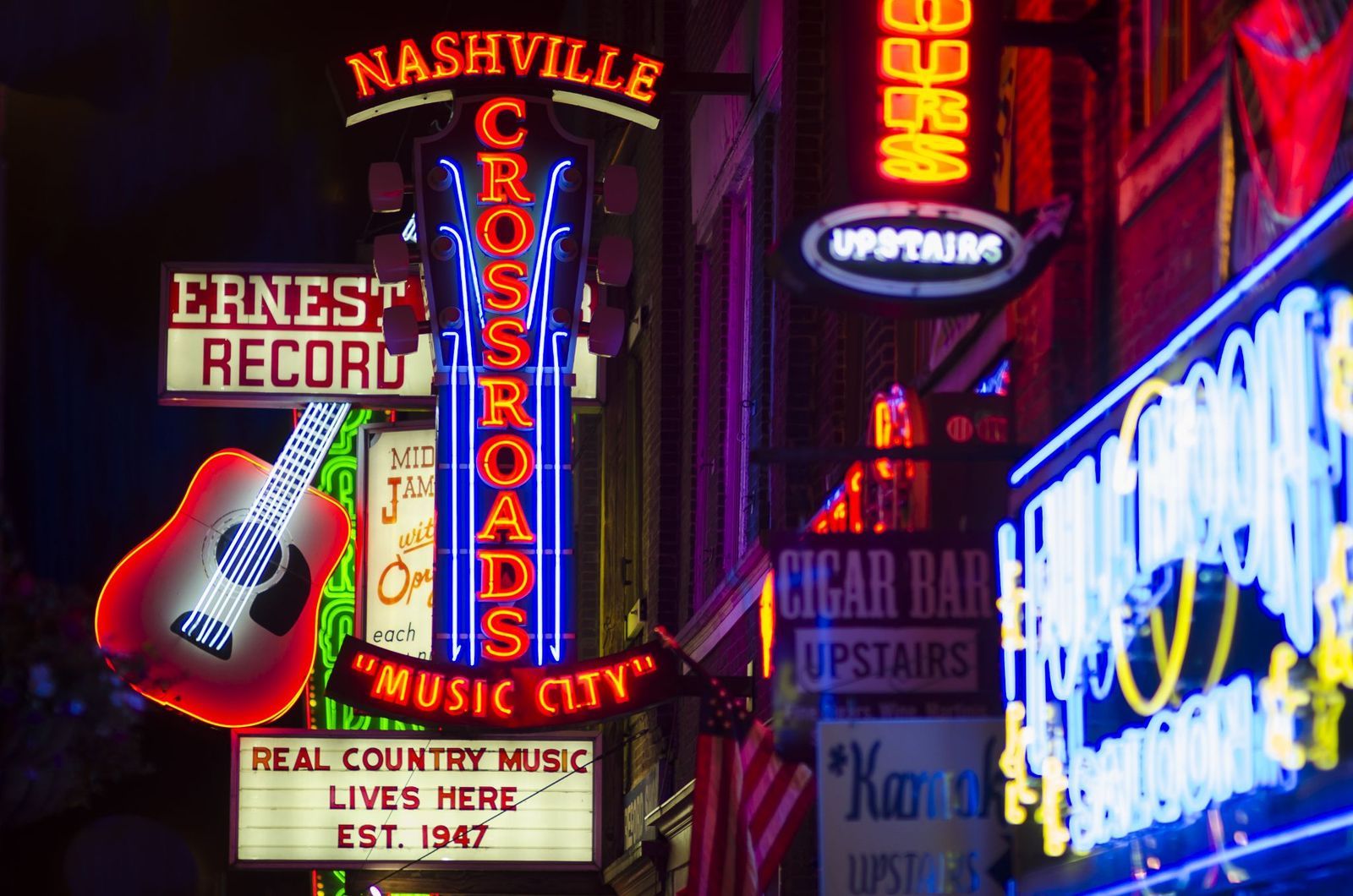
Nashville is known as "Music City", but focusing your trip on the women who built country and folk provides a far richer story. Nashville’s female musical lineage runs deep, from Kitty Wells and Loretta Lynn to modern stars like Brandi Carlile and Maren Morris.
Spend an evening at the legendary Bluebird Cafe listening to female songwriters share the stories behind their tunes in an intimate setting. Pair your live music outings with a visit to the Country Music Hall of Fame to explore exhibits celebrating women pioneers who defied industry conventions to shape American music.
See Washington, DC through a new lens
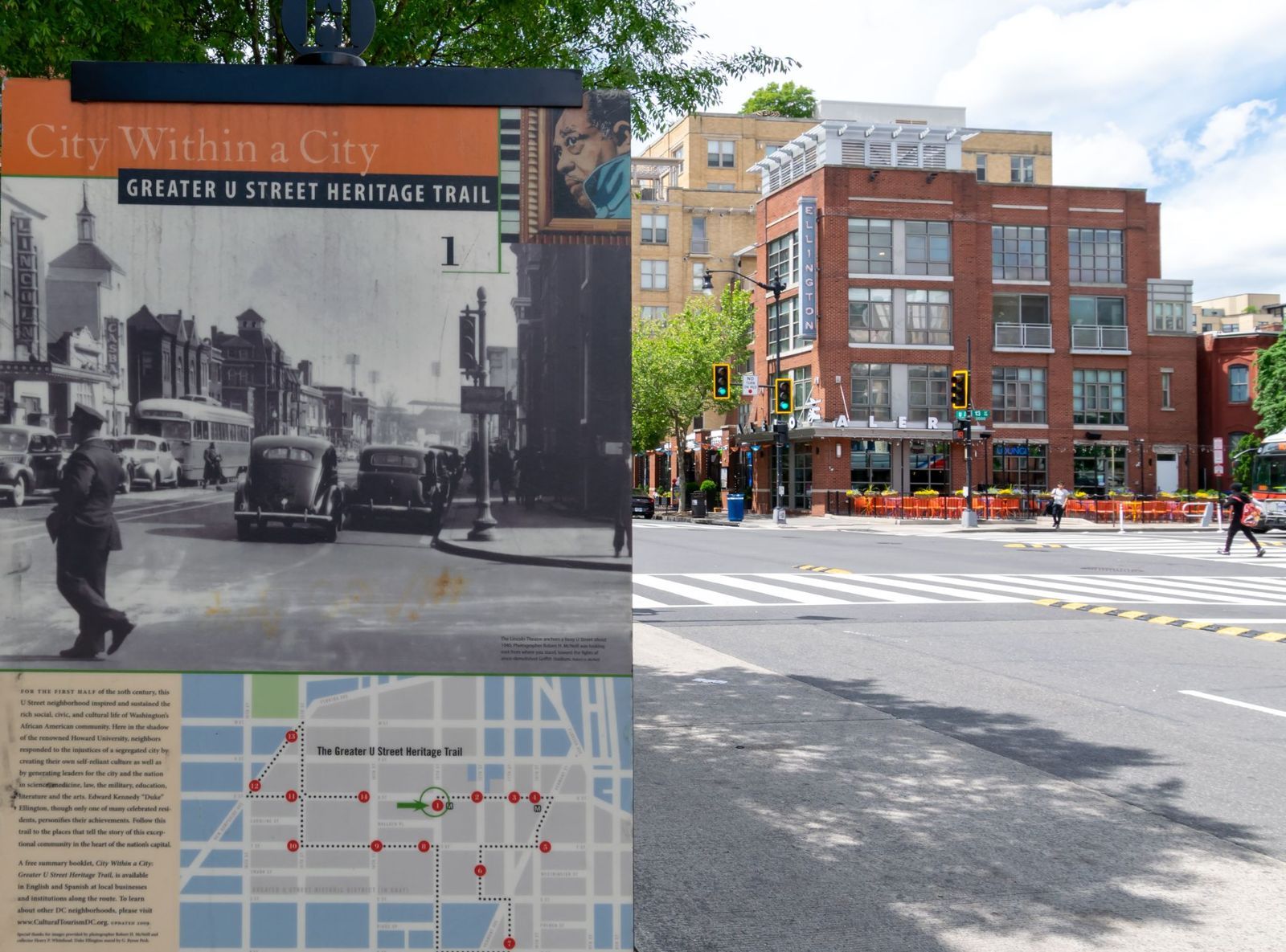
Most travelers experience Washington, DC by walking the National Mall. To discover a different side of the nation’s capital, change your itinerary to alternative neighborhood walks and nighttime experiences.
Explore the vibrant U Street corridor, historically known as "Black Broadway", where jazz legend Duke Ellington once performed. Alternatively, book one of Washington Photo Safari’s guided photography tours. They’re especially interesting during the cherry blossom bloom in March.
Presley for a Day experience at Graceland
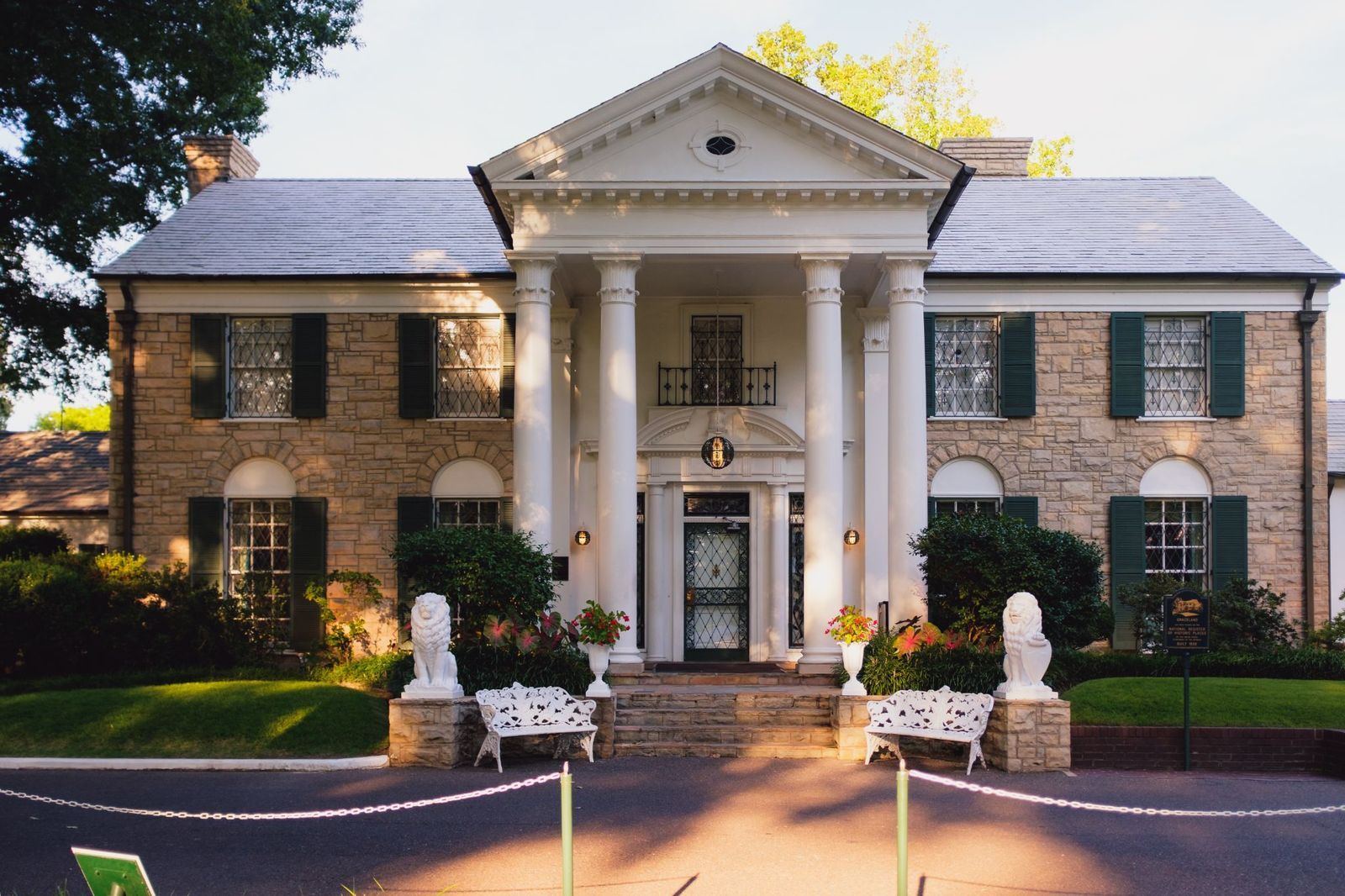
Memphis, Tennessee is a pilgrimage site for rock ‘n’ roll fans, but stepping into Elvis Presley’s world goes far beyond a standard house walkthrough. The "Presley for a Day" experience grants fans unprecedented access to the King of Rock 'n' Roll’s private domain.
Walk through Elvis’s golf court, explore archived stagewear and custom automobiles, and step inside the famous Jungle Room. Complement your Graceland visit with a trip to Sun Studio, where a 18-year-old Elvis recorded his first tracks.
Taking an airboat ride through the Florida Everglades
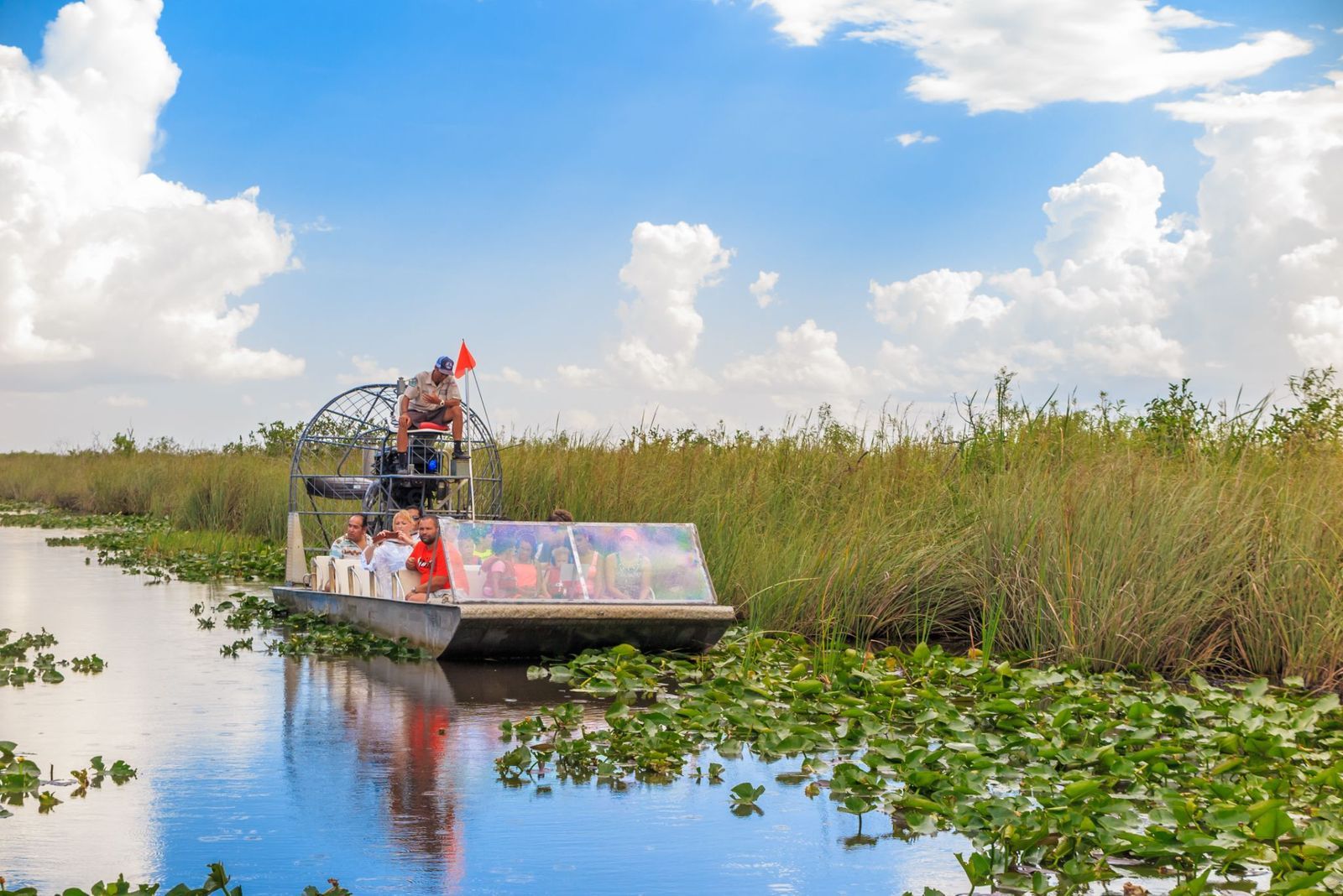
Spanning over 1.5 million acres across Southern Florida, the Everglades is a vast wetland ecosystem unlike anything else on the continent. Known as the "River of Grass", this area is best explored aboard a high-speed airboat.
Powered by rear propellers, airboats slide over shallow waters, carrying passengers past dense mangroves and sawgrass marshes. Keep your eyes open for wild American alligators enjoying the muddy banks, rare snail kites, and manatees resting in brackish channels.
Hot air ballooning in New Mexico
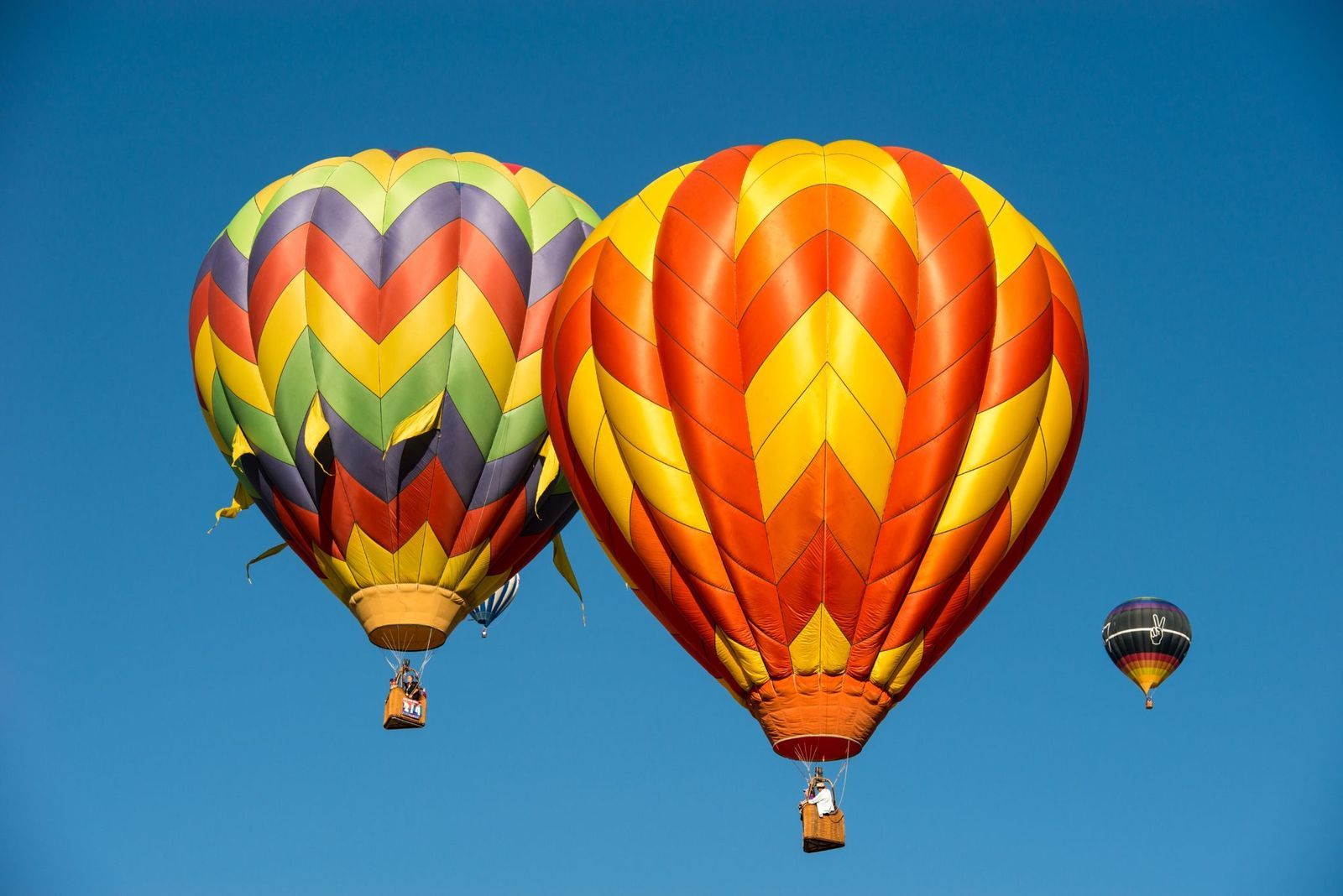
Few landscapes in the world are as perfect for aerial exploration as the high desert of New Mexico. Blessed with reliable wind currents and wide-open skies, the state is renowned for its hot-air ballooning culture.
Drifting thousands of feet above the earth offers breathtaking views of the Sandia Mountains, the Rio Grande, and ancient petroglyphs. You can attend the famous Albuquerque International Balloon Fiesta or take a sunrise flight year-round.
Following a bluegrass trail in Virginia
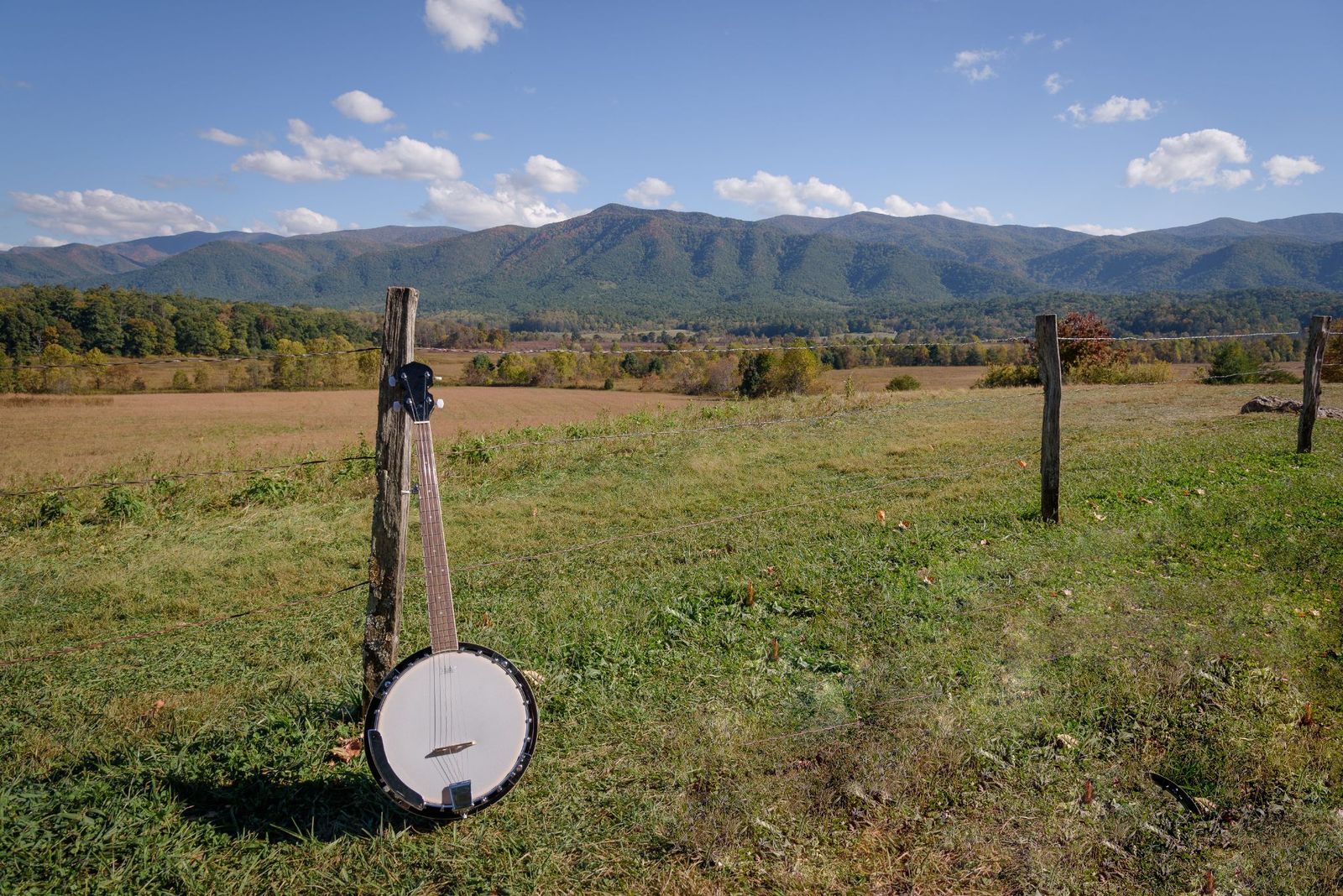
Hidden within the Blue Ridge Mountains of southwestern Virginia lies "The Crooked Road", a 330-mile heritage music trail that winds through quaint towns where acoustic music has flourished for generations.
Go across the trail to stop at historic performance halls like the Carter Family Fold in Hiltons or jam sessions at the Floyd Country Store. Here, fiddles, banjos, and guitars fill the air with lonesome harmonies, inviting travelers to tap their toes alongside locals who have kept Appalachian bluegrass traditions alive for over a century.
Treading along a Louisiana bayou
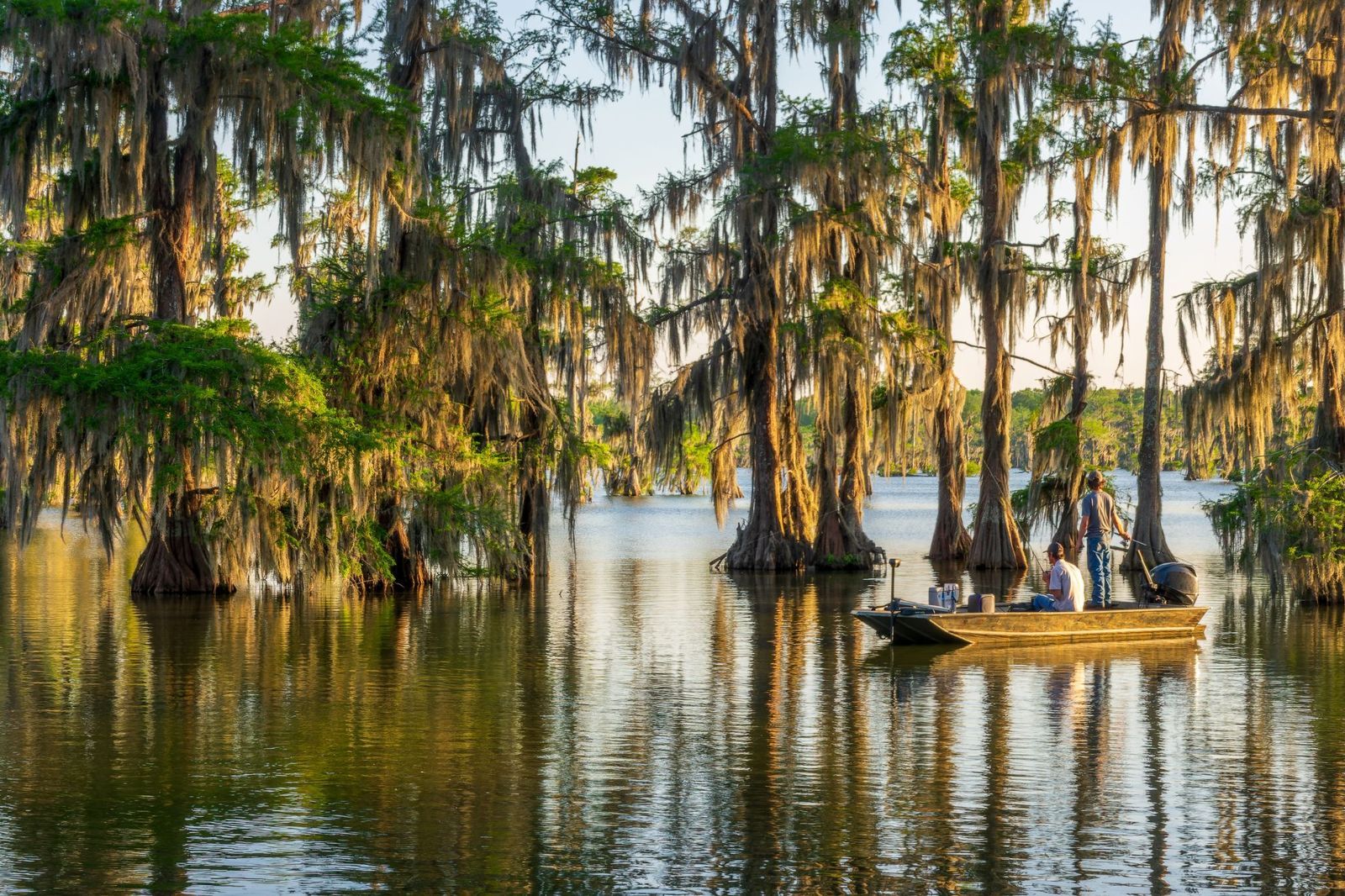
New Orleans often gets most of the spotlight, but Louisiana’s true beating heart lies out in the quiet bayous and cypress swamps of Cajun Country. Renting a kayak or joining a guided boat tour into Manchac Swamp or the Atchafalaya Basin transports you into a prehistoric world.
Paddle beneath towering bald cypress trees covered in Spanish moss, listening to native bird calls echoing across still waters. Native guides share local folklore, Cajun history, and insights into the ecosystem, offering an authentic taste of Southern Louisiana’s wild beauty.
Beatbox around the Bronx
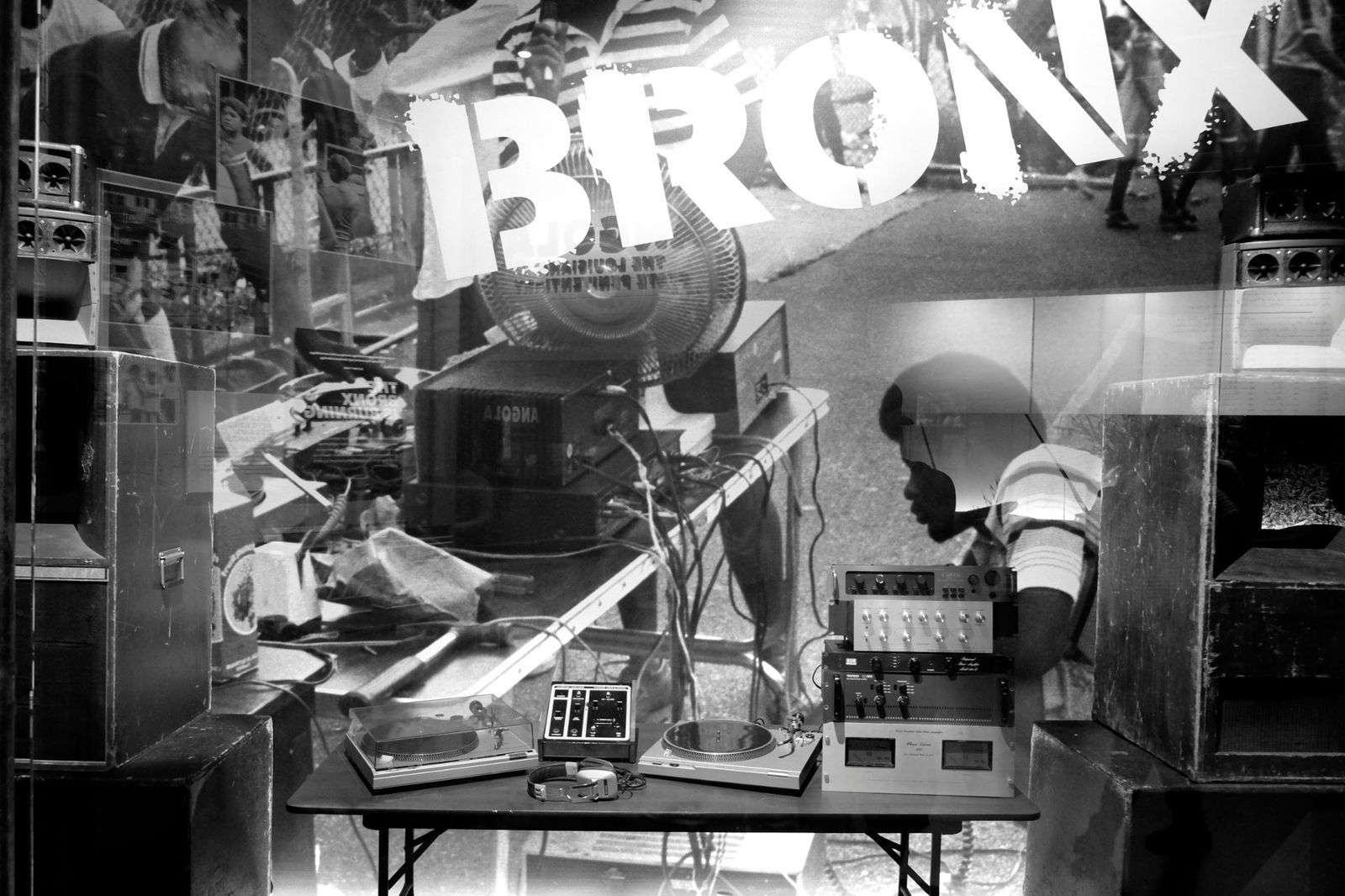
New York’s northernmost borough is the undisputed birthplace of hip-hop culture, which emerged from street parties during the 1970s. Taking a specialized cultural tour through the Bronx reveals how beatboxing, DJing, breakdancing, and graffiti evolved into a global phenomenon.
These interactive walking tours take you to historic venues like 1520 Sedgwick Avenue, where DJ Kool Herc hosted the legendary 1973 party credited with starting hip-hop. Along the way, you will learn the fundamentals of vocal percussion and beatboxing while admiring outdoor murals that celebrate the neighborhood’s artistic legacy.
The Spanish Quarter? 10 hidden secrets of New Orleans history
 History
Beyond jazz & beignets: 10 hidden facts about New Orleans
New Orleans is all about jazz, warm beignets, and the energy of Mardi Gras. Yet, beneath the festive surface lies one of the most historically significant and anomalous cities in the States. Because of its unique and diverse culture, the city has been the birthplace of engineering marvels and historical oddities that even lifelong residents occasionally overlook. Here are ten of the most obscure, fascinating secrets hidden within the history of The Big Easy.
The longest continuous bridge in the world
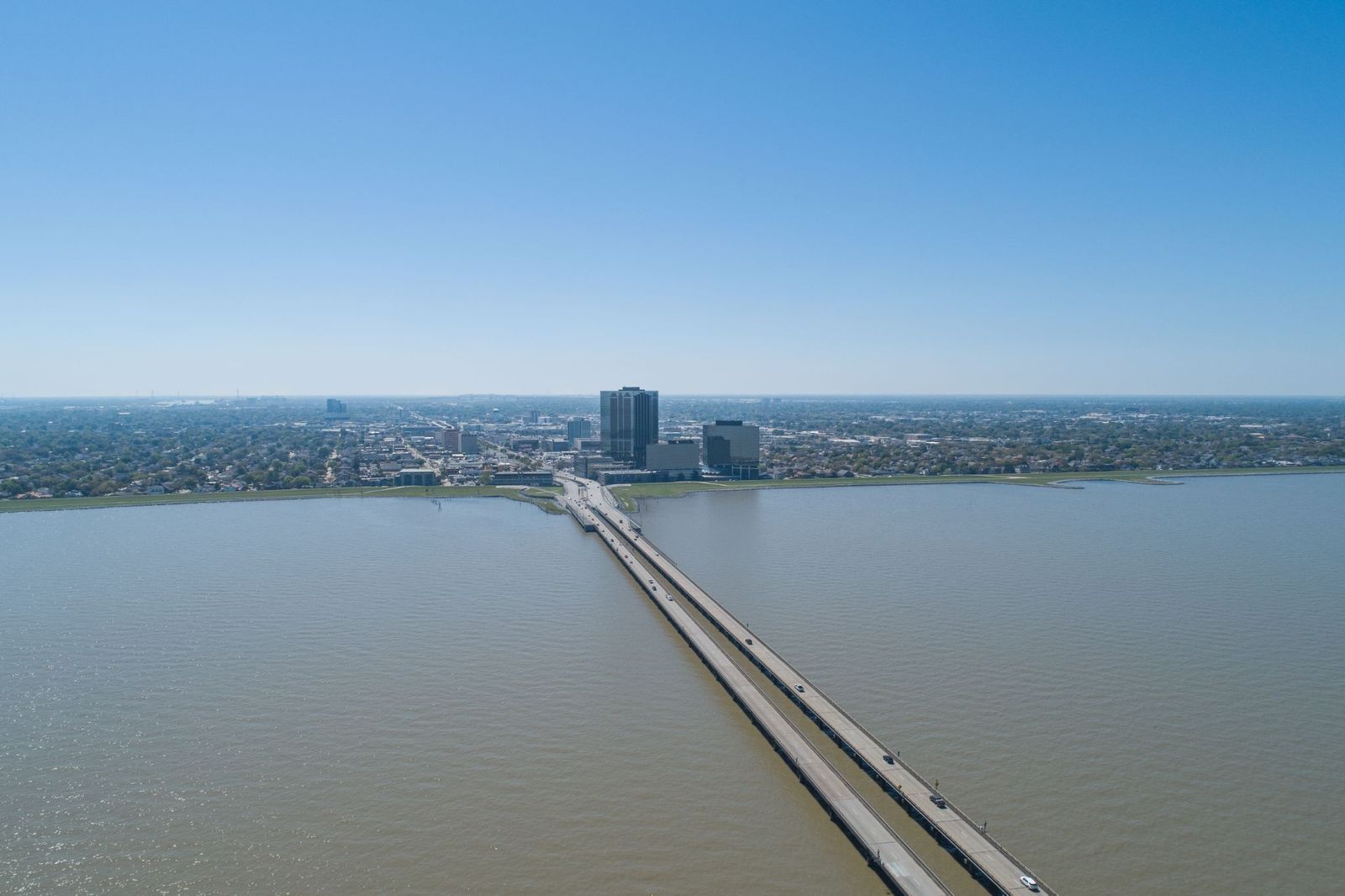
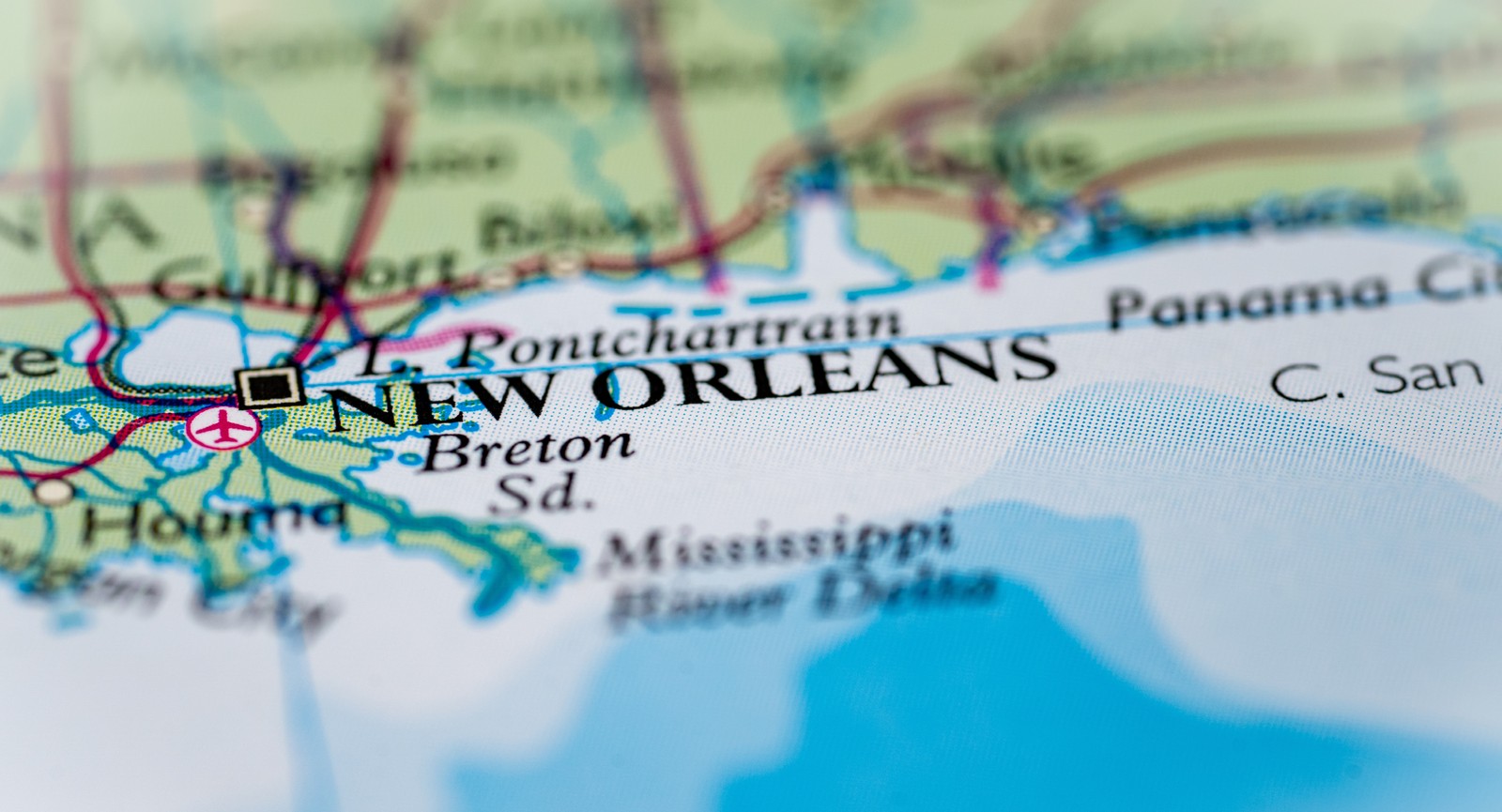
If you drive north out of the city, you will hit the Lake Pontchartrain Causeway, an amazing piece of civil engineering that leaves solid ground behind for miles. Opened in 1956, this colossal structure consists of two parallel bridges stretching right across the middle of Lake Pontchartrain.
The southbound span runs a staggering 23.83 miles long. According to the Guinness World Records, it holds the title of the longest continuous bridge over water anywhere in the world. For about 8 miles of the drive, travelers are surrounded by nothing but open water, completely losing sight of land in either direction.
Longest continuously used cathedral in the U.S.
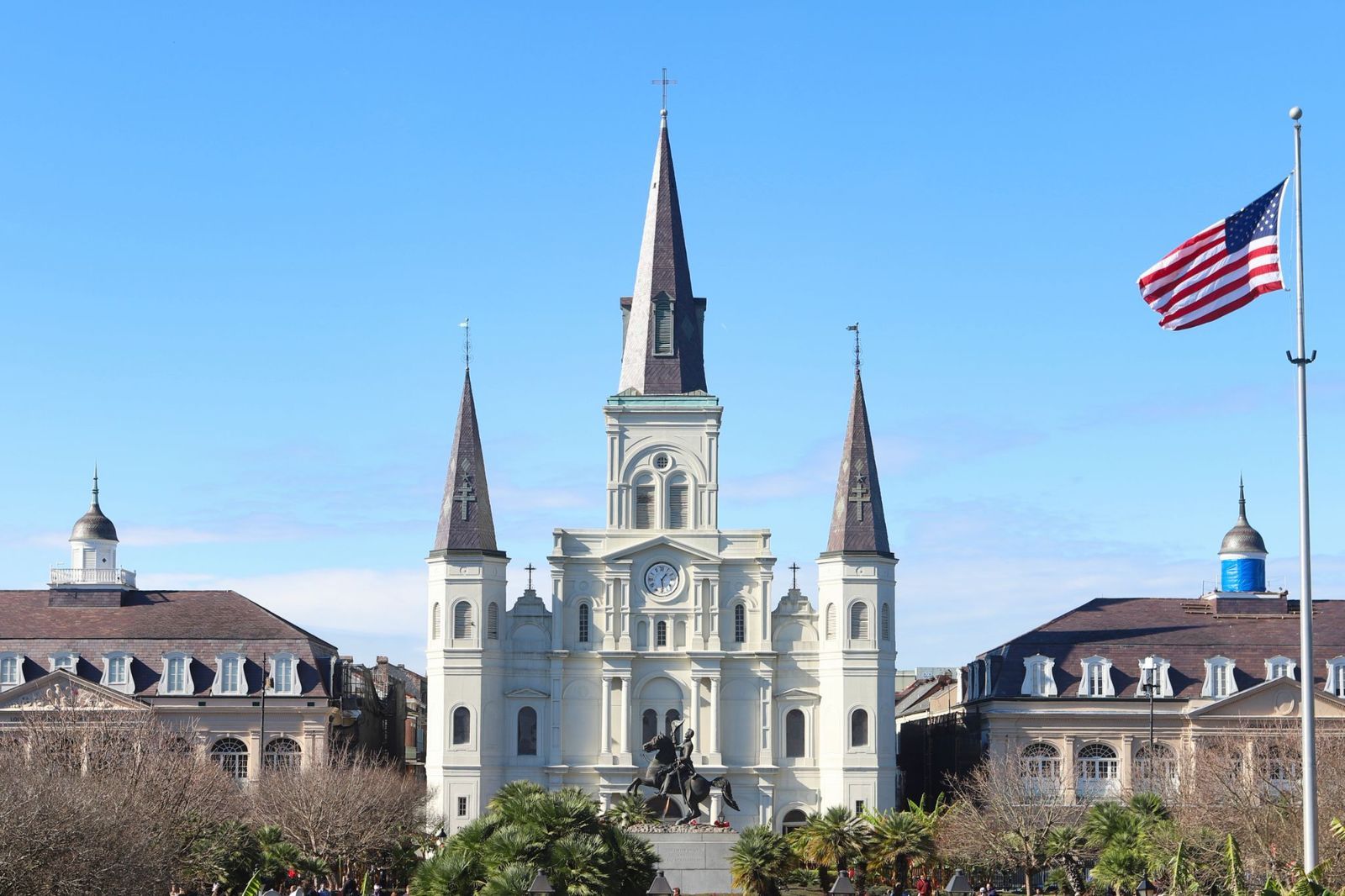
Towering majestically over the street performers and palm readers of Jackson Square sit the iconic triple spires of St. Louis Cathedral. Named in honor of King Louis IX of France, this stunning structure is the definitive anchor of the French Quarter.
While the building itself had to be rebuilt following a catastrophic fire in 1788 and a major expansion in the 1850s, the site has remained active since 1720. This makes it the longest continuously active and used cathedral site in the entire United States, outdating the country itself.
Poker and Craps were invented in New Orleans

Glittering Las Vegas and Atlantic City may be the ultimate home of gambling, but the traditional games of modern casino culture actually got their start in the rowdy taverns of early 19th-century New Orleans.
Following the Louisiana Purchase in 1803, French settlers introduced a card game called poque. English-speaking newcomers quickly adopted it, adapted the rules, and phonetically Americanized the name into Poker. Around the same time, Bernard de Marigny, a wealthy and eccentric Creole playboy, brought a complex English dice game called hazard back to the city. He simplified the rules so his friends could play it quickly on the docks, and the game evolved into modern Craps.
Bourbon Street is not named for whiskey
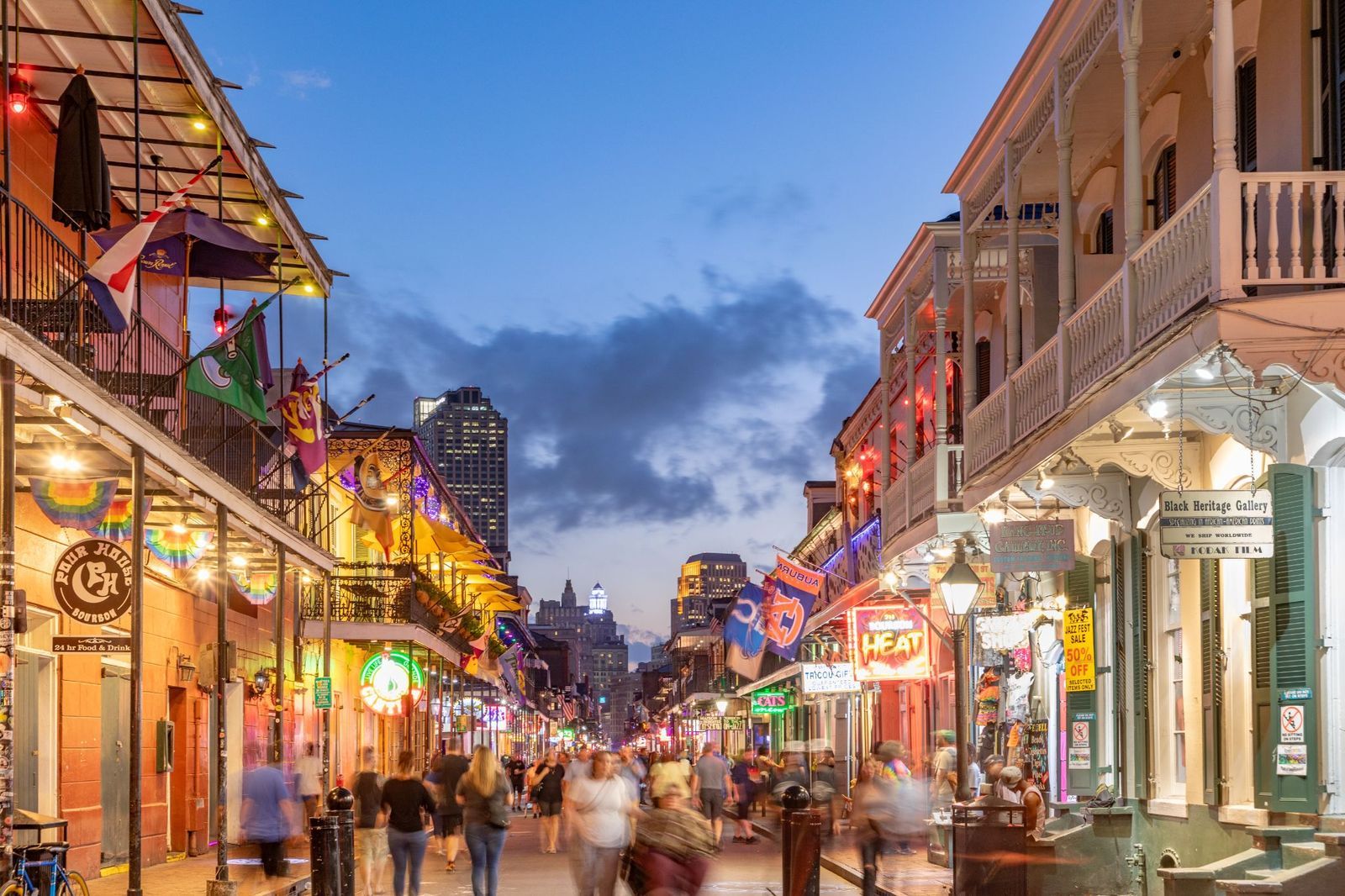
Bourbon Street is famous for its bars, giant plastic cups, and around-the-clock nightlife. Because of the sheer volume of alcohol consumed on the street daily, tourists assume the avenue was named after America’s native corn whiskey.
In reality, the street names of the French Quarter were laid out in 1721 by a French royal engineer named Adrien de Pauger. He designed the grid to pay homage to the ruling royal families of France. Consequently, Bourbon Street was named after the House of Bourbon, the French royal lineage that occupied the throne at the time. In turn, the whisky took its name from Bourbon County, Kentucky, which, ironically, was also named after the French royal family to thank them for their support during the American Revolution.
A pirate won the Battle of New Orleans
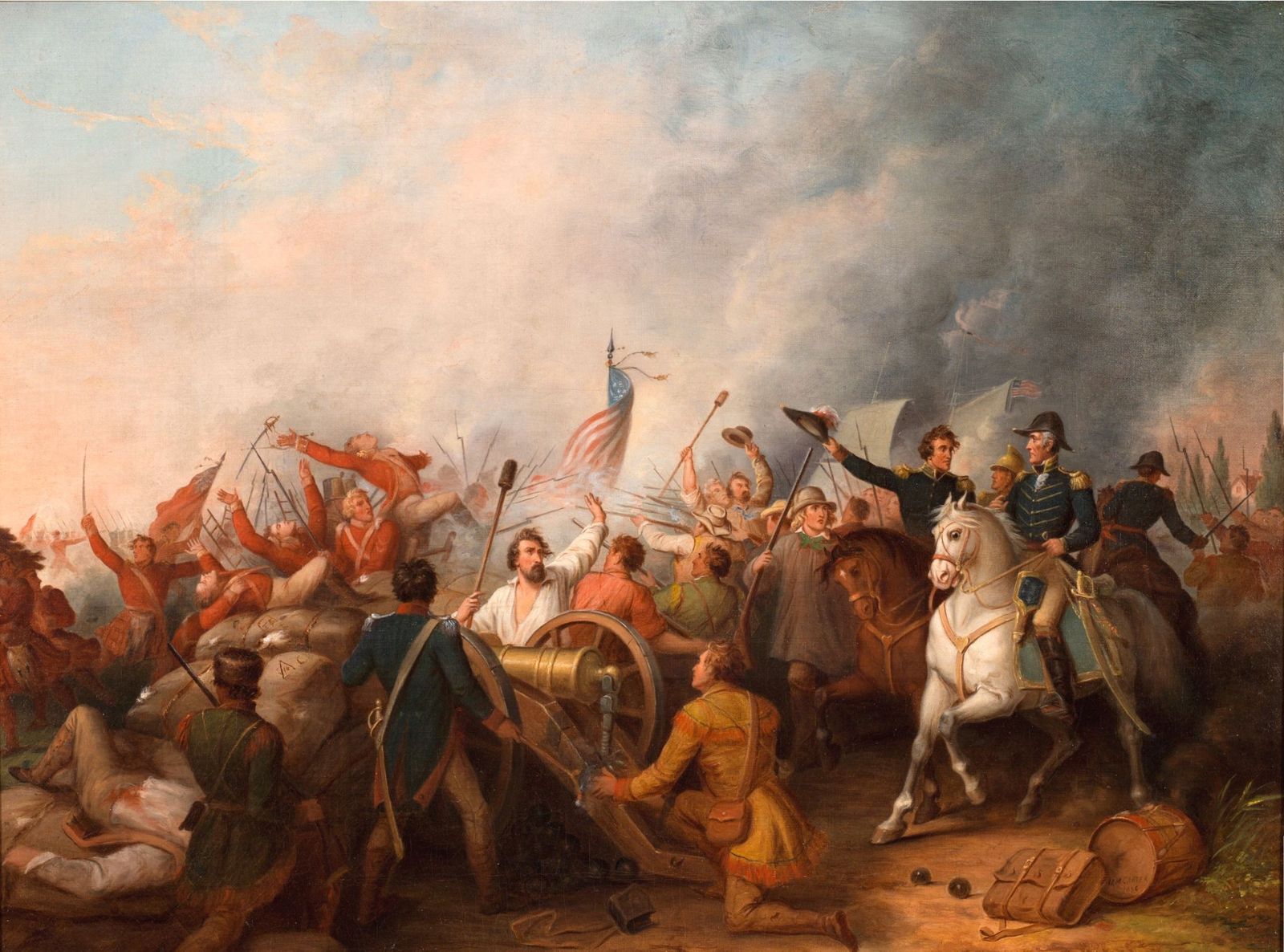
The Battle of New Orleans in 1815 is celebrated as one of the Greatest military victories in early American history, famously solidifying General Andrew Jackson as a national hero. But Jackson didn’t secure the win alone, he had to cut a deal with a notorious outlaw.
Jean Lafitte was a charismatic French-American pirate and smuggler who ran an illegal privateer kingdom out of nearby Barataria Bay. When the British army offered Lafitte money and land to help them invade the city, he chose to leak their plans to the Americans instead. Lafitte then supplied Jackson’s severely outnumbered army with thousands of flints, barrels of gunpowder, and a skilled contingent of elite pirate cannoneers. Ultimately, the pirates’ artillery tore the British lines apart, helping win the battle.
The only U.S. Mint to produce two types of currency
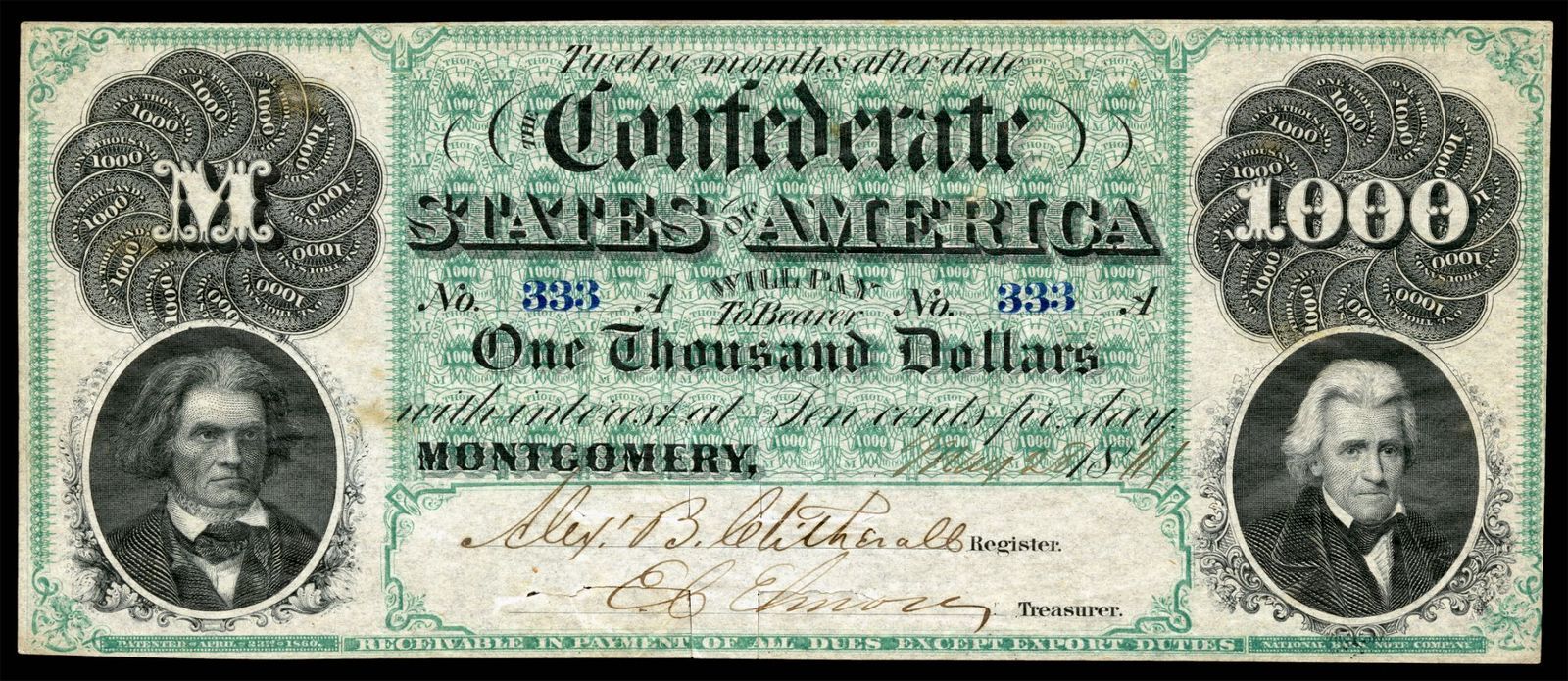
Located at the edge of the French Quarter, the old New Orleans Mint building is a beautiful historical landmark that holds a unique economic distinction. Opened in 1838, it’s the only mint building in United States history to have produced currency for two different nations.
At the start of the American Civil War in 1861, Louisiana seceded from the United States. Confederate forces quickly seized control of the facility. For a brief period, the mint operated under the Confederate States of America, utilizing the existing coin dies to stamp out rare Confederate currency. When Union troops recaptured New Orleans later in the war, the mint flipped back to printing standard U.S. coins, leaving behind an unmatched monetary paradox.
The birthplace of the American mafia
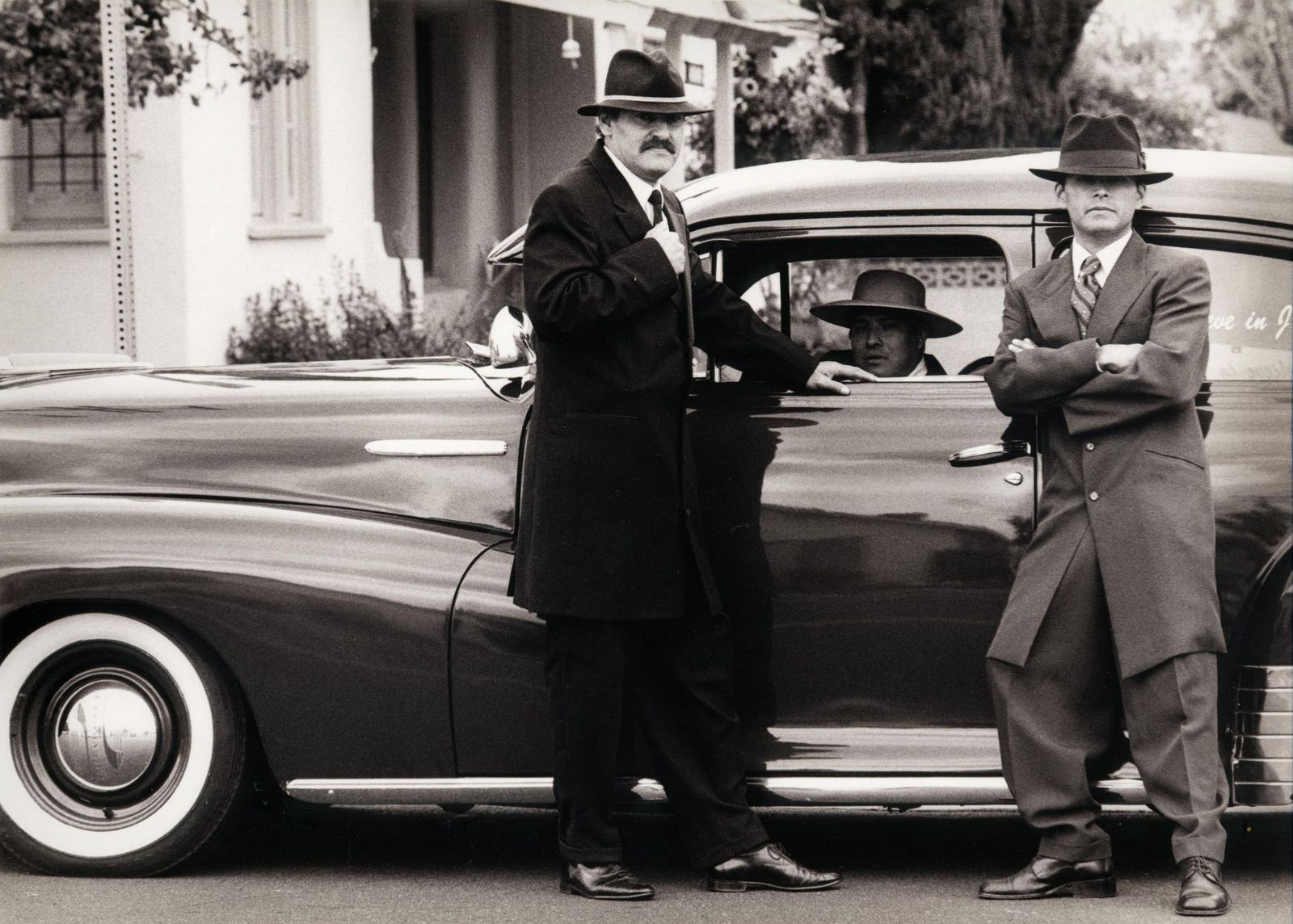
If you think about the rise of organized crime, your mind probably flies to prohibition-era New York or Al Capone’s Chicago. But the American mafia actually established its very first roots in New Orleans.
Starting in the 1870s, a massive wave of Sicilian immigrants arrived to work on the local docks and fruit plantations. Among them were members of the Matranga and Provenzano families, who brought established Sicilian extortion methods with them. The secret criminal empire became public in 1890 when New Orleans Police Chief David Hennessy was assassinated on his walk home. The resulting outrage marked the dawn of organized crime in the area.
Home to America’s first pharmacy
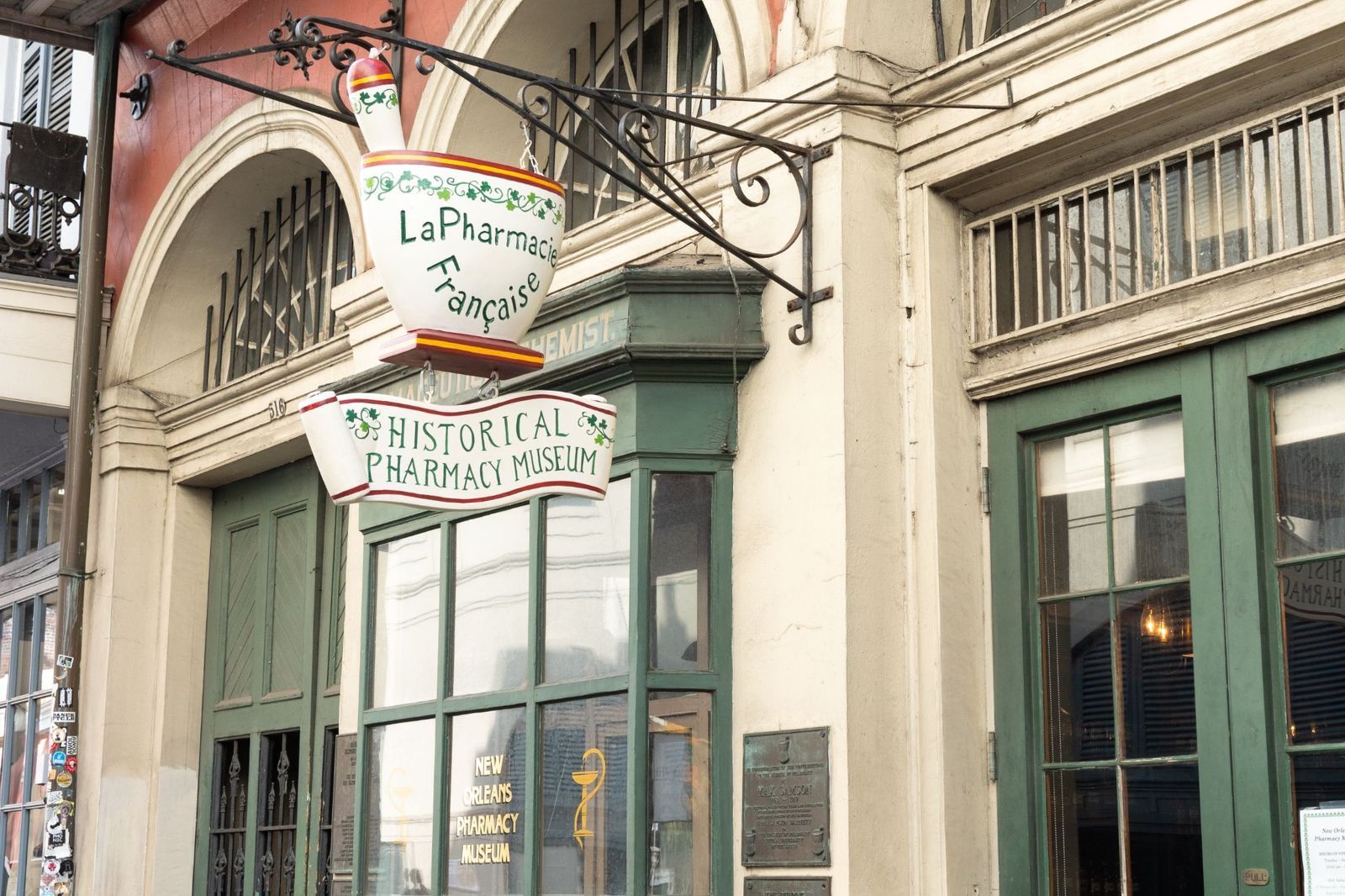
Before the early 19th century, medicine in America was a dangerous, unregulated wild west. Doctors, barbers, and traveling salesmen mixed up toxic home remedies, herbal plasters, and addictive elixirs with zero oversight.
That changed in New Orleans in the 1820s. Louisiana became the first state to implement a rigorous licensing exam for pharmacists. A man named Louis J. Dufilho, Jr. became the very first officially licensed pharmacist in United States history. His shop on Chartres Street was America’s first true pharmacy, where medicines were standardized, carefully compounded, and kept separate from standard retail goods. Today, the historic building operates as the New Orleans Pharmacy Museum.
The French Quarter’s Spanish architecture
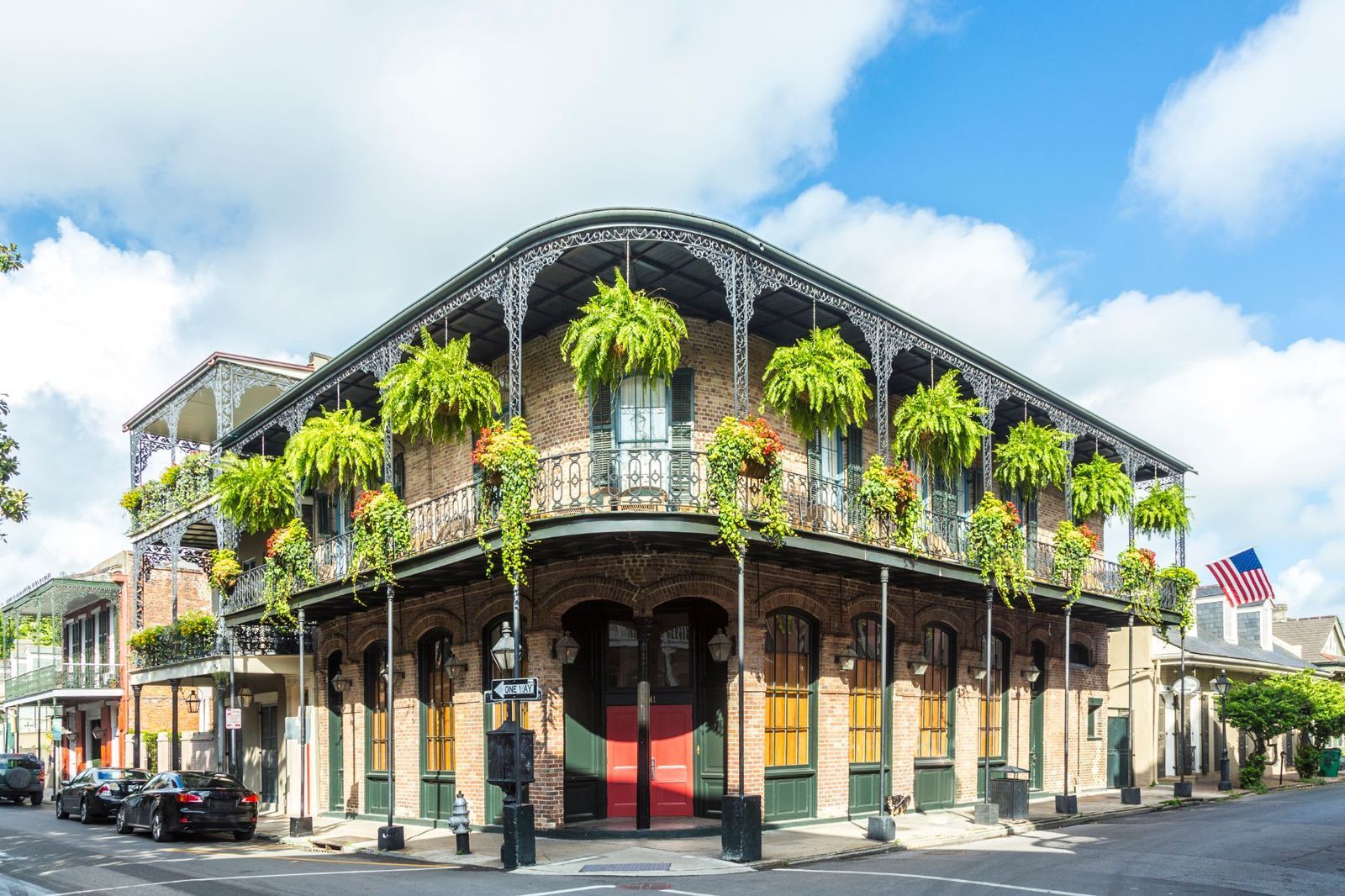
The historic heart of New Orleans is proudly called the "French Quarter" (or the Vieux Carré). Yet, if you look closely at the wrought-iron balconies, central open courtyards, thick stucco walls, and flat roofs, you aren’t looking at classic French design, but at Spanish colonial architecture.
This architectural shift was born from tragedy. In 1788 and 1794, great fires destroyed the then wooden city, sweeping away over 80% of the original French buildings. Because Spain ruled Louisiana at the time, the city was rebuilt in a Spanish style.
The birthplace of dental floss

To round out our tour of obscure Crescent City trivia, we have a vital hygiene tool that you likely use every night. We owe the invention of modern dental floss to a New Orleans dentist named Levi Spear Parmly.
Dr. Parmly was growing frustrated by the high rates of tooth decay and gum disease plaguing his wealthy patients. In 1819, he published a revolutionary paper arguing that simply brushing your teeth wasn’t enough; patients needed to clean the tight spaces between them where food particles rotted. To solve this, he began advising his patients to pass a thin, waxen silk thread between their teeth. Although dental floss as we know it today wasn’t commercially available until 1882, this simple but brilliant recommendation helped transform dental health forever.
Keep wandering
There’s always
more to explore
How much do you know about the "Golden Hour" and the "Rule of Thirds"?
4 min.
Read Now
It’s not your imagination: Airplane legroom has shrunk, and here's why
6 min.
Read Now
 Landmarks
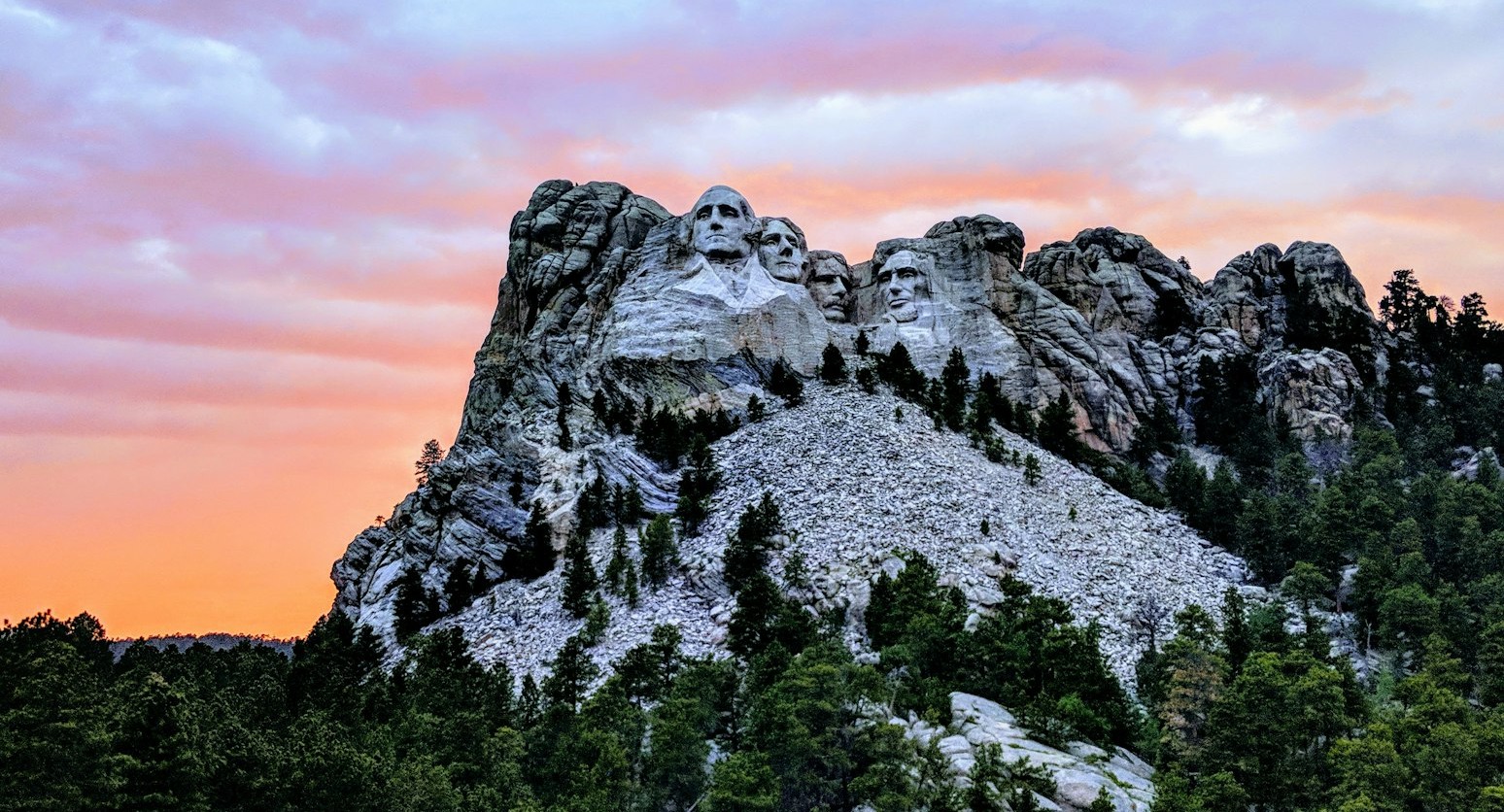
The one thing your National Park pass won't cover: Mount Rushmore
6 min.
Read Now
These surprises catch the most experienced travelers off guard
4 min.
Read Now