It’s not your imagination: Airplane legroom has shrunk, and here's why
 General
Perks we miss
It’s not your imagination: Airplane legroom has shrunk, and here's why
Remember when flying felt different? A hot meal arrived without asking, there was enough legroom to stretch out, a pillow and blanket were always waiting at your seat, and you flipped through the in-flight magazine while sipping a complimentary drink. It was not luxury back then; it was just how flying used to be. Over the years, many of those little comforts quietly disappeared, replaced by fees and upgrades. From free checked bags to seat selection, here are 10 airline perks many travelers miss the most.
Free checked bags
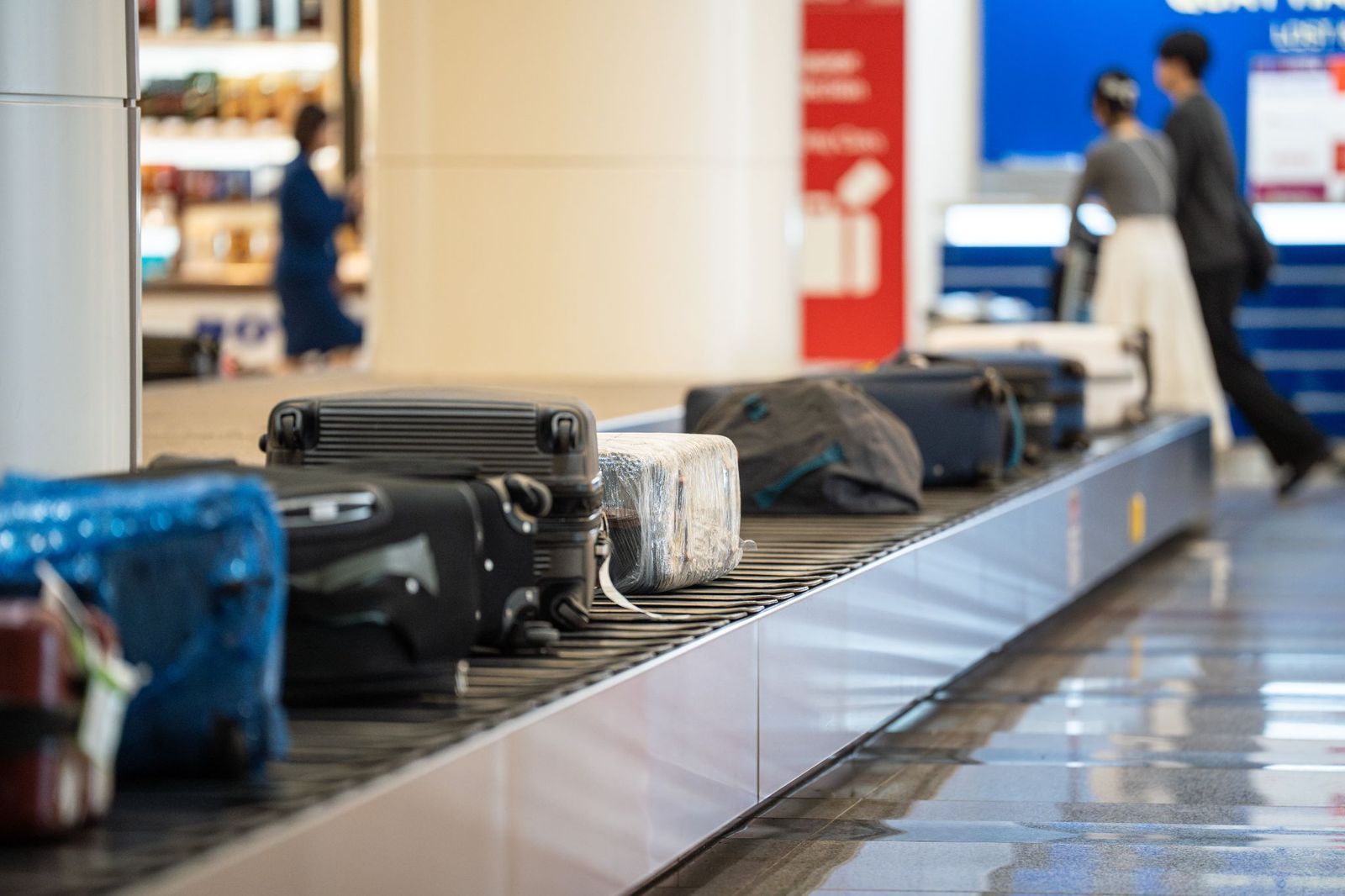
There was a time when booking a flight was just simpler. You called the airline or stopped by its office, bought your ticket, picked your seat, and you were ready to go. While today's online booking has made travel faster and more practical, a few familiar perks have quietly disappeared along the way.
One of the biggest changes has been checked baggage. For decades, bringing a suitcase was simply part of the ticket price. As long as it met the airline's weight limit, you packed what you needed and checked it without a second thought. Today, on many flights, a free checked bag is no longer included with standard economy fares, and travelers often pay an additional fee. Fortunately, most airlines still include at least one carry-on bag at no extra charge on standard economy tickets.
Complimentary in-flight meals
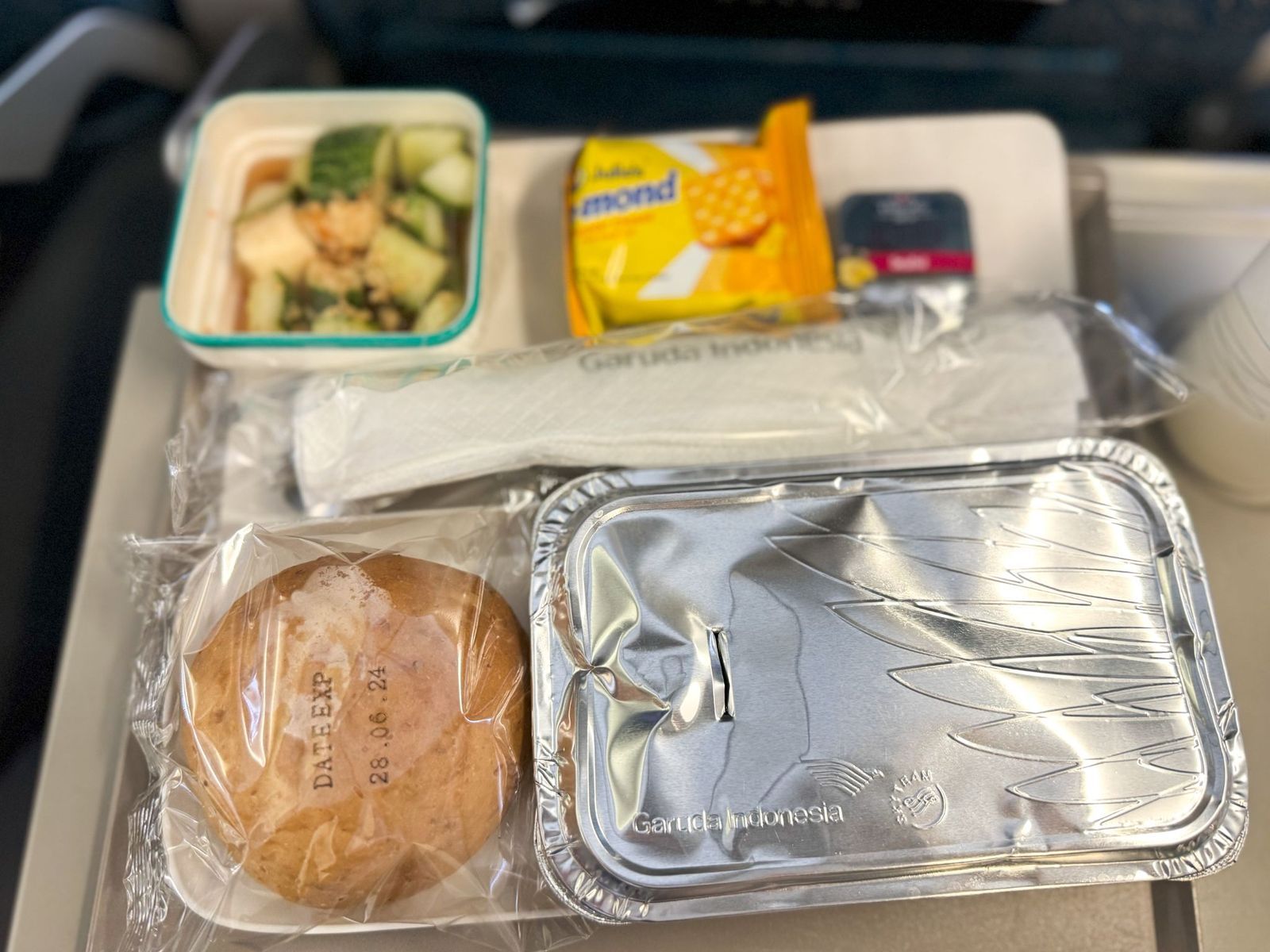
Remember peeling back the foil from a hot meal, even on a short flight? Back then, stepping onto almost any airplane felt like the vacation had already begun.
Hot meals are still standard on most long-haul international flights and in premium cabins, but they've largely disappeared from domestic and short-haul economy flights. Much of that change traces back to the Airline Deregulation Act of 1978, signed by President Jimmy Carter. The law ended federal control over fares and routes, allowing airlines to compete freely. Instead of competing by offering more onboard extras, many carriers focused on lowering ticket prices. Over time, complimentary hot meals became one of the first perks to fade from most economy flights.
Plenty of legroom
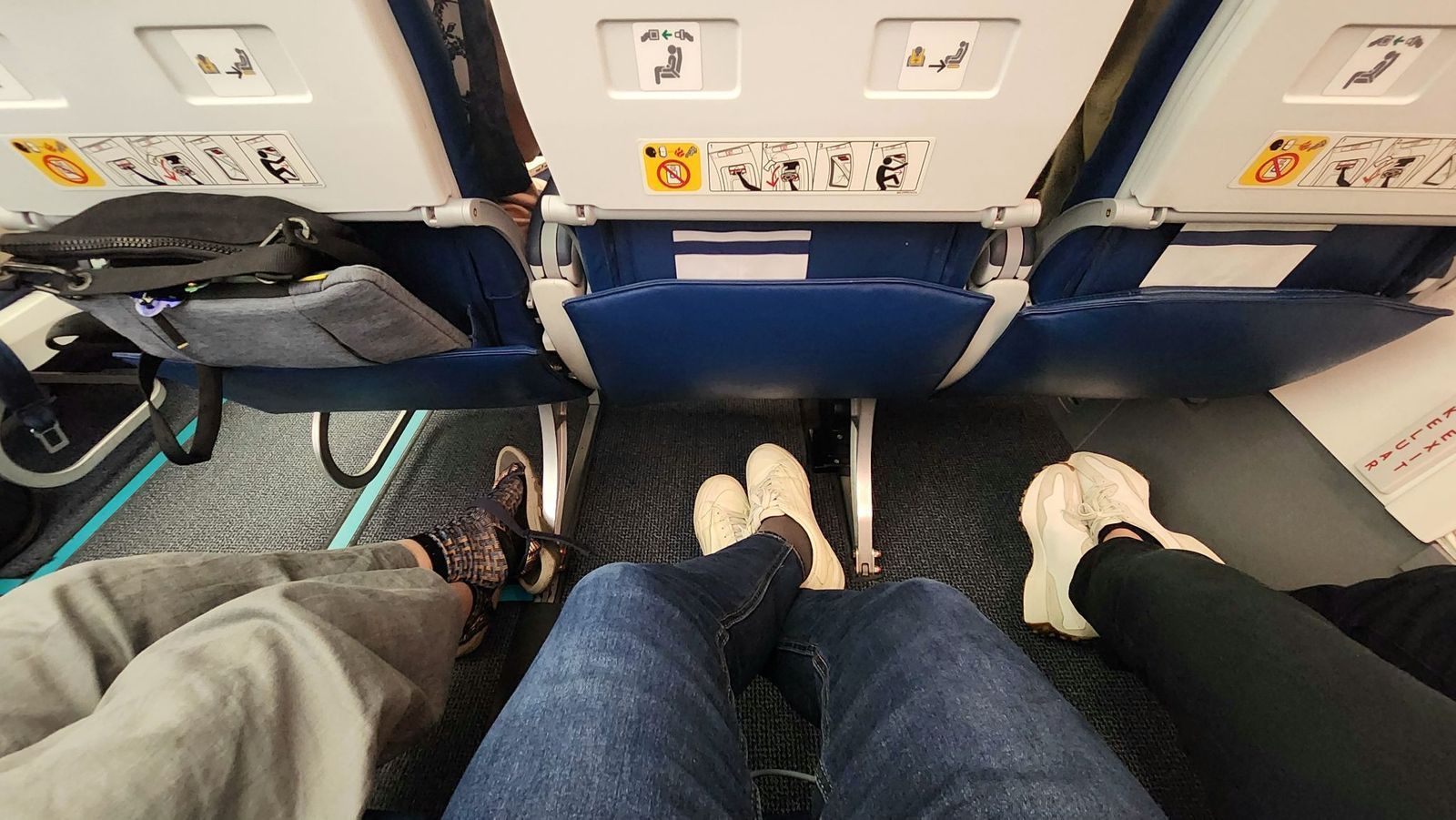
Have you ever settled into your seat and wondered, "Were airplanes always this cramped?" Well, as it turns out, they weren't.
Over the years, standard economy seats have steadily lost legroom. In the 1970s, the typical economy seat offered about 35 inches of seat pitch (the distance between one seat and the seat in front of it). Today, that space is usually around 30–31 inches on major US airlines, and on some low-cost carriers, it can be as little as 28 inches. While those few inches may not sound like much, they make a big difference on a long flight. The change followed airline deregulation in 1978, when carriers shifted their focus from offering the most comfortable experience to presenting the lowest fares, and one of the easiest ways to keep prices down was to fit more seats onto each airplane.
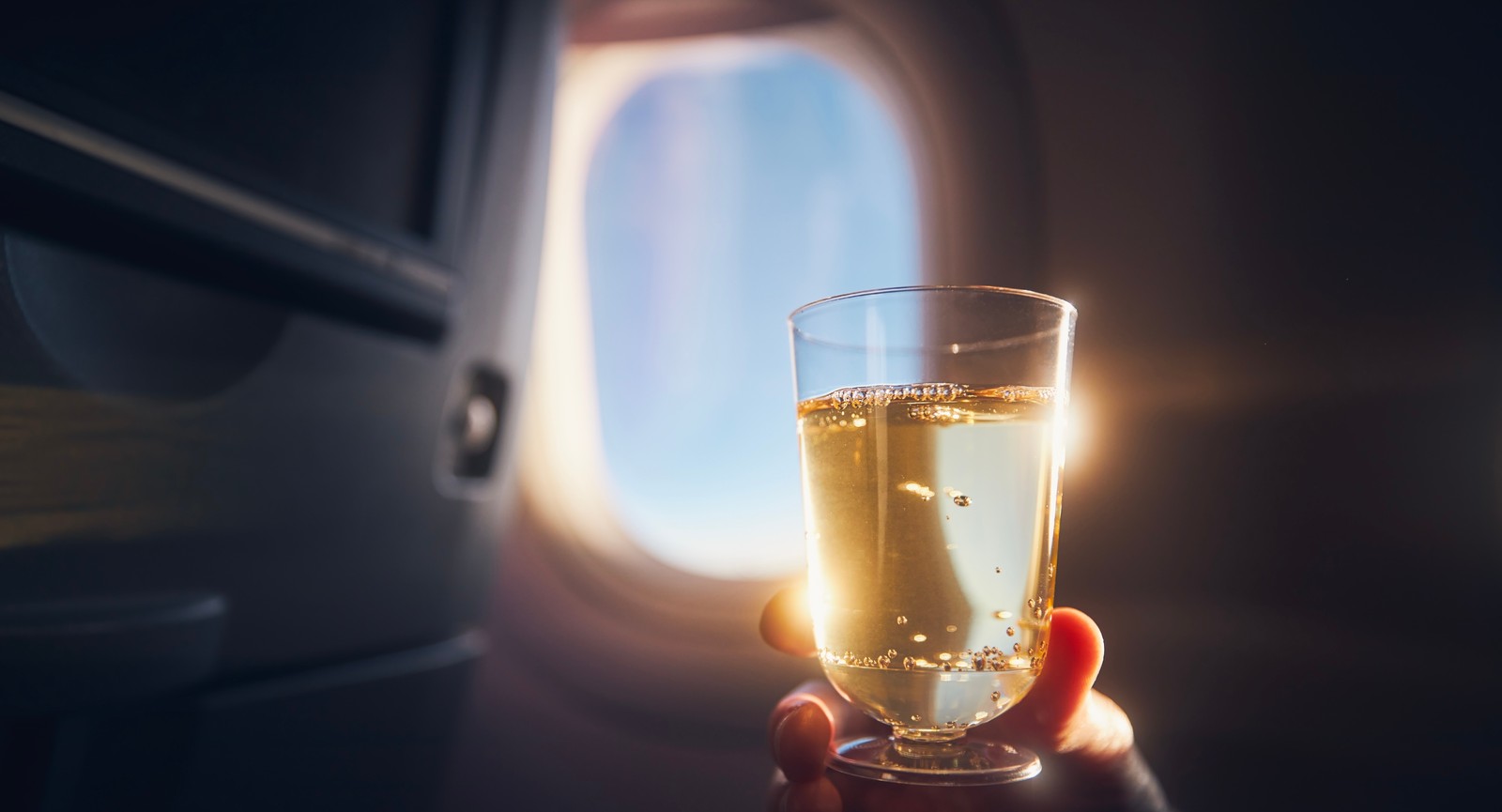
Free alcoholic drinks
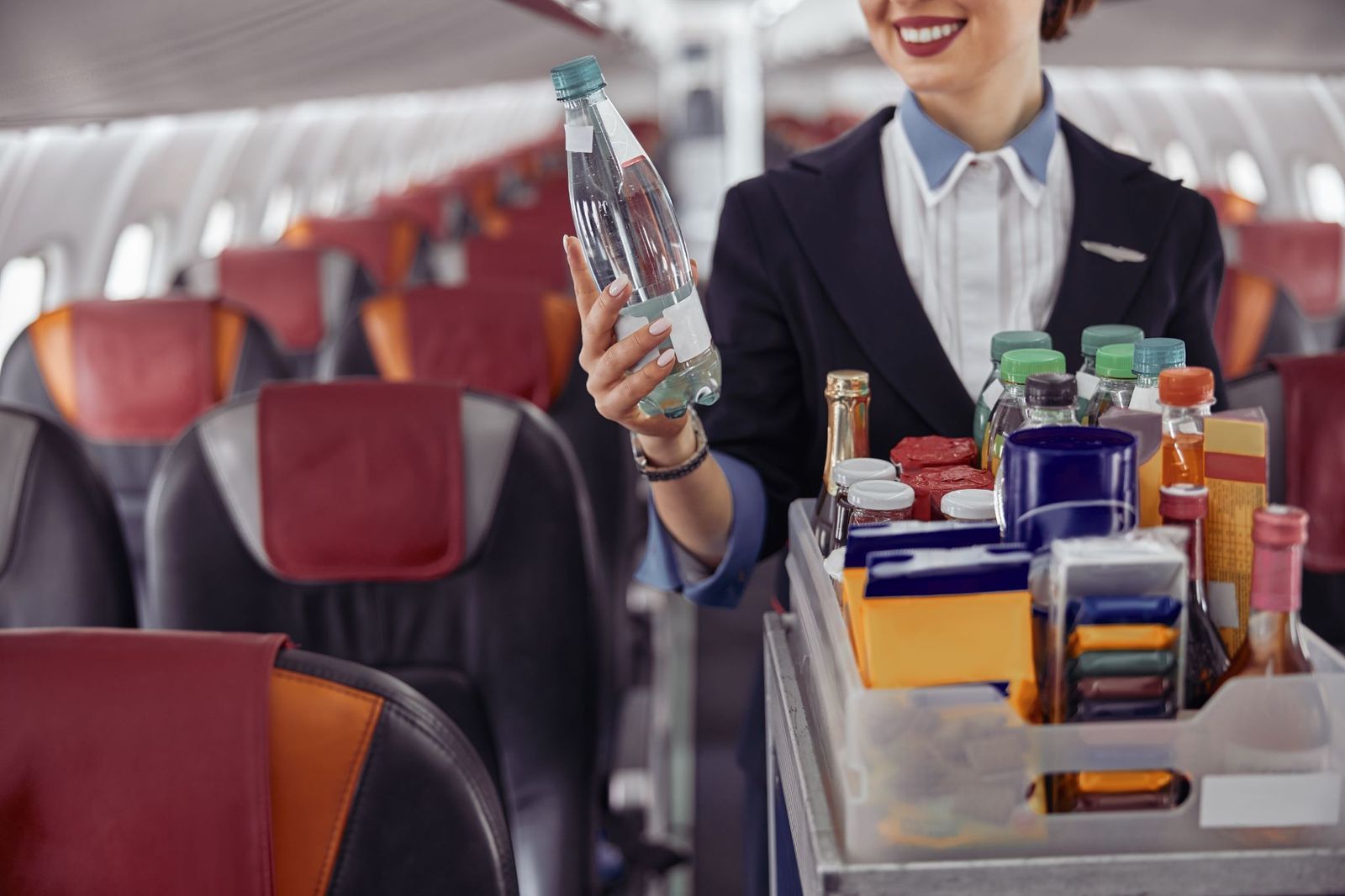
In past decades, ordering a cocktail, a beer, or a glass of wine on a flight, even a short one, was a really common part of the experience.
Today, complimentary alcoholic drinks have largely disappeared from economy class on domestic and short-haul flights, remaining mostly a business, first-class, or long-haul international perk. Cost-cutting and the rise of à la carte pricing definitely played a role, but they aren't the whole story. Airlines have also tightened alcohol service in response to a growing number of in-flight incidents involving intoxicated passengers, from disruptive behavior to confrontations with flight crews. Together, those changes have turned what was once a routine travel tradition into a luxury treat.
Blankets and pillows
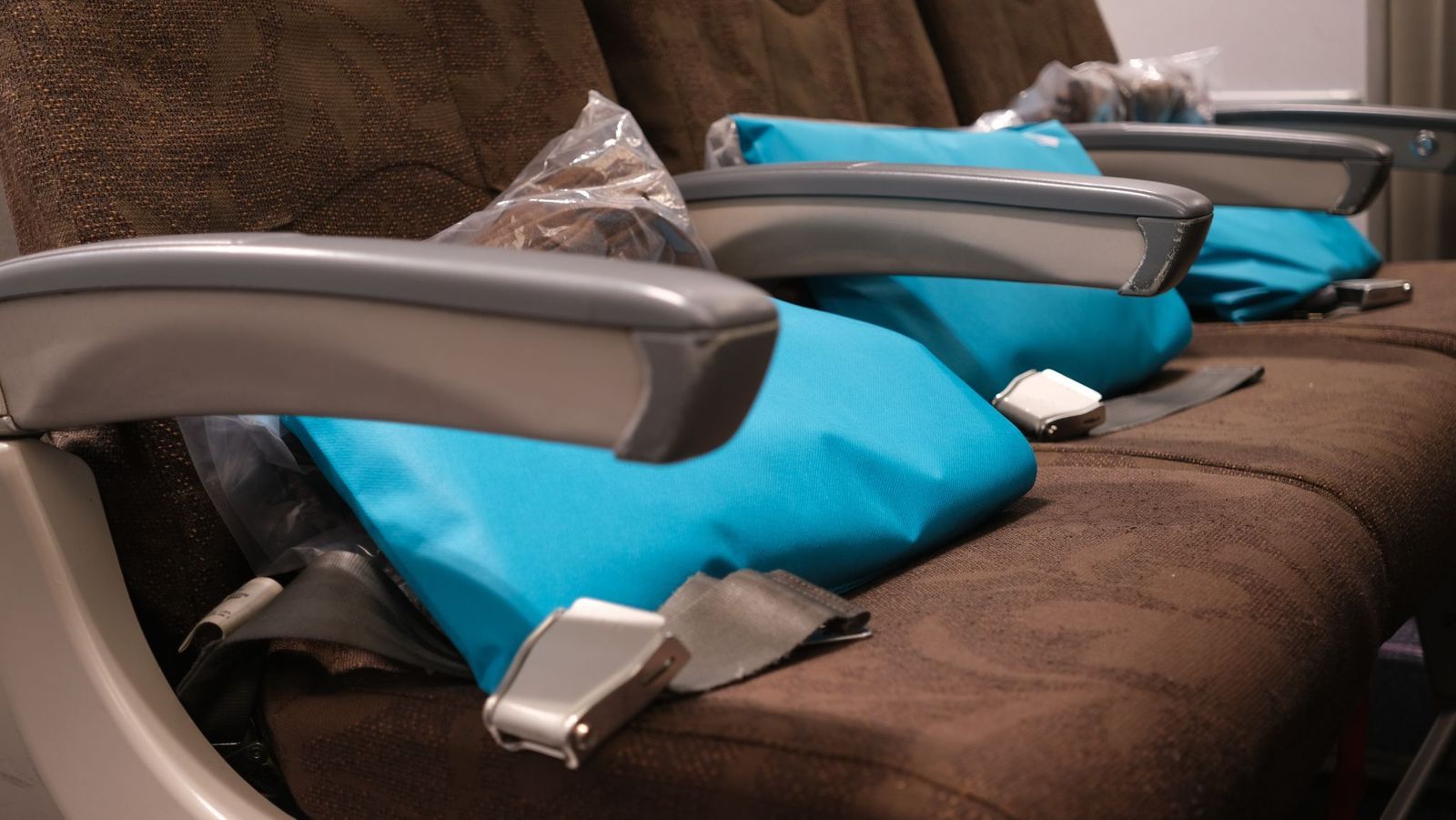
There was something reassuring about settling into your seat after takeoff, wrapping yourself in that classic airline blanket, and leaning back on the little pillow waiting for you.
For much of the second half of the 20th century, complimentary pillows and wool or fleece blankets were standard on nearly every flight, regardless of class. But today, they're largely reserved for long-haul international routes and premium cabins. As airlines came under greater financial pressure in the 2000s, many began trimming onboard extras to reduce costs and aircraft weight. In addition, concerns about hygiene during outbreaks such as H1N1 accelerated this change, making the practice of collecting, laundering, and redistributing blankets and pillows on short flights even less convenient.
Free seat selection
Booking your favorite seat was simply part of buying a plane ticket. Whether you preferred the window, the aisle, or a spot near the front, you picked your seat without paying an extra dime.
That began to change in the mid-to-late 2000s, when soaring fuel prices and the global financial crisis forced airlines to find new ways to generate revenue while keeping advertised fares competitive. At the same time, the rapid growth of low-cost carriers showed that many travelers were willing to trade a few conveniences for a cheaper ticket. Airlines soon realized that charging extra for popular seats, such as window, aisle, and exit-row seats, was a simple way to boost income without increasing the base fare.
In-flight magazines
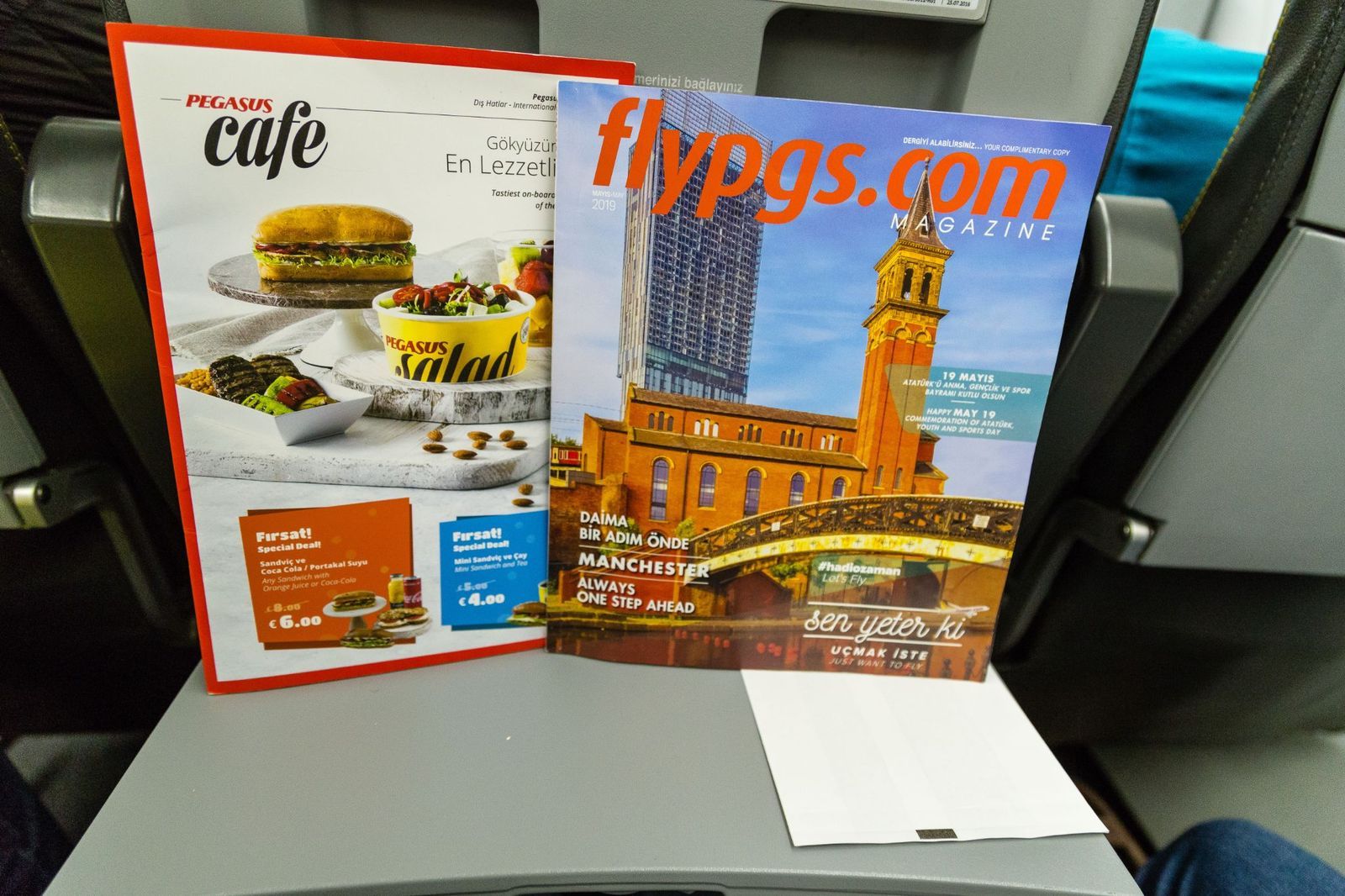
If you flew in the past decades, you probably remember reaching into the seatback pocket and flipping through the in-flight magazine before takeoff.
The tradition began in 1952, when Pan American World Airways introduced the first in-flight magazine, Clipper Travel. Before long, airline magazines became a familiar sight, filled with travel stories, destination guides, and advertisements that generated valuable revenue for airlines. But then technology changed everything. As smartphones, tablets, laptops, onboard Wi-Fi, and seatback entertainment became commonplace, fewer passengers picked up the magazine. Airlines also discovered that removing thousands of printed copies reduced aircraft weight, helping save fuel. Thus, what was once a standard part of every flight, regardless of class, has now become a rare find.
Listening to the cockpit radio
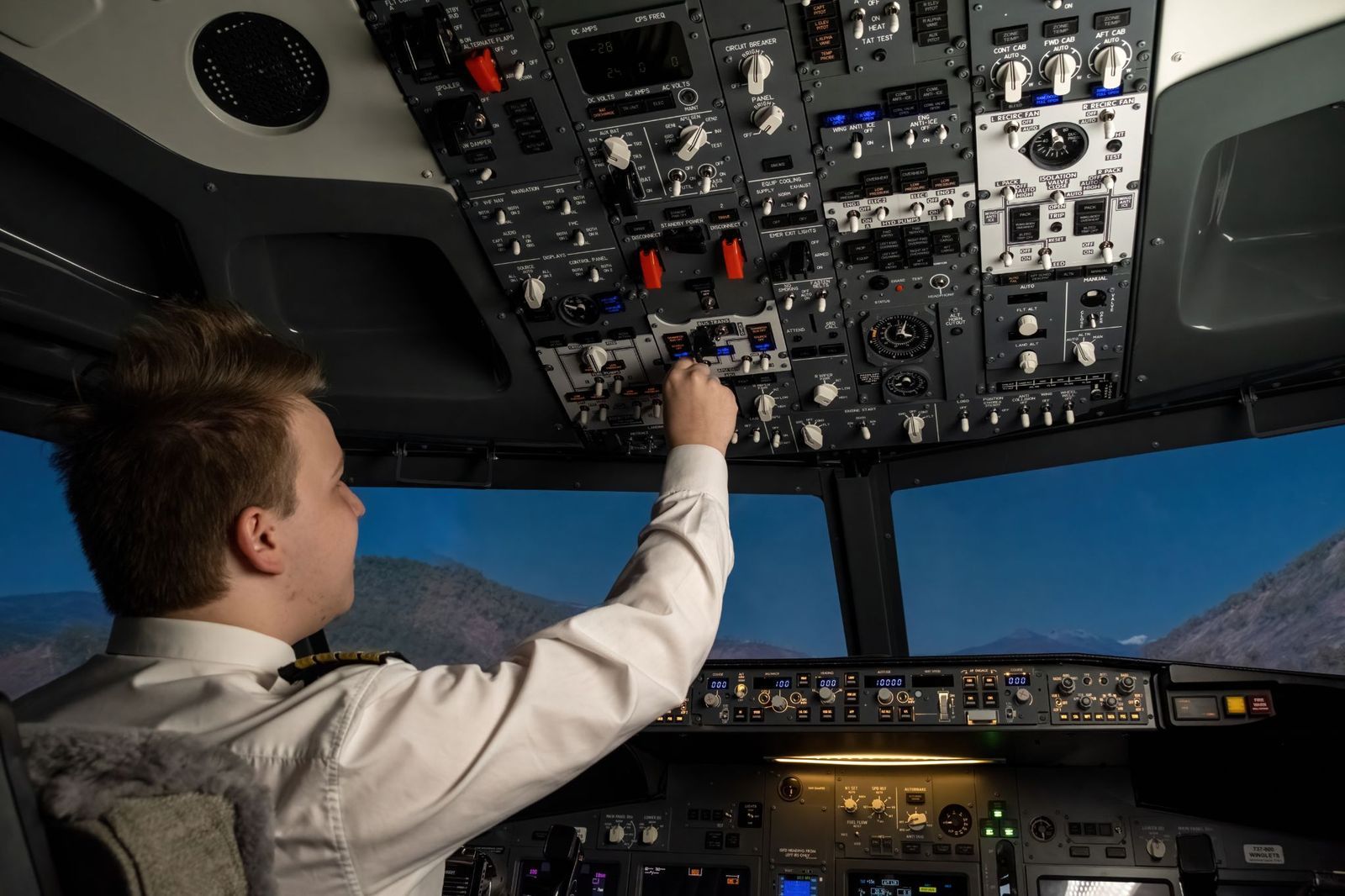
Today, listening to what pilots are saying or discussing during a flight sounds almost impossible, but a couple of years ago, passengers could hear the conversation happening in the cockpit.
For decades, airlines such as United Airlines offered an in-flight feature known as Channel 9 (later renamed "From the Flight Deck"), which allowed passengers to listen live to air traffic control (ATC) communications between their pilots and ground controllers. For aviation fans, it was a fascinating behind-the-scenes look at how flights operate; for nervous travelers, it could provide reassurance by hearing the calm, professional voices of the crew. Unfortunately, the feature has become increasingly rare, as many modern captains choose to keep it turned off.
Economy amenity kits
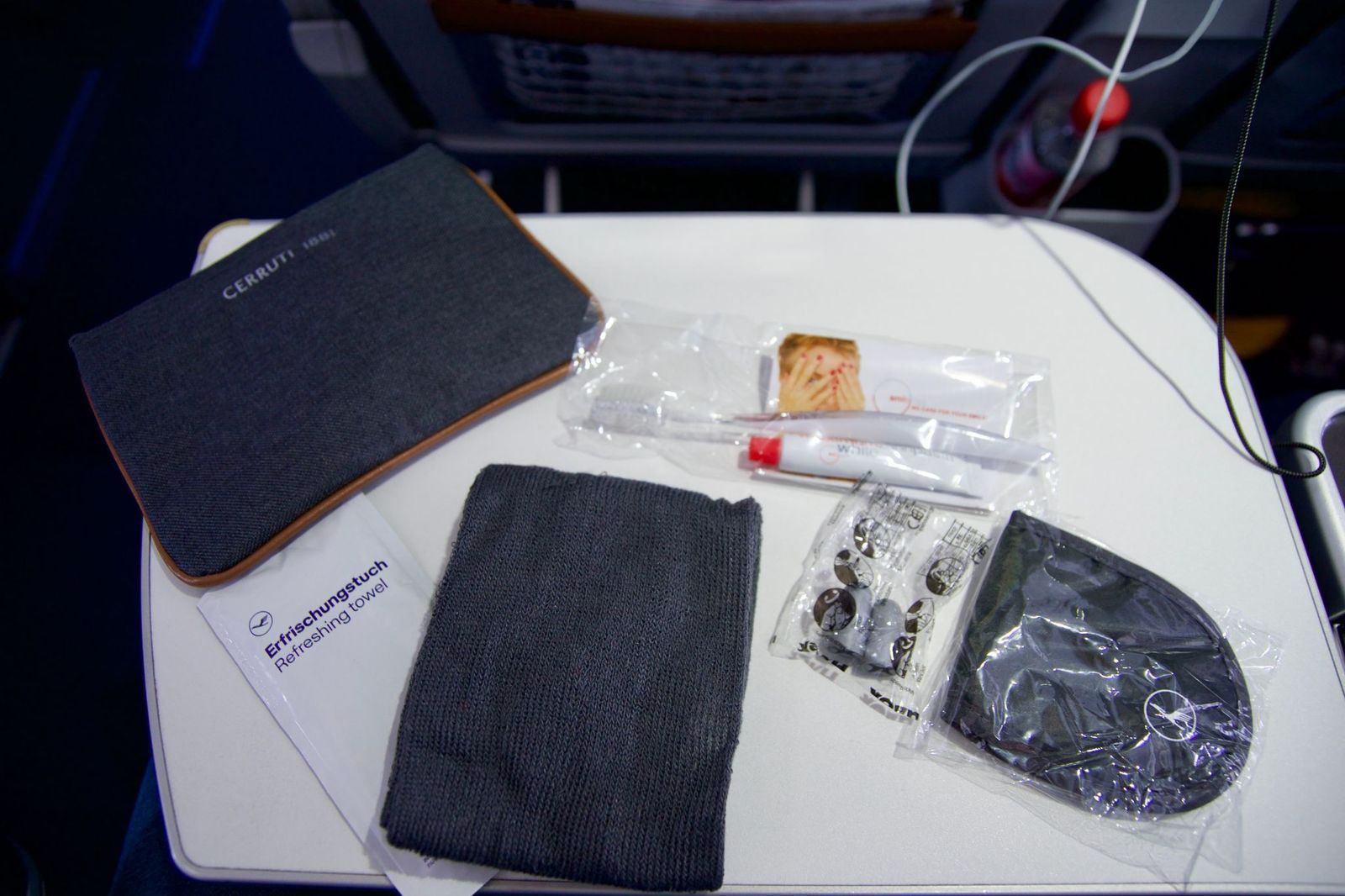
During the early years of commercial aviation, airlines offered small comforts to make flying easier. From the 1930s through the 1950s, passengers received simple items like cotton balls and chewing gum to help with noisy, unpressurized cabins. As air travel became more popular, those gestures evolved into more elaborate amenity kits, including combs, toothbrushes, and razors packaged in branded pouches.
The biggest change came in the 1980s, when deregulation and rising competition pushed airlines to cut costs. Amenity kits gradually became a premium-cabin perk rather than a standard feature. Environmental concerns also played a role, as millions of single-use plastic items created significant waste. Today, many airlines keep basics like toothbrushes, toothpaste, and eye masks available upon request instead of placing a kit at every seat.
A mile earned for a mile flown
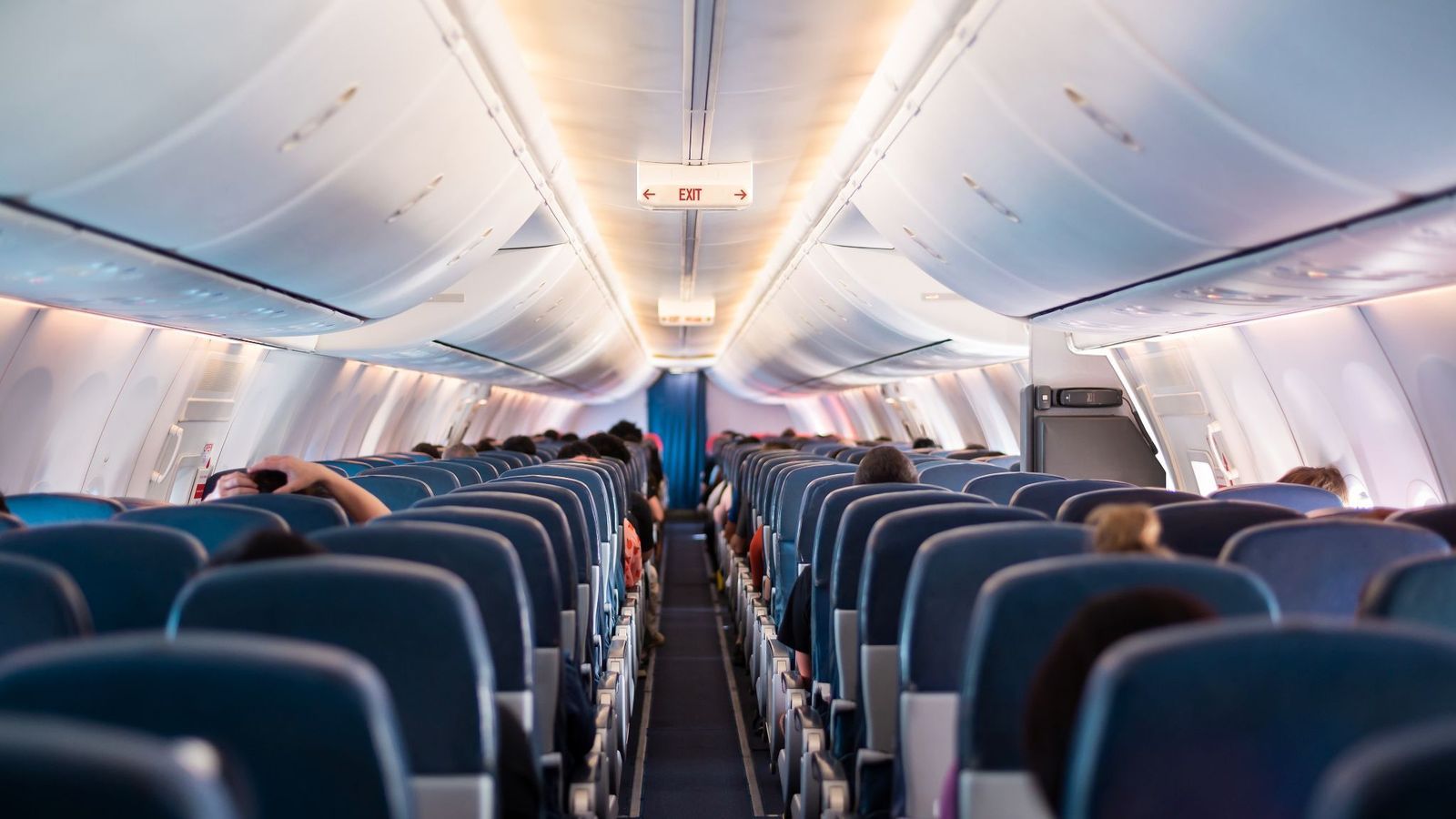
Not long ago, every mile you flew brought you one mile closer to your next vacation. No matter which ticket you bought, every trip helped build your frequent-flyer balance.
Today, that has changed. While traditional mileage earning still exists on many fares, the Basic Economy tickets on several major US airlines earn few miles, or none at all. Over the past decades, airlines have shifted many loyalty programs away from rewarding distance flown and toward rewarding dollars spent. The goal is to encourage travelers to book higher fares and to reward their biggest spenders and co-branded credit cardholders. For many longtime travelers, it marked the end of the simple rule they grew up with: the farther you flew, the more you earned.
Did you know? Some of the best spots in the world are free to visit
 Geography
The best free experiences
Spend $0: Free activities to enjoy in the world's most popular cities
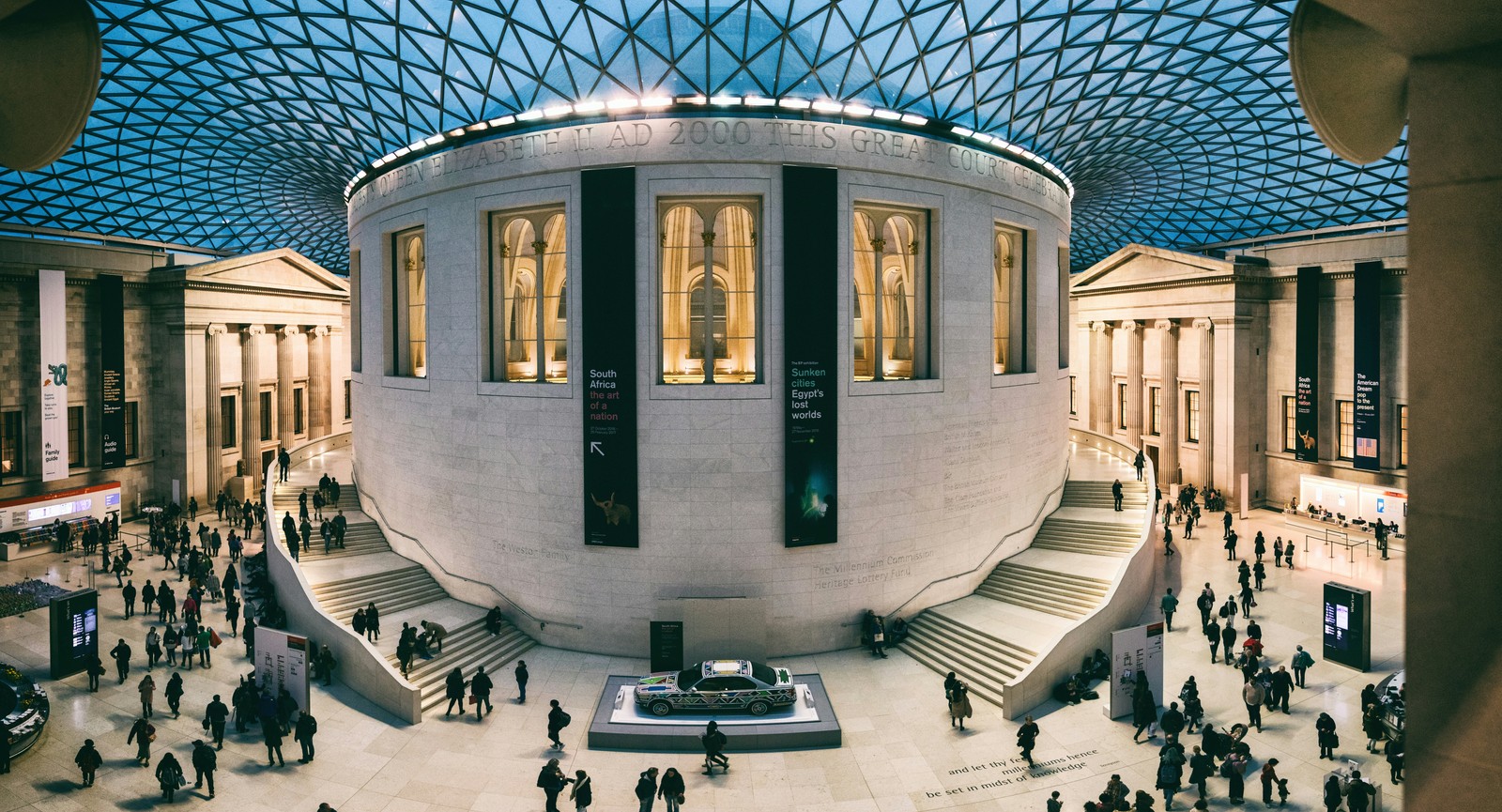
Did you know that some of the most extraordinary experiences in cities like New York, Paris, or Rome cost absolutely nothing? London’s British Museum charges nothing for you to explore its 8 million objects. Crossing New York’s Brooklyn Bridge at sunrise is free, as is visiting some of Tokyo’s thousand-year-old temples. Plane fares might be expensive, yes. But here, we’ll explore over 30 of the best memories you can make at these destinations for free.
New York, US
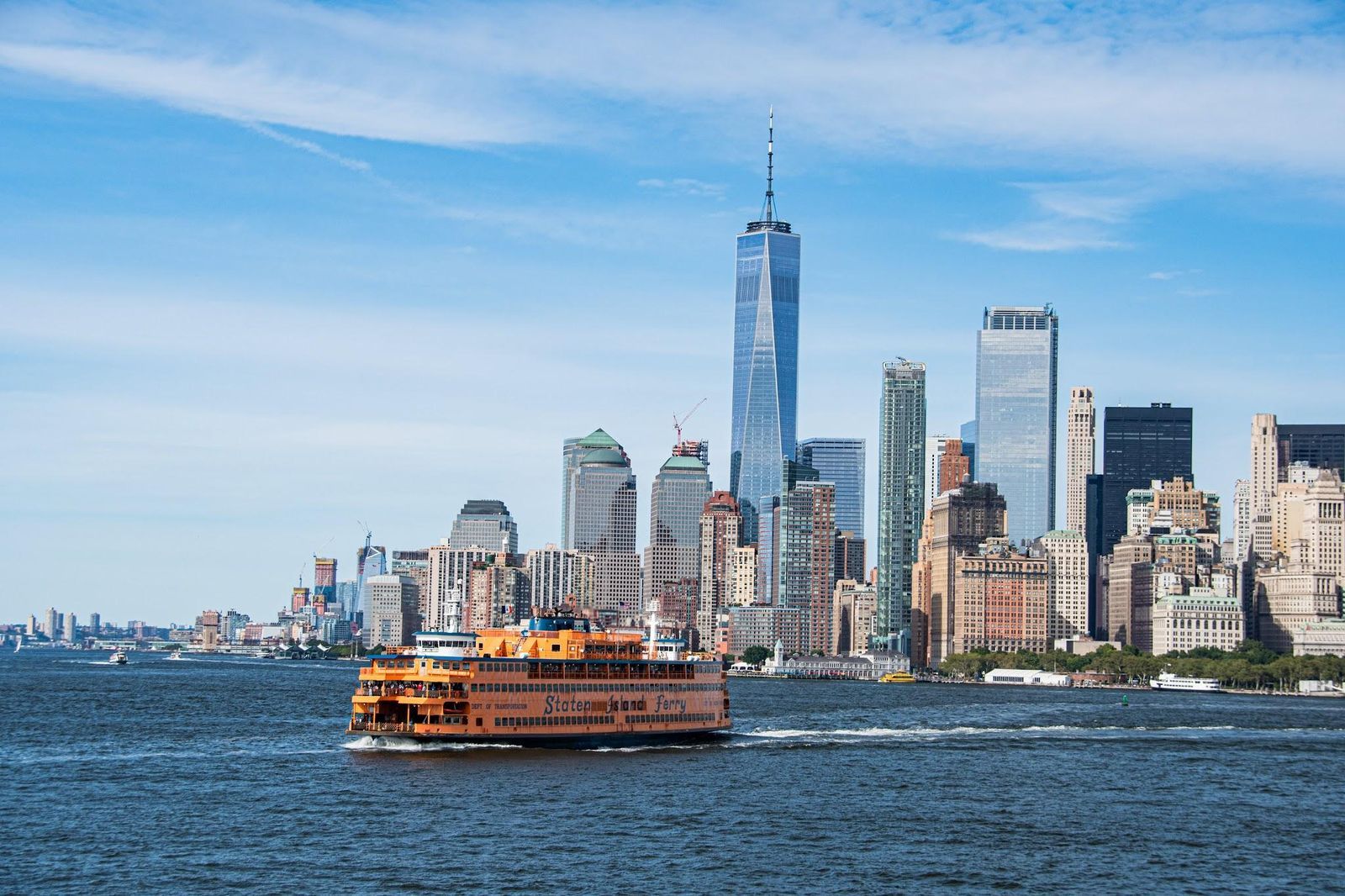
New York has a well-earned reputation for being expensive. But some of its most iconic experiences cost nothing at all. To begin with, there’s Central Park, with its 843 acres of green space, free to enter through any of its 20 gates.
There’s no charge for walking across the Brooklyn Bridge, which was the world's first steel suspension bridge when it opened in 1883. From the Brooklyn side, the Brooklyn Heights Promenade offers arguably the best unobstructed view of the Manhattan skyline in the city.
The High Line, a 1.45-mile elevated linear park built on a former railroad on Manhattan's west side, is free year-round and one of the most inventive public spaces built anywhere in the world in the past 25 years. And here is one of tourists’ favorites: The Staten Island Ferry runs 24 hours a day, seven days a week, carrying passengers past the Statue of Liberty and through New York Harbor at no charge.
Los Angeles, US
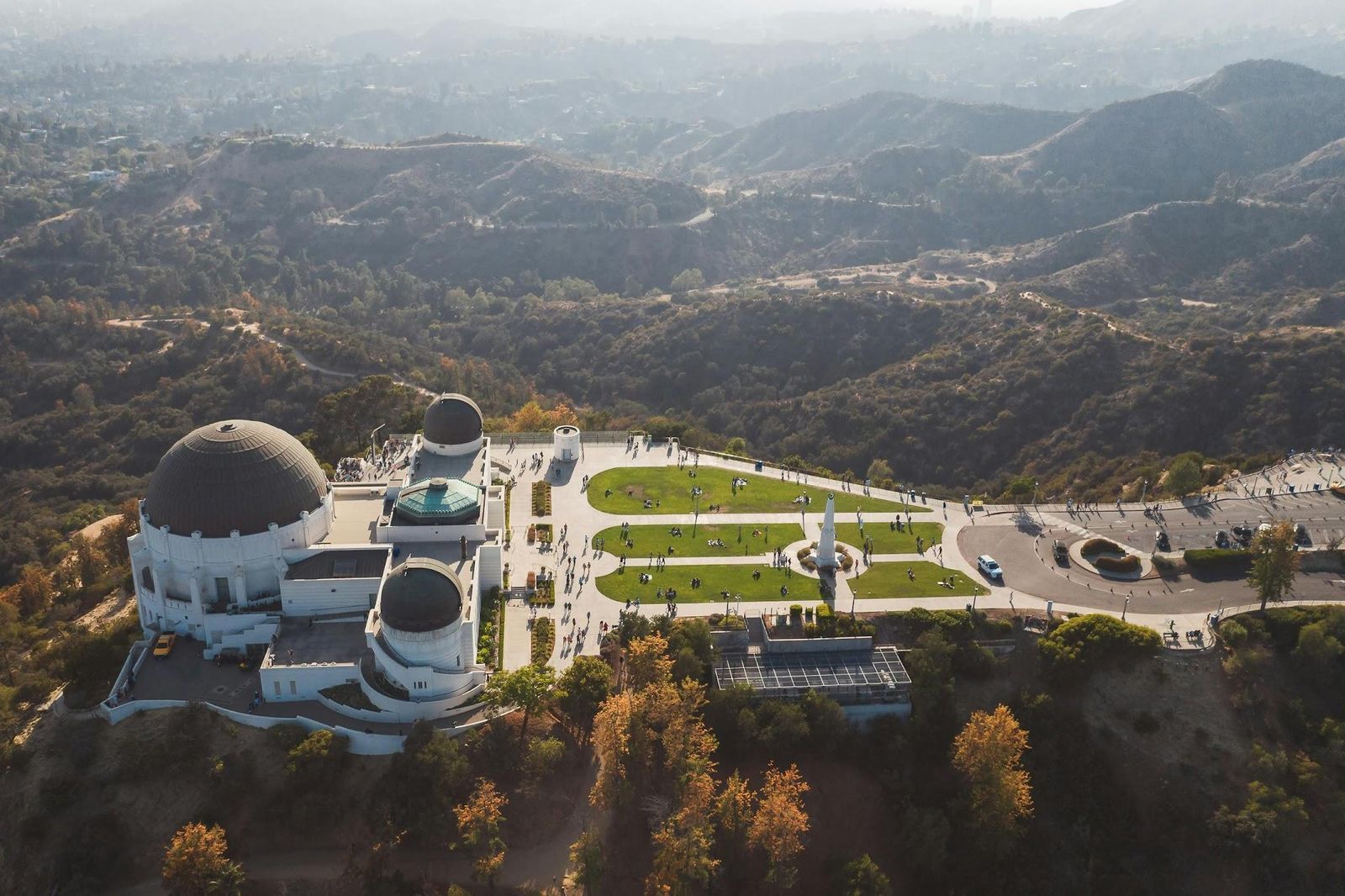
Did you know that one of LA’s most beloved institutions has been free since the day it opened in 1935? At no cost, people can access the Griffith Observatory, its grounds, and all exhibits, including the famous Foucault pendulum, the Tesla coil, and the Camera Obscura. The views from its terrace take in the Hollywood Sign, the Los Angeles basin, and, on clear days, the Pacific Ocean.
The Getty Center, a campus of world-class art on a hilltop above Bel-Air, is free to enter, with free parking on weekends. There, visitors will find paintings by Rembrandt, Van Gogh, and Monet, as well as sweeping views of the city.
Finally, the Santa Monica Pier, the official end of Historic Route 66, is free to walk, as is its ungated amusement park, Pacific Park, although its attractions are priced.
Rome, Italy
Rome is one of the few cities on earth where extraordinary ancient monuments simply sit in the open. For example, the Spanish Steps, the Piazza Navona, the Campo de' Fiori, and the Circus Maximus (the ancient chariot-racing track that once held 250,000 spectators) cost nothing to visit.
Entering the basin area of the iconic Trevi Fountain used to be free, but since early 2026, it costs €2. However, the fountain itself remains fully visible from the surrounding piazza, free of charge.
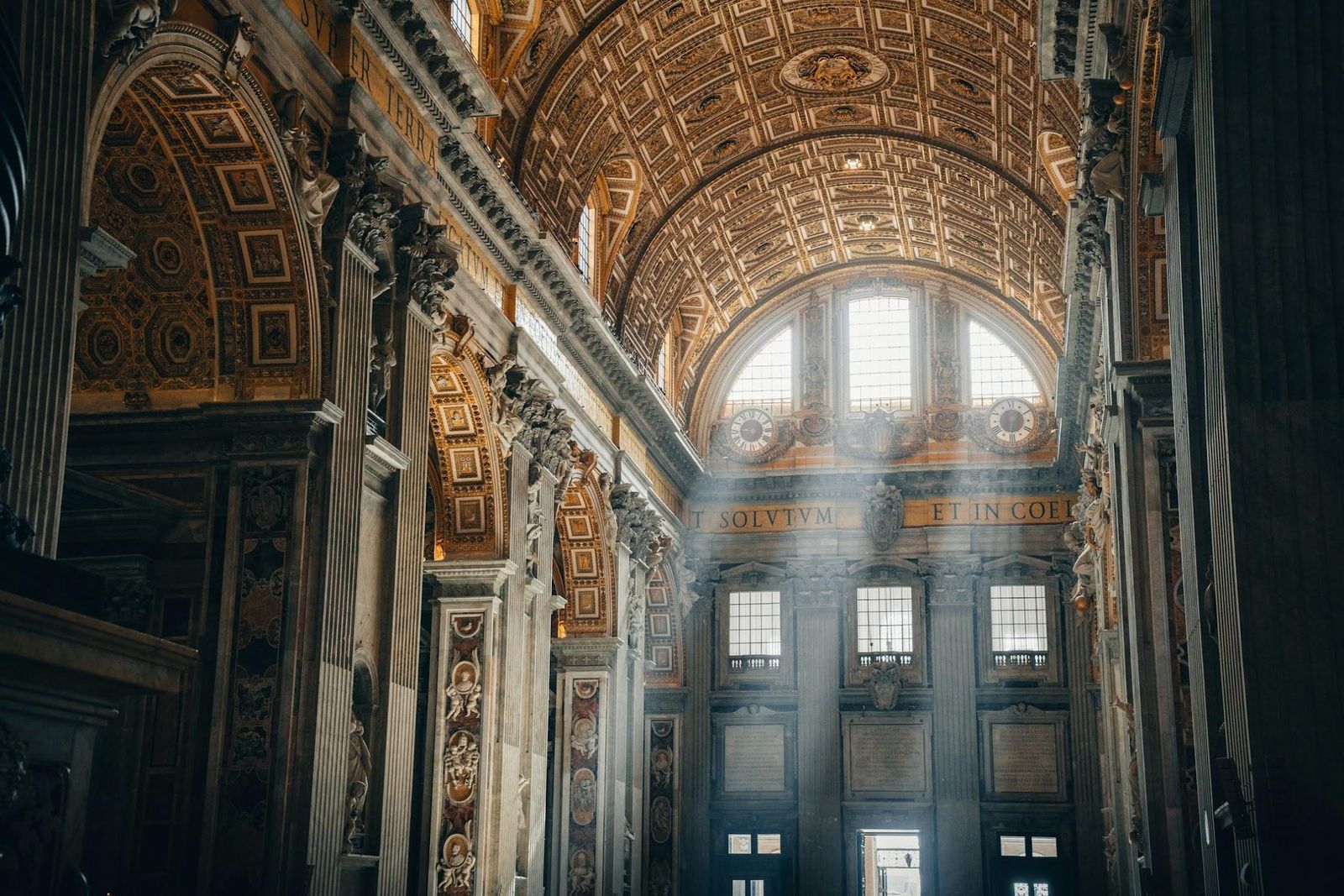
St. Peter's Basilica, the largest church in the world, containing Michelangelo's Pietà sculpture, is free to enter, as long as shoulders and knees are covered. Visitors can also freely walk around the Trastevere neighborhood, with its medieval alleyways and centuries-old churches.
Paris, France
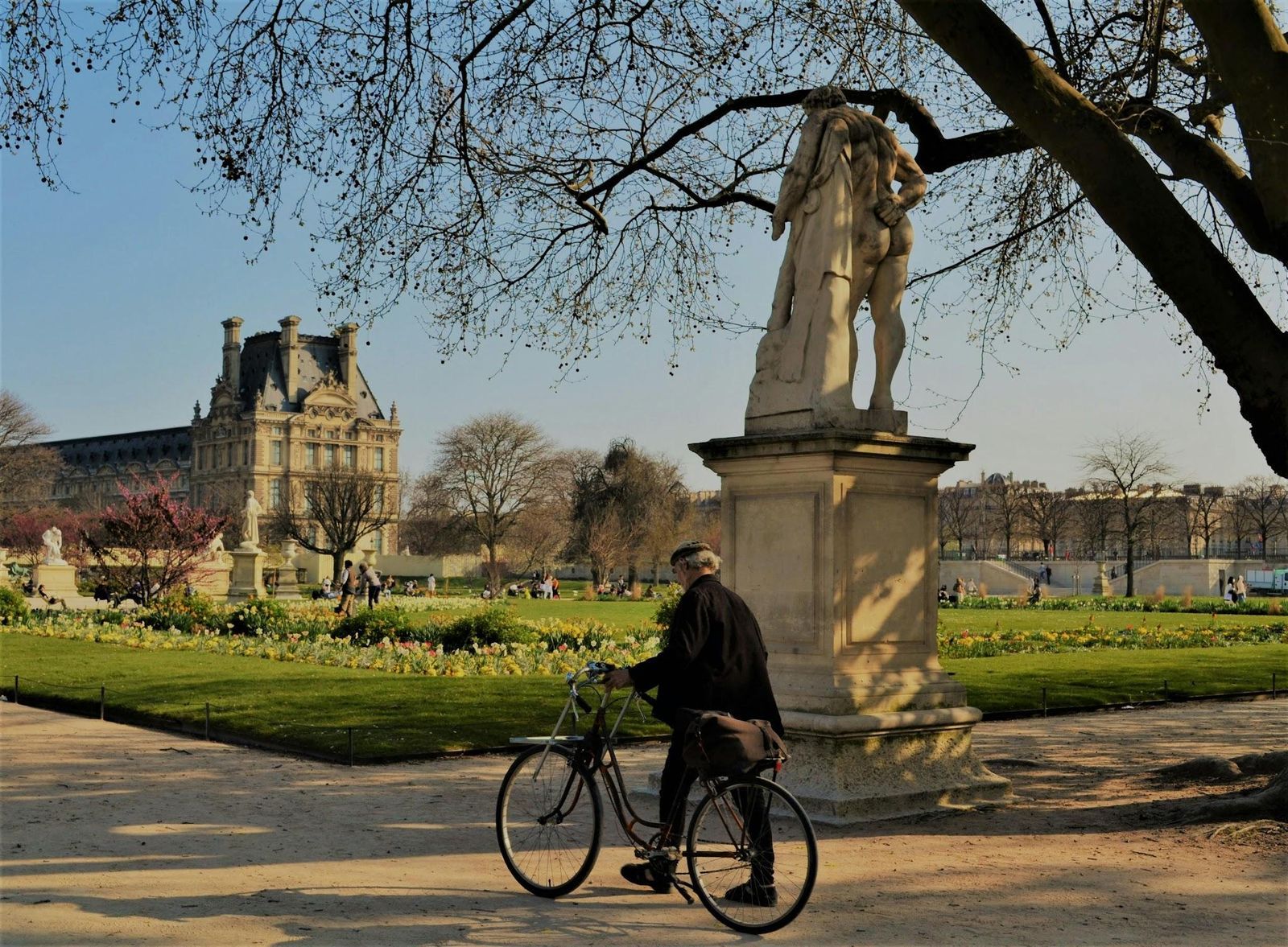
Paris is generous with its beauty. The Jardins du Palais Royal, a peaceful garden in the heart of the city, is free and less crowded than the tourist circuits nearby. The Luxembourg Gardens offer 60 acres of formal French landscape, fountains, and tree-lined paths, entirely free.
Montmartre, the hilltop neighborhood of artists, cobblestone streets, and sweeping views, costs nothing to explore on foot, and the steps of the Sacré-Cœur Basilica at sunset offer one of the best panoramic views of the city available.
St. Peter's Basilica, with its stunning Renaissance architecture, welcomes visitors freely, as does Notre-Dame Cathedral, which reopened in 2024 after five years of restoration following the 2019 fire. Another free-to-enter option is the Père Lachaise Cemetery, the resting place of figures like Edith Piaf, Oscar Wilde, Jim Morrison, and Frédéric Chopin.
London, UK
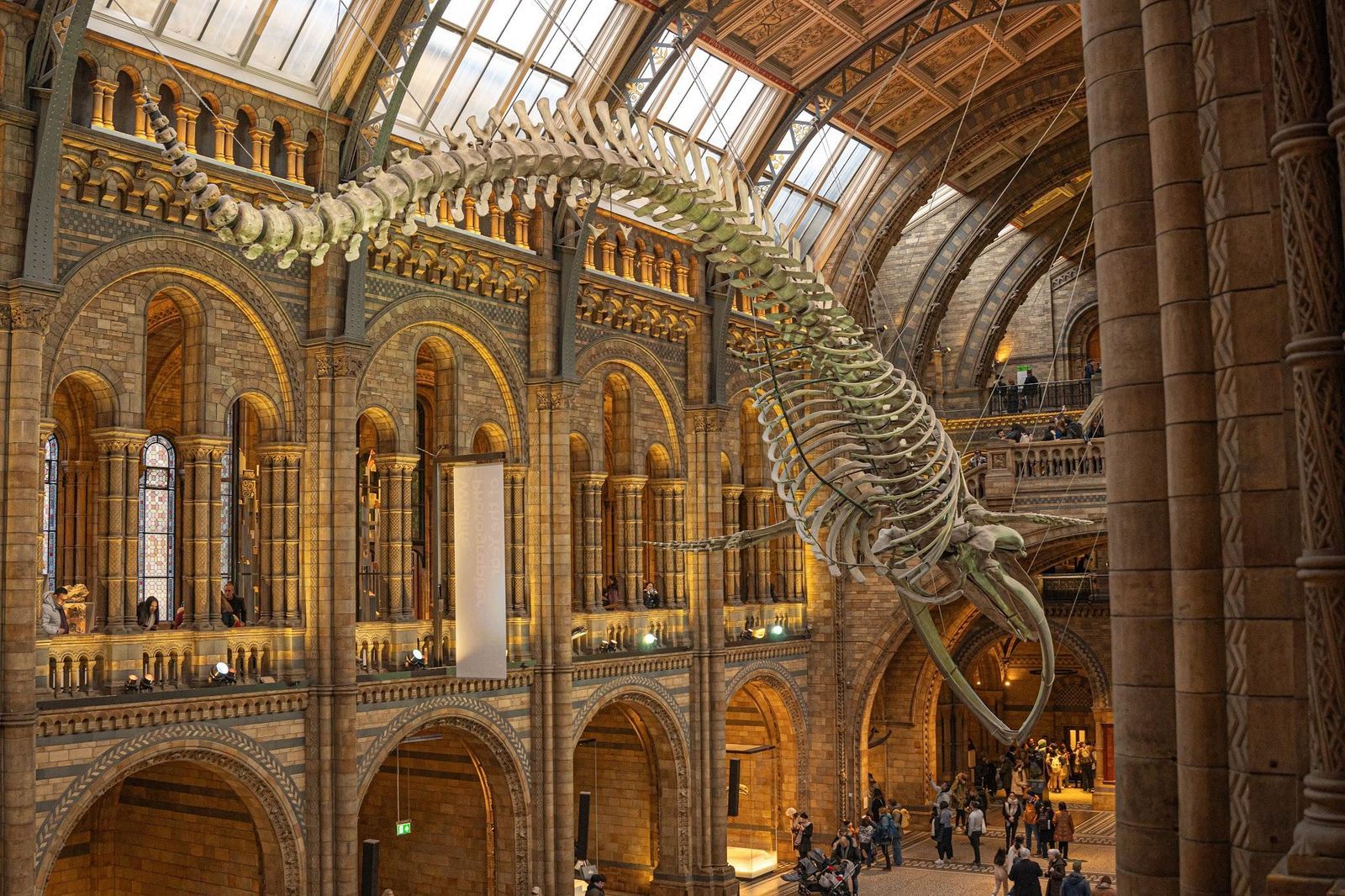
London may be one of the most expensive cities on earth, but its greatest treasures are free. Most of its world-class museums and galleries have free permanent collections, and they don’t charge a penny to receive their millions of annual visitors.
For example, the British Museum holds a permanent collection of approximately 8 million objects (the largest in the world), including the Rosetta Stone, the Elgin Marbles, and Egyptian mummies. The Natural History Museum has a life-size blue whale suspended from its ceiling.
The Tate Modern art museum holds Picasso, Warhol, and Rothko. The National Gallery on Trafalgar Square contains Van Gogh's Sunflowers and Monet's Water Lilies., which means a visitor could spend a full week moving between world-class institutions without paying for a single ticket. Add the Changing of the Guard at Buckingham Palace, a stroll through Hyde Park, and an afternoon at Borough Market, and you have a full weekend of free activities.
Barcelona, Spain
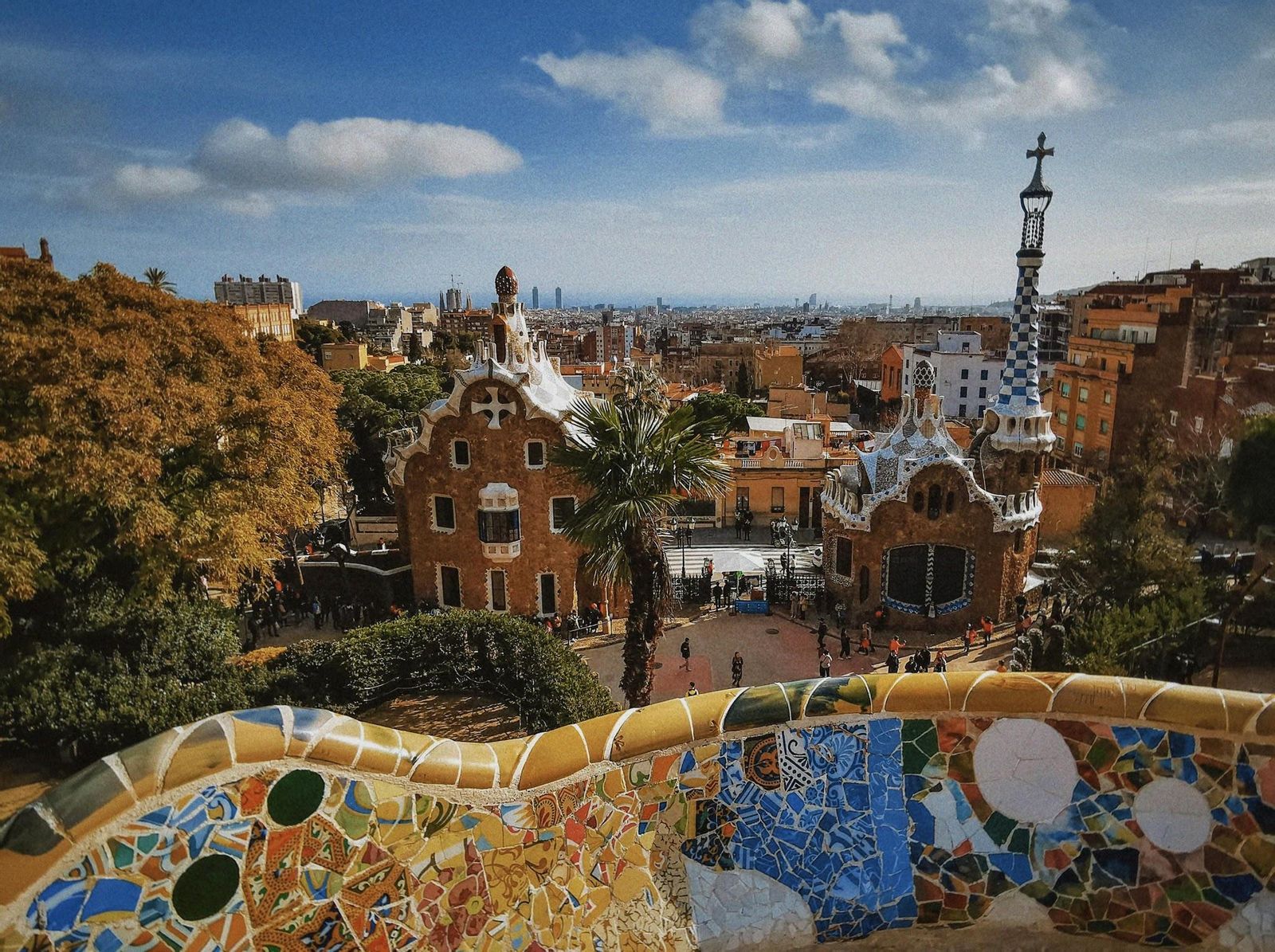
There are plenty of one-of-a-kind spots to visit for free in Barcelona. Visitors can wander through the Gothic Quarter, a dense medieval neighborhood of narrow stone alleyways, Roman ruins, and Gothic churches; some of the original Roman walls of Barcino, dating to the 1st century BC, are simply visible from the pavement.
Park Güell, Gaudí's colorful hilltop park, charges a fee for the Monumental Zone at its center, but the majority of the park, including the surrounding hillside paths and forest areas, is entirely open to the public. La Barceloneta beach, a fifteen-minute walk from the old city, is free to use year-round.
For the best view in the city, almost no visitor knows about the Bunkers del Carmel, the ruins of an abandoned Civil War anti-aircraft battery on a hilltop in the Carmel neighborhood, a completely free, 360-degree panoramic view over the entire city, the sea, and the Sagrada Família. It is where locals go to watch the sun go down, and it costs nothing.
Dubai, UAE
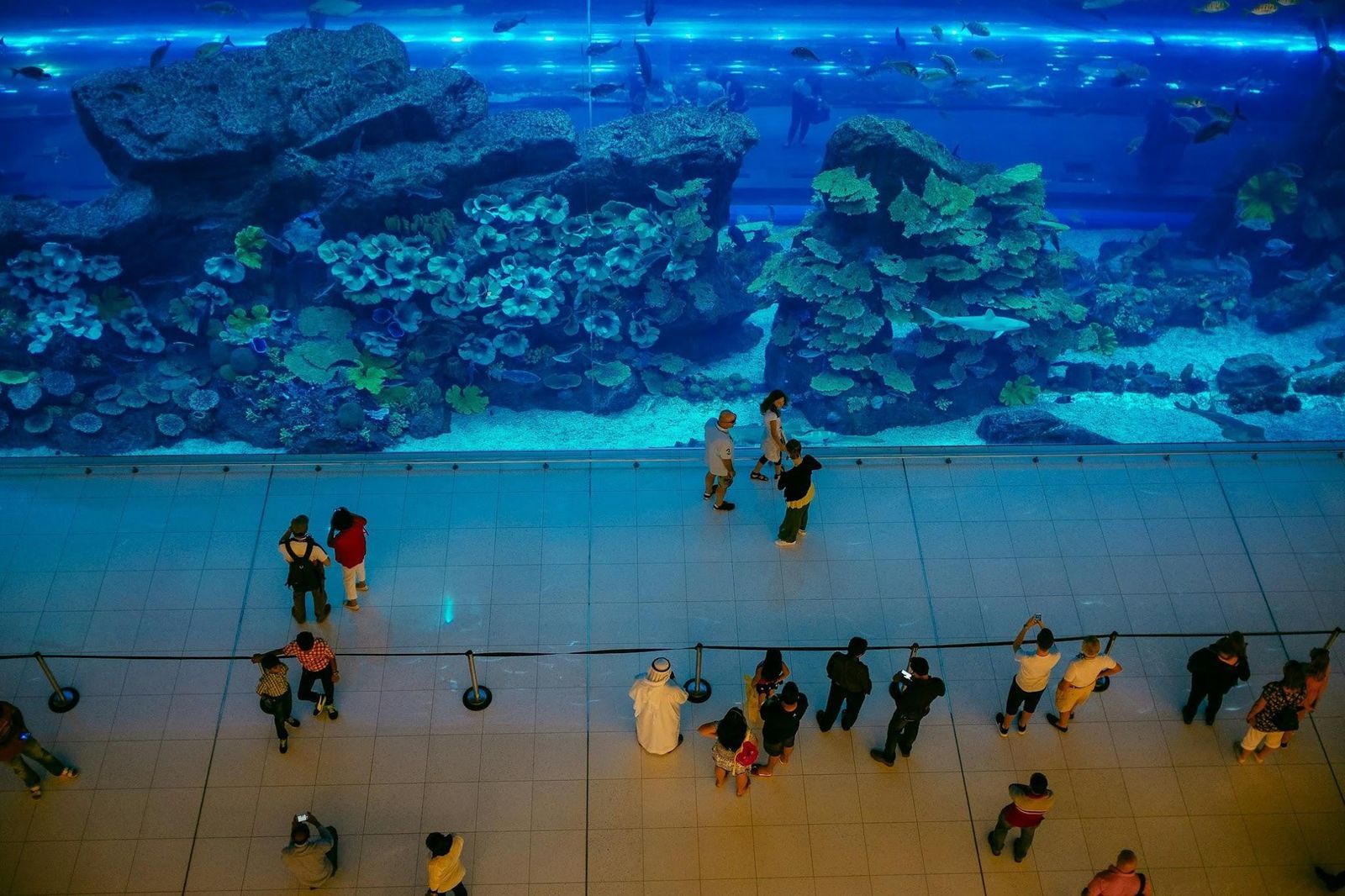
Dubai prides itself on being the city of superlatives, and some of its unique attractions are entirely free. The Dubai Fountain shoots water almost 500 feet into the air every 30 minutes every evening, and it's completely free to watch. Stretching over 900 feet (about two football pitches), it is the world's largest choreographed fountain. It performs against the backdrop of the Burj Khalifa, the world's tallest building.
JBR Beach and Jumeirah Open Beach are public and free, with fine white sand, clear water, and gorgeous views of the Dubai skyline. The Dubai Mall, the largest shopping mall in the world by total area, is free to enter, and its Dubai Aquarium viewing panel, visible from outside without a ticket, is one of the most spectacular sights in the city; behind the world's largest acrylic panel, 100 feet wide, you’ll spot sharks, rays, and thousands of fish.
For a completely different Dubai, the Al Fahidi Historic District, the city’s oldest surviving neighborhood, with wind-tower architecture dating to the 1780s, is free to walk and offers a different version of the city.
Tokyo, Japan
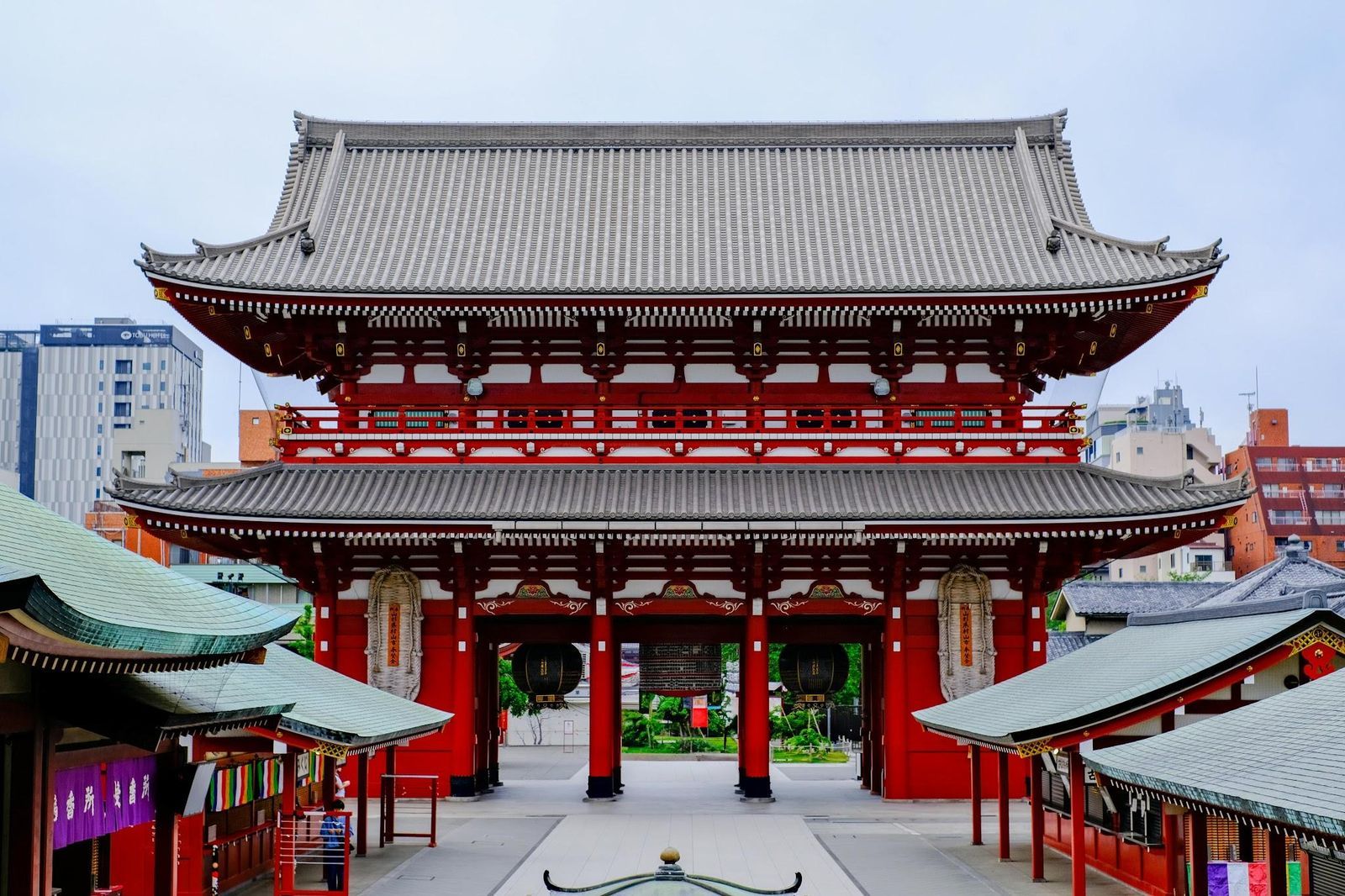
In Tokyo, ancient ritual and electric modernity exist side by side and are often free to experience. Senso-ji Temple in Asakusa, Tokyo's oldest temple, dating to 645 AD, is free to enter and one of the most photographed places in Japan.
Meiji Jingu Shrine, located in central Tokyo, is a must-see. It’s surrounded by a forest of over 100,000 trees donated from across Japan at its founding in 1920, and within minutes of the entrance, the noise of the city disappears entirely.
A ten-minute walk away, Harajuku's Takeshita Street is the opposite experience: color, youth fashion, and food, all free to wander. Yoyogi Park, adjacent to both, frequently hosts free outdoor performances, festivals, and community gatherings on weekends. Finally, the Tsukiji Outer Market is free to browse, with some of the best street food in the city.
Sydney, Australia
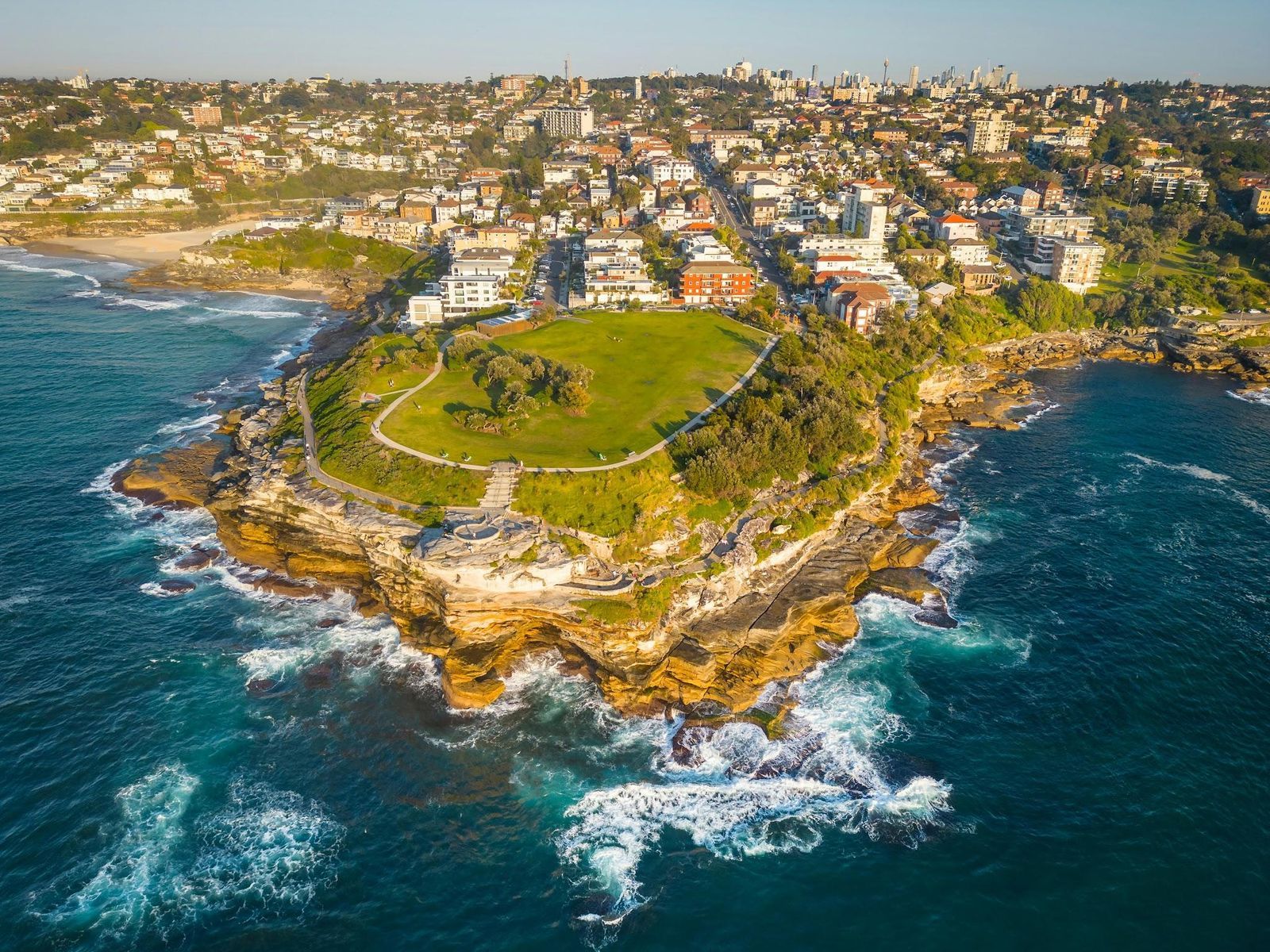
Sydney's most iconic free experience isn't the Opera House; it's the coast. The Bondi to Coogee Coastal Walk is 3.7 miles one-way, takes 2 to 3 hours at a comfortable pace, and passes Bondi Beach, Tamarama, Bronte, Clovelly, and Coogee Beach. The path runs along sandstone cliffs above the Pacific, past pools carved into the rock, through cemetery headlands and café-lined beachfronts. Entry is free, and the trail is open year-round. In winter months, it's one of the best vantage points in Australia to spot humpback whales on their annual coastal migration.
Adjacent to the Opera House, the Royal Botanic Garden, cultivated since 1816, is free to enter and home to over 7,500 plant species on 30 hectares of waterfront land. Mrs Macquarie's Chair, a sandstone bench carved into a headland by convicts in 1810 for the Governor's wife, sits at the tip of a peninsula inside the gardens and offers the definitive postcard view: the Sydney Opera House and Harbour Bridge across the water.
Istanbul, Turkey
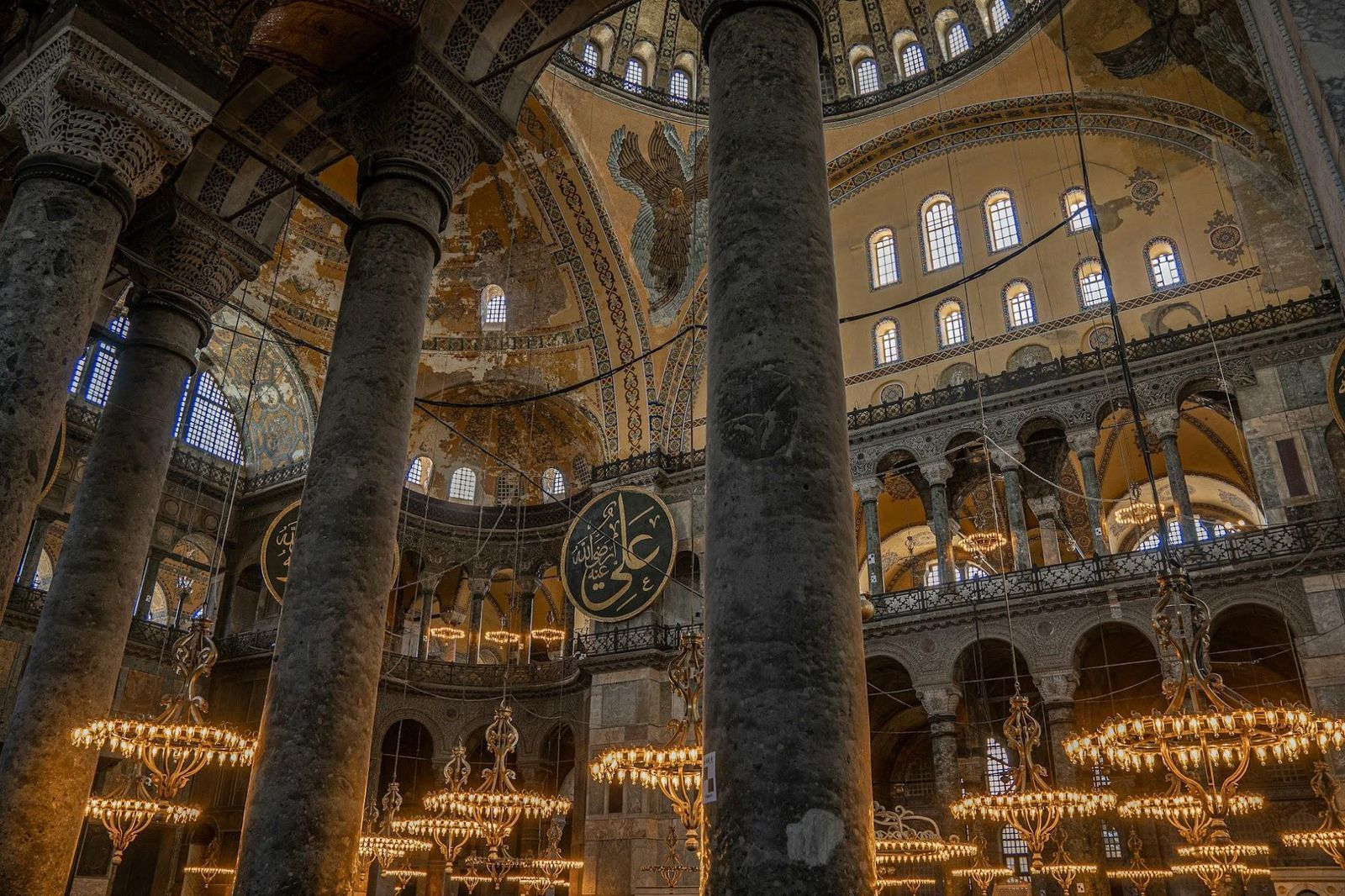
Very few of the most extraordinary places in Istanbul have an entry fee. The Grand Bazaar, one of the oldest and largest covered markets in the world, has 61 covered streets and over 4,000 shops, and entry is free at any of its 18 gates.
The Galata Bridge, crossing the Golden Horn at sunset, is lined with local fishermen casting lines from the railings. Sultanahmet Square is perhaps the single most historically dense free zone on earth: the Blue Mosque and Hagia Sophia stand face to face across the same square, with the ancient obelisks of the Roman Hippodrome between them, and both are now free to enter, having been returned to active use as mosques.
The Spice Bazaar, smaller and more fragrant than the Grand Bazaar, is also free to enter. And a short ferry across the Bosphorus to the Kadıköy neighborhood on the Asian side costs almost nothing and delivers a street market, a waterfront promenade, and the rare experience of having set foot on two continents in a single afternoon.
Keep wandering
There’s always
more to explore
10 steps to take if you get sick right before flying
4 min.
Read Now

This trench could swallow Everest, with room to spare
6 min.
Read Now
The one thing thieves hope you leave in your car
4 min.
Read Now
How many time zones does the United States have?
5 min.
Read Now