10 steps to take if you get sick right before flying
 General
10 steps to take if you get sick right before flying
Getting sick right before a flight is frustrating and stressful. However, flying while sick can make your illness worse and put other passengers at risk. Understanding how your body reacts to flying, how airlines handle sick travelers, and how travel insurance works will help you navigate unexpected health issues before or during a journey.
Medically, can you fly? What doctors look for

Flying takes a toll on the human body. Cabin air pressure drops at high altitudes, which causes gases inside your body to expand by roughly 25%. Oxygen saturation levels in your blood also drop.
When evaluating whether a patient is fit to fly, doctors look at several factors: Barotrauma Risk (can cause intense pain or torn eardrums); Oxygen Saturation (reduced cabin oxygen can strain compromised lungs or heart function); Thrombosis Risk (extended sitting increases risk of Deep Vein Thrombosis or blood clots); Contagion (active viral or bacterial infection poses a public health hazard).
Will the airline let you fly?
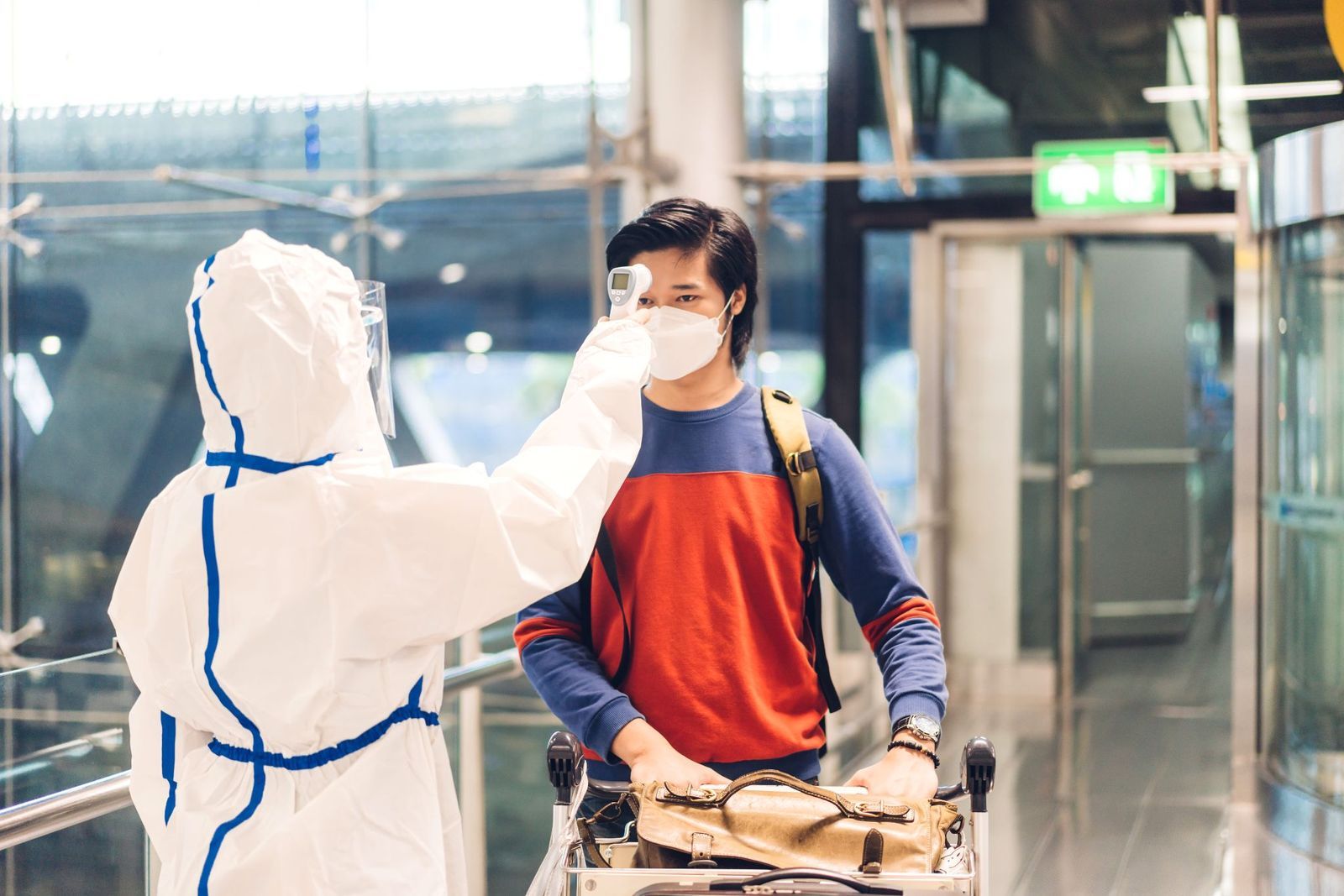
Airlines have the legal authority to deny boarding to any passenger who is visibly too ill to travel safely. Under international aviation rules, gate agents and cabin crew are trained to look for signs of severe illness, such as high fever, persistent vomiting, confusion, or difficulty breathing.
If crew members suspect you are unfit to fly, they can request an assessment by airport medical staff. If you have a visible injury or recent medical procedure, carrying an official Fit to Fly certificate or a Medical Information Form (MEDIF) signed by your doctor can prevent you from being rejected at the gate.
When you definitely should NOT fly
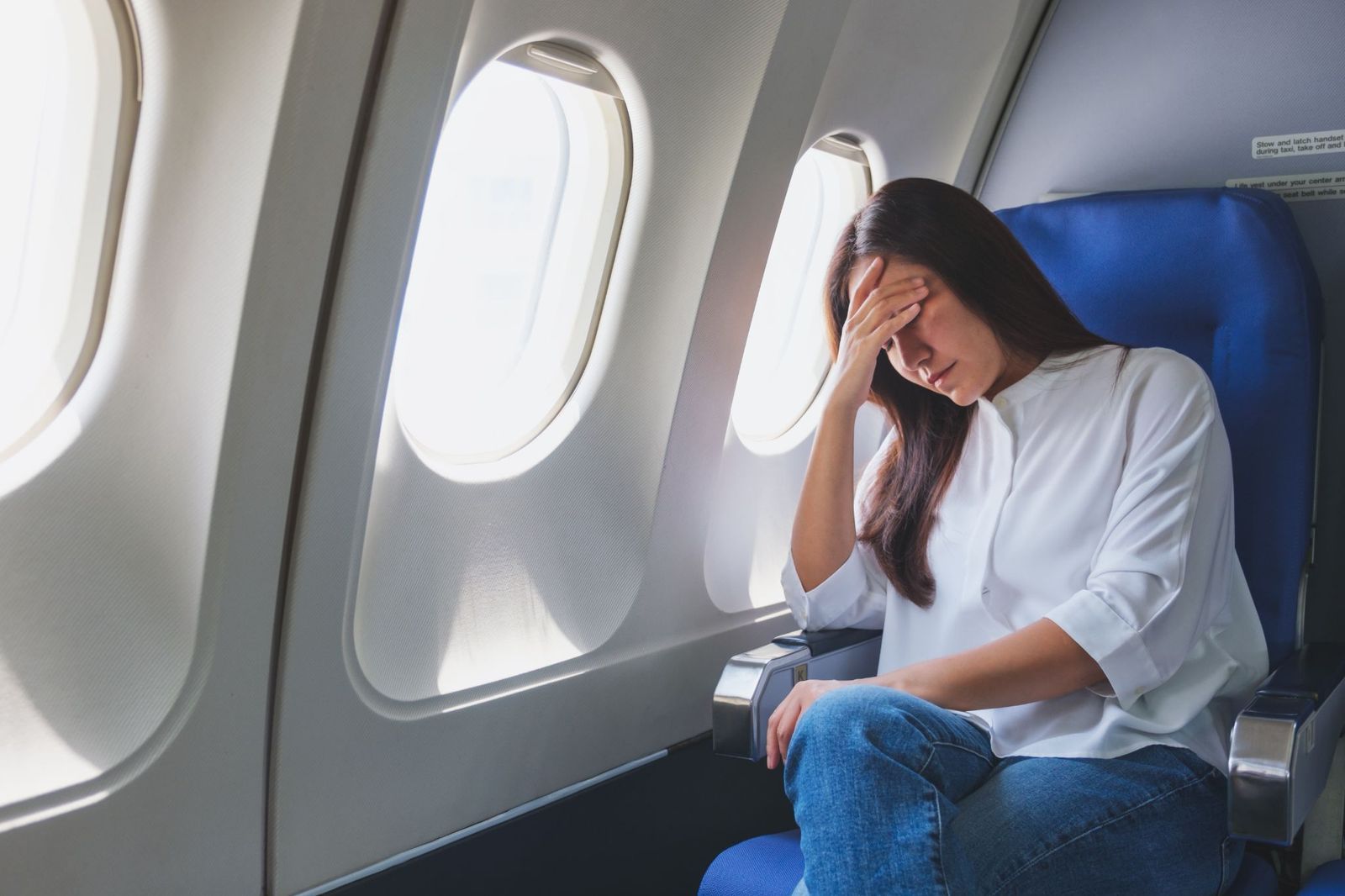
While you might be able to fly with a minor cold, you should cancel or delay your trip immediately if you have any of these conditions: high fever or contagious sickness (conditions like the flu, COVID-19, or chickenpox); recent surgery or open wounds (changing air pressure can pop open surgical stitches or cause internal bleeding); bad ear or sinus infections (trapped air can cause severe pain or permanently damage your hearing); chest pain or heart problems; collapsed lung.
Timeline: When to make the decision
Making a timely decision gives you the best chance of recovering your costs or rebooking. 72 to 48 hours before flying, monitor your symptoms closely and contact your doctor for an initial evaluation. In the meantime, check your airline’s change and cancellation policies.
If, 24 hours before flying, symptoms involve fever, severe pain, or high contagion, you should cancel. Never travel to the airport hoping to "shake it off". Attempting to board while ill can result in being denied boarding or cause medical emergencies mid-flight.
Travel insurance: Your financial protection
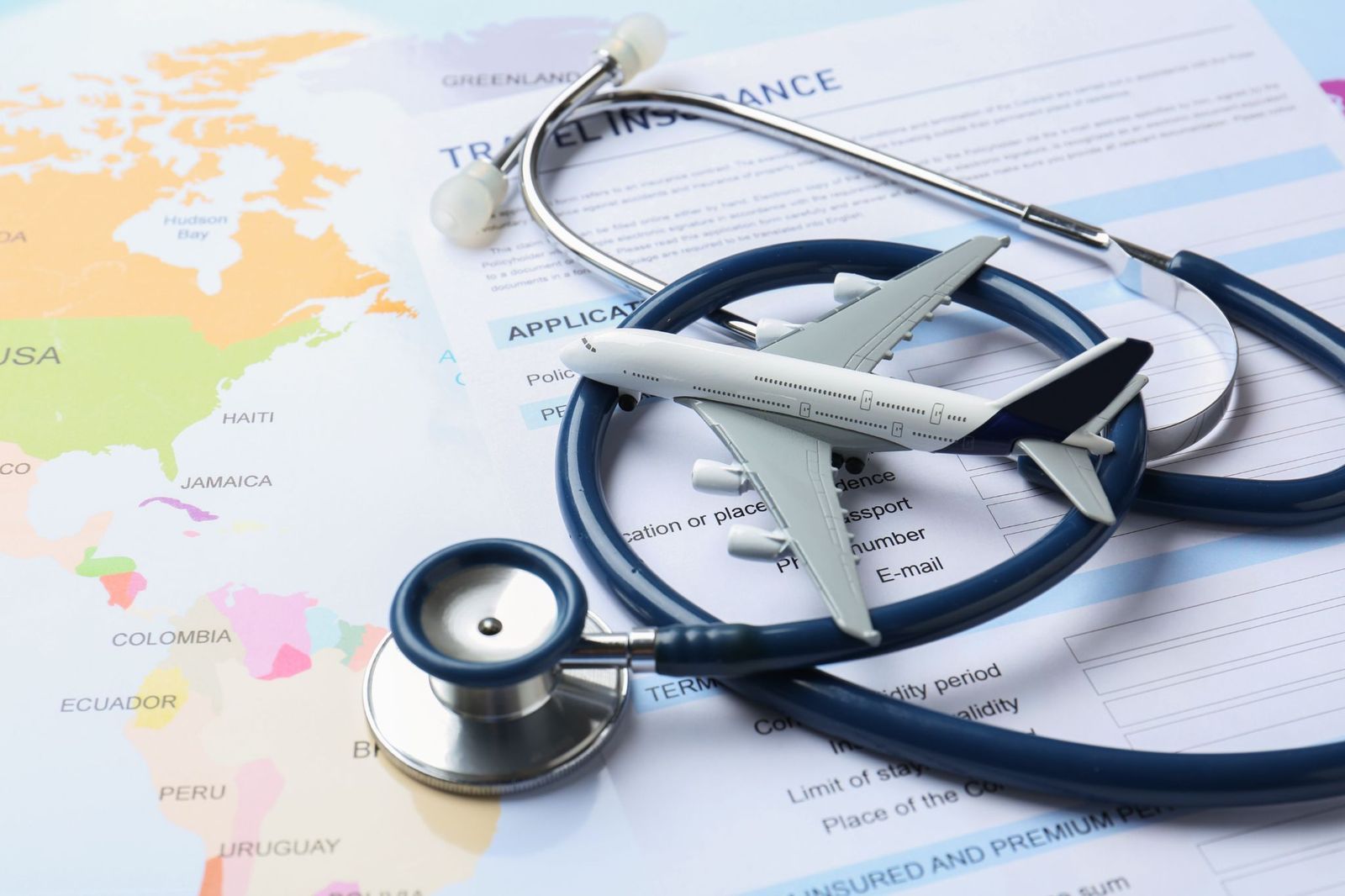
Travel insurance protects your money if an unexpected illness ruins your plans. Most basic plans include Trip Cancellation Coverage, which gives you money back for non-refundable costs (like flights, hotels, and tours) if a doctor says you are too sick to go.
If you get sick while you are already away from home, Trip Interruption Coverage pays for extra hotel nights and last-minute flights home. Emergency Medical Coverage pays for local hospital visits in other countries, and Medical Evacuation Coverage pays for special travel to a bigger hospital if needed.
What is a covered reason for trip cancellation?
Insurance companies will not pay out just because you feel tired or slightly unwell. To get a refund, you need to meet these conditions: have a doctor’s order (a licensed doctor must examine you and write a note explicitly discouraging flying); the illness must be bad enough that traveling is unsafe; the sickness must start after you buy the insurance policy. Most policies also cover you if an immediate family member becomes ill and needs your care.
Getting medical documentation for flight cancellation
To get a refund from an airline or insurance company, you need to prove you were sick. So, you must visit a clinic or doctor’s office before your plane takes off. Insurance companies will probably reject doctor notes dated after the flight.
Ask the doctor for a signed note stating that you are "unfit to travel", along with your medical diagnosis and dates. Also, save all medical bills, pharmacy receipts, and ticket cancellation emails.
Practical tips if you're sick close to your flight

If you start feeling sick right before you are supposed to leave, follow a few steps to protect your trip and money. For instance, always cancel before takeoff. If you simply don’t show up, you lose all rights to refunds. Even non-refundable tickets can often be turned into future travel credits if you show a doctor’s note. Next, contact your hotel directly. Many will waive cancellation fees if you show them a doctor’s note.
Medical devices on board
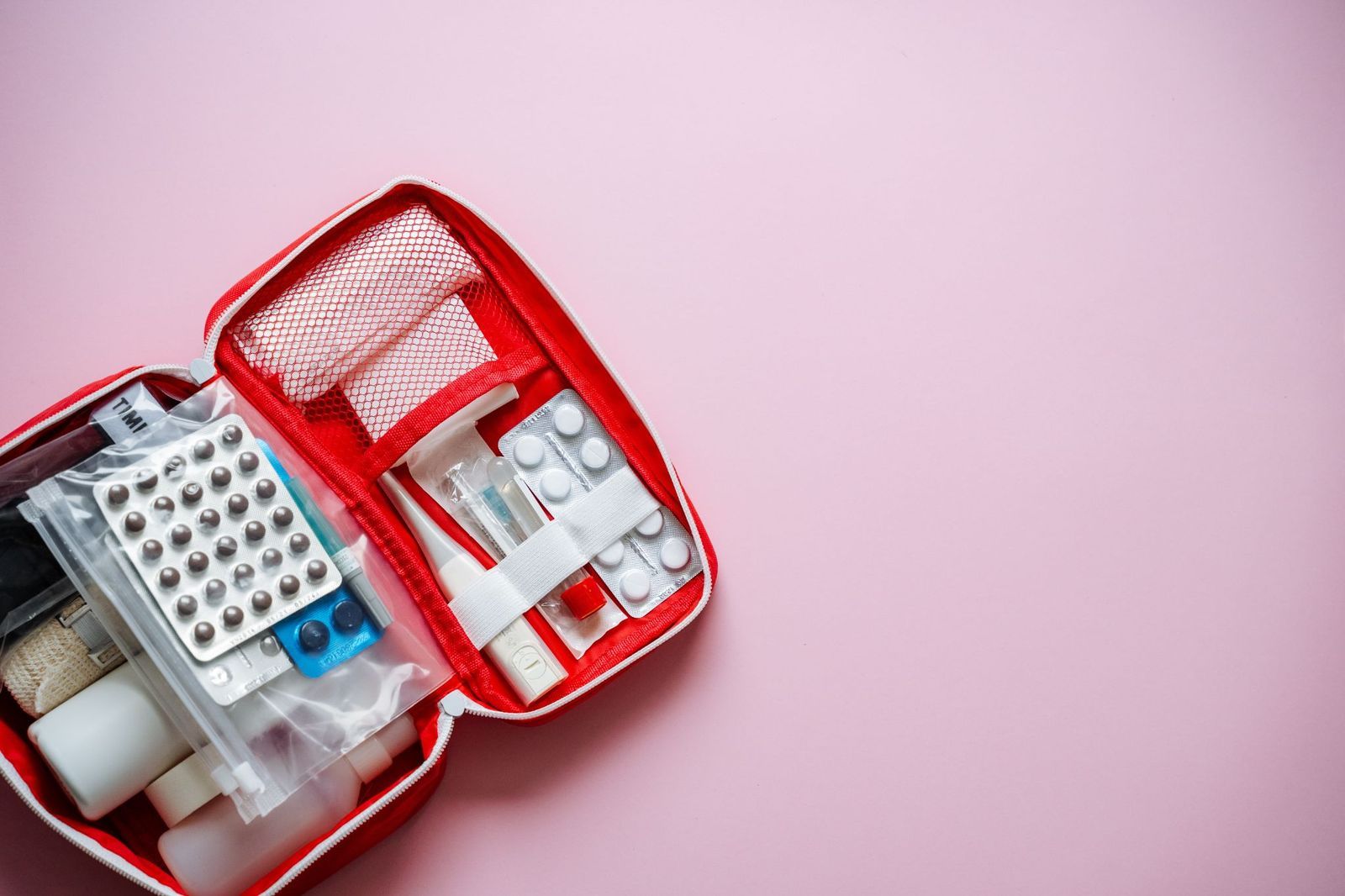
If your doctor allows you to fly but you need special medical equipment, prepare ahead of time so you pass security and boarding smoothly. Call your airline at least 48 to 72 hours before your flight to register devices like CPAP machines or Portable Oxygen Concentrators (POCs).
Your medical equipment must run on battery power during the flight. Lastly, keep all pills, syringes, and medical devices in your carry-on luggage with original prescription labels and a doctor’s letter.
Planning for future travel with medical conditions
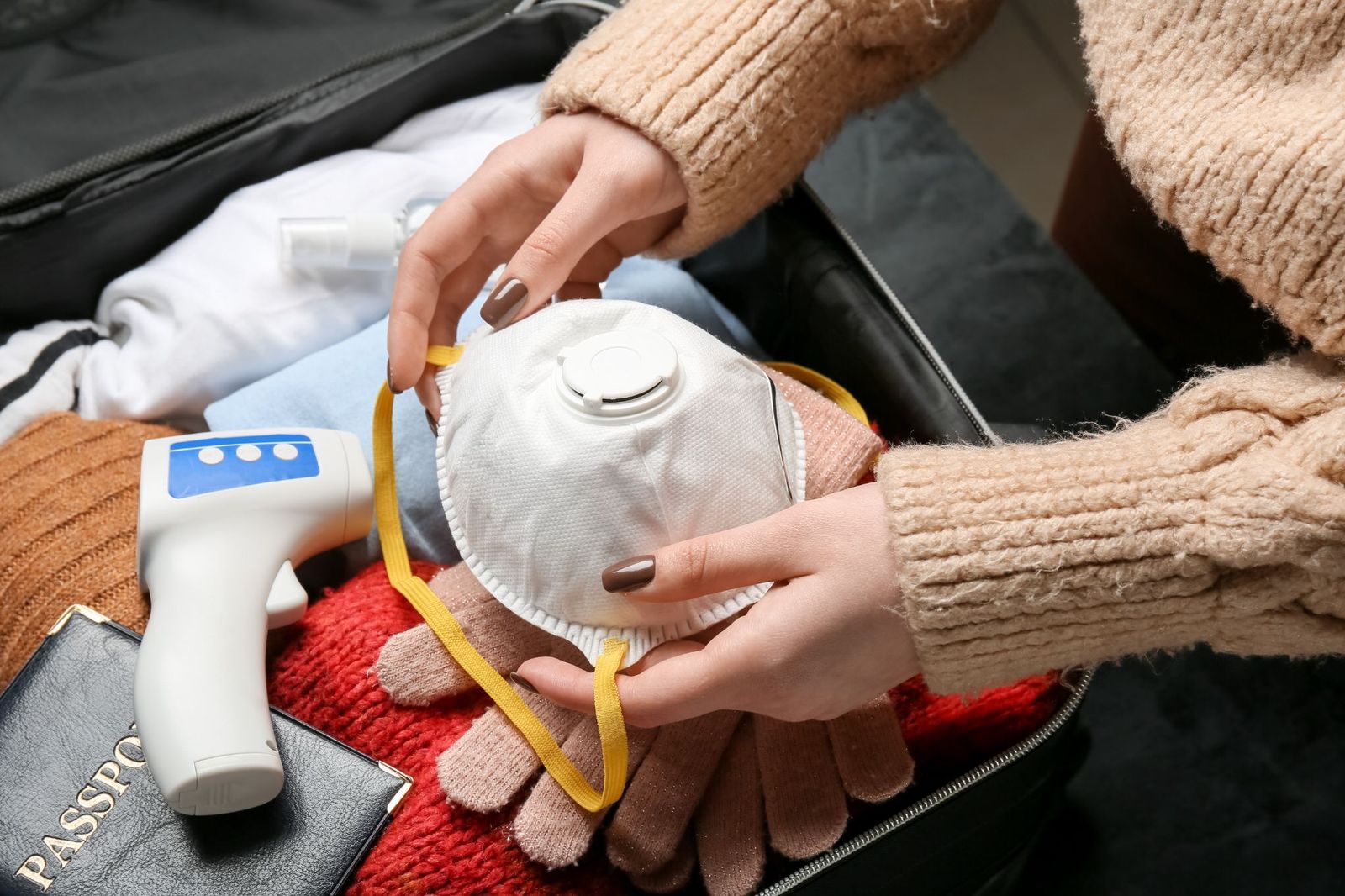
Having an ongoing health condition should not stop you from traveling, as long as you plan ahead. For example, you can purchase travel insurance right after you book your trip to cover pre-existing conditions. Another good option is to pay a little extra for refundable tickets or flights that let you change dates for free.
Also, bring at least one extra week of medicine in your carry-on bag in case your return home is delayed. Finally, find out where the nearest hospital is at your destination before you leave home.
In these places, you'd better think twice before snapping that picture
 Landmarks
Strictly off-limits
In these places, you'd better think twice before snapping that picture
Reaching for a phone to take a quick photo is almost second nature today, whether it’s inside a famous church, on a dream trip to Paris, or during a stop at Las Vegas. But some of the world’s best-known places have strict rules about taking photographs that may catch visitors completely off guard. The U.S. Supreme Court is off limits, and so are some casinos. Even the Eiffel Tower is technically one of those places where photographs are forbidden. Here are 10 places where you aren’t allowed to take pictures, along with the reasons behind this unusual rule.
Las Vegas casinos
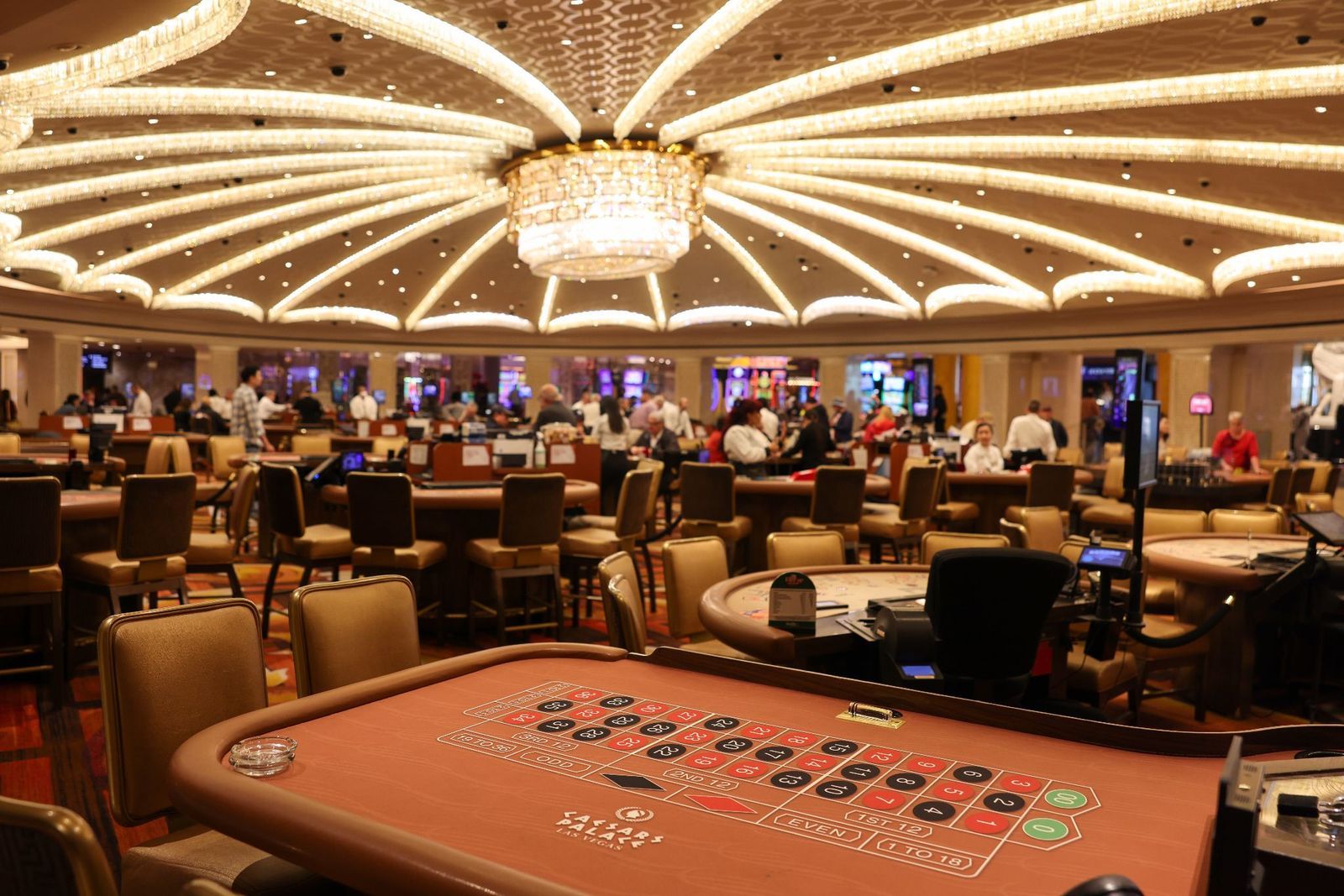
The slot machines are ringing, someone has just hit a jackpot, and the first instinct is to pull out a phone and capture the excitement. In most Las Vegas casinos, though, that simple act can quickly attract security.
Photography has long been discouraged on casino floors for several reasons. Casinos want to protect the privacy of guests, especially high-profile visitors and big winners who would rather not become the center of attention. Cameras can also reveal gaming strategies, surveillance systems, and security procedures. Concerns about cheating and organized crime made these rules even stricter, and many of those policies remain today. While some resorts now allow casual photos in certain public areas, the gaming floor itself is still one place where it's safest to keep the camera in a pocket.
Supreme Court courtroom
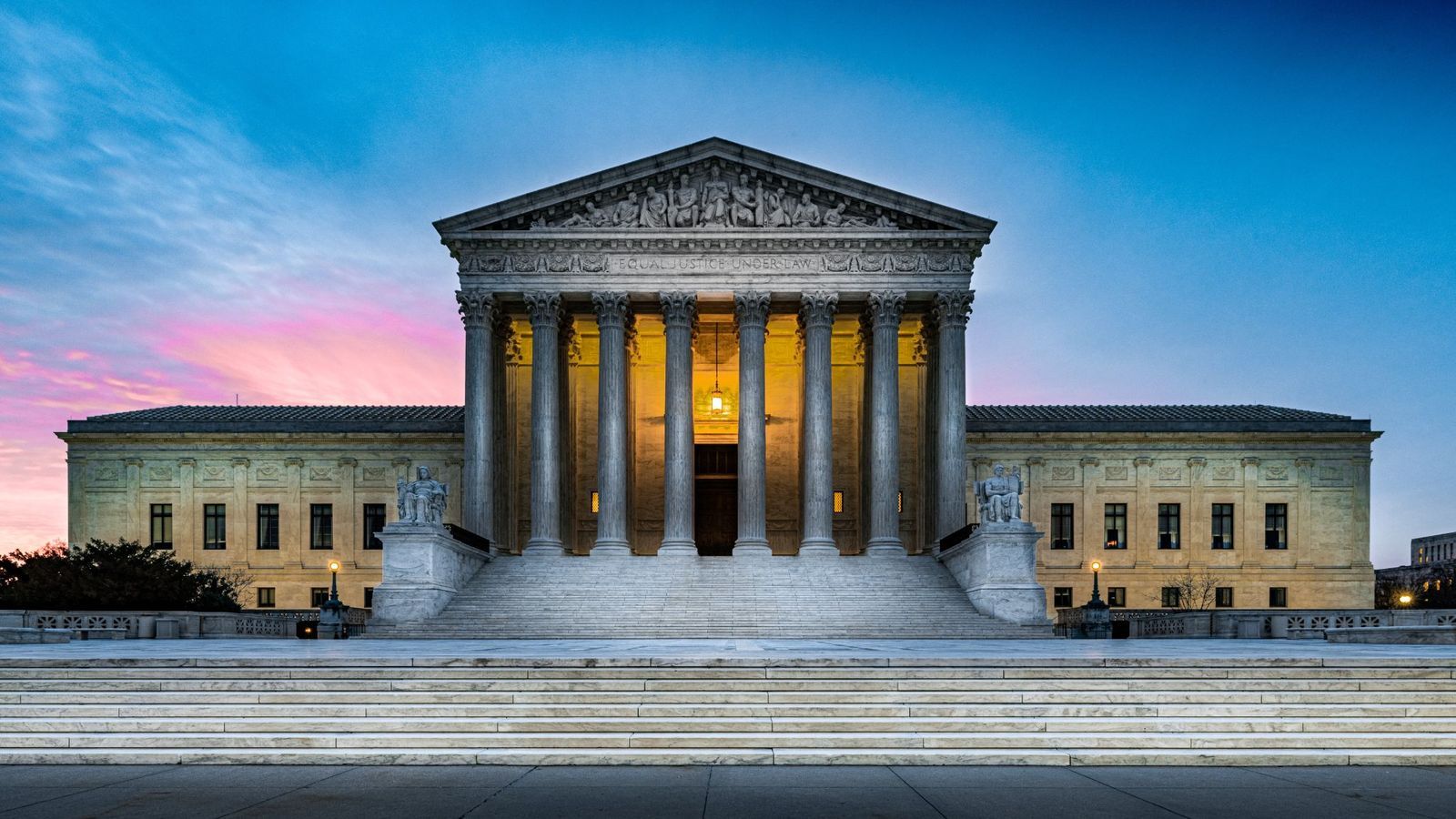
When people visit the courtroom of the U.S. Supreme Court, they go to the place expecting to take some great pictures of its architecture, but it’s not long before they discover that cameras are not welcome.
There’s a restriction that exists to preserve the dignity and fairness of judicial proceedings. Federal Rule of Criminal Procedure 53 prohibits photography and broadcasting in federal courtrooms, and the Supreme Court has maintained its own longstanding ban inside the courtroom. The Court allows non-flash photography in certain public areas of the building, but once visitors step into the courtroom itself, cameras must stay off.
Eiffel Tower
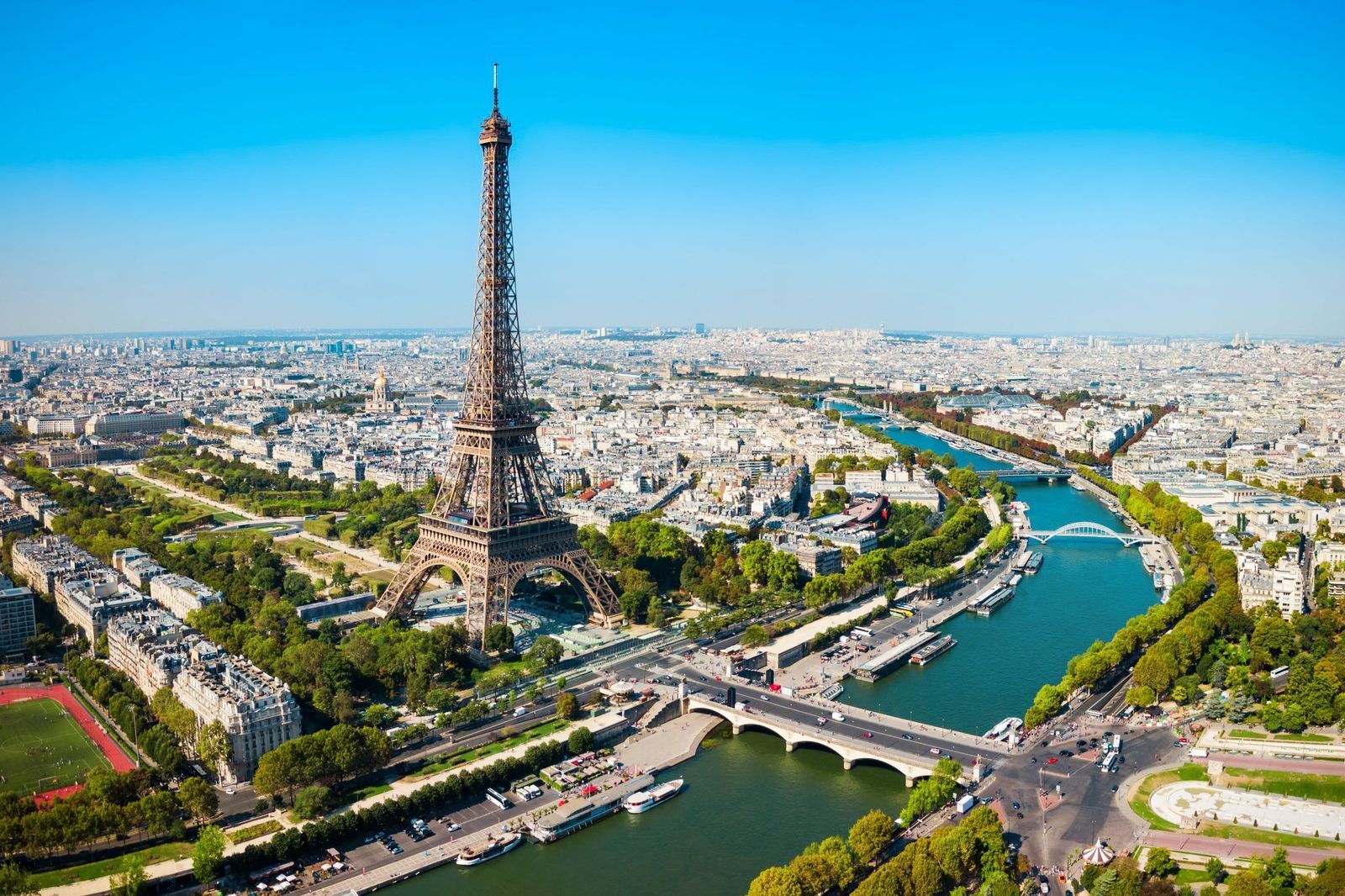
The towering monument is probably one of the most photographed places on Earth. Millions of visitors snap and post pictures of it every day. However, they are all technically breaking the law.
The Eiffel Tower has been standing since 1889, and for decades, it was part of the public domain, so photographs were perfectly acceptable. The famous sparkling light display, however, was added in 1985 by designer Pierre Bideau and is considered a separate artistic work protected under French copyright law. In practice, tourists taking personal photos rarely face problems. The restriction affects commercial use, such as advertisements, books, films, or products featuring nighttime images without permission.
U.S. Post Office

Stopping by the post office to mail a birthday card or holiday package is an ordinary errand. Few people imagine there could be restrictions on pulling out a camera while waiting in line.
The U.S. Postal Service has rules designed to protect both privacy and security. Photography that captures customers, employees, security cameras, restricted work areas, or mail handling operations may be prohibited or require permission. These rules help prevent sensitive information from being leaked and reduce security risks. While snapping a picture of the building from the sidewalk is fine, the activities inside are another matter entirely.
The Pentagon
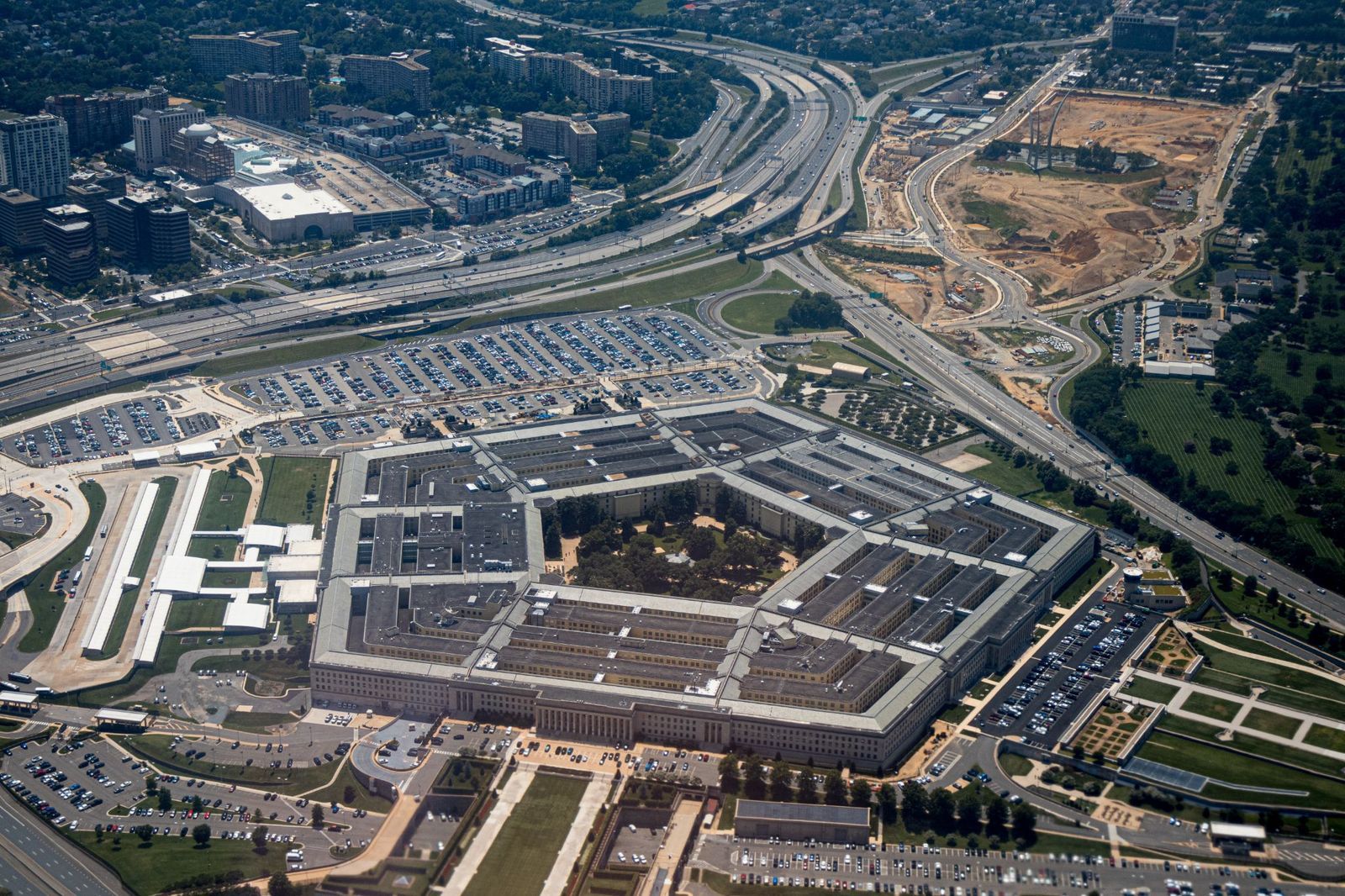
When people visit one of America’s most recognizable government buildings, they hope to go home with a souvenir picture. At the Pentagon, however, photography rules are among the strictest in the country.
Completed in 1943 during World War II, the Pentagon serves as the headquarters of the U.S. Department of Defense and remains one of the world’s most important military facilities. Visitors can only enter through guided tours, and photography is tightly controlled and prohibited in many areas to protect national security. Even details that seem harmless to the tourists could reveal information about building layouts, security systems, or military operations. For that reason, security personnel closely monitor camera use around the complex.
Sistine Chapel
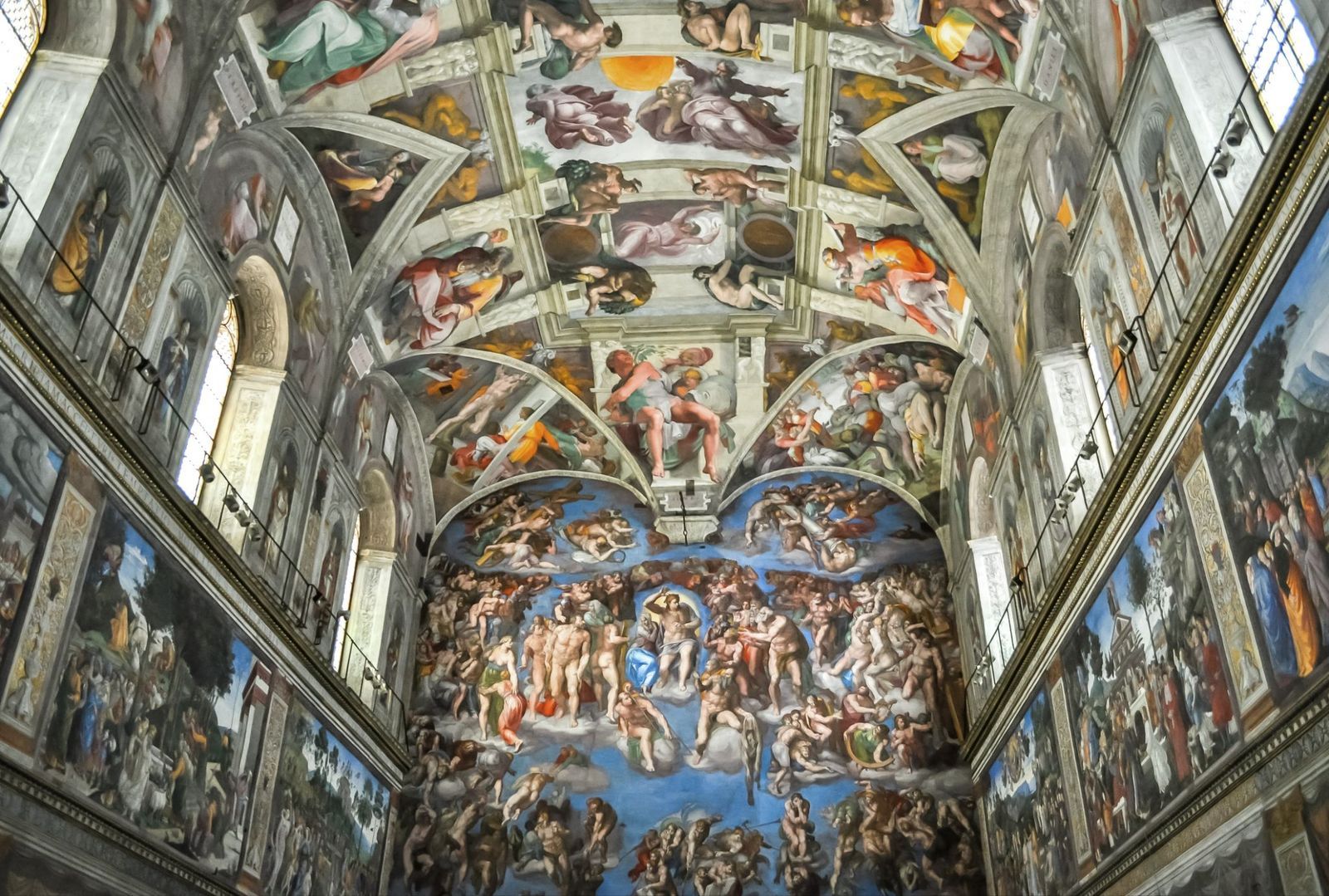
After walking through the Vatican Museum, closing the day at the Sistine Chapter is majestic. Visitors enter and immediately look upwards in amazement at the ceiling painted by Michelangelo more than 500 years ago. There’s always one who takes their phone out only to be gently reminded by the staff that no photos are allowed.
The rule serves two important purposes. For many years, officials worried that repeated camera flashes could contribute to a speedy deterioration of the frescoes, even though modern cameras usually have much more modern technology. Just as importantly, the chapel remains an active place of worship, so the artwork is expected to be enjoyed and experienced in silence and reflection rather than through phone screens.
Westminster Abbey
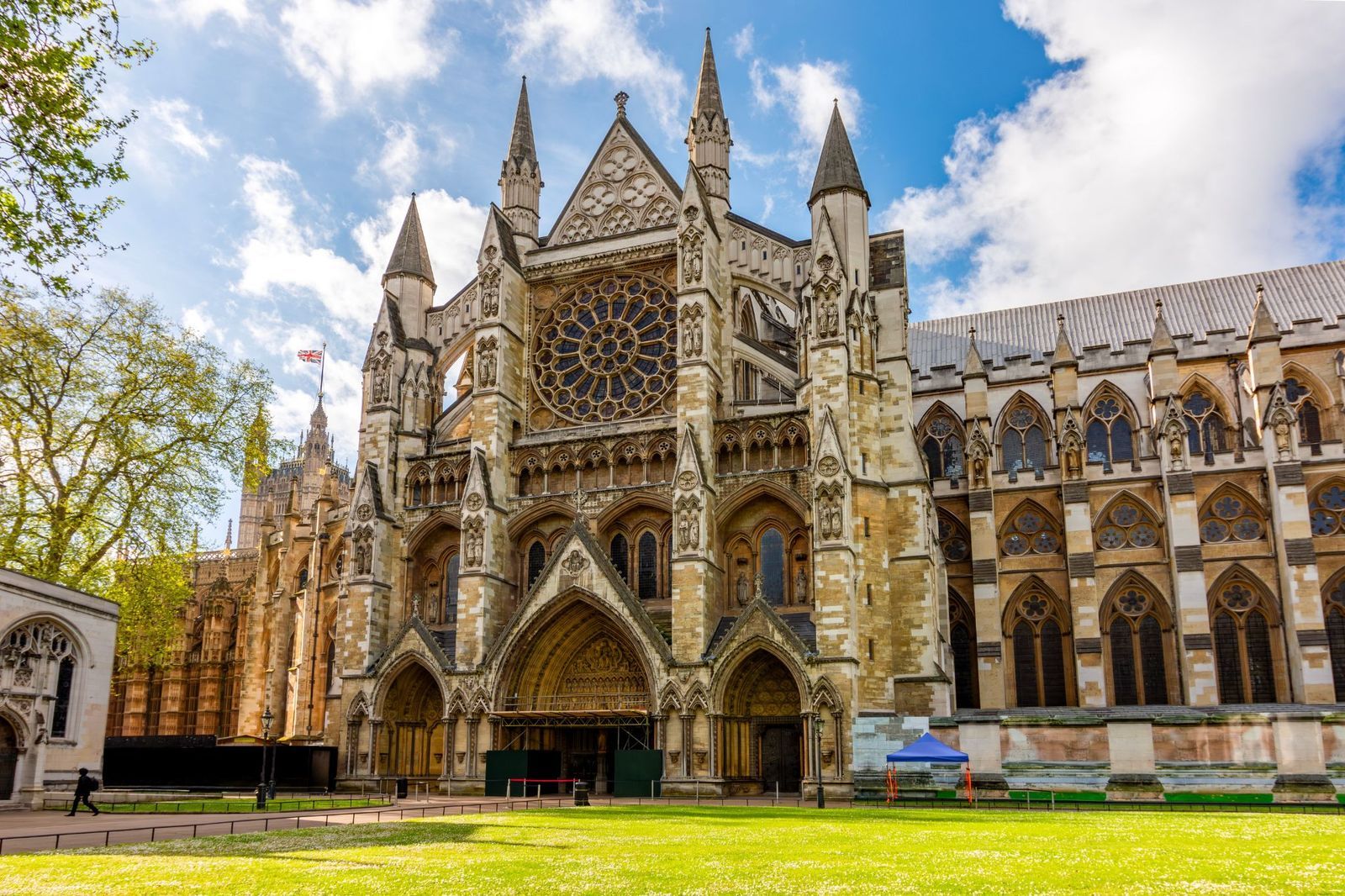
Many travelers enter Westminster Abbey hoping to photograph the same church where kings and queens have been crowned for nearly a thousand years. But the Abbey is yet another place where cameras are often restricted.
Westminster Abbey is a highly popular tourist attraction, but more than anything else, it’s a working church that hosts daily services, weddings, funerals, and national ceremonies. Photography is generally prohibited inside to preserve the building's sacred atmosphere and to help visitors appreciate its remarkable architecture without constant distractions. Certain especially important areas, including the Shrine of St. Edward the Confessor, receive additional protection because of their religious significance. It’s a place of worship first, a historic landmark second.
Tower of London
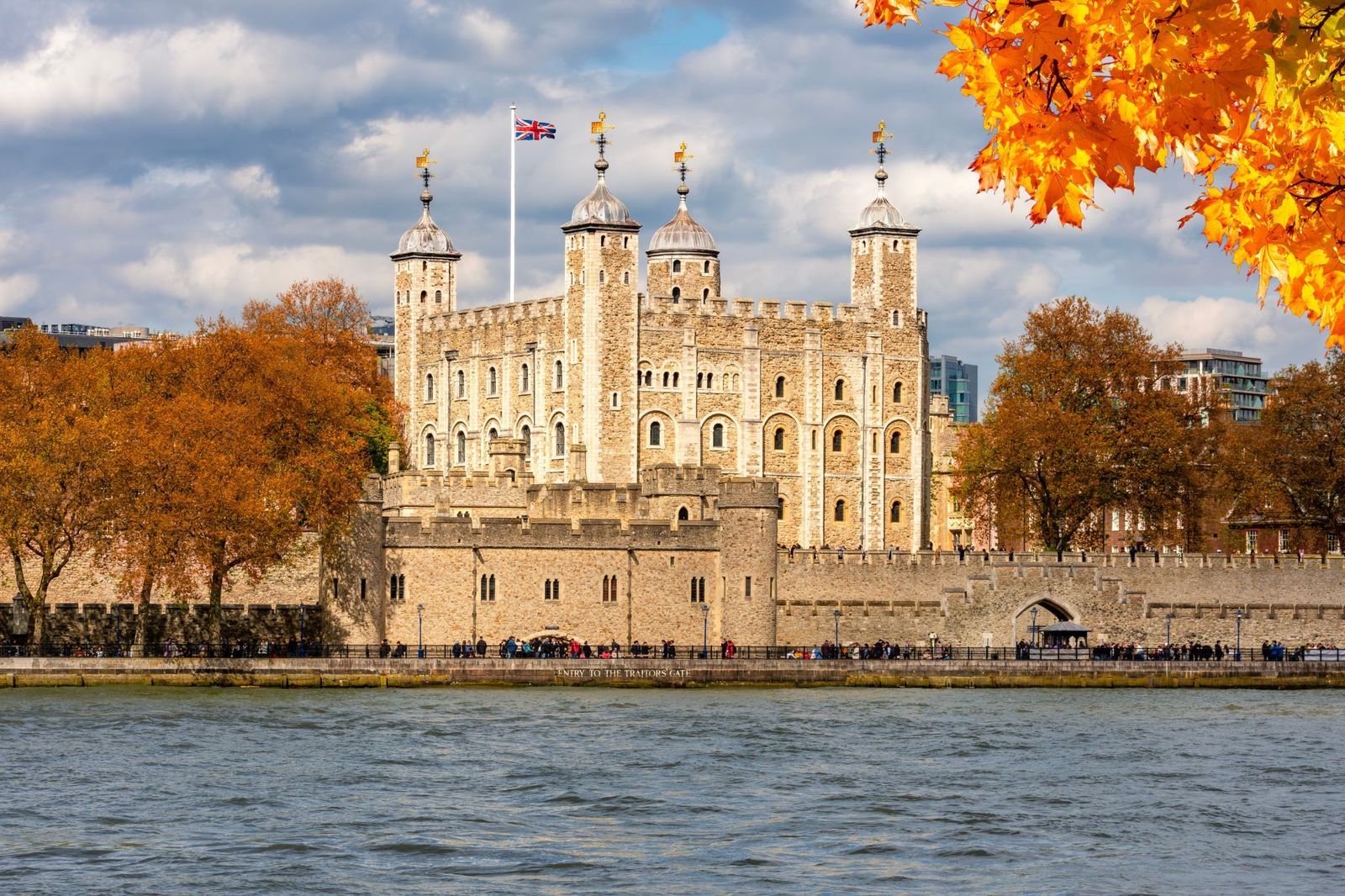
Walking through the Tower of London feels like stepping into a history book, and the Jewel House is worthy of a thousand photographs. Sadly, they aren’t allowed.
The Jewel House protects the Crown Jewels, one of the most valuable royal collections in the world. The no-photography rule is part of a broader security system designed to safeguard these priceless objects. Limiting photography helps reduce security risks and keeps crowds moving through the exhibition instead of stopping for lengthy photo sessions. It also allows visitors to focus on the extraordinary craftsmanship of regalia that continues to play a role in British coronation ceremonies.
Taj Mahal
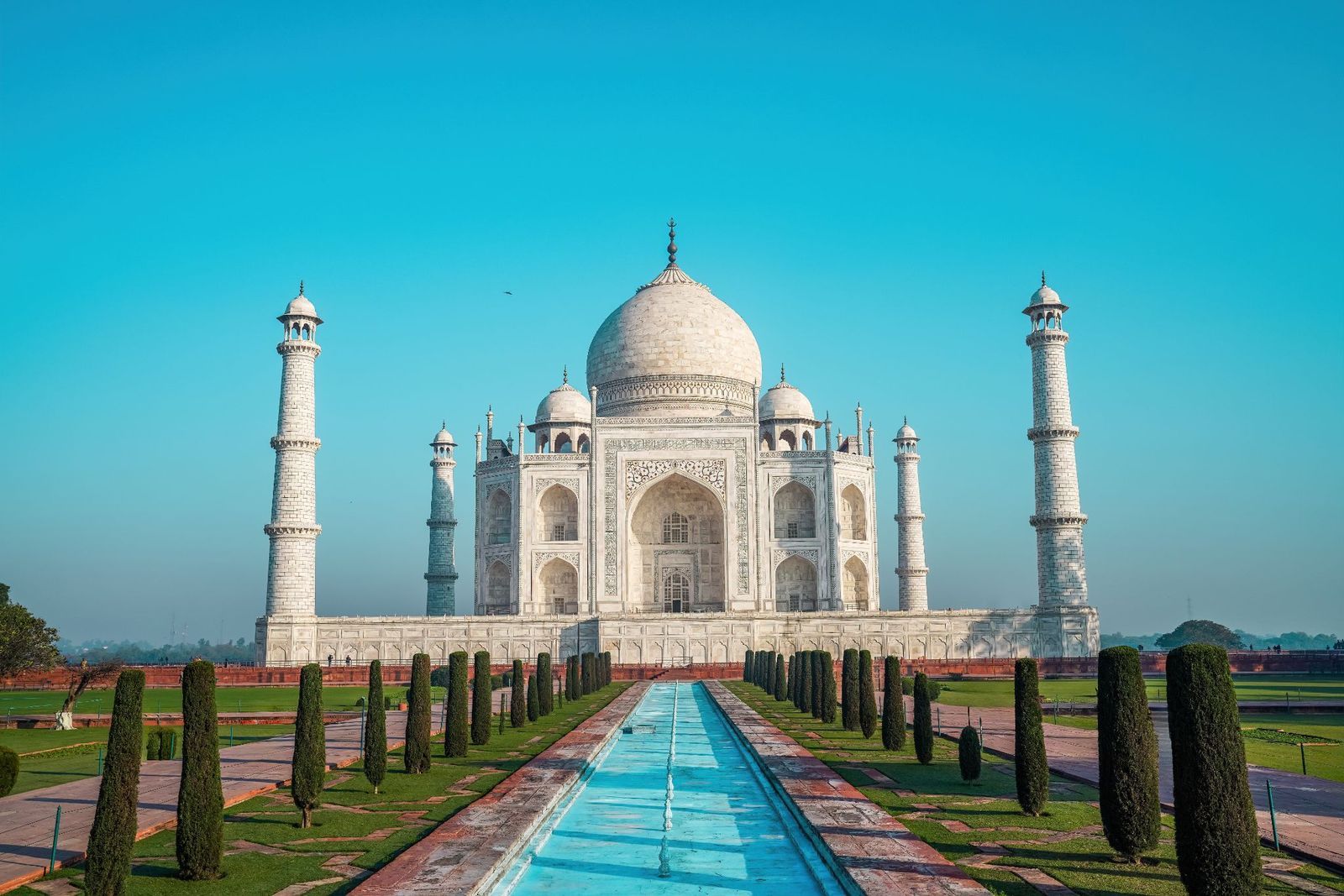
The first glimpse of the Taj Mahal is unforgettable, and almost everyone wants to capture every angle. Outside, photography is welcomed. Inside the mausoleum itself, the rules change.
Built in the 1600s by the Mughal emperor Shah Jahan in memory of his wife Mumtaz Mahal, the Taj Mahal is not simply a monument. It’s a mausoleum containing symbolic tombs, with actual graves located in a lower chamber. Because of its sacred and memorial nature, photography inside is prohibited. Visitors are also asked to remain quiet as they pass through the echoing marble interior. The experience is meant to honor the site’s original purpose as a place of remembrance rather than a backdrop for vacation pictures.
Neuschwanstein Castle
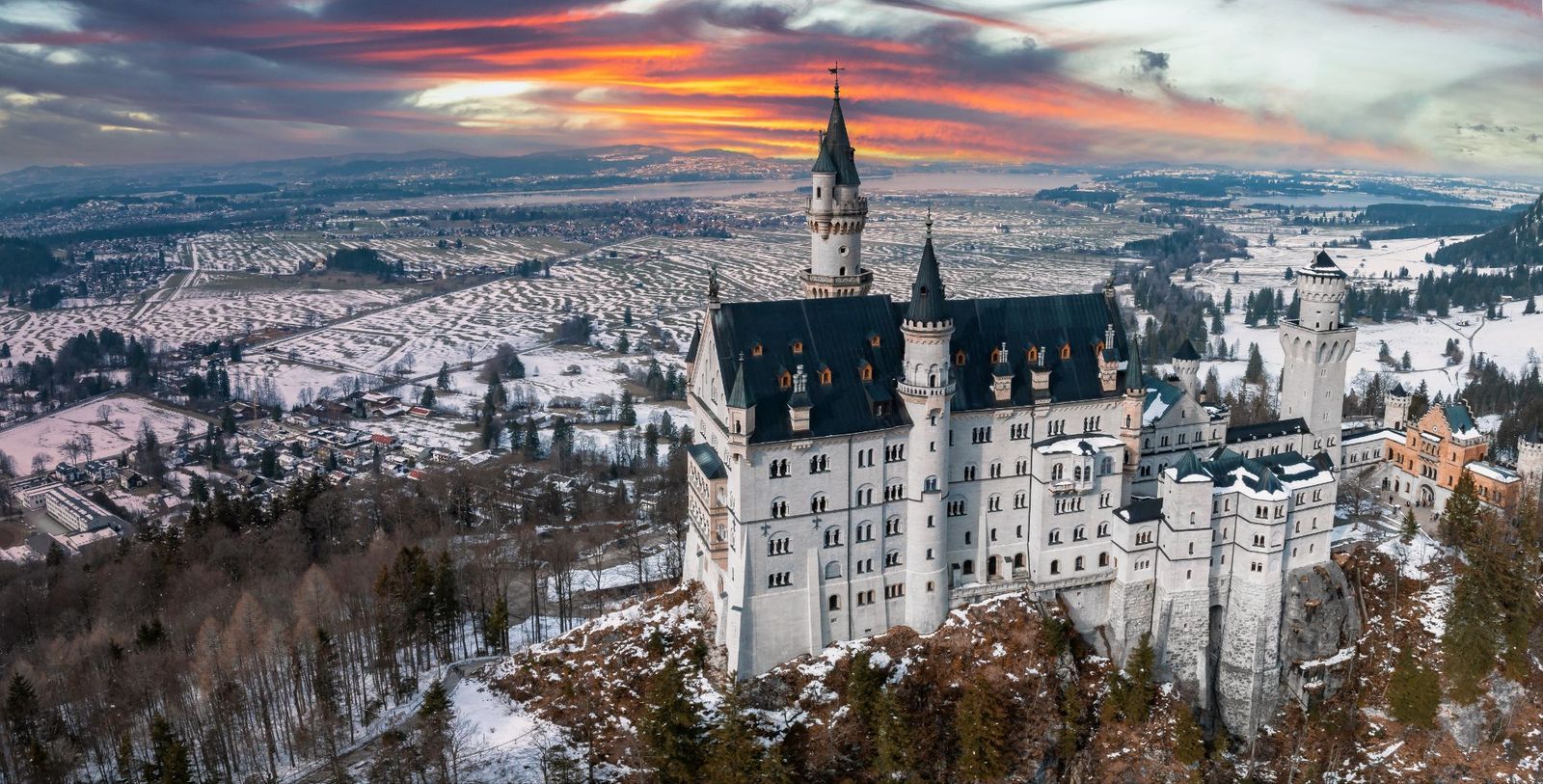
Like many other buildings, cameras outside the Castle are permitted. But once visitors step inside, they must be put away.
Commissioned by King Ludwig II of Bavaria in the late 19th century, the castle was designed as a romantic fantasy rather than a royal residence. Photography inside has long been prohibited to protect delicate artwork, furnishings, and decorative finishes from repeated exposure to flash photography. The castle’s management also controls commercial image rights, making official photographs the primary source for publications and souvenirs. Visitors leave with memories instead of snapshots, which are even more memorable than viewing them through a camera lens.
Keep wandering
There’s always
more to explore
The one thing thieves hope you leave in your car
4 min.
Read Now
 Culture
The bizarre reason there are no restrooms within Disney's Liberty Square
6 min.
Read Now

You've seen the Eiffel Tower, but you haven't seen this Paris
4 min.
Read Now
 Geography
How many time zones does the United States have?
5 min.
Read Now