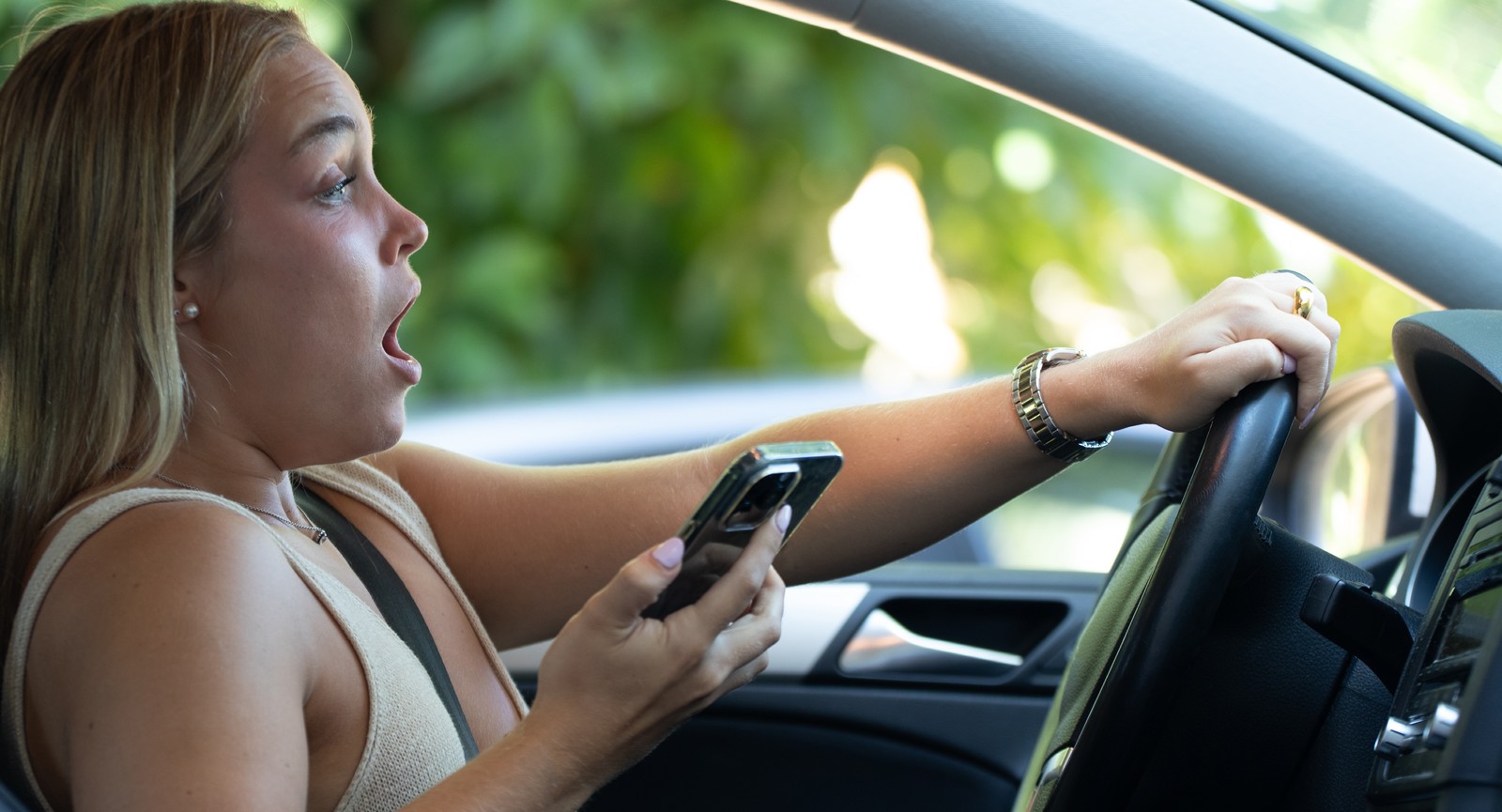
The one thing thieves hope you leave in your car
 General
The one thing thieves hope you leave in your car
Cars can be your second home. It’s not only how you get the family around town, but also the place where much of everyday life happens. We often toss stuff into the car like another room of the house, or use it as storage for things we’ll need during the day. But certain items are better kept elsewhere to avoid issues. Here are 10 items you should never, ever leave in your car.
Valuable items
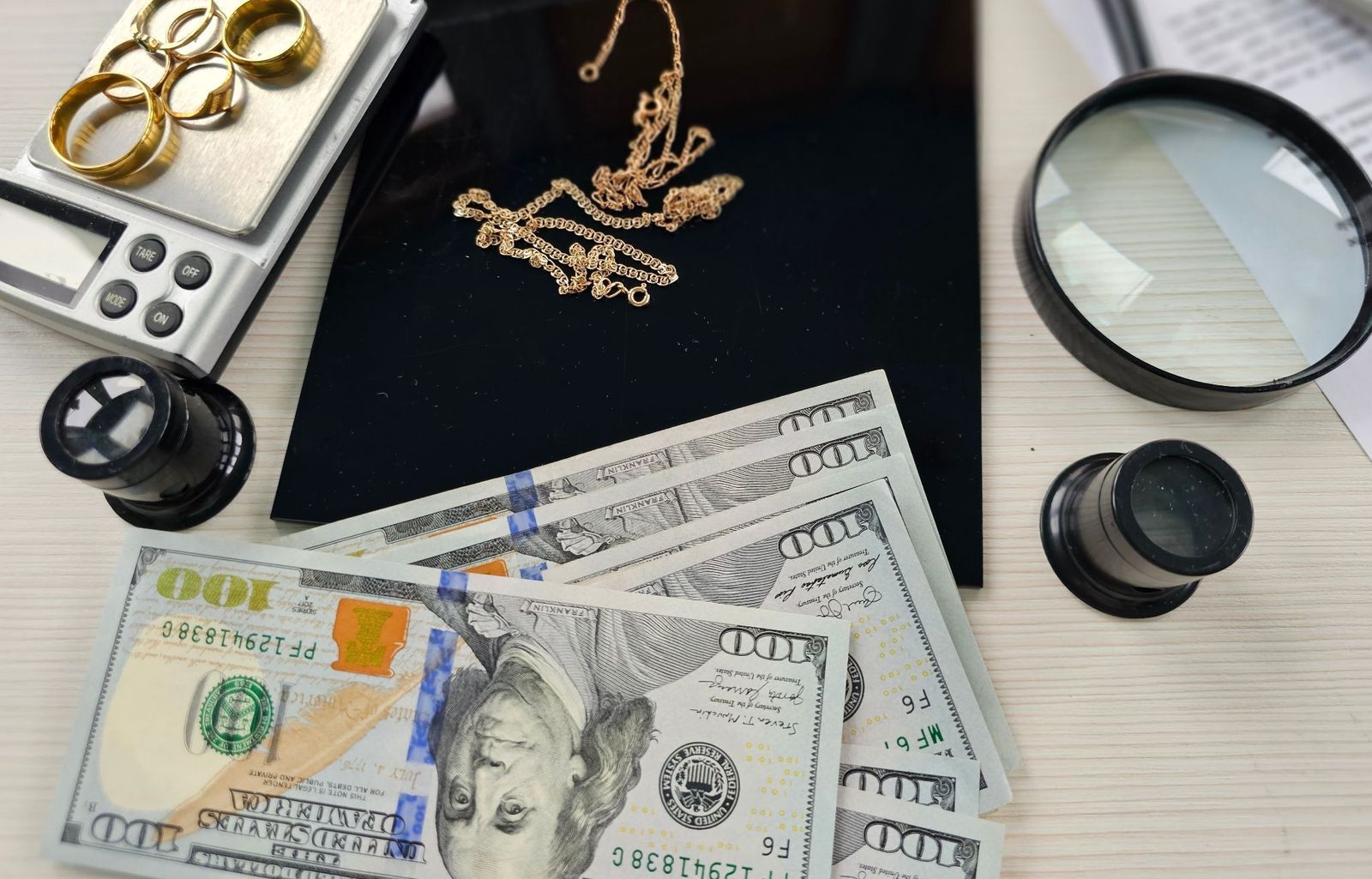
Nobody wants to give thieves a reason to break into our car. If you leave valuable items like purses, wallets, cash, jewelry, credit cards, or other expensive purchases in sight when your car is parked, chances are, burglars may try to steal them. But if you have to leave something valuable in the car for a reason, it’s better to hide it out of sight, or put it in the trunk beforehand.
Medications
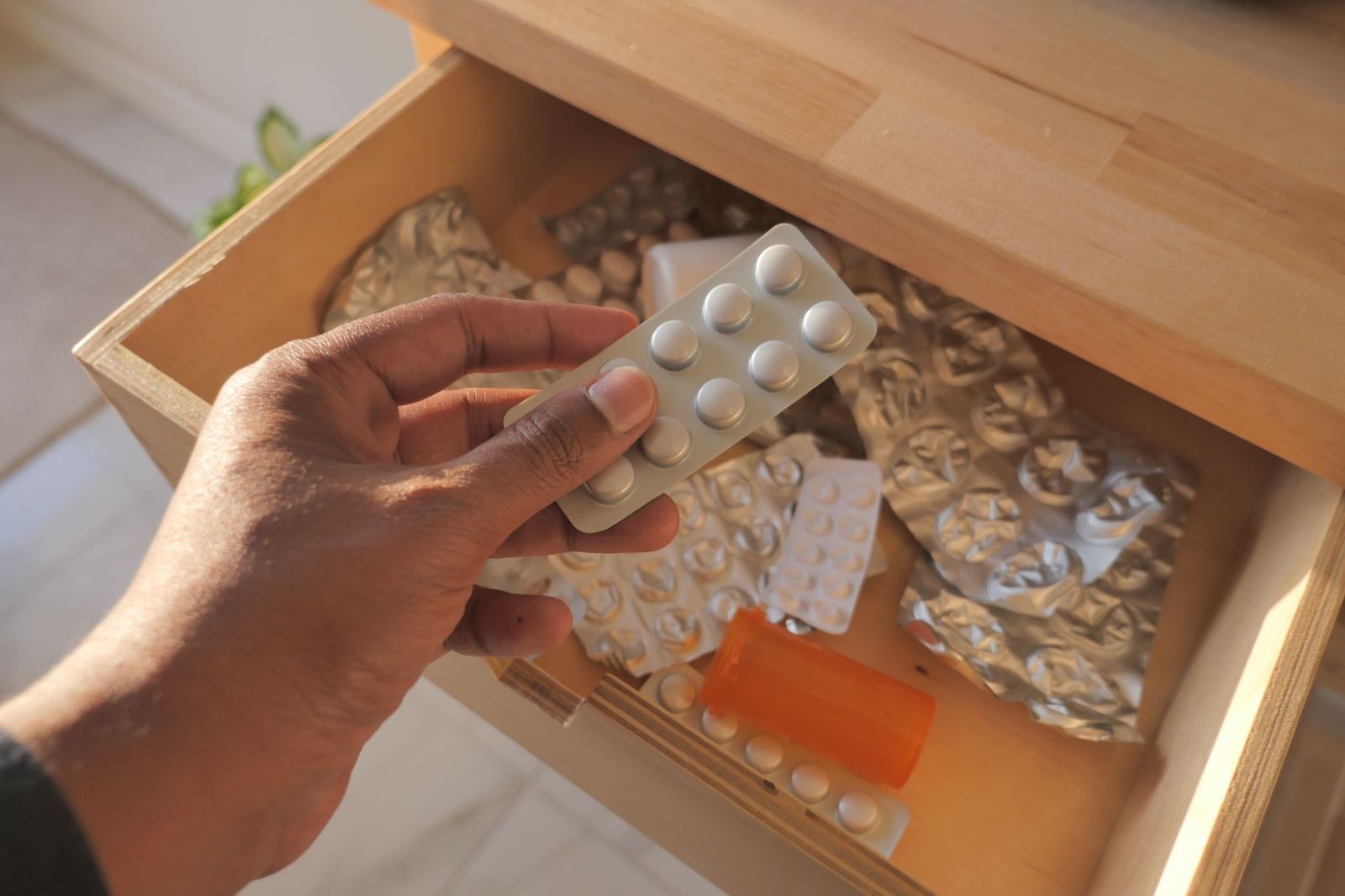
Leaving daily medication in the car can seem practical, but in most cases it may not be advisable. Both hot and freezing temperatures can mess with the meds’ stability or effectiveness, let alone those that specifically need to be refrigerated.
You can typically check the label or pharmacist’s instructions for the recommended temperature range, but if you want to avoid any risk, simply take them with you.
Unattended pets
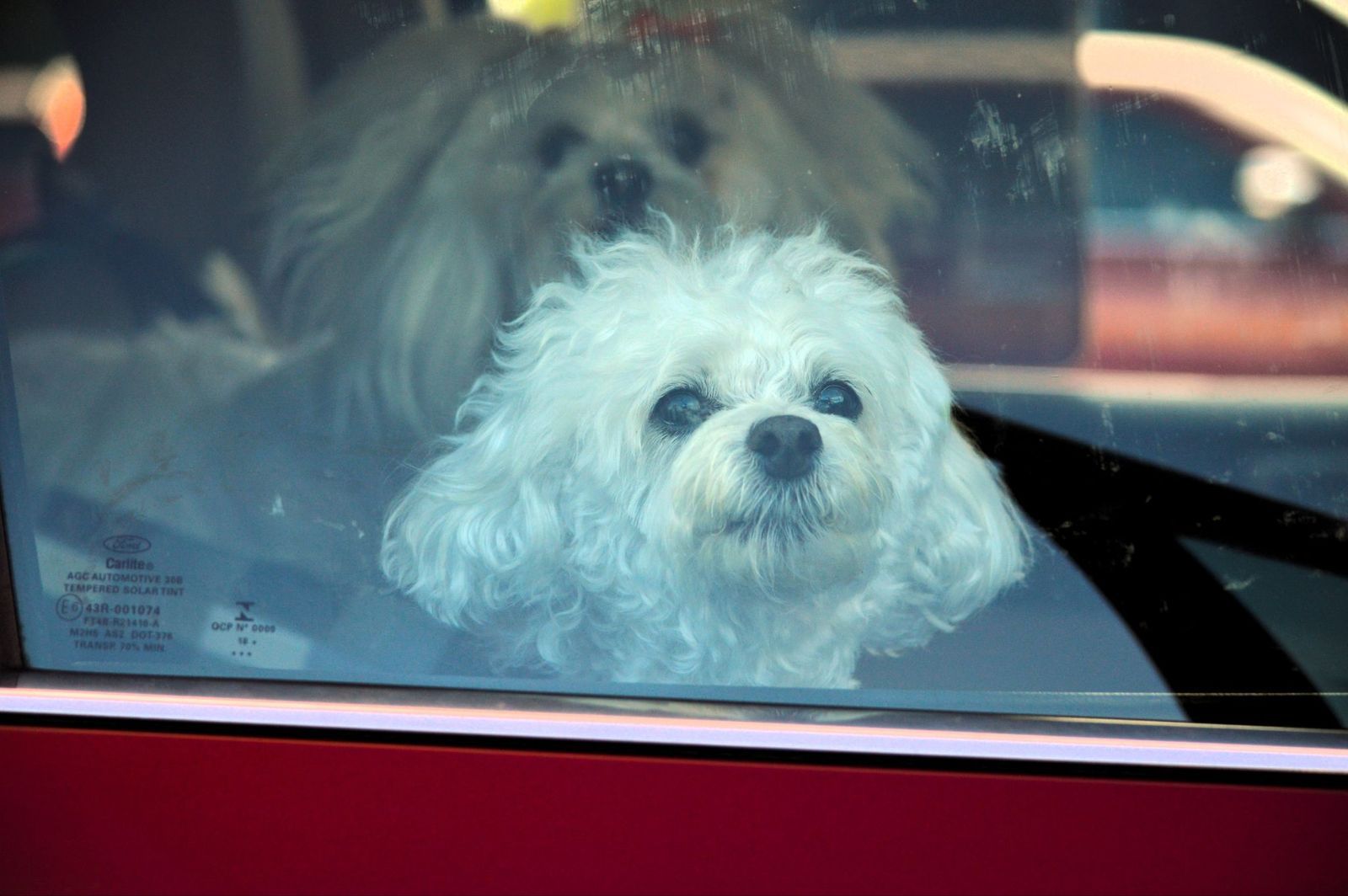
Parked cars under the sun can quickly heat up and feel like an oven when you first get in, so it’s extremely dangerous to leave pets inside, especially if the windows aren’t cracked. Even on a mild day, the car temperature can rise to dangerous levels. The same happens in cold weather that can put pets at risk of frostbite or hypothermia inside the car. So if you’re running errands, your safest bet is to leave your pet at home or have someone stay with them in the car.
Electronics and batteries
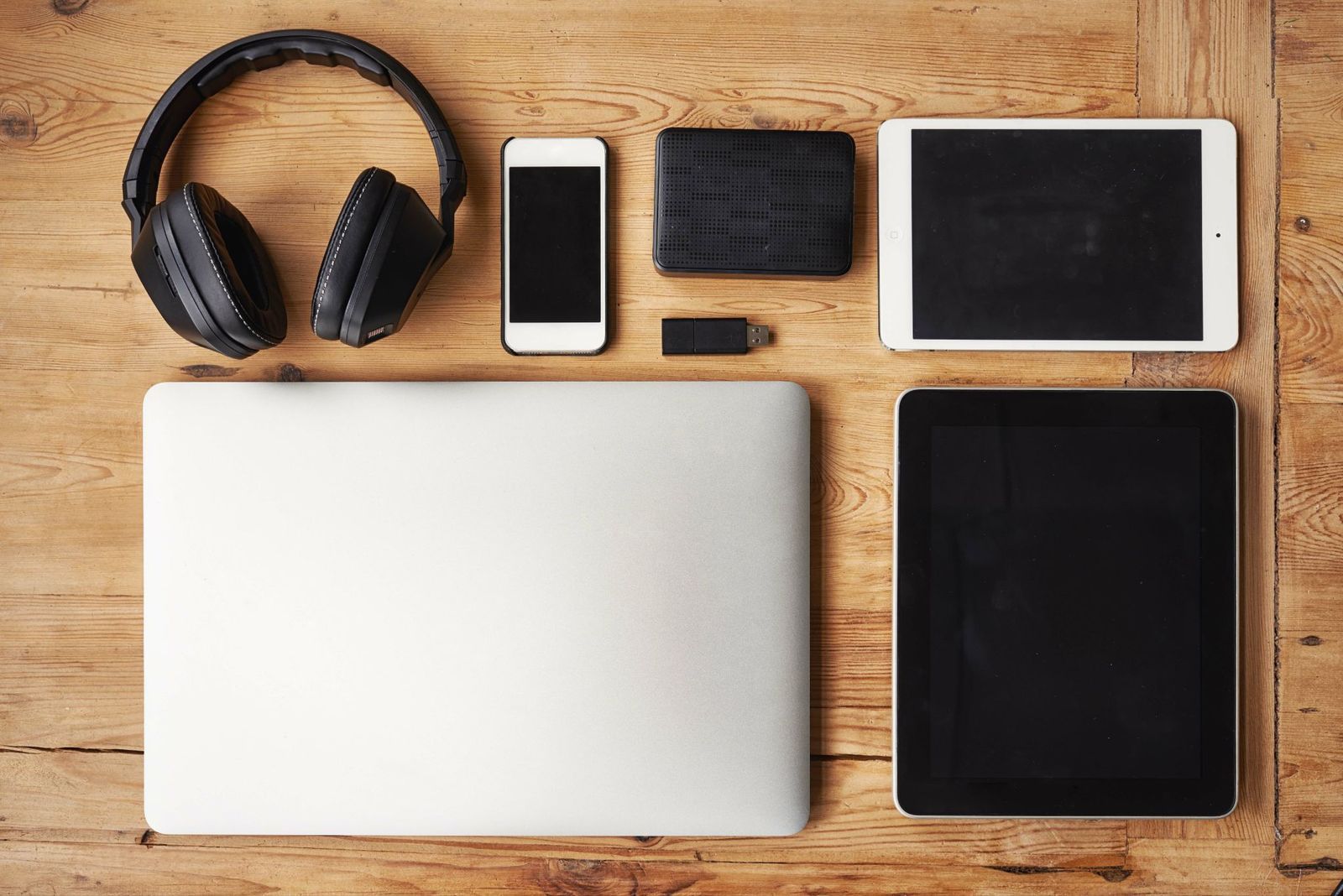
Besides the risk of theft, leaving electronic devices in a parked car can be dangerous for other reasons. First of all, phones, tablets, laptops, and other devices have lithium-ion batteries that can catch fire if exposed to high temperatures. But even if the worst doesn’t happen, both hot and cold temperatures can still shorten battery life or damage internal components, so it’s a good idea to just take them with you.
Groceries & perishable food
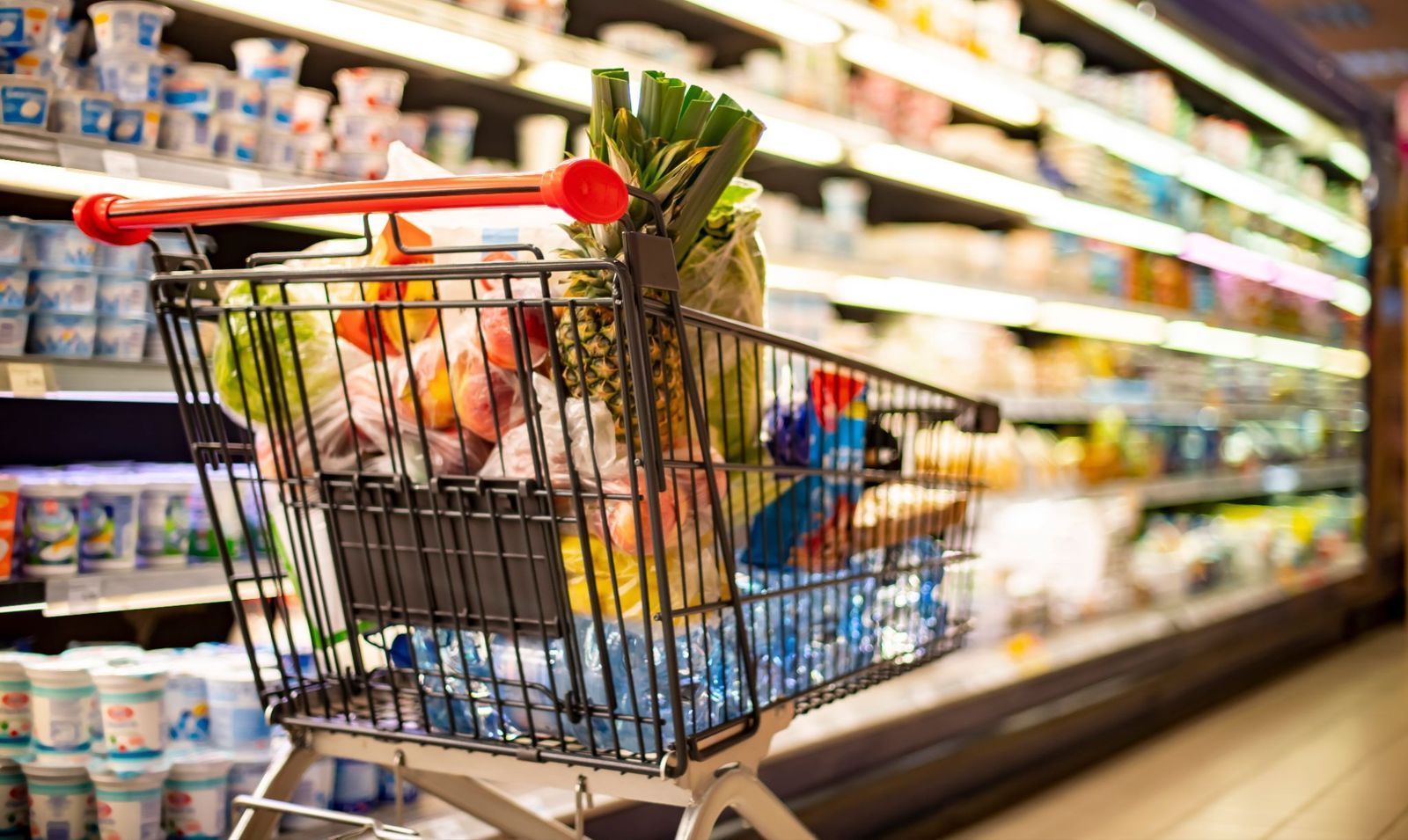
Bacteria love warm temperatures. The USDA recommends refrigerating perishable foods within 2 hours, or within 1 hour when the temperature is above 90°F, which means leaving stuff like meat, poultry, seafood, eggs, or dairy inside a parked car can be quite dangerous. If you have to travel a long distance, just bring an insulated cooler with ice or frozen gel packs to keep the food cold and prevent any issues.
Aerosol cans
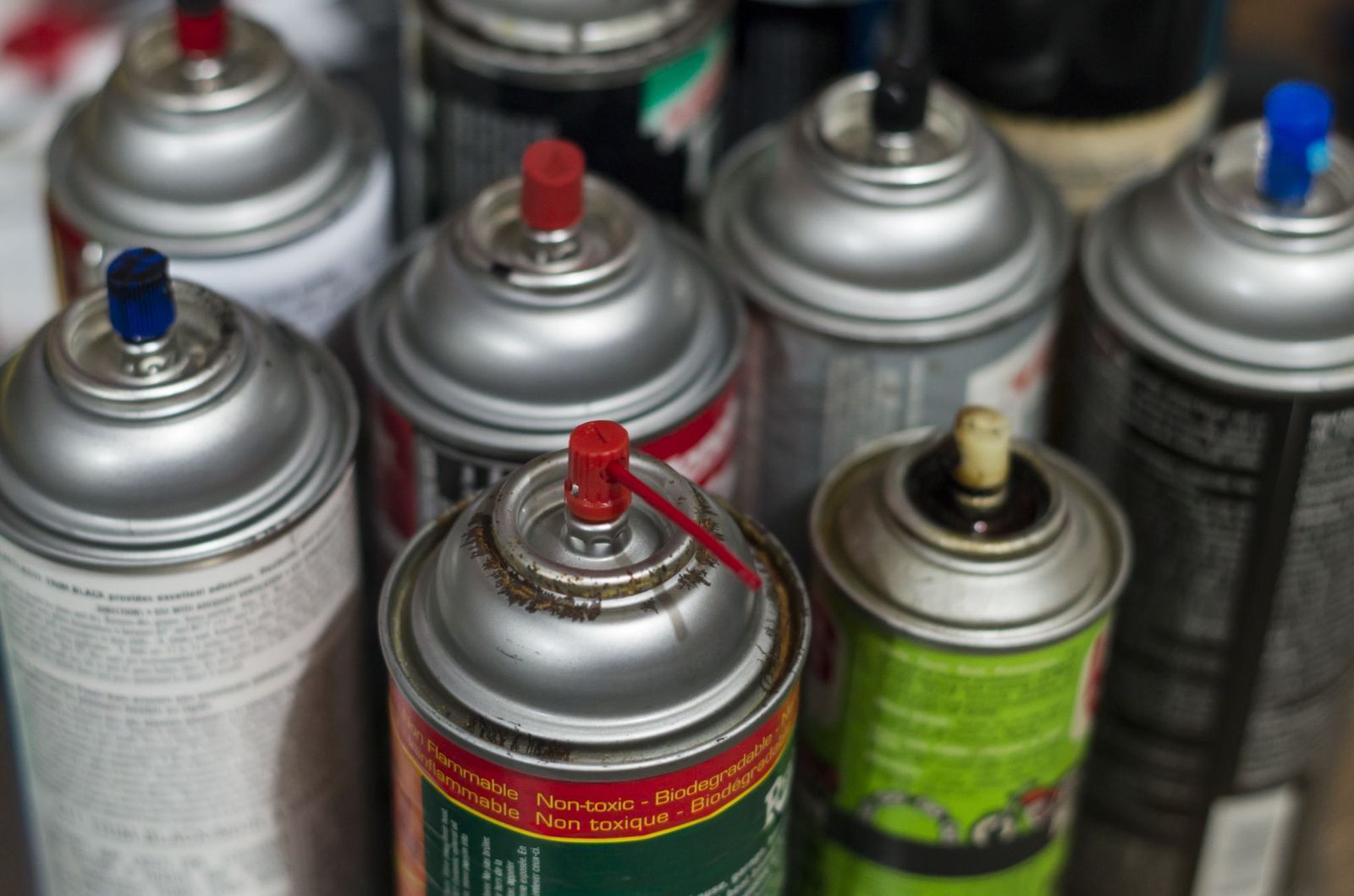
Something as ordinary as a can of hairspray or deodorant can become a hazard when exposed to high temperatures. In some cases, heat can cause the contents of aerosol cans to expand, and on rare occasions it can even explode. You’re better off keeping them somewhere cooler and away from direct sunlight, and following the instructions on the product’s label.
Chocolate & other meltable foods
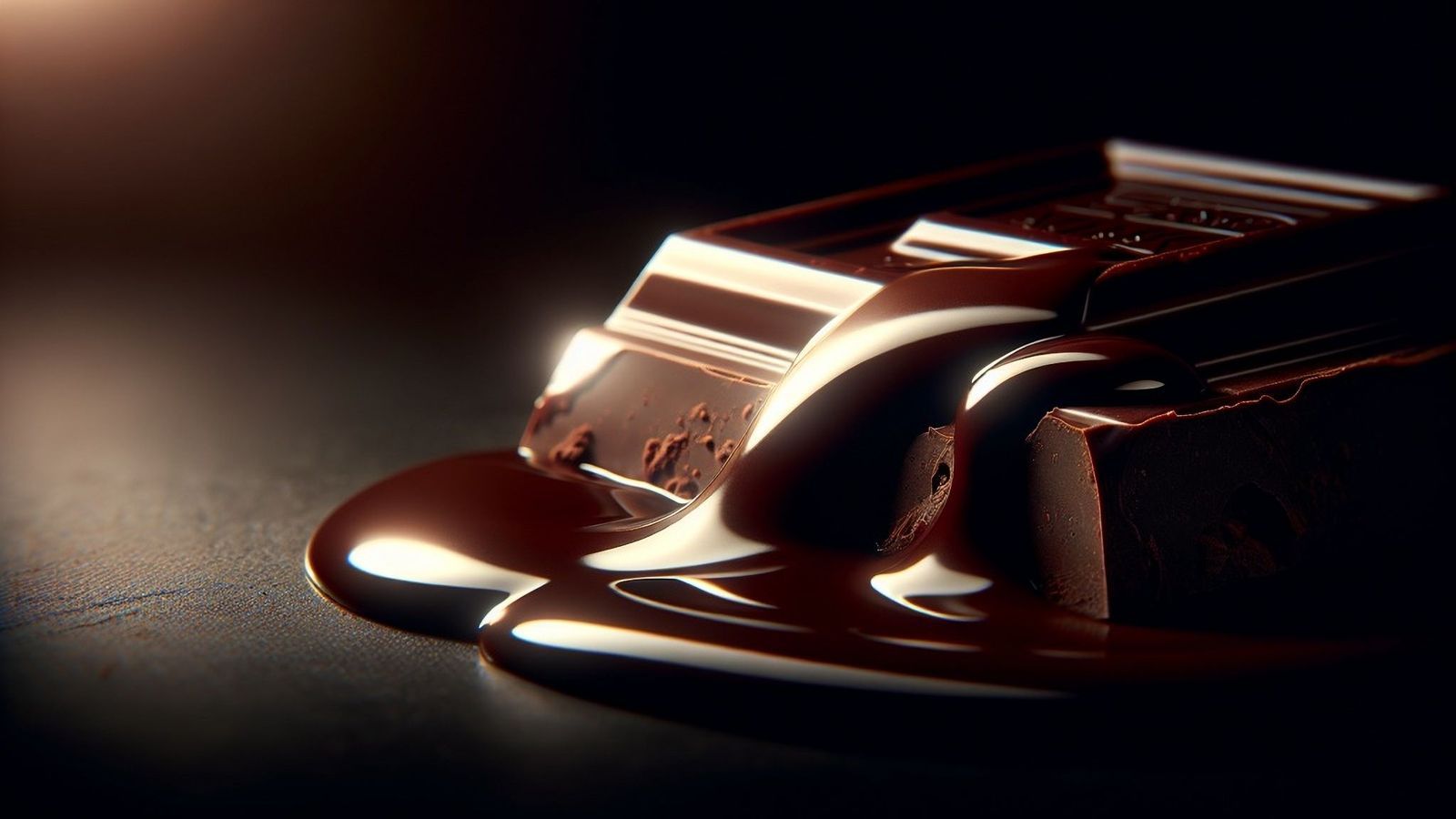
Eating melted chocolate with your hands is no fun. Not just because it isn’t tasty, but because it can create a sticky disaster on the car seats — and God forbid kids get their hands on it, or the whole car could end up a mess. Around 80°F, chocolate starts to soften, a temperature cars can easily reach when parked under the sun. The same can happen with candy, frosting, cheese, or butter, so you may want to bring meltable food inside quickly.
Plastic water bottles
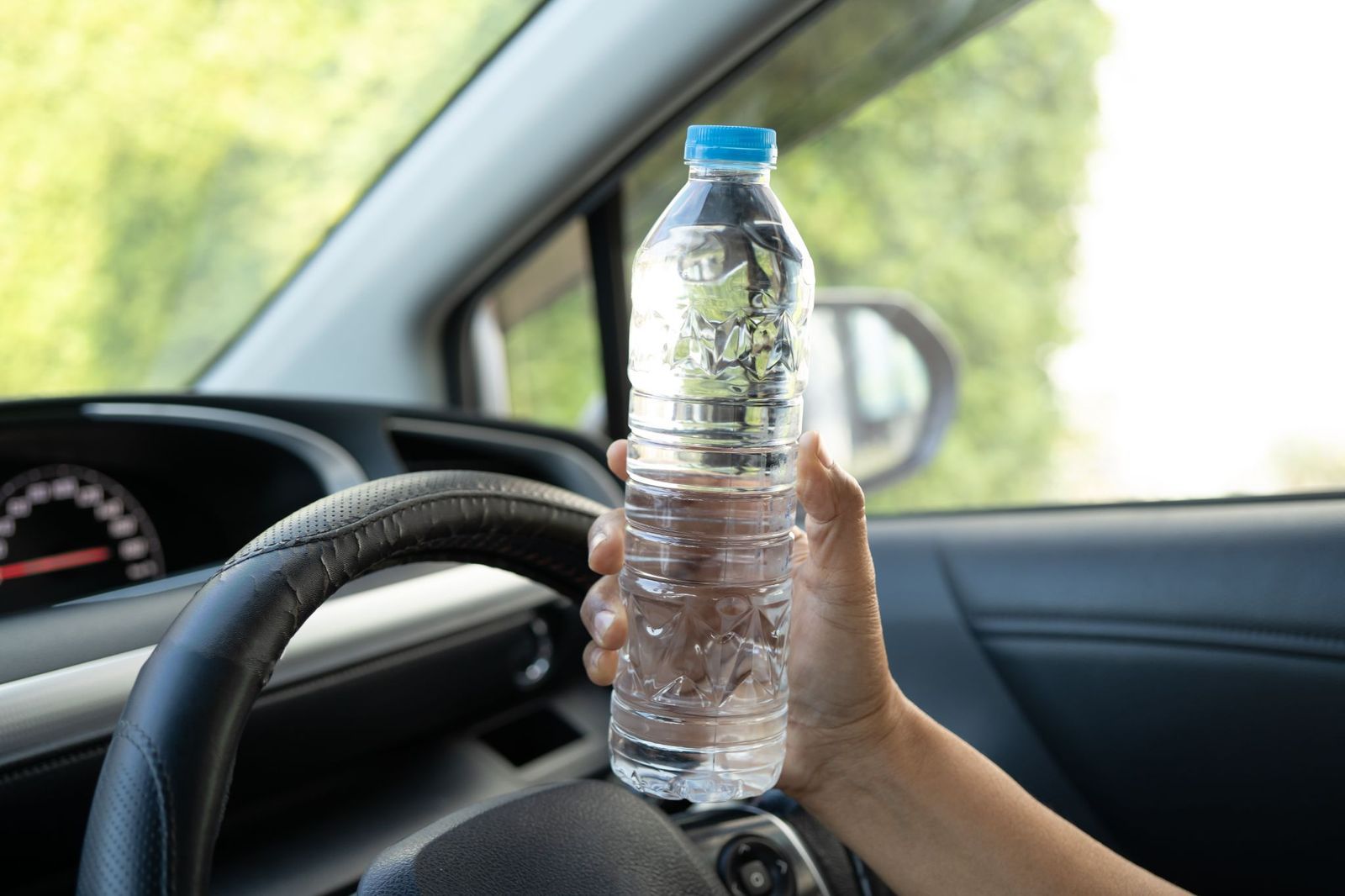
Depending on the type of plastic, some bottles exposed to high temperatures and direct sunlight can release chemicals into the water. This also depends on a couple of other factors, and it isn’t always the case, but why risk it? Especially considering that direct sunlight can also encourage algae or microbial growth in bottles that have already been opened. It’s always good to have bottled water in your car in case you get thirsty, but bring it with you when you park it.
Sunscreen
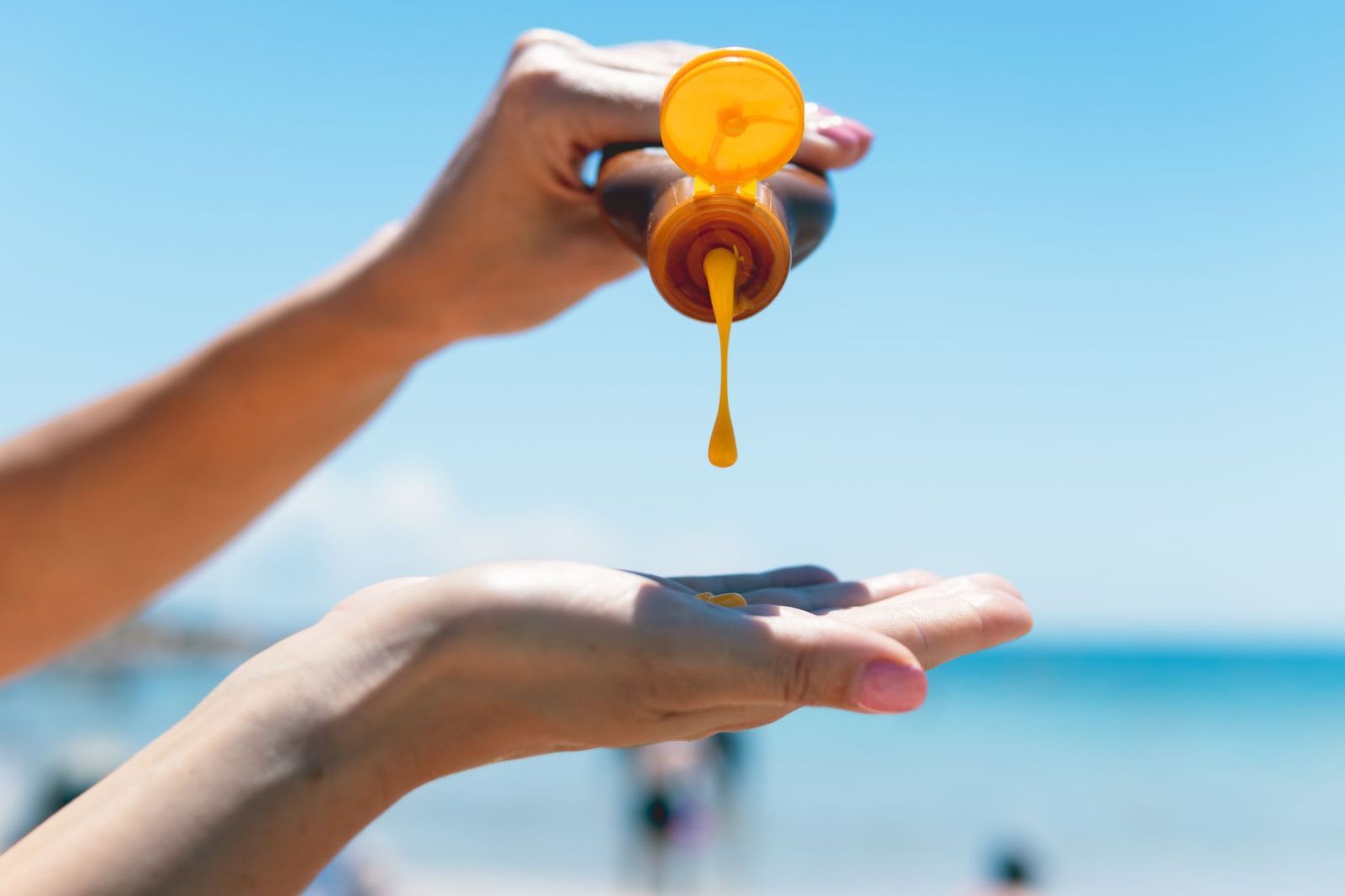
During the summer, people often bring sunscreen everywhere to avoid a sunburn and protect their skin from UV rays, so it's pretty handy to have it in the car. But it may be useful to know some things beforehand. First off, hot temperatures can degrade the product, and it won’t protect you as it should.
Also, the container can swell and/or leak if left in the car with direct sunlight, so if you notice that the sunscreen has changed color or smell, you should replace it.
Glue, tape & other adhesives
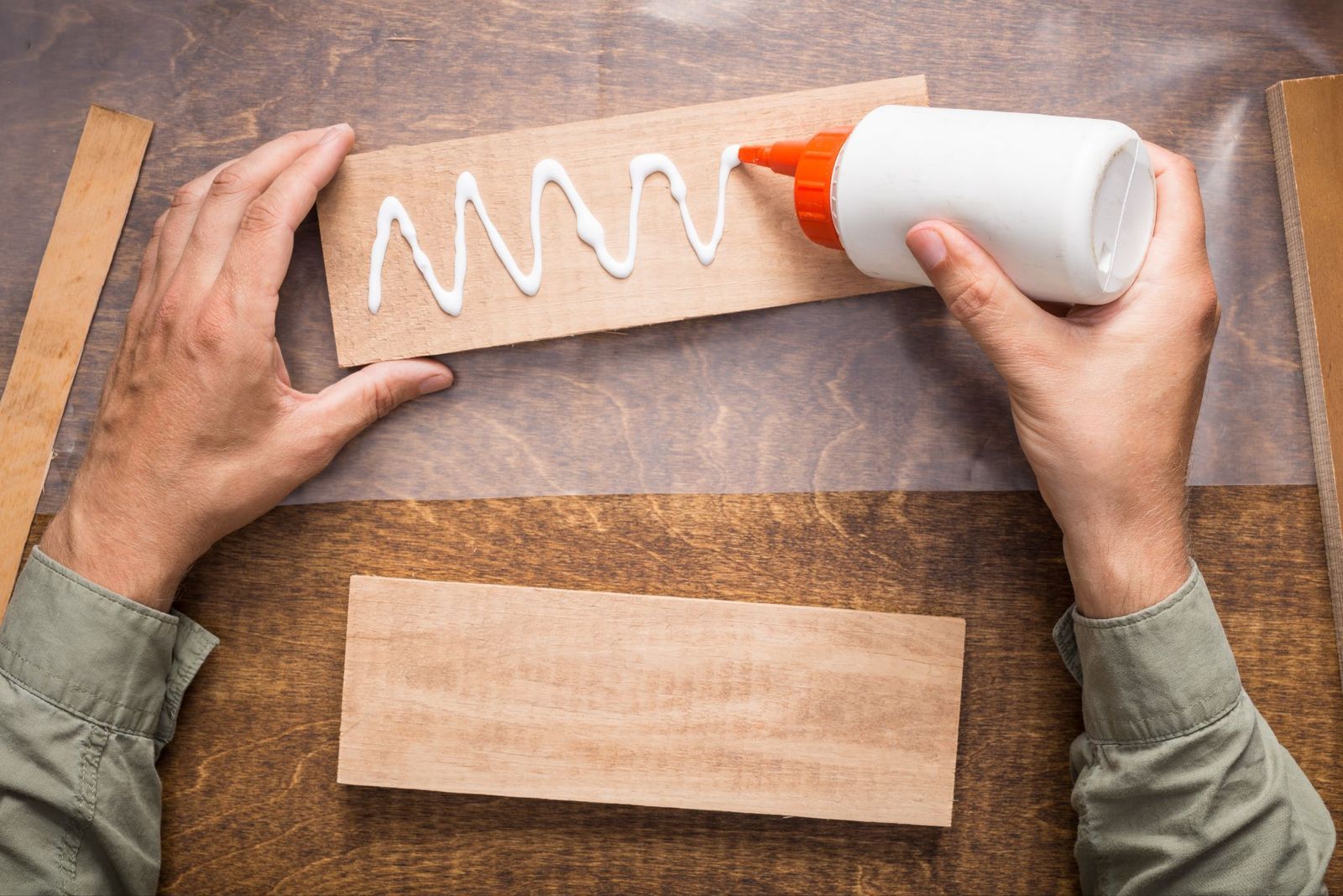
Adhesives don’t do well in the heat. Some glues can break down and become runny, which can make them lose their sticking power. While it may seem useful to have some adhesive in the car, the truth is it can end up being completely useless if it isn’t stored in a cooler, drier space away from extreme temperatures. This can also include super glue, craft glue, epoxy, glue sticks, and some adhesive tapes.
Ten tips for a trip to Washington, D.C., you'll wish you'd known sooner
D.C. unlocked
Ten tips for a trip to Washington, D.C., you'll wish you'd known sooner
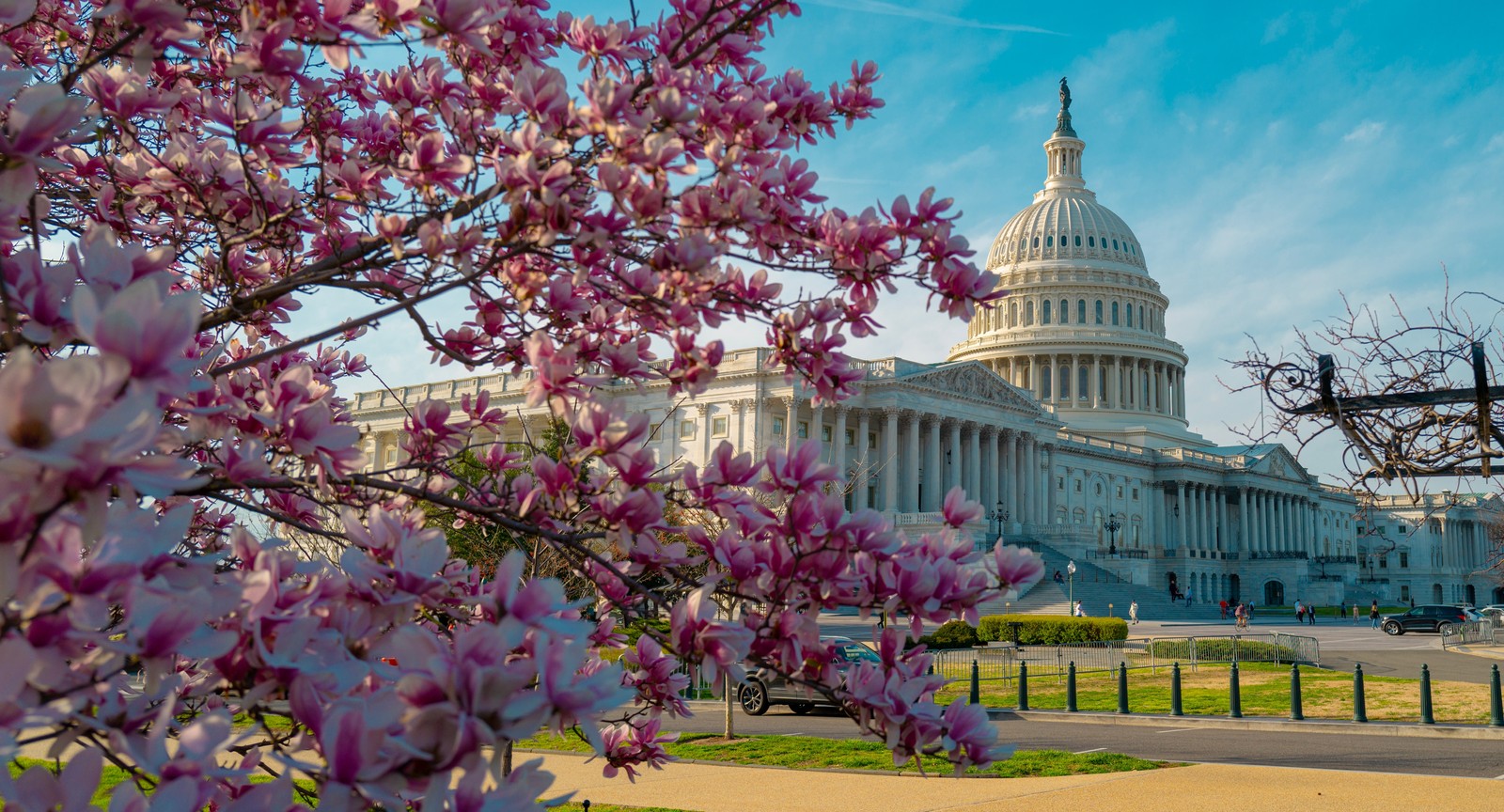
Washington, D.C., is one of those American cities that genuinely deserves the hype. But going in without a plan is a rookie mistake, no matter how seasoned a traveler you are. For example, time your visit around the Cherry Blossom Festival in late March or early April, and contact your congressional representative to score a free tour of the Capitol or even the White House. The first will save you countless headaches getting around; the second will give you a story worth telling for years. Here are 10 tips to make the most of your trip to Washington, D.C.
Take a free Capitol or White House tour
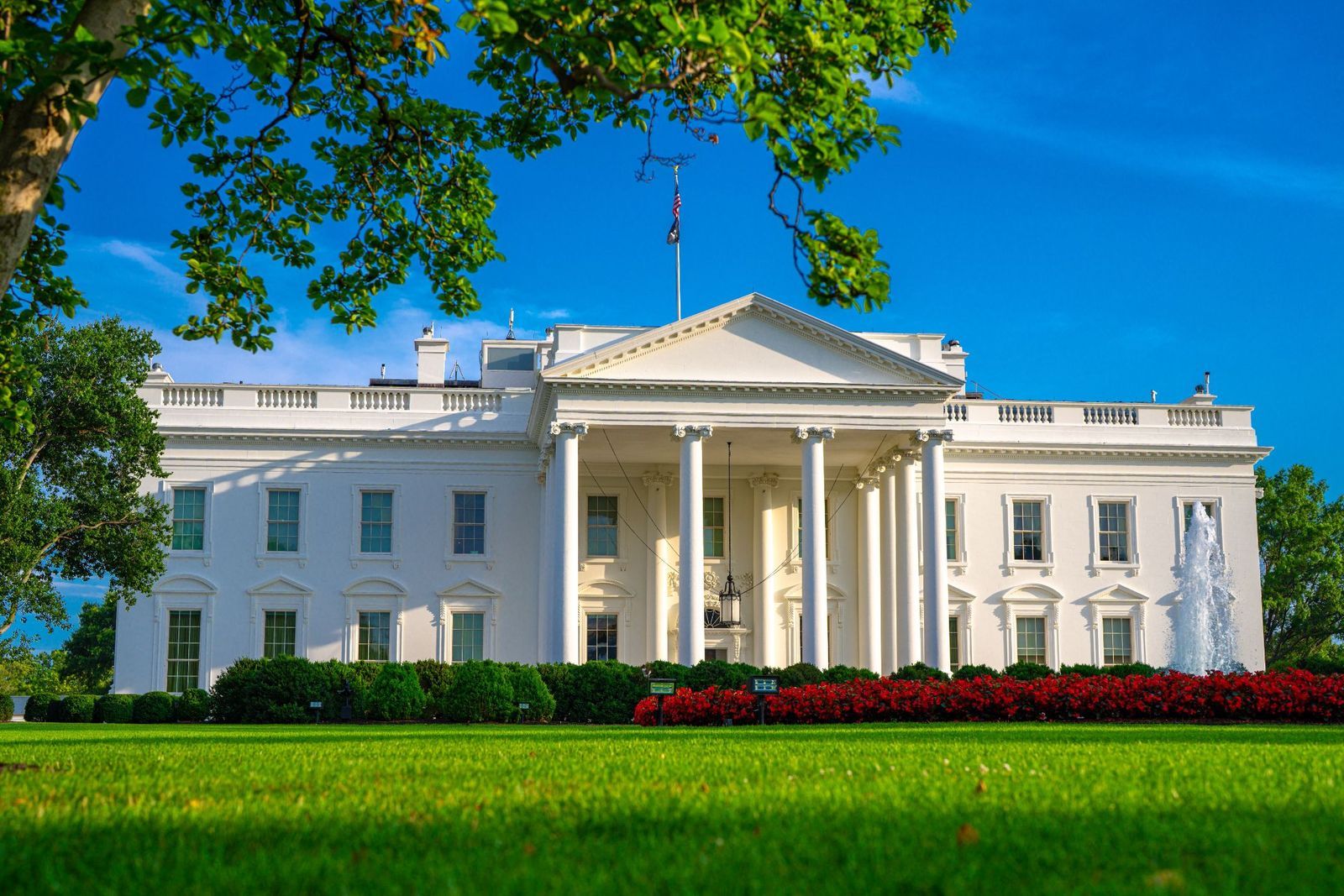
You can actually get inside the U.S. Capitol or even the White House for free just by contacting your congressional representative: the folks you elected can hook you up with a guided tour that regular tourists simply can't get off the street. You just need to reach out to their office a few weeks in advance.
Picture this: you're walking through the very halls where the country's laws get made, with a guide explaining the history around every corner. Your neighbor paid for a bus tour and saw it from the outside, but you’re actually there, on the inside.
Time your visit around the Cherry Blossom Festival

If there's one sight in D.C. that stops people in their tracks, it's the cherry blossoms around the Tidal Basin in spring. Nearly four thousand trees burst into bloom, turning the whole area into something out of a painting. The National Cherry Blossom Festival runs for about three weeks, and peak bloom usually hits in late March or early April.
It's busier during festival time, but the crowds are worth it. Get there early in the morning, before 8 a.m. if you can, and you'll have those pink-framed views of the Jefferson Memorial practically to yourself.
Visit the memorials at night
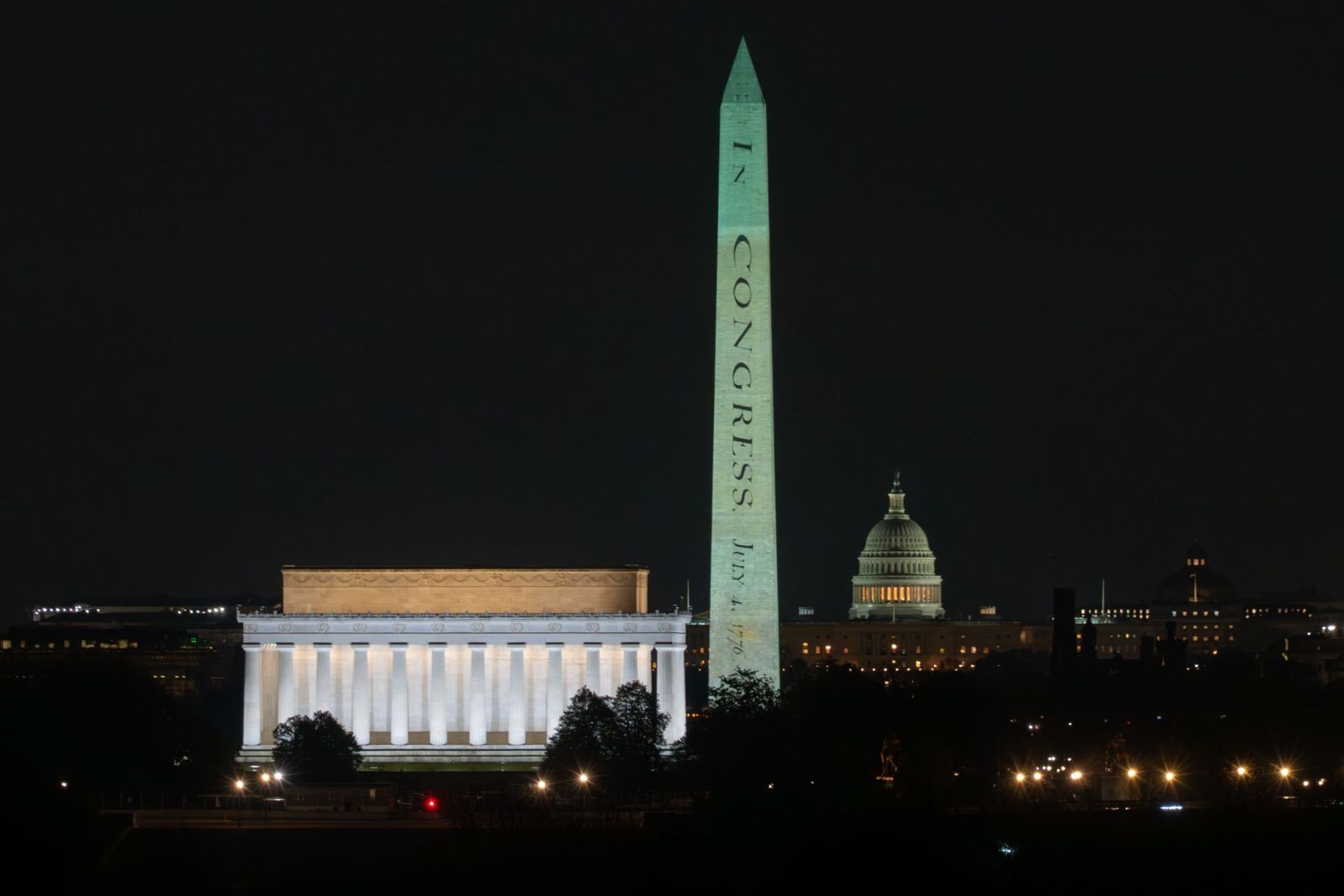
The Lincoln Memorial at 2 in the afternoon, surrounded by tour buses and a hundred people in matching T-shirts, is fine. The Lincoln Memorial at 10 at night, lit up against a dark sky with the Reflecting Pool glowing in front of it, that's something else entirely. You'll probably have a less crowded, more personal experience too.
The memorials are open 24 hours a day, staffed by rangers, and completely safe. Going at night costs you nothing and gives you one of the most memorable moments of the whole trip.
Ditch the car: The Metro takes you everywhere
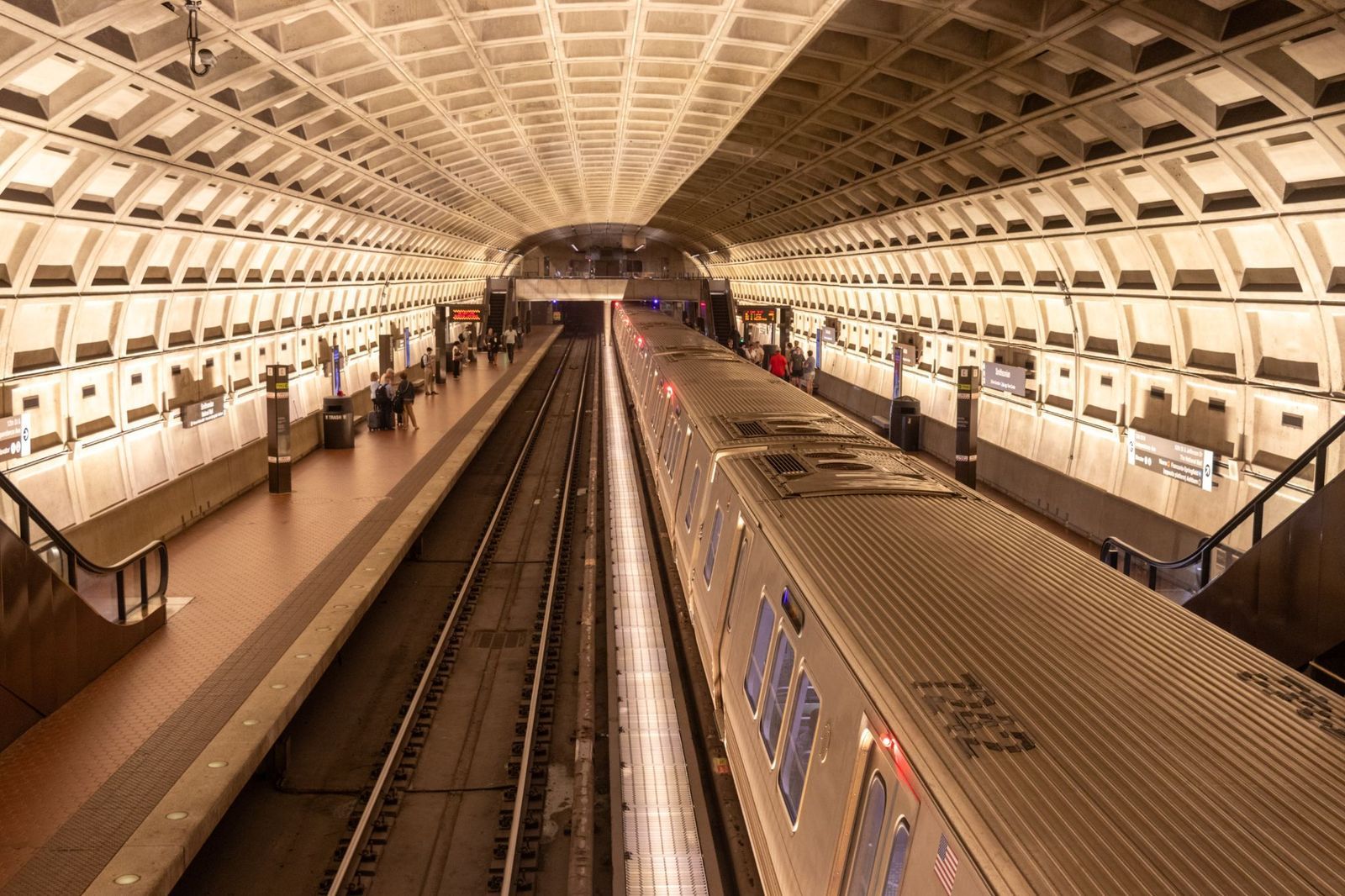
Driving in D.C. is a special kind of misery. One-way streets, confusing traffic circles, parking that costs a small fortune, and a layout that was designed in the 1790s, not exactly with SUVs in mind. The Metro, on the other hand, is clean, reliable, and drops you off right where you want to be.
You don't even need to figure out a special transit card anymore. Just tap your regular contactless credit or debit card (or your phone) at the turnstile and you're in. You'll glide right past the traffic jams while your car-renting counterparts sit fuming on Constitution Avenue.
Book timed-entry passes in advance
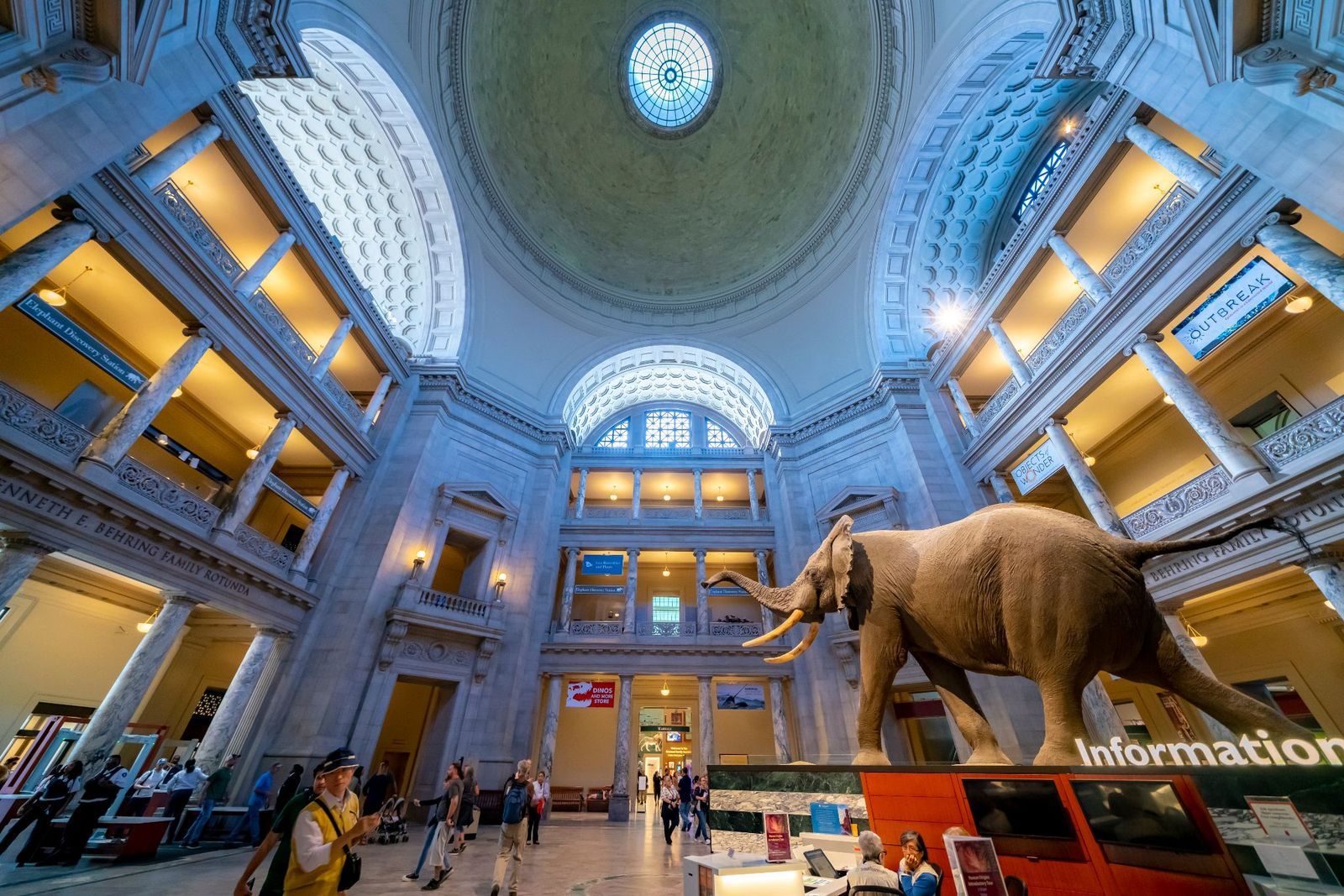
The Smithsonian museums are free, which is fantastic news until you show up at the Natural History Museum on a Saturday morning and find a line stretching halfway to Maryland. Many of the most popular museums now require timed-entry passes, and those passes go fast.
Go to si.edu before you leave home, pick the museums you most want to see, and reserve your spots. It takes about ten minutes and saves you the crushing disappointment of being turned away at the door.
Wander the Library of Congress's Great Hall

Thomas Jefferson Building's Great Hall, the ornate original of the Library of Congress's three Capitol Hill buildings, might be the single most jaw-dropping interior in the entire city. Marble staircases, mosaic ceilings, and stained glass everywhere you look; it feels more like a European cathedral than a government building.
It's completely free, but you must reserve a timed-entry pass in advance to manage capacity. Head up to the observation gallery on the top floor for a view down into the Main Reading Room, where researchers still work among the stacks.
Explore neighborhoods: Georgetown, U Street, Capitol Hill
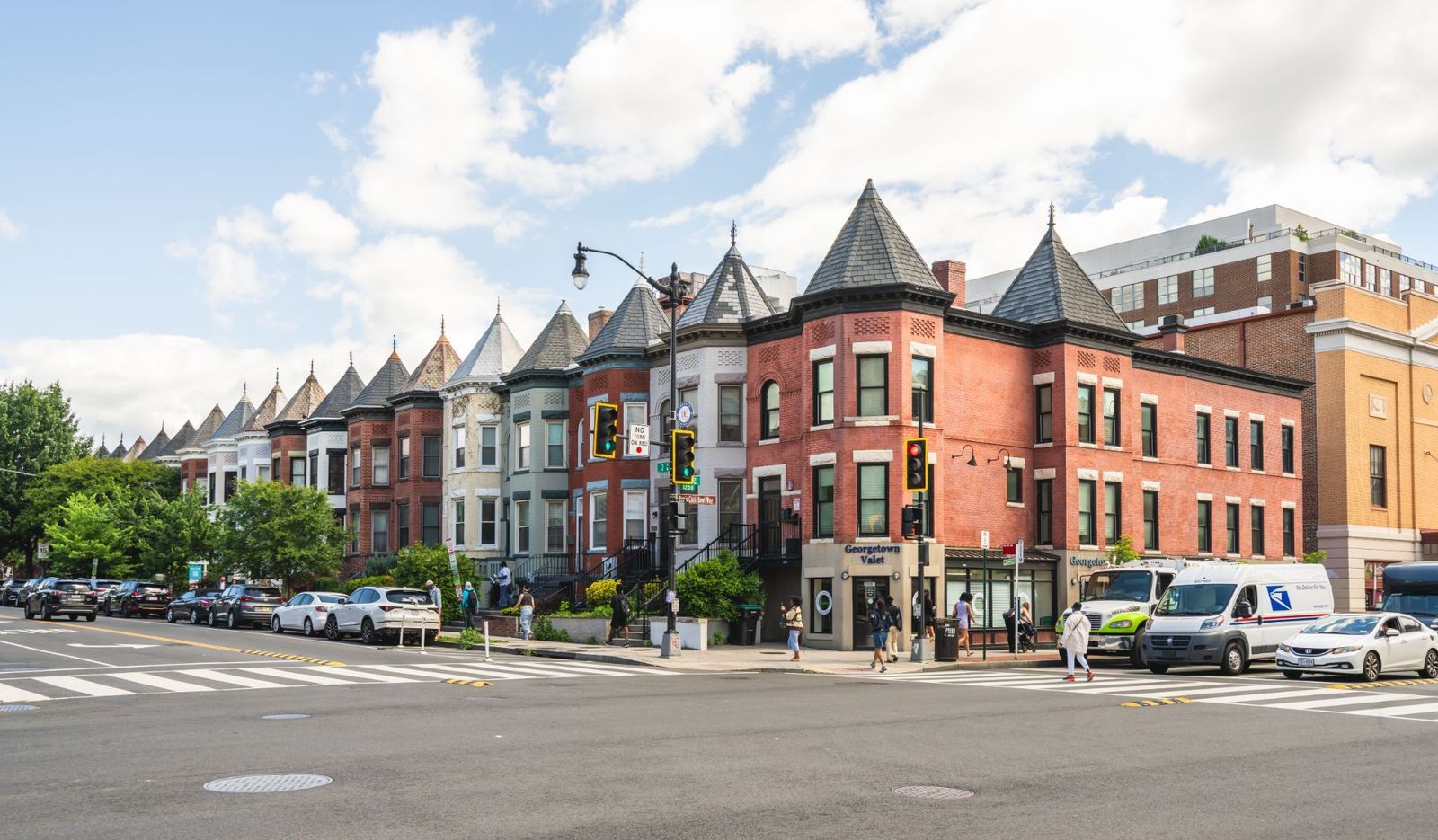
The real character of the city lives in its neighborhoods. Georgetown has Federal-style row houses, independent boutiques, and waterfront restaurants that have nothing to do with politics. U Street is rich with jazz history and some of the best food in the city. Capitol Hill has a farmers' market and a residential charm that surprises most first-timers.
Give yourself at least one afternoon to just wander. Pick a neighborhood, leave the museum map in your pocket, and explore on foot. You might stumble into a bookstore, a hidden garden, or a conversation with a local who's lived there for forty years.
Eat outside the tourist corridor for better and cheaper food

The restaurants right next to the big attractions are almost never the best option. A few blocks in any direction, and the quality goes up while the prices come down. D.C. has a genuinely outstanding food scene, with restaurants reflecting the city's diverse population.
Next time you're hungry after the Air and Space Museum, resist the first place you see and walk a few blocks toward a residential street. Ask a local where they eat, or check Yelp with the filter set to "not touristy." You'll eat better and spend less.
Cross the River to Alexandria, Virginia, for a half-day trip

Just a short Metro ride or scenic walk across the Potomac sits Old Town Alexandria, and most D.C. visitors never make it there. It's a colonial-era city with cobblestone streets, independent restaurants, antique shops, and a working waterfront that feels like a completely different world from the marble monuments across the river.
Spend a half-day wandering King Street, poking into shops, and sitting down for a long lunch. It's relaxed, it's beautiful, and it gives your feet a break from pavement-heavy Mall walking. The Blue and Yellow Metro lines take you there in about fifteen minutes from downtown D.C.
Follow local news, you might stumble into a historic moment

Washington, D.C., is the place where history happens. On any given day, there might be a Senate vote that makes the front page, a foreign dignitary motorcade rolling down Pennsylvania Avenue, or a protest that turns into a moment people will talk about for decades. If you're just following the tourist script, you might walk right past it.
Pick up the Washington Post one morning, or just check their app. It takes five minutes, and it tells you what's happening in the city that day. You might decide to walk by the Capitol at a certain hour, or find yourself in the right place at the right time.
Keep wandering
There’s always
more to explore
 Geography
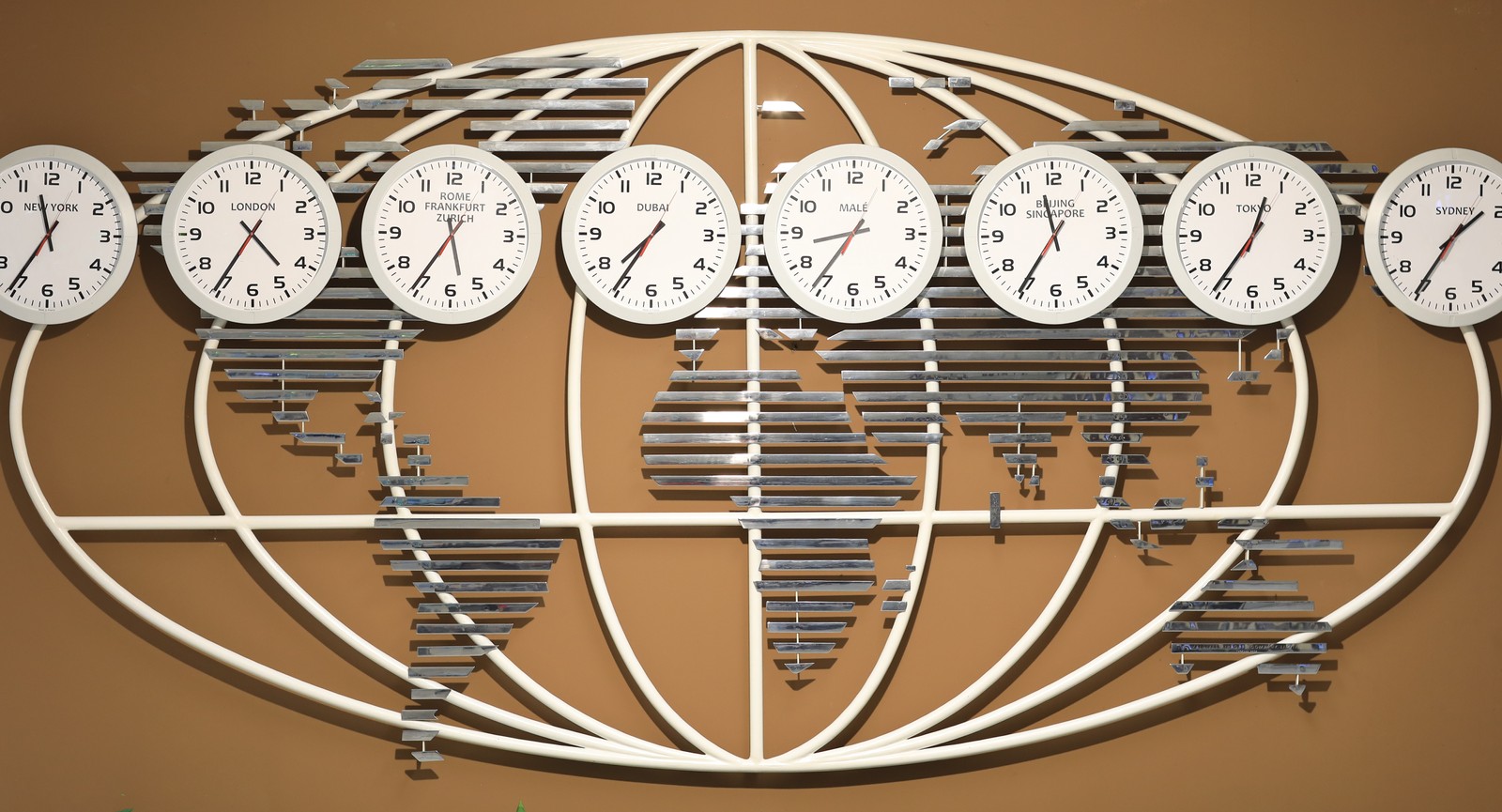
How many time zones does the United States have?
5 min.
Read Now
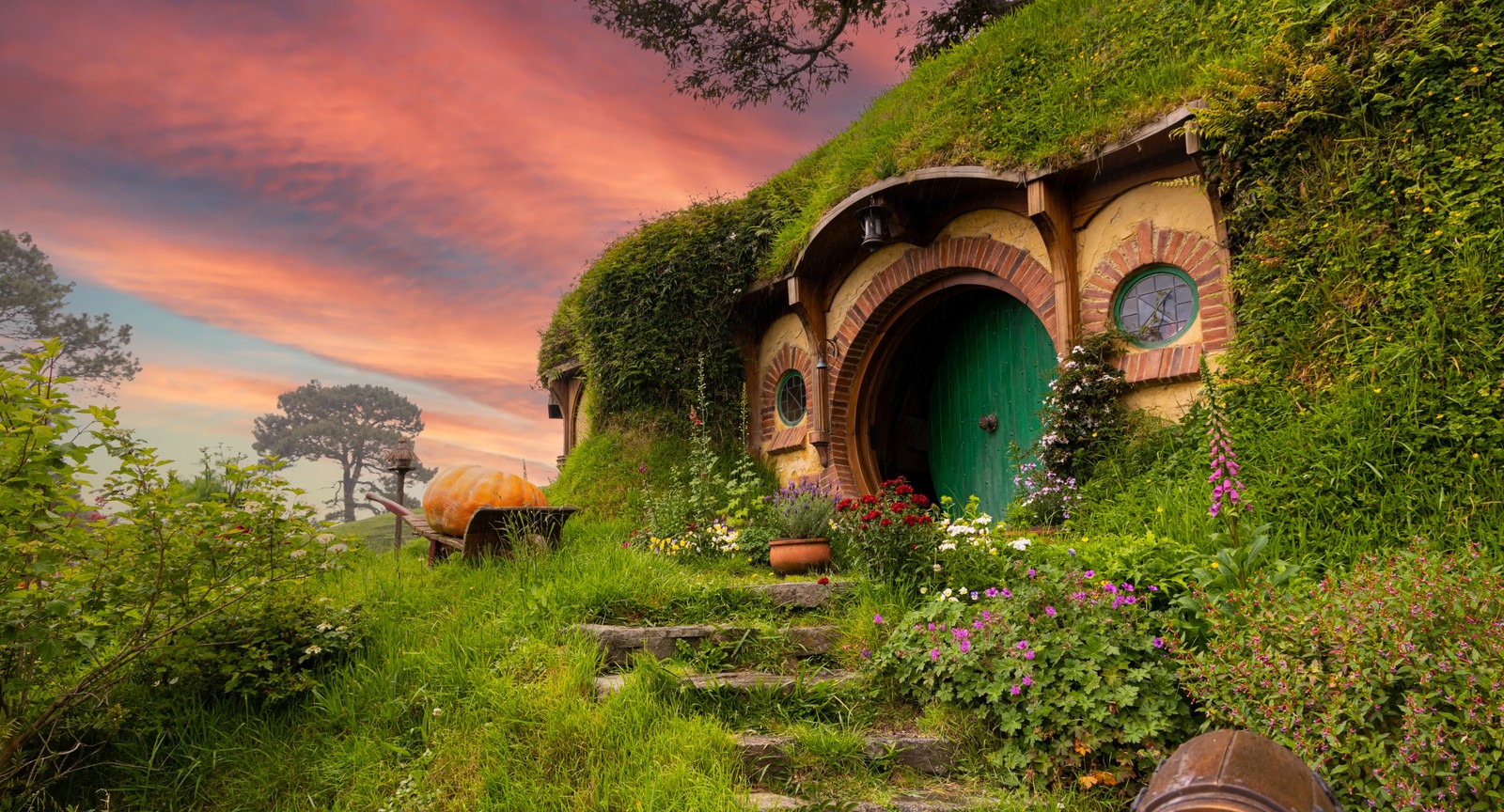
You've watched these movies 100 times... Go stand where they were filmed
3 min.
Read Now
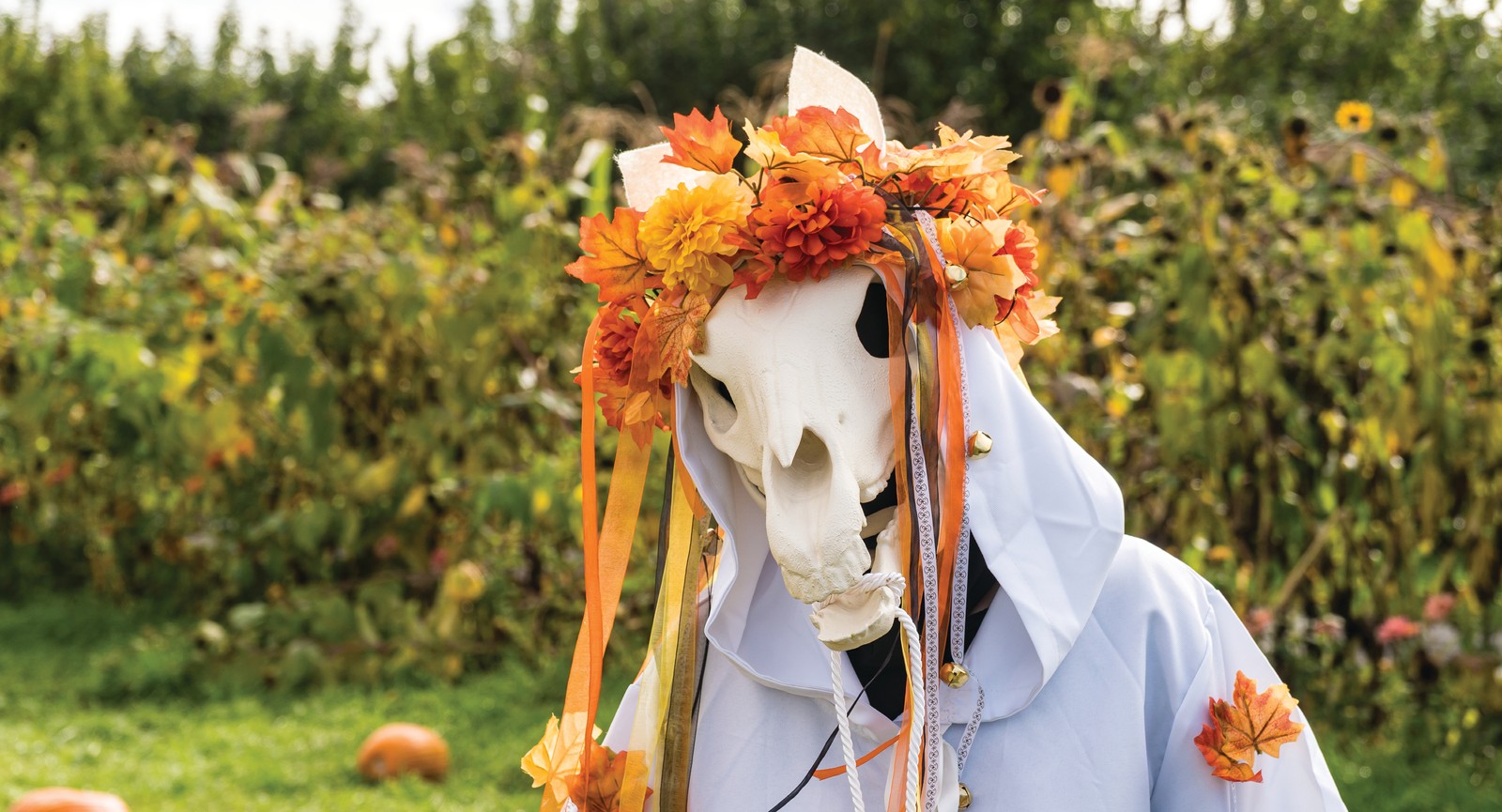
Meet the world's strangest Christmas traditions and the tales behind them
6 min.
Read Now
You've seen the Eiffel Tower, but you haven't seen this Paris
4 min.
Read Now