Buying a plane ticket? Better double-check these items before
 General
Covering all your bases
Buying a plane ticket? Better double-check these items before
You chose a destination, mapped out an itinerary, drafted a budget, and submitted a time-off request. Hotels? Scouted. Must-see spots and some hotel options? Noted. The next and most important thing to do is to purchase the plane ticket and enjoy your vacation.
But some things can still go wrong in the few minutes it takes to select your desired flight and complete the final payment. Here’s what you should double-check to ensure that everything runs smoothly.
Dates and times
You’d be surprised to learn how common this mistake is. An incorrect number and you’re booking a flight a month earlier than intended, or choosing a ticket with an arrival time during the worst time possible. Can these mistakes be corrected post-purchase? Usually, yes, but it is always better to double (or even triple) check, and to save yourself a future headache.
Airport
Double-checking the airport code might seem a non-issue if your departure and arrival locations only have one airport, but if you are traveling to a major city, choosing the incorrect airport might result in longer commutes or missed connecting flights. And even if there’s only one airport, going to the wrong terminal might cause problems. So make sure to not only check the city name, but also the airport code and terminal number.
Fees
Online prices are deceptive by nature, and plane tickets are no exception. Chances are, once you select the ticket, there will be added fees for baggage, seat selection, preferential boarding, taxes, and more. While unexpected fees are par for the course, always check the itemized charges before purchasing to ensure everything is in order.
Baggage
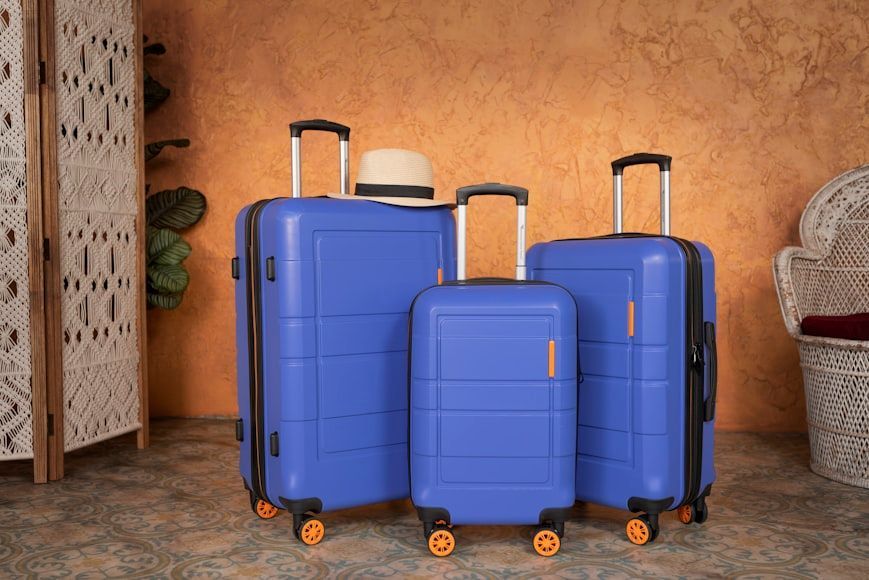
Baggage issues might be the number one problem for travelers. Weight limits, size restrictions, and extra fees add to the stress that naturally comes with travelling. To minimize the risk of complications, it’s key to check out the ticket’s baggage allowance to either pack accordingly or consider paying for extra bags.
Ticket rules
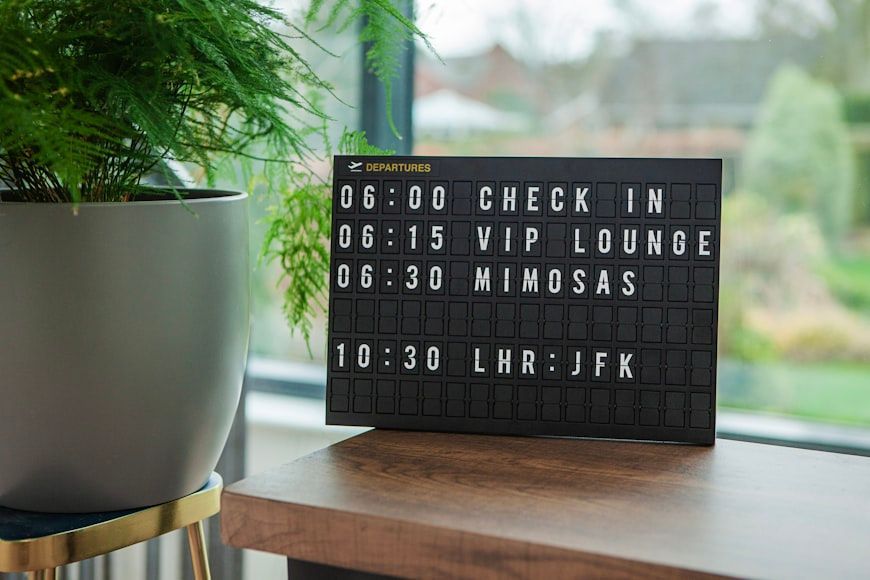
Gone are the days when plane tickets were simply categorized as economy, business, and first class. The proliferation of airlines has resulted in many different tiers of tickets, each with its own rules regarding refunds, changes, and seat selection. Make sure that the fare you are choosing includes all the features you think it does.
Layovers
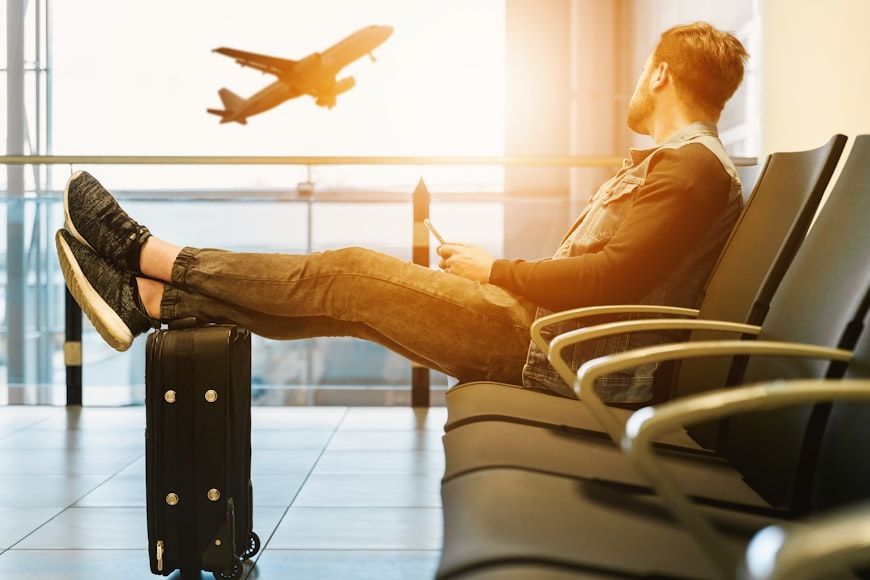
While most online websites will factor in the time needed for layovers when selling a plane ticket, there are outside factors that might affect the situation, such as weather, mechanical issues, commute times, and unexpected events. Domestic flight connections tend to be straightforward, so a one-hour layover will usually suffice. On international flights, a connection might involve a different terminal (or airport), passport control, or baggage check-in, so a longer layover —2 or 3 hours— will give you enough time.
Personal information
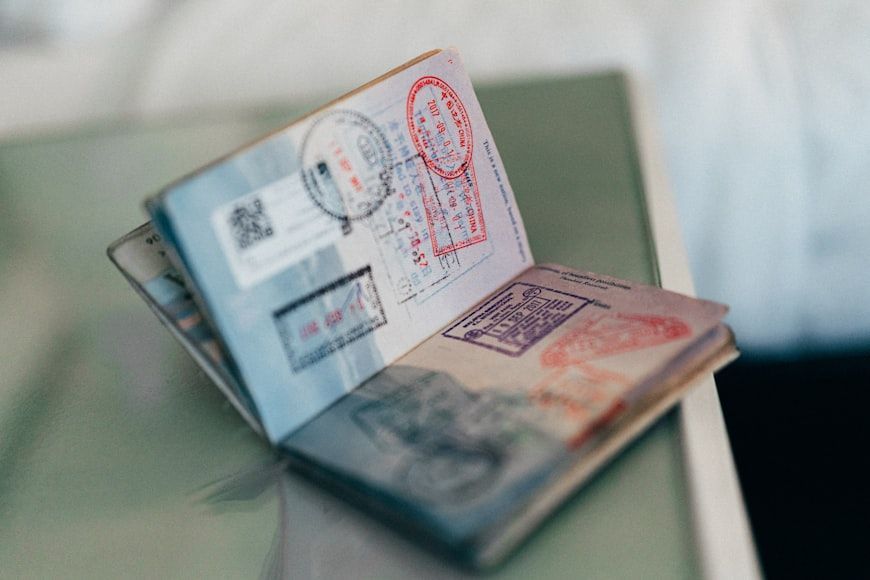
Amid the natural chaos of planning a trip, it’s easy to overlook the importance of double-checking our personal data. All the personal information in the ticket and other related documents —such as passports, travel insurance documents, etc— must exactly match the provided ID. It is also important to check that government-issued IDs are up to date and still valid for travelling.
Check-in times
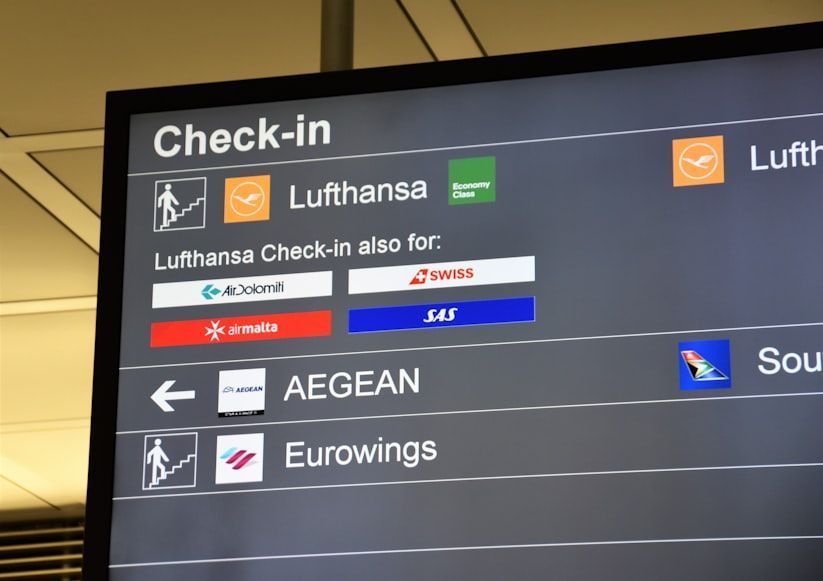
There’s a reason everyone says you should arrive at the airport at least 3 hours before your flight. Leaving your luggage at the check-in counter and going through security is a process that can take longer than you expect, and tardiness might result in a missed flight.
Food and Drink
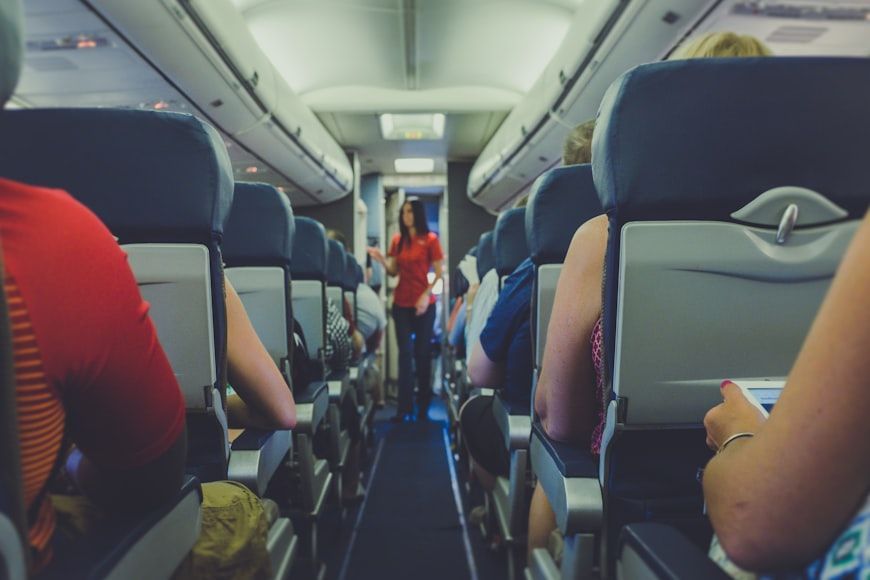
While some assume that their plane ticket includes food and refreshments, this is not always the case. Depending on the length of the flight, many domestic flights will charge extra for full meals and alcohol, while most international flights will include them. However, there are exceptions, and it’s best to check beforehand and plan accordingly.
Amenities
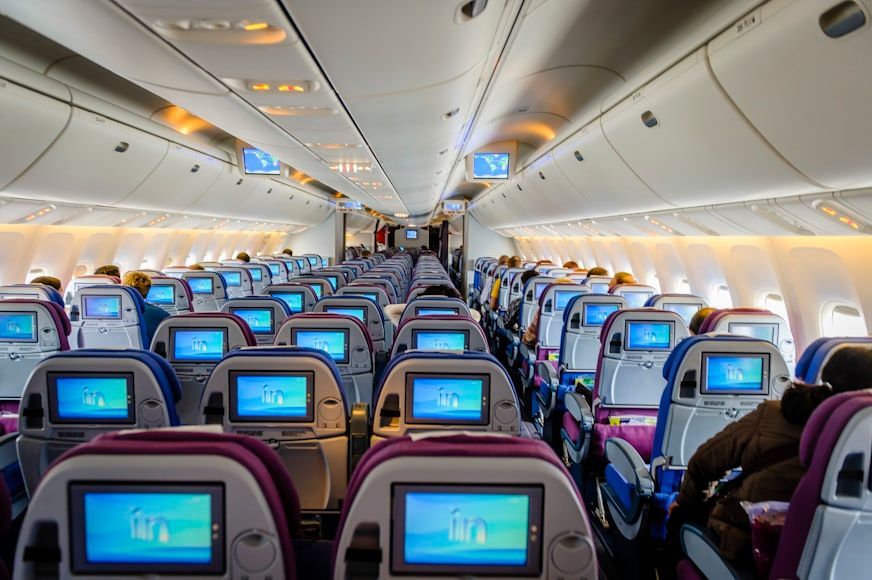
Watching a movie or taking a comfy nap under a blanket are not a must during a plane flight, but they make the ride much more enjoyable (and make time go by quicker, too). If these amenities are a big part of your flying experience, make sure to look into what’s included in your fare before purchasing a ticket.
This used to be hotel etiquette: Hotel manners that seem forgotten today
 Culture
Good old hotel ways
This used to be hotel etiquette: Hotel customs that seem forgotten today
There was a time when checking into a hotel felt like walking into a movie. Bellhops in polished uniforms greeting you at the door, big room keys clinking against brass tags, and a small chocolate waiting on your pillow at night. Whatever happened to these hotel customs? Some fancy or particularly nostalgic venues might still stick to some of them, but we believe most of these 11 traditions are extinct today. Do you agree?
Writing in the guestbook by hand
 Image: furkanfdemir
Long before online reviews and star ratings, hotels relied on physical guestbooks. Remember? They usually sat near the front desk, a hefty ledger with thick paper and very visible handwriting. Guests added their names, hometowns, dates of stay, and often a sentence or two about their experience.
Many historic hotels still preserve their old guestbooks in archives, and some contain famous signatures, beautiful lines about travel, doodles from bored children, and occasional dramatic rants.
Leaving your room key with the front desk when you go out
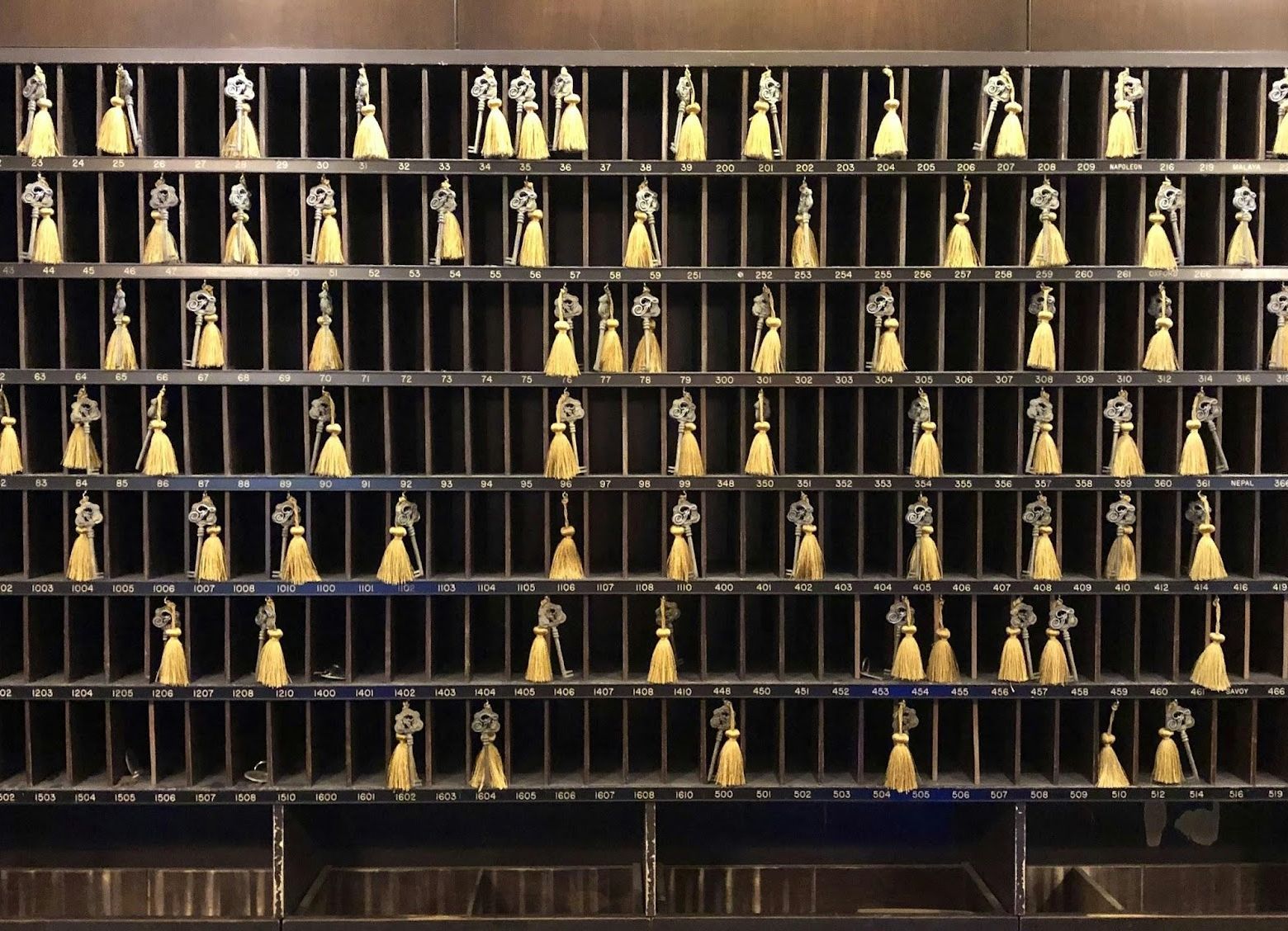 Image: Amy Vosters
When keys were physical, oversized, brass, decorated things, you were not expected to carry them with you on your tourist activities. Instead, whenever you stepped out, you handed it back to the front desk.
The practice prevented keys from being lost, but also helped staff keep track of who was in or out, and reinforced the idea that the hotel was actively watching over its guests. We don’t get this feeling anymore with the reusable plastic cards, do we?
Formal dress codes in hotel dining rooms
 Image: Valeria Boltneva
Dining rooms were the social center, really. Eveningwear that included jackets, ties, gloves, or hats was once normal. The dining rules also extended to time, and the restaurants had pretty strict service hours.
Formal tea time in the lounge
 Image: cottonbro studio
In many hotels, there was also the ceremony of tea time. It was typically served in a grand lounge between mid-afternoon hours. Fine china, tiered trays of sandwiches and pastries, silver teapots, and perfectly folded linens. Of course, all of this survives today as a novelty experience, but there was a time when it was a daily tradition for guests.
Full bellhop uniforms
 Image: Anatolii Hrytsenko
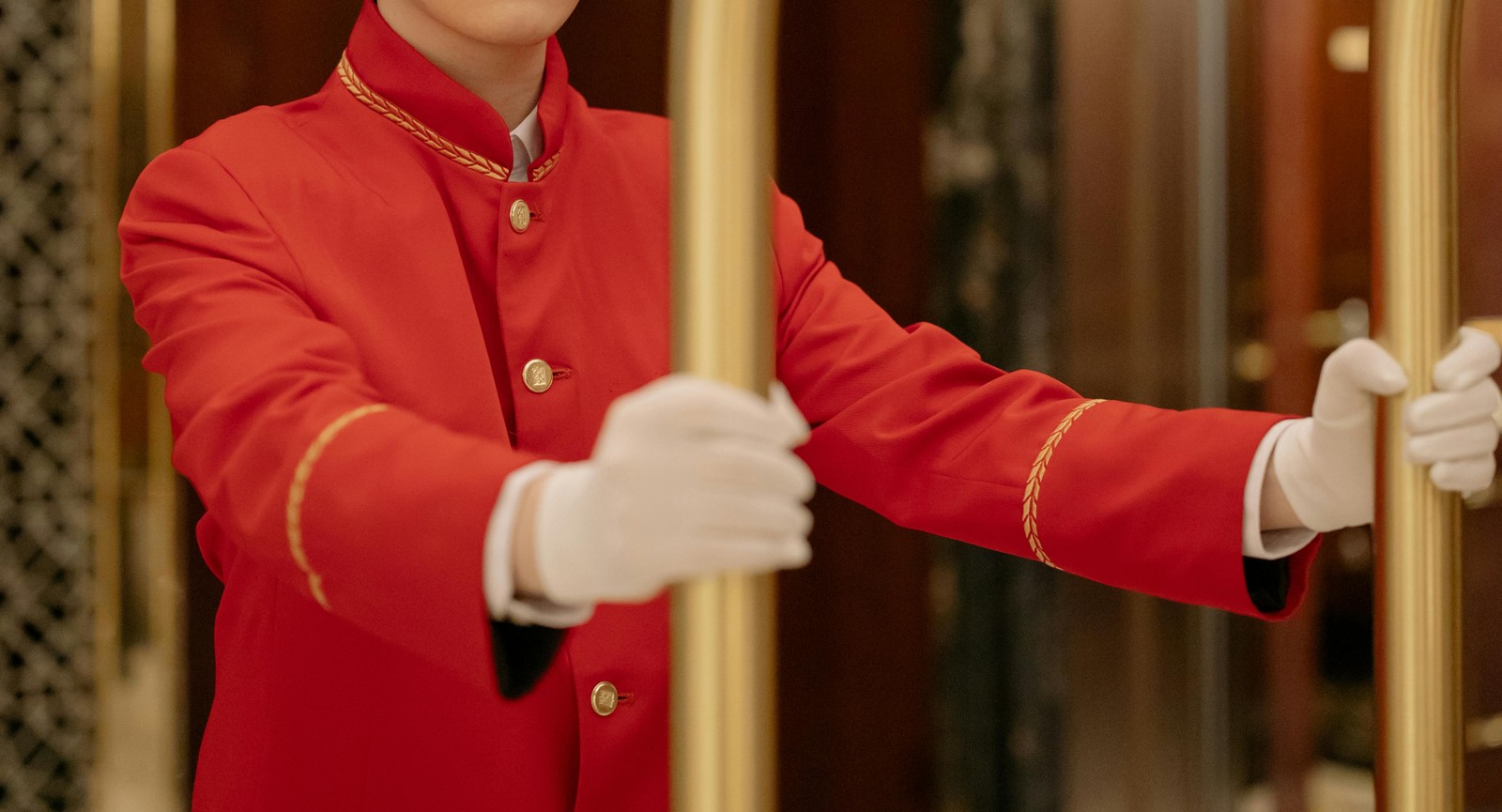
Bellhops were once part of the hotel’s visual identity. Since they would probably be the first person to greet you upon your arrival, their look was carefully designed, complete with structured jackets, polished brass buttons, caps, and sometimes gloves.
Greeting a guest was a performance way beyond carrying bags. Their goal was to make guests feel important, even glamorous, the moment they stepped inside.
Personal butlers or full butler service included
 Image: cottonbro studio
In the early days of luxury travel, especially at elite hotels like the Ritz or the Plaza, true service meant having a dedicated butler. This person was assigned to your stay and handled tasks most modern guests would never expect from a hotel.
Butlers ran errands, delivered private meals, managed correspondence, and acted as discreet problem solvers. Need theater tickets, a last-minute tailor, or a forgotten item replaced quietly? That was the butler’s domain.
Leaving chocolates on pillows
 Image: cottonbro studio
For decades, many hotels followed the custom of leaving a small chocolate on the pillow during turndown service. It was a simple gesture, but it signaled that your room had been sweetly cared for.
Sadly, over time, rising costs and quicker housekeeping turnarounds pushed this tradition aside. Still, some nostalgic hotels might still surprise you with a tiny wrapped chocolate sometime during your stay!
Handwritten thank you notes for staff at checkout
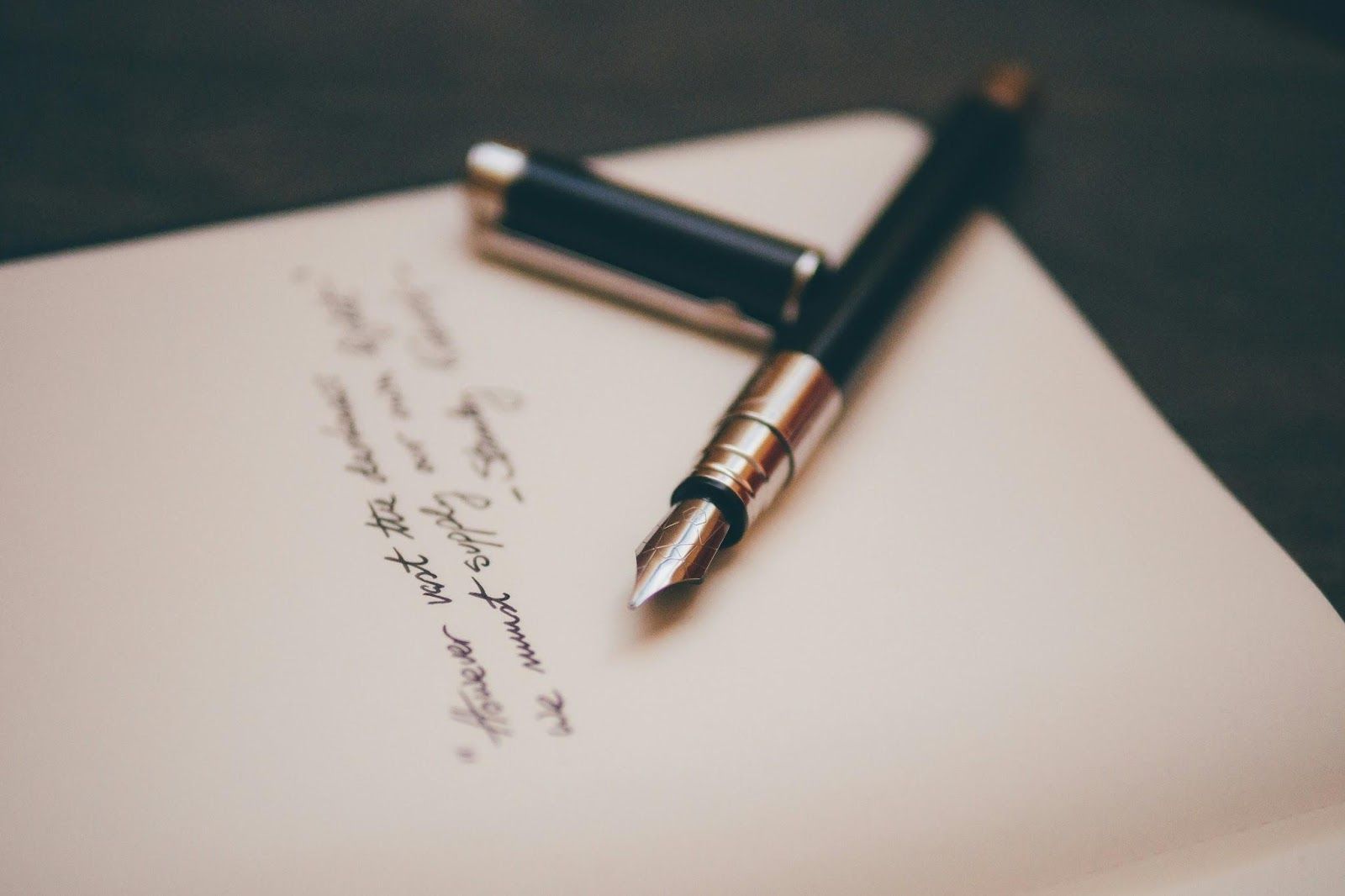 Image: Álvaro Serrano
Attention went both ways: Guests often left handwritten notes for housekeeping, porters, or the concierge, sometimes tucked neatly on the desk or handed directly to the front desk at checkout. A short and sincere "thank you" sufficed, and sometimes hotel staff kept these notes pinned in staff rooms or saved as mementos of good service.
Guest wardrobes stocked with full hangers and accessories
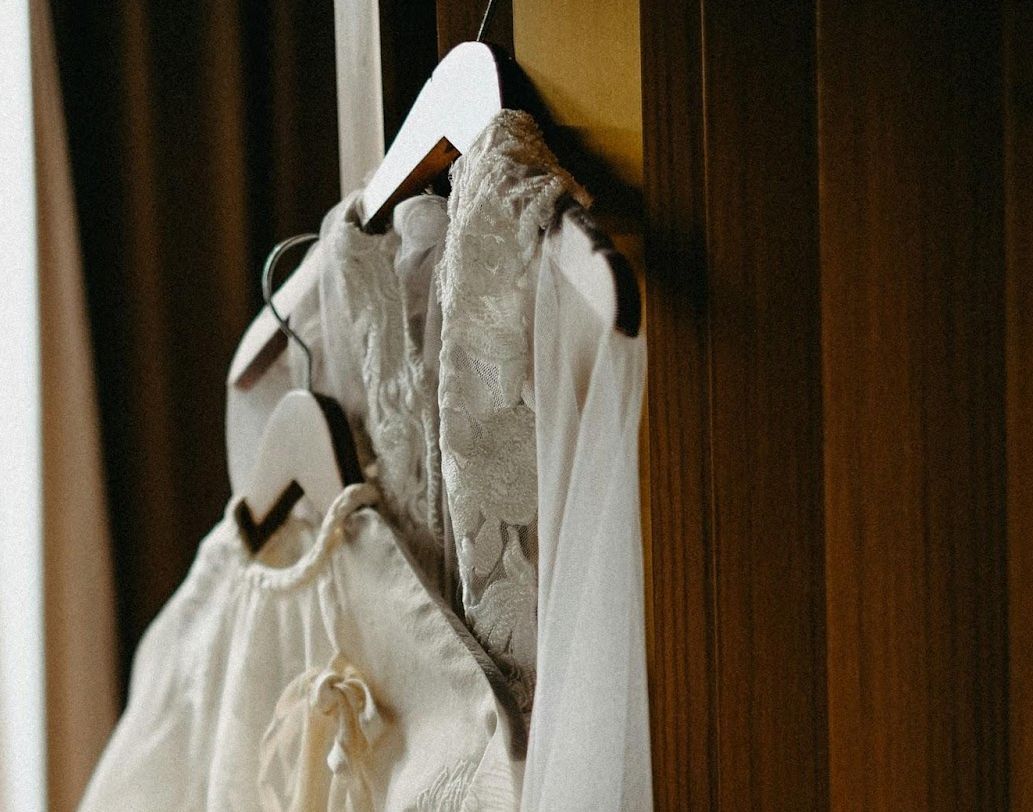 Image: Hoi An and Da Nang Photographer
Remember when closets came stocked with sturdy wooden hangers? They also had shoe horns, garment brushes, and even spare hangers.
The assumption was that you were traveling with real luggage and planned to dress well. Nowadays, some hotel wardrobes feel like a temporary downgrade from the comforts of your home!
Classic letter writing and message delivery services
 Image: Suzy Hazelwood
It makes less sense nowadays, since we have instant communication. But there was a time when hotels helped as communication hubs. Guests wrote letters or postcards in their rooms or at lobby desks, handed them to the front desk, and trusted the hotel to handle delivery.
It later evolved to available computers to send emails from, remember? Nowadays, while post service still exists, most guests must be content with asking for the wifi password.
Chatting during your in-person checkout
 Image: Quang Nguyen Vinh
Today, leaving is so… uneventful. These days, it is silent and automated, as simple as dropping your key in a box or tapping some screen. But it used to be a whole ritual.
Guests approached the front desk, returned their key, settled their bill, and almost always exchanged a few words with the staff. "How was your stay? Did everything meet your expectations? Safe travels home!" This brief goodbye mattered, and it made travelers feel seen and esteemed!
Keep wandering
There’s always
more to explore
12 things to avoid doing in tourist areas (don’t fall into these traps)
3 min.
Read Now

Most people have never heard of these overlooked destinations in the U.S.
4 min.
Read Now
10 weird ways cities quietly "manipulate" tourists
6 min.
Read Now

You'll never road trip the same way again if you follow these tips
5 min.
Read Now