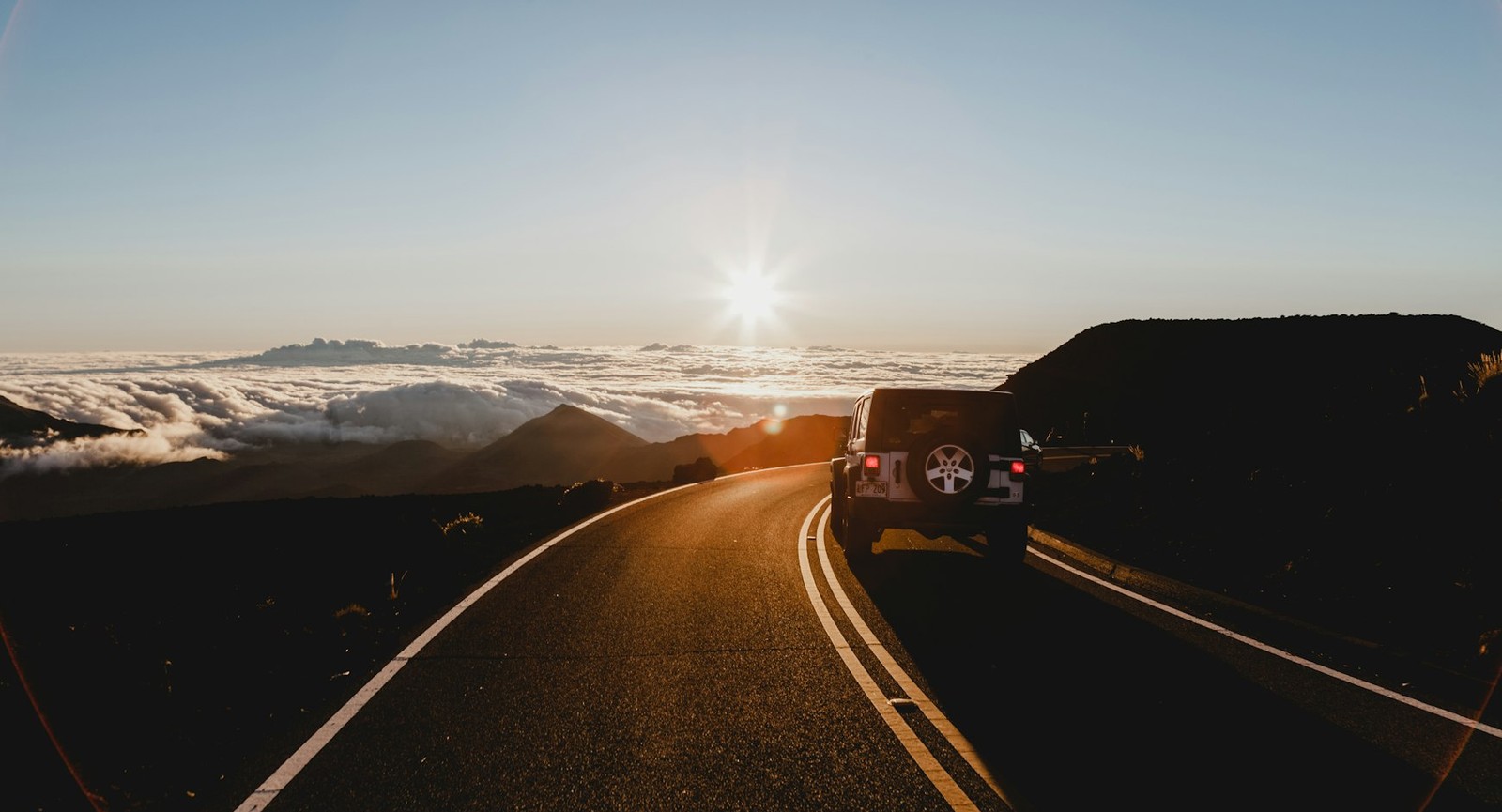
Skip the airport: 10 reasons road trips are the better choice
 General
Beyond the TSA
Skip the airport: 10 reasons road trips are the better choice
Think back to the classic summer drives of your youth: the window rolled down, a paper map spread across your lap, and the excitement of seeing a new spot along the road. While there are many ways to explore the U.S., taking a road trip offers a unique opportunity to experience new places and make new memories. You don’t have to worry about liquid containers; you skip long TSA lines, and you can pack as much as your car allows, but that’s not all. Here are 10 excellent reasons why making a road trip might be the perfect choice.
Avoid airport stress

Air travel comes with a long list of potential stress points. You have to arrive two hours before boarding, security lines can stretch longer than expected, and there’s always a little chance your luggage ends up somewhere else. But driving cuts all that out of the equation. You decide when to leave and, if you’re running late, you adjust. Your bags stay in your car, and you stop when you need to. In short, you are in control of the experience, which reduces stress and allows you to enjoy your trip from the first second.
Cost-effectiveness

Travel costs add up quickly when you fly. Airfare is just the beginning; then come baggage fees and seat selection charges. Even meals at the airport tend to cost more than usual.
One of the benefits of a road trip is how much control you have over the budget. You don’t need to pay for extra luggage, and you can bring your own snacks and drinks. Besides, you can choose where to stay and pick affordable places to eat along the road. You’re not locked into fixed costs. You decide what’s worth it as you go, and that makes it easier to relax without second-guessing every expense.
Unlimited packing

You’re getting ready to go on that winter trip tomorrow, staring down a pair of jackets, trying to choose one. If you were flying, you’d be stuck playing luggage tetris, but on a road trip, the answer is simple: You can take both.
In road trips, if it fits in the car, it comes along for the ride. You can bring the full-sized shampoo, your favorite pillow, and even a bag of "just in case" gear without worrying about a scale at the check-in counter. These things seem small, but they make long days on the road much more comfortable and reduce the need to spend money along the way.
Total schedule flexibility

Picture a morning when you wake up, have coffee at the kitchen table, and simply walk out to the driveway to start your trip. You aren’t checking your watch every five minutes or worrying about a long security line. Your vacation starts the minute you pull out of the garage. By choosing the road, you skip the logistical hurdles of air travel like baggage claims and tight connections. Besides, it allows you to adjust your itinerary as you go and visit a place that wasn’t originally in your itinerary or delay your stay just because you loved the area. You move at your own pace, not the airline’s.
Discover hidden gems
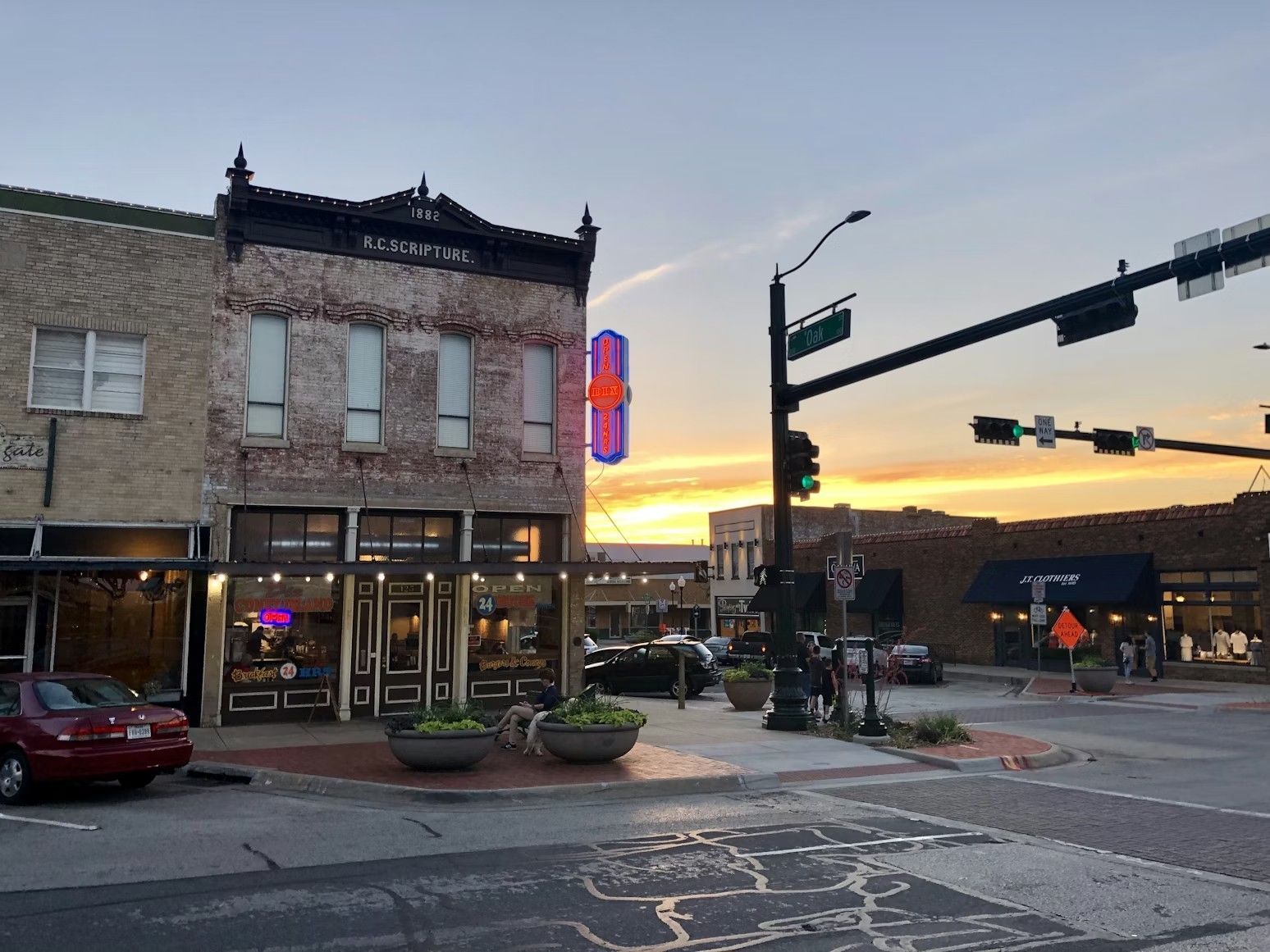
Flying can take you anywhere in just a couple of hours. You land in big cities and visit well-known spots. But you miss the places in between. Driving lets you explore the small towns, scenic roads, and quiet spots that don’t make travel brochures. You might come across a farmers' market, a historic main street, or a lake that isn’t crowded with tourists. Those places guarantee your experience is rich and full of anecdotes.
Create lifelong memories
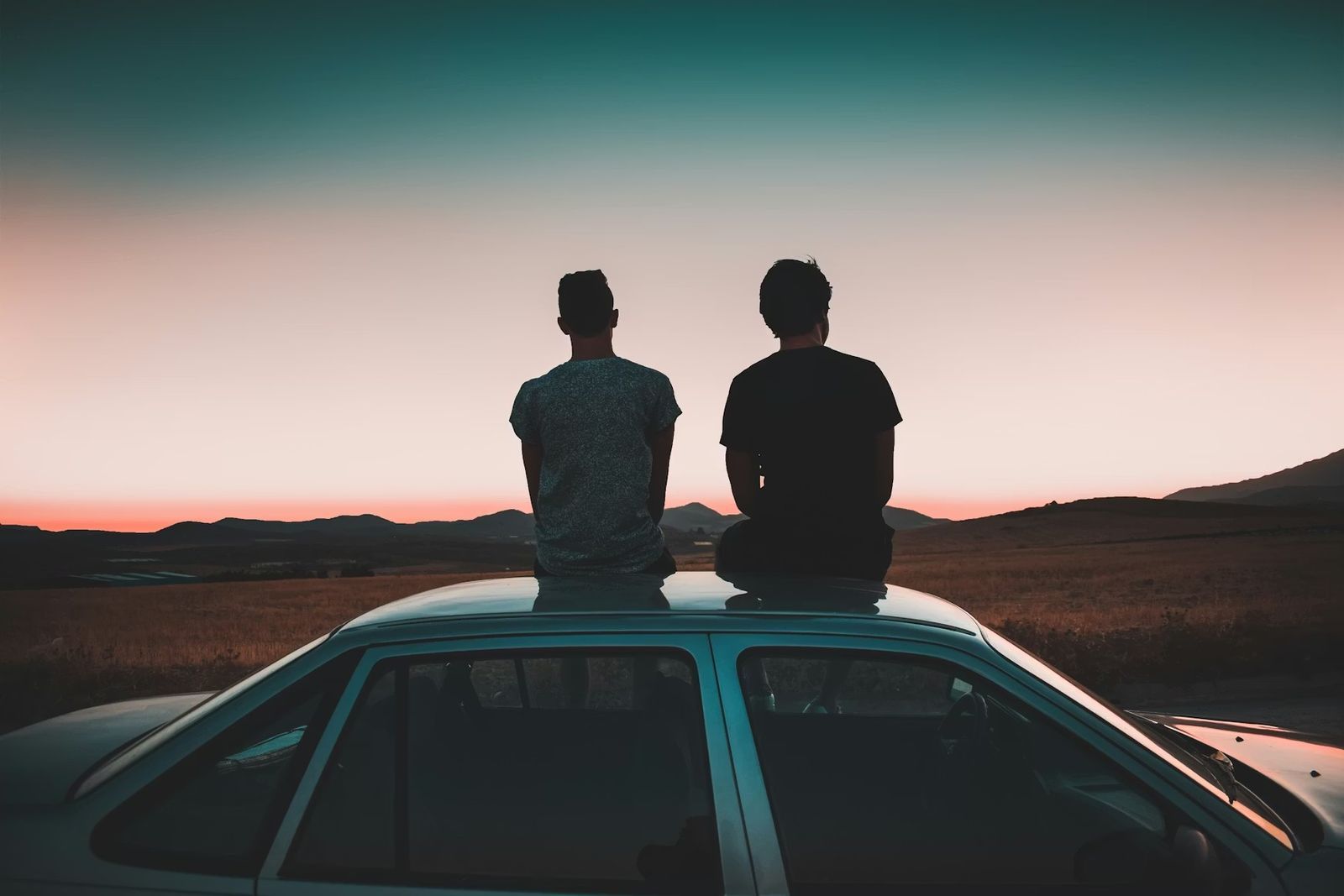
You’re a few hours into the drive, and the scenery is rolling by. The radio is on, the road stretches ahead, and conversation drifts from one thing to the next. Before long, someone shares a story you’ve never heard, and the whole car lights up.
That’s the thing about road trips. They give you time together without interruptions. Nobody’s rushing; no distractions are pulling you away. Over a few days, those shared hours turn into lasting memories, the kind you don’t get when the journey is just a means to an end.
Experience "slow travel"
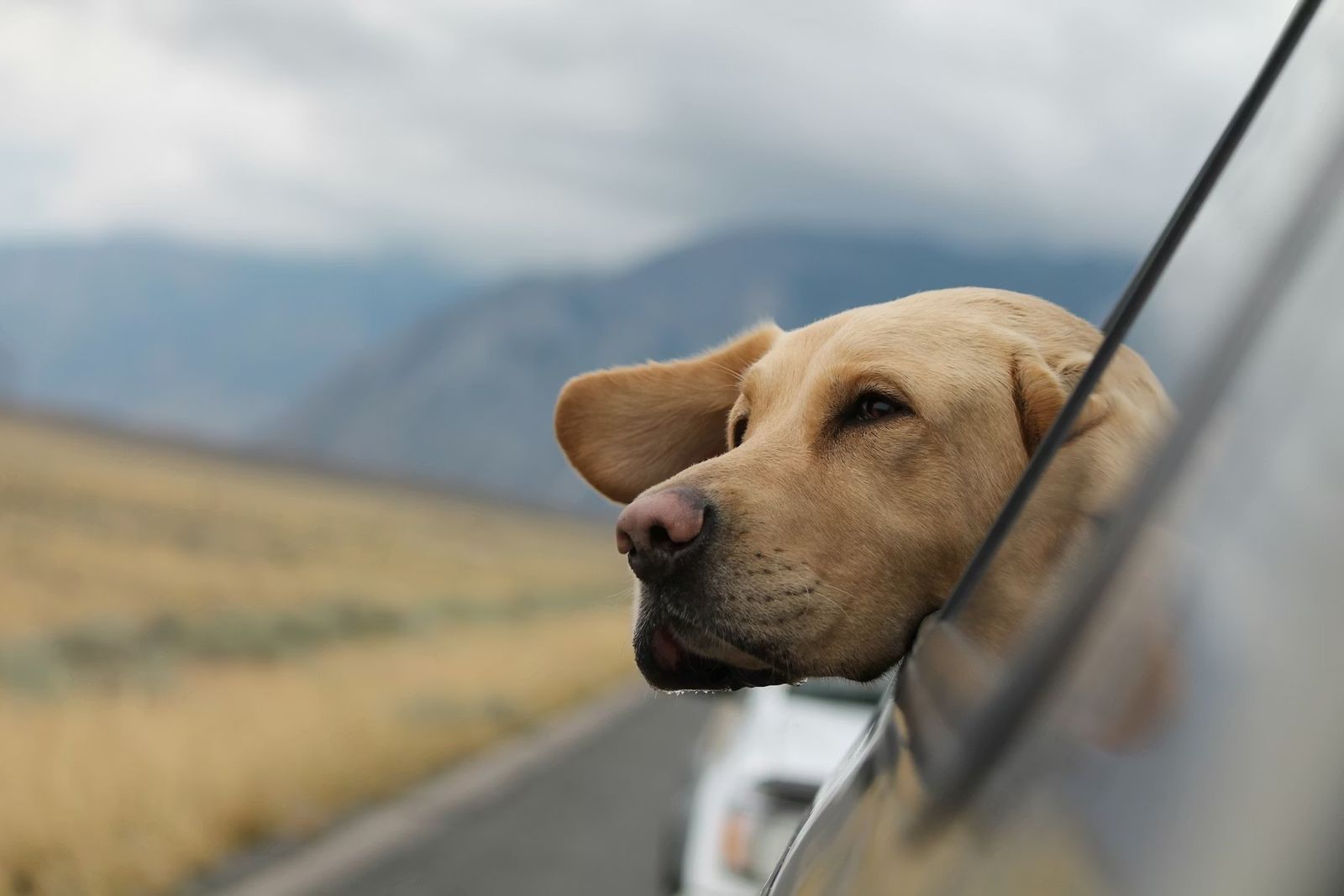
Most travel today is built around speed. Get there fast, move quickly, and fit everything in. If you feel that pace is exhausting, you’re not alone. A road trip naturally slows things down. You’re not rushing through landmarks or monuments. Instead, your day is shaped by how you feel and what you wish to see. You might take a longer breakfast because the place feels nice, you might pull over just to enjoy the view. Those choices don’t cost you anything, but they make a significant impact on the energy of the trip.
Unique roadside attractions
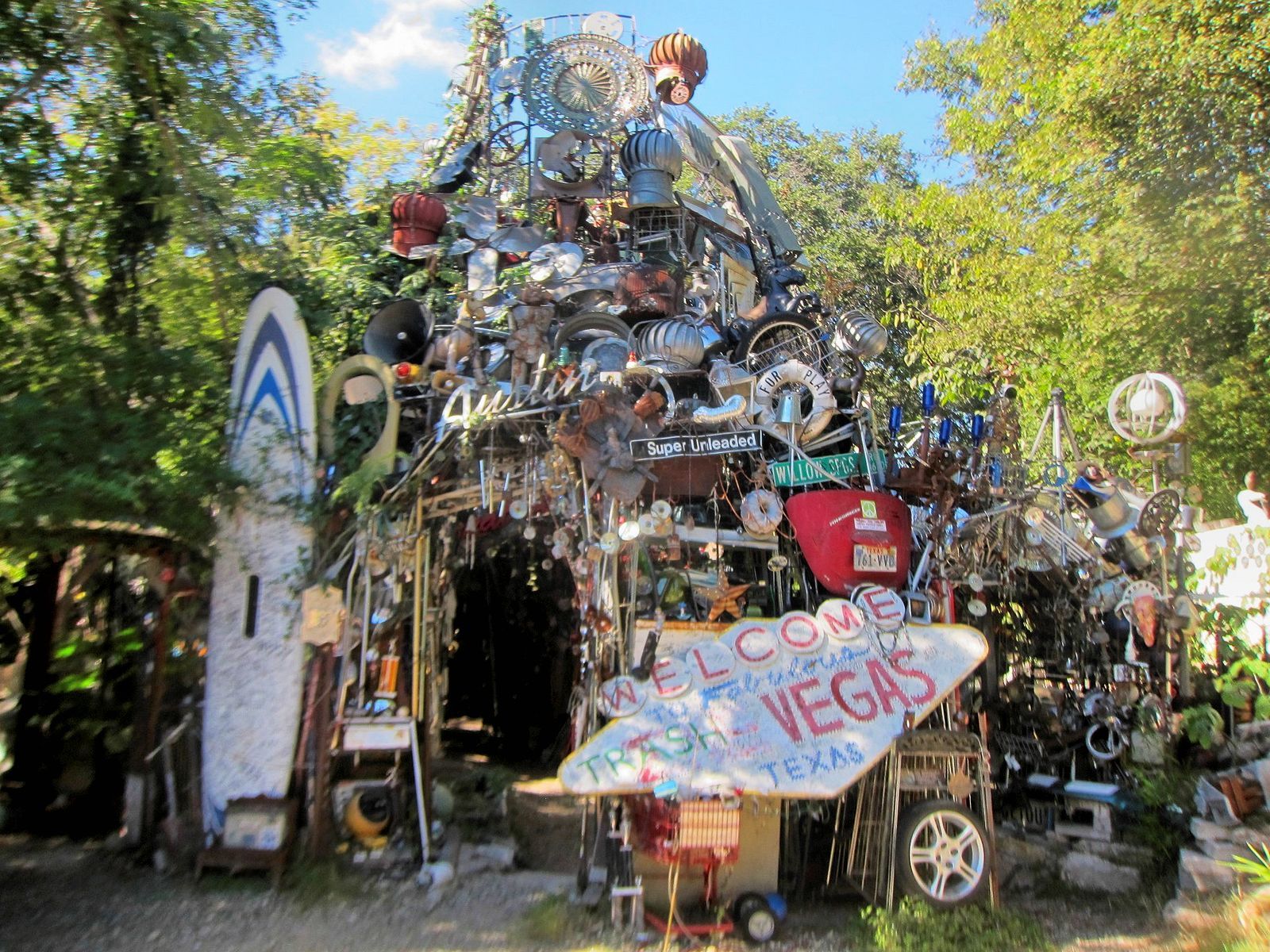
Did you know there’s a gigantic frying pan in the city of Brandon, Iowa? And what about the Cathedral of Junk, a massive structure made of junk that a resident of Austin, Texas, holds in his backyard? These kinds of places are unique, and no plane takes you there.
American highways are filled with quirky, mysterious roadside attractions, and making a detour to visit them adds layers of surprise and stories to your trip, providing a sense of wonder that a plane rarely offers.
Multiple adventures in one
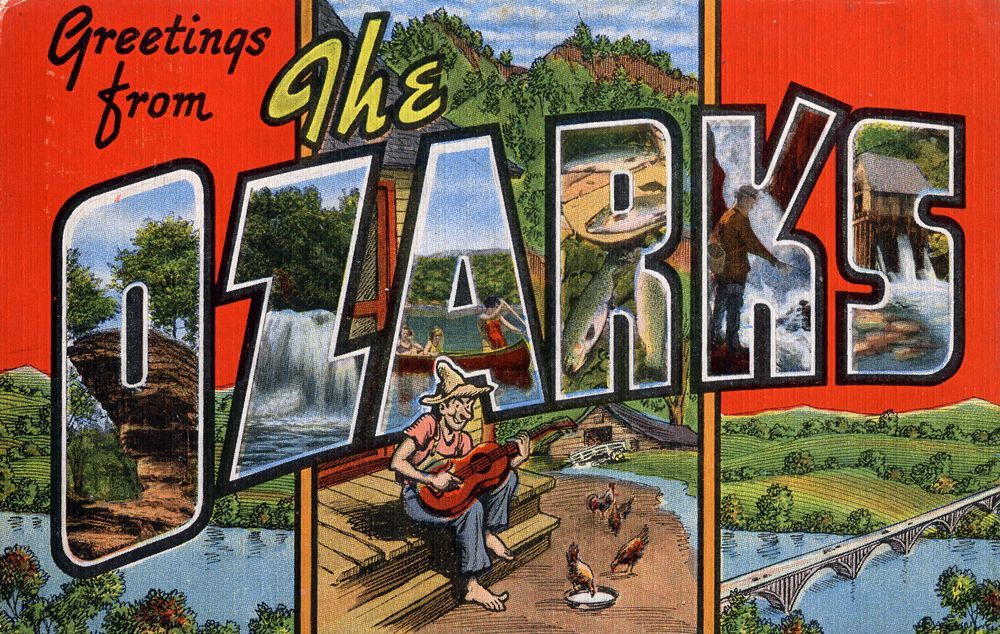
A road trip turns the time you spend traveling into an adventure of its own. Your primary goal might be to visit the Grand Canyon, but by the time you get there, you’ve also explored the jazz clubs in New Orleans and the hiking trails of the Ozarks. Every stop along the way is a new story. This approach turns the journey into a core part of the entertainment, making the entire duration of your time away feel much more substantial and varied than a point-to-point trip.
Better views
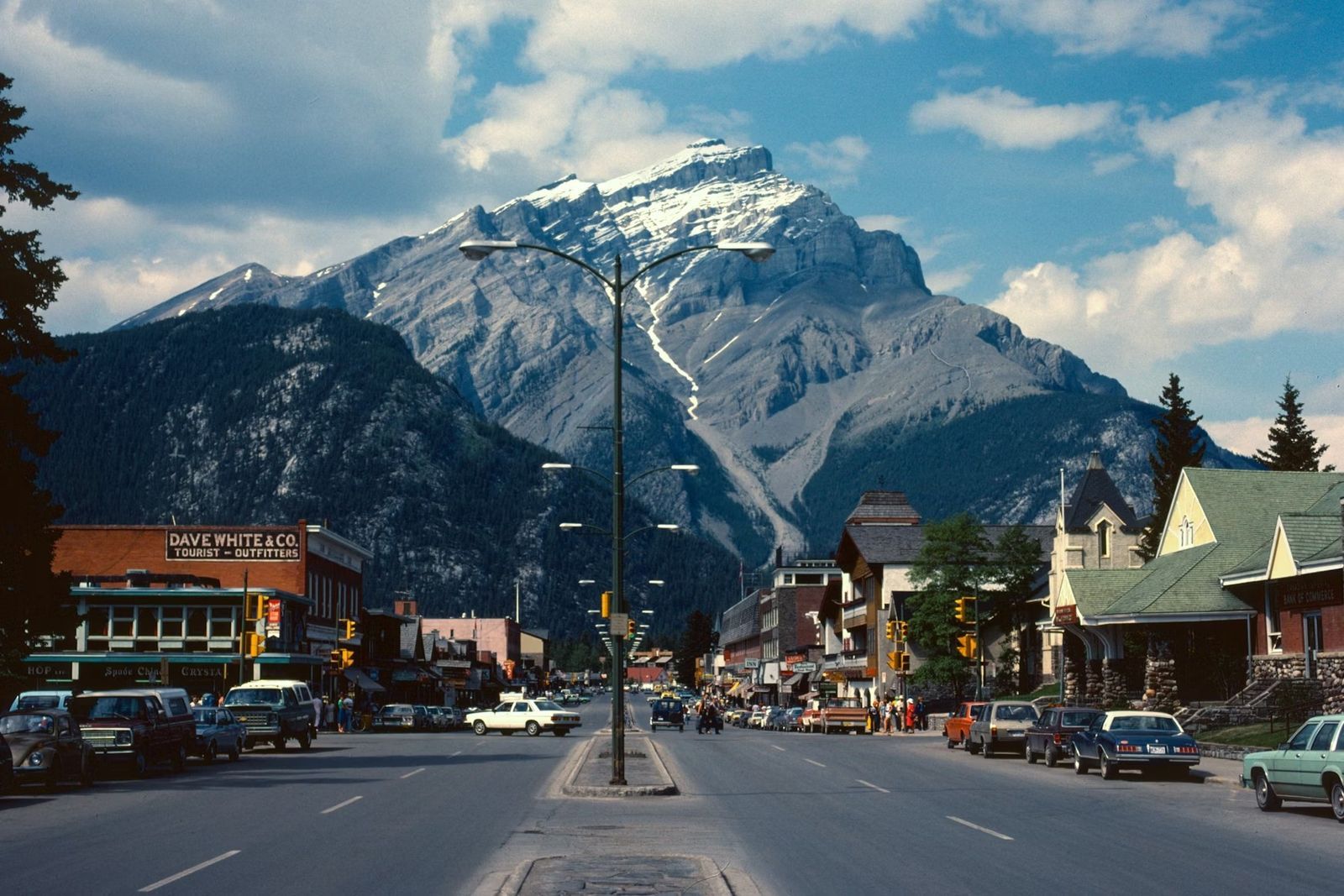
How many times have you seen a stunning sunset from a plane window and wished you could stay in that moment? On a road trip, you are in charge of every pause. Seeing the world from 30,000 ft doesn’t give you the chance to make a stop when something catches your eye.
Driving gives you that option. If you pass a scenic overlook, you can safely pull over, take it in, and snap a picture. You’re not rushing, and you’re probably not trapped under dozens of selfie sticks trying to snap one single picture of a crowded monument.

These cemeteries are among the most amazing places to visit in the U.S.
 History
Spooky stuff
These cemeteries are among the most amazing places to visit in the U.S.
Historic cemeteries can feel like outdoor museums: part landscape design, part local lore, part time capsule. Many were created before city parks existed, so people actually visited them for strolling and taking in the views. The 10 cemeteries on this list have famous names, fires, wars, funny epitaphs, and many more interesting reasons to visit them. Is any of these near your home?
Mount Auburn Cemetery (Cambridge, Massachusetts)
 Image: Presentsquare
Our first entry was founded in 1831 and was designed like a landscaped garden, meant to be visited, rather than hidden away, as it sometimes happened.
It’s equal parts history book and botanical garden. It has ponds, paths, towers, and the all-around sense that a cemetery should be a public garden.
St. Louis Cemetery (New Orleans, Louisiana)
 Image: Annie Spratt
This is the classic New Orleans "city of the dead". It is known for its above-ground tombs and layered legends tied to the city’s rich history of cultures and religions.
Because it’s so storied and therefore fragile, visits are often organized around official tours that work as a guided history walk.
Hollywood Cemetery (Richmond, Virginia)
 Image: Vagelis Karathanasis
Established in 1847 on the James River, Hollywood feels like a romantic landscape painting: big trees, slopes, and views that don’t look like a city cemetery at all.
It’s often described as an outdoor museum: architecture, memorial art, and a trip down the Civil War history of Virginia.
Historic Congressional Cemetery (Washington, DC)
 Image: David Trinks
With its first burial in 1807, Congressional Cemetery is an integral part of the city’s history. It is the final resting place of tens of thousands of people tied to the public life of the country.
It’s open for walking and exploring, and it even offers self-guided tour themes for visitors to pick a topic and follow the past like a trail map of sorts.
Bonaventure Cemetery (Savannah, Georgia)
 Image: Alla Kemelmakher
Bonaventure’s look is the stuff of Southern gothic postcards: live oaks, Spanish moss, and sculptures that seem designed for a movie.
Pop culture made it famous for its incredible statues, but the one that most people search for was moved to a museum, which is another story in itself.
Key West Cemetery (Key West, Florida)
 Image: R. du Plessis
Key West Cemetery is famous for its witty, blunt epitaphs. Stones that read like one-liners, including the legendary "I told you I was sick."
That humor is the point: it serves as a testament to the island’s personality, where even memorials can be playful and oddly uplifting.
Sleepy Hollow Cemetery (Sleepy Hollow, New York)
 Image: Annie Spratt
This famous cemetery is visitable, and it's tied to the region’s literary fame, including the grave of Washington Irving.
It’s set up for self-guided exploration or organized tours alike. This way, visitors can choose between a full historic experience or just enjoy a peaceful landscape drive.
Arlington National Cemetery (Arlington, Virginia)
 Image: J. Amill Santiago
Arlington is one of the country’s most significant burial grounds, and the Tomb of the Unknown Soldier is a focal point for visitors paying respects.
Even if you’ve seen it on TV, being there feels special. Especially around the rituals that keep the site feeling active, instead of a frozen-in-time place.
Boot Hill Graveyard (Tombstone, Arizona)
 Image: Shalev Cohen
Boot Hill leans strongly into Old West lore: names, tales, and nicknames that feel half-history, half-frontier myth, and often both at the same time.
It’s very visitor-friendly, with material designed to help you connect specific graves to specific stories, sort of like a Who’s Who of cemetery lore.
Forest Hills Cemetery (Boston, Massachusetts)
 Image: Christopher Ryan
Founded in 1848, Forest Hills is both a cemetery and an open-air museum. It serves as a panoramic landscape garden where art and architecture are part of the visitor experience.
If you decide to visit this place, be sure to look for the famous memorial sculpture where Death gently stops at a sculptor’s hand.
Keep wandering
There’s always
more to explore

How one package of macadamia nuts made the pilot turn the plane around
5 min.
Read Now
Nearly everyone in this town lives in one 14-story building
6 min.
Read Now
 Culture

Can too many visitors change a town forever? The truth about tourism
6 min.
Read Now
Chernobyl: the residents were told they’d be back in three days
6 min.
Read Now