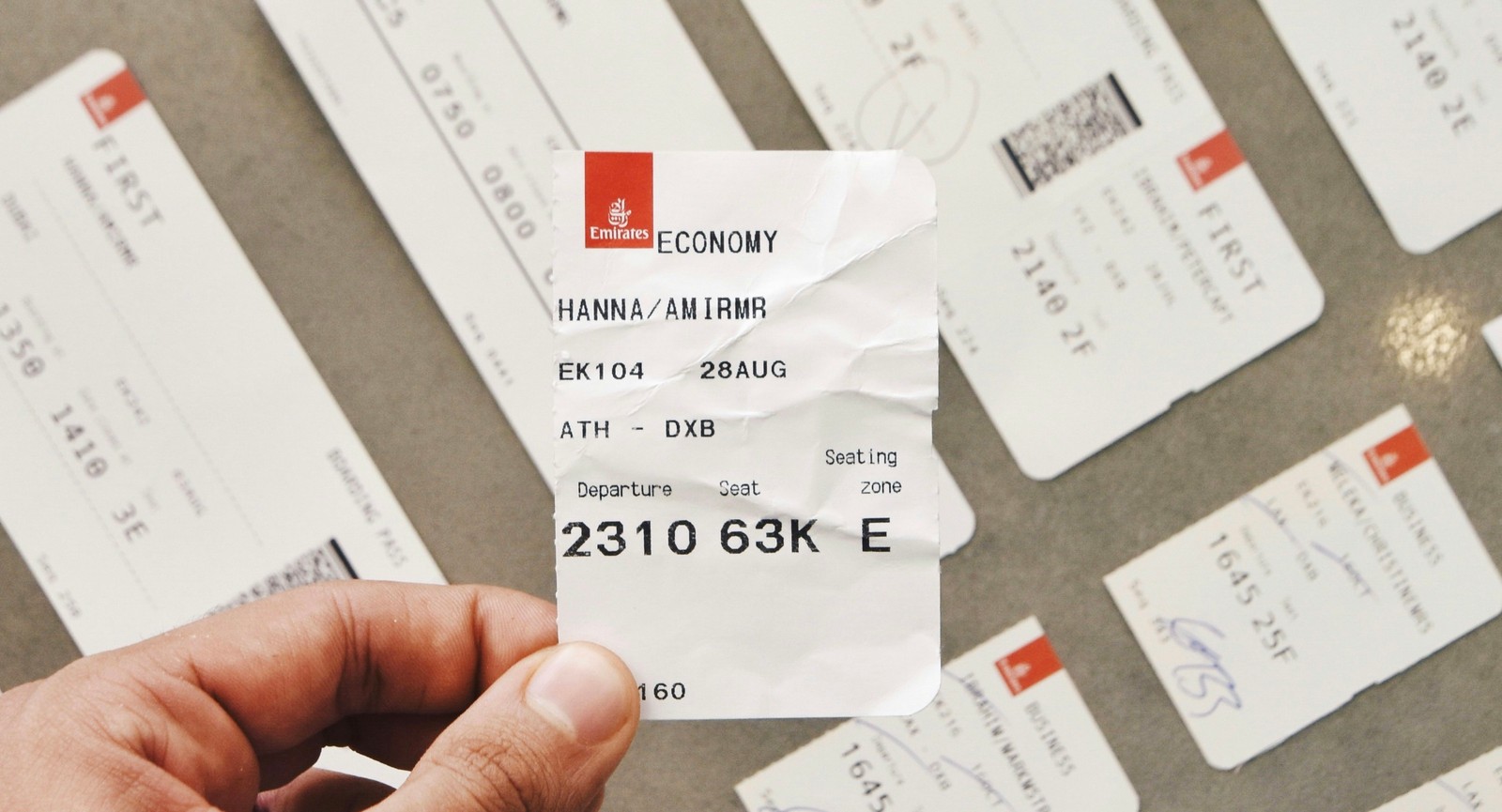
Every traveler should read this article before booking flights or hotels.
 General
Be smart!
Every traveler should read this article before booking flights or hotels.
Travel booking has never been easier, but it’s also full of hidden pitfalls. Many travelers unknowingly spend more than they need to simply because of small oversights. From timing errors to overlooked fees, these mistakes can quietly inflate your trip cost. The good news? Most of them are easy to avoid, once you know them. Did you know about these 12?
Booking flights too late
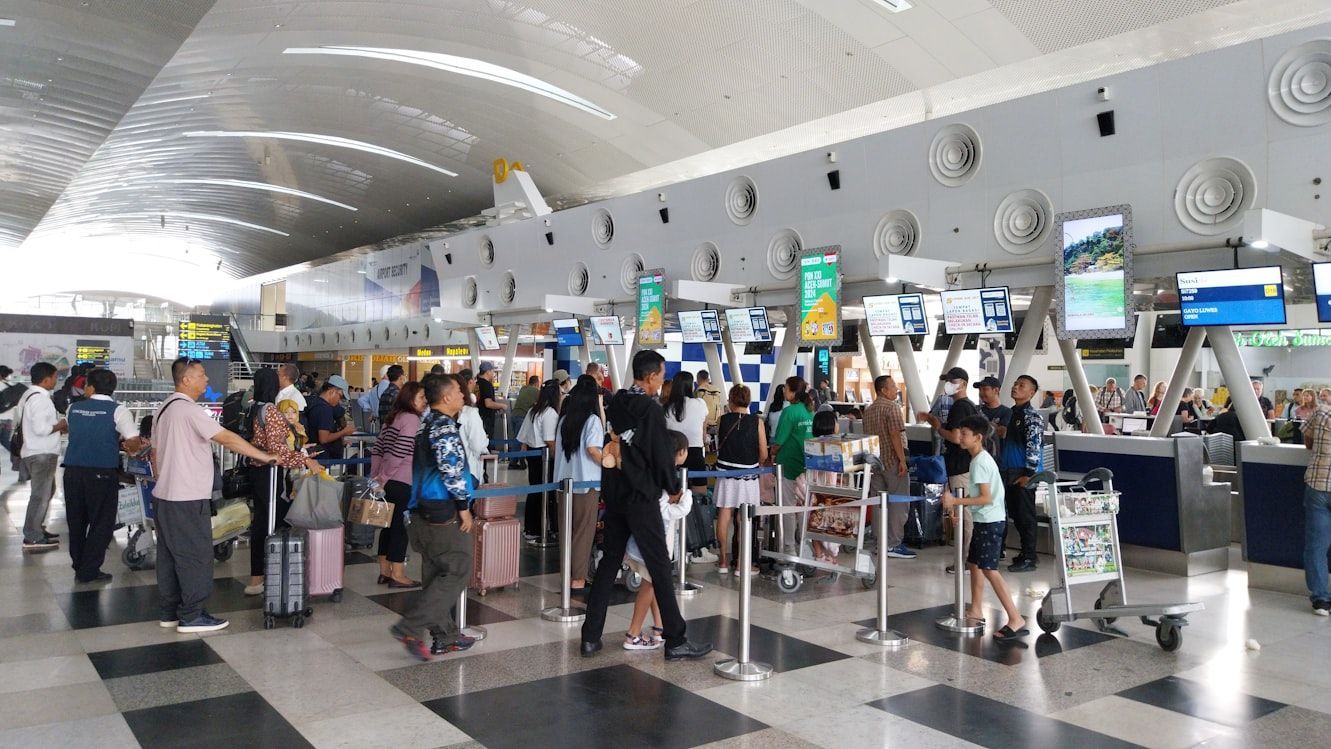
Waiting too long to book flights is one of the most common ways travelers overpay. Prices tend to rise sharply as departure dates get closer, especially for popular routes or busy travel seasons, like New York City in the summer, or Aspen in the winter. Last-minute deals are often less common than many assume.
Experts generally recommend booking domestic flights a few weeks in advance and international ones several months ahead. Planning early gives you access to better prices and more flexible options.
Ignoring baggage fees

A low ticket price can be misleading if baggage fees aren’t included. Many airlines, especially budget carriers like Spirit Airlines, JetBlue, or Allegiant Air, charge extra for checked bags, carry-ons, and even seat selection, sometimes doubling the price of the ticket.
These additional costs can quickly add up, sometimes making a "cheap" flight more expensive than a full-service airline. Always check baggage policies before booking to get the real total cost.
Not comparing multiple booking sites

Relying on a single website can mean missing better deals elsewhere. Prices for the same flight or hotel often vary across platforms due to partnerships, commissions, or promotions.
Using comparison tools, like Google Flights, Skyscanner, Kayak, or Momondo, among others, or checking multiple sites helps ensure you’re getting the best available rate. It only takes a few extra minutes, but it can save a significant amount.
Choosing non-refundable options too quickly
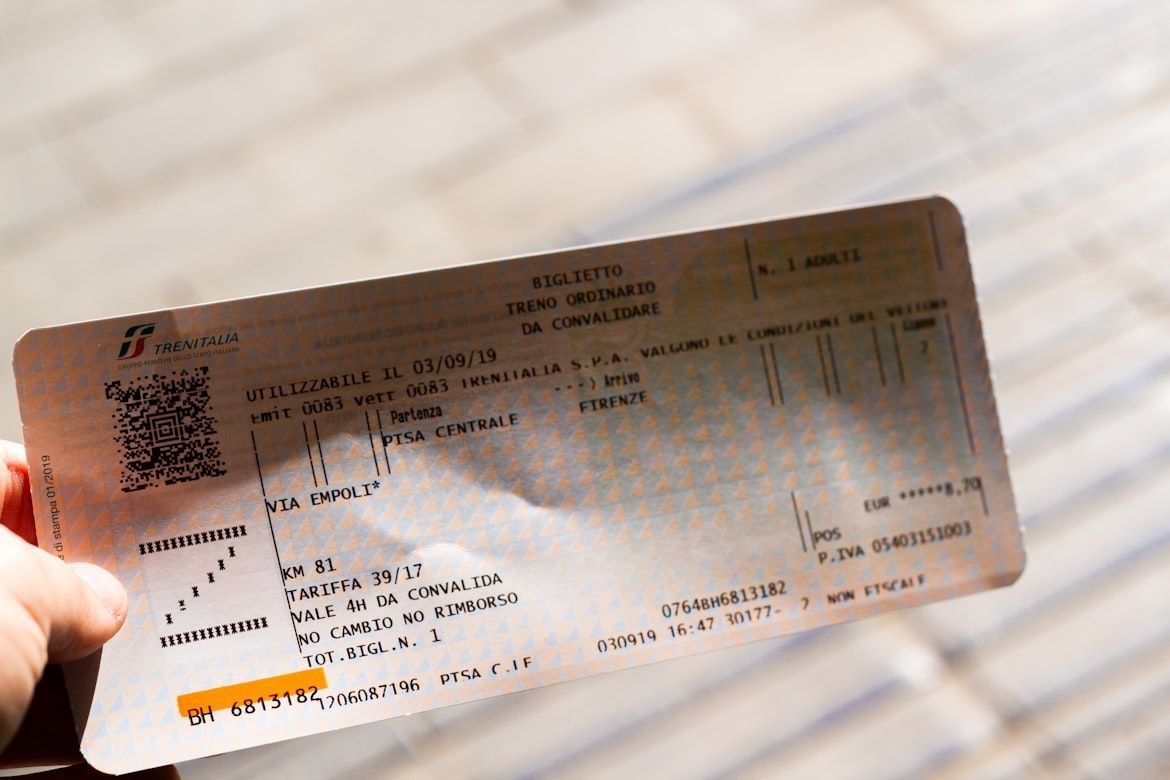
Non-refundable bookings are often charged upfront, but they come with risk. If your plans change, even slightly, you could lose the entire amount you paid.
Flexible or refundable options may cost more initially, but they can save money in the long run if something unexpected happens. It’s important to weigh the risk before committing.
Forgetting to check cancellation policies
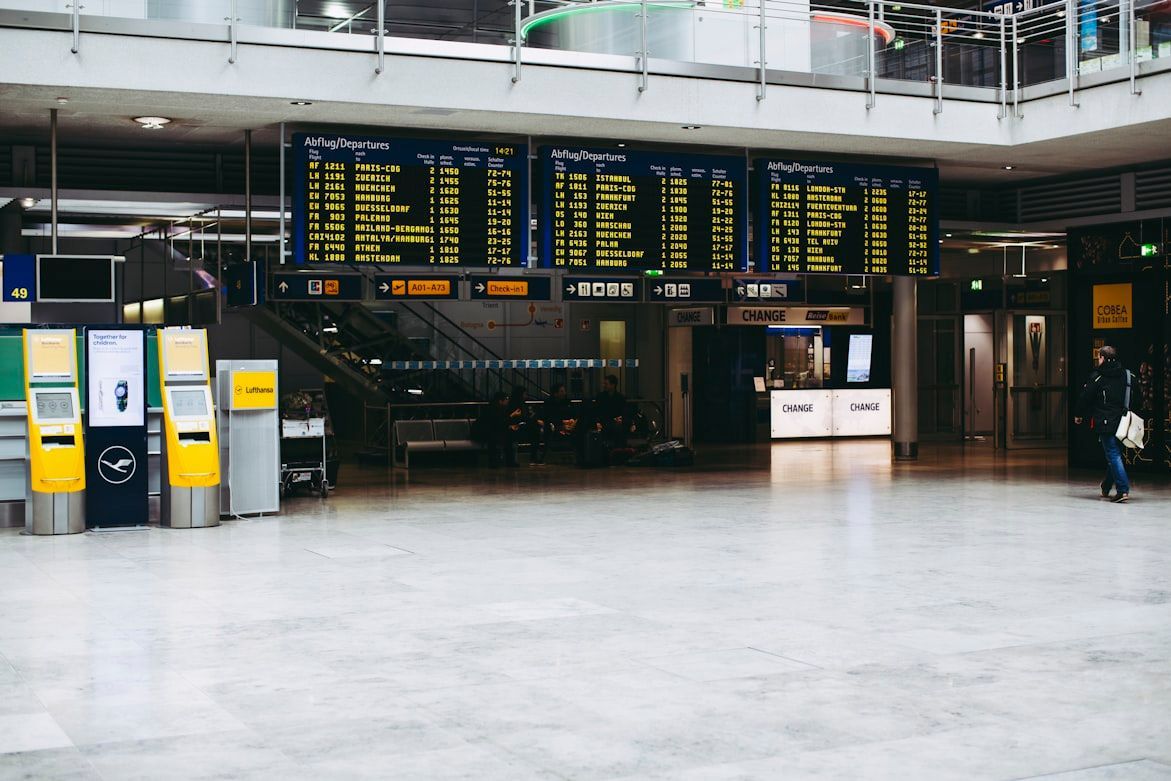
Not all bookings are created equal when it comes to cancellations. Some allow free changes, while others have strict penalties or no refunds at all.
Understanding the cancellation policy, which can be found on each airline’s official website, before booking can prevent costly surprises. This is especially important for hotels, tours, and flights during uncertain travel periods.
Booking during peak dates without flexibility

Travelling during holidays or major events often means significantly higher prices. Flights and accommodations can double or even triple in cost during peak periods.
Being flexible with your travel dates, even by a few days, can lead to substantial savings. Mid-week departures and off-season are often much cheaper.
Overlooking resort or hidden hotel fees

Many hotels advertise attractive nightly rates but add extra charges later. Resort fees, cleaning fees, and service charges can increase the final bill considerably.
These fees are not always obvious at first glance. Always review the full price breakdown before booking to avoid unpleasant surprises at checkout.
Not using price alerts

Prices for flights and hotels fluctuate constantly. Booking without tracking prices can mean missing out on better deals that appear later.
Price alert tools, like Google Flights, KAYAK, Hopper, and Skyscanner, notify you when rates drop for your selected route or destination. This allows you to book at the right moment instead of guessing.
Booking separate tickets instead of bundled deals

Sometimes booking flights, hotels, and car rentals separately costs more than purchasing a package deal. Travel bundles often include discounts that aren’t available individually.
While not always cheaper, it’s worth comparing both options. In many cases, bundling can reduce overall costs and simplify your travel planning.
Ignoring loyalty programs or rewards
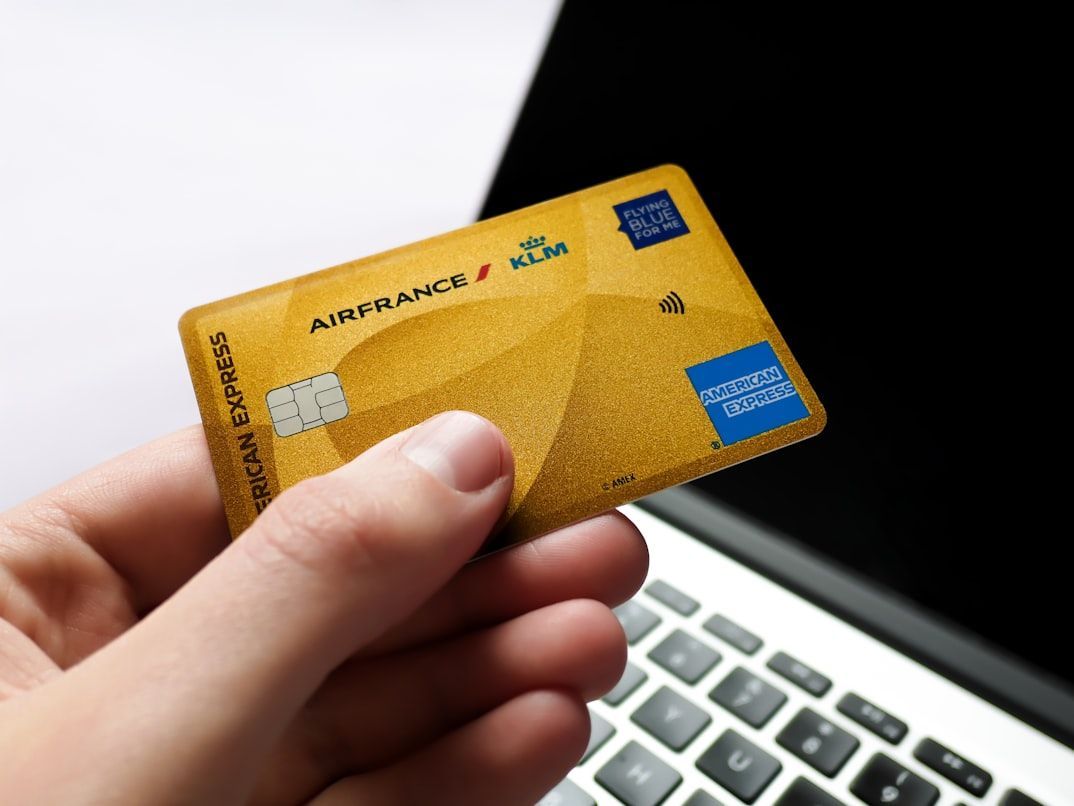
Frequent travellers often miss out on savings by not using loyalty programs, like American Airlines AAdvantage, Alaska Airlines Mileage Plan, United MileagePlus, Delta SkyMiles, and Southwest Rapid Rewards. Airlines, hotels, and credit cards offer points, discounts, and perks that can reduce costs.
Even occasional travellers can benefit from signing up. Over time, rewards can add up to free flights, upgrades, or discounted stays.
Assuming cheaper options are always better

The lowest price isn’t always the best value. Budget options may come with trade-offs like inconvenient locations, long layovers, or extra fees.
Considering overall value, not just price, can lead to a better travel experience and sometimes even lower total costs. It’s important to look beyond the headline price.
Not double-checking travel dates and times

Simple booking errors, like selecting the wrong dates or confusing AM and PM times, can be surprisingly expensive to fix.
Airlines and hotels often charge change fees or price differences for corrections. Taking a moment to review all details before confirming can prevent costly mistakes.

You will wish you had read this article before ever boarding a plane
Smart travels!
Learn 12 tips from the pros for traveling lighter and paying less
Packing light isn’t just about fitting everything into a smaller bag. It is one of the easiest ways to save money while traveling. Airlines now charge for everything from checked luggage to overweight bags, turning simple trips into expensive ones. Travelling lighter also makes airports, trains, and hotels easier to navigate, especially on longer journeys. These 12 practical tips tested and tried by frequent travelers can help you spend less, carry less, and enjoy the trip more!
Commit to carry-on only

Flying with just a carry-on instantly removes one of the biggest travel expenses: checked-bag fees. Many airlines now charge for the first checked bag, even on domestic routes, turning "cheap" tickets into costly ones. Traveling carry-on only also speeds up airport time and reduces stress.
Packing lighter forces smarter choices. With fewer clothes and items, you move more easily through airports, train stations, and hotels. You also avoid baggage delays or lost luggage, which can add unexpected costs and headaches to any trip.
Compare fares after baggage fees

A low airfare can be misleading. Some airlines advertise bargain prices but charge extra for carry-ons, seat selection, and checked luggage. Before booking, add up the total cost, including baggage fees, to see what you’ll really pay by the time you board.
Often, an airline with a slightly higher base fare ends up cheaper once luggage is included. This small comparison step can save money and prevent unpleasant surprises at the airport counter or boarding gate.
Use a lightweight, airline-sized bag

Not all carry-on bags are created equal. Heavy or oversized luggage can push you over airline limits before you even pack anything. Choosing a lightweight, regulation-size bag gives you more usable space without risking gate-check fees.
A simple, soft-sided bag often works better than hard shells. It fits more easily into overhead bins and can flex slightly if space is tight. The right bag helps you stay light without constant worry.
Build a capsule wardrobe

A capsule wardrobe means packing clothes that all work together. Neutral colors, simple layers, and versatile pieces let you create many outfits from just a few items. This cuts weight, saves space, and makes packing decisions easier.
Instead of packing for every "what if," plan for realistic needs. A small, well-chosen wardrobe keeps your bag lighter and reduces the temptation to overpack "just in case" items you may never wear.
Weigh your bag at home

Luggage fees often depend on weight, and airport scales are unforgiving. Weighing your bag at home lets you adjust before you leave, rather than scrambling at the check-in or paying extra fees on the spot.
A small luggage scale is inexpensive and useful for frequent travelers. Knowing your bag’s weight also helps you plan for souvenirs, so you don’t end up overweight on the return trip.
Buy toiletries at your destination

If your luggage is getting dangerously close to the weight limit, consider buying toiletries at your destination. Travel-size bottles help, but buying basics after you arrive can be even easier.
This approach also avoids airport liquid restrictions and leaks in your bag. You travel lighter, pack faster, and eliminate the stress of fitting bottles into a limited space.
Pack quick-dry clothing

Quick-dry fabrics are a secret weapon for light travel. These clothes can be washed in a sink and dry overnight, allowing you to rewear items without packing extras.
Fewer clothes mean less weight and less space used. This strategy works especially well for longer trips, where doing occasional laundry is cheaper than checking another bag.
Use packing cubes
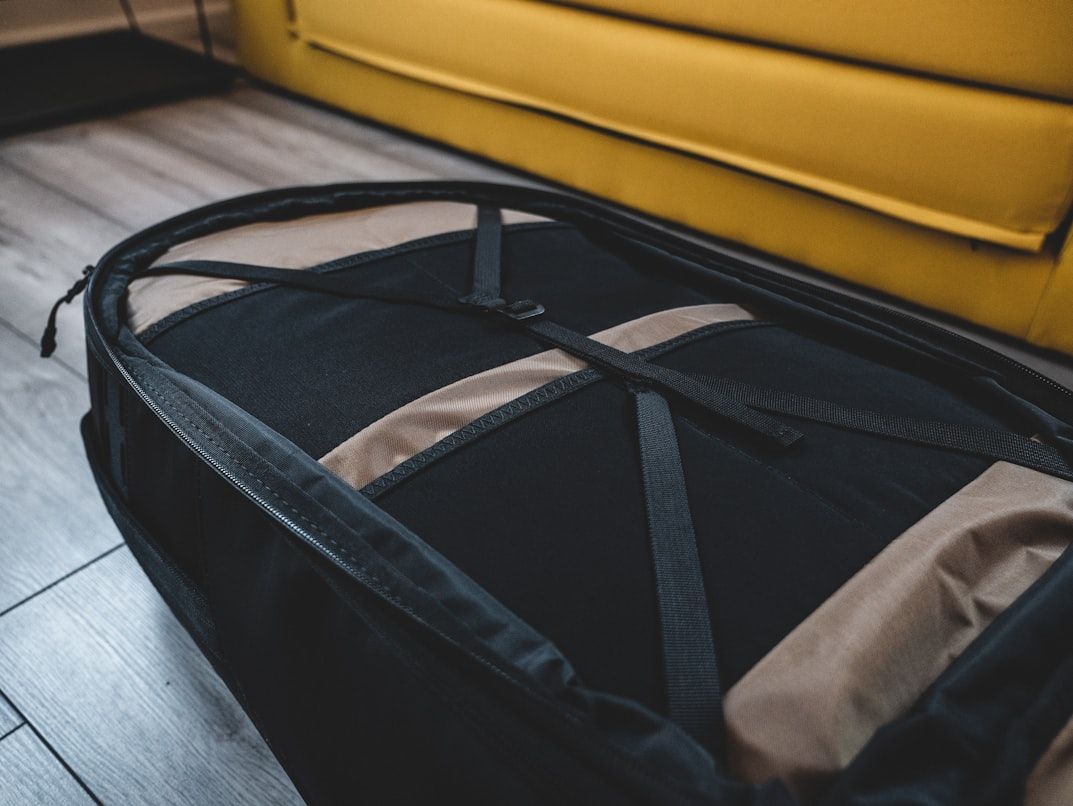
Packing cubes help organize and compress clothing, making it easier to see what you packed and avoid bringing duplicates. They also keep items from shifting, so your bag stays compact.
When everything has a place, packing lighter feels less risky. You’re less likely to overpack "just in case" items because you can clearly see how much you already have.
Pack for one week, not the whole trip
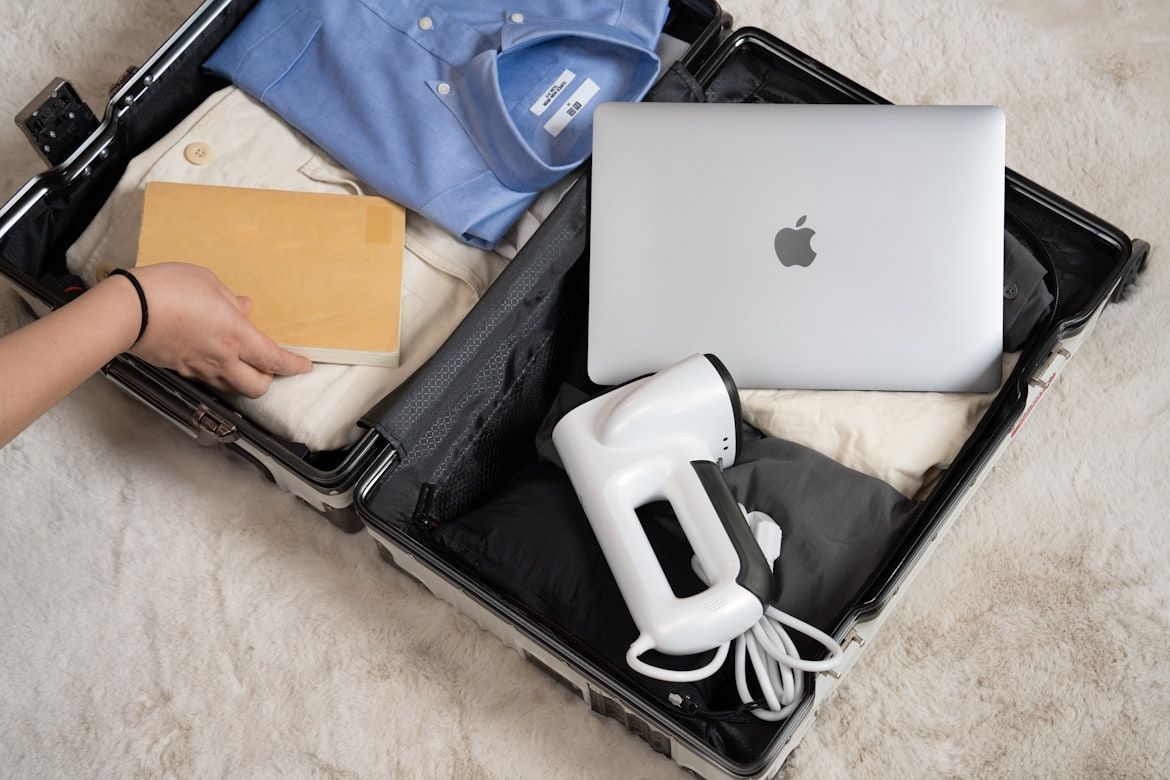
Even on longer journeys, packing for about seven days is usually enough. Laundry facilities, hotel sinks, or local laundromats make reusing clothes simple and inexpensive.
Packing for the entire trip often leads to heavy bags and extra fees. A shorter packing plan keeps your load manageable, and your travel days are far more comfortable.
Wear bulky items in transit

Shoes, jackets, and sweaters take up the most space. Wearing these items on travel days frees valuable room in your bag and helps you stay within weight limits.
Layering also keeps you comfortable in cold airplanes and changing temperatures. Once you arrive, you can store or remove layers without sacrificing luggage space.
Take advantage of built-in perks

Some airlines, loyalty programs, and credit cards include free checked bags or priority boarding. Using these perks can significantly reduce travel costs, especially for frequent travelers.
Before paying extra, check what benefits you already have. A little awareness can eliminate fees you didn’t need to pay in the first place.
"Need" vs. "Want."
Before packing each item, ask yourself whether you truly need it or simply want it "just in case." This simple habit prevents unnecessary weight and clutter.
Most travelers discover they use far fewer items than expected. Packing lighter not only saves money but makes every step of the journey easier, calmer, and more enjoyable.
Keep wandering
There’s always
more to explore

Could you handle 162 steps inside the Statue of Liberty?
6 min.
Read Now

10 Incredible, death-defying miracles around the world
5 min.
Read Now

Here's why this particular airport worker can't be over 56 years old
6 min.
Read Now

The parking trick that could save you $40 a night in California
3 min.
Read Now