Could you handle 162 steps inside the Statue of Liberty?
 General
Travel experiences
Could you handle 162 steps inside the Statue of Liberty?
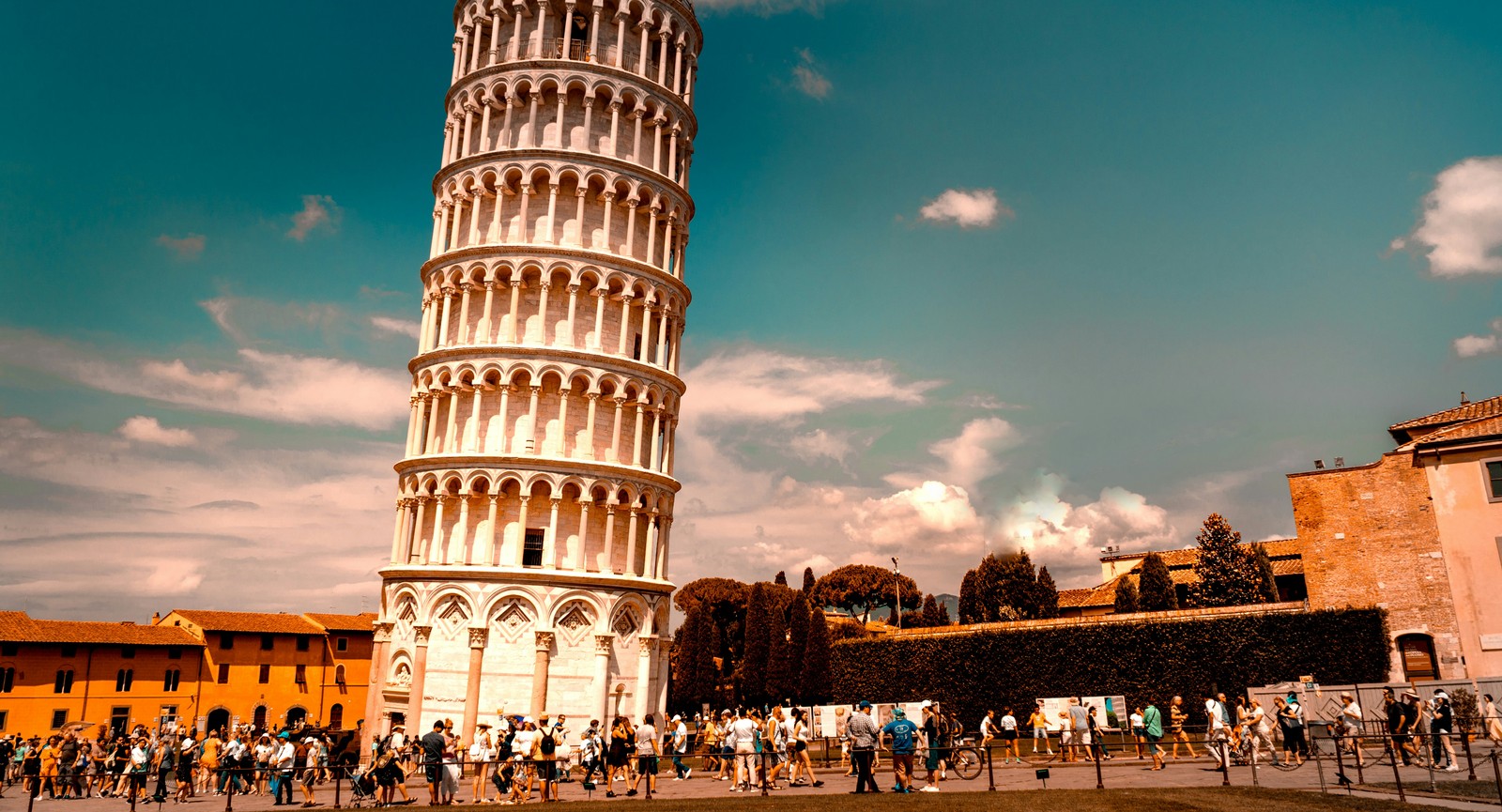
The Statue of Liberty’s crown, the Leaning Tower of Pisa, and St. Peter’s Dome are some of the most visited landmarks of the world. Postcards usually show the reward of arriving at its highest viewpoints, but not the work it takes to get there. That means climbing old spiral staircases, passing through tunnels, or tackling hundreds of steps. These 10 destinations prove that sometimes the best travel views require a little extra effort.
The Statue of Liberty Crown, New York City, United States

When you arrive at Liberty Island, the Statue of Liberty’s crown doesn’t seem very far away until you decide to make your way up there. After reaching the pedestal, crown ticket holders still have to climb 162 narrow steps inside the statue. The staircase is tight and winding, and there is no elevator for this final part. Space is limited, crown tickets often sell out early, and bags aren’t allowed on the stairs. Always check the National Park Service rules before your visit, and bring as few personal belongings as possible.
The Leaning Tower of Pisa, Pisa, Italy
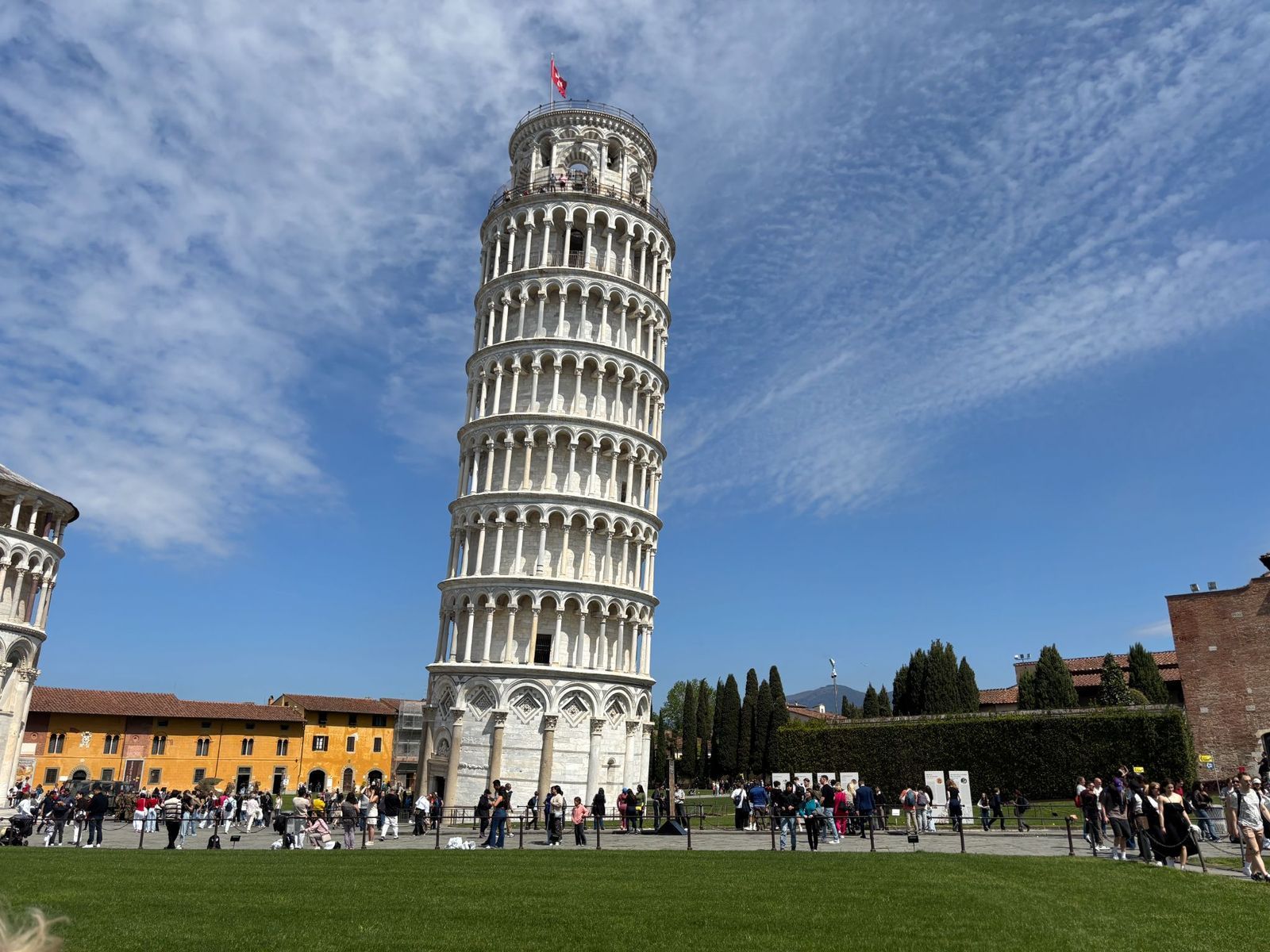
Most visitors first see the Leaning Tower of Pisa from the lawn and take the classic photo that makes it look like they are holding it up. But finding the perfect angle is probably the easiest part of the experience. Climbing inside is a different story.
The climb has 251 steps, and some of them are uneven and slippery. Because the staircase curves through the leaning tower, you may feel slightly off balance as you go up. Construction began in 1173, and the tower was built as the bell tower of Pisa Cathedral, officially known as the Cathedral of Santa Maria Assunta. Tickets are timed; children under eight are not allowed, and arriving late could mean losing your spot.
St. Peter’s Dome, Vatican City

In Vatican City, St. Peter’s Dome rises high above the basilica and its famous square. The elevator only covers part of the climb, stopping at the terrace, leaving 320 more steps to the top. Without the elevator, the full climb continues with 551 narrow steps, because the staircase follows the dome’s curved shape.
Michelangelo began working on the dome in 1547, and Giacomo della Porta completed it in 1590. Visiting the basilica is free, but climbing the dome requires a separate ticket, and visitors must keep their shoulders and knees covered.
The Sydney Harbour Bridge, Sydney, Australia
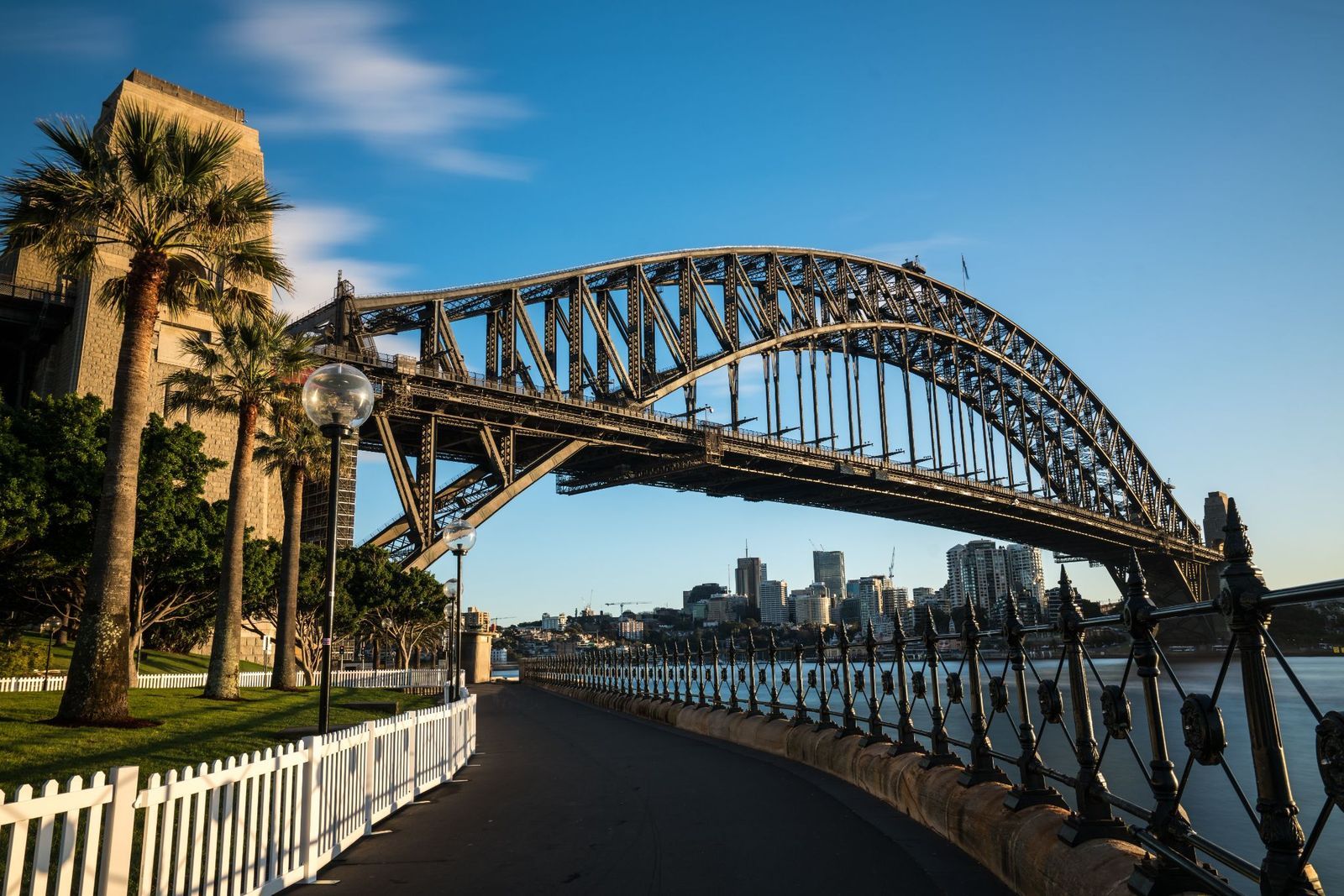
While the cruise through Sydney Harbour gives you a classic view of the bridge and Opera House, the Bridge Climb takes visitors directly onto the bridge. The standard Summit Climb includes about 1,332 stairs, catwalks, narrow passages, and four 16-foot ladders on the way up, followed by four more on the descent.
The bridge opened in 1932, but its upper sections were built for maintenance access, not casual sightseeing. Climbers wear supplied safety equipment and can’t carry phones or personal cameras. Those uncomfortable with ladders can select the Summit Insider route, although it still includes about 1,002 stairs.
The Arc de Triomphe, Paris, France
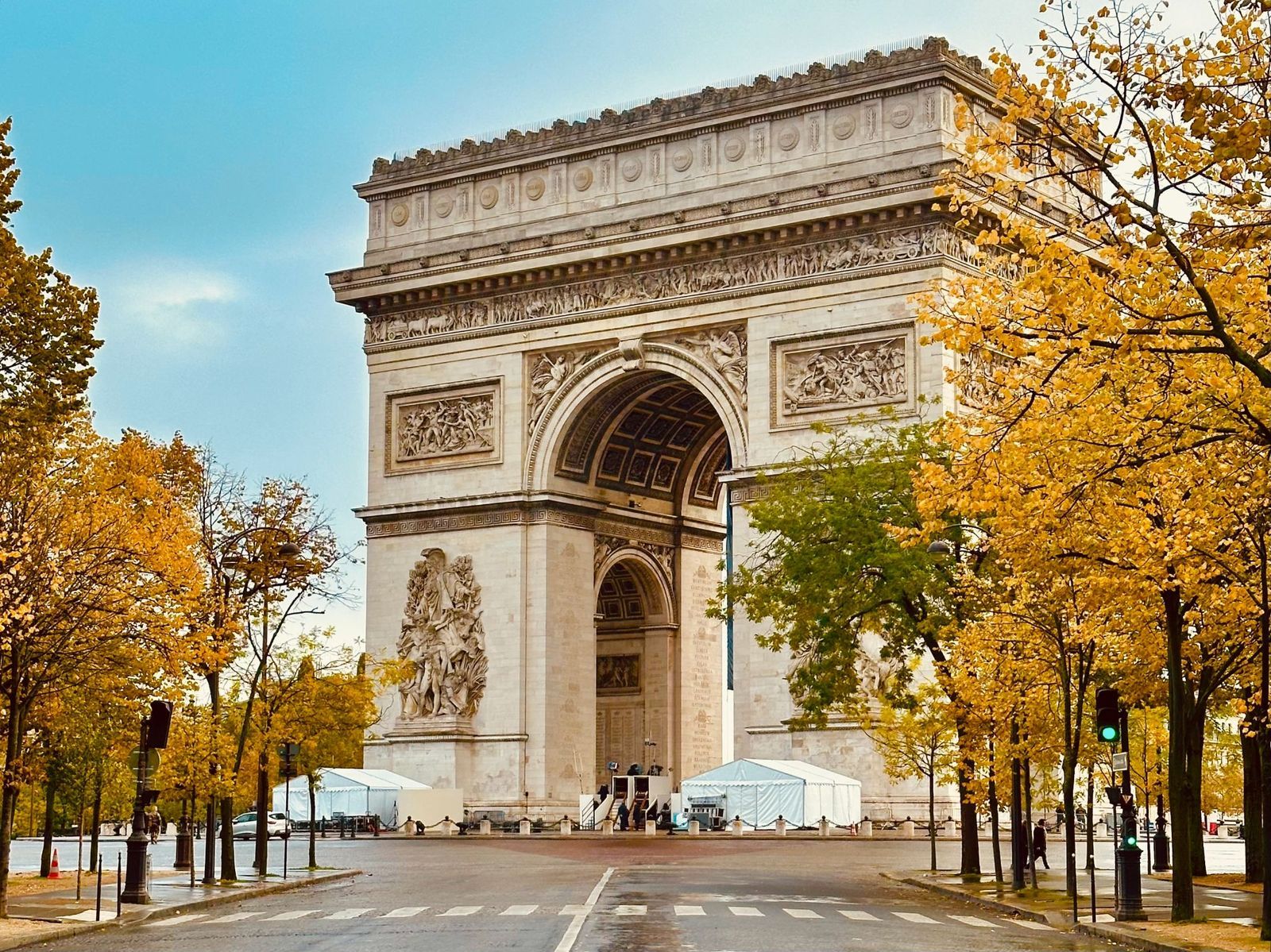
The Arc de Triomphe was commissioned by Napoleon I after one of his greatest military victories, and it was finally inaugurated in 1836 after three decades of construction. More than two centuries later, visitors still have to work for the view from the top.
The way to the rooftop becomes a long spiral through one of the monument’s massive supports. The terrace sits at the end of 284 steps. A lift is available for people who need it, but the regular visitor route is by staircase. Before the climb, use the underground Passage du Souvenir to reach the monument, because the surrounding traffic circle isn’t a great part of the experience.
The Bunker Hill Monument, Boston, United States
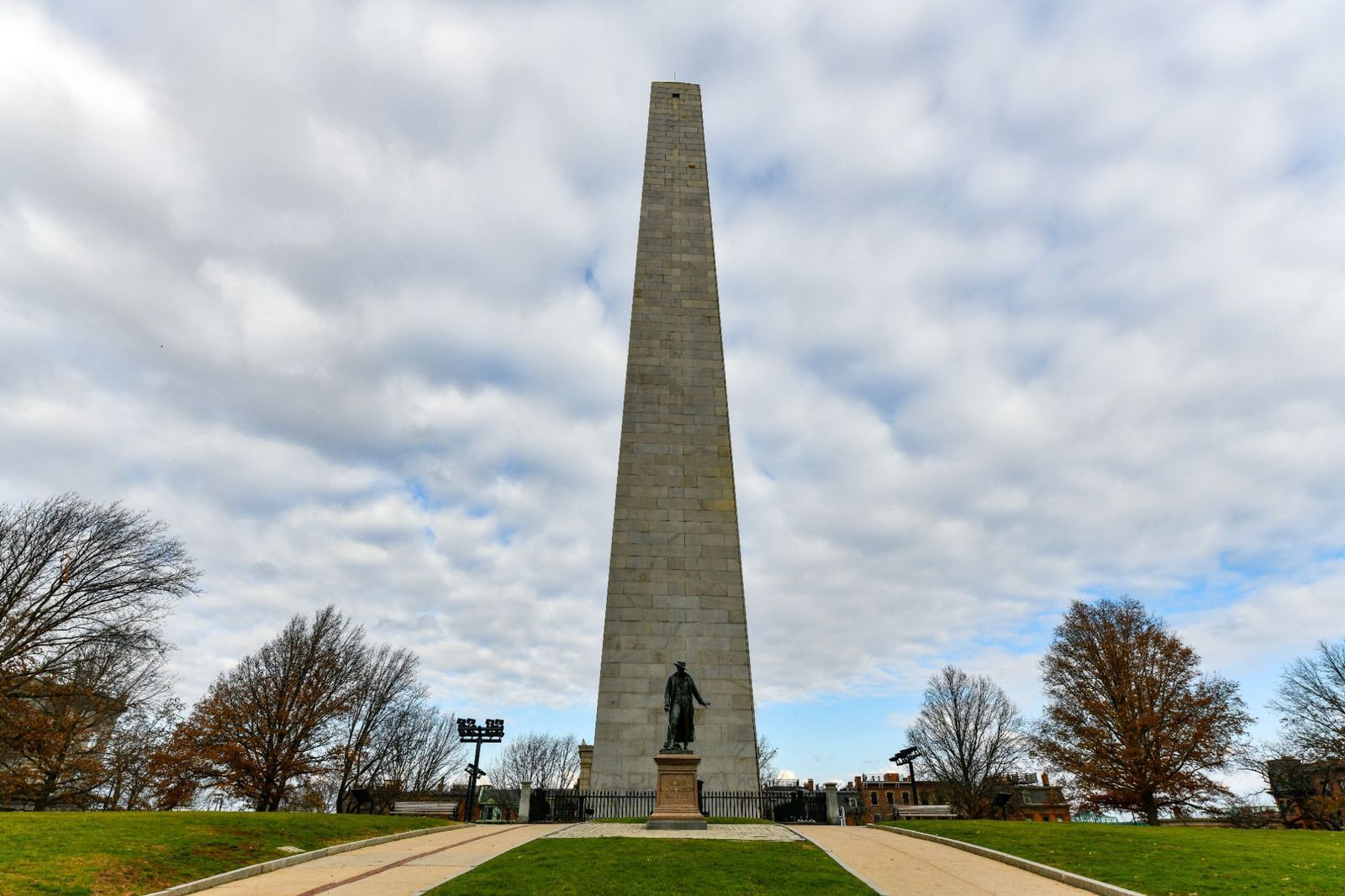
The Freedom Trail leads visitors straight to the Bunker Hill Monument in Charlestown. From there, the sightseeing turns into a 294-step climb. The monument has no elevator, partly because it was completed in 1842, long before one could be added easily to such a narrow structure.
It opened with a major dedication ceremony on June 17, 1843. Admission is free, but only 25 people may enter at once, and climbing could be suspended due to weather or safety conditions. The nearby lodge offers live views from the top for anyone who prefers to stay at ground level.
Brunelleschi’s Dome, Florence, Italy

In Florence’s Piazza del Duomo, the huge red-tiled dome is one of the city’s most famous sights. What visitors can’t see from below is that the dome has two shells, with a narrow passage running between them.
To reach the top, visitors climb 463 steps through that hidden space, and there is no elevator. Filippo Brunelleschi built the dome between 1420 and 1436 using an innovative design that avoided the massive wooden supports usually needed at the time. That historic structure also means steep stairs and tight spaces today. Entry requires a timed Brunelleschi Pass, and backpacks and larger bags must be stored before the climb.
St. Paul’s Cathedral Dome, London, United Kingdom
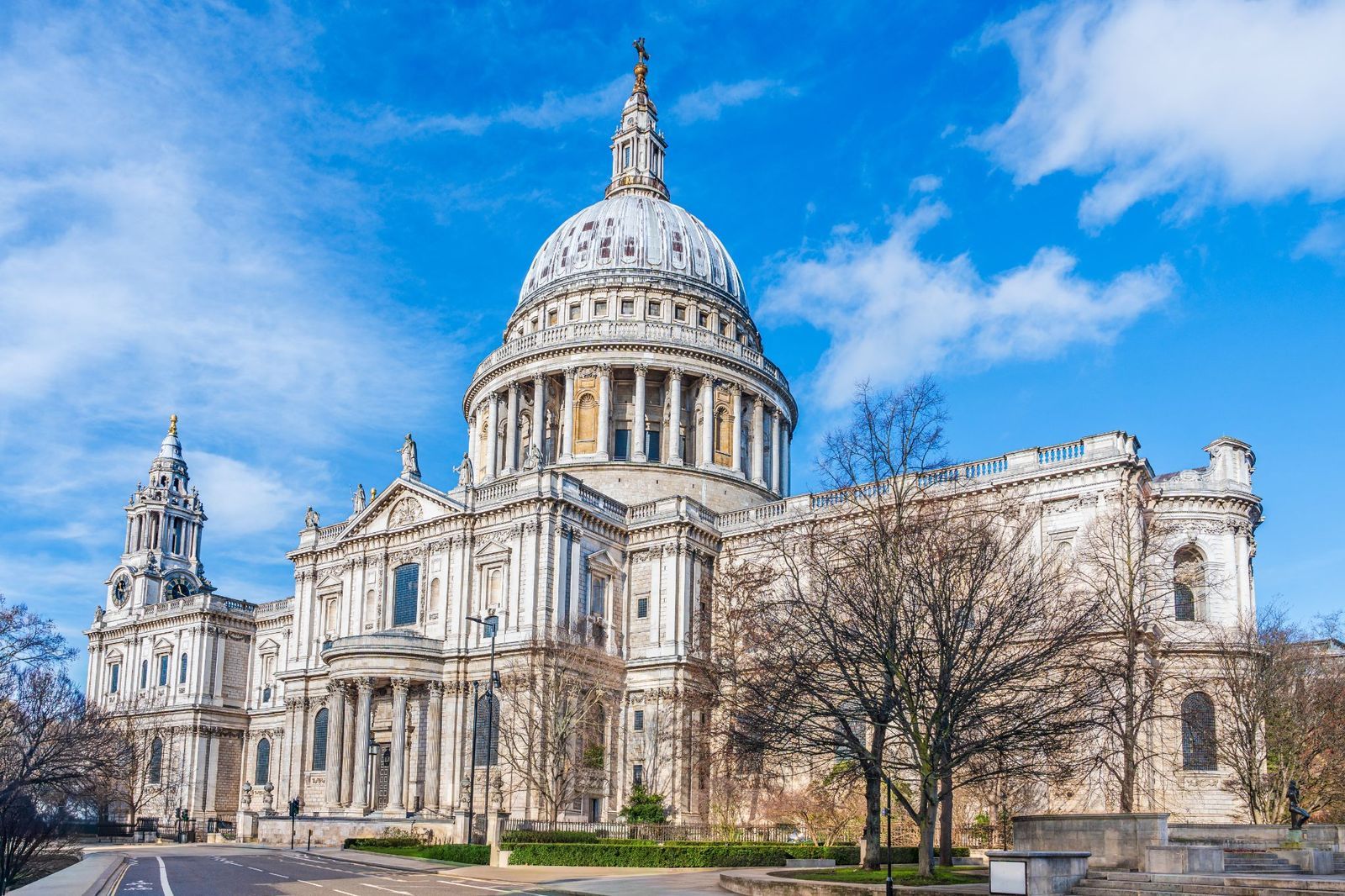
In the City of London, not far from the Thames and directly across the Millennium Bridge from Tate Modern, stands St. Paul’s Cathedral. Its dome is one of the area’s most recognizable sights, but getting to the top takes much more effort than just looking at it from below.
The Whispering Gallery comes after 257 steps, the outdoor Stone Gallery after 376, and the small Golden Gallery after a total of 528. The present cathedral was designed by Christopher Wren and built between 1675 and 1710 after the Great Fire of London destroyed its predecessor. Check the cathedral’s official calendar before visiting because gallery access and final entry times can differ from general sightseeing hours.
Diamond Head, Honolulu, United States

Just east of Waikiki, Diamond Head rises above Honolulu’s coastline as one of the city’s must-visit landmarks. The hike up Diamond Head starts inside the crater and gradually gets harder. Before reaching the coastal view, visitors pass through the summit trail that begins gently enough, but the broad coastal panorama comes only after switchbacks, steep stairways, and a long passage through the crater’s military history.
The round-trip trail covers 1.6 miles and gains 560 feet in elevation. Along the way, hikers pass through a lighted 225-foot tunnel, and the final tenth of a mile is especially steep and dominated by stairs. The route was built in 1908 for Oʻahu’s coastal defense system, and the summit fire control station was completed in 1911. Nonresidents need advance entry reservations, and the state recommends sturdy shoes, water, a hat, and sunscreen.
Mont-Saint-Michel Abbey, Normandy, France

Seen across the bay, Mont-Saint-Michel rises from the water like a glorious medieval castle. By crossing the causeway, you get to the village entrance, and the abbey awaits above a maze of sloping lanes and stone staircases. Travelers climb almost 300 steps to reach the abbey, and there are no ramps or elevators in either the village or the monument.
The vertical layout reflects its long history as a religious settlement. Benedictine monks arrived in 966, and construction of the Romanesque abbey church began in 1023, turning the mount into a major pilgrimage destination. The shuttle reduces the walk from the distant parking areas, but it can’t remove the final ascent, so it’s better to leave enough time and energy for the climb itself.
10 Travel mistakes that can ruin an otherwise perfect trip
Dos and don'ts
10 Travel mistakes that can ruin an otherwise perfect trip
Some seemingly small oversights can make even the best-planned trips go sideways in a heartbeat. Missed documents, packing issues, or simple timing mistakes can turn what should be a relaxing getaway into a stressful experience. The good news is that, with some precaution, most common travel problems are predictable and preventable. Here are some easy-to-make mistakes that can unexpectedly ruin your trips, and some practical ways to avoid them.
Getting late to the airport

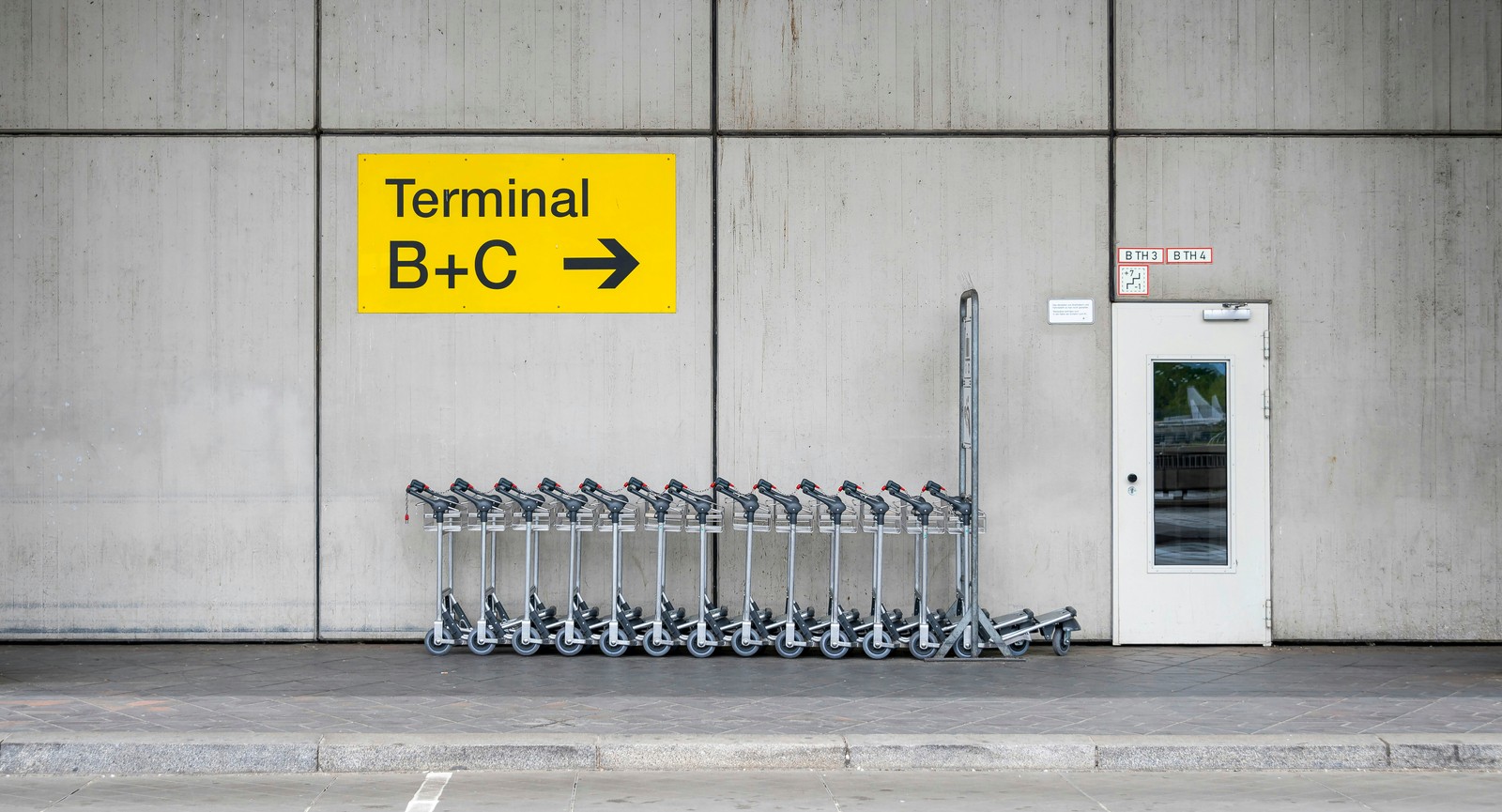
Especially when flying familiar routes that went smoothly before, it's easy to relax and assume that arriving at the airport an hour in advance is enough. However, a single traffic delay, a longer-than-usual line, or a slow check-in process can quickly turn your itinerary into a race against the clock.
To avoid this, plan to arrive at least two hours early for domestic flights and three hours for international flights. During the holiday season, consider adding even more time for good measure. It's always better to be early and sit comfortably at the gate than to rush to the terminal in fear of missing your flight.
Not double-checking documents
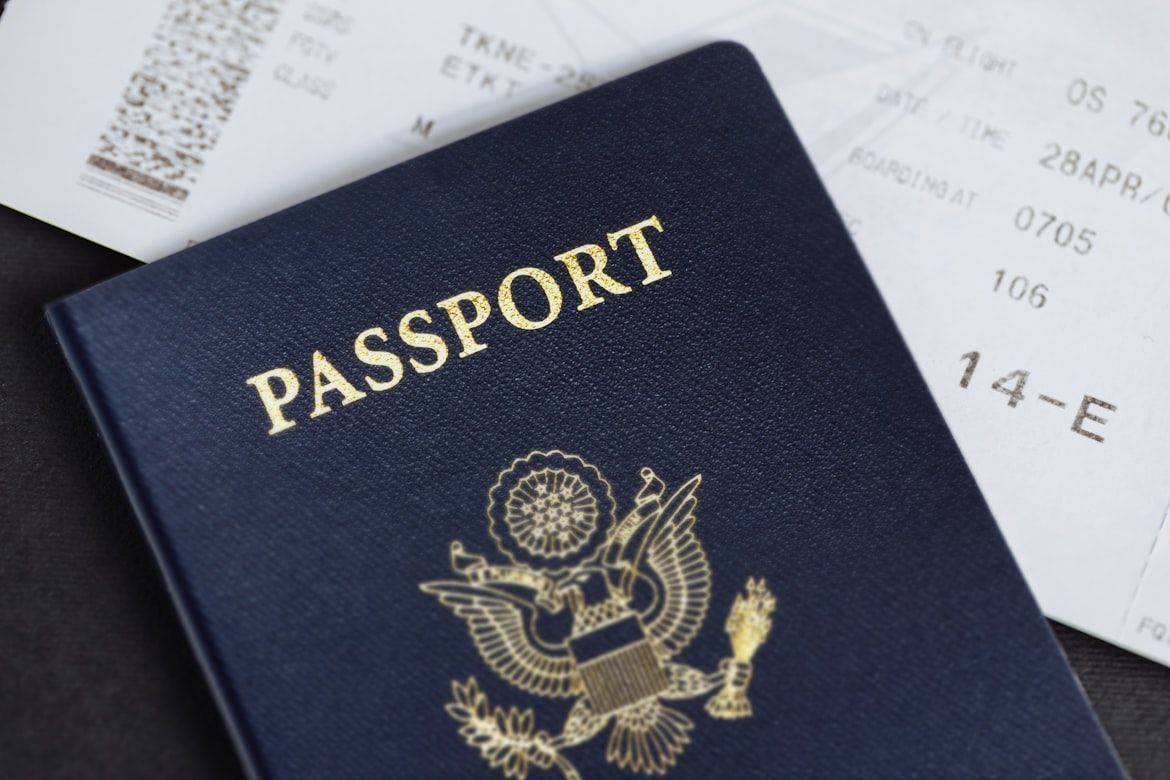
Few things are more frustrating than arriving at the security checkpoint only to realize that there is something wrong with your documents. An expired passport or a name mismatch between your boarding pass and your ID can put a halt to your trip before it even begins.
Before leaving home, always double-check your documents. Make sure that your ID is valid and that the information in your boarding pass matches it. For international travel, confirm whether a visa is required or not. Once you're sure that everything is in order, keeping all your documents in a single travel folder or pouch makes them easier to access and harder to forget.
Overpacking
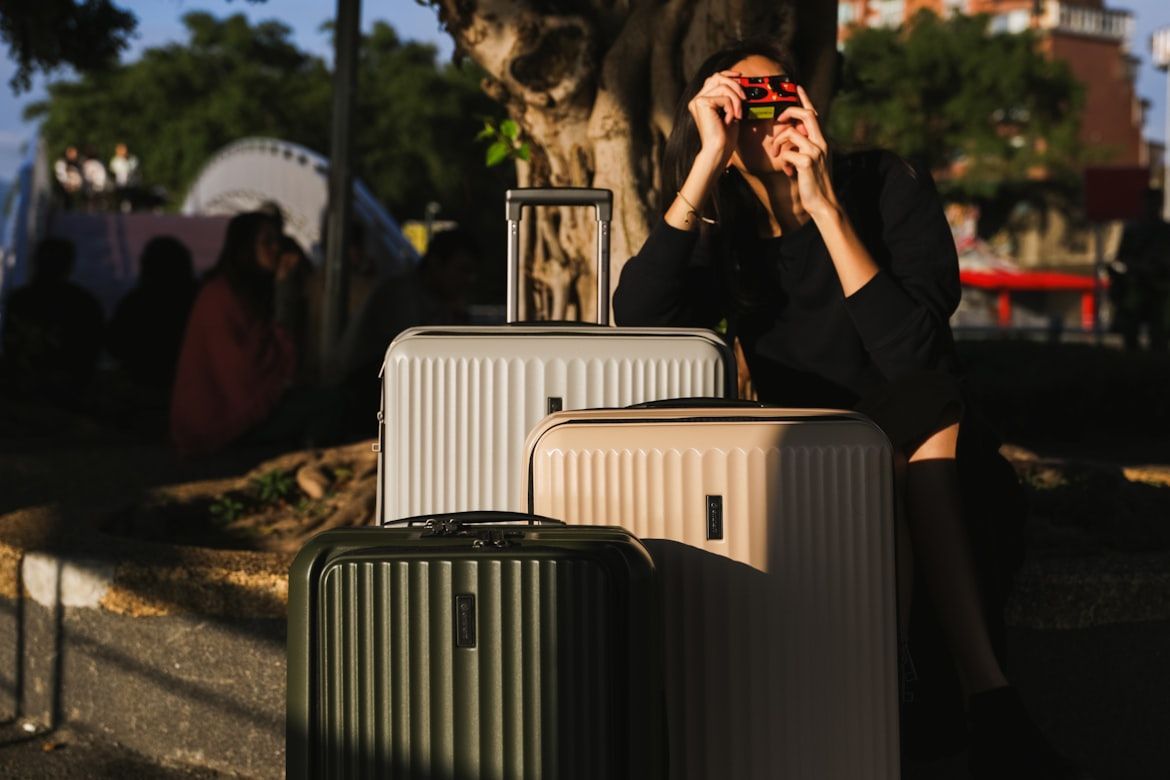
Packing too much, just in case, might seem like the safe choice, but experienced travellers swear by flying light. Heavy suitcases are harder to lift, more expensive to check, and overall inconvenient to move around.
A better approach is to pick versatile clothing that can be mixed and matched depending on the occasion. Pack for the weather you are expecting, choose one good pair of comfortable walking shoes, and limit the just in case items to the bare minimum. These tips will make your trip much more manageable.
Being unaware of TSA regulations
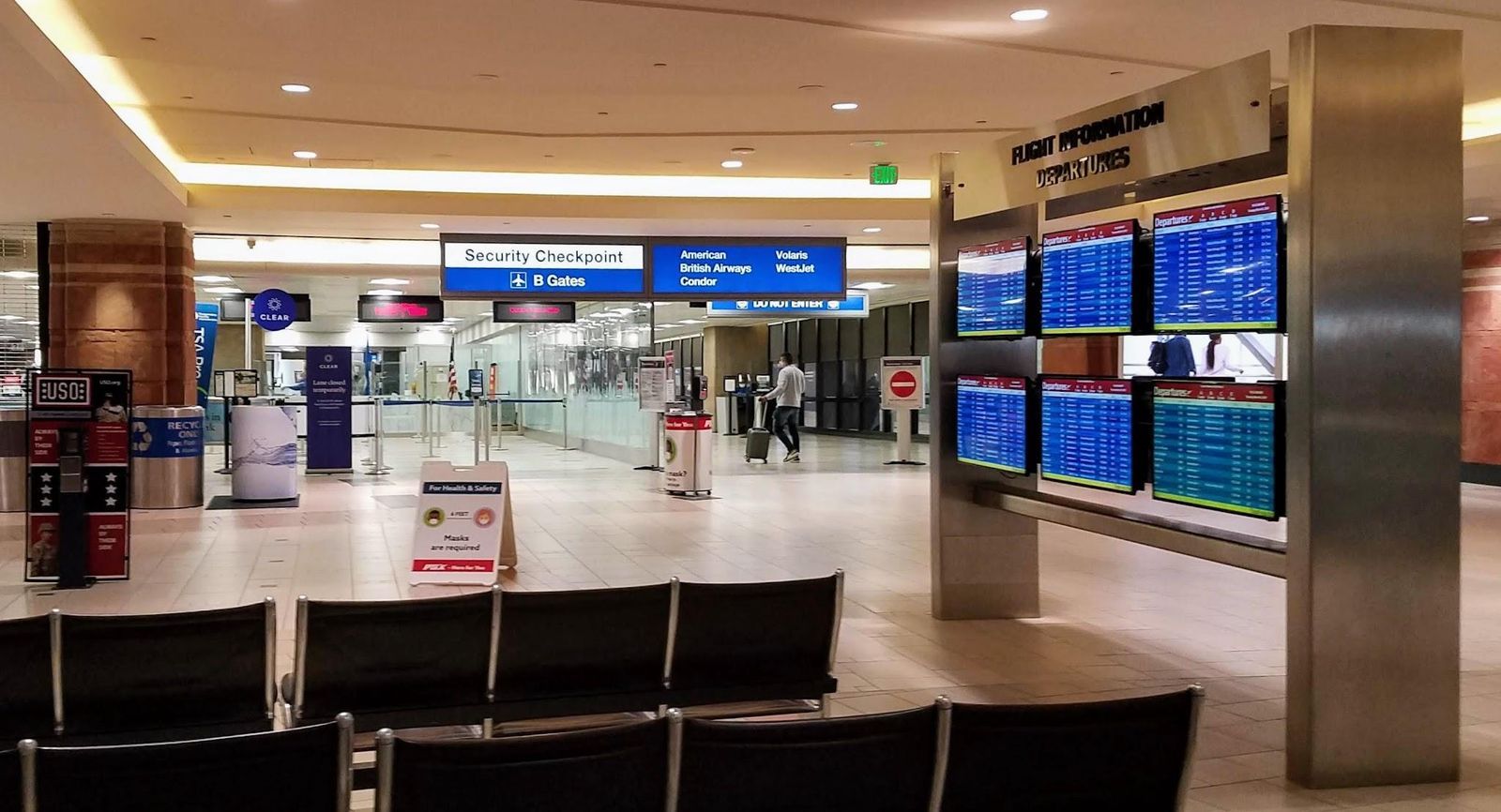
Many travelers only start thinking about TSA rules and regulations once they are already in the security line. That's when they realize they have full-sized liquids, an assortment of forgotten items in their pockets, and their electronic devices buried deep in their bags.
To avoid unnecessary delays, take a few minutes to review TSA rules before packing. Place liquids in a clear plastic bag in accordance with the 3-1-1 rule, keep your electronics accessible, and be mindful of the contents of your pockets. In this regard, a little preparation can save a lot of time and frustration.
Checking essentials

Checked luggage does not always arrive when you do. Delays happen, and if all your essentials are in your checked suitcase, you may find yourself without medication, without a change of clothes, and with a depleting phone battery.
Always pack your essential items in a small carry-on bag that you can bring with you wherever you go. Include medications, documents, your phone charger, and a basic change of clothes. This way, even if your luggage is delayed, you will still have what you need to stay comfortable.
Overbooking your calendar

Trying to do too much in a limited amount of time can turn what should be a relaxing trip into yet another stressful schedule. Rushing from one attraction to the next leaves little time to bask in the moment and actually enjoy your destination.
When planning your trip, prioritize a few key activities and leave room for flexibility. Allow time to rest, explore casually, or simply enjoy a meal without rushing. Do not fear missing out: even the busiest of destinations will show a different face to those who take time to explore them leisurely.
Relying too heavily on your phone
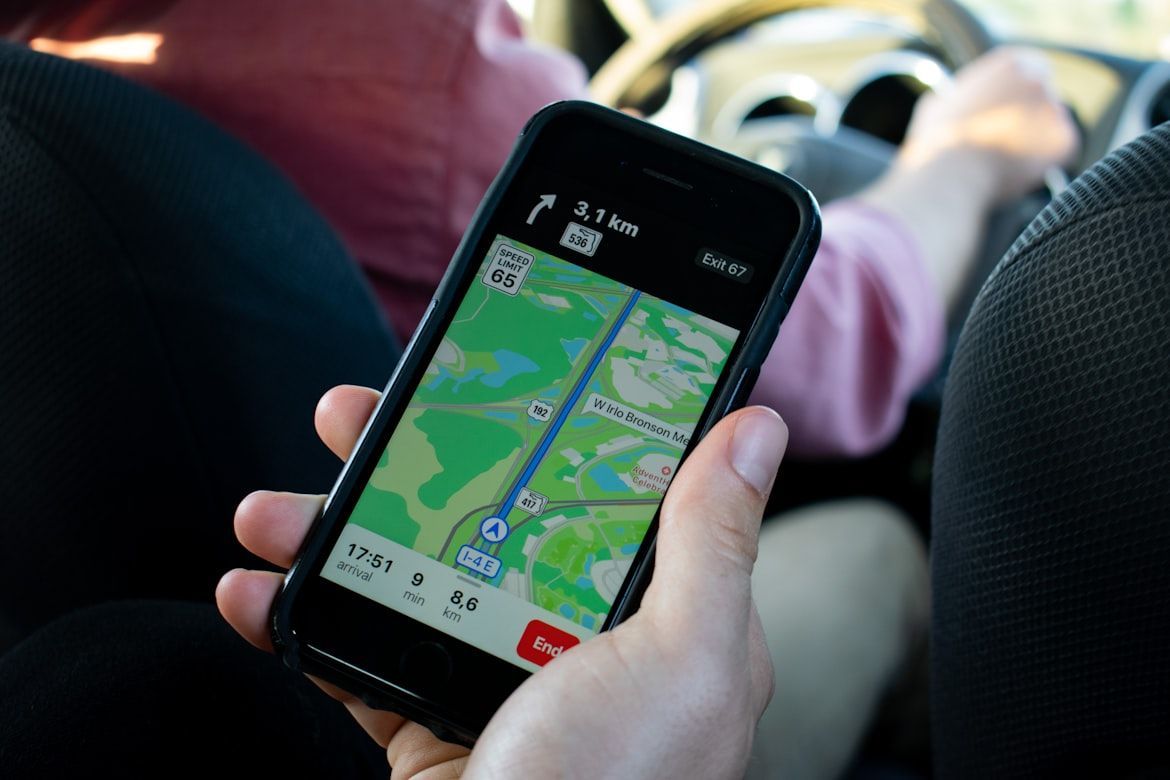
Smartphones are incredibly useful for navigation and storing digital documents, such as tickets and reservations. However, they are not always as reliable as we would like them to be. A dead battery, poor phone signal, and no Wi-Fi access can leave you without directions or important information when you least expect it.
Make a habit of carrying a portable charger, printing important documents, and keeping key details written down. Having offline access to your hotel address, confirmation numbers, and important contacts can save you time and reduce stress if your phone is unavailable.
Not labeling your luggage
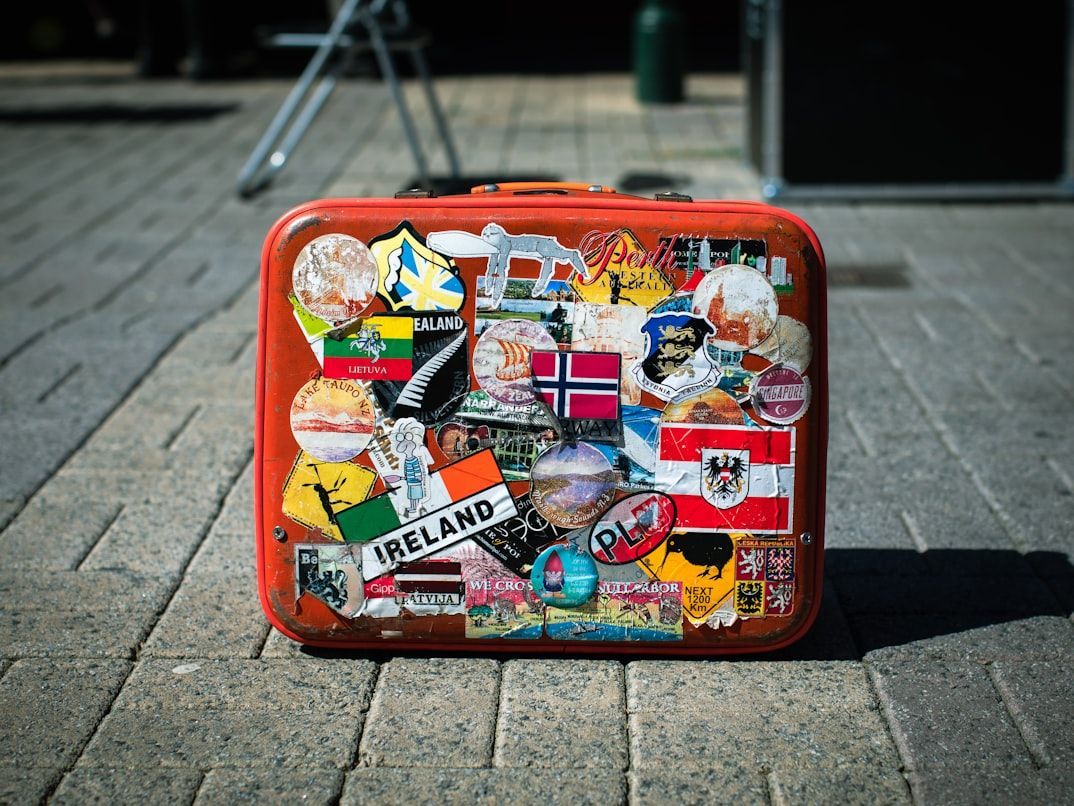
Unlabeled or poorly labeled luggage can be easily misplaced or confused with similar-looking bags. This can lead to delays at baggage claims or, worst-case scenario, to a lost bag if someone else takes it by mistake.
It's good practice to attach a sturdy tag to your bag with your name and contact information. Adding a bright ribbon, strap, or recognizable patch also makes your bag easier to identify and harder to mix up in the crowded baggage claim area.
Not bringing pen and paper

This may seem like a minor thing, but on many international flights, travelers are asked to fill out customs or immigration forms before landing. Keeping a simple case with writing essentials in your carry-on will allow you to complete forms during the flight, saving you time and the hassle of having to borrow a pen.
As a bonus, having pen and paper close at hand during long trips or waiting lines can provide you with an opportunity to engage in creative distractions, such as doodling or freewriting.
Not allowing time to adjust

After a long flight or drive, jumping straight into your itinerary can leave you feeling exhausted. Fatigue will work against you, making it harder to enjoy your surroundings and setting a weary tone for the entirety of your trip.
Planning some downtime upon arrival allows your mind and body to recover. Whether it's taking a short nap, having a nice meal, or even taking your first day off, a slower start can give the rest of your trip breathing room to be much more enjoyable.
Keep wandering
There’s always
more to explore

10 Incredible, death-defying miracles around the world
5 min.
Read Now

The secret behind 10 real places people are too afraid to visit
4 min.
Read Now
Here's why this particular airport worker can't be over 56 years old
6 min.
Read Now
10 air passenger rights airlines hope you never find out about
5 min.
Read Now