10 things to consider if you want to drive outside the U.S.
 General
Foreign driving
10 things to consider if you want to drive outside the U.S.
Contrary to what many think, renting and driving a car abroad is not so complicated. While it naturally requires being aware of some differences in regulations —such as speed limits— driving a car abroad is a great option, especially if you don’t like relying on public transport or want to visit more remote locations. Here are 10 things about driving a car abroad that are different from driving in the U.S.
Left vs. right-hand traffic
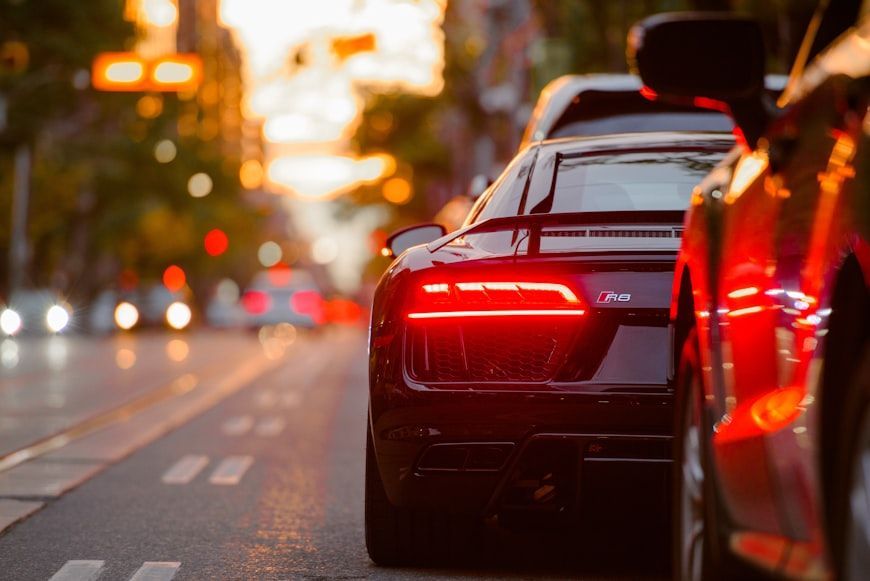
As in the U.S., many countries around the world follow right-hand traffic rules, meaning cars drive on the right side of the road. Right-hand traffic is the norm in most of the Americas, Continental Europe, and most of Africa and mainland Asia.
Countries that follow left-hand traffic rules—with cars driven on the left side of the road, and with the driver's seat on the right side—include the UK and Ireland, Japan, India and Southeast Asia, Australia, New Zealand, and other countries in the Pacific, and several countries in southern Africa and the Caribbean. If you’re thinking about renting a car with left-side driving, you’ll have to factor in time to get used to this new driving style.
Manual vs. automatic
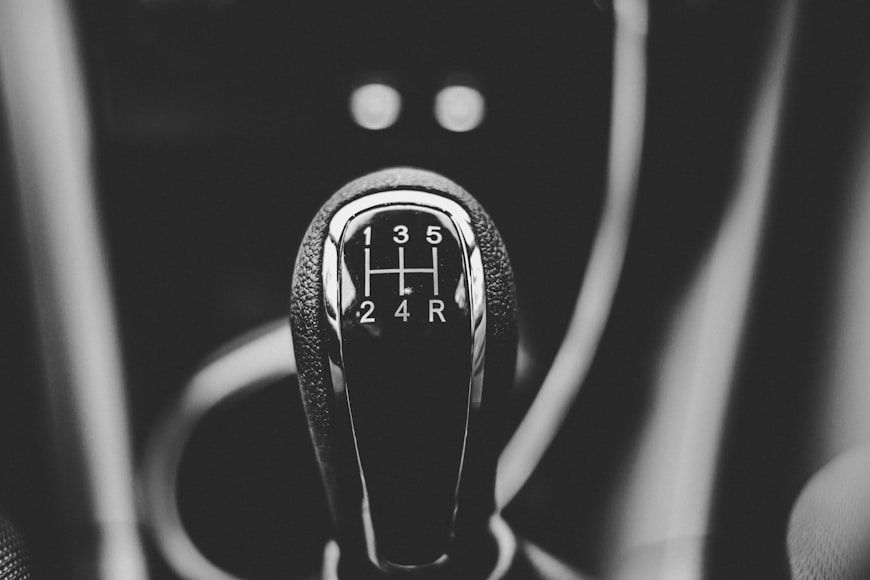
In the U.S., it’s exceedingly common to drive vehicles with automatic transmissions due to convenience and ease of use. While manual transmission vehicles are still used, the prevalence of automatic cars means that not all Americans can drive a stick shift, which can be an issue when renting a car abroad.
In Latin America, Europe, and most of Asia, manual transmission is much more common due to costs, fuel efficiency, and maintenance. Automatic vehicles are available, but are less common than in the U.S., which is something to consider if you’re thinking about renting a car.
Driver’s license
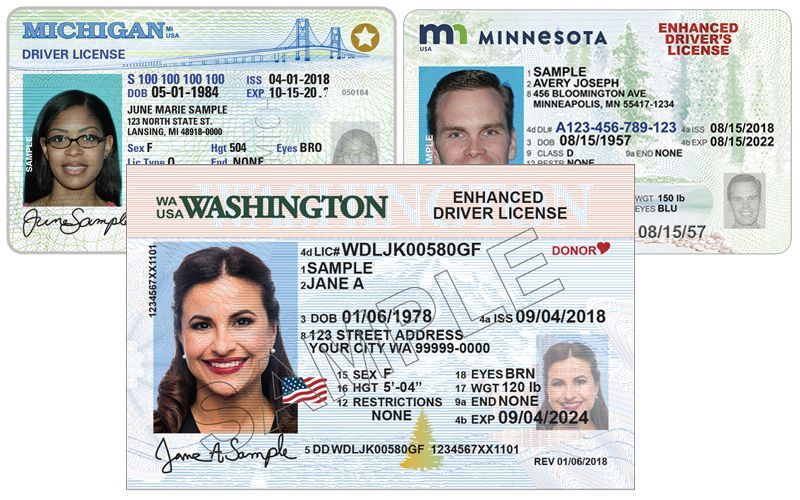
The question here is: Do I need an International Driving Permit (IDP)? In most cases, the answer is yes. An IDP is just an official translation of your license information into different languages, so you need a valid license to use it. You can request an IDP through the American Automobile Association (AAA) or the American Automobile Touring Alliance (AATA). It can take up to 10 days, depending on whether you are requesting it in person, online, or by mail.
While some countries (such as Canada, Mexico, France, or the UK) accept U.S. licenses without an IDP for up to 90 days, car rental companies might ask for an IDP for renting a vehicle. Other countries (especially non-English speaking countries such as Germany, Greece, Italy, Japan, Poland, Spain, or Thailand) will require it if you are on a tourist visa.
Speed limits
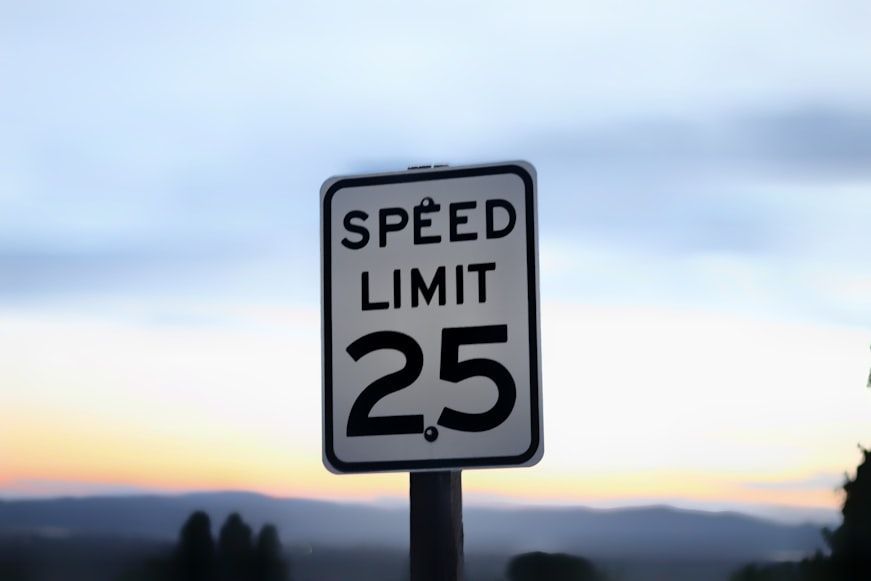
On average, global speed limits sit around 62–75 mph for highways and around 31 mph for urban areas, though these limits might vary depending on the region, weather conditions, or the specific city, town, or neighborhood.
Famous exceptions include the German Autobahn (with no speed limit), with other European countries such as France or Italy, which have a limit of around 80 mph on motorways. Latin American countries typically have a 70-80 mph limit for highways, while Asian speed limits tend to be on the lower end.
Traffic laws
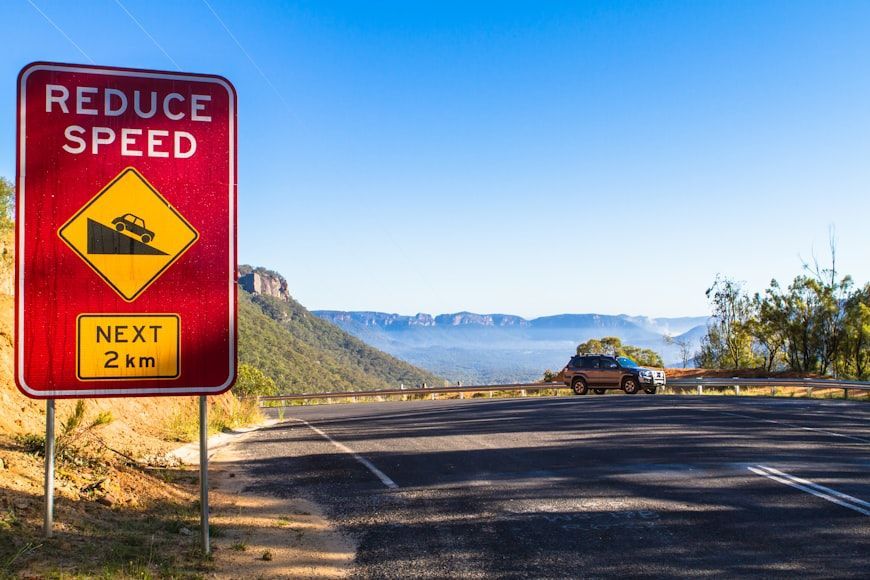
The driving side or the geographical characteristics of an area will naturally affect the way you drive, but it is also important to consider the differences in traffic laws. Some prime examples include no turning right on a red light (which is allowed in some parts of the U.S.), the use of roundabouts (instead of 4-way stop intersections), and the placement of traffic lights (positioned after the intersection in the U.S., but before in most other countries).
Another main difference is the legal Blood Alcohol Content (BAC) limit. In the U.S., the BAC limit is 0.08% in all states, while in most of Europe, Latin America, and Asia, it’s generally 0.05%. Countries with a zero tolerance policy include Poland, Sweden, Japan, Brazil, Uruguay, and countries with a general ban on alcohol. Traffic violations, especially in Europe and Asia, can result in much higher fines than in the U.S. and, in some cases, even jail time.
Driving in Canada and Mexico
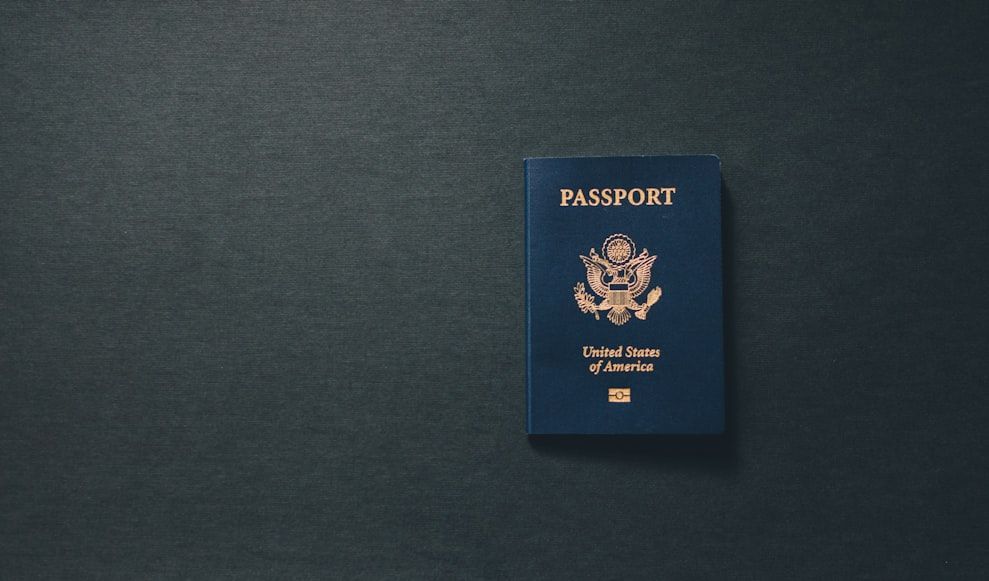
Canada and Mexico have their own rules for U.S. citizens. A valid U.S. license will be acceptable without an IDP, but you will have to present your passport alongside it. If you want to drive your own car into Canada or Mexico, you will need proof of vehicle ownership or registration and a valid insurance policy.
While your U.S. insurance policy will generally cover you in Canada (provided you notify your insurer before travelling), it won’t in Mexico, where you will need to purchase a liability insurance issued by a Mexican company. Depending on which zones of Mexico you are visiting, you might also need a Temporary Import Permit (TIP), which can be requested online beforehand or in person at the border.
Tolls
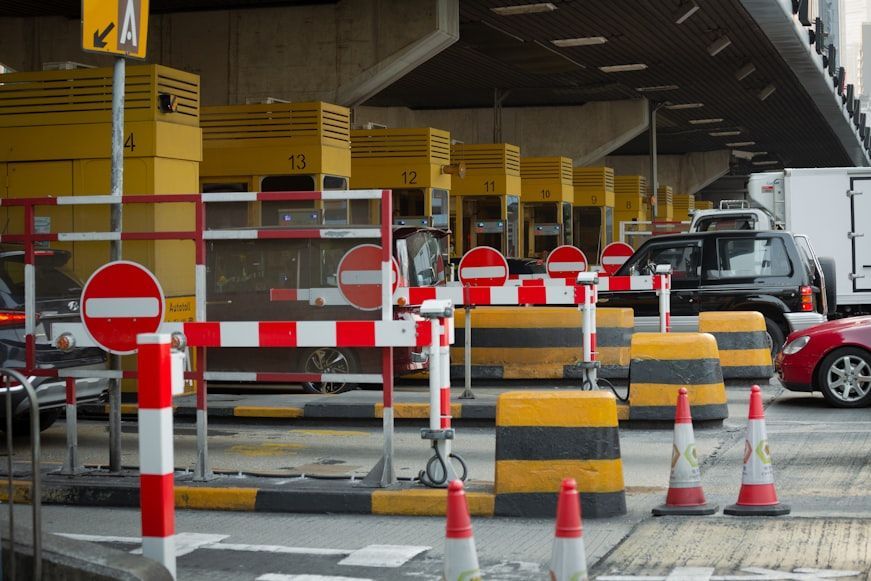
Toll systems vary vastly depending on the region. Europe mainly uses two different electronic systems: distance-based (in countries like France, Italy, Portugal, or Germany) or a vignette system, where you pay a fee for a certain amount of time (in countries like Austria, Switzerland, or the Czech Republic).
Asia and Australia mostly rely on electronic tolling, using cards, electronic tags, or sensors to identify and charge the vehicles. While many countries in Latin America and Africa have implemented electronic tolling, cash-based tolls are still common.
Mandatory equipment
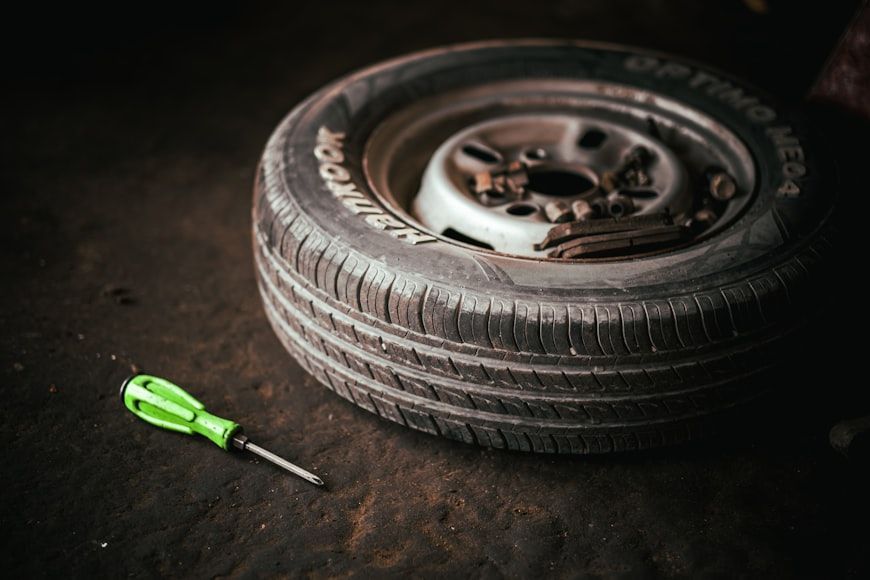
Most countries around the world have similar requirements when it comes to mandatory safety equipment: a spare tire and the equipment to change it, a reflective jacket, a warning triangle, a fire extinguisher, and a first aid kit.
Some countries might have specific mandatory requirements, such as a breathalyzer (France) or snow equipment (Austria, Germany, or Switzerland), so checking local regulations beforehand is important to avoid potential fines.
Parking rules
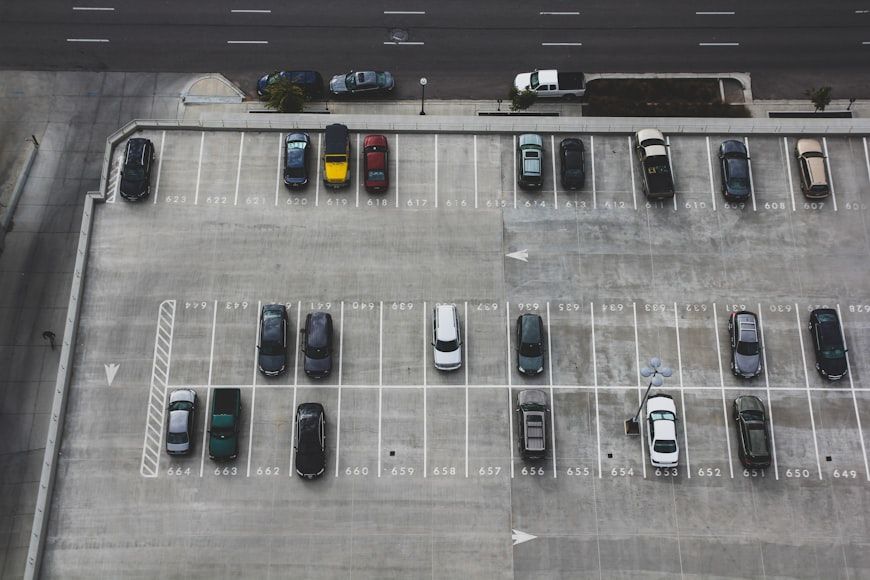
Knowing where and when to park while driving abroad is key to avoiding fines or returning to your car to find it was towed, especially in urban areas. Most European cities rely on color-coded areas to indicate free, paid, or restricted parking zones, while major Asian cities forbid street parking, relying on parking lots or vertical parking systems.
Major Latin American and African cities still mostly rely on street parking (many times also color-coded), but paid parking lots are common due to limited space, overcrowding, and security concerns.
Gas stations
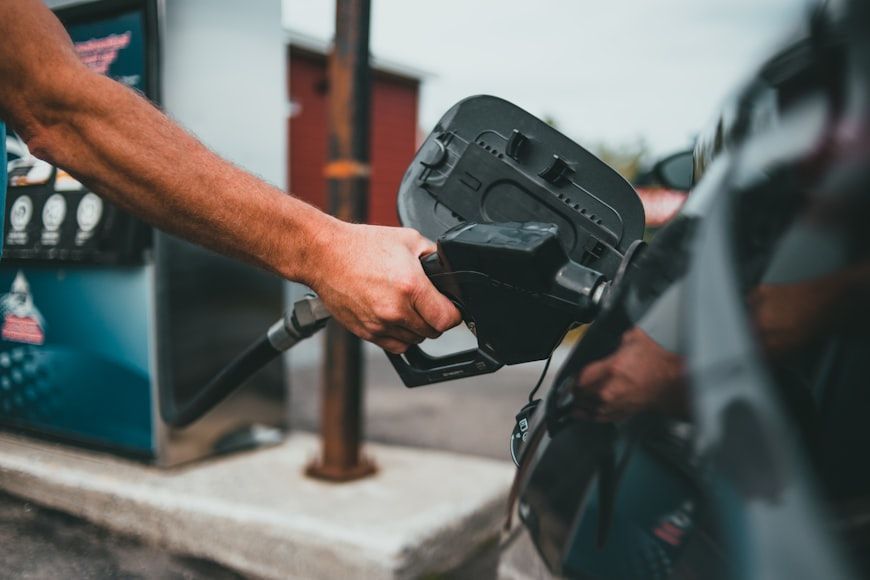
Except for New Jersey, gas stations in America are usually self-service stations, with pump nozzles including a lock for hands-free pumping. While self-service stations are common in Europe and Canada, hands-free pumps are usually banned due to safety concerns. Service stations in Latin America and Asia are mostly of the full-service variety.
Another main difference is the size and amenities associated with a gas station. While American gas stations offer a wide variety of services such as convenience stores, fast food service, and restrooms, in other countries, stations that are not on major highways are typically smaller, mainly focusing on fuel.
Keep wandering
There’s always
more to explore
Always check this at an ATM: Safety tips for seasoned travelers
5 min.
Read Now
 Culture
Think twice before ordering this specific drink in Ireland
5 min.
Read Now

10 global traditions that leave tourists completely baffled
6 min.
Read Now

Insider tricks: Ask for this at hotels and see what happens
5 min.
Read Now