
Always check this at an ATM: Safety tips for seasoned travelers
 General
Safety first
Always check this at an ATM: Safety tips for seasoned travelers
Picture yourself finally landing in that dream destination you’ve planned for months. You get to the hotel, go to the check-in… And the clerk shouts your room number across the lobby. Or maybe, you realize your phone is dead, and you’re stranded without a map. These little moments can turn a relaxing getaway into a stressful and unsafe one in a heartbeat. This guide is the ultimate pro-traveler checklist to keep your money, belongings, and your peace of mind fully intact while you explore the world.
Phantom companion
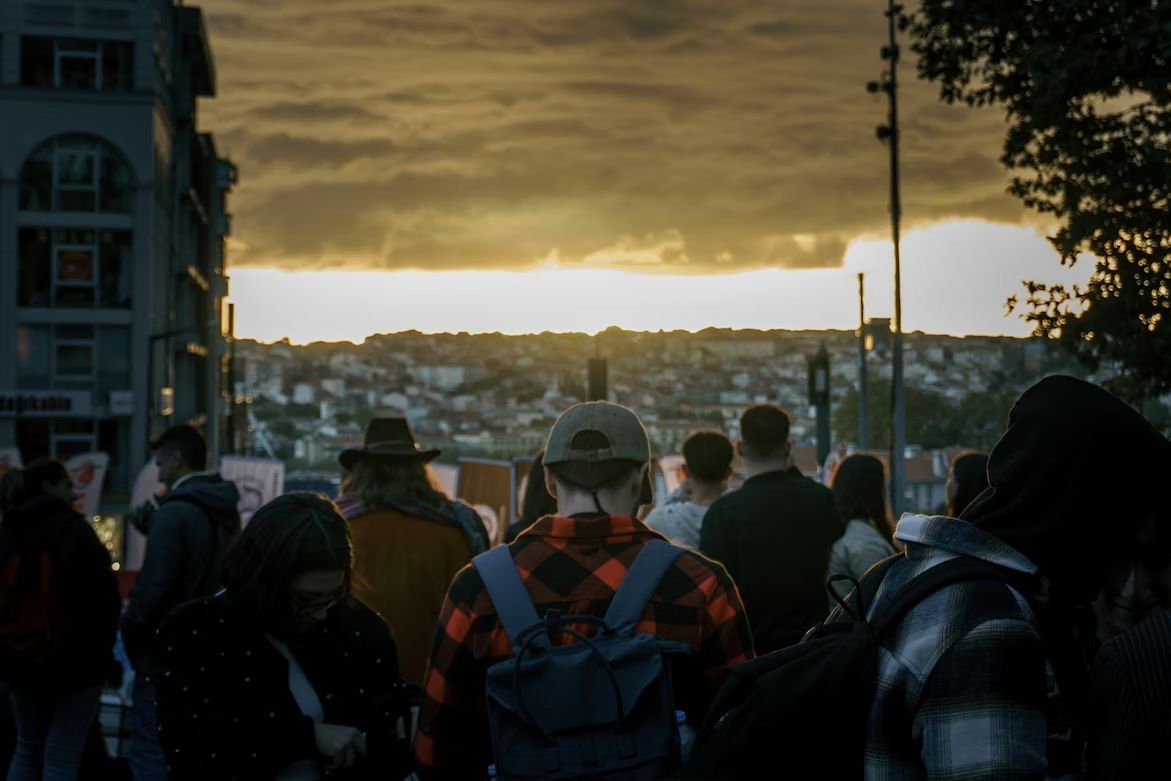
Imagine a trip in which you handle the itinerary all by yourself, you pick the stops, you manage the schedule, no compromises in sight. Solo travel can be a dream come true if you think of it that way. However, you don’t need to broadcast it. Using the pronoun "we" — as in saying "we’re headed to dinner soon" or "we’re having a great time!" when conversing with others—works wonders. Implying you have a companion nearby makes you less of a target and keeps you safe from possible opportunists.
Uber plate match
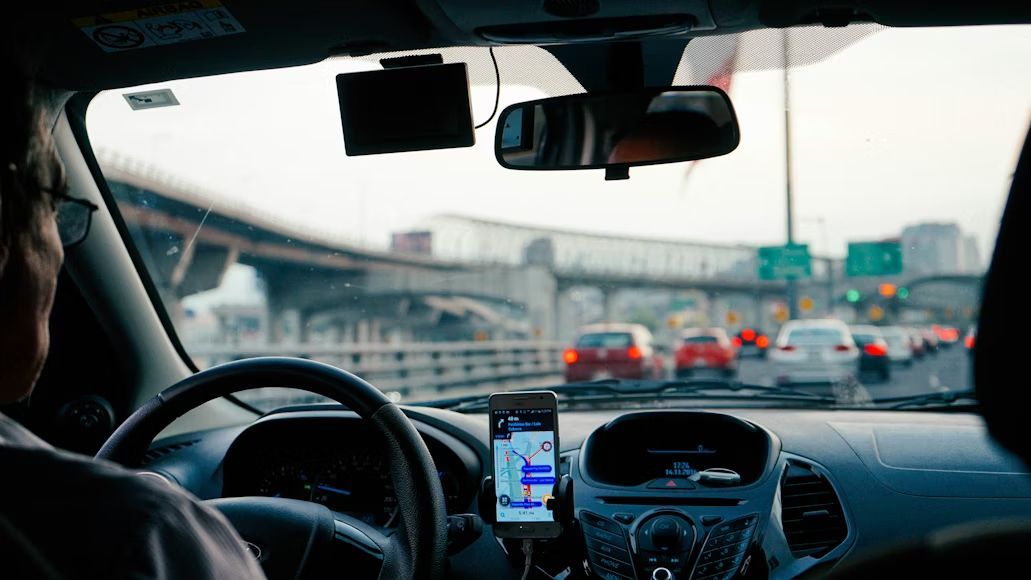
You’ve landed at the airport, there are people everywhere, luggage comes and goes, and you’re just trying to identify the Uber you ordered. That overwhelming situation can easily backfire. To avoid getting in the wrong car, make sure you match the license plate. Every transportation service app gives you the car model and the license plate — just take a quick look before you board, and you’ll be safe.
Extra tip: never ask "Are you here for [Name]?" The driver may say "yes" without thinking. Instead, let them tell you who they’re picking up; if they say your name, you know you’re in the clear.
Money location

The oldest rule in the book is still the best: Never keep your cash in one place. It’s best to make things as difficult as possible for pickpockets. Split your cash between your main wallet and a hidden pouch tucked under your clothes. That way, even if the worst happens and one stash disappears, you’ll still have the means to keep your trip on track.
Check-in safety

Have you ever noticed? When you do your check-in, experienced clerks usually present a piece of paper with the rules of the property and the room number. They don’t usually say it out loud; they discreetly point at it instead. If a clerk announces your room number out loud, politely ask for a different room. It’s best to keep your location to yourself. Of course, reading the room also helps; maybe it’s nothing, but if something seems suspicious, better safe than sorry.
Destination research

Did you know that, in Greece, showing the back of your hand is disrespectful? Every culture has its own set of dos and don’ts, and they may seem upside down compared to what you are used to back home. What feels like a friendly gesture for you could be an insult somewhere else. Before you set off, spend some time researching the local customs and basic rules of your destination. It’s time well spent as it will allow you to move gracefully and avoid unintended trouble.
Wi-Fi safety
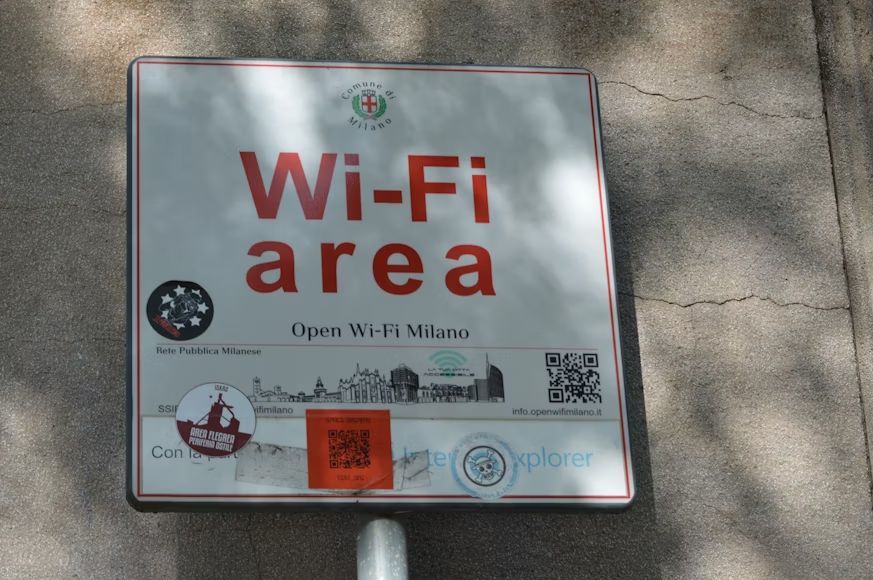
We all love free Wi-Fi when we’re grabbing a coffee in a charming square. However, those open networks are about as private as a conversation in a full elevator. Doing your money transfers around while connected to the local cafe’s internet can be risky. While it’s usually safe, try to avoid using an open network to do banking operations. Wait until you’re back in your hotel room; patience pays off in this case.
Unofficial inspections
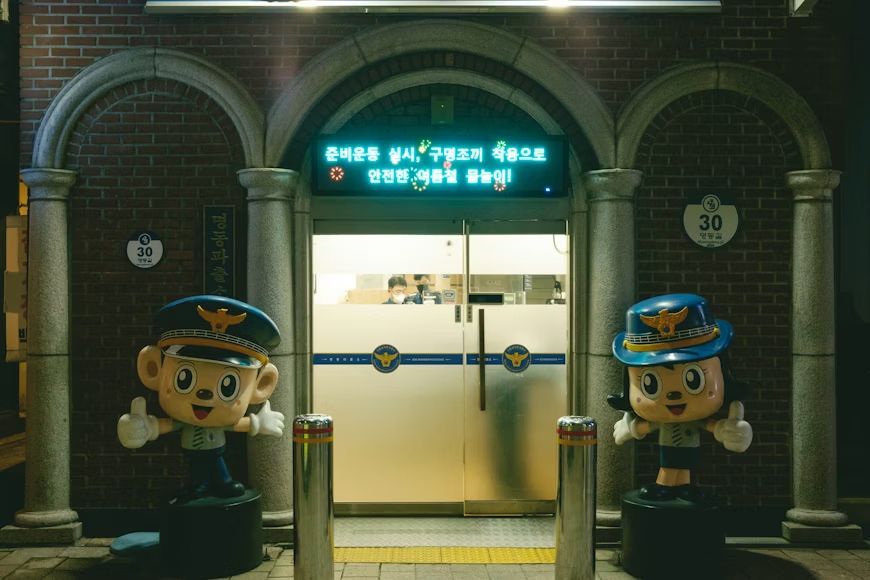
Not every inspection is official, and in popular tourist hubs, someone may claim they are police officers and ask to conduct an inspection of your passport. They can be very convincing, but if something feels off, trust your intuition and don’t let them go through your stuff. A real police officer will have no problem walking with you to the nearest official station to conduct any official business. Simply insist on moving to a formal office before handing anything over. If they are scammers, they’ll scurry off the moment they see you know the ropes.
Connections

If you think a crowded terminal is a safer place due to the number of people, think again. In crowded places like tourist spots or airport terminals, tech-savvy thieves can actually be scanning you using special apps. To prevent this, you simply have to turn off your Bluetooth or the "Find My" feature, which can be used to signal the bags with a pricey tablet or laptop inside. Fly off the radar while you’re in those places, and your belongings will remain secret and safe.
ATM test
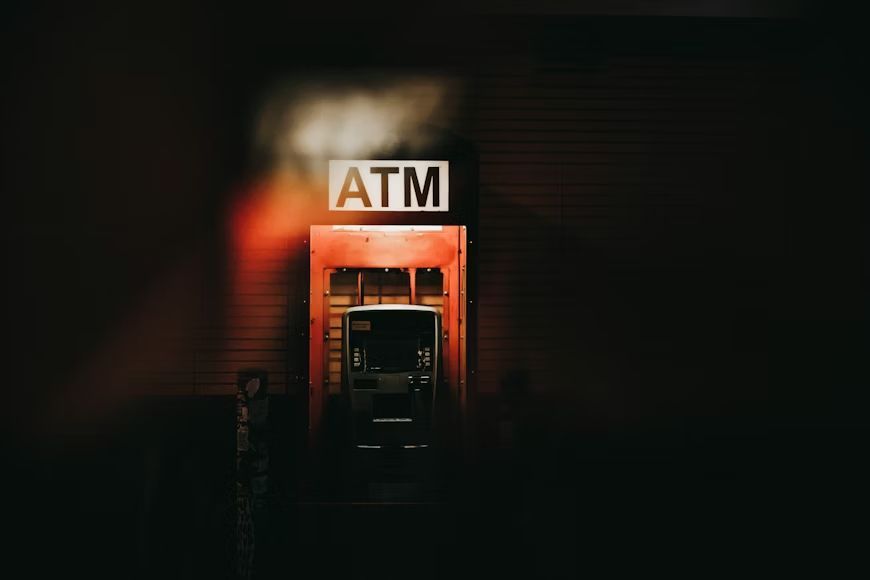
Before you slide your card into an ATM, give the card slot a good, firm tug. If the plastic feels a bit loose or looks unusually bulky, simply walk away. It’s not you being paranoid; it’s just a way for scammers to steal your data. Authentic ATM parts are immovable; they won’t budge. It only takes a second to check, and it’s the best way to make sure your holiday goes as planned.
Portable charger

You’re having a dream trip, you’re visiting a majestic church, and you want to snap a picture of it, only to realize your phone is dead. Traveling usually means day-long walks with few stops and fewer chances to charge your phone. Carrying a small portable charger is a total game-changer. It ensures you’re never left high and dry in a foreign country without a way to call for a ride or check your flight status.
Offline maps
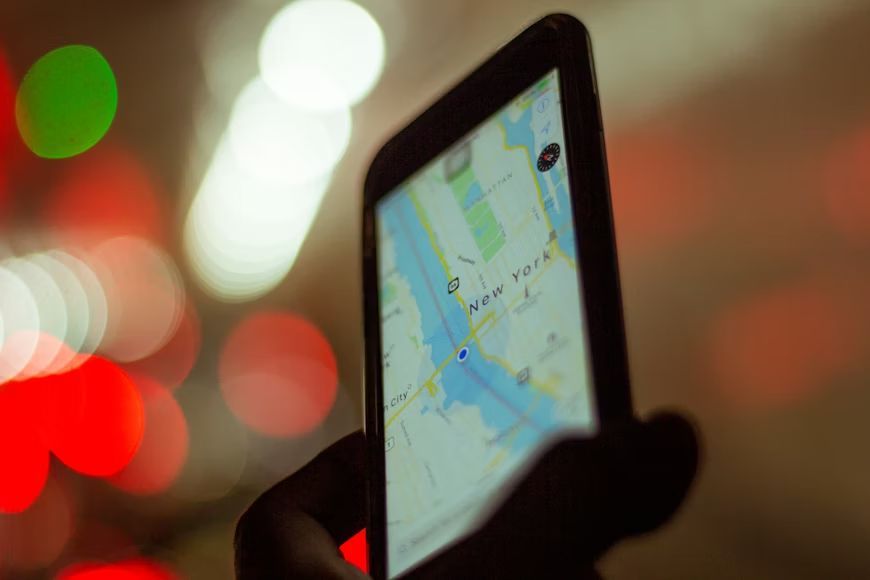
Every seasoned traveler has experienced a time when the GPS started spinning in circles on a quiet street with no signal. Coverage abroad is uncertain most times. To keep that possibility at bay, make it a habit to download offline maps of your destination before you leave home. In addition, it’s always a good idea to have a physical card of your hotel or a notepad with the addresses written down to show the taxi driver and get back home with no problems.

Global festivals: 10 Reasons to pack your bags and join the party
 Culture
Passport to celebration: 10 global festivals worth the journey
From the neon-soaked streets of Rio de Janeiro to the quiet, lantern-lit homes of India, the world is a mosaic of celebration waiting to be explored. These iconic festivals offer more than just a party; they provide a profound window into the soul of a culture, blending ancient rituals with modern energy. Whether you’re looking to join a crazy tomato fight in Spain or share a peaceful picnic under Japan's cherry blossoms, these ten global events are essential milestones for any traveler’s bucket list.
Carnival – Rio de Janeiro, Brazil

Music, bright colors, glitter, and dancing: can you think of anything more fun? Carnival in Rio takes place in February or early March, with planning and rehearsals starting months in advance across the city. Samba schools prepare elaborate performances for the official parades held at the Sambadrome, where tickets are required and events follow a set schedule.
At the same time, neighborhood street parties called blocos erupt throughout many areas. Visitors can choose between reserved seating at the parades or wandering residential streets where celebrations unfold more spontaneously. Have we convinced you to visit this vibrant South American city yet?
Oktoberfest – Munich, Germany

If you are a beer connoisseur, then this festival is for you. Oktoberfest runs from late September into early October and began in 1810 as a public celebration for a Bavarian royal wedding. Over time, it developed into a massive annual festival held on designated grounds in Munich.
The event is organized around several large beer tents, each operated by a local brewery that follows established traditions and strict serving rules. Inside the tents, visitors sit at long shared tables, enjoy regional foods such as sausages and pretzels, and listen to live brass bands.
Diwali – India

Known as the Festival of Lights, Diwali is India's most significant and widely celebrated holiday. It is observed across the country in October or November, depending on the lunar calendar, and centers primarily on family life rather than large public events. In the days leading up to the festival, households clean their homes and prepare decorations, including small oil lamps and strings of lights.
Families cook traditional sweets and share them with relatives, friends, and neighbors. Many people take part in prayers at home or in nearby temples. Fireworks are common in some cities, usually in the evenings, but much of the celebration happens indoors. For visitors, Diwali proves that a major festival can revolve around domestic activities like cooking and spending time together.
La Tomatina – Buñol, Spain

La Tomatina is a world-famous festival held in the town of Buñol, near Valencia, where thousands of people gather to engage in what is often called "the world's largest food fight." Participants spend about an hour hurling overripe tomatoes at one another until the streets are literally flowing with red juice.
The festival, which began in the mid-1900s, takes place once a year in late August and is scheduled for a single morning. Trucks deliver large quantities of tomatoes to the main square, where participants throw them during a set time window. Tourists flock to La Tomatina not just for the spectacle, but for a high-energy, "bucket list" experience that is uniquely Spanish. Are you up for it?
Chinese New Year – China
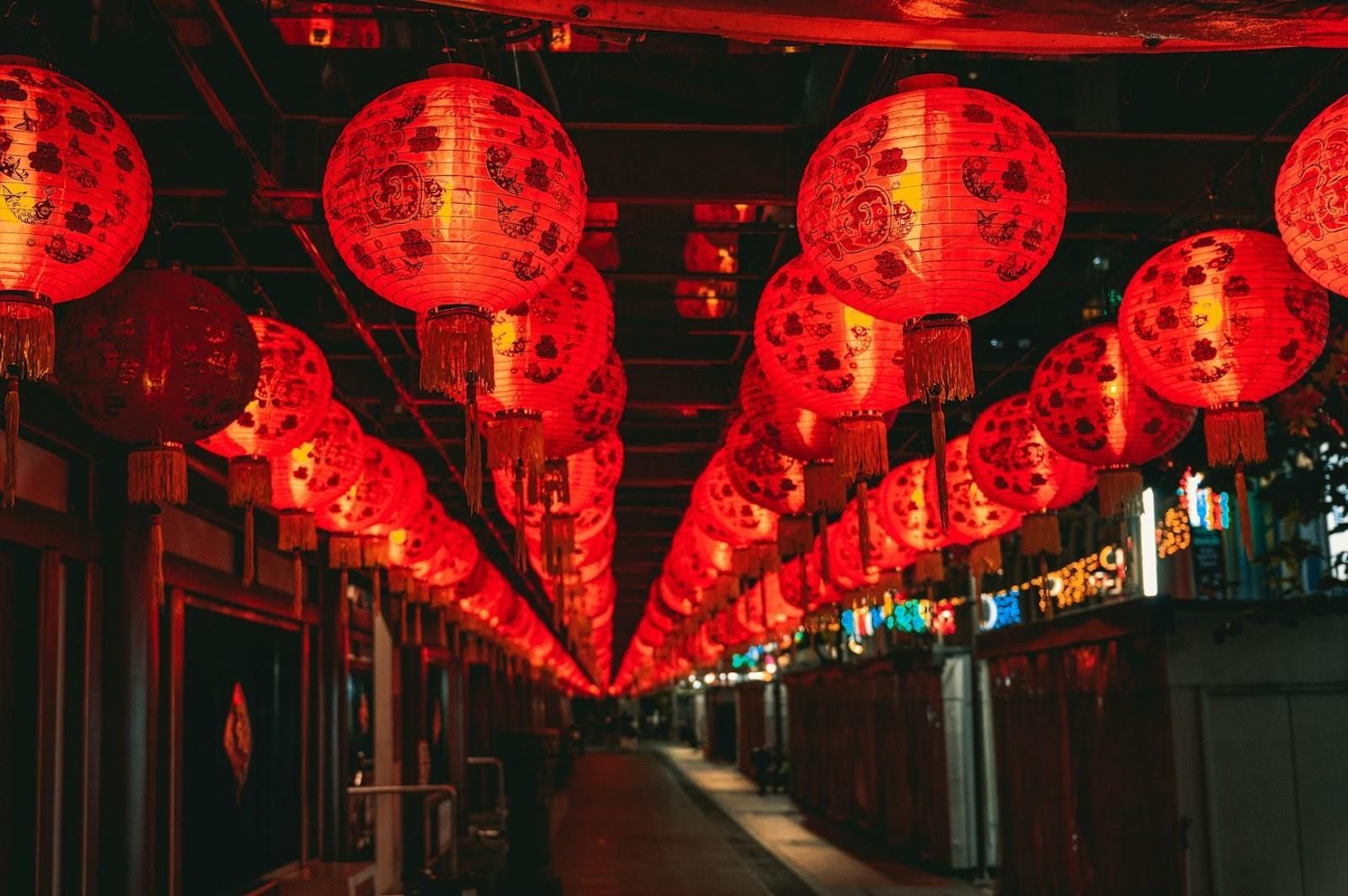
Chinese New Year, also known as the Spring Festival (Chunjie), is the most important traditional holiday in China. It marks the beginning of the lunar new year and is a time for family reunions, honoring ancestors, and wishing for prosperity.
Rather than being limited to a single day, the celebration unfolds over roughly 15 days and falls between late January and mid-February. Homes and streets are decorated with red banners and lanterns, and public areas host dragon and lion dances, temple visits, and community events. Fireworks are common, especially on key days. Experiencing Chinese New Year is often described as the "ultimate cultural immersion," offering a sensory overload of tradition, food, and celebration that you simply cannot find elsewhere.
Mardi Gras – New Orleans, USA

In New Orleans, Mardi Gras unfolds over several weeks rather than a single day. Parades organized by krewes follow planned routes through different neighborhoods, often at the same times each year. Spectators line the streets to watch floats pass by and collect beads, while local musicians and brass bands add to the festive atmosphere.
Many residents set up chairs or gather on porches to watch, treating the parades as part of everyday life. Restaurants, bars, and public spaces remain active throughout the season. For visitors, Mardi Gras shows how a long-running tradition can become part of a city’s regular rhythm.
Songkran – Thailand

Marking the Thai New Year, Songkran began as a ritual of water blessings carried out in temples and family settings. That tradition continues today, with people pouring water over Buddha statues and gently over the hands of elders as a sign of respect. At the same time, many cities organize public water activities in streets and squares, where residents and visitors take part together. The festival is held in April and lasts several days. Visitors can choose between attending temple ceremonies, watching from the sidelines, or joining the larger public gatherings.
Cherry Blossom Festival – Japan

The Cherry Blossom Festival, or Sakura Matsuri, is one of Japan's most beloved and enduring cultural traditions. It celebrates the blooming of the cherry trees (sakura), which marks the arrival of spring and serves as a powerful symbol of renewal and the fleeting beauty of life.
It occurs in late March or early April, depending on local temperatures and seasonal forecasts. Japanese culture is often seen as reserved and formal, but this event temporarily transforms that image. During the festival, the parks become lively, joyful communal spaces. Seeing businessmen in suits, families, and students all laughing and sharing food under the trees offers a heartwarming perspective of Japan that you don't always see in the rush of everyday city life.
Glastonbury Festival – Somerset, UK

If rock and roll is more your thing, then Glastonbury is the way to go. This iconic event is the largest greenfield music and performing arts festival in the world. For several days in June, farmland in southwest England becomes a temporary town built specifically for the festival.
The event began in 1970 and has since grown to include dozens of music stages, along with areas for theater, art displays, talks, and a wide range of food stalls. Glastonbury is famous for its "Kindness" ethos. For five days, you step away from the real world and into a sense of freedom where the social barriers of age, wealth, and status disappear. A unique adventure everyone should experience at least once.
Carnival – Venice, Italy

Held in February and rooted in the Middle Ages, this carnival places greater emphasis on visual tradition than on large-scale public spectacles. Masks and period costumes are worn throughout the city, especially in public squares, on bridges, and along the canals.
Experiencing this legendary event is a transformative travel experience that turns one of the world's most beautiful cities into a living 18th-century film set. While Glastonbury is a celebration of music and counter-culture, the Carnival of Venice is a celebration of mystery, historical opulence, and theatricality. A celebration not of noise, but of atmosphere and illusion.
Keep wandering
There’s always
more to explore

These surprises catch the most experienced travelers off guard
4 min.
Read Now

10 air passenger rights airlines hope you never find out about
5 min.
Read Now
 Landmarks

The one thing your National Park pass won't cover: Mount Rushmore
6 min.
Read Now

Tired of tourist traps? 10 unconventional U.S. travel adventures
4 min.
Read Now