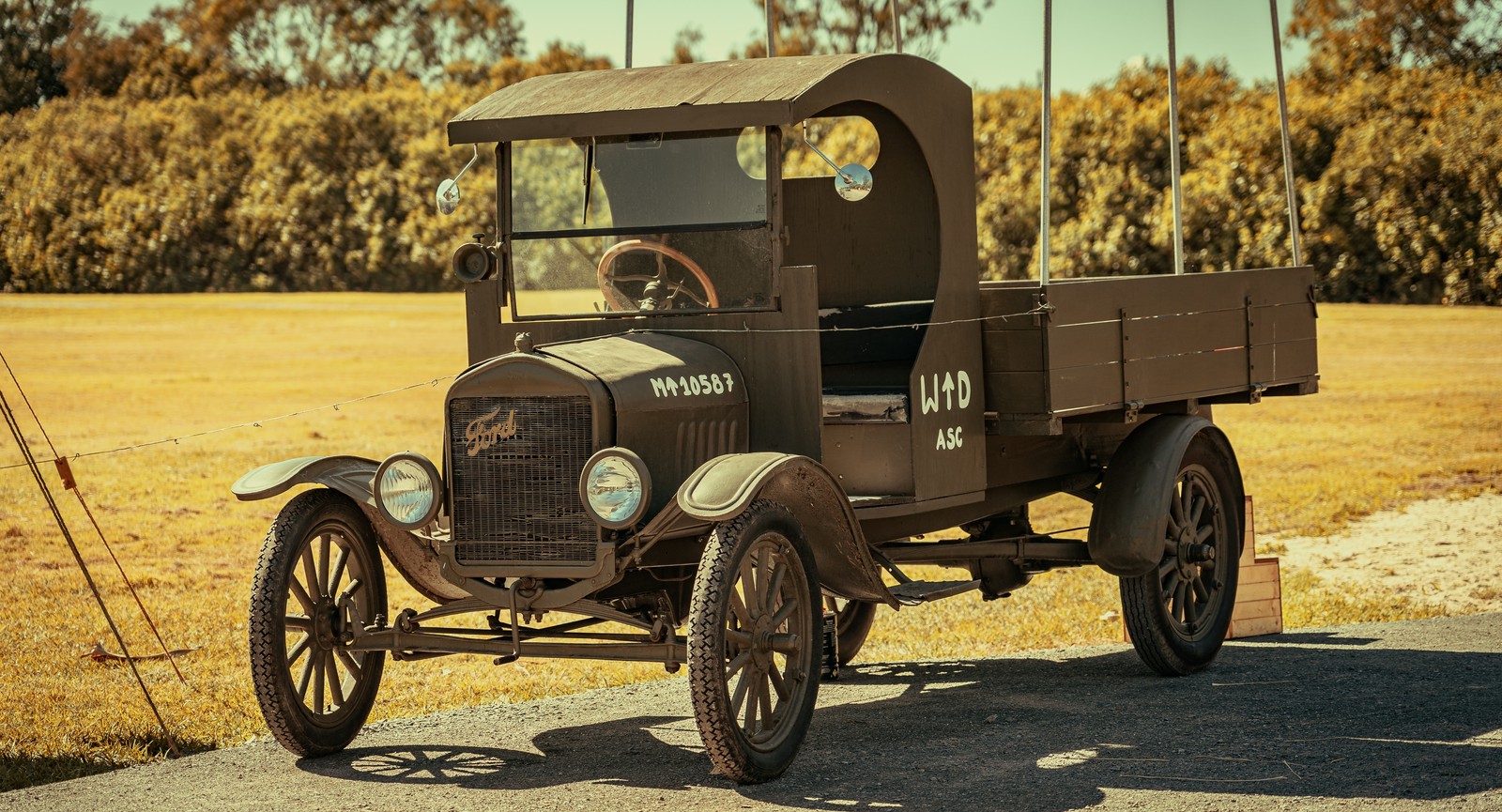
Drive-in movies were invented for this surprisingly personal reason
 General
Behind the wheel
Drive-in movies were invented for this surprisingly personal reason
Did you know cruise control was invented by a man who couldn't see? Or that cars weren’t required to come with seatbelts until 1968? Cars are such a big part of everyday life that we rarely stop to ask how certain features came to be. Some answers are surprising, like the carmaker that handed its best safety design to its rivals for free. Here are the stories behind some of the things we now take for granted on the road.
The blind engineer behind cruise control
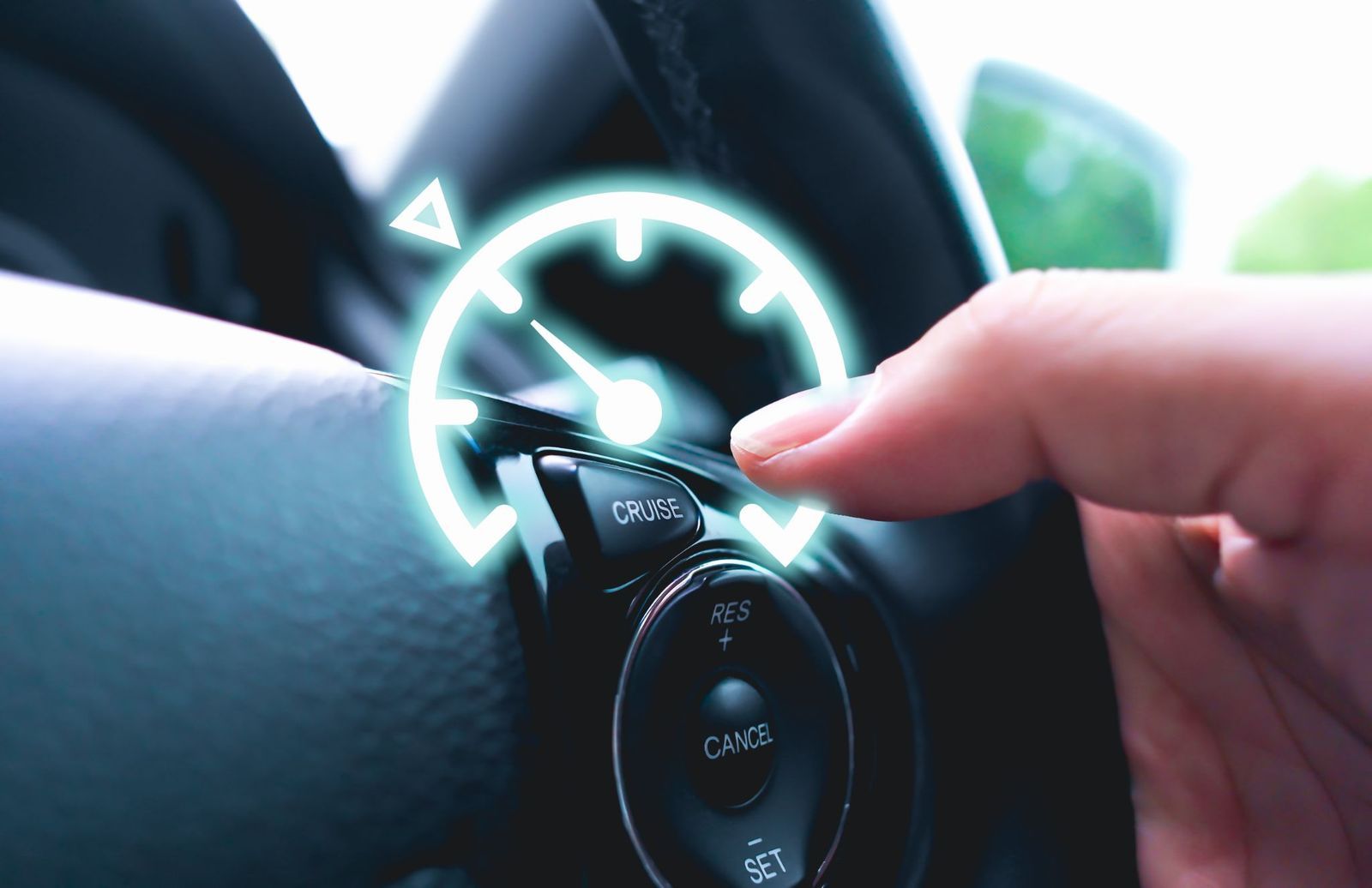
When Ralph Teetor was about six years old, he hurt his eyes in a knife accident and lost his sight. But this accident didn’t stop his ingenuity. At 12, he made a car using an engine from his father's machine shop. And in 1912, he graduated in mechanical engineering from the University of Pennsylvania.
Around 1936, he was a passenger riding with his patent lawyer, Harry Lindsey, who had the habit of slowing down when talking and speeding up when listening. Those rough movements annoyed Teetor enough that he decided to fix the problem. After 10 years, he created what’s now known as cruise control. He got the patent in 1950. In 1958, Chrysler put it in its Imperial, New Yorker, and Windsor models, with the name "Auto-Pilot." Cadillac later named it "Cruise Control," and that one stuck.
Why seatbelts weren't required until 1968
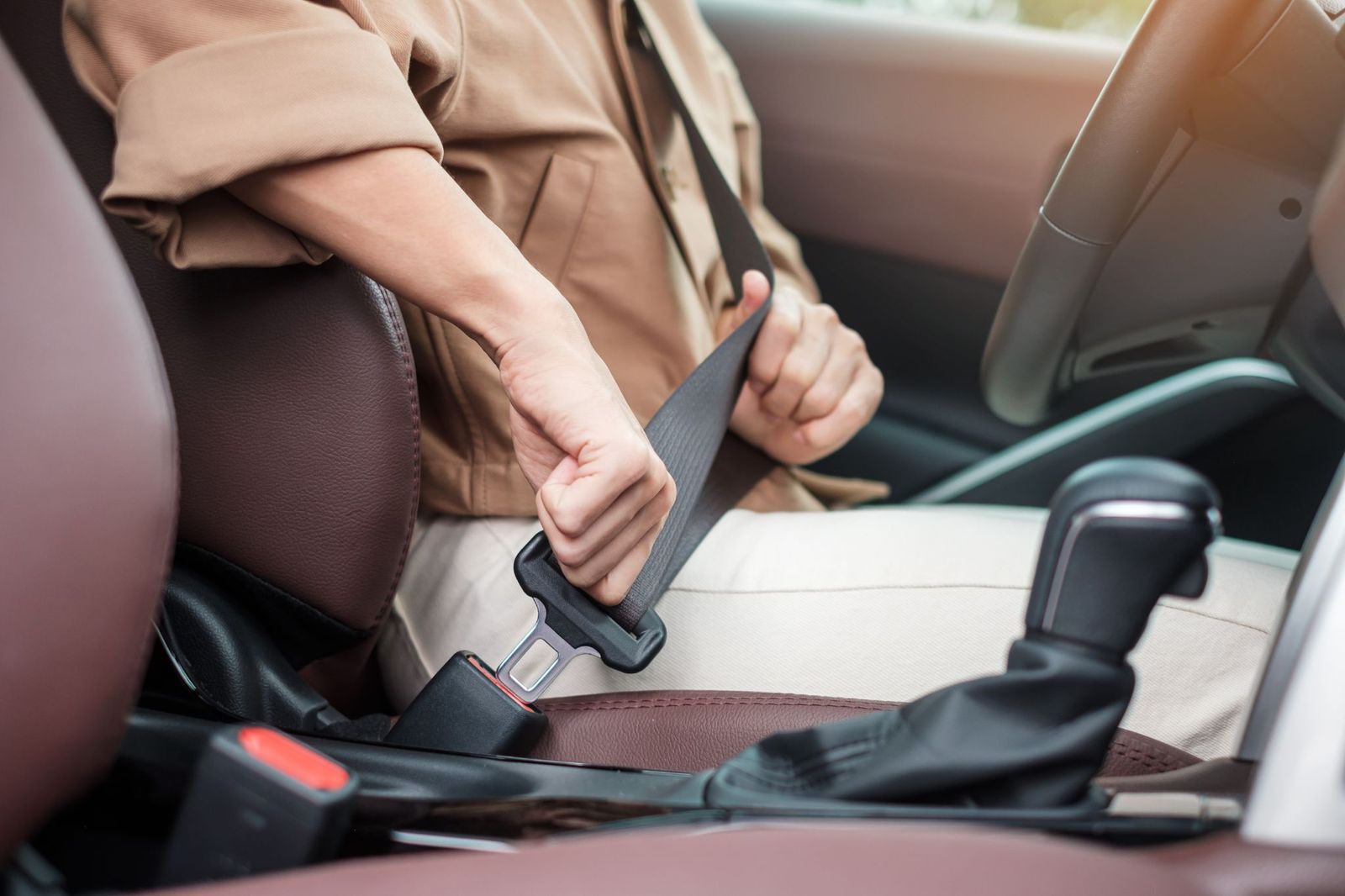
Seatbelts weren't very popular at first. Some car companies, such as Nash and Ford, offered them in their 1956 "Lifeguard" safety package, but only about one in five buyers ordered them.
Everything changed when President Lyndon B. Johnson signed the National Traffic and Motor Vehicle Safety Act in 1966. Under this law (starting on January 1, 1968), every new car had to have seatbelts, including lap-and-shoulder belts in the front seats next to the doors.
However, having seatbelts in the car didn't mean people wore them. That came later, in the 1980s. Because too many people were still dying in car accidents, New York stepped up and became the first state to make buckling up the law. It worked: more people started wearing their belts, and other states and countries soon followed.
Why Volvo gave away its seatbelt design for free
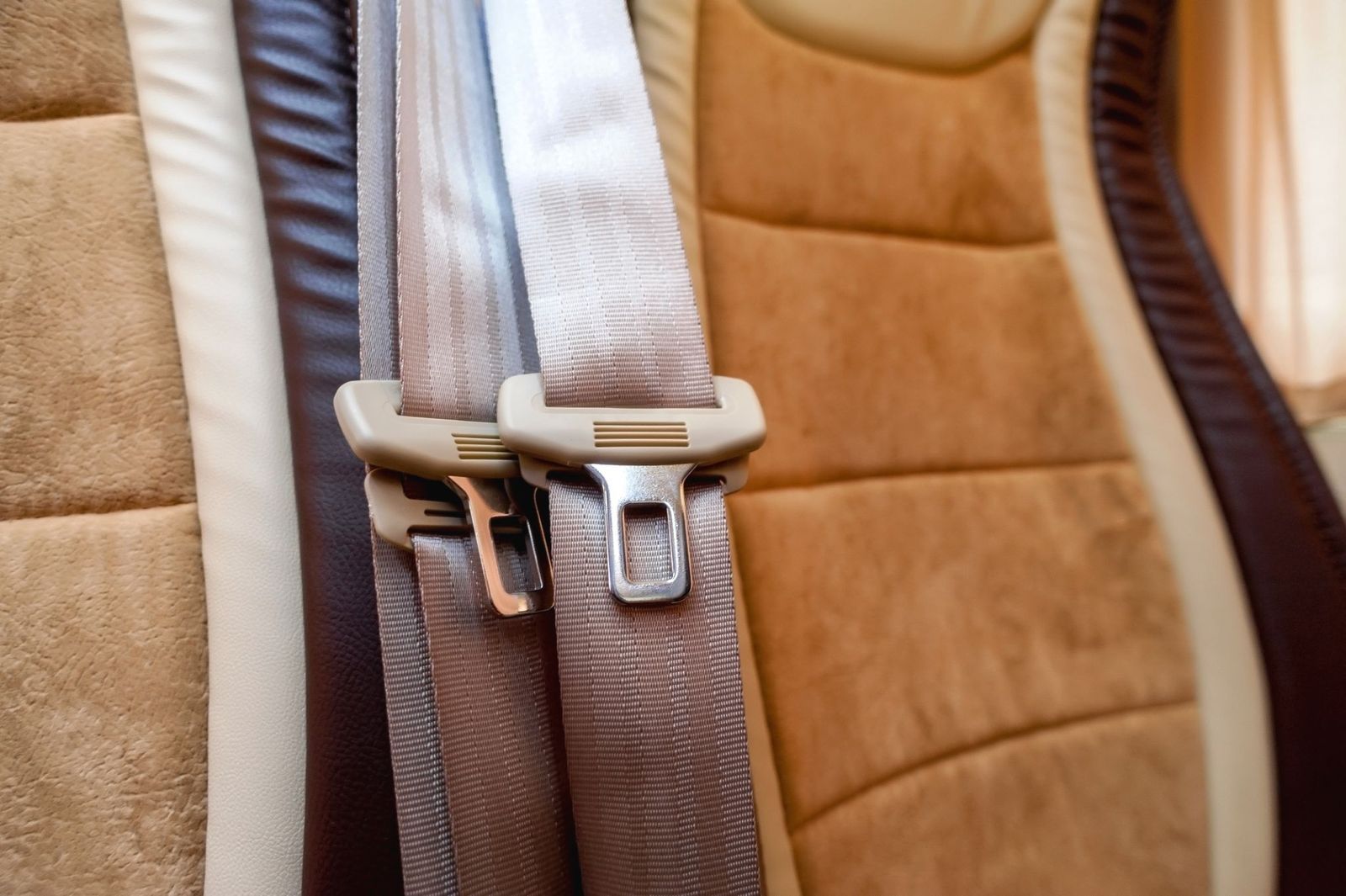
Did you know that the car seatbelts we use every day first appeared in 1959? They were designed by Swedish engineer Nils Bohlin, who, before cars, designed ejection seats for airplanes. In 1958, he joined the Swedish carmaker Volvo and created the three-point belt. It combined a lap belt and a shoulder belt, joined at one low point beside the seat, so it held both the upper and lower body in place during a crash. It was also simple enough to buckle with one hand.
The design was patented; still, Volvo made a surprising choice: it let other car companies use it for free, because it believed safety mattered more than profit. The company now estimates the three-point belt has saved at least one million lives worldwide.
How the first drive-in movie theater started in 1933
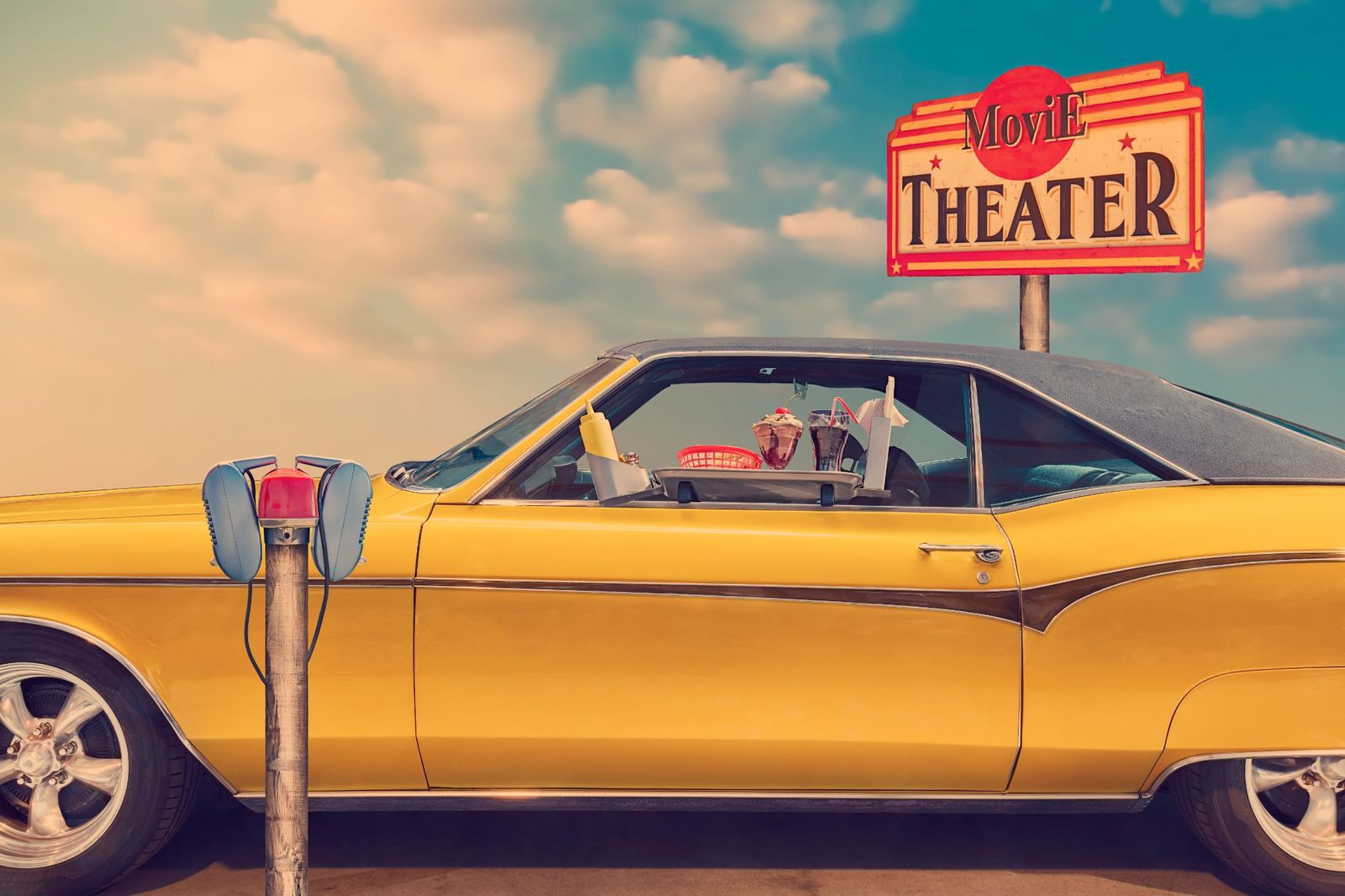
Richard Hollingshead came up with the idea for the first drive-in movie theater because his mother, who was overweight, had trouble fitting into regular theater seats. He was a sales manager at his family's auto parts company in Camden, New Jersey, and he started testing the idea in his driveway. He set a 1928 Kodak projector on the hood of his car, nailed a sheet to some trees for a screen, and put a radio behind it for sound. He even turned on his lawn sprinkler to see how a movie would look in the rain.
Once he had it all figured out, he patented his design in May 1933. A few weeks later, he opened the Park-In Theater in nearby Pennsauken. It cost about $30,000 to build it, and tickets cost 25 cents per car and 25 cents per person. The sound came from large speakers near the screen. Families loved it, and by the late 1950s there were about 4,000 drive-ins across the country.
Why 1950s cars had tailfins
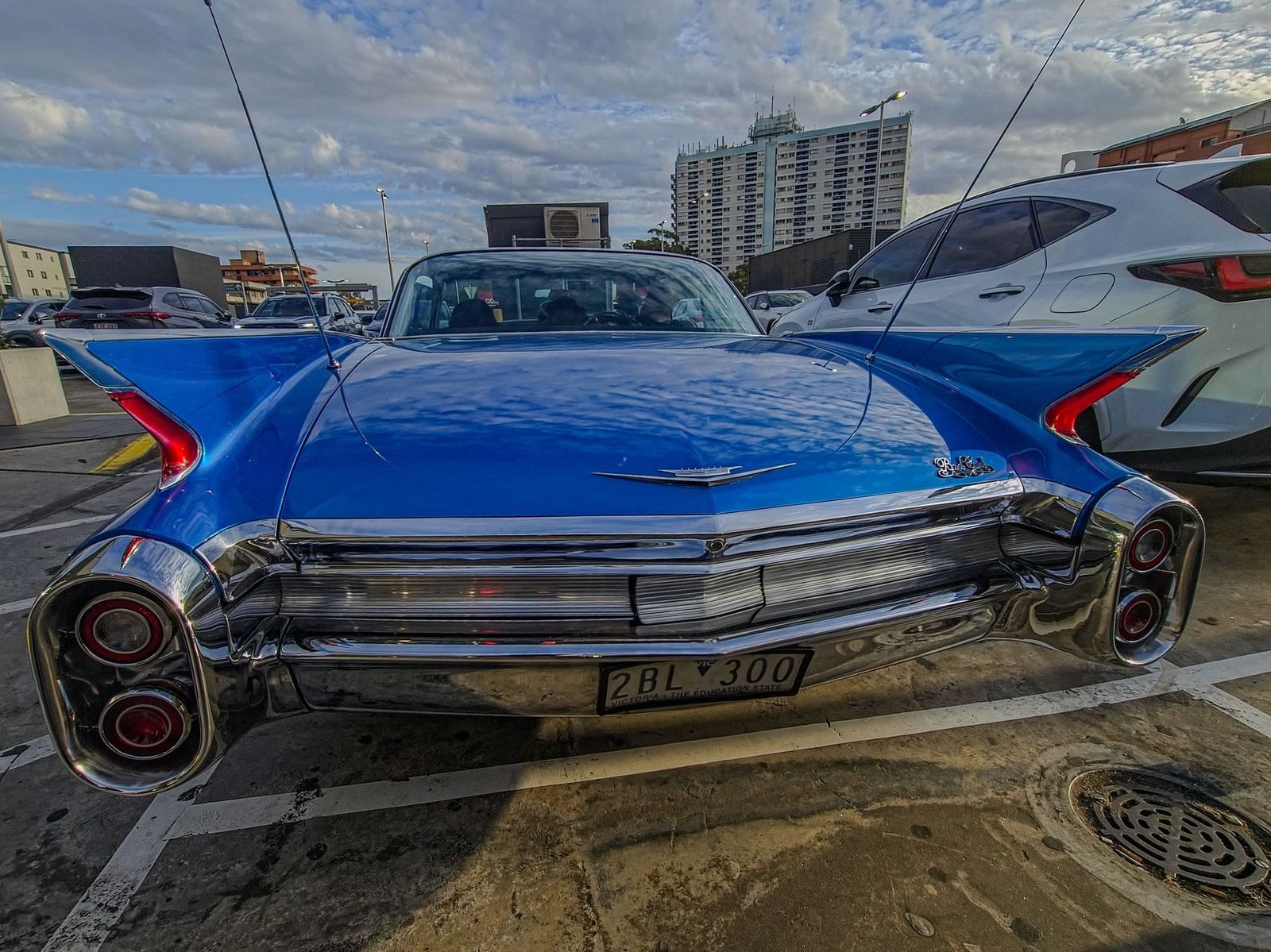
The 1950s were a decade when aviation and space travel were all the rage, so car manufacturers didn't miss the chance to jump on that trend. How? They added tailfins as a decorative feature at the back of their cars. Some companies claimed the fins were aerodynamic and helped keep cars steady on the road, but they were really just for looks.
Cadillac, operated by General Motors, became the most iconic car with this feature. Its sweeping fins stood for speed, futuristic rocket ships, and postwar American prosperity. Soon Chrysler and Ford joined in, and the three companies started a styling "arms race," adding bigger and bigger fins to stand out in the market. Critics later pointed out that the sharp fins could be dangerous for pedestrians and cyclists
Why the steering wheel is on the left in America
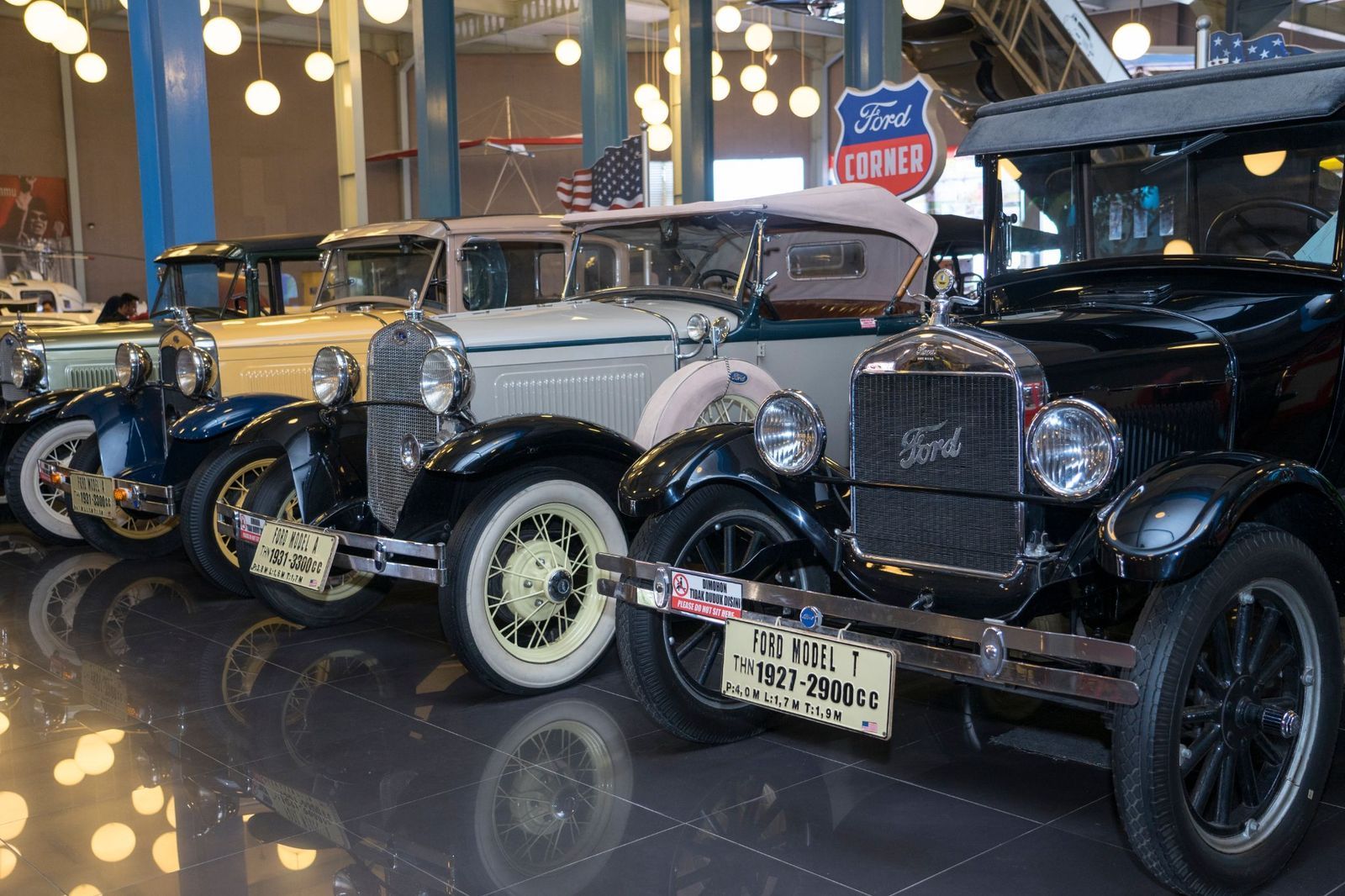
In the United Kingdom, the steering wheel is on the right. In American cars, it's on the left, and the reason is none other than Ford's Model T. Before Henry Ford launched it in 1908, many cars had the steering wheel on the right, even though Americans already drove on the right side of the road.
With the Model T's wheel on the left, the driver could see oncoming traffic better, and passengers could step out onto the sidewalk instead of into the street. It was the same idea drivers of the old Conestoga wagons had followed long before: they sat on the left to get a better view of the road.
How Motorola got its name from the car radio
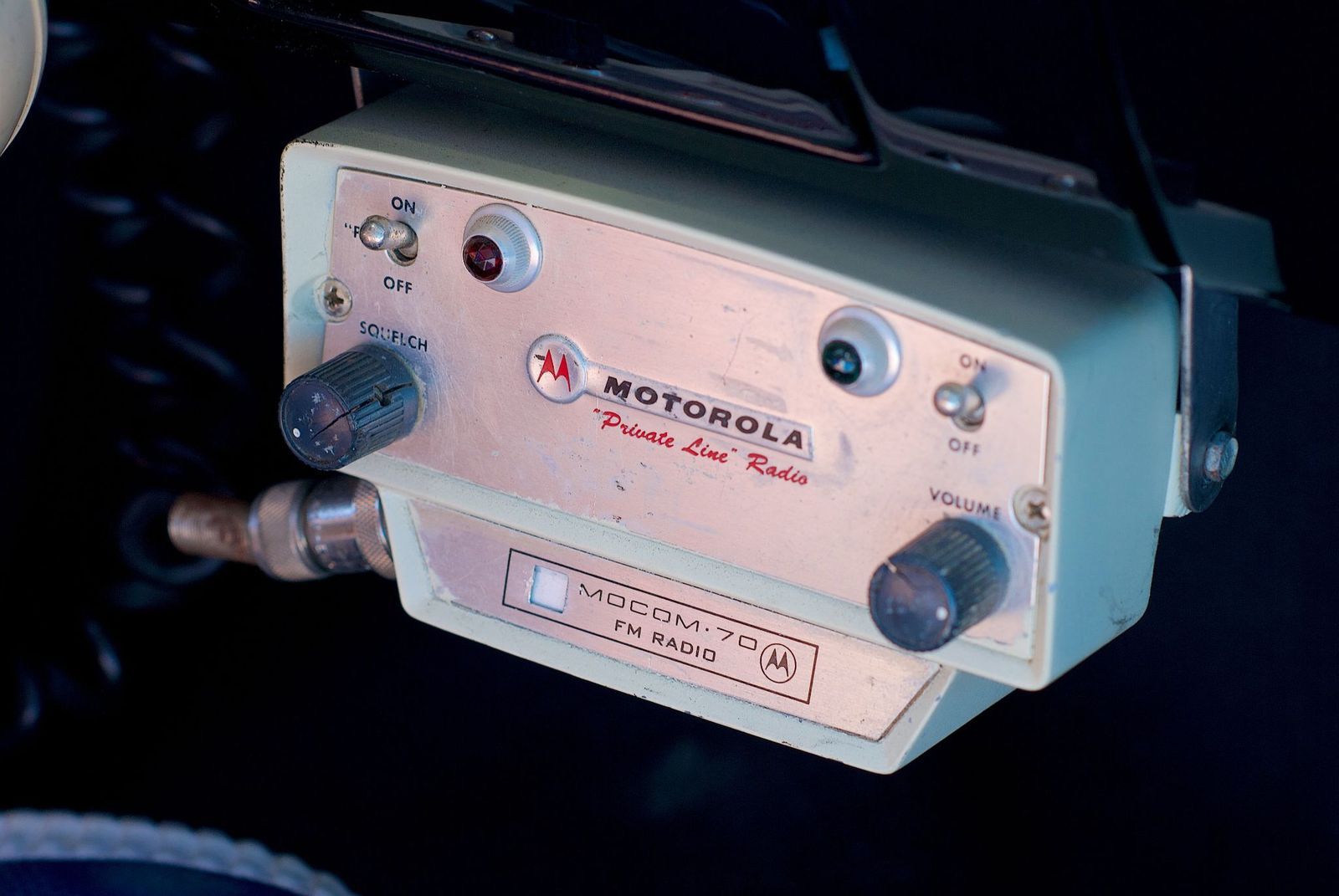
Many of us know Motorola as the company behind the first handheld cell phone, but it first made an impact decades earlier. In the 1930s, radios and cars were both booming, but it wasn’t until brothers Paul and Joseph Galvin stepped in that the two shared the same space. The Galvins ran the Galvin Manufacturing Corporation in Chicago; they made "battery eliminators" that let battery-powered radios run on household electricity. That was their job until their objective changed: to build affordable, sturdy radios for cars.
What would they call it? They took "motor" from motorcar and added "ola," borrowed from popular phonograph brands like Victrola. The result was Motorola, meaning "sound in motion." The radio was such a hit that in 1947 the company officially became Motorola, Inc.
The woman who invented the windshield wiper
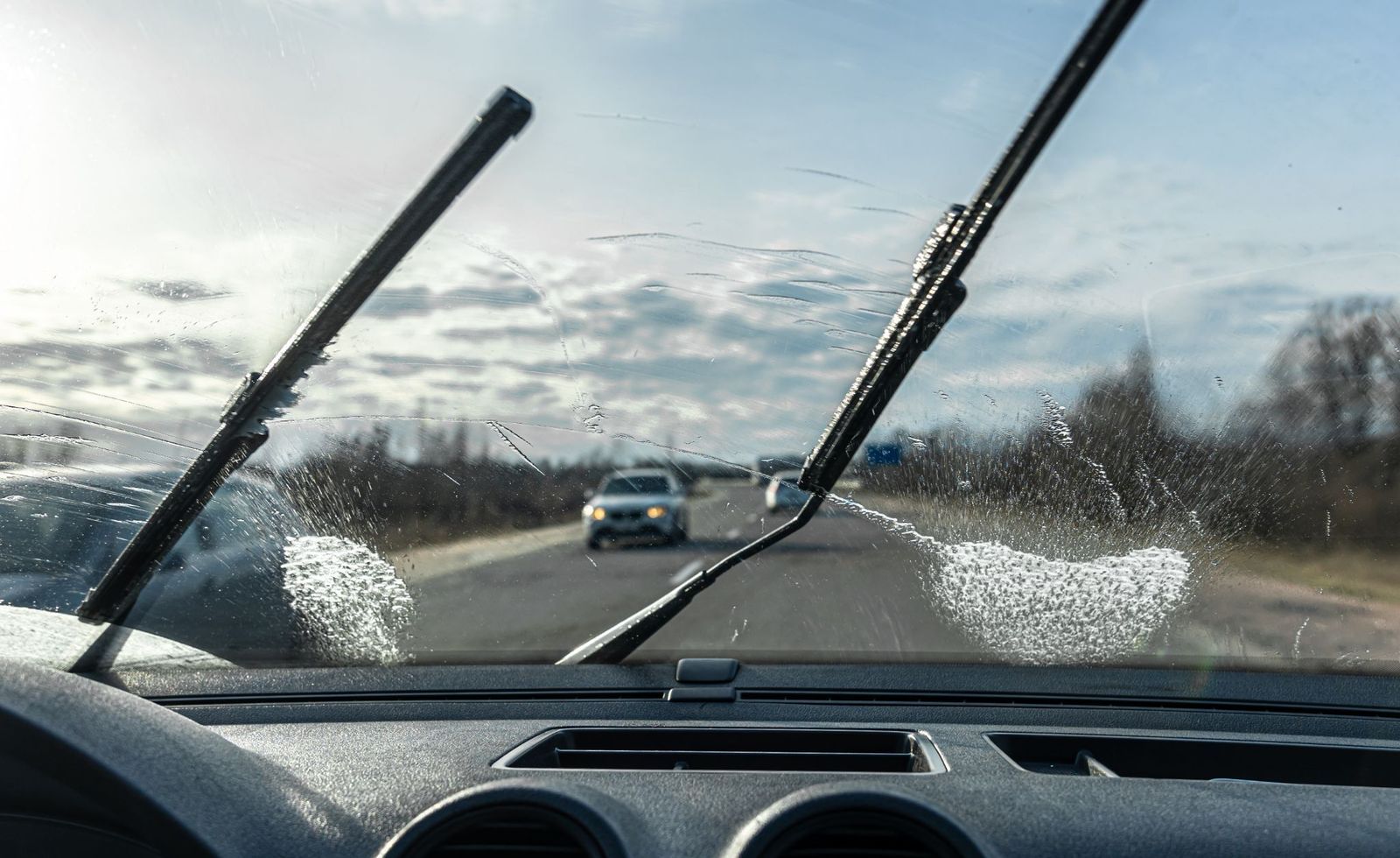
Mary Anderson was a real estate developer from Birmingham, Alabama. In the winter of 1902, she was riding a streetcar in New York City and noticed that the driver kept opening the window and stopping the car to clear snow and sleet off the glass. That gave her an idea, and she invented a simple device that worked with a lever inside the streetcar. When the driver moved the lever, a rubber blade swept across the windshield. A counterweight held the blade against the glass, and the whole thing could be taken off in better weather.
In 1903, she received a patent for her "window cleaning device for electric cars and other vehicles." But it expired in 1920, and she never made any money from it. Just two years later, Cadillac became the first carmaker to include windshield wipers as standard equipment, and soon they were part of every car. Anderson died in 1953 and was posthumously inducted into the National Inventors Hall of Fame in 2011.
The little arrow that tells you where your gas tank is
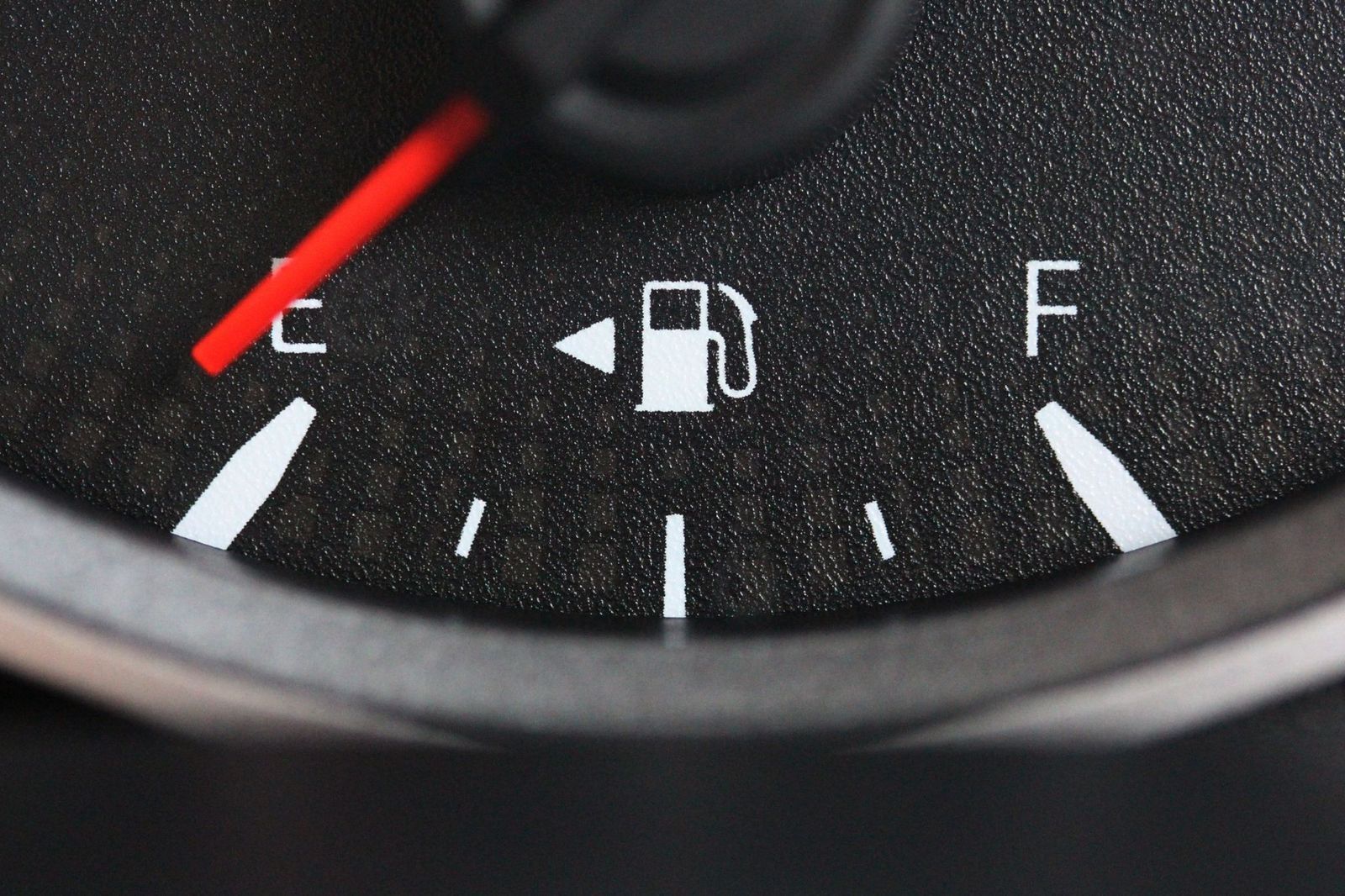
The Moylan Arrow is the small dashboard arrow that shows which side your gas tank is on. It's named after Jim Moylan, a Ford designer who, one rainy day in 1986, pulled into a gas station in a company car. He didn't know which side the tank was on, and he guessed wrong.
He had to get back in, move the car, and step out again into the rain. By the time the tank was full, he was dripping wet. Back at the office, he wrote down his idea: put a small arrow next to the fuel gauge, pointing to the gas door. Ford liked it, and in 1989 the arrow showed up on the Ford Escort and Mercury Tracer. Today, almost every carmaker uses it.
What really causes that "new car smell"
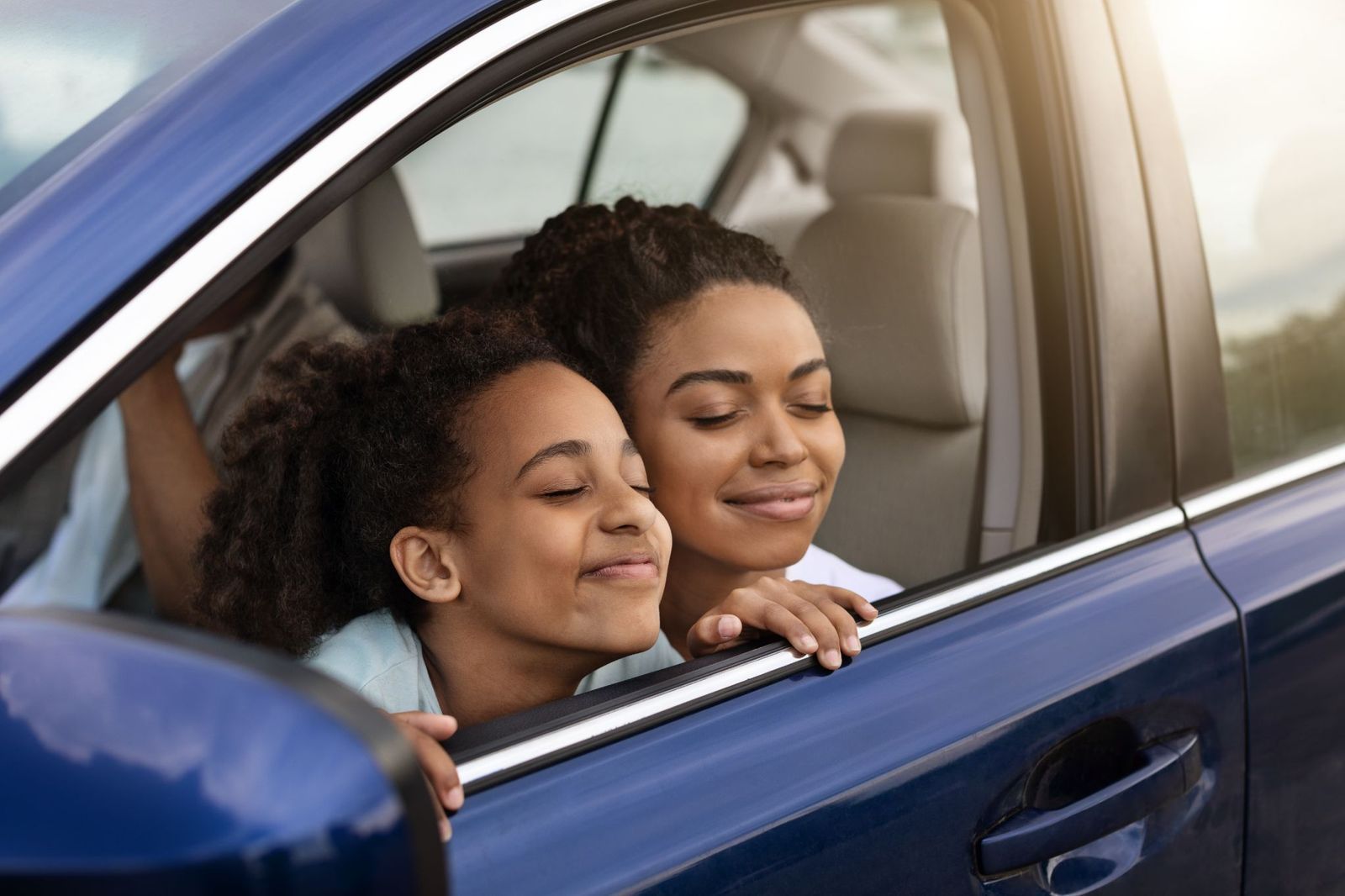
What’s behind that iconic "new car smell" beloved by many? The scent comes from chemicals, volatile organic compounds, released into the air as the new materials inside the car slowly dry out: the plastic and vinyl on the dashboard, the glue and sealants that hold everything together, the carpet, the foam in the seats, and the treatments used on leather. The smell fades in the first few weeks, but hot weather makes it stronger for a while.

The 10 happiest cities in America in 2026
The 10 happiest cities in America in 2026
Maybe your town made the list. A new study by WalletHub ranked 182 U.S. cities according to 29 indicators across three broad categories: emotional and physical well-being, income and employment, and community and environment. Fremont, California, came out on top, with particularly strong scores in emotional and physical well-being and community and environment. Let’s see if one of these is your hometown, or perhaps somewhere you would consider your next happy place.
Fremont, California
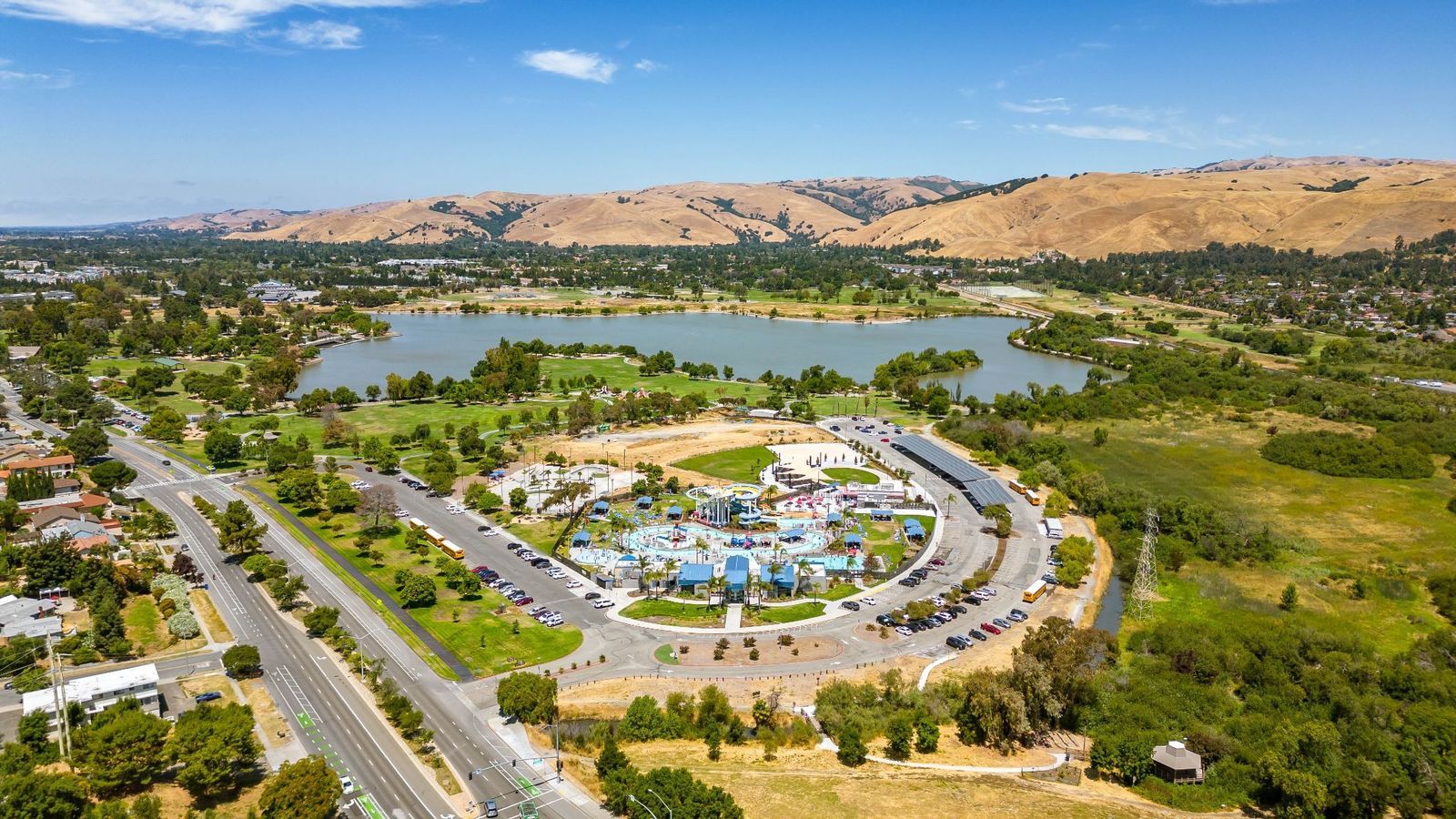
This city, located on the southeast shore of San Francisco Bay, leads the nation's happiness ranking. It has the highest percentage of households with an income above $75,000, with 79.7% of families exceeding that mark.
Fremont also has the seventh-lowest depression rate, the fifth-highest average life expectancy at about 82 years old, and the country's lowest separation and divorce rate, at 9.3%. WalletHub even notes that residents may be less inclined to move to Florida when they turn 65.
Bismarck, North Dakota

Bismarck, North Dakota, the nation's second-happiest city, stands out for its combination of good health, leisure time, and strong community ties. Residents have some of the most leisure time in the country, giving them more opportunities to relax, spend time with family and friends, and pursue their interests.
The city also boasts strong health and employment scores, helping it rank near the top overall.
Scottsdale, Arizona
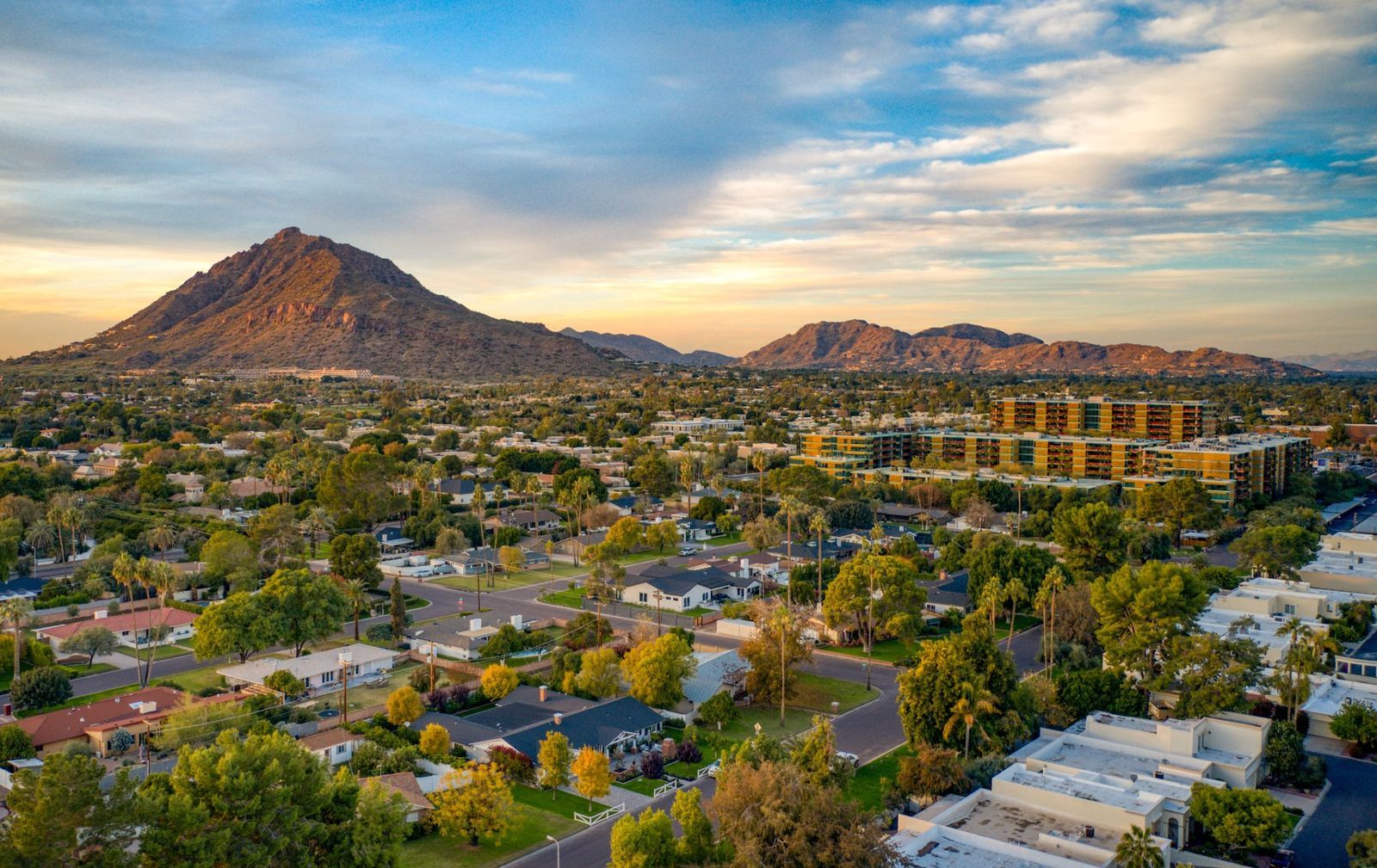
In Scottsdale, Arizona, almost 90% of residents report having good or better health, the third-highest in the country, while nearly 87% participate in some form of physical activity. The city also combines good health with financial stability: about 65% of households earn more than $75,000 a year, while the poverty rate is about 7%.
South Burlington, Vermont
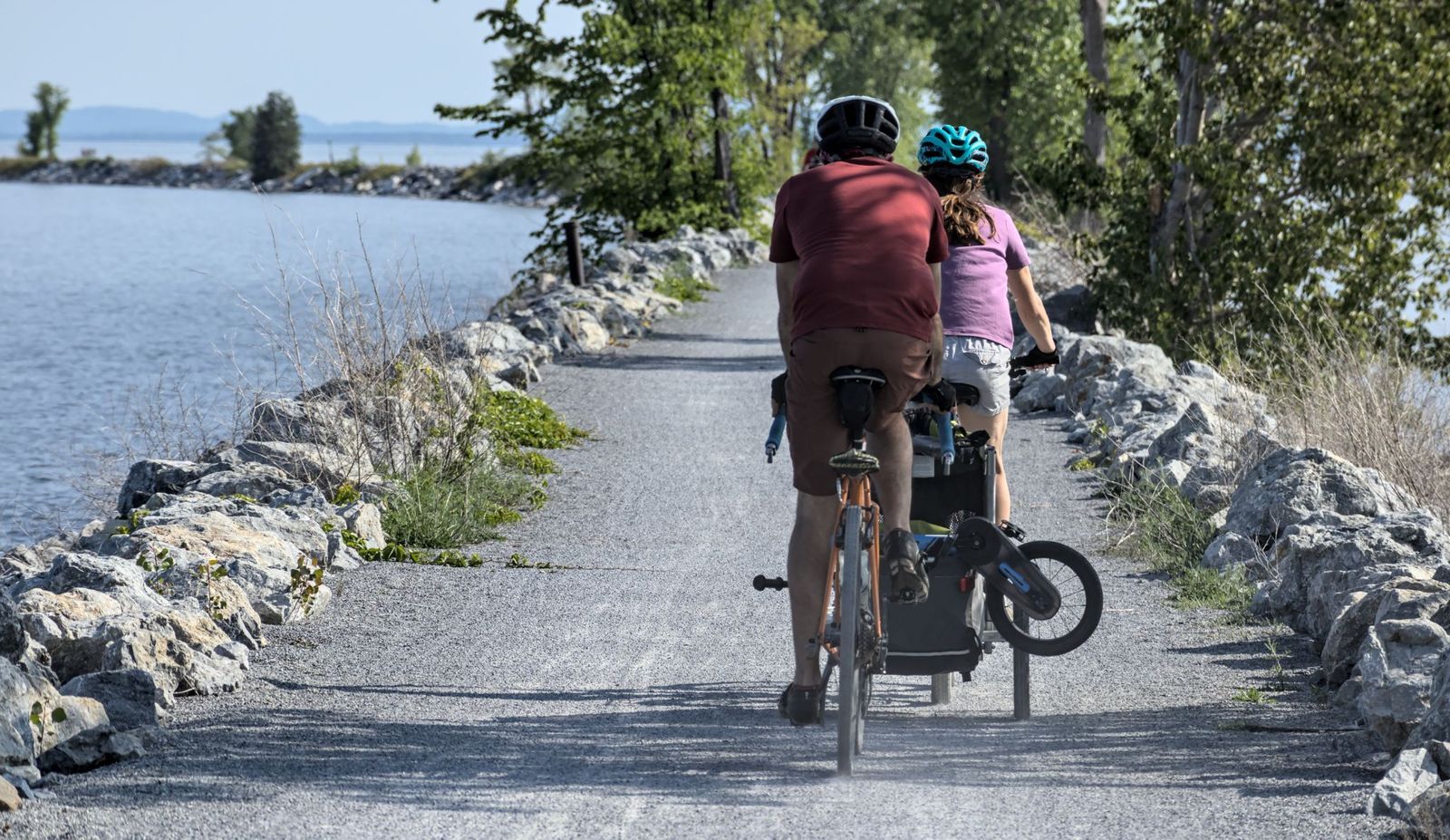
South Burlington, Vermont, ranked fourth overall and has the highest rate of adequate sleep in the study. Residents are also highly active, with the city recording the highest sports participation rate. Strong scores in emotional and physical well-being, as well as income and employment, further helped it reach fourth place.
Fargo, North Dakota

Fargo, North Dakota, not only has a movie and a series, both with the city's name in the title, but now also proudly ranks number five in the happiness rankings. According to the WalletHub study's results, its strength lies in its community.
Although winters can be brutally cold, residents consistently express high levels of life satisfaction, showcasing what tight-knit communities can do for emotional well-being, which also translates to good health.
Overland Park, Kansas
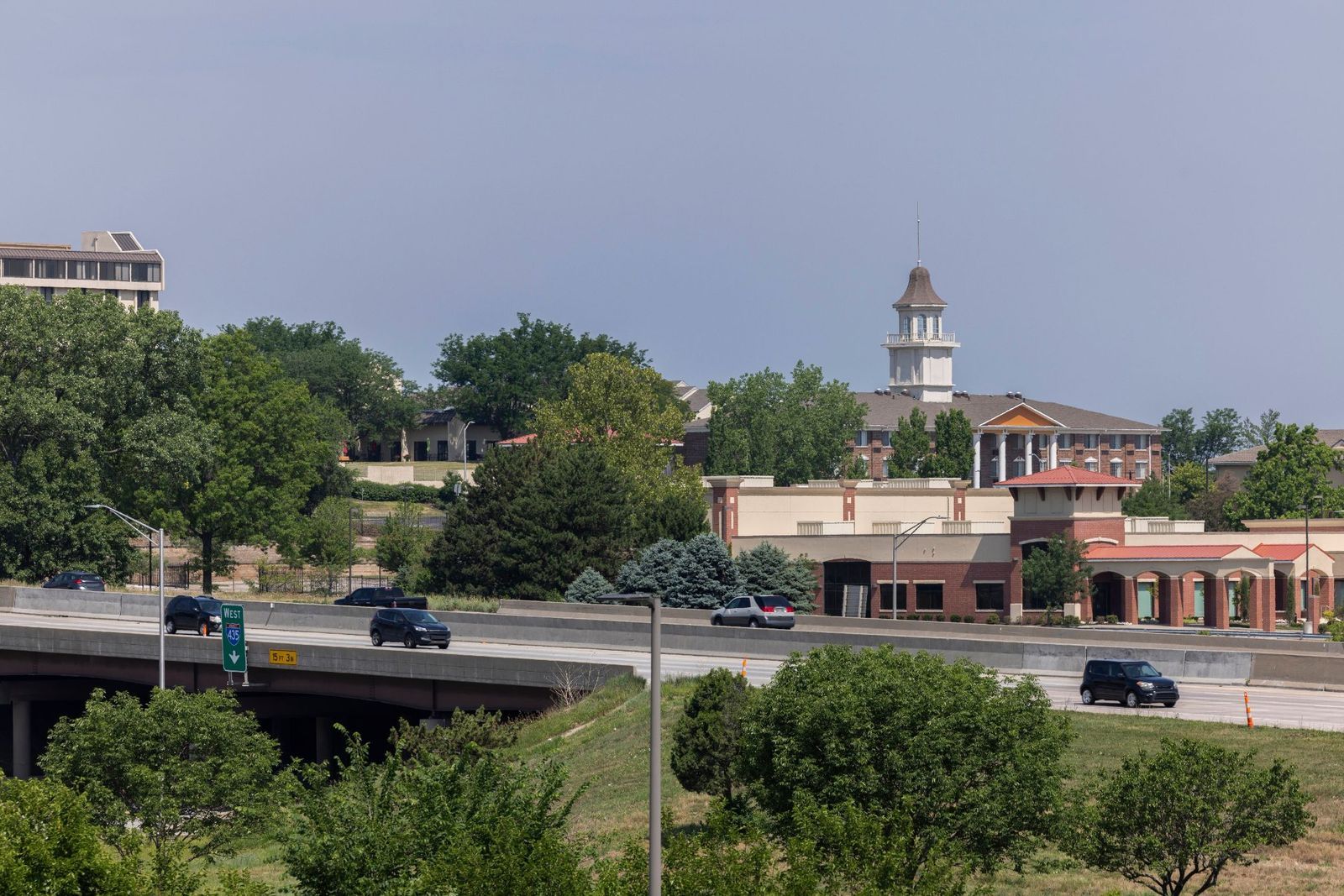
The second largest city in Kansas after Wichita, Overland Park hasn’t done badly at all, ranking at number six in the nation's happiness index.
It outshone the rest when it comes to health and joy, since it ranks second in the country in emotional and physical well-being, hand in hand with consistently high scores in mental health and personal life satisfaction.
Charleston, South Carolina
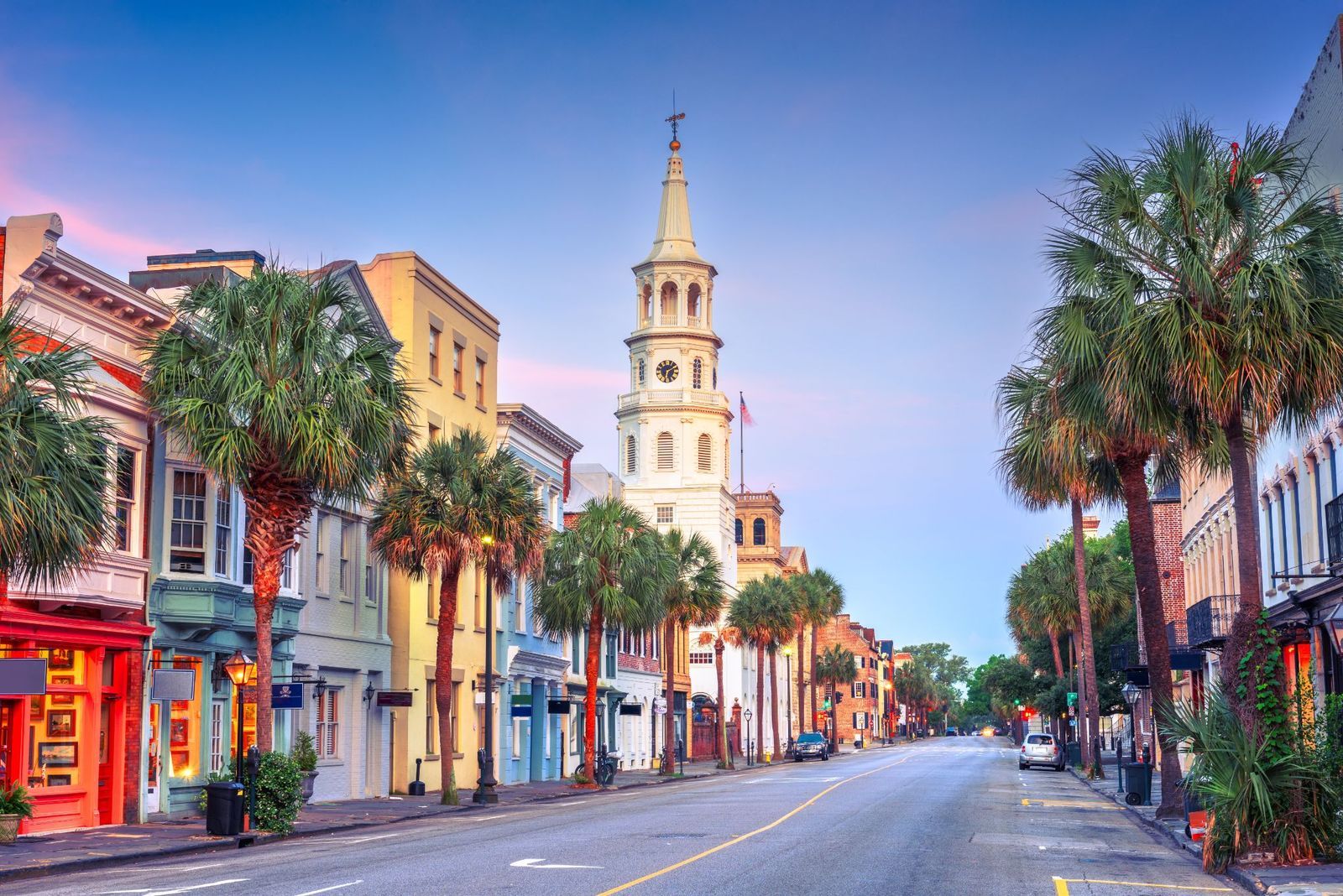
Charleston, South Carolina, proudly ranks seventh in this year’s ranking. When looking at its results in detail, it ranked third in community and environment and tenth in income and employment, giving it a particularly strong combination of community, lifestyle, and economic factors.
Irvine, California

Residents of Irvine, California, ranked number eight overall and located one hour south of Los Angeles, report a high quality of life across the board, including top-tier scores in emotional and physical well-being. Simultaneously, it is also positioned as one of the safest cities in America, which goes to show how feeling protected is one of the quieter drivers of day-to-day happiness.
Gilbert, Arizona
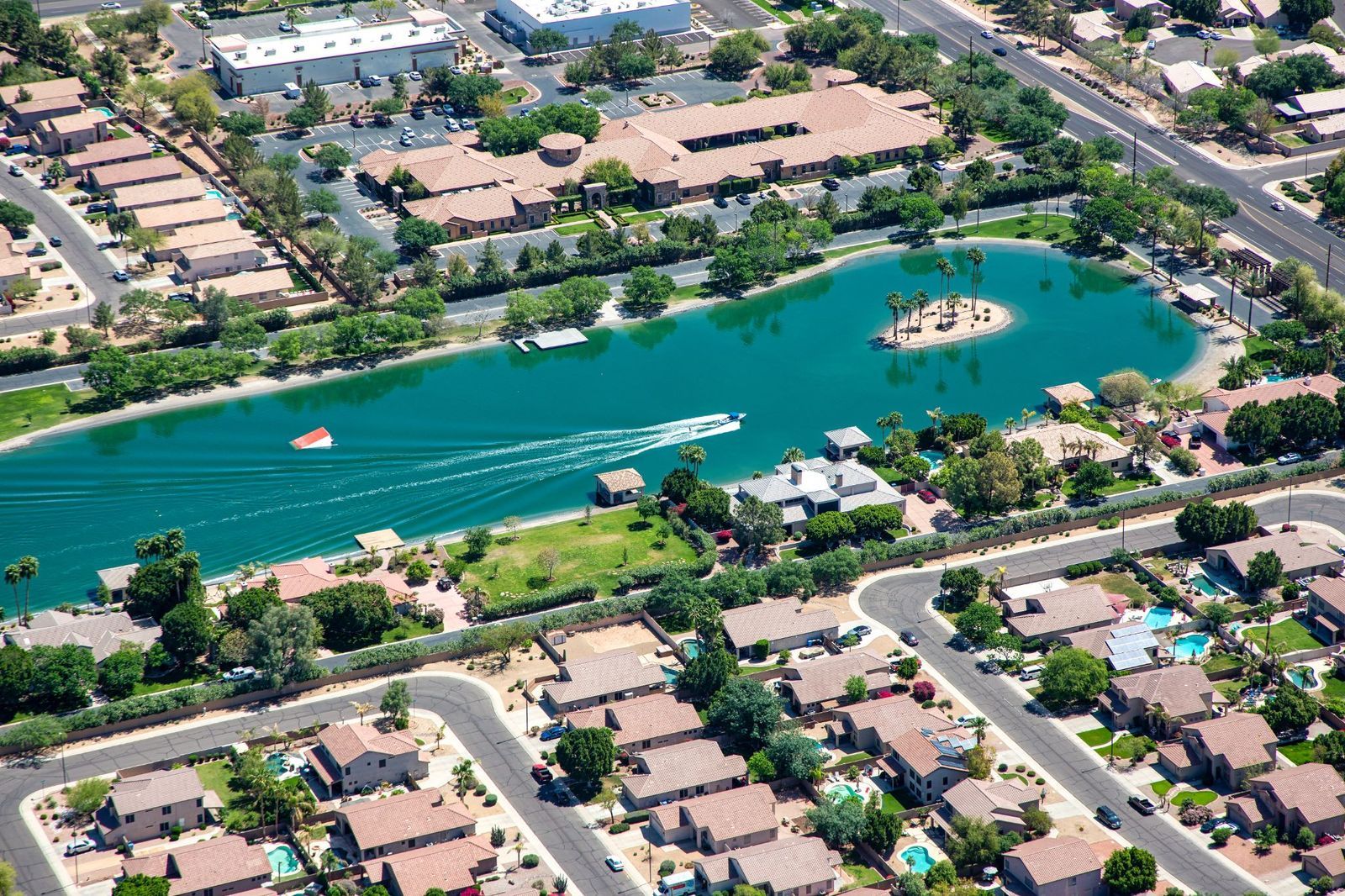
Gilbert, Arizona, came ninth in this joyous statistic, standing out from the rest because of its strong connections and community ties. Neighbors expressed feeling rooted, showcasing that a sense of belonging strongly impacts people’s well-being.
This town also came sixth in terms of community and environment, which takes into account factors such as weather, park space, and leisure time, among others.
San Jose, California
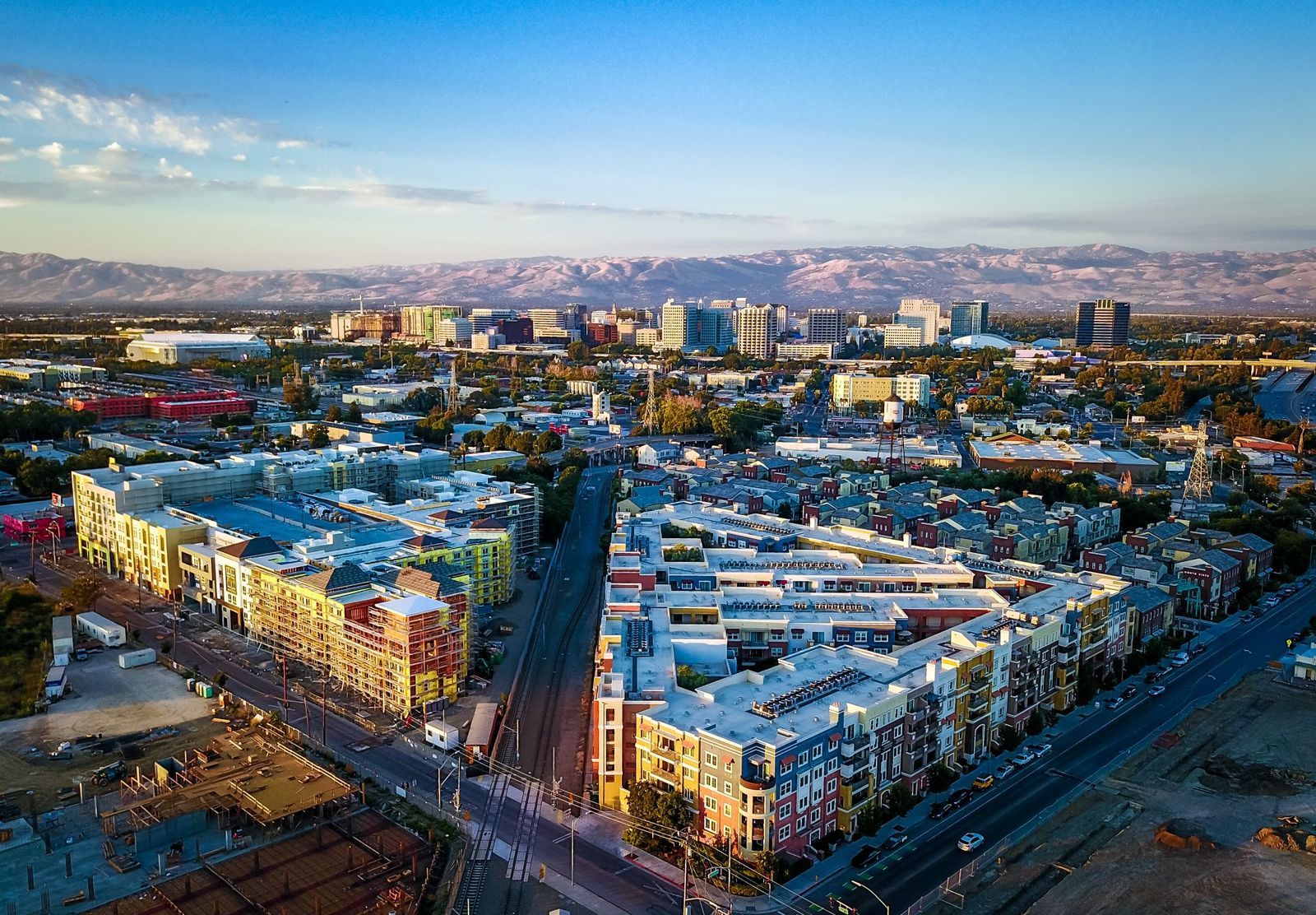
San Jose, California, rounds out the list at number 10 with a great combination of high incomes and overall peace of mind, described as a city with many opportunities, but where work-life balance might take a little more effort.
The Silicon Valley city also has 300 days of sunshine a year on average and, similar to Fremont, California, at number one, has one of the lowest marital separation rates in America.
Keep wandering
There’s always
more to explore
 History

These 10 mysteries were solved. So why do we still believe them?
6 min.
Read Now
Did Sinatra really sing for the Mafia in Cuba? 10 wild hotel stories
8 min.
Read Now
What passengers never see after midnight on a cruise ship
4 min.
Read Now
Was Moby-Dick a real whale? These marine stories have real backgrounds
6 min.
Read Now