
Airplane air is cleaner than you think - and other comforting facts
 General
You'd love to know these facts about air travel before your next flight
Airplane air is cleaner than you think - and other comforting facts
If stepping onto an airplane still gives you a flutter in your stomach, you’re not alone. Even seasoned travelers sometimes grip the armrest during takeoff. The good news? A little knowledge goes a long way. Here are ten friendly, down-to-earth facts about flying that can help you relax, sit back, and maybe even enjoy the ride.
Airplanes are built to handle far more than you’ll ever experience
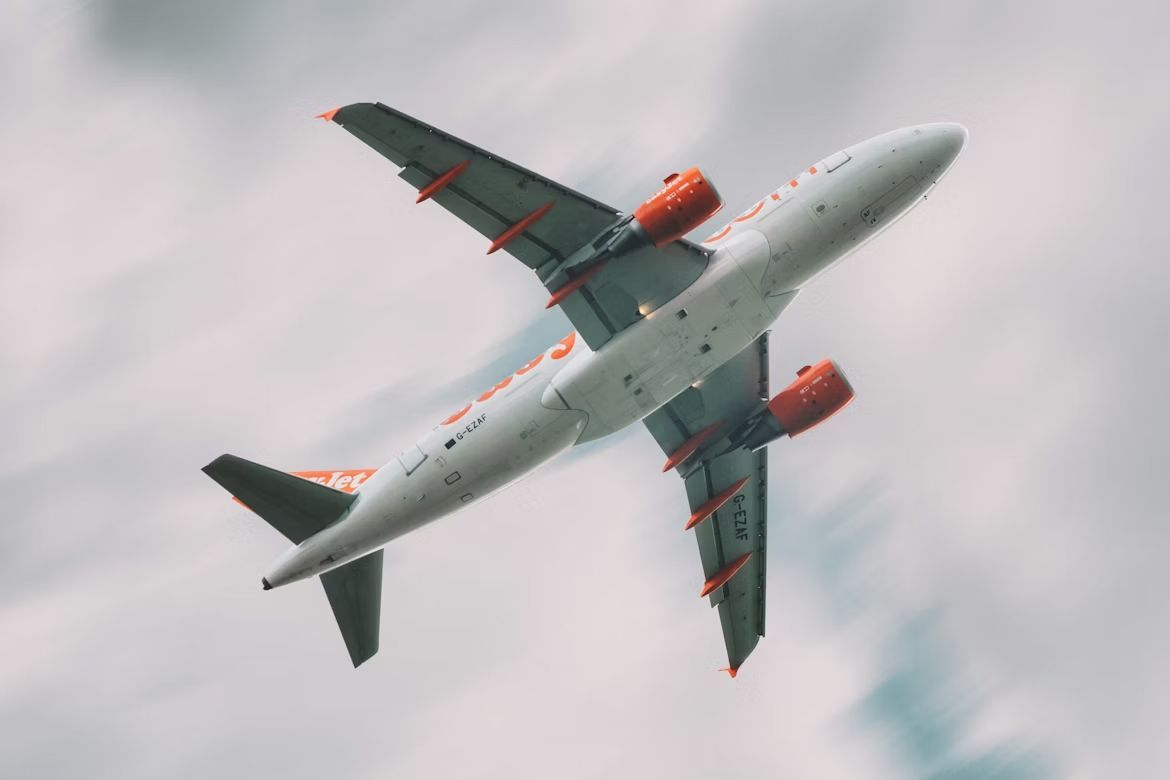
Commercial airplanes are designed to withstand extreme stress, far beyond normal flight conditions. Their wings are tested to bend dramatically without breaking. Engineers literally push them to their limits on the ground before the plane ever carries passengers.
So when you feel a little shaking in the air, remember: the aircraft has already endured much tougher tests. That small bounce is well within what it was built to handle.
Turbulence is normal and rarely dangerous
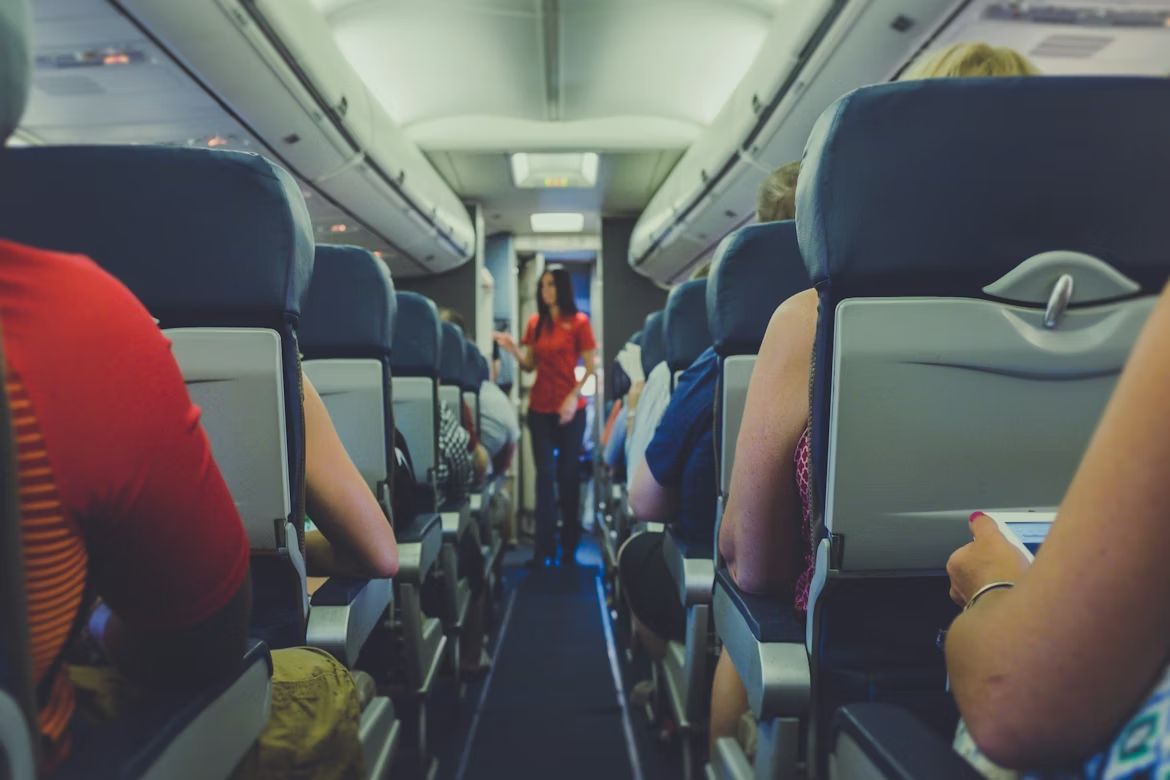
Turbulence can feel unsettling because we’re not used to moving through invisible air currents. But to pilots, it’s routine, like driving over a slightly bumpy road.
Planes are built specifically to handle turbulence. In fact, serious damage from turbulence is extremely rare. It may spill your ginger ale, but it’s not going to bring the plane down.
Pilots train for years (and then keep training)
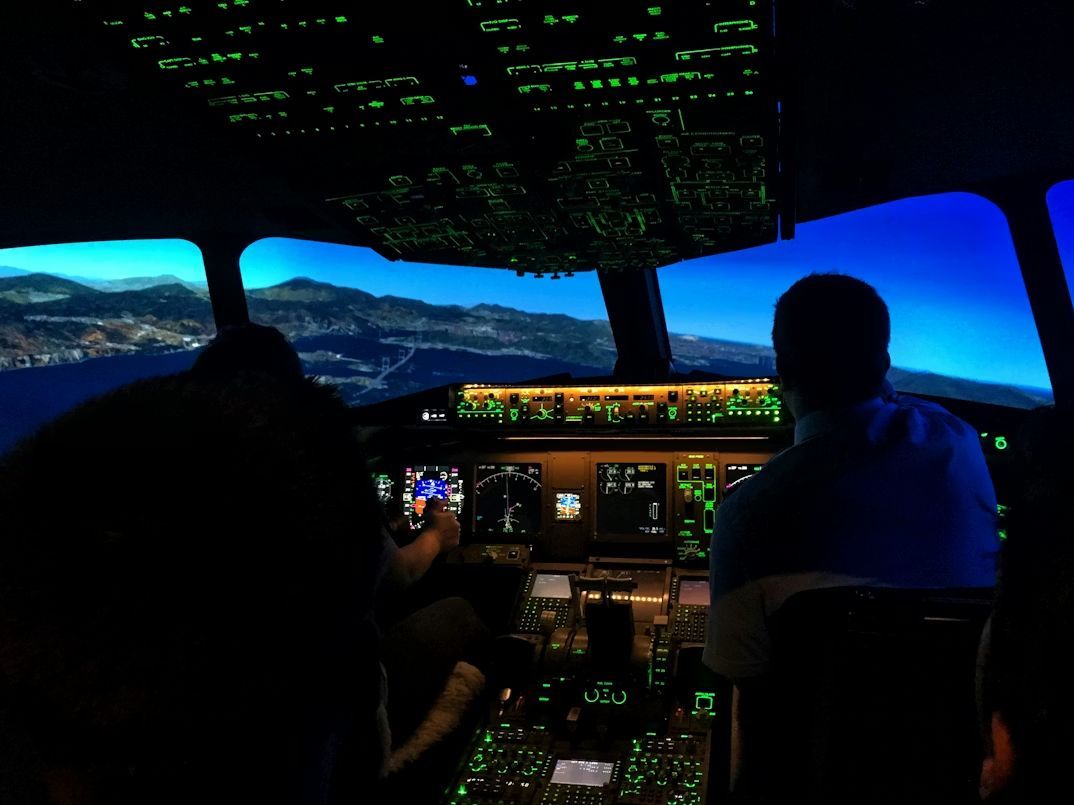
Airline pilots don’t just earn a license and call it a day. They train for years and log thousands of hours in the air before flying passengers.
Even after being hired, pilots return regularly to simulators to practice emergency scenarios—including situations they may never actually face. So if something unexpected happens, they’ve likely practiced it many times already.
Planes can fly on one engine
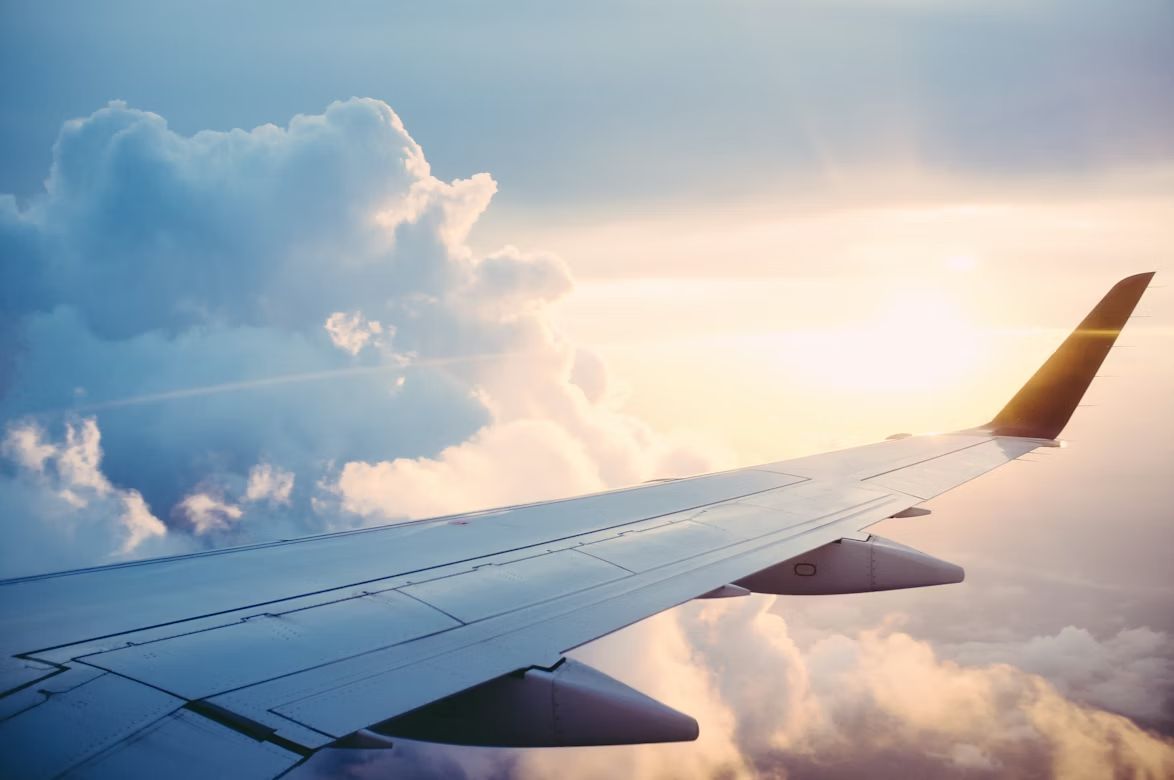
This fact surprises a lot of people: commercial jets are designed to fly safely even if one engine stops working.
In fact, pilots train specifically for that scenario. If an engine fails, the plane can continue flying and land safely. It’s not a crisis—it’s a situation they’re fully prepared for.
The air in the cabin is cleaner than you think
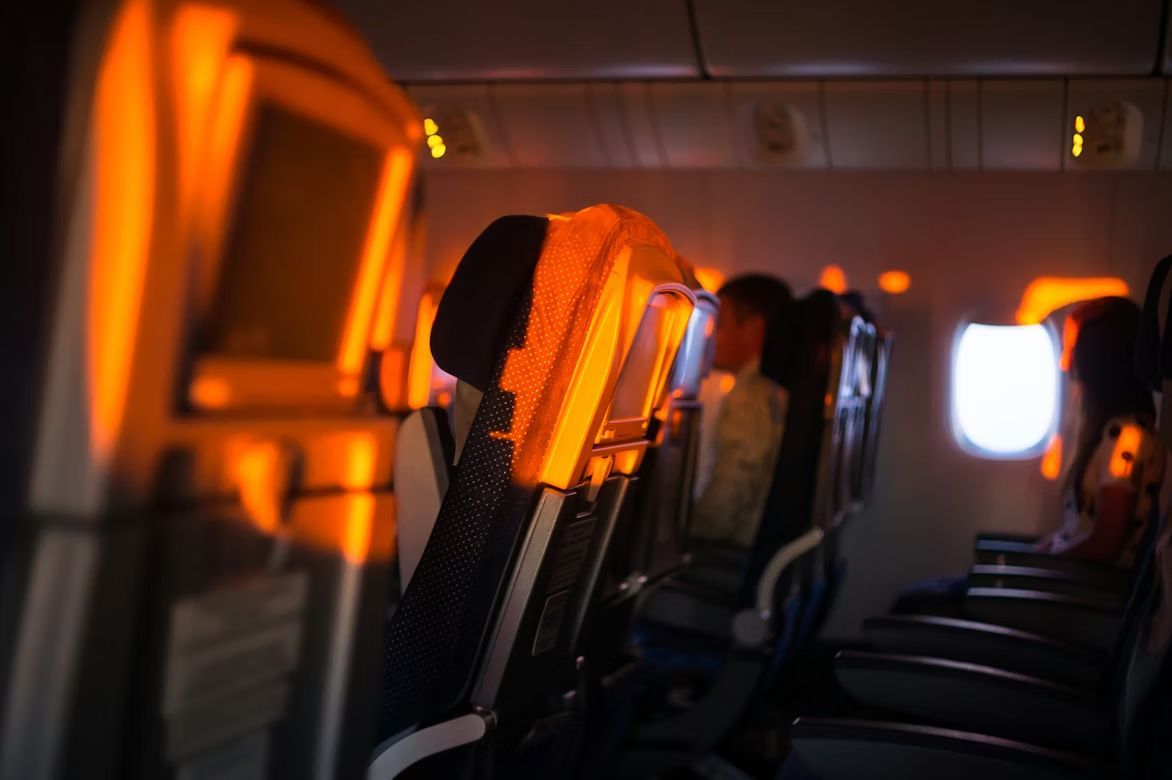
Many people assume airplane air is stale or endlessly recycled. In reality, cabin air is refreshed frequently during flight.
Most modern aircraft use high-efficiency filters similar to those found in hospitals. The air is a mix of fresh outside air and filtered cabin air, and it’s circulated regularly. You’re not just breathing the same air all the way from Dallas to Denver.
Takeoff feels dramatic, but it’s routine

That rush of acceleration during takeoff can feel intense. Your body senses speed and change, which can trigger nerves.
But takeoff is one of the most carefully calculated parts of flight. Pilots know exactly how much runway they need and how the aircraft will perform. What feels dramatic to passengers is simply physics doing its job.
Air travel is one of the safest ways to travel
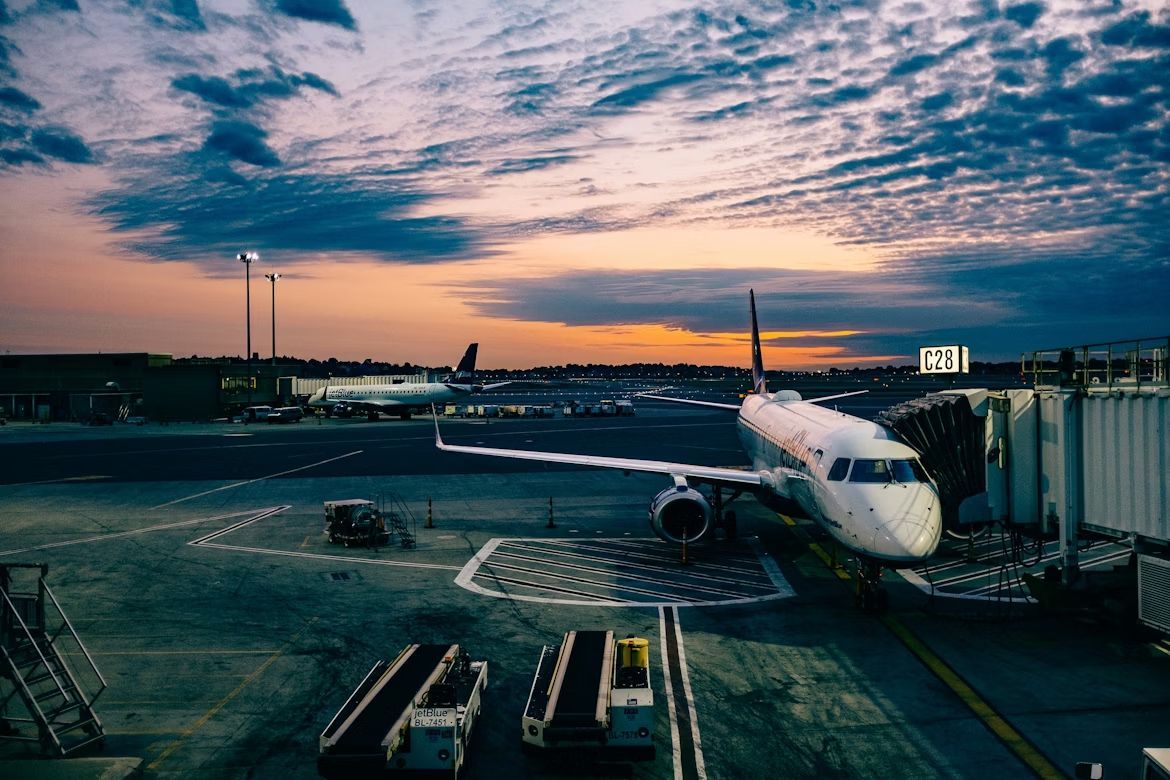
Statistically speaking, flying is extraordinarily safe, much safer than driving to the airport.
Aviation is heavily regulated, constantly monitored, and continuously improved. Every incident is studied in detail so the industry can learn and refine procedures. The system is designed with multiple layers of backup and oversight.
That "drop" feeling isn’t what it seems
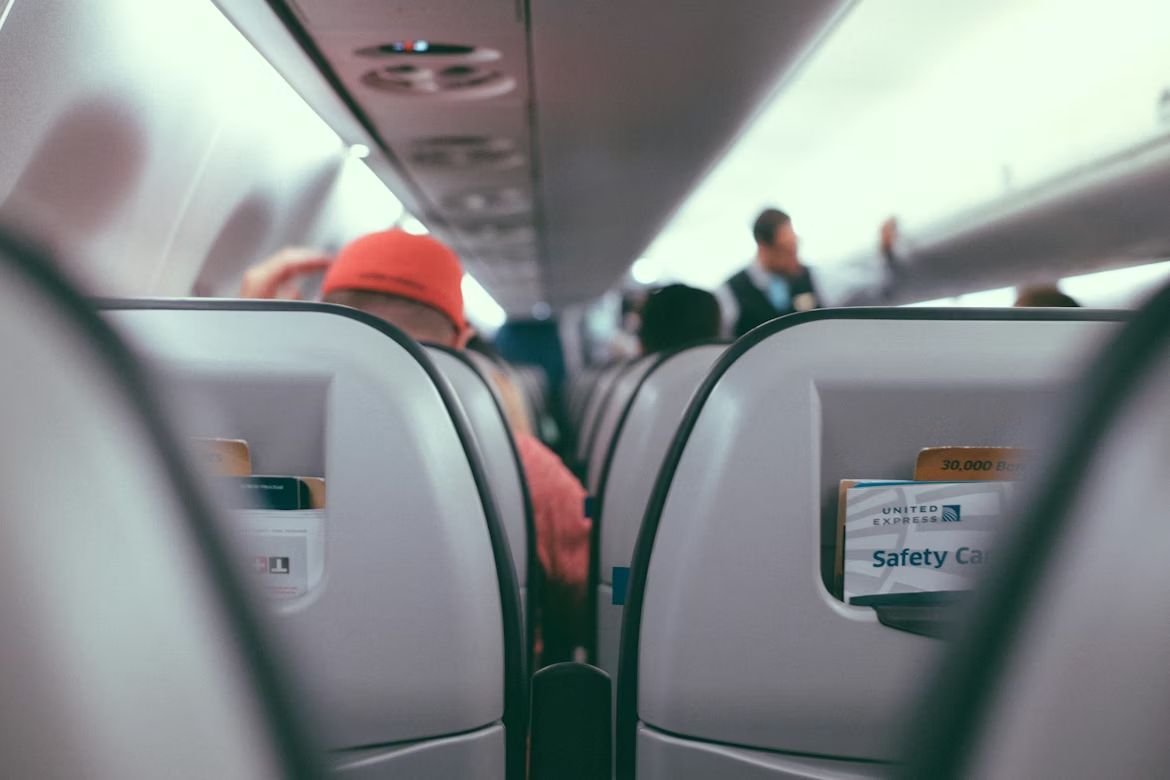
Sometimes during turbulence, it feels like the plane has suddenly dropped dozens of feet.
In reality, the change in altitude is usually small, often just a brief shift in airflow. Your inner ear exaggerates the sensation, making it feel bigger than it actually is.
Those noises you hear are normal

Airplanes make a lot of unfamiliar sounds—whirring, humming, clunking. If you don’t fly often, it can be unsettling.
But many of those noises are simply the landing gear moving, flaps adjusting, or engines changing power. Pilots and flight crews expect these sounds. They’re part of the choreography of flight.
The crew wants a smooth flight as much as you do
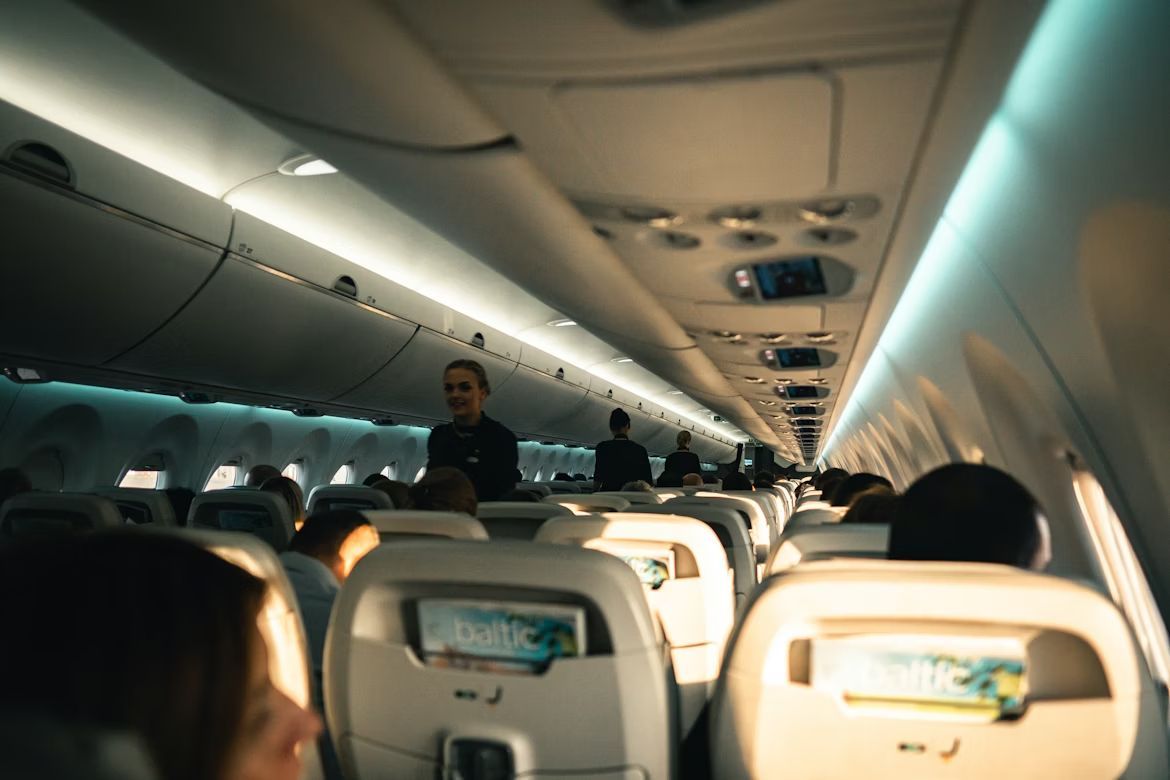
Flight attendants and pilots fly all the time. This isn’t a thrill ride for them—it’s their workplace.
If there were any genuine danger, they would act immediately. When you see them calmly chatting or continuing service during turbulence, that’s often the best reassurance you can get. They know what’s normal, and they’re comfortable with it.
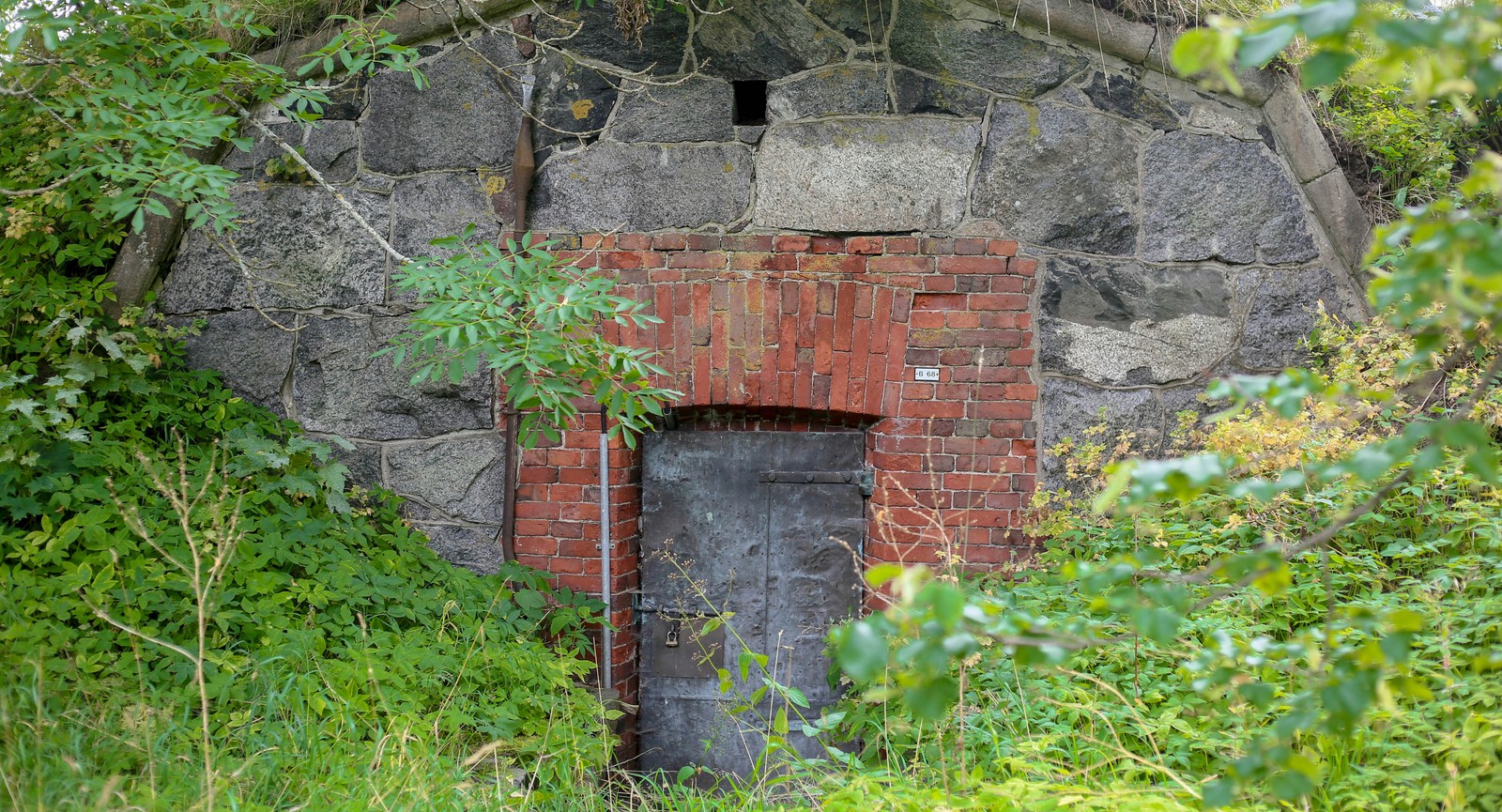
Is one of these 12 amazing underground spaces near your home?
 Landmarks
Are you claustrophobic?
12 mind-blowing underground spaces you can visit in the U.S.
Did you know that some of America’s most interesting places are situated below the surface? You don’t need to be a hobbit to enjoy and explore buried storefronts, abandoned commuter tunnels, basement speakeasies, cavern tours, and countless other underground spots that the US has to offer. Take a look at the following 12 sites and decide which one you would like to visit!
Pioneer Square (Seattle, Washington)
 Image: Tanya Barrow
This Seattle neighborhood has a literal "city under the city." After the Great Fire of 1889, parts of downtown were rebuilt at a higher street level, entombing earlier streets and first-floor storefronts below.
Underground tours let you follow corridors beneath the sidewalks, spot glass sidewalk prisms that once lit shops, and hear the stories of how these eerie places came to be.
Shanghai Tunnels (Portland, Oregon)
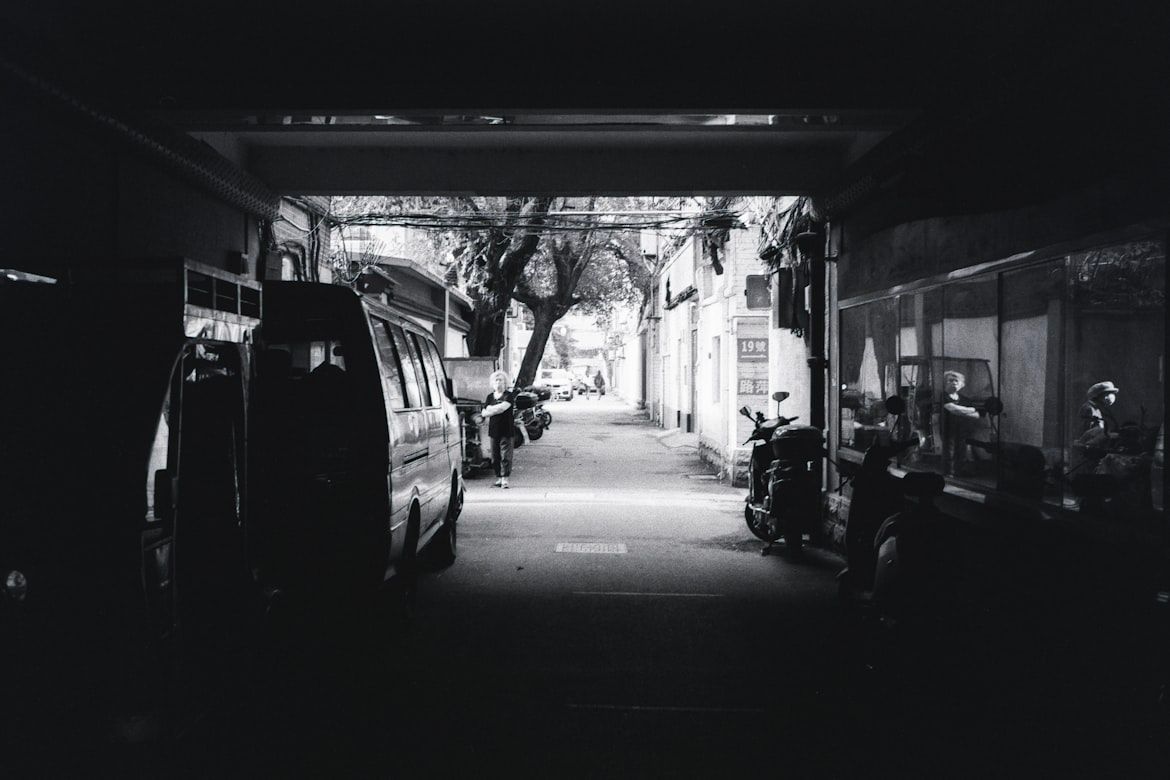 Image: realfish
Old Chinatown is said to hide the so-called Shanghai Tunnels, a series of basements and passages linked to waterfront warehouses and long-standing stories from Portland’s past.
Today, the tunnels can be visited only through guided tours, which will lead visitors to mysterious saloons and reveal the legends of the city’s tumultuous past.
The Pedway (Chicago, Illinois)
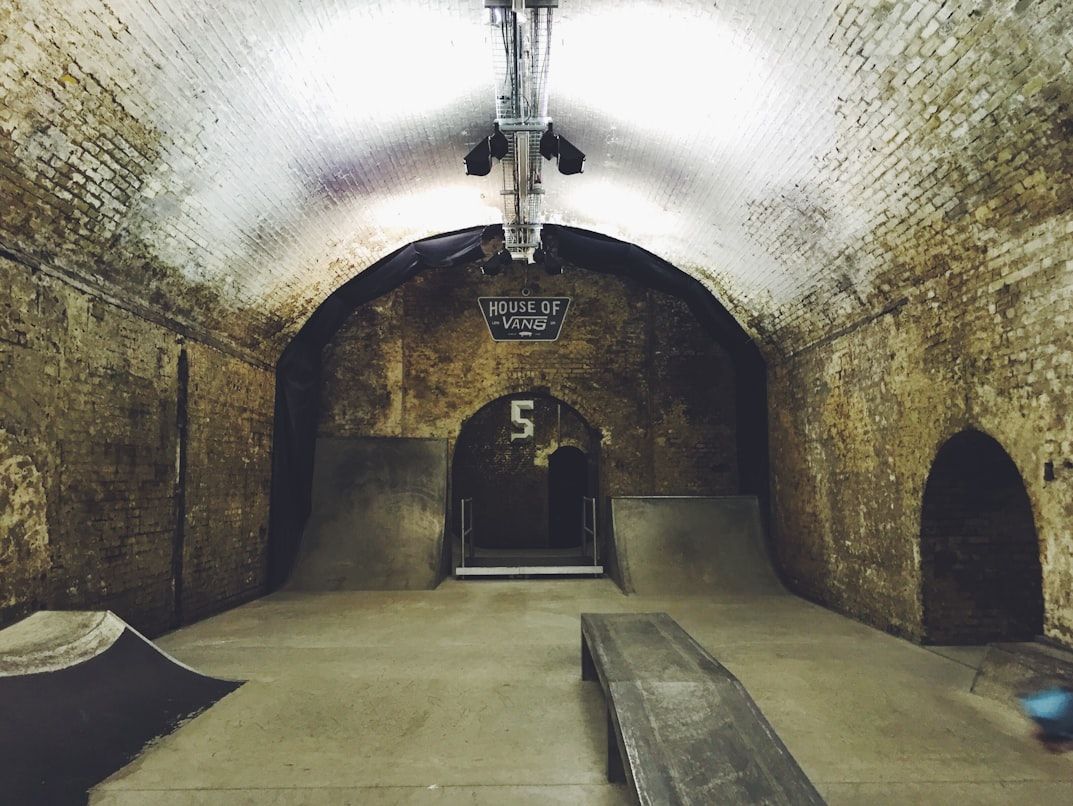 Image: Robert Bye
The Pedway is an underground network of corridors linking downtown buildings, transit stations, and plazas, allowing commuters avoid the fury of the climate in Chicago.
On guided tours, visitors can explore marble lobbies, hidden hallways, works of art, and stained glass, while learning how the system grew piece by piece over the decades.
Tunnel system (Houston, Texas)
 Image: Max Harlynking
Downtown Houston has a climate-controlled tunnel system beneath its office towers, complete with food courts, shops, and corridors that feel like a mini-city.
Guided tunnel tours explain how and why Houston went underground to escape the heat and weather from above ground. Maps describe many miles of passages, most of which are open on weekdays during business hours.
Forgotten tunnels (Los Angeles, California)
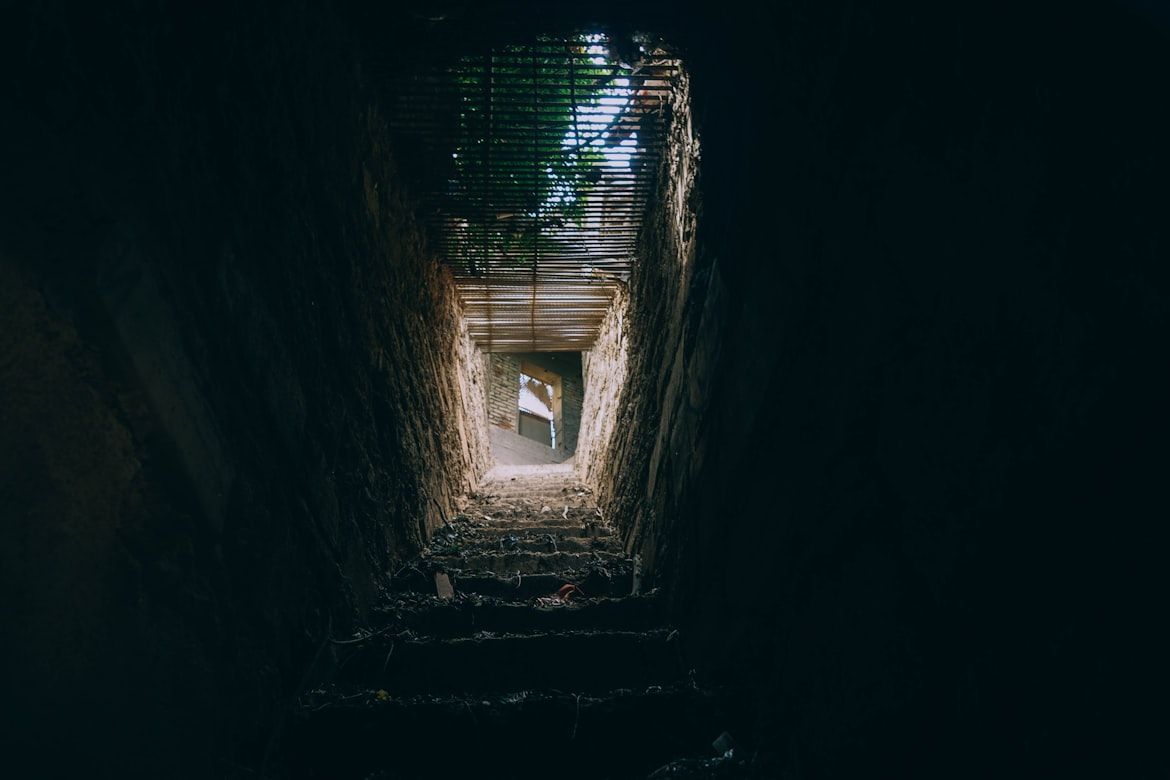 Image: Rosalind Chang
Beneath downtown Los Angeles’s historic center are bits of forgotten infrastructure: service tunnels, basement levels, and old speakeasy spaces tied to Prohibition-era nightlife in the city.
Some small-group walking tours offer access to century-old tunnels and hidden bars. The tours take you through stairways and stories connected to Hollywood-era drinking culture in Los Angeles.
Limestone cavern (Louisville, Kentucky)
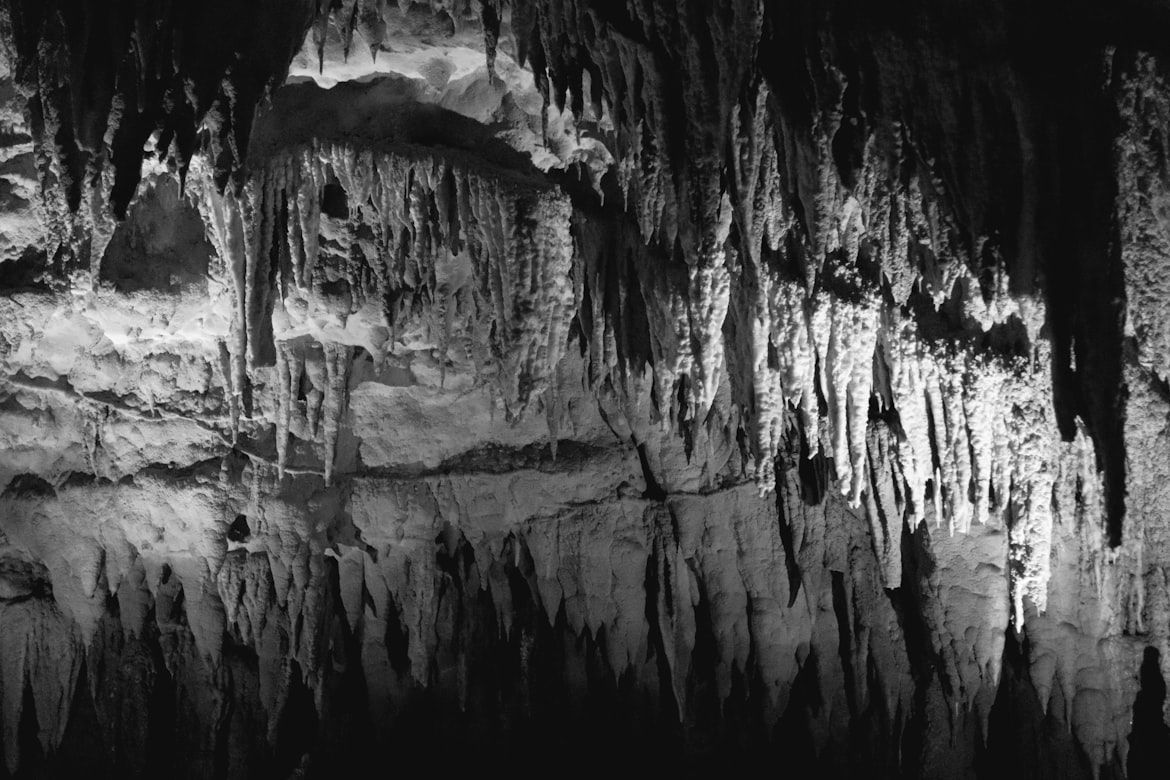 Image: SLNC
A massive limestone cavern can be toured beneath Louisville, Kentucky. Mega Cavern is entirely underground, with paved paths, lighting, and vast chambers that seem unreal.
Tram rides, walking tours, zip lines, and rope courses can be taken to visit this incredible natural space hidden below the city.
SubTropolis (Kansas City, Missouri)
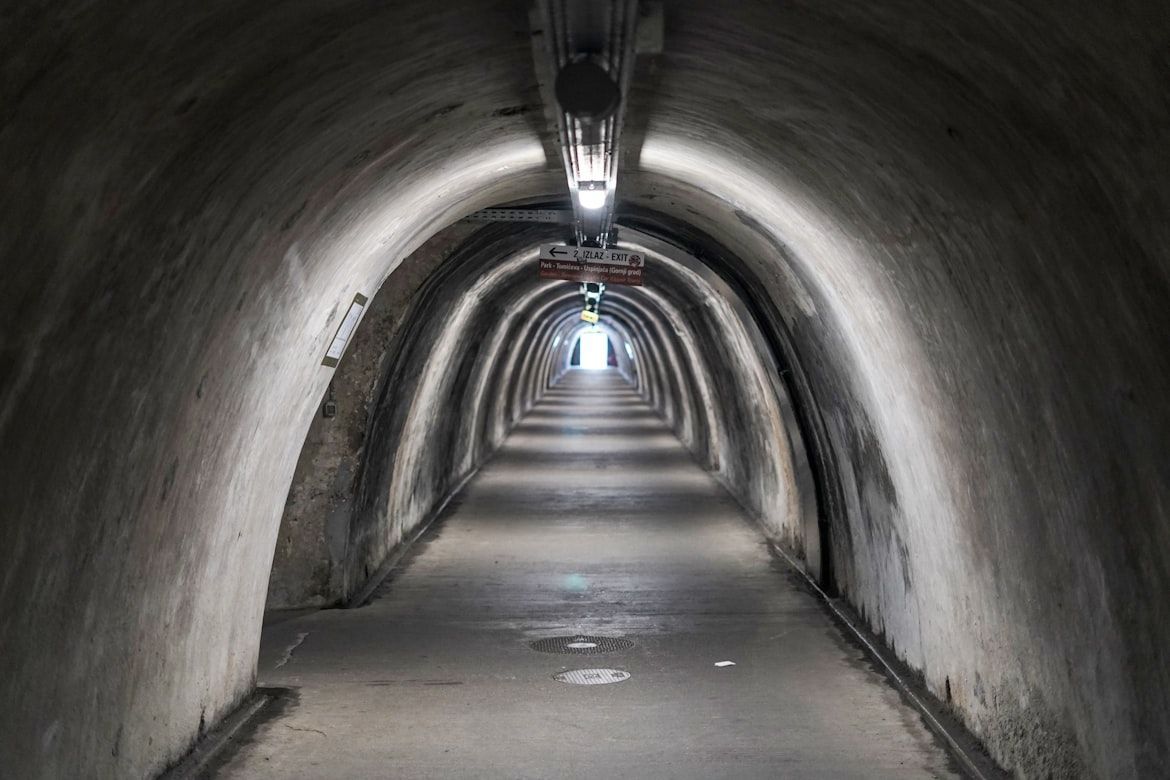 Image: Tom Wheatley
SubTropolis is often described as the world’s largest underground business complex, carved from a former limestone mine, with miles of lit, paved roads with warehouses and offices operating in steady, cave-cool temperatures.
Despite its name, it’s not a theme park, but a genuine "underground city" with occasional guided visits and a small number of public-facing spaces highlighted by the local guides.
Wabasha Street Caves (Saint Paul, Minnesota)
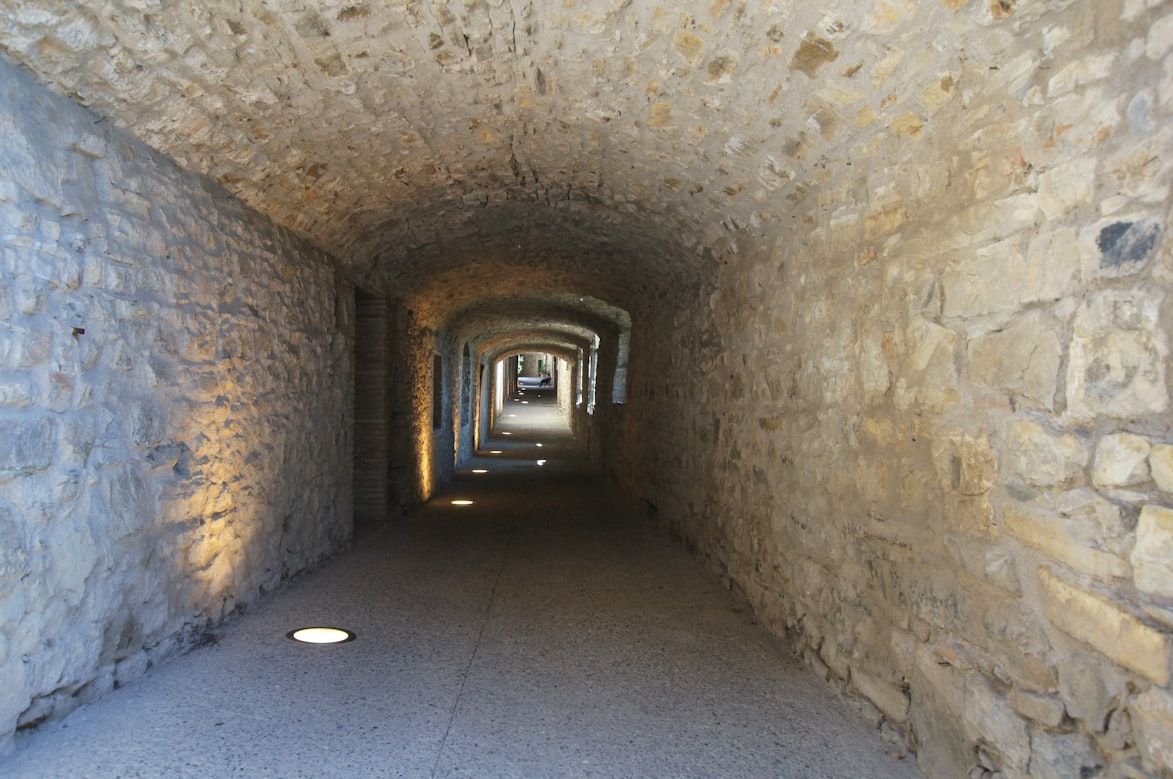 Image: Wolfgang Hasselmann
These hand-carved sandstone chambers have been a mining site, a mushroom farm, and a famous Prohibition-era hangout known for its dance-floor legends.
Today, visitors can take guided tours through large rooms and passageways hidden in the river bluff, learning about one of the best-preserved Gangster Era sites in the city.
Cincinnati tunnels (Cincinnati, Ohio)
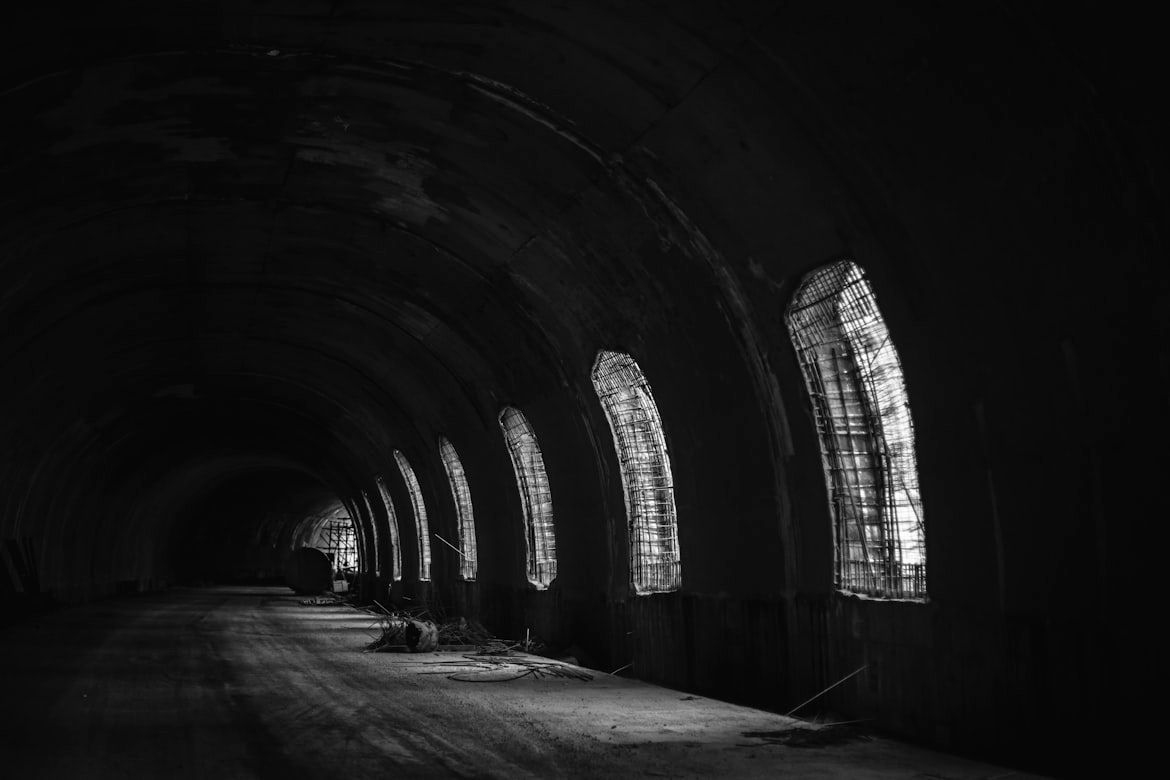 Image: omid roshan
Old lagering tunnels and hidden underground spaces hint at Cincinnati’s beer-boom days, when German brewing traditions shaped neighborhoods block by block.
On guided city tours, visitors can explore subterranean tunnels and a historic crypt connecting breweries, saloons, and the infrastructure that kept the beer cold before modern refrigeration.
The Mob Museum (Las Vegas, Nevada)
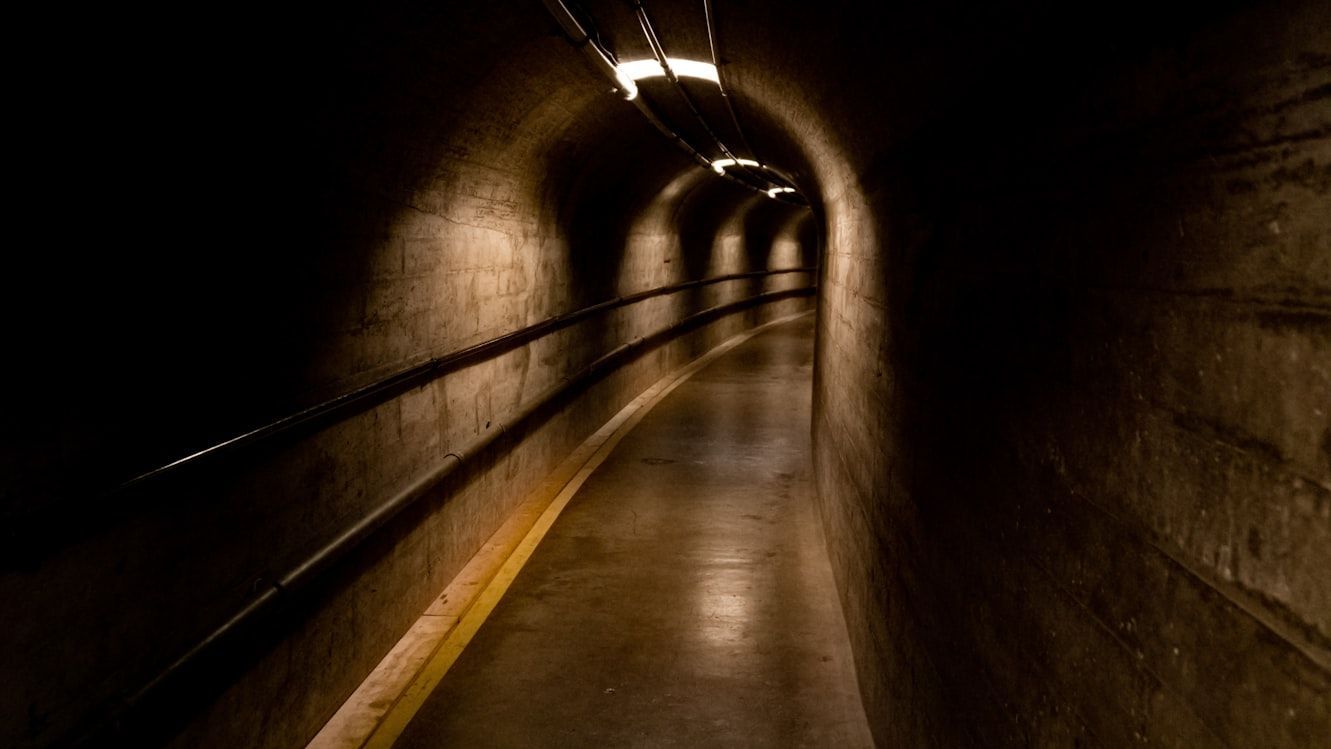 Image: Crystal Tubens
The Mob Museum has a basement time capsule called The Underground: part exhibit space, part working distillery, and part speakeasy-style bar.
Located in the museum’s basement and connected to Prohibition-era history, it is designed to stand the test of time. It has artifacts from the era, as well as cocktails that complement the atmosphere.
Cave of the Winds (Colorado Springs, Colorado)
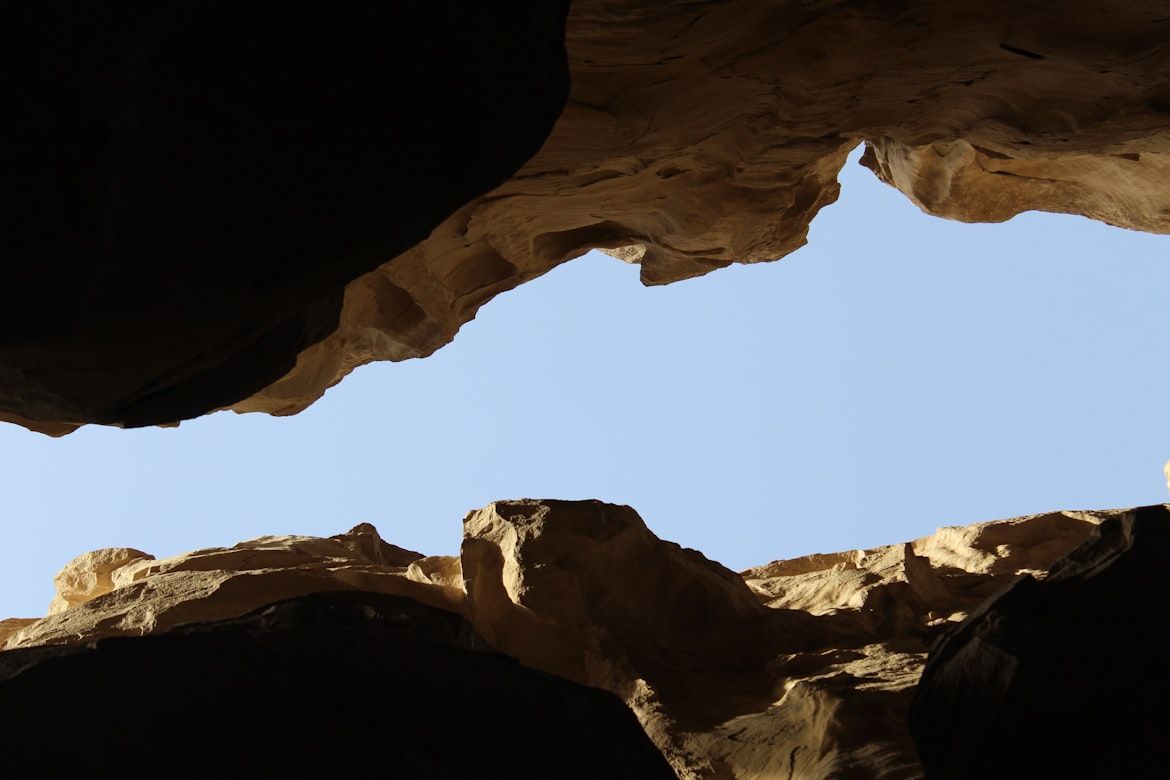 Image: arnoosh Abdollahi
Just outside of the city, Cave of the Winds takes visitors into an electrically lit cave system with rooms, formations, and chambers ready to be explored.
The guided tours move through some 15 rooms, about a half-mile of walkways, and a lot of stairs. It’s a real cave experience that can take a full day to be fully appreciated.
Lemp Brewery Complex (St. Louis, Missouri)
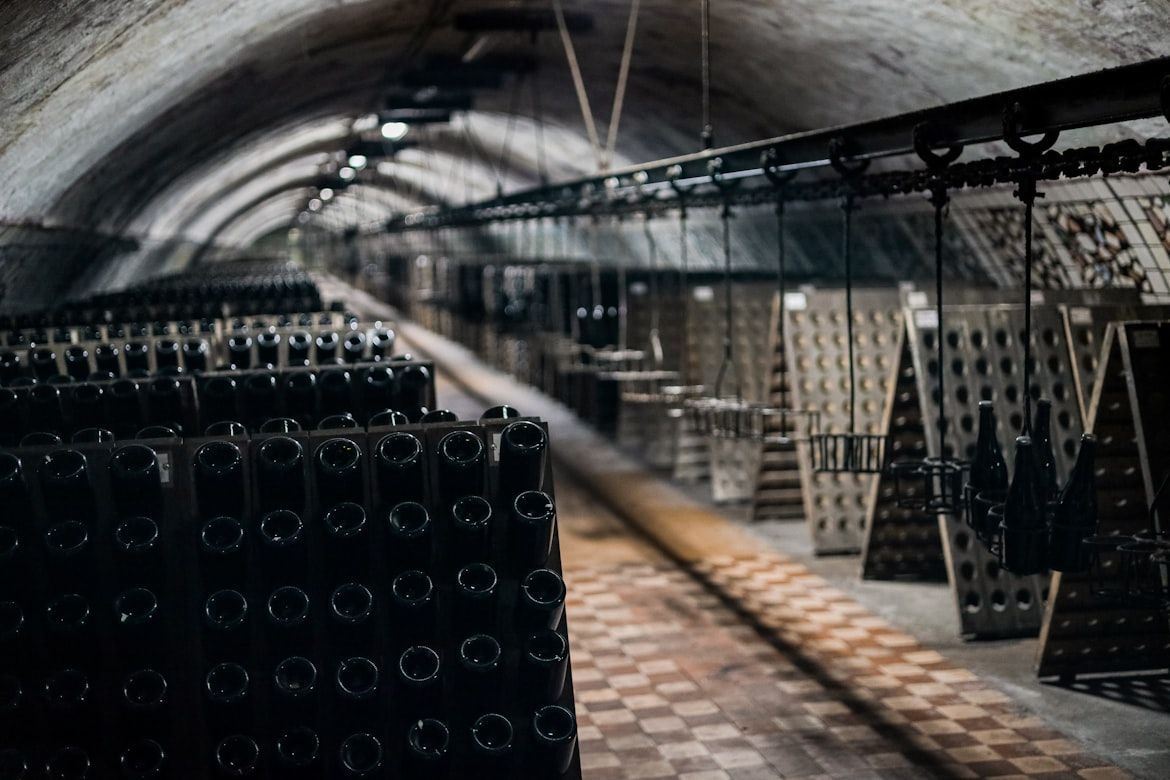 Image: Ksenia Obukhova
The Lemp Brewery complex is famous for its deep, authentic caves and tunnels, remnants of a brewing empire that once relied on cool underground space to keep its product at the right temperature.
Attractions inside the brewery, including haunted experiences, lead visitors through subterranean passages that are dark, seriously atmospheric, and filled with echoes of days gone by.
Keep wandering
There’s always
more to explore
 History
The Spanish Quarter? 10 hidden secrets of New Orleans history
6 min.
Read Now
What is the purpose of the Golden Gate Bridge's orange color?
5 min.
Read Now

Where on Earth do people still speak the language of Jesus? 10 odd towns
6 min.
Read Now
These 12 road trips can be done in a weekend. Which one is closer to you?
4 min.
Read Now