The Spanish Quarter? 10 hidden secrets of New Orleans history
 History
The Spanish Quarter? 10 hidden secrets of New Orleans history
New Orleans is all about jazz, warm beignets, and the energy of Mardi Gras. Yet, beneath the festive surface lies one of the most historically significant and anomalous cities in the States. Because of its unique and diverse culture, the city has been the birthplace of engineering marvels and historical oddities that even lifelong residents occasionally overlook. Here are ten of the most obscure, fascinating secrets hidden within the history of The Big Easy.
The longest continuous bridge in the world
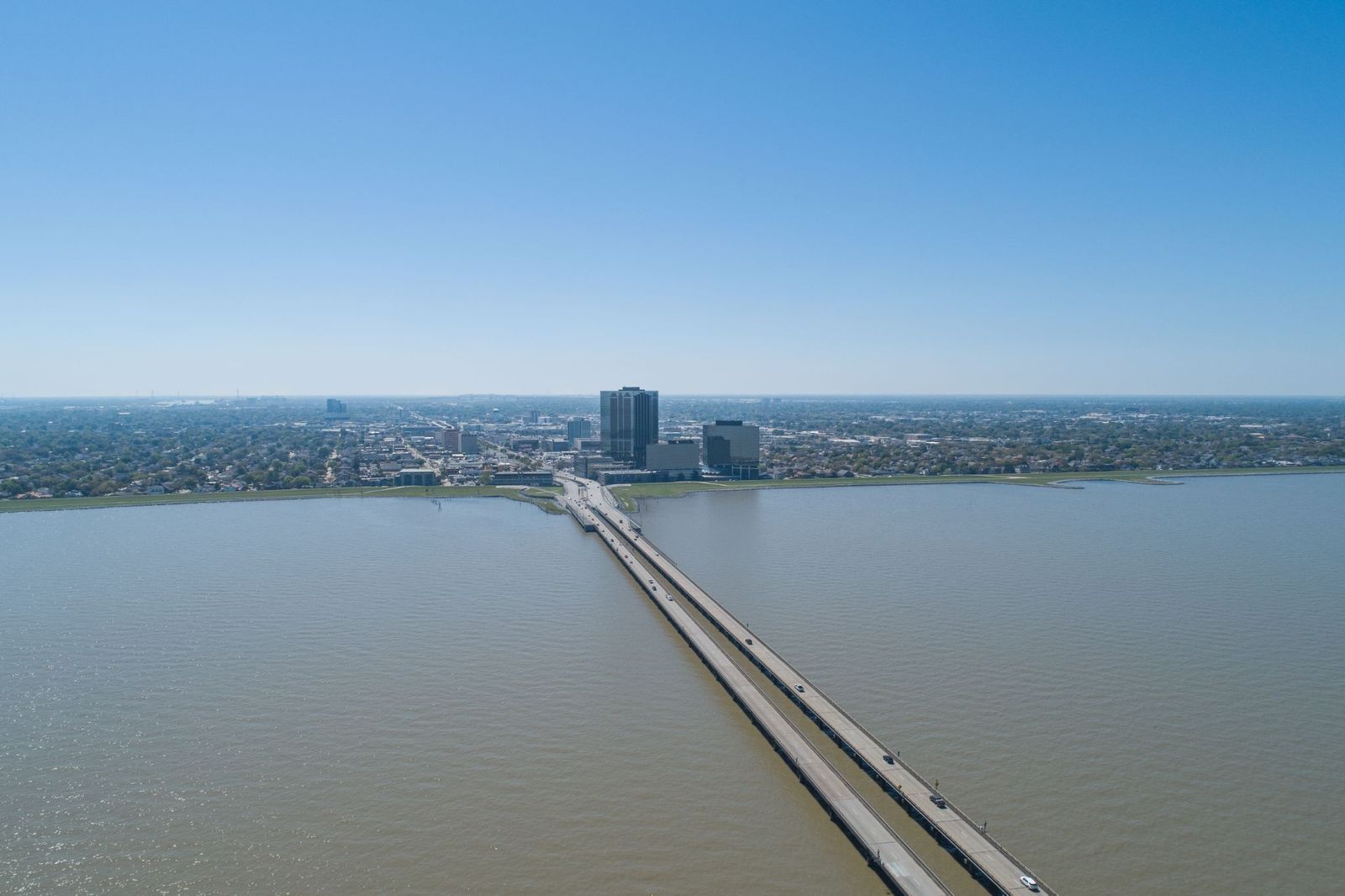
If you drive north out of the city, you will hit the Lake Pontchartrain Causeway, an amazing piece of civil engineering that leaves solid ground behind for miles. Opened in 1956, this colossal structure consists of two parallel bridges stretching right across the middle of Lake Pontchartrain.
The southbound span runs a staggering 23.83 miles long. According to the Guinness World Records, it holds the title of the longest continuous bridge over water anywhere in the world. For about 8 miles of the drive, travelers are surrounded by nothing but open water, completely losing sight of land in either direction.
Longest continuously used cathedral in the U.S.
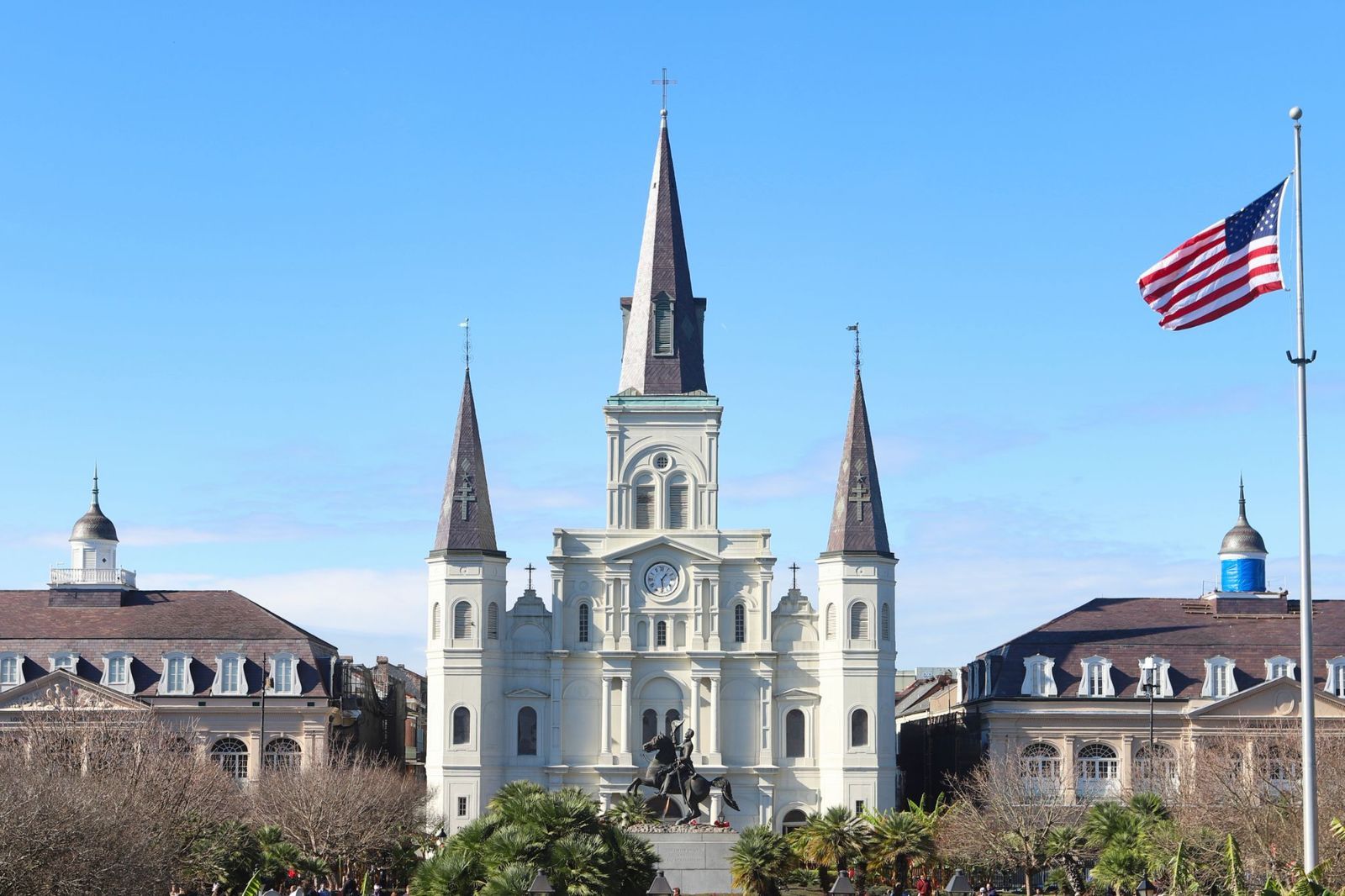
Towering majestically over the street performers and palm readers of Jackson Square sit the iconic triple spires of St. Louis Cathedral. Named in honor of King Louis IX of France, this stunning structure is the definitive anchor of the French Quarter.
While the building itself had to be rebuilt following a catastrophic fire in 1788 and a major expansion in the 1850s, the site has remained active since 1720. This makes it the longest continuously active and used cathedral site in the entire United States, outdating the country itself.
Poker and Craps were invented in New Orleans
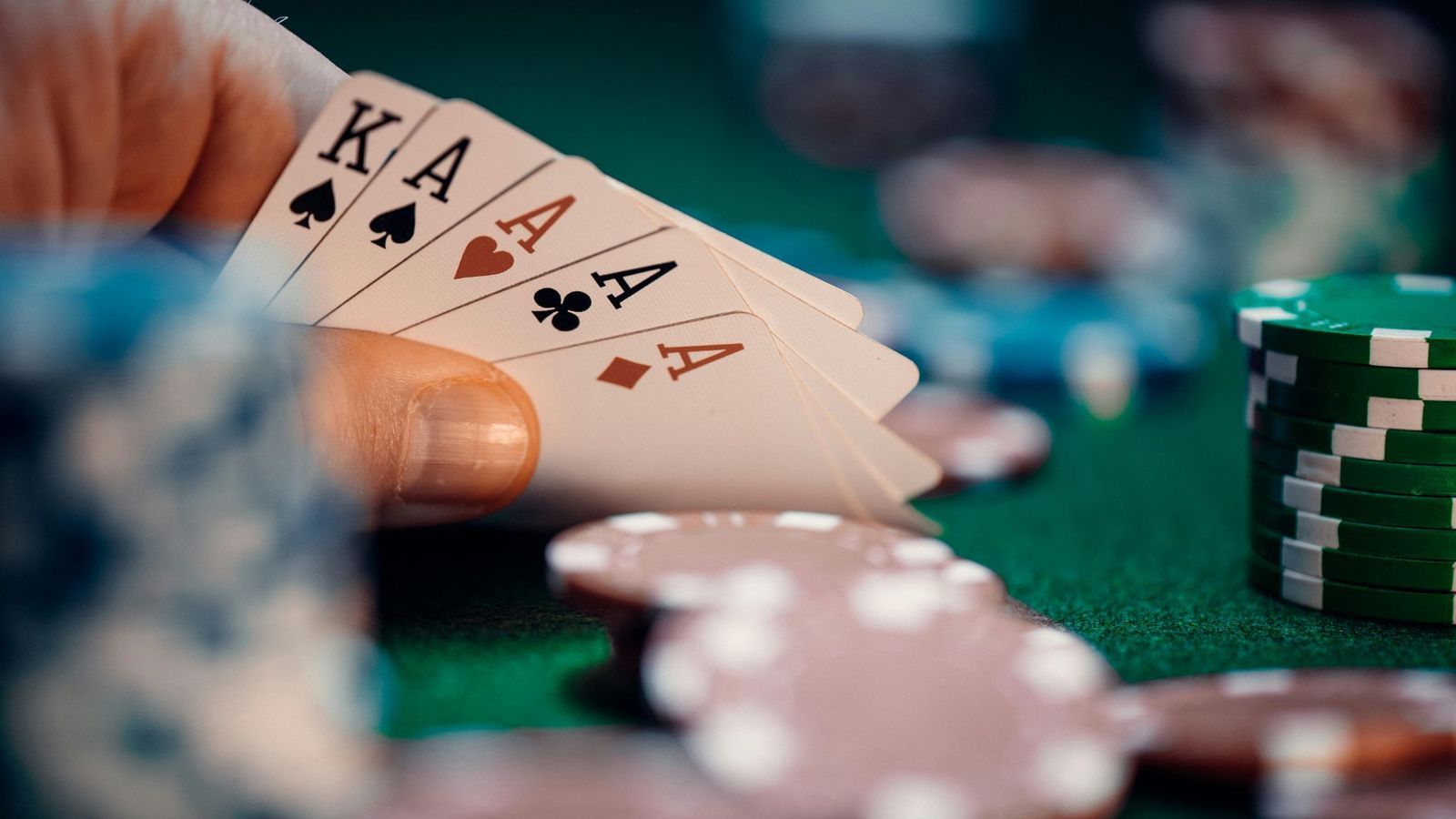
Glittering Las Vegas and Atlantic City may be the ultimate home of gambling, but the traditional games of modern casino culture actually got their start in the rowdy taverns of early 19th-century New Orleans.
Following the Louisiana Purchase in 1803, French settlers introduced a card game called poque. English-speaking newcomers quickly adopted it, adapted the rules, and phonetically Americanized the name into Poker. Around the same time, Bernard de Marigny, a wealthy and eccentric Creole playboy, brought a complex English dice game called hazard back to the city. He simplified the rules so his friends could play it quickly on the docks, and the game evolved into modern Craps.
Bourbon Street is not named for whiskey
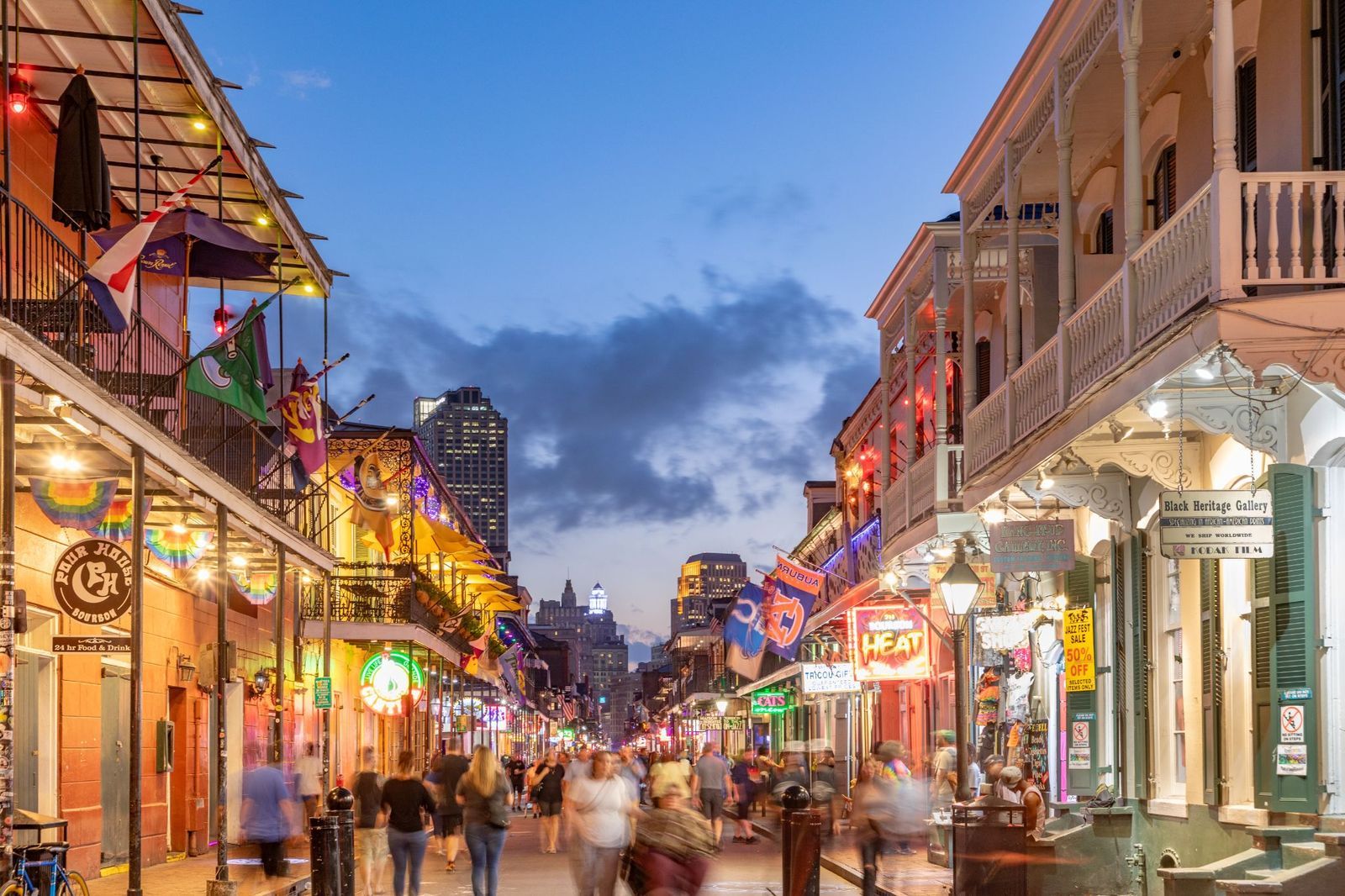
Bourbon Street is famous for its bars, giant plastic cups, and around-the-clock nightlife. Because of the sheer volume of alcohol consumed on the street daily, tourists assume the avenue was named after America’s native corn whiskey.
In reality, the street names of the French Quarter were laid out in 1721 by a French royal engineer named Adrien de Pauger. He designed the grid to pay homage to the ruling royal families of France. Consequently, Bourbon Street was named after the House of Bourbon, the French royal lineage that occupied the throne at the time. In turn, the whisky took its name from Bourbon County, Kentucky, which, ironically, was also named after the French royal family to thank them for their support during the American Revolution.
A pirate won the Battle of New Orleans
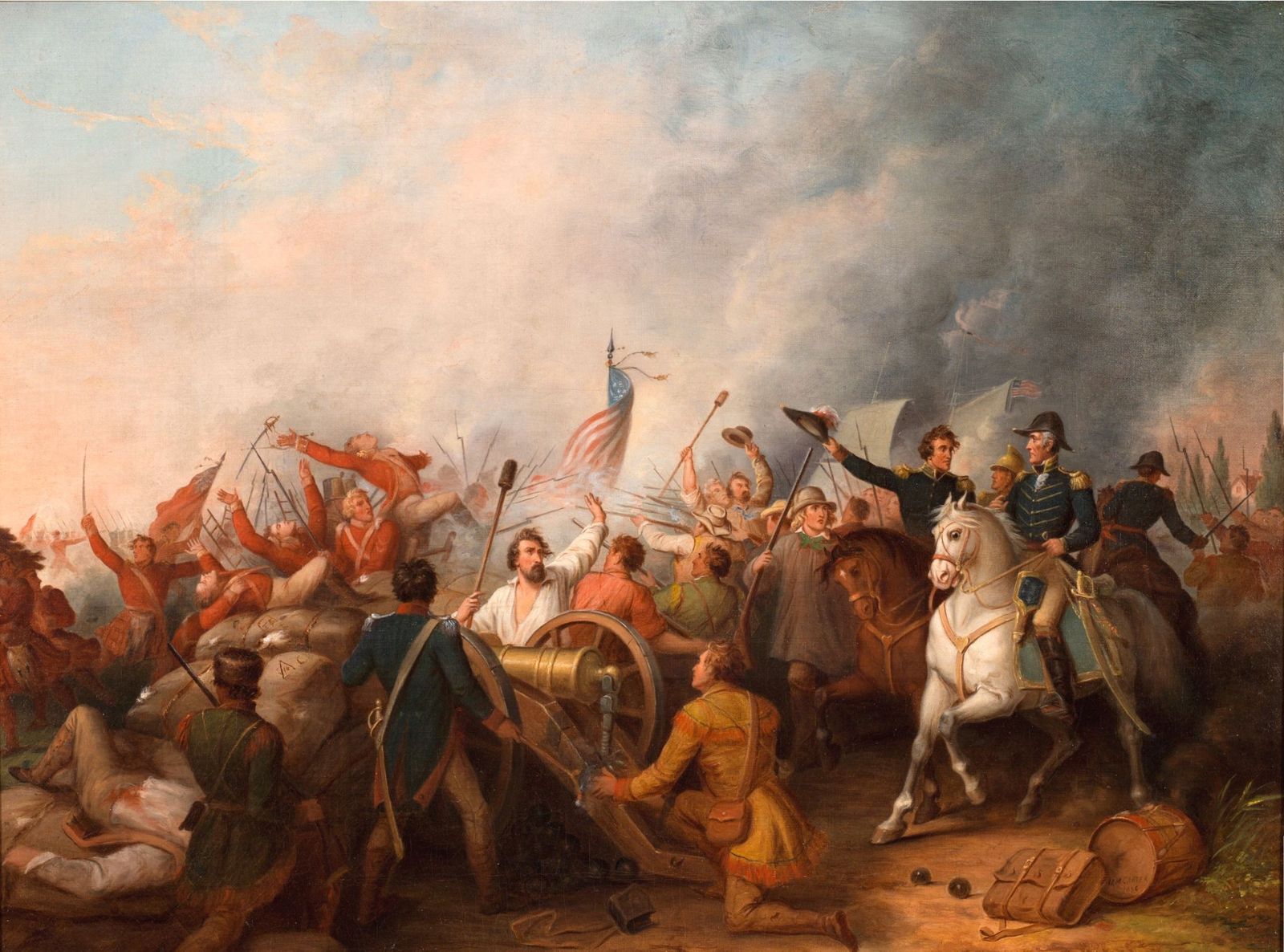
The Battle of New Orleans in 1815 is celebrated as one of the Greatest military victories in early American history, famously solidifying General Andrew Jackson as a national hero. But Jackson didn’t secure the win alone, he had to cut a deal with a notorious outlaw.
Jean Lafitte was a charismatic French-American pirate and smuggler who ran an illegal privateer kingdom out of nearby Barataria Bay. When the British army offered Lafitte money and land to help them invade the city, he chose to leak their plans to the Americans instead. Lafitte then supplied Jackson’s severely outnumbered army with thousands of flints, barrels of gunpowder, and a skilled contingent of elite pirate cannoneers. Ultimately, the pirates’ artillery tore the British lines apart, helping win the battle.
The only U.S. Mint to produce two types of currency
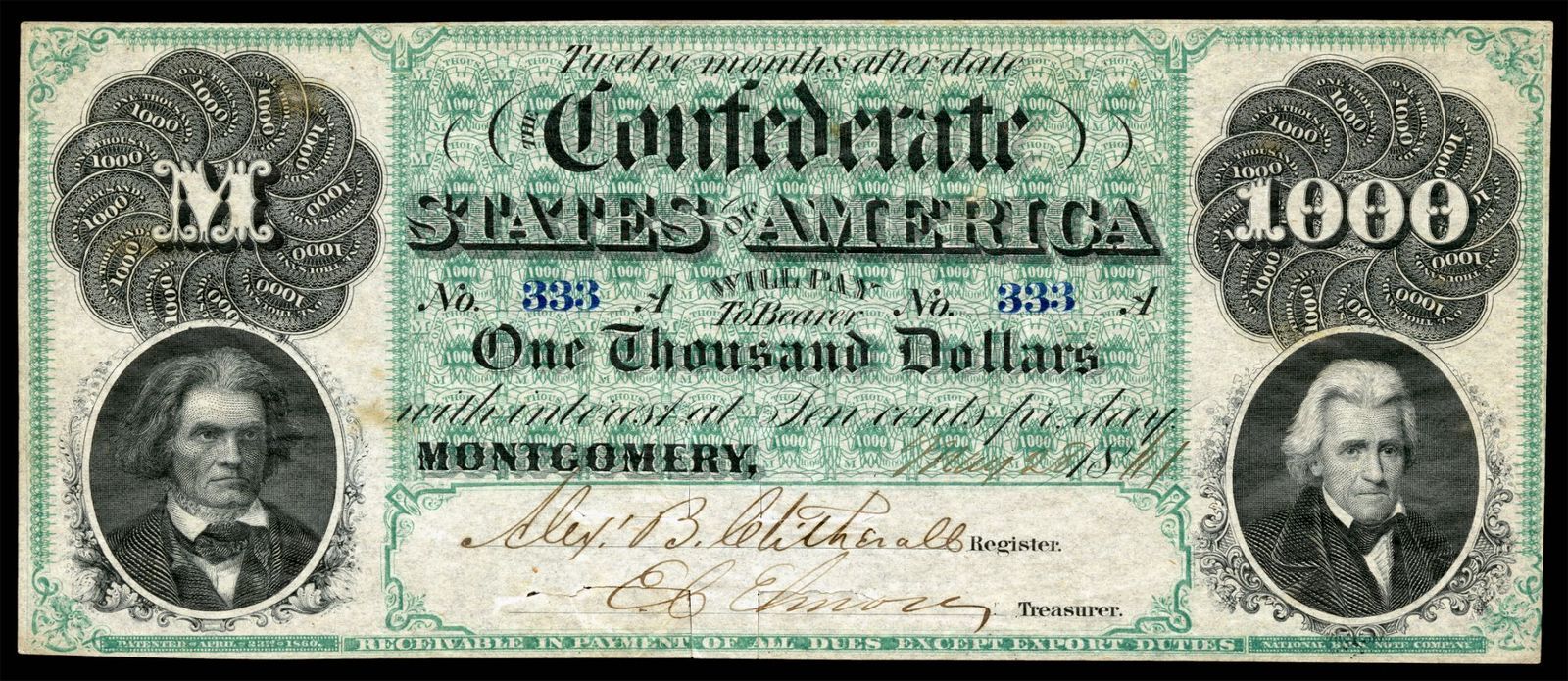
Located at the edge of the French Quarter, the old New Orleans Mint building is a beautiful historical landmark that holds a unique economic distinction. Opened in 1838, it’s the only mint building in United States history to have produced currency for two different nations.
At the start of the American Civil War in 1861, Louisiana seceded from the United States. Confederate forces quickly seized control of the facility. For a brief period, the mint operated under the Confederate States of America, utilizing the existing coin dies to stamp out rare Confederate currency. When Union troops recaptured New Orleans later in the war, the mint flipped back to printing standard U.S. coins, leaving behind an unmatched monetary paradox.
The birthplace of the American mafia
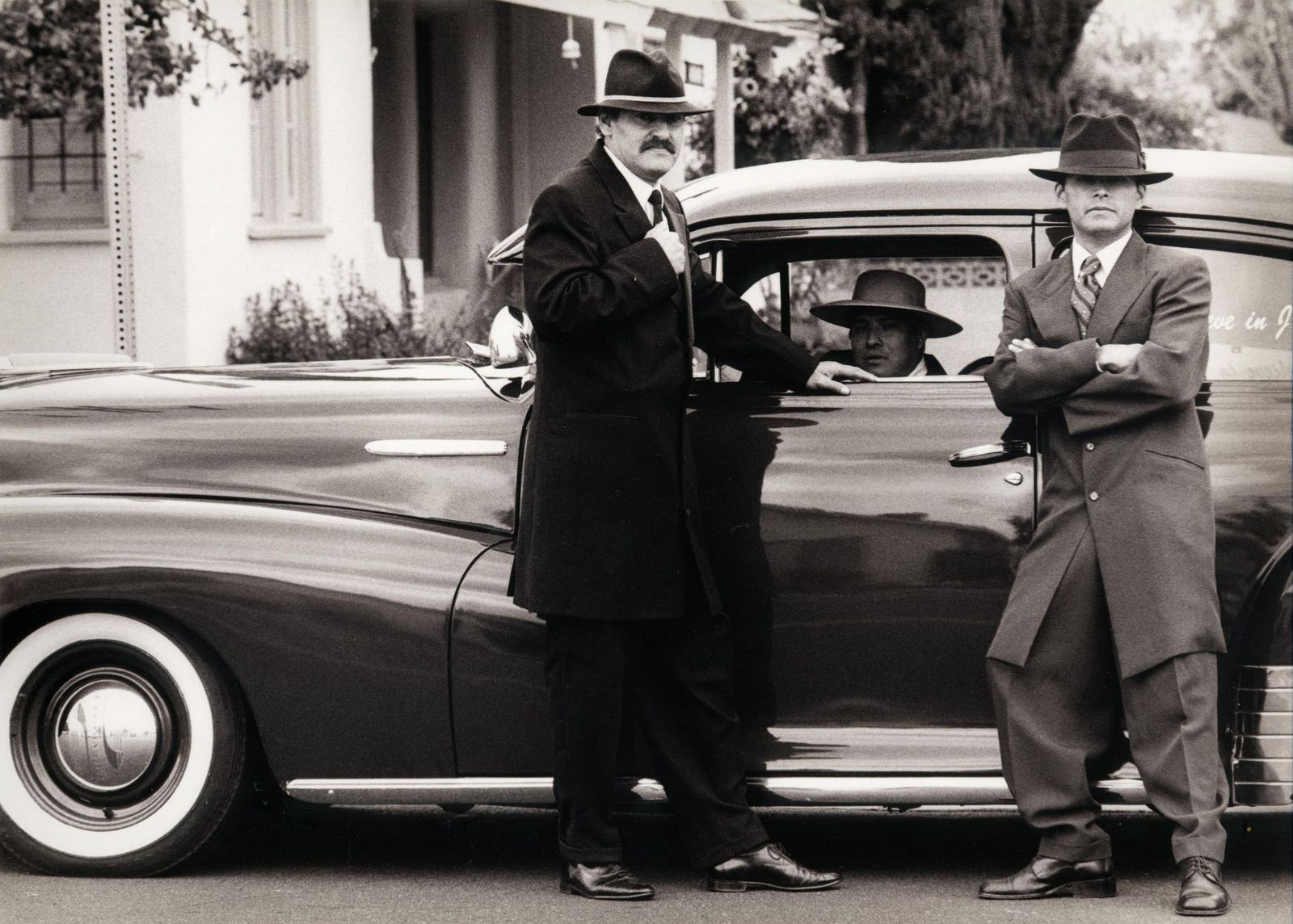
If you think about the rise of organized crime, your mind probably flies to prohibition-era New York or Al Capone’s Chicago. But the American mafia actually established its very first roots in New Orleans.
Starting in the 1870s, a massive wave of Sicilian immigrants arrived to work on the local docks and fruit plantations. Among them were members of the Matranga and Provenzano families, who brought established Sicilian extortion methods with them. The secret criminal empire became public in 1890 when New Orleans Police Chief David Hennessy was assassinated on his walk home. The resulting outrage marked the dawn of organized crime in the area.
Home to America’s first pharmacy
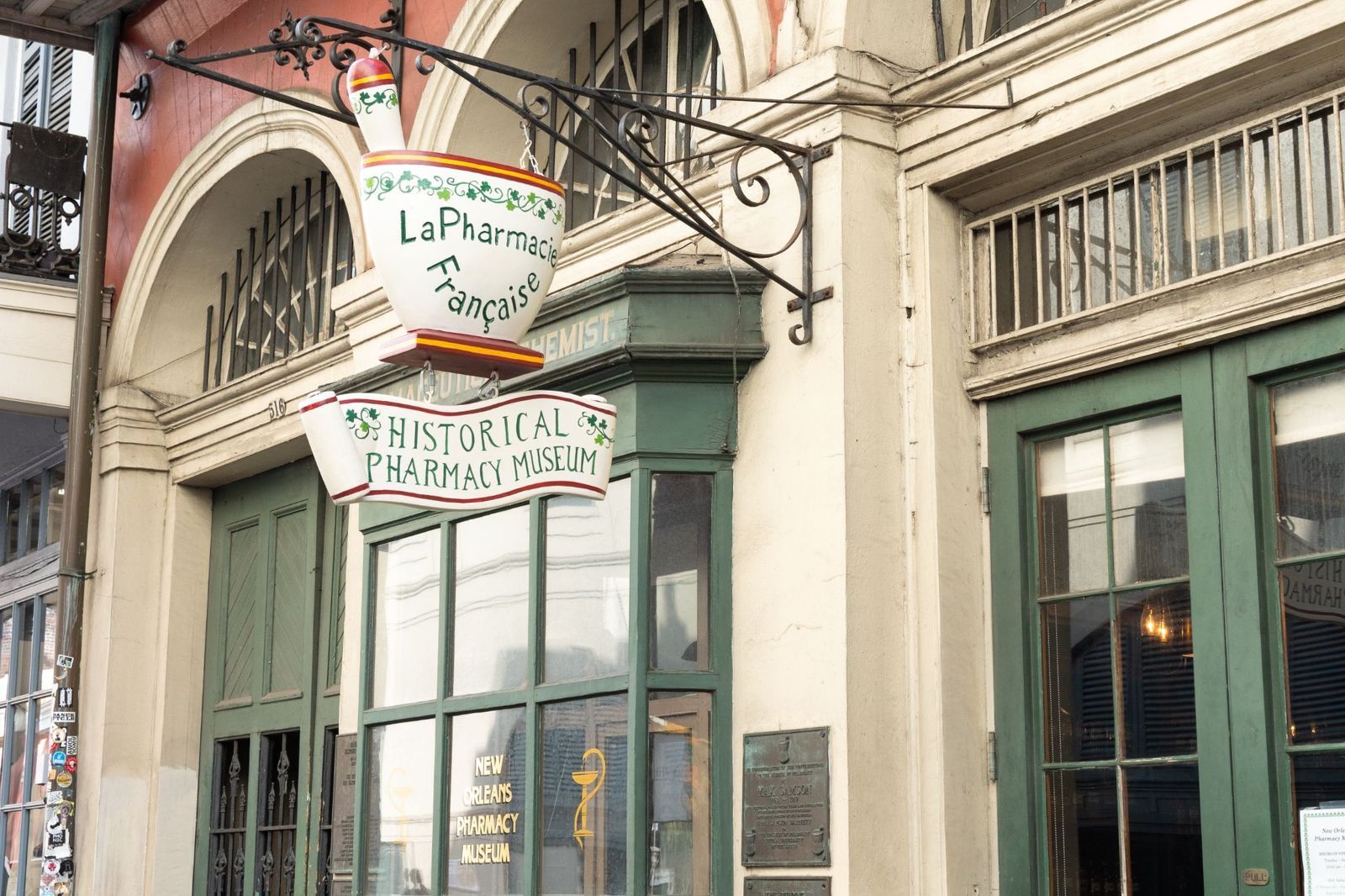
Before the early 19th century, medicine in America was a dangerous, unregulated wild west. Doctors, barbers, and traveling salesmen mixed up toxic home remedies, herbal plasters, and addictive elixirs with zero oversight.
That changed in New Orleans in the 1820s. Louisiana became the first state to implement a rigorous licensing exam for pharmacists. A man named Louis J. Dufilho, Jr. became the very first officially licensed pharmacist in United States history. His shop on Chartres Street was America’s first true pharmacy, where medicines were standardized, carefully compounded, and kept separate from standard retail goods. Today, the historic building operates as the New Orleans Pharmacy Museum.
The French Quarter’s Spanish architecture
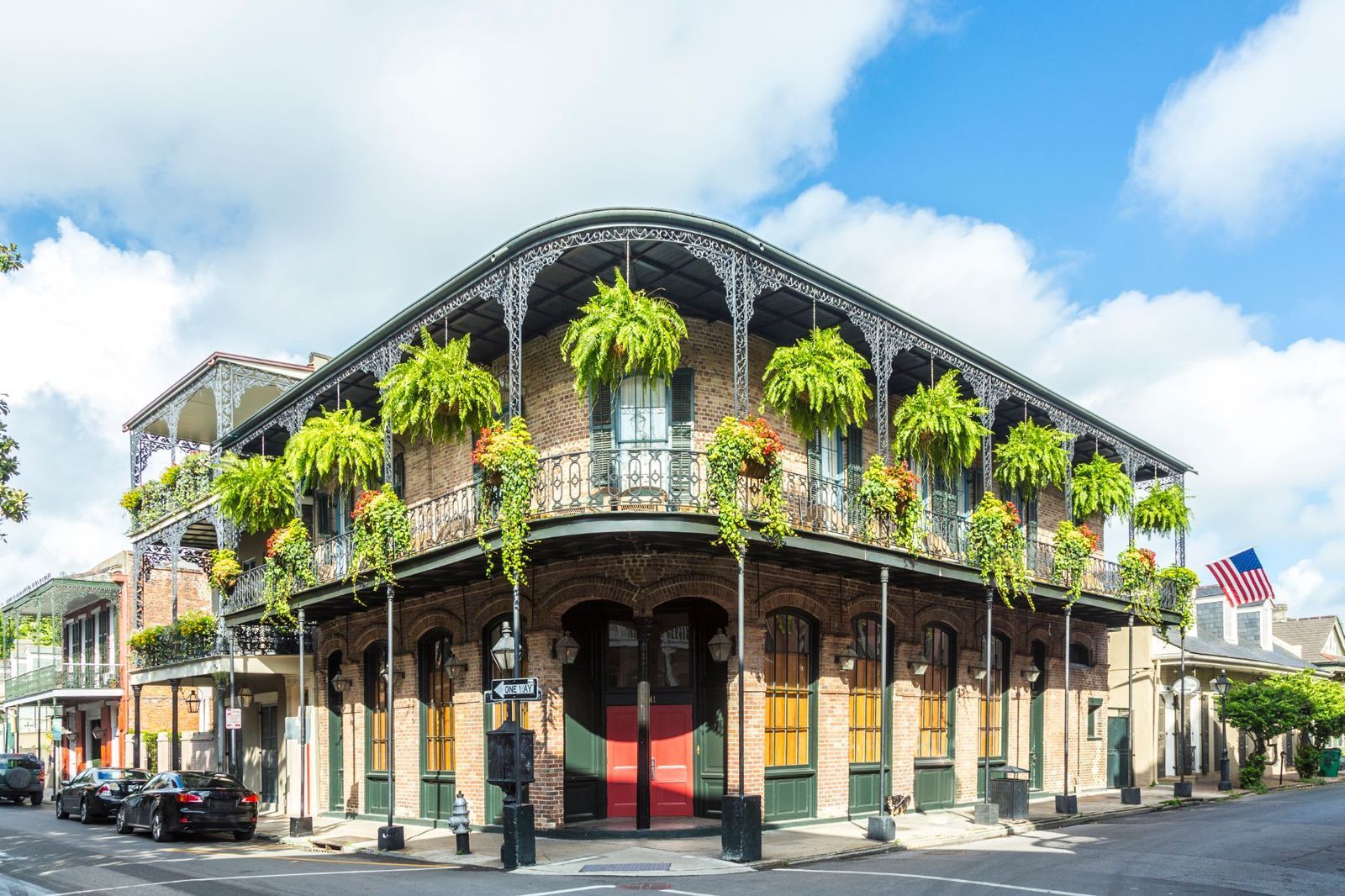
The historic heart of New Orleans is proudly called the "French Quarter" (or the Vieux Carré). Yet, if you look closely at the wrought-iron balconies, central open courtyards, thick stucco walls, and flat roofs, you aren’t looking at classic French design, but at Spanish colonial architecture.
This architectural shift was born from tragedy. In 1788 and 1794, great fires destroyed the then wooden city, sweeping away over 80% of the original French buildings. Because Spain ruled Louisiana at the time, the city was rebuilt in a Spanish style.
The birthplace of dental floss
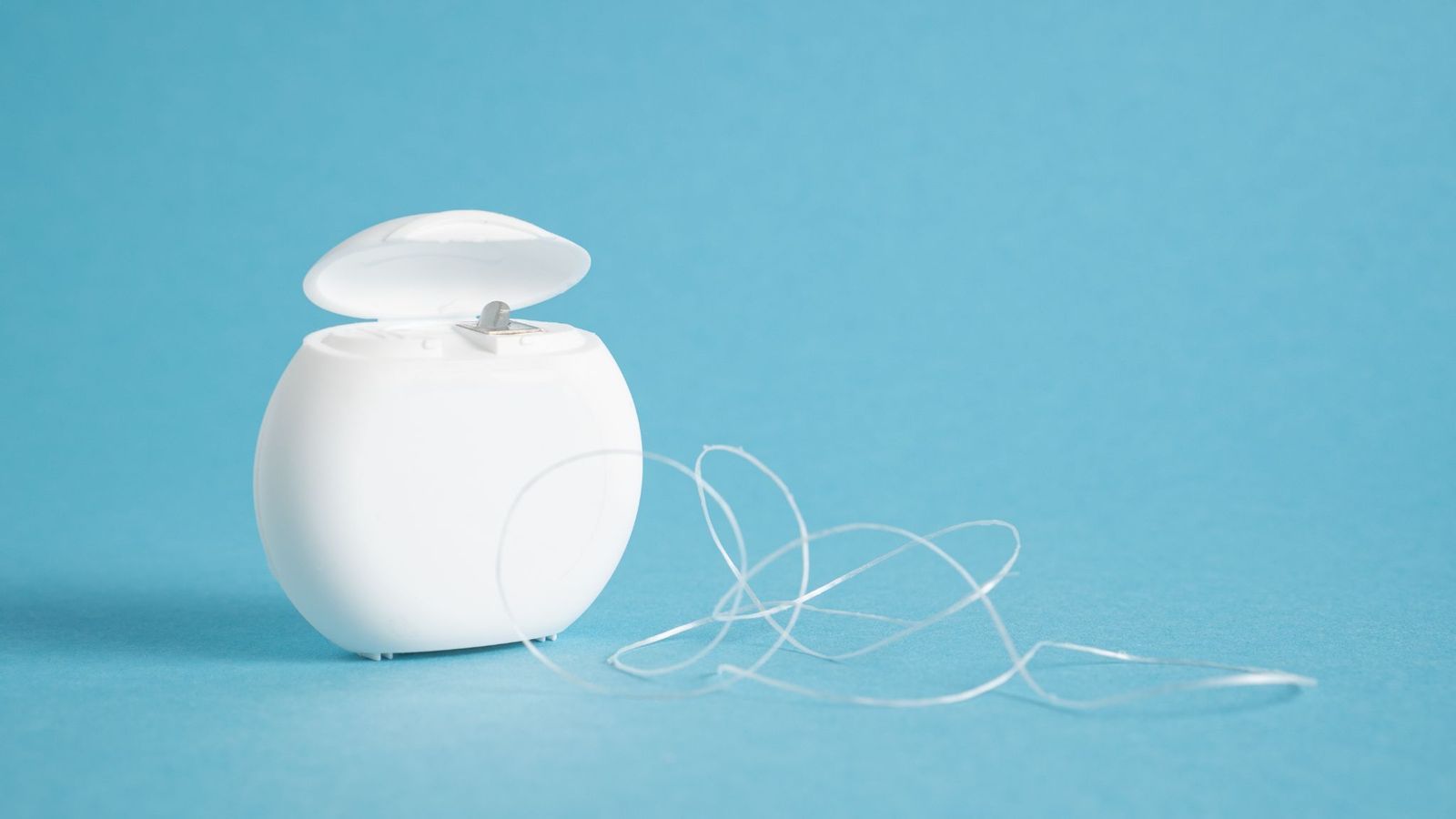
To round out our tour of obscure Crescent City trivia, we have a vital hygiene tool that you likely use every night. We owe the invention of modern dental floss to a New Orleans dentist named Levi Spear Parmly.
Dr. Parmly was growing frustrated by the high rates of tooth decay and gum disease plaguing his wealthy patients. In 1819, he published a revolutionary paper arguing that simply brushing your teeth wasn’t enough; patients needed to clean the tight spaces between them where food particles rotted. To solve this, he began advising his patients to pass a thin, waxen silk thread between their teeth. Although dental floss as we know it today wasn’t commercially available until 1882, this simple but brilliant recommendation helped transform dental health forever.
New York City has one of only two authentic Chinese gardens in the U.S.
 Landmarks
Beyond the velvet rope
Beyond the Met: 10 New York City museums off the beaten path
New York City is often defined by its "Big Three"—the Metropolitan Museum of Art, the Museum of Modern Art, and the American Museum of Natural History. But if you’ve already fought the crowds at Van Gogh’s self-portrait and stared at the iconic blue whale for too long, you might be feeling mainstream fatigue. Sometimes, the true soul of New York can be found in abandoned subway stations, hotel stairwells, and industrial warehouses in Brooklyn. If you’re ready to trade velvet ropes for pinball flippers and dusty archives for Gilded Age glitz, here are 10 alternative museums to get to know the Big Apple from a different perspective.
The New York Transit Museum (Brooklyn)
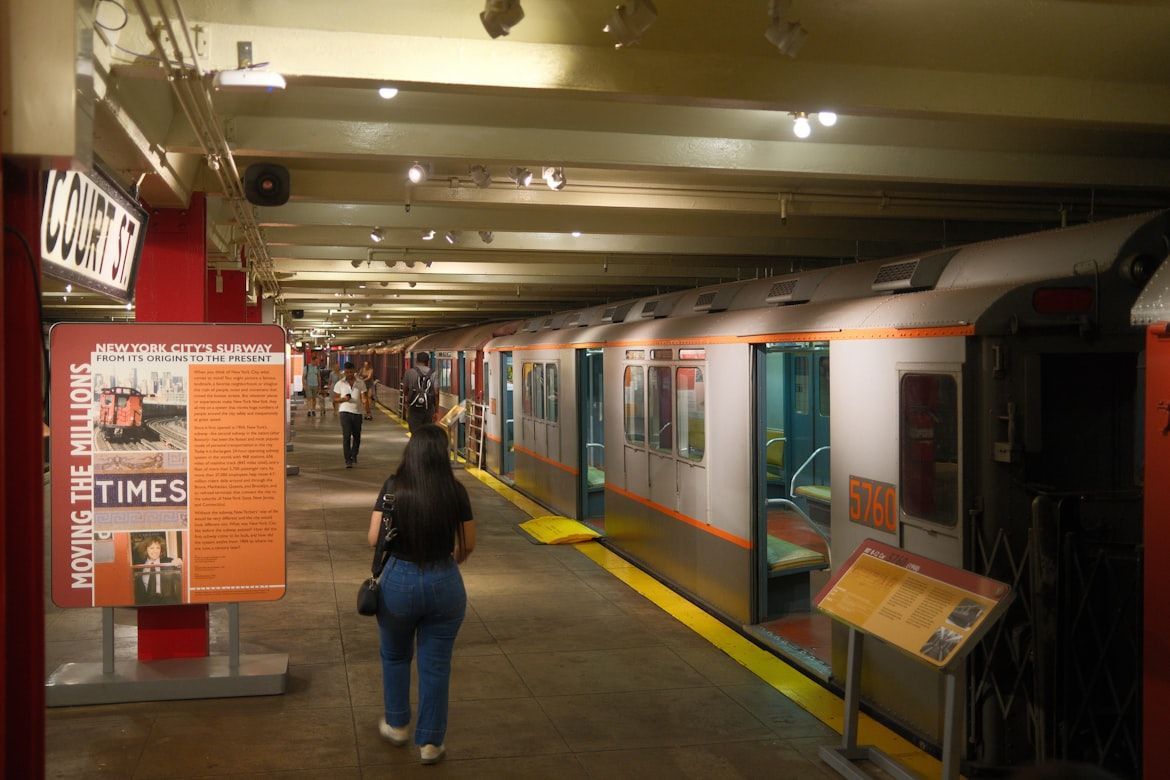
Located in an authentic 1936 decommissioned subway station in Downtown Brooklyn, New York Transit Museum is the ultimate deep dive into the city’s circulatory system. You can walk through cars dating back to the early 1900s, complete with wicker seats, porcelain hand straps, and vintage advertisements for cigarettes and 5-cent soaps. If you visit the museum, you’ll feel like a time traveler as you step off the modern street and into a platform that evokes a bygone era.
Red Hook Pinball Museum (Red Hook, Brooklyn)
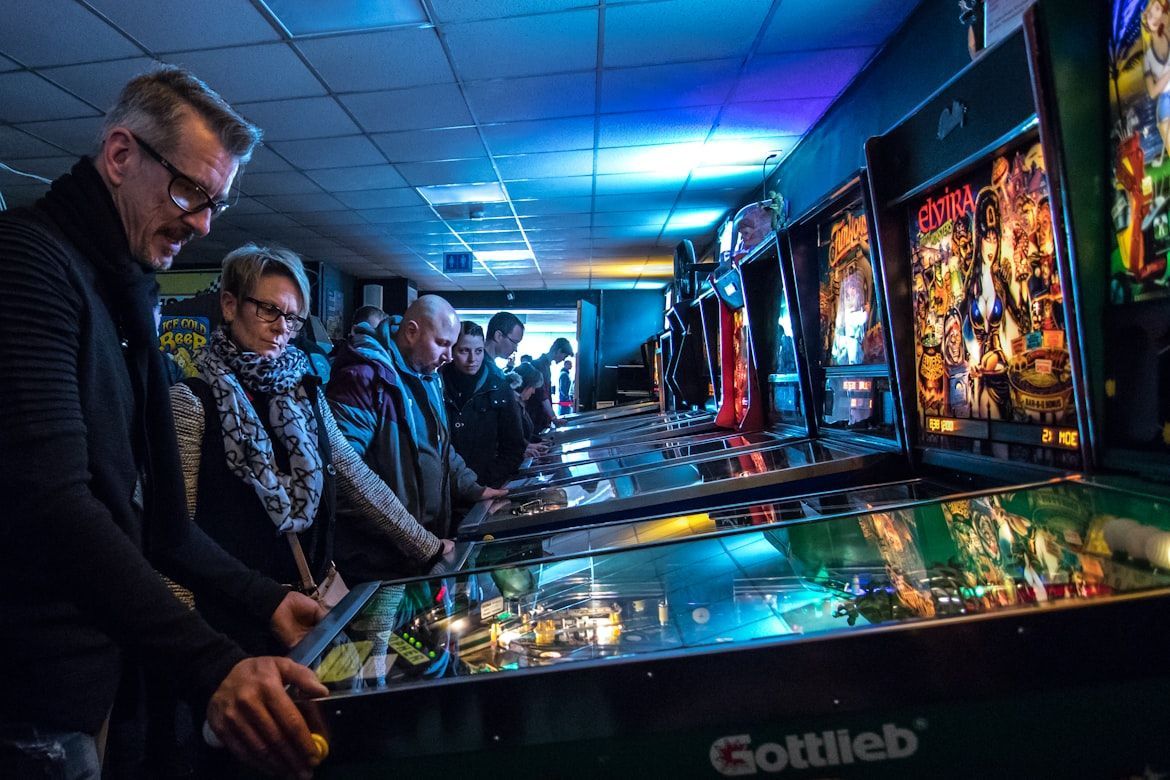
Think neon lights, mechanical clicking, and pure 1980s nostalgia. The Red Hook Pinball Museum was founded by friends and pinball enthusiasts who wanted to share their passion for restoring vintage pinball machines with their community. Here, you’ll find a wide variety of machines, from the wood-paneled, flipperless games of the 1930s to the high-tech, licensed movie tie-ins of the 2020s. Unlike traditional museums, visitors are encouraged to play and interact with the objects.
The Morgan Library & Museum (Manhattan)
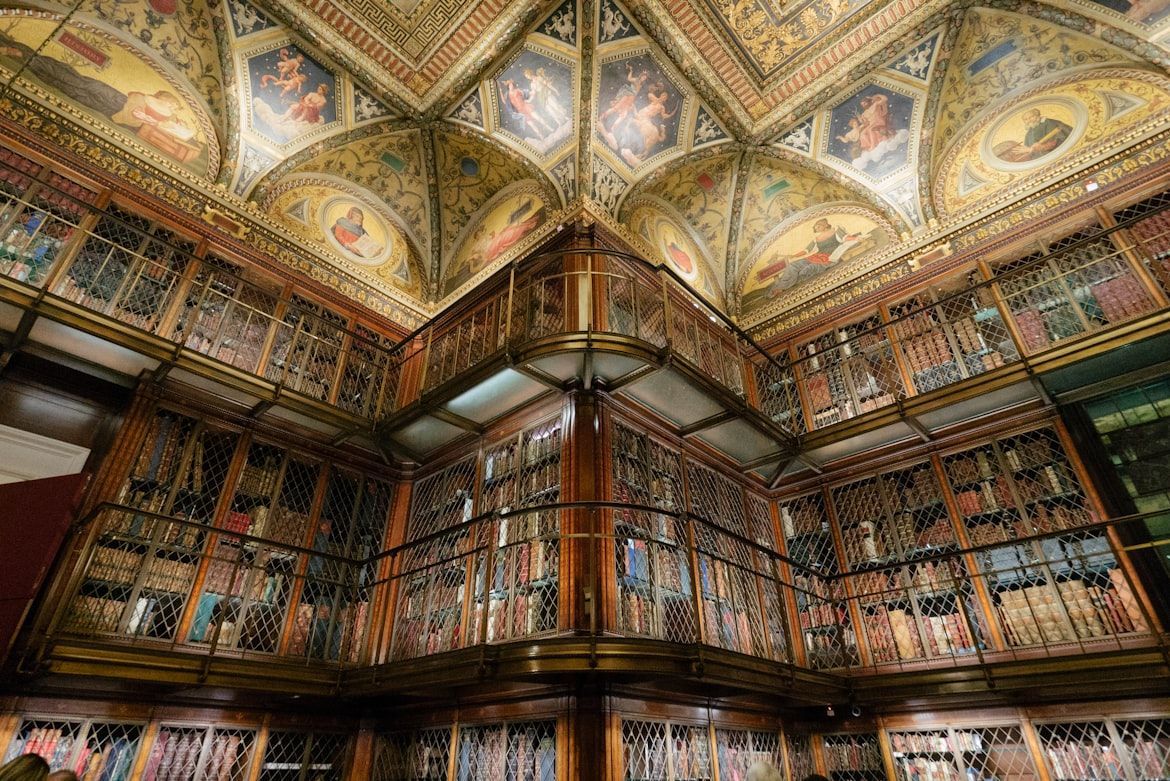
If you’ve ever wanted to feel like a Bond villain or a Victorian scholar, J.P. Morgan’s private library is your sanctuary. The Morgan Library & Museum is an Italian Renaissance-style palazzo with floor-to-ceiling mahogany, secret passages, and the smell of old parchment. The library houses three Gutenberg Bibles, original Mozart scores, and Thoreau’s journals. Pro tip: Look for the hidden staircase behind the bookshelves on the ground floor. It’s exactly what you’d expect from the world’s most powerful banker!
Museum of Contemporary African Diasporan Arts - MoCADA (Brooklyn)
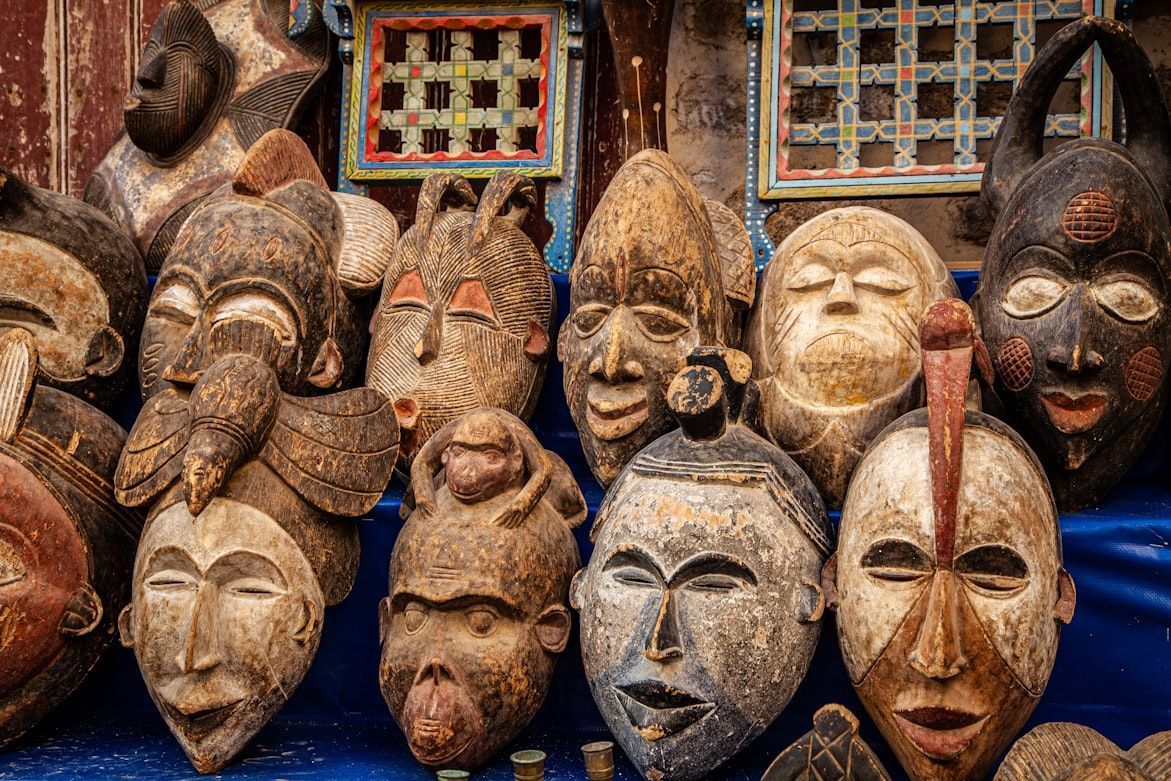
Located in the heart of Brooklyn, the Museum of Contemporary African Diasporan Arts (MoCADA) uses art as a lens to examine the political and social issues facing the African diaspora. Founded in 1999, it showcases a range of works, from paintings and collages to mixed media, exploring Black identity and African American culture. MoCADA is a vital stop for anyone looking to understand the intersection of Brooklyn's local culture and the global African experience.
Museum of Street Art - MoSA (The Bowery, Manhattan)
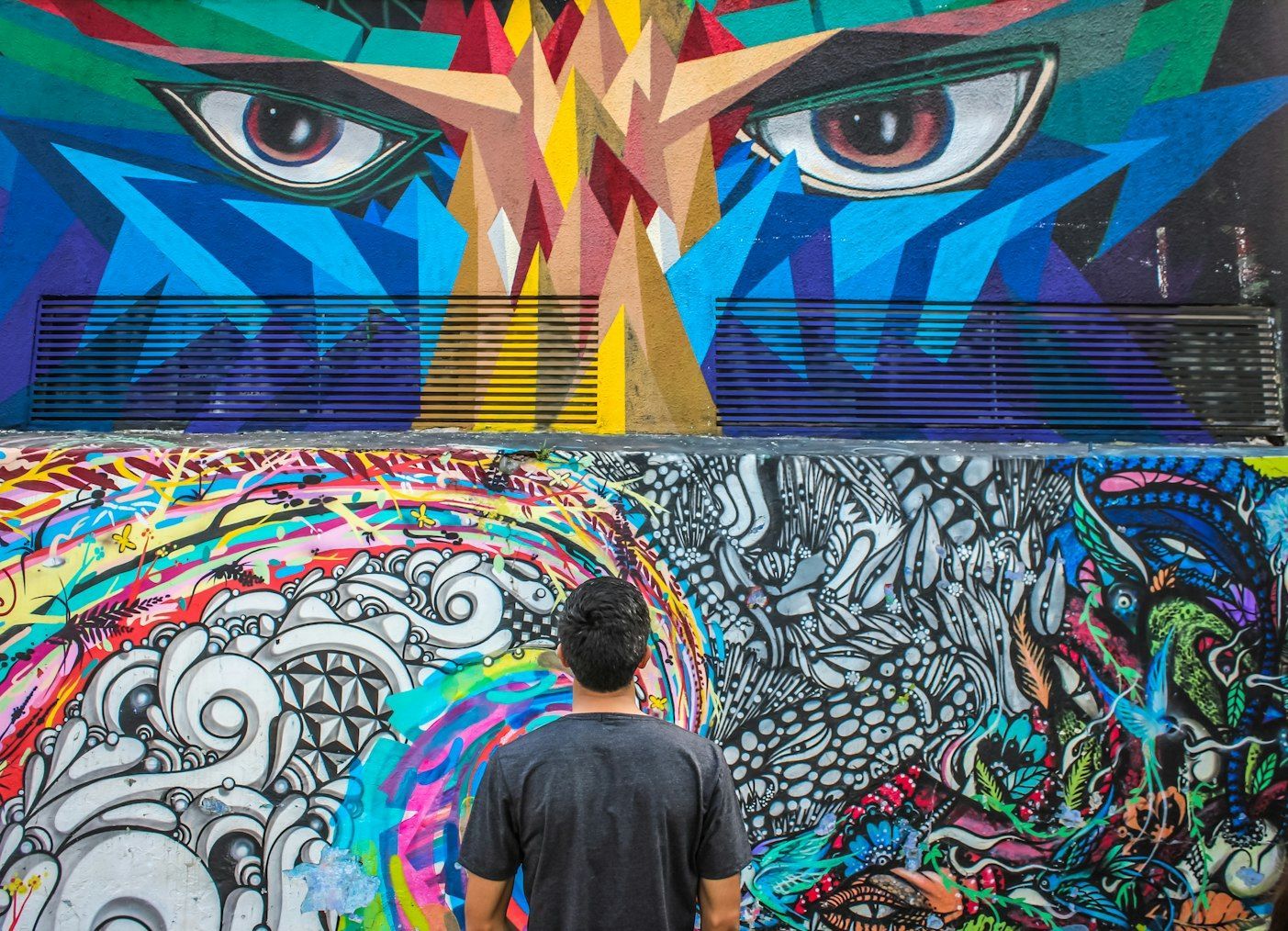
Hidden within the CitizenM Bowery hotel, the Museum of Street Art (MoSA) is a vertical gallery that occupies the hotel’s multi-story internal stairwell. Essentially, it’s a tribute to 5 Pointz, the late and iconic graffiti haven in Queens that was painted over and demolished in 2014. After that loss, the hotel partnered with artists who originally displayed work at the Queens site to give their art a permanent, legal home in Manhattan. Admission is free and open to the public. Look for the massive portrait of RuPaul or the portrait of poet Allen Ginsberg.
Maritime Industry Museum at Fort Schuyler (Throgs Neck, The Bronx)
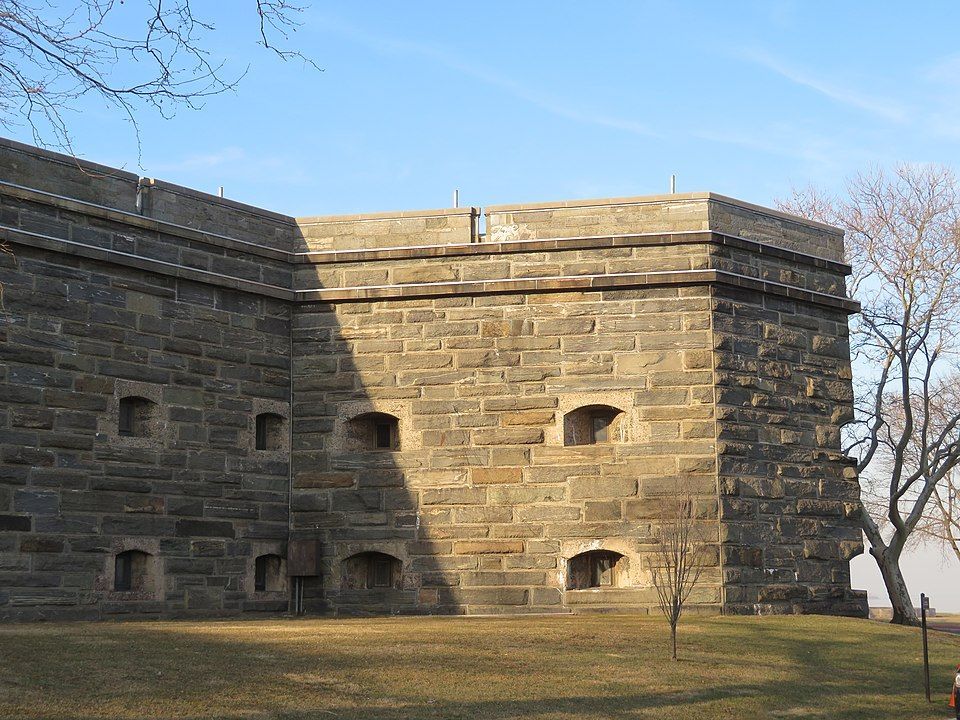
Located on the campus of SUNY Maritime College, Fort Schuyler houses a maritime museum within its 19th-century granite walls. The view of the Throgs Neck Bridge is worth the trip alone, but the collection of more than 2,000 ship models and maritime artifacts—ranging from the era of sail to modern nuclear submarines—is staggering. It’s a trek to get to the edge of the Bronx, but for history buffs, it’s a pilgrimage.
Museum of Nostalgia (Astoria, Queens)
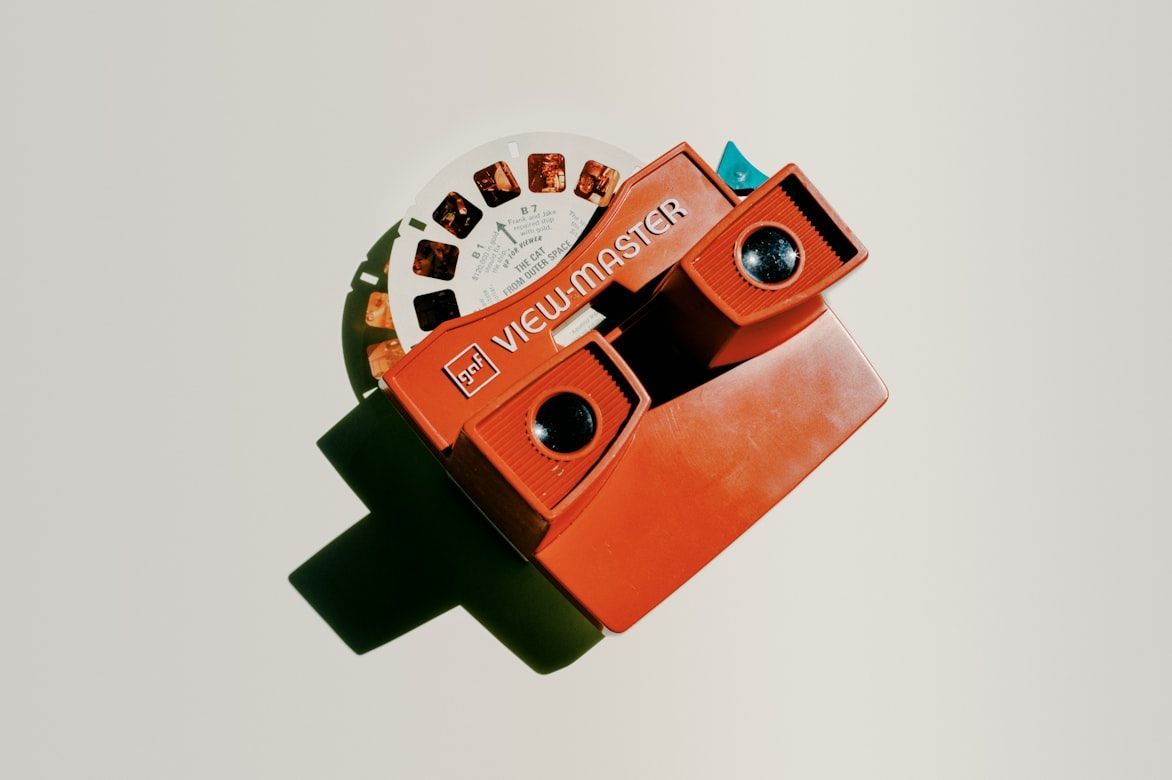
Located in Astoria, the Museum of Nostalgia is a relatively new addition to the NYC scene that focuses on 20th-century toys and pop culture. Created by collectors Phoebe Taylor and Jeff Zappala, the space gives off 1980s basement-den vibes. Overall, the museum is a fascinating look at how play has evolved, from mechanical tin toys to plastic action figures. Also, if there’s something in the exhibit you want to take home, there’s a chance you can buy something similar in the toy shop, which features classics from every decade.
Marlene Yu Museum (Long Island City, Queens)
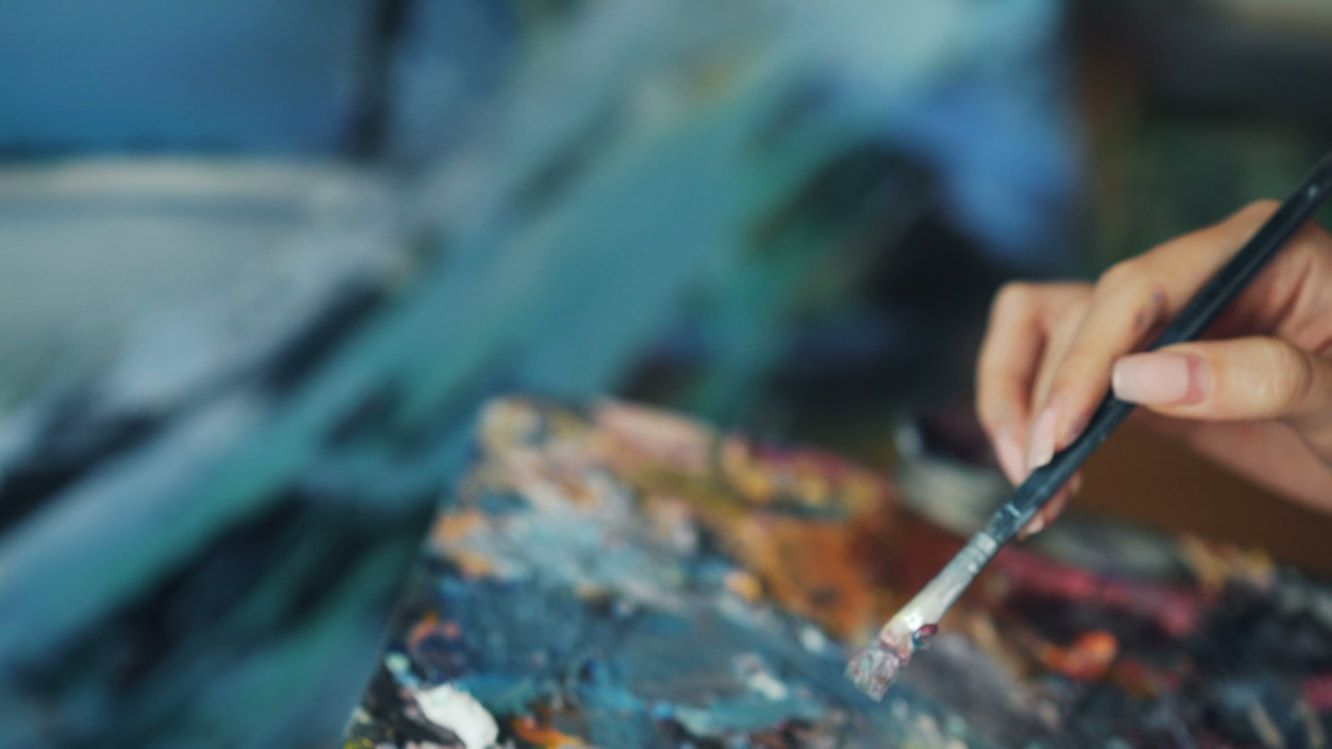
Originally based in Louisiana, the Marlene Yu Museum consists of three floors of giant paintings—some reaching up to 50 feet in length—by Marlene Yu, an internationally acclaimed artist whose career spans over 60 years and 80-plus solo exhibitions worldwide. Her work blends traditional Chinese brushwork and Western Abstract Expressionism, resulting in massive, high-energy canvases that capture the raw power of the natural world. The museum offers a rare sense of vastness and calm rarely experienced in a busy city like New York. Definitely worth a visit.
Autophoto (Lower East Side, Manhattan)
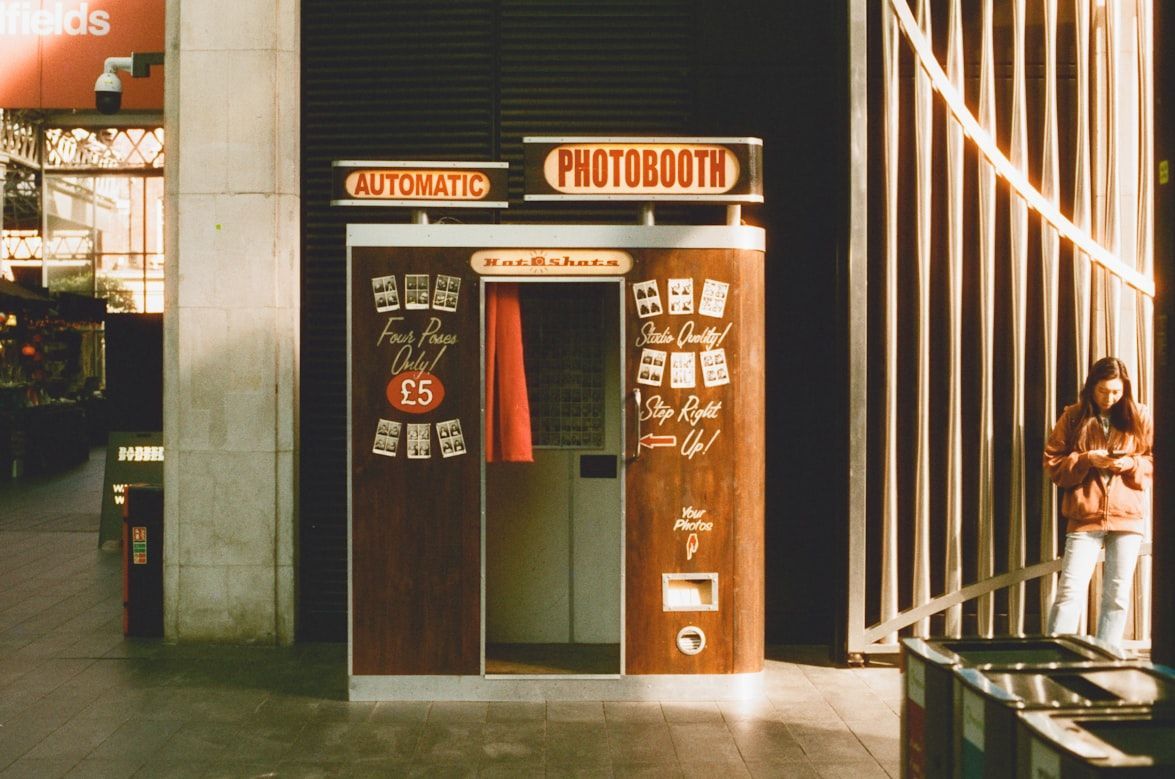
The city’s newest museum, Autophoto, opened in October 2025, during the centennial of the invention of the analog photobooth, and operates as both a museum and a photobooth hotspot. Here, you’ll be able to experience the original analog selfie machines. Trust us, in a world of digital filters, the mechanical complexity of a machine that could develop a photo in three minutes in 1925 is mind-blowing. After brushing up on the history of the technology, there are seven operating analog photobooths for visitors to try out.
New York Chinese Scholar's Garden (Snug Harbor, Staten Island)
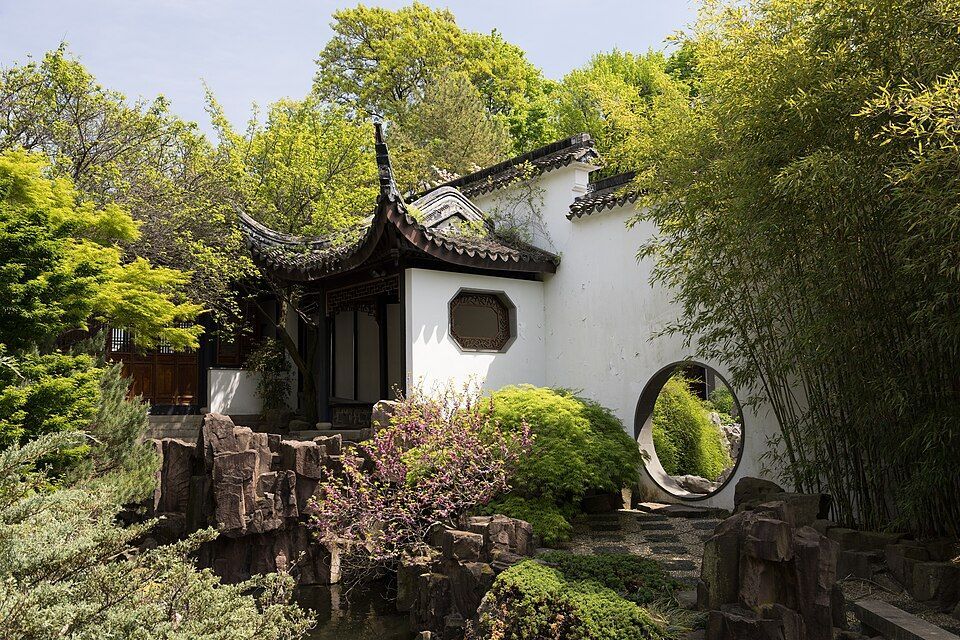
Looking for complete, utter silence in NYC? Part of the Snug Harbor Cultural Center & Botanical Garden, the New York Chinese Scholar’s Garden is one of only a handful of authentic classical Chinese gardens built in the U.S. The architecture is outstanding: many of the components—including roof tiles, rocks, and bridges—were handcrafted in Suzhou, China, designed to be a path to harmony. Often described by locals as a "hidden gem," the garden feels completely removed from the noise of the city, offering a level of tranquility that is rare to find in the five boroughs.
Keep wandering
There’s always
more to explore
 General
Why planes are painted white: The real reason
6 min.
Read Now
Walt Disney's apartment still has its lights on
4 min.
Read Now
 Geography

This mountain isn't one volcano, it's actually three
7 min.
Read Now
Why this hotel room stayed locked for 30 years: 10 hotels hiding secrets
7 min.
Read Now