
Where on Earth do people still speak the language of Jesus? 10 odd towns
 Landmarks
Where on Earth do people still speak the language of Jesus? 10 odd towns
Some of the most fascinating spots on Earth are small towns and isolated enclaves that have claimed fame for reasons that are way out of the ordinary. From an English village emulating America’s Wild West to a desert outpost where streetlights are strictly forbidden, discover 10 of the world’s 10 craziest, most unexpectedly unique places.
Cairo’s necropolis: The City of the Dead (and living)
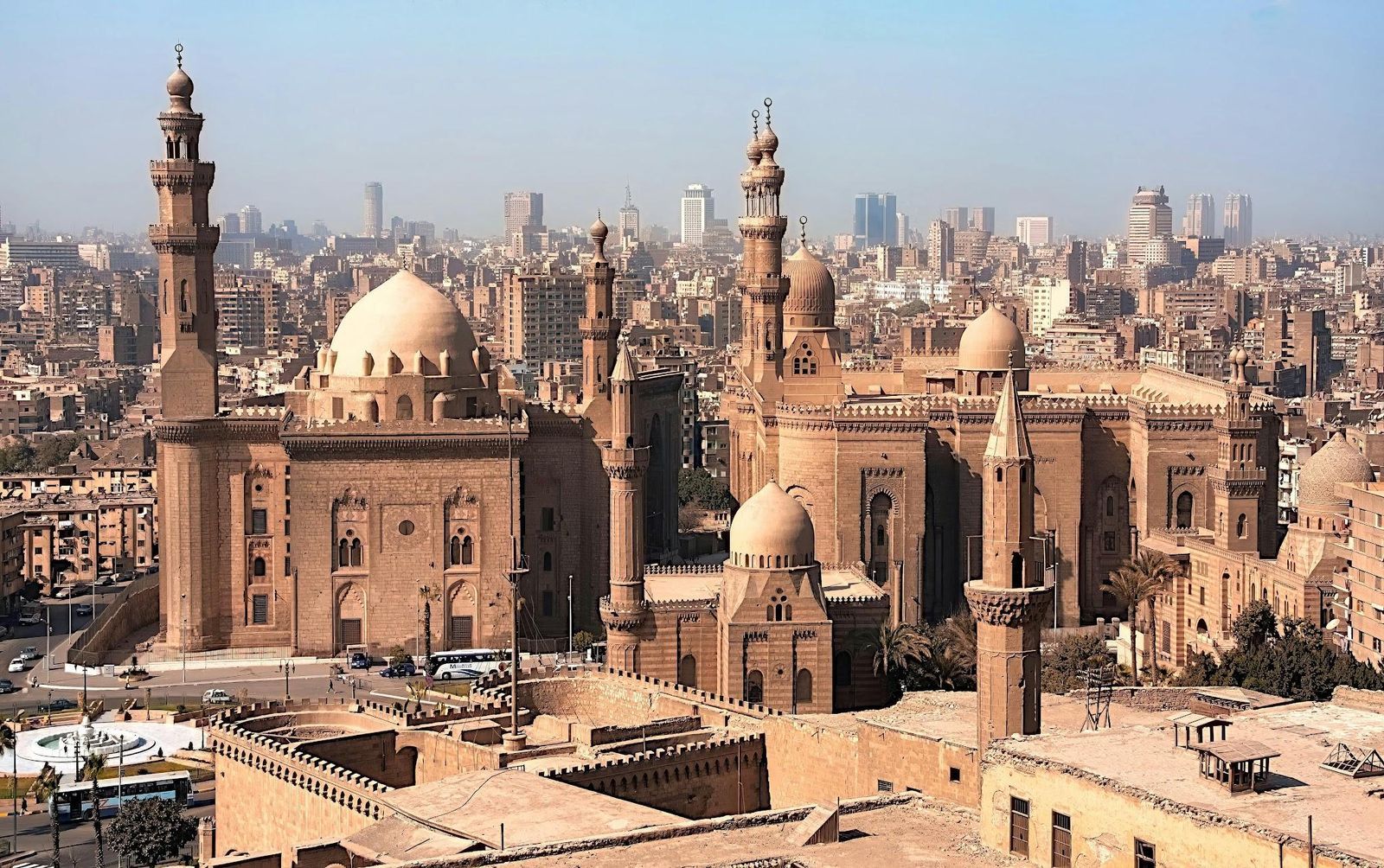
In most parts of the world, a cemetery is a quiet place reserved for the deceased. But Cairo’s necropolis, in Egypt, is a different story. Spanning a four-mile grid of historic tombs, shrines, and mausoleums, this ancient burial ground is also a bustling, vibrant neighborhood home to hundreds of thousands of living residents.
Driven by Cairo’s population boom and a severe shortage of affordable housing starting in the mid-20th century, locals began moving into the quiet cemetery complexes. Today, families have converted gated tombs into functional homes, running electricity lines and water pipes right alongside historic graves. Picture children playing soccer between headstones and local vendors selling groceries outside medieval family vaults.
Arizona Sky Village: The outpost where everyone’s an astronomer

If you drive out to Portal, Arizona, near the New Mexico border, you’ll hit Arizona Sky Village, a desert outpost where everyone’s an astronomer. This highly specialized residential community was built from the ground up for one specific purpose: providing an unpolluted view of the night sky.
In Sky Village, the entire infrastructure revolves around dark-sky preservation. Homes are built with custom, low-impact architecture, and traditional streetlights are completely banned. Most houses feature their own private, dome-shaped observatories on the roof, making it a paradise for professional researchers, astrophotographers, and amateur stargazers who want to view distant galaxies from their own backyards.
Giethoorn: The Dutch Venice
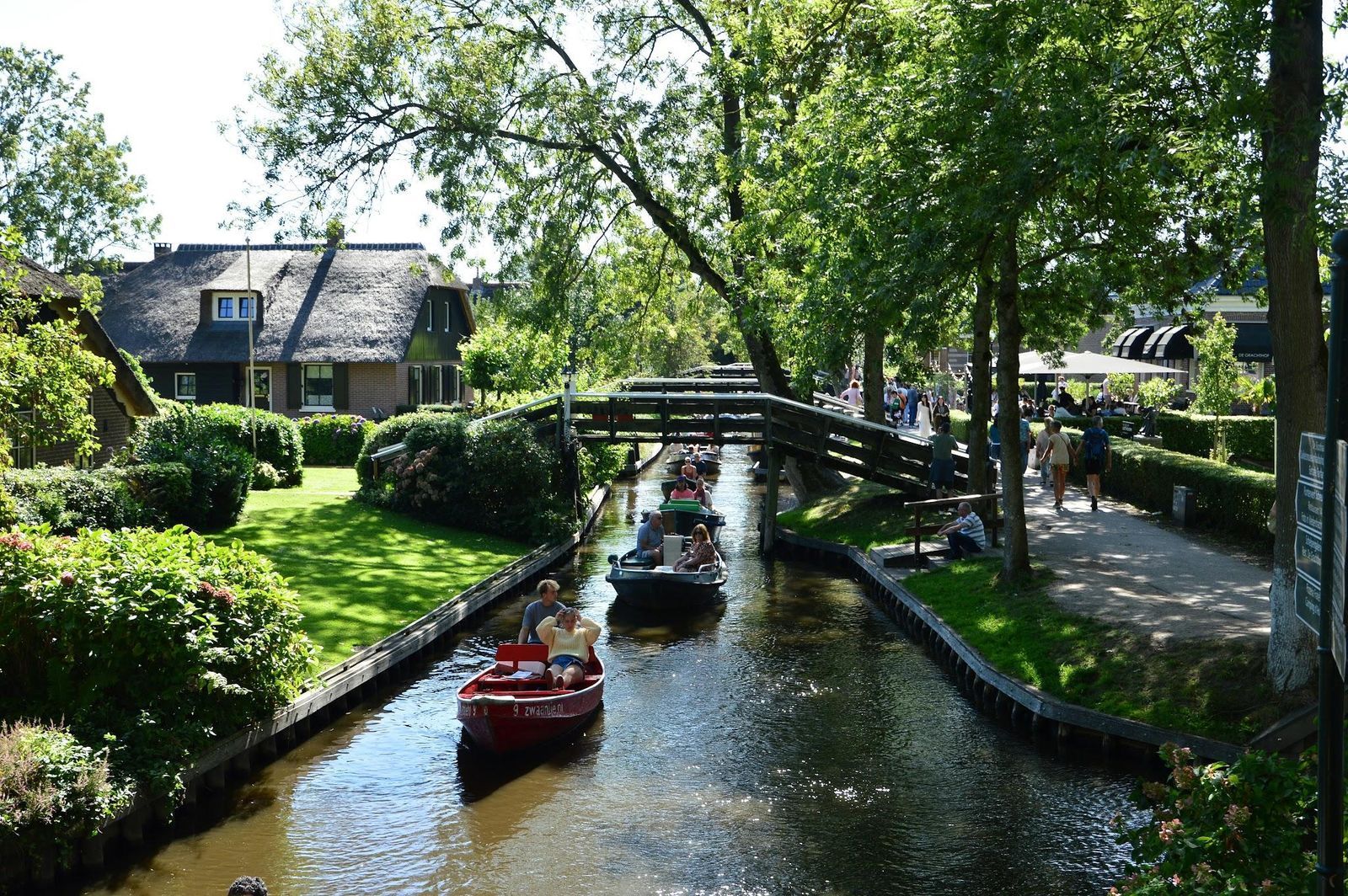
Giethoorn is a fairytale village located in the northeastern Netherlands. Here, the roads are completely nonexistent, and the loudest sound you hear on your morning commute is the quacking of ducks or the gentle splashing of an oar.
Founded by settlers in the 13th century who dug extensive canals to transport peat through the marshlands, Giethoorn is accessible only by boat, foot, or bicycle. The village features over 150 historic wooden footbridges arching over pristine waterways, connecting beautiful cottages and manicured lawns. Residents move around using "whisper boats" powered by electric motors, creating an incredibly peaceful environment that looks like the background of a Vermeer painting.
Eau Claire, Michigan: The cherry spitting capital of the world

You don’t need ancient history to put your town on the map; sometimes all it takes is a bit of fruit and incredible lungs. Eau Claire, Michigan, has proudly claimed the title of the cherry spitting capital of the world thanks to its annual International Cherry Pit Spitting Championship.
What started in 1974 as a quirky joke has evolved into an official, competitive international tournament. Every July, contestants from around the world travel to this small Michigan town, known for its premium sweet and tart cherries, to see who can spit a pit the furthest down an asphalt track. Fun fact: the current world record stands at 93 feet and 6.5 inches.
Casey: The little town of big things
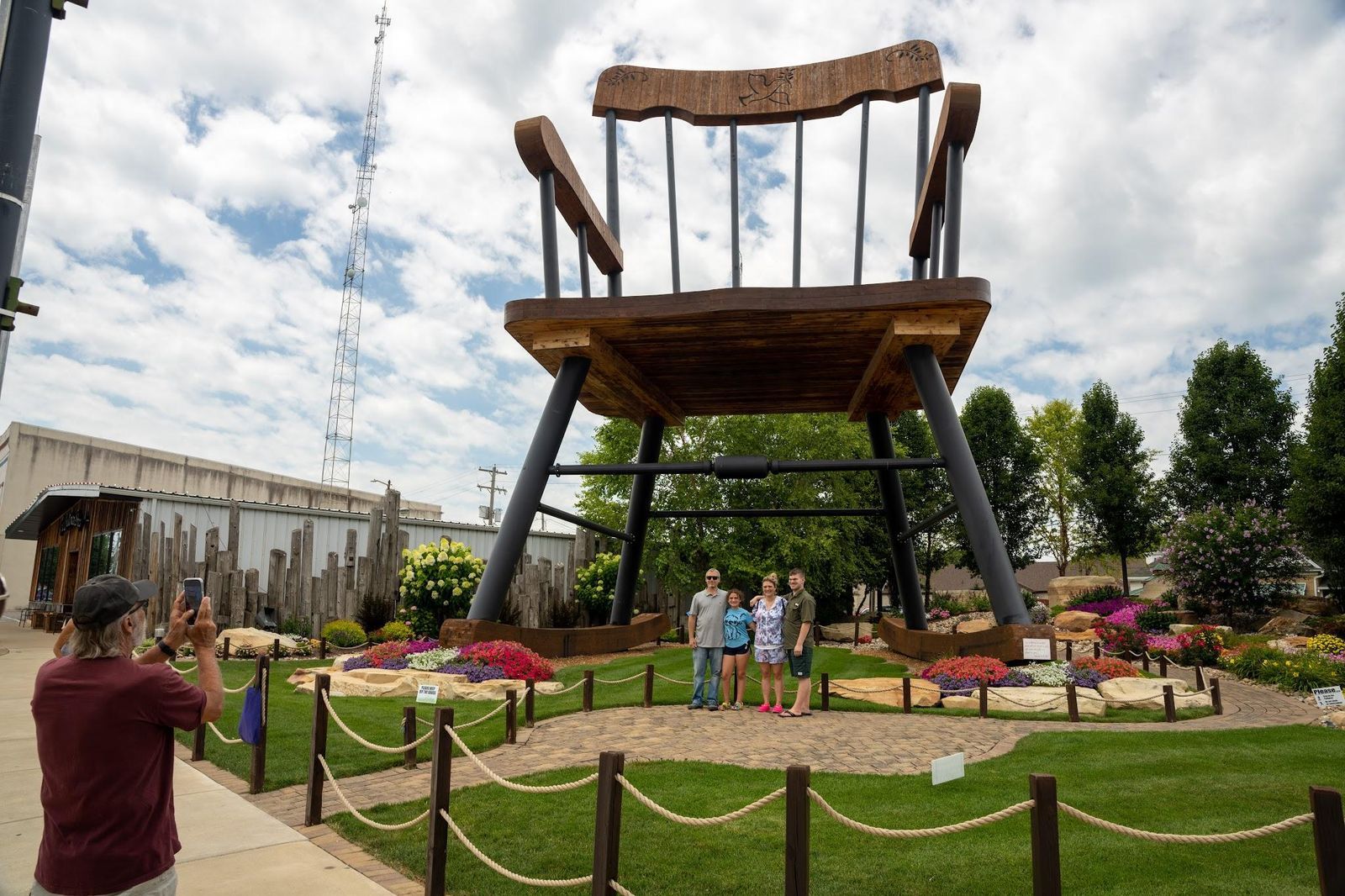
If you suffer from megalophobia (the fear of large objects), you might want to bypass Casey. Located in rural Illinois, Casey was a quiet, unassuming town with a struggling economy until 2011, when a local businessman decided to revitalize the area by building an enormous, fully functional wind chime.
That single spark ignited a town-wide obsession. Today, Casey boasts more than a dozen officially verified Guinness World Records for the "World's Largest" items. Walking down Main Street, you’ll find a multi-story wooden rocking chair, a colossal mailbox that visitors can actually walk inside to mail letters, a massive birdcage, and a golf tee taller than a house.
Sighișoara: The birthplace of Dracula
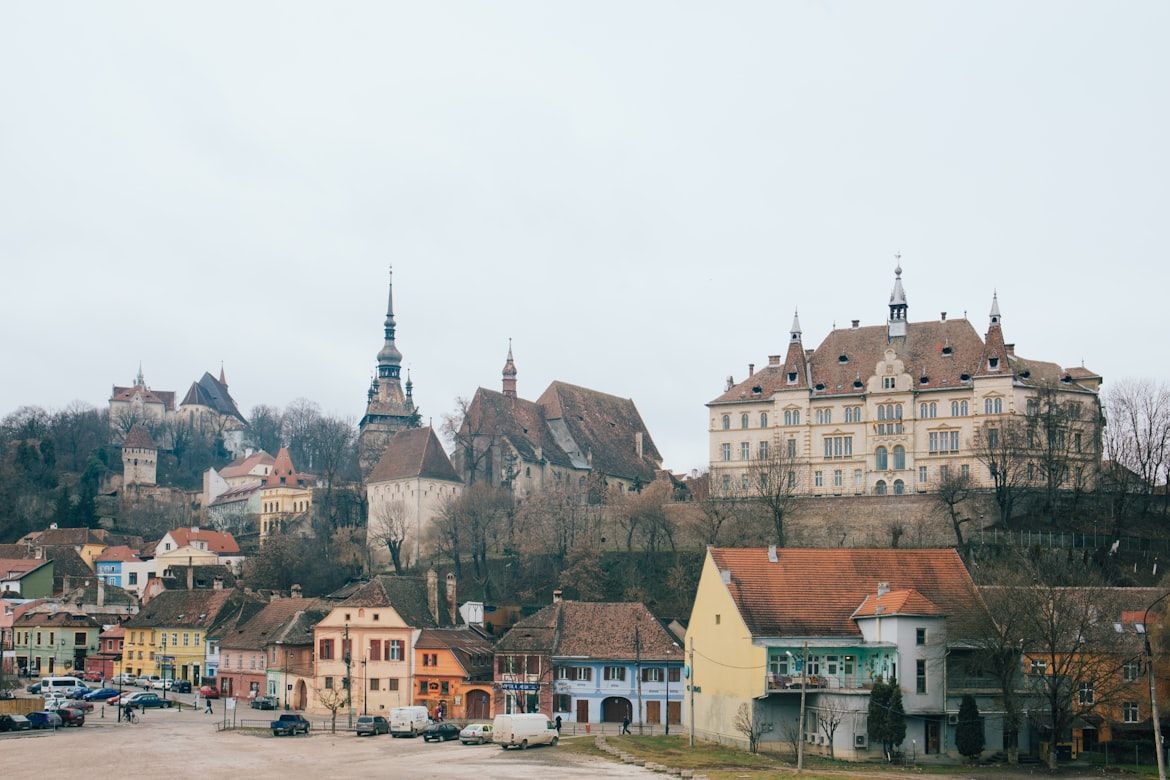
Deep within the misty forests of Transylvania lies Sighișoara, a fortified medieval town in Romania that stands as one of the most remarkably preserved architectural gems in Europe. Built by Saxon merchants in the 12th century, its colorful houses, cobblestone alleyways, and imposing watchtowers remain completely intact.
However, Sighișoara’s most relevant claim to fame is its direct connection to gothic lore. A modest house near the town’s Citadel Square is the documented birthplace of Vlad III, the notorious 15th-century ruler known as Vlad the Impaler, the historical figure who inspired Bram Stoker’s Dracula.
Laredo: The Old West town (in England)
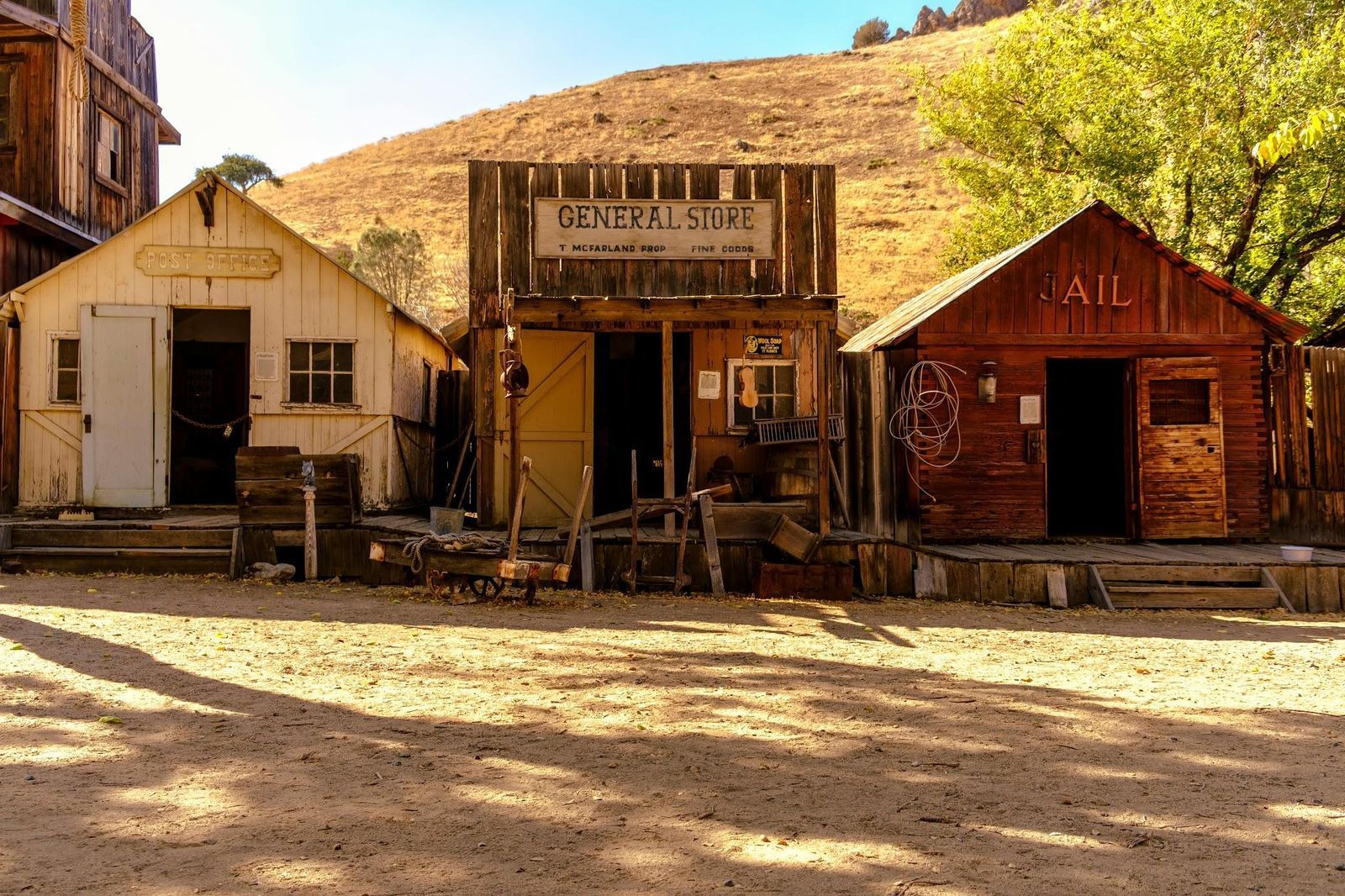
Have you ever imagined visiting a classic, dusty frontier settlement outside the United States? Hidden away behind a wall of dense trees in the green rolling hills of Kent, England, sits Laredo, an Old West town.
Founded in 1971, Laredo is a replica of an 1860s American frontier outpost, created entirely by a society of British Western enthusiasts. The private town features a fully styled saloon, a sheriff’s office with iron jail cells, a bank, a general store, and a stable. Members of the club even spend their weekends living strictly as historical reenactors, dressing in authentic period clothing, cooking over open fires, and staging mock gunfights. Visiting the town is by appointment only.
Maaloula: Where people still speak the language of Jesus
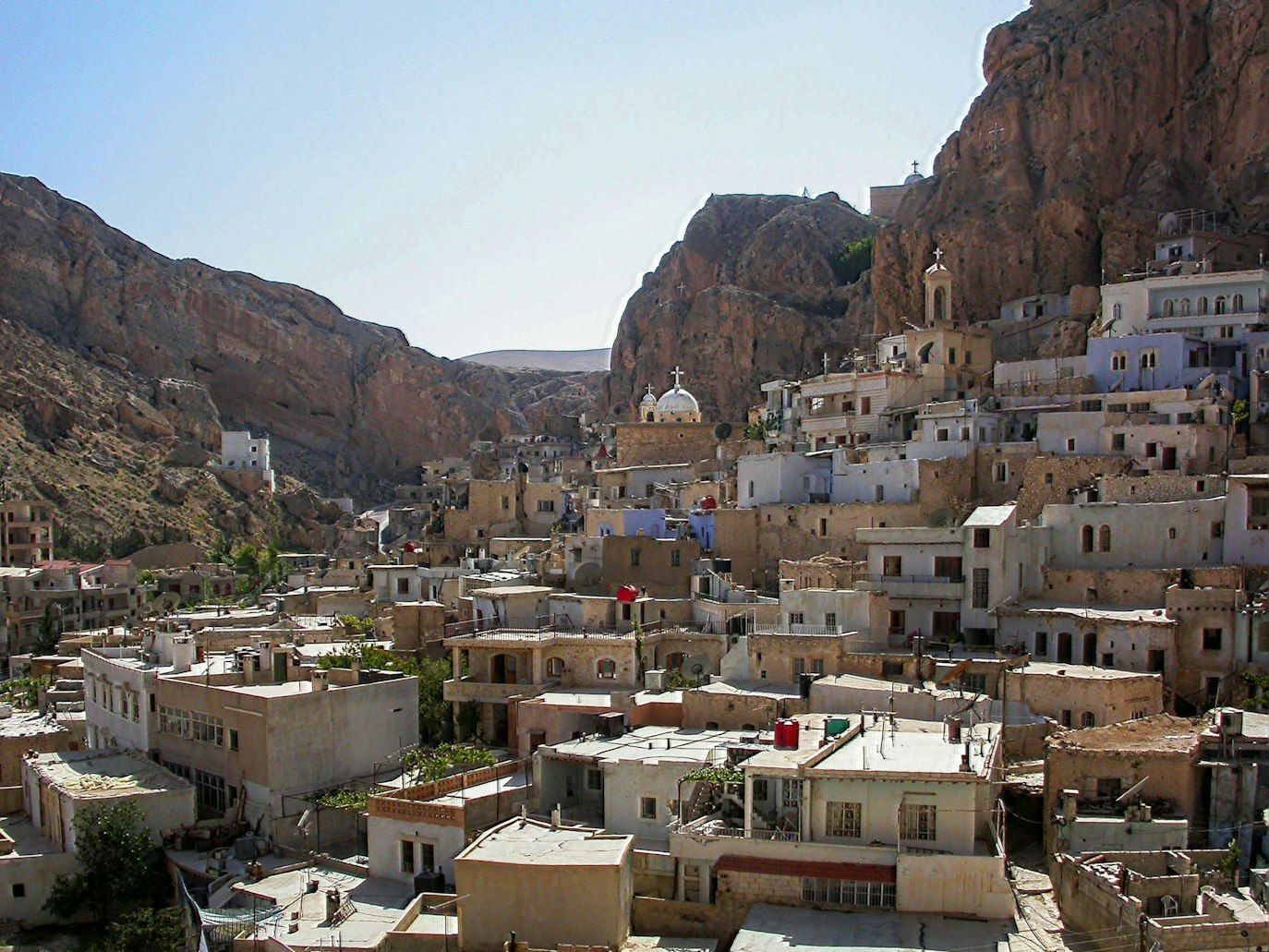
High up on the rugged cliffs north of Damascus sits a beautiful Syrian village with an unmatched cultural heritage. Maaloula is one of the last remaining places on Earth where residents still natively speak Western Aramaic, the ancient Semitic dialect spoken by Jesus Christ and his disciples two thousand years ago.
Because the village was geographically isolated inside a deep mountain gorge for centuries, the language survived the spread of Arabic across the region. Walking through the narrow, blue-painted alleys of Maaloula and listening to the locals converse feels like you are immersed in biblical antiquity.
Holyoke, Massachusetts: The Birthplace Of Volleyball
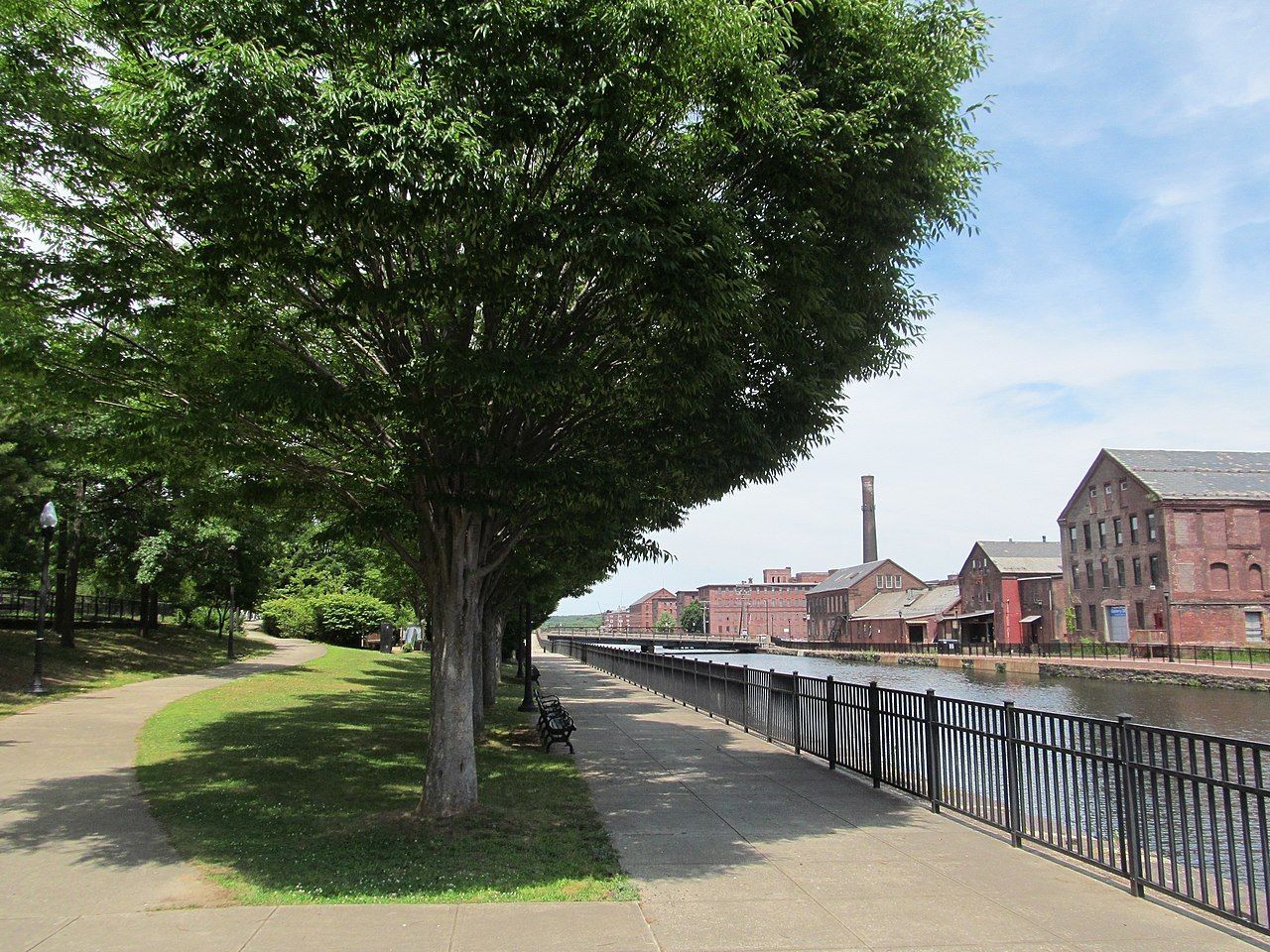
When people think of Massachusetts sports heritage, they think of the Boston Red Sox or the invention of basketball in Springfield. Yet, very few realize that Holyoke, a city 8 miles north of Springfield, is the birthplace of volleyball.
In 1895, William G. Morgan, a physical education director at the local YMCA, realized that the newly invented game of basketball was too physically grueling for older corporate businessmen. Wanting an indoor sport that required less running but still provided a solid workout, Morgan blended elements of tennis, handball, and baseball to create a game he initially called "mintonette". It was later renamed volleyball due to the volleying nature of the play, and it was such a success that it eventually became an international Olympic sport.
Hum: The world’s smallest town
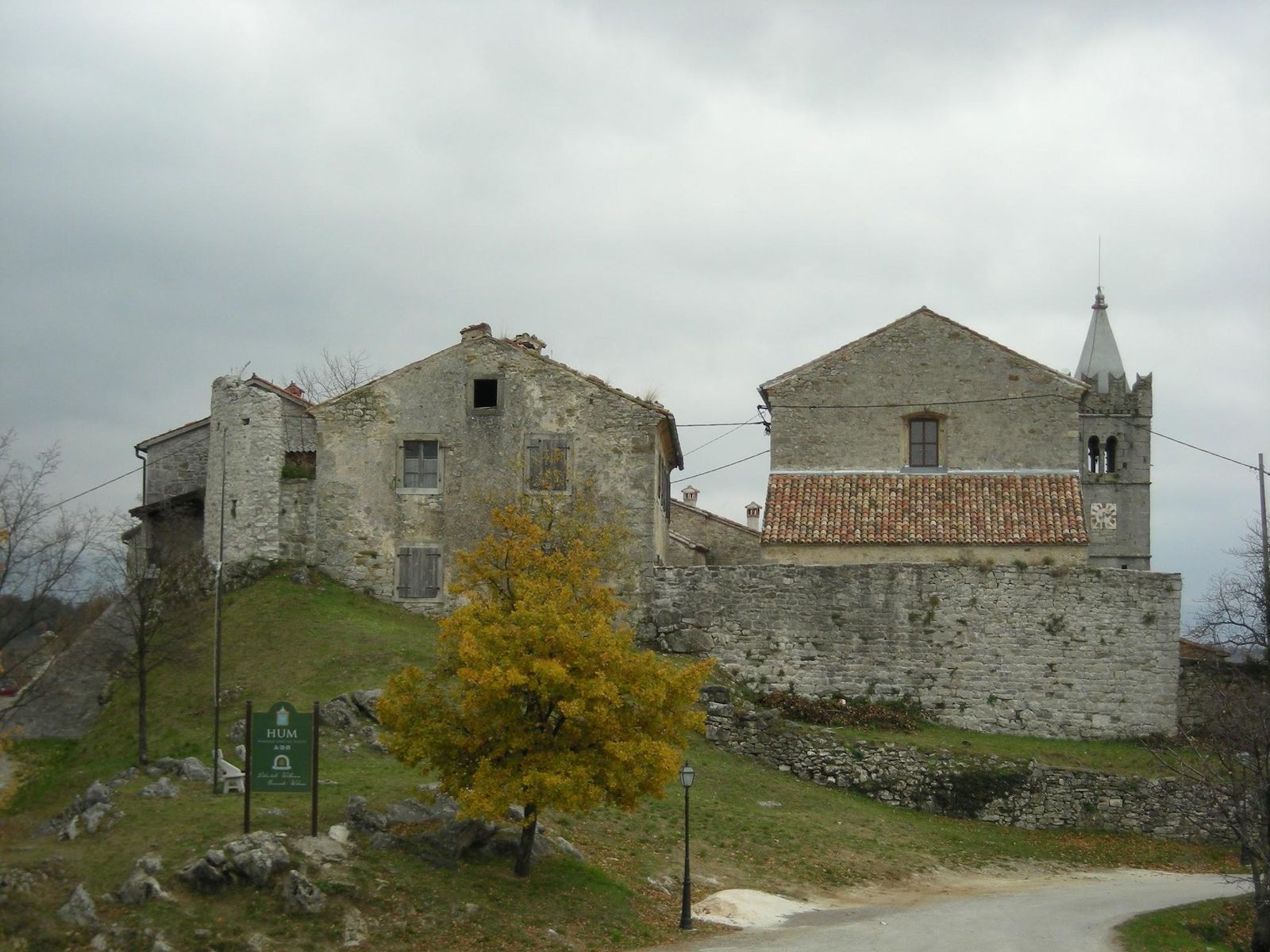
Tucked away in the heart of the Istrian peninsula, in Croatia, is Hum, the world’s smallest town. While many places claim small-town charm, Hum holds the official Guinness World Record for having an entire urban infrastructure—roughly 100x35 meters—you can walk across in less than two minutes.
According to local folklore, Hum was built by giants who used the leftover stones from the building of larger cities along the coast. In actuality, the town is completely enclosed by ancient defensive stone walls built in the 11th century. Despite its microscopic size—it has a permanent population of around 20 to 30 residents—Hum functions as a legitimate town, complete with a mayor, a church, a local museum, and a single tavern serving traditional mistletoe brandy.

Are you overpaying for your seat? 10 ways to outsmart airline pricing
 General
Strategies for cheaper airfare
Are you overpaying for your seat? 10 ways to outsmart airline pricing
Finding the perfect flight often feels like a high-stakes game of cat and mouse with an invisible algorithm. However, while airlines use complex data to hike prices, you can use the same logic to bring them down. By shifting your strategy from "buying a ticket" to "hacking the system," you can save hundreds of dollars on your next adventure. Here are 10 essential tips for finding cheap flights.
Follow the "Flight First" rule

The first rule for successful air travel is to be flexible. Most people choose a destination, pick their dates, and then look for a flight. This is the most expensive way to travel. Instead, flip the script: find a cheap flight first, and let the price dictate where and when to go. For example, tools like Google Flights allow you to leave the destination box empty to see a map of the cheapest places to fly from your home airport.
Experiment with Flight Aggregators

Don’t rely on just one site. Different search engines use different algorithms and sometimes have access to different "private" fares. Google Flights is best for speed and broad searches, while Skyscanner is excellent for finding "hacker fares" combining two different airlines. Others, like Momondo, often find smaller, budget carriers that others miss.
Set a flight price alert

Flight prices change by the hour. Instead of refreshing your browser manually, let technology do the work. Set a price alert on sites like Hopper or Kayak for your specific route. You’ll get a push notification the moment the price drops, allowing you to take advantage of a deal before it disappears.
Book in the "Goldilocks Zone"
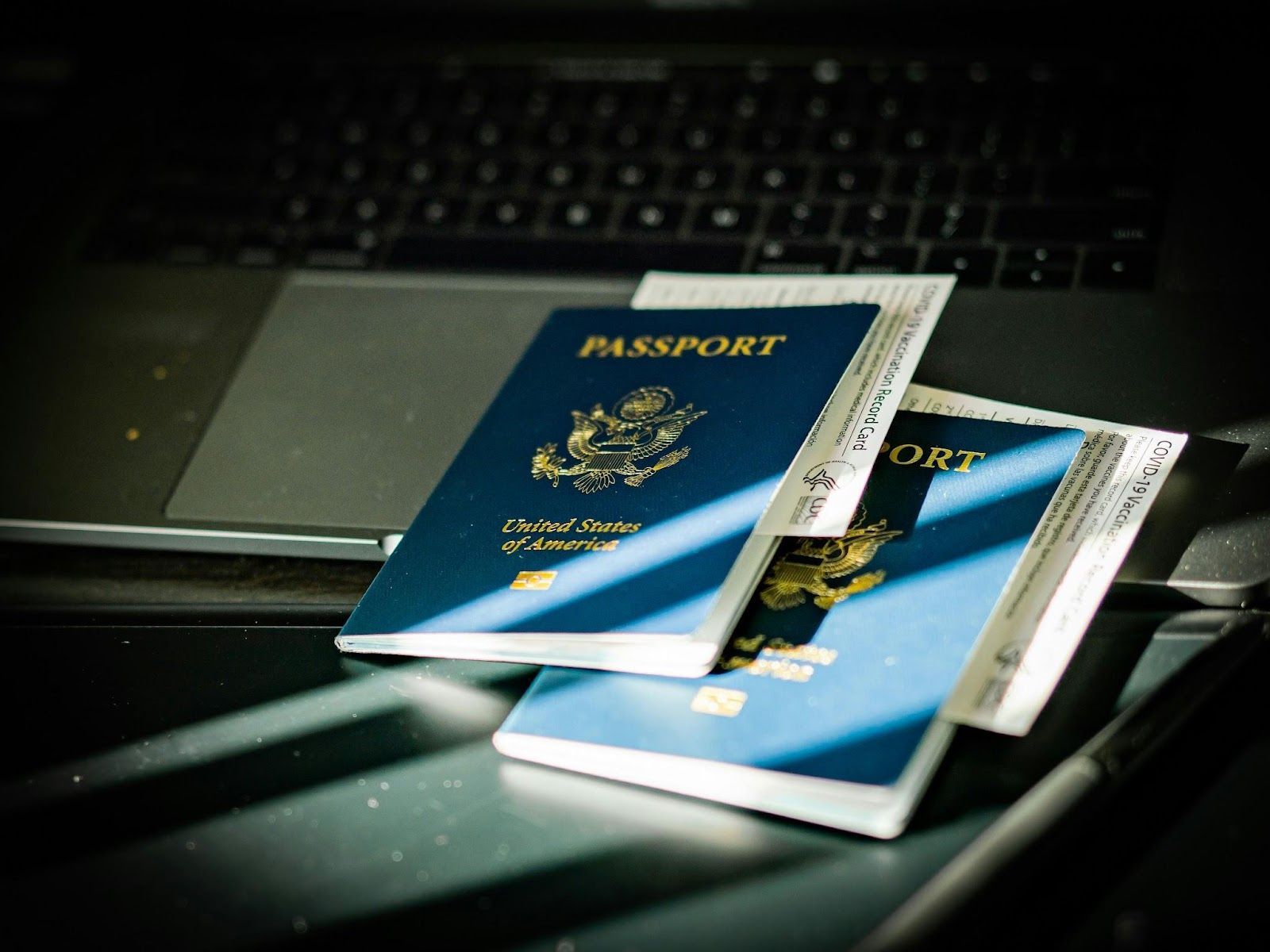
Timing is everything, but the early bird does not always get the worm. Booking too early can be just as expensive as booking too late. You need to find your "Goldilocks Zone": after the early-bird spikes, but before the last-minute business traveler surges. If you are looking to book a domestic flight, aim for 1 to 3 months in advance. For international flights, book 2 to 8 months in advance.
Travel during the Shoulder Season

Wondering what the "Shoulder Season" is? It’s the sweet spot between the peak season (high prices, crowds) and the off-season (bad weather, closed attractions). For example, visiting Italy in May or September rather than July. You get great weather and significantly lower airfare because the demand isn't at its absolute peak.
Invest in a VPN

Airlines often practice dynamic pricing based on where you are located. By using a Virtual Private Network (VPN), you can change your IP address to a different country. Sometimes, booking a flight from a country with a lower cost of living or a different currency can result in a lower price for the exact same seat. It may sound like cheating, but you’ll discover it’s a very useful tool.
Search multiple airports
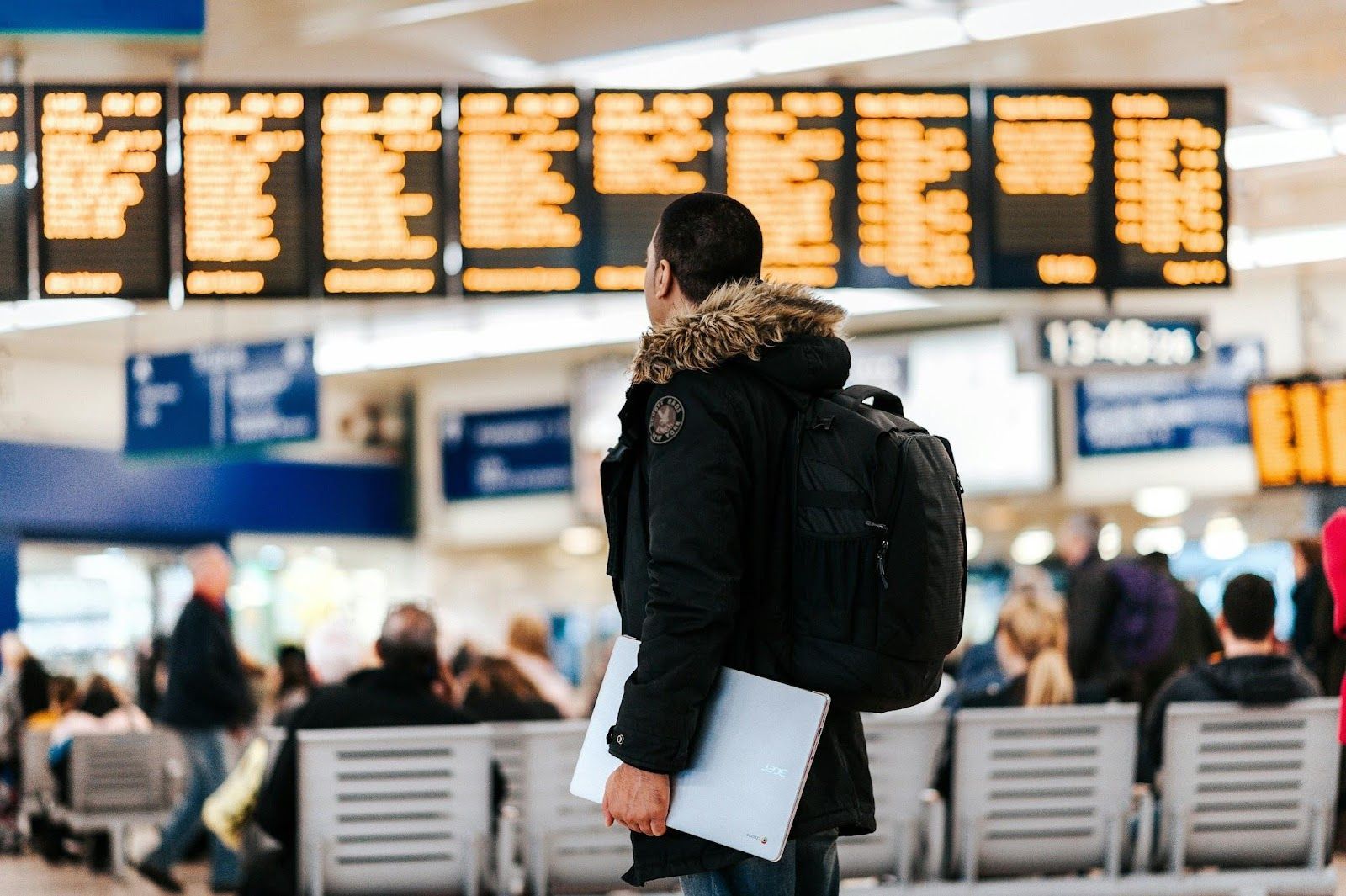
Don't just check the airport closest to your house. Major hubs often have much lower prices due to increased competition. If you live in Philadelphia, it might be a lot cheaper to take a train to JFK in New York and fly from there. Always check "All Airports" within a 100-mile radius of your start and end points to find the best rate.
Take advantage of credit card travel offers

Your daily spending can fund your flights. Many premium credit cards offer "statement credits" for travel or specific discounts with partner airlines. Also, you can earn points that you can later exchange for bonus miles. Before you book, check your banking app’s "offers" section, where you might find a "5% back on United Airlines" or a "$100 off $500" deal waiting for you.
Use frequent flier miles and join a community
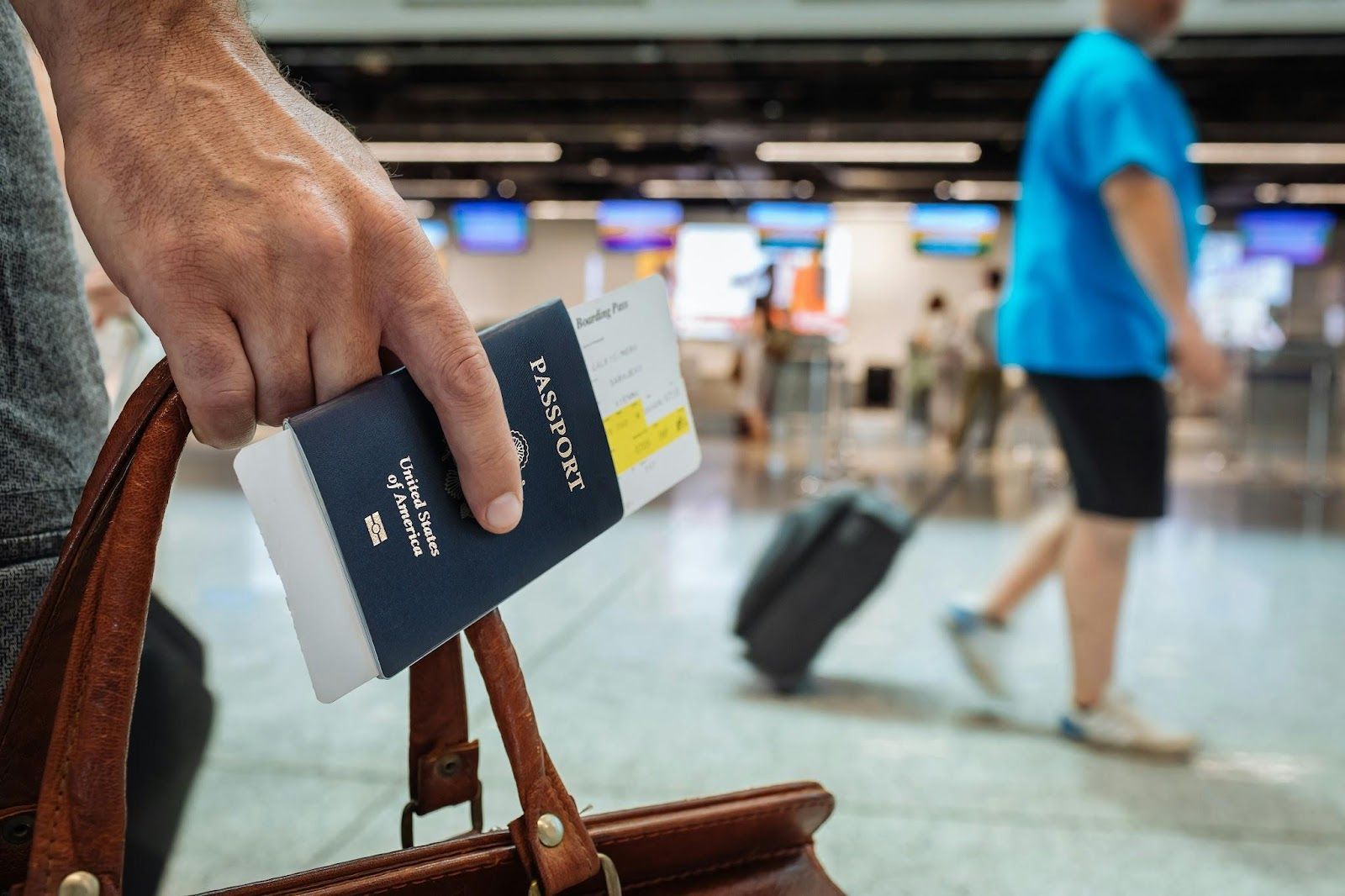
Frequent flier miles are a currency of their own, and you should not postpone using them. If you don't have enough points for a full flight, many airlines offer "Points + Cash" options. Additionally, joining a community or a deal-finding club (like Going or Jack’s Flight Club) gives you access to "mistake fares", heavily discounted tickets caused by human error or computer glitches.
Ask the airline for a discount

It sounds old-fashioned, but it can work. If you are looking for a specific flight and you find a slightly lower price elsewhere, or if you are a student, a senior, or a member of the military, call the airline's booking line directly. While the Golden Age of haggling is mostly over, agents occasionally have the authority to waive certain booking fees or apply specific discount codes that aren't visible on the main website. Sometimes old-fashioned hacks work best.
Keep wandering
There’s always
more to explore
 Culture

What do these 10 American cities really celebrate every year?
6 min.
Read Now

Curious visitors only: Secrets hidden beneath famous cities
6 min.
Read Now
 History
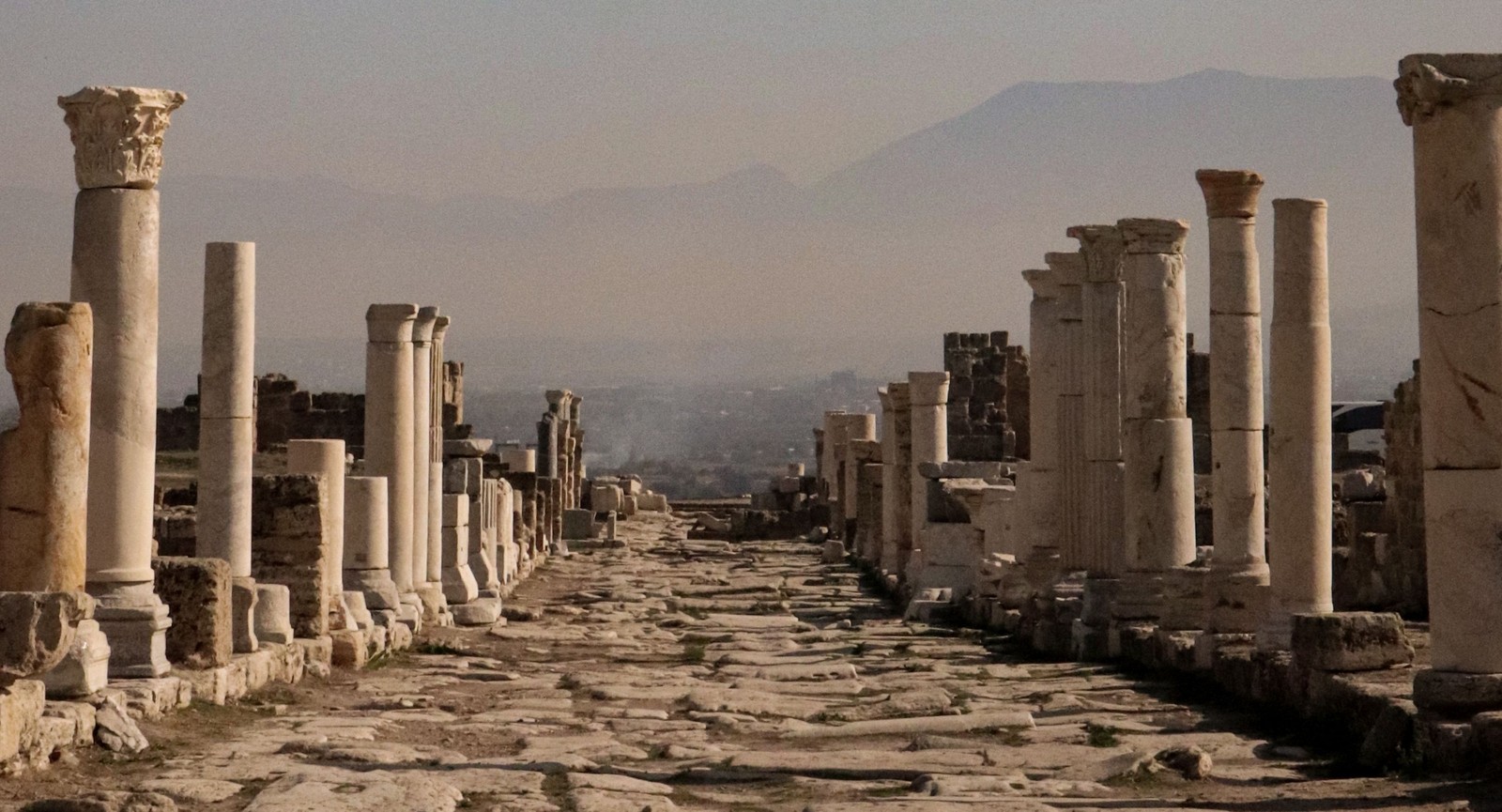
Ancient cities that have stood the test of time
6 min.
Read Now
The parking trick that could save you $40 a night in California
3 min.
Read Now