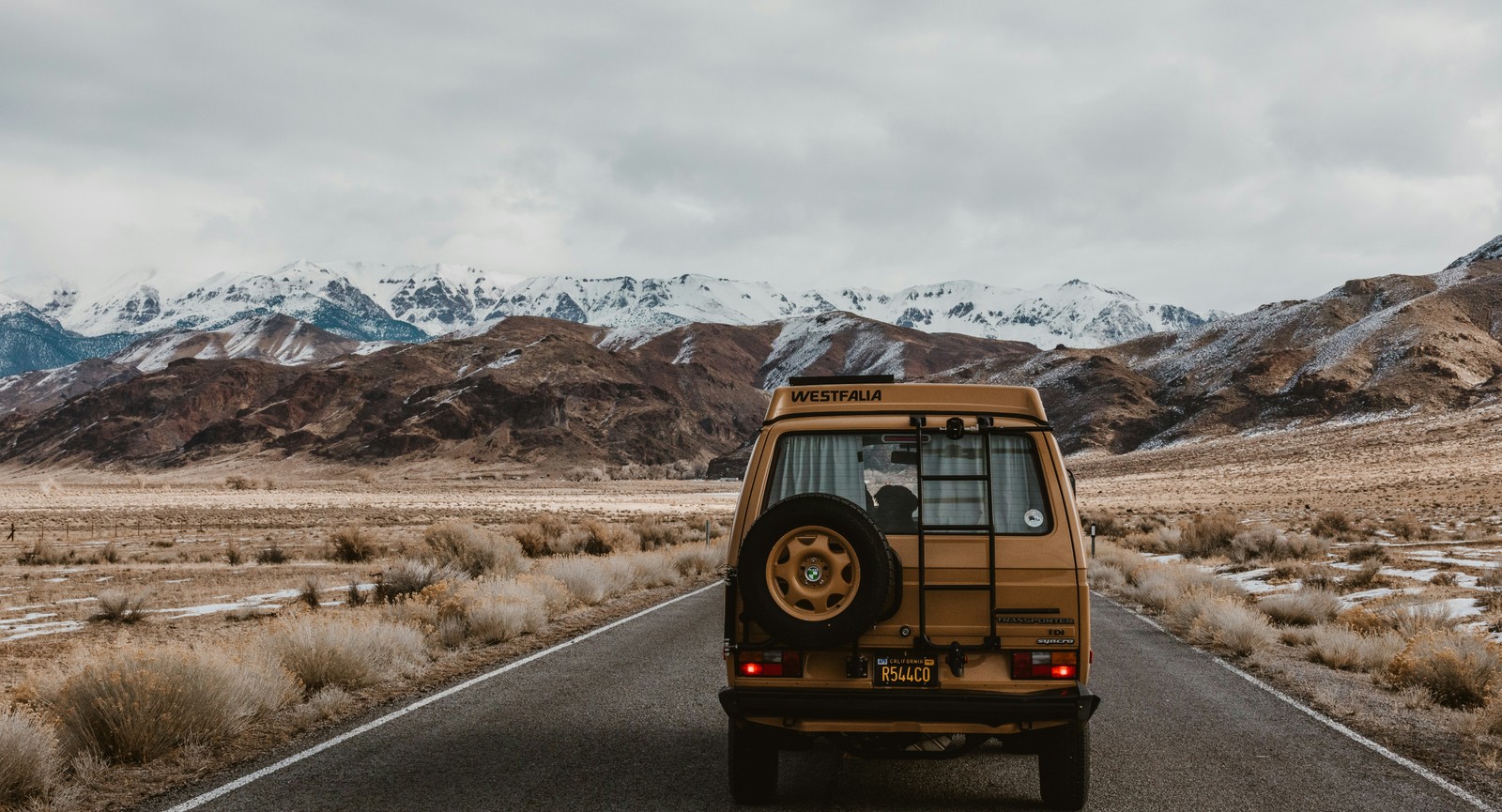
These 12 road trips can be done in a weekend. Which one is closer to you?
 General
Time is not an excuse
These 12 road trips can be done in a weekend. Which one is closer to you?
If you’re craving a getaway but can’t take a full week off, a weekend road trip can deliver just as much adventure. Across the U.S., scenic highways, mountain loops, coastal routes, and historic byways offer unforgettable experiences in just two or three days. From ocean views and desert landscapes to charming small towns and national parks, these routes prove you don’t need a long vacation to hit the open road.
Pacific Coast Highway, California
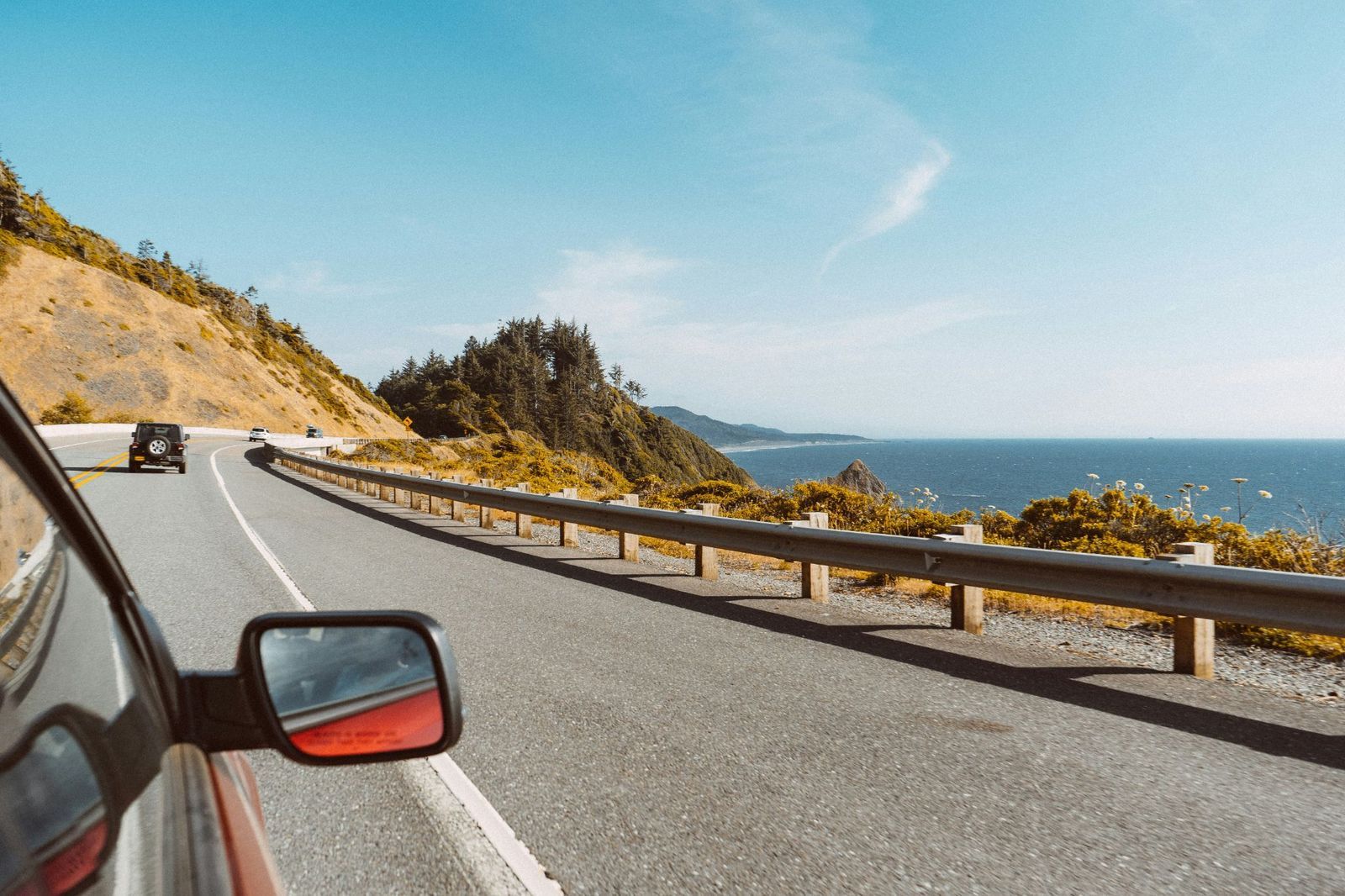
California’s famous Pacific Coast Highway (Highway 1) is one of America’s most iconic drives. While the full route stretches hundreds of miles, a weekend is enough to enjoy highlights such as Monterey, Big Sur, San Simeon, and Santa Barbara. The road hugs dramatic cliffs and offers constant views of the Pacific Ocean.
Many travelers consider the Big Sur section the crown jewel of the route. Along the way, you’ll find beaches, redwood groves, state parks, and famous landmarks like Bixby Bridge. Even a short segment makes for an unforgettable coastal escape.
The Florida Keys Overseas Highway
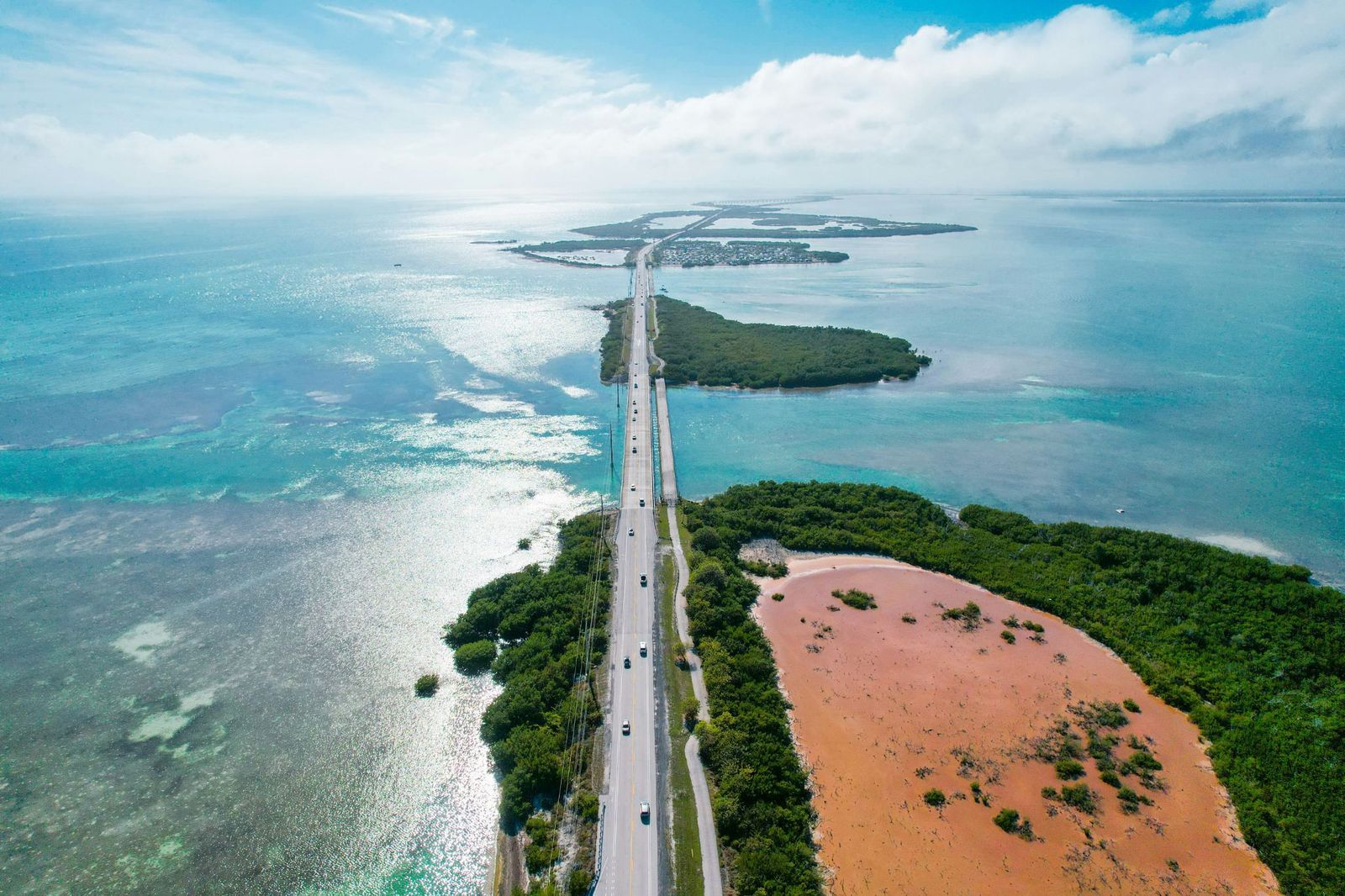
The Overseas Highway carries travelers from mainland Florida to Key West across a chain of tropical islands. The route spans 113 miles and crosses 42 bridges, including the famous Seven Mile Bridge.
A weekend provides plenty of time to explore Key Largo, Islamorada, Marathon, and Key West. Snorkeling, seafood restaurants, sunsets, and turquoise water views make this one of the most unique drives in America.
Blue Ridge Parkway, Virginia and North Carolina
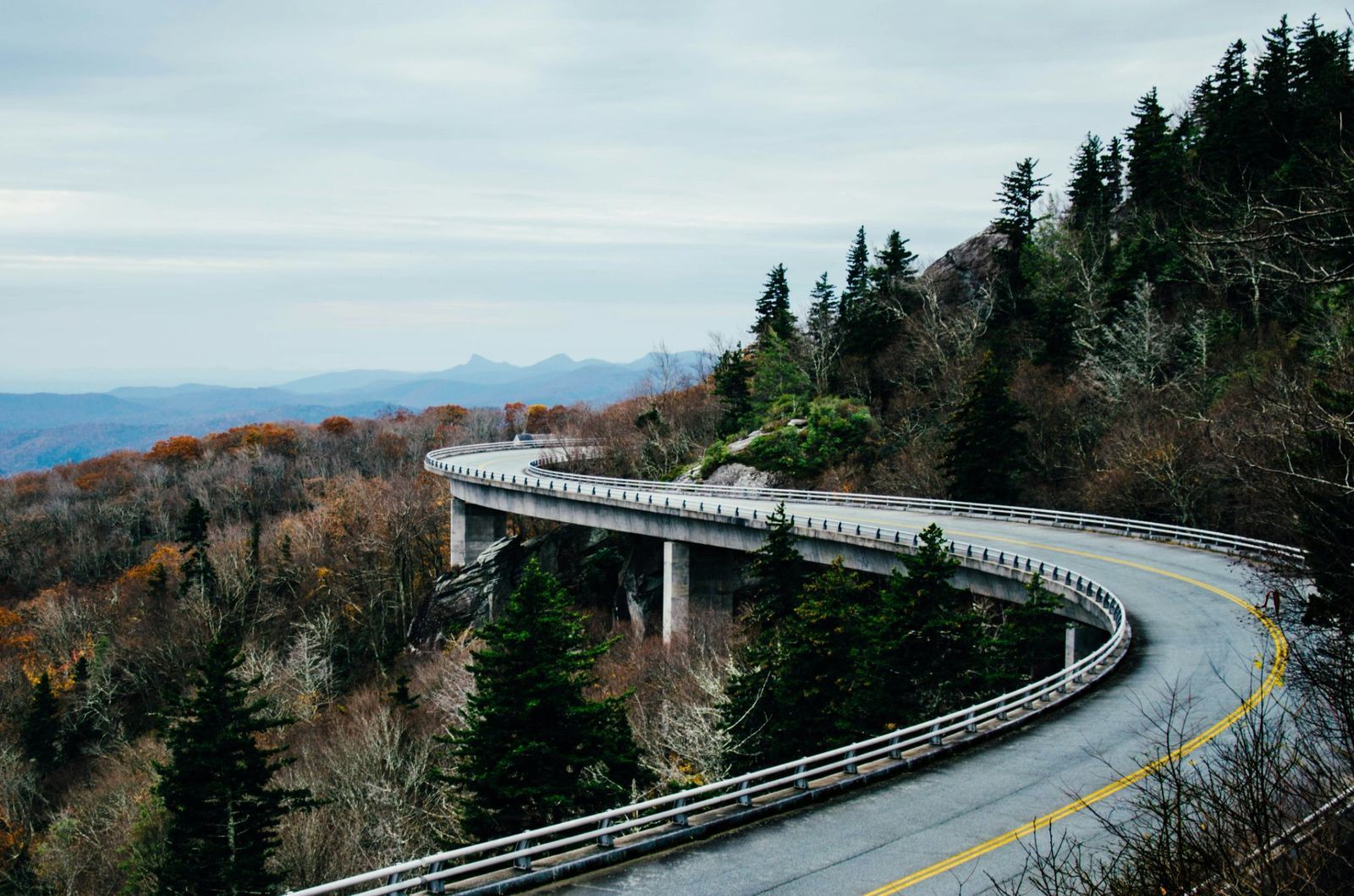
Known as "America’s Favorite Drive," the Blue Ridge Parkway stretches 469 miles through the Appalachian Highlands. Travelers don’t need to complete the entire route to enjoy its beauty. A weekend section offers dozens of overlooks, waterfalls, and hiking opportunities.
Popular stops include Mabry Mill, Linville Falls, Craggy Gardens, and the Blue Ridge Music Center. The scenery is especially spectacular during autumn when the mountains explode with fall colors.
Route 66 through Illinois and Missouri
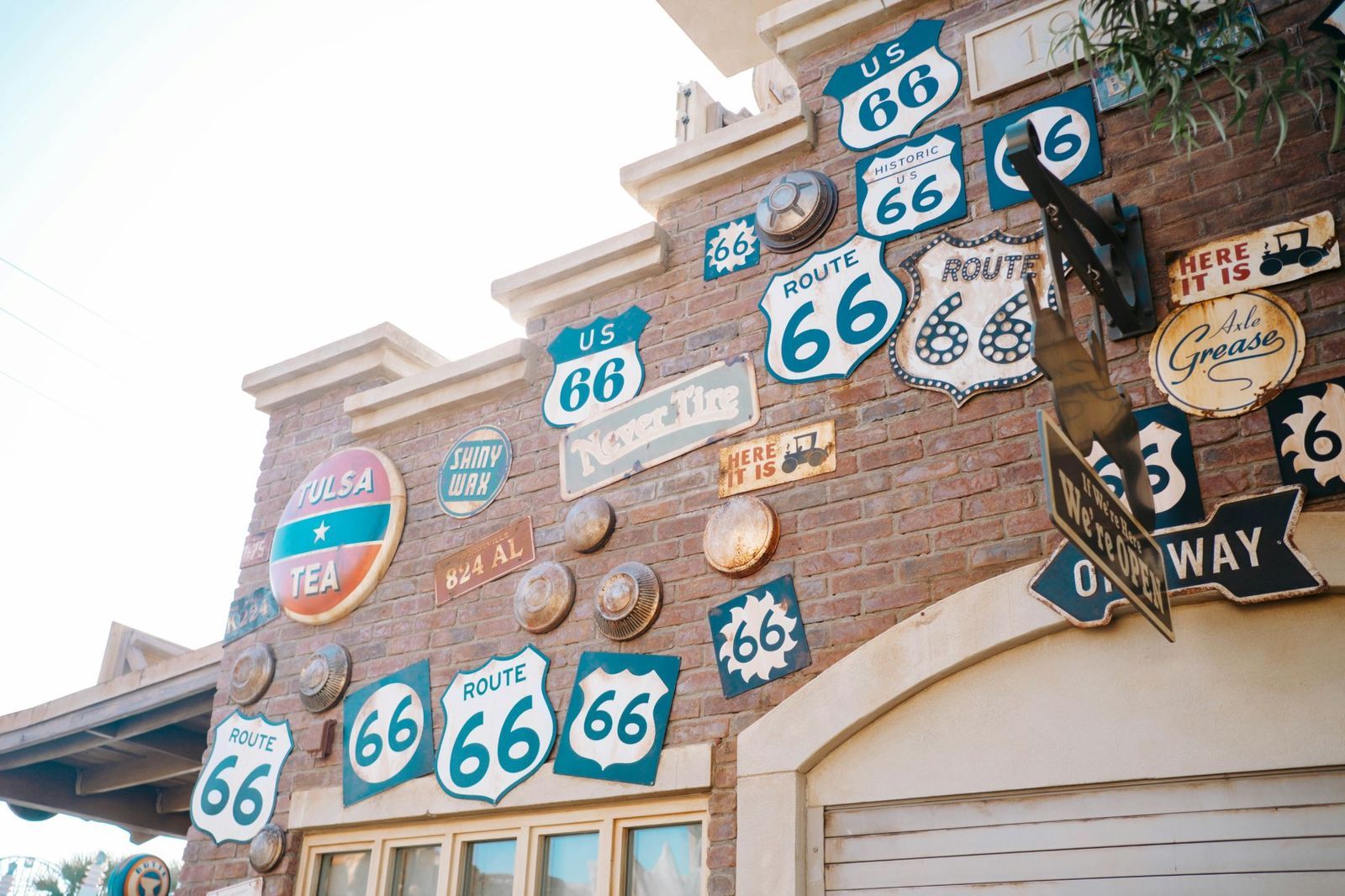
A weekend on historic Route 66 offers a nostalgic journey through classic Americana. The Illinois and Missouri sections feature vintage diners, old gas stations, quirky roadside attractions, and charming small towns that preserve the spirit of the Mother Road.
Travelers can visit Springfield, Illinois, the Chain of Rocks Bridge near St. Louis, and numerous restored Route 66 landmarks. It’s a perfect short trip for anyone interested in American history and road-trip culture.
Napa Valley and Sonoma, California
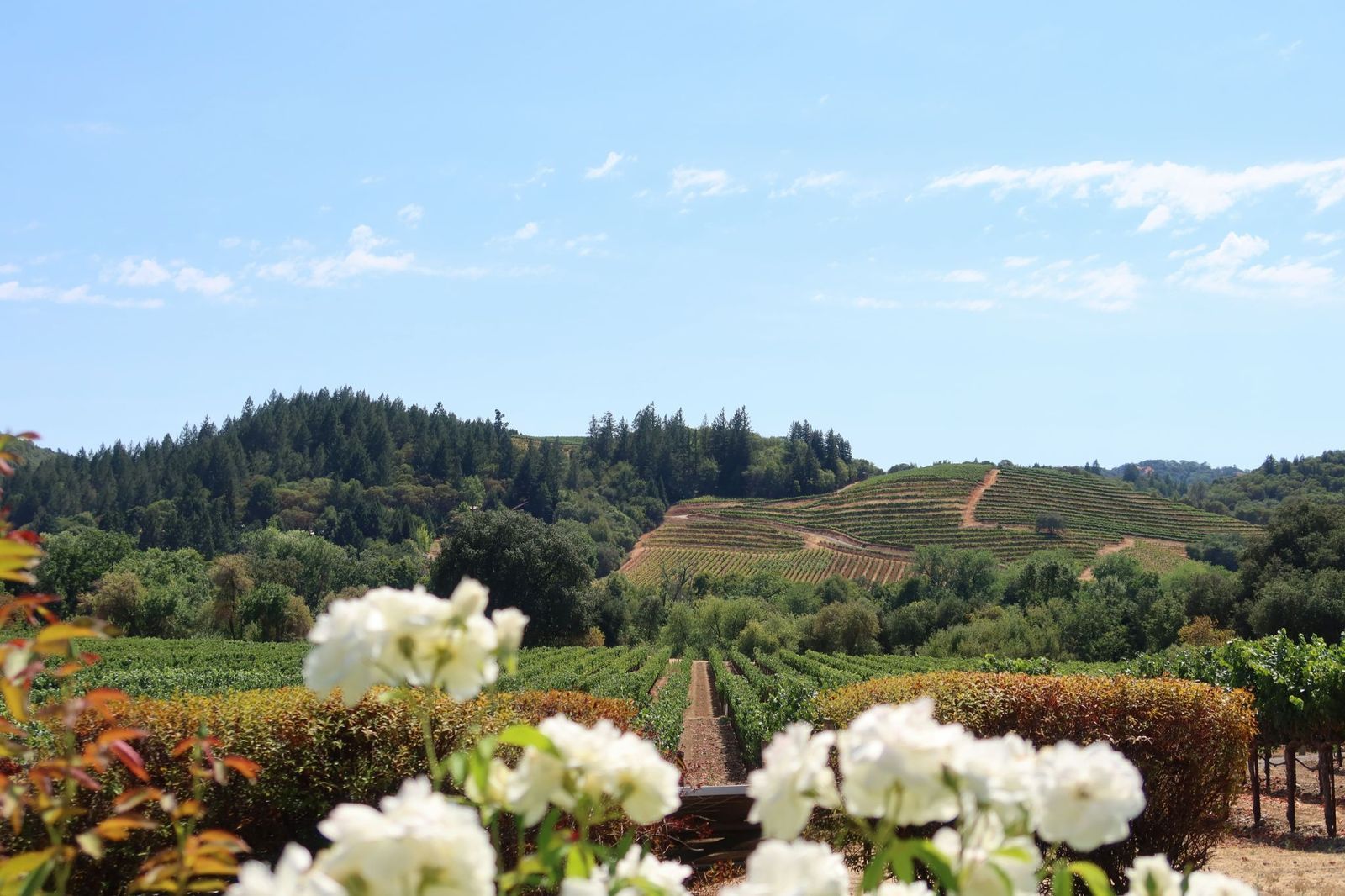
Wine lovers can spend an entire weekend exploring California’s most famous wine regions. Napa Valley and neighboring Sonoma offer rolling vineyards, scenic roads, boutique wineries, and picturesque towns.
Beyond wine tasting, visitors can enjoy gourmet restaurants, hot-air balloon rides, cycling routes, and beautiful countryside views. The short driving distances between attractions make this an easy and relaxing weekend adventure.
The San Juan Skyway, Colorado
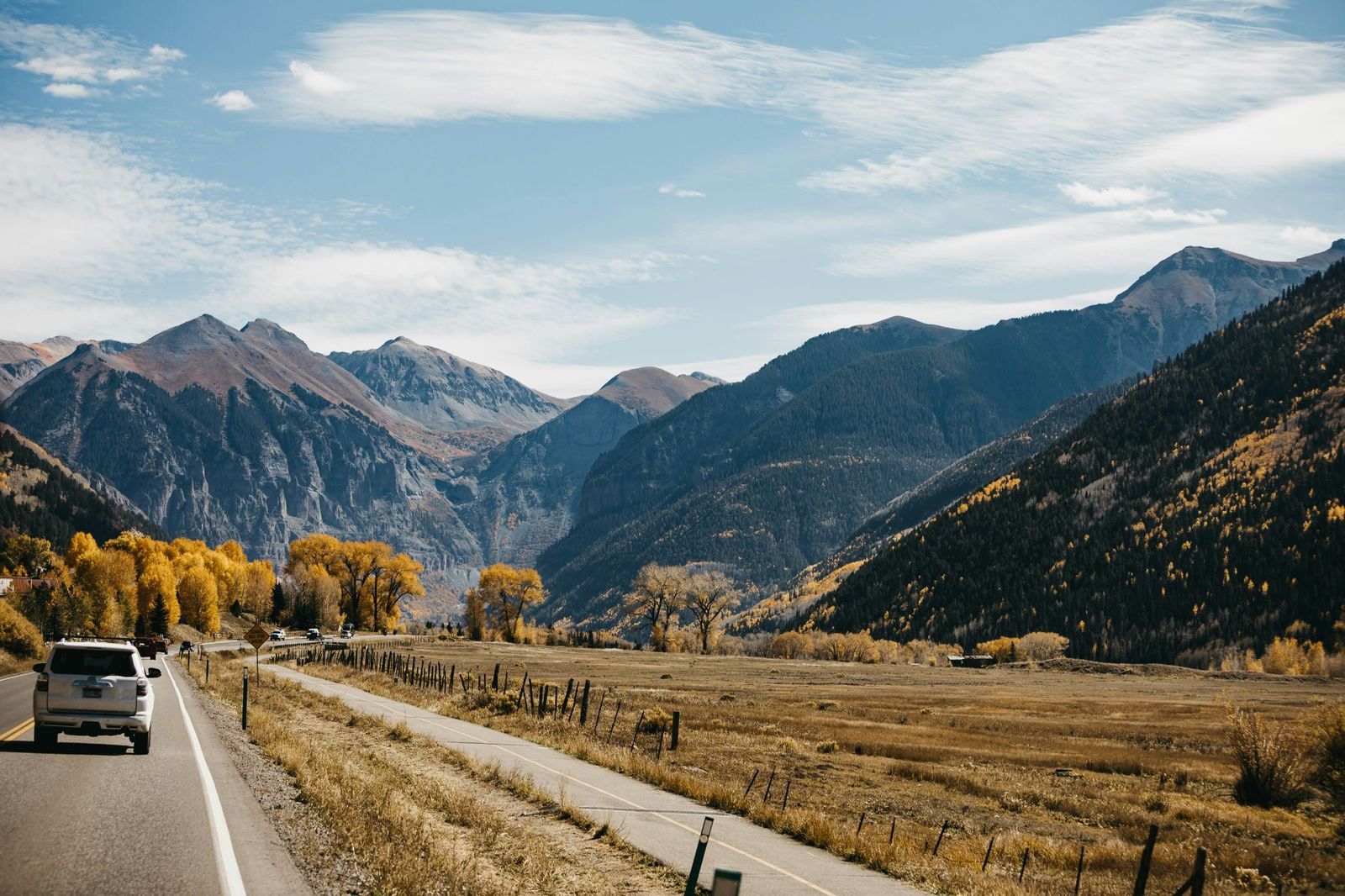
The San Juan Skyway is a 236-mile loop through southwestern Colorado’s Rocky Mountains. The route passes historic mining towns, alpine forests, and dramatic mountain scenery.
Many travelers consider the Million Dollar Highway between Silverton and Ouray the highlight. Towering peaks, deep canyons, and breathtaking overlooks create one of the most scenic drives in the American West.
The Yellowstone Loop, Wyoming and Montana
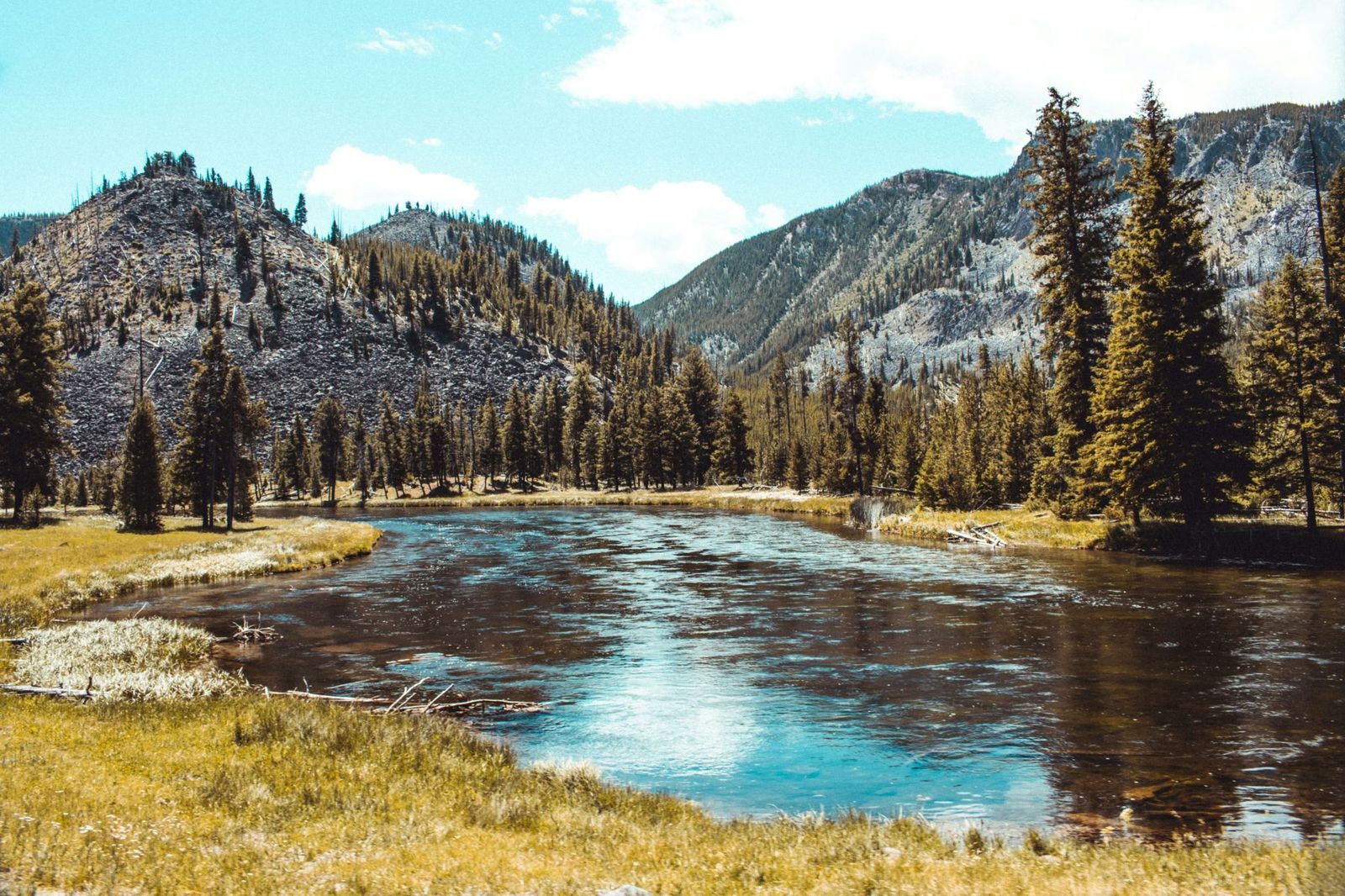
Yellowstone National Park is large, but a carefully planned weekend allows visitors to see many of its most famous attractions. A loop through the park can include Old Faithful, Grand Prismatic Spring, Yellowstone Lake, and abundant wildlife viewing.
Bison, elk, bears, and wolves inhabit the region, while geysers and hot springs create landscapes unlike anywhere else in North America. A weekend provides enough time for a memorable introduction to the park.
New England Coastal towns, Massachusetts, and Maine
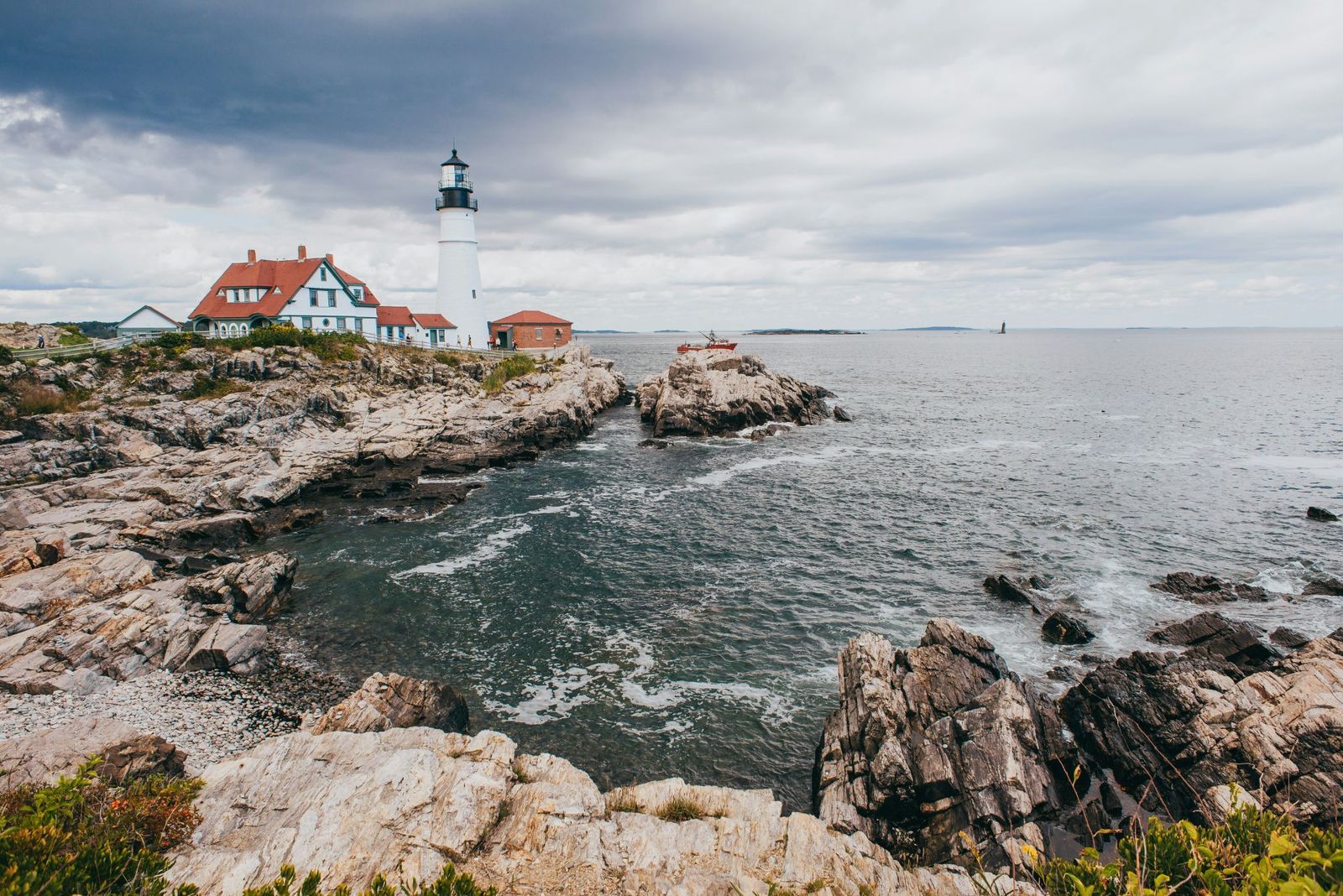
The New England coast offers a classic weekend road trip filled with fishing villages, lighthouses, seafood shacks, and historic architecture. Popular stops include Salem, Gloucester, Portsmouth, Kennebunkport, and Portland.
Travelers can enjoy fresh lobster, scenic harbors, coastal walks, and beautiful Atlantic Ocean views. The relatively short distances between towns make it easy to see several destinations in just a couple of days.
Sedona and the Grand Canyon, Arizona
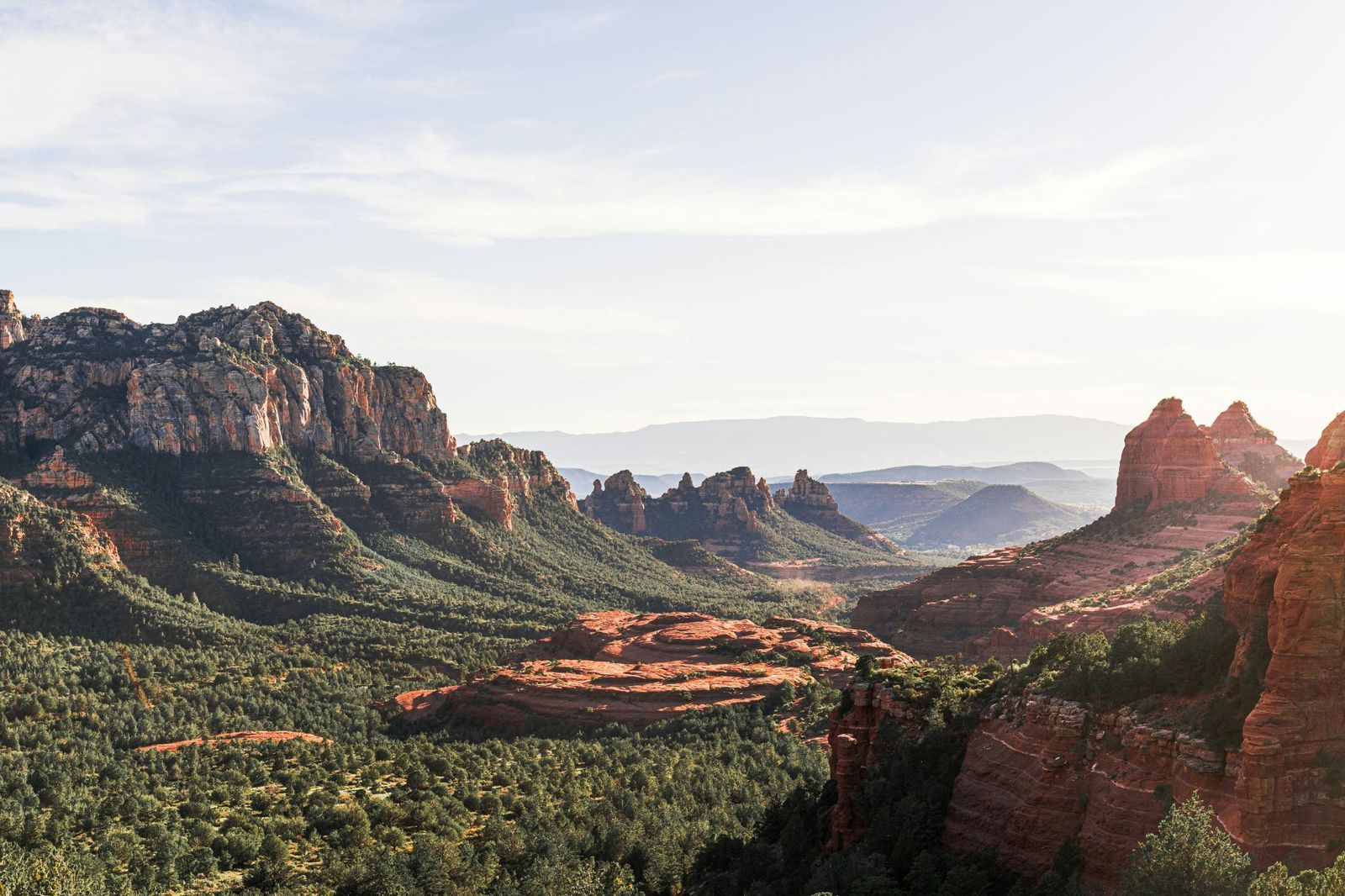
A weekend combining Sedona and the Grand Canyon delivers some of the Southwest’s most spectacular scenery. Sedona is famous for its red-rock formations, scenic drives, and hiking trails.
Just a few hours north lies Grand Canyon National Park. Visitors can spend one day exploring Sedona and another taking in the Canyon’s breathtaking viewpoints, making this an ideal short Arizona adventure.
Utah’s Mighty 5 Starter Route
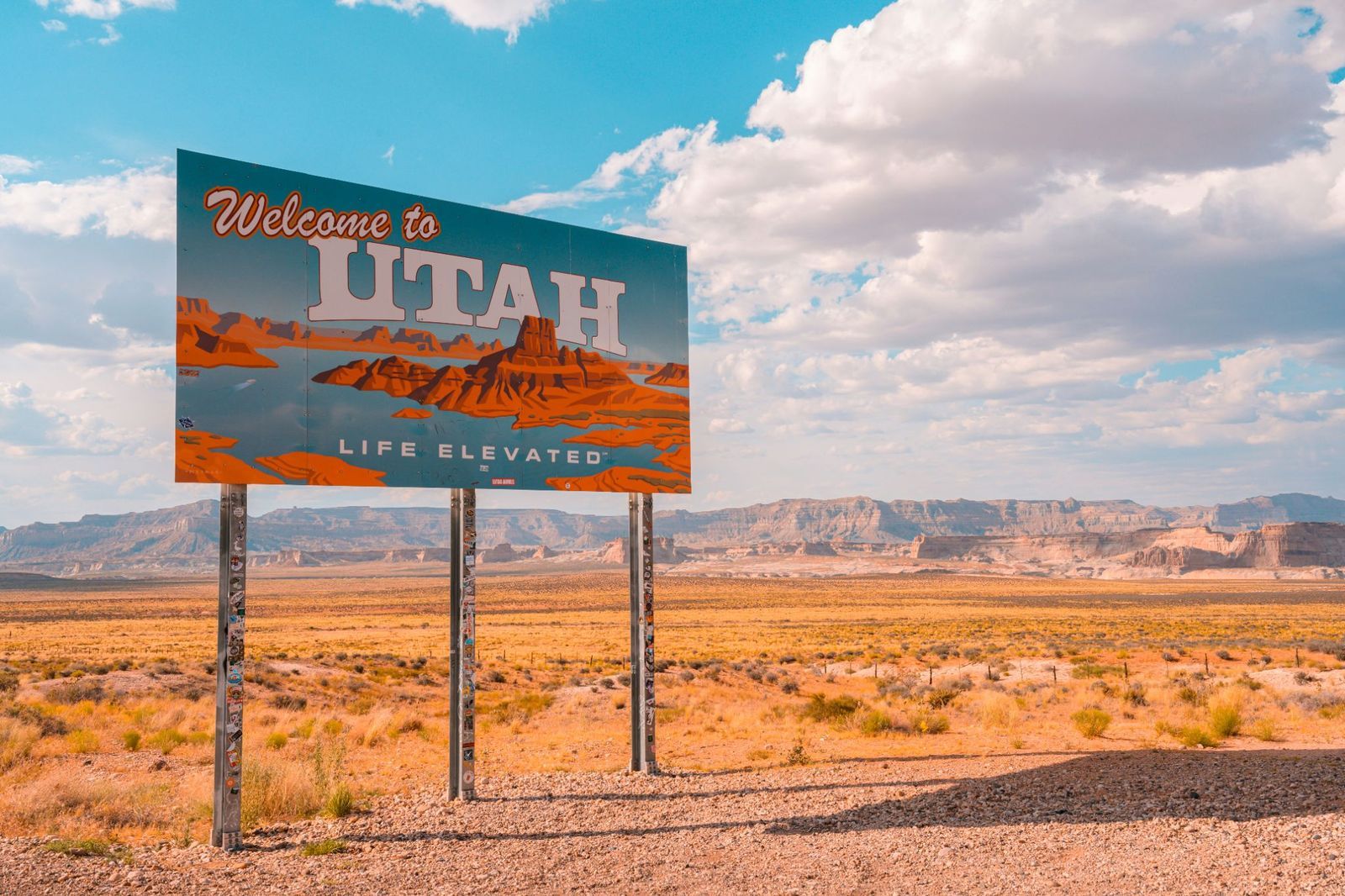
Utah’s five national parks: Zion, Bryce Canyon, Capitol Reef, Arches, and Canyonlands, deserve a full vacation. But a weekend can easily cover a portion of the route. Many travelers focus on Zion and Bryce Canyon because they are relatively close together.
Towering sandstone cliffs, natural arches, narrow canyons, and colorful rock formations create a landscape unlike anywhere else in the country.
Oregon Coast Highway 101
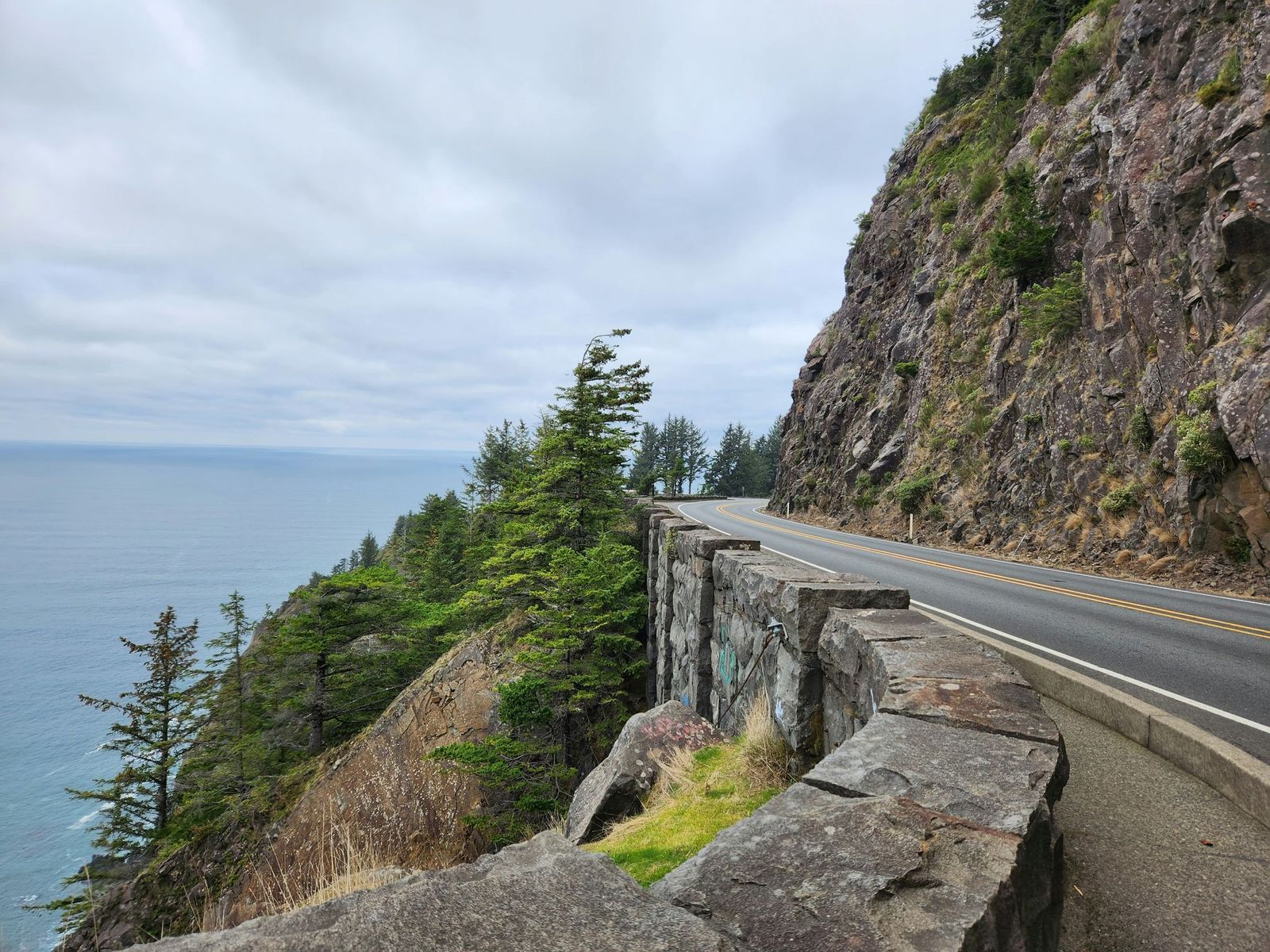
Oregon’s section of Highway 101 follows a rugged coastline filled with sea stacks, beaches, cliffs, and charming coastal communities. A weekend allows travelers to experience some of the state’s most famous ocean scenery.
Popular stops include Cannon Beach, Newport, Florence, and the Oregon Dunes. Whale watching, lighthouse visits, and fresh seafood add to the appeal of this scenic Pacific Northwest getaway.
The Great River Road along the Mississippi
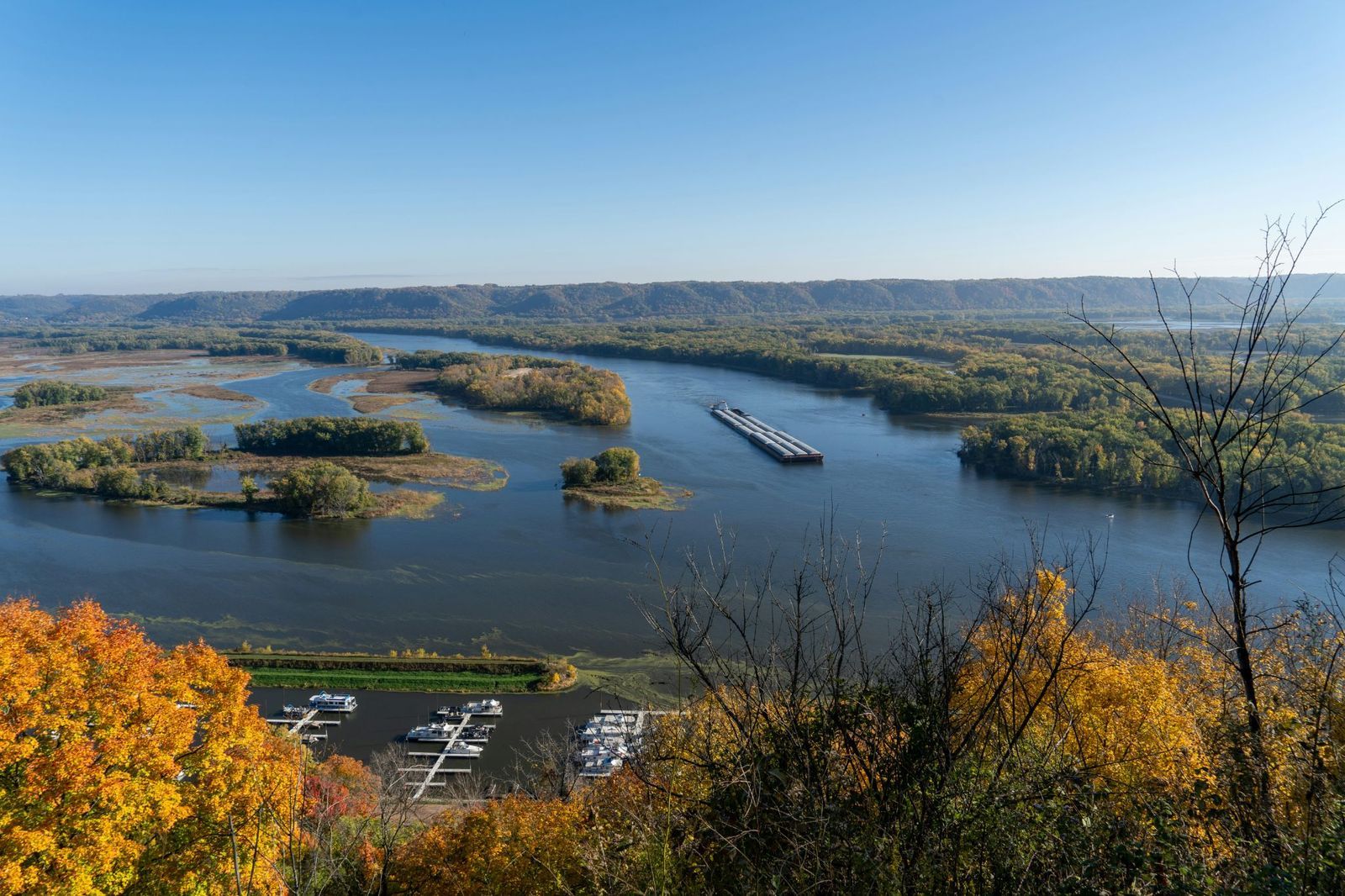
The Great River Road follows the Mississippi River through multiple states, but a weekend segment can provide an excellent taste of the experience. Travelers can choose routes through Wisconsin, Iowa, Minnesota, or Mississippi, depending on their location.
River towns, scenic bluffs, historic sites, and wildlife refuges make this a relaxing alternative to more crowded destinations. The route showcases a different side of America shaped by the nation’s most famous river.
Hidden in plain sight: 10 secrets of famous city statues
Statues of America
Hidden in plain sight: 10 secrets of famous city statues
Passing a statue in a city park can feel like visiting an old friend. While casual observers usually focus on a monument's scale and how worn it is, the best stories often lie in the smallest details. It turns out that even the most famous landmarks hold secrets, symbols, and Easter eggs hidden in plain sight. Look a little closer, and these familiar landmarks begin to feel far more alive.
The Statue of Liberty’s secret chains
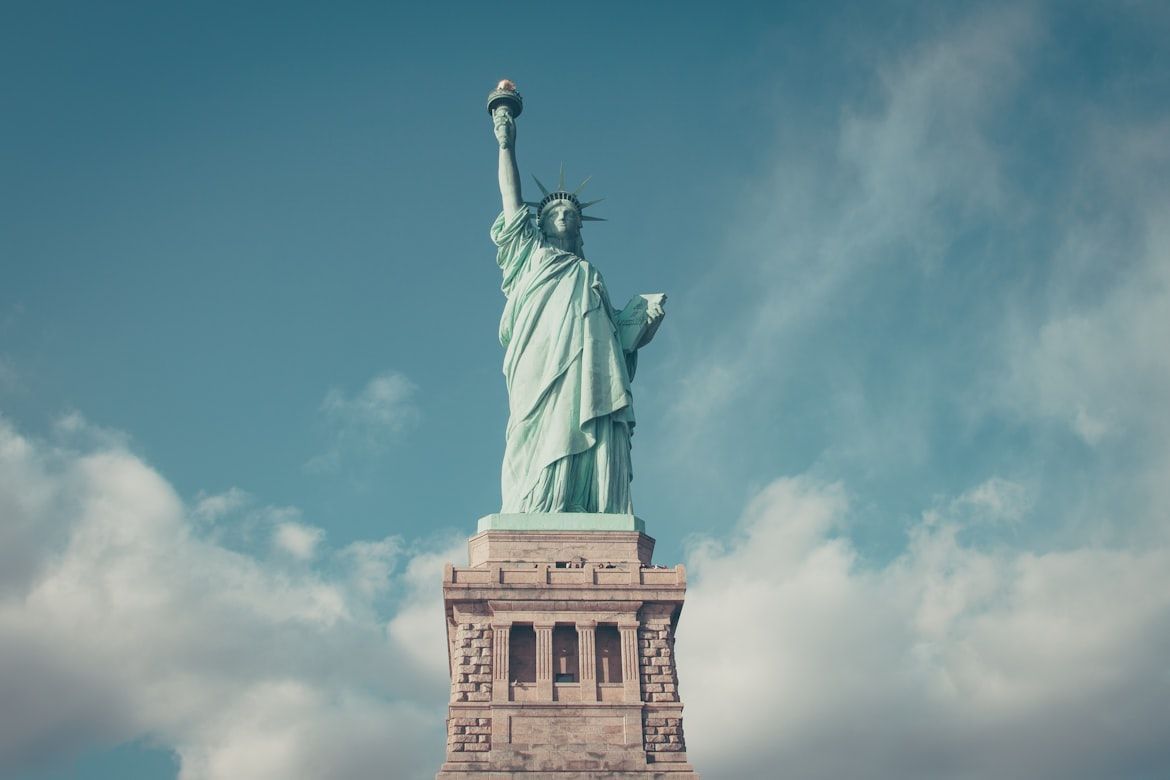
Have you ever noticed what lies at Lady Liberty’s feet? From a distance, it’s natural to focus on the torch and the crown. However, beneath the heavy folds of her copper robes lies a detail many visitors miss. Tucked near the hem are broken shackles and chains.
This element was central to the original vision of its creator, Édouard de Laboulaye, who intended the statue to commemorate the abolition of slavery at the end of the Civil War. Early sketches even showed the statue holding the chains in her left hand. Later, when the statue was officially dedicated in 1886, the symbolism was placed at her feet, making room for the tablet inscribed with July 4, 1776. It is a quiet reminder of the deeper meaning behind this gift from France.
The typo at the Lincoln Memorial
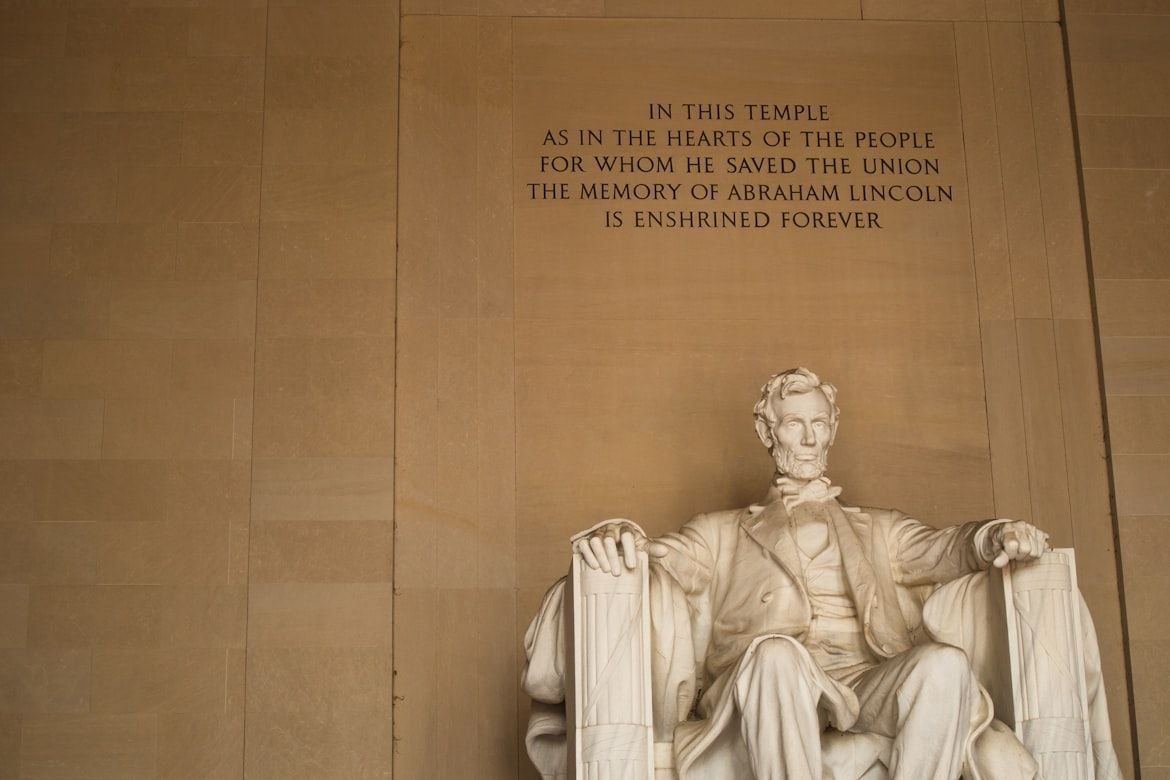
Carved from 38,000 tons of marble and unveiled on Memorial Day, May 30, 1922, the Lincoln Memorial was built to honor the 16th president’s legacy. Yet inside, in the north chamber, a permanent "oops" is etched into the stone.
Lincoln’s Second Inaugural Address is inscribed across the wall in large marble letters. In the word "FUTURE," an extra stroke was carved and later adjusted. The correction is subtle, but under the right light, the change can still be seen. Even the most enduring monuments are shaped by human hands.
The hidden hall of Mount Rushmore
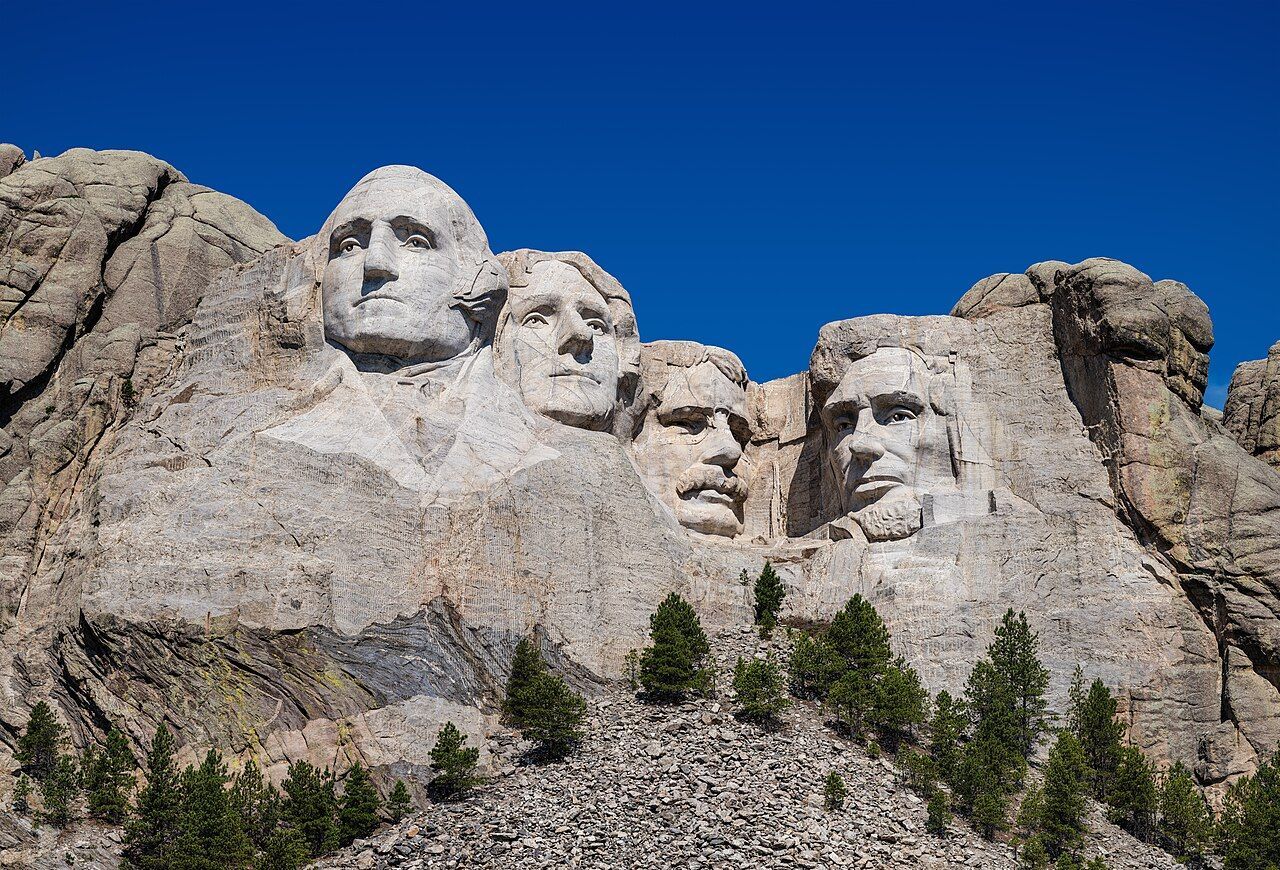
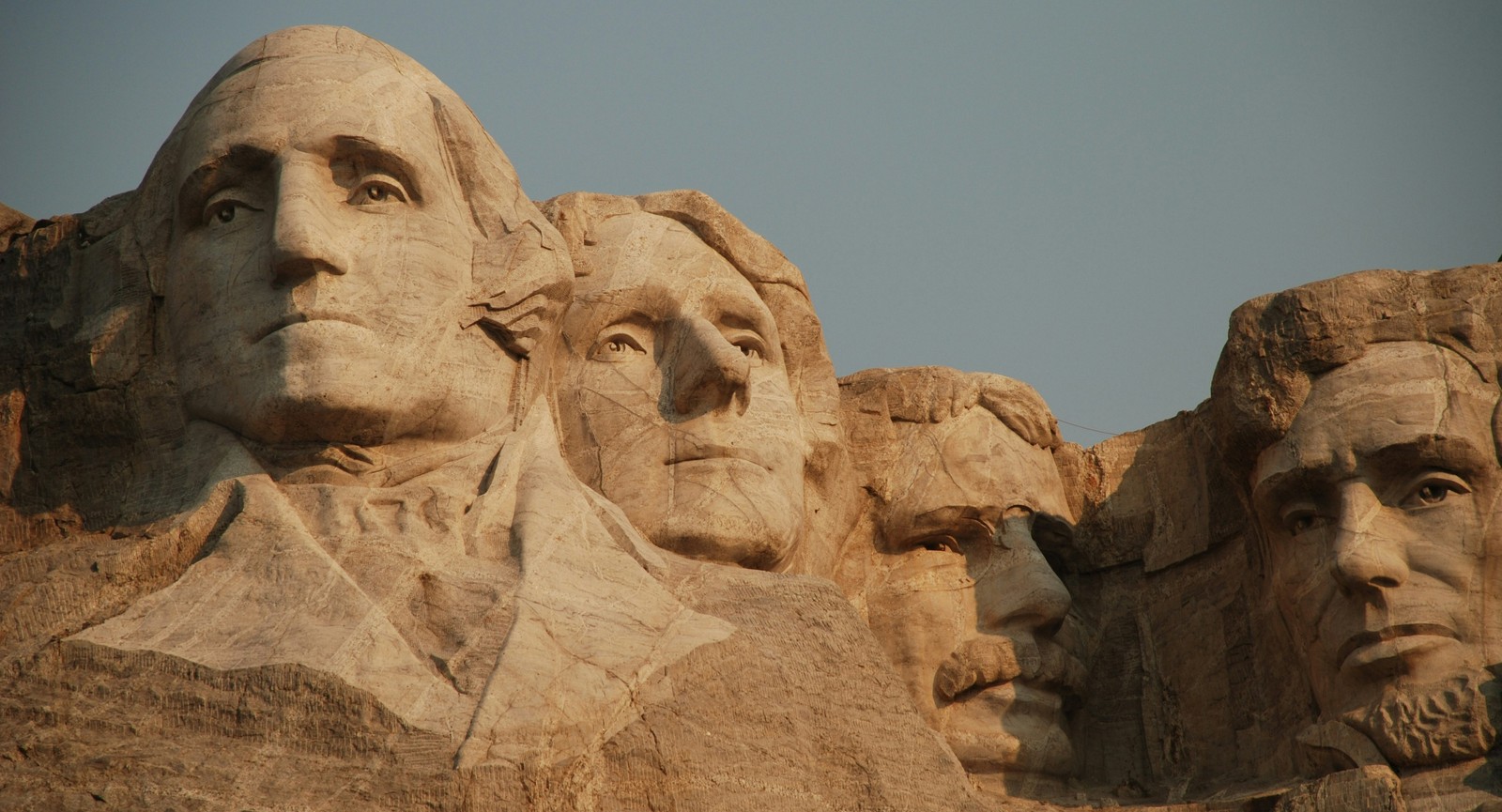
Carved into the solid granite behind Abraham Lincoln’s stoic gaze lies a secret chamber known as the Hall of Records. Sculptor Gutzon Borglum envisioned a grand room inside the rock, reached by an 800-foot granite stairway, where America’s most foundational documents could be preserved for future generations. The staircase was never built, but workers did carve a 70-foot tunnel before construction stopped in 1939.
Nearly sixty years later, in 1998, part of that vision was realized. A titanium vault was installed inside the tunnel, housing a teakwood box with documents that explain the history and purpose of the monument and the nation it represents.
The Washington Monument’s two-tone stone
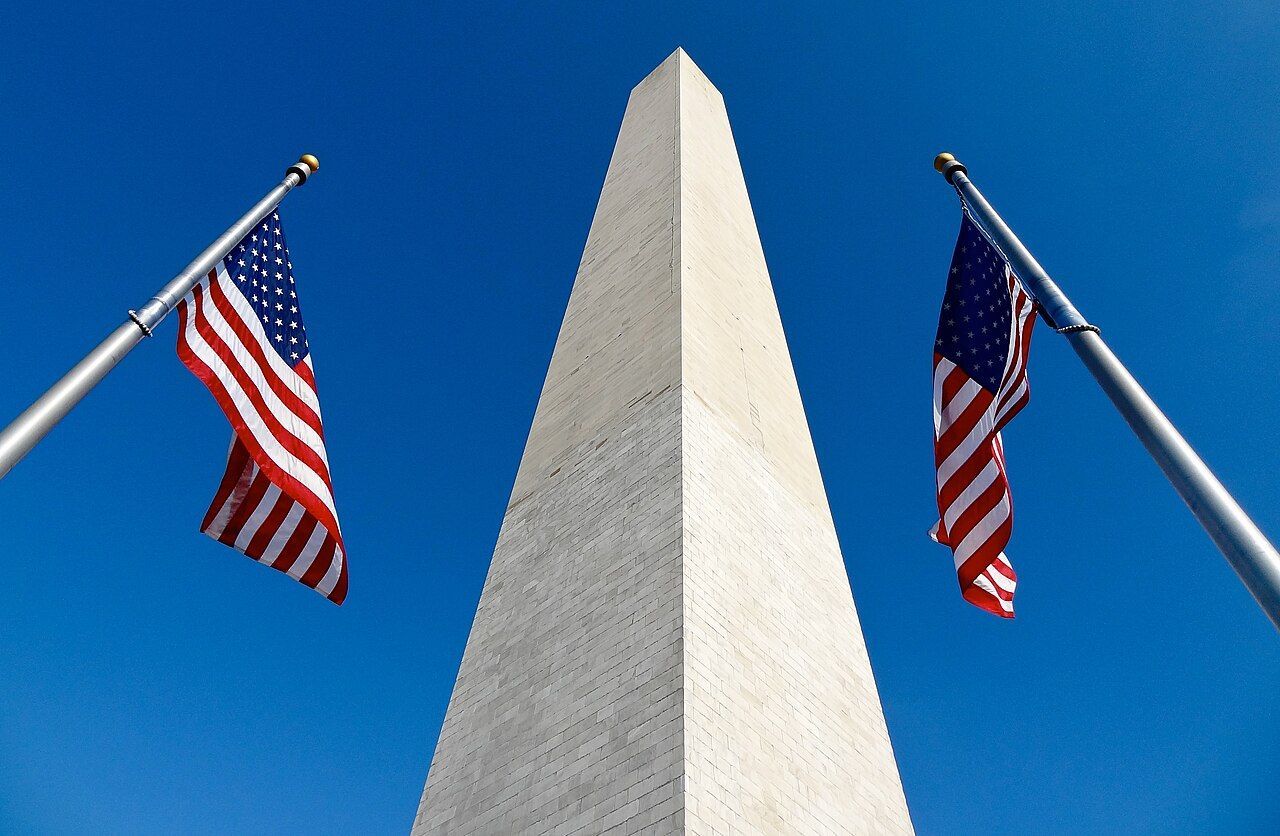
Have you ever noticed that the lower portion of the Washington Monument does not quite match the upper section? The color difference is subtle, but it becomes clear once you know to look for it.
Construction on the monument began in 1848, but the project was halted for nearly twenty years when funding ran out. When work finally resumed, the original quarry had closed. Builders were forced to use marble from different sources that initially appeared similar; the structure was completed on December 6, 1884. Over time, weathering caused the stone to age at different rates, leaving a visible seam.
The Rocky statue’s movie roots
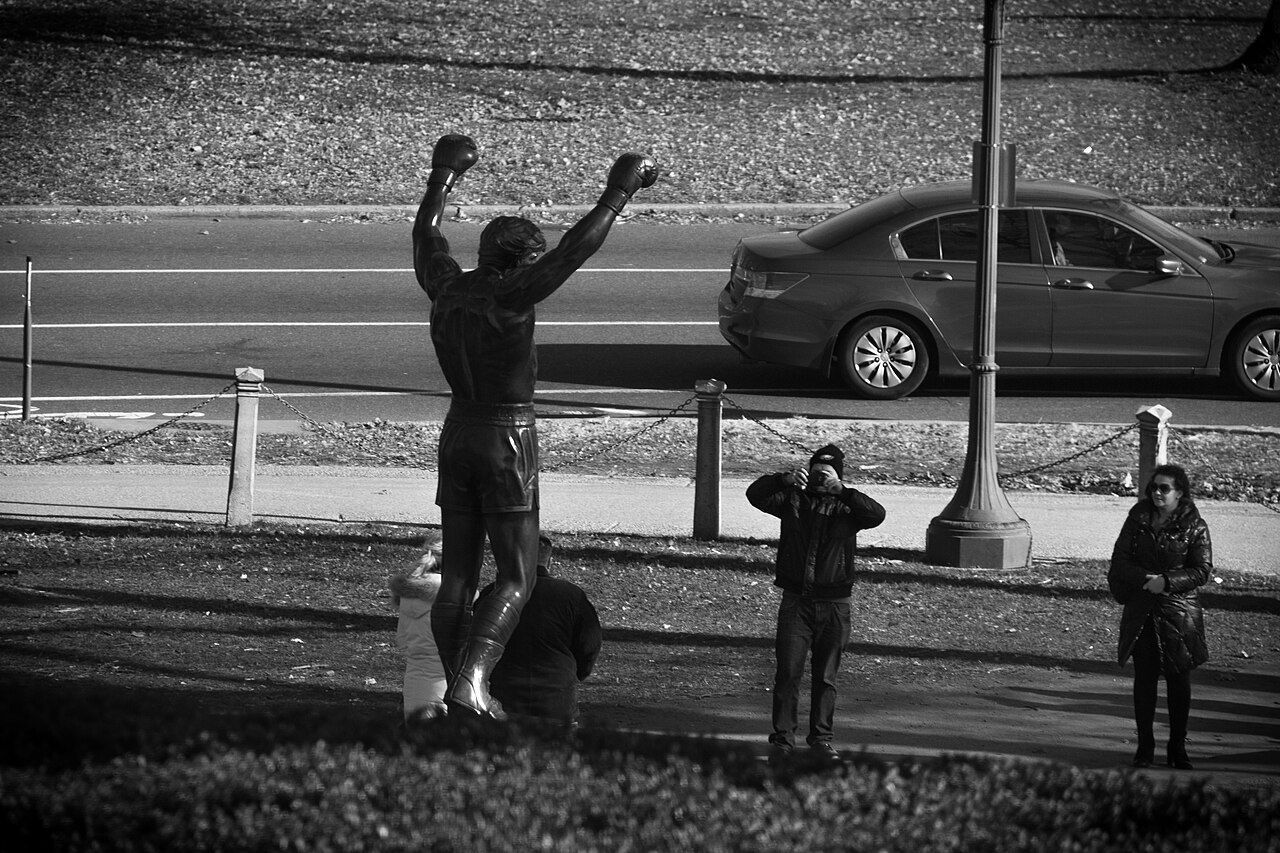
How does a movie prop become one of Philadelphia’s most photographed landmarks? The bronze statue of Rocky Balboa was created in 1980 for the film Rocky III. After filming wrapped in 1982, the statue moved between locations, and a decades-long debate ensued: Was the statue "art" worthy of the Philadelphia Museum of Art, or simply a movie prop?
Bouncing between the Spectrum sports arena and the museum, in 2006, it was given a permanent home near the base of the Art Museum steps. Today, visitors line up to take photos and recreate the triumphant "Rocky Run".
"Balto" was present at his own unveiling
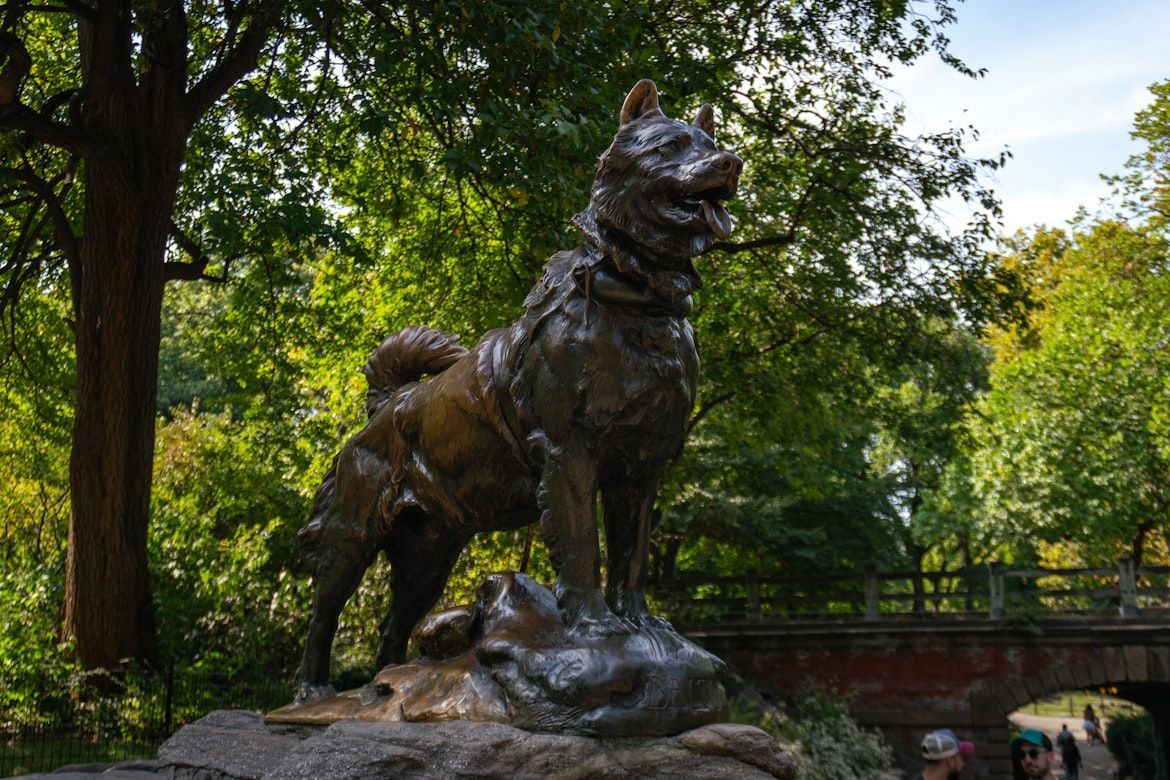
In the heart of New York’s Central Park stands a bronze statue of Balto, the sled dog who helped deliver life-saving medicine to Nome, Alaska, in 1925. Few monuments can claim their subject was present at the unveiling; Balto was.
Just ten months after the famous Serum Run, the real Balto, a Siberian Husky, stood wagging his tail beside his own likeness at the dedication ceremony. Over the years, the statue’s ears and back have been polished smooth by generations of children climbing up for photos. These worn spots serve as a shining testament to a century of affection, proving that some heroes never truly fade away.
The hidden owl of Columbia University
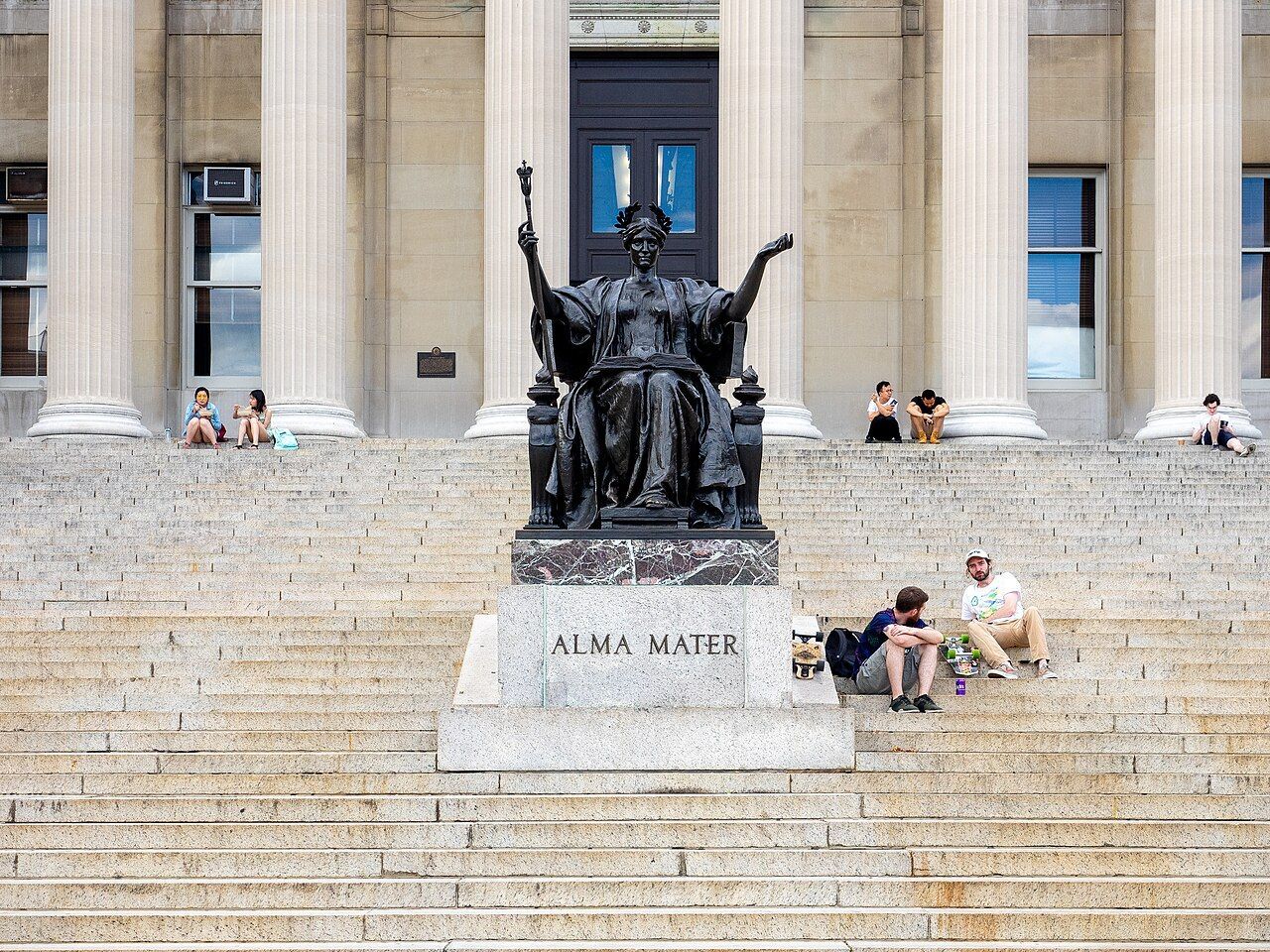
In the center of Columbia University's grand campus in upper Manhattan sits a welcoming figure that has watched over students for years. At its center stands the "Alma Mater" statue, a seated figure representing the goddess Minerva. Hidden within the folds of her bronze robes is a small owl that many visitors overlook. Spotting it has become a long-standing campus tradition.
According to student legend, the first freshman to find the owl will graduate at the top of the class or marry a fellow student. Whether you believe the superstitions or not, the "owl hunt" remains an enduring tradition that connects every visitor to the hidden narrative of the campus.
The 13th hand mystery
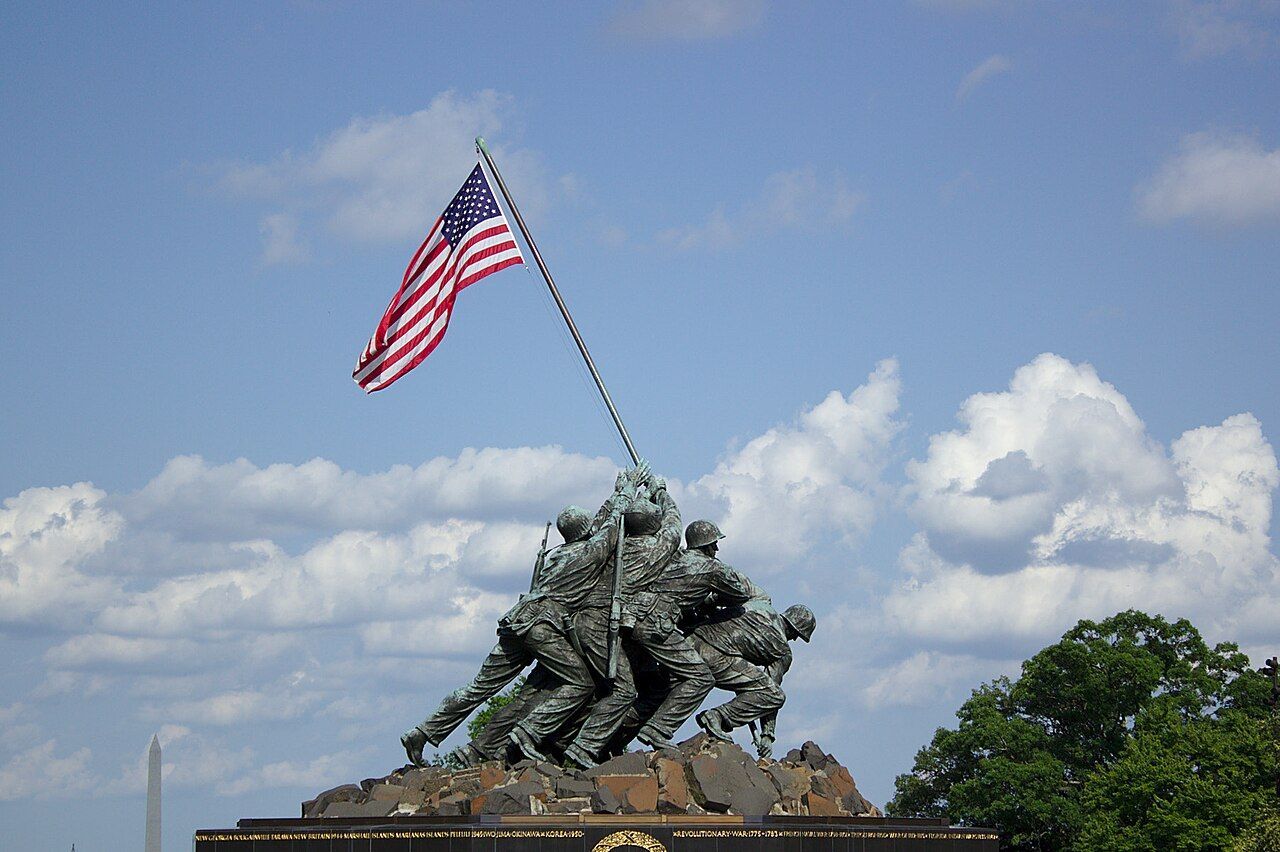
For decades, a rumor has surrounded the Marine Corps War Memorial, also known as the Iwo Jima Memorial, in Arlington. Some visitors claim they can see thirteen hands in the sculpture depicting the flag-raising on Mount Suribachi.
The legend claims that the sculptor, Felix de Weldon, added an extra hand, a "Hand of God," to assist the six servicemen in raising the heavy flagpole. Park officials confirm that the story is simply local folklore that began shortly after the memorial was unveiled in 1954. Next time you visit, you might still find yourself counting the fingers just to be sure.
Chicago’s Cloud Gate
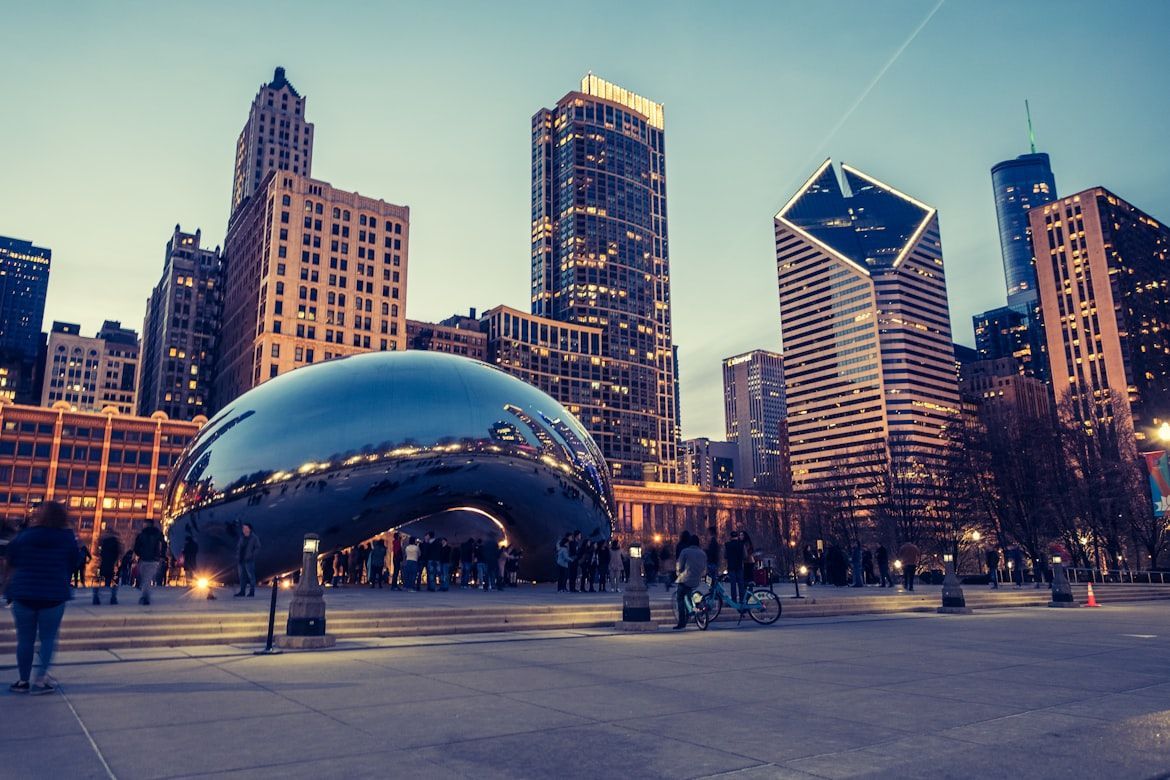
Most visitors know it as "The Bean," though its official title is Cloud Gate. Designed by artist Anish Kapoor, the sculpture is made of 168 stainless steel plates, yet it appears as a single, liquid drop of mercury. When it was unveiled in 2004, some critics questioned its modern design and cost; it actually cost $23 million. Over time, it became one of Chicago’s most recognizable landmarks. It was designed to reflect both the skyline and the people who walk beneath it.
Maintaining its mirror-like finish requires constant care. The lower portion is polished by hand several times a day to remove fingerprints left by visitors who pass beneath its arch. And twice a year, the entire sculpture undergoes a "deep clean." After all, it’s the crown jewel of Millennium Park.
Yoda in San Francisco
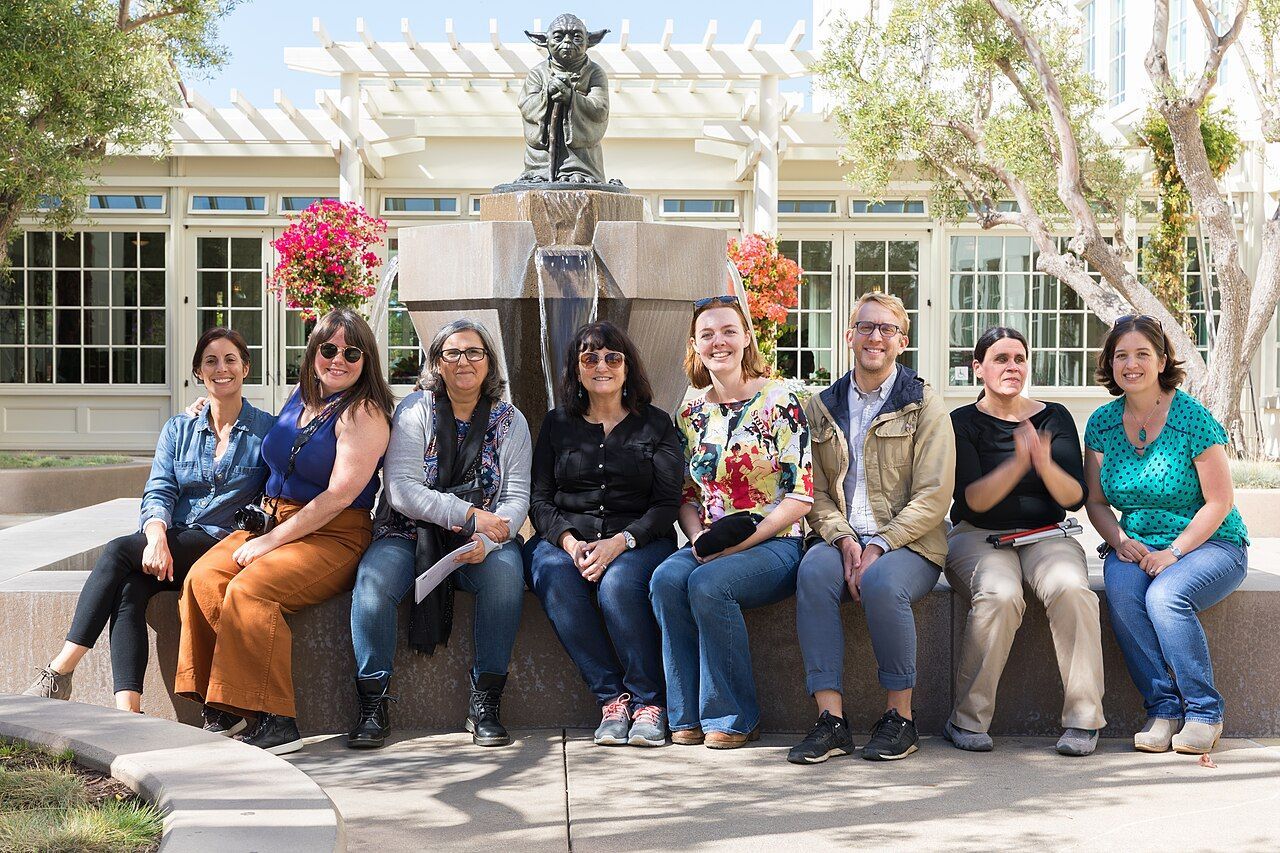
The final secret on our list proves that an iconic landmark doesn’t have to be massive to be meaningful. Tucked away in a serene courtyard within San Francisco’s Presidio National Park, a life-sized bronze statue of Yoda sits atop a fountain outside the headquarters of Lucasfilm. Unlike many city landmarks, this one feels almost hidden. Visitors who remember seeing the original Star Wars films in theaters often make a short detour to see it in person.
Although the building itself houses offices, the courtyard is open to the public, offering a peaceful pause from more crowded tourist areas. The statue has become an informal stop for fans and curious passersby alike.
Keep wandering
There’s always
more to explore
I wish I had known these 12 car tips before embarking on a long road trip
4 min.
Read Now
 Culture
Domestic vs. International Travel: the pros and cons
4 min.
Read Now
 Landmarks
What is the purpose of the Golden Gate Bridge's orange color?
5 min.
Read Now

Entry Denied: Travel documents most Americans forget until it's too late
4 min.
Read Now