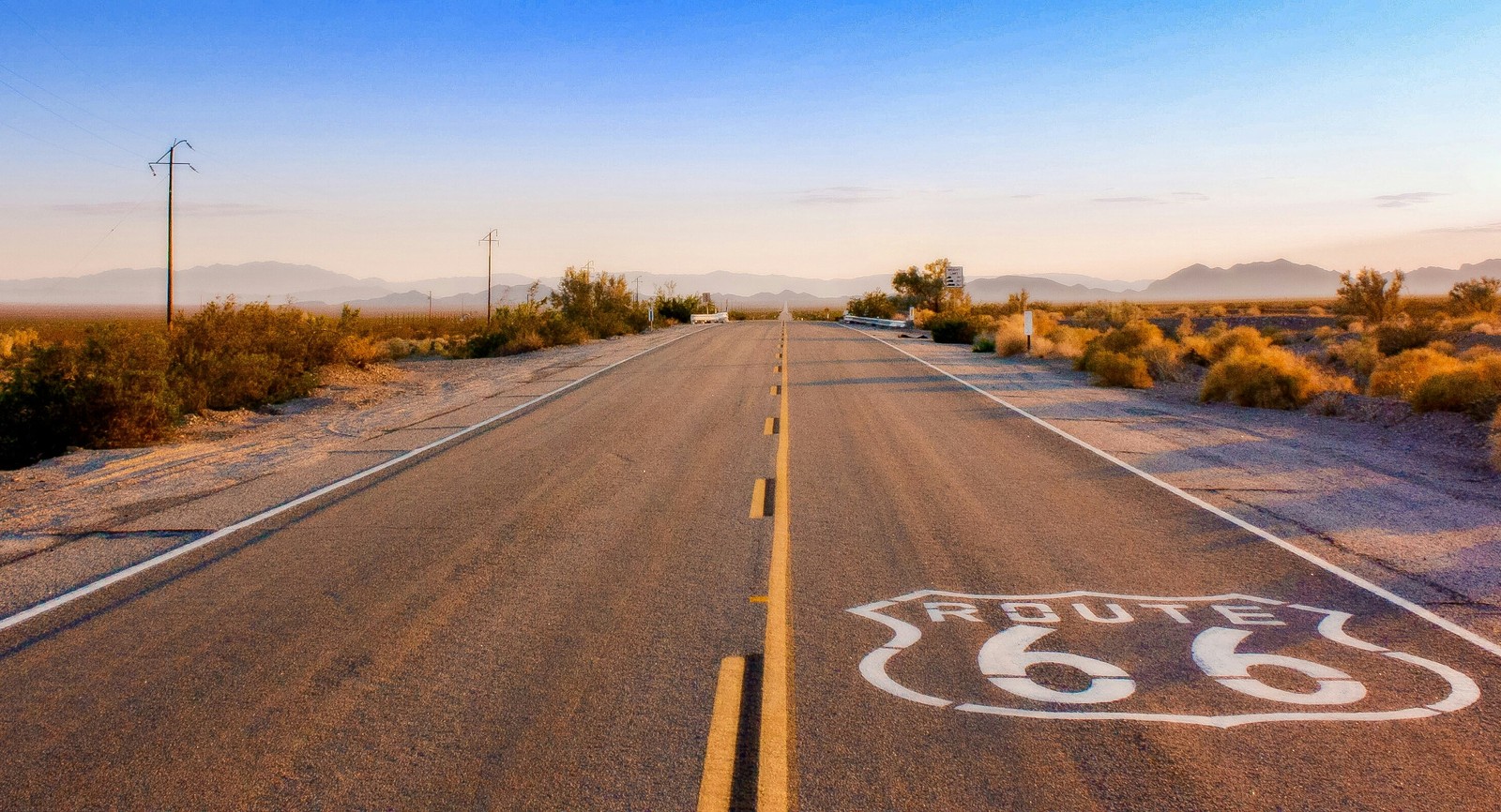
Route 66 roadside attractions too quirky to tear down
 Landmarks
Ten quirky Route 66 roadside attractions that have survived the decades
Route 66 roadside attractions too quirky to tear down
The Mother Road has seen better days, sure, but some of its weirdest landmarks refuse to fade into history. These ten survivors prove that America's appetite for roadside oddities is stronger than ever.
Blue Whale of Catoosa, Oklahoma
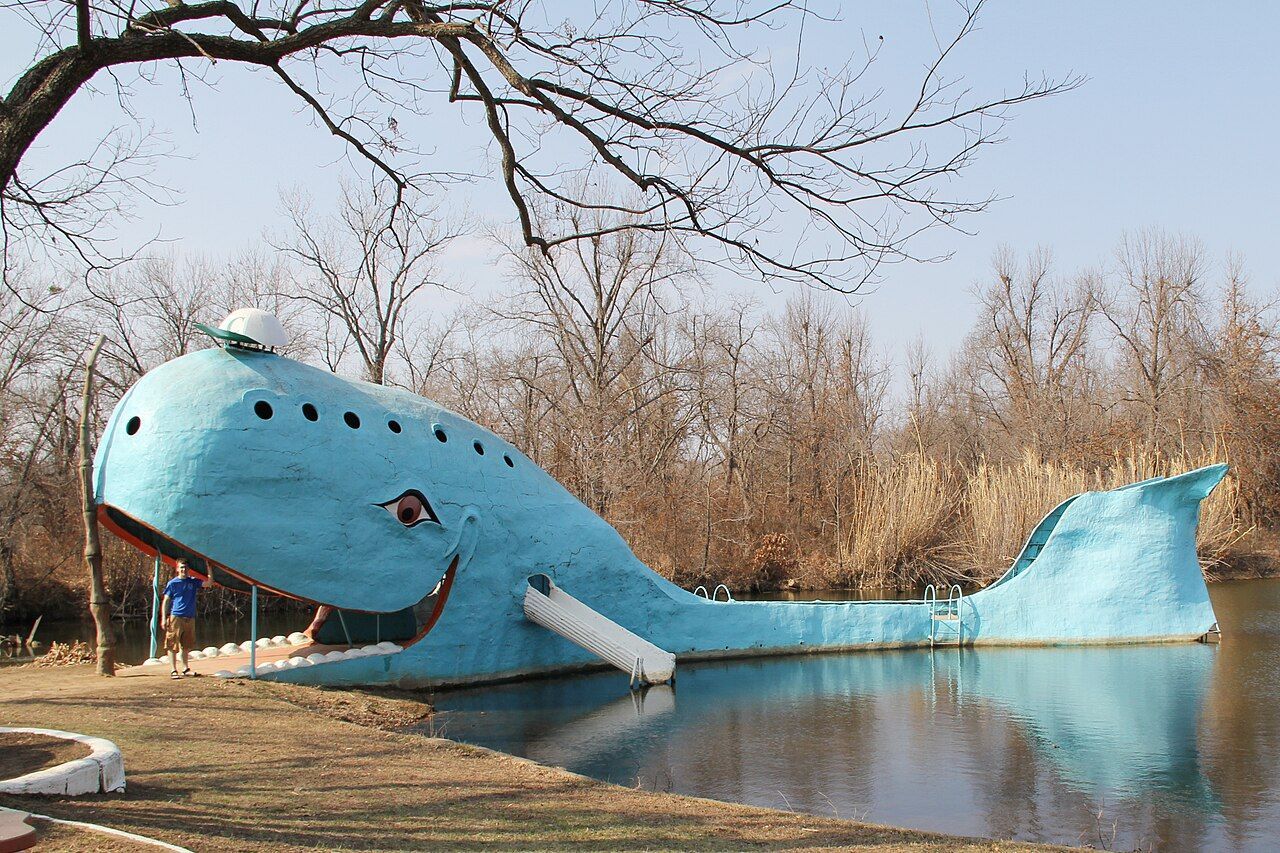 Image: The Erica Chang, CC BY 3.0 <https://creativecommons.org/licenses/by/3.0>, via Wikimedia Commons
Hugh Davis built this smiling 80-foot whale in 1972 as an anniversary gift for his wife, who collected whale figurines. What started as a backyard pond ornament became a beloved swimming hole where kids would cannonball off the tail and slide down the fins. The water's gone now, but that goofy grin remains.
Today, it stands as one of Route 66's most photographed stops, which is saying something on a highway full of giant things.
Cadillac Ranch, Amarillo, Texas
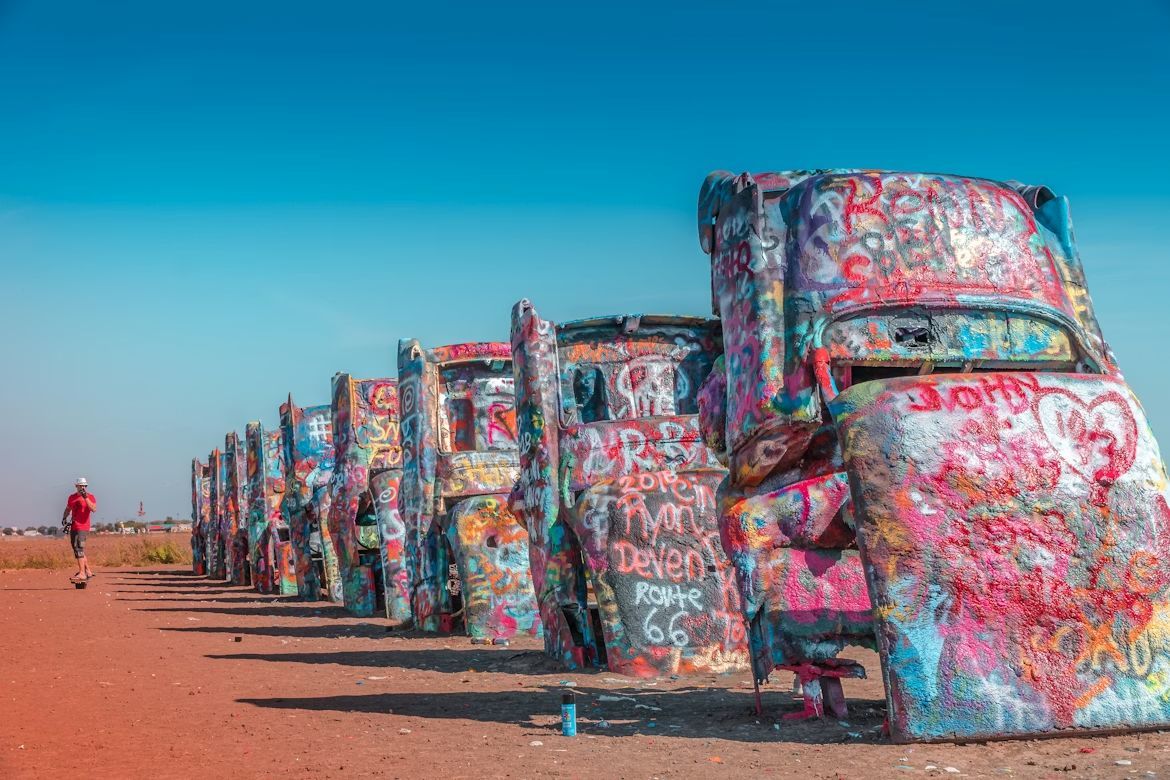 Image: Heidi Kaden
In 1974, some artists decided the best use for ten Cadillacs was planting them nose-first in a wheat field at the same angle as the Great Pyramid of Giza. Sure, why not? Visitors are actively encouraged to spray paint the cars, so they've been repainted thousands of times in every color combination imaginable.
The installation has been relocated once to escape urban development, but otherwise remains as wonderfully useless as it was fifty years ago.
Gemini Giant, Wilmington, Illinois
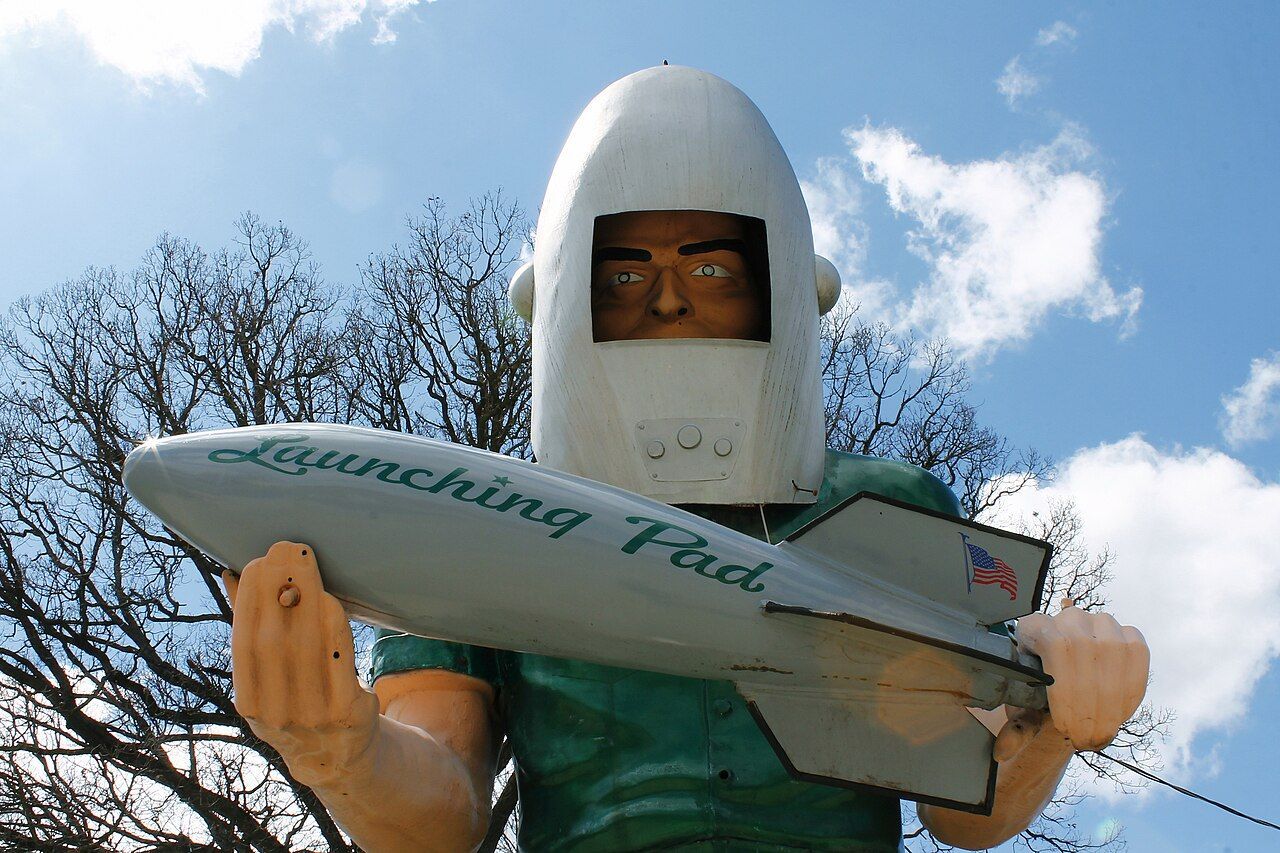 Image: formulanone from Huntsville, United States, CC BY-SA 2.0 <https://creativecommons.org/licenses/by-sa/2.0>, via Wikimedia Commons
Standing 28 feet tall in full astronaut gear, clutching a silver rocket ship, the Gemini Giant has been luring hungry motorists to what's now a Polish restaurant since 1965. He's one of the few surviving "Muffler Men", those giant fiberglass statues that used to decorate the American landscape like some weird corporate totem pole convention.
His space suit might be a bit outdated, but he's been restored and repainted a couple of times. The restaurant beneath him has changed concepts more times than anyone can count, but the big guy stays put, still holding that rocket like he's waiting for NASA to call him back.
Elmer's Bottle Tree Ranch, Oro Grande, California
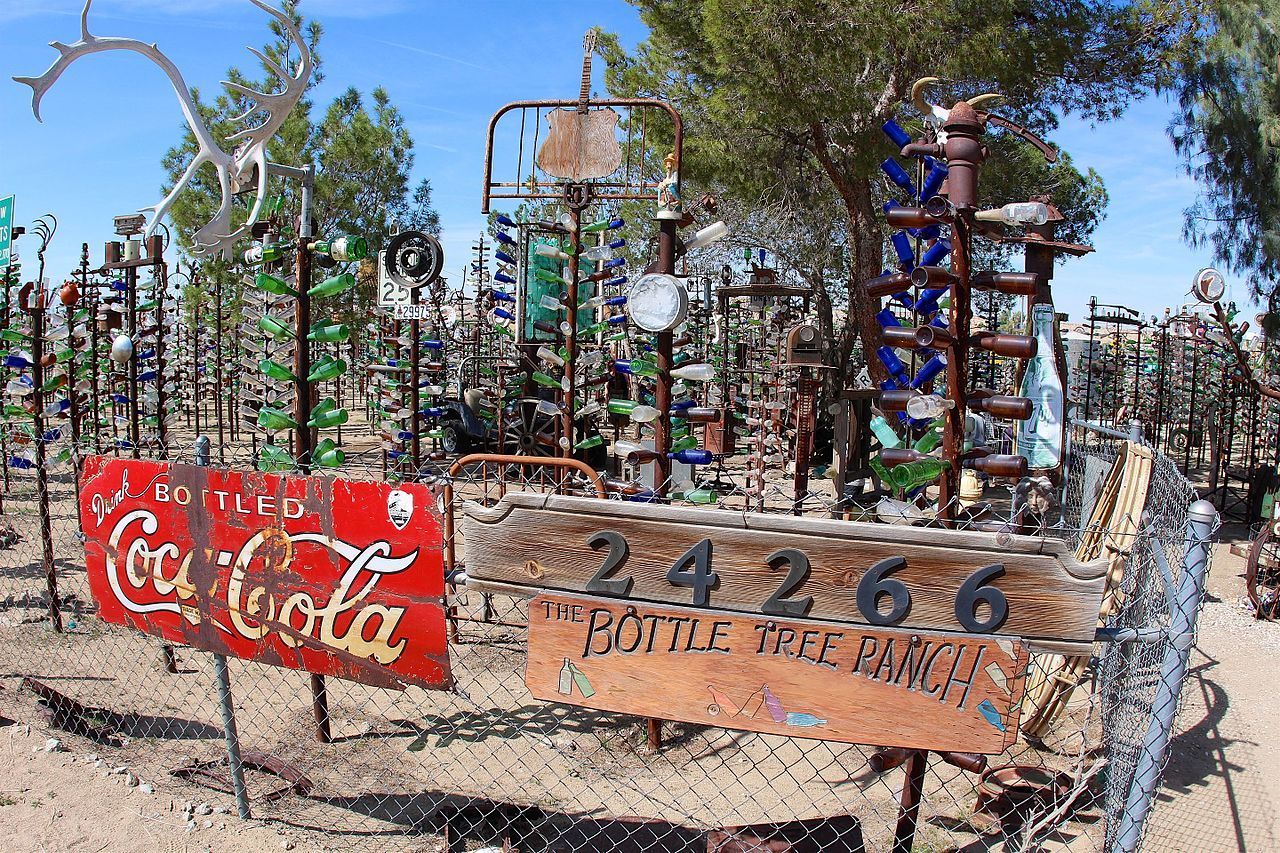 Image: daveynin, CC BY 2.0 <https://creativecommons.org/licenses/by/2.0>, via Wikimedia Commons
Elmer Long took his father's old glass bottles and created a forest of "trees" made from pipes and bottles that catch the desert sun like a fever dream. Over 200 bottle trees stand in the Mojave Desert, along with vintage signs, old railings, and whatever else Elmer felt like adding to his peculiar garden.
It started as one man's tribute to his dad and became a kaleidoscope attraction that makes you question whether you've had too much sun. Elmer passed away in 2019, but his family keeps the ranch open and free to visitors.
U-Drop Inn, Shamrock, Texas
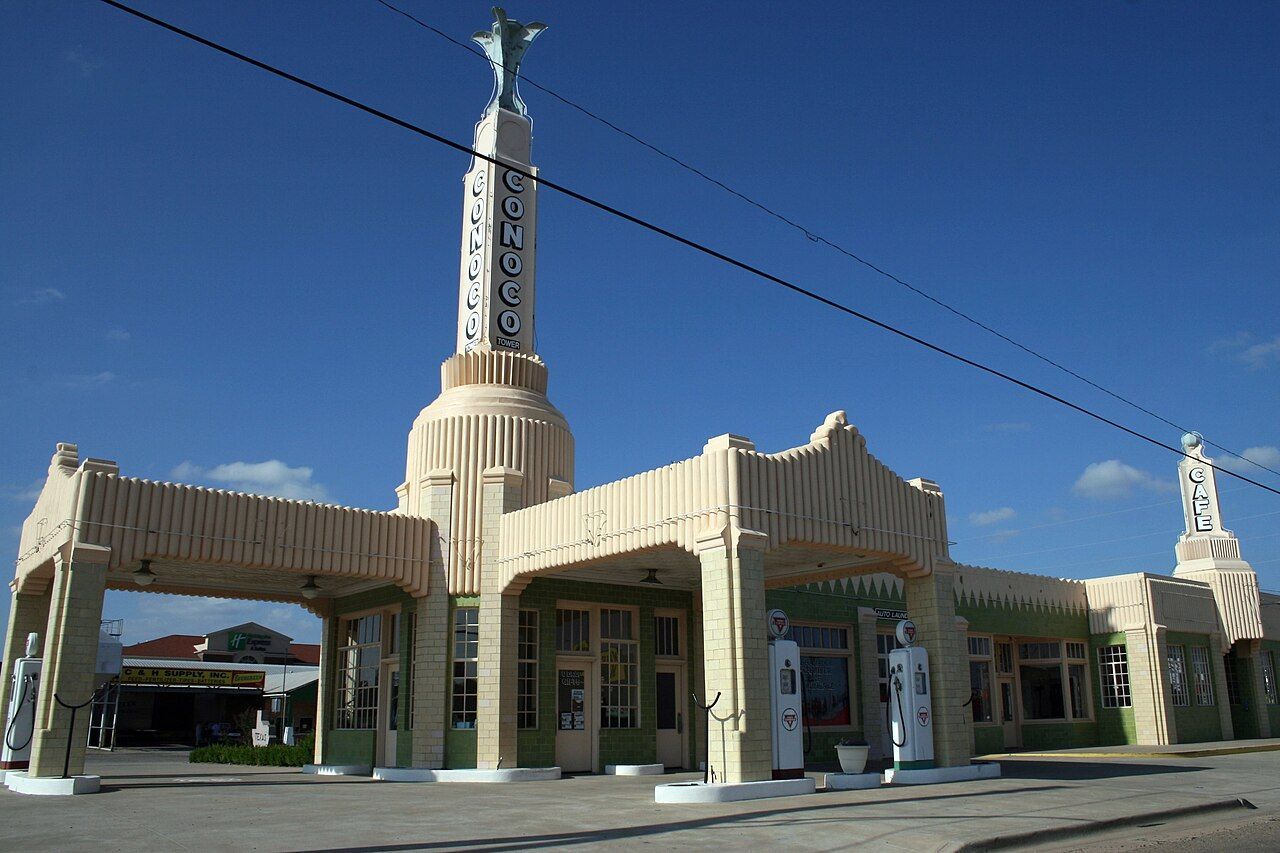 Image: ExqBoredinNac, CC BY-SA 4.0 <https://creativecommons.org/licenses/by-sa/4.0>, via Wikimedia Commons
This Art Deco masterpiece from 1936 was nearly demolished before locals rallied to save and restore it. With its green glazed tiles, geometric patterns, and tower that wouldn't look out of place in Oz, it's no wonder Pixar used it as inspiration for the Cars movie.
Today, it serves as Shamrock's visitor center. The restoration brought back the neon signs, making nighttime photos spectacular.
Wigwam Village #7, San Bernardino, California
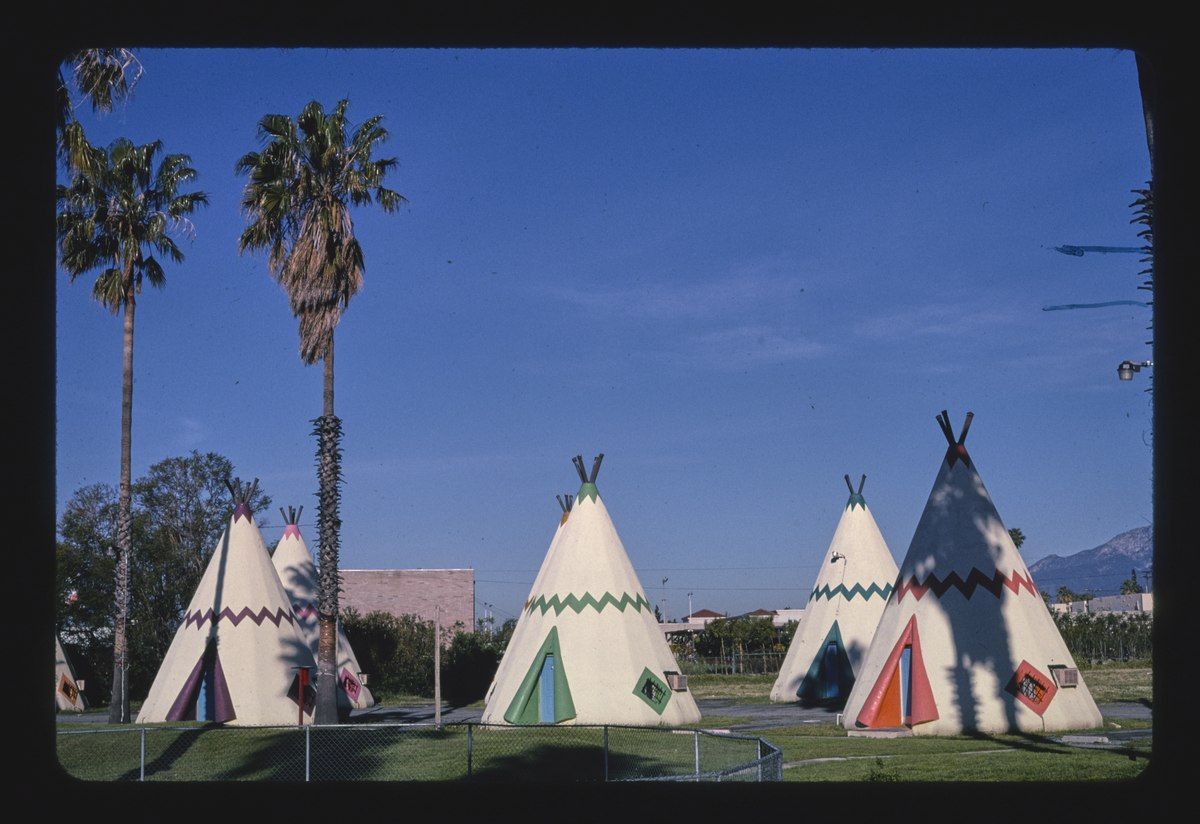 Image: John Margolies, Public domain, via Wikimedia Commons
Built in 1949, this is one of the only three surviving Wigwam Villages from a chain of seven that once dotted the country. Each "wigwam" is a separate room arranged in a semicircle around the main office wigwam.
Despite the questionable concept, preservationists fought to save it, and it's now on the National Register of Historic Places. The rooms have been updated with modern amenities, but the outsides remain wonderfully vintage.
World's Largest Catsup Bottle, Collinsville, Illinois
 Image: Dofftoubab, CC BY-SA 4.0 <https://creativecommons.org/licenses/by-sa/4.0>, via Wikimedia Commons
A 170-foot water tower disguised as a Brooks Catsup bottle has been confusing and delighting drivers since 1949. It held water for the Brooks bottling plant, which means this town literally kept itself hydrated with a giant condiment. The plant closed, but destroying a beloved ketchup monument? That's un-American.
A community group formed specifically to save and restore it in the 1990s, complete with fresh paint and structural repairs. It's now a proud symbol of Collinsville, which really commits to the bit—they even host an annual catsup bottle festival.
Standin' on the Corner Park, Winslow, Arizona
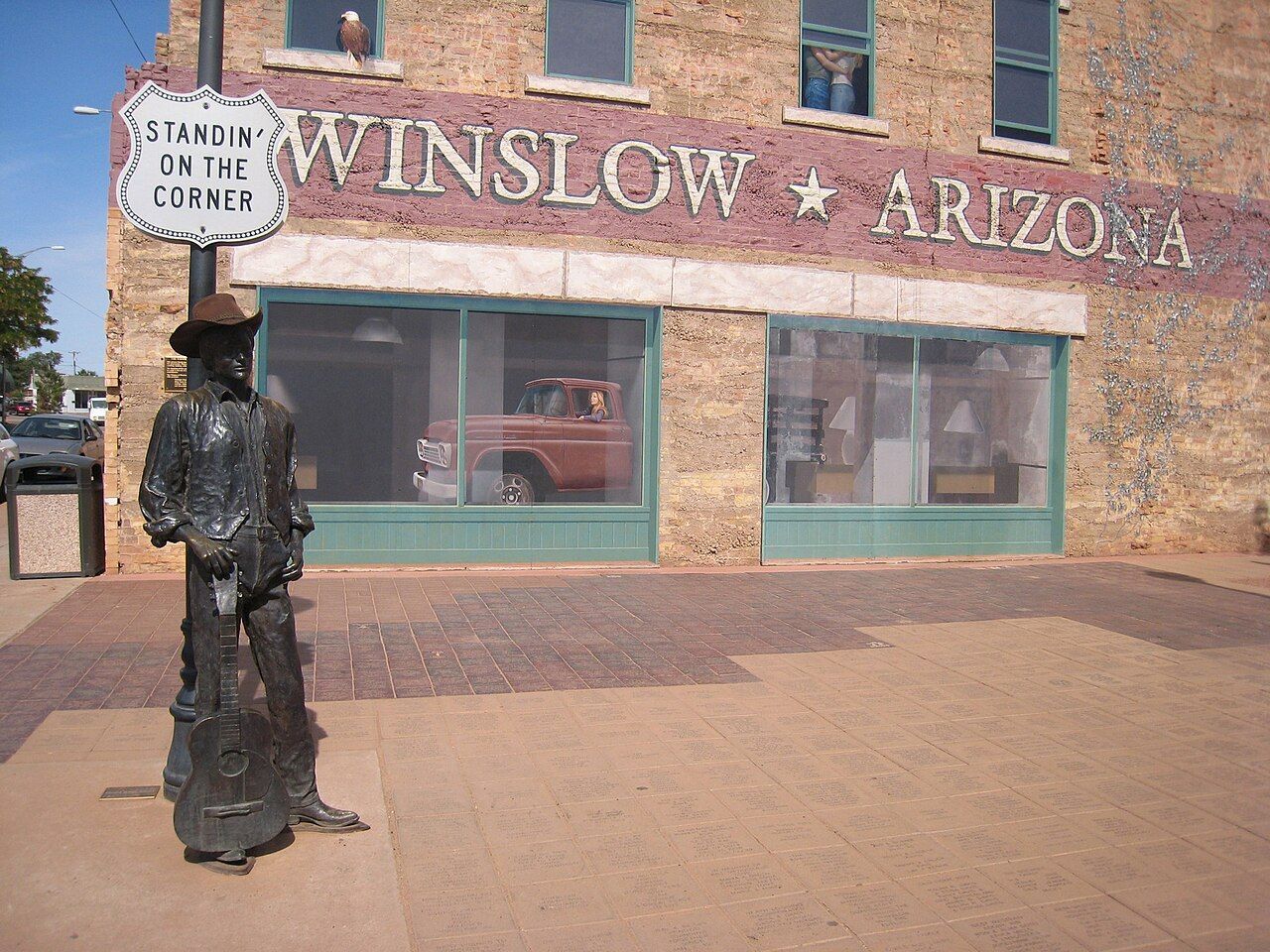 Image: Alan Levine, CC BY-SA 2.0 <https://creativecommons.org/licenses/by-sa/2.0>, via Wikimedia Commons
When the Eagles sang about standing on a corner in Winslow, Arizona, they probably didn't imagine the town would build an actual tourist attraction around it. But that's exactly what happened. There's a statue of a guy with a guitar, a trompe-l'oeil mural showing the girl in the flatbed Ford, and tourists taking turns posing on that corner every single day.
Winslow was dying when Route 66 got bypassed by the interstate, but this corner became a lifeline. The whole town got into the act with shops and restaurants cashing in on seven words from a song.
Chain of Rocks Bridge, Madison, Illinois/ St. Louis, Missouri
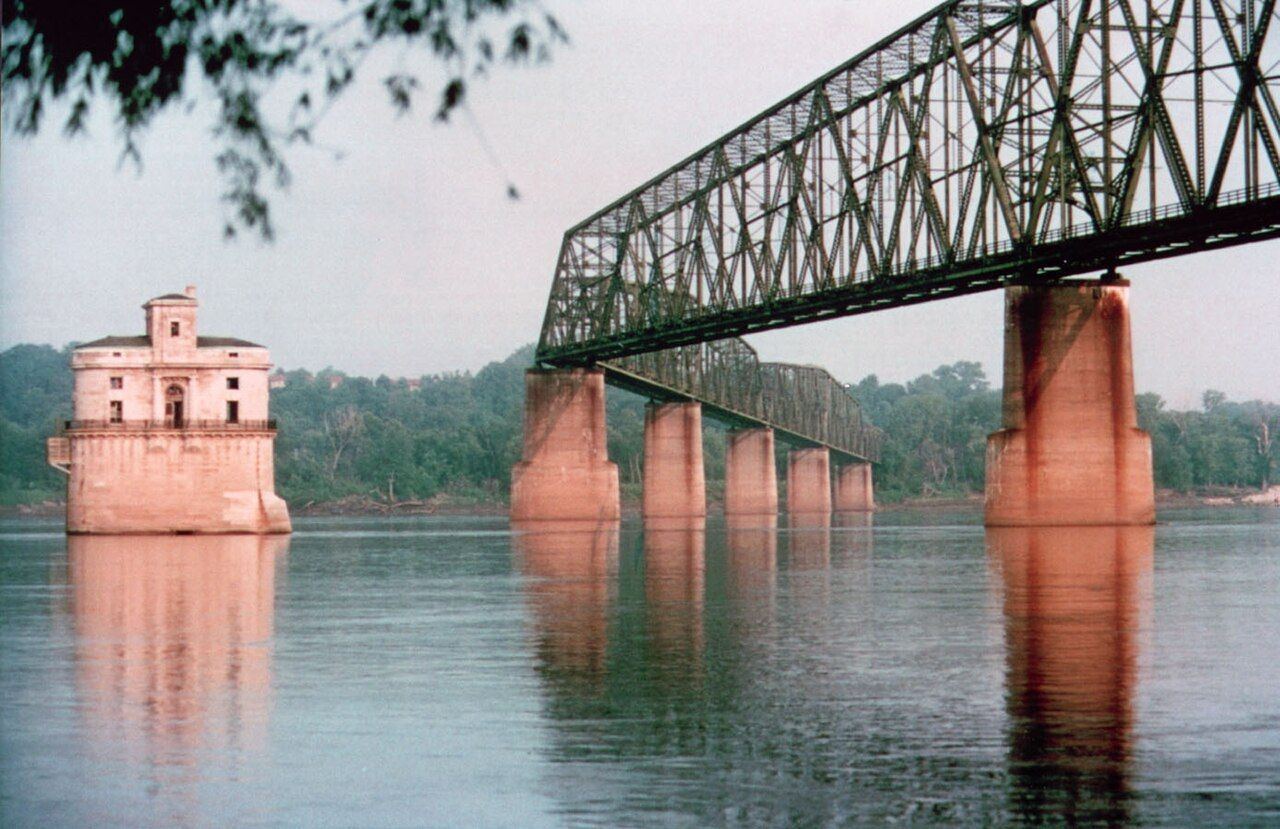 Image: David Hinkson, http://www.trailnet.org/, Public domain, via Wikimedia Commons
Most bridges go straight across the water because, you know, engineering. This one makes a dramatic 22-degree bend halfway across the Mississippi River, which must have been a delightful surprise for drivers. The bend was built to avoid a rock formation underneath, proving that sometimes geography can beat good sense.
Closed to cars in 1970, it's now a bike and walking trail where you can experience that weird bend without worrying about oncoming traffic. On a clear day, you can see the Gateway Arch from here, making it a two-for-one landmark special.
Jack Rabbit Trading Post, Joseph City, Arizona
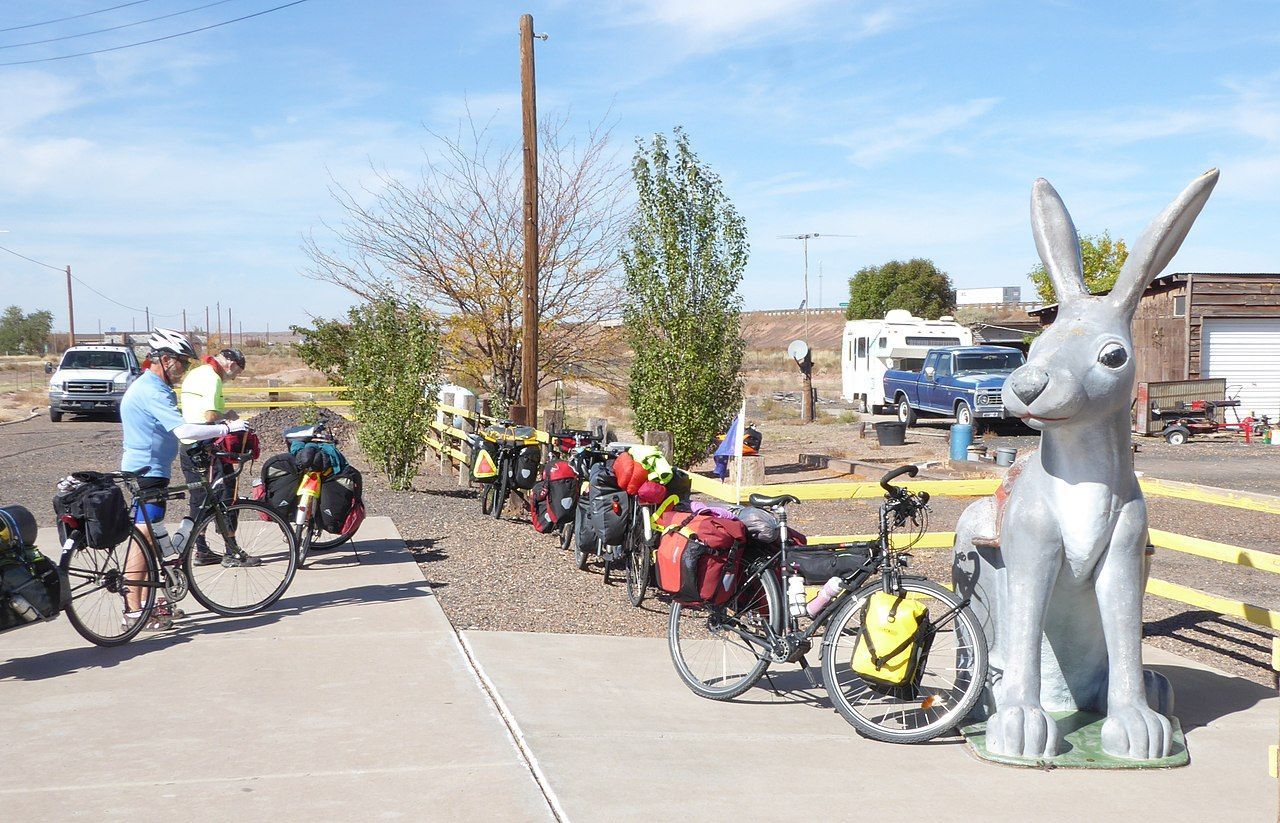 Image: Volker Schmidt, CC0, via Wikimedia Commons
For miles along the highway, yellow billboards proclaim "HERE IT IS". When you finally arrive, you're greeted by a giant jackrabbit statue that's equal parts charming and unsettling. The trading post has been selling souvenirs, Native American crafts, and jackrabbit postcards since 1949, proving that effective advertising never goes out of style.
The rabbit itself has become more famous than what's being sold inside, which is the whole point of roadside attractions anyway.
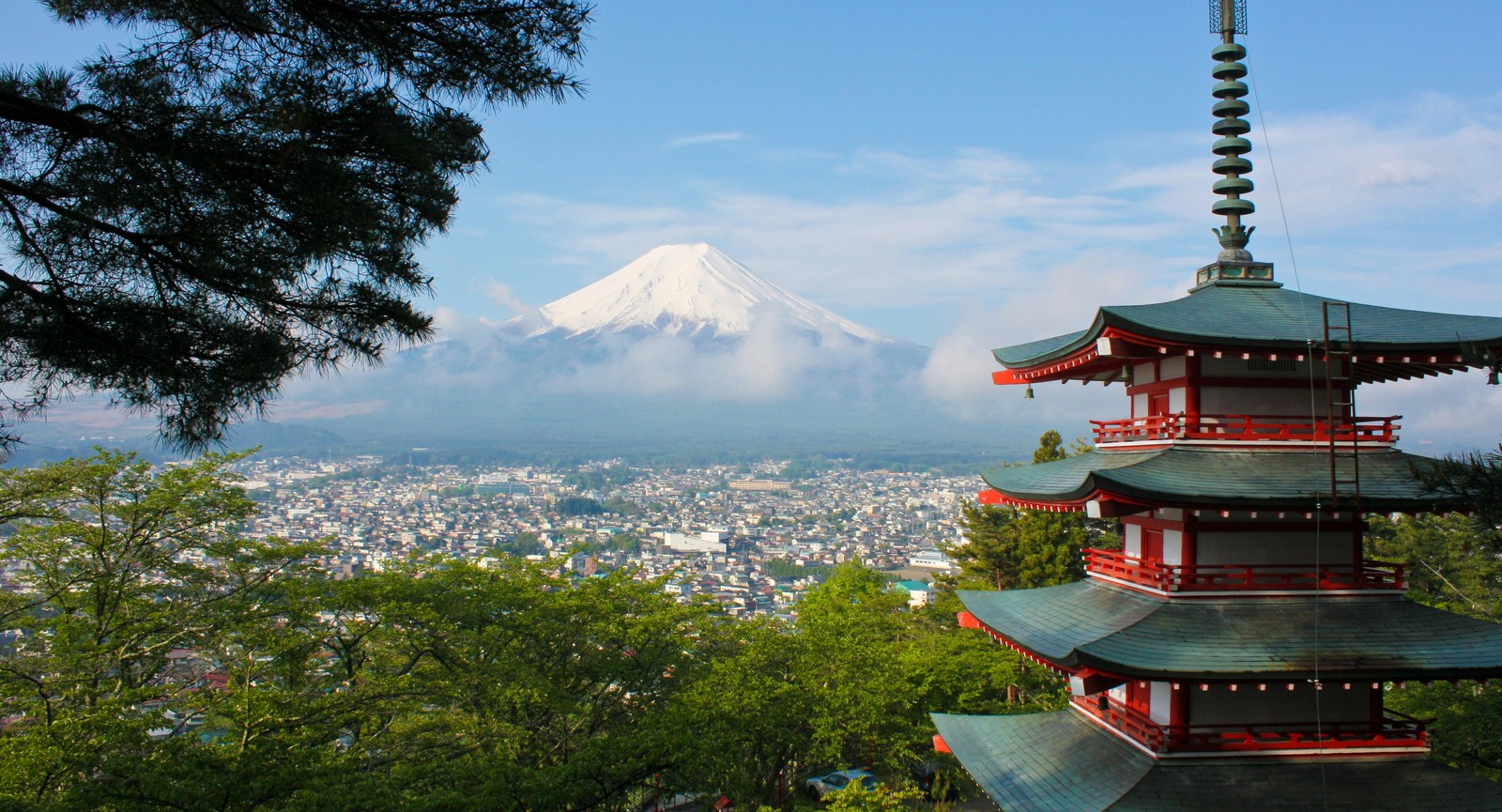
Japan 101: How to be the best tourist possible
 Culture
When in Japan…
Japan 101: How to be the best tourist possible
Japan has always fascinated Western travellers, and has of late become one of the top destinations to visit worldwide. And while visiting a foreign country is an excellent way to experience a different culture firsthand, it also comes with its own set of challenges. The bigger the cultural breach, the more chances of unknowingly breaking a rule we didn’t know existed, and if Japanese people love something, it’s their rules. If a trip to Japan is in your calendar, here are some tips that will help you avoid a cultural faux pas.
Avoid being loud on public transport
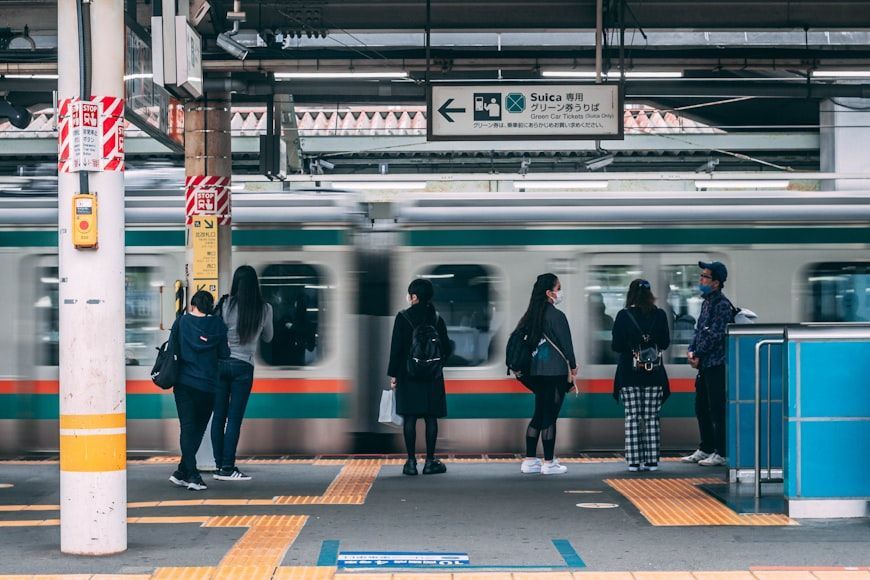 Image: Kanchan Raj Pandey
You will notice that people on public transportation are quiet, even during rush hours. There is no music, no loud chatting, and no talking on the phone. While many passengers take advantage of long commutes to rest, Japanese people are always mindful of avoiding any public disturbance. If you have to talk, keep your voice down and avoid loud noises.
Carry your trash
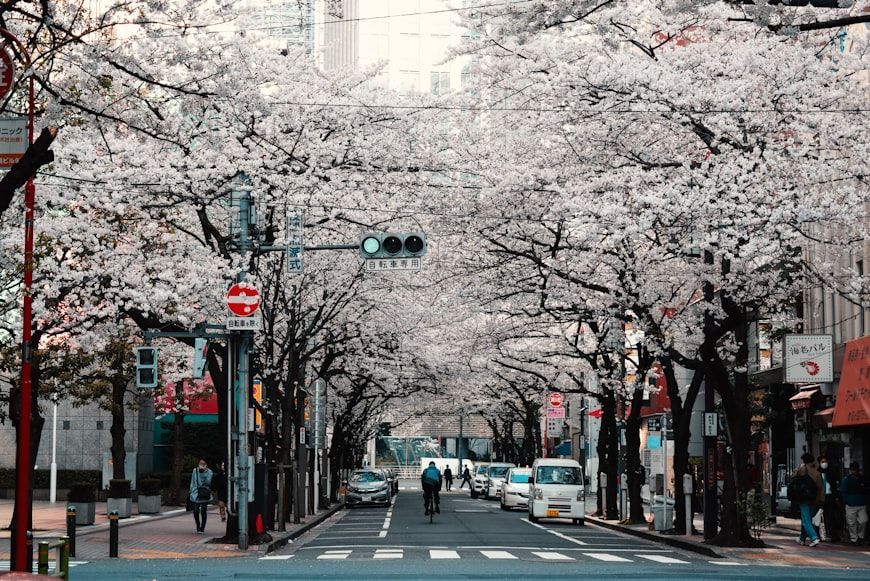 Image: Agathe
While clean and orderly streets are the norm in Japan, there is a surprisingly low number of public trash cans available. This means that you will likely end up carrying your trash with you, so make sure to be prepared for this. When in doubt, the one place that will always have a trash can is the convenience store.
Money etiquette
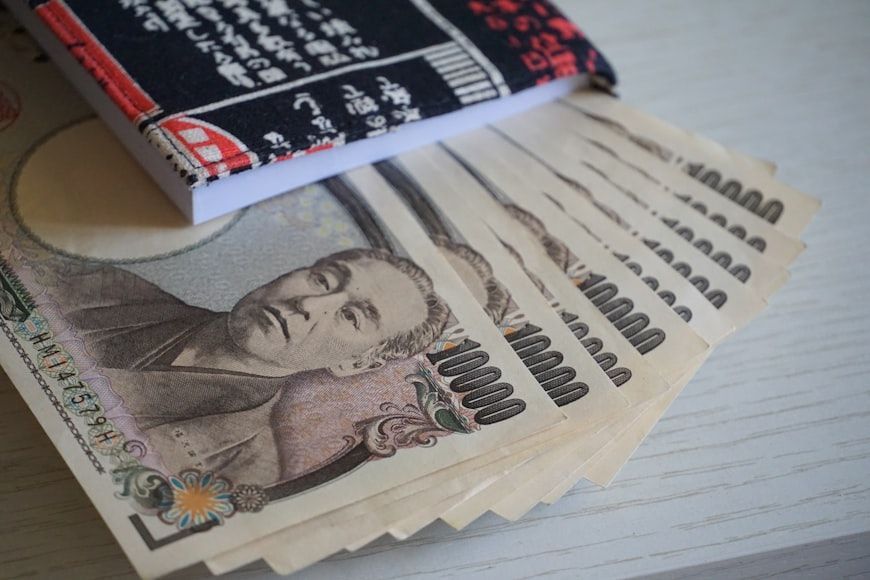 Image: Cullen Cedric
Japanese people regard personal space and physical contact in a different way than most Westerners, so instances like paying with cash have their own etiquette. Money is never directly handed over; instead, bills, coins, and receipts are placed on a small tray or koin tore, and picked by the other person. Also, make sure to avoid paying with folded or crumpled bills to make counting them easier.
Don’t walk and eat
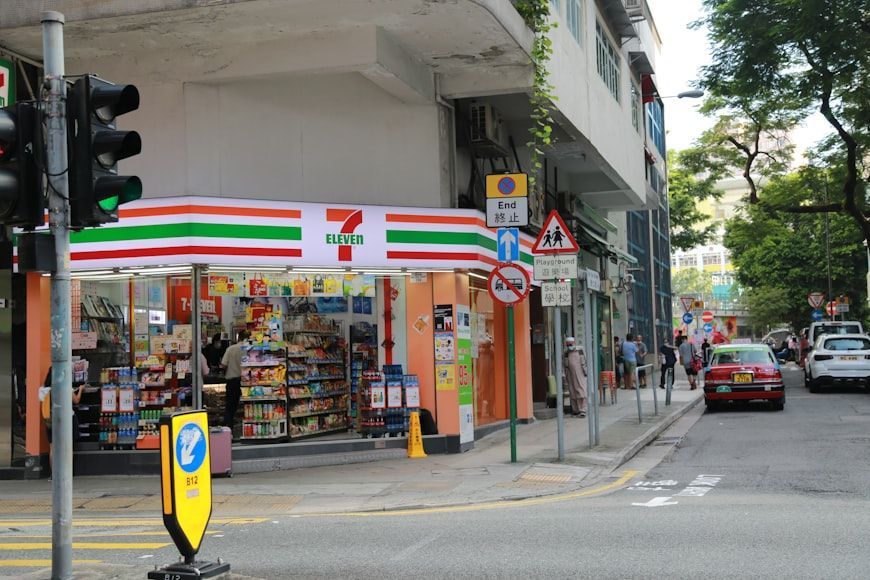 Image: Alison Pang
In Japanese culture, eating involves gratitude and respect towards the food, so it’s not something to be rushed. There are no laws against eating while walking, but it is frowned upon and a potential source of mess and litter. If you purchase food or drinks to go, take a moment to consume them outside the convenience store, on a park bench, or at the designated spots near food stalls and vending machines.
Don’t tip
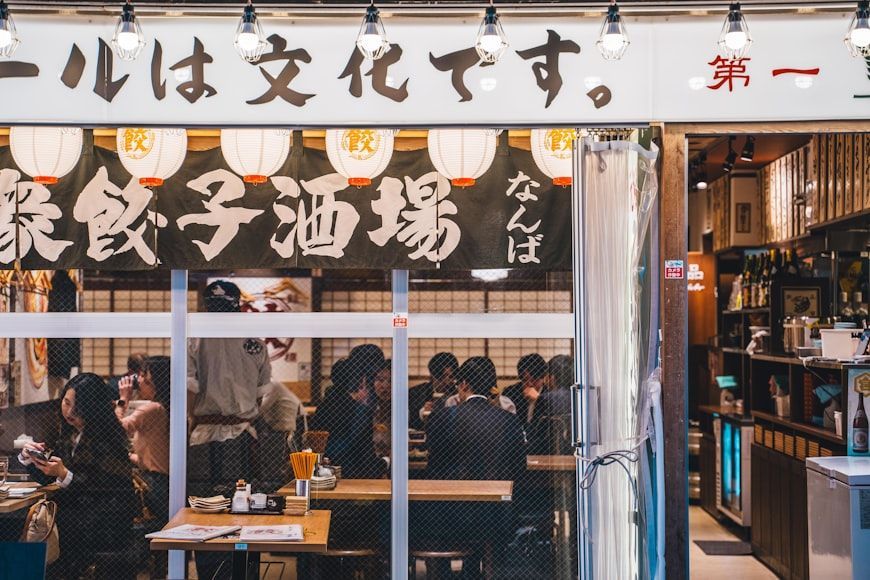 Image: Roméo A.
To the joy of Westerners, tipping is not required nor expected in Japan, and can even be considered rude. While we consider tipping either as a reward or as an extra income, Japanese staff don’t rely on tips and consider excellent service to be the standard. If you want to show your appreciation, make sure to give a polite bow and a sincere arigato gozaimasu.
Be mindful of street directions
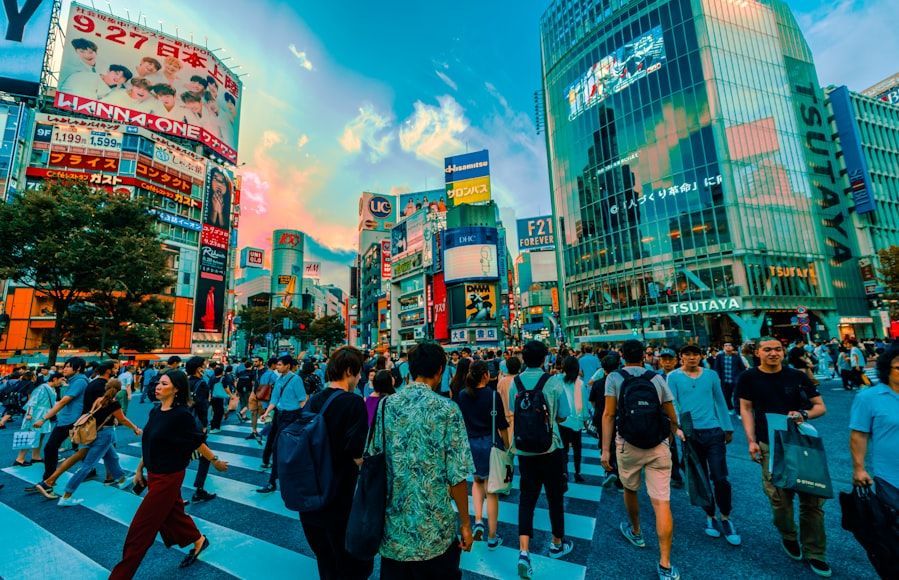 Image: Jezael Melgoza
While there is no set Western etiquette regarding which side of the street to walk on, most people tend to walk on the right side. In Japan, walking on the left side is customary, especially if you want to avoid collisions in crowded areas. The city of Osaka is the exception to this rule: there, walking on the right side is the norm. When in doubt, follow the traffic and stick to the left.
Always carry cash
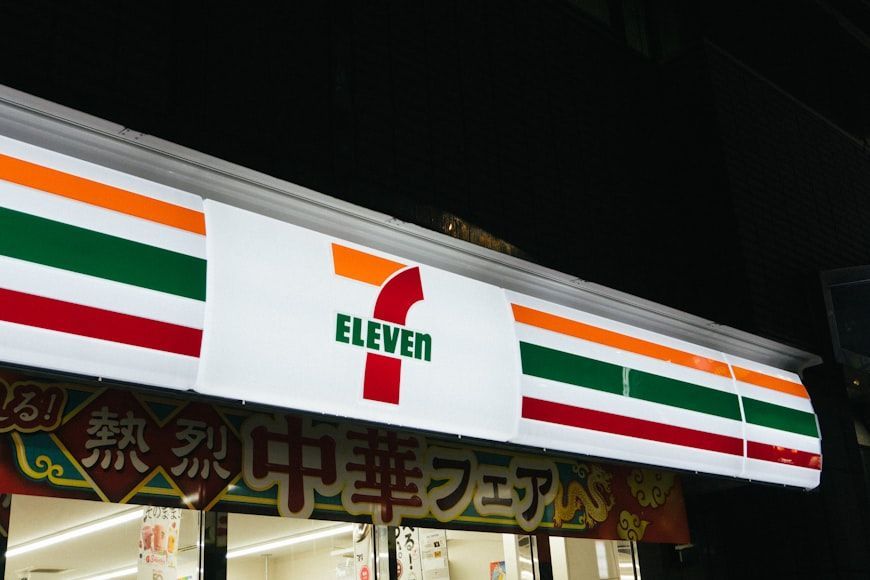 Image: James Butterly
Although paying with a card is common in Japan, make sure to always carry cash with you, especially if you plan to visit outdoor markets, food stalls, temples, or rural areas. ATMs are few and far between, so keep that in mind when withdrawing money. You can usually find ATMs at post offices, airports, and 7-Eleven convenience stores.
Take off your shoes
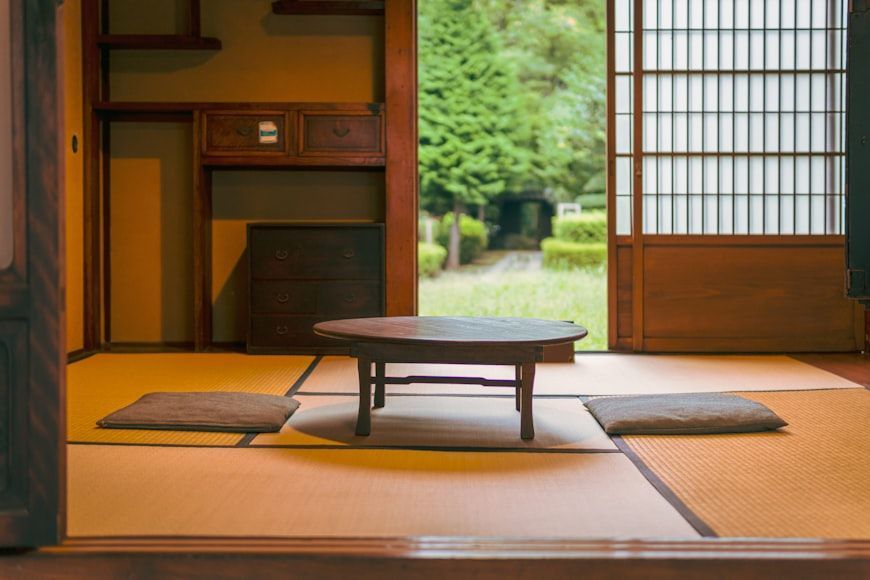 Image: Se. Tsuchiya
If there is something that will get you scolded by Japanese grannies, it’s not removing your shoes before entering the house. Shoes carry dirt from the outside, so they should never be worn in inside clean spaces. Instead, they should be left on the genkan, a small area at the entrance for this purpose. This rule applies to all houses (especially traditional houses with tatami flooring), but also to traditional inns and restaurants, temples, and stores’ fitting rooms.
Slippers: yes or no?
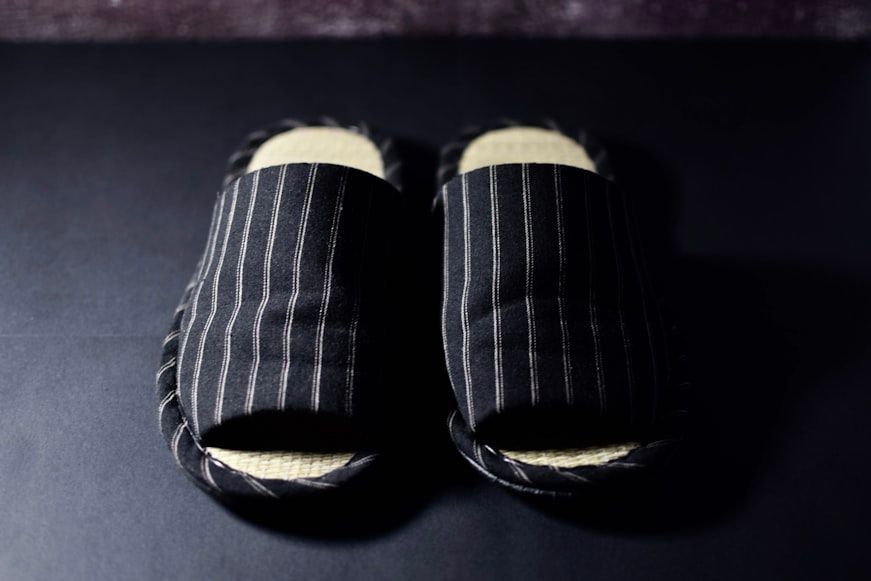 Image: Hitomi Bremmer
While wearing clean socks or being barefoot is acceptable in places where shoes are removed, slippers will often be provided, especially in hotels and private houses. There are some exceptions, though: Slippers should never be worn on a tatami floor. Also, toilet spaces will have their designated slippers, so make sure to change into them before entering the bathroom.
Onsens are baths, not baths
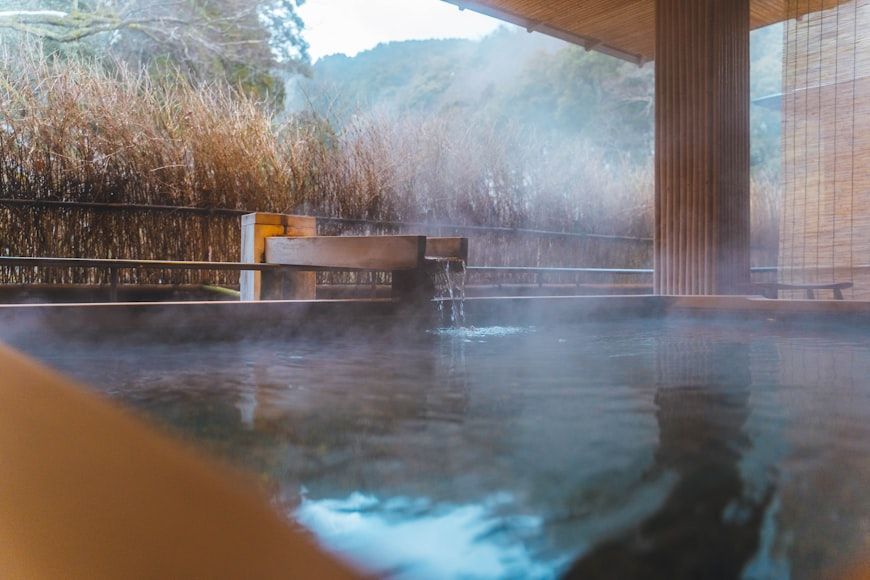 Image: Roméo A.
Traditional Japanese baths or onsens are a place for relaxation, so they naturally have their own etiquette. It is mandatory to shower before entering the bath, and you will need to be fully naked, so keep this in mind if you are considering going to a public bathhouse. If there are other people, keep your voice down, leave your phone outside, and be mindful of personal space.
Chopsticks 101
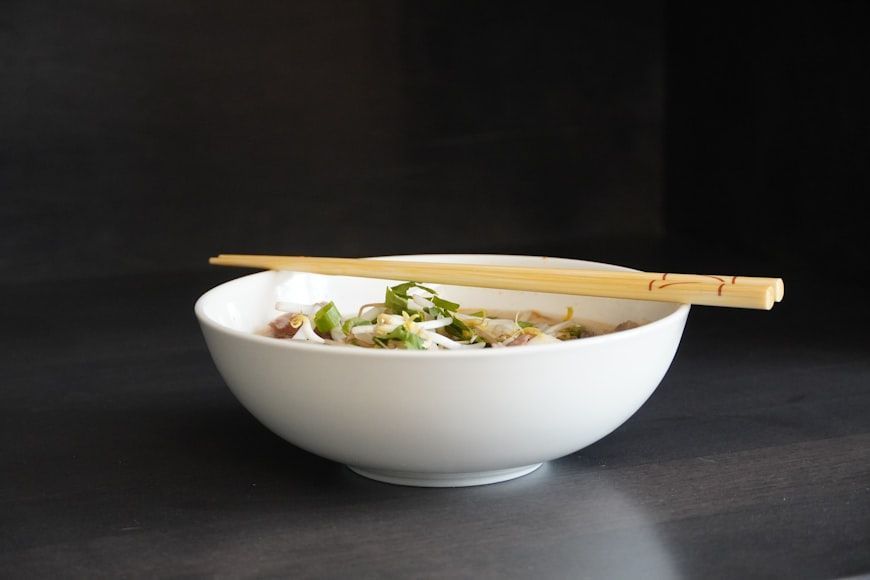 Image: Caleb Wright
There is a high chance that Western cutlery will be offered to you, and sometimes directly provided. If you decide to use chopsticks, here are some rules to consider: avoid using your chopsticks to point at things, pass food directly to the plate if you want to share, and don’t stick your chopsticks upright in the food. Instead, use the chopstick rest or place them across the bowl.
Be polite and respectful
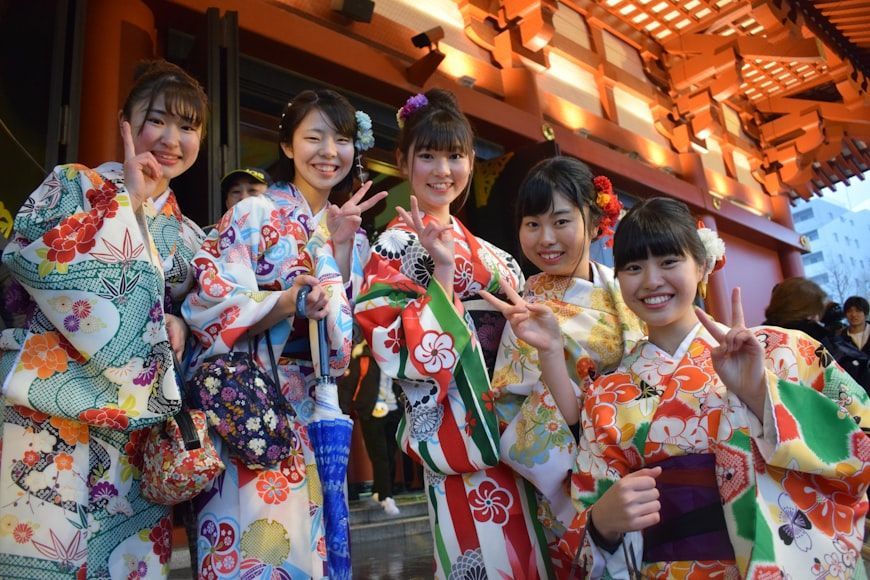 Image: Sofia M
We can’t always learn everything about a new place, but we should give it our best try. You will most likely misstep somewhere, but politeness and goodwill can make up for it. Japanese people will always appreciate you making an effort, even if it’s something small like bowing or using a basic Japanese phrase. So, brush up on your ohayo gozaimasu, your sumimasen, your arigato goizaimasu, and your oneigaishmasu, because they will take you a long way.
You've seen the Eiffel Tower, but you haven't seen this Paris
 General
Paris's hidden corners
Secrets of Paris: Lesser-known corners beyond the Eiffel Tower
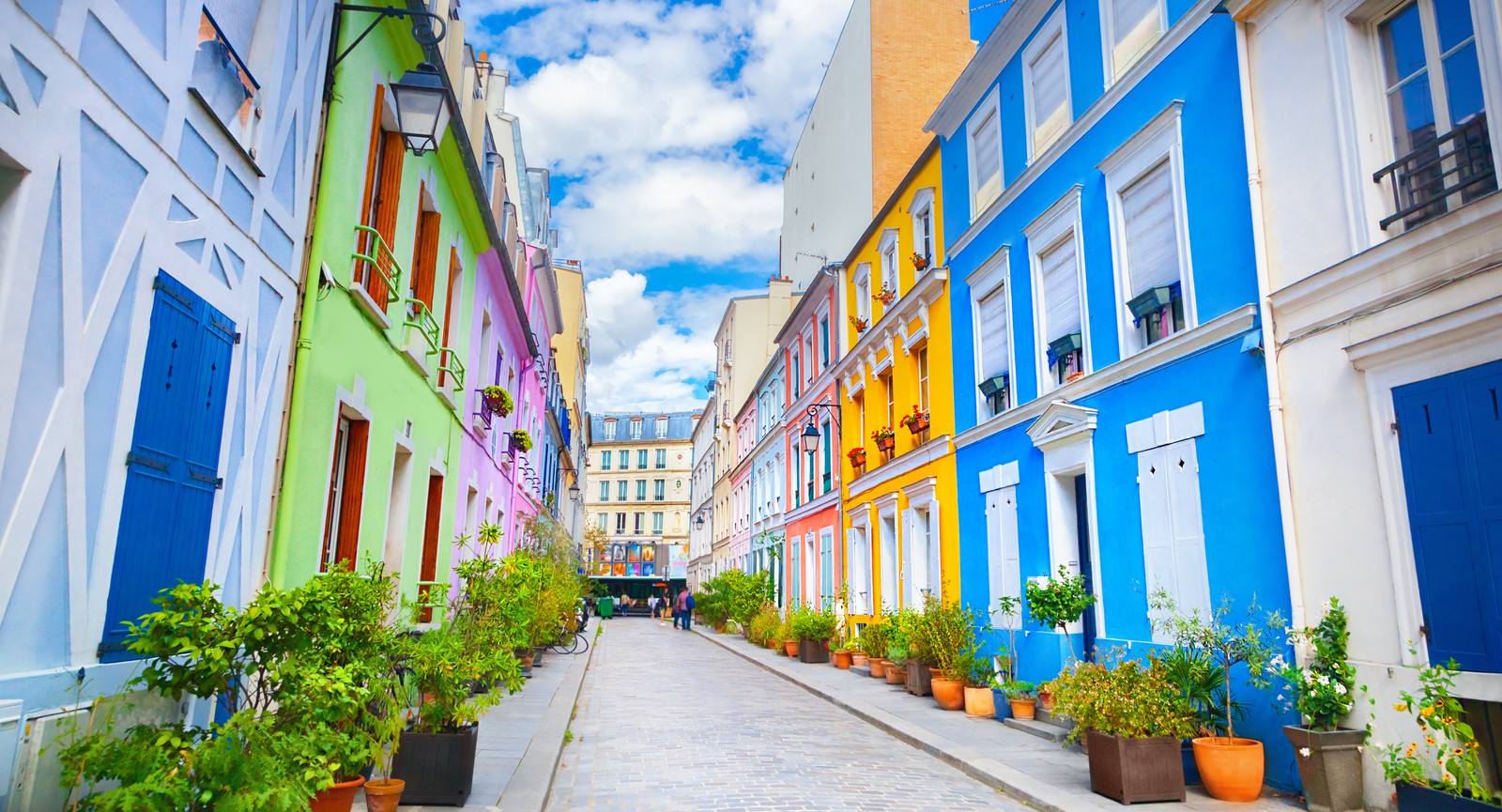
Sure, the Eiffel Tower and the Louvre are dazzling, but if that's all you see, you're missing the Paris that actually makes people fall in love with the place. Rue Crémieux and Marché des Enfants Rouges are just two examples of the city’s quieter side, tucked into passageways and side streets, where real Parisians eat lunch, walk their dogs, and go about their day completely unbothered by tourists. Skip the crowds for an afternoon and step into these 10 spots. You'll come away with a taste of the Paris that doesn't make it onto the postcards but stays with you long after you're home.
Rue Crémieux
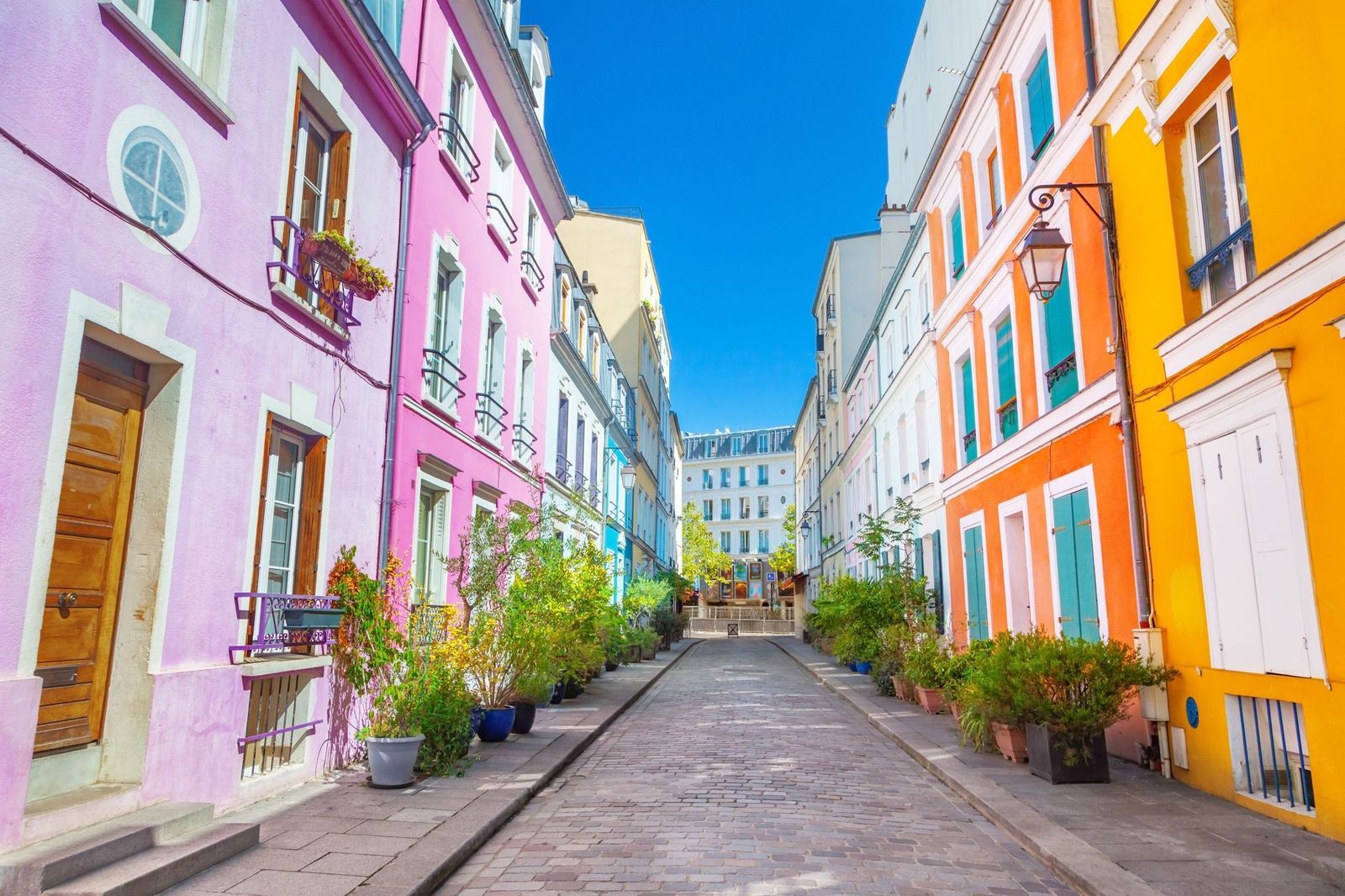
A short, pastel-colored residential street near the Gare de Lyon, Rue Crémieux looks like a page out of a children's storybook. Each house is painted a different soft hue (pink, yellow, mint green) with flower boxes on the windowsills.
It's become an Instagram darling, but early mornings keep it peaceful. Standing there, you'll feel a little burst of pure joy, the kind you get from something simply, unapologetically pretty.
Marché des Enfants Rouges
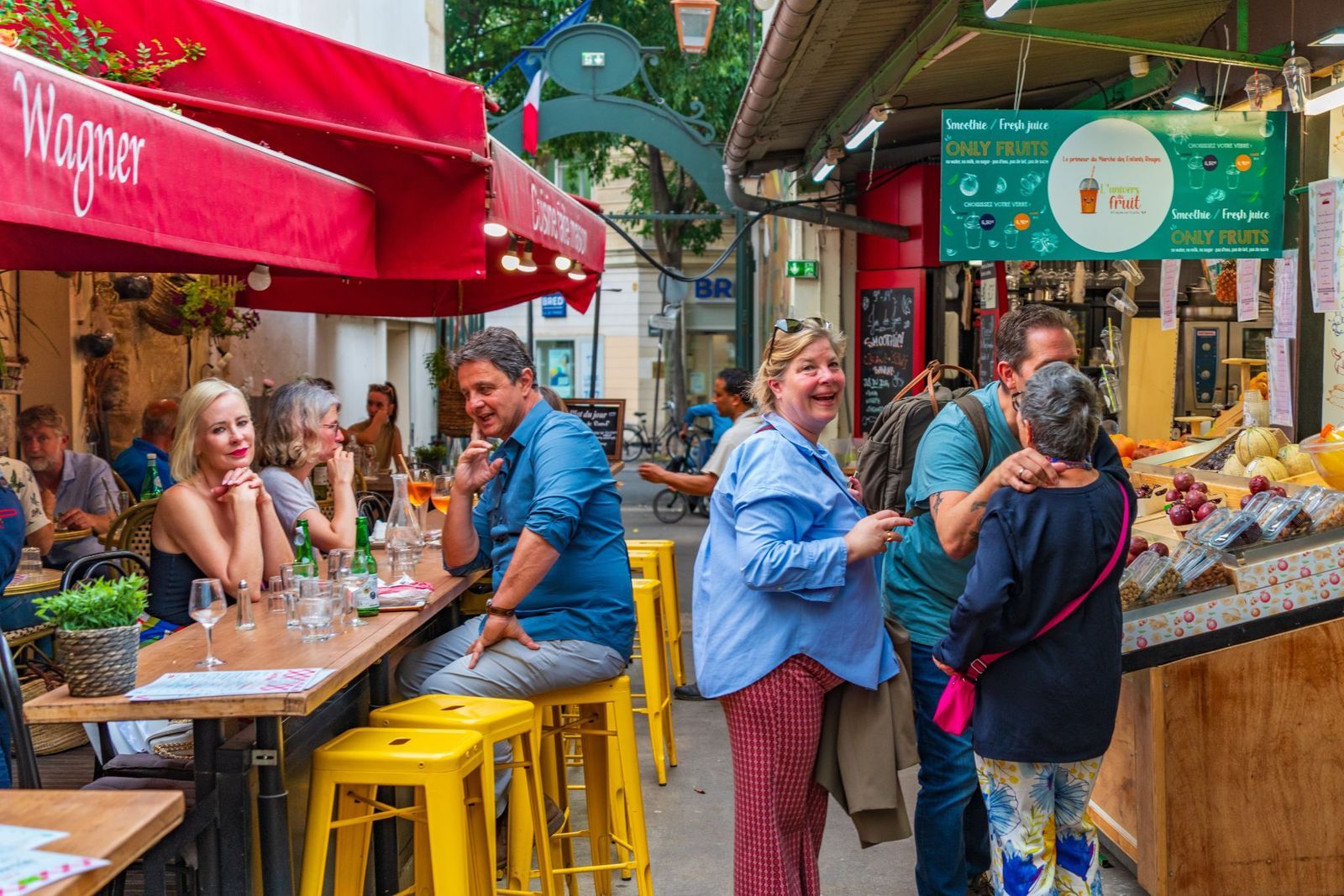
Paris's oldest covered market, dating to the 1600s, sits quietly in the Marais. Stalls sell Moroccan tagines, Japanese bento, French cheese, and fresh flowers, all under one roof. Grab a plate, find a communal table, and eat shoulder-to-shoulder with locals on their lunch break. It's lively, fragrant, and full of chatter.
You'll feel genuinely welcomed, like you've been let in on the neighborhood's favorite lunch spot.
Parc des Buttes-Chaumont
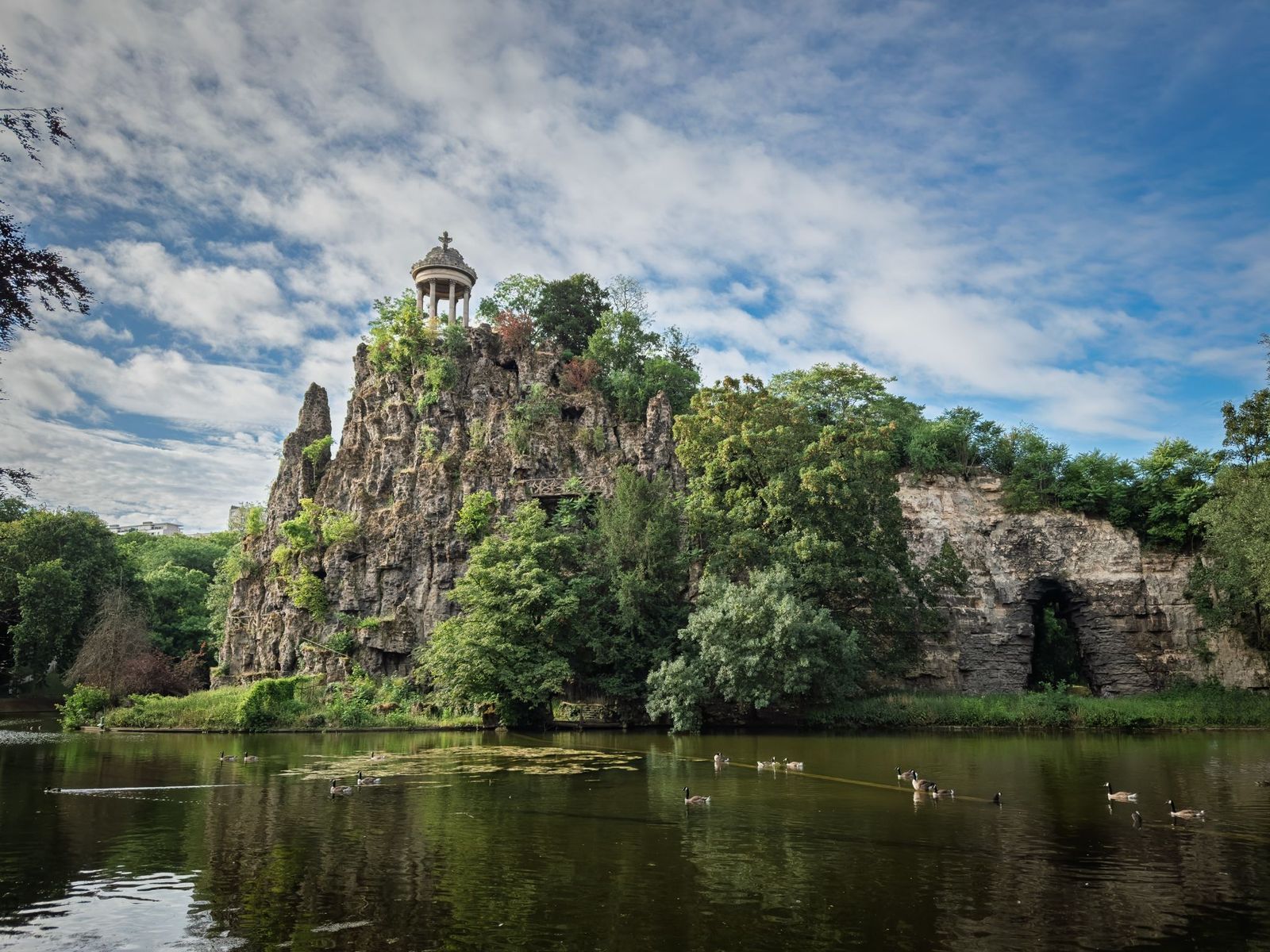
This hilly, dramatic park in the 19th arrondissement has cliffs, a suspension bridge, a waterfall, and the Temple de la Sibylle, dating back to 1866, perched on a rocky island. It was built on an old quarry, so the terrain feels wild compared to Paris's tidier gardens.
Locals picnic here, jog the winding paths, and nap on the grass. Climbing to the temple for the view, you'll feel a sense of adventure, like you've found Paris's secret escape.
La Petite Ceinture
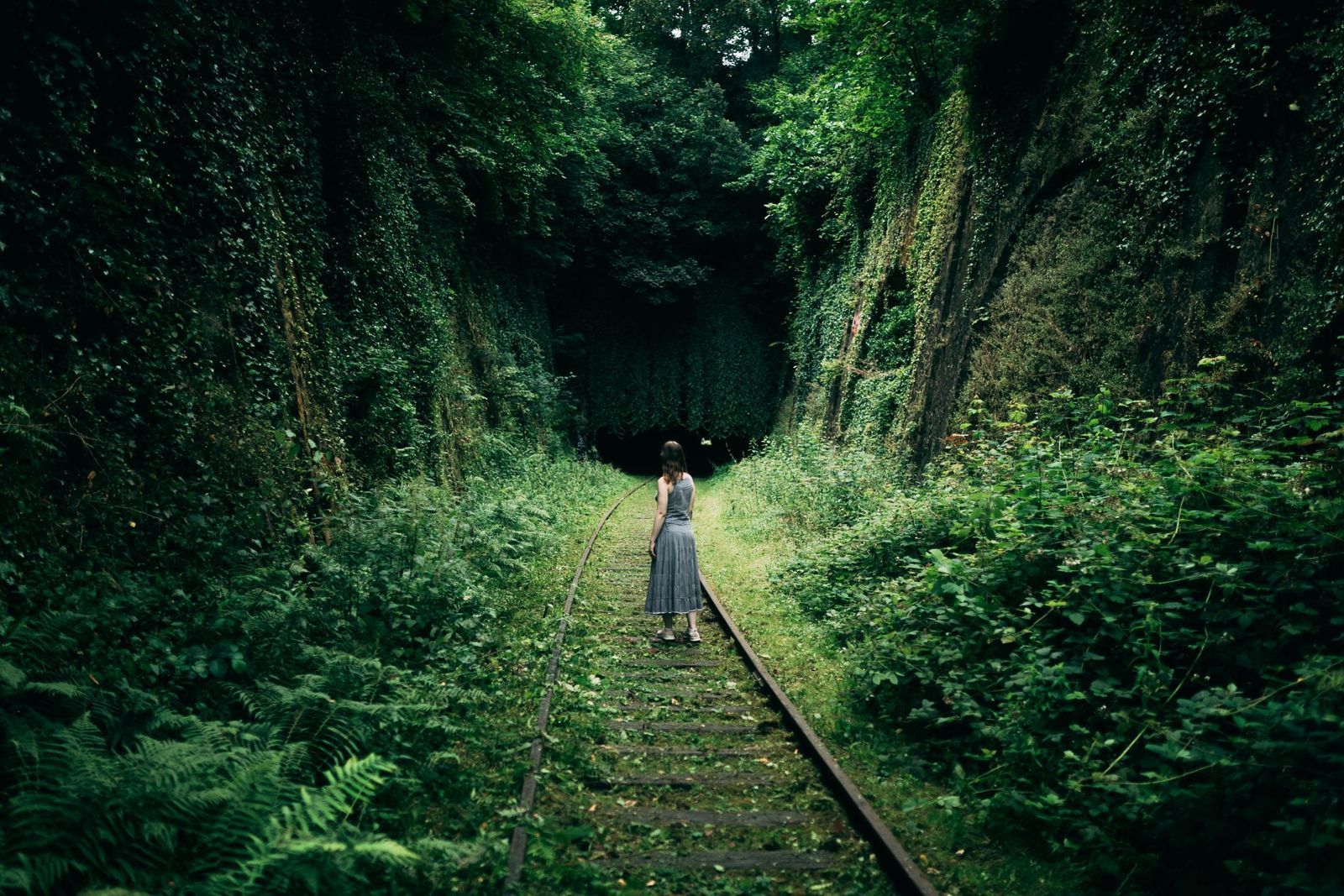
This abandoned railway once circled Paris; now nature has reclaimed parts of it into wild, overgrown walking paths. Ivy creeps over old tracks, and the silence feels cinematic. Some sections are officially open, while others are gently rewilded surprises, the kind of detail that feels too perfectly strange to be real.
This place feels like some quiet magic Paris kept just for the people willing to wander off the boulevards and look for it.
Coulée Verte René-Dumont
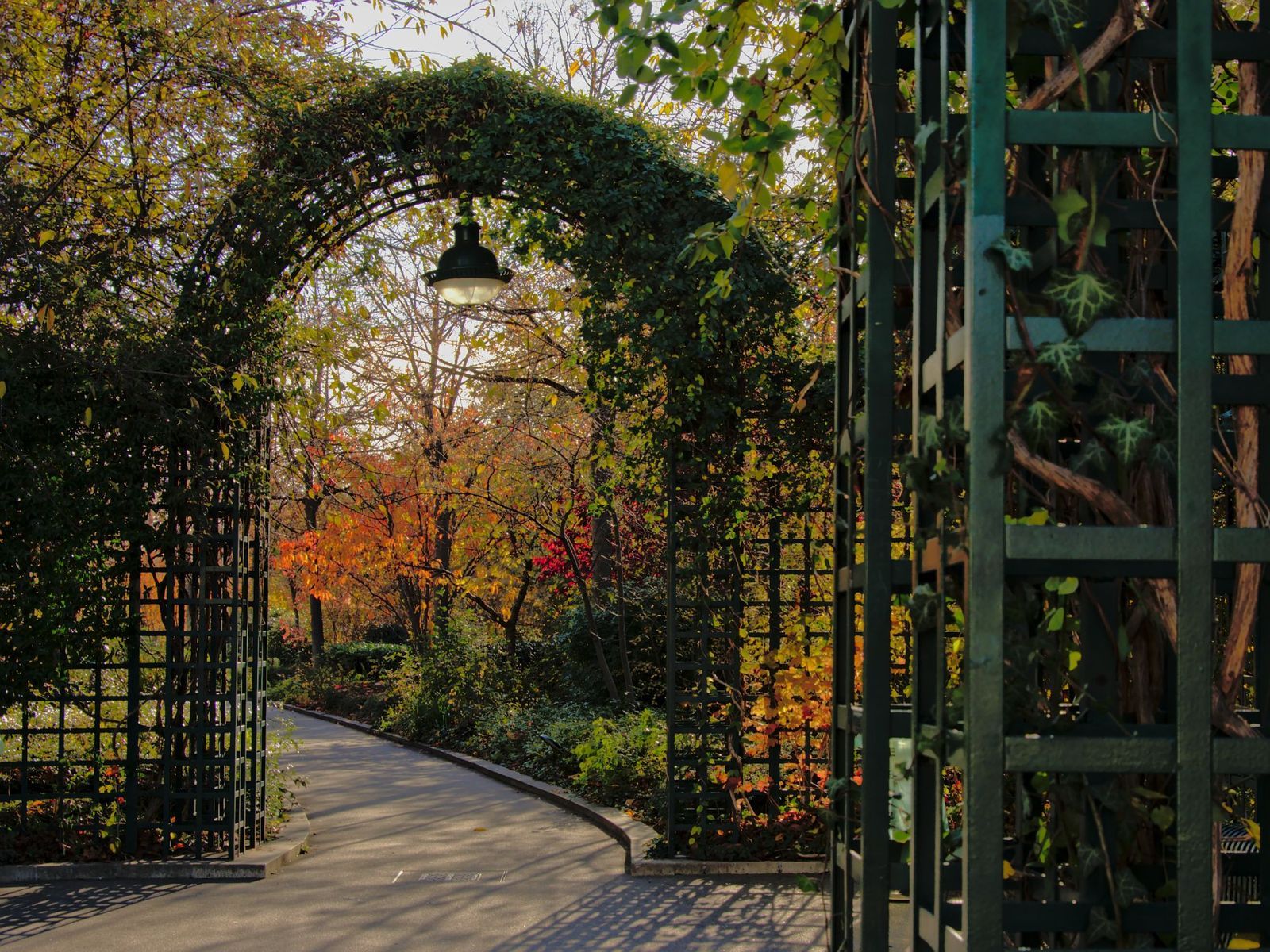
This elevated park, built along an old railway viaduct, was the inspiration for New York's High Line. Walking above the streets of the 12th arrondissement, surrounded by roses, trellises, and tree canopies, you get a green ribbon threading through the city.
It's peaceful and unexpectedly intimate. You'll feel like you're seeing Paris from a secret vantage point only locals know about.
Passage des Panoramas
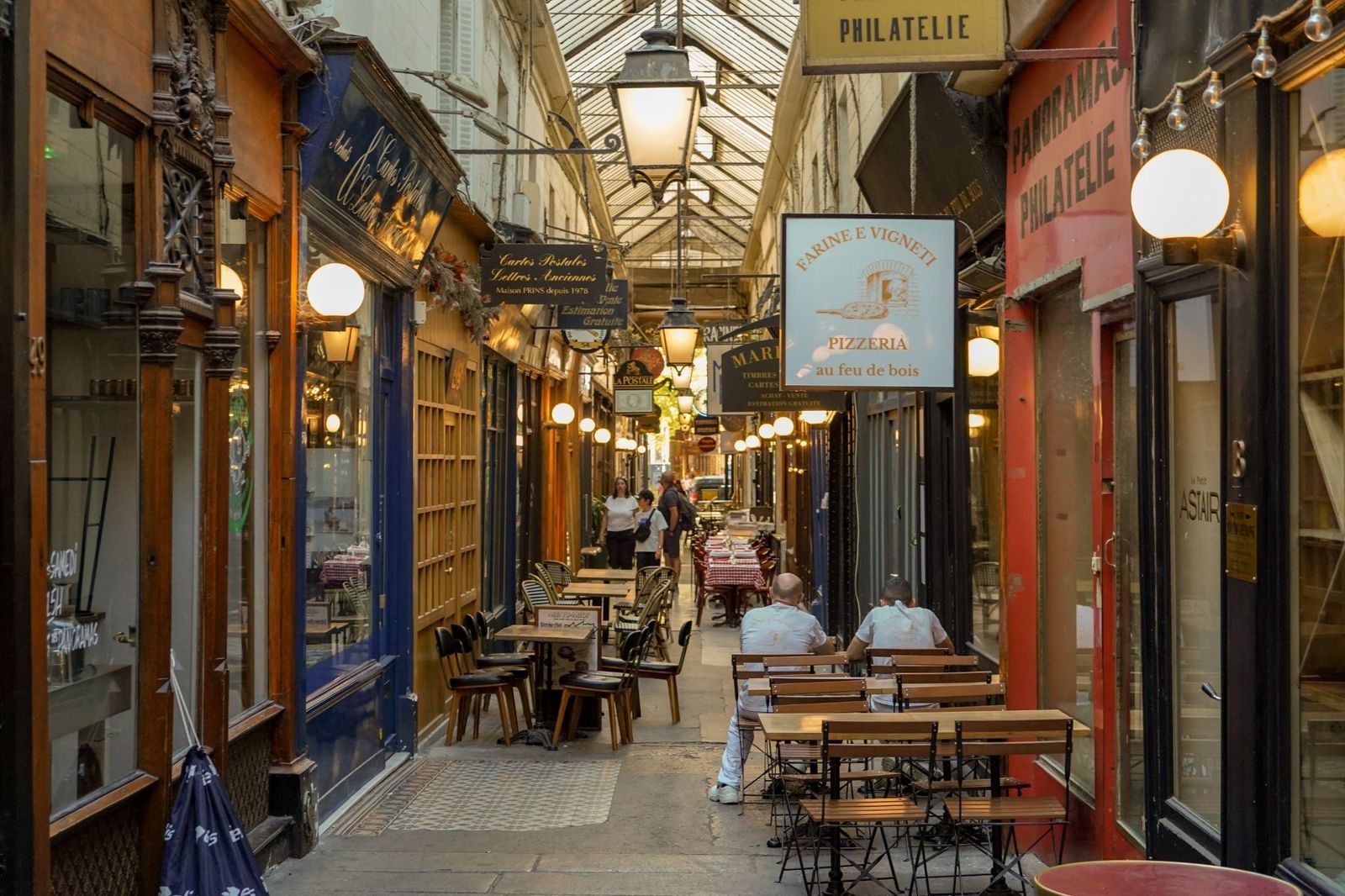
Tucked near the Grands Boulevards, this covered 19th-century arcade is one of the oldest in Paris. Glass-roofed and lined with old stamp shops, tiny restaurants, and antique postcard dealers, it feels like stepping into a sepia photograph. The light filtering through the glass ceiling gives everything a golden, old-world glow.
The passage is quiet, charming, and completely unhurried.
Square du Vert-Galant
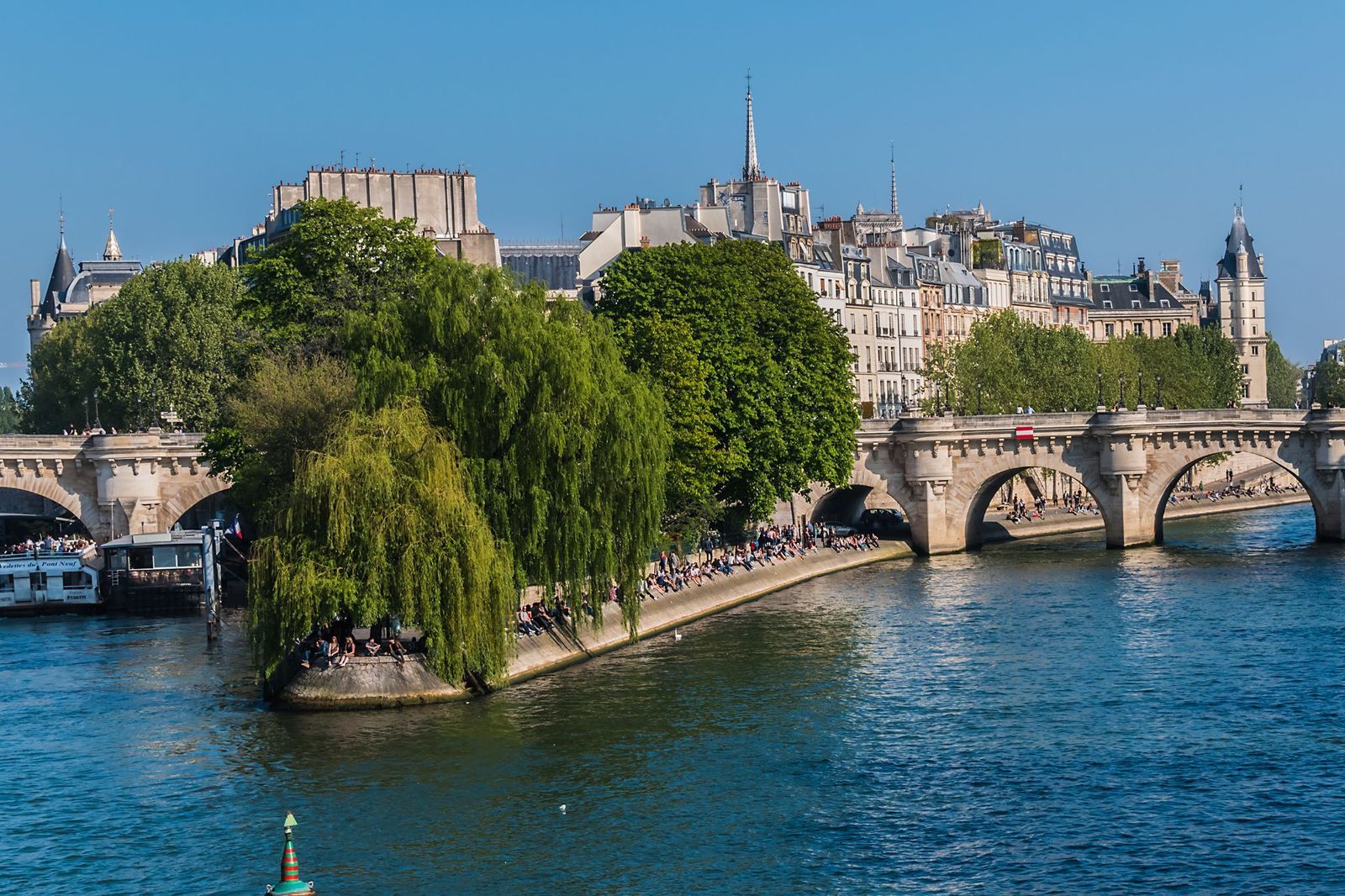
At the tip of Île de la Cité, this small triangular park sits right at the water's edge, with willow trees dipping toward the Seine. It's a favorite spot for locals to sip wine at sunset, feet dangling near the river.
The view of the bridges and passing boats is postcard-perfect without the crowds. Sitting there as the light fades, you'll feel a soft, romantic calm settle over you.
Musée de la Vie Romantique
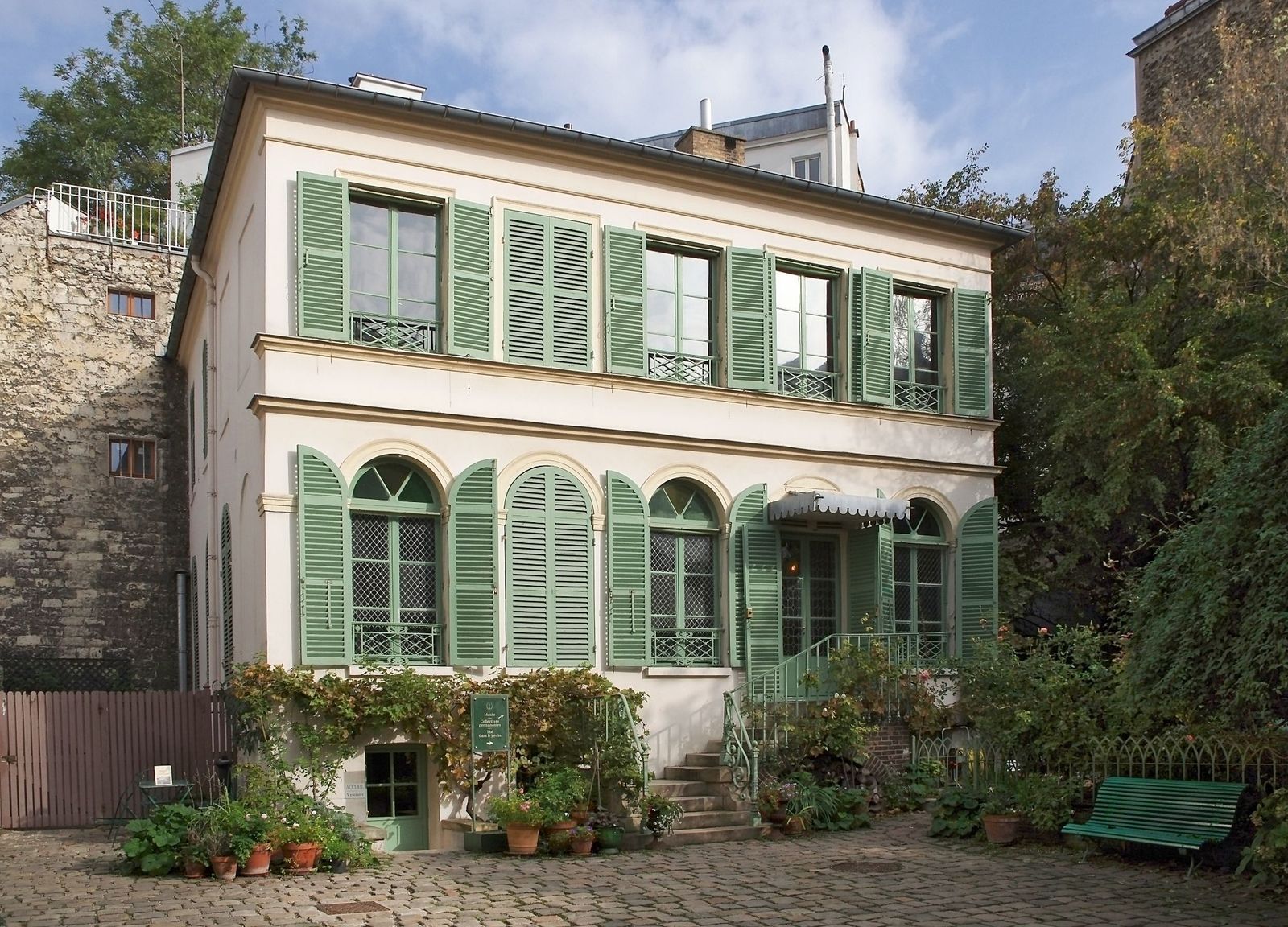
This dreamy little museum, once home to painter Ary Scheffer from 1830 until his death in 1858, sits behind a garden gate in Pigalle. Roses climb the courtyard, and a charming tea room serves pastries beneath the trees. Inside, you'll find portraits and mementos from the Romantic era, including relics from writer George Sand.
It's intimate and unhurried. You'll feel like you've slipped into a private garden party from another century.
Butte-aux-Cailles
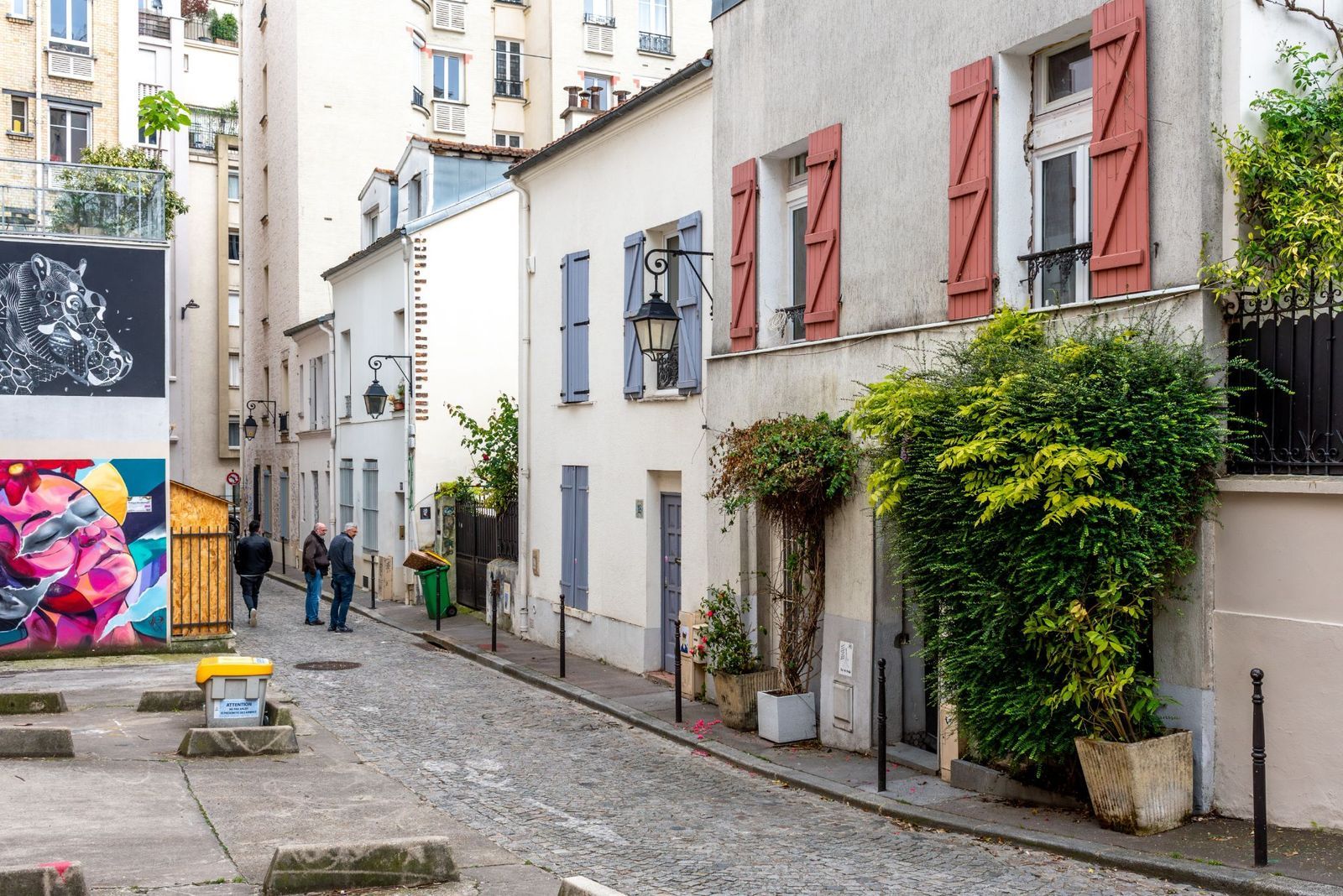
This hilltop neighborhood in the 13th arrondissement feels like a secret village within the city: cobblestone lanes, street art, cozy bistros, and almost no tourists. Locals fill the terraces at night, laughing over wine and delicious food. It retains an old-Paris charm that's mostly vanished elsewhere.
Strolling here, you'll be genuinely transported, like you've found the authentic, unpolished heart of the city everyone talks about, but few actually see.
Musée de la Chasse et de la Nature
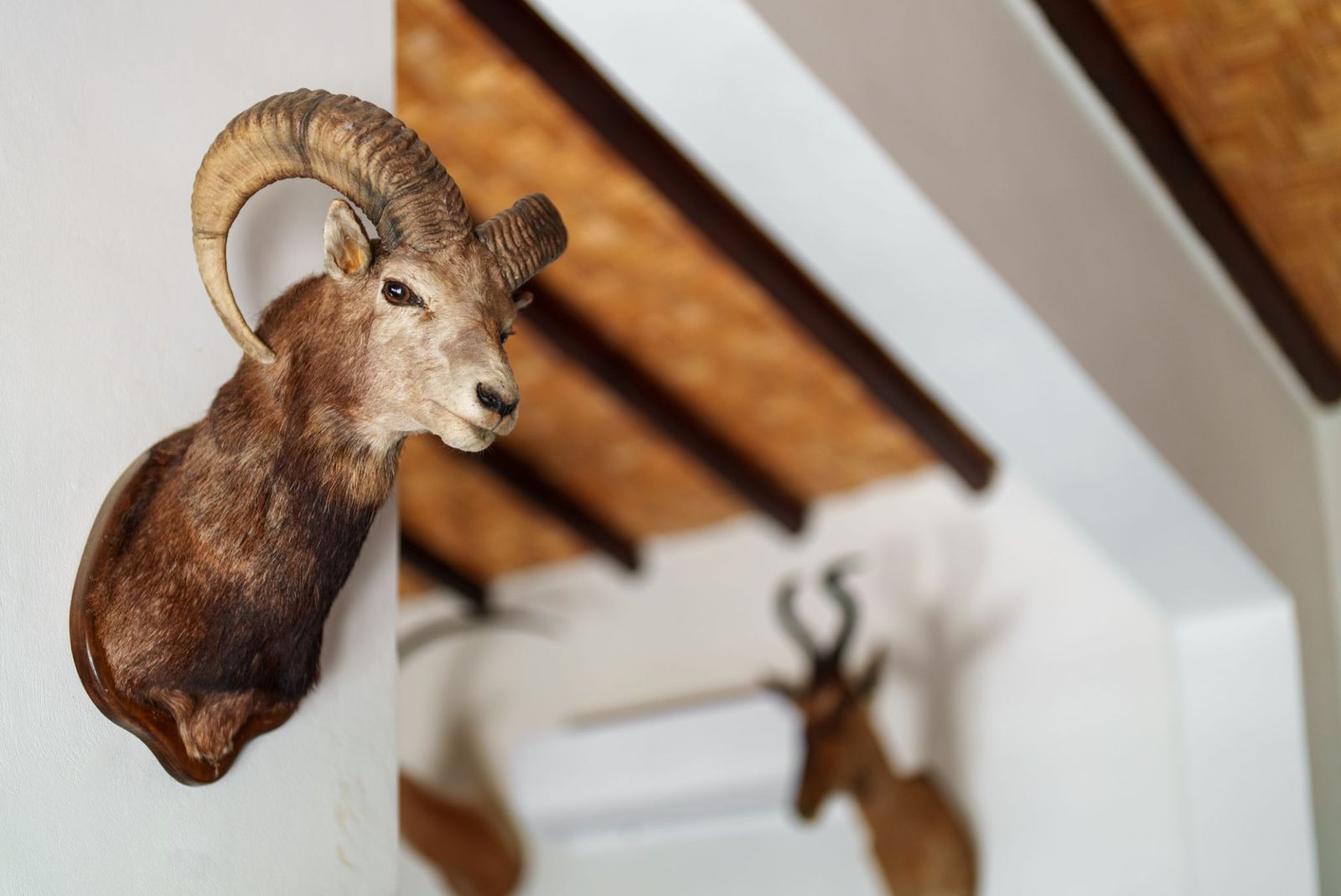
Hidden in the Marais, this small museum blends hunting history with surreal art and taxidermy in the most unexpected, whimsical way. Stuffed animals sit alongside modern art installations in elegant old mansion rooms. It's odd, beautiful, and strangely poetic all at once.
Walking through, you'll feel delightfully off-balance, charmed, and a little amused that something this quirky exists in the middle of elegant Paris.
Keep wandering
There’s always
more to explore
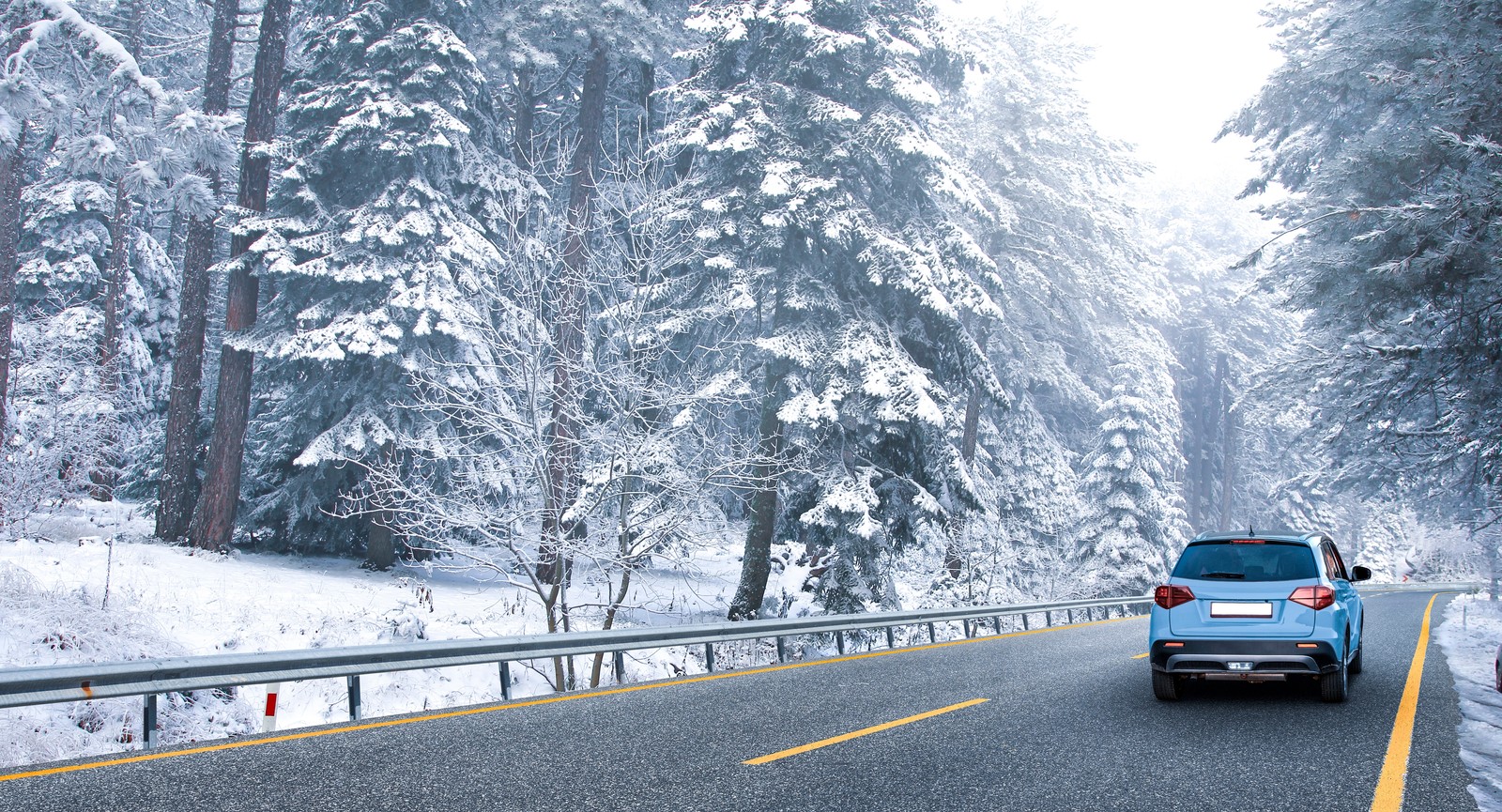
Why should you keep your gas tank at least half-full during winter?
4 min.
Read Now
Why do pros take amazing photos even with a smartphone? 12 tips explained
4 min.
Read Now
Skip Times Square and go to these NYC spots instead — local-approved!
4 min.
Read Now

10 creepy inexplicable archaeological discoveries
5 min.
Read Now