
10 creepy inexplicable archaeological discoveries
 Culture
Archaeological mysteries
10 creepy inexplicable archaeological discoveries
Some archaeological discoveries have left experts scratching their heads. Mummies with haunting expressions? Enormous drawings hidden in the desert? An ancient "analog computer" that seems way ahead of its time? These objects and sites raise questions about the people who created them and the secrets they left behind. Some have only possible explanations, and others are still a total mystery. Here are 10 creepy archaeological discoveries that are hard to explain.
The screaming mummies of Guanajuato
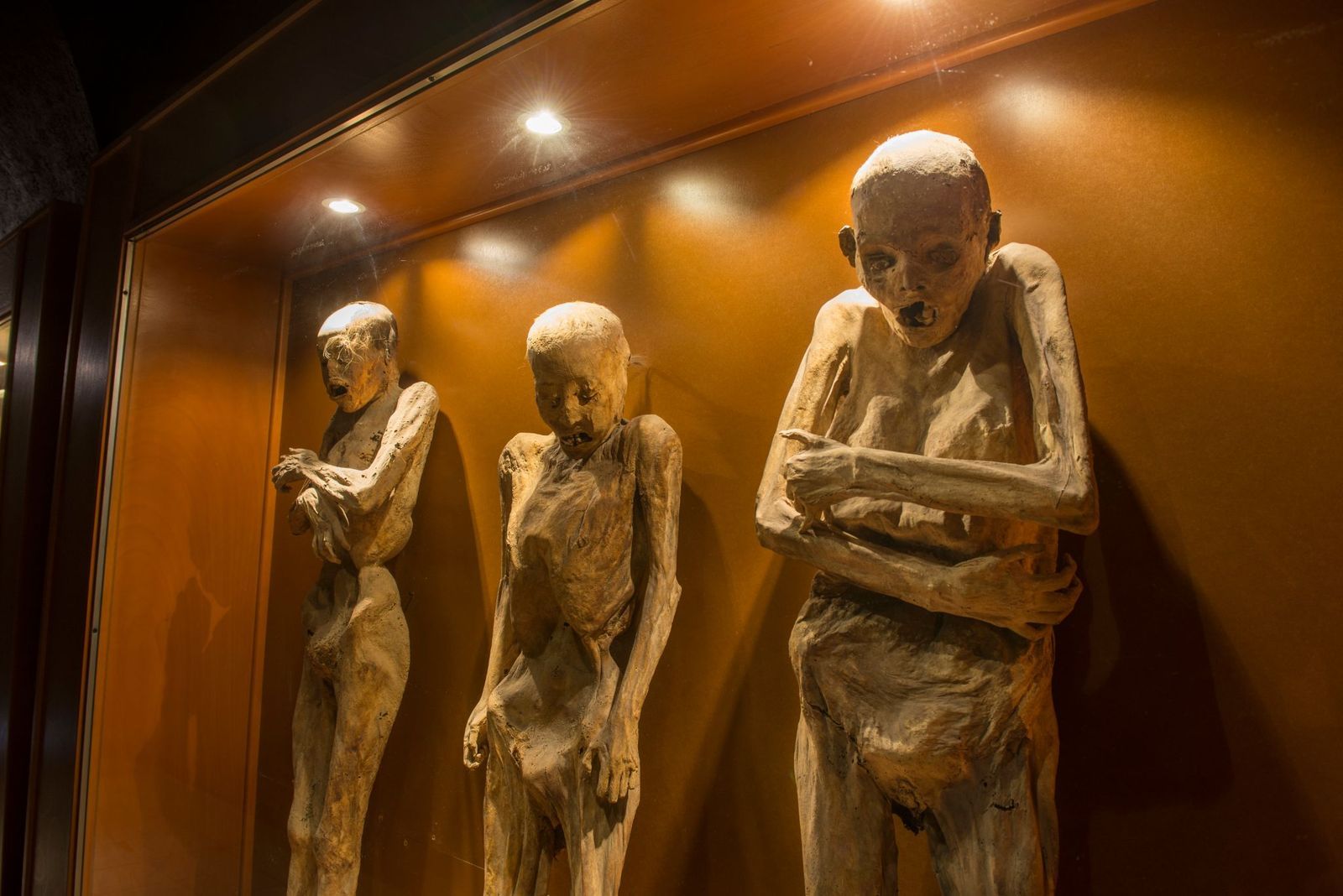
Why do these mummies look like they’re screaming in terror? In Guanajuato, Mexico, archaeologists and locals discovered naturally preserved bodies with their mouths wide open, making one of the most unsettling sights in the world.
Many of these mummies were recovered from local cemeteries during the 19th and early 20th centuries when families could no longer afford burial fees. Some legends suggest the people were buried alive, but there’s no actual evidence of that, and scientists believe their open mouths are simply the result of changes in the jaw after death.
The Nazca Lines
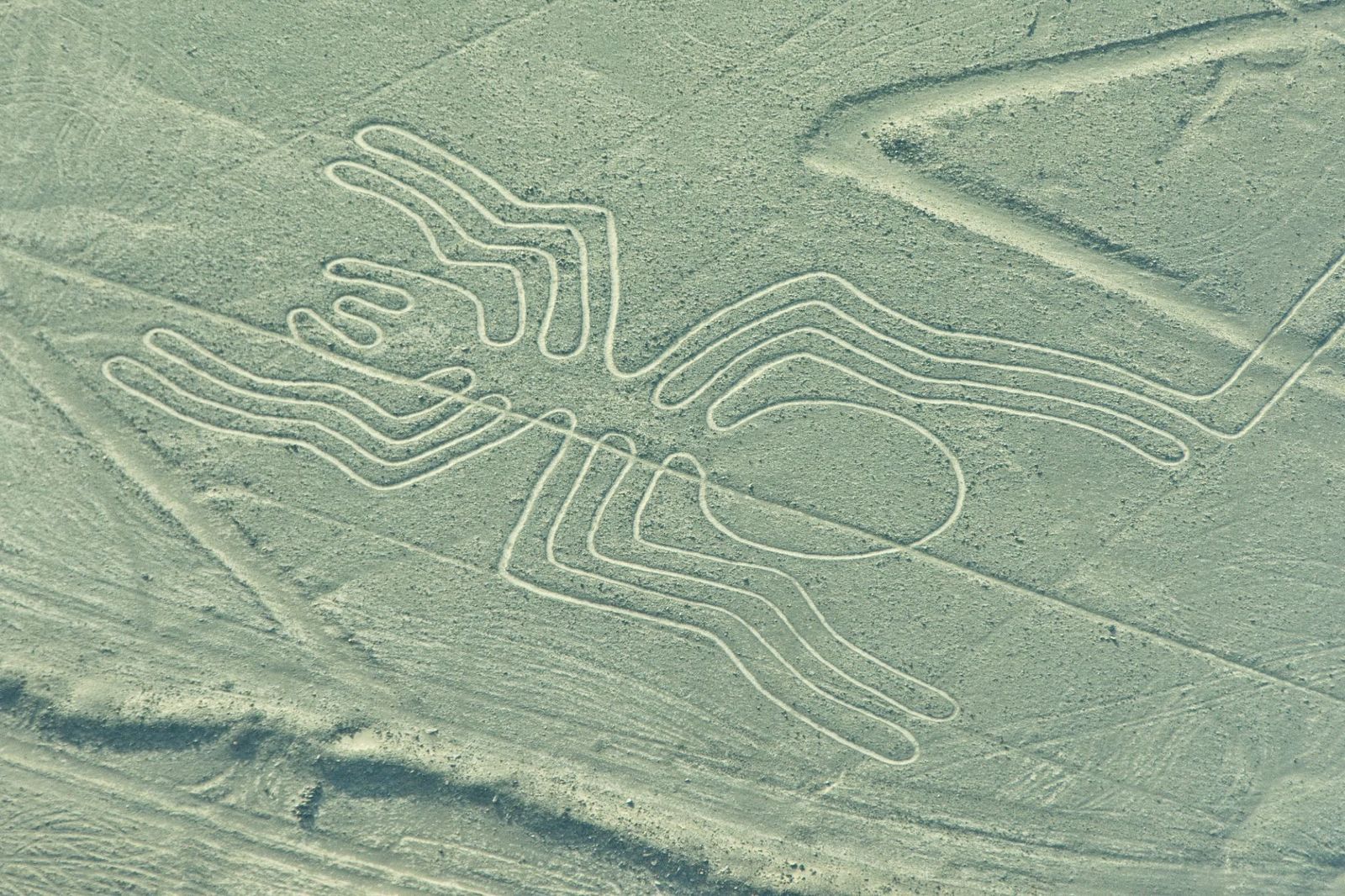
How did ancient people create enormous drawings in the desert that are best seen from the sky? Located in southern Peru, the Nazca Lines are giant drawings carved into the desert floor by Nazca people and earlier cultures between roughly 500 BCE and 500 CE, and some stretch for hundreds of feet.
Some people believe they were meant to communicate with gods or even visitors from space, but researchers think the drawings were likely connected to religious rituals. Their exact purpose remains a mystery.
The Antikythera mechanism
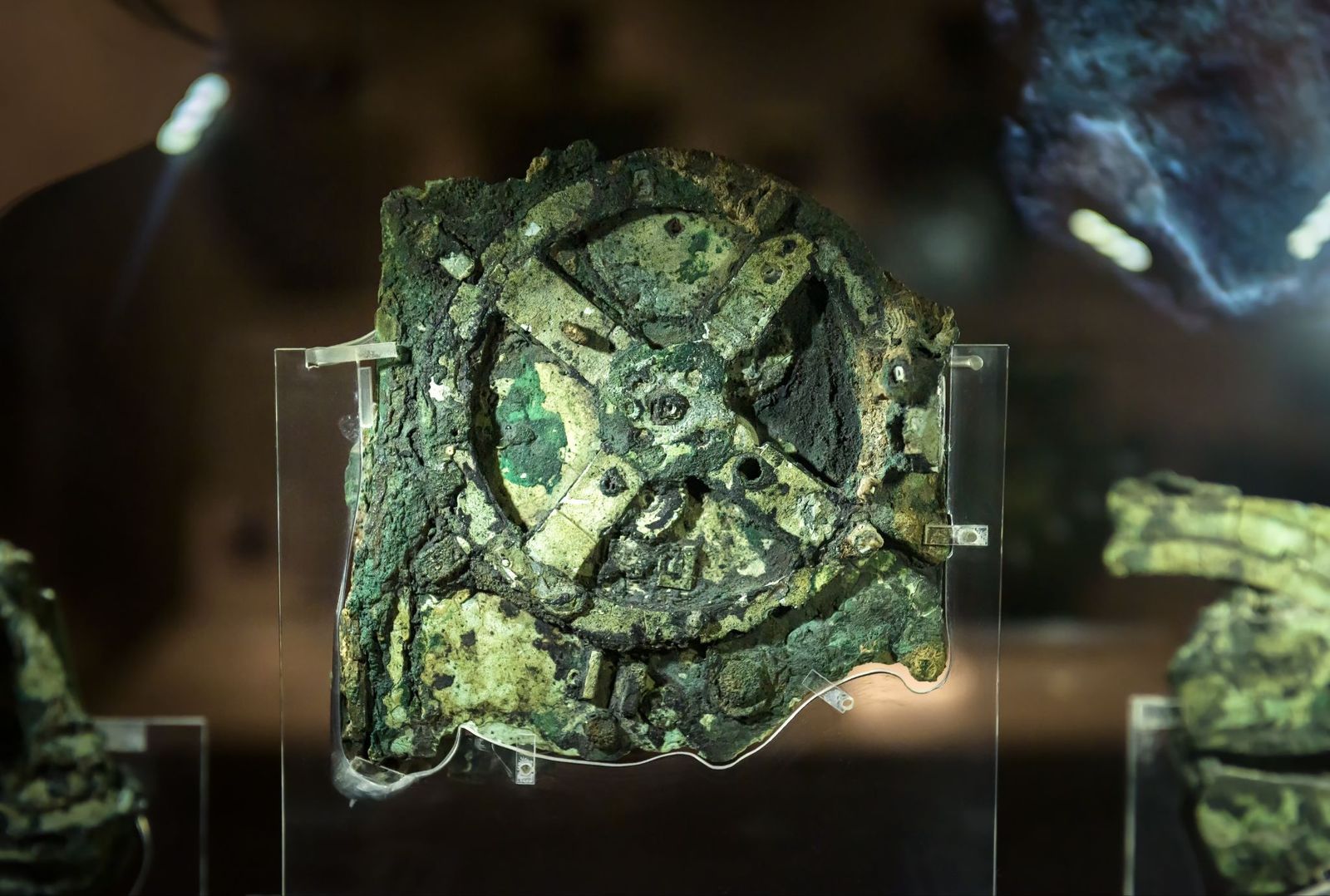
How could people have built an "analog computer" more than 2,000 years ago? The Antikythera mechanism was discovered in 1901 inside an ancient shipwreck near the Greek island of Antikythera. This bronze device, often called the world’s oldest known analog computer, contained dozens of tiny, interlocking gears that allowed it to track the movements of the Sun and Moon, predict eclipses, and even follow the four-year cycle of the ancient Olympic Games.
Researchers determined that it was an astronomical calculator built by skilled Greek engineers around the 2nd century BCE. Its complexity was a remarkable achievement for such an ancient civilization, and it still amazes scientists today.
The Voynich manuscript
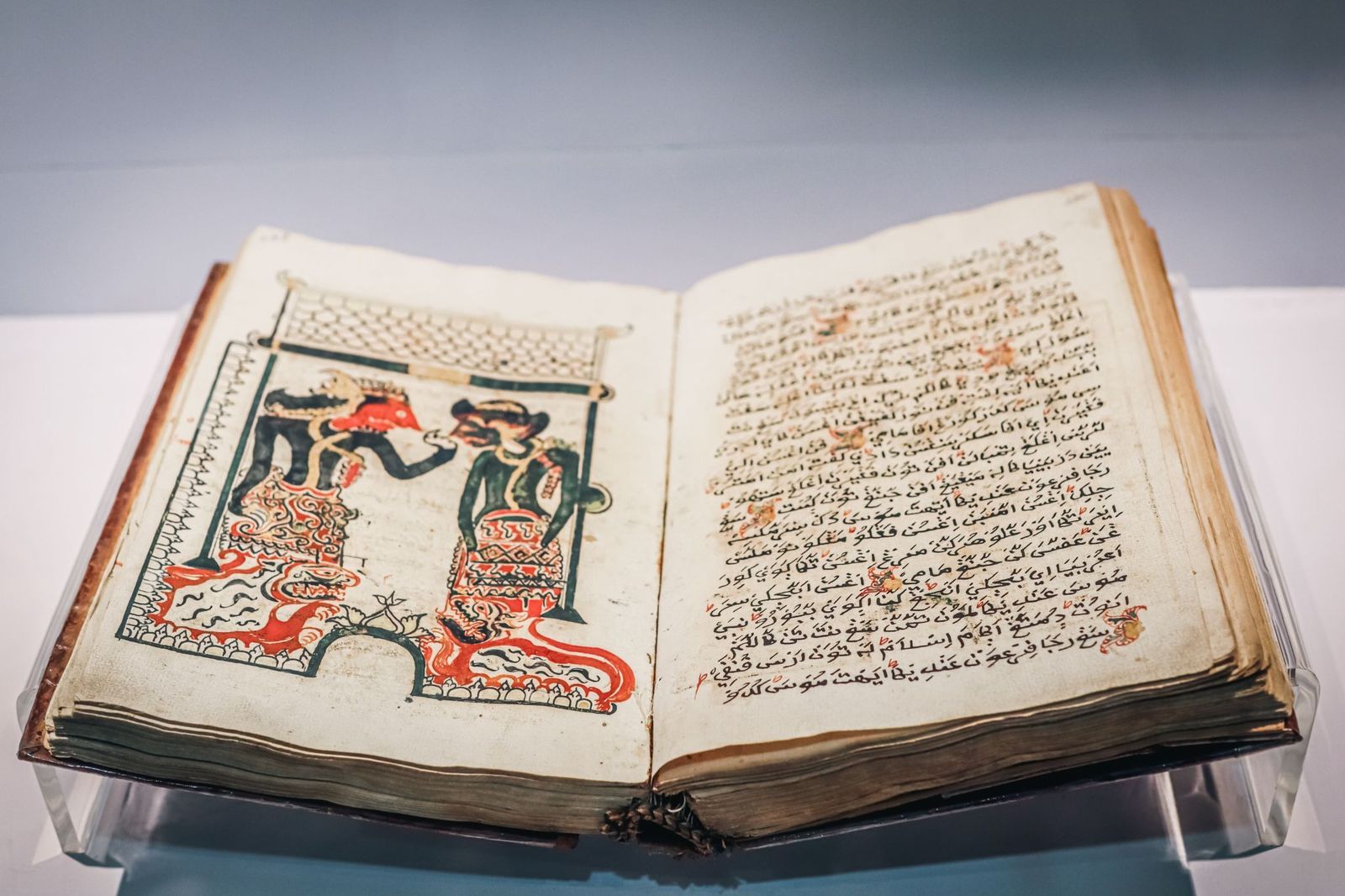
What if we told you there’s a book that experts have studied for over a century, yet no one has managed to read it? That’s the Voynich Manuscript. This mysterious illustrated book has hundreds of pages filled with strange writing and bizarre diagrams that no one has ever been able to decipher.
The parchment was likely written between 1404 and 1438, but its author and purpose are still a mystery to researchers. Some believe it contains a secret code or even an invented language, but despite many attempts by professional codebreakers and linguists, no convincing translation has been found. The original Voynich Manuscript is kept at Yale University, and you can view it online on its website.
The Atacama skeleton
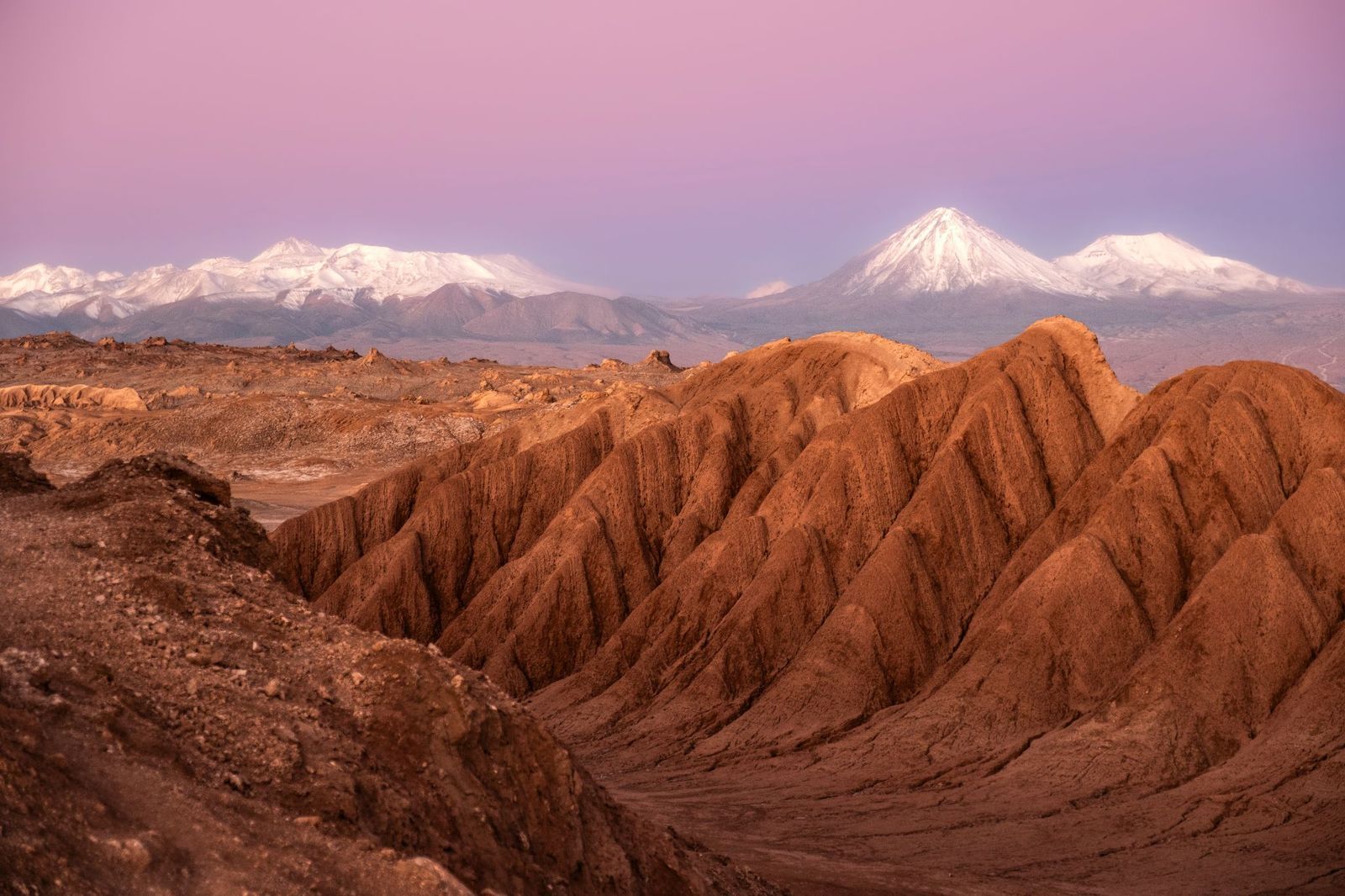
The Atacama skeleton convinced some people that aliens might have visited Earth. In an abandoned mining town in Chile’s Atacama Desert, a tiny specimen nicknamed Ata was found in 2003. The skeleton, which was likely a few decades old, had an unusually shaped skull and fewer ribs than most humans, which fueled UFO theories, with some even saying the specimen was an extraterrestrial being.
But DNA testing eventually put those alien theories to rest, revealing that Ata was a human female. A 2018 study identified several genetic mutations that may explain her unusual appearance and suggested she was a human fetus, not an alien or an unknown species.
The crystal skulls

Could a crystal skull hold ancient secrets or even possess supernatural powers? These mysterious sculptures, made from clear or milky quartz, have inspired many legends about healing abilities and hidden knowledge. Some were even claimed to be ancient Mayan artifacts.
But in the 1990s and 2000s, researchers told a different story, as they found marks left by modern rotary tools, which suggested that several famous skulls were carved much more recently than their legends claim, roughly in the mid-to-late 19th century.
The Piri Reis map
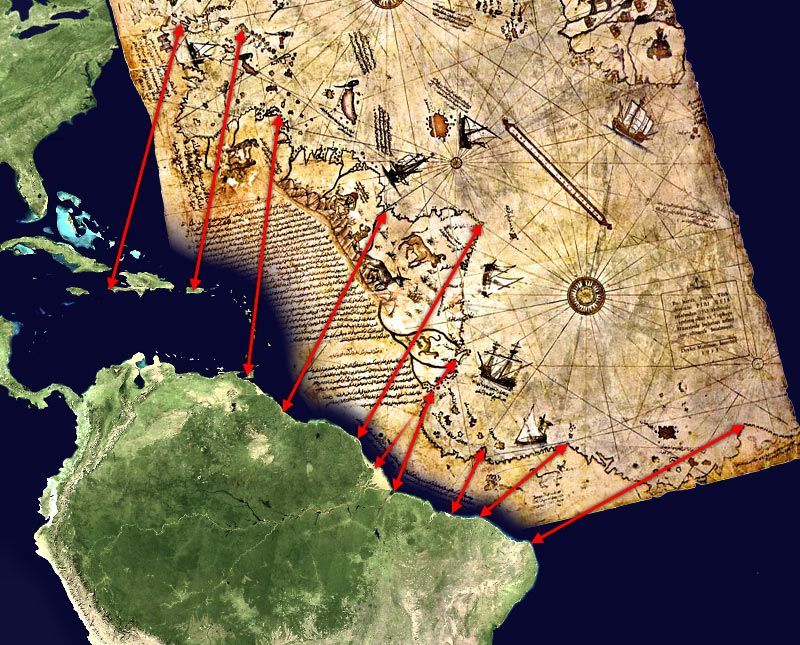
The Piri Reis map, drawn in 1513, seems to show Antarctica more than 300 years before its official discovery. This mysterious map was created by Ottoman admiral and cartographer Piri Reis, and it includes parts of Europe and Africa. Some people believe its southern landmass depicts Antarctica without ice. This could mean the ancient explorer knew about the continent long before 1820, when it was discovered.
But historians generally disagree. They believe the shape is simply a distorted representation of South America’s coastline. Only fragments of the original map have survived, leaving quite some room for speculation.
Göbekli Tepe
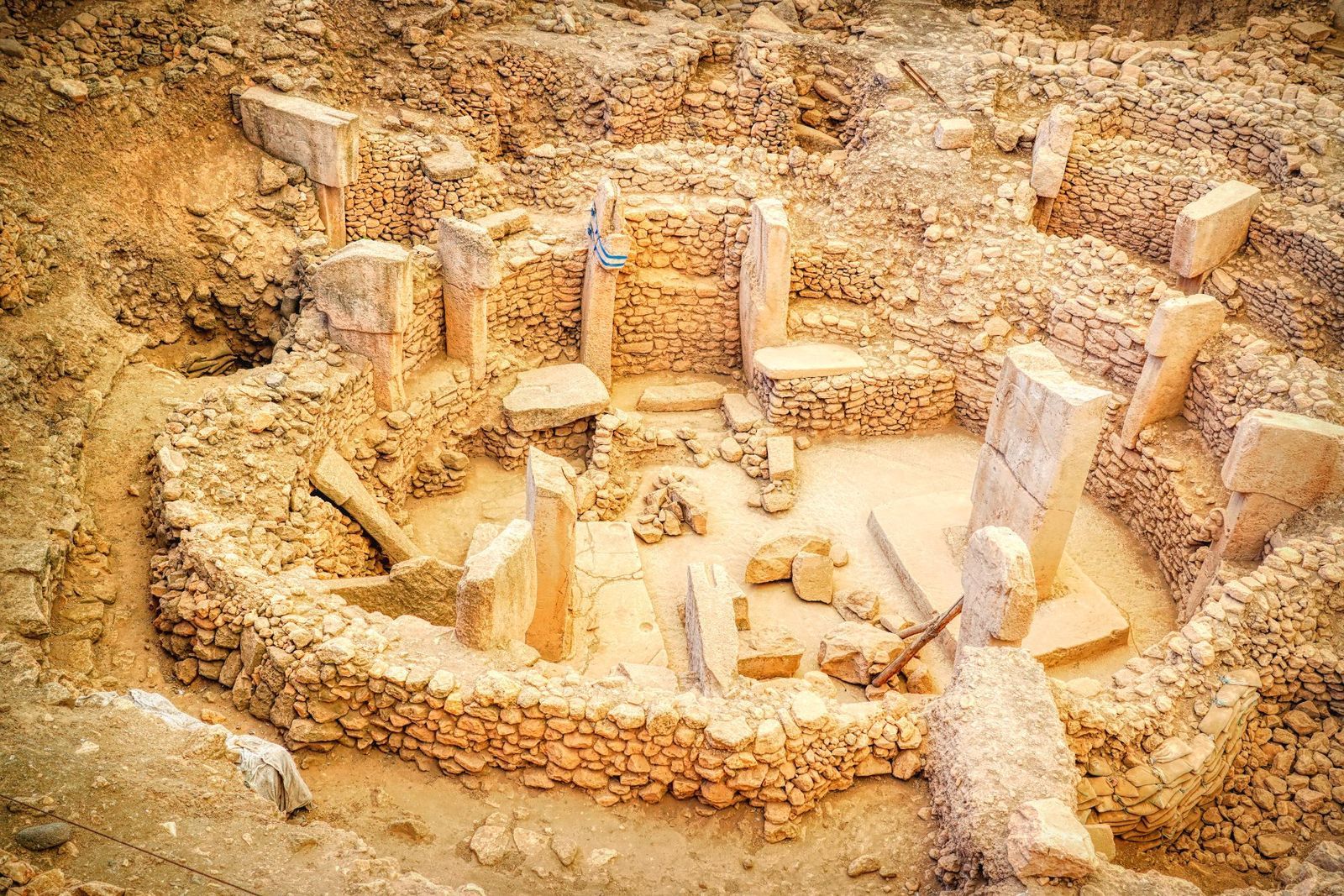
How did people who hadn’t even developed farming manage to build massive stone monuments? That’s the mystery behind Göbekli Tepe, a prehistoric site in southeastern Turkey that features enormous T-shaped pillars covered in carvings of foxes, snakes, wild boars, and birds, built around 9600 BCE.
For years, archaeologists generally believed that monumental construction required settled communities supported by agriculture, but Göbekli Tepe was built by hunter-gatherers, which suggests that they could organize large groups and coordinate complex projects long before farming became widespread. This discovery challenged what we thought we knew about the origins of organized society.
The Baghdad Battery
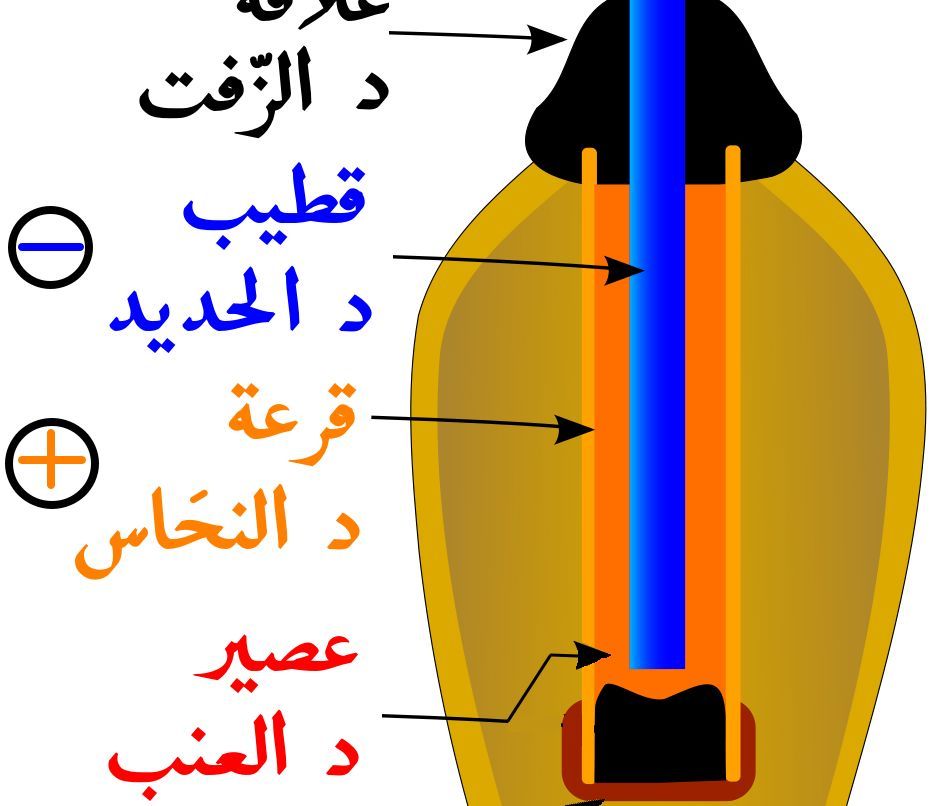
A battery invented nearly 2,000 years before modern electricity was discovered: how is this even possible? The so-called Baghdad Battery is a collection of unusual clay jars discovered near Baghdad, Iraq, in the 1930s, made of a copper cylinder and an iron rod.
The way they’re made has led some researchers to believe they could have generated electricity when filled with an acidic liquid, and some even think they were used for ancient electroplating. That said, there’s no convincing evidence that they actually produced electricity, and their true purpose remains unknown.
Roman dodecahedrons
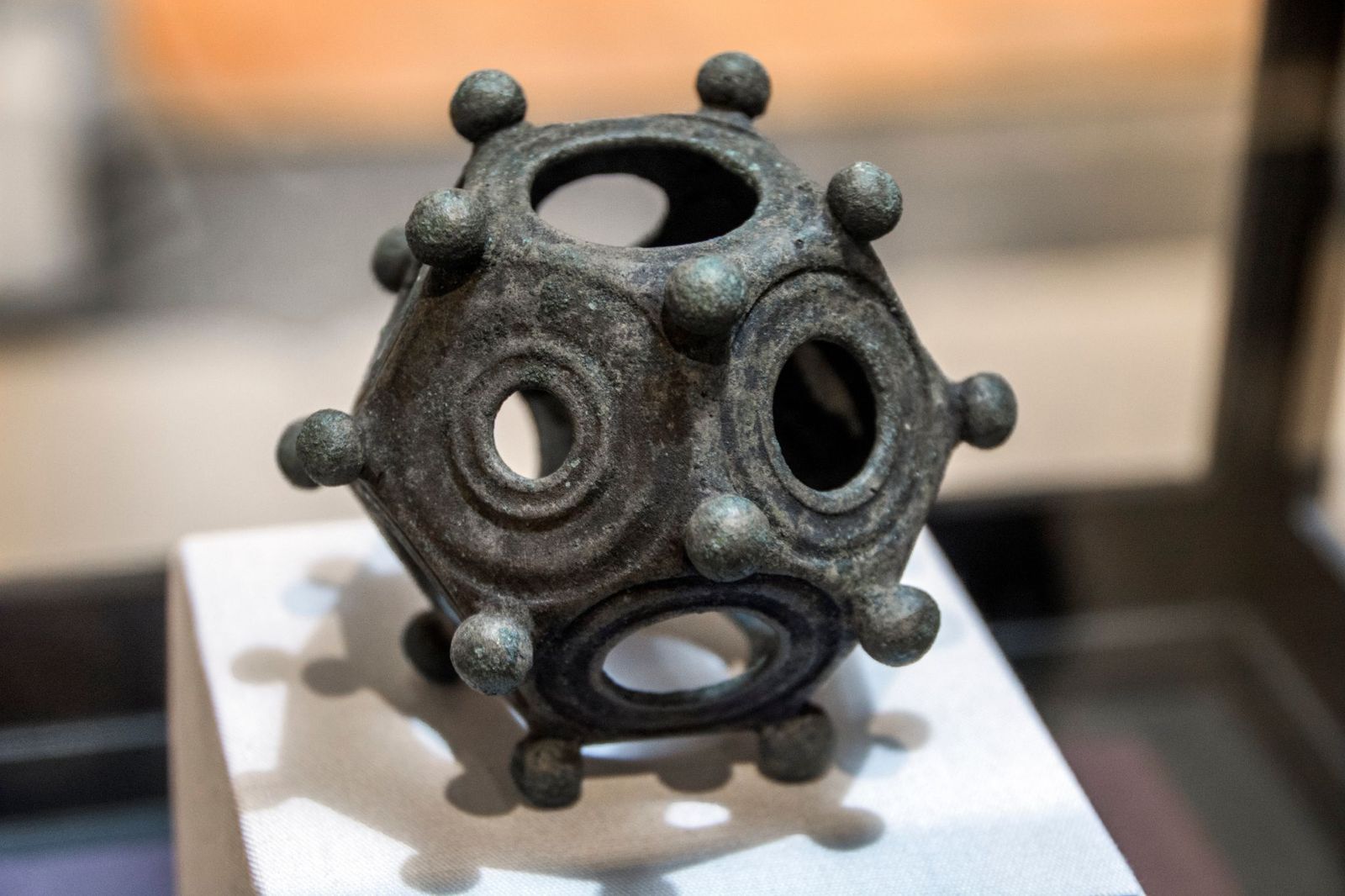
Roman dodecahedrons are hollow bronze objects with 12 faces, circular holes, and tiny knobs at each corner. But what were these strange objects used for, and why haven’t archaeologists figured it out after all these years?
More than 100 of these devices have been discovered across the former Roman Empire, mostly in northwestern Europe. They date from the 2nd to 4th centuries CE, and some theories suggest they were candle holders or religious objects, but no explanation has really been confirmed.
White mountains and white tigers: get to know the many wonders of Nepal
 Geography
White mountains and white tigers: get to know the many wonders of Nepal
 Image: Unsplash
Nepal is one of the world’s top tourism destinations for mountaineers and nature enthusiasts alike.
Against the backdrop of the imposing Himalayas, Nepal is home to many natural and human-made wonders that have shaped the idiosyncrasy of its inhabitants for millennia. Many daredevil mountaineers and adventurers come to this country to conquer its perennial white peaks. But you don’t need to climb Mount Everest to soak up what Nepal has to offer.
Witness the elusive white tigers in the morning mist of the many Nepalese eco-parks and tiger sanctuaries, or immerse yourself in an ancient and very spiritual culture that crops up almost everywhere in the form of thousands of temples, shrines, and architectonically stunning cities.
But tempting as it might be, do not mistake the Nepalese for a secluded or exotic people. Nepal is very much a modern country, with access to many comforts and essential services. Tourism is a major industry, and in cities like Kathmandu - one of the oldest continuously inhabited places in the world - you can easily find accommodation and tours that will take you to the most beautiful parts of the country in no time.
We made this list of places that you won't want to miss on your next trip to Nepal. Check it out!
Sagarmatha National Park
One of the 12 Nepalese national parks, Sagarmatha is located in Eastern Nepal - and inside the Himalayan mountain range. This area of exceptional beauty has all nature lovers can dream of - epic peaks, glaciers, and wildlife. However, the jewel of the park is the world’s highest peak, Mount Everest.
 Image: Unsplash
Even if you have no interest in mountaineering, the area is a must for all travelers. Where else can you see red pandas, snow leopards, and black bears running free in such a grandiose landscape? There are many activities to do in the park, like trekking across its foothills, cruising the Dudh Koshi River, visiting glaciers, or just watching the world’s tallest peak from its many viewpoints.
Take into account that there are no direct roads into Sagarmatha National Park, so you will need to arrange a special tour that takes you there. Mind your breath though, altitude sickness is a very real possibility if you aren’t accustomed to these kinds of heights.
Durbar Square
Recognized by UNESCO as a World Heritage site, Durbar Square has a long history that can be traced back to the ancient Kathmandu Kingdom. The name even means "Royal Palace" in Nepalese, and it marked the spot where kings were ceremoniously crowned and where special events took place, but you can tell that it was important just by looking at it - its intricate architecture is definitely regal in nature.
The Kathmandu Kingdom was part of a vast collection of principalities and small kingdoms before unification in the mid-18th-century. Many other structures like temples, towers, and statues that can be traced back to this era surround Durbar Square, so it’s a good spot to begin a tour of the city.
Phewa Lake
Over Phewa Lake's crystalline surface, the snow-capped peaks of Annapurna mountains reflect and send chills down the spine of all travelers that come to this naturally beautiful area. Colorful fishing boats and temples make the place even more picturesque, and there are even many hotels where you can spend a night or two - if you feel like immersing fully in the landscape.
Also, at the center of the lake sits the holy Barahi temple of the Goddess Durga - and it's only reachable by boat. This is a spot with a bit of everything, and even if you are not much into temple sightseeing you are bound to find some activities to your liking, like trekking across the foothills that surround the lake, bungee jumping, paragliding, helicopter tours, or water sports.
Annapurna Sanctuary Trek
Since you are already near the Annapurna range, if you are feeling fit and daring you can undertake the fantastic journey to the Annapurna Sanctuary, an eleven days long trek that offers the unique opportunity to hike into Nepal’s second-highest mountain range. Though reaching the sanctuary doesn’t require climbing or going through any high passes, you will be surrounded by some of the tallest mountains in the world.
 Image: Unsplash
Bhote Koshi
A western tributary of the mighty Sun Kosi River, Bhote Koshi’s rapids are great for kayaking, rafting, or even just trekking along its course. Poiqu, as it is known in Tibet, is the steepest river in all of Nepal, and it is considered by many to be one of the best for whitewater rafting in the world.
Also, this river course is just a few hours from Kathmandu, between the mountains close to the Nepalese and Tibetan border, so you don’t need to travel far if you want this to be your first destination after arriving in the country.
Everest Base Camp
Reaching the peak of the legendary Mount Everest is a feat almost impossible to achieve without years of training and very special equipment. And even with all that, it is still an extremely risky journey where even seasoned mountaineers have lost their lives.
But you don’t need to go that far in order to know what it is like to be on one of the world’s most ominous and alluring mountains. Luckily, reaching the Everest Base Camp is a very doable feat that can give you a glimpse into the hardships and enormous dangers that mountaineers attempting to conquer Everest have to face.
Once you reach the base, you will find that it is a very lively and exciting place, full of energetic teams preparing for their perilous journey ahead. If you are feeling fit and want a taste of the real thing, there are three-week treks to the base that will make you feel closer to the might of the Himalayan mountain. But don’t worry, there are also helicopter trips directly to the camp, so you can get to see this wonder of human achievement without any danger or hardships involved.
Nepal is full of adventure - find yours!
This list doesn’t even come near to all the amazing places in Nepal, a beautiful country with many sights and activities to offer. In any case, remember that this is for many a very sought-after destination, so buying tours and accommodation in advance won’t hurt.

This item could save your life on your visit to a national park
 General
Trail essentials
Hitting a national park? Don’t leave home without these 10 items
So you’ve finally decided to head out to one of America's incredible national parks. Whether you've been meaning to visit Yellowstone for 20 years or just got inspired by a documentary on the Grand Canyon, there's no better time. But before you throw anything into a backpack willy-nilly, be sure to get your hands on the America the Beautiful Pass, which will save you a lot of money at the gate, and pick up a pair of sturdy boots: your old sneakers are not going to cut it on the trail. Here's a rundown of the ten things you really don't want to leave home without.
America the Beautiful Pass
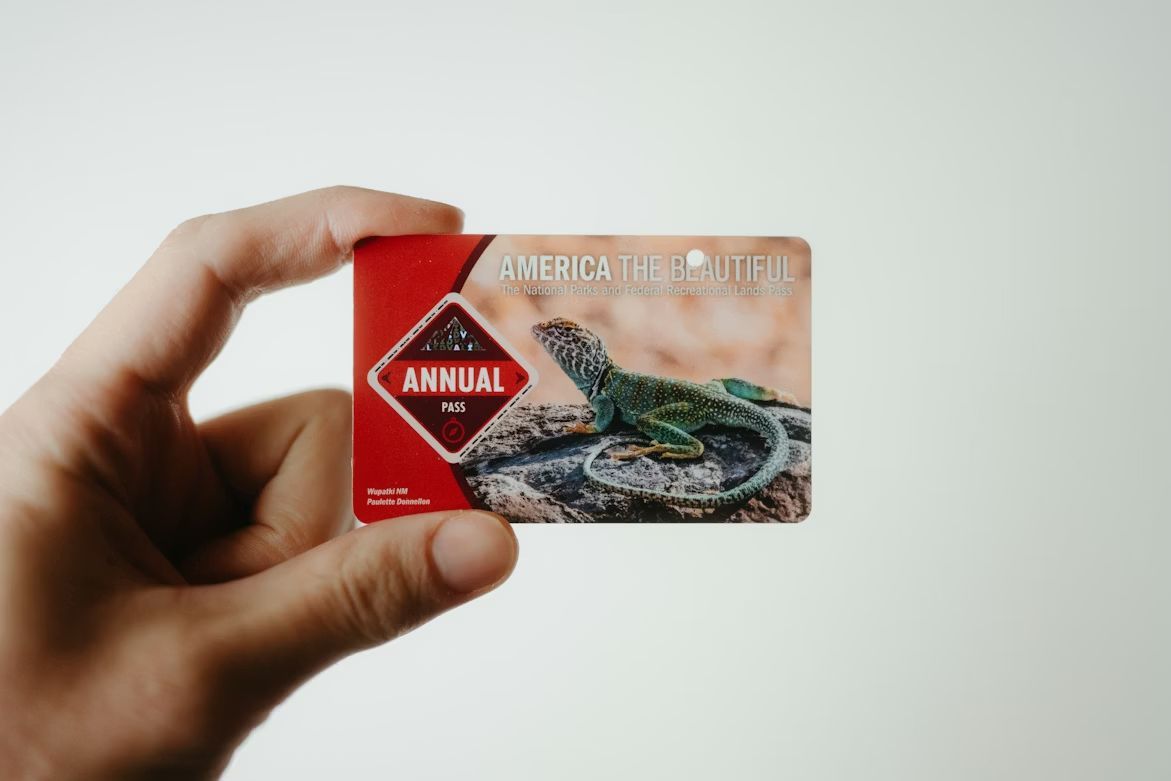
The America the Beautiful Pass is essentially an annual membership card to over 2,000 federal recreation sites across the country, including all national parks. You pay once—currently $80 a year—and you're in everywhere, no per-visit fees.
Picture this: you've driven hundreds, if not thousands, of miles to the entrance of Grand Teton National Park in Wyoming, and the line of cars stretches back a quarter mile. With your pass, you sail right through the annual pass lane, skip the fee booth entirely, and you're on your way to Jenny Lake before the folks behind you have even reached their wallets.
Sturdy hiking boots
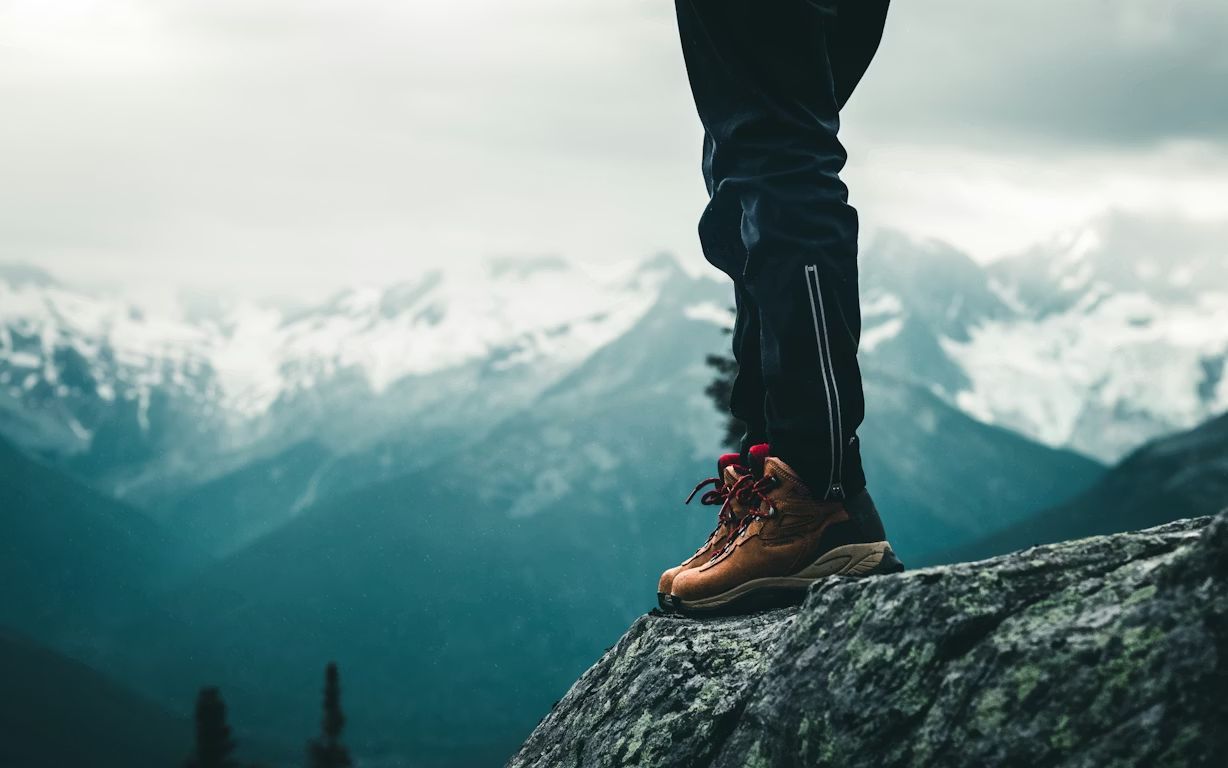
A good pair of hiking boots isn't just about comfort; it's about keeping your ankles stable on uneven ground, your feet dry when you cross a stream, and your knees happier at the end of the day. Look for boots with solid ankle support, a grippy rubber sole, and waterproofing.
Imagine you're hiking the Emerald Pools Trail in Zion National Park, Utah. The path starts easy enough, but before long, you're navigating rocky switchbacks and slick sandstone near the water. In old running shoes, one wrong step and you're sliding. In proper boots with ankle support and traction, you walk it confidently, stop for photos, and make it back to the trailhead without a single stumble or aches and pains the next day.
High-SPF sunscreen & lip balm

At altitude, UV radiation is significantly stronger than at sea level — about 4% more intense for every 1,000 feet of elevation gain. That means if you're hiking at 8,000 feet, you're dealing with roughly 32% more UV exposure than on the beach. SPF 50 sunscreen, reapplied every couple of hours, plus an SPF lip balm, are essentials you should pack without thinking twice.
Imagine a full day of exploring the geothermal basins at Yellowstone in Wyoming—you're out in the open, no shade, surrounded by white mineral deposits that reflect sunlight right back at you. With sunscreen and lip balm in your pocket, you can spend the day marveling at the geysers without worrying about a painful sunburn.
Bear canister or bear spray
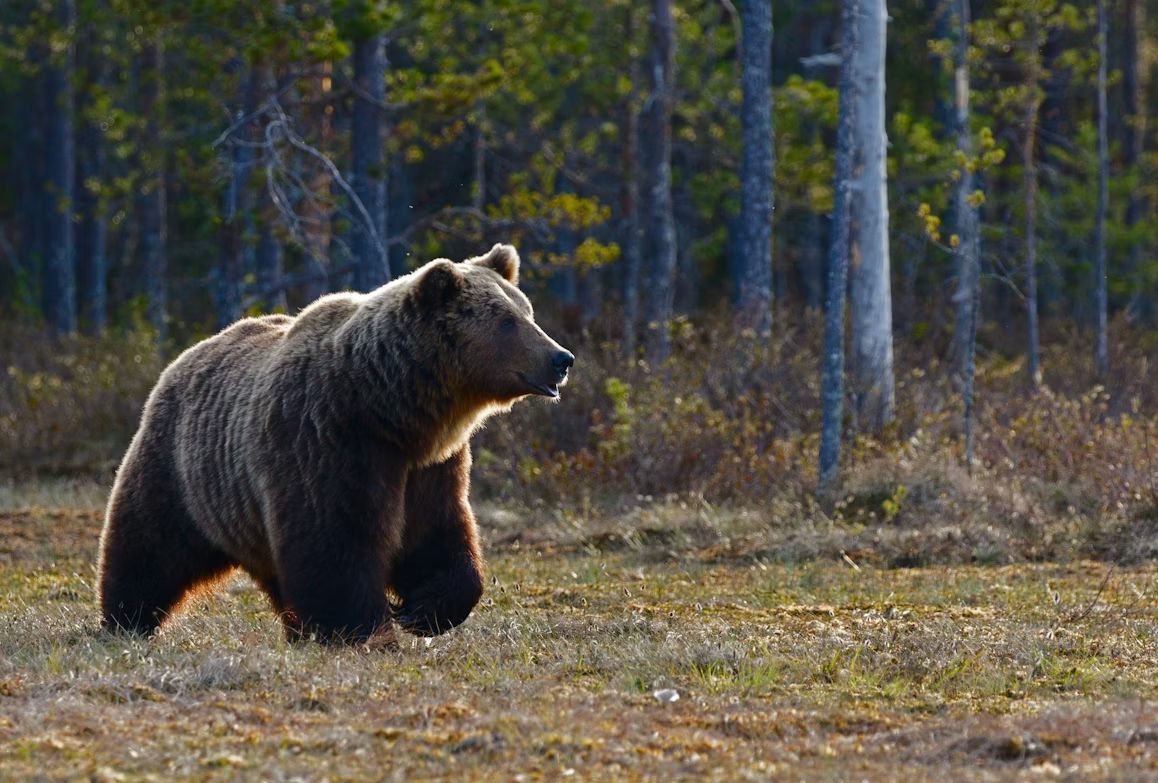
In bear country, which includes Yellowstone, Glacier, the Great Smoky Mountains, and many other national parks, you need to take wildlife safety seriously. Bear spray—a kind of extra-powerful pepper spray designed specifically to deter bears—should be on your hip and accessible, not buried in your pack.
Imagine hiking out of your campsite in Glacier National Park in Montana. On the trail out of your tent, you round a blind corner and a grizzly is just 20 yards away, startled by your sudden appearance. It huffs, pops its jaw, and starts moving toward you. You stand your ground, pull the safety clip off your bear spray, and when it closes within 30 feet, you deploy a short burst. The cloud stops the bear cold; it veers off and disappears into the trees.
Headlamp with extra batteries
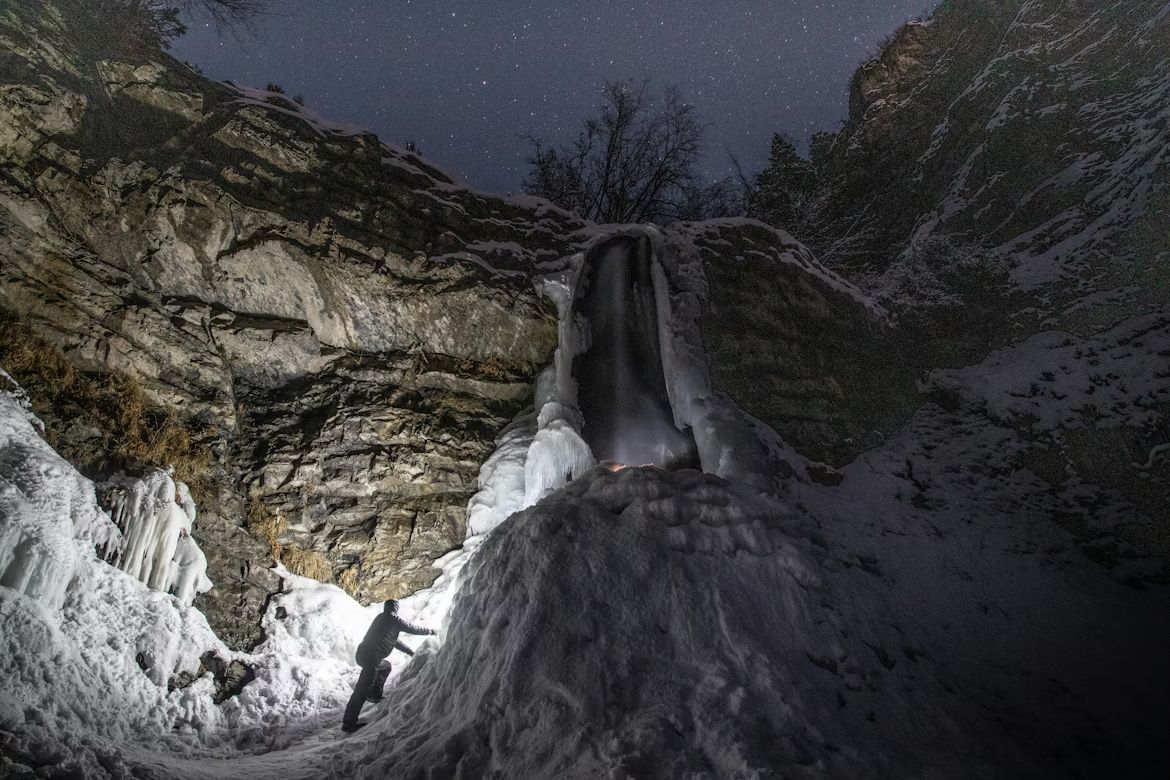
A headlamp is one of those things you hope you never need and will be incredibly grateful for if you do. Hikes run long, sunsets are faster than you expect, and having both hands free beats holding a flashlight every single time.
Consider a late-afternoon hike to see the sunset at Acadia National Park in Maine. You're at the summit of Cadillac Mountain, and the view is so stunning you stay longer than planned. By the time you start back down the carriage roads, it's dark. With a headlamp strapped to your forehead, you walk calmly back to the parking lot.
First aid kit
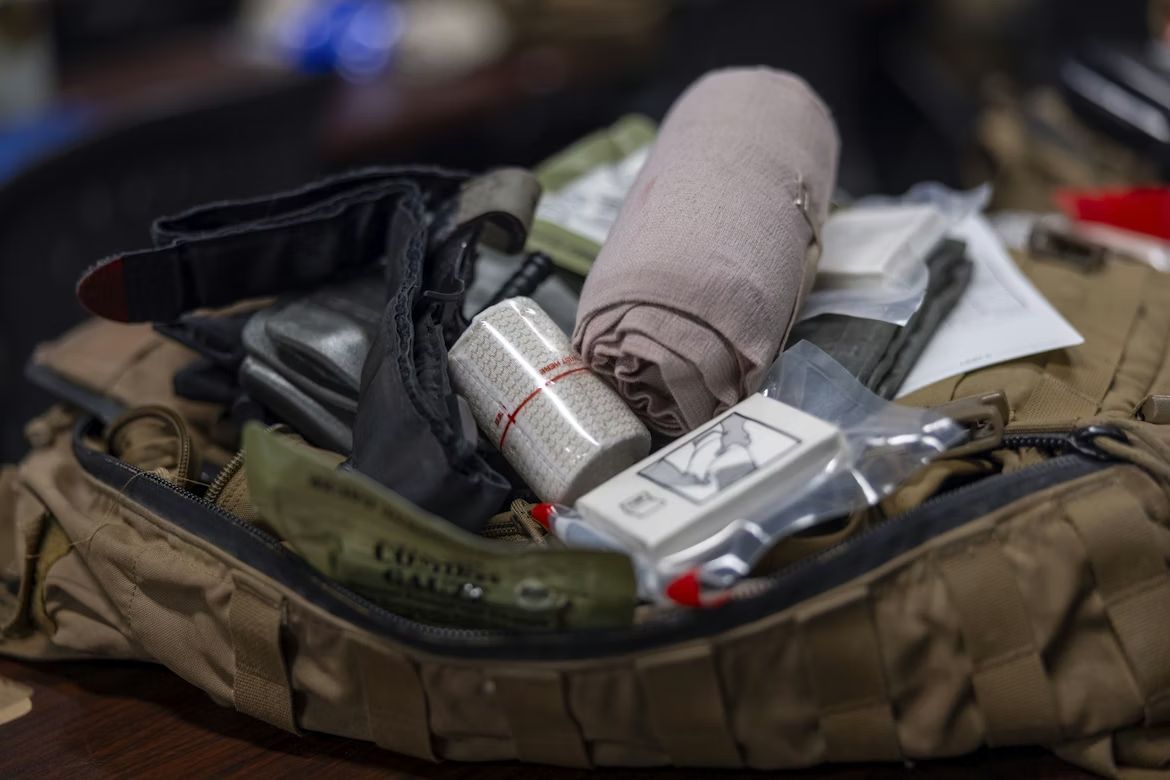
A basic first aid kit doesn't take up much space, and on a trail miles from the nearest road, it can make a real difference. At minimum, pack adhesive bandages, blister pads, antiseptic wipes, moleskin, pain relievers, and any personal medications.
Picture this: you're on the Appalachian Trail section running through Shenandoah National Park in Virginia, and about four miles in, a hot spot on your heel has turned into a full blister. Without moleskin or blister pads, that four-mile return hike becomes excruciating. With a small first aid kit in your daypack, you stop, treat it properly, pad it up, and finish the hike without a second thought.
Snacks & high-energy food

Hiking burns more calories than most people expect, and your energy levels drop faster when you're running on empty. Trail mix, energy bars, jerky, nuts, and dried fruit are lightweight, calorie-dense, and don't require refrigeration.
Say you're exploring the otherworldly hoodoos of Bryce Canyon National Park in Utah on the Navajo Loop Trail. It's more strenuous than it looks on the map, and by the time you've climbed back out of the canyon, you're genuinely spent. You sit down on a bench, pull out a handful of trail mix and a granola bar, and within fifteen minutes, you feel like a person again.
Detailed trail map or offline GPS app
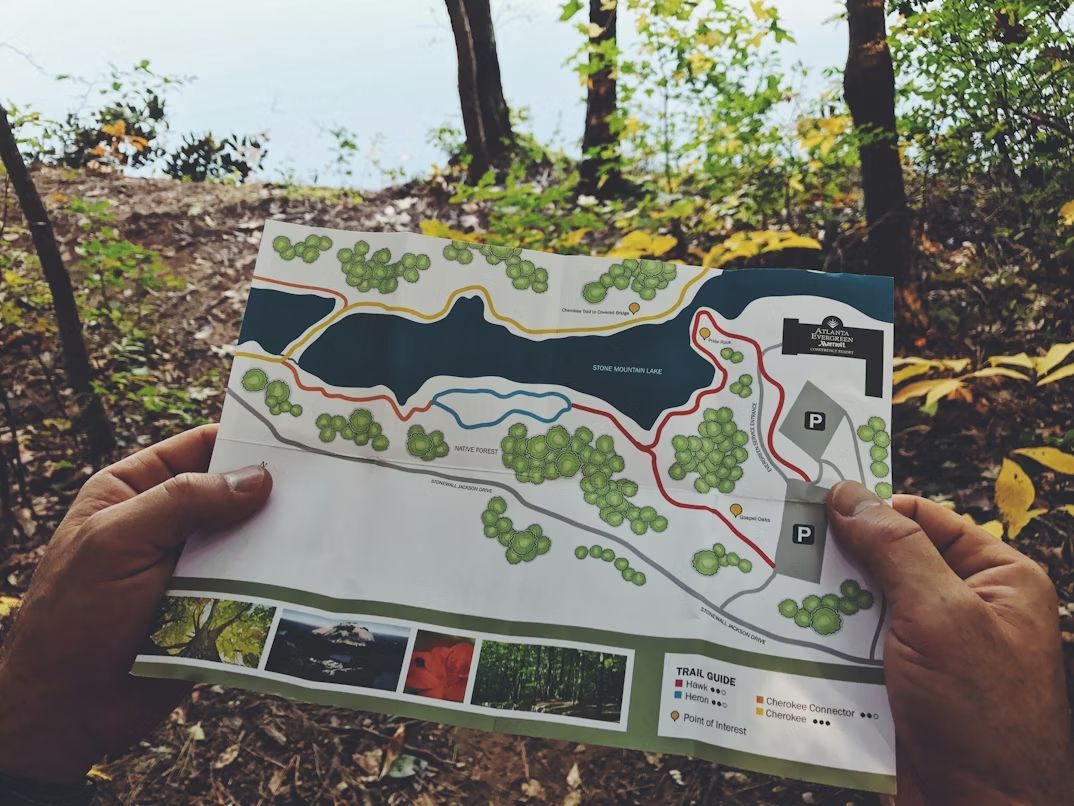
Cell service is unreliable in most national parks. Before you head out, download an offline map through an app like AllTrails or Gaia GPS, or pick up a printed trail map at the visitor center. Knowing where you are and where the trail goes gives you confidence and keeps you safe.
Let's say you're hiking in Olympic National Park in Washington, a massive and often foggy wilderness where trails can look surprisingly similar. You take what seems like the right fork and realize fifteen minutes later that the path is narrowing into overgrowth. With an offline GPS app, you can check your location instantly, see exactly where you went wrong, and backtrack.
Layered clothing
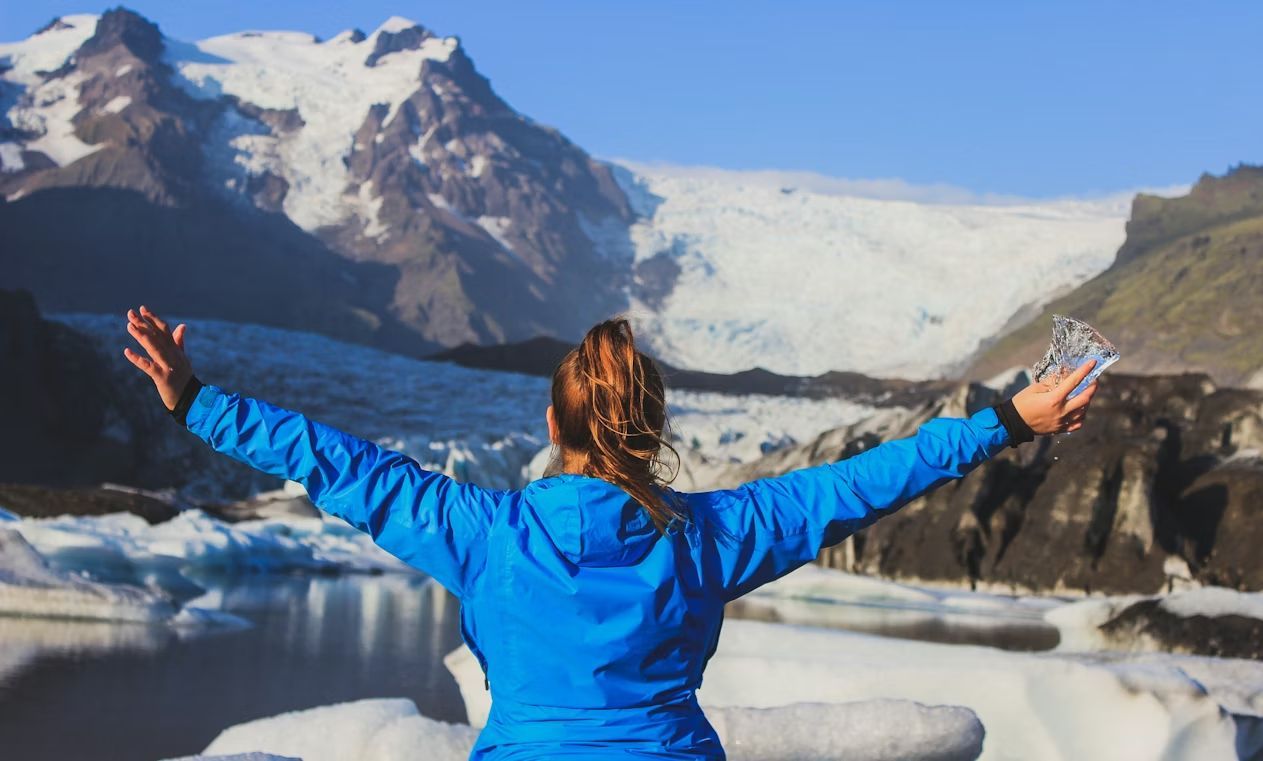
Mountain weather doesn't care about your plans. Temperatures in national parks can swing 30 degrees between morning and afternoon, and an afternoon thunderstorm can roll in out of nowhere. The solution is layers: a moisture-wicking base layer, a fleece or light insulating mid-layer, and a wind- and rain-resistant outer shell.
Say you're starting a morning hike at Rocky Mountain National Park in Colorado at 7 a.m.—it's 45°F and you're glad you have that fleece. By noon, you've peeled down to your base layer because the sun is blazing. Then at 2 p.m., a fast-moving storm rolls over the peaks, and you zip your shell right back on. One bag, three layers, and you've handled everything the Rockies threw at you.
Reusable water bottle or hydration pack
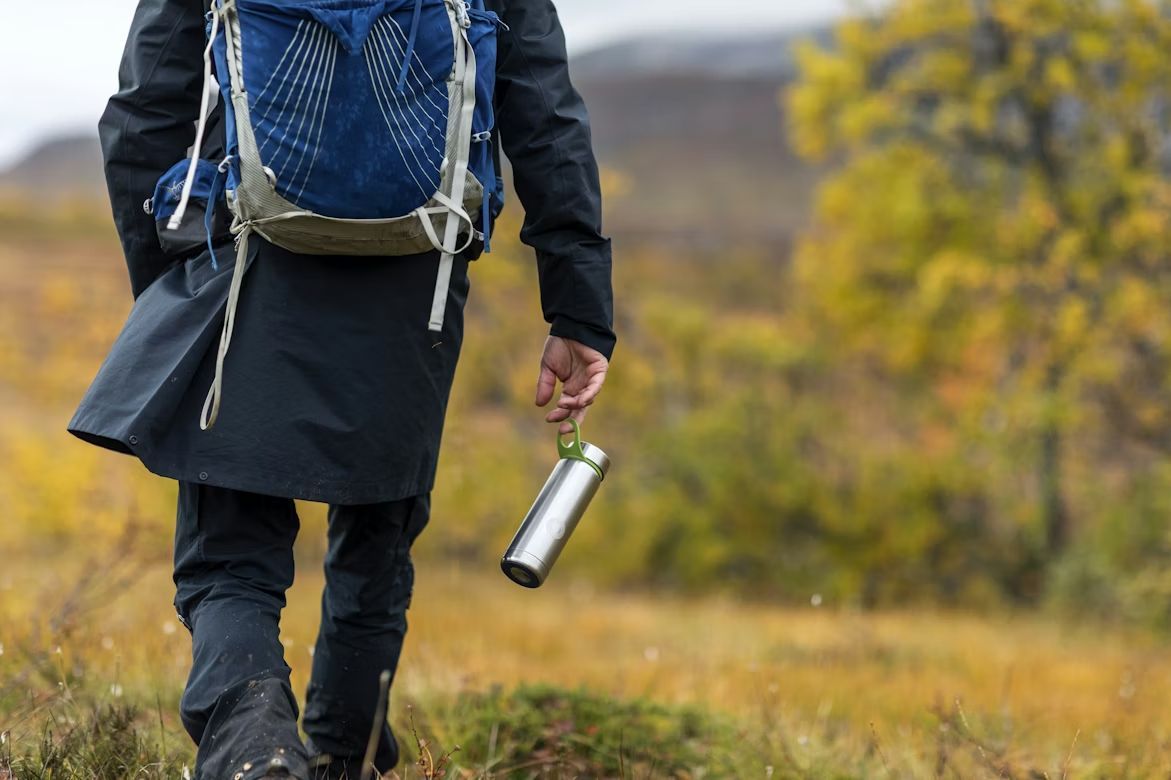
Staying hydrated on the trail is non-negotiable. A reusable 32-oz water bottle is the minimum; a hydration pack—the kind you wear like a small backpack with a drinking tube—is even better for longer hikes because you can sip without stopping.
Think about hiking the Bright Angel Trail down into the Grand Canyon in Arizona. It's one of the most popular trails in the country, and also one of the most dangerous for dehydration: the descent feels easy, but the climb back up in the heat is brutal. Rangers post signs reminding hikers to drink a liter of water per hour in summer. Having a full hydration pack means you're sipping regularly the whole way, and you make it back out feeling tired but fine.
Keep wandering
There’s always
more to explore

Next must-see stop? Where the Treaty of Versailles was signed
5 min.
Read Now

What happens if you leave the airport during your layover?
6 min.
Read Now
Did you know that you can see another galaxy without a telescope?
5 min.
Read Now
Skip Times Square and go to these NYC spots instead — local-approved!
4 min.
Read Now