Why should you keep your gas tank at least half-full during winter?
 General
Why should you keep your gas tank at least half-full during winter?
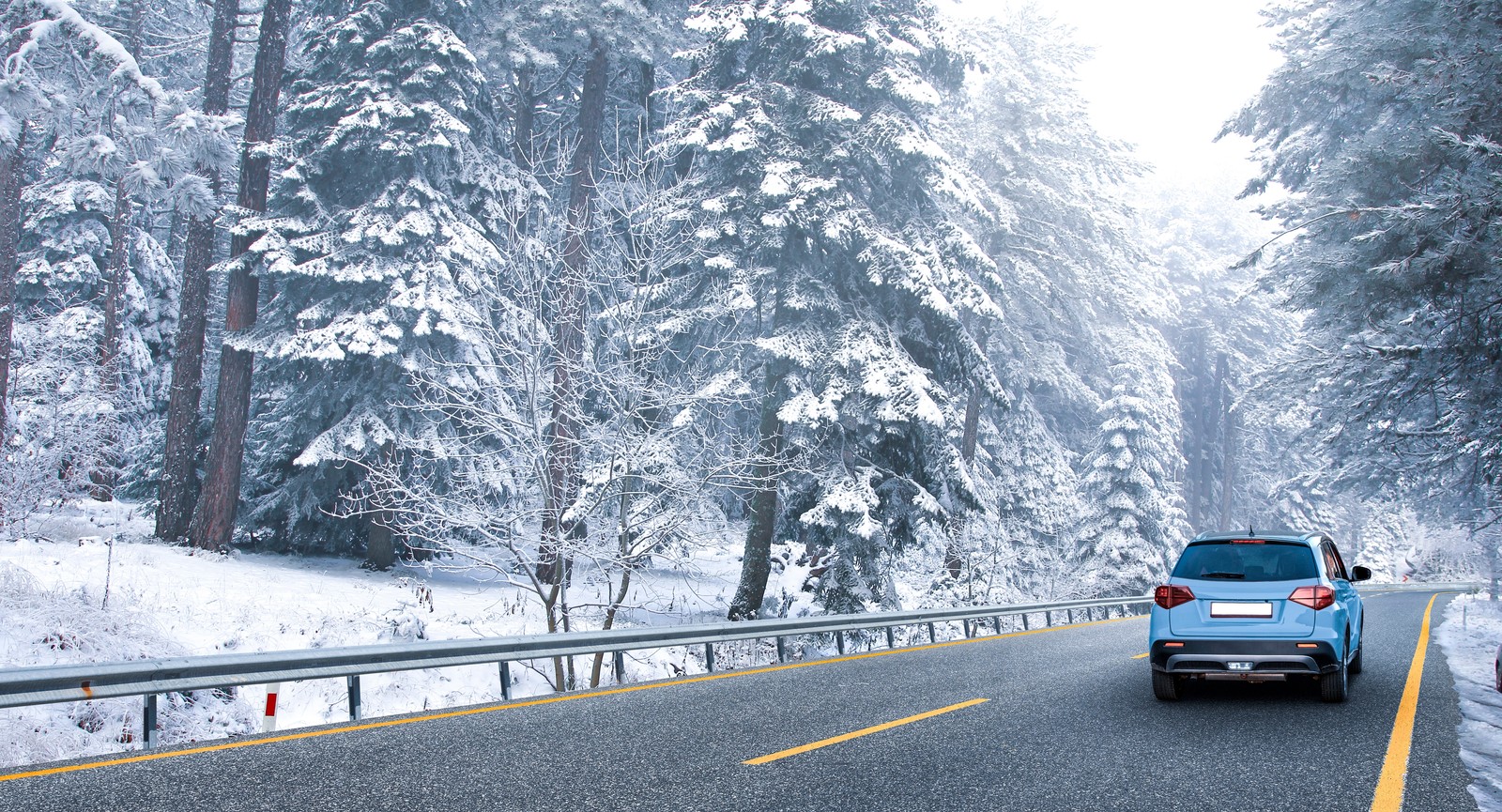
Winter is magical, but driving through snow, sleet, and ice is no joke. Winter conditions can turn a familiar highway into an unpredictable skating rink in a matter of seconds. Navigating icy roads requires specific preparation, acute awareness, and different driving measures than during the summer. To keep your journey safe and stress-free, follow these 10 essential tips for mastering safe winter driving.
Take your car for a tune-up before traveling
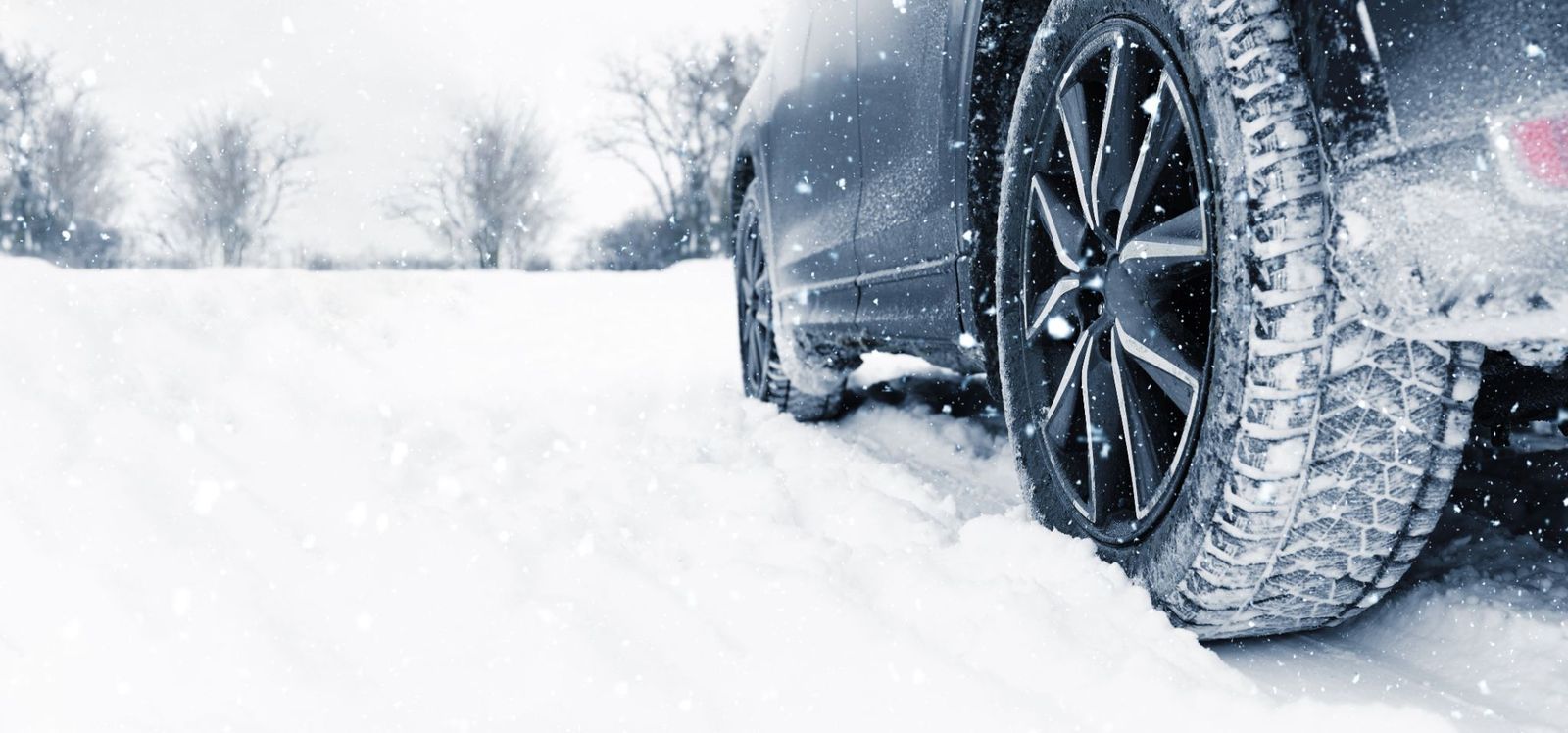
Packing your coat before a winter road trip is a given, but many people forget their car needs some attention too. Your vehicle needs to be certified fit for cold weather. Freezing temperatures take a toll on car batteries, fluid levels, and tire rubber.
That’s why you must schedule a professional tune-up to inspect your brakes, heater, defroster, and wiper blades. Moreover, switch to dedicated winter tires if you’re traveling through snow. Winter tires are built from softer rubber compounds that stay flexible in cold weather, and they have special tread designs that grip snow and ice better than standard tires.
Don’t drive alone and avoid nighttime drives
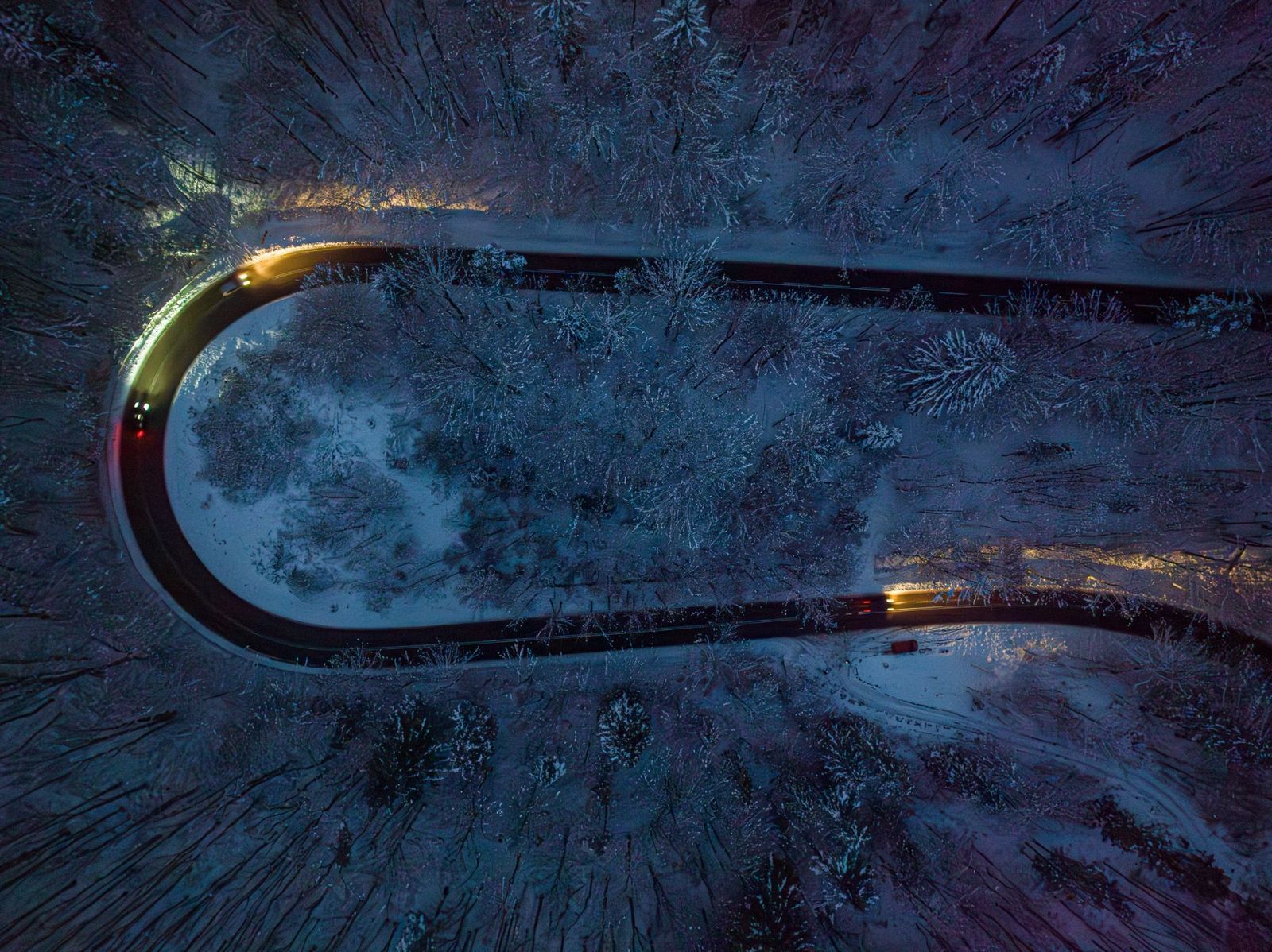
Driving in winter requires intense concentration and is mentally draining. Whenever possible, bring a partner to share driving duties and keep you alert. Additionally, if possible, try to plan your itinerary to avoid driving at night.
When it gets dark, temperatures drop, there’s an increased risk of black ice, and more wildlife, like deer, wanders around. Aim to hit the road after sunrise and stop before 5:00 PM when visibility declines and freezing conditions intensify.
Pack an emergency kit
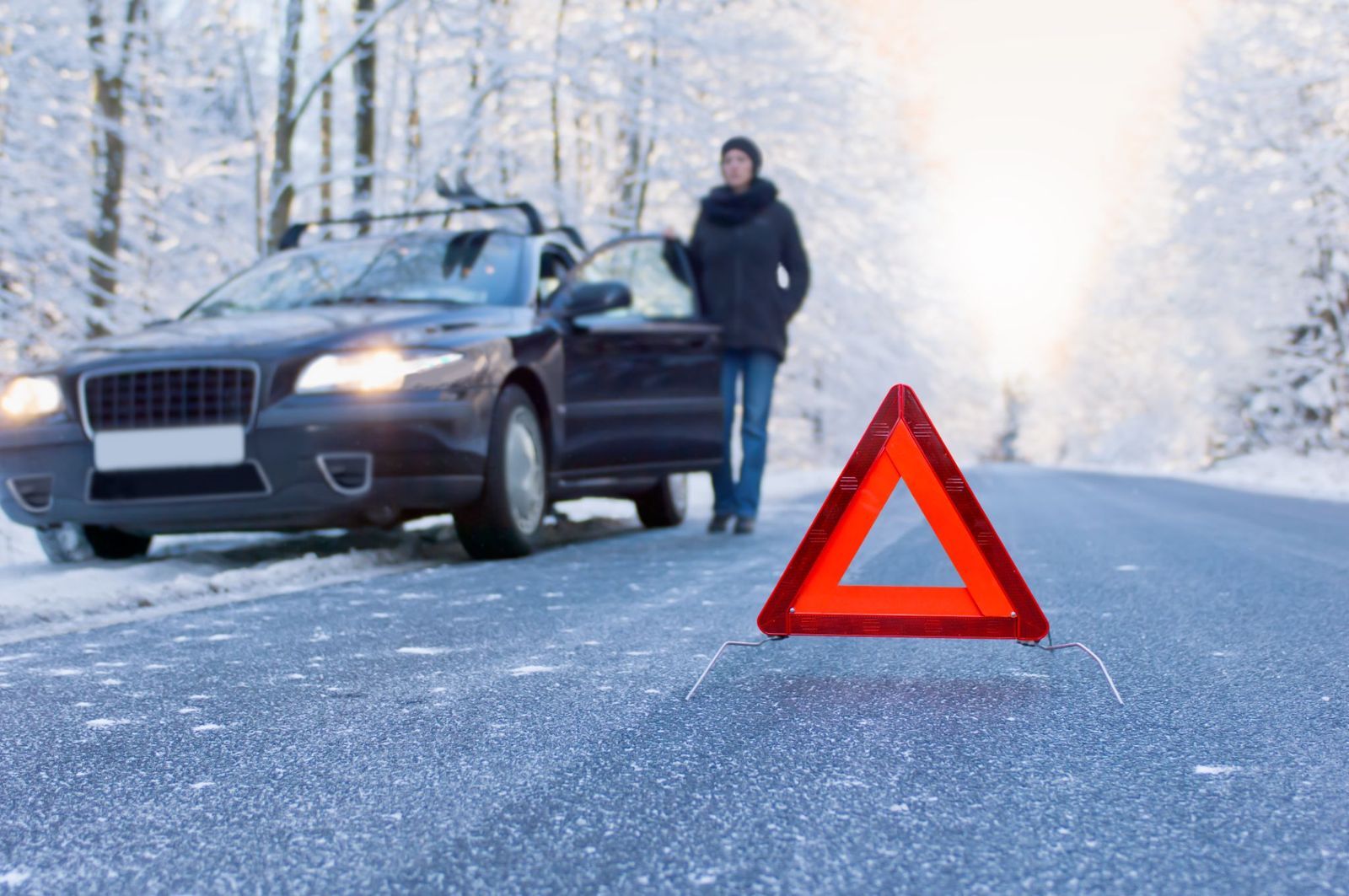
Even the most carefully prepared cars can break down or get stuck. Stash a dedicated winter emergency kit in your trunk before hitting the highway.
Your kit should include an ice scraper, snow shovel, jumper cables, flashlight, first aid kit, snacks, a bottle of water, and extra windshield washer fluid. Be sure to pack thermal blankets, extra warm socks, gloves, and a bag of sand or cat litter to help your tires gain traction.
Travel with a full charge and a full tank
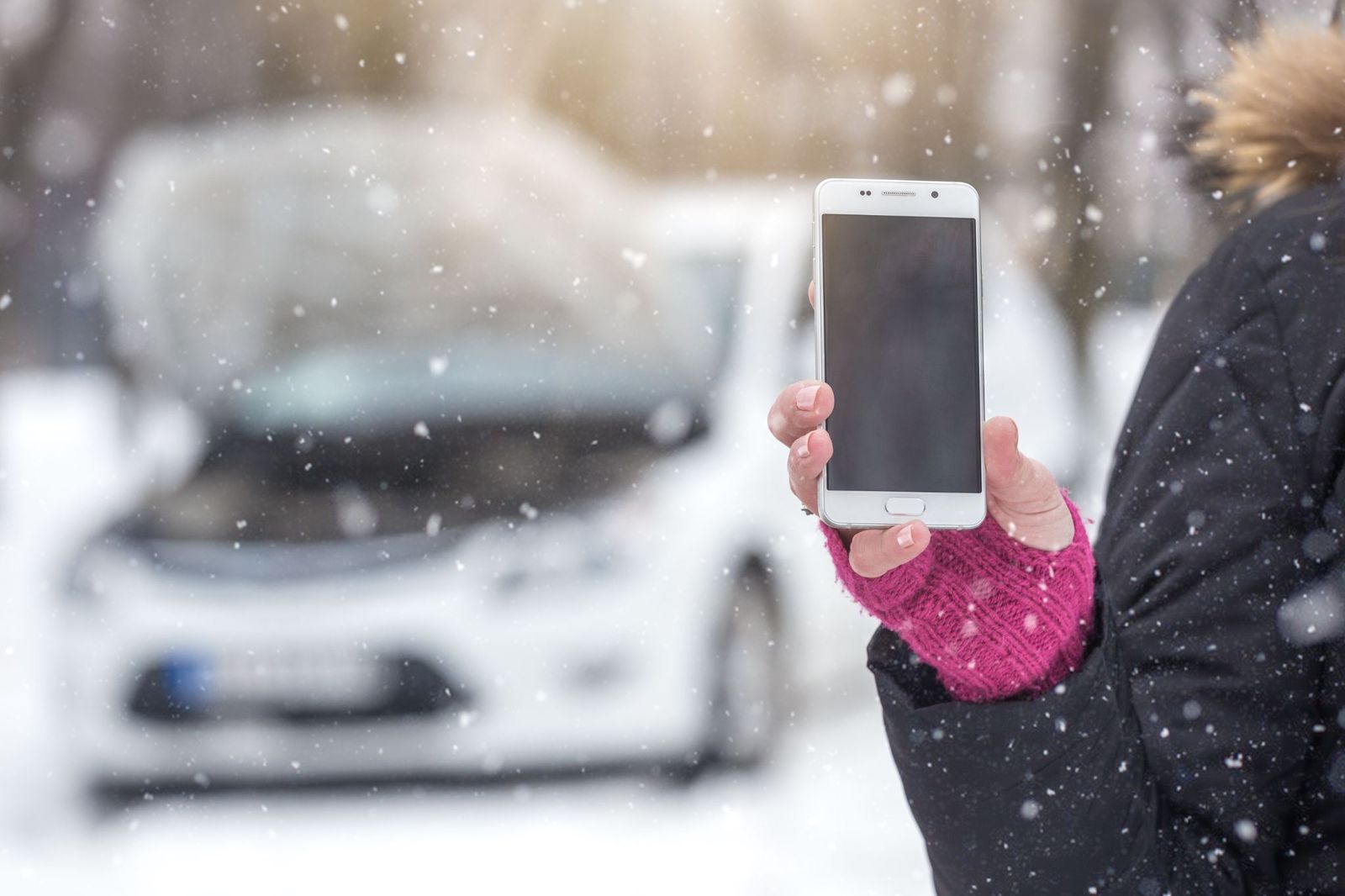
Never let your fuel gauge drop below half a tank during a winter road trip. Maintaining a good fuel reserve prevents moisture from freezing inside your fuel lines and ensures you can run your engine and heater for hours if you’re delayed in traffic or stranded in a storm.
If you drive an electric vehicle, plan several charging stops, as cold weather can reduce battery range. Also, always keep a portable power bank and car charger handy so your cell phone is fully charged in case of emergencies.
Clear snow and ice from your car properly
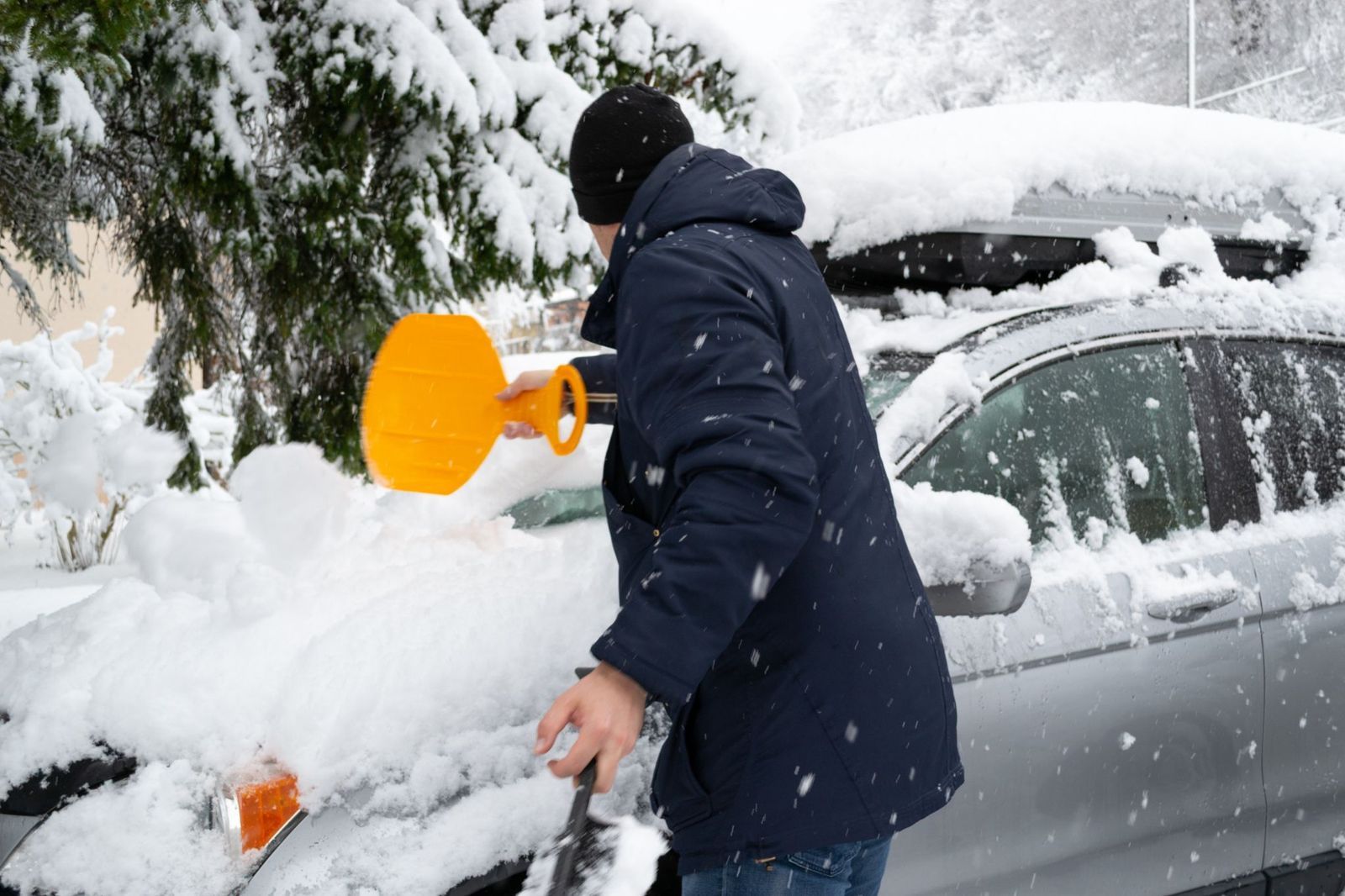
Remember to clear all snow and ice off your vehicle when leaving your home or hotel. Scrape all windows, side mirrors, headlights, tail lights, and your license plate. Don’t forget to brush off the roof and hood too. Snow left on your hood or roof can blow onto your windshield when you brake, blinding your view.
Be aware of black ice
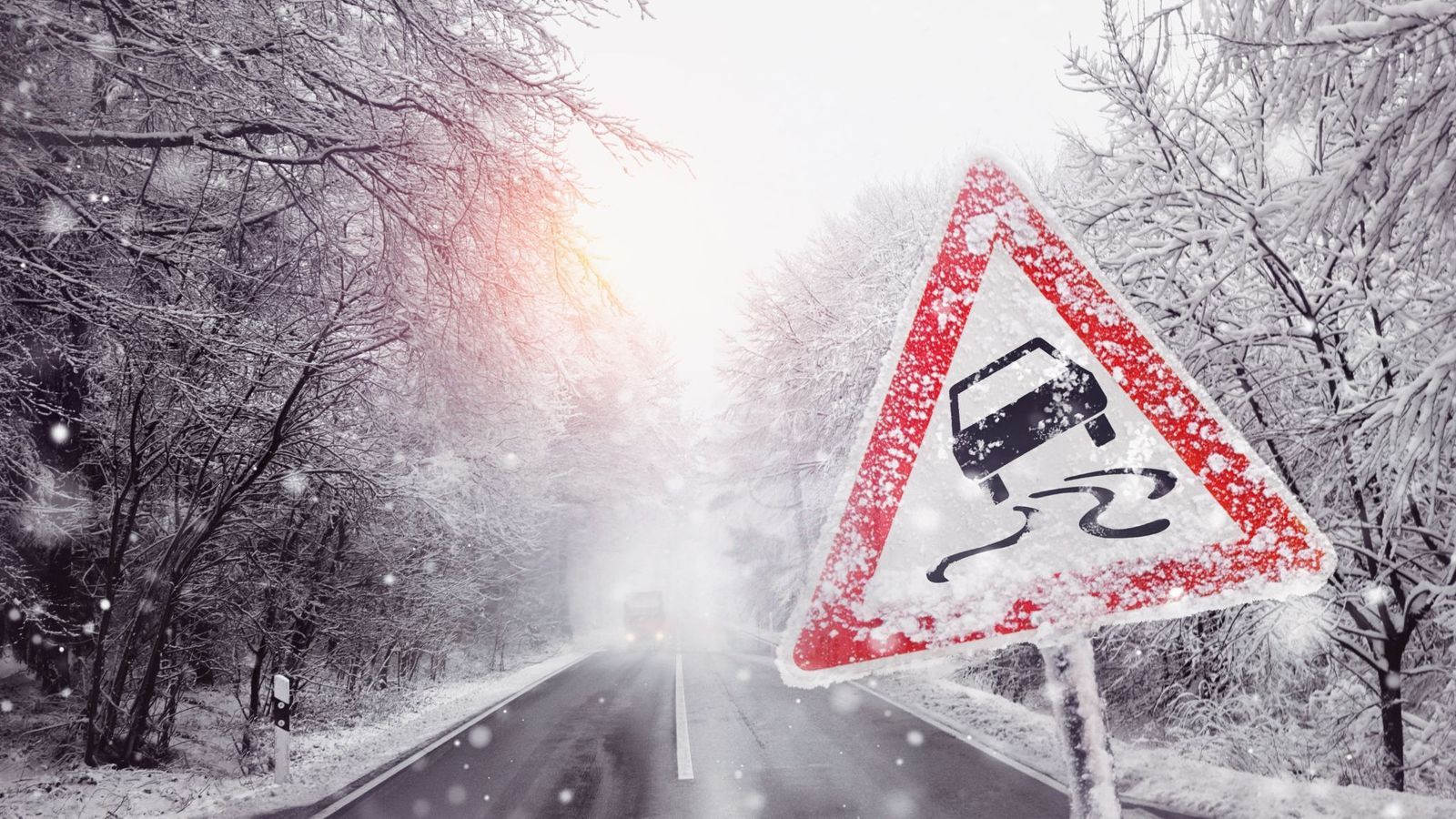
Black ice is a glassy layer of ice that forms over dark asphalt, making the road look simply wet. It frequently hides on bridges, overpasses, and shaded stretches of road where the sun can’t reach.
If you see the road ahead looking shiny and dark, ease off the gas pedal and keep your steering wheel firm and straight. Sudden braking or sharp steering movements on black ice will break whatever amount of traction your tires have, sending your car into a spin.
Avoid cruise control on slippery roads
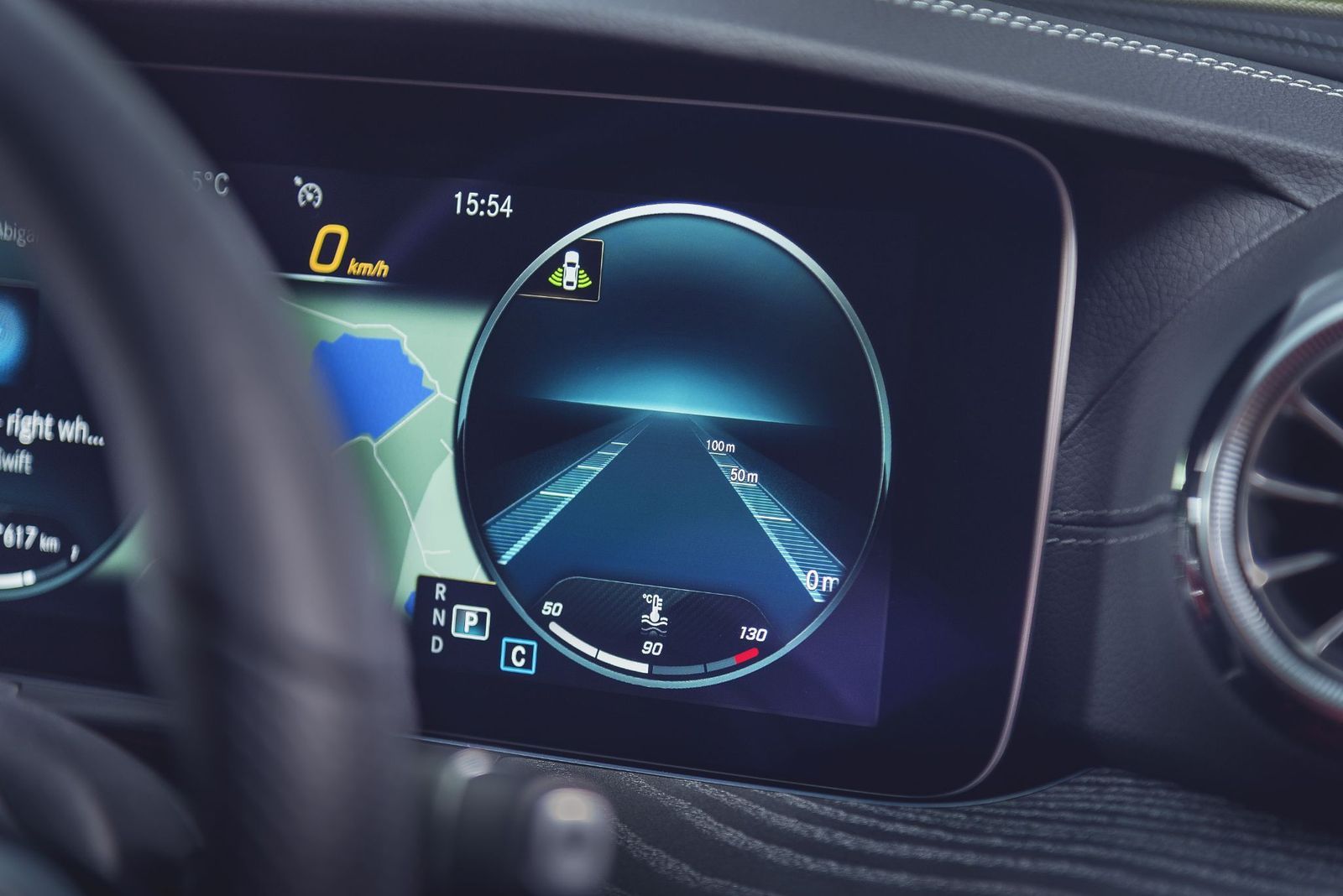
Cruise control may be a fantastic tool for dry summer highways, but it’s dangerous on snowy or icy pavement. When your vehicle is on cruise control, its onboard computer automatically adjusts throttle to keep a constant speed.
If your tires hit a patch of ice while cruise control is active, the system may interpret the slip as a drop in speed and accelerate, causing your wheels to spin and leading to a loss of control. Always manage your pedals manually in winter weather.
Stop often and give yourself enough time to rest
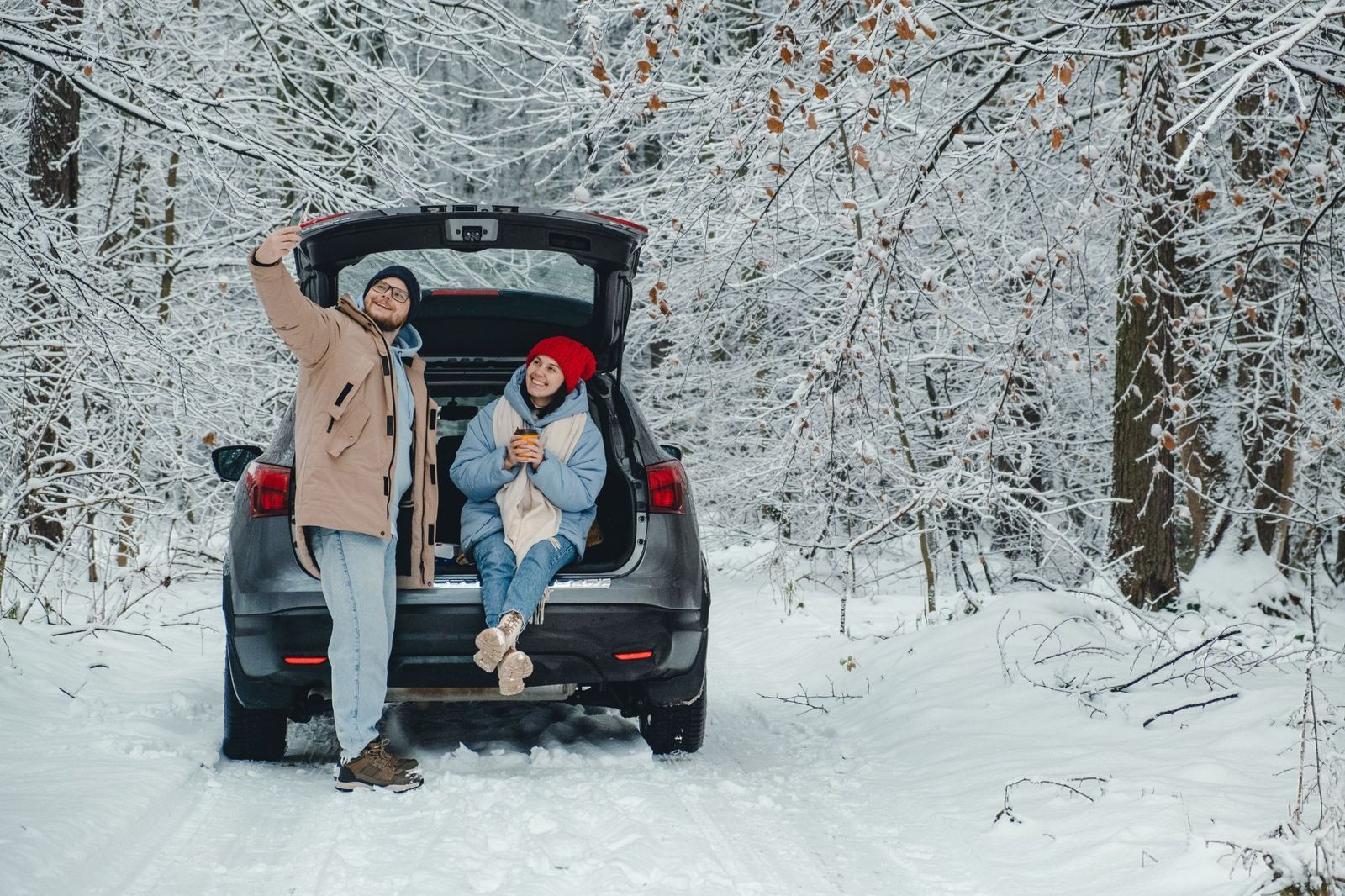
Navigating slick roads, low visibility, and winter glare requires constant focus, leading to fatigue far faster than summer driving. Plan extra time into your travel schedule so you are never tempted to speed.
Stop every two hours to stretch your legs, get a warm drink, and rest your eyes. If you feel tired, pull over at a safe rest stop or gas station. Never push through fatigue when driving on snow or ice.
Share your route
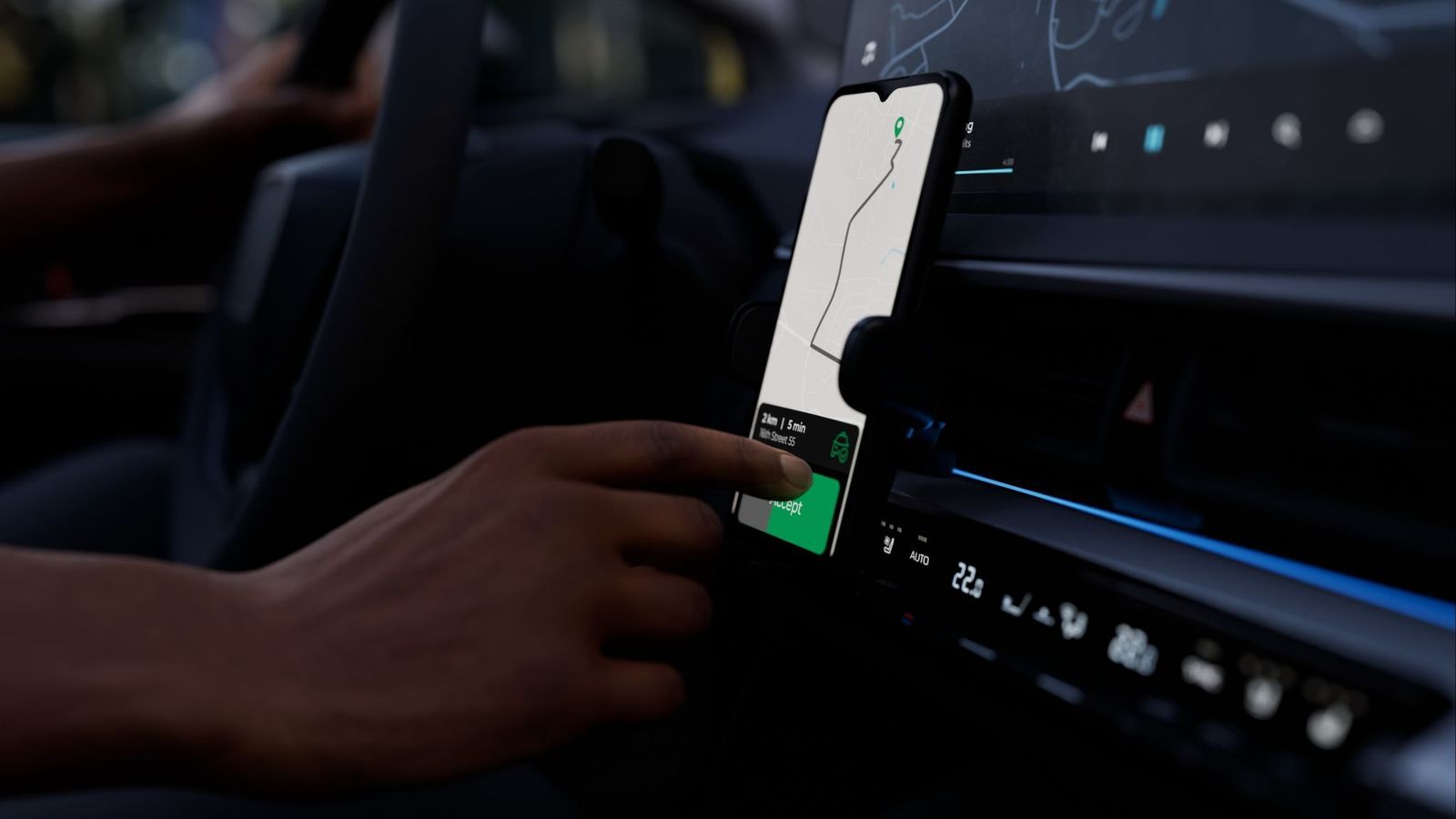
Before leaving, send your planned route to a trusted friend or family member who’s not traveling with you. Give them an estimated time of arrival and check in whenever you take a break.
If severe weather forces you to alter your route, update them. If you get in trouble or get stuck in an area without cell service, your contact will know your exact plan and can alert emergency services if you fail to check in.
If you get stuck, stay inside
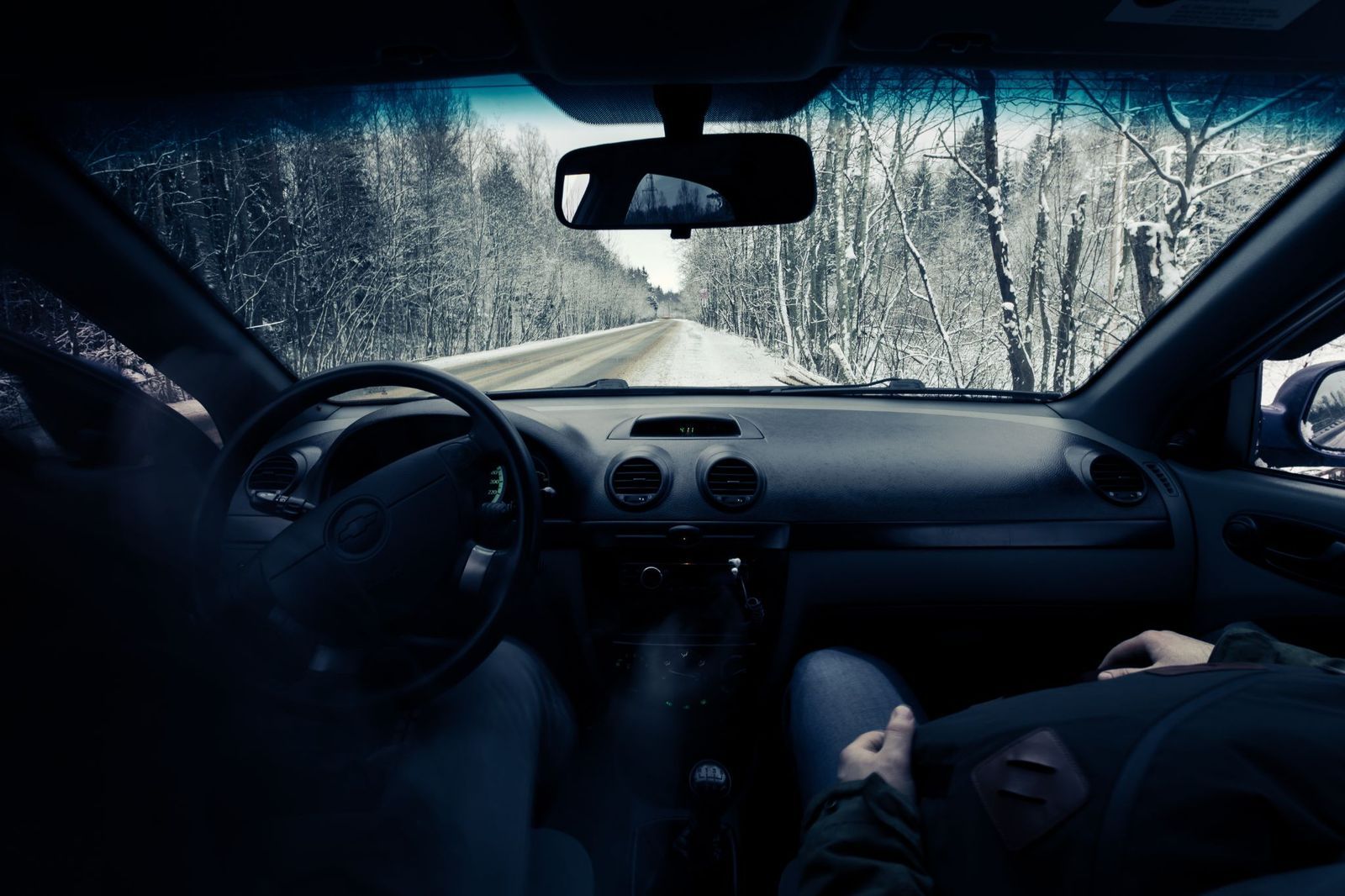
If your car slides off the road into a snowbank or gets stranded in a blizzard, stay inside your vehicle. Leaving your car in a rough condition can lead to disorientation and hypothermia, and you risk being hit by other vehicles.
Turn on your hazard lights, tie a colored cloth or ribbon to your antenna or door handle to signal rescuers, and make sure your exhaust pipe is clear of snow to prevent lethal carbon monoxide from filling the cabin. Run your engine for about 10 minutes every hour to stay warm, cracking a window slightly for ventilation while you wait for help.
10 destinations that are nearly impossible to visit
Severely restricted
These are some of the hardest places to visit in the world
Different destinations around the world are more or less difficult to visit, but some places are nearly impossible, at least for the average layperson. The reasons behind it vary: religious customs, geographical isolation, security issues, or cultural differences. Here are 10 places that are extremely hard to access.
Area 51, Nevada
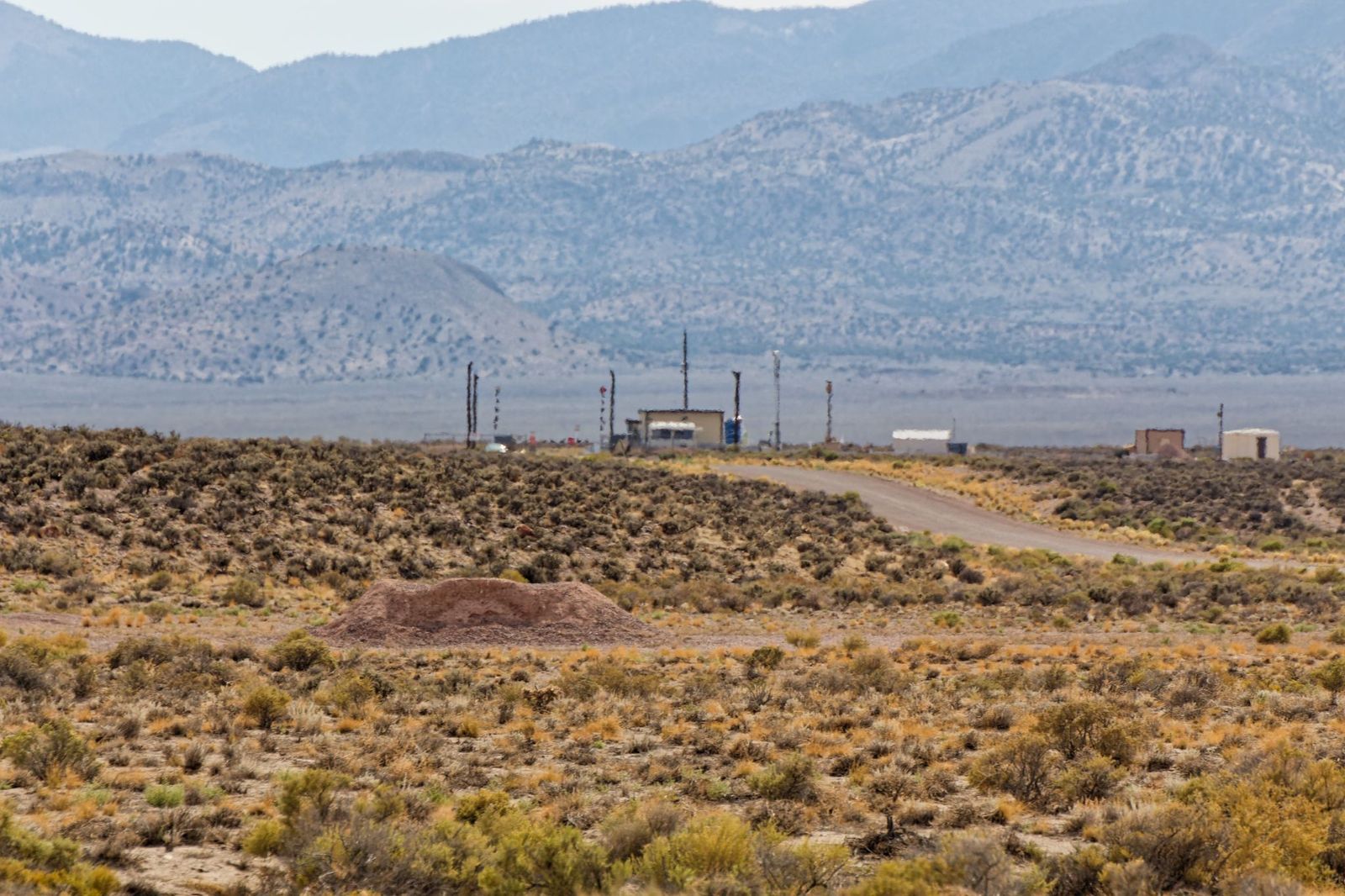
If you want to enter America’s most famous (alleged) alien facility, your only option is to join the U.S. Air Force. Even then, your chances are quite slim, as only authorized personnel can access the site. As a common citizen, your only option is to drive up to the facility’s perimeter, about 150 miles north of Las Vegas, and enjoy the alien-themed shops in the area.
Turkmenistan
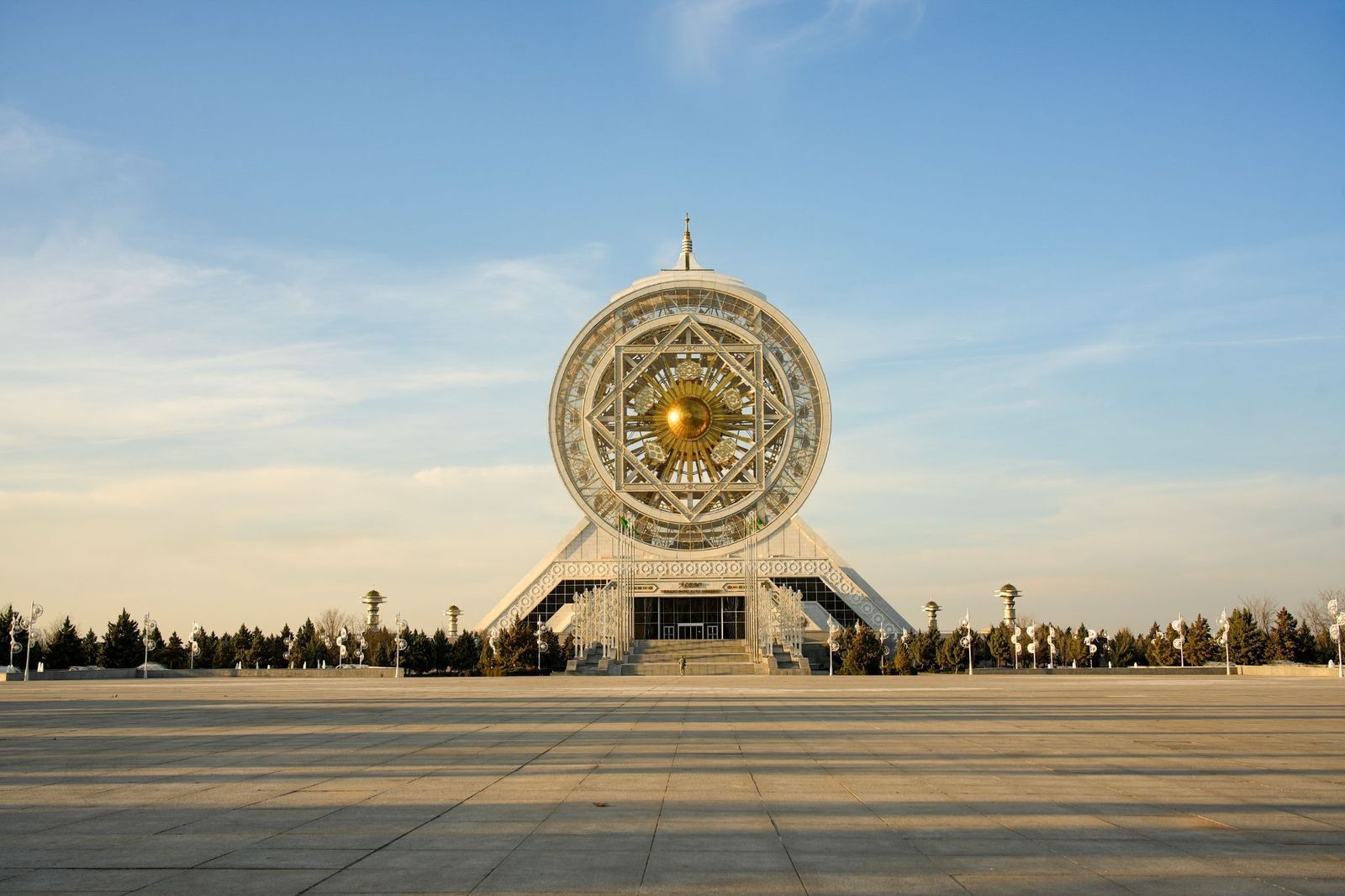
Are tourists allowed to visit this Central Asian country? Yes, but only if they are invited to do so. Independent travel is restricted in Turkmenistan, so your best chance of experiencing the country is by securing an official letter of invitation through a licensed tourism agency, which in turn allows you to apply for a visa. Once you are allowed into the country, you can explore Ashgabat, the capital city, on your own, but traveling through the rest of the country can only be done with a registered driver and an official tour guide.
Inland Antarctica
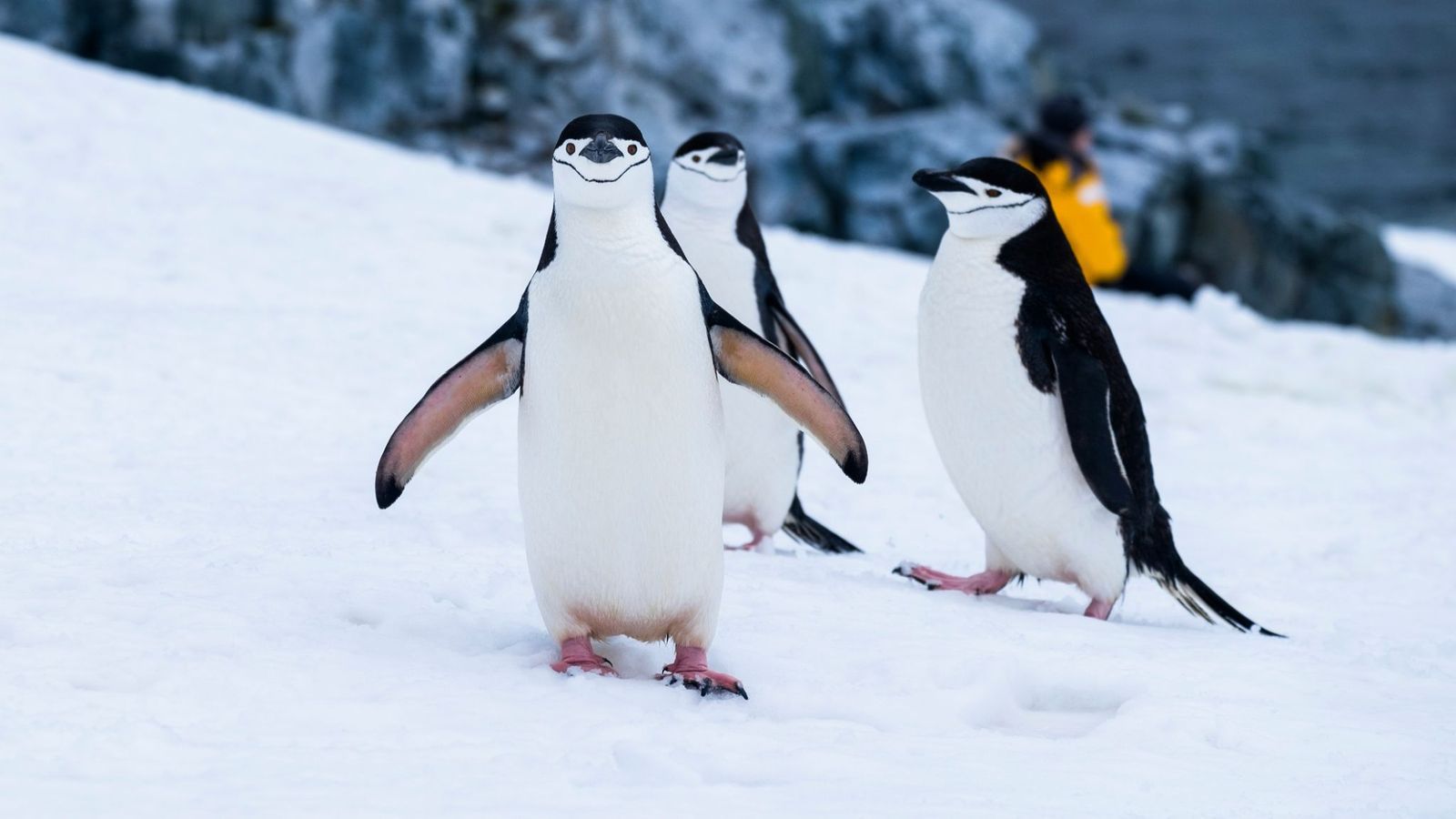
While some parts of Antarctica are restricted due to the presence of military bases, most of inland Antarctica is difficult to visit because it requires specialized gear, costly flights, and severe cold survival training. Tourist flights into Antarctica depart from a few locations across the Southern Hemisphere, and they are considered dangerous due to weather conditions.
Bhutan
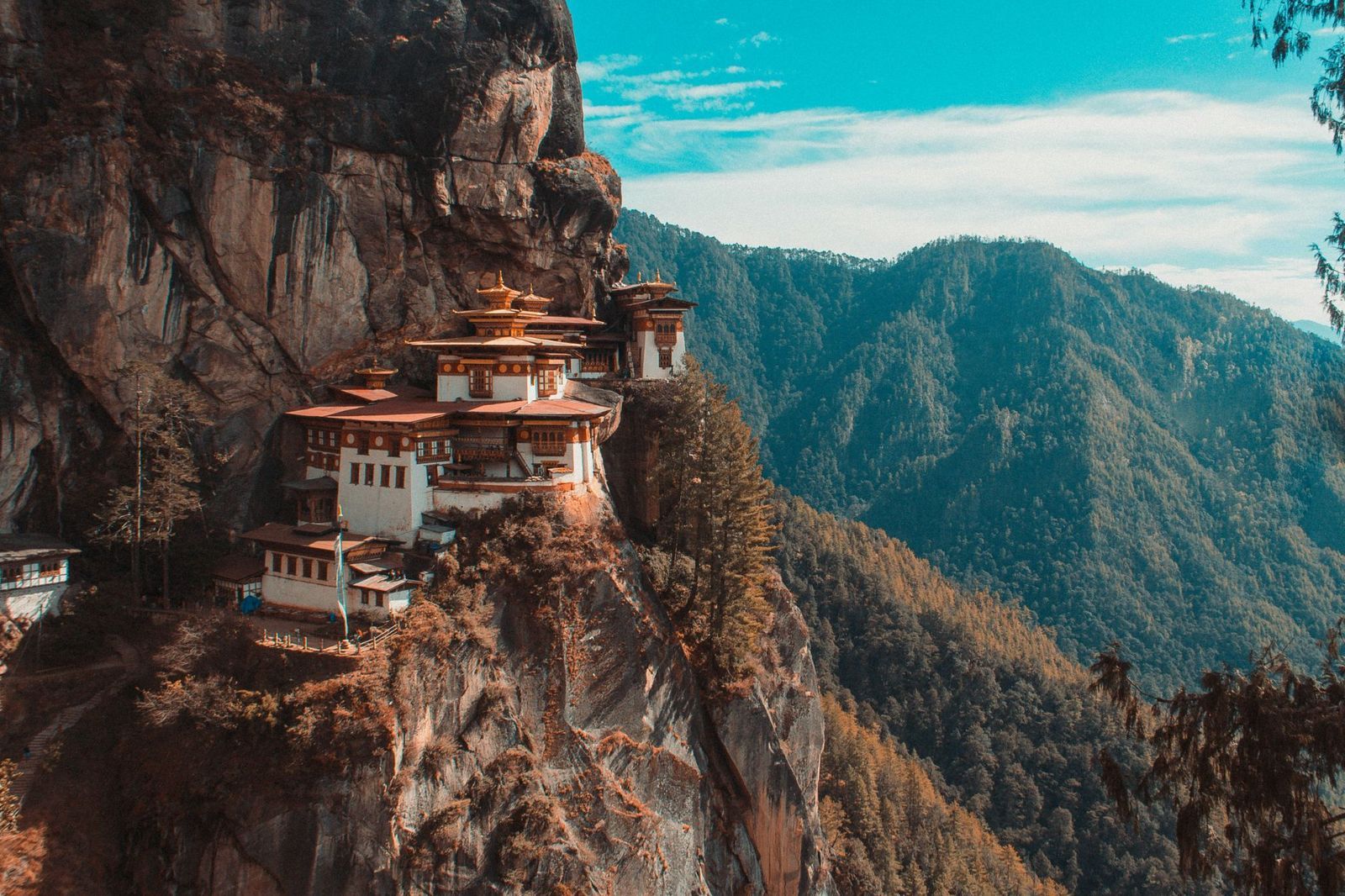
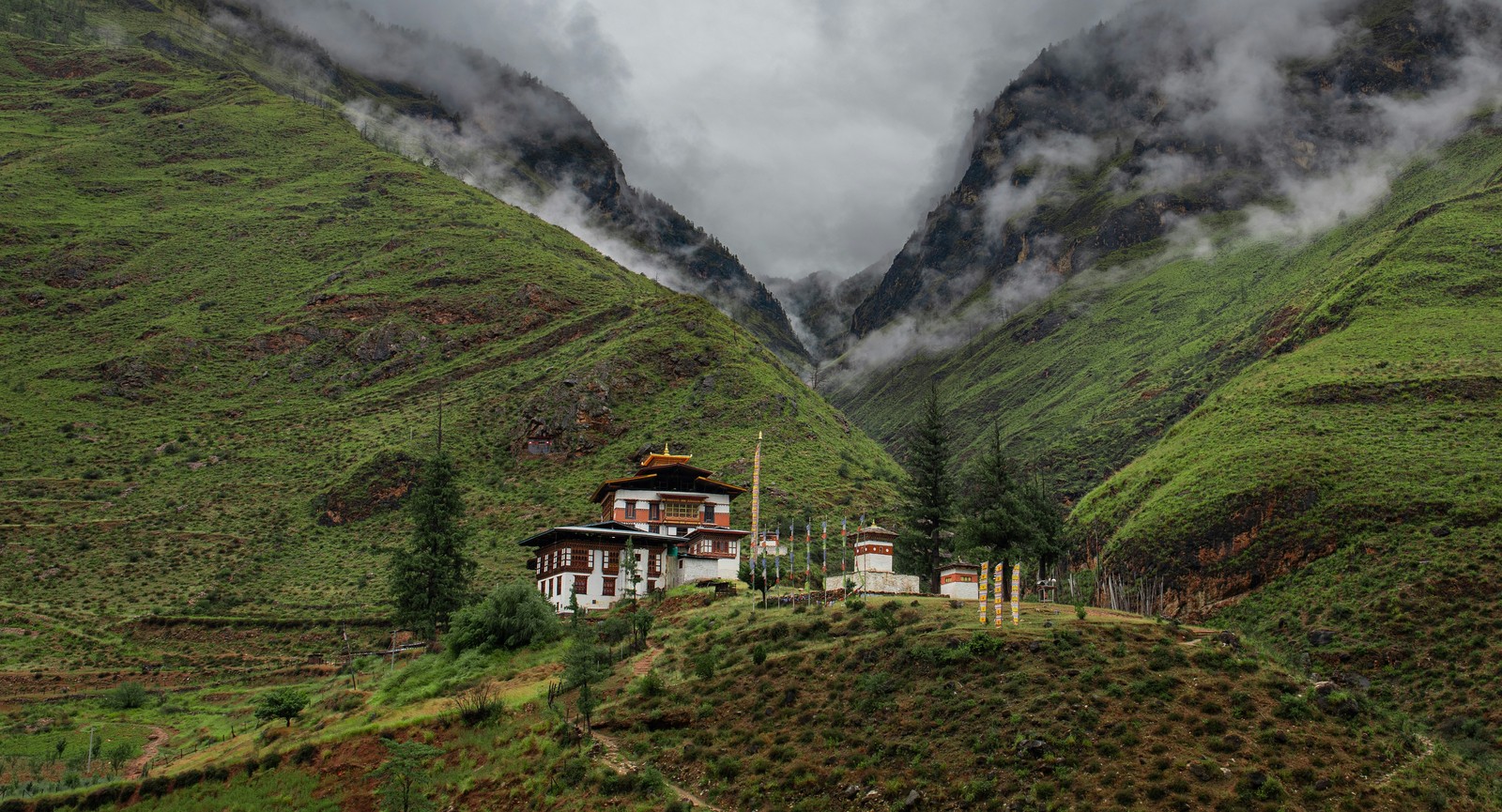
This small South Asian nation takes pride in safeguarding its wonderful Himalayan landscapes and its culture, and travel restrictions play an important part in this. On top of restricting independent tourism and requiring pre-booked licensed tours, Bhutan charges foreign visitors a daily Sustainable Development Fee (about USD $100), and requires licensed guides to accompany tourists in certain areas of the country.
Mecca, Saudi Arabia
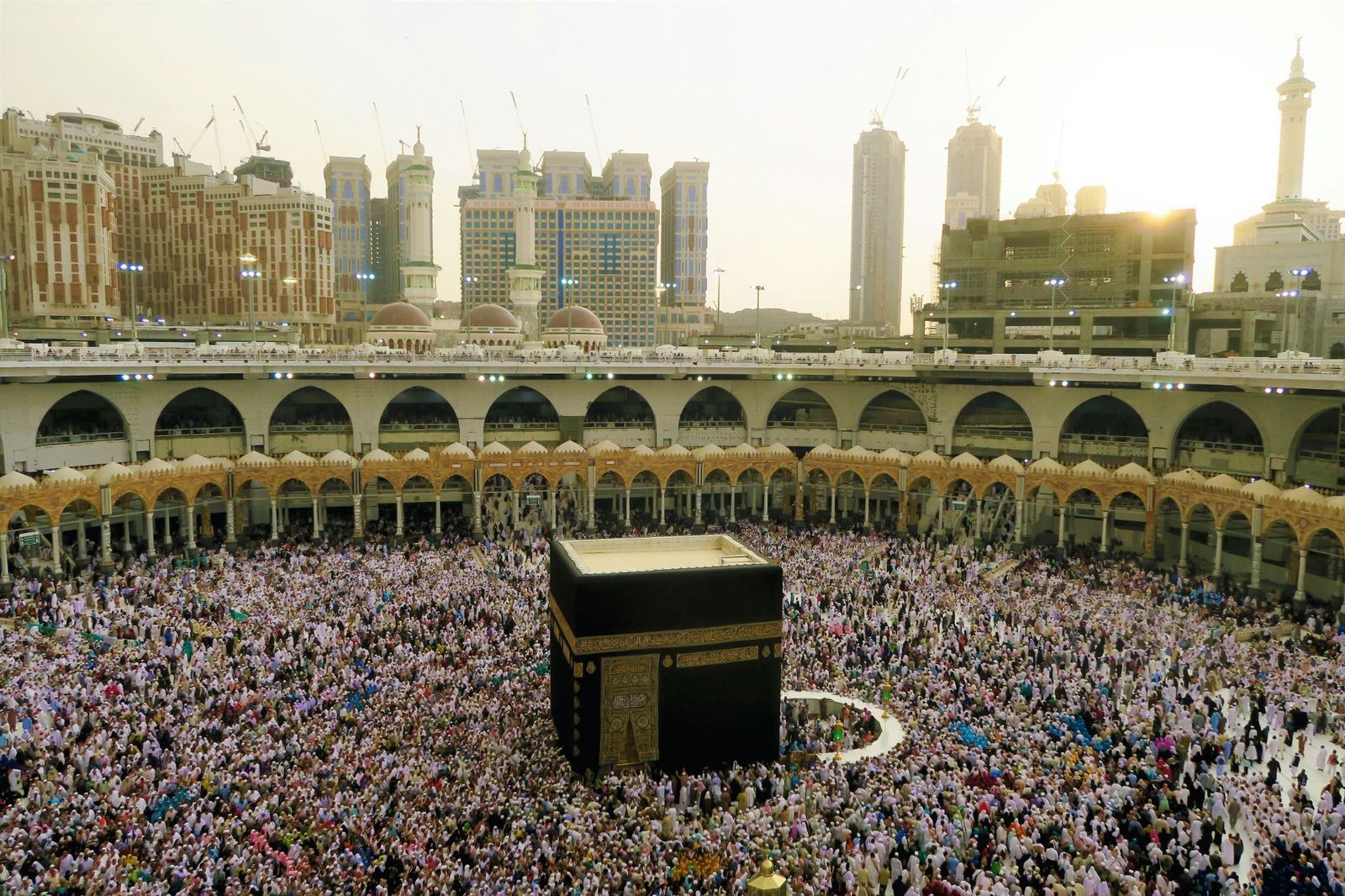
The sacred city of Mecca has two levels of restrictions when it comes to visitors. The first level is religious, as the city can only be accessed by Muslims. On a second level, Muslims around the world who wish to perform Hajj —the annual pilgrimage to Mecca— have to obtain a specialized visa, go through security checkpoints where their Muslim faith is verified, and follow strict traditions and rules throughout their stay.
Nauru
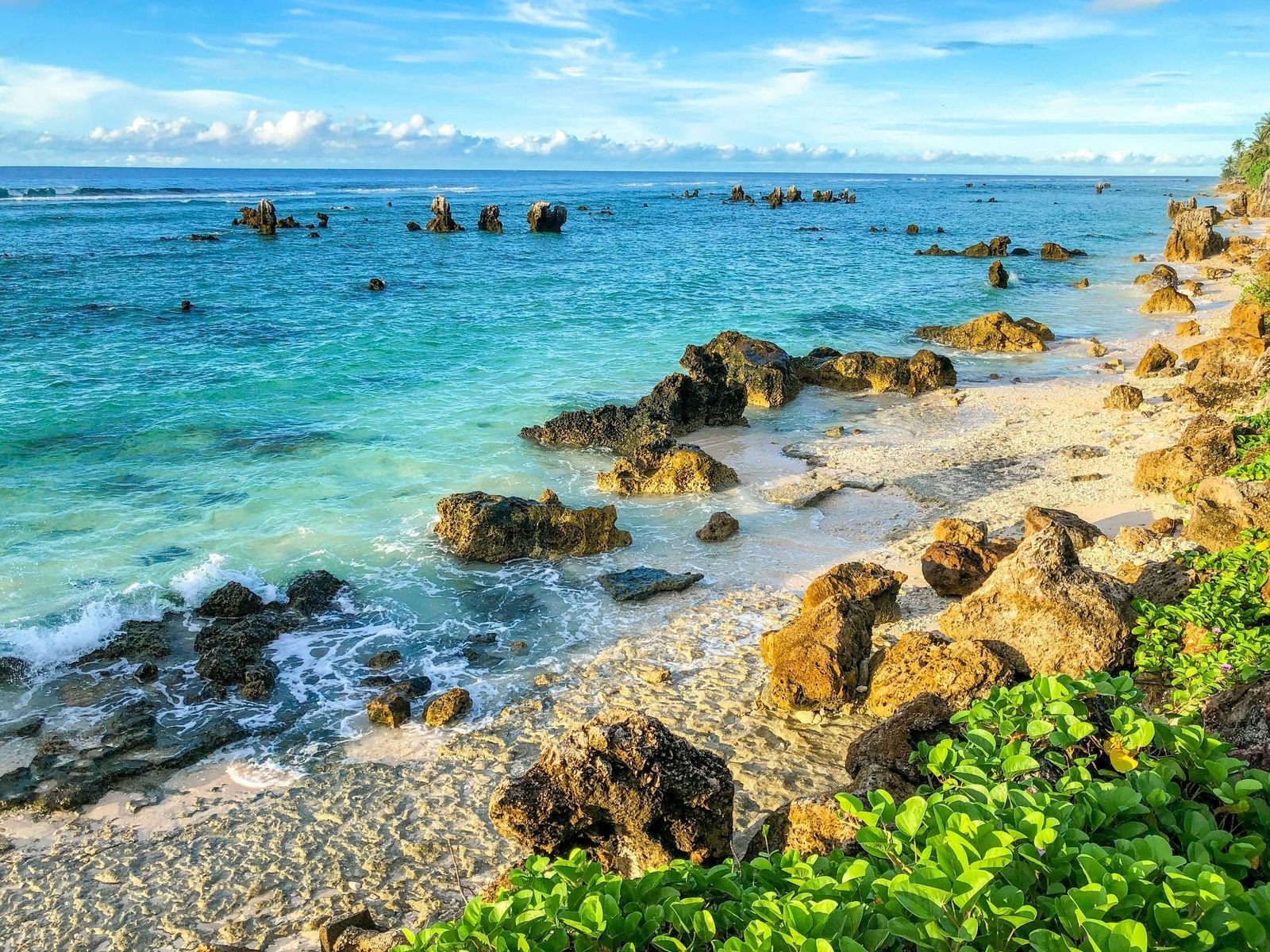
The least visited nation in the world, this isolated Pacific island nation receives only about 200 visitors annually. The reason behind this? In addition to strict visa requirements, the island is served by very limited flight routes and possesses a very limited tourism infrastructure.
Mount Athos, Greece
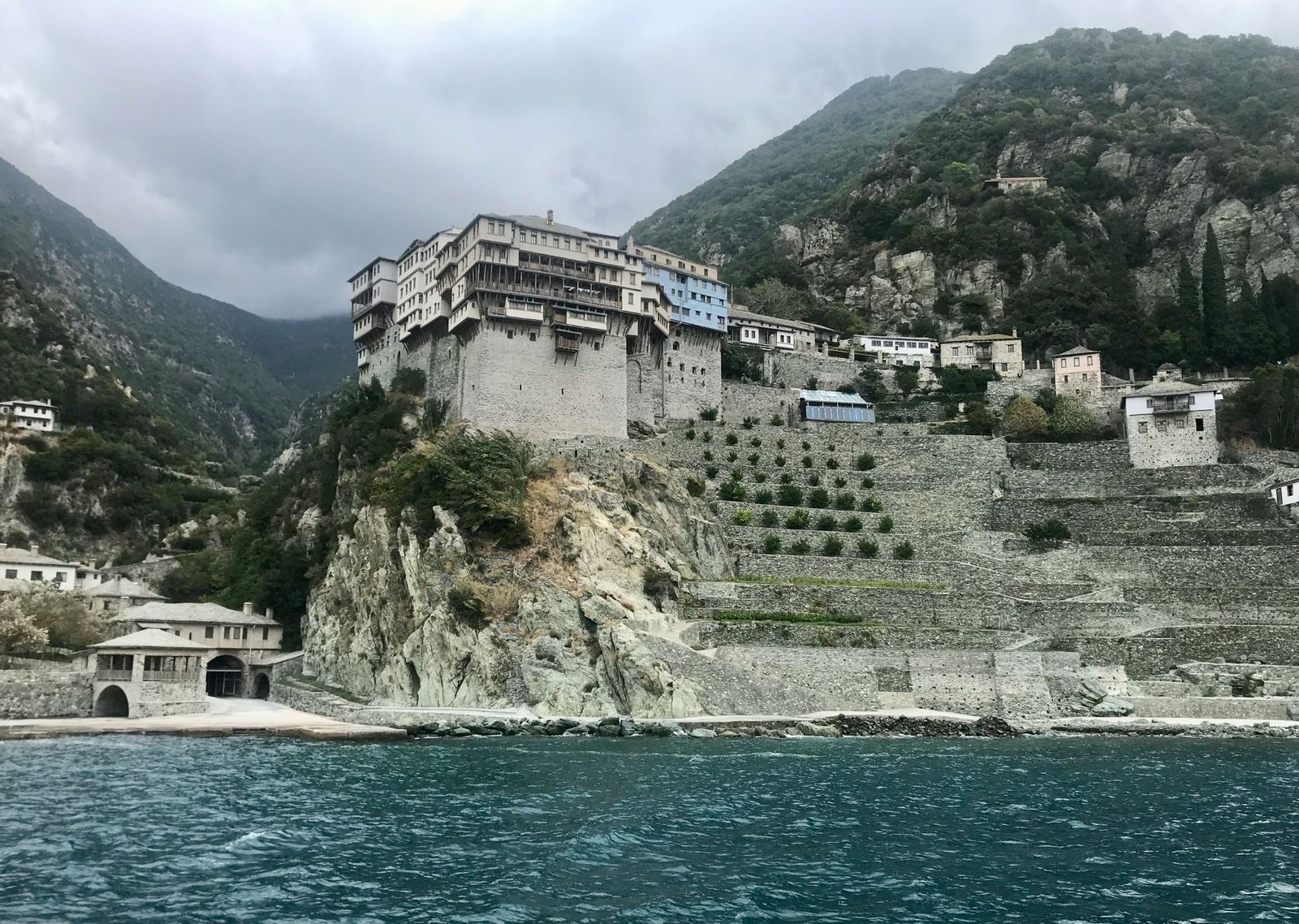
A millennia-old Greek Orthodox monastery, access to Mount Athos is severely restricted. Dedicated to the Mother of God, no other woman is allowed to enter, a ban that also extends to female animals, with the exception of female cats for pest control. But male visitors can’t enter at will either (especially if they aren’t Orthodox Greek), as they need to apply for a special permit called diamonitirion, with limited daily numbers available.
Ilha da Queimada Grande, Brazil

Popularly known as the "Isle of the cobras", this Brazilian island is not only difficult to access, but it’s also mainly inhabited by extremely venomous snakes. The only visitors allowed are members of the Brazilian Navy and scientists carrying a special government permit.
Burkhan Khaldun, Mongolia
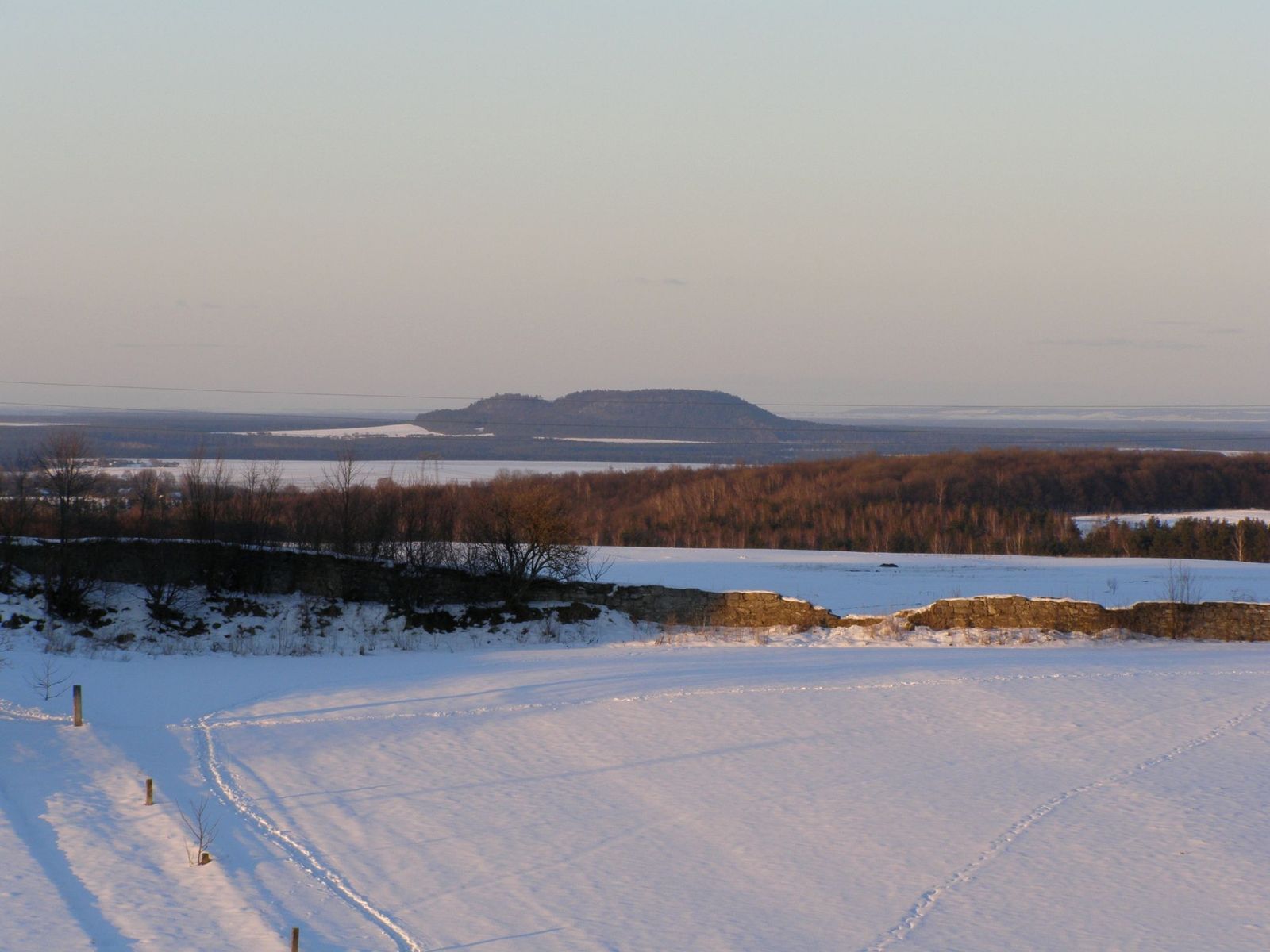
The alleged resting place of Genghis Khan, who died in 1227, the Mongolian mountain of Burkhan Khaldun is not only difficult to access, but has also been a restricted area for centuries. Visitors wanting to pay respects and observe religious traditions need to apply for a special permit, be accompanied by a guide, and respect strict local customs.
Subantarctic Islands, New Zealand
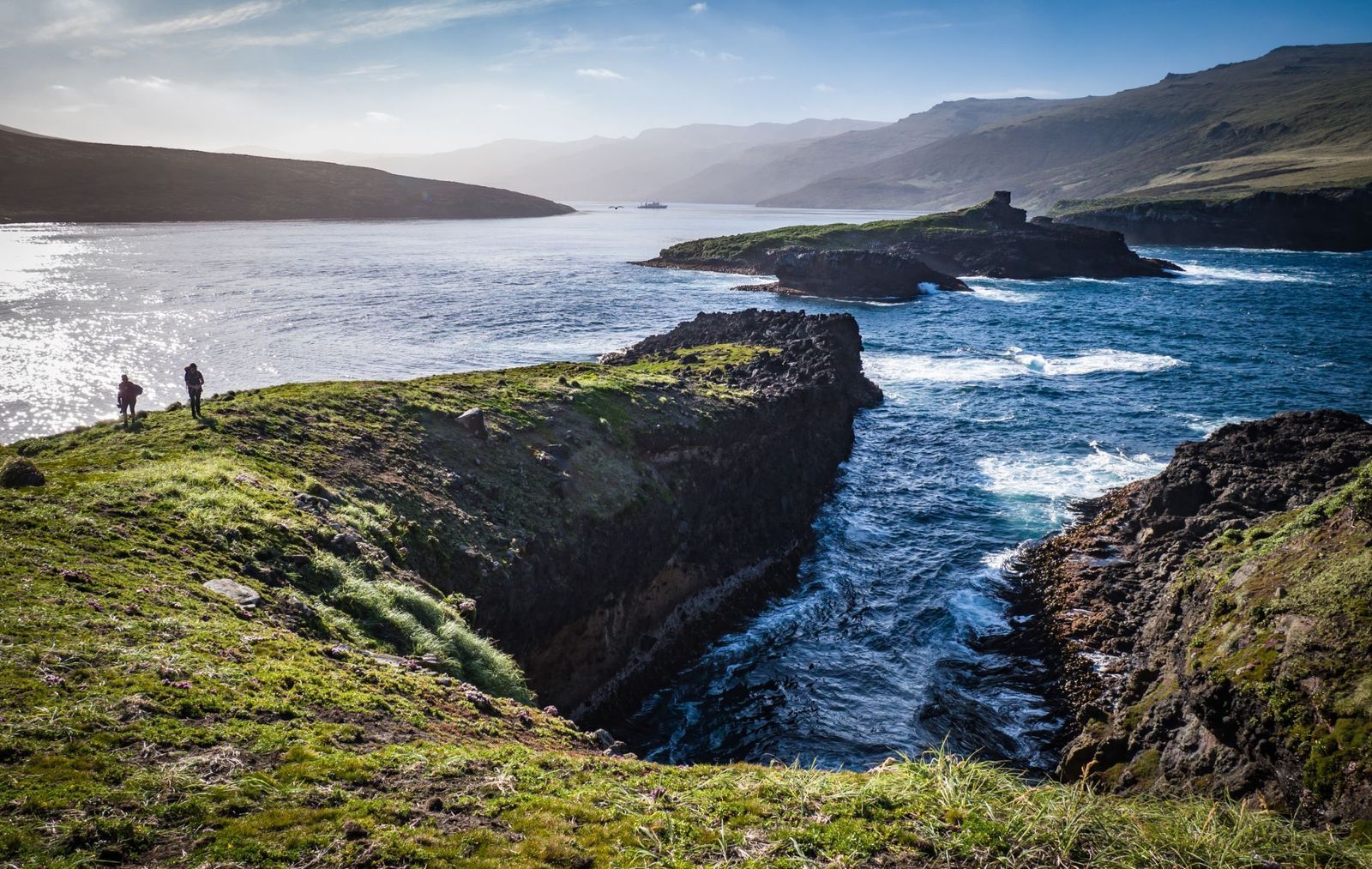
Visiting New Zealand’s Subantarctic Islands is difficult for two reasons. First, the islands can only be visited from November to March, as weather conditions outside that time window render the islands inaccessible. In addition to this, the islands are a natural sanctuary, so the number of visitors allowed is limited, and the islands can only be accessed through authorized tours.
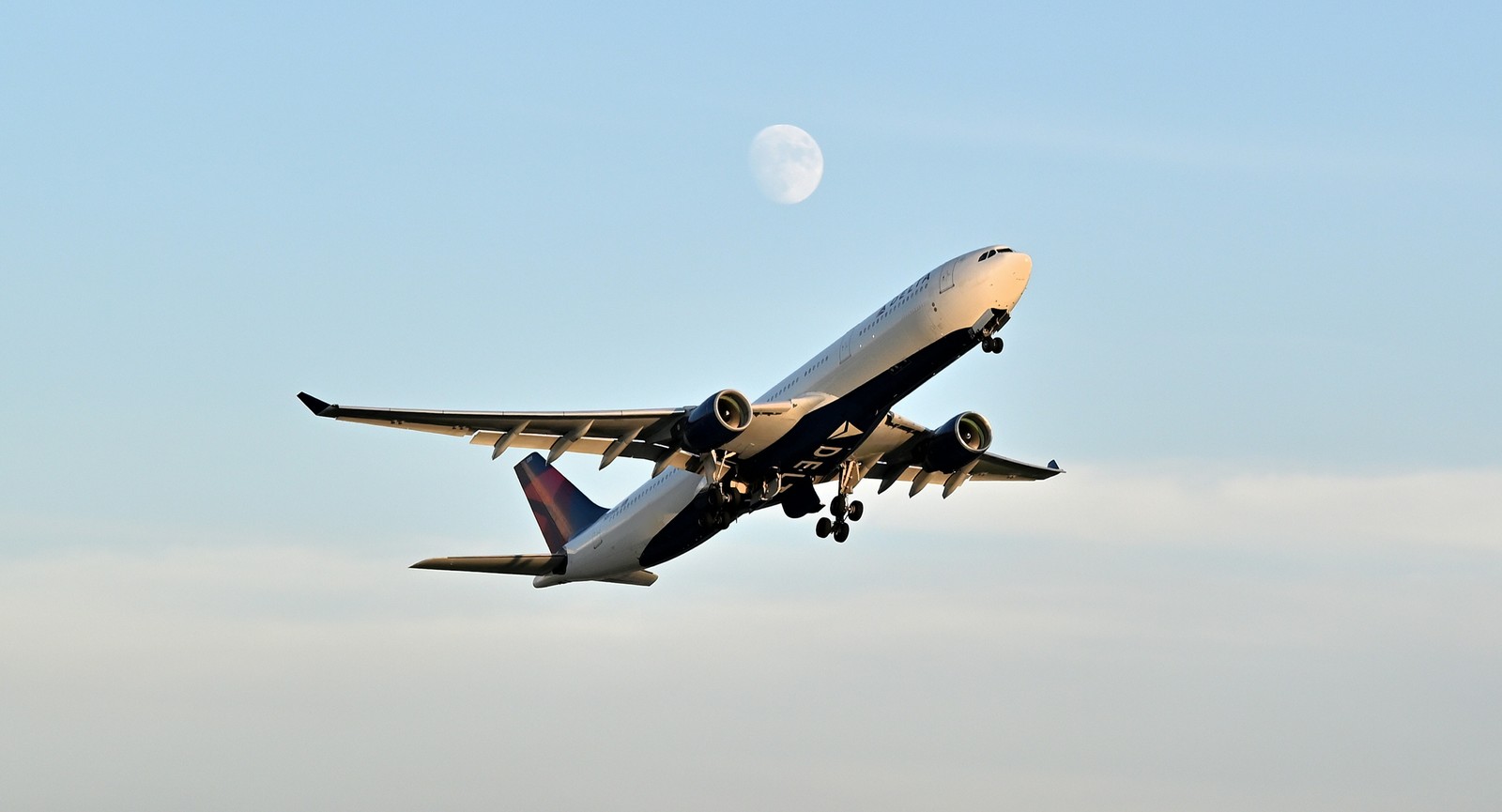
Airline lingo decoded: The words you probably hear, but never learned!
Check-in time
Ever wondered what flight attendants are really saying? Guess no more!
You’ve probably sat on a plane and listened to flight attendants talk among themselves, but how much did you really understand? Where are they when they talk about the "blue room"? Should we worry about the "pink eye" on board? The code words they use sound funny, and some, dramatic, but one thing is certain: we never got the memo on what they mean. So today, we’re pulling back the curtain and translating some common crew expressions for you! Hop on board!
Red-eye
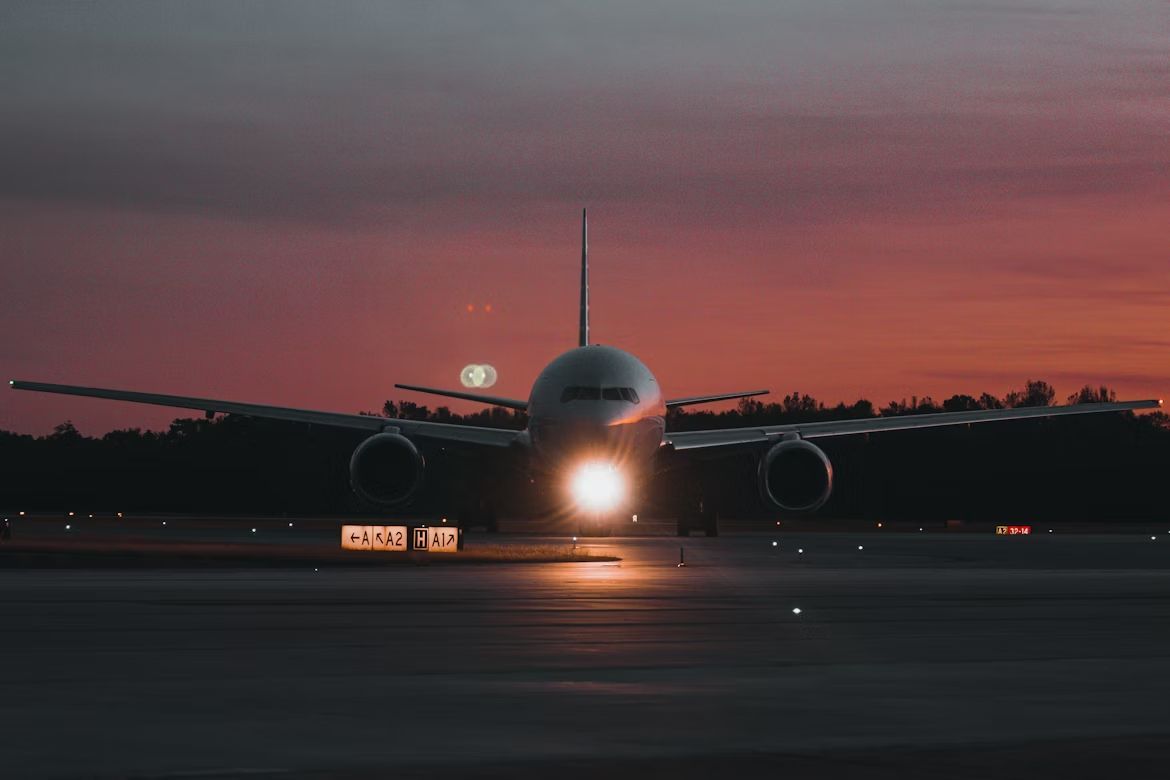 Image: Johnny Williams
Don’t worry, everyone’s eyes are okay! This expression is quite common. A red-eye is a late-night flight that leaves after dark and lands early the next morning. Travelers often choose these flights to save daytime hours, especially if it is a holiday trip. You take a nap, land at sunrise, and head straight into the day, coffee in hand and bags under your eyes.
Pink-eye
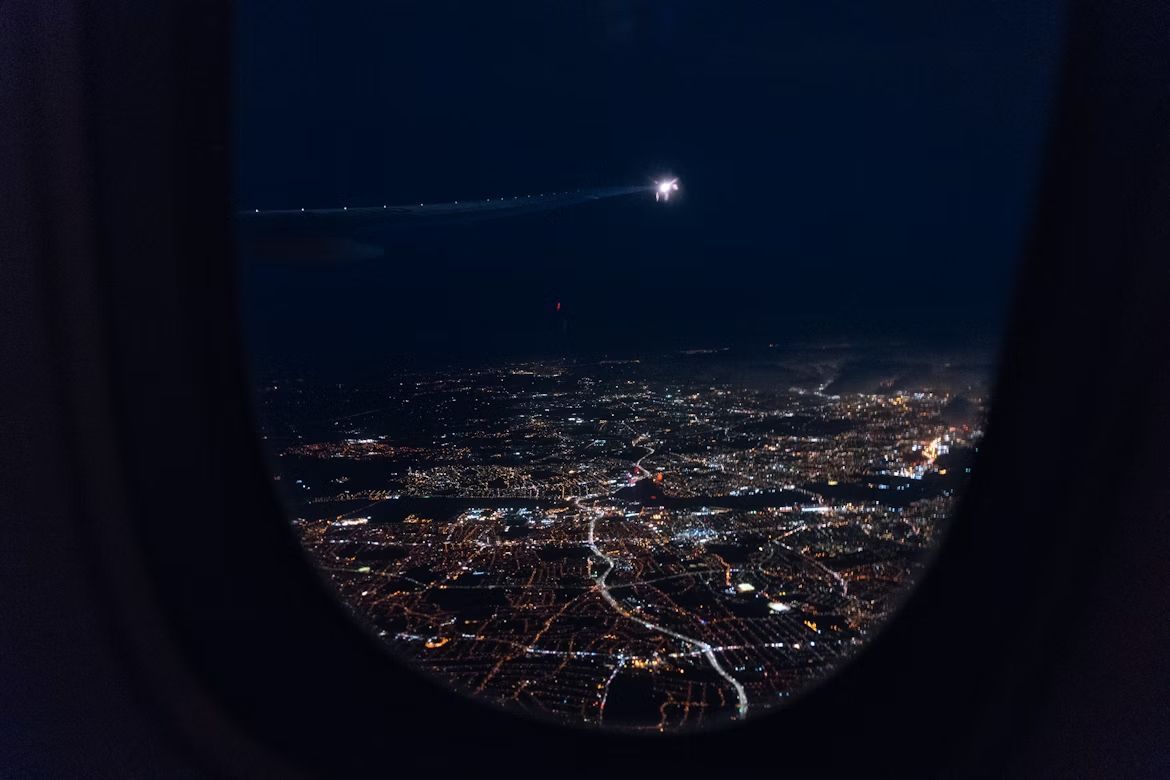 Image: Paolo Nicolello
No, this has nothing to do with conjunctivitis. Similar to the previous one, a pink-eye flight also leaves late, but this one doesn’t run through the night. It departs slightly earlier than a red-eye and usually lands before midnight. The good thing is you get to sleep in your own bed or a hotel room, rather than waking up mid-air.
Spinner
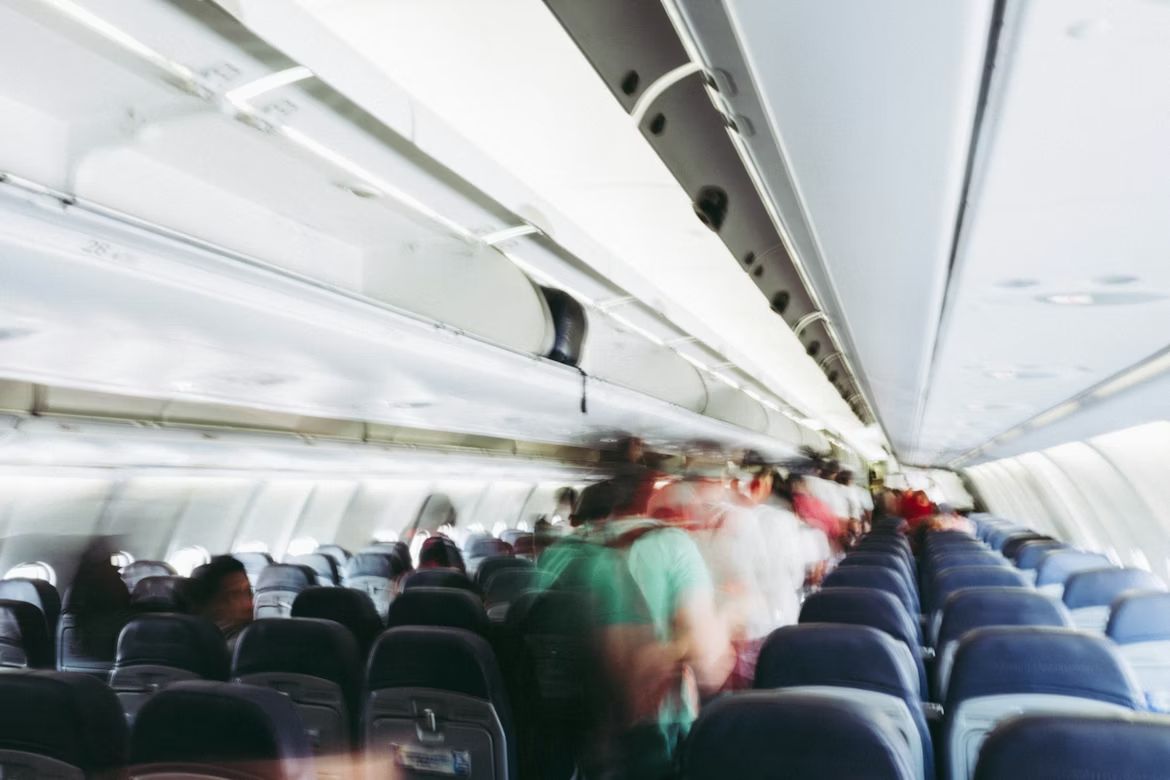 Image: Ina Carolino
This one is a classic. You know when you get on the plane, and there’s always a passenger frozen in the middle of the aisle, turning their heads, looking for their seat number, and scanning each seat row? Well, that’s a spinner. The word refers to how they slowly turn in circles, trying to figure things out while unintentionally stopping traffic on their way.
Cross-check
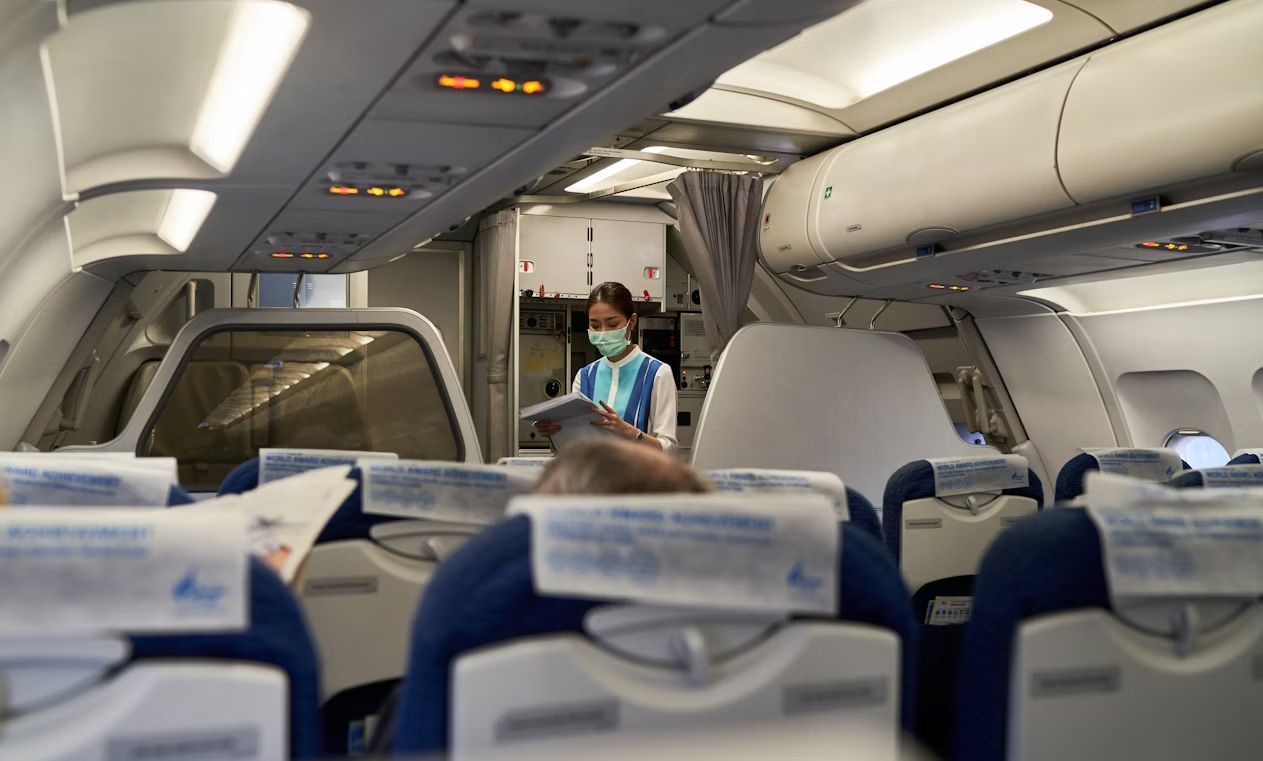 Image: Norbert Braun
You can cross-check many things. In the context of a plane, the cross-check process involves some of the crew members carefully verifying each door is correctly armed or disarmed, depending on the phase of flight. This process happens before departure and again after landing.
All-call
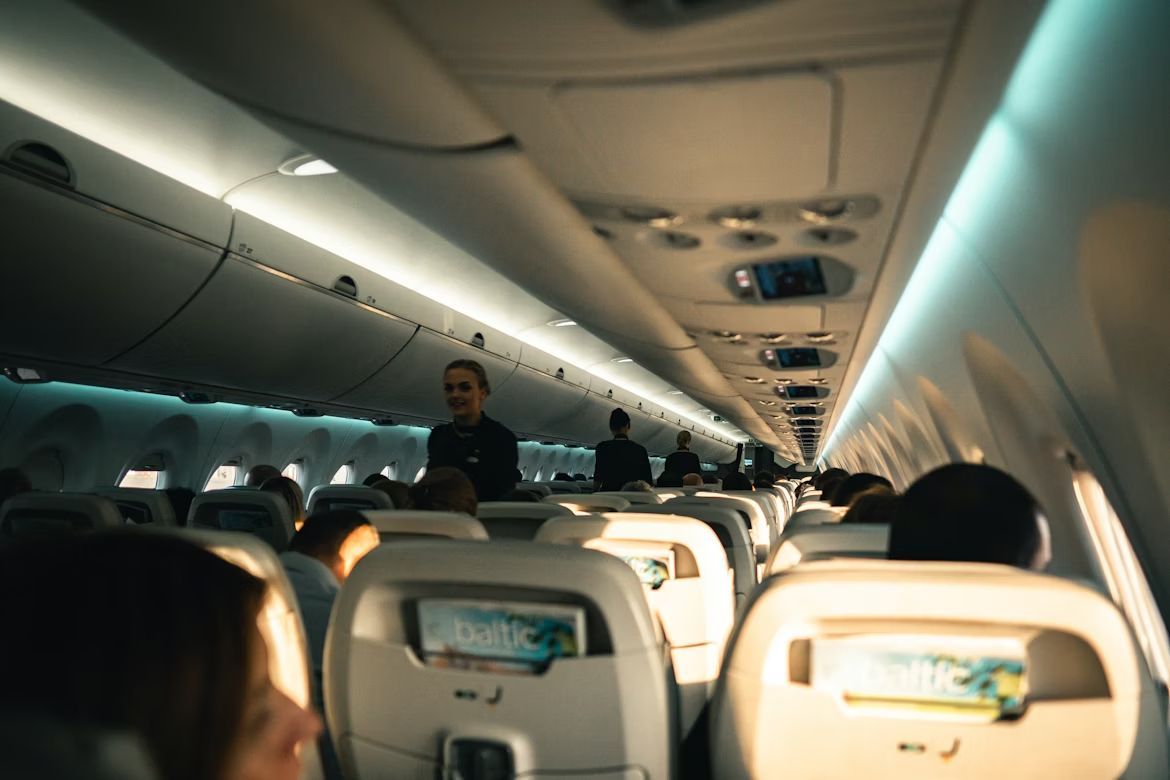 Image: Anton Shakirov
Unlike a cross-check, where only some of the members verify the doors, an all-call brings everyone together. Flight attendants use an internal phone system that allows them to confirm, for example, that all the doors are correctly set. The goal is always the same: making sure the entire team is on the same page about safety.
Blue room
 Image: zukunftssicherer
Is this a super VIP, crew-exclusive lounge? No, it isn’t! When you hear the flight attendants talking about going to the "blue room," they just need to use the bathroom. The nickname comes from the blue disinfectant liquid used in the toilet system. Nothing glamorous at all, but a little easier to say during a busy flight.
Galley
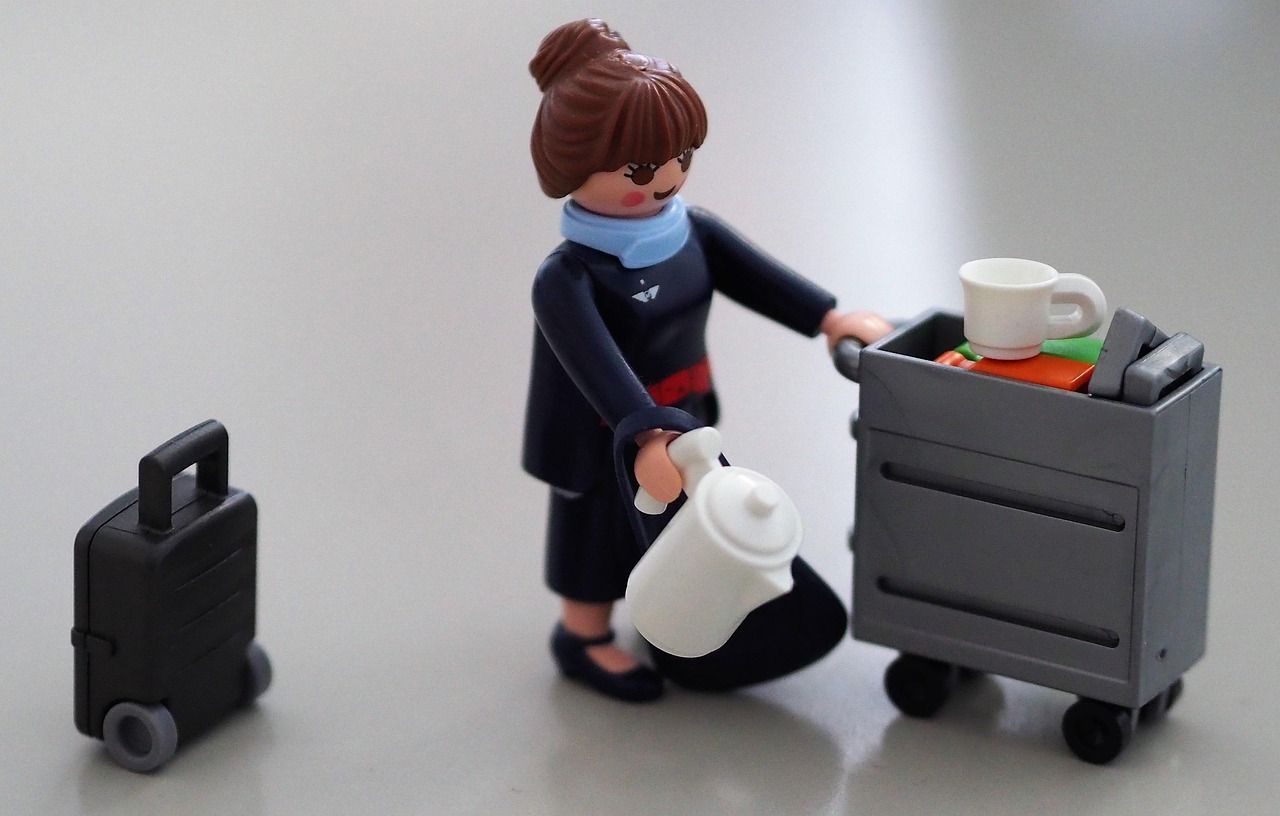 Image: SandraTropp
This is another key part of the plane, but in this case, it’s the compact kitchen area. The galley is where drinks are prepared, meals and snacks are organized, and service carts are stocked. It’s small and hidden from the passengers, but it’s central to the service you get on board!
Jump seat
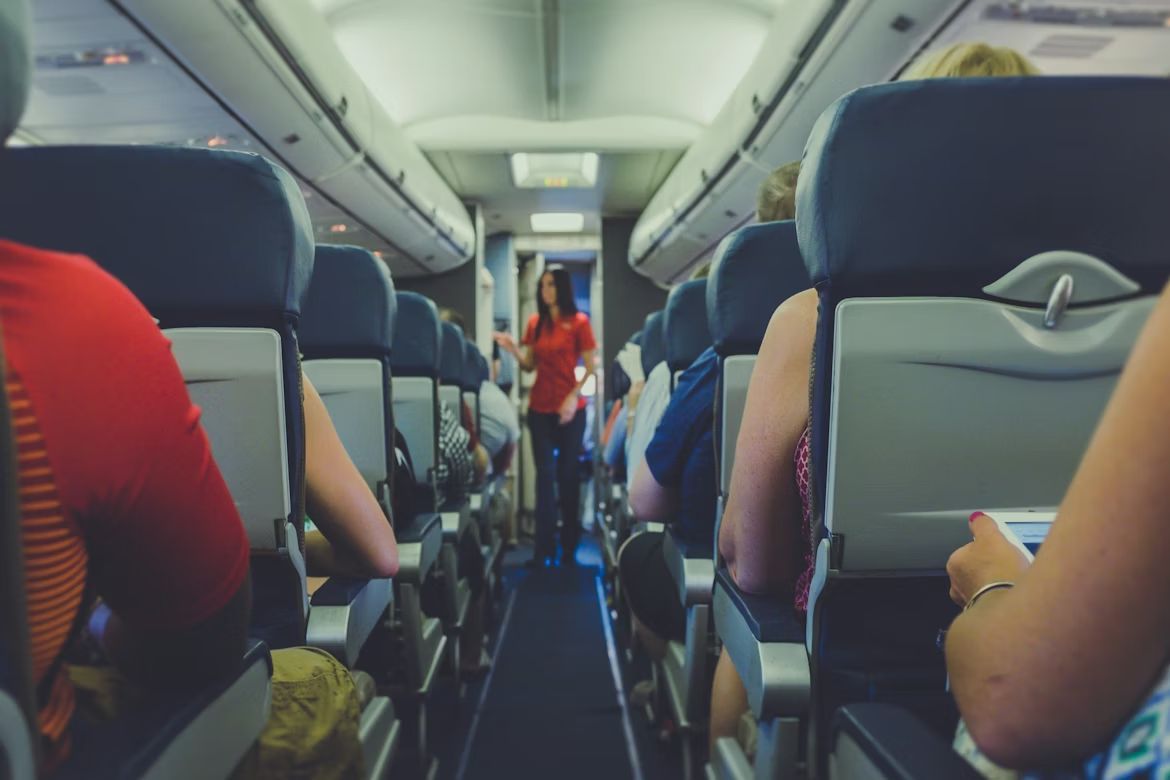 Image: Kenny Eliason
Have you ever noticed those fold-down seats placed near the exits? Those are jump seats. Flight attendants use them during takeoff, landing, and periods of turbulence when they must be seated and secured. They are designed to save space and allow the crew to jump out of them if necessary. The good thing is, when they are not in use, they fold away like magic!
RON
 Image: 鱼 鱼
RON is not a person’s name, but an abbreviation. You might hear the crew ask each other if the flight is a RON, meaning if it is a "remain overnight." In practical terms, it indicates the plane is done flying for the day and will stay at that airport until the next morning. In crew slang, it can also be called a terminator, signaling the end of the day’s schedule.
Originator
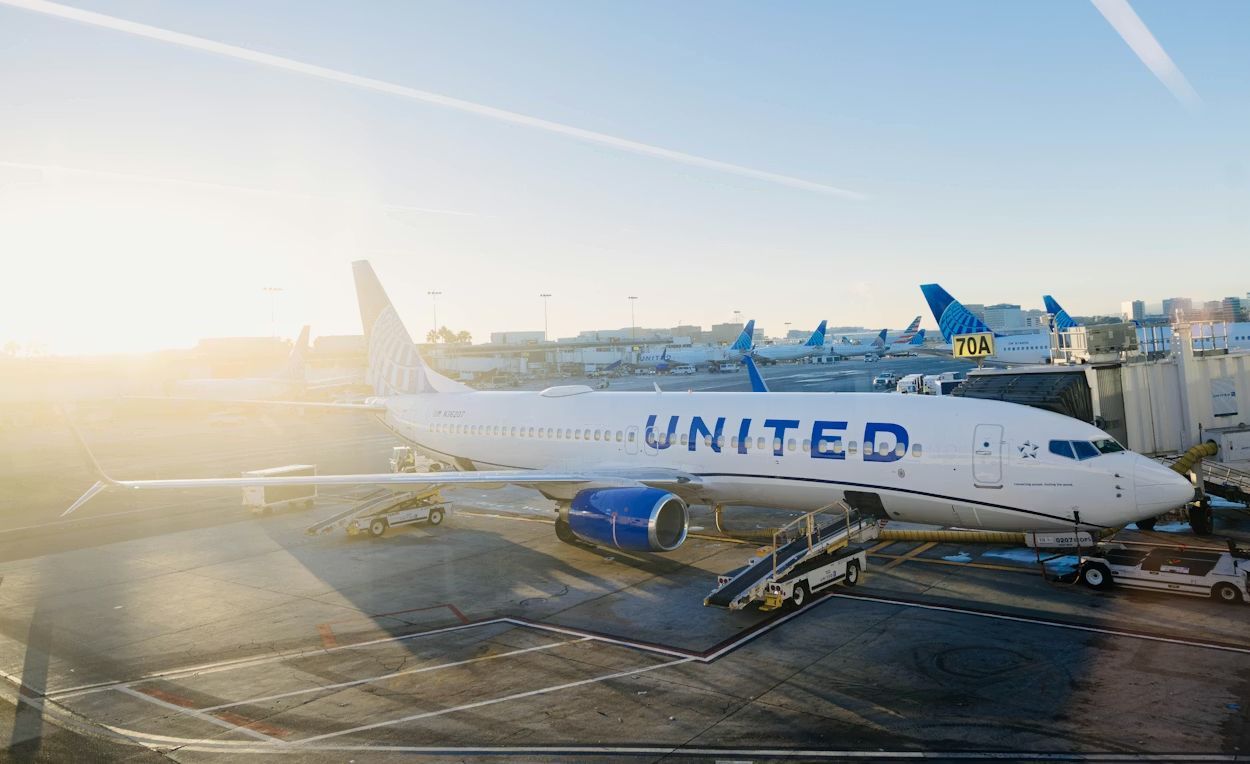 Image: Will Goodman
On the opposite end of the schedule, flight attendants may refer to the "originator," that is, the first flight of the day for a certain aircraft. Airlines keep a close eye on these flights because a delay on the first flight can ripple through every trip scheduled afterward. When an originator runs on time, the whole day has a better chance of staying on track.
Keep wandering
There’s always
more to explore

What's the one thing you should never do before a plane stops?
5 min.
Read Now
Why do pros take amazing photos even with a smartphone? 12 tips explained
4 min.
Read Now
 Culture
Skip Times Square and go to these NYC spots instead — local-approved!
4 min.
Read Now

10 creepy inexplicable archaeological discoveries
5 min.
Read Now