Why planes are painted white: The real reason
 General
What happens at 35,000 feet
Why planes are painted white: The real reason
Have you ever wondered what would happen if a passenger got stuck in the bathroom of an airplane? Do you know what that tiny hole in the airplane window is for? Or why airplane food always tastes different? These are the little details passengers see, hear, and experience on almost every flight without really understanding them. From why most commercial planes are white to where the toilet waste actually goes, here are 10 things every passenger should know about flying.
What happens when a plane faces engine problems?
Fear of engine failure is common among air passengers. But there’s some good news.
Modern commercial aircraft are designed to handle emergencies, and even if all the engines lose power, the plane can still glide. That’s because the wings continue to generate lift as long as air is moving over them, even without engine thrust. A powerless aircraft can therefore remain controllable long enough for the pilots to find the best possible place to land. A dramatic real-life example came on January 15, 2009, when Captain Chesley "Sully" Sullenberger successfully ditched US Airways Flight 1549 in the Hudson River after both engines lost thrust following a bird strike. All 155 people aboard survived.
The pilot in command's powers
If you think a pilot’s job is simply to fly the plane, think again.
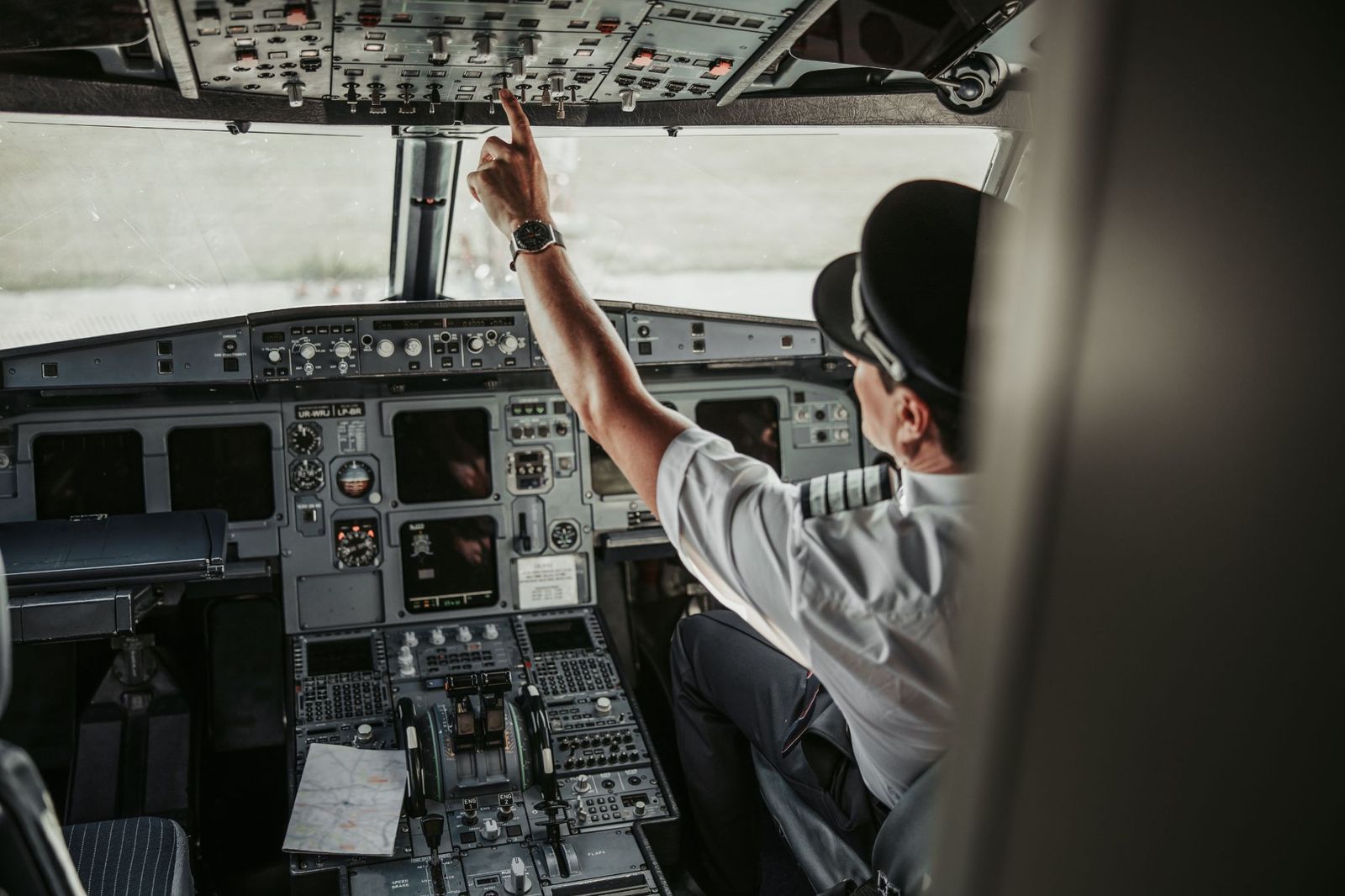
Under FAA (Federal Aviation Administration) rules, the pilot is responsible for the safety of the passengers, crew, cargo, and aircraft. And in an emergency, the pilot can even deviate from a regulation or an air traffic control instruction when necessary to deal with the situation and protect lives. But that’s not all; airlines are prohibited from allowing intoxicated passengers to board, and unruly passengers can face serious consequences. If someone becomes disruptive or threatens safety during a flight, the pilot can give the order to take action and restrain a passenger until law enforcement takes over after landing.
What is that little hole in the airplane window for?
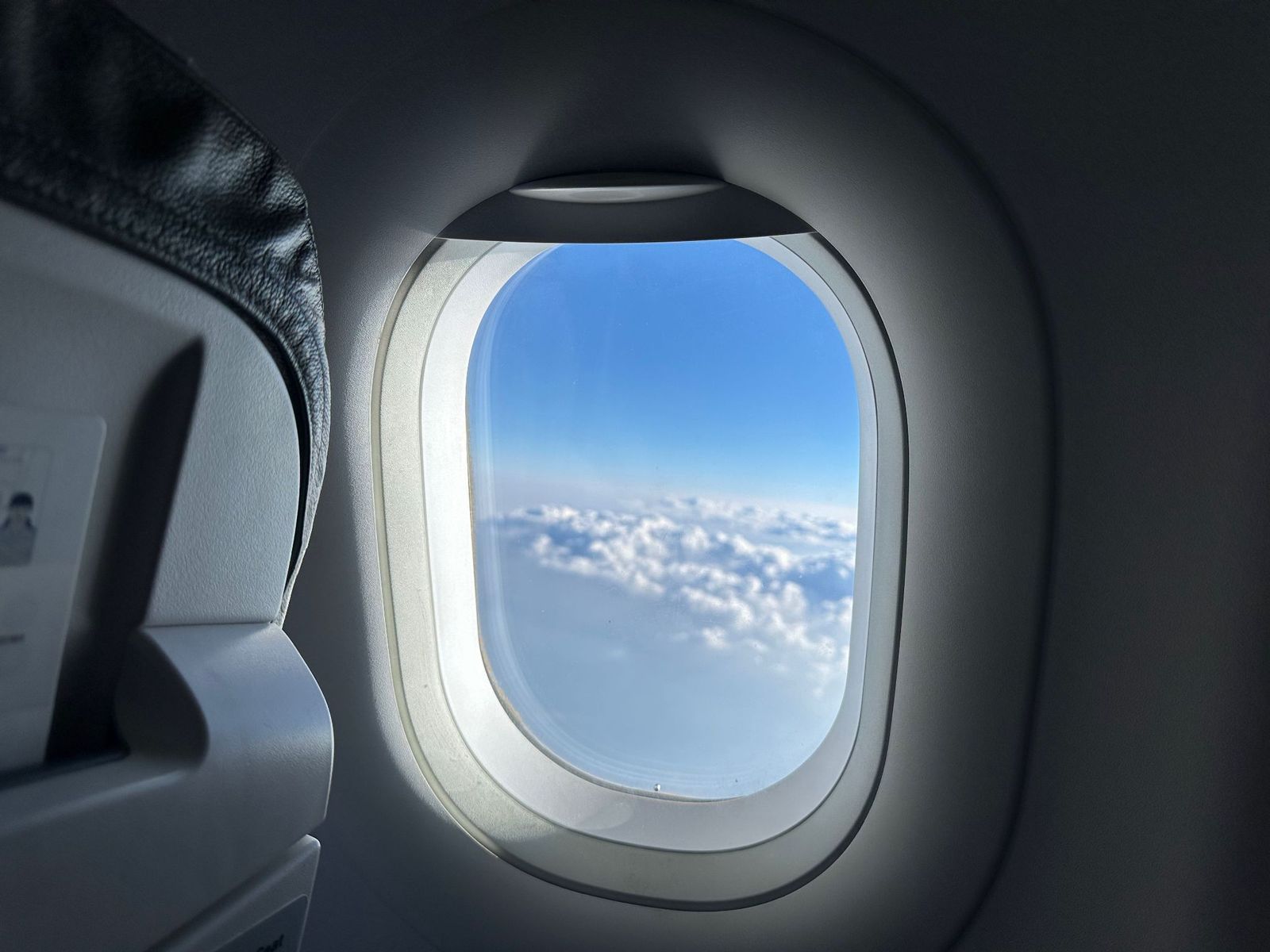
If you’re the kind of passenger who notices the little details, you may have spotted the tiny hole at the bottom of an airplane window. It might look like a flaw, but it’s actually there for a very good reason.
Called a bleed hole, it’s an intentional part of the window’s design. At a cruising altitude of around 35,000 feet, the air outside is far too thin to breathe, so the cabin is pressurized to keep passengers comfortable and safe. That creates a major difference between the pressure inside and outside the aircraft. The tiny hole helps manage that pressure difference by allowing air to move between the window panes.
Why do they dim the cabin lights before takeoff?
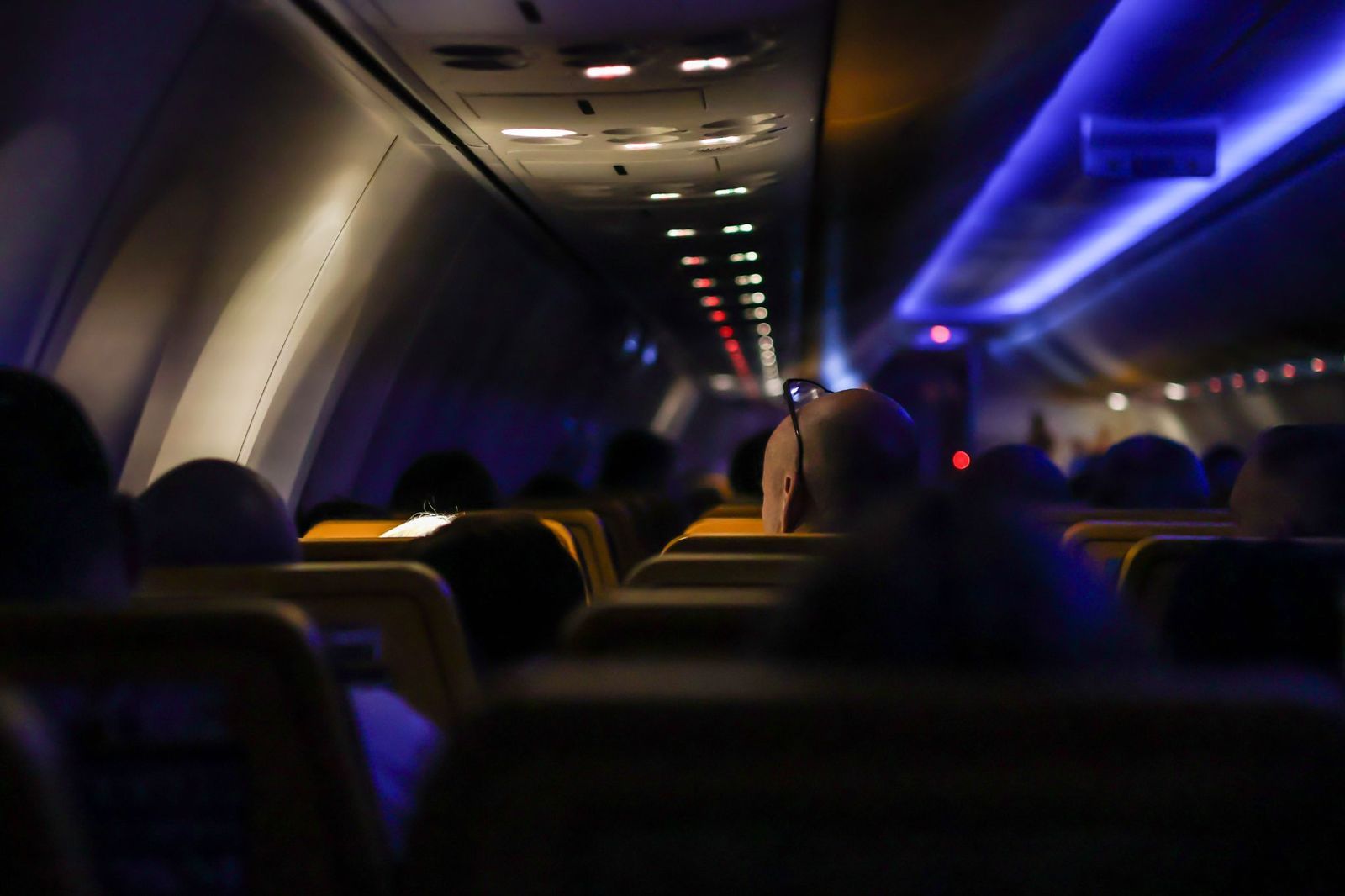
You’ve probably noticed that on night flights, the cabin lights are dimmed during takeoff and landing. There’s a good safety reason for it.
There’s no federal or international rule requiring airlines to dim the lights, but it’s a common practice. By keeping the cabin closer to the darkness outside, passengers and crew can adjust their eyes in case of an emergency. As human vision takes time to adapt when moving from bright light to darkness, dimming the cabin in advance can help people see more quickly if an evacuation becomes necessary, when every second counts.
What happens if you get stuck in the bathroom?
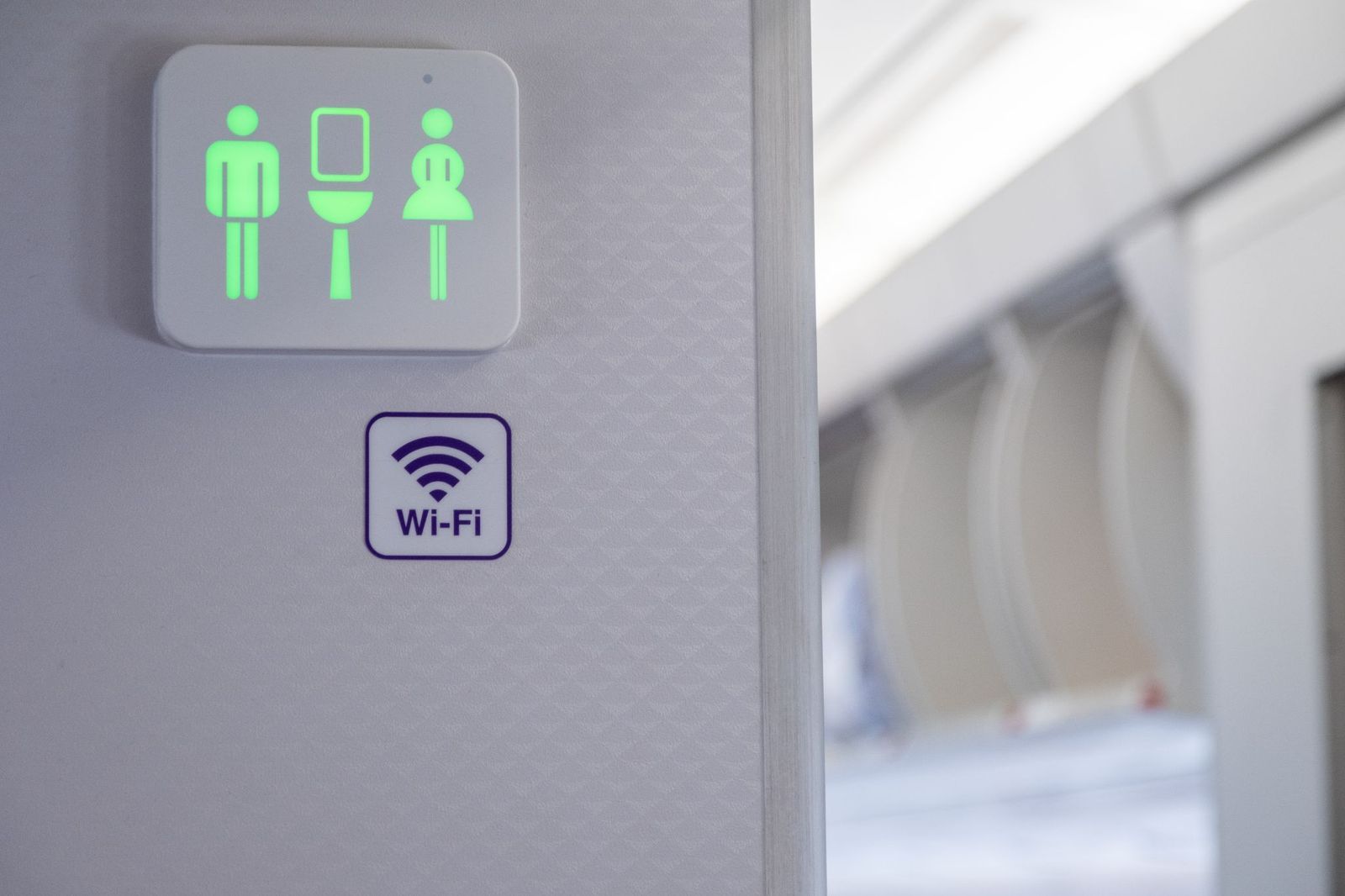
One of the more unsettling thoughts at 35,000 feet is getting stuck inside an airplane bathroom. After all, squeezing into a space that’s barely a few inches wide isn’t exactly anyone’s idea of fun, but there’s less to worry about than you might think.
Flight attendants are trained to unlock and lock the lavatory door from the outside if necessary. Most aircraft have a hidden emergency-access mechanism, typically located behind the "Lavatory" or "No Smoking" sign or panel. The exact design varies by aircraft, but that system allows crew members to open the door if a passenger is trapped, becomes ill, or needs assistance.
Your oxygen mask first
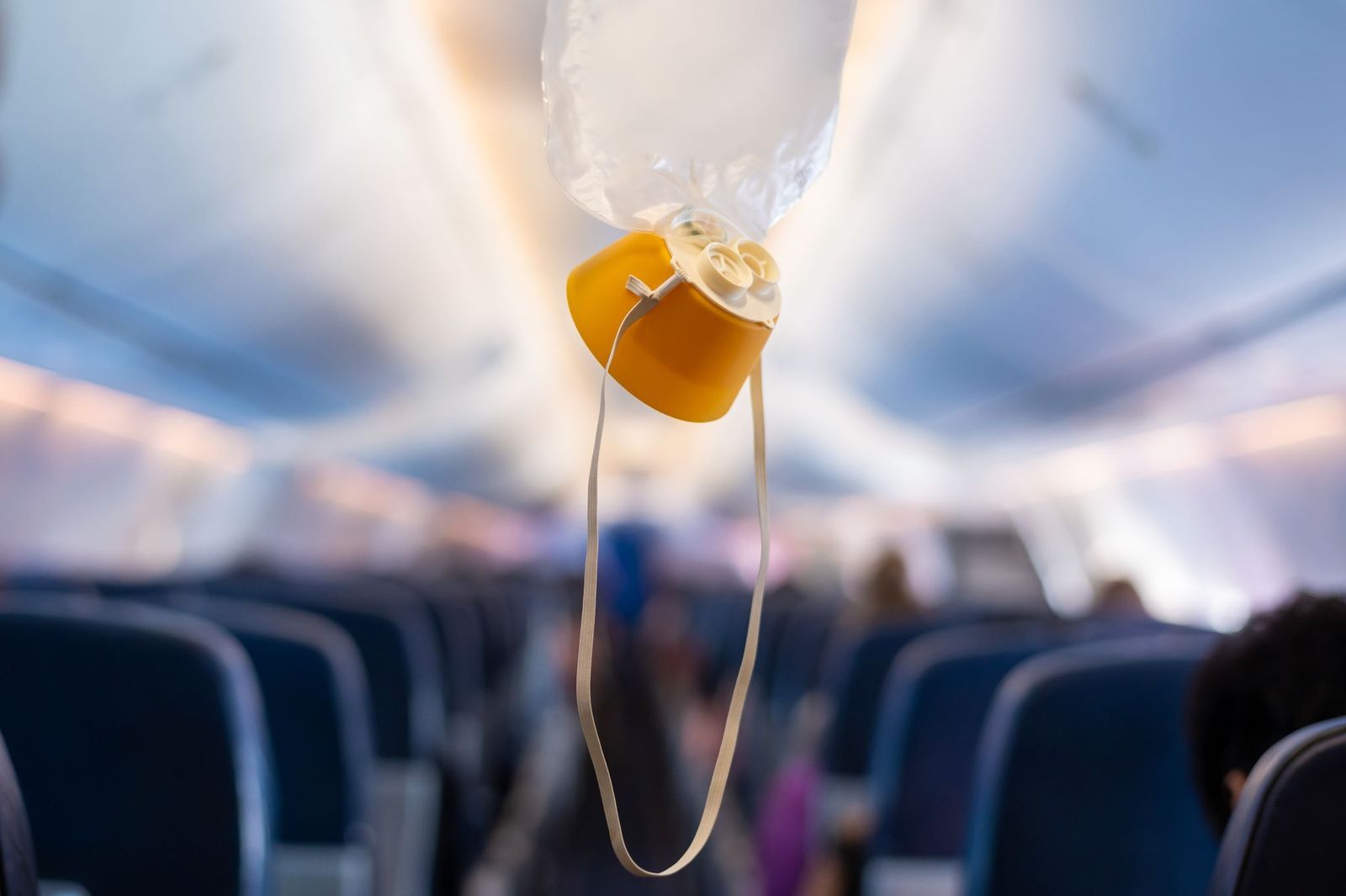
You’ve probably heard the rule (and the life-lesson metaphor): put on your own oxygen mask before helping someone else with theirs. But why is that so important?
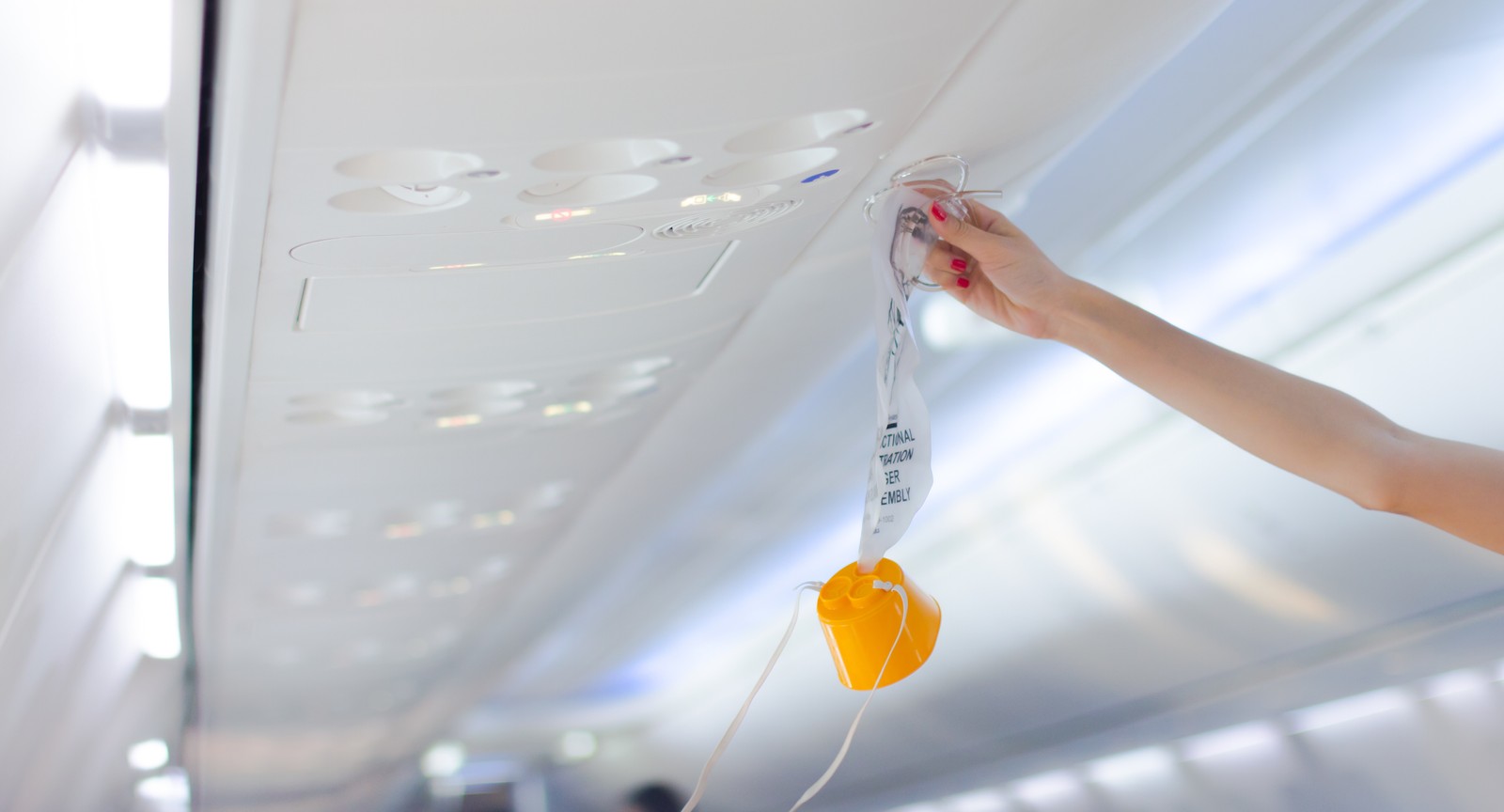
At typical cruising altitudes, the air outside the aircraft is under extremely low pressure. If the cabin suddenly loses pressure for an emergency, the amount of oxygen available to your body drops quickly, and your ability to think clearly and act can disappear within seconds. At that altitude, the time of useful consciousness can be as little as 15 to 30 seconds after a rapid decompression. That’s why you’re told to secure your own mask first. Once you’re getting oxygen, you’re far more likely to remain conscious and capable of helping the person next to you.
Where the water goes when you flush
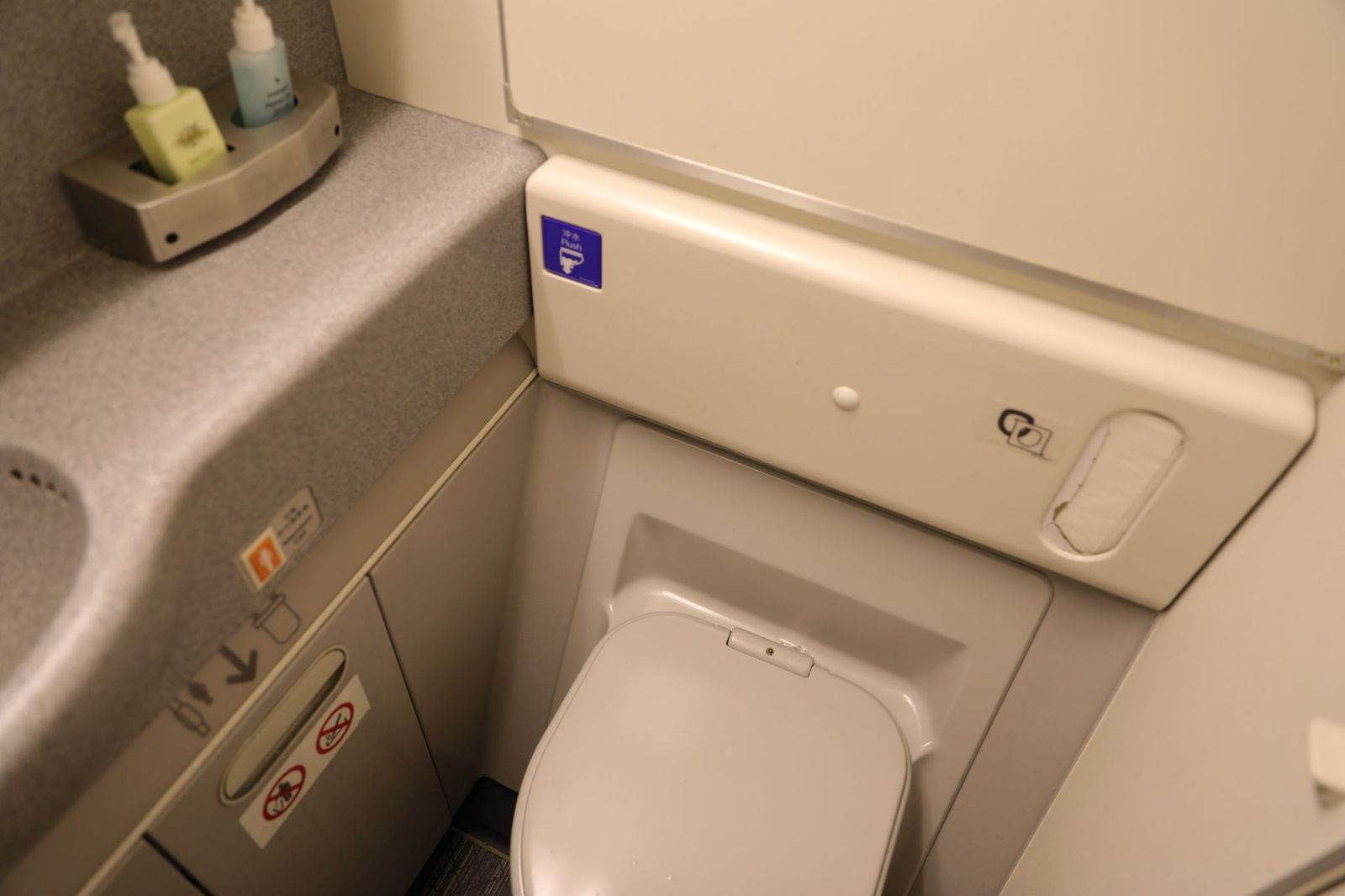
If you’ve ever used an airplane bathroom, you’ve probably wondered: where does the waste go when you flush?
Contrary to a long-standing myth, commercial planes don’t dump toilet waste into the sky. Instead, commercial aircraft have a sealed waste tank inside the plane. When you flush, a valve opens at the bottom of the toilet bowl, and a powerful vacuum pulls the waste through the pipes and into the tank. After the plane lands, airport workers connect a hose from a specialized service truck to the aircraft’s external waste port. The truck then pumps out the waste and transports it for proper disposal through the local wastewater system.
Why planes are painted white
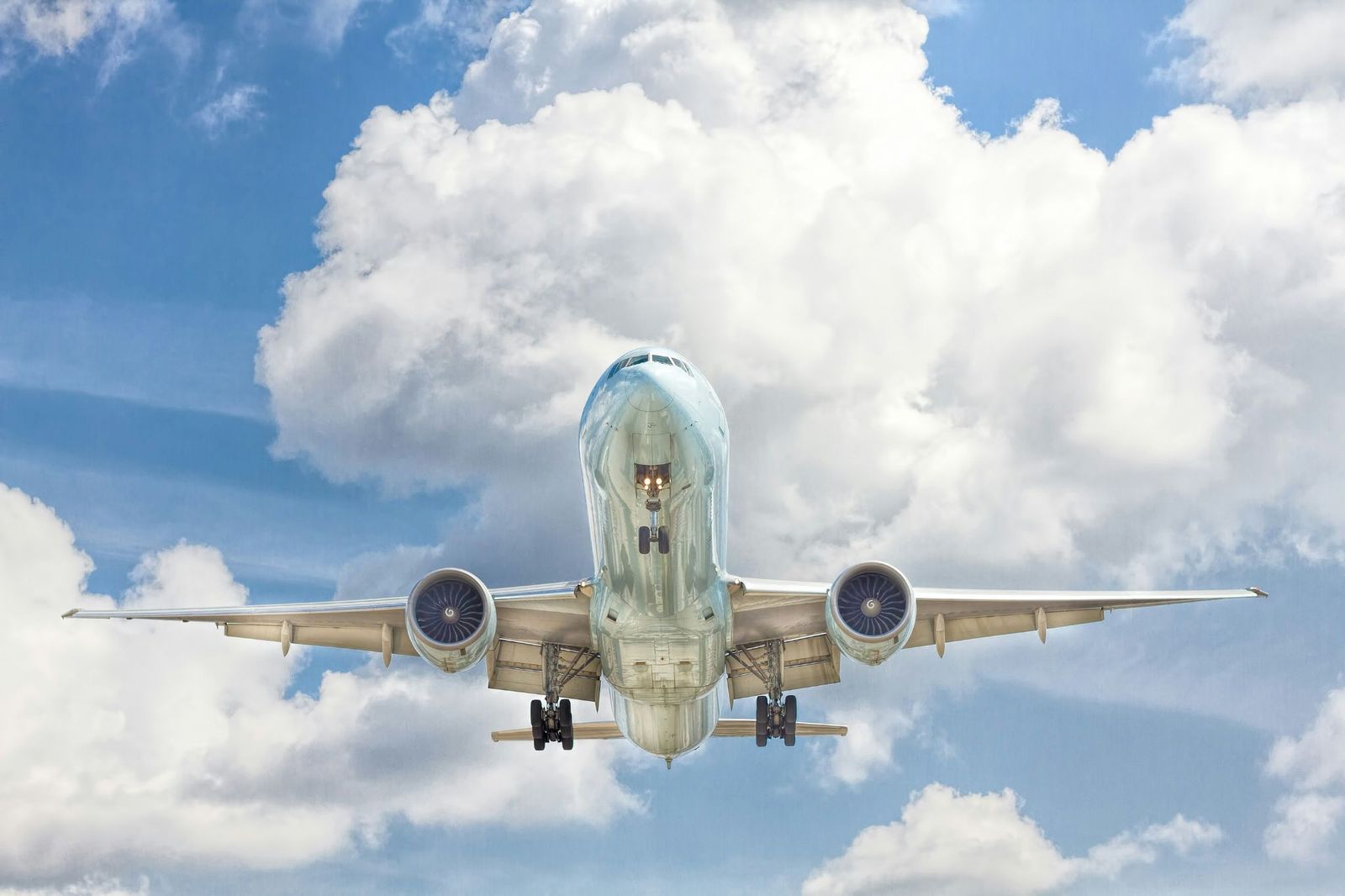
There’s something most commercial airplanes have in common: they’re usually white. But why?
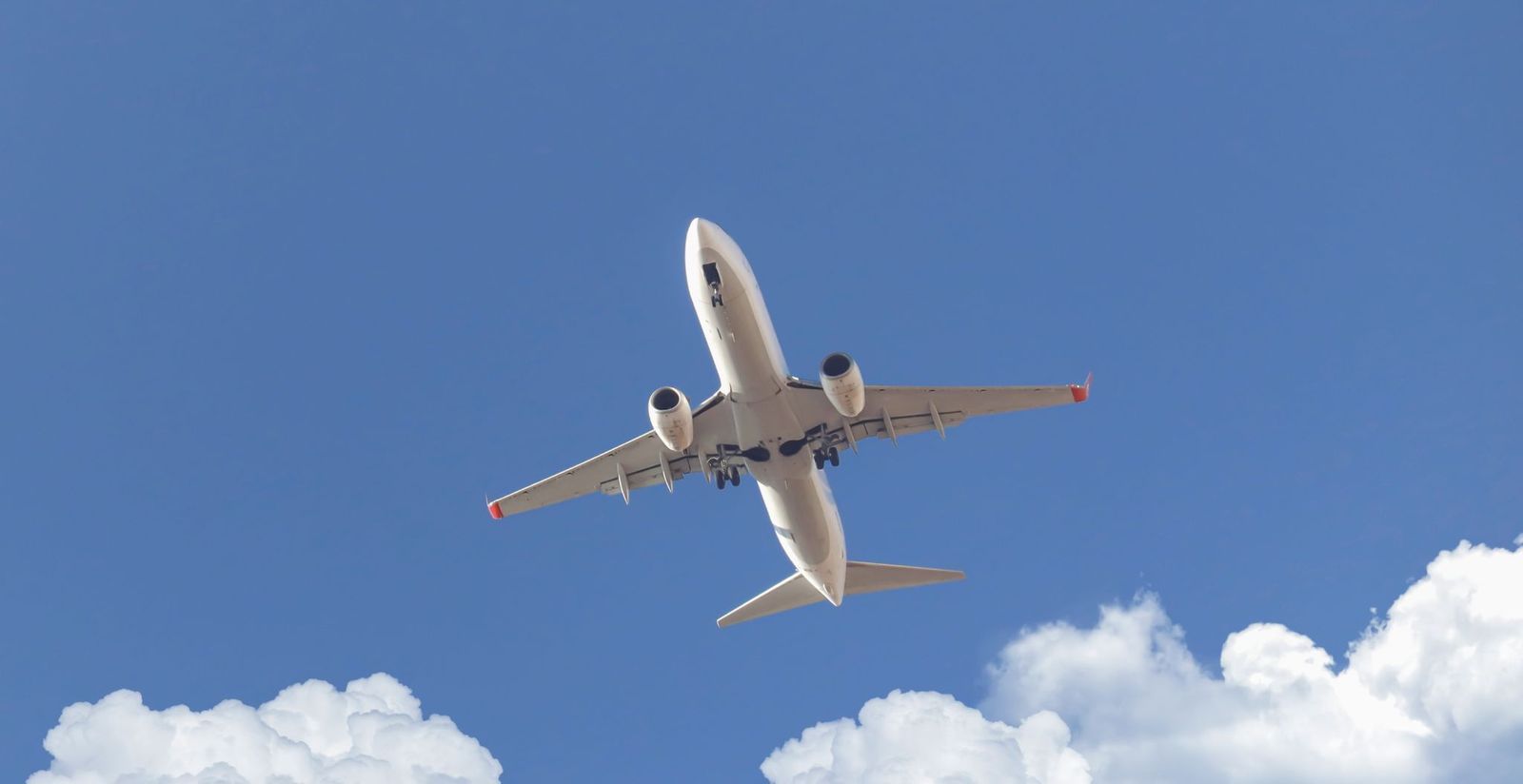
The white paint on an aircraft is no accident, and it’s not simply because the hue is inexpensive. There are practical and safety reasons for the choice. First, white reflects much of the sun’s radiation, helping reduce solar heating of the fuselage and cabin, especially while the aircraft is on the ground. It can also make an airplane easier to see against a blue sky during the day. But there’s another important advantage: white makes cracks, dents, oil leaks, and signs of corrosion easier to see, helping maintenance crews identify potential problems during inspections. Finally, white tends to fade less than darker colors, which can help airlines reduce repainting and maintenance costs.
The truth about using your phone on a flight
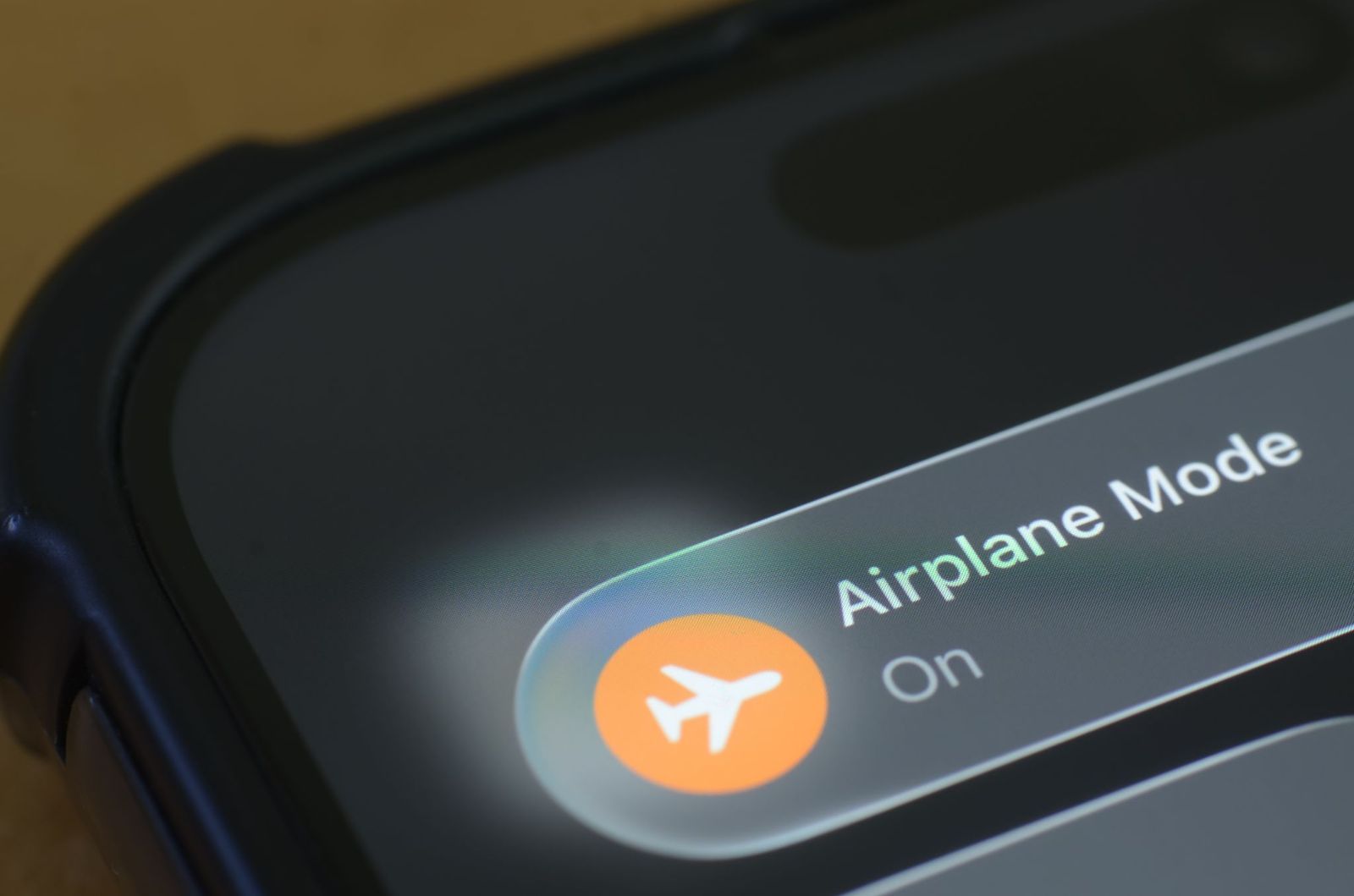
Many passengers still believe that leaving their phone connected during a flight could make the plane crash. Fortunately, that’s not how it works.
If you’ve ever spotted someone quietly using a cell phone after takeoff, don’t panic. The rules around phones in flight are mainly about potential radio interference and the effects of airborne cellular signals on ground networks. Active phones can sometimes cause a faint clicking or buzzing sound in a pilot’s headset, which can be really distracting. In addition, in 1991, the FCC prohibited airborne cellular calls because phones operating at altitude could interfere with terrestrial cellular networks.
The food isn't that bad
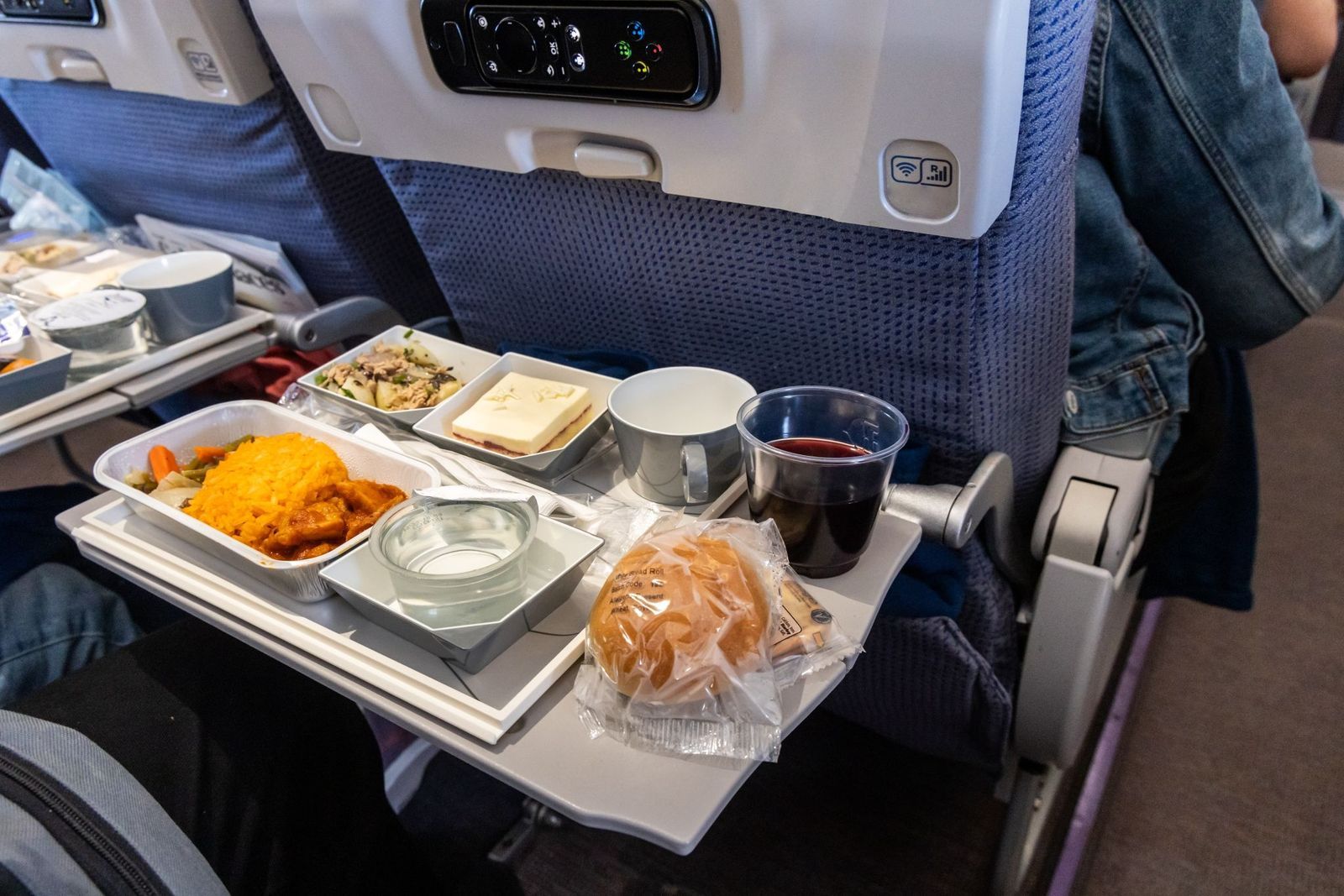
Does airplane food always taste a little… different to you? It’s not your imagination. There’s actually a scientific reason for that.
The blander taste has less to do with the food itself than with the conditions inside the aircraft. Cabin humidity is often below 20%, which dries out your nose and mouth and makes it harder to detect aromas. Since your sense of smell plays a major role in how you experience flavor, that can make food seem less flavorful. Then, the lower cabin pressure can also slightly reduce your sensitivity to sweet and salty flavors. And finally, there’s something you might never suspect: the noise. The constant roar of the engines can affect how your brain processes flavor. Studies have found that loud background noise can make sweet and savory flavors seem weaker while making some other flavors more noticeable.
Harmless-looking moves that can land tourists in trouble
 Culture
Small vacation mistakes
Harmless-looking moves that can land tourists in trouble
The main point of a vacation is to relax — but sometimes relaxing a little too much can get unsuspecting tourists into trouble. Before ending up with fines that weren’t part of the original budget, it helps to know which small mistakes to watch out for. Here are 10 tips to keep in mind for a truly carefree vacation.
Renting a car and driving into restricted zones
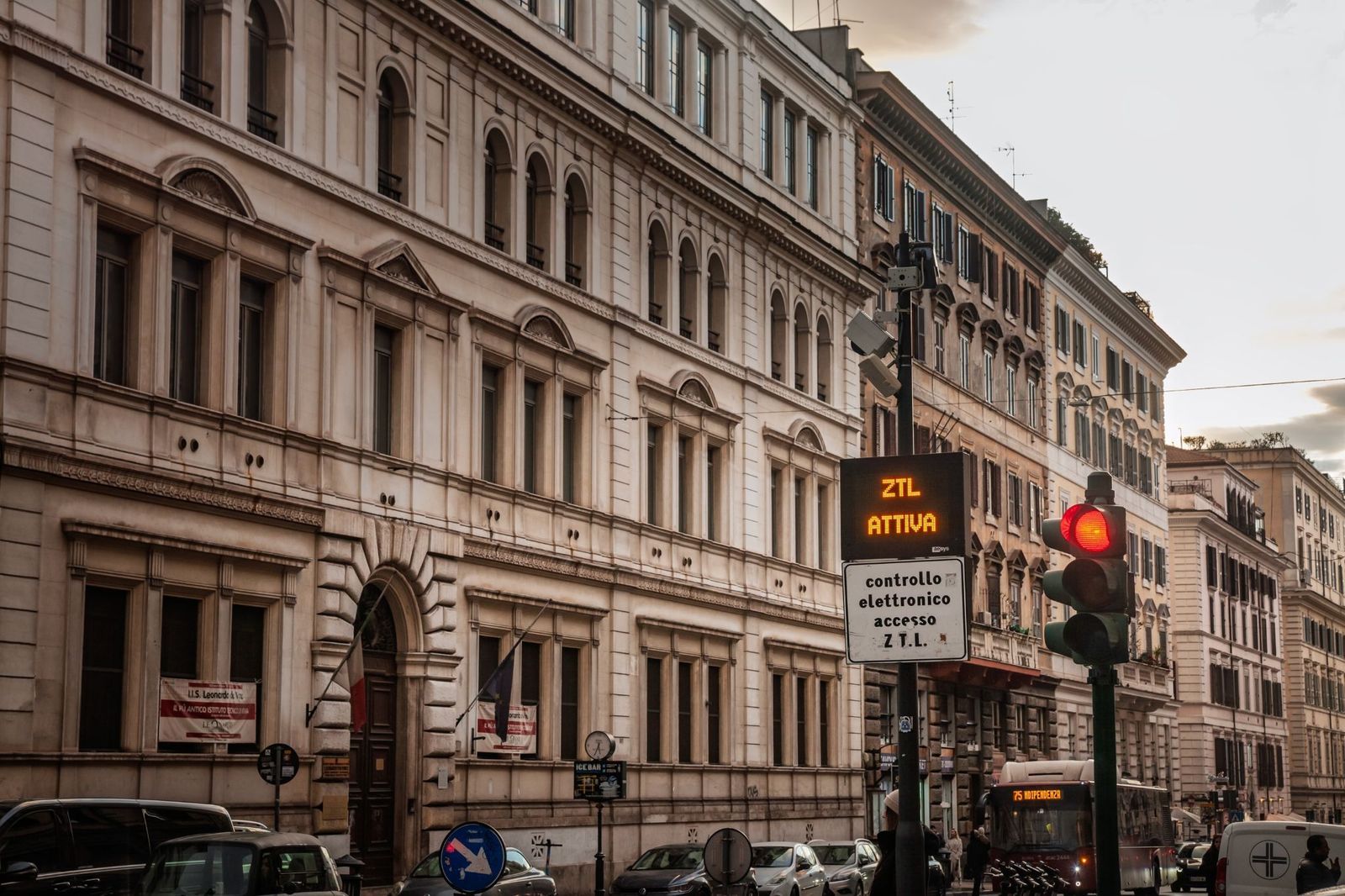
Many Italian cities have old historic centers where regular cars can’t go. These areas are called Zona a Traffico Limitato, or ZTL, which means Limited Traffic Zone, and only approved vehicles can enter. What makes the rule easy to miss is that there may be no officer stopping cars at the entrance, so a tourist can turn into a restricted street without realizing it. But some cameras take notice, and the fine may appear weeks later, often through a rental car company.
Florence is one of the best-known examples. Much of its historic center is restricted, and each wrong entry can count as a separate violation. So if your hotel or garage is in a ZTL, it’s better to ask before driving in, because your license plate may need to be registered first. Otherwise, one wrong turn can become an expensive vacation souvenir.
Touching protected monuments

Sometimes, when you see an impressive monument, it’s tempting to get closer than you should or touch it for a photo. But many old monuments are fragile, and even a simple touch can damage them over time.
For example, several times a year in Rome, Italy, tourists are caught jumping into the Trevi Fountain, despite the rules. In the United States, places like Petroglyph National Monument in New Mexico prohibit visitors from touching rock art because oils from human hands can damage the surface. Breaking these rules can lead to real consequences, from fines or removal from the site to more serious penalties if the monument is damaged.
Feeding wild animals
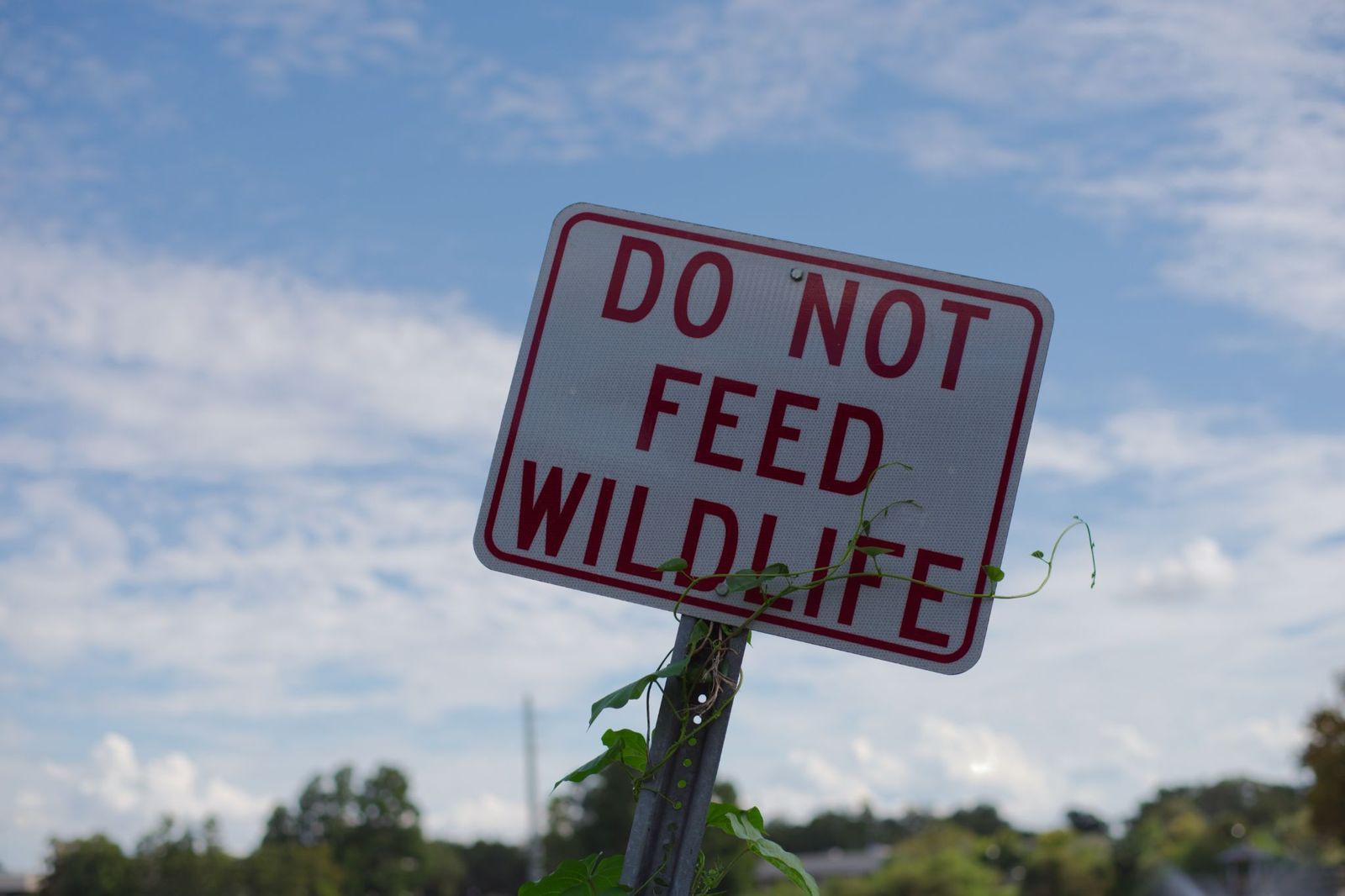
It can feel harmless at first when a wild animal comes close and seems to be begging for food. But feeding wildlife is almost always a bad idea.
In most U.S. national parks, feeding wild animals directly or indirectly is illegal. California’s Fish and Game Code also bans this behavior with fines or citations. There’s a simple reason for this: wild animals don’t need humans to get their food, and giving it to them can change the way they behave; once they connect people with food, they may lose their fear and become aggressive. If you find yourself in this situation, don’t be afraid to call a park ranger or ask another visitor to call them for you.
Drinking alcohol in public

Having a drink out in the open sounds lovely — but it’s always worth checking local rules before doing so. In the U.S., many cities have "open container" laws that fine for drinking alcohol or even carrying an open beer or wine bottle in the street, a park, or other public spaces. But it isn’t the same in every city. While in New York City, drinking in public is generally banned unless it is in a permitted area or event, in places like New Orleans or Las Vegas, it’s legal. Europe tends to be more permissive; however, in some cities like Barcelona, relaxing a little too much could end up costing you thousands of euros.
Wearing the wrong clothes
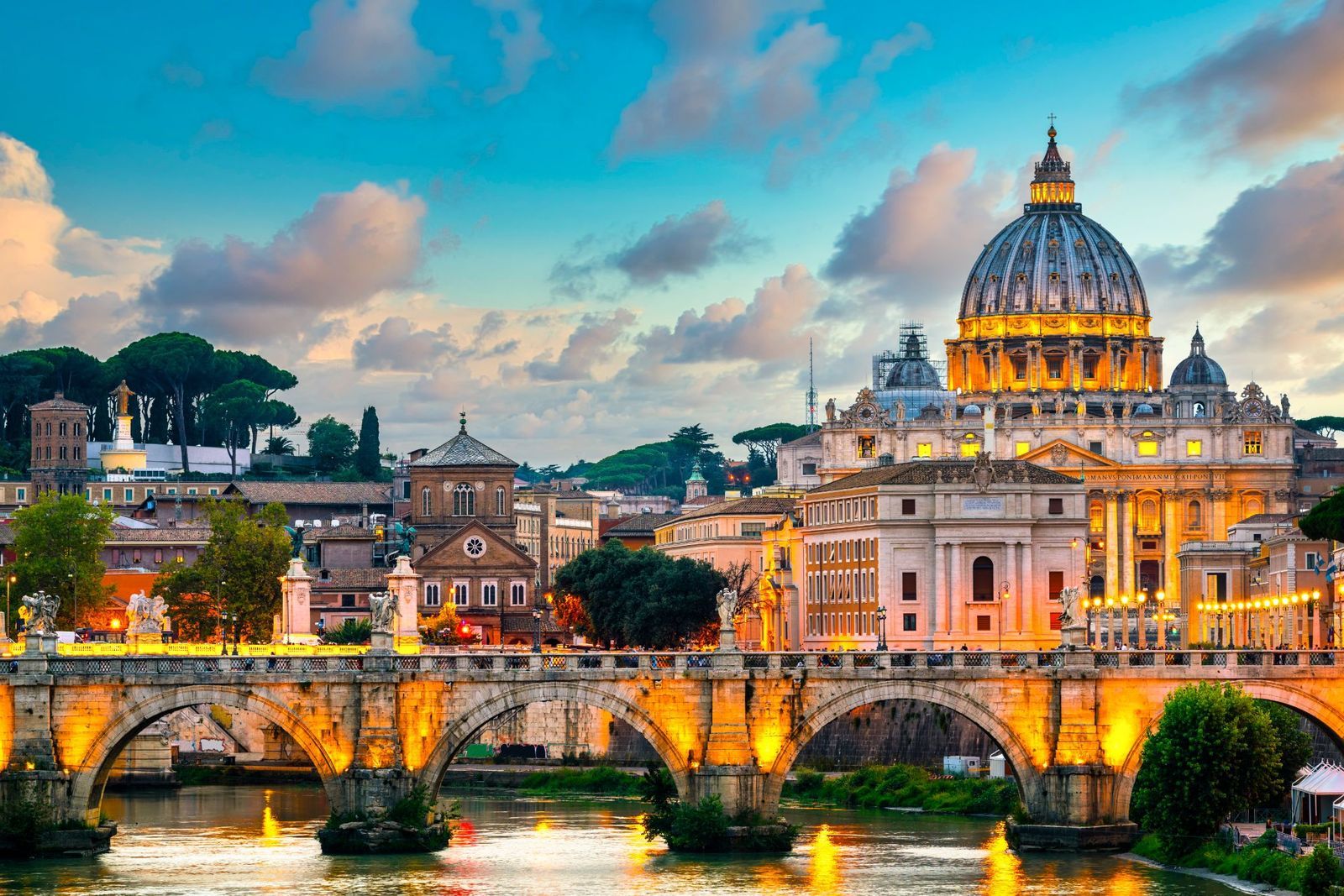
At some top tourist spots that are still religious sites, such as the Vatican, the clothing protocol is very specific. Visitors must cover their shoulders and knees to enter places like St. Peter’s Basilica, and if your outfit doesn't qualify, the usual penalty is denial of entry.
Some beach towns can also be strict on clothing rules, but in different ways. In Hvar, Croatia, for example, swimwear is only for the beach, pools, or beach clubs. Those tourists who walk through town in a bikini, swimsuit, or trunks can face hefty fines. These rules are easy to forget, especially when visitors are travelling in hot climate seasons and in relaxed, vacation mode.
Littering
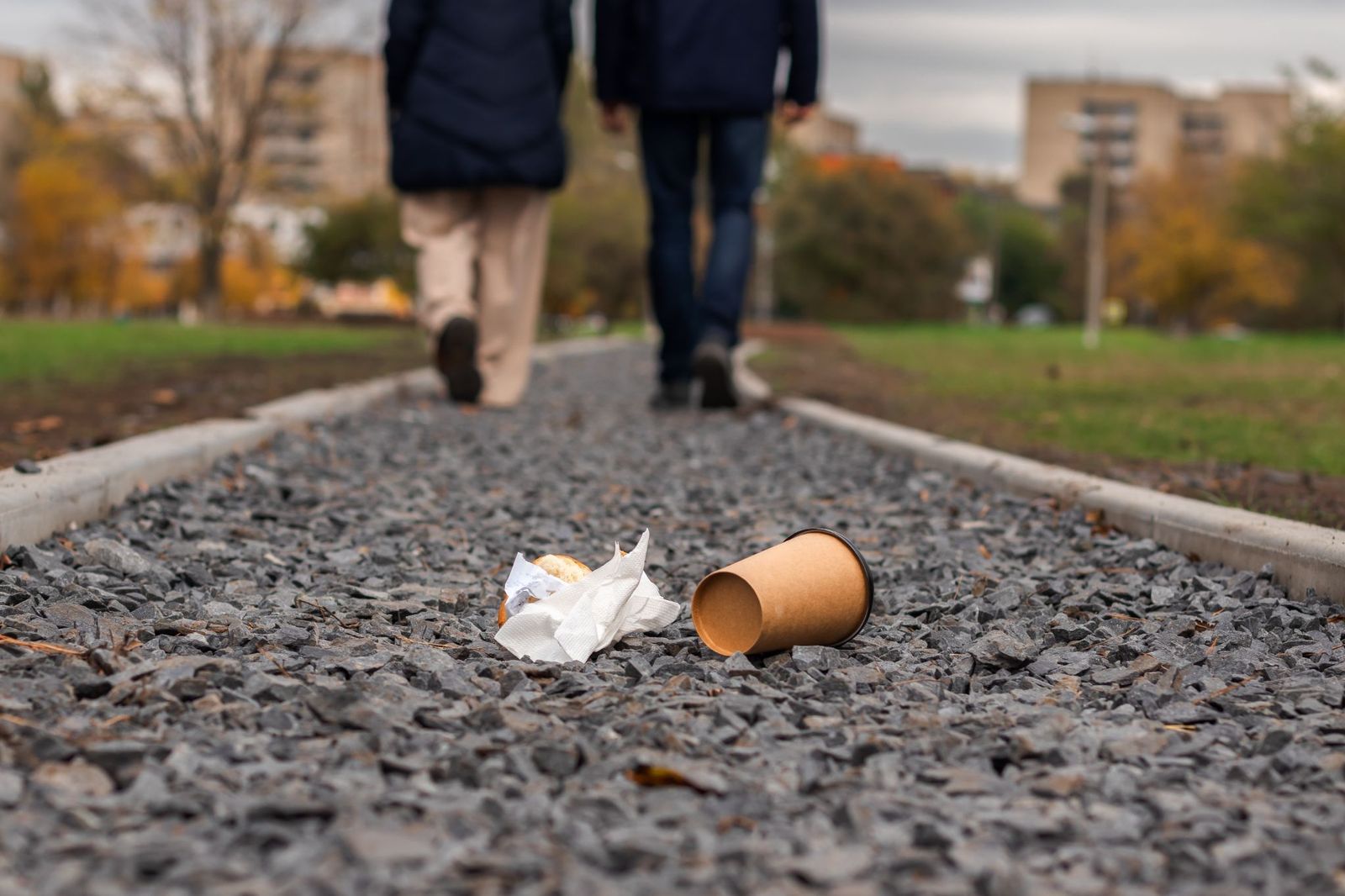
Littering is more common than you might expect: throwing something from a car window, leaving trash behind after a picnic, or leaving an empty plastic coffee cup on a park bench. But this minor mistake is considered a criminal offense in some countries.
Across the United Kingdom, for example, the consequences can range from a fine to community service or cleanup work, depending on the context. Penalties can worsen when littering in protected areas or heavily visited public spaces.
Making too much noise
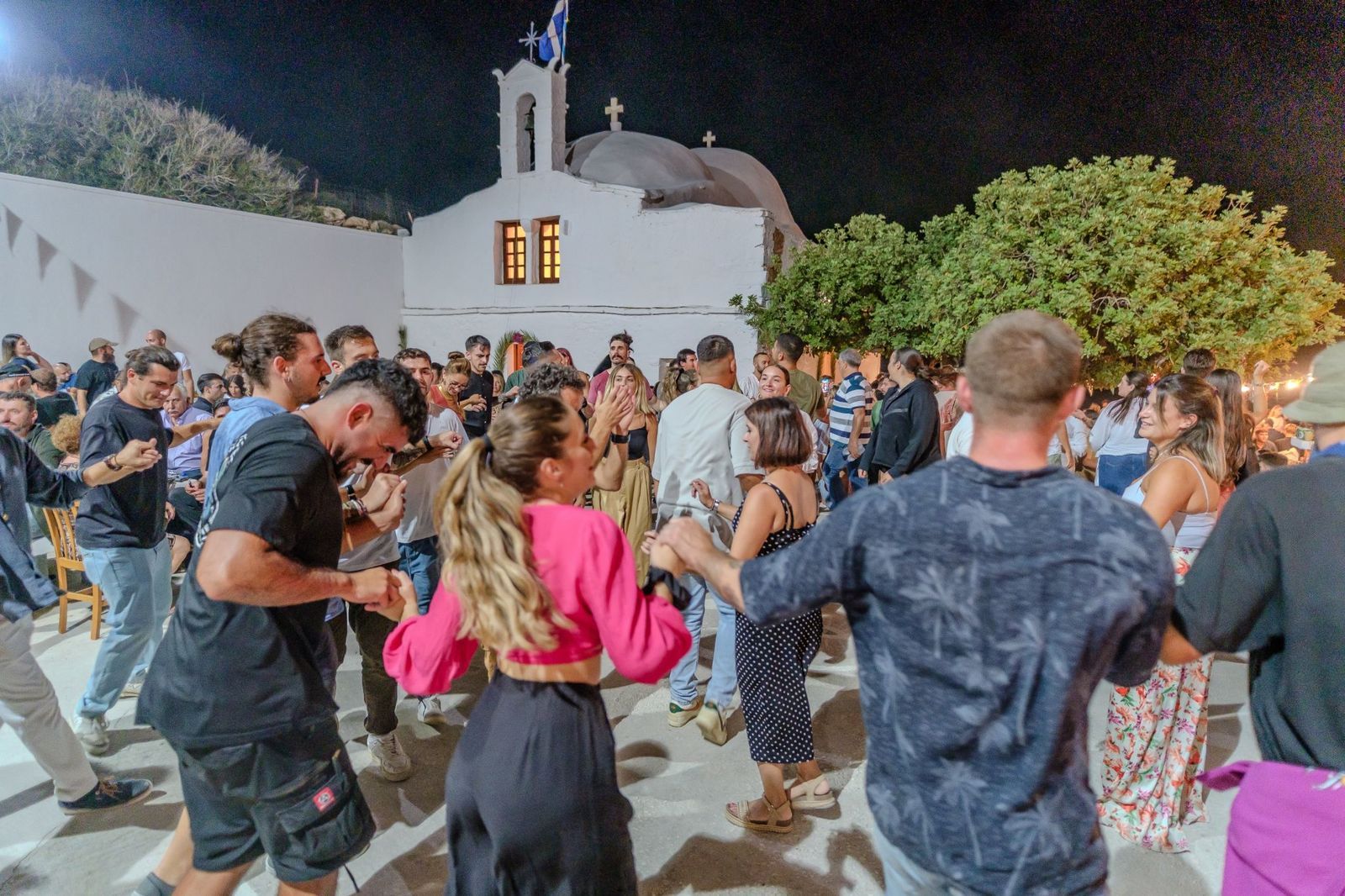
Noise is something tourists rarely think about until it becomes a problem. In Portugal, for example, even beaches have noise restrictions. Playing loud music from a portable speaker can prompt authorities to intervene if it’s bothering other beachgoers.
In Eindhoven, in the Netherlands, the issue is more about parties, music, and noise that affects neighbors. A gathering, a bar event, or loud music late at night can become a problem without proper authorization, because the city has local rules meant to keep public spaces and residential areas livable.
Entering restricted areas

When you visit a place as famous as the Acropolis in Athens, you’d understandably want to see as much as possible. But some areas are off-limits.
The Acropolis now limits the number of daily visitors and uses timed entry slots that must be booked in advance. There are also barriers and monitoring systems to help control crowds and protect fragile areas. That means visitors can’t climb on monuments, touch delicate structures, remove stones, or walk into closed-off spaces. Breaking those rules can lead to fines, and if anything is damaged, the consequences can become much more serious.
Picking up shells in Greece
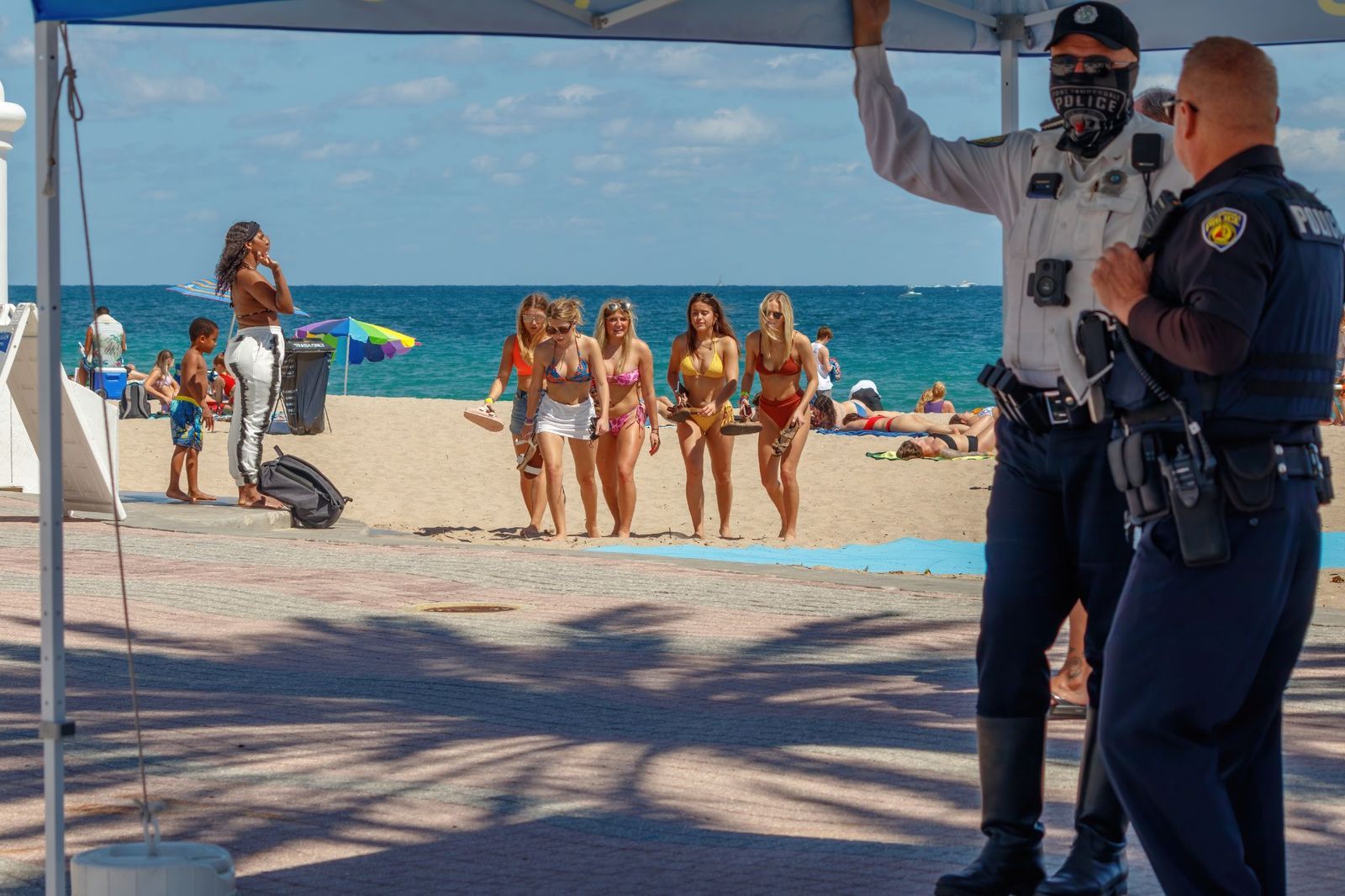
Did you know that in Greece, picking up a pretty shell on the sand can cost you? Lalaria Beach on the island of Skiathos is famous for its smooth white pebbles, and for years, tourists took a few home as souvenirs. But over time, that small habit changed the look of the beach, and visitors are now warned not to collect pebbles, shells, or stones from protected beaches. If beach security catches you taking just a few, it can automatically lead to a fine.
Jaywalking
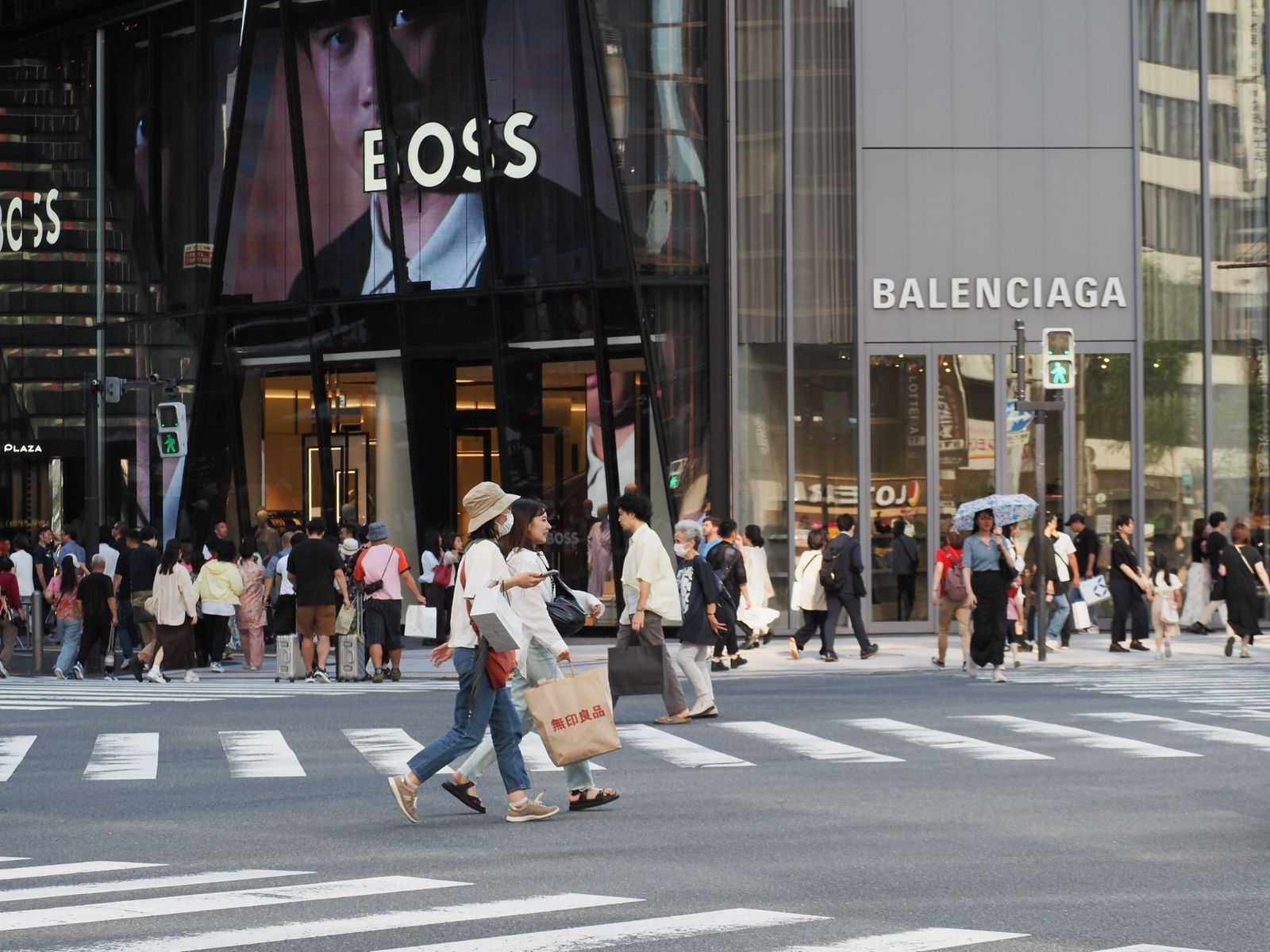
This little everyday infraction can cause a big nightmare in countries like Germany, Switzerland, Japan, and Saudi Arabia. In these places, crossing outside of the designated crosswalks or ignoring traffic lights can result in hefty fines or even imprisonment, even if no cars are coming.
Closer to home, jaywalking is also illegal in some U.S. states, such as New York or Florida, and the misdemeanor could result in citations or fines. So, although you may be in a hurry to visit all the appointed destinations, always be careful and watch out for the correct signals when crossing the streets.
Keep wandering
There’s always
more to explore
10 travel mistakes that could cost you hundreds
5 min.
Read Now

Is airport car rental really more expensive than downtown?
4 min.
Read Now
 Geography

This mountain isn't one volcano, it's actually three
7 min.
Read Now

How to spot a great place to eat while traveling
4 min.
Read Now