
10 hacks every traveler wishes they knew sooner
 General
Travel like a pro
10 hacks every traveler wishes they knew sooner
Traveling is one of life’s greatest pleasures, but let’s face it, unexpected problems can pop up anytime. Don’t worry! Whether you’re an experienced traveler or are preparing for your first big trip, these 10 hacks will make your next adventure smoother, easier, and more fun. You’ll wonder why you didn’t think of them sooner!
Track your bag
 Image: Sun Lingyan
Losing luggage is a nightmare for many travelers, but unfortunately, it happens more often than you'd like. But don’t worry, we’ve got a solution. If it’s possible, travel with a carry-on for a faster, lighter, and stress-free experience. In case you do check a suitcase, attach a couple of AirTags so you can track it at all times. It’s also smart to take photos of your luggage: this makes it easier to identify and prove ownership if needed.
The smart way
 Image: Kaitlyn Baker
You probably already know that being flexible with your dates and destinations can help you find cheaper flight options that fit your plans. But here’s another trick: use Google’s Incognito mode or a VPN when browsing airline websites. This way, airlines can’t track your activity and won’t try to raise prices based on what you’re looking for.
Early morning team
 Image: Julian Hochgesang
If flight prices aren’t a concern, we recommend choosing early morning departures. And it’s not just because we’re morning people. Statistically, these flights are the least likely to be delayed or canceled. As the first flights of the day, they simply don’t carry over the delays from earlier flights.
Get in touch without spending
 Image: NordWood Themes
If you’re traveling abroad, here’s a tip you’ll love: use an encrypted app like WhatsApp to stay in touch with loved ones back home. This will allow you to send messages and make international calls without extra charges!
Local currency
 Image: Stephen Phillips - Hostreviews.co.uk
If you’re a frequent traveler, you probably already know that your credit card is your best ally. But just in case you don’t know this already: always pay in the currency of the country you’re visiting. Why? Many merchants will offer to convert your purchase into your home currency, but this often comes with extra fees and surcharges. Paying in the local currency lets your bank or card network give you a much better exchange rate, saving you money.
A must-have item
 Image: Kelly Sikkema
Unexpected temperature changes can happen anywhere, at any time. That’s why grandmothers always advised carrying a light blanket or a multipurpose scarf on every trip. Yes, this travel hack is simple: bring a blanket. It might seem silly at first, but you’d be surprised how often it can come in handy. You can thank us later.
Functional suitcase
 Image: Anete Lūsiņa
Rolling your clothes to pack them has been proven to save a lot of space, letting you fit more into your suitcase than with the traditional folding method. But that’s not all! This technique also helps prevent wrinkles, which often happen when clothes are stacked on top of each other. Plus, it makes it easier to see every item without digging through your bag. No folding, no ironing!
Clean, dry clothes
 Image: Surface
Some trips can be long, with your suitcase closed for hours. If that’s the case, just put a couple of dryer sheets among your clothes. They’ll keep everything smelling fresh, so your outfits are ready to wear the moment you arrive.
Before leaving
 Image: rupixen
Our goal here is to help you avoid travel headaches, so here’s a tip we wish we’d known sooner: if you’re traveling abroad, always notify your credit and debit card companies. This prevents your card from being flagged for suspicious activity and avoids it being blocked while you’re away.
Don't forget these!
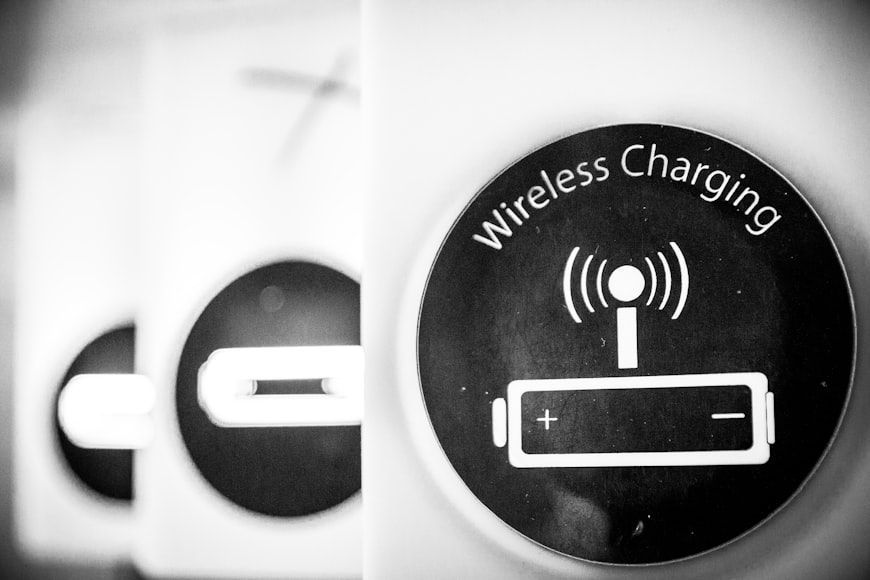 Image: Limor Zellermayer
We all know it’s important, yet we often forget it: always travel with insurance. Seriously, always. Even if nothing has gone wrong on your past trips, staying cautious, especially when it comes to your health, can make all the difference when you’re in another country. And speaking of must-have items, don’t leave home without a wireless charger. You won’t realize how much you rely on your phone or laptop until the battery dies.

A town called Chicken? Why are these 10 U.S. places named after food?
10 American towns with surprisingly tasty names
What’s the first thing that comes to mind when you hear the names Chicken or Sandwich? You might picture a restaurant menu, but these are actual place names in the United States. From tiny communities to cities, the country is full of places with food-inspired names. But how did they get them? The answers might surprise you. Let’s explore 10 American towns with names that are good enough to eat.
Sandwich, Massachusetts
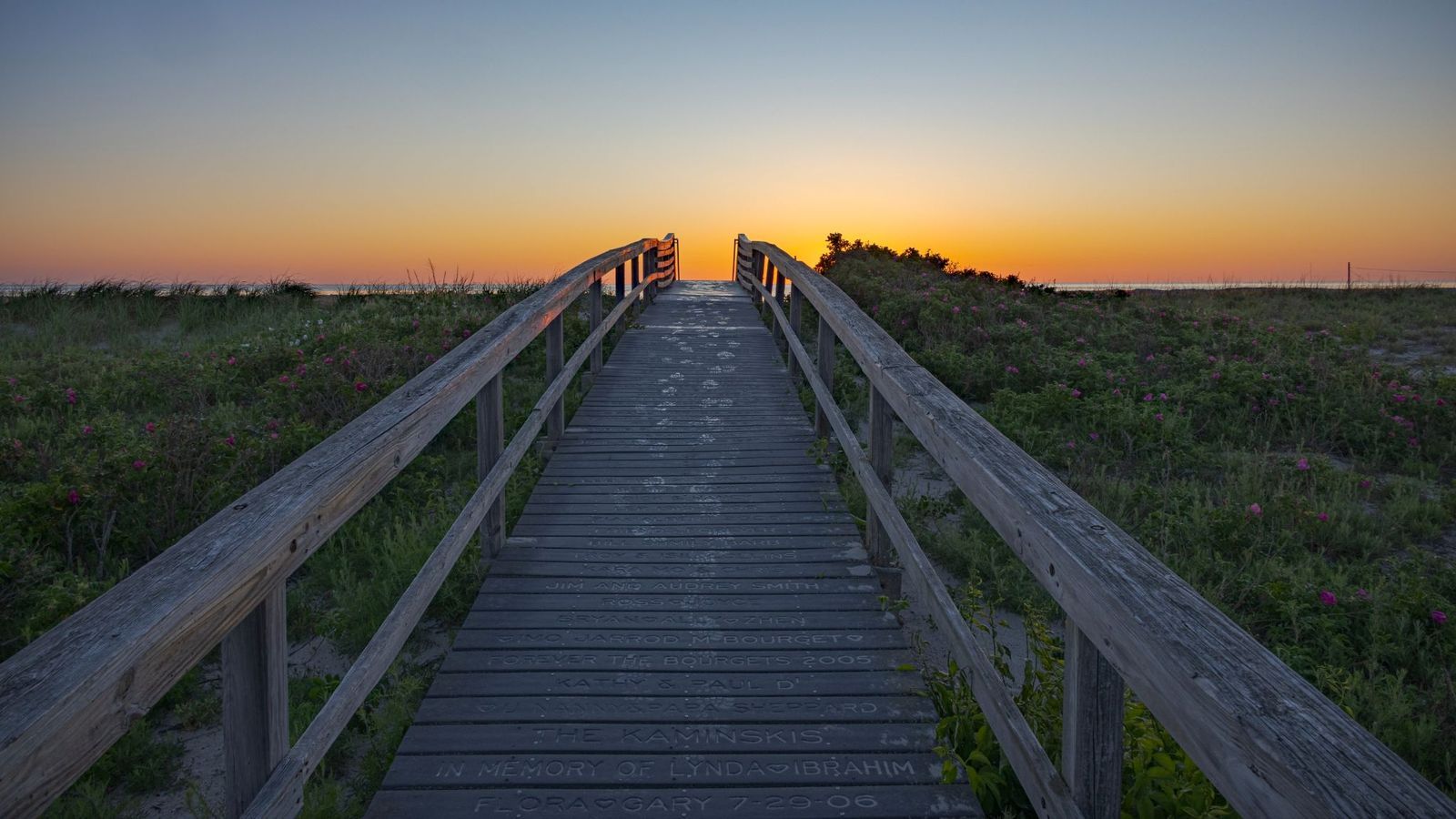
Sandwich, Massachusetts, is a real town on Cape Cod, founded in 1637. But is it really named after the food? Turns out, Sandwich was named after the historic town of the same name in Kent, England, which existed long before the modern sandwich became a popular dish. Interestingly, the food was named after John Montagu, the 4th Earl of Sandwich, in the 18th century.
The town name itself comes from an Old English term, sondwic, meaning roughly "sandy place."
Cocoa Beach, Florida

Although it sounds like a chocolate lover’s paradise, Cocoa Beach is actually a Florida coastal city known for its surf culture and sandy beaches near the Kennedy Space Center. The community was incorporated in 1925 and gained popularity during the Space Race when people flocked to the area to watch NASA launches.
So, why Cocoa, then? Its name comes from the nearby mainland city of Cocoa, Florida, whose own name has a disputed origin, though one account suggests it may ultimately be related to the cocoa plant.
Chicken, Alaska

Why name an Alaskan town after a bird? There are two leading theories. Chicken has a rich gold-mining history—its community grew during the gold rushes of the late 19th century. So, one story says it got its name because the gold found there was the size of a chicken, but there are no confirmed records to support this theory.
Another story says its early residents wanted to name the town after the ptarmigan, a game bird common in Alaska, but were worried about the spelling, so they settled on "Chicken."
Cranberry Township, Pennsylvania
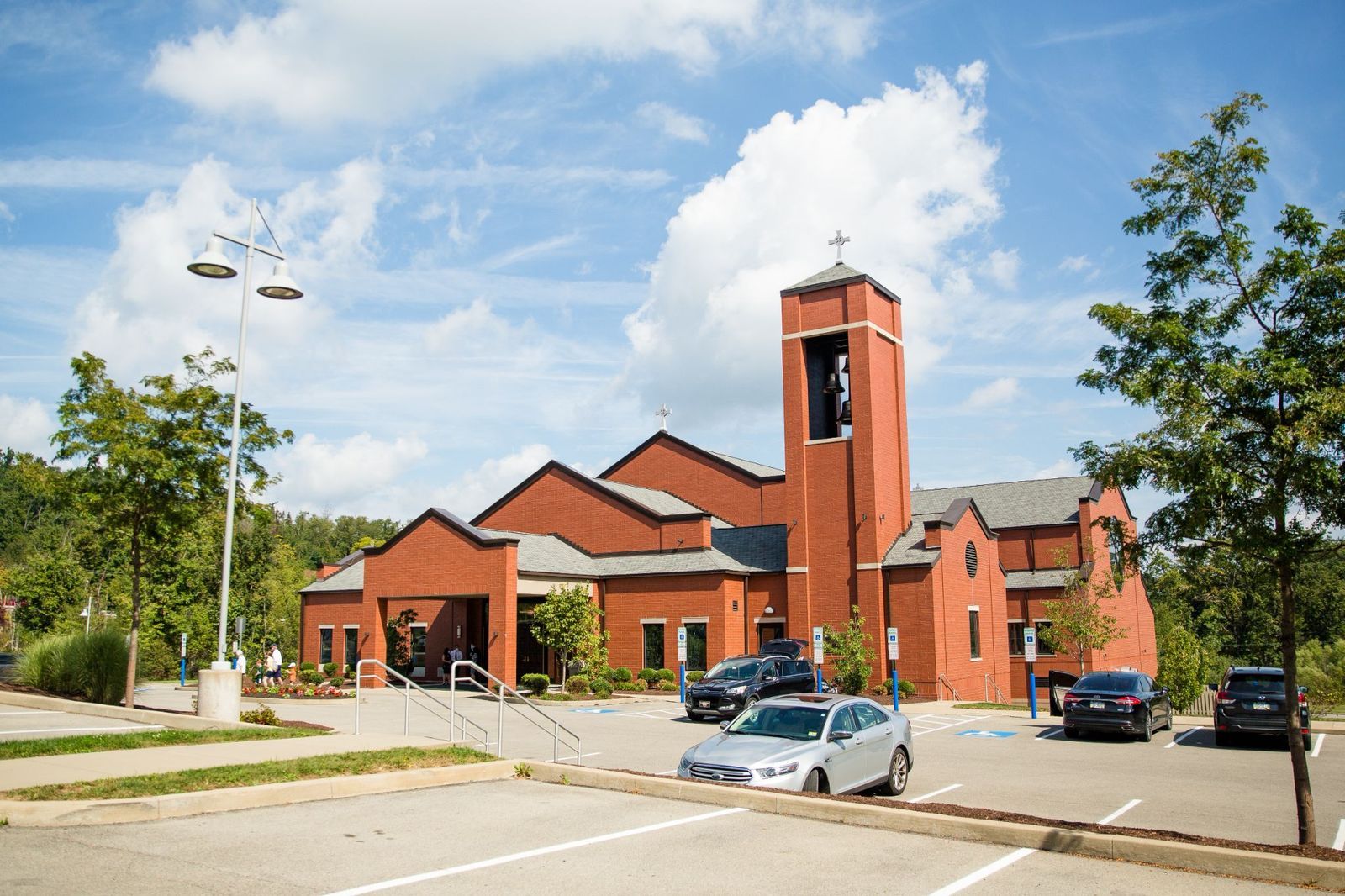
Just outside Pittsburgh, Cranberry Township, Pennsylvania, was incorporated in 1804. But was this place really named after the fruit? You bet. Wild cranberries once grew along Brush Creek, giving the area its name. These berries attracted deer, which in turn brought Indigenous hunters to the area.
Unfortunately, the wild cranberries that gave the township its name didn’t stick around forever. By the 1880s, most had disappeared due to drought and farming.
Coconut Creek, Florida
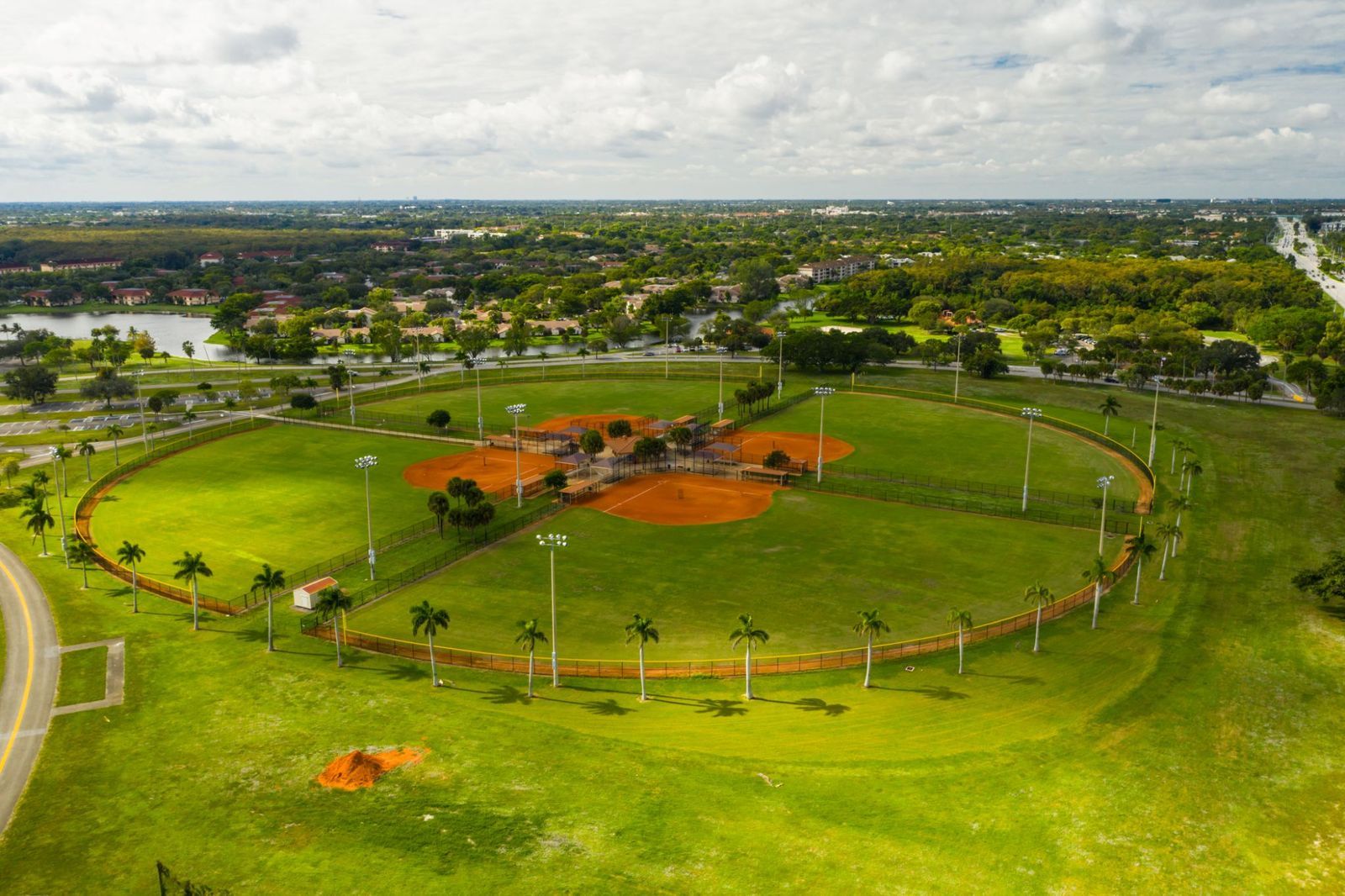
Coconut Creek sits near Fort Lauderdale in Broward County. The community was first known as Edgefield before taking on Coconut Creek when it was incorporated in 1967. Just as the name suggests, this city takes its title from the coconut palms planted along a creek near the community.
But despite the tropical-sounding name, Coconut Creek isn’t particularly famous for coconut production. Instead, the city calls itself the "Butterfly Capital of the World" because of a butterfly attraction that opened there in 1988.
Appleton, Wisconsin
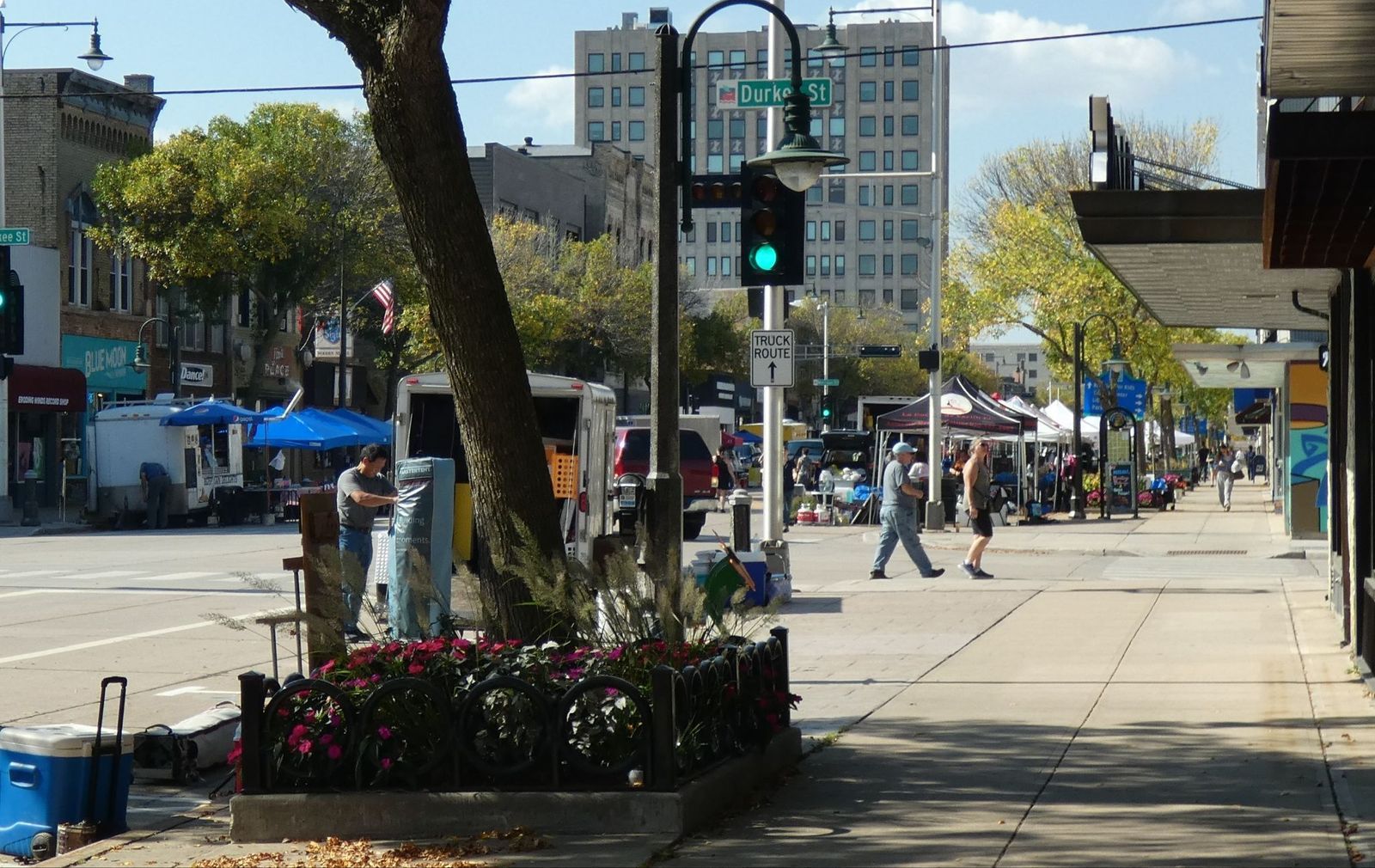
You’ll find the city of Appleton in northeastern Wisconsin, along the Fox River. But does the city’s name have something to do with apples? Not exactly. Appleton, famous for its connection to Lawrence University, was actually named after Samuel Appleton, a Massachusetts philanthropist who donated $10,000 to support the university's library in the 1840s.
Appleton became an incorporated city in 1857, and its history is closely linked to education, industry, and hydropower.
Popcorn, Indiana

A place called Popcorn in one of the country’s leading popcorn-producing states seems fitting, right? But the origin of its name isn’t quite so straightforward. This tiny unincorporated community in Lawrence County, Indiana, was named after Popcorn Creek, a local stream.
According to local lore, the creek was called Popcorn because visitors would joke about the small size of the area’s corn and compare it to popcorn.
Hot Coffee, Mississippi
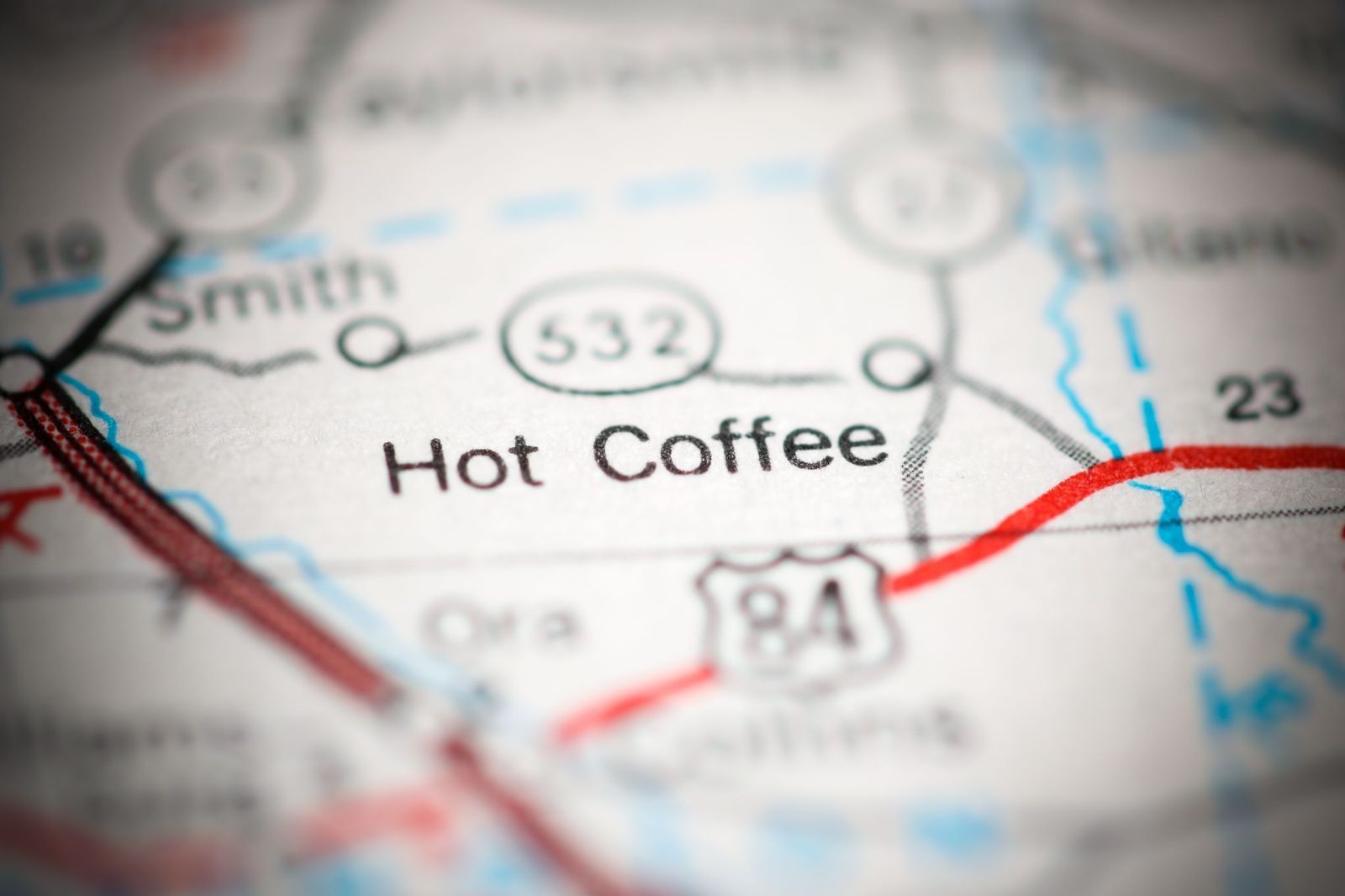
While it may sound made up, you can actually find a small unincorporated community in Covington County, Mississippi, named Hot Coffee. But how did it end up with such an unusual name? The story most often repeated is that a late 19th-century storekeeper, L. J. Davis, reportedly advertised "the best hot coffee around" to passing travelers. The name stuck and was eventually adopted by the community.
Bean Station, Tennessee
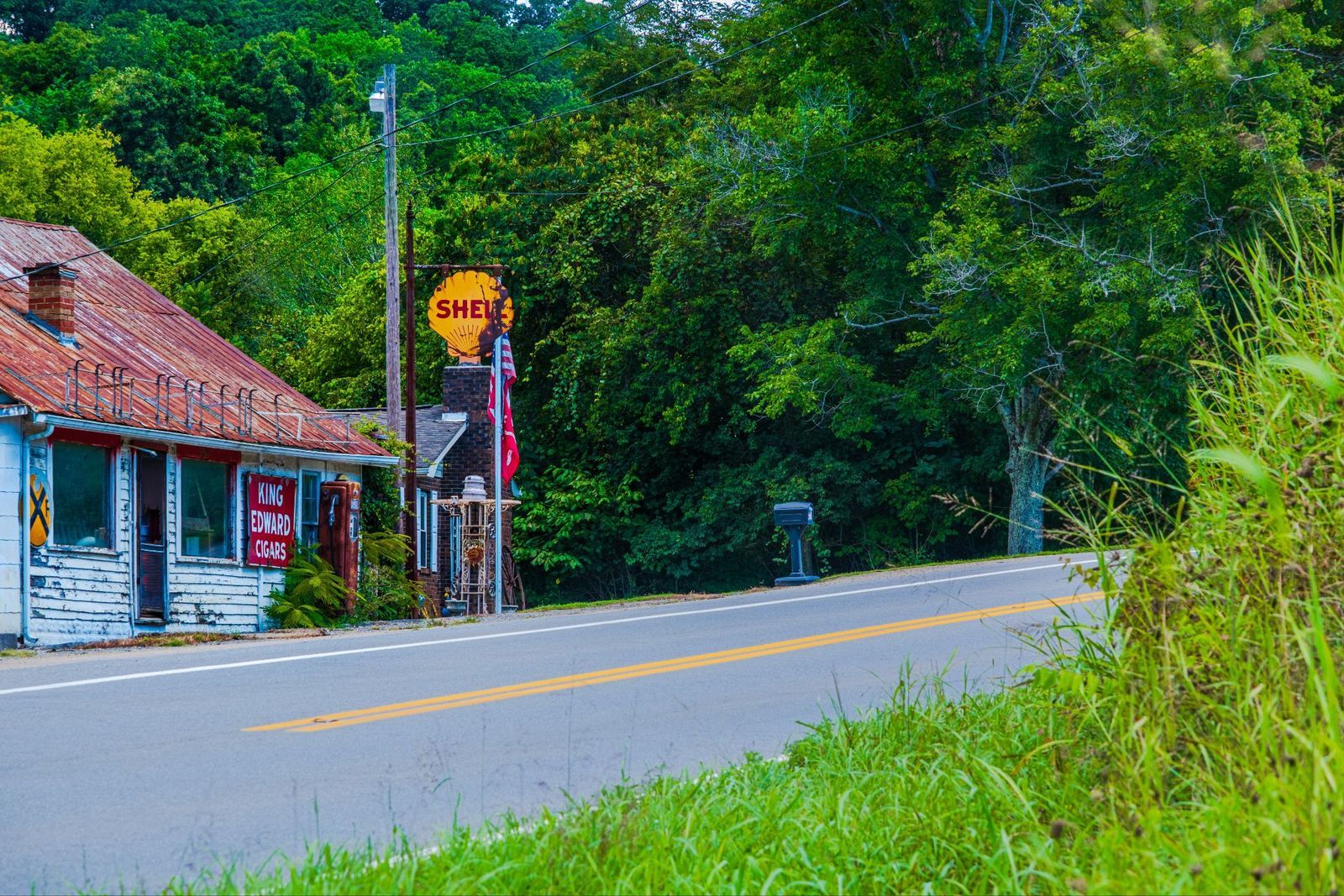
Bean Station sounds like a bean-shaped service station, but it’s actually a real town in Tennessee. So, where does the name come from? The name is associated with William Bean, who’s said to have been the first permanent white settler to establish a home there in the 1760s.
Interestingly, the town sat at the crossing of the Wilderness Road and the Great Indian Warpath, an important stopping point for travelers crossing the Appalachian region.
Cookietown, Oklahoma

Cookietown sounds like a paradise for kids. And did you know this unincorporated community in Oklahoma may have been named by a child? Turns out, a general store stood at a rural crossroads around 1928, and its owner was known for handing out cookies to kids. This is the main reason the town is believed to have gotten its name, though another local story tells of a child who, after getting a cookie, told his parents he never wanted to leave "Cookietown."
What passengers never see after midnight on a cruise ship
Cruise curiosities
The crew has spoken: what really happens on a cruise overnight
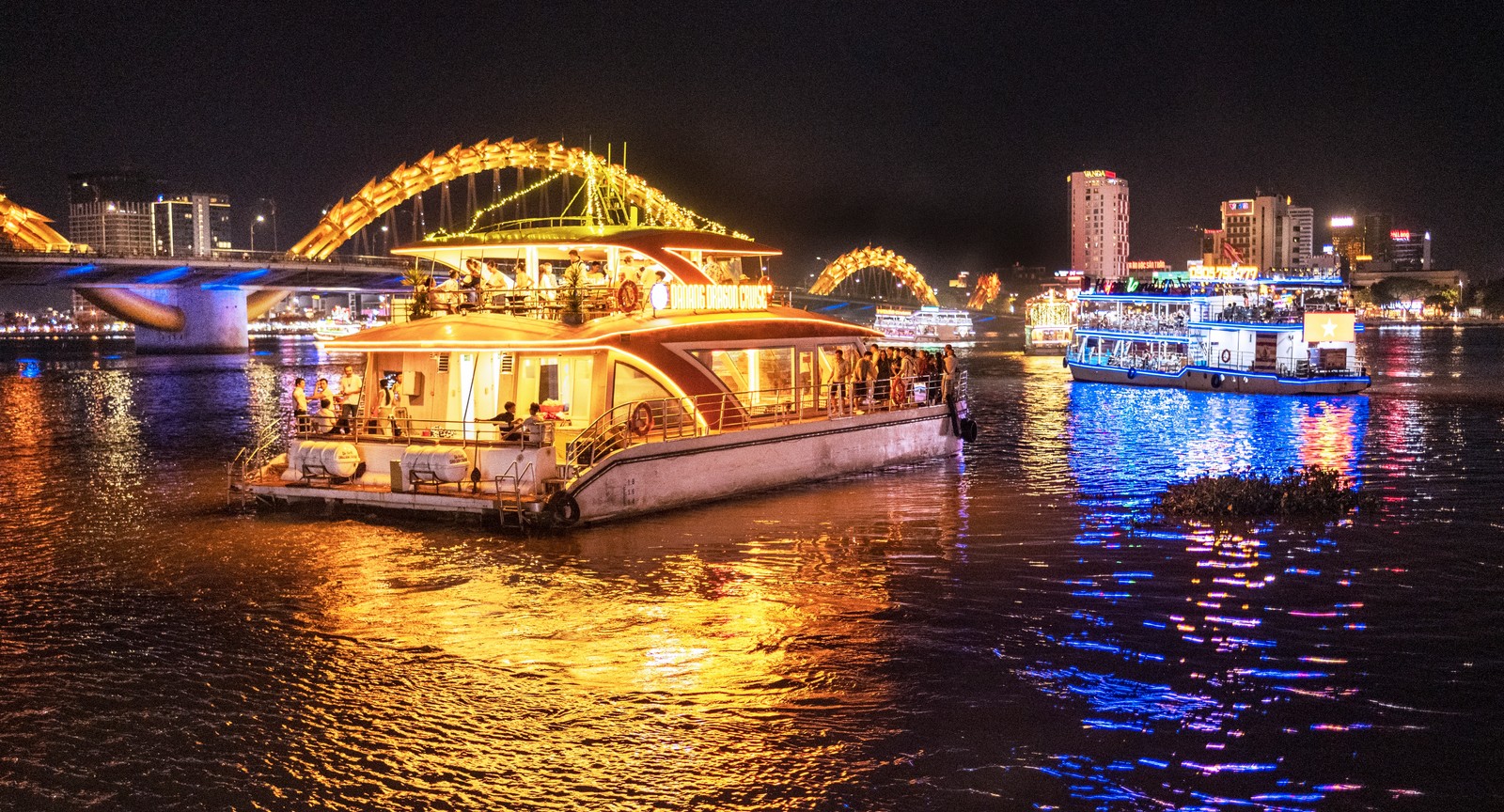
Have you ever wondered what happens on a cruise ship after everyone goes to bed? Guests fall asleep in the middle of the ocean and wake up to a sumptuous breakfast buffet and a day of activities. A cruise ship never truly shuts down. While passengers sleep, officers navigate, engineers monitor essential systems, and hotel crews prepare for another busy day. Here’s what happens on board overnight.
The bridge keeps navigating

Up on the navigation bridge, officers maintain a 24-hour watch using radar and satellite navigation to monitor nearby vessels and changing weather conditions. By morning, the ship has reached safety at the island, and passengers will enjoy the day without even noticing all the work done the night before.
Tomorrow’s breakfast begins
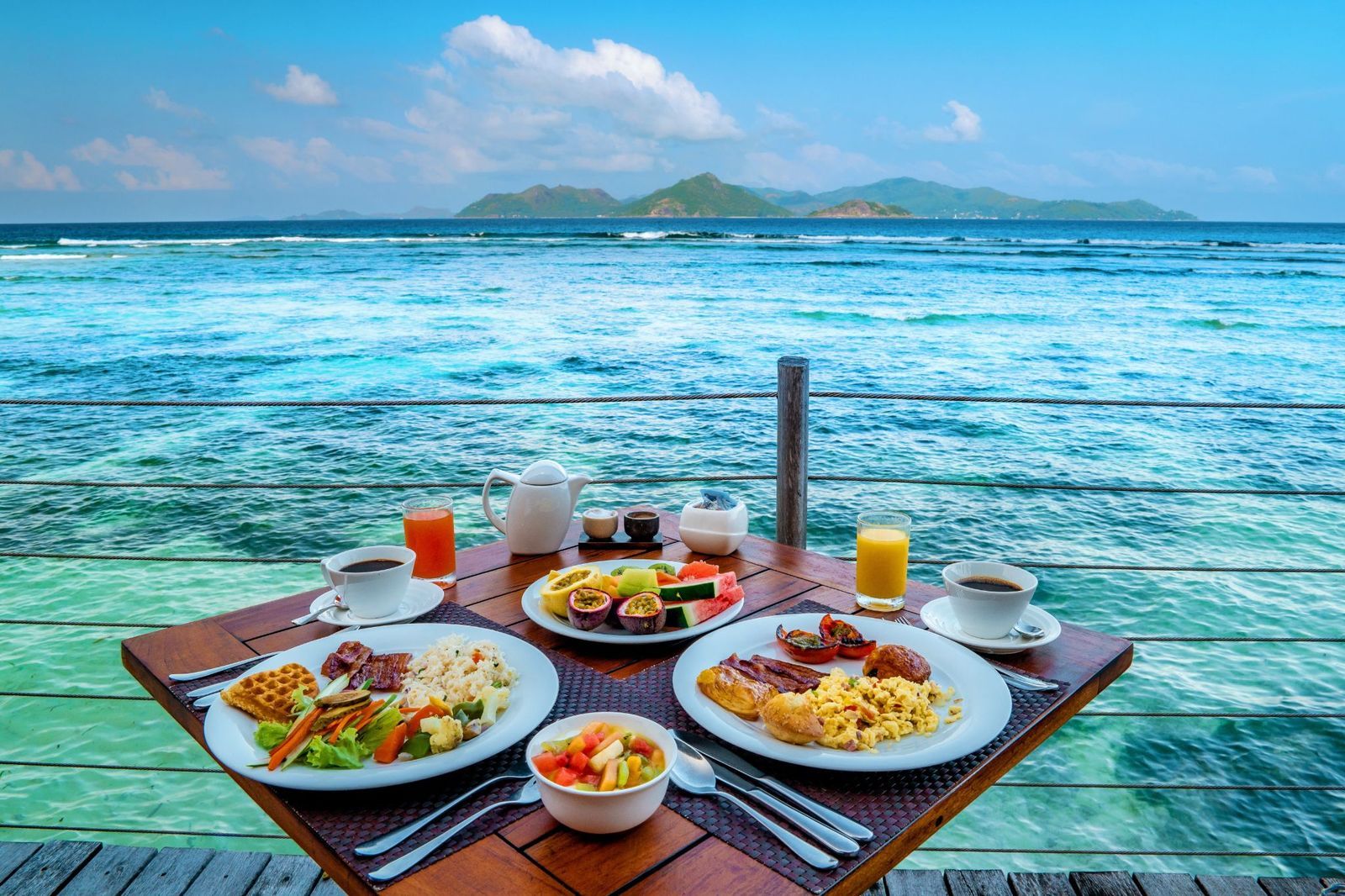
When you arrive at the breakfast buffet, the food is fresh, and the coffee is hot. You may be just starting your day, but the kitchen crew has already been working for hours. Feeding thousands of guests means baking large batches of bread and pastries overnight. And that's only the start: there's fruit to slice, eggs to cook, bacon and sausage to fry, and pancakes and waffles to get on the griddle. Then come the drinks, from fresh-squeezed juices and smoothies to coffee made just about any way you like it. Sometimes, that work begins as early as 2 a.m., long before sunrise. When the dining rooms open, most of the preparation is already done, and the buffet tables are full of options for guests to savor.
Seawater becomes fresh water
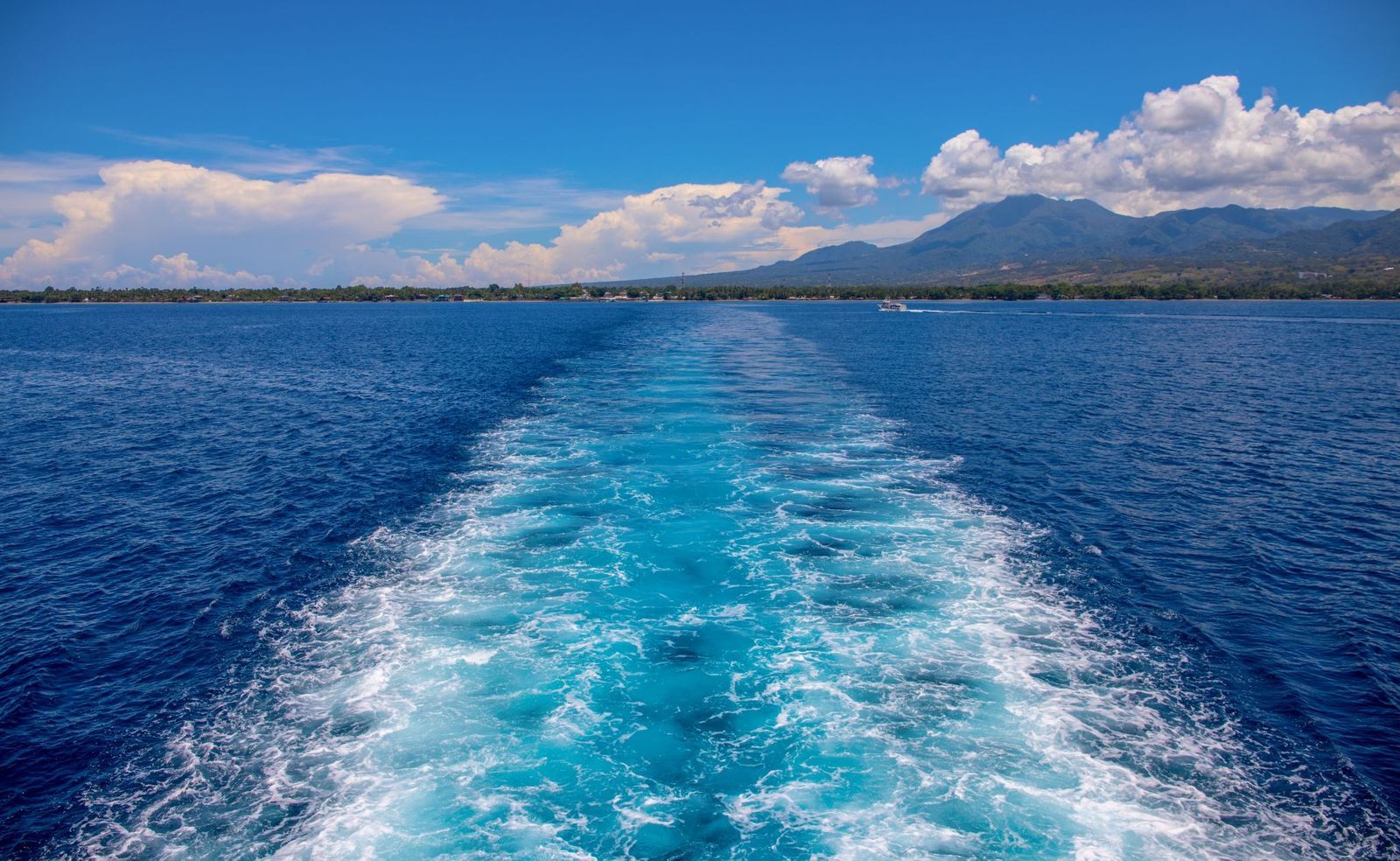
Have you ever taken a warm morning shower on a cruise and wondered where all that water actually comes from? Keeping thousands of showers and kitchens running in the middle of the ocean requires an enormous supply of clean water.
While everyone is asleep, onboard desalination plants pump in seawater and filter it using reverse osmosis and evaporators. The engineering team captures excess heat from the ship's main engines and turns saltwater into pure, fresh water long before your morning alarm goes off.
The engine team monitors the ship

Navigation isn’t the only operation that requires attention around the clock. Far below the passenger decks, engineers monitor the engines, generators, pumps, electrical equipment, and other machinery that keeps the ship running.
Modern vessels rely on automated controls, but trained crew members still need to supervise them. If a reading moves outside its normal range, engineers can respond before it becomes a larger problem. They also monitor ventilation and other essential systems, keeping the ship powered and comfortable throughout the night.
Mountains of laundry are washed
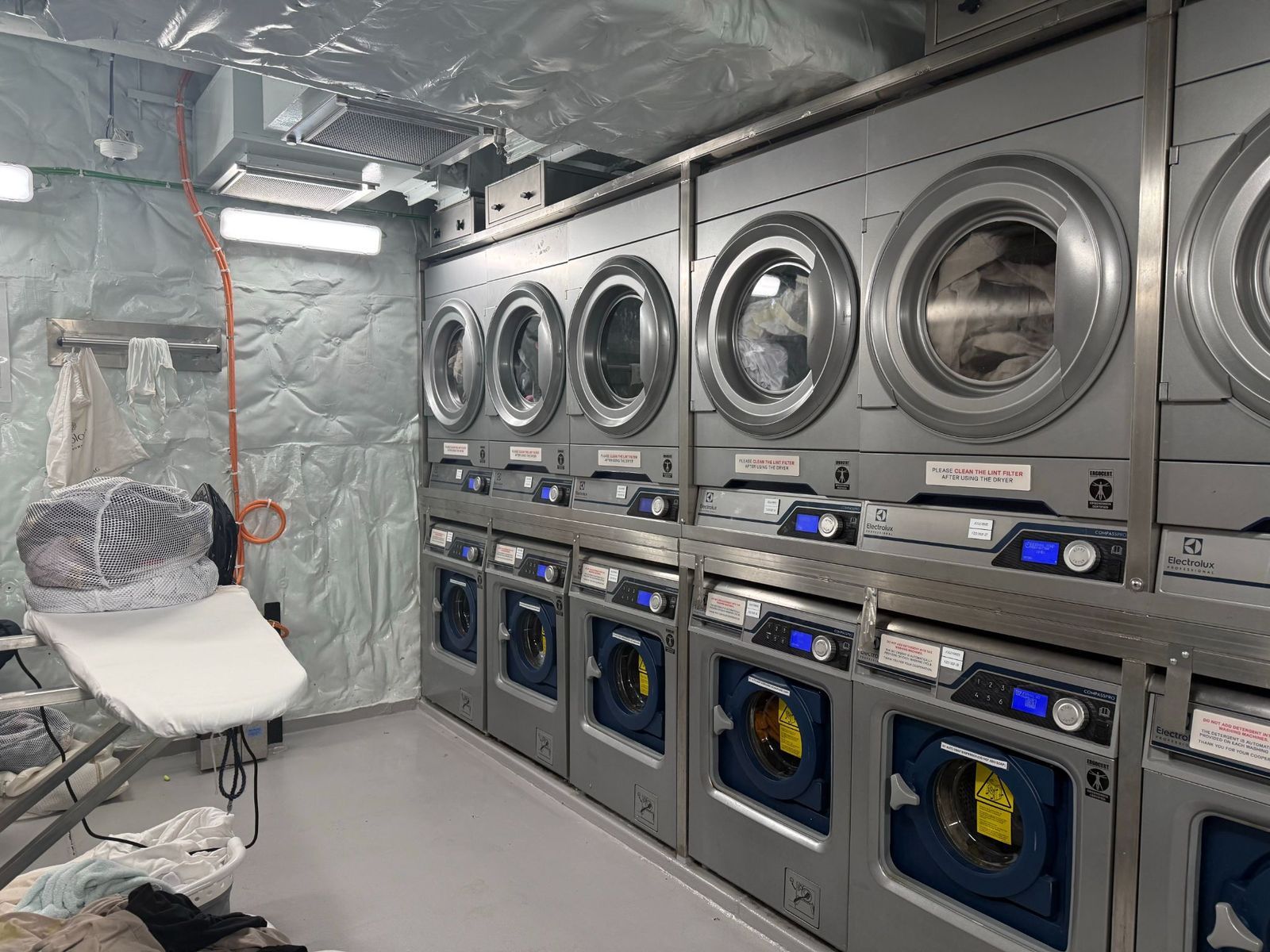
Deep in the ship's private rooms, tunnel washers and steam ironers run nearly non-stop to process tons of laundry every single day. Bedsheets, pool towels, restaurant linens, and crew uniforms are washed over and over.
To keep everything running, commercial machines wash, dry, press, and fold items in organized batches. Items are always carefully labeled so they find their way back to the cabin. Uniforms and bedding also follow their own streamlined routes. All without ever disrupting your daytime vacation. Passengers can send their own clothes down, though that's usually an optional service with an extra fee.
Wastewater is treated
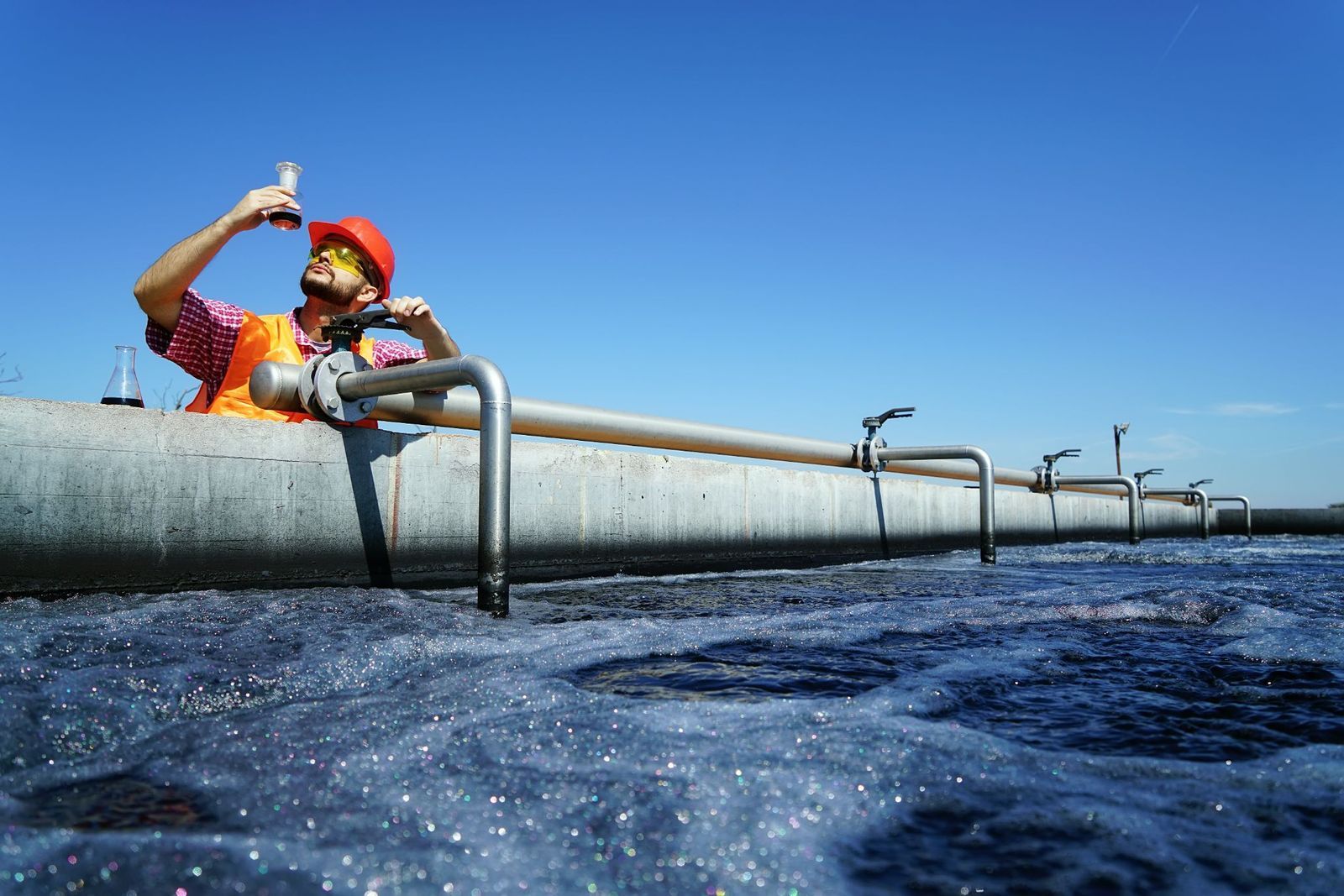
Providing fresh water for thousands of guests is only half the job; the other half is handling the water that’s already been used, and it’s just as critical. Every gallon from cabin showers, sinks, and galleys has to be thoroughly cleaned before it ever leaves the vessel. Modern cruise ships rely on advanced purification systems that filter and sanitize wastewater using natural biological treatments and ultraviolet light.
By running these high-tech systems around the clock, the engineering crew ensures that the processed water meets strict international environmental standards long before it’s ever discharged.
Garbage is sorted and stored
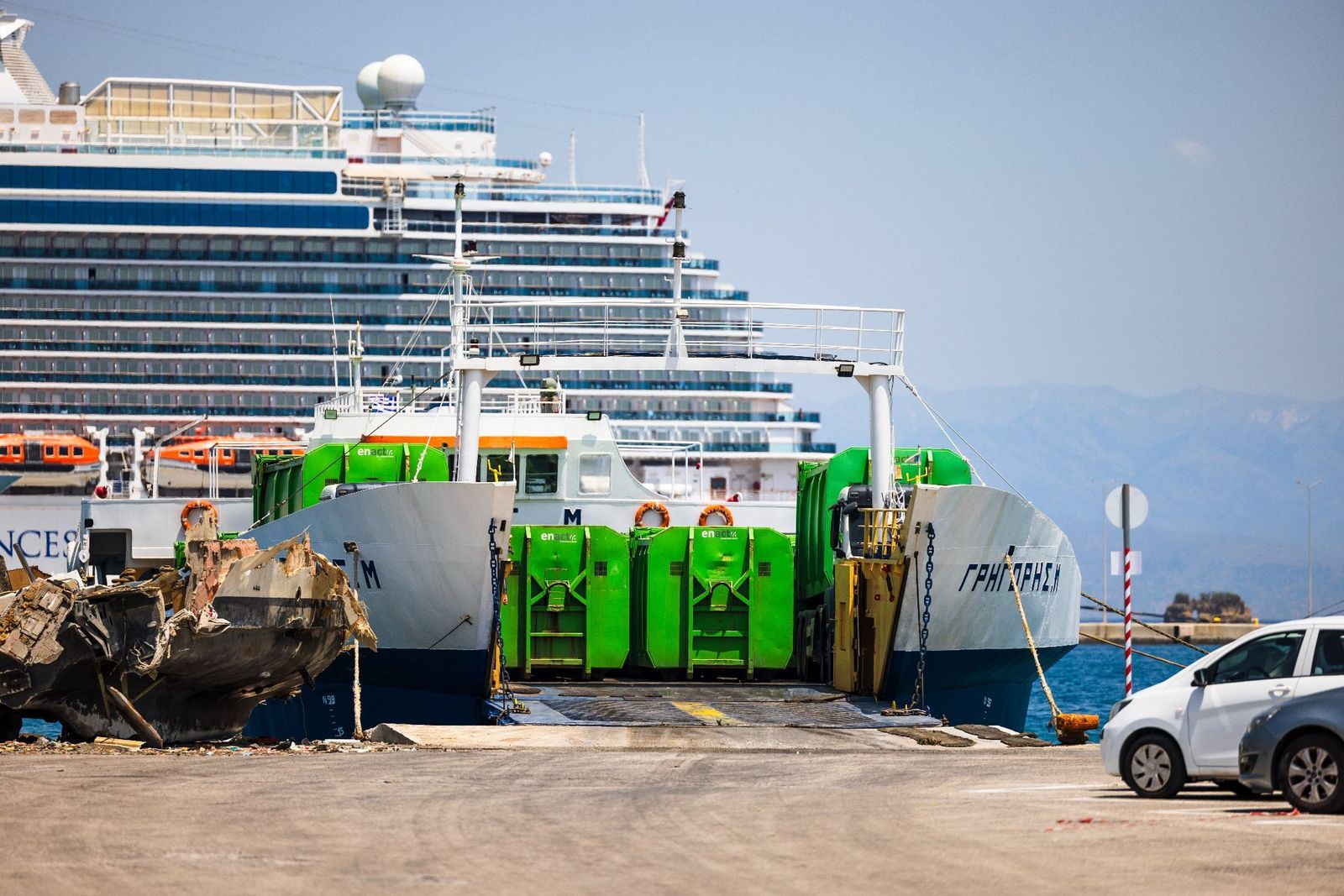
Imagine how much waste one person can produce in a day while eating, drinking, and shopping on board. Now multiply that by several thousand passengers. Behind the scenes, crew members sort food scraps, packaging, glass, metal, and paper so each type can be handled properly.
Some materials are compacted or recycled, while others are stored until the ship reaches a port equipped to receive them. International rules prohibit most garbage from being dumped at sea, including plastics. Careful sorting allows the crew to store the waste safely and dispose of it correctly.
Public areas are reset

If you’ve ever taken an early morning walk on the top deck, you’ve probably noticed how clean everything looks. That’s because night crews use those quiet hours, when fewer people are walking around, to vacuum carpets, arrange furniture, and wipe down handrails in every room without getting in anyone's way.
It’s also the perfect time to fix small maintenance issues and give the pools and hot tubs a thorough cleaning. In this way, staff can reset huge spaces used by thousands of guests so everything looks brand new again by sunrise.
The clocks may change
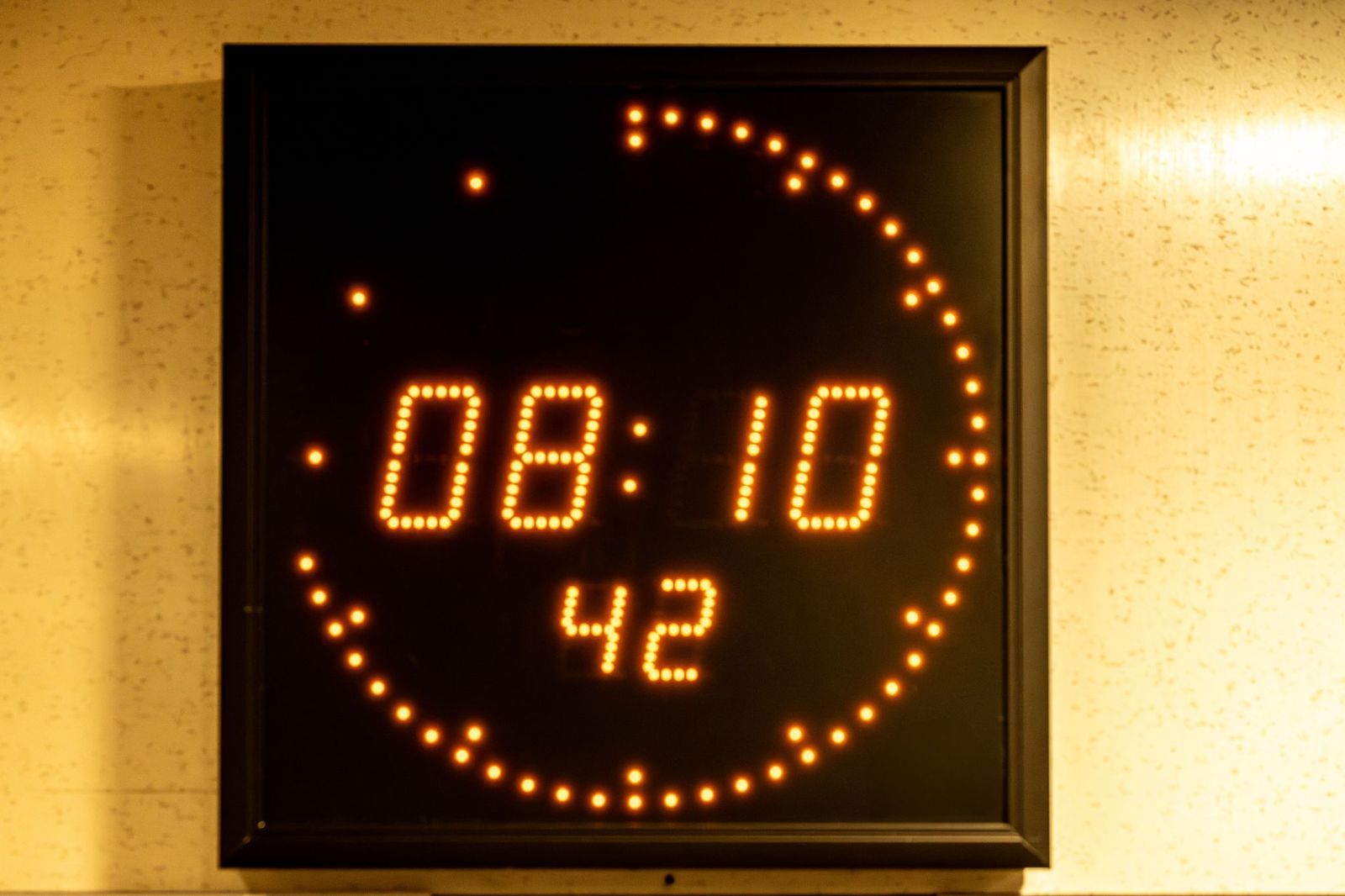
You might go to bed planning on a full eight hours of sleep, only to wake up and discover the night was an hour shorter than you thought. Crossing vast ocean distances means cruise ships often pass through new time zones. To stay on schedule, ship management adjusts the clocks overnight around two in the morning. Setting the clocks while you sleep ensures everyone wakes up on time for their morning activities without falling out of sync.
The next port is prepared
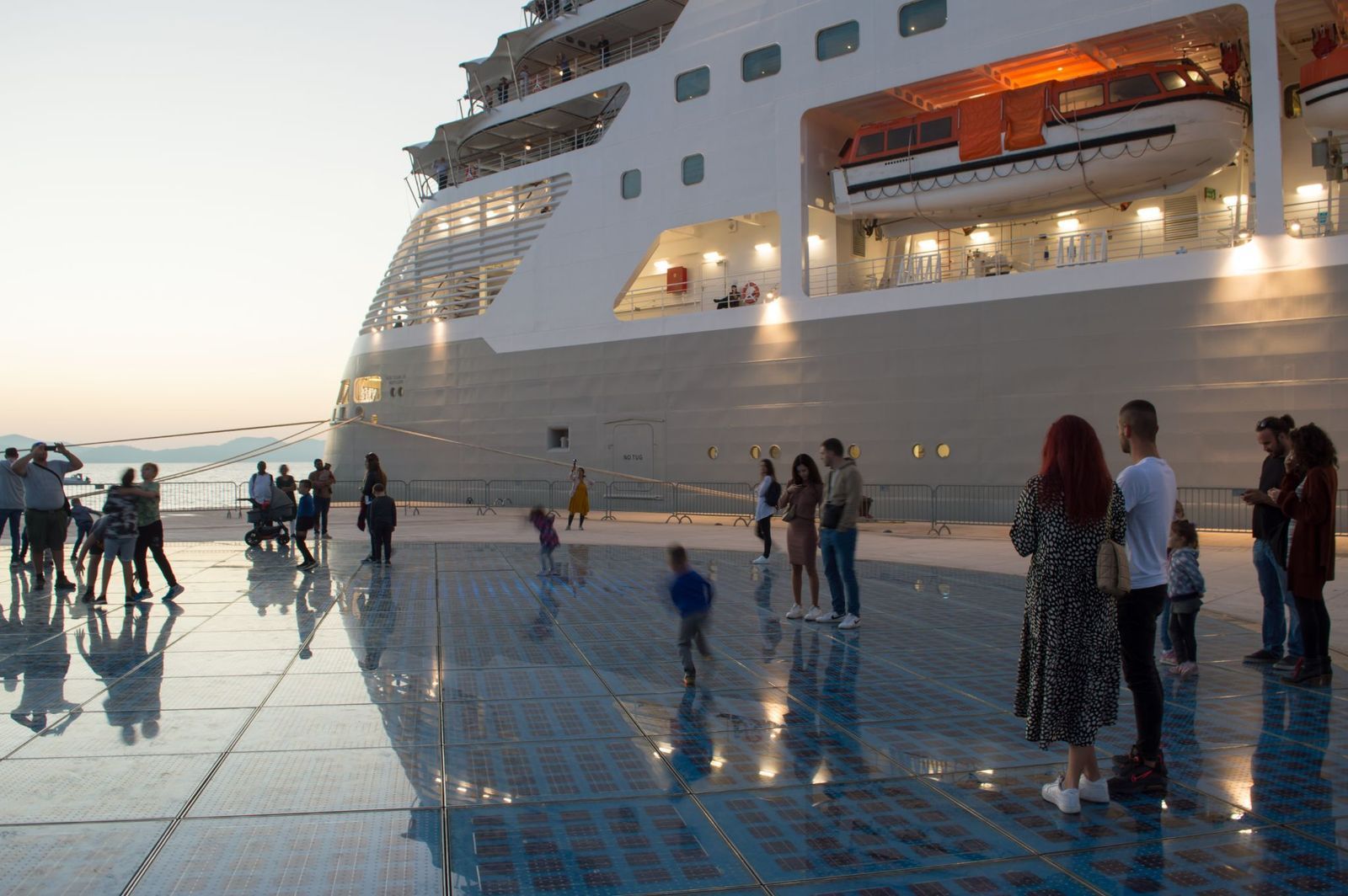
Reaching a new destination doesn’t mean the work is over for the crew. In fact, getting everyone safely ashore requires almost all the crew to work together. As the ship approaches the port, the bridge team guides it in while deck crews prepare the ropes and equipment needed to secure it.
At the same time, other crew members set up security stations and passenger checkpoints while shore excursion teams review the day’s departure plans, and local authorities must clear the ship before anyone can step ashore.
Keep wandering
There’s always
more to explore
 Culture

These 10 real places feel like stepping into famous paintings
5 min.
Read Now
Why do pros take amazing photos even with a smartphone? 12 tips explained
4 min.
Read Now
Why you should never leave the “do not disturb” sign up all day
5 min.
Read Now

Did you know that you can see another galaxy without a telescope?
5 min.
Read Now