
9 Legendary bands & musicians from around the world
 General
Icons of global music
9 Legendary bands & musicians from around the world
What they’ve done and how they’ve made people feel seems unreal. If it hadn’t happened, they might sound like myths. Instead, we have been lucky enough to experience their art and realise that magic does exist, and you can hear it. Let’s uncover what these 10 bands and musicians have in common and what has made them legends. After all, they’ve made people cry, fall in love, and dance with hope.
Frank Sinatra (USA) - Timeless voice and swagger

Born on December 12, 1915, in Hoboken, New Jersey, Frank Sinatra went on to become one of the American singers who revolutionised popular music by transforming the role of the vocalist into that of a storyteller. He used the microphone in a way no one had done before, pushing song lyrics to a whole other level.
Sinatra was also essential in the creation of what we now know as Concept Albums, sequencing songs so they’d have a cohesive emotional story to convey, rather than focusing on standalone one-hit wonders.
The Beatles (UK) – A global pop revolution

The Beatles led a global pop revolution in the 1960s. This band from the United Kingdom ignited an absolute transformation in music, fashion, and overall youth culture. They originally came from Liverpool, where they played at small bars, but over time, they became so well known internationally that there was nowhere they could go without being recognised.
When John Lennon, Paul McCartney, Ringo Starr, and George Harrison toured the United States, they became a sensation overnight. Beyond the music, The Beatles also found themselves at the forefront of a cultural movement that embraced ideas of love, peace, and the expansion of human consciousness.
Whitney Houston (USA) - Powerhouse voice and stardom

With her unmatched vocal control and technique, Whitney Houston became one of the great American voices, known for her perfect pitch and extraordinary precision. You can hear this in one of her most relatable and memorable songs, titled I Will Always Love You.
Houston was born on August 9th, 1963, in Newark, New Jersey, and was also a next-level songwriter. Alongside her unique voice, she had incredible charisma, and her ability to transmit warmth from the stage made her an unforgettable performer.
The Rolling Stones (UK) – Rebellion and attitude

The Rolling Stones are considered the longest-running rock band in the world, formed in 1962 in London, Great Britain. Known for being unapologetically rebellious and rigorously authentic to their sound, they created the blues-infused rock sound that defined the genre in the late 20th century.
With worldwide anthems such as ‘(I Can’t Get No) Satisfaction’, Mick Jagger and Keith Richards achieved what only a few can dream of: becoming global icons of youth culture, nonconformity, and anti-establishment confrontation.
Stevie Wonder (USA) - Musical genius and soul innovator

Stevie Wonder was born blind due to premature birth in Saginaw, Michigan, on May 13th, 1950, but that didn’t stop him. On the contrary, he was a child prodigy, having mastered the piano, harmonica, and drums by age 10. Not only that: three years later, he became the first thirteen-year-old ever to reach the number one spot on the Billboard Hot 100 with his song titled ‘Fingertips (Pt. 2)’.
Stevie was a monumental American artist, singer, songwriter, and multi-instrumentalist with incredible talent, who also revolutionised music as a whole as a social activist.
ABBA (Sweden) – A perfect pop formula

The legendary Swedish quartet formed in Stockholm in 1972 skyrocketed to international fame after winning the Eurovision Song Contest with ‘Waterloo’ in 1974. Following that, they continuously conquered global charts with songs such as ‘Mamma Mia’ (1975) and ‘Dancing Queen’ (1976).
The band members, who were also two sets of couples, and whose initials determined the name of the band — Agnetha Fältskog, Björn Ulvaeus, Benny Andersson, and Anni-Frid "Frida" Lyngstad — revolutionized pop music by blending it with european folk melodies, rock and disco, at the same time that they presented what seemed as purely ‘happy’ pop songs, injected with a deep, Scandinavian sense of melancholy.
U2 (Ireland) – Political and emotional influence

U2 is an Irish band led by the singer known as Bono. They became legendary because they transformed their punk roots into rock anthems about complex political situations in Ireland, alongside universal human emotions.
In many songs, like In the Name of Love they championed human rights, solidifying them as a band with a socio-political pulse. Through Bono’s passionate delivery, they transformed large stadium shows into moving concerts.
Queen (UK) – A theatrical rock mastery

Queen, another band from Great Britain, represented the pinnacle of theatrical rock, characterised by dramatic arrangements, flawless musicianship, and stadium-shaking presentations.
The band was formed in 1970, and the lineup included Freddie Mercury, Brian May, Roger Taylor, and John Deacon. They broke musical boundaries by defying all expectations of what classical rock should be. Instead, they created a sound that blended rock, pop, and classical elements into something no one had seen before: a fearlessly flamboyant musical spectacle.
Bob Marley (Jamaica) – Music with a message
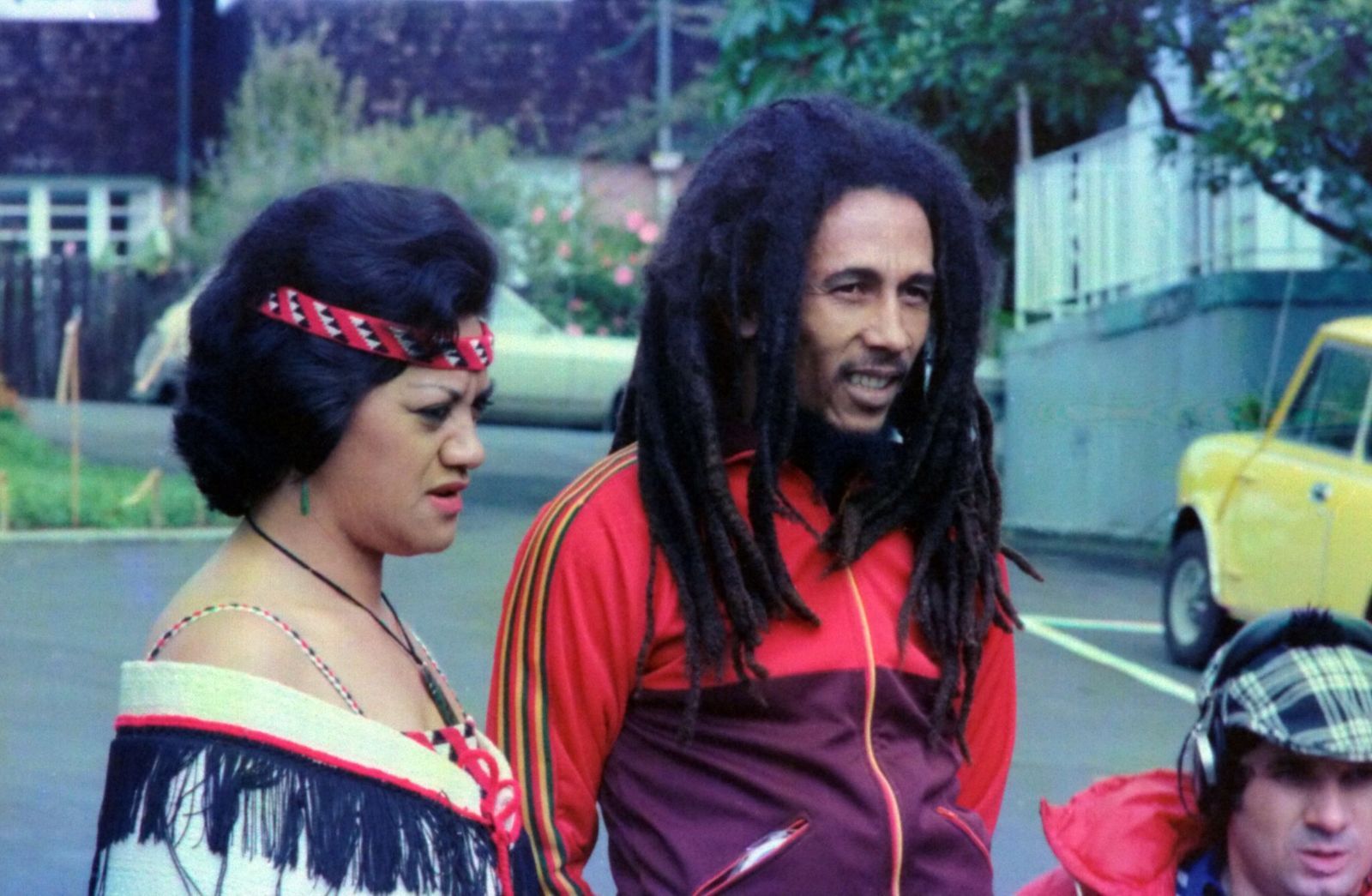
Bob Marley, who came from a humble neighbourhood in Kingston, Jamaica, made Reggae a worldwide phenomenon with his band The Wailers.
His unique Caribbean, Ska-infused rhythms and soulful vocals were combined with powerful messages of empowerment, resistance, and Rastafarian spirituality. They achieved global resonance with songs such as One Love (1965) and Redemption Song (1980).

Here's the number one reason family road trips fall apart
Family travel simplified
Take these steps to pull off an unforgettable family road trip
Some people envision a road trip like those in car commercials: windows down, everyone laughing, the open road stretching out ahead like a promise. Then there is the real version, where someone needs a bathroom fifteen minutes after you left, or two riders are already arguing about the radio. With the right amount of planning, a family road trip can actually be one of the best things you do together all year. These ten tips will get you a whole lot closer to the car commercial version than you might expect.
Start planning earlier than you think you need to

The single biggest mistake people make with family road trips is underestimating how long everything takes to organize. It all adds up fast: booking accommodations, mapping the route, figuring out who's riding with whom. Give yourself at least a month of lead time, even for a relatively short trip.
Start with the big decision first: destination, dates, and budget. Once those are locked in, everything else falls into place more naturally. A simple shared document or group text where everyone (or at least those grown-up enough to access a shared document or group text) can see the plan goes a long way toward keeping the chaos manageable.
Pack a proper road trip snack bag
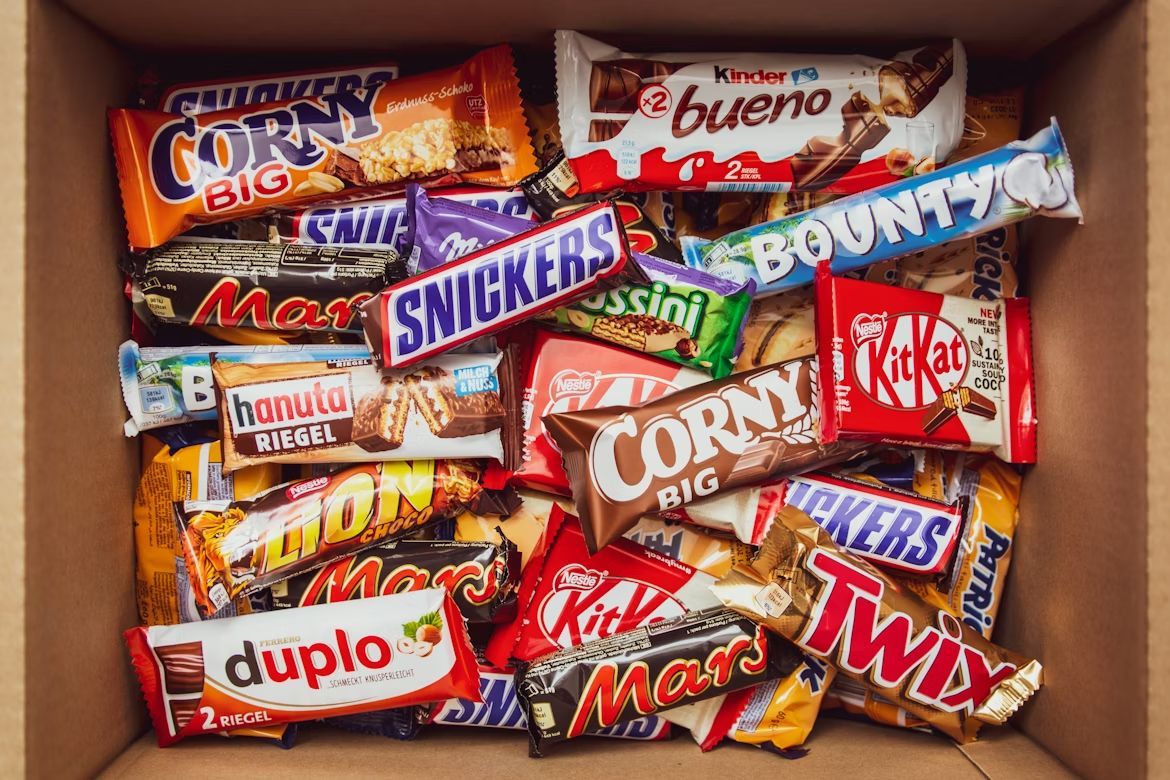
A proper snack situation is the unsung hero of every successful road trip. Pack a dedicated bag or cooler with a mix of easy, non-messy options: nuts, granola bars, fruit, string cheese, crackers, maybe a few sweet treats for morale. Avoid anything that melts, crumbles, or produces a bad smell.
Stopping at a gas station every time someone is hungry adds up in both time and money surprisingly fast. And remember: nothing tests a road trip quite like an empty stomach.
Let everyone have a say in the itinerary

Before the trip, ask everyone (kids included) to name one thing they really want to do or see. It doesn't have to be elaborate: a specific diner, a roadside attraction, or a state park.
You won't be able to fit everything in, and that's fine. The point is that everyone feels heard.
Embrace the roadside attractions
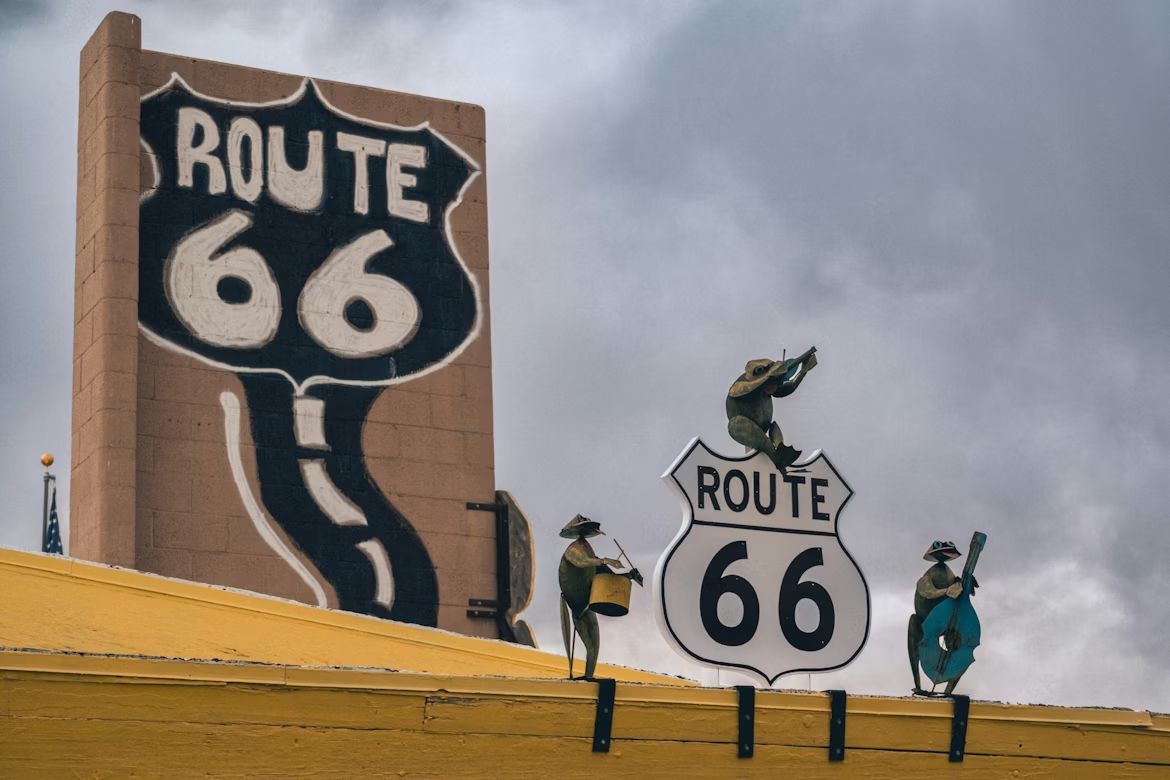
Roadside attractions are wonderful, and stopping for them costs nothing but fifteen minutes and a few photos. Roadside America has an app and a website, roadsideamerica.com, full of weird, delightful detours that are often the most memorable part of any road trip.
Some of the best road trip moments come from the spontaneous stop, the accidental discovery, the thing nobody planned but everyone remembers.
Set a realistic daily driving limit
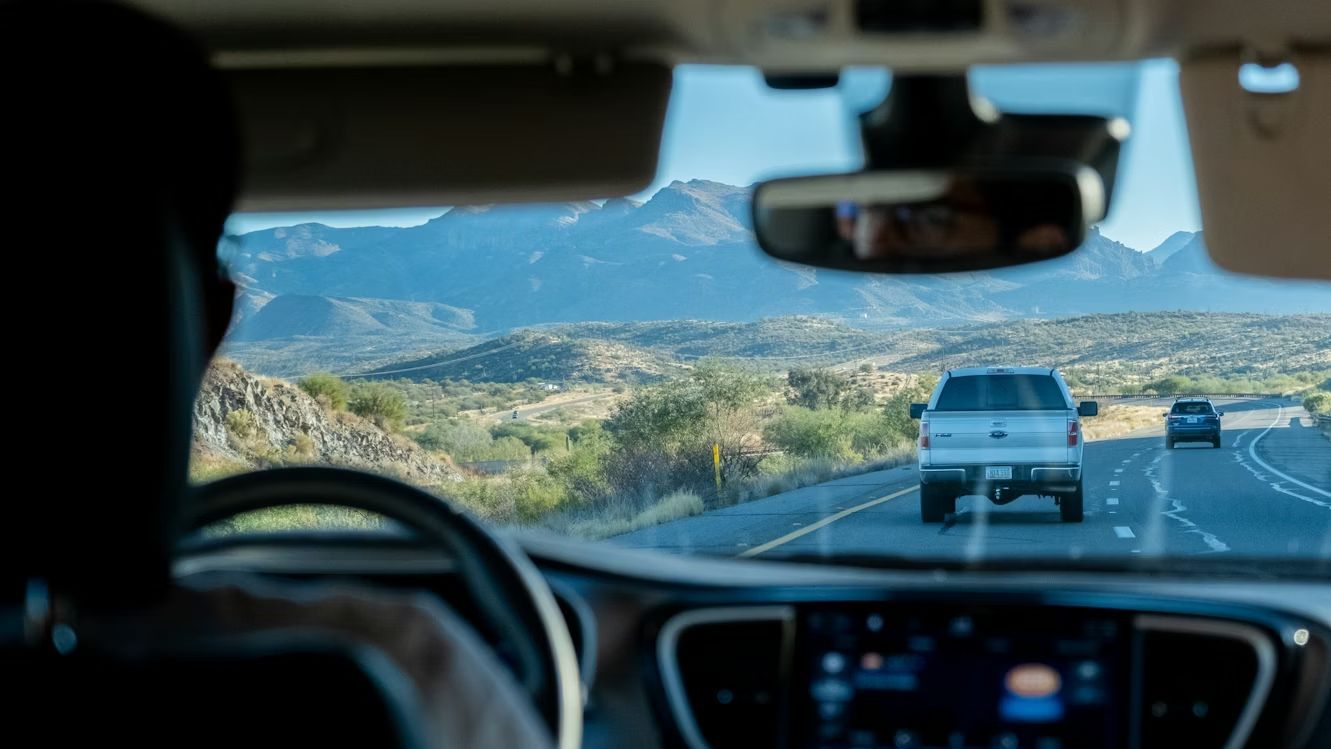
There is a version of a road trip where you drive ten hours a day, eat fast food in the car, and arrive at your destination barely speaking to each other. Don't be that family. A comfortable daily limit of five to six hours of actual driving keeps everyone in decent spirits and leaves room for the unexpected stops that often turn into the best memories of the whole trip.
Build in buffer time between destinations: an extra hour here and there for gas, stretching, and the inevitable "I need a bathroom right now" announcement.
Download entertainment before you leave

Podcasts, audiobooks, playlists, downloaded movies for the kids: get all of it ready before you pull out of the driveway. Trying to download a six-hour audiobook on a spotty rural signal while simultaneously navigating a highway interchange is not a relaxing experience. Pick things everyone can enjoy together, but also have individual options for when tastes diverge.
Book accommodations that give everyone a little breathing room

After a full day in the car together, a single small hotel room with everyone piled in is a recipe for short tempers and a very long night. Wherever the budget allows, look for suites, adjoining rooms, or vacation rentals where people can spread out a little. Having a common area — even just a small living room — makes evenings feel like a break rather than an extension of the car ride.
Well-known brand sites like Vrbo and Airbnb are worth checking for family-friendly options, especially for longer stays. A house or condo with a kitchen also lets you eat breakfast in before hitting the road, which saves money and time.
Have a "what if" plan for the inevitable hiccup

Flat tires, wrong turns, a restaurant that turned out to be permanently closed, a kid who gets carsick on a mountain road… Something will probably go sideways. The families who handle it best are the ones who went in expecting imperfection and decided in advance to laugh about it rather than spiral.
Keep a basic emergency kit in the trunk: jumper cables, a flashlight, a first-aid kit, and a phone charger that actually works. Have a backup restaurant or activity in mind for each day, just in case.
Protect your own comfort, not just everyone else’s

Don’t spend so much energy managing everyone else’s experience that you forget to enjoy your own. Claim your preferences too: the restaurant you've been wanting to try, the scenic overlook you read about, the afternoon nap you absolutely need after two days of driving.
Take turns driving if you can; even short stretches help. And let someone else handle the GPS.
Do a quick debrief when you get home

Before the suitcases are even fully unpacked, take ten minutes as a group to talk about what worked, what didn’t, and what everyone’s favorite moment was; it’s fun, and it makes the next trip significantly easier to plan. You'll remember which hotel chain everyone liked, which route was more scenic, and which snack was a hit versus which one caused a minor revolt.
Write it down somewhere you'll actually find it again. A note on your phone, a page in a travel journal, even a voice memo works fine. Future you will be grateful.
Keep wandering
There’s always
more to explore
 Landmarks

10 of the most bizarre and quirky cities and towns around the world
4 min.
Read Now
11 more beautiful U.S. towns you’ll want to visit
3 min.
Read Now
 Culture

11 movies that made millions want to pack their bags
6 min.
Read Now

The 10 best chocolate desserts in the world
5 min.
Read Now