
Points vs. miles: Why you're likely leaving free flights on the table
 General
From groceries to gateways
Points vs. miles: Why you're likely leaving free flights on the table
If you’ve ever wondered how people manage to fly across the country or even overseas without paying full price, you’re in the right place. Points and miles might sound complicated at first, but once you get the hang of it, they can open the door to unforgettable trips. If you love travelling and want to make the most out of your credit card or loyalty program, read this guide to understand how miles and points can benefit you.
Start with one good rewards card

A great first step is choosing a reliable travel rewards card and sticking with it for a while. Cards like the Chase Sapphire Preferred Card or the Capital One Venture Rewards Credit Card are popular for a reason. They’re easy to understand and come with generous welcome bonuses. That bonus often requires you to spend a set amount in the first few months, but it’s usually things you already buy anyway. One good card can go a long way.
Know the difference between points and miles

This is where things start to click. Airline miles, like those from the Delta SkyMiles program or the American Airlines AAdvantage program, are tied to one airline or its partners. Credit card points, on the other hand, such as Chase Ultimate Rewards, are more flexible. You can often transfer them to different airlines or use them to book directly. That flexibility gives you more options when planning a trip.
Focus on one or two airline programs

It’s easy to sign up for every frequent flyer program out there, but that can leave you with a bunch of small, unusable balances. Instead, pick one or two airlines you’re likely to fly with and concentrate your efforts there. Loyalty programs exist for a reason and, over time, you’ll build enough miles to actually book something meaningful, like a cross-country flight or even an international trip.
Use your everyday spending wisely

You don’t need to change your lifestyle to earn points. Just shift how you pay. Use your rewards card for groceries, gas, dining, and even recurring bills like streaming services. For example, putting your weekly supermarket runs on a card tied to American Express Membership Rewards can quietly build a strong points balance over time. It’s all about consistency.
Take advantage of bonus categories

Many cards reward you more in certain categories. The American Express Gold Card, for instance, gives extra points on dining and supermarkets. If you enjoy eating out or cooking at home, that adds up quickly. Some cards rotate categories every few months, so it’s worth checking what earns the most at any given time and using that card strategically.
Be flexible with travel dates

Flexibility can make a big difference in how far your points take you. Flying on a Tuesday instead of a Friday, or traveling in the shoulder season, can reduce the number of miles needed. Airlines like Southwest Airlines even tie their points pricing closely to cash fares, so cheaper days mean fewer points required. Of course, this won’t always be a possibility, but when it is, a little flexibility can unlock much better value.
Use airline and credit card portals

Many issuers have their own travel booking systems. Through portals like Chase Ultimate Rewards Travel Portal, you can book flights, hotels, and rental cars using points, cash, or a mix of both. Sometimes the value is better than transferring points, especially for domestic trips. It’s always worth comparing both options before you book.
Watch out for fees and interest

Points are only valuable if you’re not paying more in interest than they’re worth. Always try to pay your balance in full each month. Also, keep an eye on annual fees. Cards from issuers like Chase or American Express can charge yearly fees, but they often come with perks like travel credits or insurance that can offset the cost if you use them.
Consider traveling with a companion
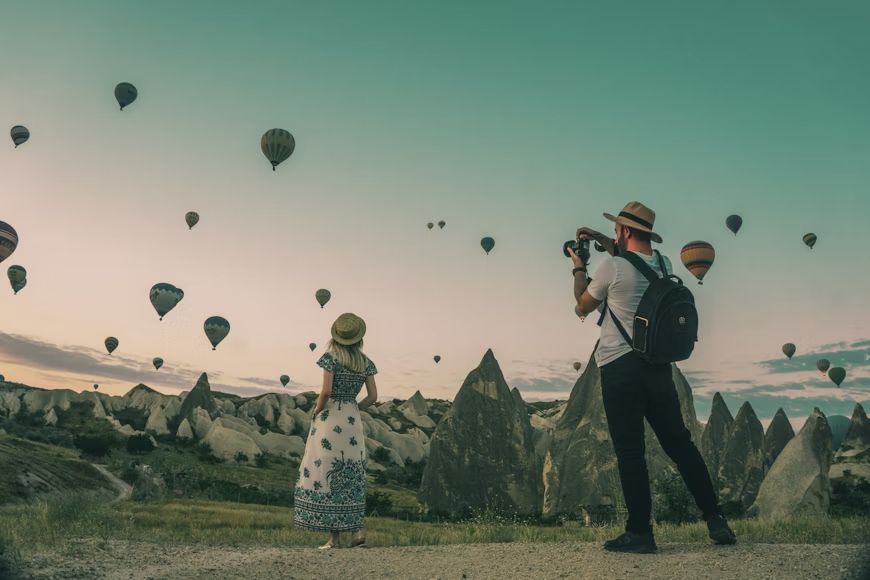
Traveling is often more enjoyable with someone by your side, and some programs reward that. Certain cards offer companion certificates or discounted tickets. Just to mention one, Alaska Airlines credit cards, Atmos Rewards, have a well-known companion fare benefit. It can make a big difference if you like traveling with a spouse, sibling, or friends.
Keep it simple and enjoyable
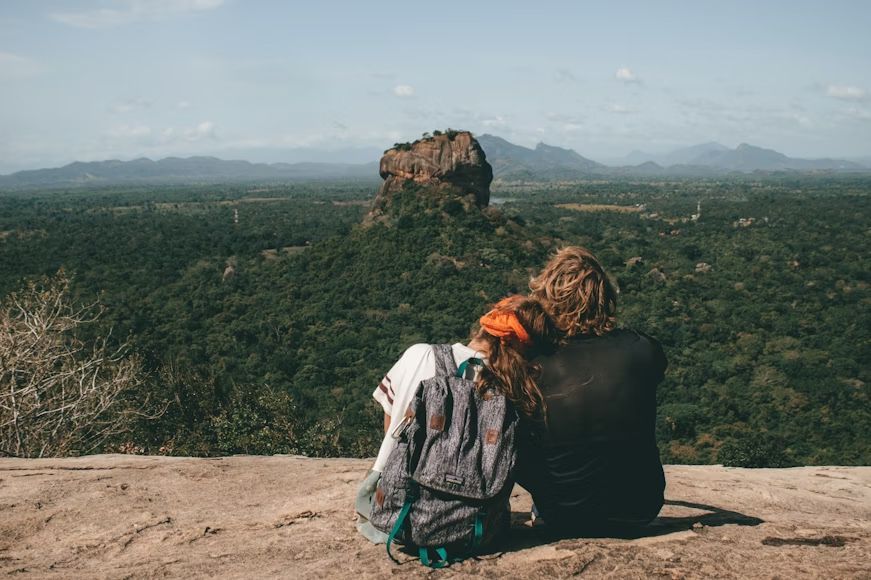
It’s easy to fall down the rabbit hole with points and miles, but you don’t have to. You’re not trying to become a full-time travel hacker. Stick with a couple of cards, a couple of programs, and a routine that feels manageable. The goal is simple: make your everyday spending work a little harder so you can enjoy more trips without the extra cost.
Places around the world that still pose unexplained mysteries
 Culture
Unanswered questions
Places around the world that still pose unexplained mysteries
Some corners of the world are hiding secrets beneath the surface. How does a fire keep burning behind a rushing waterfall? What’s up with the area in the Bermuda Triangle, where planes and ships have vanished without a trace? And how were the Egyptian Pyramids built? Some of the mysteries on this list were solved by experts, whether world citizens accepted their answers or not; others still await thorough explanations.
Bermuda Triangle, North Atlantic Ocean
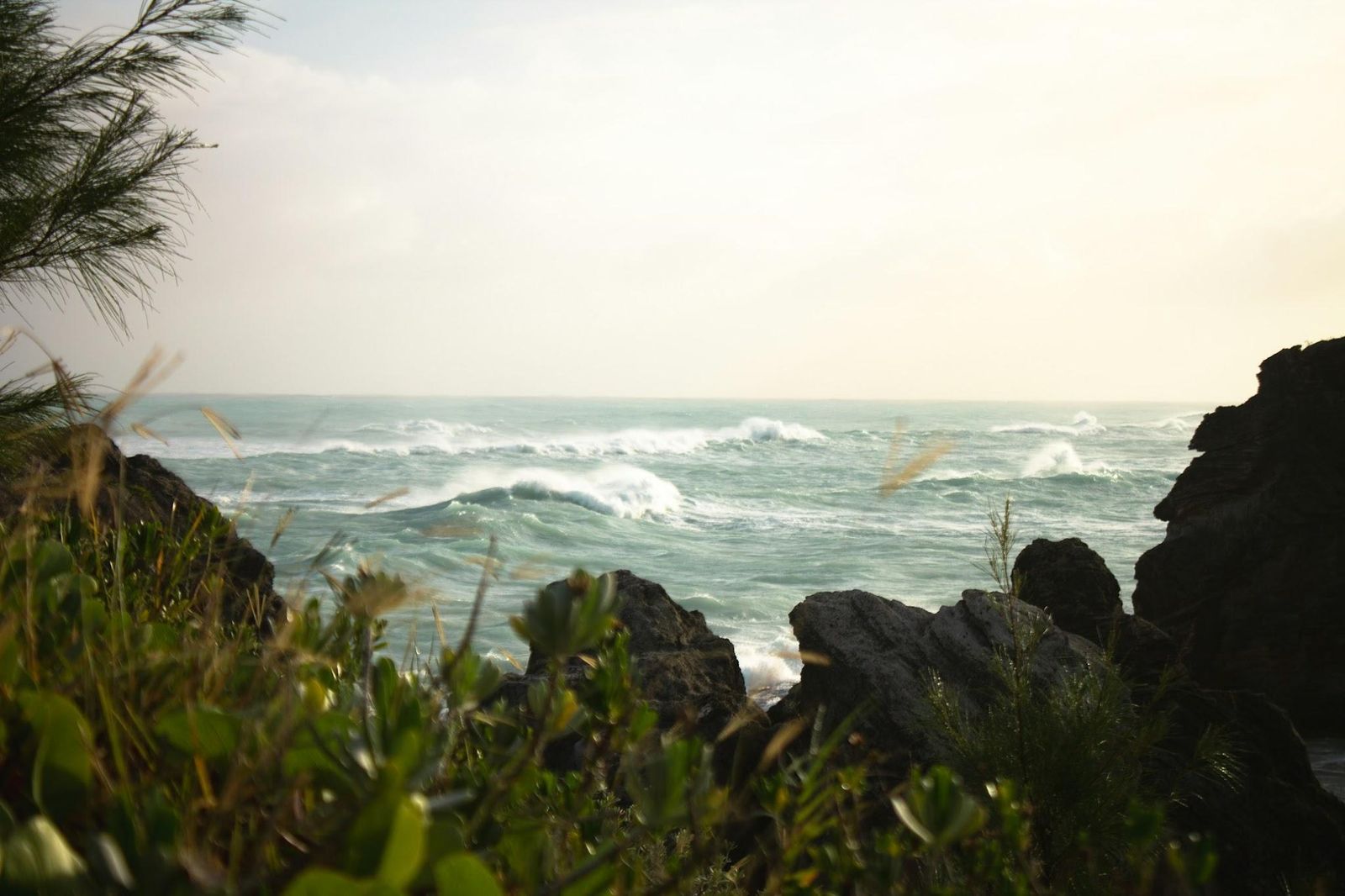
It stretches across 500,000 square miles between Florida, Bermuda, and Puerto Rico. This area has been fueling maritime lore for over a century. It started gaining widespread attention after a 1945 incident known as the "Flight 19 disappearance," when five US Navy bombers vanished during a training exercise.
Other puzzling stories surround the region: strange compass readings, electronic fog, and vanishing ships. It was an article by writer Vincent Gaddis that coined the term "Bermuda Triangle" in 1964. A similar case of a ship disappearing with no trace in 1918 was retroactively linked to the area.
Many studies concluded that the incidents occurring in the area are just as frequent in regions of such heavy traffic: more ships mean a greater likelihood of accidents —an answer that the general audience found anticlimactic.
Michigan Triangle, Michigan
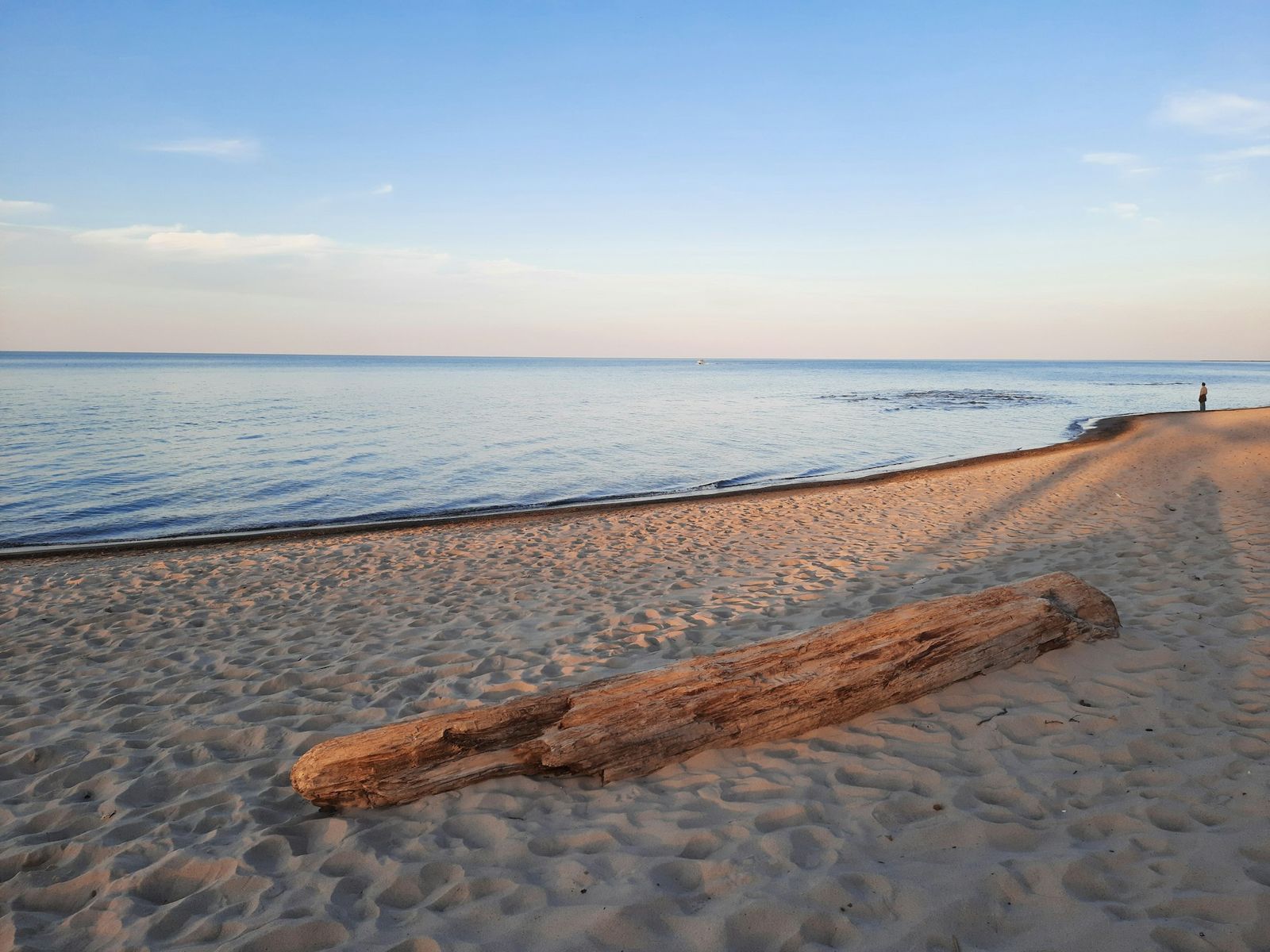
In colder waters than the Bermudas’, equally puzzling tales taint an area of Lake Michigan, roughly bounded by the cities of Ludington, Michigan, Benton Harbor, Michigan, and Manitowoc, Wisconsin. This is known as the Michigan Triangle.
An early mystery dates to 1891, when the schooner Thomas Hume vanished without a trace while sailing from Chicago. In 1937, Captain George R. Donner reportedly disappeared from his locked cabin aboard the freighter O.M. McFarland. In 1950, a plane carrying 58 people crashed into the lake during a storm. Another myth refers to ancient submerged stone structures discovered at the bottom of the lake. These might have been natural formations, or, some believe, traces of a sunken civilization.
These might be isolated incidents, but people enjoy imagining that there’s an explanation stringing them together.
Eternal Flame Falls, New York, United States
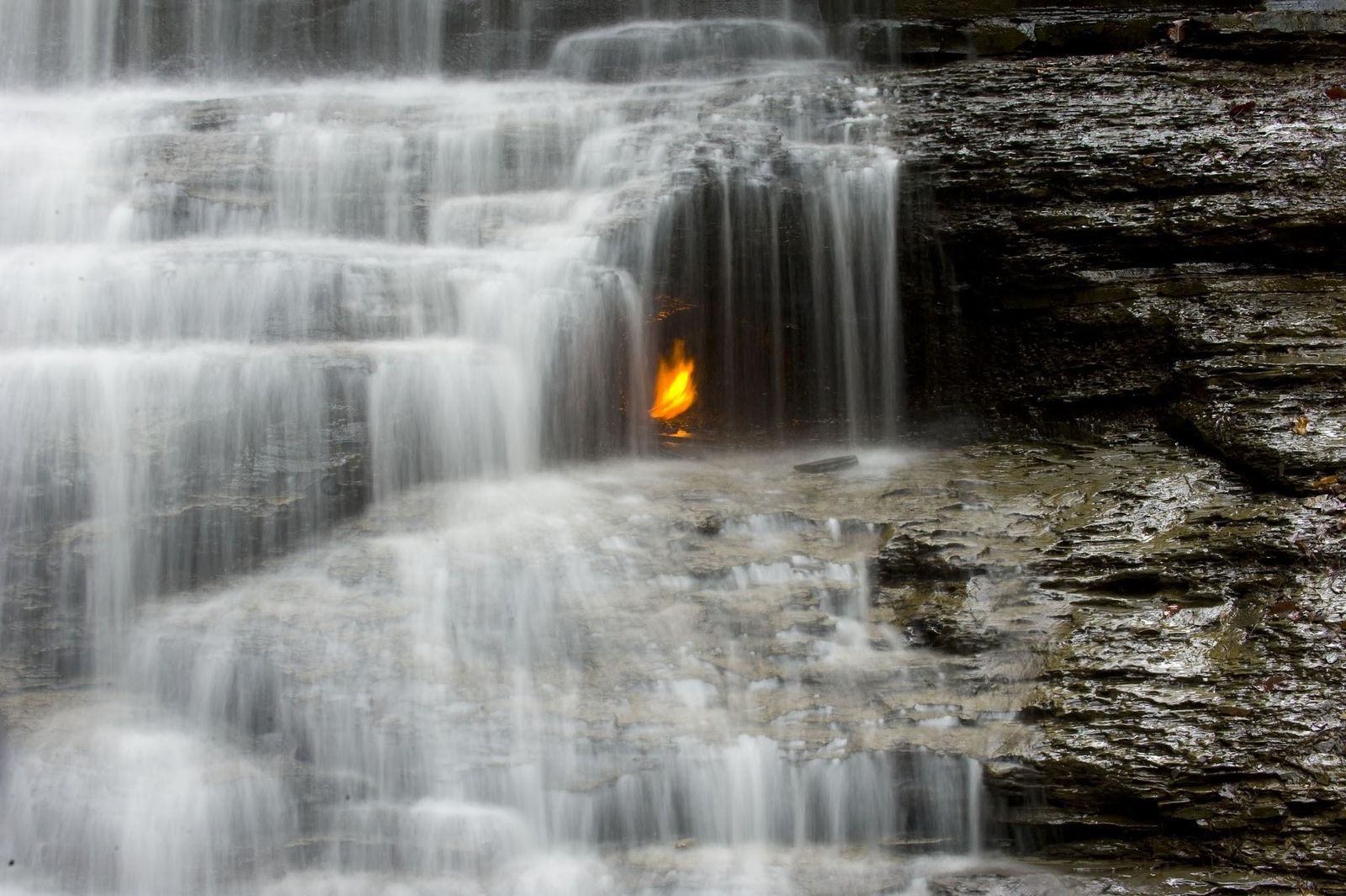
If geologists weren’t around to explain this phenomenon, we would easily attribute it to some form of magic or deity. How does a fire stay constantly lit behind a rushing waterfall? Does the water not reach it?
Tucked inside Chestnut Ridge Park, about 15 miles south of Buffalo, New York, there is a flickering flame burning year-round, even through rain and snow. It’s safely hidden inside a shallow grotto, and it has been there for generations, though scientists began studying in the early 2000s.
The cause: a natural gas seep fuels this flame constantly. A 2013 study found that the emission contains high concentrations of ethane and propane, gases associated with deeper rock formation. Geologists estimate that this might be the consequence of hundreds of millions of years, but how the flame was formed, exactly, remains debated.
Pyramids of Giza, Egypt
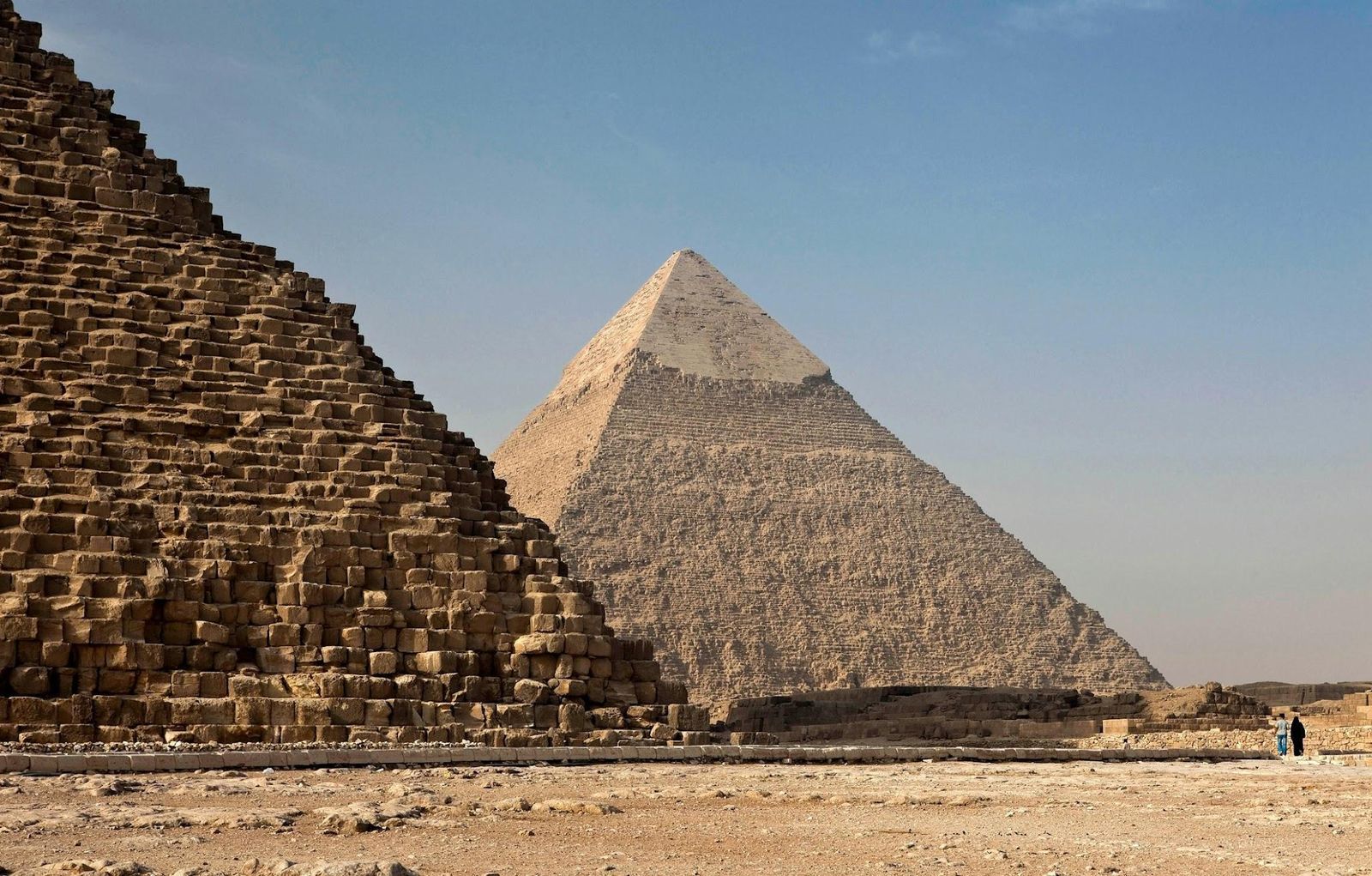
One of the world’s favorite, most popular intrigues is the mechanism by which the pyramids of Giza were built. Rising from the desert plateau just outside Cairo, these three main pyramids were built around 2500 bC. Their construction has been studied for centuries, but many explanations remain pending.
An estimated 2.3 million limestone blocks, many weighing several tons, were transported and placed with remarkable precision to build them. How was this achieved, without modern machinery? Experts suggest competing theories involving ramps, levers, and complicated labor schemes. Of course, unlikely theories still circulate, linking them to lost technologies and even alien help.
Nazca Lines, Peru
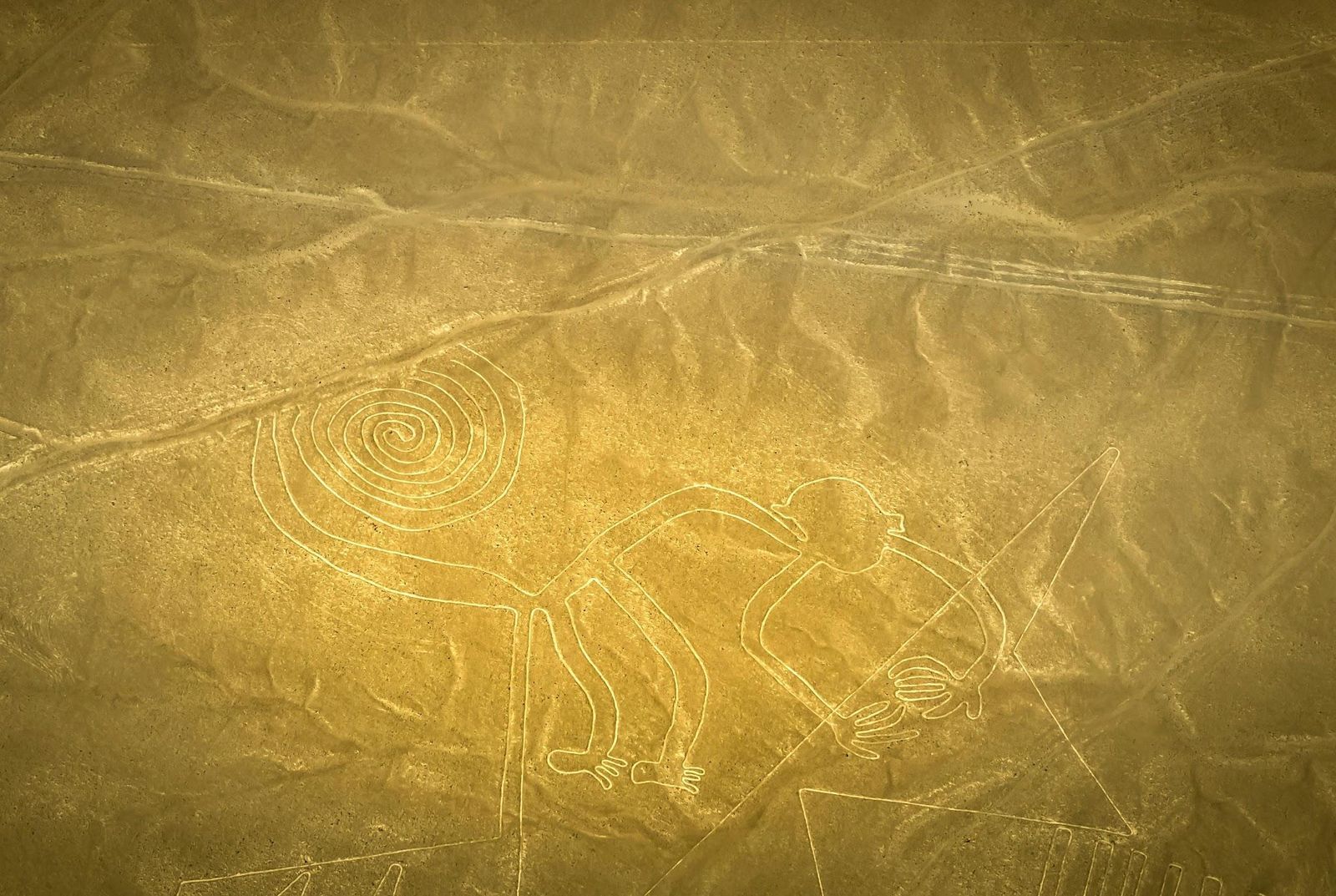
What you see in this picture is not an old trace in some piece of parchment. It’s not even carved out on a rock inside a cavern. That drawing of a monkey with an endlessly curled tail is, in fact, 305 feet long.
Etched in the arid plains of southern Peru, these lines were created between 500 bC and 500 CE. These geoglyphs stretch across 170 square miles of desert and include around 70 recognizable figures, one of them being a 1,200-foot-long pelican.
The lines were formed by removing the surface stones to reveal lighter soil beneath. Their scale suggests that they were meant to be seen from above. Which begs the question: Why, or who, were they traced for? This is still not clear. Some explanations lean toward ritual or astronomical purposes.
Door to Hell, Turkmenistan
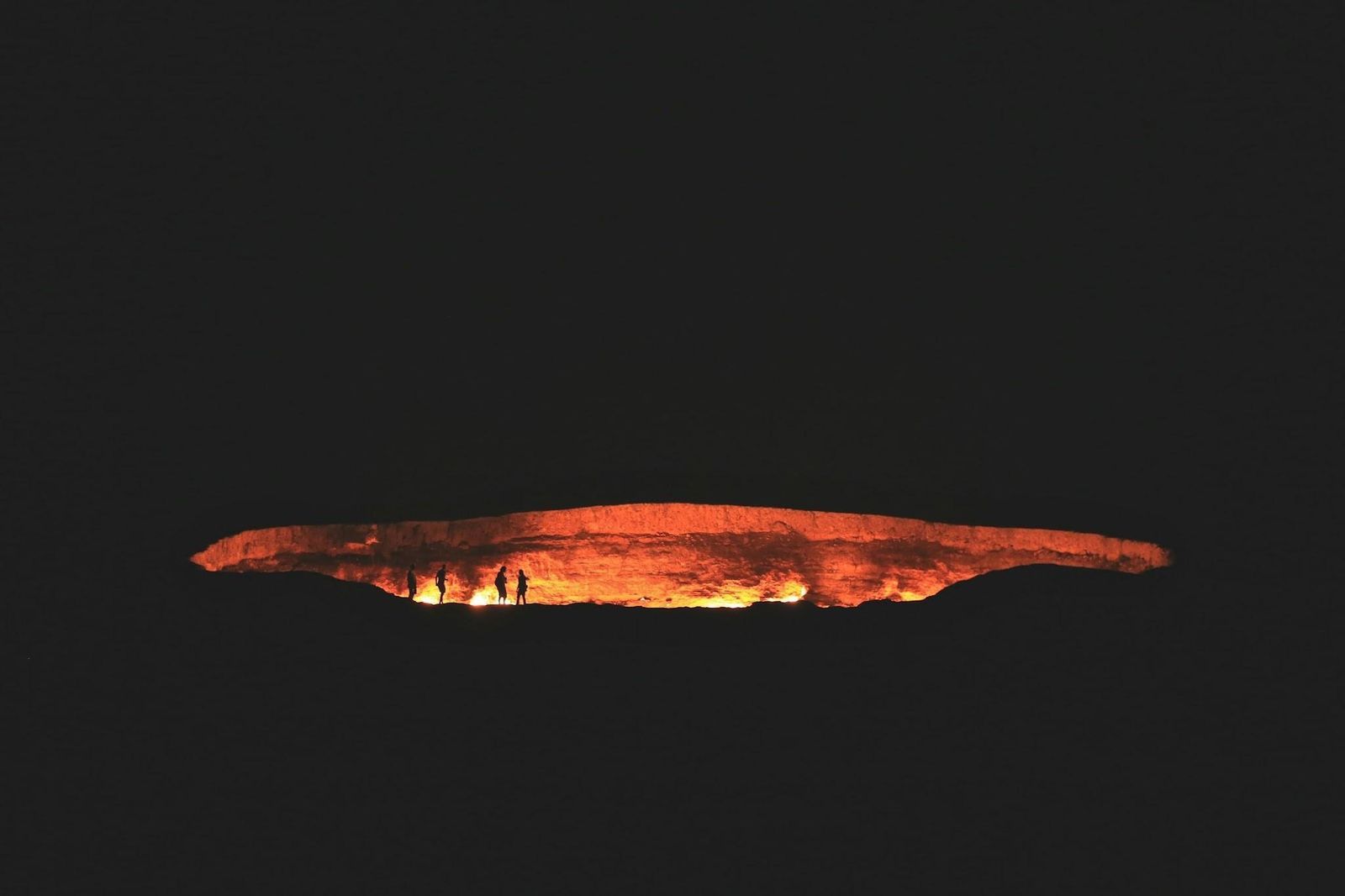
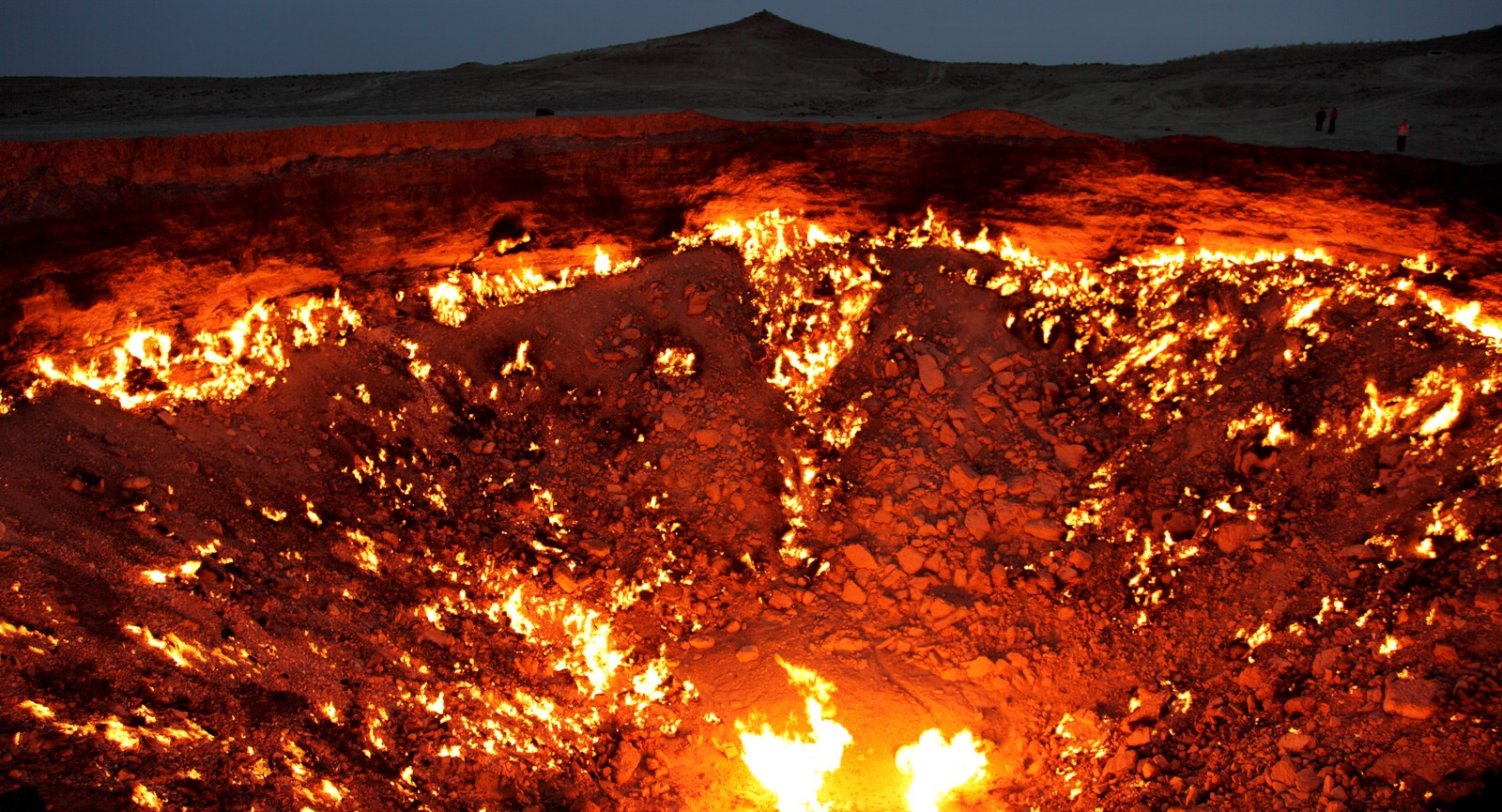
Since this burning crater originated in the 1970s, its cause is documented. This doesn’t mean that visitors and curious minds from around the world aren’t intrigued by the eerie phenomenon.
In the middle of the Karakum Desert, about 160 miles north of the country’s capital, Ashgabat, there is a massive crater that has been burning almost continuously for over 50 years. Not subtly, this spot was nicknamed "Door to Hell". The pit measures 230 feet in diameter and 65 feet in depth.
It started when Soviet geologists drilling for natural gas accidentally collapsed a cavern. Fearing this would release toxic methane gas, they set it on fire. The flames kept going, and the crater has been ablaze ever since. The real mystery is how long the gas will continue to burn.
Loch Ness, Scotland, United Kingdom
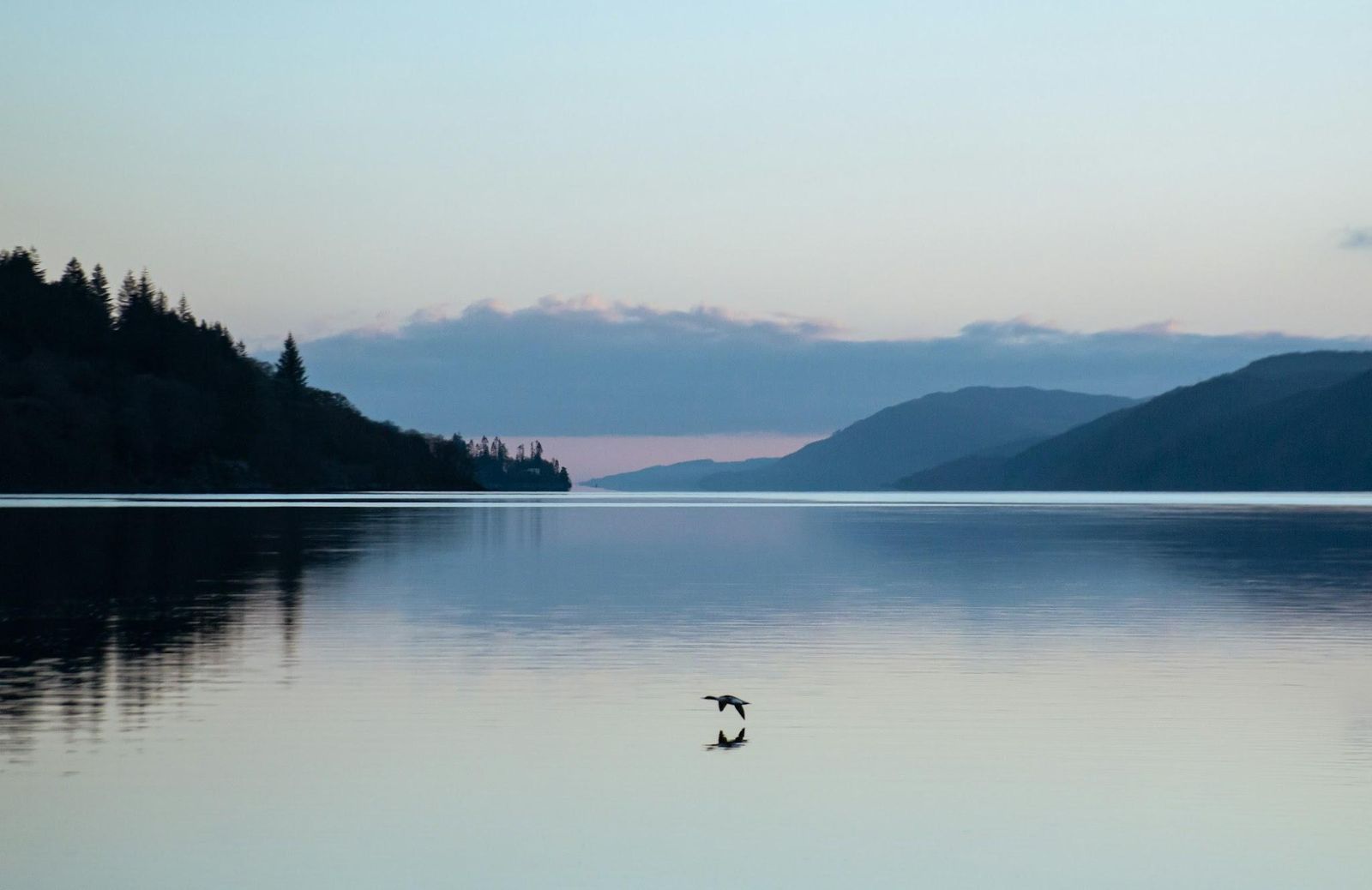
One of the most popular legends of the world is that surrounding the Loch Ness. It stretches for 23 miles through the Scottish Highlands, which makes it the largest freshwater body in the United Kingdom. But that’s not what made it famous.
The legend of the Loch Ness Monster, affectionately called "Nessie," dates back as far as 565 CE, when Irish monk Saint Columba reportedly encountered a "water beast" there. In the 1930s, a road was built along the loch, which brought more people to the area and increased the legend’s visibility.
Sonar scans, underwater cameras, and even environmental DNA studies have been conducted to find out more about this fabled creature or species. But no evidence has been found to explain those sightings.
Crooked Forest, Poland
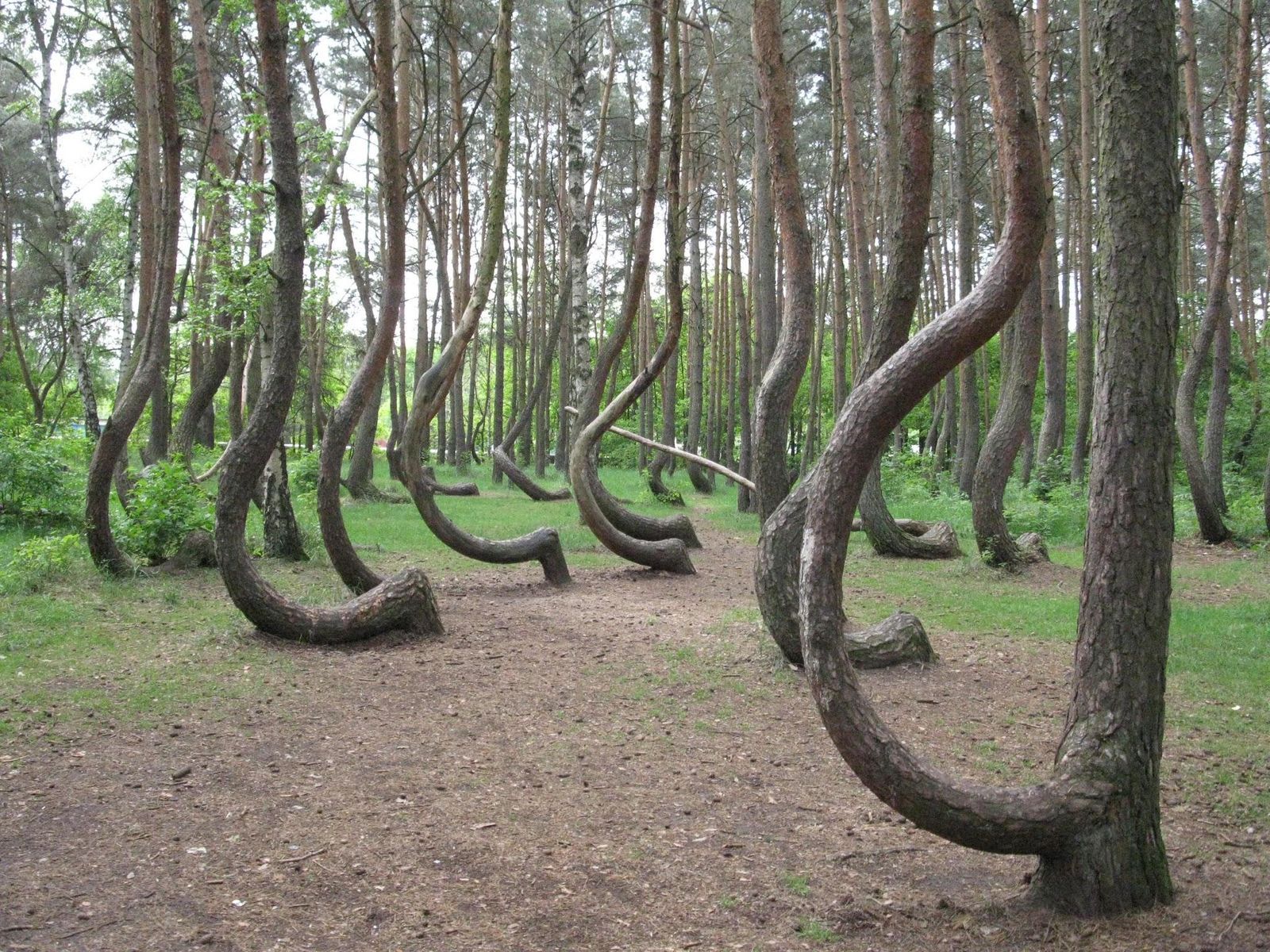
Near Poland’s border with Germany lies one of Europe’s most visually baffling landscapes: the Crooked Forest. Here, around 400 pine trees grow with a dramatic 90-degree bend at their base, all curving northward before straightening upward. These trees were planted around 1930, but no definitive explanation has been confirmed.
One leading theory is that farmers deliberately shaped the saplings to create curved timber for furniture or boatbuilding. But no records survive to confirm this. The outbreak of World War II shortly after may have disrupted whatever plan was in place for them. Other versions try to link it to gravitational anomalies or heavy snowfall.
Easter Island, Chile
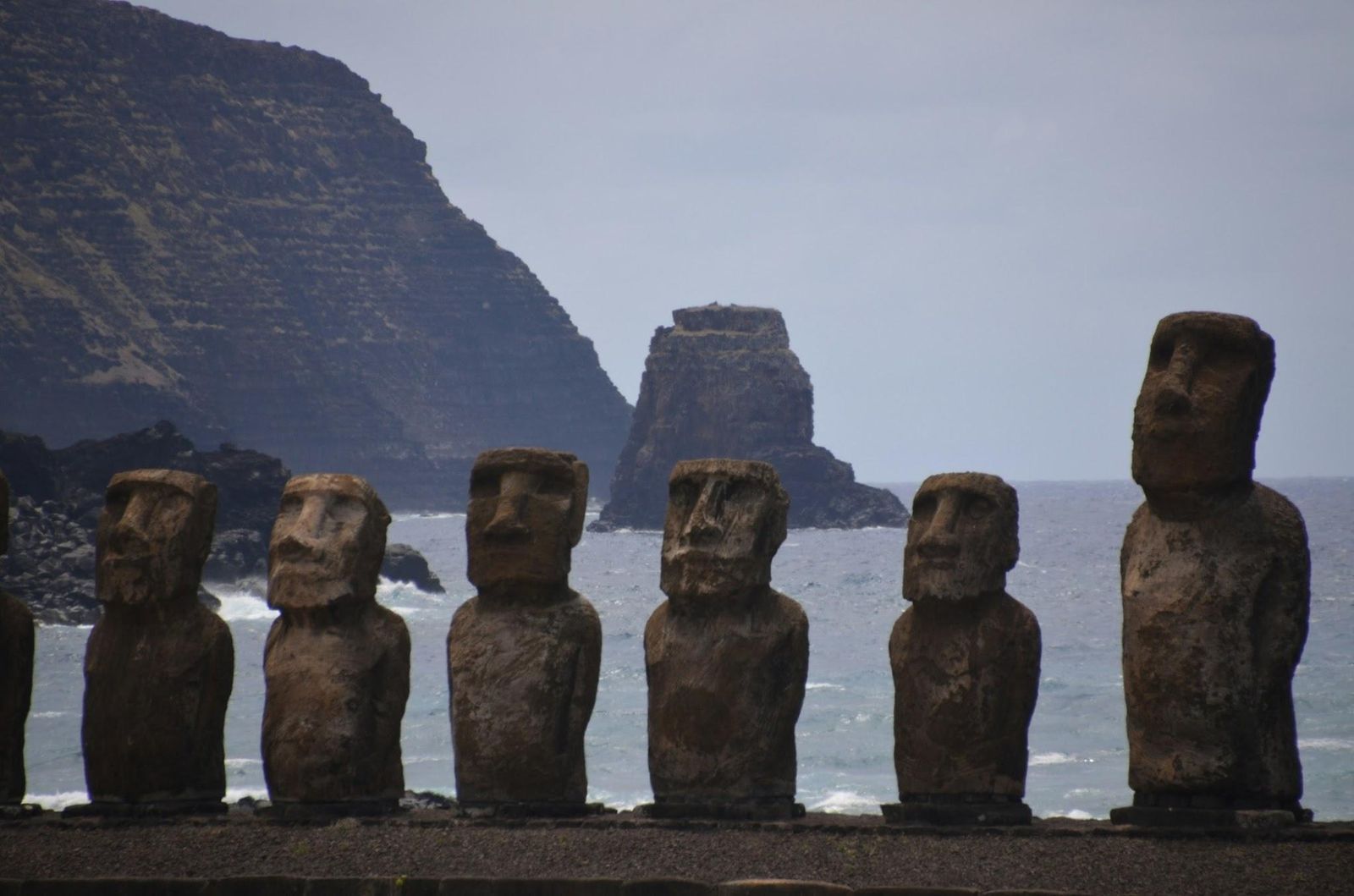
Located more than 2,000 miles off the coast of Chile in the southeastern Pacific Ocean, Easter Island, also known as Rapa Nui, is one of the most isolated inhabited places on Earth. Yet it is home to nearly 1,000 massive stone statues called moai, carved between about 1250 and 1500 CE by the island’s early Polynesian settlers. Some of these figures stand over 30 feet tall and weigh more than 70 tons.
The statues were quarried at Rano Raraku and then transported across the island, sometimes miles away, without the use of wheels or large animals. Their construction remains as undocumented and mysterious as the decline of the civilization that made them.
Plain of Jars, Laos
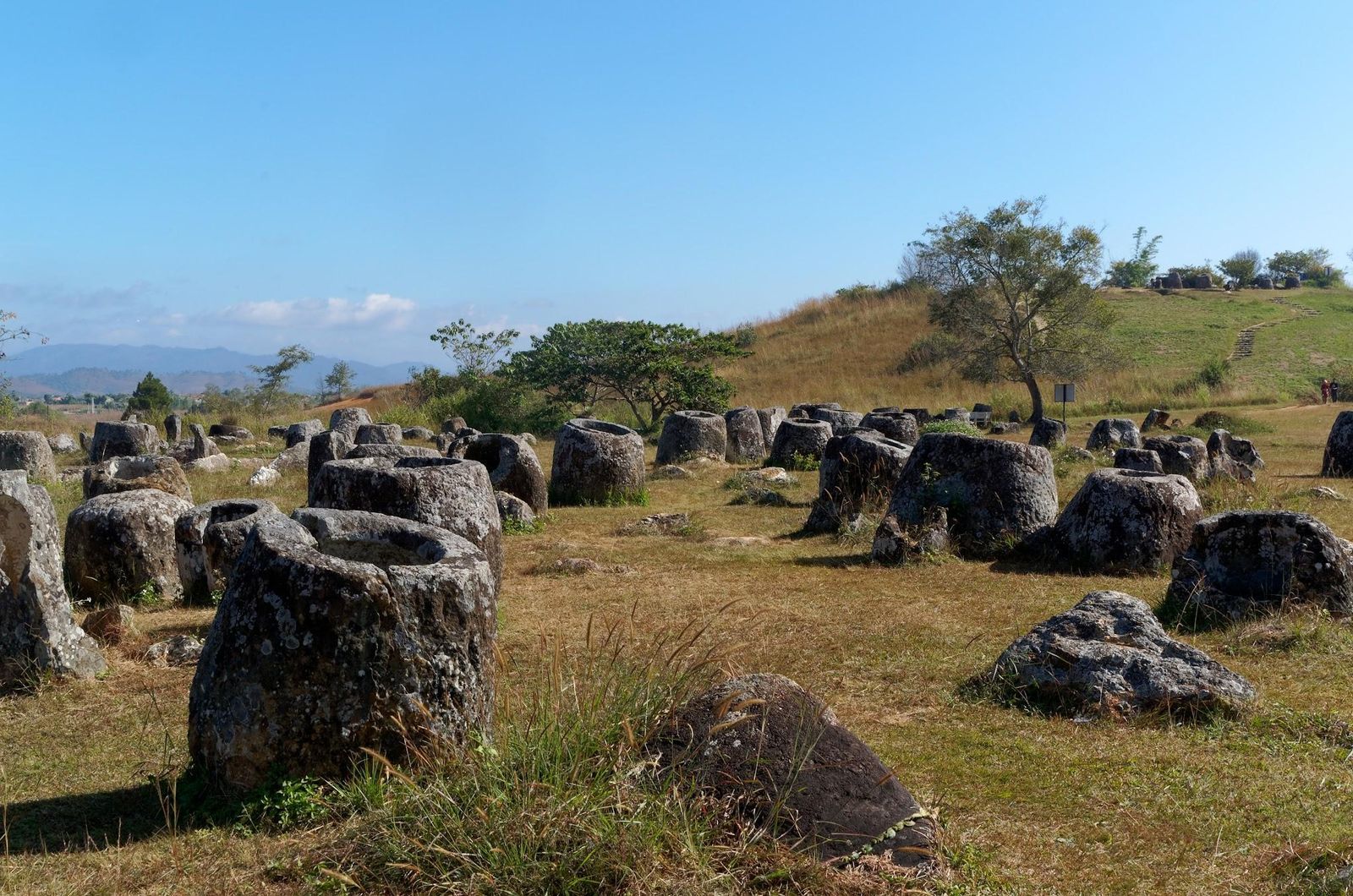
In the highlands of central Laos, the landlocked country in Southeast Asia, thousands of massive stone jars lie spread across dozens of sites. They are collectively known as the Plain of Jars, relics that date back roughly 2,000 to 2,500 years, likely to the Iron Age. The jars were carved from sandstone, granite, or limestone, and some stand over 10 feet tall and weigh several tons.
Their purpose remains uncertain, however. One explanation links them to burial practices, as excavations have revealed human remains and burial goods. Research has been limited, however: The area was left with unexploded ordnance after the Vietnam War, which limits the excavation today.
Keep wandering
There’s always
more to explore

12 things to avoid doing in tourist areas (don’t fall into these traps)
3 min.
Read Now
 Landmarks
Walk into the myth: 10 legendary locations
5 min.
Read Now

10 weird ways cities quietly "manipulate" tourists
6 min.
Read Now

You'll never road trip the same way again if you follow these tips
5 min.
Read Now