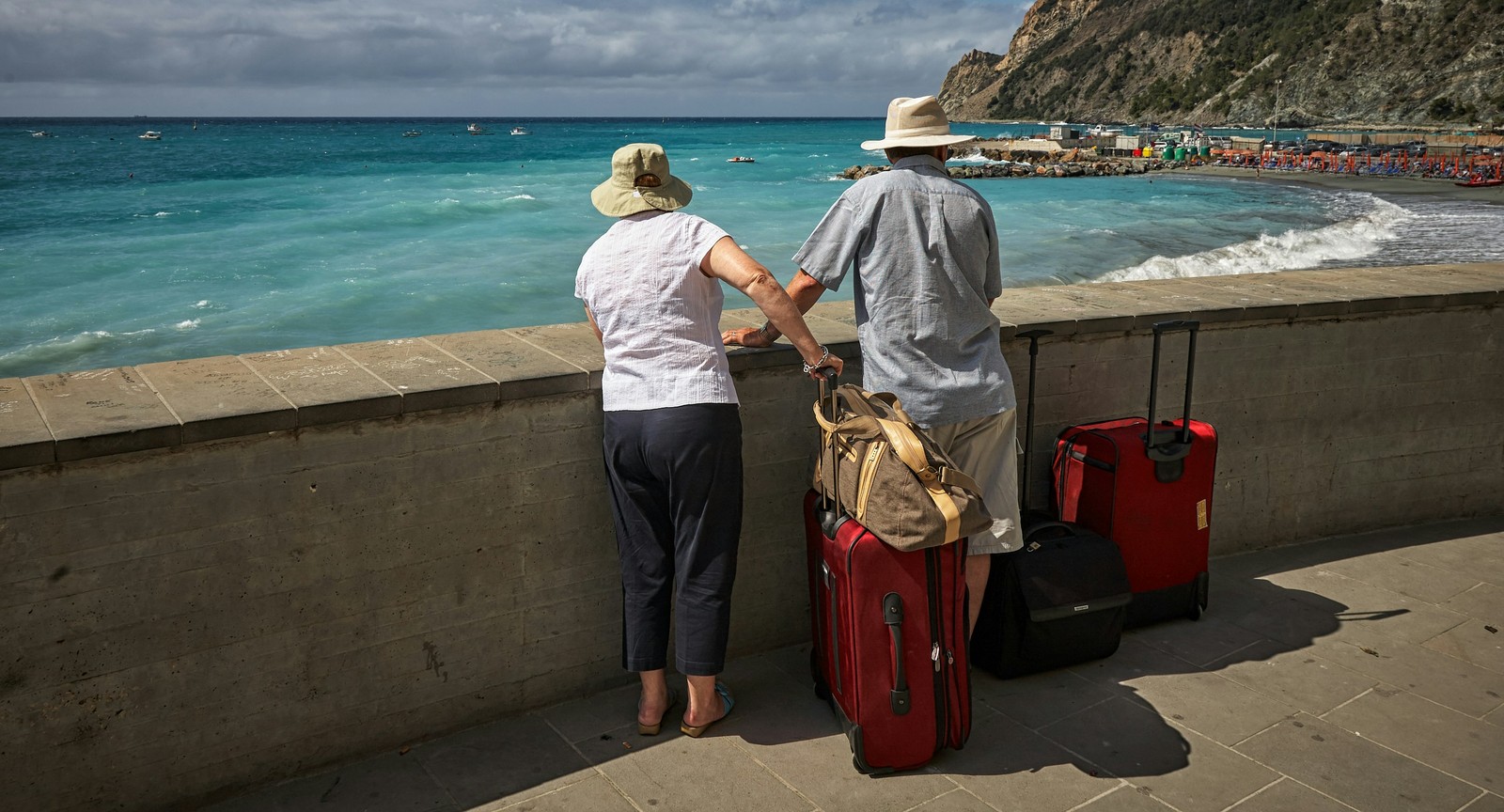
10 weird ways cities quietly "manipulate" tourists
 General
What you can't see at first glance
10 weird ways cities quietly "manipulate" tourists
Have you ever wondered why tourists always seem to follow the same paths? Or why do some hotels smell like fresh coffee even outside breakfast hours? Maybe you've found yourself wandering into a shopping district without ever planning to go there. We've got news: you're not imagining it. Cities, hotels, airports, and tourist attractions are often designed to subtly influence where visitors go, what they notice, and even how they feel. From carefully planned walking routes to "fake" scents and spaces designed to keep you lingering a little longer, here are 10 surprising ways cities around the world quietly shape the tourist experience—sometimes to boost business, and sometimes to make your trip smoother.
Scent marketing in hotels
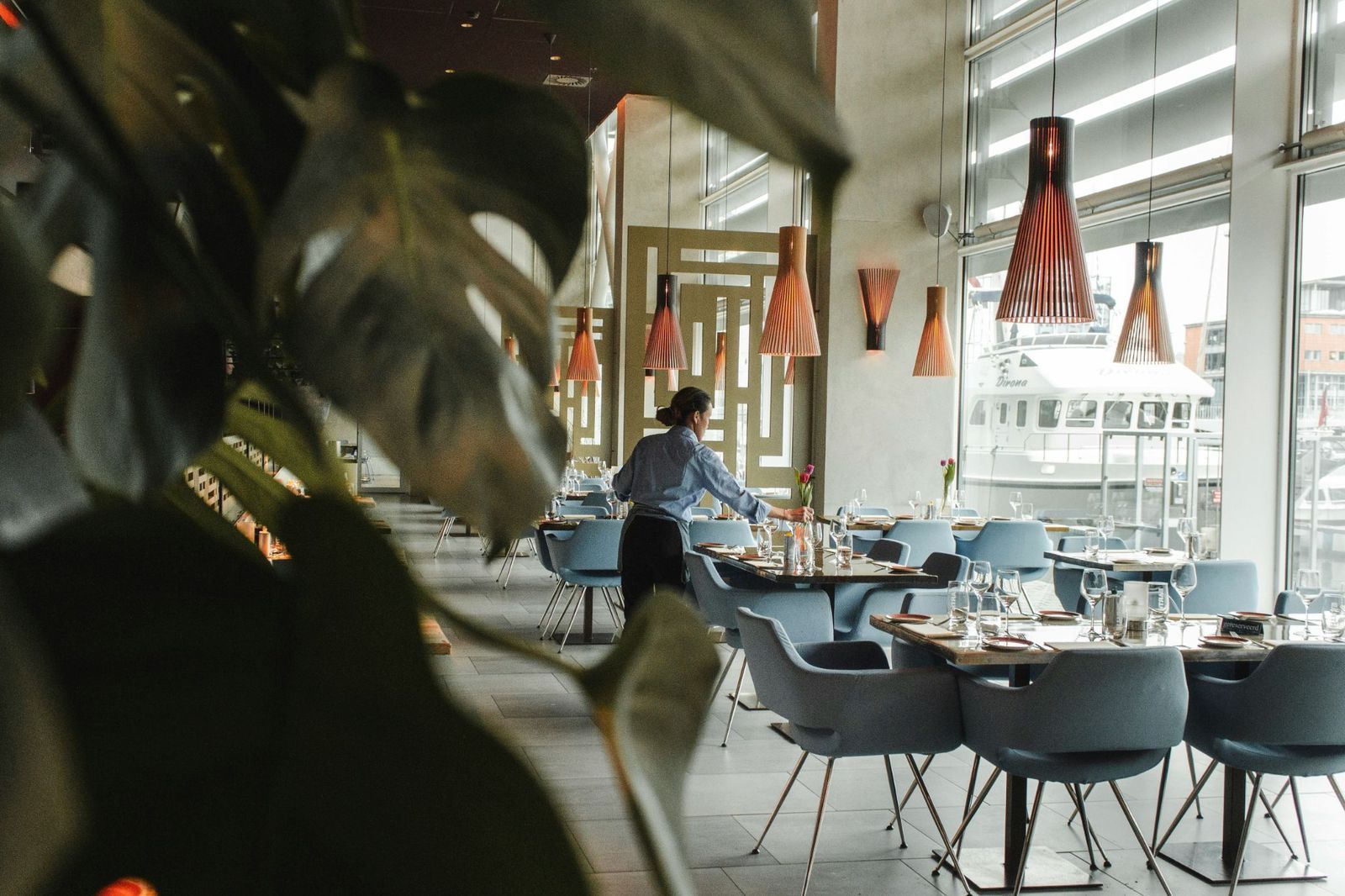
Have you ever walked into a hotel lobby and instantly thought, "Wow, this place smells amazing"? Or noticed that the aroma of fresh coffee seems to linger long after breakfast is over? There’s a reason for that.
Hotels have discovered that scent is one of the most powerful ways to shape how guests feel. Through a practice known as "olfactory marketing," they use carefully chosen fragrances to create comfort, trigger positive memories, or even make you spend more. Some even pump the smell of fresh coffee into common areas because studies have found that the aroma alone can make people feel more alert and energized, even before they've taken a sip, helping create a positive impression of the hotel.
The structure of casinos
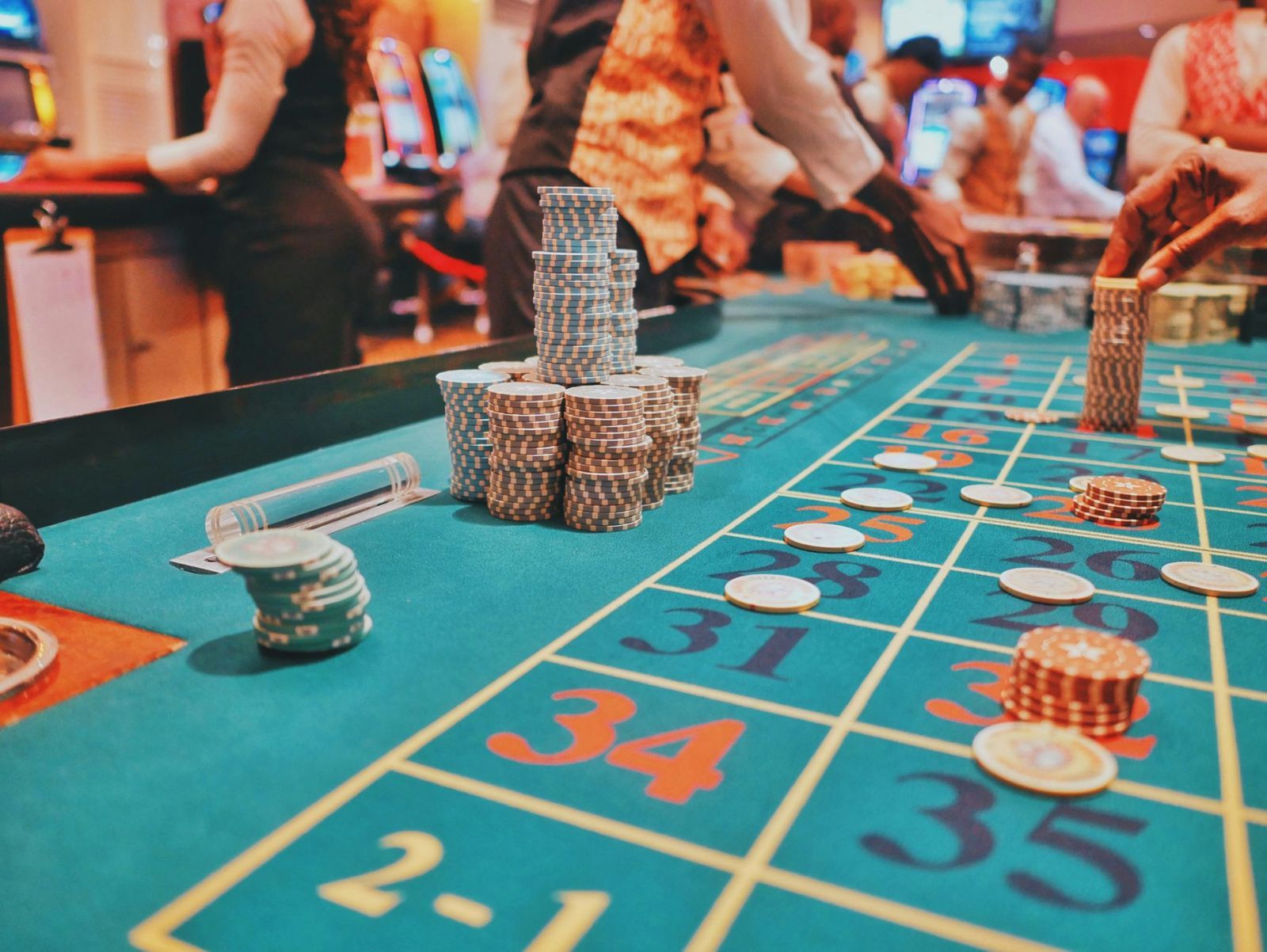
Casinos are a key part of tourism in many cities around the world, but even though they may be thousands of miles apart, most casinos share some common features.
Whether you're in Las Vegas, Nevada, or Monte Carlo, Monaco, many casinos are designed to make you lose track of time. Look around, and you'll notice something missing: clocks. In many cases, you'll also struggle to find windows. These aren't architectural oversights or attempts to save money; they're deliberate choices. Without clear reminders of the time of day or changing weather outside, visitors are more likely to stay longer, keep playing, and, ultimately, spend more money.
Casino layouts
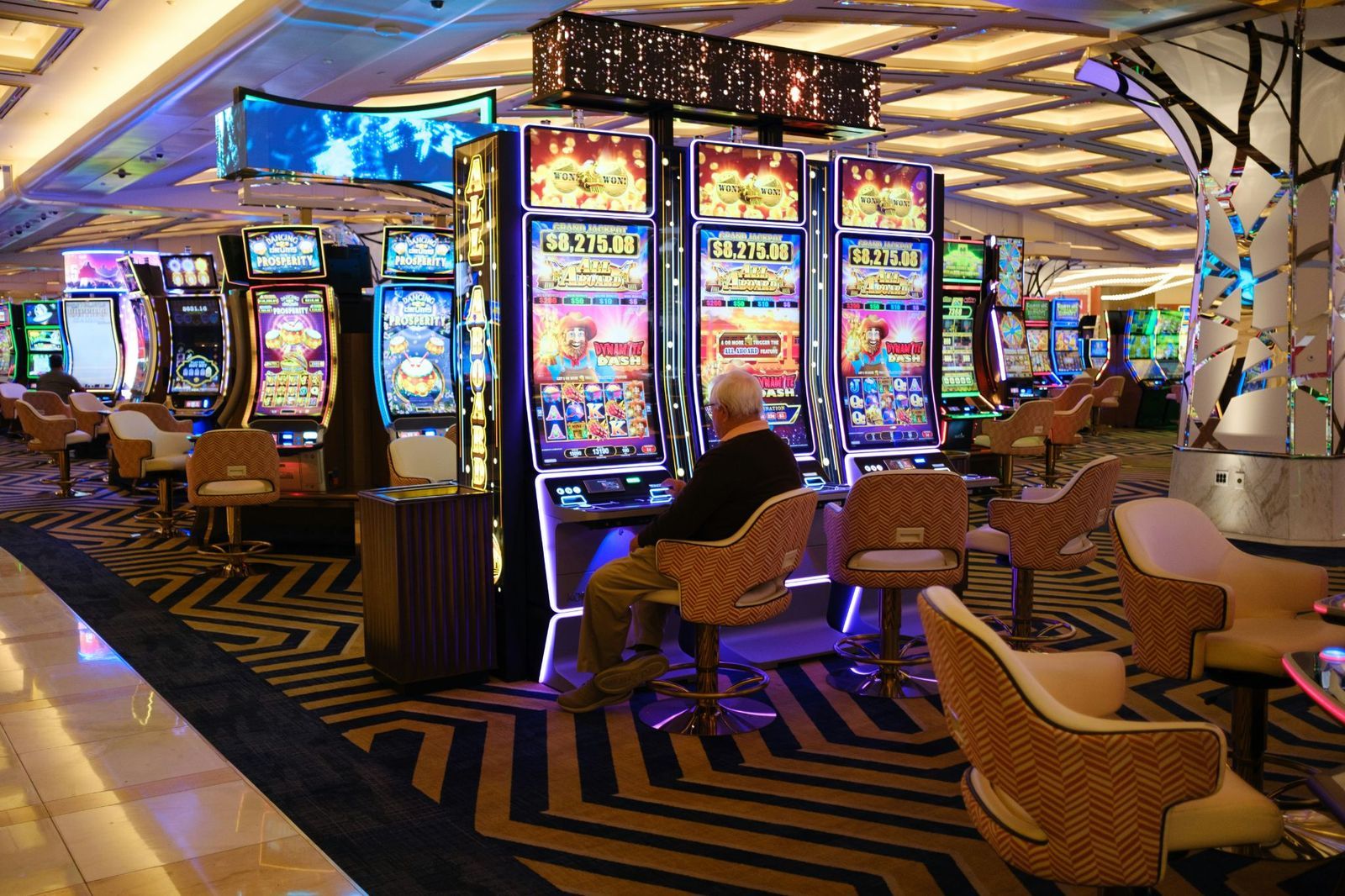
It's not just the missing clocks and windows. Casinos use plenty of other design tricks as well.
One of the most noticeable is the carpet. Those loud, colorful, often chaotic patterns aren't just a decorating choice that for some reason most casinos share. While designers cite durability and visual identity as reasons, the busy designs also tend to draw attention away from the floor and toward the brightly lit games and displays. Combined with sprawling layouts, winding paths, and rows of machines, they can make casinos feel incredibly easy to get lost in… and surprisingly hard to leave.
Forced walking routes
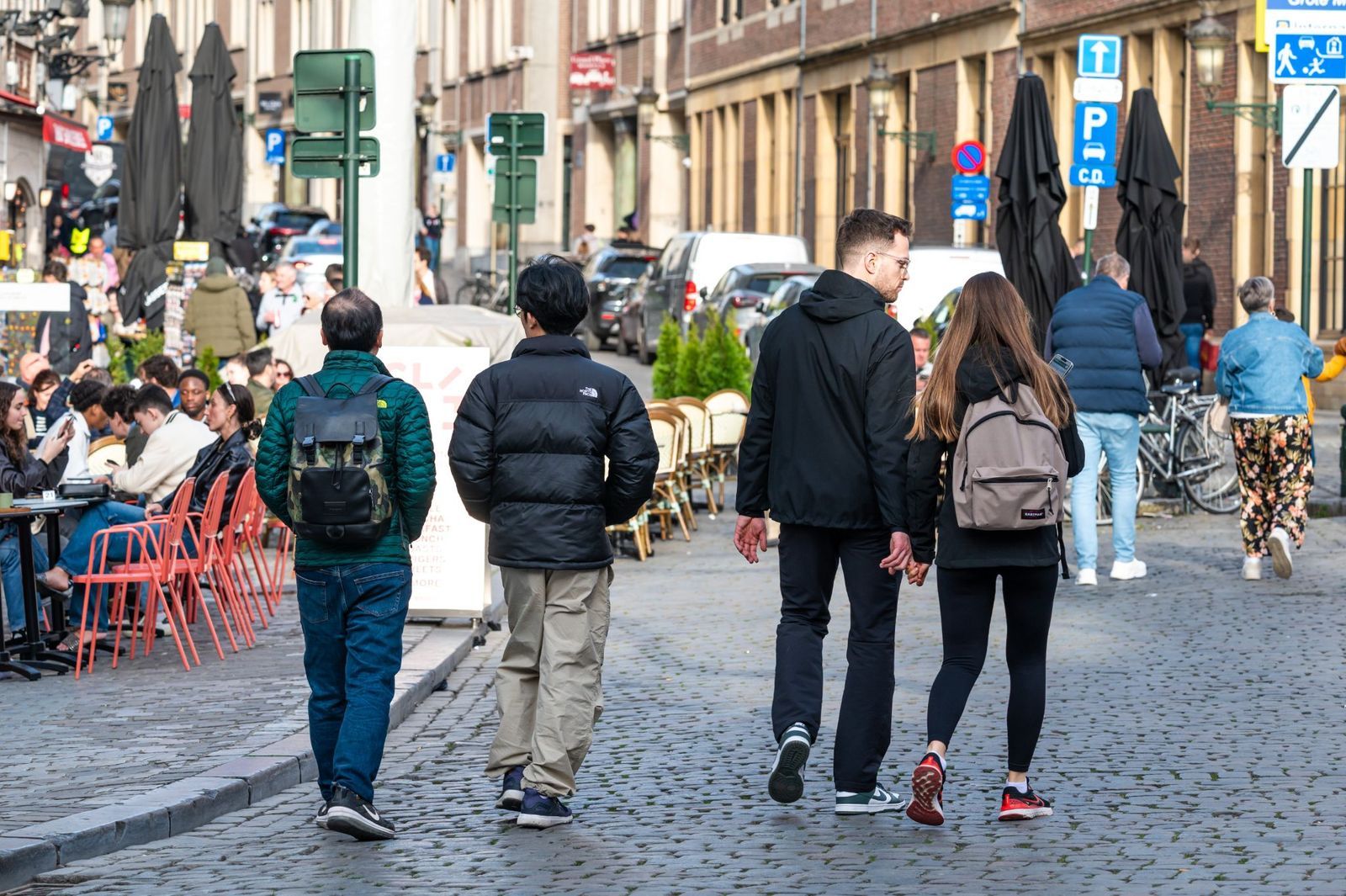
You may think tourists choose every step of their journey on their own. And for the most part, they do, but in many cities, the experience is subtly shaped long before visitors arrive.
To protect historic sites, reduce overcrowding, and spread tourism beyond the most famous spots, many cities use carefully planned walking routes. Signs, pedestrian paths, maps, and even the placement of benches can gently guide visitors past specific attractions, restaurants, shops, and viewpoints. Some destinations take it a step further. Cities such as Amsterdam in the Netherlands and Barcelona in Spain use tourist apps, digital signs, and suggested "alternative routes" to steer visitors away from some areas during peak hours. The goal isn't to control where people go, but to make the experience smoother for both tourists and residents.
"Authentic" performances created for tourists
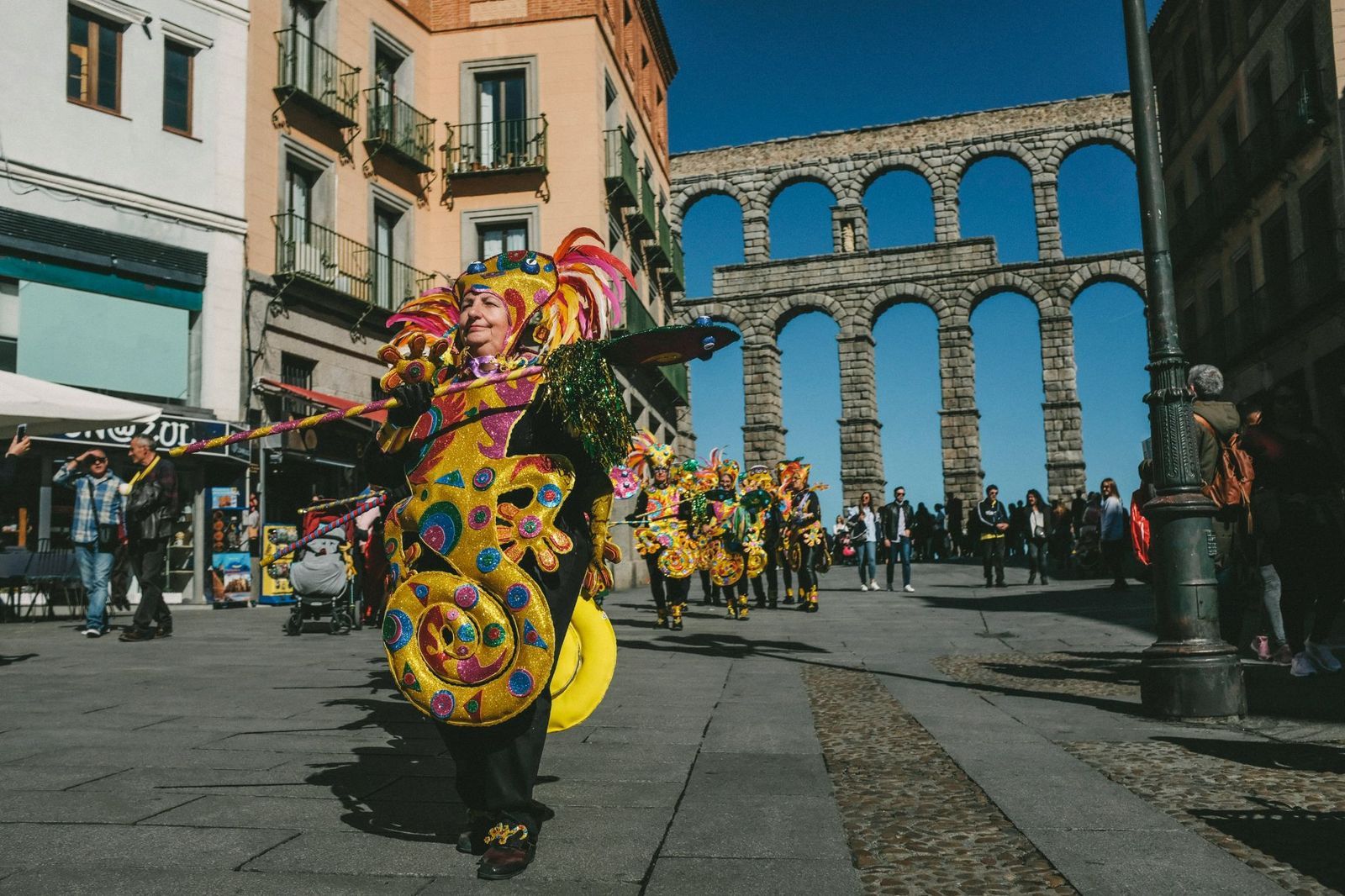
There's nothing quite like visiting a great city and experiencing its culture firsthand, and city tourism officials know that. In many places, they work hard to meet visitors' expectations while also protecting the city's heritage.
Some of the world's most popular destinations carefully shape what tourists see and hear. Traditional music performers, cultural demonstrations, and public events may be organized or supported by local governments to help showcase local traditions. Likewise, many historic districts place strict limits on modern storefronts, oversized advertisements, and bright electronic signs; that's why areas in cities such as Paris or Mexico City can feel like stepping back in time. The goal isn't necessarily to trick people, but to preserve the character and atmosphere that make those places special.
Strategic viewpoints
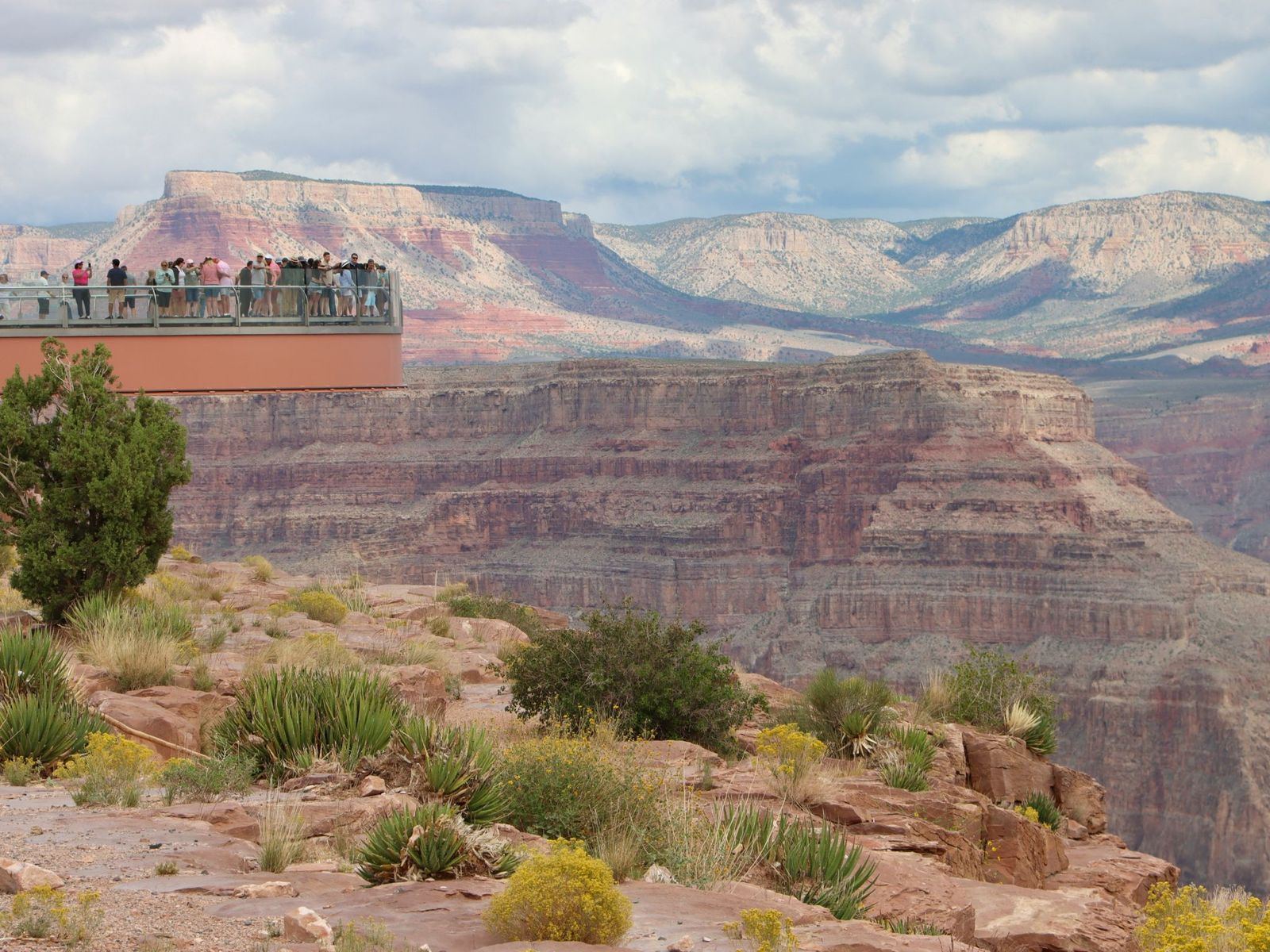
That stunning photo you took of the Grand Canyon probably wasn't just luck. Tourist destinations want visitors to leave with unforgettable memories, and hopefully a desire to come back.
That's why observation decks and scenic overlooks aren’t just randomly placed. Many are positioned to deliver the most dramatic view possible the moment you get there. Landscape architects and planners study viewing angles to determine exactly what visitors will see and from where. Features such as cantilevered platforms, glass floors, carefully placed railings, and unobstructed viewing areas are often designed to direct your attention toward the most spectacular part of the landscape while minimizing visual distractions. The view is real, but the experience of seeing it probably has been carefully choreographed.
Theme parks use forced perspective
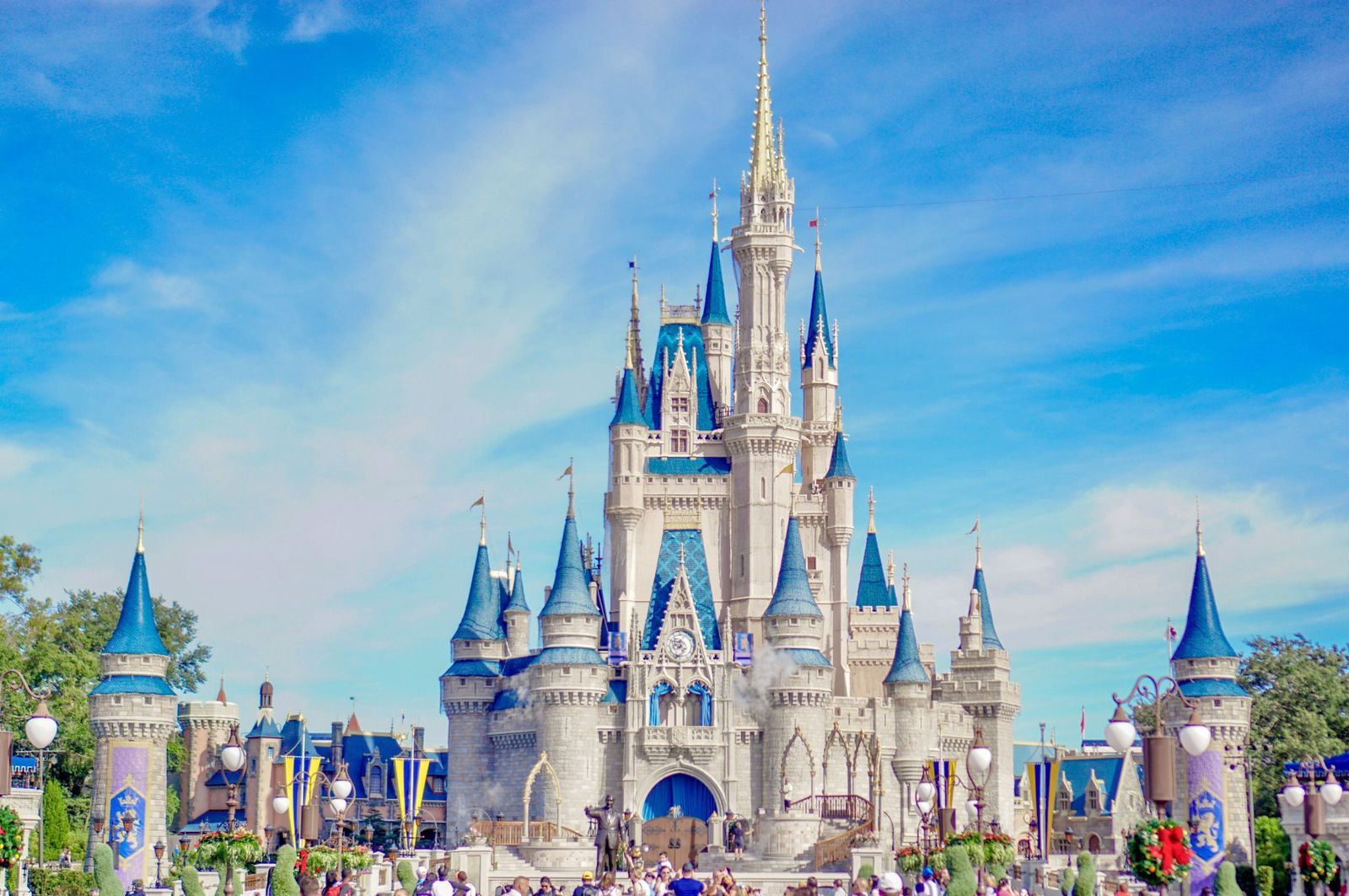
There's a feeling almost everyone experiences when walking through a theme park: wonder. And that's no coincidence; these places are carefully designed to make everything feel bigger and more "magical" than it really is.
One of the most effective tricks is a technique called forced perspective. At many Disney parks, buildings are constructed so that each level above the ground floor is slightly smaller than the one below it. From a distance, it makes your brain interpret the structure as much taller than it actually is. A perfect example is Cinderella Castle: its windows, bricks, and spires gradually shrink in size toward the top, creating the illusion of a huge castle. The castle is impressive in real life, but clever design makes it appear even bigger.
Airport architecture psychology
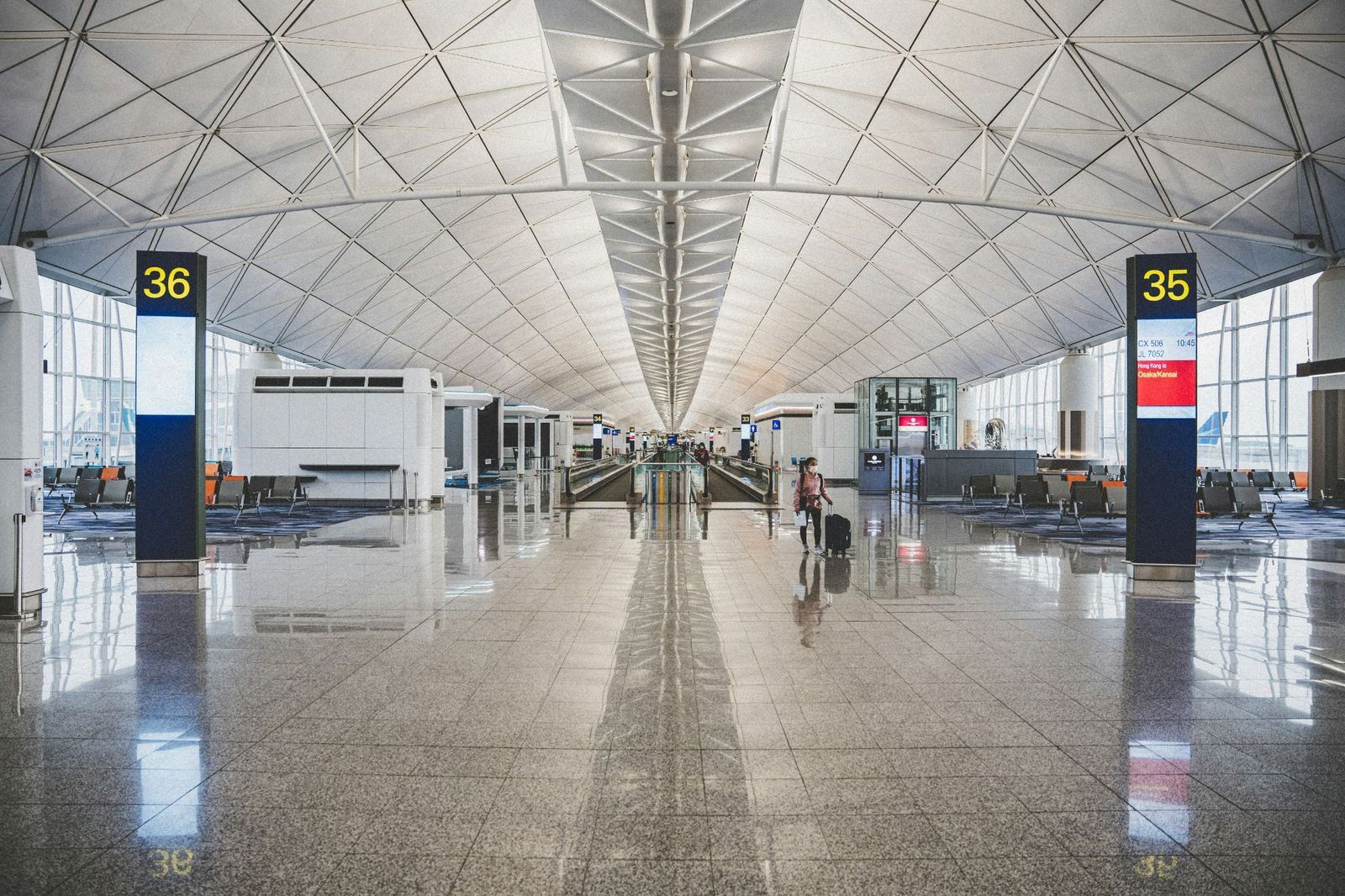
Have you ever noticed that no matter which airport you're in, you always seem to walk past the duty-free shops?
That's a design decision. In airports around the world, retail areas are often placed immediately after the security checkpoint, ensuring that nearly every passenger passes through them. Even if you have no intention of shopping, it's hard to avoid at least taking a look. There's a reason for the timing, too: once you've made it through security, one of the most stressful parts of the travel experience is behind you. With extra time before boarding and fewer concerns, travelers are often more relaxed and more likely to spend.
Duty-free pricing illusions
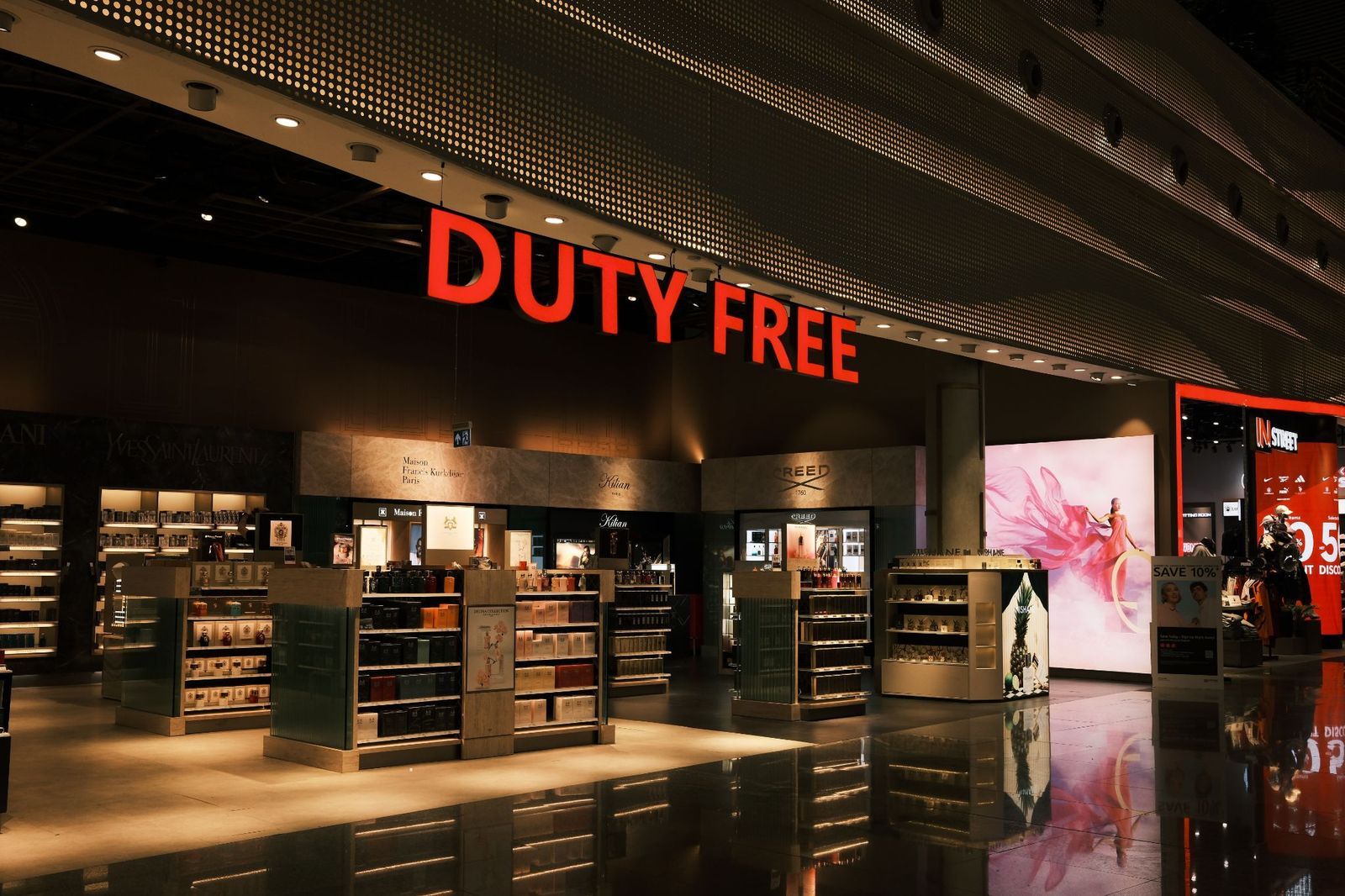
Not only are you likely to find yourself browsing the duty-free shop when you never planned to, but there's another trick: duty-free doesn't always mean cheaper.
While it's true that duty-free stores are exempt from certain taxes and duties, that alone doesn't guarantee a bargain. Airport retailers often face high rents and operating costs, which can push prices above what you'd pay elsewhere. In some cases, the "tax-free" label creates the impression of a deal even when the savings are not real. But wait; some purchases can still be worthwhile. Items that are heavily taxed, such as alcohol, tobacco, and certain luxury goods, often offer genuine savings because the tax reduction can outweigh the airport retailer's markup.
Why attractions all end up in the same place
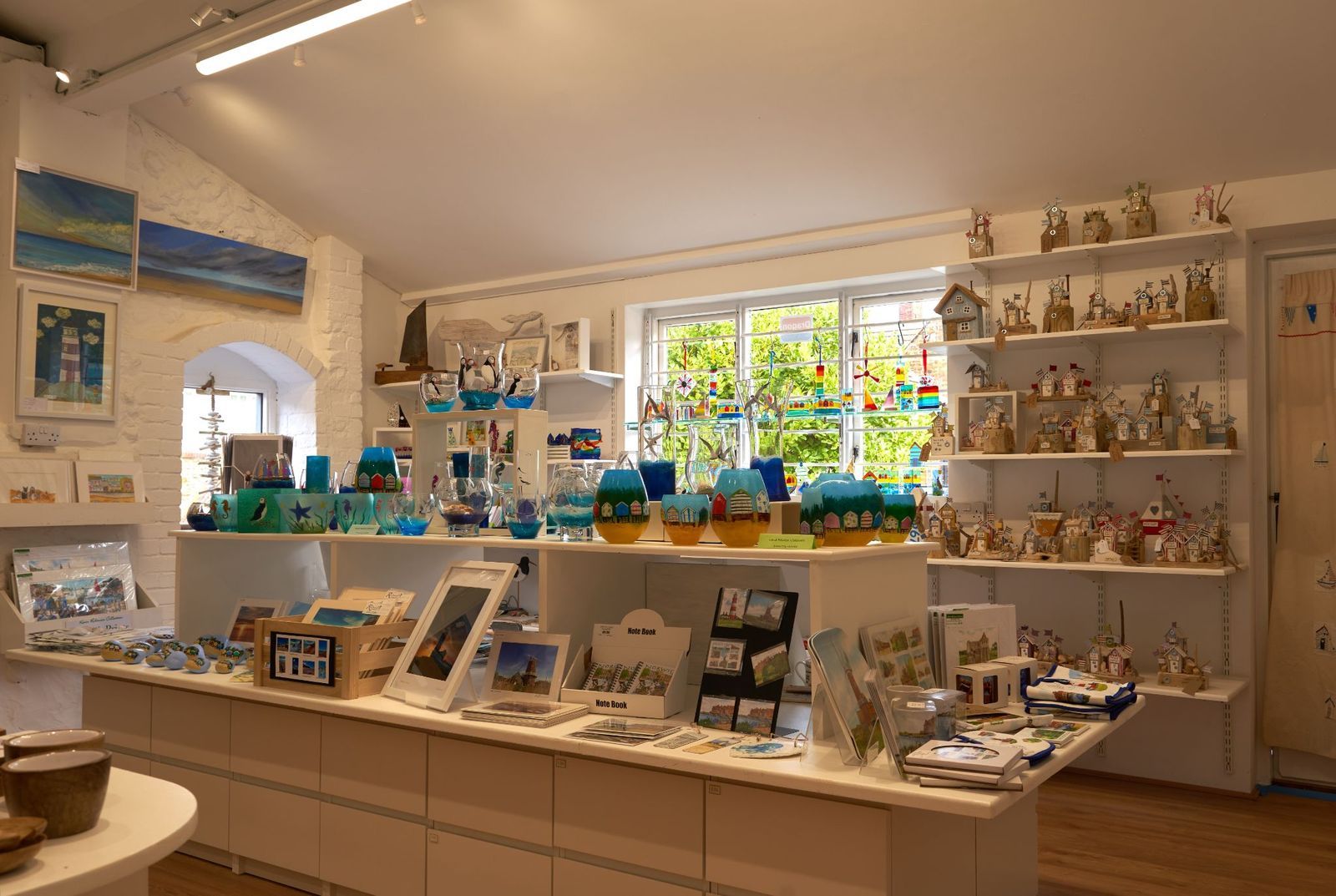
If you're a frequent traveler, you've probably noticed that many museums, attractions, and tourist sites around the world seem to have one thing in common: the exit leads straight into a gift shop.
Much like supermarkets place impulse purchases near the checkout, attractions often wait until the very end of your visit to present souvenirs. After spending time enjoying an experience, visitors are naturally more receptive to buying a small reminder of it. In the tourism industry, this is often called "secondary spending"; revenue generated beyond the price of admission. That's why you'll find shelves filled with reasonably priced magnets, mugs, postcards, and other keepsakes positioned right before the exit. And let's be honest: after a nice day, it's hard to resist taking a little piece of it home.
Why you shouldn't take sleeping pills and 9 other jet lag no-no's
Beyond coffee: 10 tips for using light and time management to beat jet lag
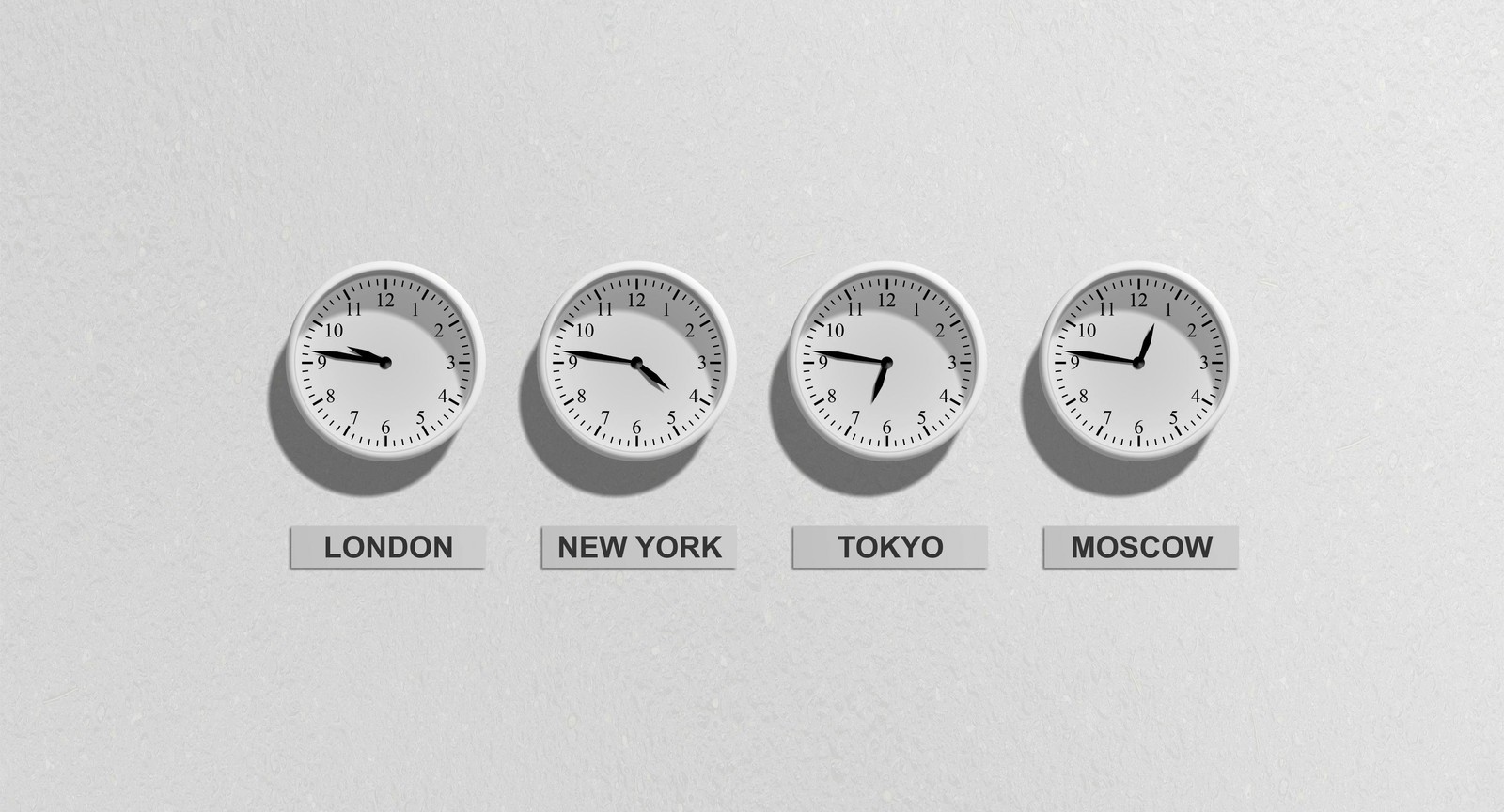
Traveling across time zones is one of the closest things we have to magic, but it comes with a steep biological price. This desynchronization, colloquially known as jet lag, is more than just feeling tired; it’s a full-body rebellion affecting your digestion, mood, and cognitive function. Fortunately, you don't have to spend the first three days of your vacation in a hazy fog. Here are 10 definitive tips to outsmart your internal clock and hit the ground running.
Modify your sleep routine
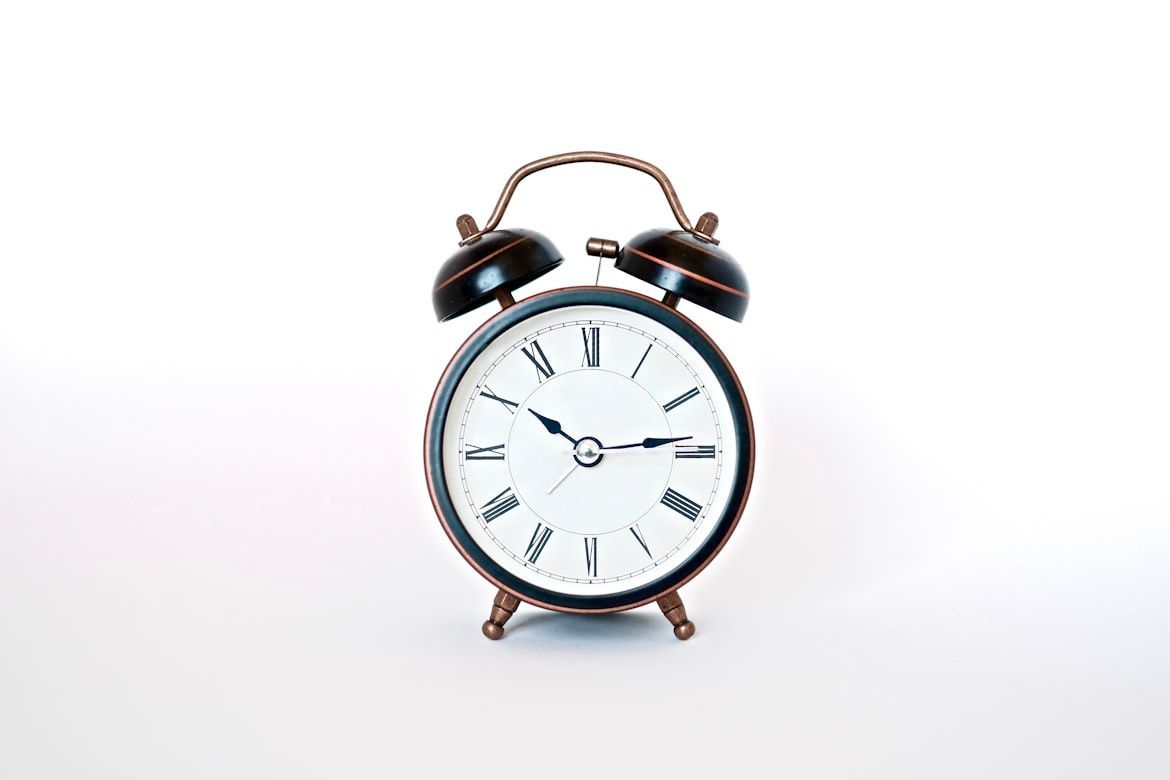
Don't wait until you’re at 35,000 feet to start thinking about the time change. Your body can typically only adjust its internal clock by about an hour per day. To give yourself a head start, begin shifting your bedtime two to three days before your departure. If you are traveling East, go to bed an hour earlier each night; if you’re travelling West, stay up an hour later.
In the digital age, you don’t have to do the math yourself. Apps like Timeshifter use personalized neurobiology to create a jet lag plan based on your sleep pattern and flight itinerary. Another great tool is Entrain, which uses mathematical models to find the fastest way to adjust to new time zones. By the time you board, your brain should already be halfway to your destination.
Keep yourself hydrated

The humidity in an airplane cabin usually hovers around 10% to 20%, which is drier than many deserts. This lack of moisture causes your mucous membranes to dry out, leading to headaches and fatigue, which amplify the symptoms of jet lag.
Carry a reusable water bottle and aim for at least 8 ounces of water for every hour you are in the air. Proper hydration ensures your blood volume stays consistent and your body can continue to regulate its temperature.
Avoid coffee and alcohol
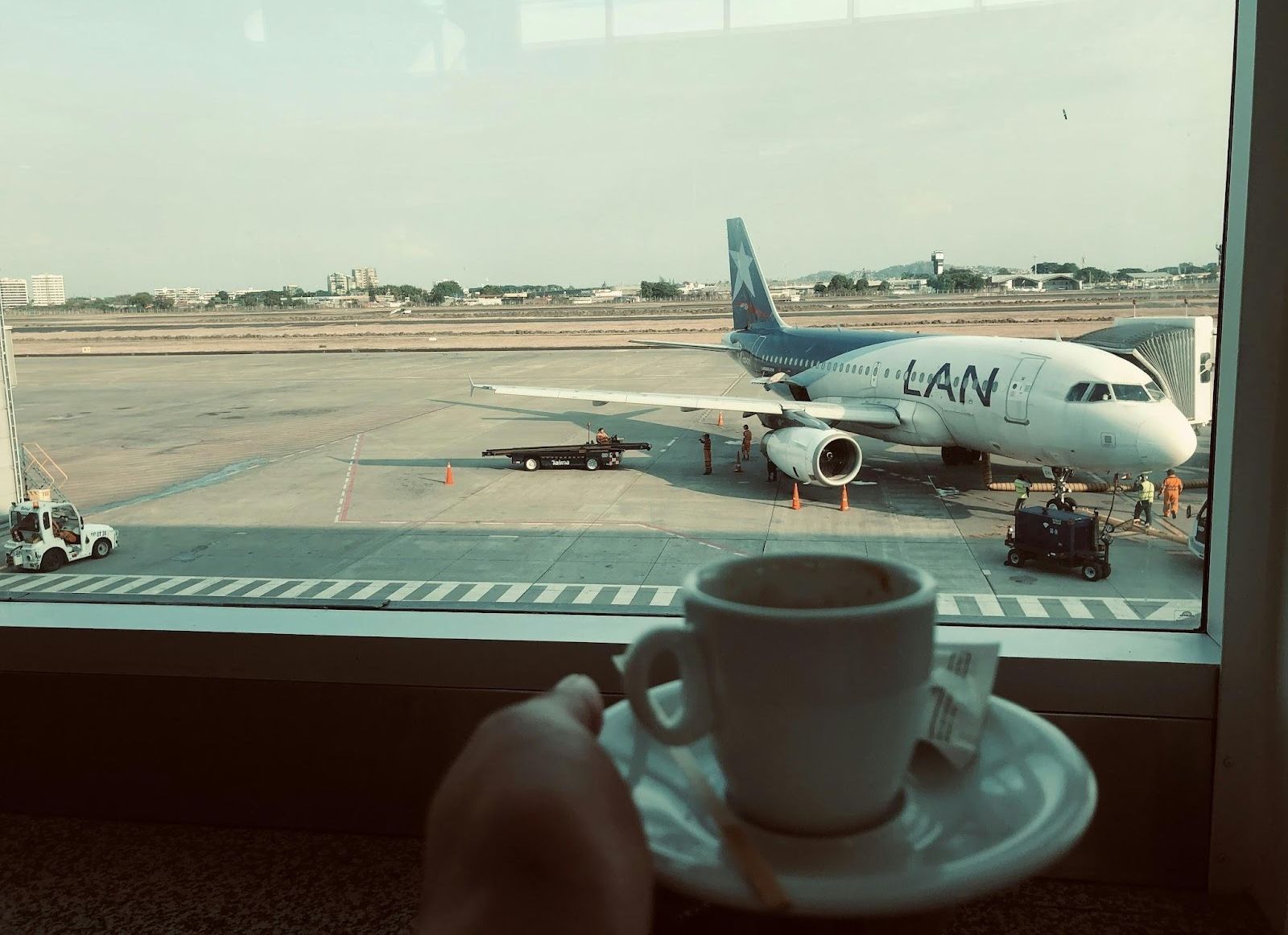
It’s tempting to use the beverage cart as a pharmacy: coffee to stay awake and wine to pass out, but resist the urge.
While it provides a temporary boost, caffeine lingers in your system for up to six hours, potentially blocking your ability to sleep when you actually need to. On the other hand, higher altitudes increase the effects of alcohol, and while it might help you drift off, it severely disrupts the quality of your REM sleep. Trust us, you’ll wake up feeling more dehydrated and disoriented than if you had stayed sober.
Make light and healthy food choices
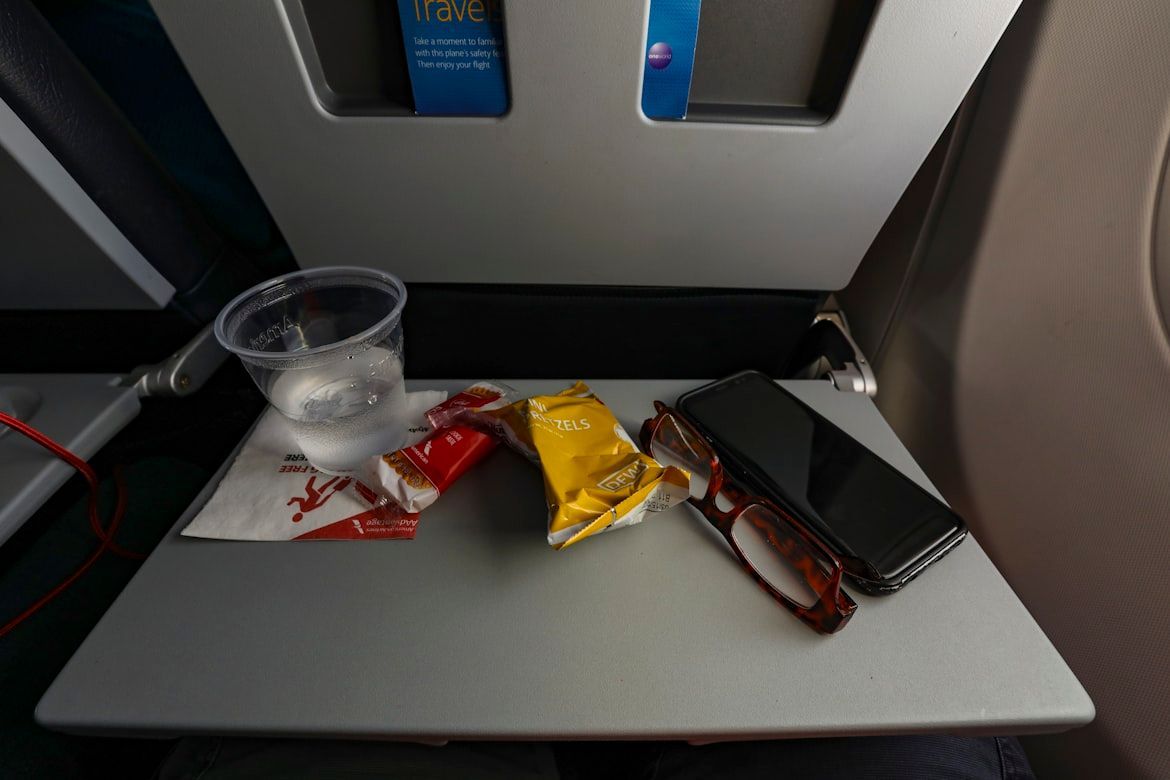
Digestion is key to your body’s overall health. When you eat a heavy, three-course meal in the middle of what your body thinks is 3:00 AM, you’re essentially telling your stomach to wake up while your brain is trying to sleep.
Opt for light, protein-rich snacks during the flight. Avoid salty foods that cause bloating and water retention. Many frequent flyers swear by the "Anti-Jet Lag Diet," which involves eating sparingly during the flight and having a high-protein breakfast once you land in the new time zone to signal morning to your metabolism.
Be careful when using sleeping pills
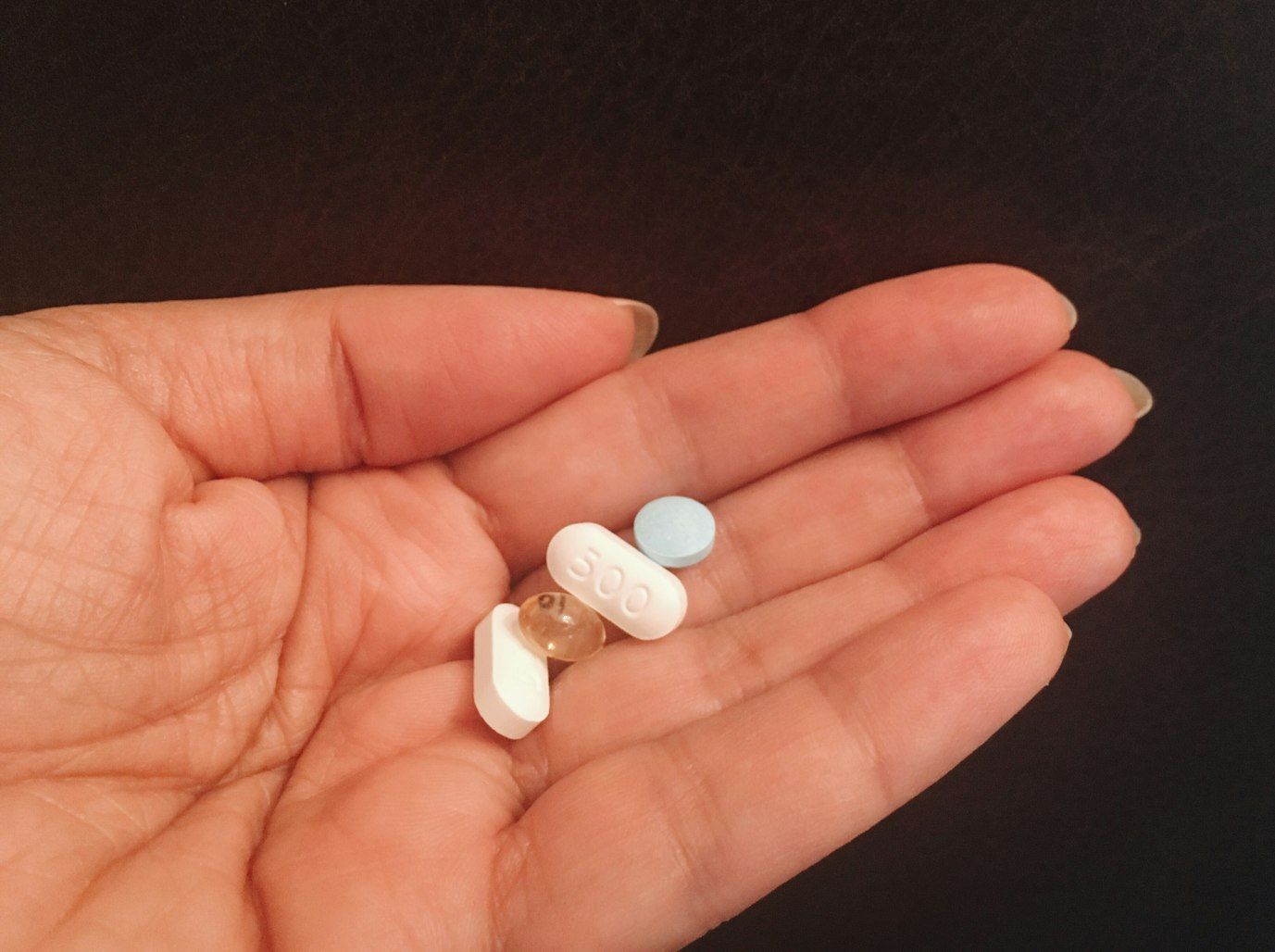
Knocking yourself out for eight hours sounds like a dream, but prescription sleeping pills can be a double-edged sword. If there is an emergency on the plane, you need to be alert. Furthermore, staying in a deep, drug-induced sleep without moving increases the risk of blood clots.
If you must use an aid, consider Melatonin, a hormone your body naturally produces to signal sleep. Taking a low dose at the local bedtime of your destination can help nudge your clock in the right direction without the heavy grogginess of sedative-hypnotics.
Get up and move about
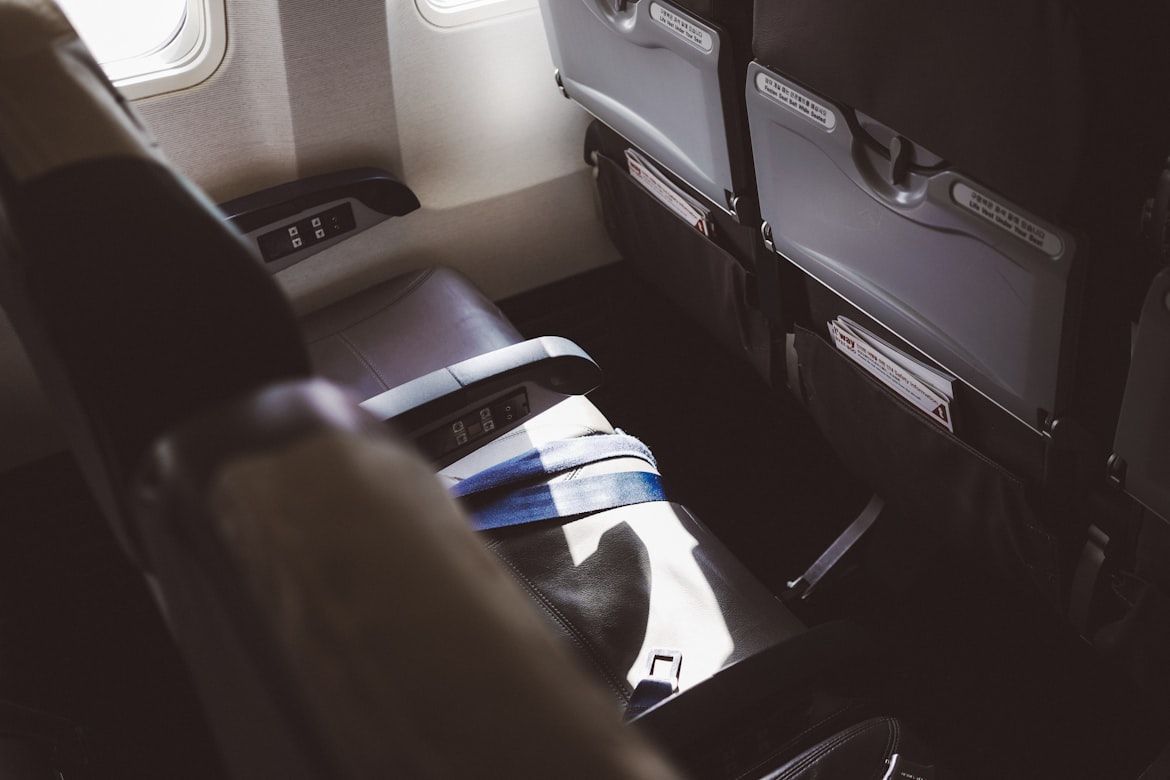
Physical activity during the flight isn't just about preventing Deep Vein Thrombosis (DVT); it’s about circulation and energy regulation. Every couple of hours, walk the length of the aisle or perform some seat yoga.
Stretching your calves and rolling your shoulders helps keep your lymphatic system moving and prevents that sluggish, heavy-limbed feeling that makes jet lag feel so much worse.
Make sure you get enough sunlight
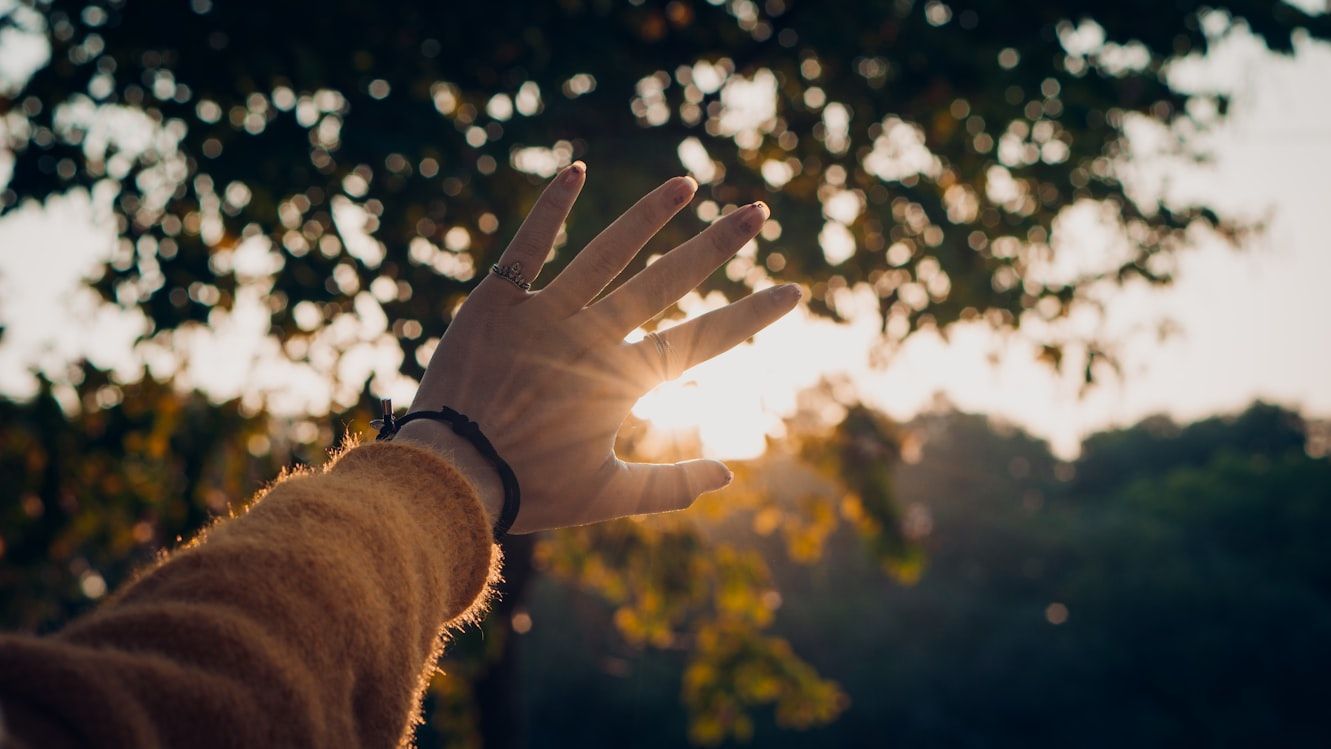
Sunlight is the single most powerful tool for resetting your circadian rhythm. Your eyes have specific receptors that detect blue light from the sun, which then signals the brain to stop producing melatonin.
If you traveled East, get as much morning light as possible to advance your clock. If you traveled West, stay outside in the late afternoon to delay your clock. If you arrive and it’s daytime, don't hide in your hotel room with the curtains drawn. Go for a walk. Even a cloudy day provides significantly more light intensity than the brightest indoor lighting.
Make smart use of short naps

The "No Napping" rule is common advice, but it can be brutally difficult to follow. If you are truly crashing, a 20-minute power nap can provide a cognitive boost without causing sleep inertia, that heavy, confused feeling you get when waking from a deep sleep.
Set an alarm and do not let it turn into a two-hour slumber. If you sleep too long during the day, you will never consolidate your sleep at night, effectively extending your jet lag by another 24 hours.
But take a power nap in the morning

There is a specific scenario where a nap is highly recommended: the dreaded flight that lands at 7:00 AM. If you haven't slept on the plane, trying to stay awake until 9:00 PM is a recipe for a meltdown.
Once you check in, take a controlled 90-minute nap. This allows you to complete one full sleep cycle. Wake up, take a cold shower, and get outside into the sun immediately. This emergency reset can give you just enough fuel to make it to a reasonable local bedtime.
Get used to local time
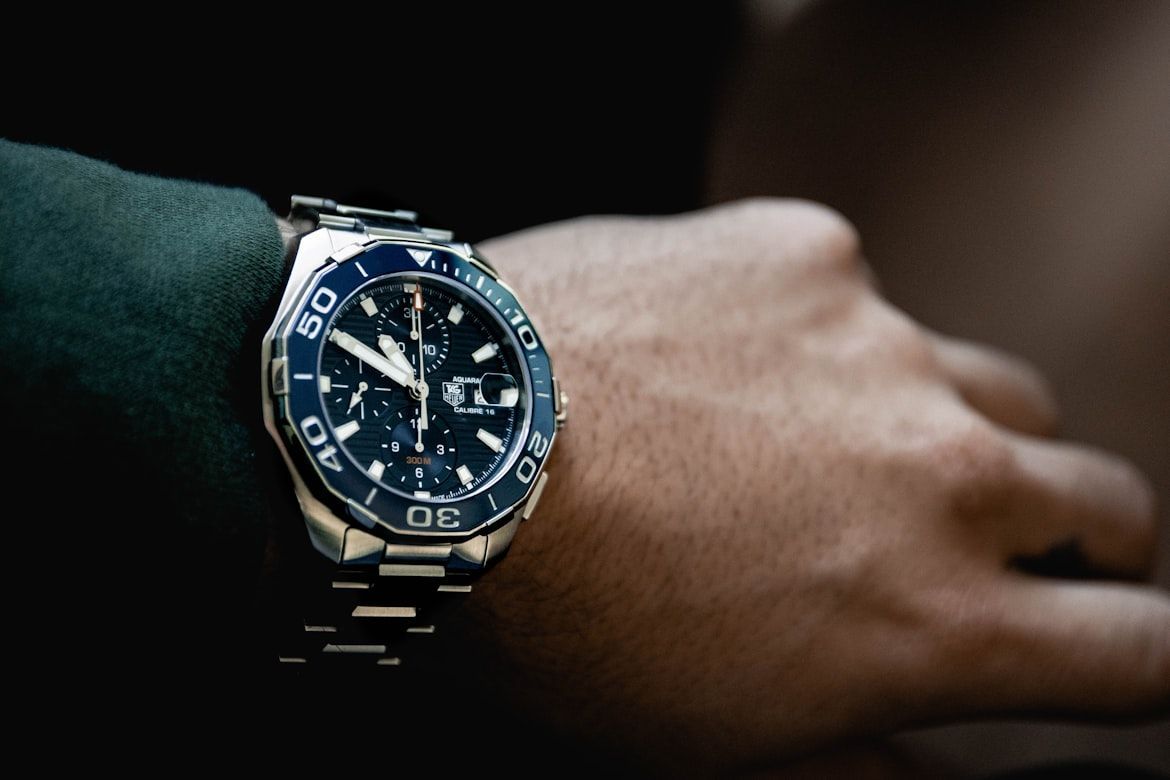
The moment you step onto the plane, set your watch to the destination time. This is a psychological trick that helps you start living in the new zone before you even arrive.
Once you land, adhere strictly to local meal times. Even if you aren't hungry, eat a small lunch at 1:00 PM. If you feel like you're starving at 4:00 AM, try to hold out until a light breakfast. By forcing your metabolic processes to sync with the local clock, the rest of your body’s systems will eventually follow suit.
Keep wandering
There’s always
more to explore
 History
The Spanish Quarter? 10 hidden secrets of New Orleans history
6 min.
Read Now
 Landmarks

What is the purpose of the Golden Gate Bridge's orange color?
5 min.
Read Now
Where on Earth do people still speak the language of Jesus? 10 odd towns
6 min.
Read Now
These 12 road trips can be done in a weekend. Which one is closer to you?
4 min.
Read Now