
12 things to avoid doing in tourist areas (don’t fall into these traps)
 General
Be prepared!
12 things to avoid doing in tourist areas (don’t fall into these traps)
Tourist hotspots are exciting. After all, they’re hotspots for a reason. But they’re also where mistakes cost the most. Crowds, distractions, and unfamiliar settings make travelers easy targets for overpriced services, scams, and poor choices. Knowing what not to do can save you money, time, and frustration. Take note of the following 12 tips, and thank us after your next trip.
Eating at restaurants right next to major landmarks
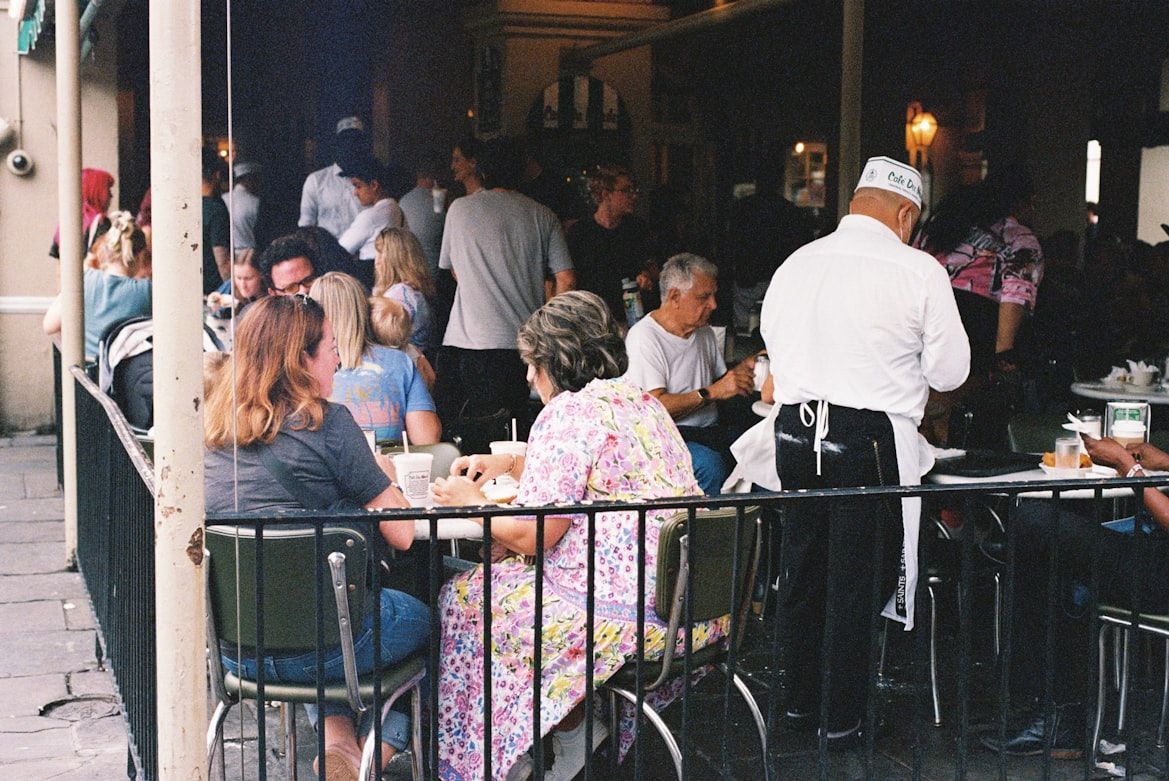
Restaurants in prime tourist spots often rely on location rather than food quality. High rents mean higher prices, smaller portions, and sometimes lower standards.
Seasoned travelers walk just a few blocks away, where locals eat. You’ll usually find better food, friendlier service, and far more reasonable prices.
Ignoring online reviews

Skipping reviews is one of the easiest ways to walk into a bad experience. Fake tours, overpriced meals, or poor service often show up clearly in traveler feedback.
Experts recommend checking multiple sources before committing. A quick search with terms like "reviews" or "complaints" can reveal red flags instantly.
Carrying large amounts of cash

Tourist areas attract pickpockets and scammers looking for easy targets. Carrying too much cash increases your risk if something goes wrong.
Safer alternatives include cards or mobile payments, which reduce exposure and offer better fraud protection if needed.
Displaying valuables openly

Expensive jewelry, cameras, or phones can draw unwanted attention. Thieves often look for distracted travelers showing off valuables.
Keeping a low profile, what experts call "staying low-key", is one of the simplest ways to stay safe while traveling.
Falling for overly aggressive street vendors

Pushy vendors, "free gifts," or unsolicited help are classic tactics used to pressure tourists into paying. These interactions often escalate quickly.
If something feels rushed or uncomfortable, trust your instincts and walk away. Scammers often rely on pressure and confusion to succeed.
Not checking menus or prices beforehand

One of the oldest tricks is surprising tourists with inflated bills. This happens in restaurants, taxis, and guided services.
Always confirm prices in advance. Clear agreements prevent misunderstandings and eliminate the chance of being overcharged later.
Walking carelessly
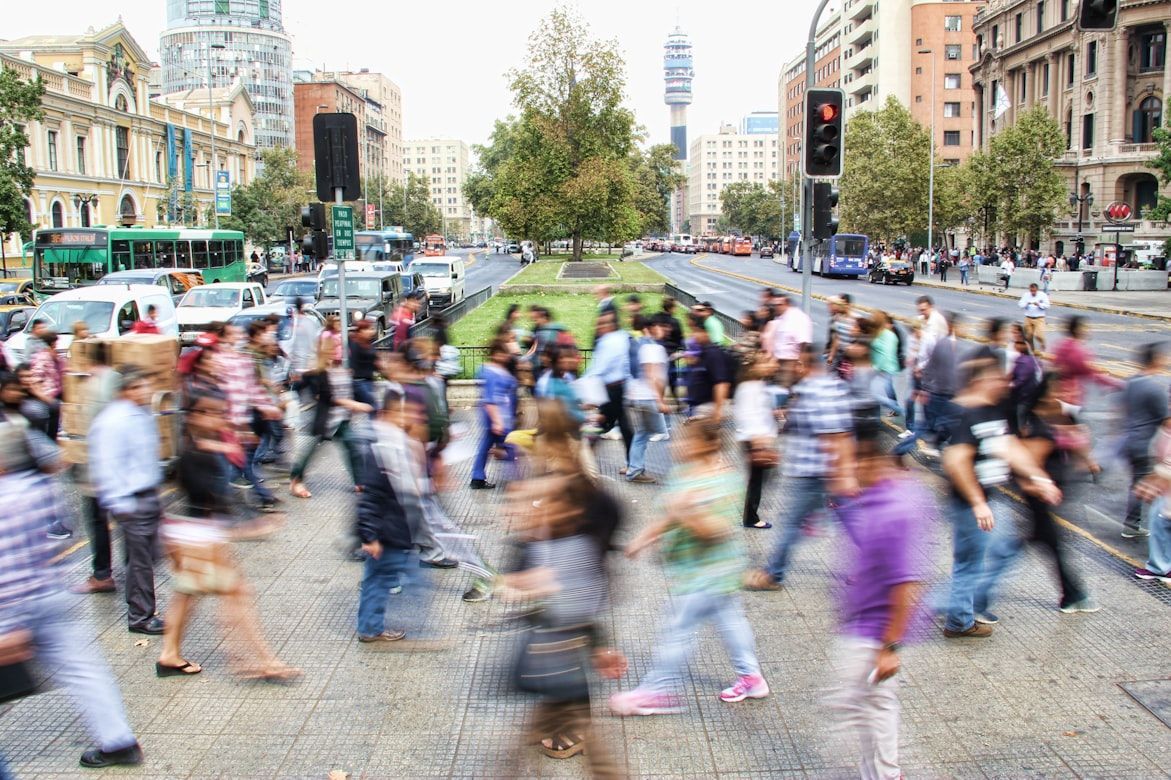
Crowded attractions are perfect for distraction-based theft. Pickpockets often rely on moments when travelers are unfocused.
Staying alert, especially in busy areas, helps you avoid common scams and keeps your belongings secure. Awareness is your first line of defense.
Using unofficial taxis or transport
Unlicensed taxis may overcharge, take longer routes, or even operate scams like "broken meters."
Use reputable services or rideshare apps whenever possible. Trusted providers offer transparency, safety, and predictability.
Booking last-minute activities at inflated prices
Just like locksmiths, tourist areas thrive on urgency. Last-minute bookings often come with higher prices and fewer options.
Planning ahead gives you time to compare prices, read reviews, and avoid pressure tactics, one of the most common scam triggers.
Blocking sidewalks or entrances while stopping
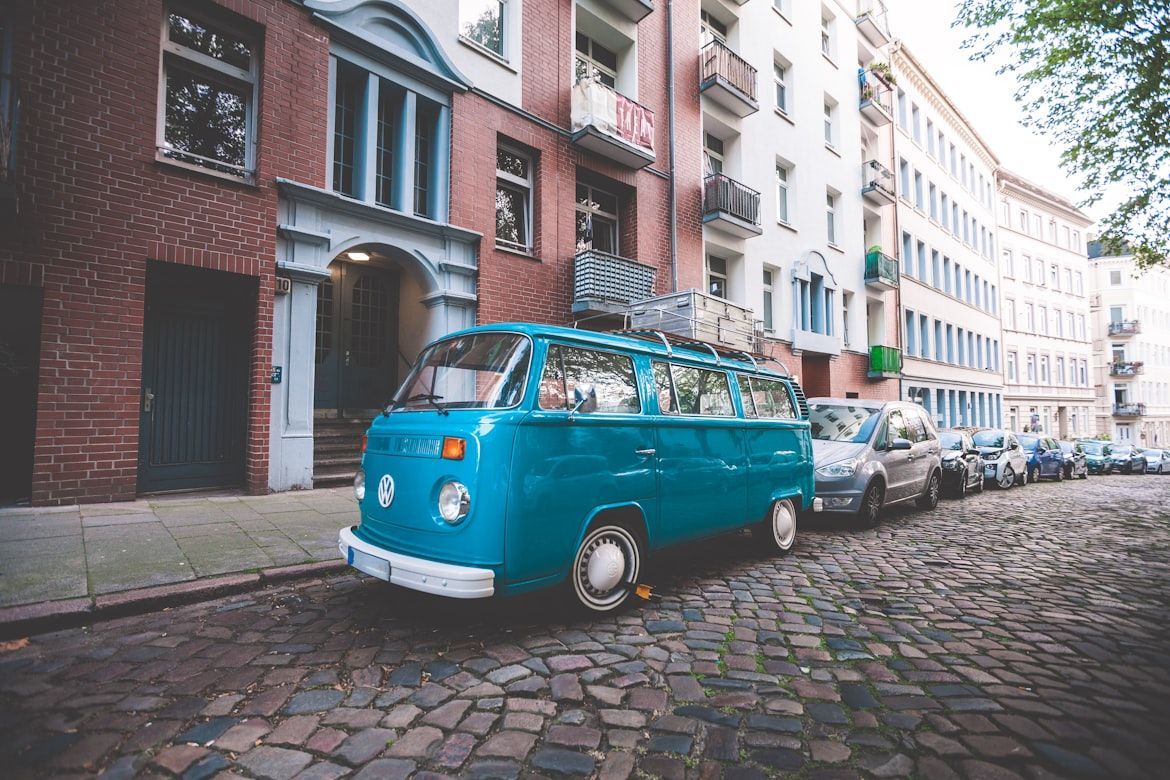
Stopping suddenly in busy areas may seem harmless, but it disrupts the flow and makes you appear unfamiliar with local norms.
Beyond etiquette, it can also make you vulnerable to distraction tactics. Staying aware of your surroundings keeps you both polite and safer.
Assuming everything nearby is authentic or local
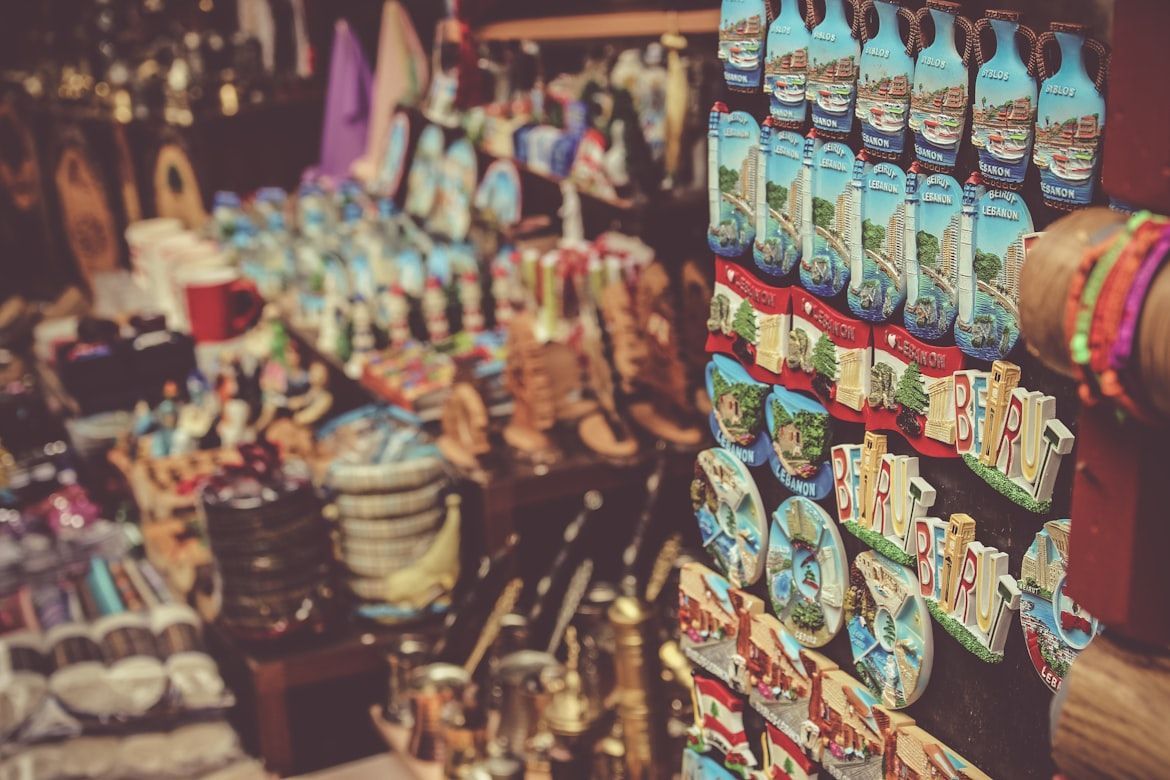
Tourist zones often feature mass-produced goods sold as "local" or handmade, sometimes at inflated prices.
Researching typical prices and shopping in verified or local areas helps you avoid overpaying for items that aren’t what they claim to be.
Skipping nearby lesser-known alternatives
Many travelers stick to famous attractions and miss equally impressive spots nearby. These alternatives are often quieter, cheaper, and more authentic.
Exploring beyond the obvious not only improves your experience but also helps you avoid crowds, inflated prices, and common tourist traps.
Did you know travelling helps strengthen your relationships?
Discover 10 ways a vacation can alter your brain chemistry
We are living in a high-speed world where being always available and alert is the default setting. However, your brain isn't a machine; it's a biological organ that requires specific conditions to thrive. Science is increasingly showing that a vacation is not a luxury but a physiological necessity. So, if you are struggling to concentrate, your brain is literally starving for a change of pace. Let’s take a closer look at the benefits some time out can have for the brain.
Unlocks latent creativity

When you are stuck in a routine, your brain operates on autopilot to save energy. This is the enemy of creativity. Traveling to a new destination forces the brain to process novel sights, smells, and sounds. This cognitive flexibility encourages the growth of new neural pathways. By breaking the routine, you allow your brain to make new connections it couldn't possibly form while staring at a spreadsheet.
Teaches biological adaptability

Whether it's navigating a foreign subway system or figuring out how to order coffee in a different language, vacations put you in "problem-solving" mode—but without the high stakes of the office. This strengthens the hippocampus, the area of the brain responsible for spatial memory and adaptation. You are essentially cross-training your brain to handle change with less stress. Sounds like a bargain, right?
Slows down time

Have you ever noticed that the first few days of a vacation feel like a week, but a week at the office feels like a blink? This is known as the "Oddball Effect." When we are processing new information, our brain records it in much richer detail. Because there is so much newness to log, the brain perceives time as moving more slowly. Vacationing is the closest thing we have to actual time travel.
Strengthens relationships

Shared experiences in new environments trigger the release of oxytocin, often called the "bonding hormone." When you navigate a new city or share a sunset with a partner or friend, the brain solidifies these social bonds. This neurochemical "glue" helps buffer against future stress and improves long-term relationship satisfaction.
Improves language learning and plasticity

Even if you aren't fluent, attempting to use a few phrases in a local tongue stimulates neuroplasticity. The effort to decode a new linguistic environment forces the brain to fire in areas that usually stay dormant in your native language. This mental stretch keeps the brain youthful and more resilient against age-related decline.
Sharpens your focus
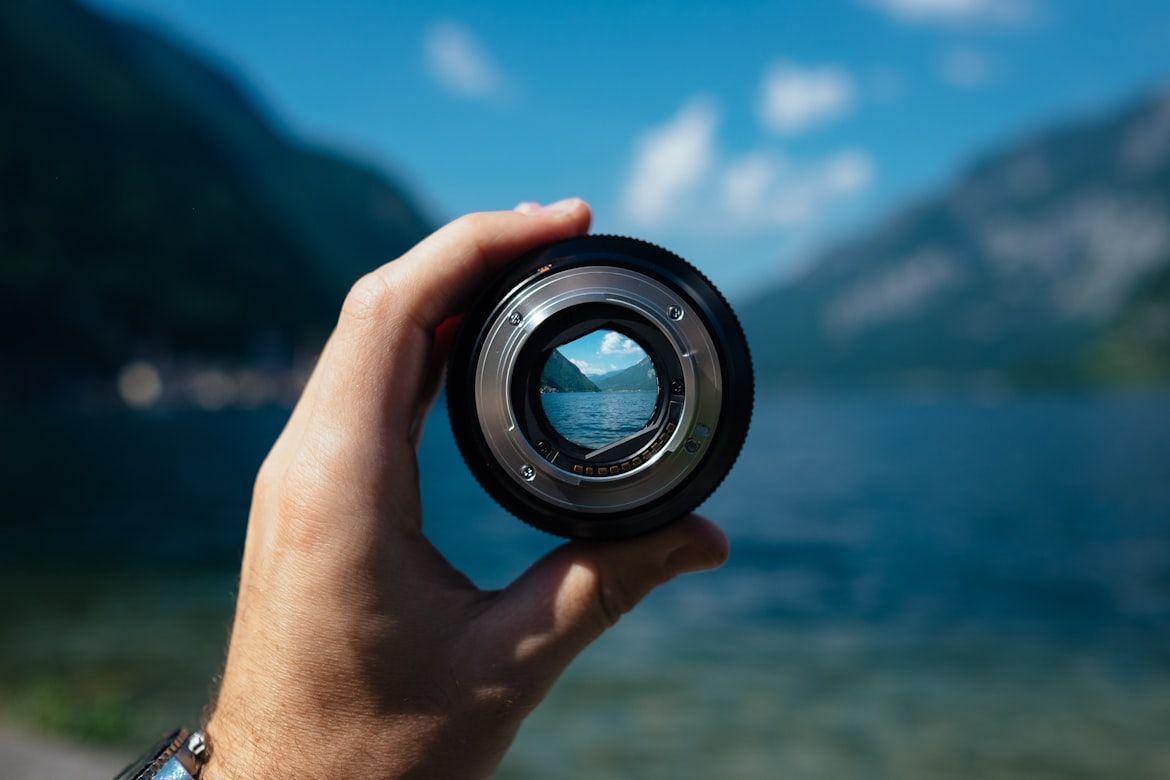
Modern life is a constant assault on our directed attention. We are always filtering out notifications and noise. A vacation, especially one involving nature, allows for soft relaxation. This gives your prefrontal cortex a chance to rest and recharge. When you return, you'll find that your ability to focus on complex tasks is significantly higher because your attention filters have been cleaned.
Hones your planning skills
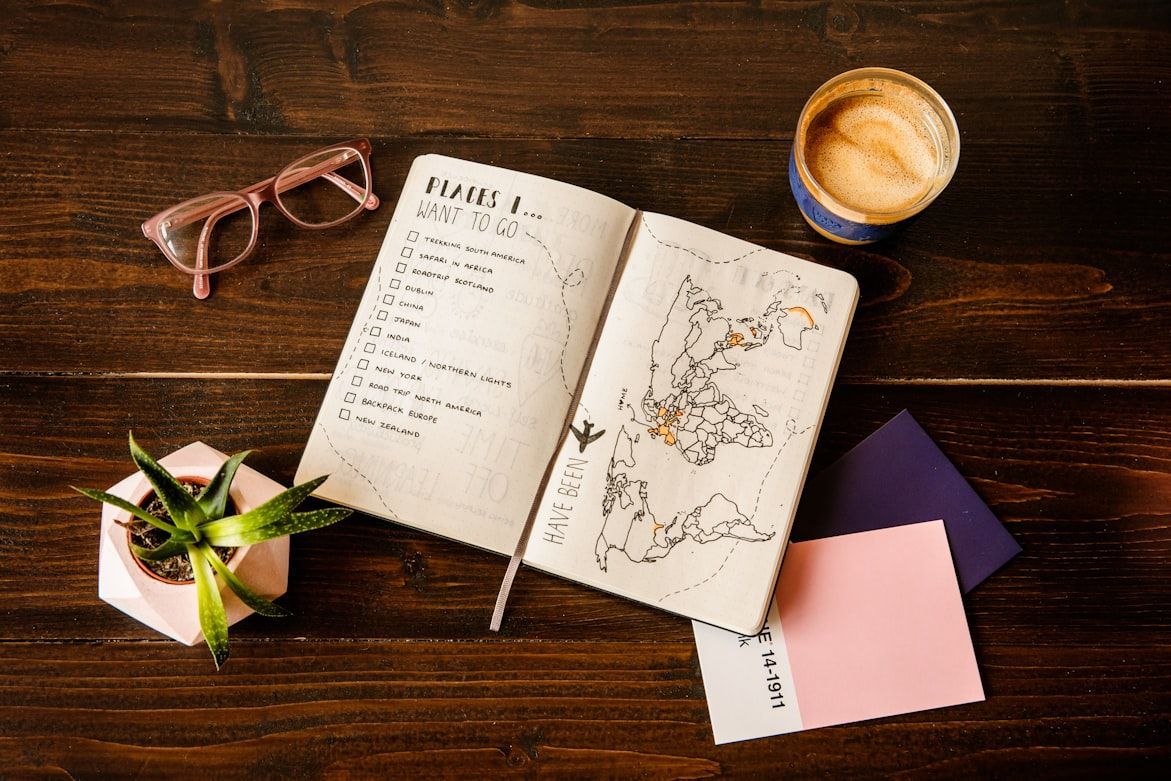
While the trip itself is relaxing, the act of planning a vacation is a high-level executive function workout. Managing budgets, itineraries, and logistics stimulates the dorsolateral prefrontal cortex. Research shows that the anticipation of a trip can be just as beneficial for your brain chemistry as the trip itself, providing a steady drip of dopamine in the weeks leading up to departure.
Improves your mood

This is the most immediate effect. Travel triggers a surge in serotonin and dopamine. By removing the constant threat of work deadlines, your body lowers its production of cortisol (the stress hormone). This shift allows your nervous system to move from "Sympathetic" (fight or flight) to "Parasympathetic" (rest and digest), leading to a sustained sense of well-being that can last for weeks after you return.
Lowers the brain’s inflammation

Chronic stress is linked to low-grade inflammation in the brain, which is a precursor to depression and anxiety. Studies have shown that even a short four-day vacation can lead to a significant drop in biological markers of stress. By giving the brain a cool-down period, you are physically reducing the internal heat that leads to burnout.
Resets your circadian rhythm

Most of us live in a state of social jet lag, staying up late under artificial blue light. A vacation—particularly one with outdoor activities—resynchronizes your internal clock with the natural light-dark cycle. This improves melatonin production, leading to deeper, more restorative sleep that repairs brain tissue and flushes out metabolic waste.
Keep wandering
There’s always
more to explore
Could you handle 162 steps inside the Statue of Liberty?
6 min.
Read Now

10 Incredible, death-defying miracles around the world
5 min.
Read Now

Here's why this particular airport worker can't be over 56 years old
6 min.
Read Now

You'll be surprised how much these tips can improve your West Coast trip
3 min.
Read Now