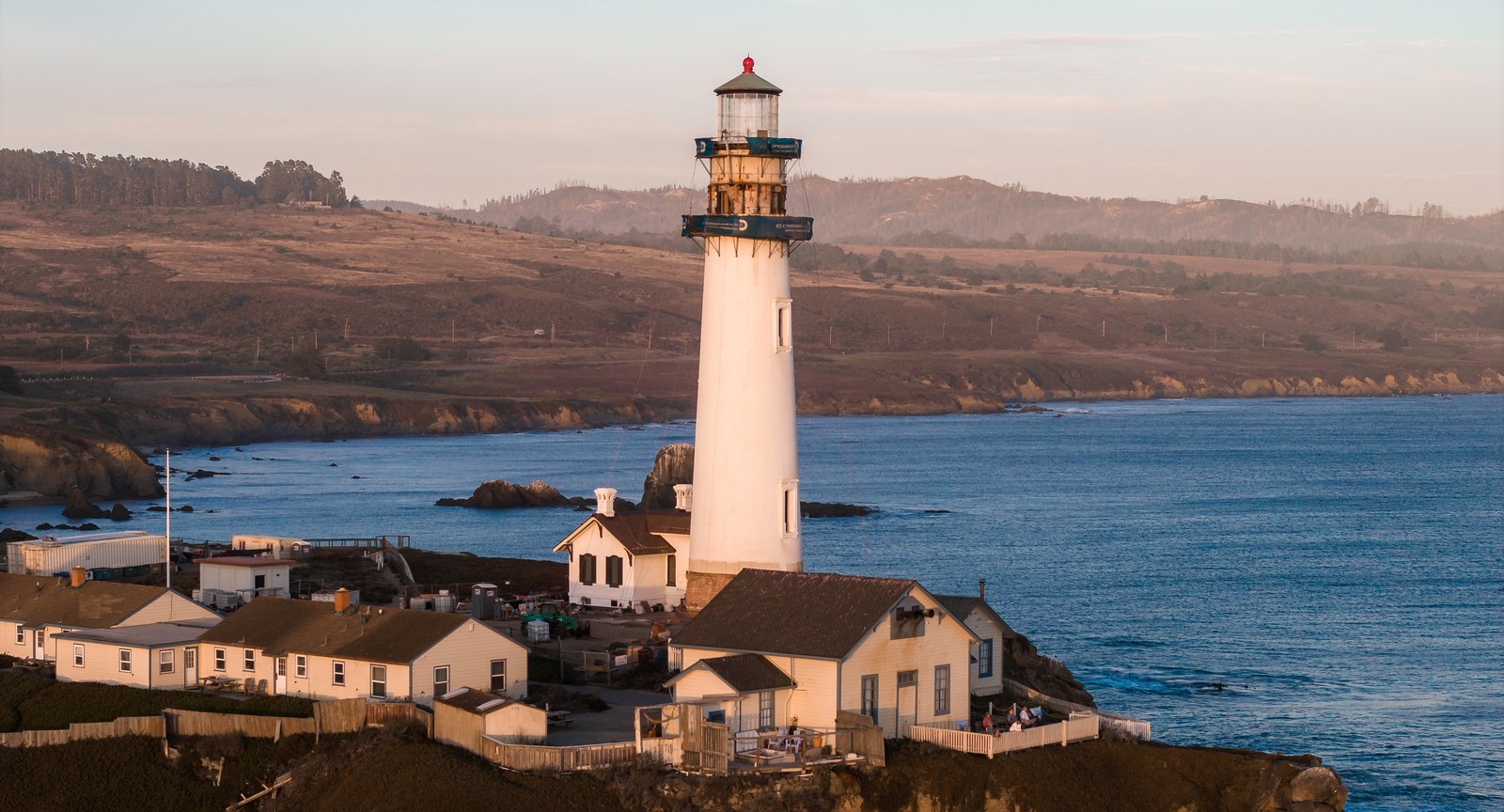
You'll be surprised how much these tips can improve your West Coast trip
 General
West Coast unlocked
You'll be surprised how much these tips can improve your West Coast trip
A West Coast road trip can either be the highlight of your year or a stressful blur of wrong turns and overpriced parking. The good news? A handful of simple tips separates the two. Renting a car gets you the flexibility to reach scenic overlooks, and budgeting a little extra for California's pricier spots means fewer surprises along the way. Picture this: easy drives along dramatic coastline, fresh seafood, wine country afternoons, and sunsets that make you stop the car just to stare. Follow a little planning, and that's exactly the trip you'll get.
Renting a car vs. relying on public transit between cities

A car gives you total freedom: stop wherever you want, whenever you want. Public transit works fine between big cities like Los Angeles and San Francisco, but it won't get you to hidden beaches or scenic overlooks. Rent a car for flexibility, especially if you're dreaming of those classic coastal drives.
Budgeting for higher costs in California cities

San Francisco and Los Angeles aren't cheap: hotels, parking, and meals add up fast. Budget extra for parking fees, since many hotels charge $40-plus a night just to keep your car. Booking accommodations slightly outside city centers, like in Oakland, can save real money without sacrificing convenience.
Best time of year to avoid fog and crowds
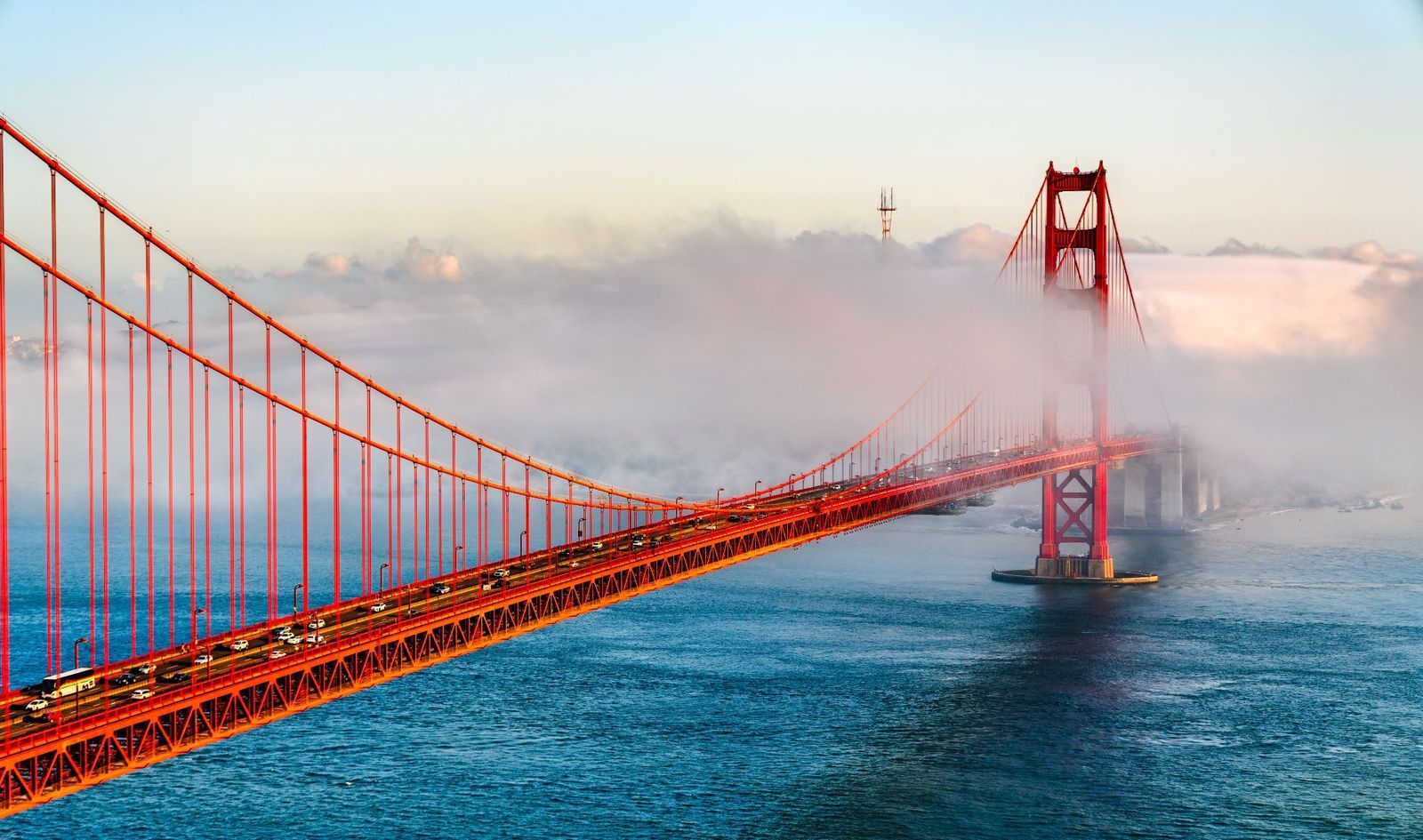
Skip July and August if you can. Coastal fog ("June gloom," locals call it) often blankets cities like San Francisco well into early summer. September and October bring clearer skies, thinner crowds, and better hotel rates. You'll enjoy the views more and wait in fewer lines; a win-win for relaxed travelers.
Combining national parks with city stops
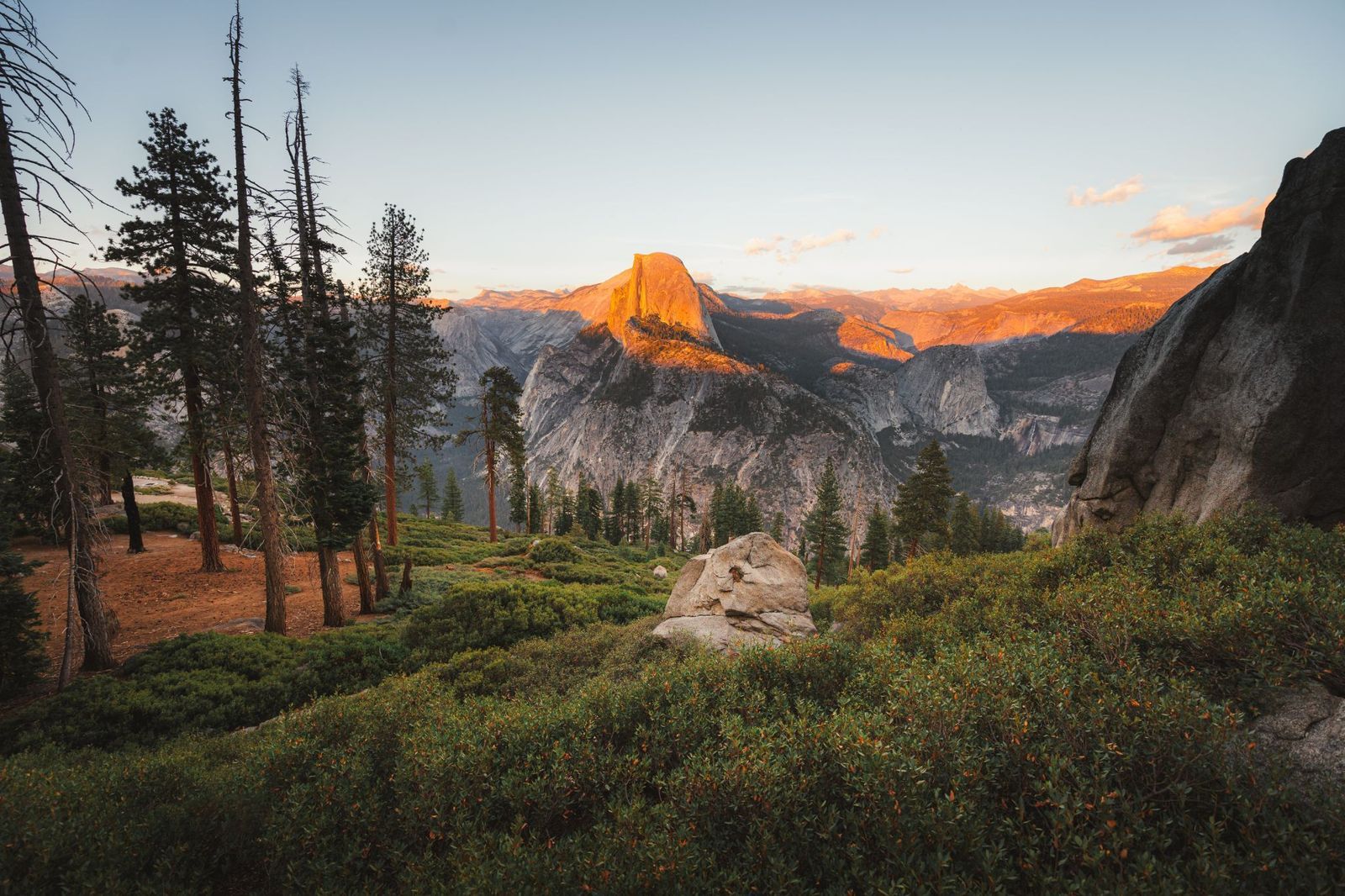
Mix nature with civilization for the best of both worlds. Spend a few days hiking in Yosemite, then head to San Francisco for great meals and museums. Alternating between wilderness and city comforts keeps the trip balanced: you get fresh air and adventure, plus soft beds and good coffee when you need them.
Sampling regional food and wine along the way

Don't just drive through wine country, stop and enjoy it. Napa and Sonoma offer relaxed tastings without pretension; just plan to linger there for the day or designate a driver. Down the coast, Santa Barbara serves up fantastic seafood and local wines, too. These stops turn ordinary travel days into some of the most memorable parts of the trip.
Driving the Pacific Coast Highway safely
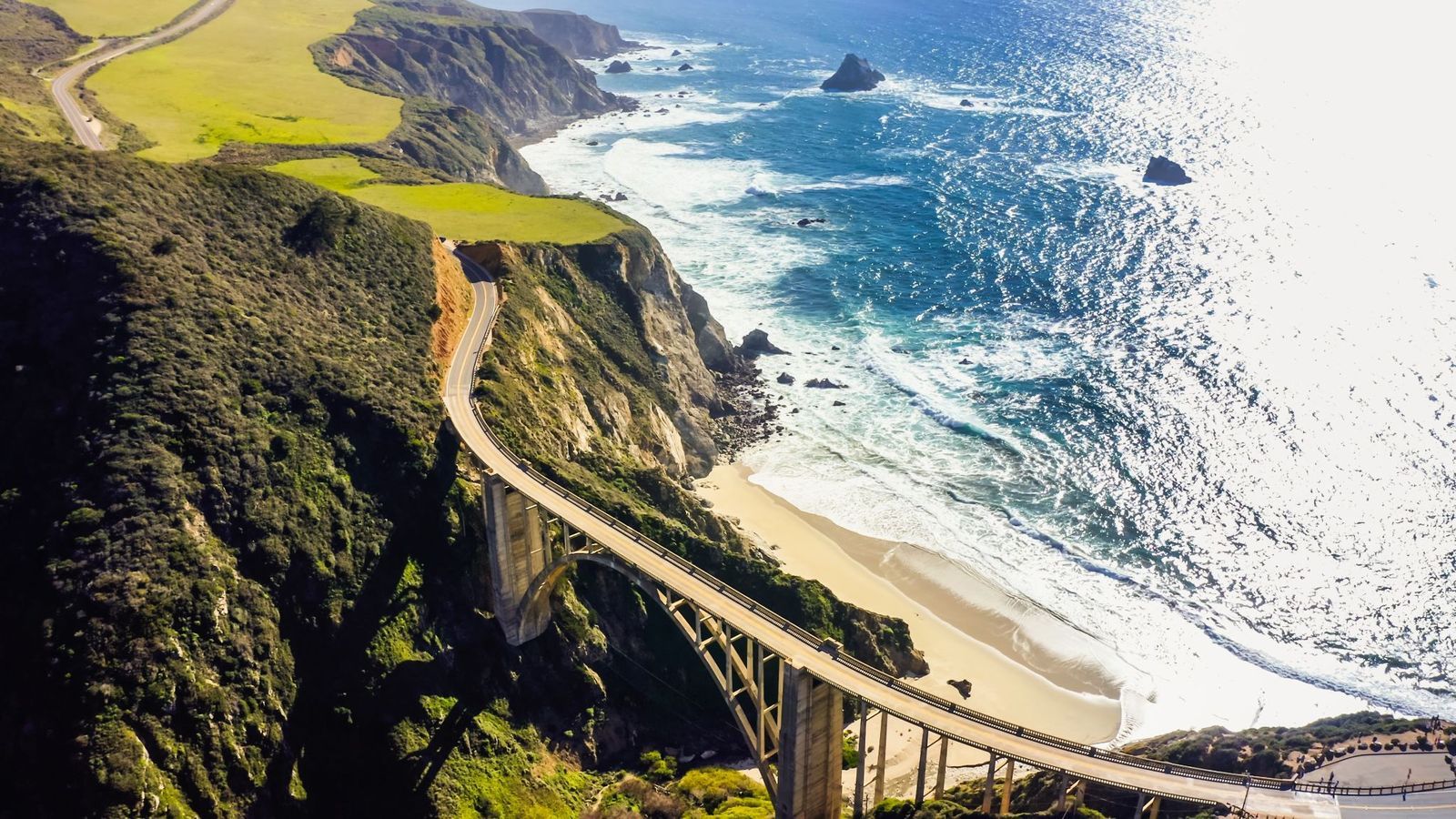
Highway 1 is stunning, but those cliffside curves near Big Sur demand attention. Take it slow, use pullouts to let faster cars pass, and never look at the view while moving; pull over instead. Going slower means more time to enjoy the scenery safely, which is really the whole point of this drive anyway.
Where to catch the best sunset views
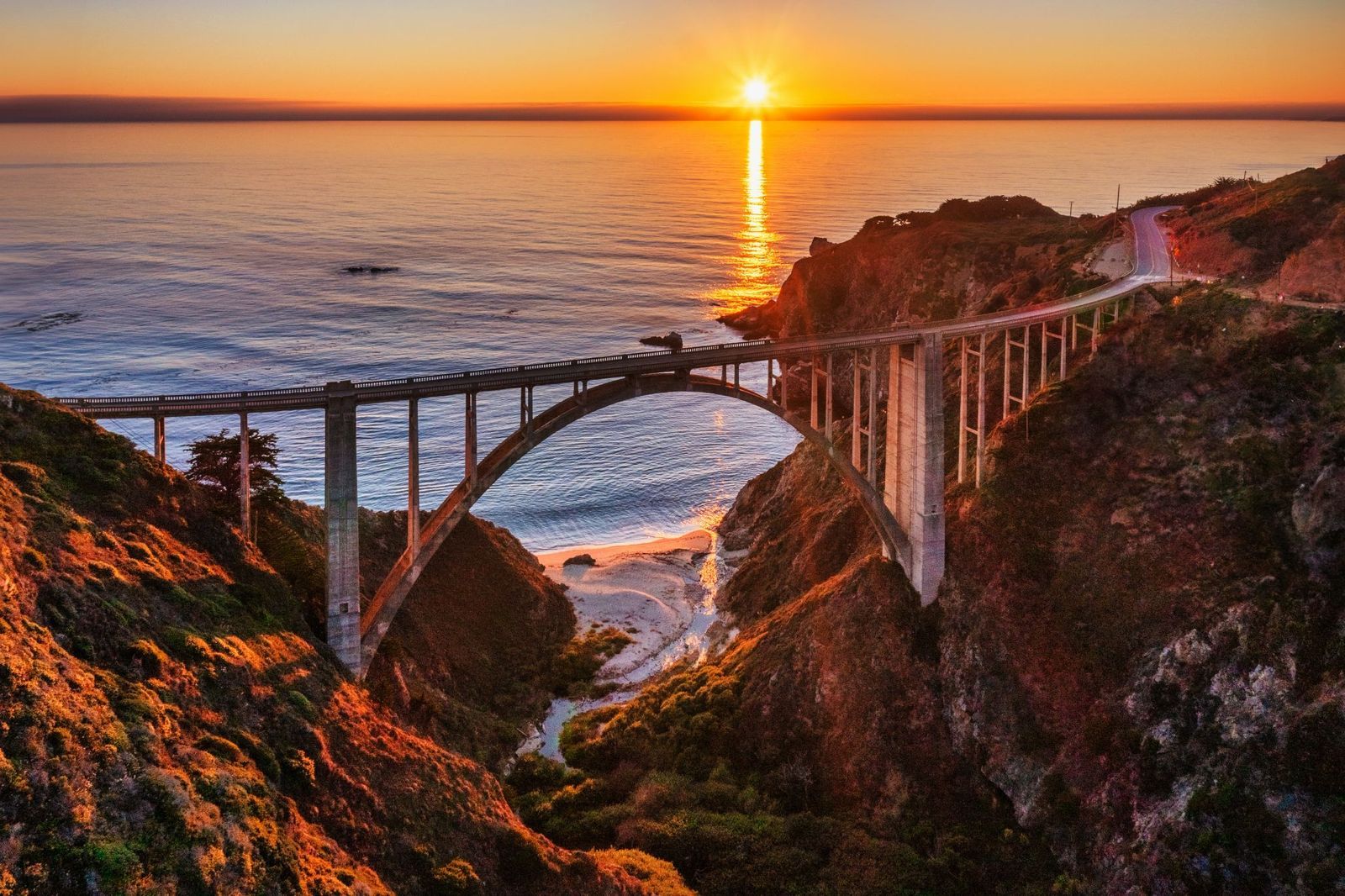
Some sunsets are simply unforgettable. Try the cliffs above Big Sur or the beaches near Santa Monica for golden, glowing skies over the ocean. Arrive thirty minutes early, bring a light jacket, and find a bench or rock to sit on. It's a simple pleasure that costs nothing and delivers everything.
Day trips from major hubs like San Francisco and Seattle
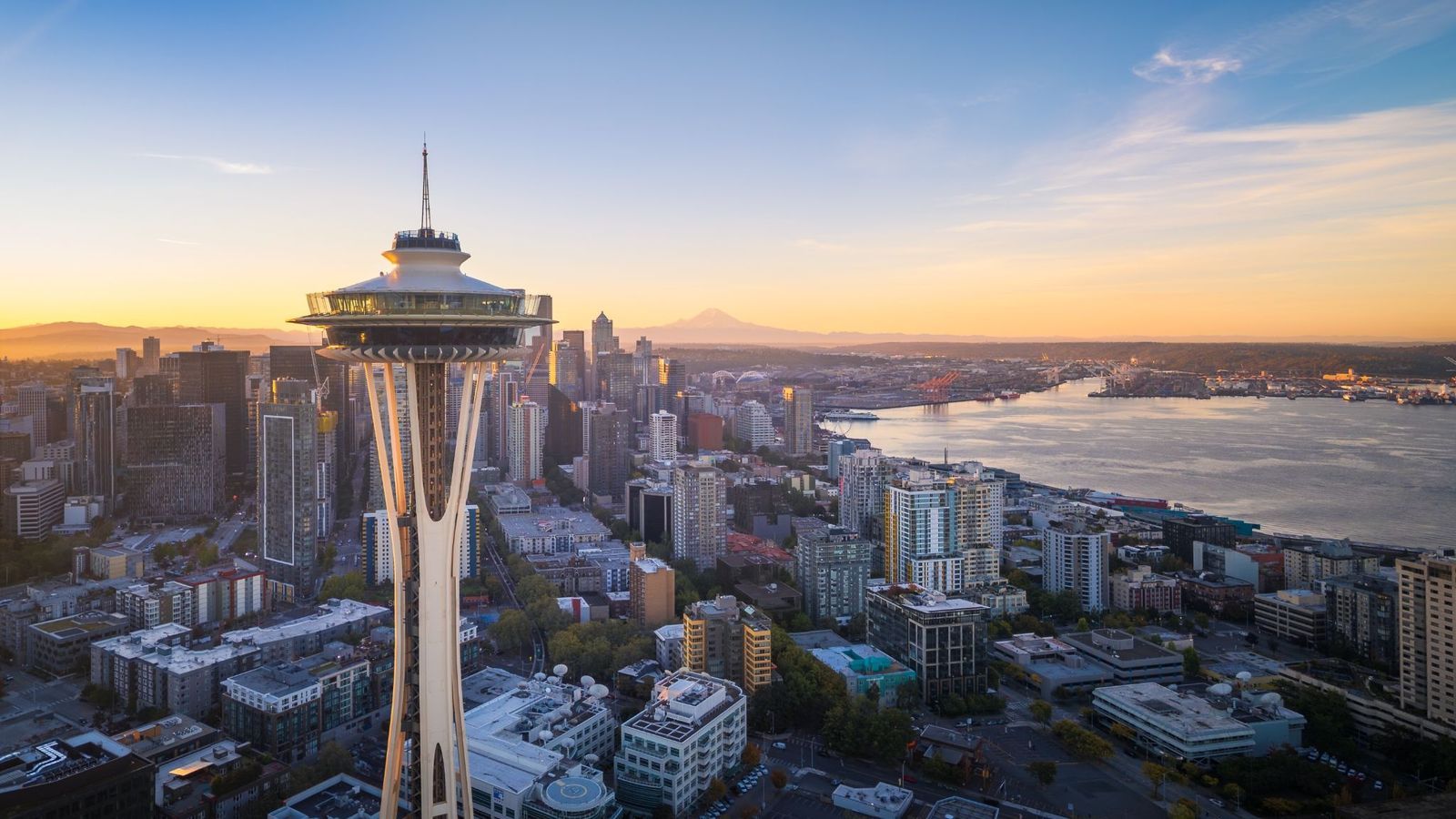
Use big cities as a home base instead of constantly packing and unpacking. From San Francisco, you can day-trip to Muir Woods or Sausalito. From Seattle, Mount Rainier is an easy drive away. This approach saves you from hotel-hopping every night while still letting you see plenty of variety.
Packing for variable coastal weather

Coastal weather changes by the hour, not just the season. Mornings can be foggy and cool even in summer, then sunny by afternoon. Pack layers: a light jacket, sweater, and sunscreen all in the same bag. Being prepared means you're comfortable no matter what Mother Nature decides to do that day.
Avoiding peak tourist season in popular spots
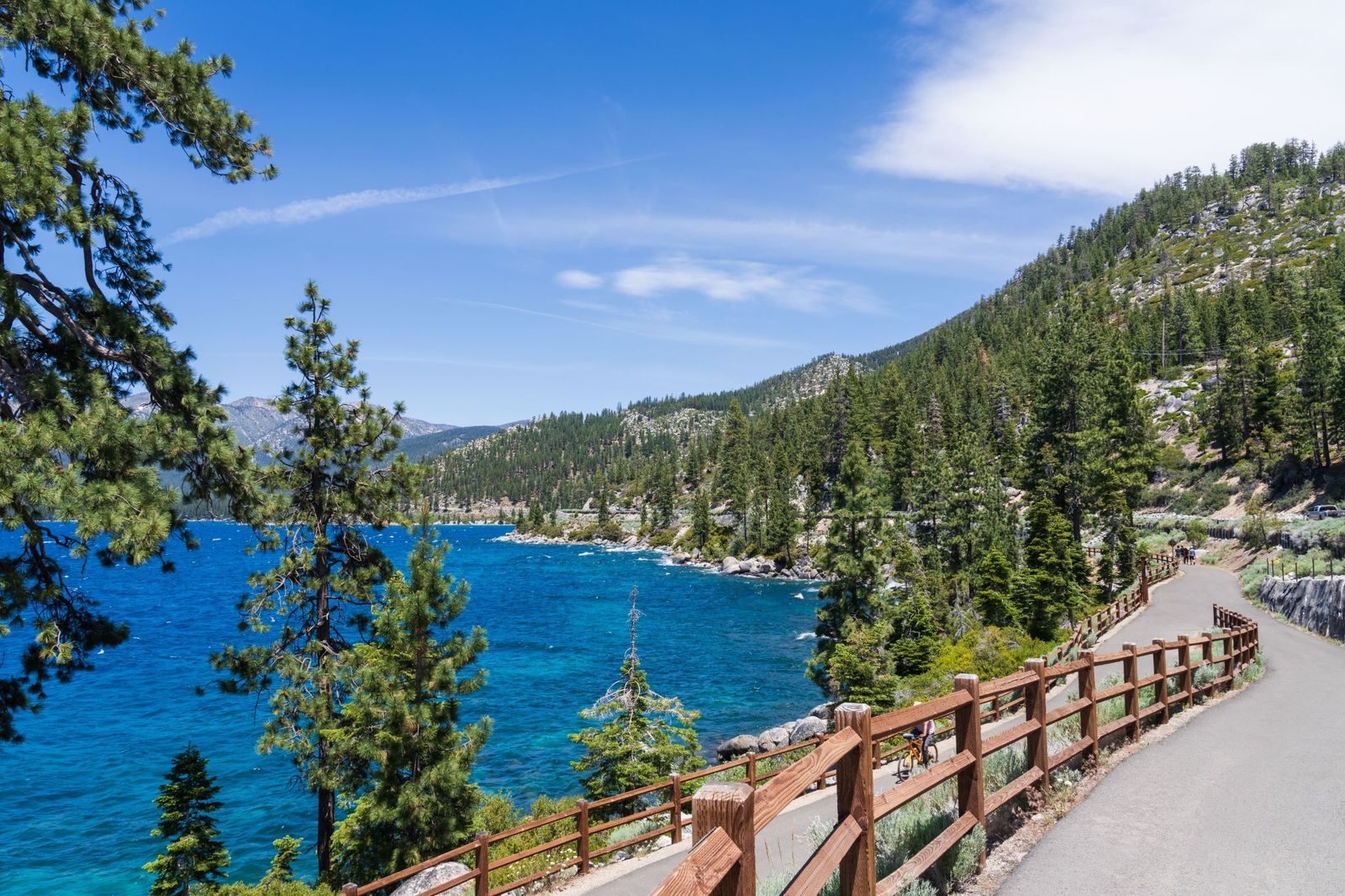
Popular spots like Lake Tahoe get packed in summer. Visiting in late spring or early fall means shorter lines, easier parking, and a more peaceful experience overall. You'll get the same gorgeous views without elbowing through crowds; proof that timing really can make or break a trip.
Walk into the myth: 10 legendary locations
 Landmarks
Mythical origins
10 mythical places you can visit
Many places around the world are legendary for their beauty and magnificence, but others are legendary because they were the setting of actual legends —at least, according to locals. From battling giants to powerful deities, these destinations attract visitors from around the world who want to stand where heroes and gods once stood. Here are 10 places with a legendary story.
Grand Canyon (USA)
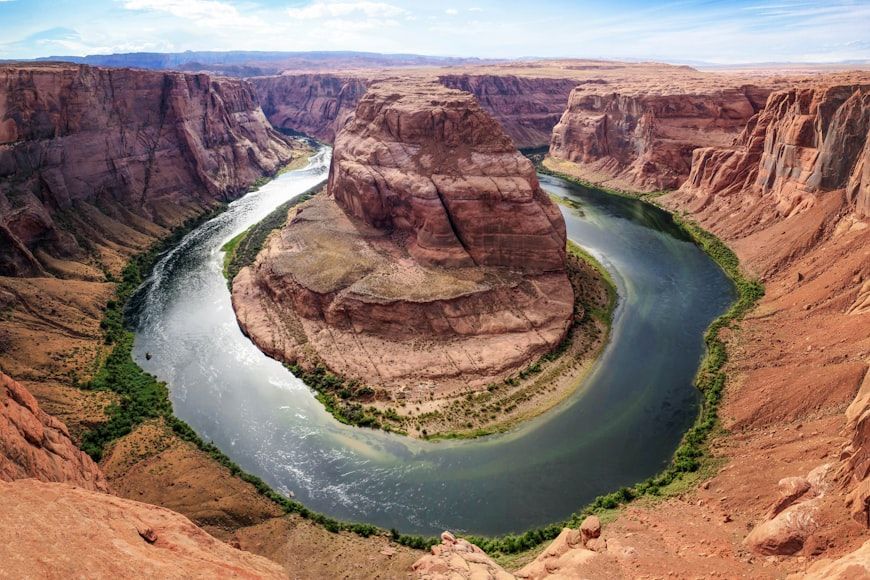
One of America’s most well-known landmarks, this canyon was carved in the Arizona desert by the Colorado River. Inhabited for thousands of years, the canyon was considered a sacred place by the tribes who still live around it.
According to a Navajo legend, the Colorado River came to be after a monster hoarded all the water in the region. Confronted and defeated by a hero, the monster was spared as long as he benefited humanity. The monster carved paths for the water to flow, creating the Grand Canyon and the Colorado River.
Giant's Causeway (Ireland)
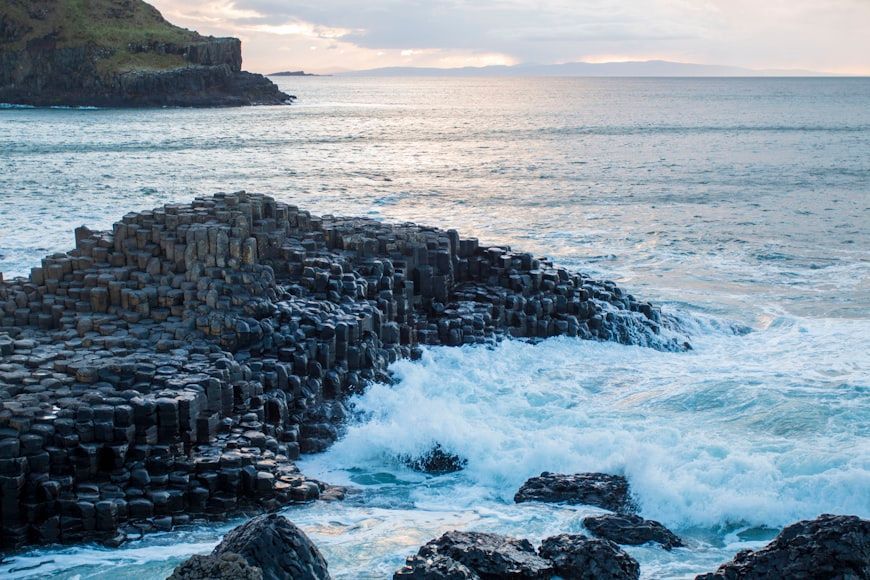
Formed by nearly 40,000 interlocked rock columns, the Giant’s Causeway is located on the north coast of Northern Ireland. It is mostly made of hexagonal columns that create stepping stones from the sea to the cliff.
While its scientific explanation is straightforward —a volcanic eruption— local folklore links its origin to the giant hero Fionn mac Cumhaill. Challenged to a fight by Scottish giant Benandonner, Fionn created the causeway across the North Channel. Defeated, Benandonner fled, destroying the bridge, whose other side can be found at the Scottish isle of Staffa.
Takachiho Gorge (Japan)
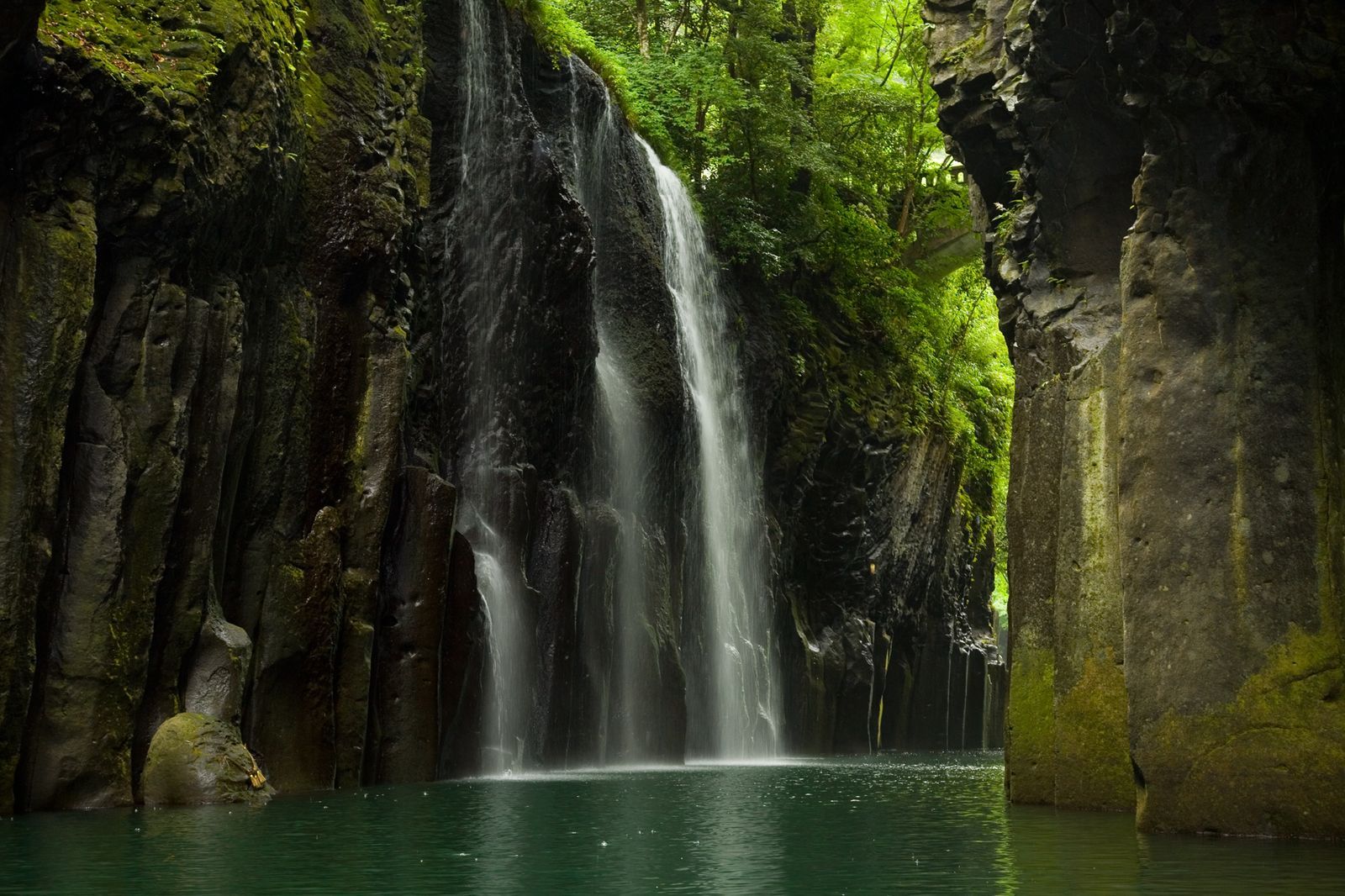
Nestled among the Kyushu Mountains, this gorge is a popular tourist attraction not only because of its stunning scenery, but also because it is believed to be the location of one of the most important Japanese myths.
According to the legend, Amaterasu, the Shinto goddess of the sun, hid in a cave at the Takachiho Gorge to escape her brother’s pranks, taking with her all the light from the world. To lure her out, the other deities danced and laughed nearby until Amaterasu became curious and went out. Some time later, Amaterasu’s grandson would descend from the heavens to that same place and would become Japan’s first emperor.
Devil’s Tower (USA)
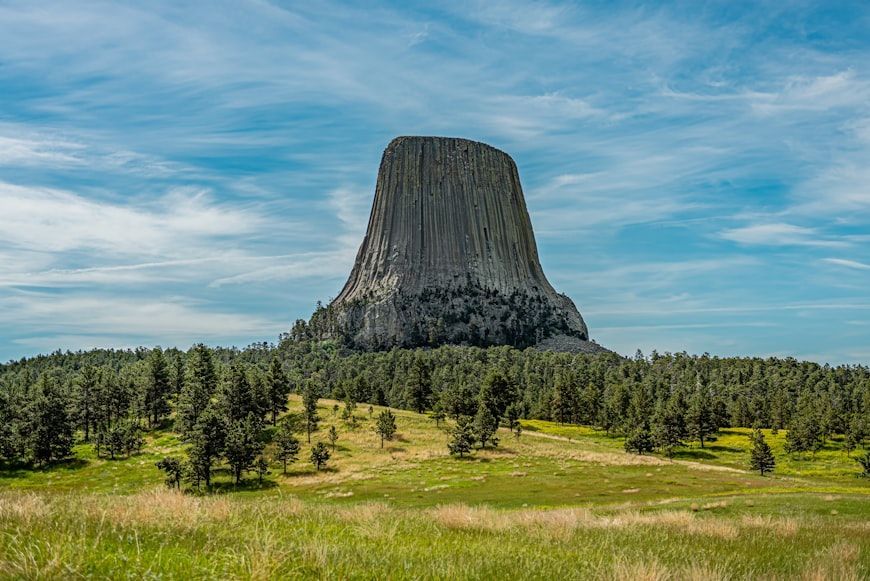
Located in the Black Hills Mountain Range in Wyoming, this rock formation was established by President Theodore Roosevelt as the first national monument in 1906. According to scientists, the column was created by molten magma that, unlike the softer rocks around it, was not eroded by the elements.
Locals tell a different story, or several, but all start with children fleeing from a bear. In some tales, the children ask the Great Spirit to save them, and the rock rises beneath them. In others, the bear claws at the rock, giving it its characteristic shape. This is why, for Native Americans, the place is called Matȟó Thípila or Bear Lodge.
Stonehenge (UK)
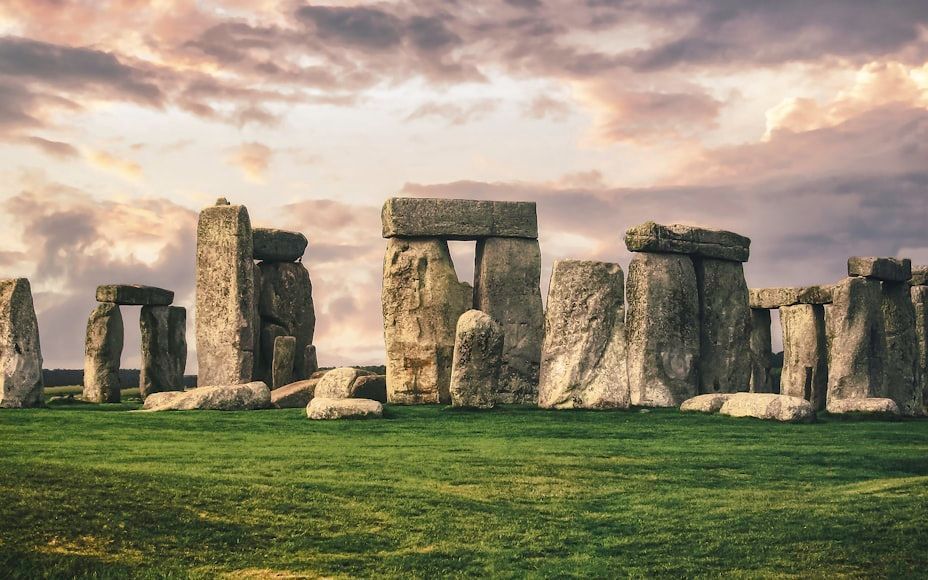
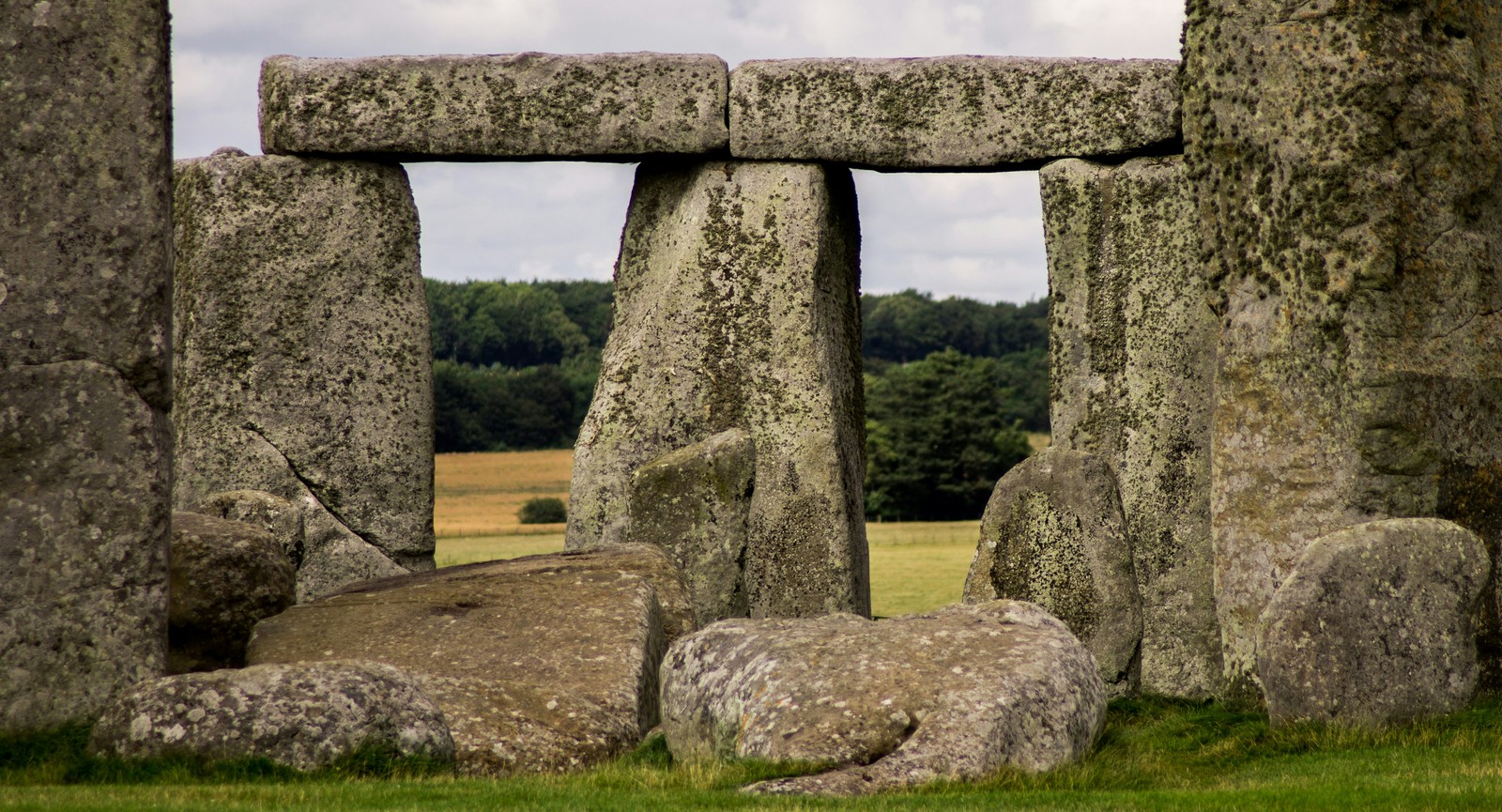
Probably one of the most famous prehistoric monuments in the world, Stonehenge remains a mystery for experts. Not because of its purpose —it is believed to have served as a burial ground or as a temple— but due to the size of the monoliths that are part of it.
These huge rocks not only weigh around 25 tons each, but they are also not local to the area. Instead, they were transported from over 100 miles away, a feat deemed impossible for the locals at the time. What are the local theories? According to a popular legend, the rocks were placed there by the famous enchanter Merlin.
Cyclopean Isles (Italy)
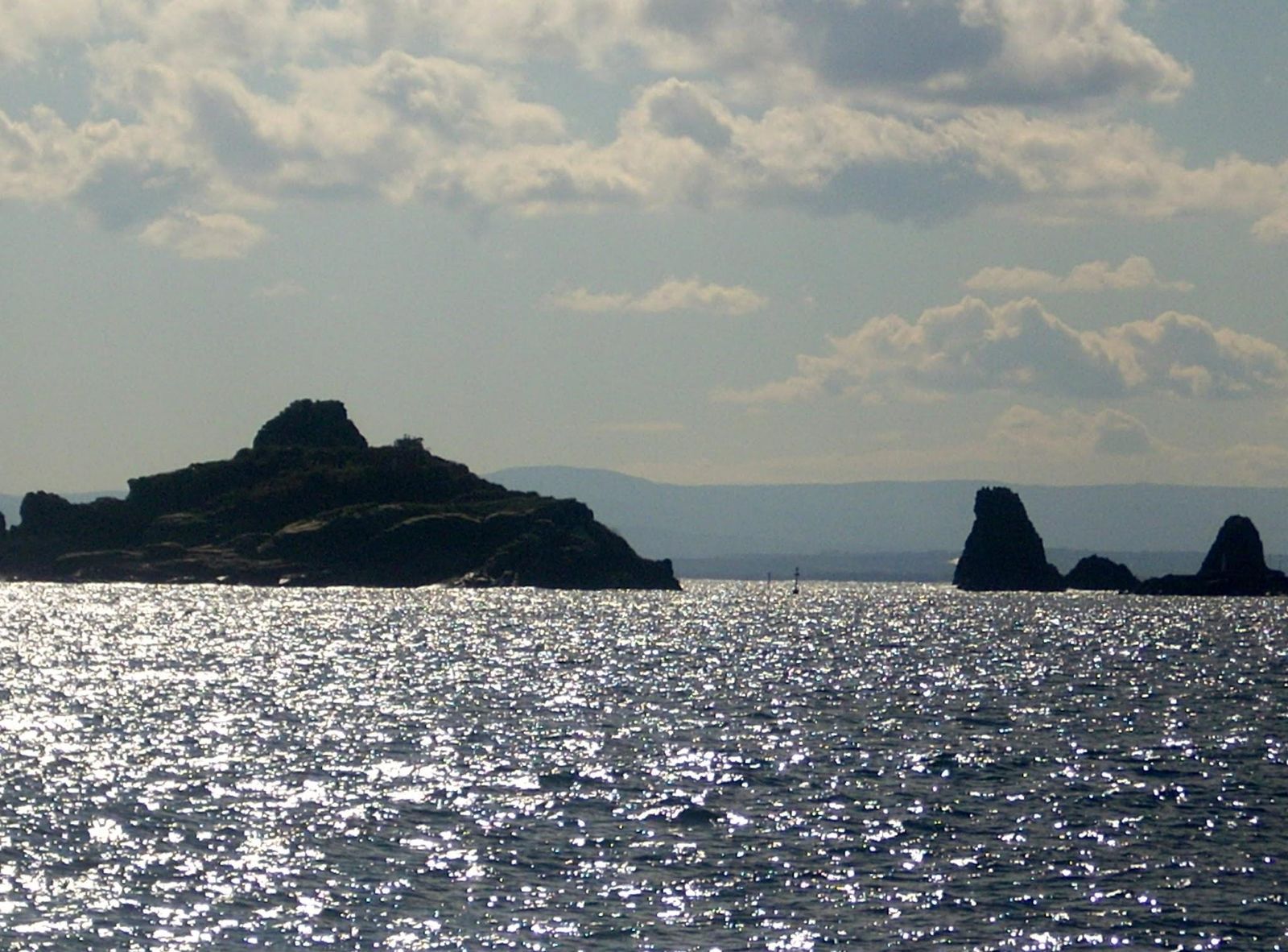
Believed to have a volcanic origin, these islands lie in the Mediterranean Sea near the Sicilian coast. Formed by basalt rock, they are famous for their characteristic column shape that emerges from the sea.
Why are they called Cyclopean? Local tradition explains that the islands were originally part of the Sicilian mainland, inhabited by Cyclops. As told in Homer’s Odyssey, after the cyclops Polyphemus was blinded and tricked by Odysseus, he threw giant rocks at their ship. Falling into the sea, these rocks became the Cyclopean islands.
Mount Everest (Nepal)
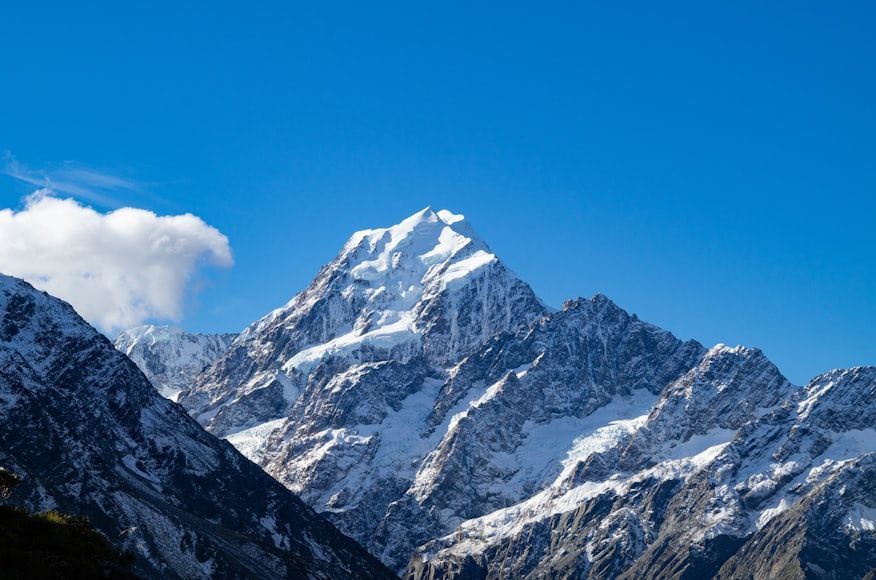
The highest mountain on Earth above sea level, Mount Everest is a popular destination for adventurers and mountaineers despite the dangers associated to it. For the locals, however, the mountain is a sacred place.
According to Tibetan Buddhism, the Everest summit is the home of the Goddess Miyolangsangma, originally a malevolent deity who was converted to Buddhism and who protects the mountain and those who wish to climb it. Many guides believe that only those who appease the goddess with rituals and offerings will be able to reach the summit.
Caves of Hercules (Morocco)
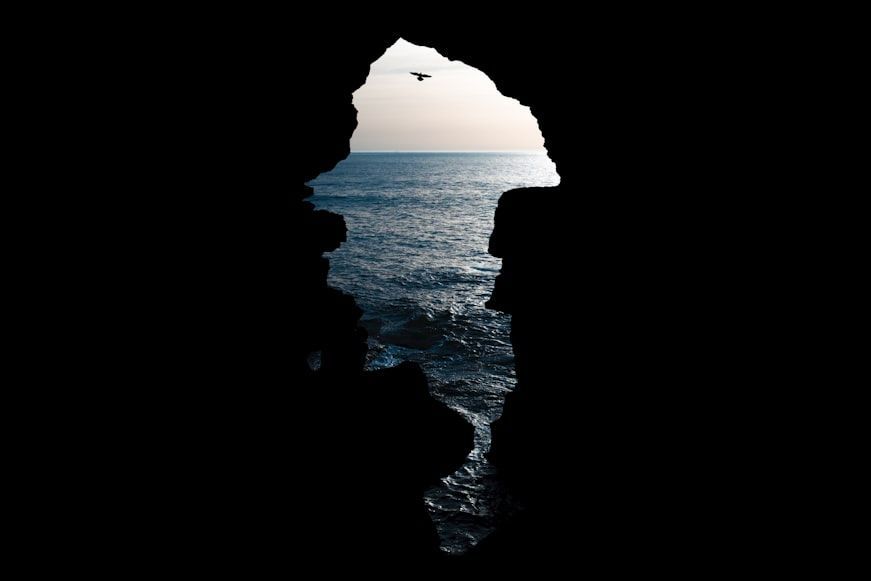
This cave complex can be found a few kilometers from the city of Tangier. Partly formed by natural causes and partly man-made, one of its most famous features is the "Africa opening", the cave’s gateway to the sea, whose shape resembles the African continent.
The place is named after an ancient legend. According to mythological tradition, Hercules came across a mountain during his labors. Instead of climbing it, he smashed through it, creating the Strait of Gibraltar. Tired after the feat, he found the caves and decided to spend the night there.
Halema’uma’u Crater (USA)
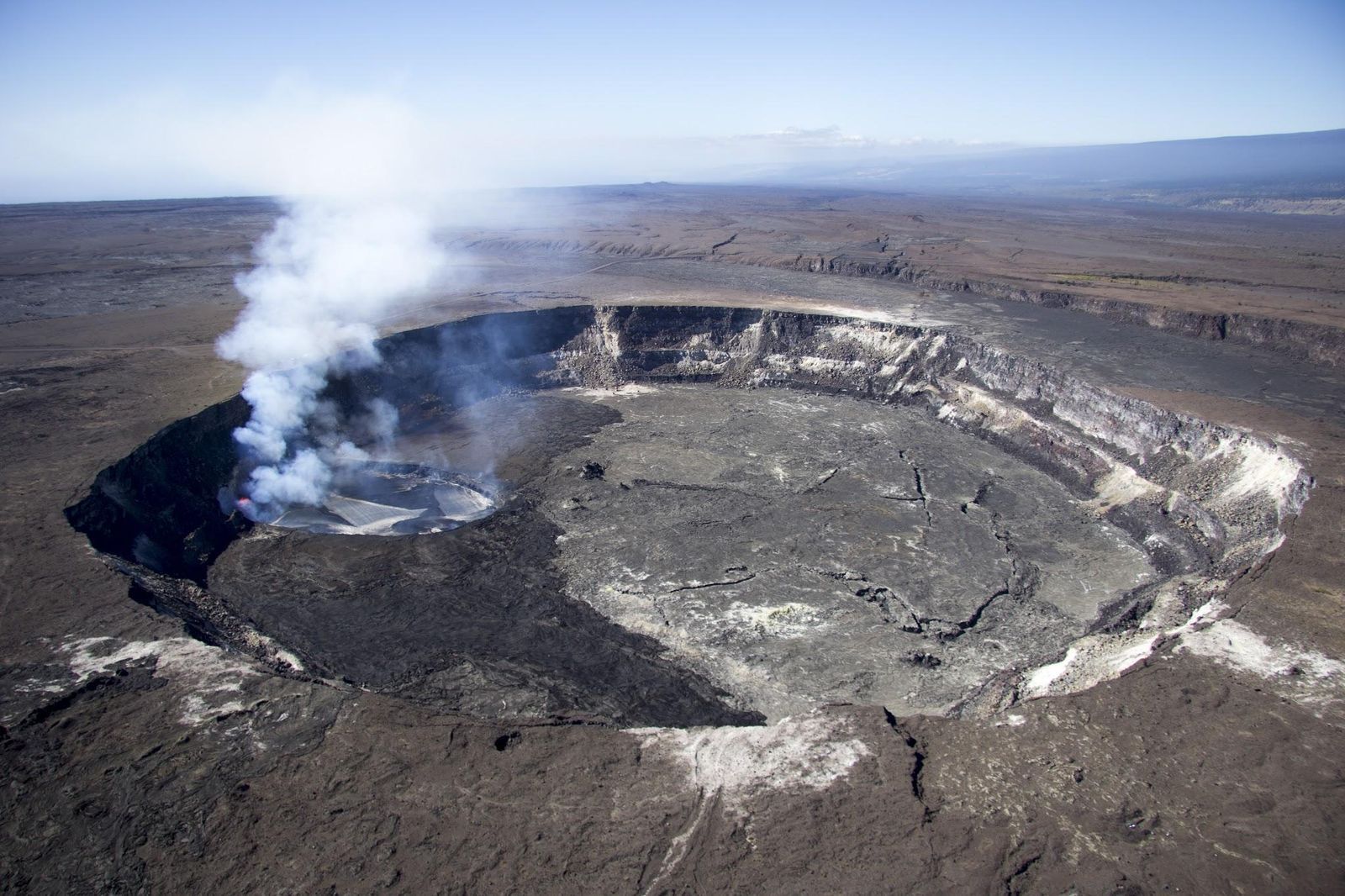
Part of the caldera at the top of the Kīlauea volcano, Halema’uma’u, is a popular tourist destination at Hawaii Volcanoes National Park despite being active. For Native Hawaiians, though, Halema’uma’u is the home of Pele, the goddess of volcanoes and fire, and the eruptions are caused by her movements.
Several tours allow travellers to hike along the caldera and pay their respects to Pele, but they all come with a warning: never take rocks or volcanic sand with you as a souvenir. If you do, you will suffer Pele’s Curse and will have severe bad luck until you return what you took to Hawaii.
Tokangawhā (New Zealand)
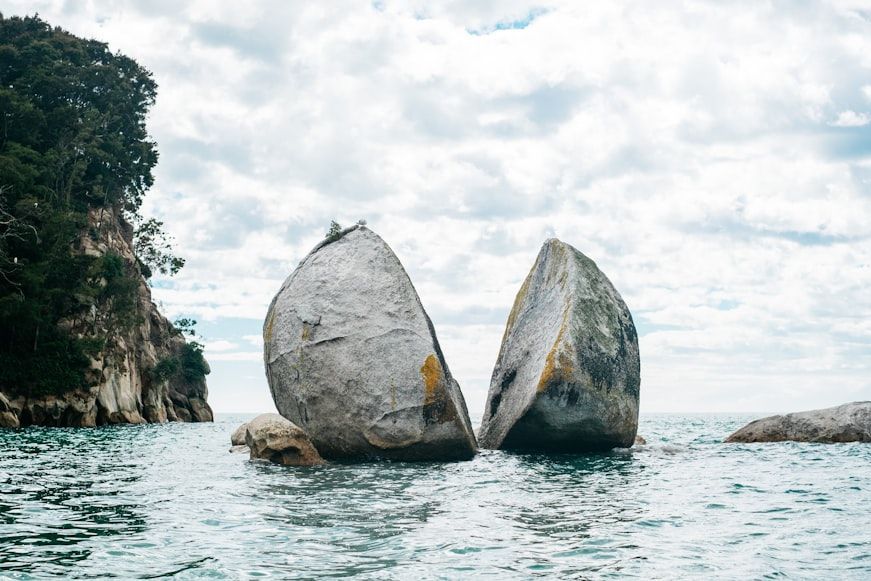
Found near the shores of the Tasman Bay, this stone has the appearance of a giant apple neatly cut in half, and it is locally known as the ‘split apple rock’. Though scientists explain the perfect division as a result of water seeping and expanding into the rock during an ice age, local legends disagree.
According to Māori folklore, a dispute arose between two deities who wanted to possess the boulder. Unwilling to yield, they decided to split the rock and get a half each, which gave way to its native name, meaning ‘burst open rock’.
Keep wandering
There’s always
more to explore
Could you handle 162 steps inside the Statue of Liberty?
6 min.
Read Now
10 Incredible, death-defying miracles around the world
5 min.
Read Now
The 10 happiest cities in America in 2026
3 min.
Read Now
The Blues Road: Every blues fan should visit these 12 spots at least once
5 min.
Read Now