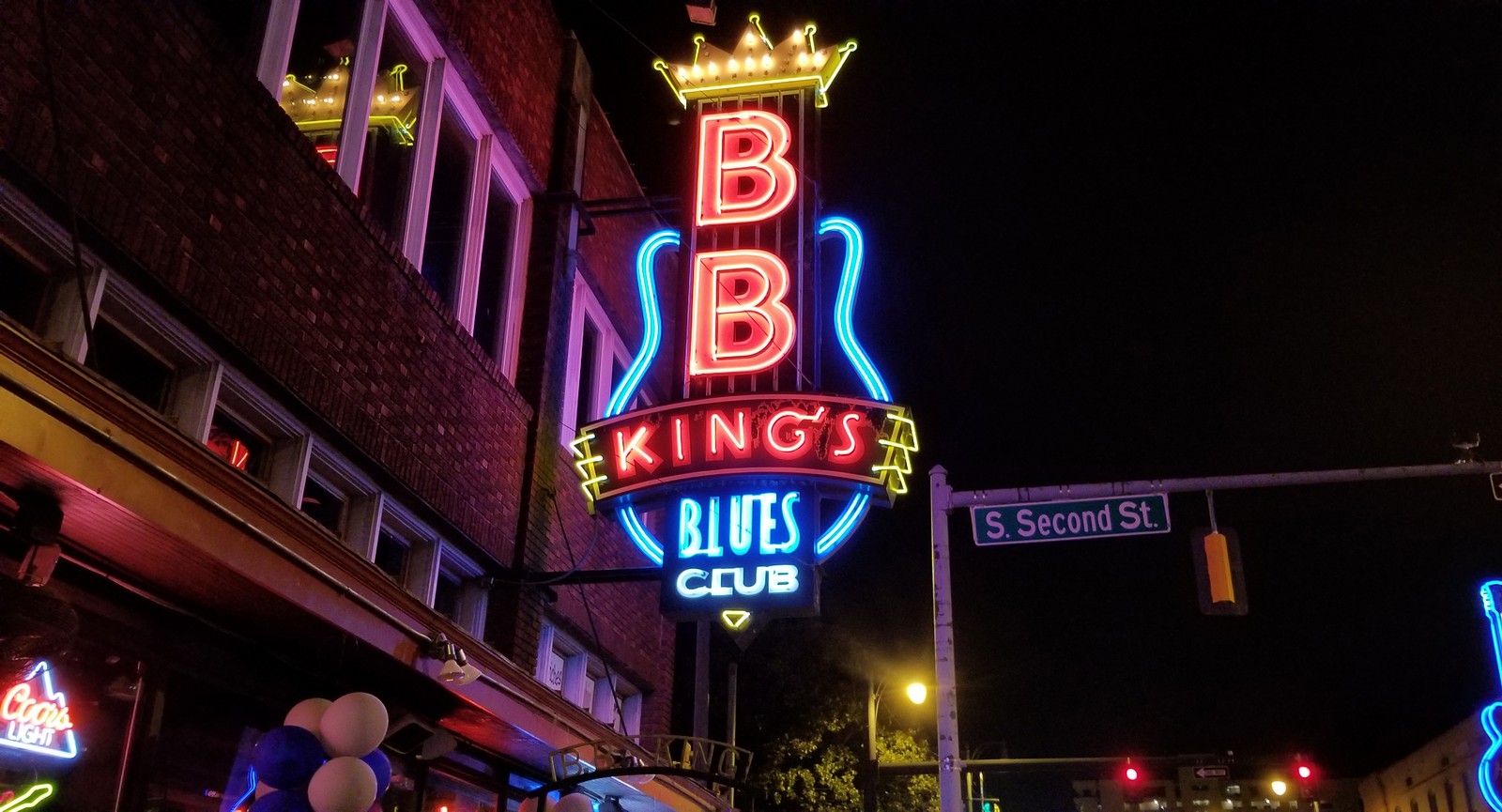
The Blues Road: Every blues fan should visit these 12 spots at least once
 Landmarks
Have you got the blues?
The Blues Road: Every blues fan should visit these 12 spots at least once
The blues is more than music: it has a geography. From Louisiana juke joints to Mississippi cotton country and the neon lights of Memphis, its story can still be traced along the Southern roads where musicians lived, played, traveled, and recorded. Pack your bags and follow the Blues Road through 12 places where American music changed forever.
Start where musical worlds collided
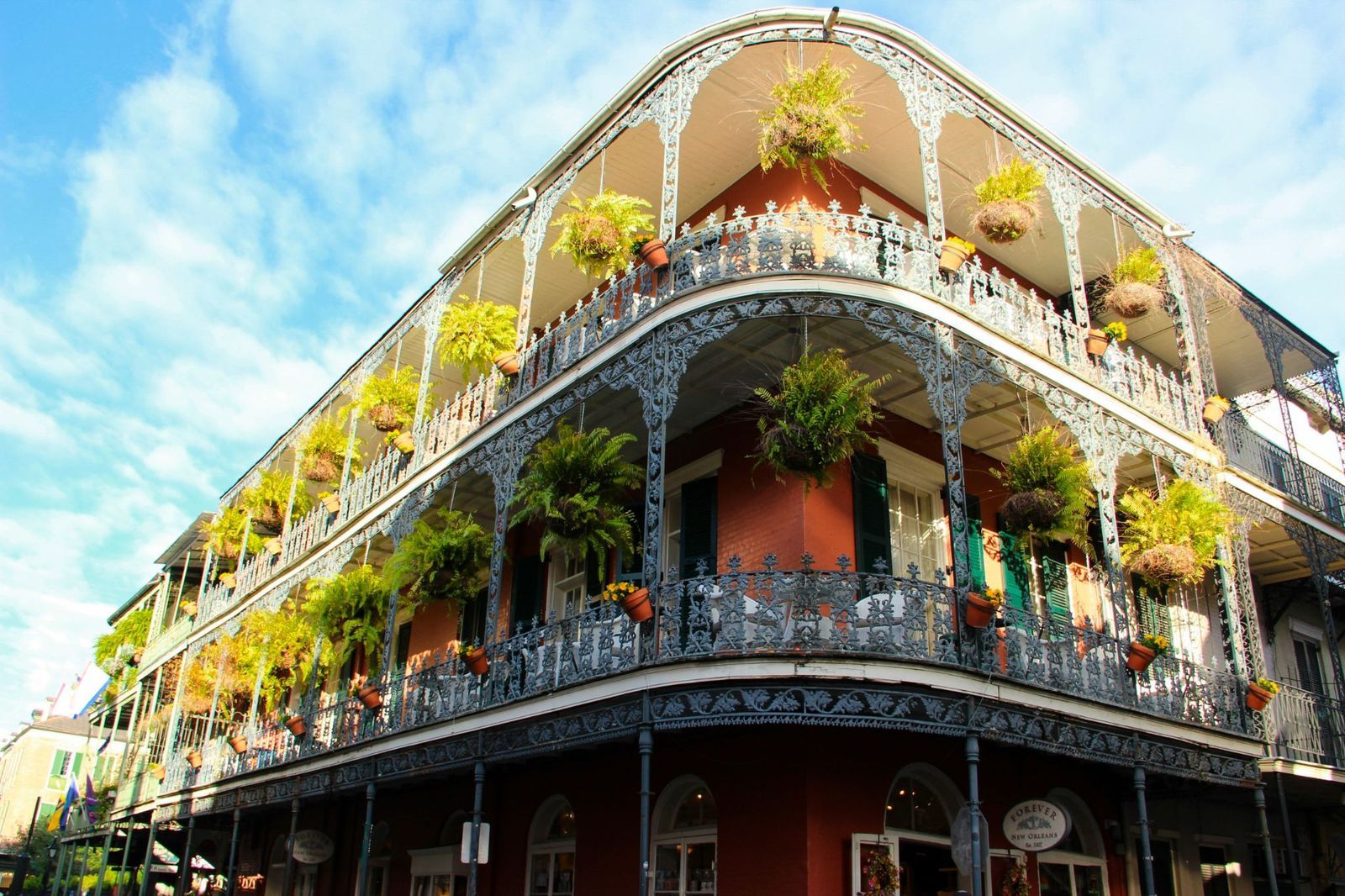
New Orleans may be famous as the birthplace of jazz, but the blues also runs deep through the city's musical DNA. Around the turn of the 20th century, African American blues, spirituals, ragtime, brass-band music, and Caribbean influences were mingling here in extraordinary ways.
The French Quarter remains one of America's great musical neighborhoods. Its clubs, streets, and courtyards make an appropriate starting line for our journey north: before the blues became something the world could name, New Orleans was already demonstrating what could happen when musical traditions collided.
A juke joint that grew inside a home
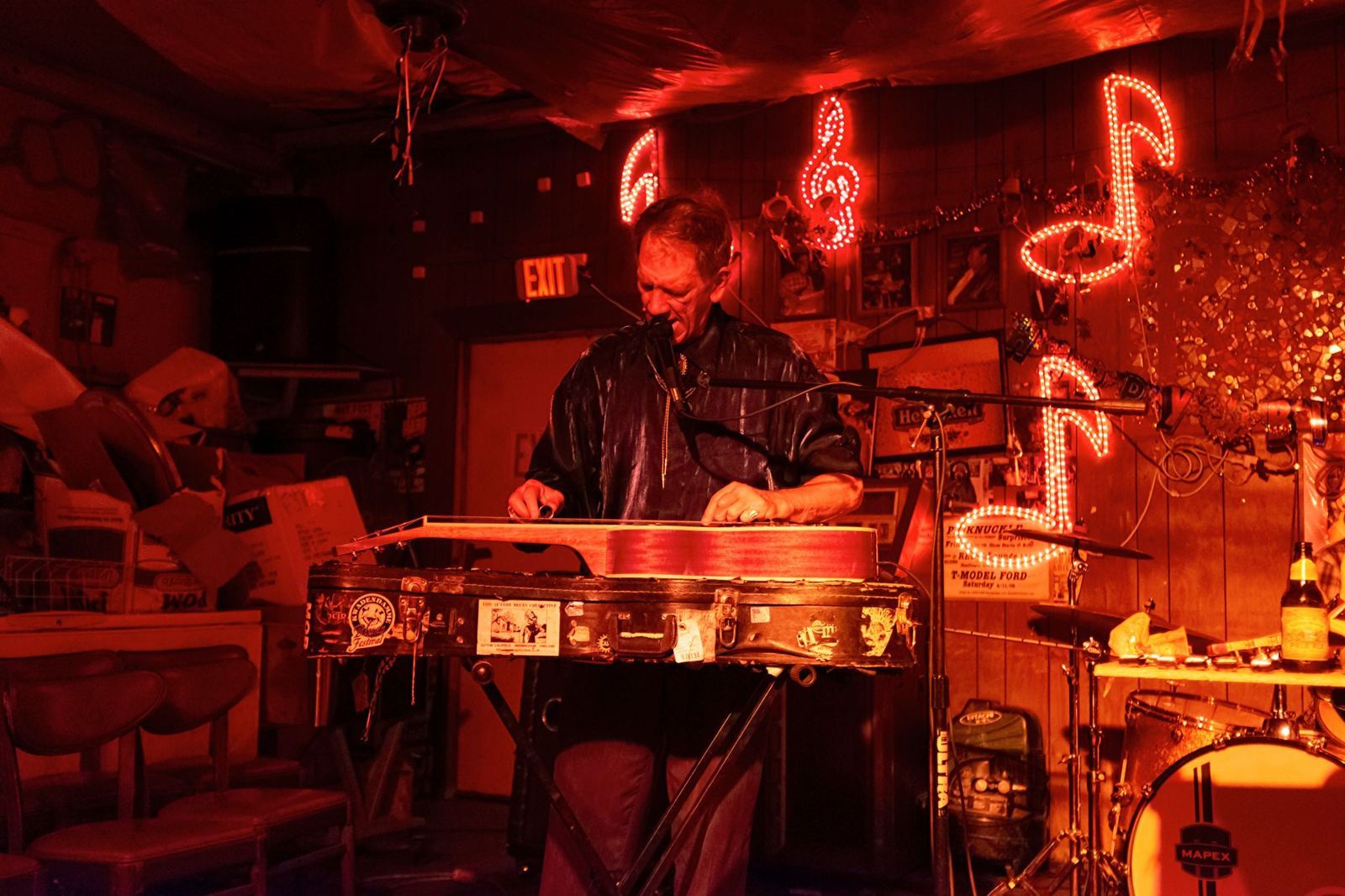
Teddy's Juke Joint in Zachary, Louisiana, isn't an imitation created for nostalgic travelers. Lloyd "Teddy" Johnson Jr. opened it in 1979 in the shotgun house where he was born, initially entertaining customers with records before welcoming live musicians.
Over the years, Teddy covered his little kingdom with photographs, signs, license plates, and memorabilia. Big Bo Melvin and the Nighthawks became an early house band, and generations of musicians followed.
Stop for some Highway 61 soul food
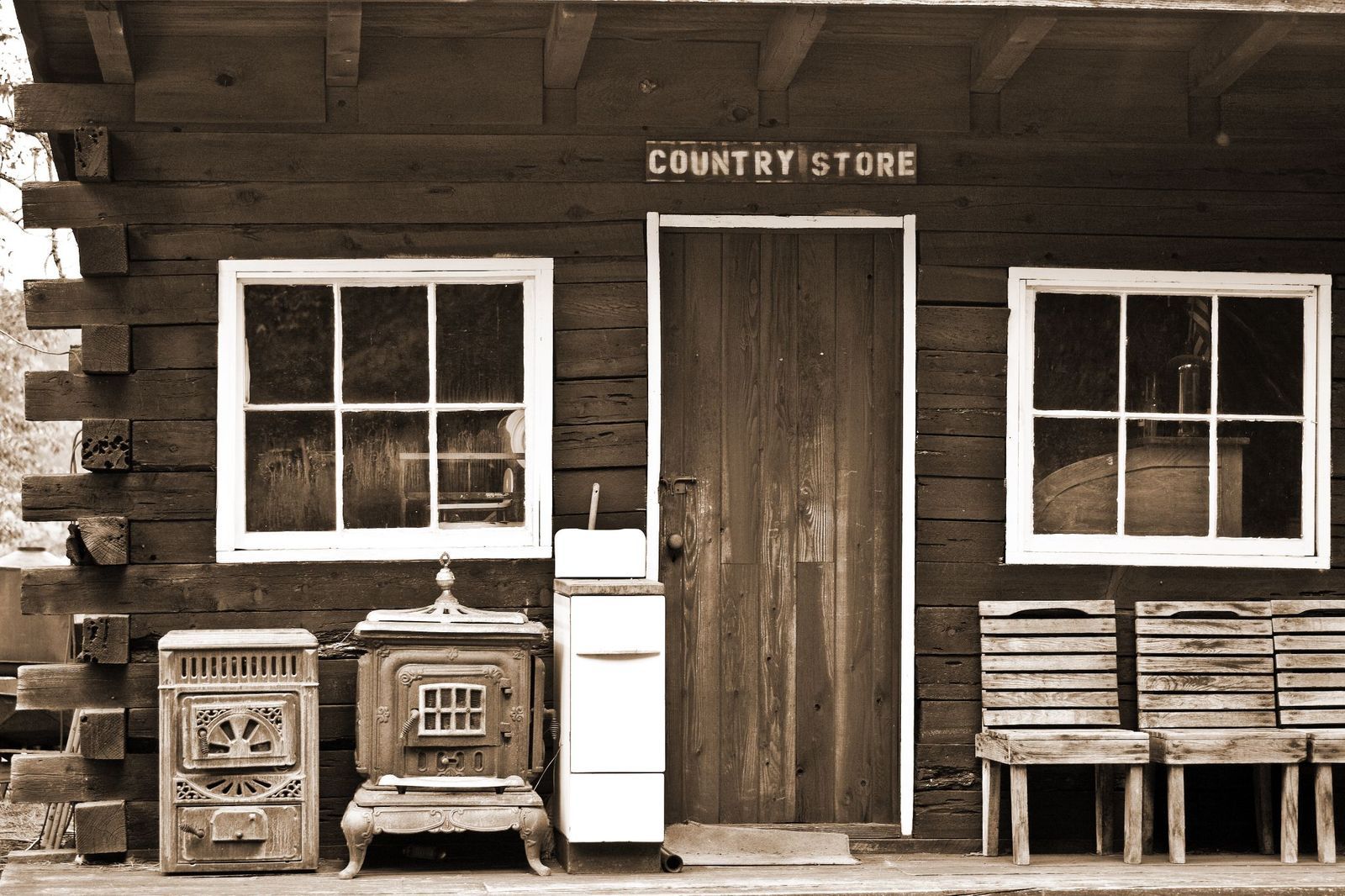
Not every memorable stop on the Blues Road needs a famous guitar attached to it. In Lorman, Mississippi, the Old Country Store occupies an old-fashioned wooden mercantile building along U.S. 61 and has become celebrated for something equally Southern: Arthur "Mr. D" Davis's fried chicken.
Davis took over the place in the 1990s and built a reputation around an enormous buffet of comfort food. His chicken even earned national attention after Alton Brown praised it on The Best Thing I Ever Ate. Mr. D has also been known to serenade customers. Consider this the road trip's very necessary lunch break.
Meet the King in Indianola, Miss.
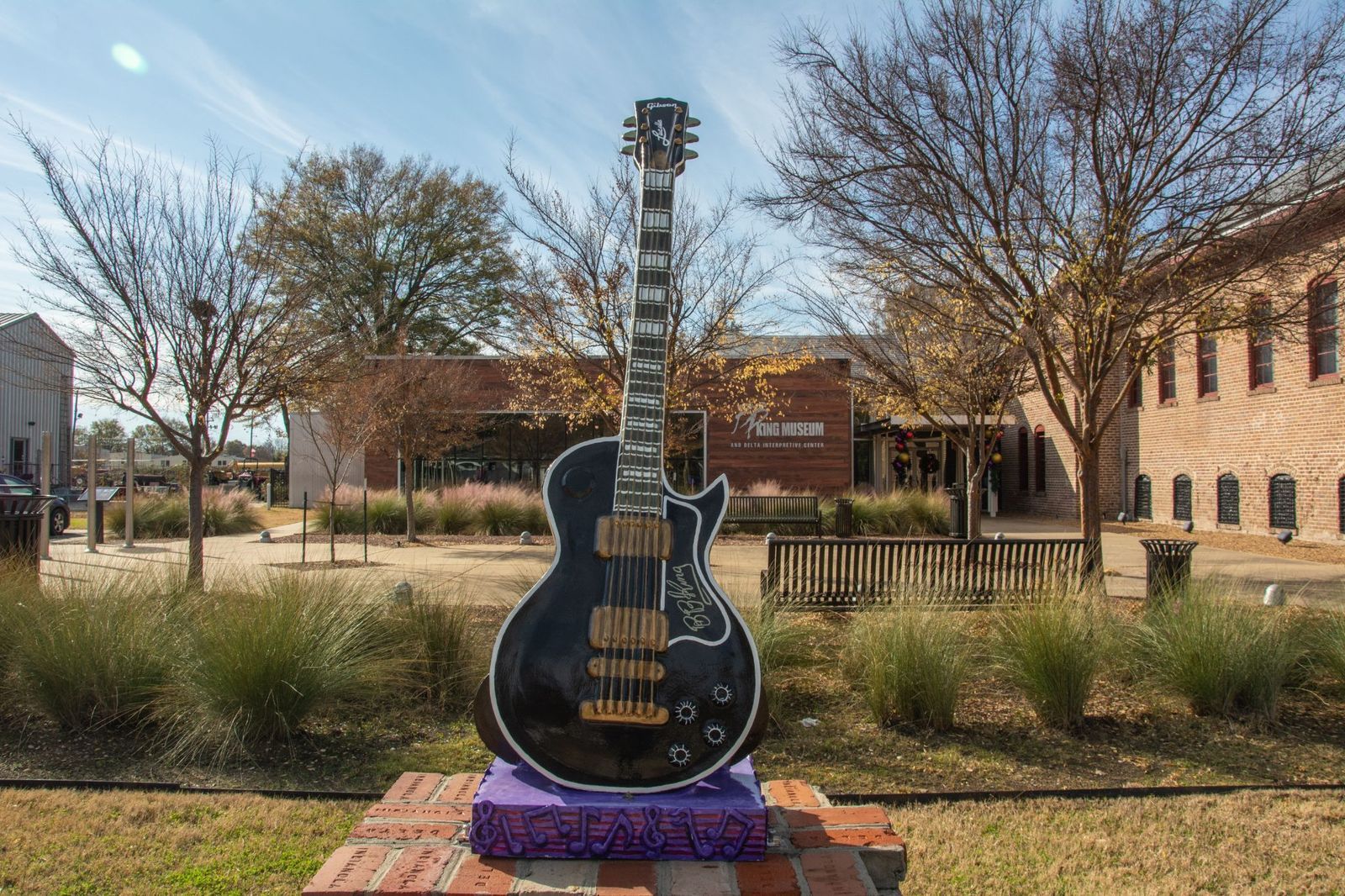
Riley B. King went from the Mississippi Delta to international stardom, taking the blues with him. The B.B. King Museum in Indianola tells that remarkable story in the place King considered his hometown.
Part of the museum occupies a former cotton gin, an especially appropriate setting for a musician whose life stretched from the agricultural Delta to concert halls around the world. Exhibits follow King's journey through farm work, Memphis radio, relentless touring, and eventual superstardom. Few lives illustrate the blues' incredible 20th-century journey better.
Meet the Chitlin’ Circuit
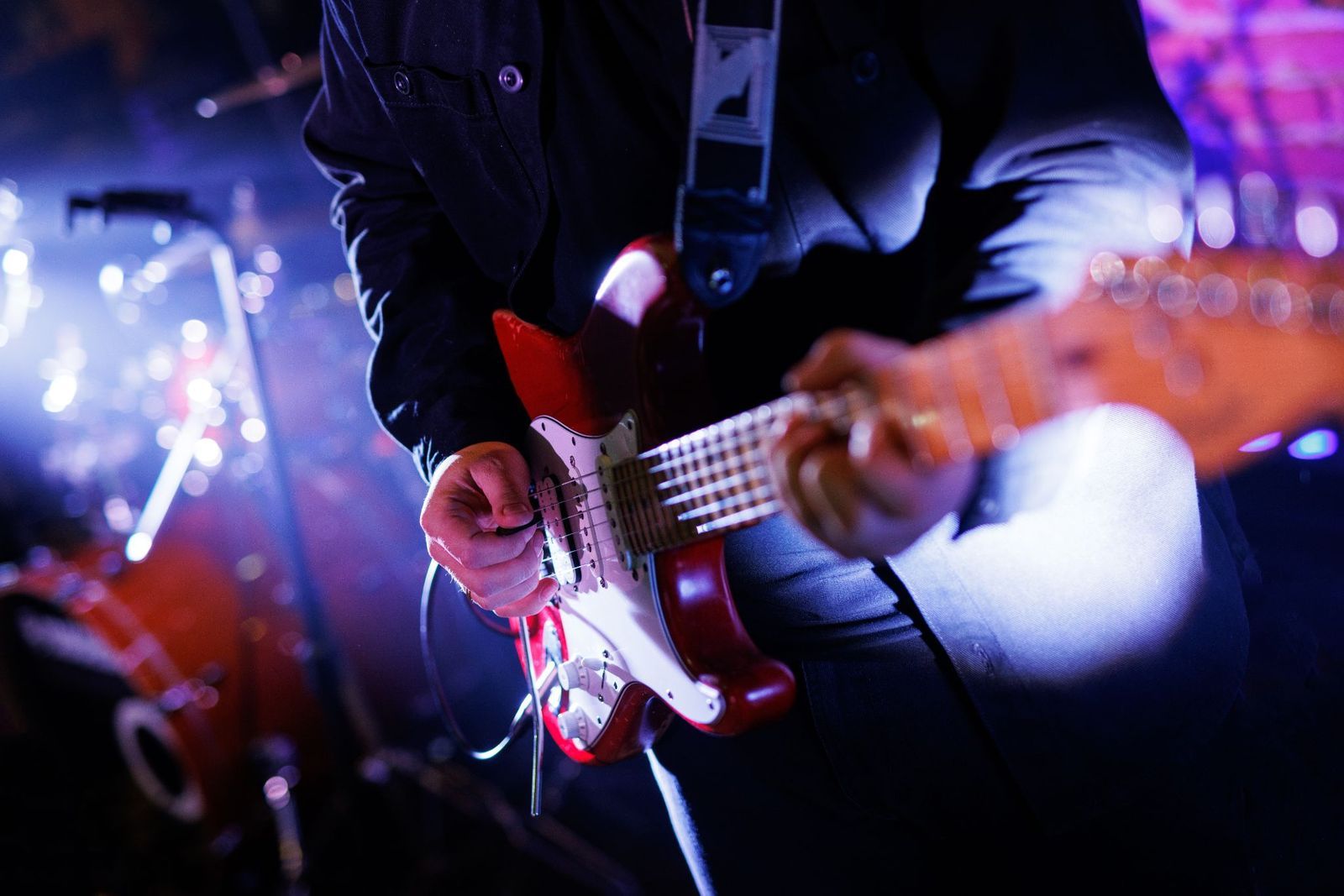
Club Ebony opened in Indianola around 1948 and became a celebrated stop on the Chitlin' Circuit, the network of venues where Black entertainers could perform during segregation. Its extraordinary roll call eventually included Ray Charles, Count Basie, Bobby Bland, Albert King, and, naturally, B.B. King.
King had played the club since the 1950s. When longtime owner Mary Shepard retired in 2008, he bought Club Ebony to help preserve it and later made it part of his museum. Renovated and reopened in 2023, it still hosts music. This isn't a reconstruction of a historic blues club. It's the real thing.
Was the blues born here?
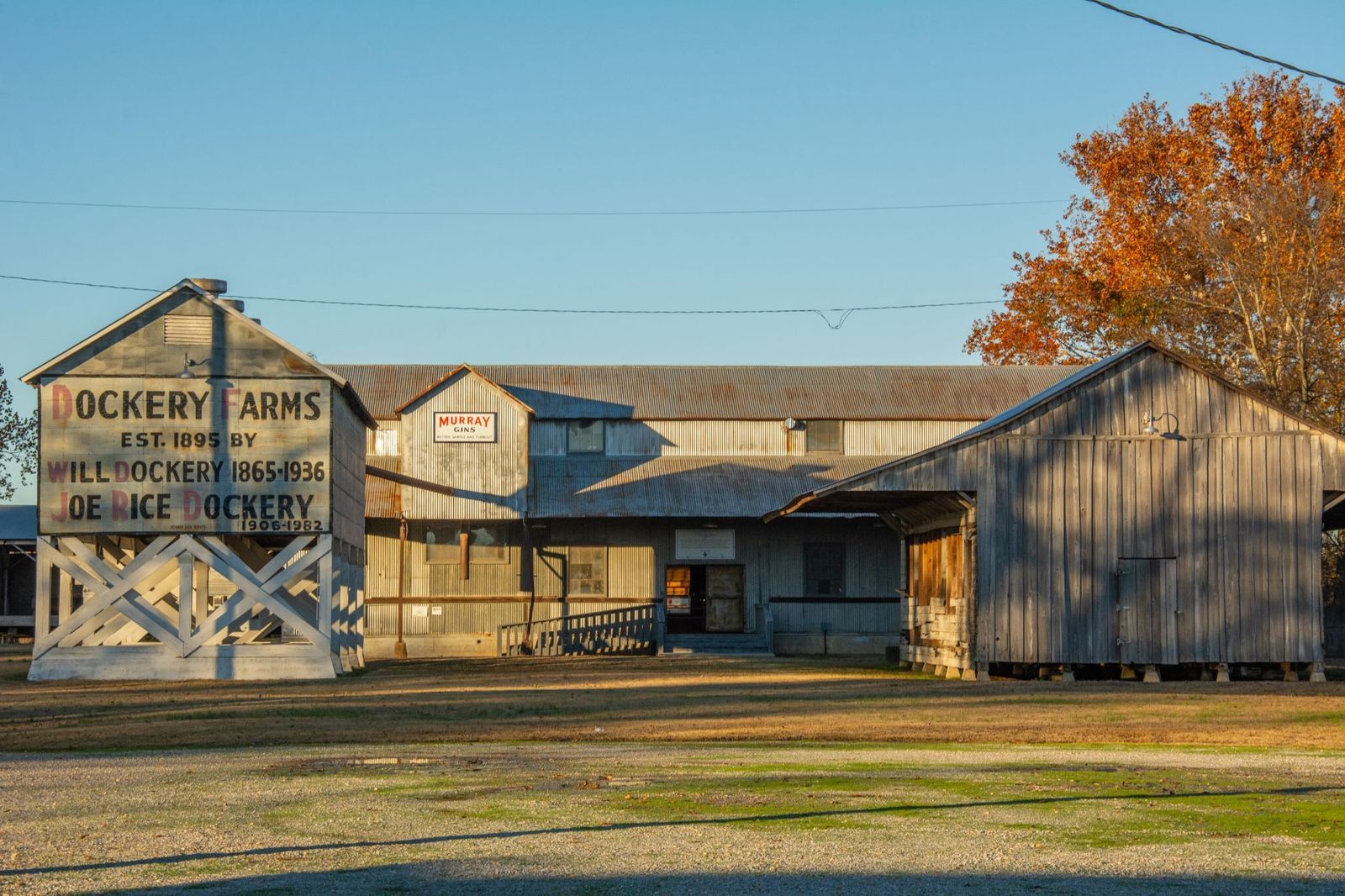
Mississippi's Dockery Farms was established in 1895 and grew into a vast cotton plantation with hundreds of workers, churches, a school, stores, a cotton gin, and its own railroad connection. But its most consequential resident may have been musician Charley Patton.
Patton spent years around Dockery and became one of the foundational figures of Delta blues, influencing musicians including Howlin' Wolf. His "Pea Vine Blues" even referenced the local railroad. The Mississippi Blues Trail calls Dockery the "Birthplace of the Blues". Nobody can pinpoint the music's exact birthplace, but few locations have a stronger claim.
Search for Robert Johnson’s grave
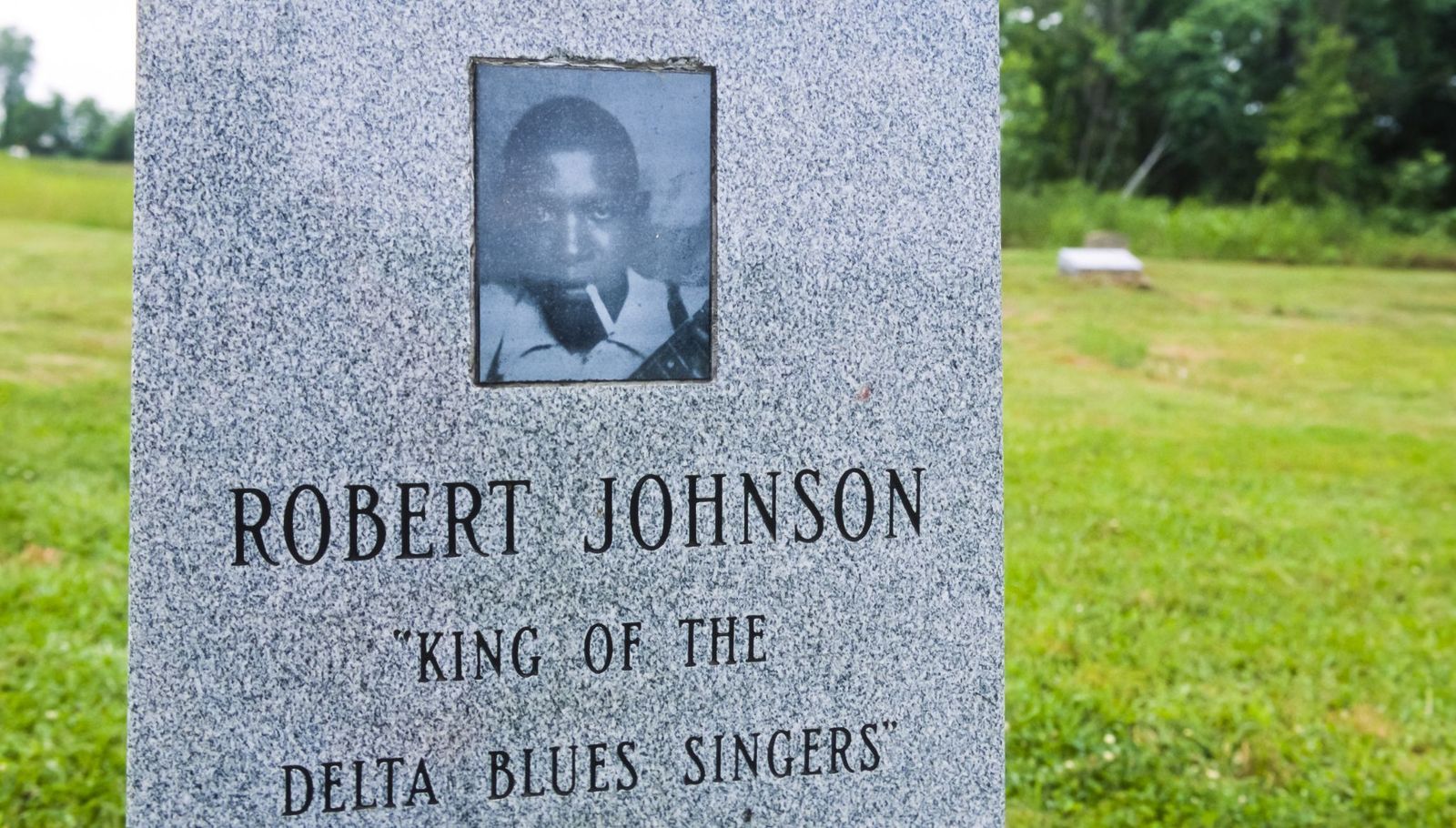
Robert Johnson died in 1938 at only 27, after recording just 29 songs. That tiny catalog included future standards such as "Cross Road Blues," "Love in Vain," and "Dust My Broom," and his influence on later blues and rock musicians became enormous.
Mystery followed Johnson even into death. Several Mississippi sites have been identified as his possible burial place, but a grave at Little Zion Missionary Baptist Church near Greenwood is now the most widely recognized candidate. The uncertainty seems strangely appropriate. Few musicians left behind so little documented life, and accumulated quite so much legend.
Meet the Devil at the Crossroads
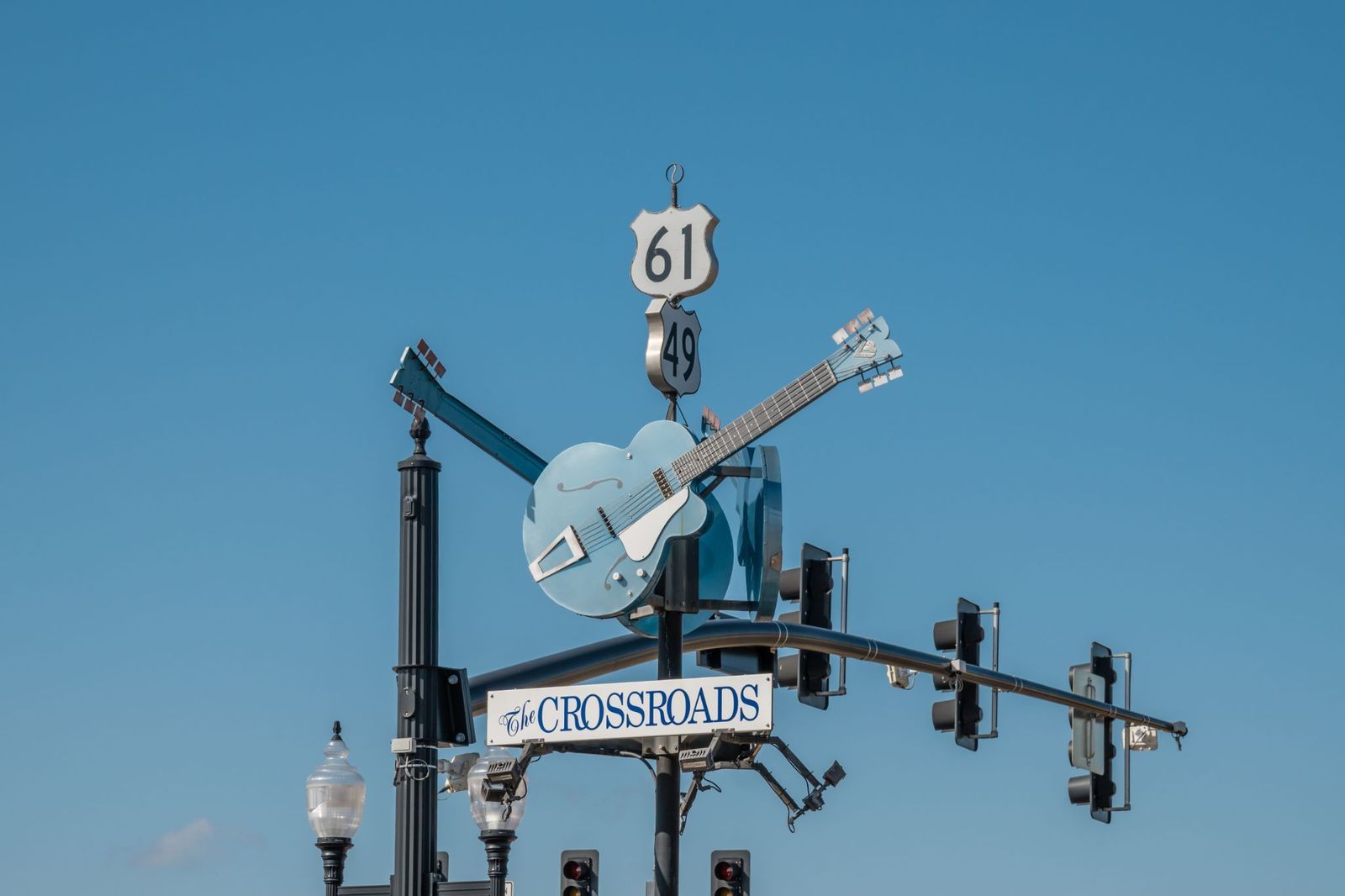
At the intersection of Highways 61 and 49 in Clarksdale, Miss., three enormous blue guitars announce that you've reached the Crossroads. According to blues mythology, somewhere around here Robert Johnson met the Devil and traded his soul for astonishing guitar-playing ability.
It's a fantastic story. It's also just that: a story. Johnson recorded "Cross Road Blues" and "Me and the Devil Blues," but there is no evidence that a supernatural bargain occurred, or that this particular intersection was involved. Still, the legend became inseparable from the blues, making those three blue guitars a great road-trip photograph.
See Muddy Waters’ actual cabin
The Delta Blues Museum opened in 1979 and today occupies a historic 1918 railroad freight depot in Clarksdale. Its collections cover the musicians, instruments, photographs, recordings, and stories that turned this corner of Mississippi into one of the most consequential musical landscapes on Earth.
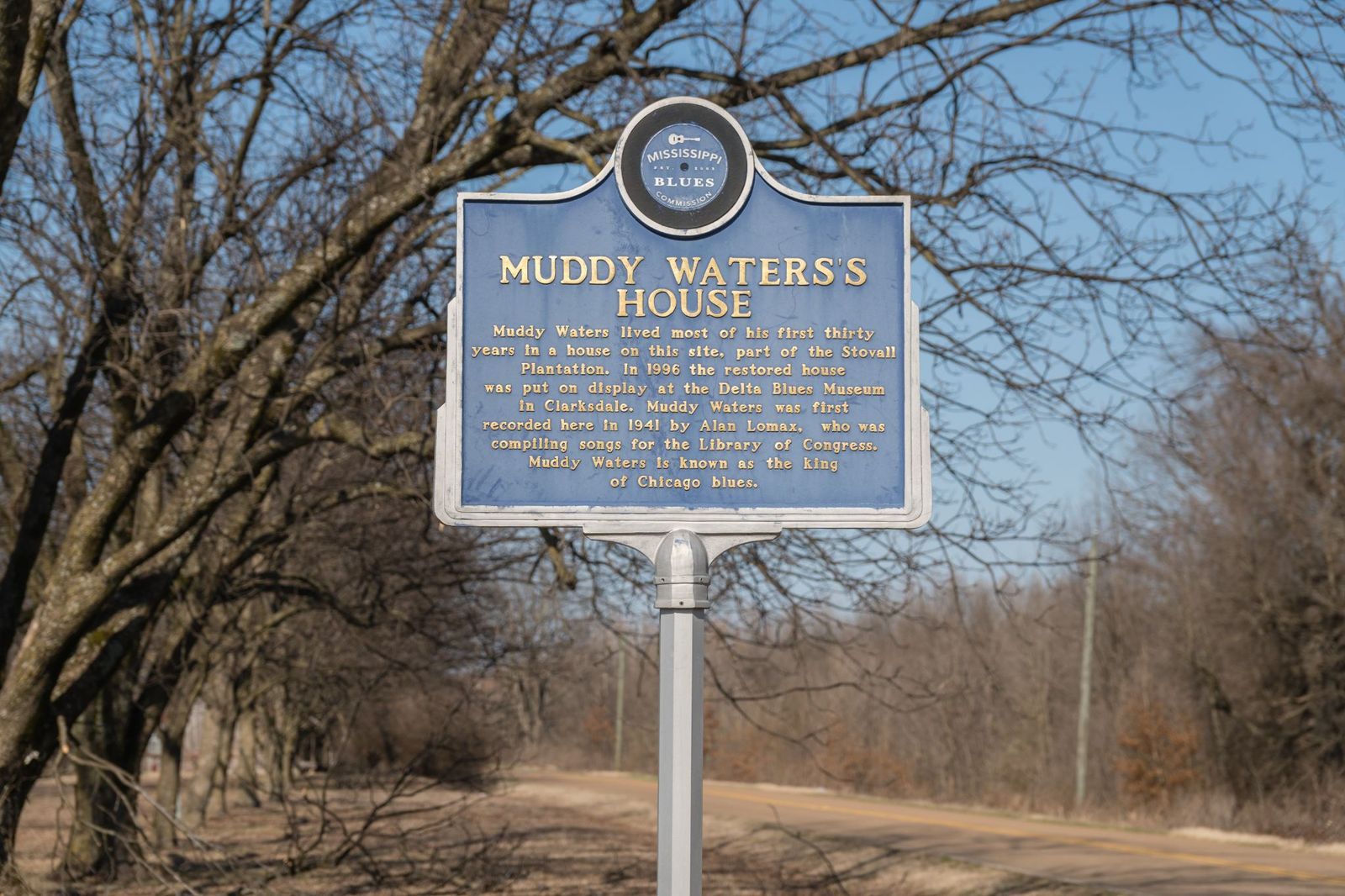
Its knockout exhibit is part of the actual cabin where Muddy Waters lived while working at nearby Stovall Farms. Alan Lomax first recorded him there in 1941, years before Waters helped revolutionize electric Chicago blues. There's even a guitar made partly from salvaged cabin wood.
Keep the Delta blues alive
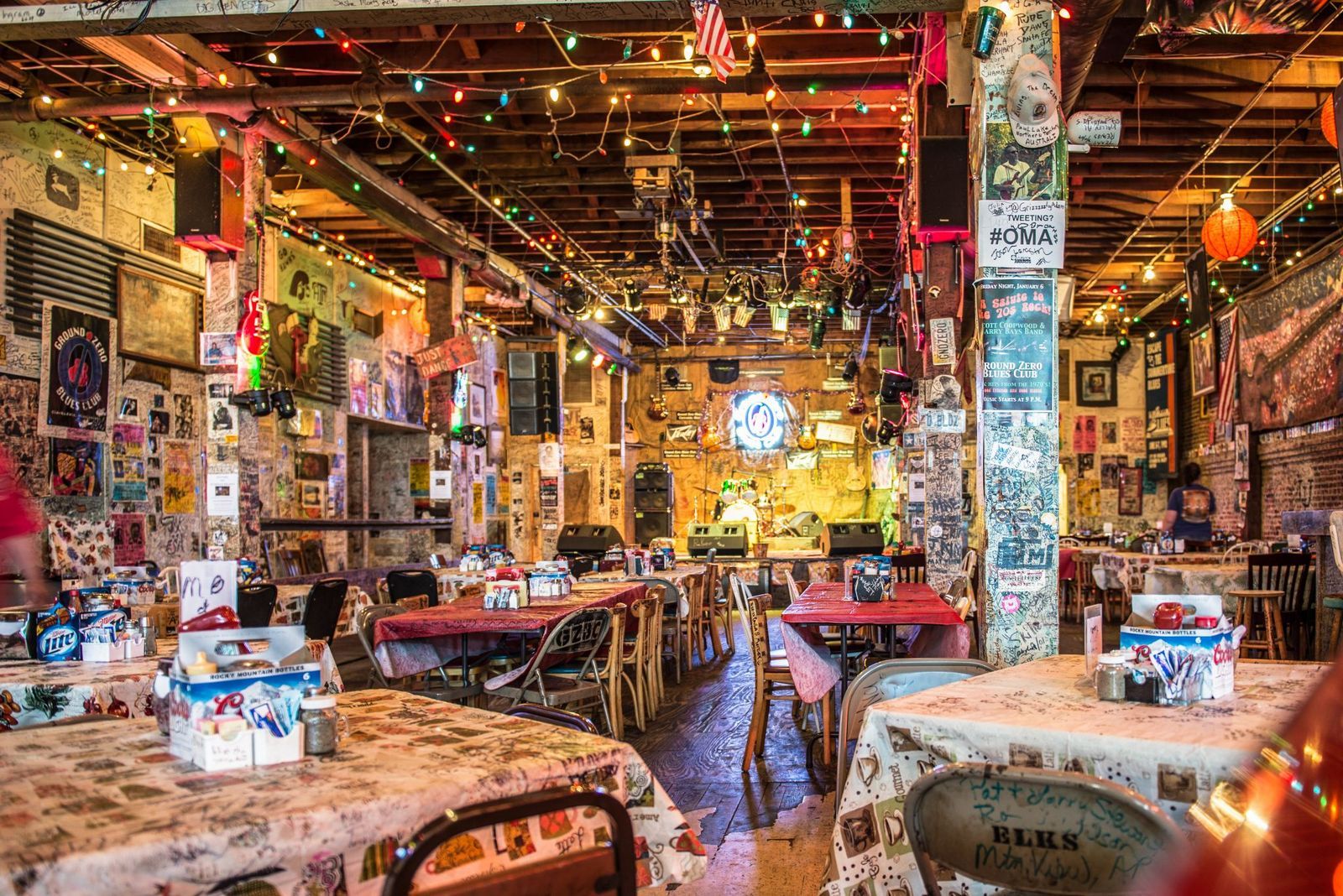
Not everything on the Blues Road belongs to the 20th century. Ground Zero Blues Club opened in Clarksdale in 2001, founded by Morgan Freeman, Bill Luckett, and Howard Stovall to provide a place where visitors could still experience live Delta blues.
The club occupies a building dating to the early 1900s, and nobody has tried to polish away its juke-joint character. Its stage has hosted everyone from local Delta performers to Charlie Musselwhite, Bobby Rush, and Christone "Kingfish" Ingram.
Sleep in a sharecropper shack
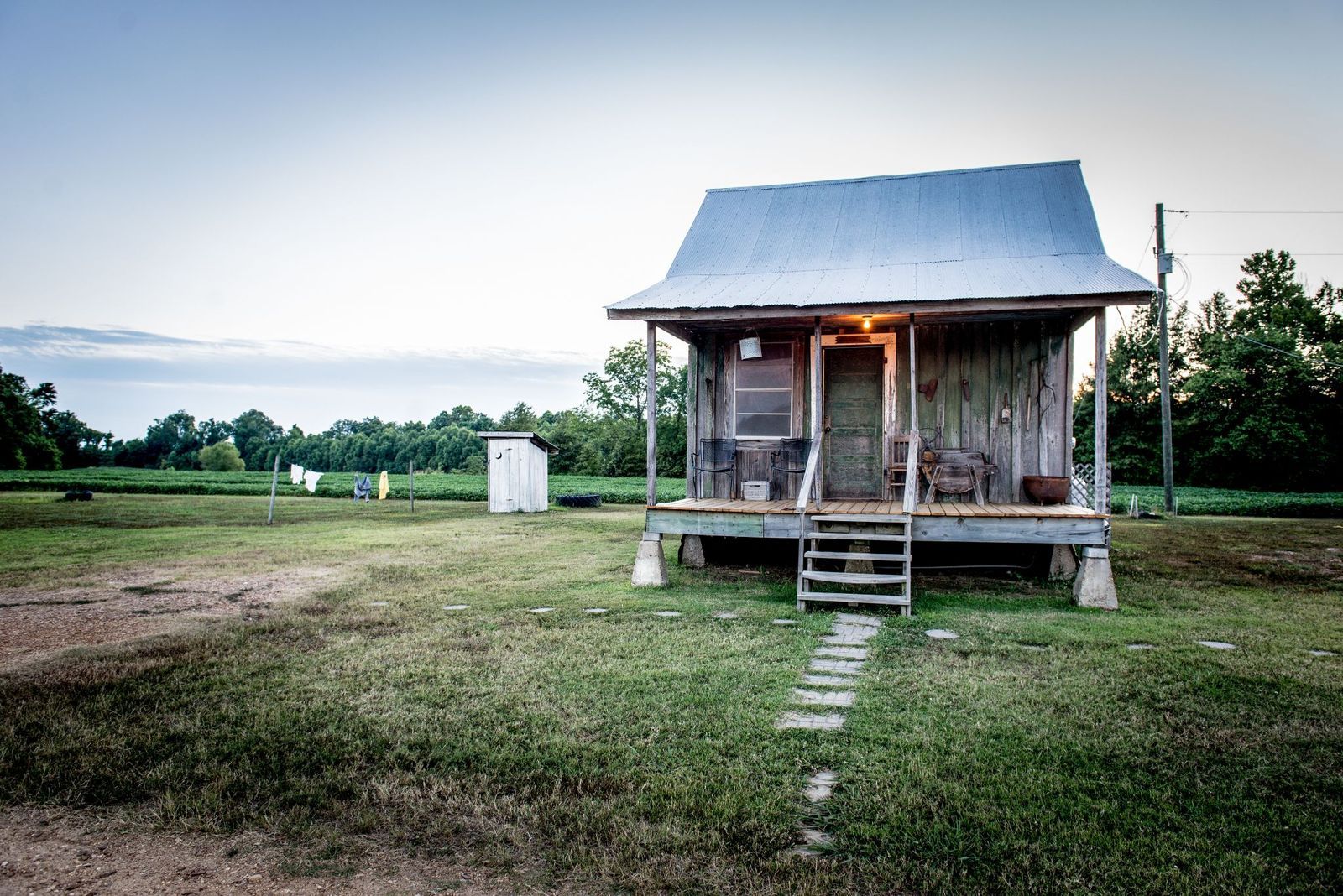
Only around Clarksdale could the hotel itself become part of the blues pilgrimage. The Shack Up Inn occupies the historic Hopson Plantation, where old sharecropper shacks and agricultural buildings have been transformed into some of America's most unusual accommodations.
The weathered structures retain corrugated roofs, old timber, and plenty of deliberate roughness, although modern bathrooms and air-conditioning make the experience considerably easier than life on a historical plantation. Hopson also has its own place in agricultural history as an early center of mechanized cotton farming.
End where the blues changed everything
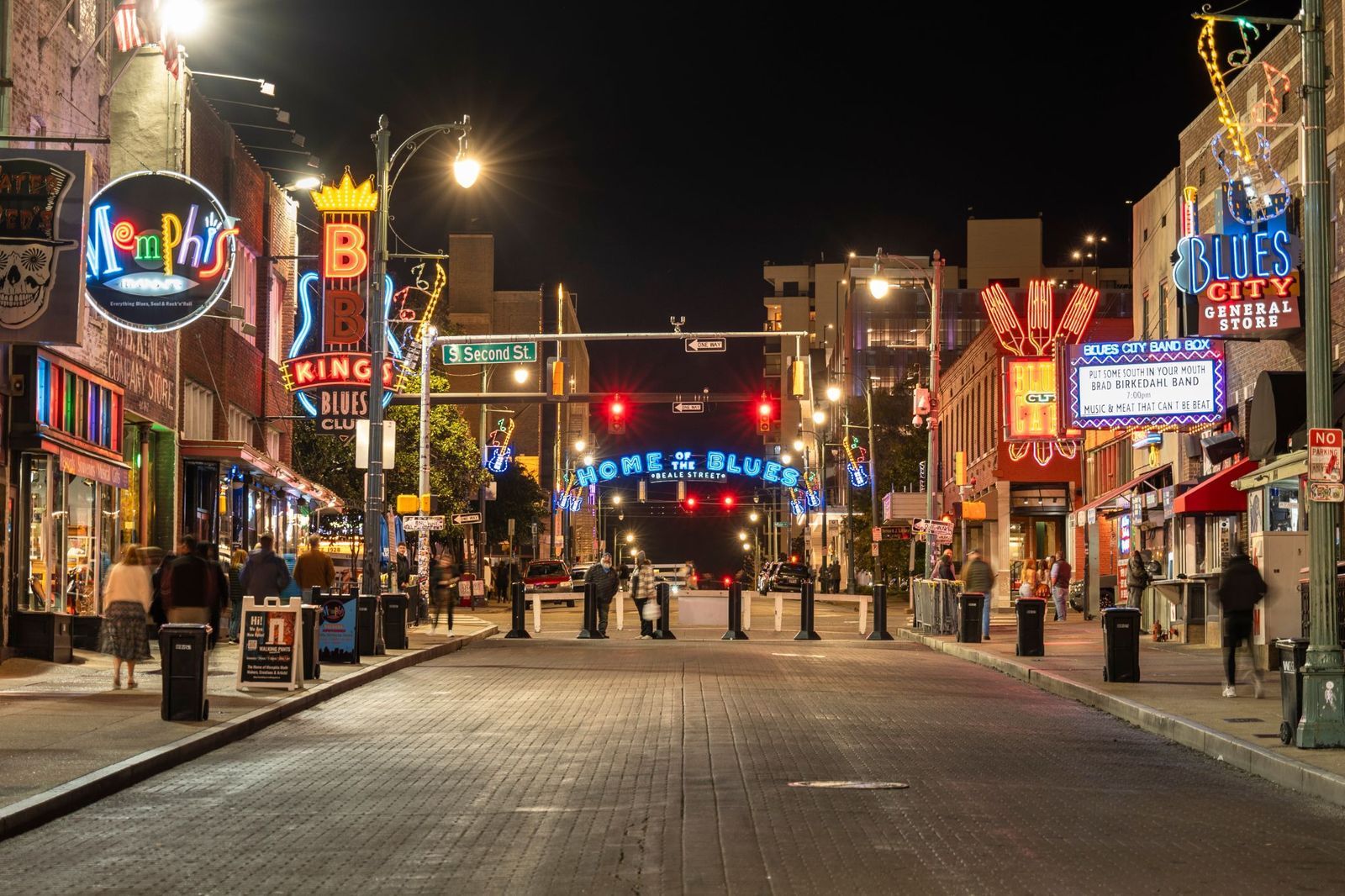
Finish in Memphis, where Beale Street became a powerhouse of Black business, nightlife, and music. W.C. Handy worked here and helped bring blues to a mass audience. By the mid-20th century, another Memphis address was about to push those sounds somewhere entirely new.
At Sun Studio, Sam Phillips recorded blues artists including Howlin' Wolf before young performers such as Elvis Presley, Johnny Cash, Carl Perkins, and Jerry Lee Lewis arrived. Blues, country, gospel, and rhythm and blues collided, and rock 'n' roll followed. It's a fitting last stop: the Blues Road ends where one musical revolution helped ignite another.
Pack Your Bags: 10 real places from iconic movies
 Culture
Movie-Inspired Trips
10 Movie-inspired trips every film lover should take
Some places look so incredible that people call them "straight out of a movie." Others really are. They are the settings of scenes that stay with us for years, almost like memories of something we lived ourselves, or moments we wish we could step into. And visiting them could feel like being the star in your own movie. Here are 10 vacation spots every movie lover should visit at least once in a lifetime.
Kauai, Hawaii, USA, Jurassic Park
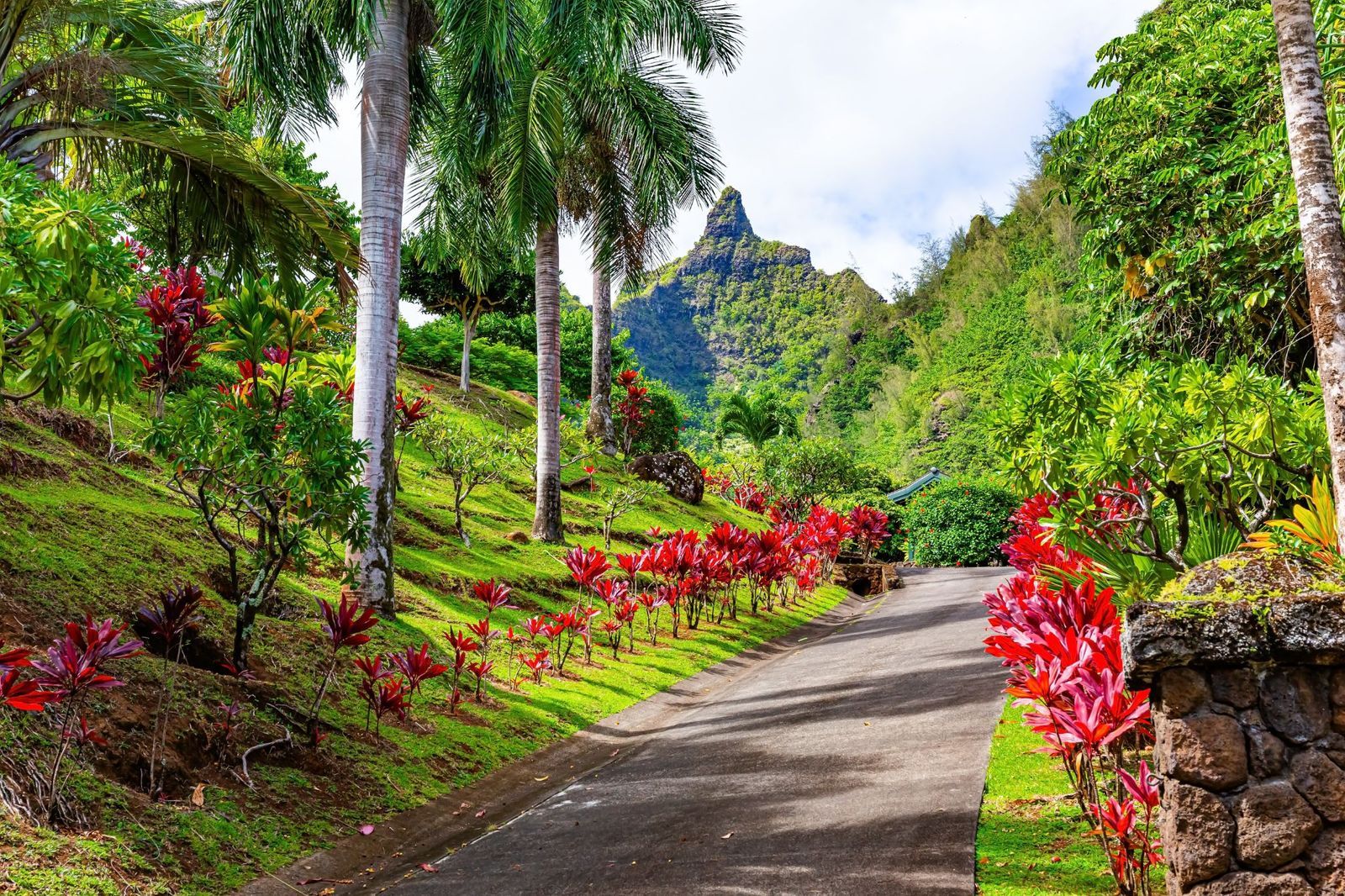
Kauai, Hawaii, helped turn Jurassic Park into a tropical dinosaur island film. The island’s jungles, cliffs, valleys, and waterfalls were used to create Isla Nublar, the fictional home of the park.
Directed by Steven Spielberg, the 1993 film stars Sam Neill, Laura Dern, and Jeff Goldblum, and follows a dinosaur theme park after its security system fails. One of Kauai’s most recognizable filming spots is Manawaiopuna Falls, now often called Jurassic Falls, where the helicopter arrival scene was filmed.
Rome, Italy, Roman Holiday
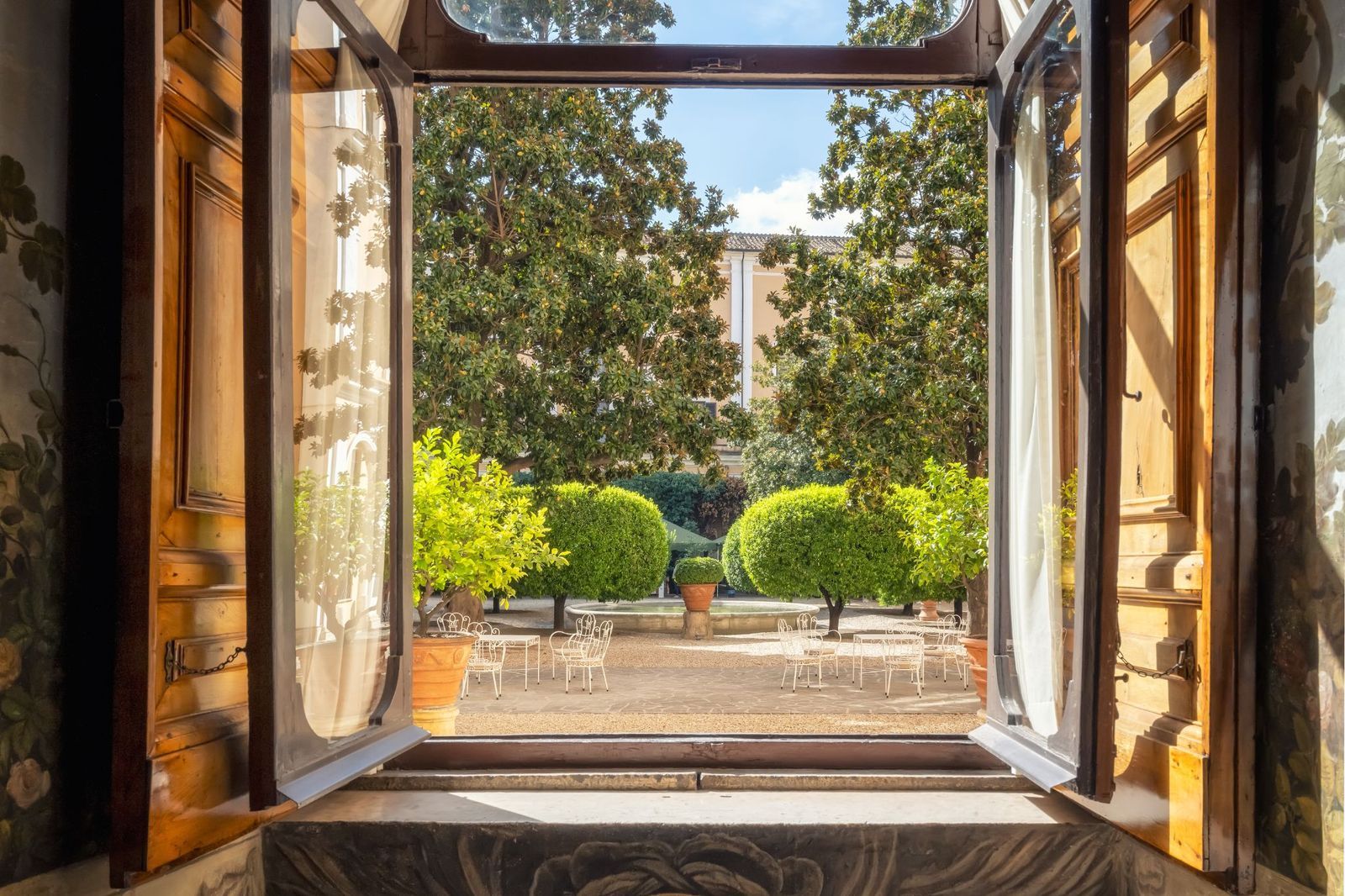
Roman Holiday was filmed in several real locations around Rome. The 1953 romantic comedy was directed by William Wyler and stars Audrey Hepburn and Gregory Peck. It follows a princess (Hepburn) who leaves her official schedule behind and spends one free day in the city with an American reporter.
Rome appears through places like the Spanish Steps, the Mouth of Truth, Via Margutta, the Colosseum, the Tiber River, and Palazzo Colonna. The Spanish Steps are tied to Princess Ann’s day out, while the Palazzo Colonna was used for the final press scene.
Monument Valley, Utah/Arizona, USA, Stagecoach
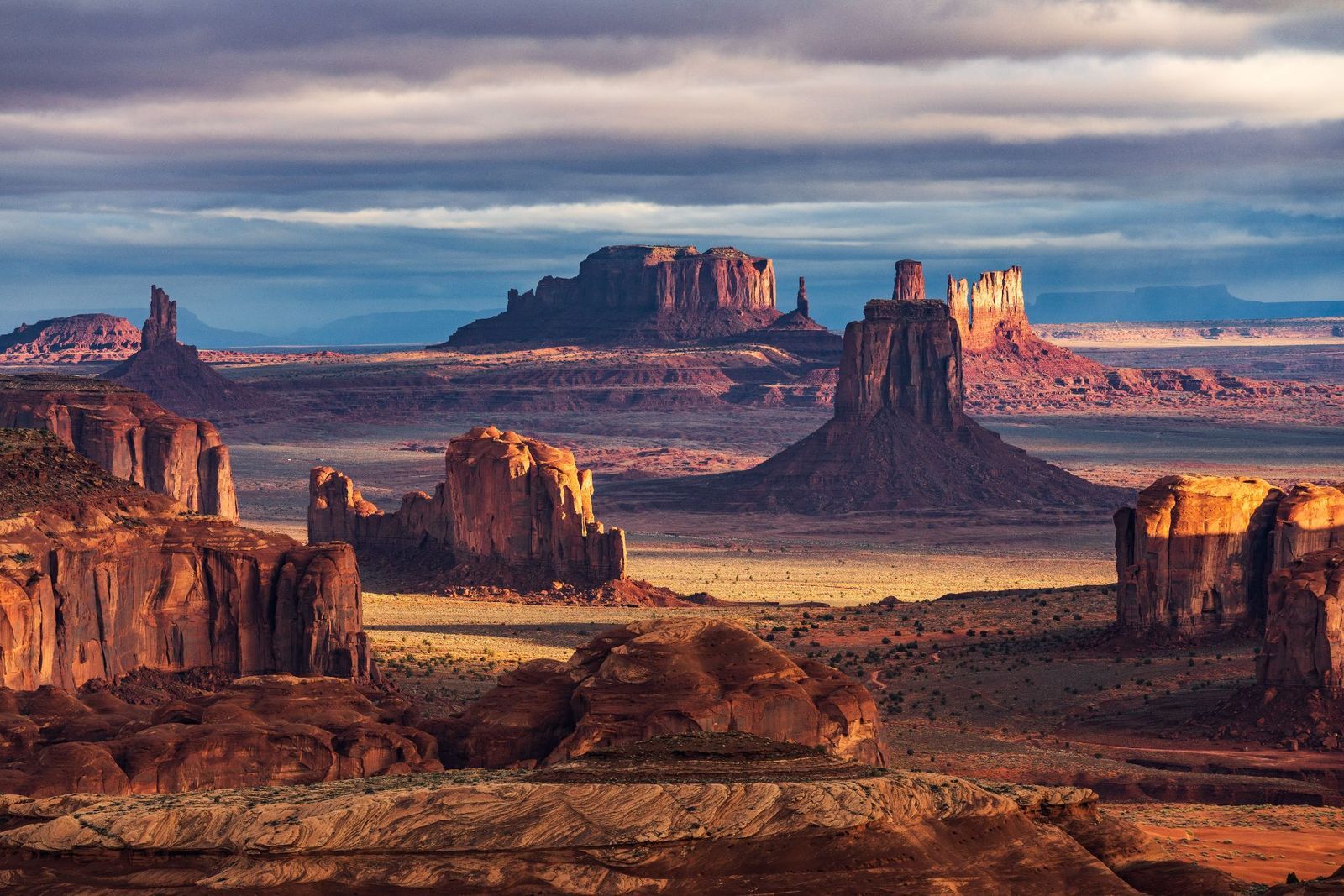
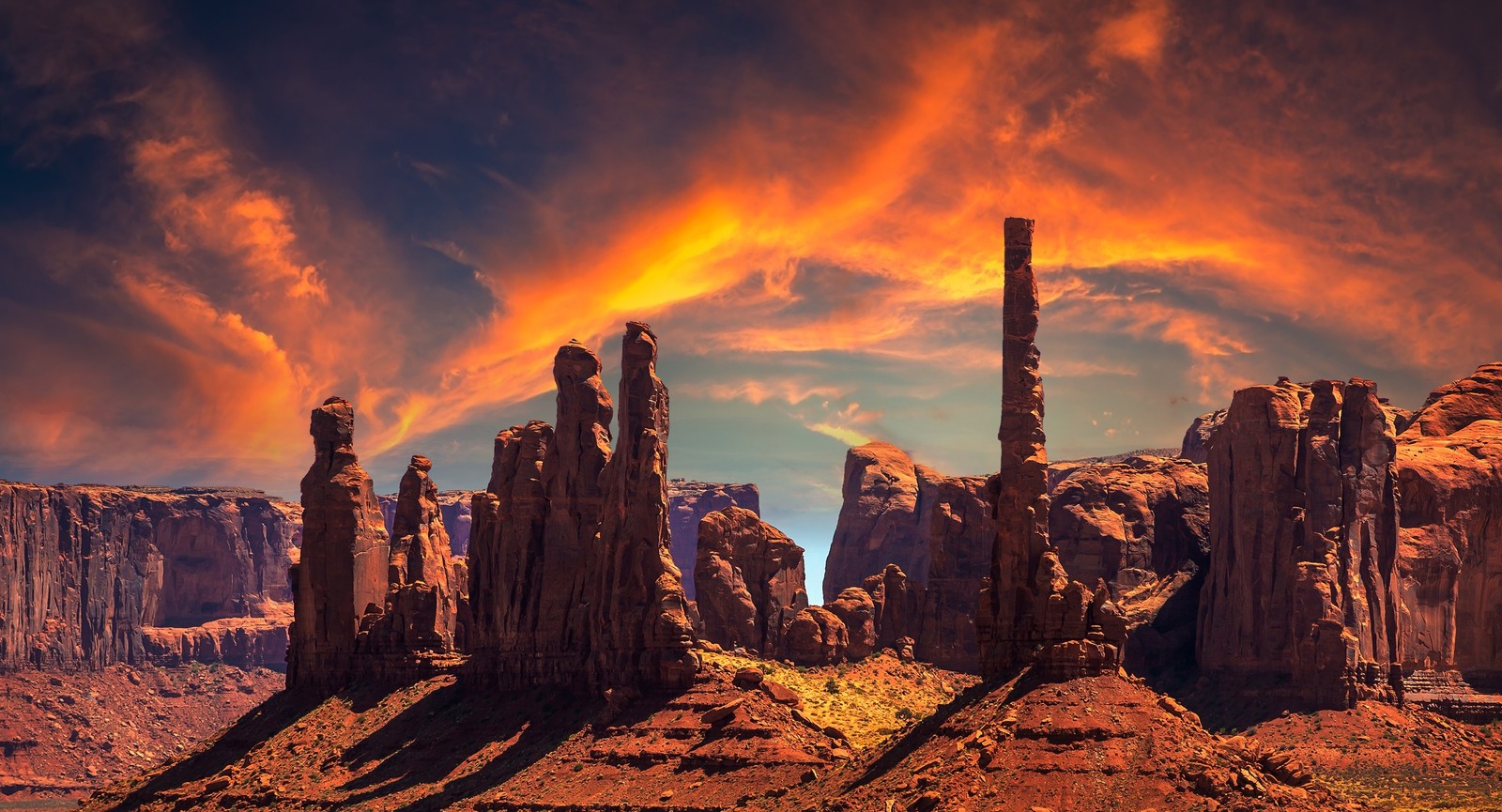
Monument Valley helped shape the look of the classic Hollywood western, and Stagecoach isn’t the exception. Directed by John Ford, the 1939 film stars John Wayne and Claire Trevor and follows a group of passengers crossing dangerous territory by stagecoach.
The movie used Monument Valley’s red-rock buttes, desert roads, and wide open views to build its western setting. The landscape sits along the Utah-Arizona border within the Navajo Nation. After Stagecoach, Monument Valley became closely tied to John Ford, John Wayne, and other classic western movies.
Petra, Jordan, Indiana Jones and the Last Crusade
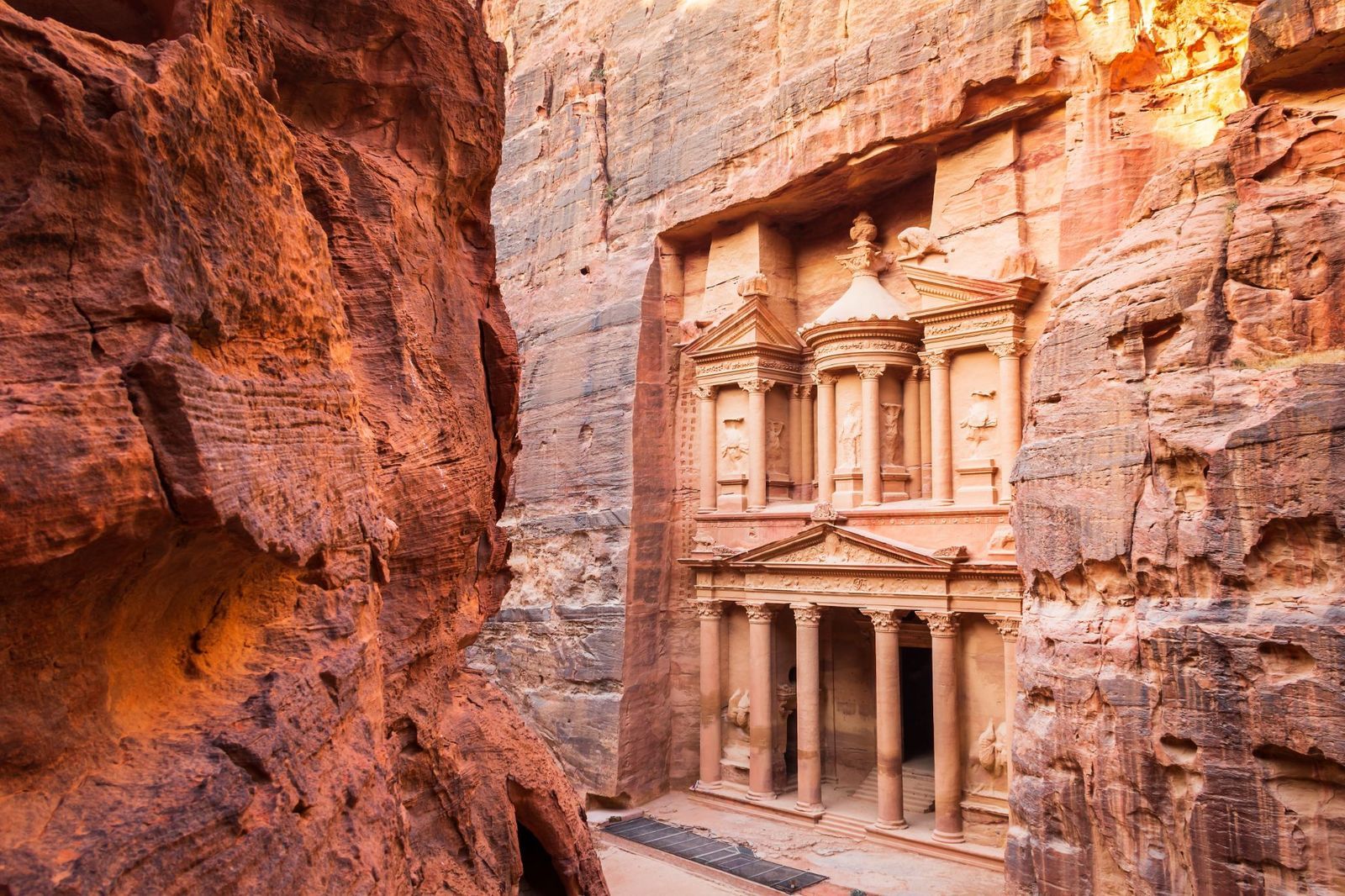
Petra, Jordan, is the real place behind one of the final scenes in Indiana Jones and the Last Crusade. Directed by Steven Spielberg, the 1989 film stars Harrison Ford and Sean Connery, and follows Indiana Jones (Harrison Ford) as he searches for the Holy Grail and tries to save his father.
In the movie, Al-Khazneh, also known as The Treasury, appears as the exterior of the temple that holds the Grail. The location worked because Petra’s narrow canyon entrance and carved sandstone facade setting were perfect for the final part of the story.
Salzburg, Austria, The Sound of Music
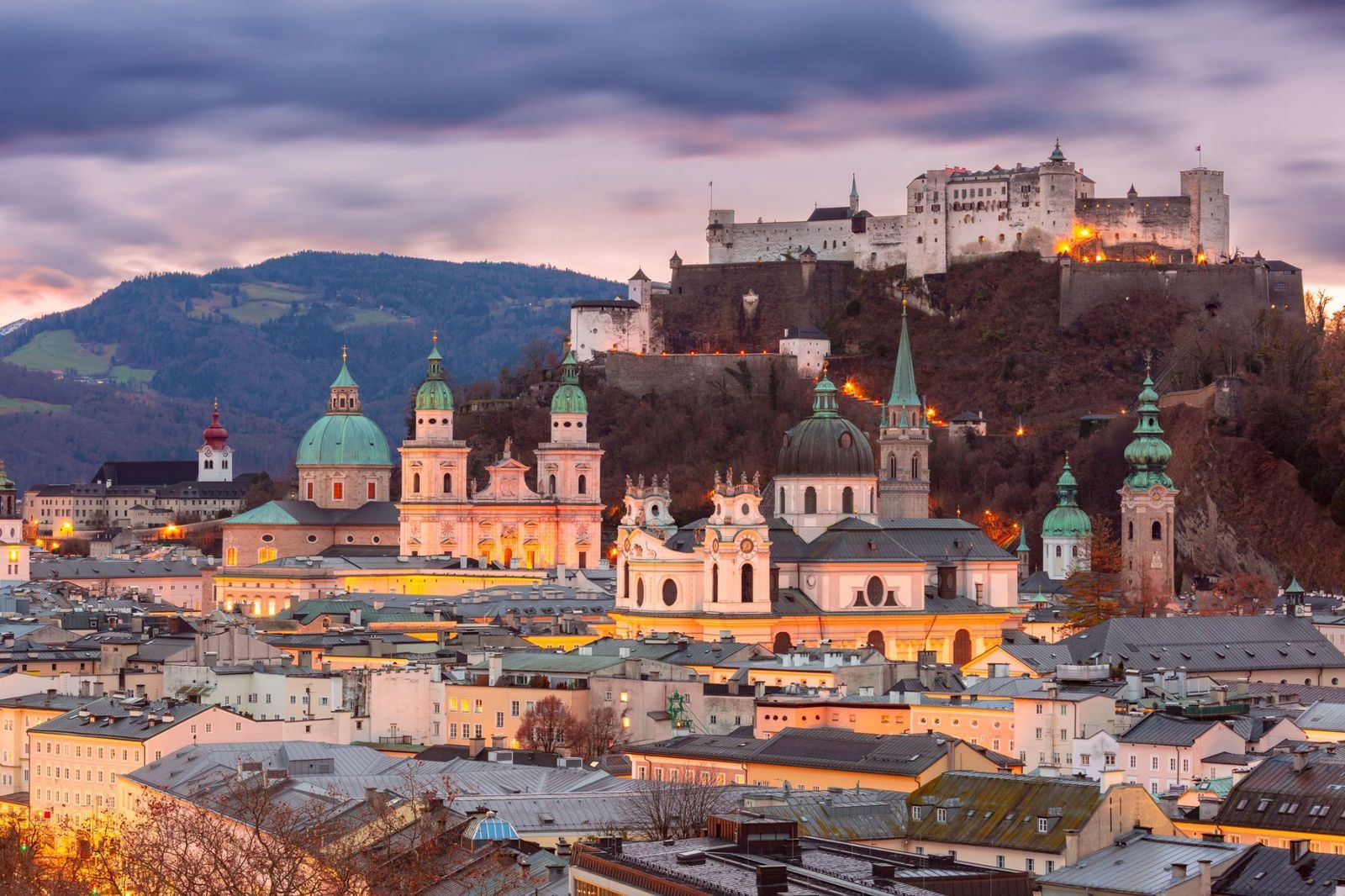
Salzburg is one of the main real-world settings behind The Sound of Music, the 1965 classic film musical directed by Robert Wise. Starring Julie Andrews and Christopher Plummer, the movie follows Maria, a young woman (Andrews) who becomes governess to the von Trapp children in Austria.
The film used several locations in and around Salzburg. Mirabell Gardens appear in the "Do-Re-Mi" sequence, Nonnberg Abbey connects to Maria’s abbey life, Schloss Leopoldskron and Schloss Frohnburg helped represent the von Trapp home, and Mondsee was used for the wedding scene. The Alpine landscape is also a prominent part of the movie’s setting.
Lake Como, Italy, Star Wars: Episode II
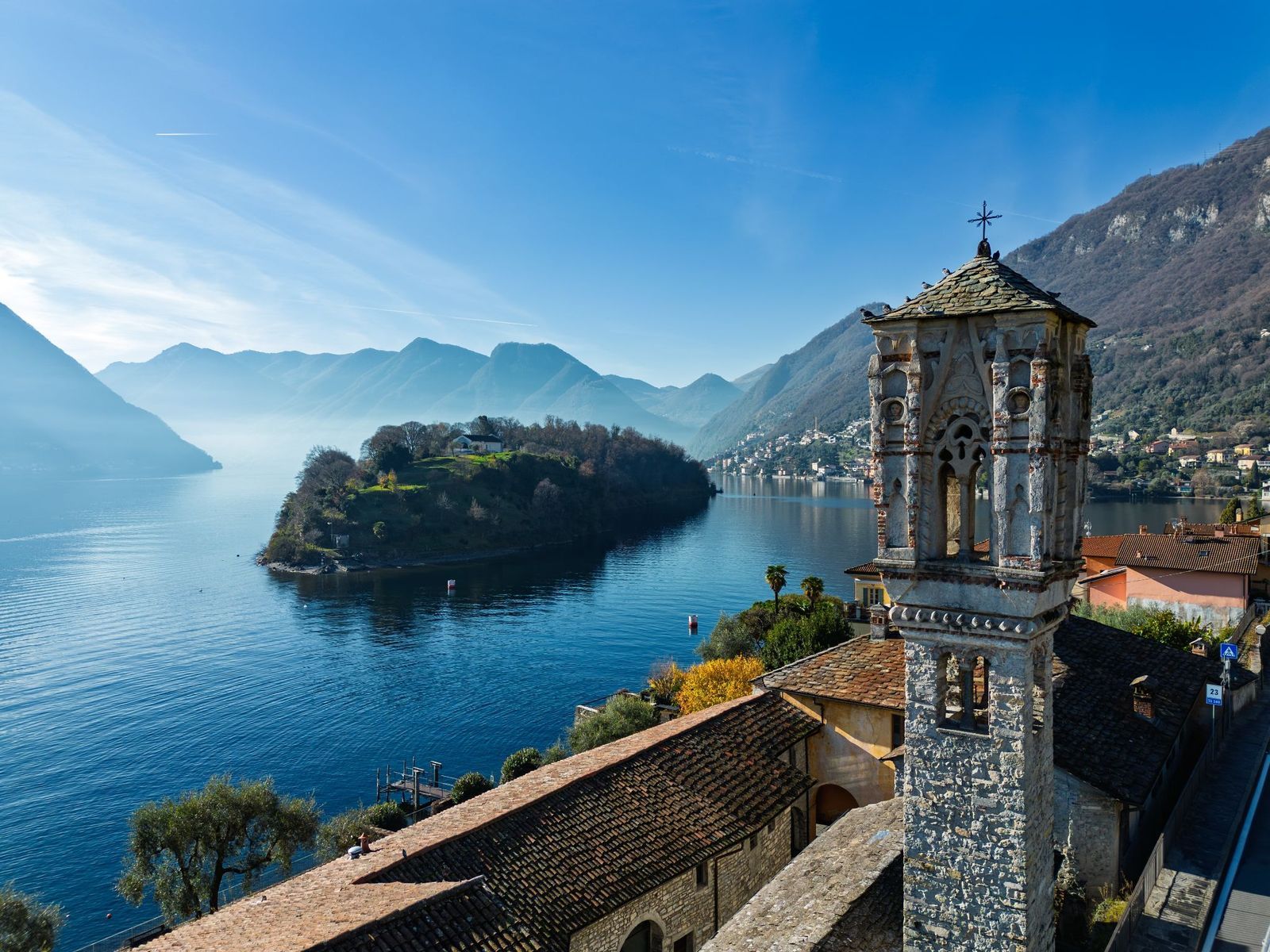
Lake Como, Italy, was used to show the romantic side of Naboo in Star Wars: Episode II - Attack of the Clones. The plot follows Anakin (Christensen) and Padme’s (Portman) forbidden romance while Obi-Wan investigates the creation of a clone army. Directed by George Lucas, the 2002 movie stars Hayden Christensen, Natalie Portman, and Ewan McGregor.
The scenes were filmed at Villa del Balbianello, near Lenno, on the western shore of Lake Como. Its gardens, terraces, and lakefront views appear in the scenes at Padme’s retreat and in Anakin and Padme’s wedding.
Matamata, New Zealand, The Lord of the Rings and The Hobbit
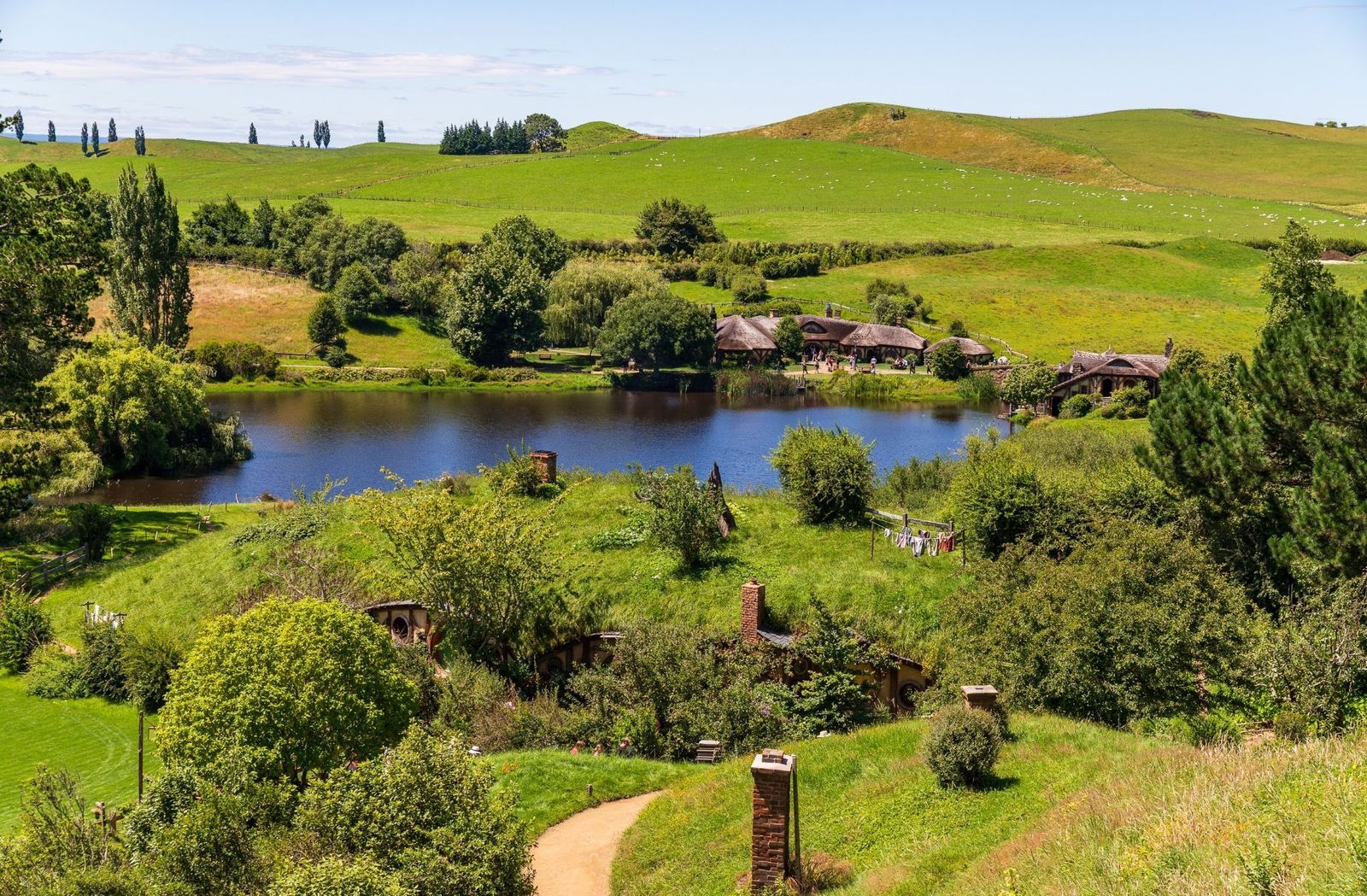
The green hills near Matamata, New Zealand, became Hobbiton in The Lord of the Rings trilogy. Directed by Peter Jackson, the films were released from 2001 to 2003 and star Elijah Wood, Ian McKellen, Viggo Mortensen, and Sean Astin. The story begins in The Shire, where Frodo Baggins (Wood) starts the journey to destroy the One Ring.
Hobbiton was built into the farmland, with hobbit holes, Bag End, gardens, and paths that made the village feel lived in. This set later appeared again in The Hobbit trilogy, and it is now a guided movie-set tour.
Skopelos, Greece, Mamma Mia!
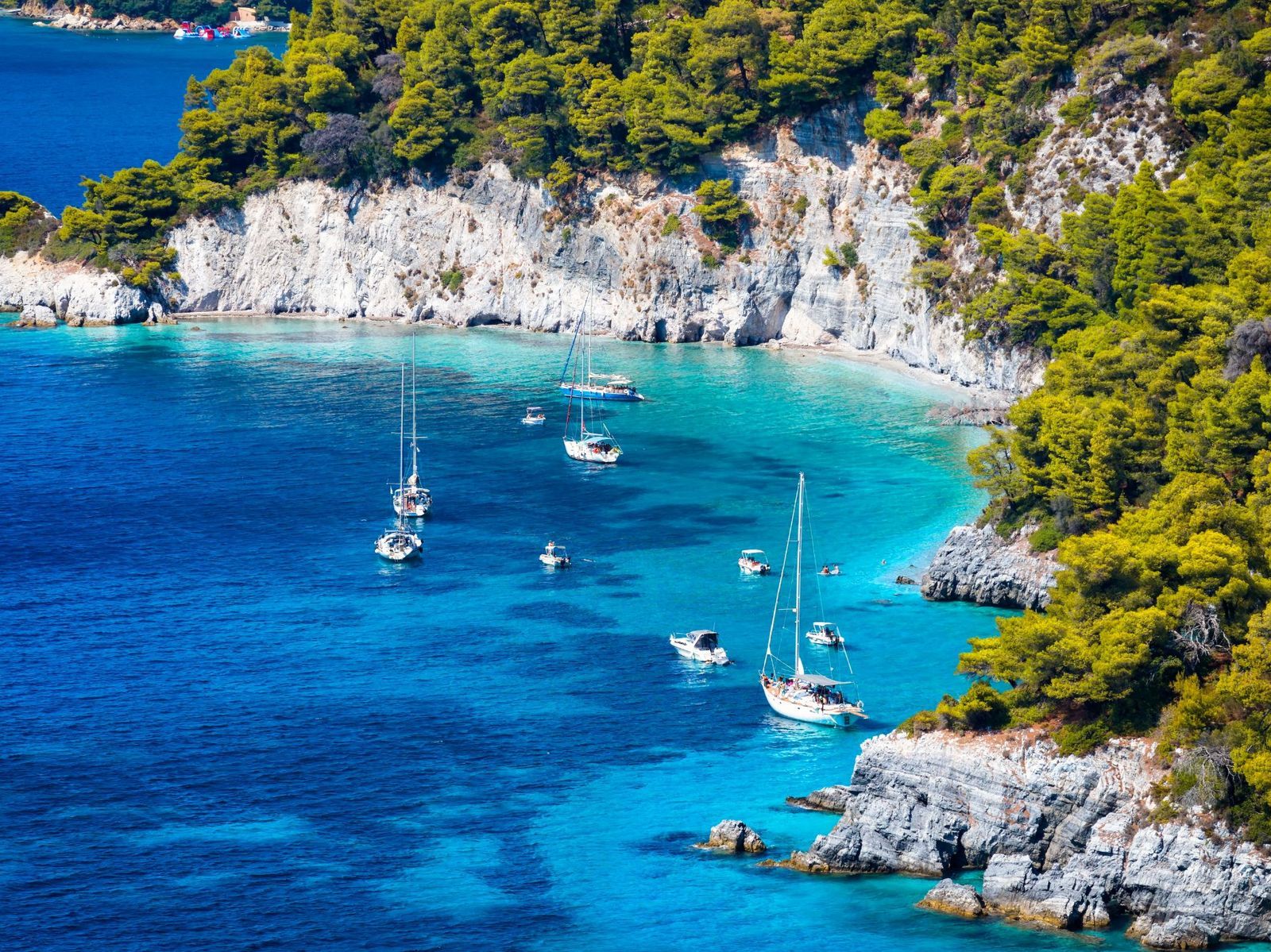
Skopelos is the Greek island behind much of Mamma Mia!’s sunny vacation setting. The 2008 film, directed by Phyllida Lloyd, is a musical starring Meryl Streep, Amanda Seyfried, Pierce Brosnan, Colin Firth, and Stellan Skarsgard.
It follows the story of a bride-to-be (Seyfried) trying to discover which of three men from her mother’s past is her father. Skopelos served as Kalokairi, the movie’s fictional island. Kastani Beach appears in musical scenes, and Agios Ioannis Chapel is linked to the wedding setting.
Ko Phi Phi Leh, Thailand, The Beach
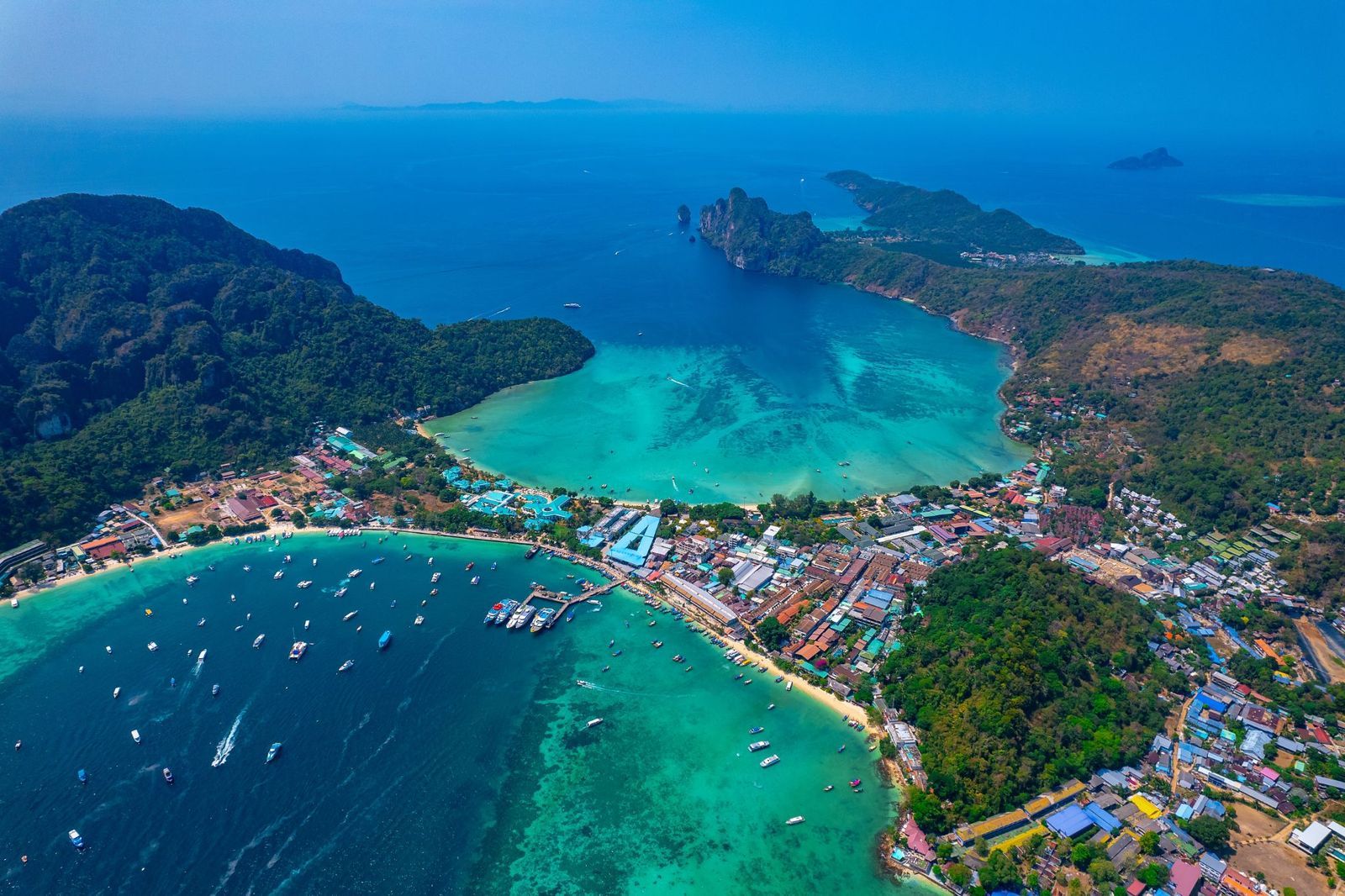
Ko Phi Phi Leh’s Maya Bay is the real beach behind The Beach. The film was released in 2000 and was directed by Danny Boyle. Starring Leonardo DiCaprio, Virginie Ledoyen, Guillaume Canet, and Tilda Swinton, it follows a young backpacker (DiCaprio) in Thailand who looks for a hidden paradise and enters an isolated traveler community.
The bay was used for the movie’s central beach setting, and its limestone cliffs helped create the place Richard is trying to find. The film made Maya Bay famous, but the heavy tourism that followed also led to environmental damage and changes in some visitor rules.
Montmartre, France, Amélie
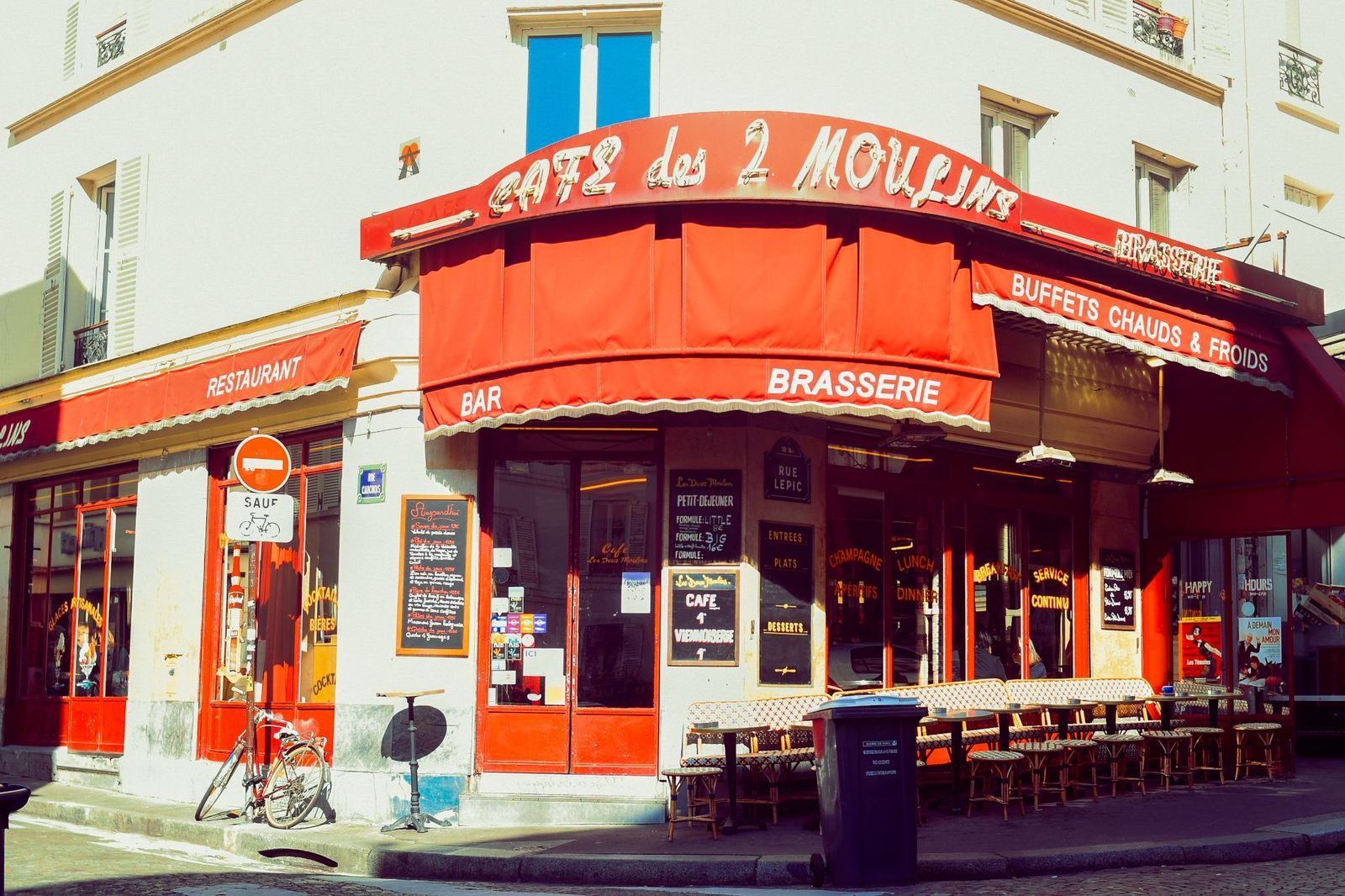
In Amélie, Montmartre feels almost like another character. Directed by Jean-Pierre Jeunet, the 2001 French film stars Audrey Tautou and Mathieu Kassovitz. It’s the story of Amelie Poulain (Tautou), a shy waitress who secretly tries to improve the lives of people around her.
If you have seen the movie, Montmartre is easy to recognize. Cafe des Deux Moulins, where Amelie works, is the clearest stop, but the film also uses Rue Lepic, Lamarck-Caulaincourt metro station, Sacre-Coeur, and nearby streets to build its everyday Paris world.
Keep wandering
There’s always
more to explore
 General
Why are hard landings sometimes the perfect landings?
6 min.
Read Now
 History
Was Moby-Dick a real whale? These marine stories have real backgrounds
6 min.
Read Now
What passengers never see after midnight on a cruise ship
4 min.
Read Now
These 10 mysteries were solved. So why do we still believe them?
6 min.
Read Now