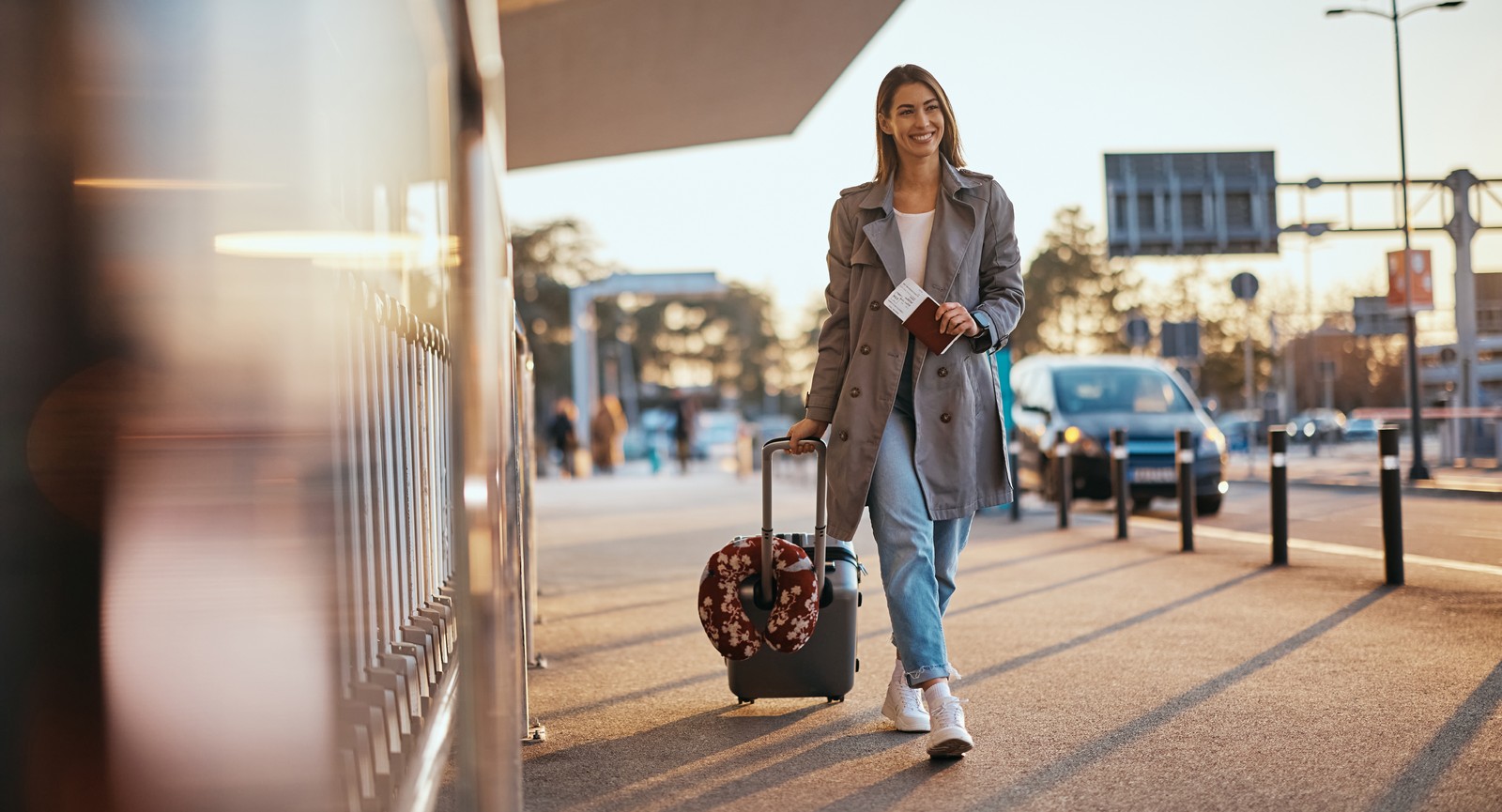
You're not giving your carry-on enough credit: 10 efficient packing tips
 General
More than carry-on Tetris
You're not giving your carry-on enough credit: 10 efficient packing tips
You don't need to check a bag the size of a refrigerator to enjoy a great trip. Whether you're headed to sunny San Diego, breezy Charleston, or bustling Chicago, packing light is not only possible, it's downright easy once you know the tricks. For example, pick a capsule wardrobe in colors that all mix and match, and use packing cubes to maximize every inch of space. Here are ten tips to get you breezing through airport security with nothing but a carry-on in tow.
Choosing a capsule wardrobe in coordinating colors
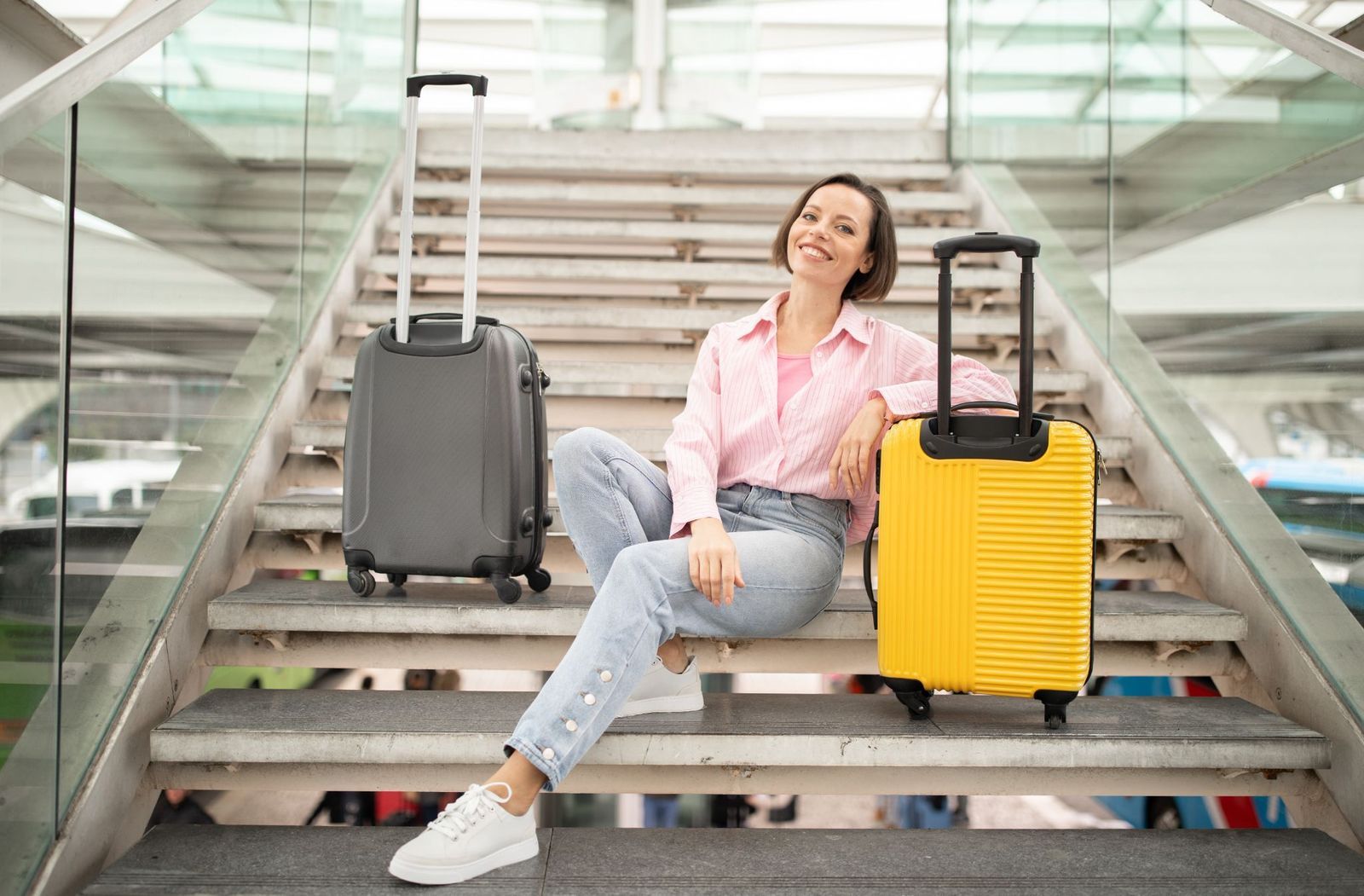
Picking five or six pieces that all match each other means every shirt goes with every pair of pants. This saves room and decision-making energy, which you'll want for the fun stuff, like deciding what to order at dinner. Imagine you're visiting Savannah for a long weekend: pack navy, white, and khaki basics, and you can mix and remix for four days without anyone noticing you're wearing the same five items on repeat.
Using packing cubes to maximize space
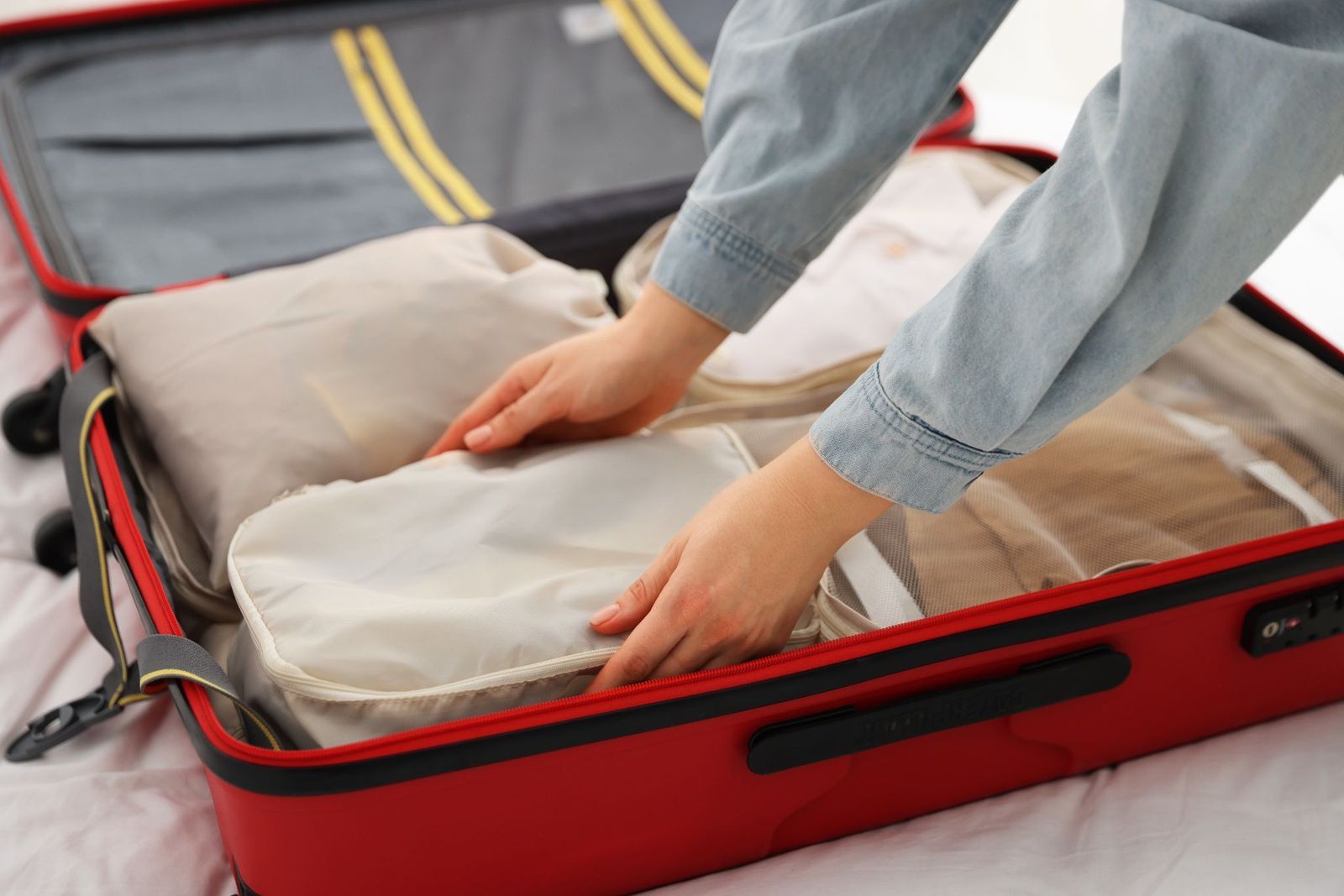
Packing cubes are like little drawers for your suitcase, keeping everything compressed, organized, and easy to find. No more digging through a jumbled pile searching for socks. If you're island-hopping through the Florida Keys with multiple stops, cubes let you grab "the swimwear cube" or "the evening-wear cube" without unpacking your whole bag at every hotel.
Rolling clothes instead of folding
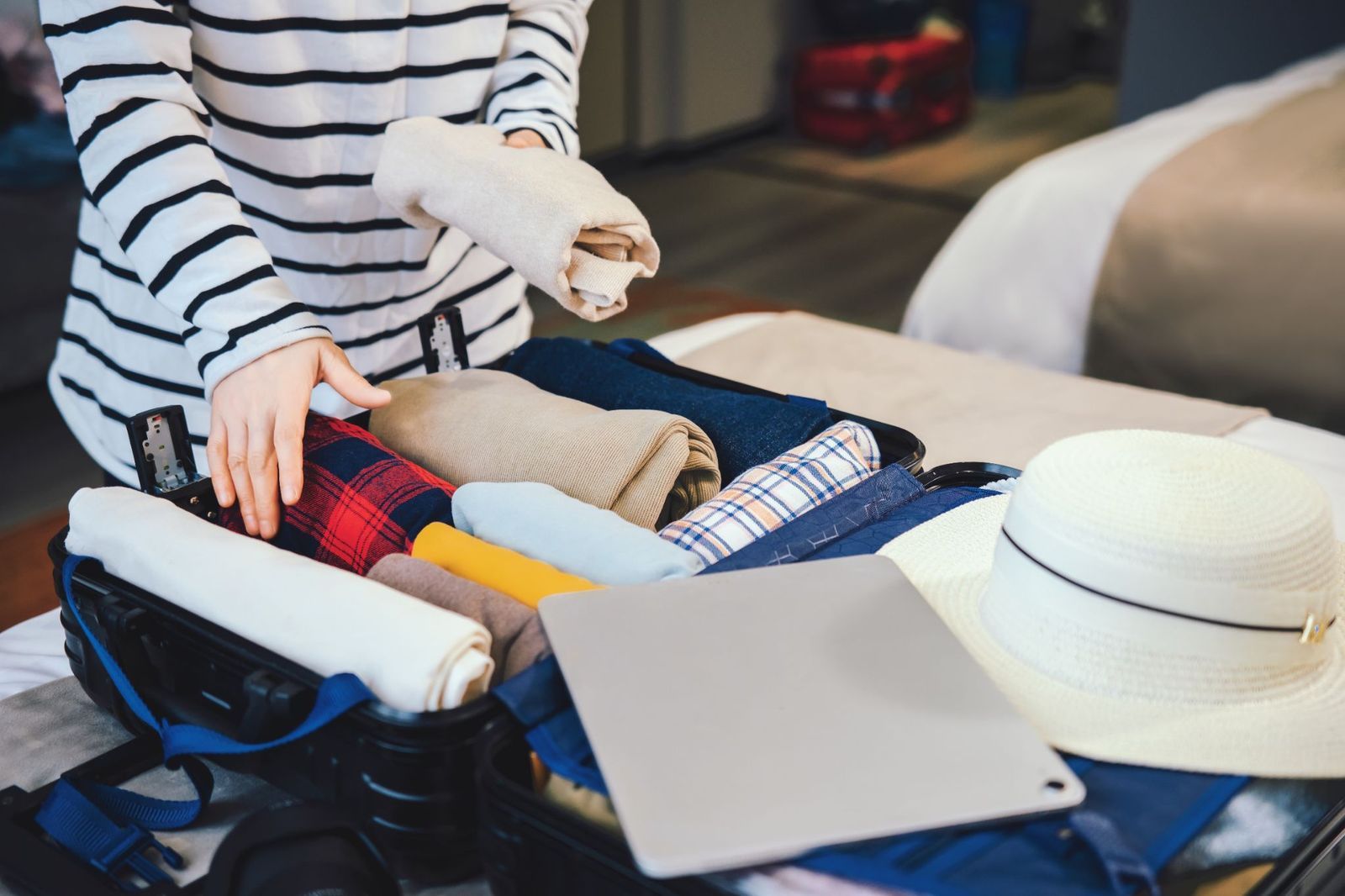
Rolling clothes tucks them into tighter little bundles, freeing up surprising amounts of suitcase real estate compared to flat folding. It also tends to reduce wrinkles, so you look presentable instead of rumpled. Say you're flying to Phoenix for a golf getaway; roll your polos and shorts tightly, and suddenly there's room for an extra pair of shoes you didn't think would fit.
Sticking to travel-size toiletries
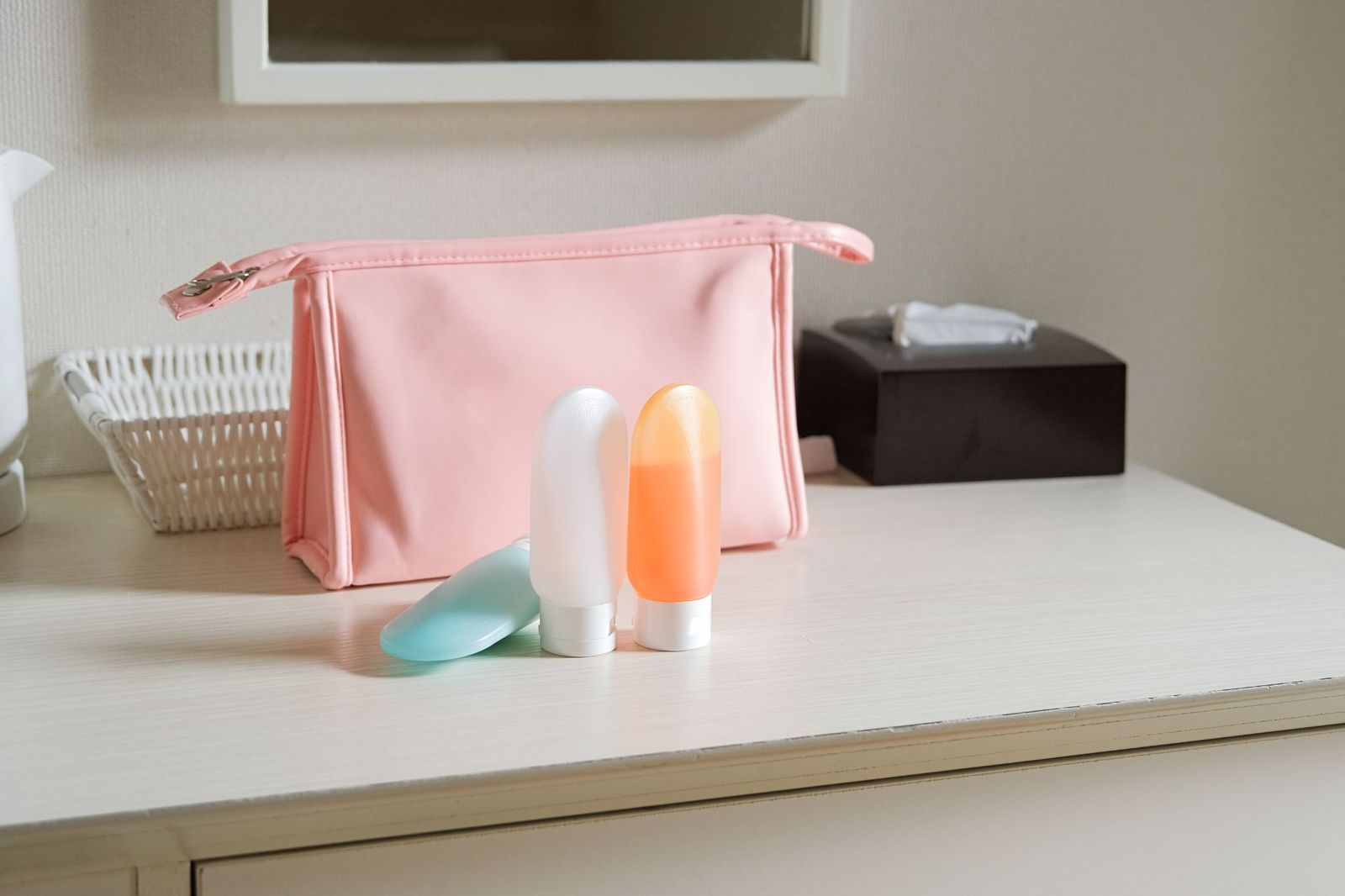
Travel-size bottles keep you compliant with airline carry-on rules and save tons of space versus full-size bottles. Less liquid weight means more room for things you actually want to bring home. Planning a spa weekend in Sedona? Tiny bottles of your favorite lotions mean you arrive ready to relax without lugging excess baggage.
Wearing your bulkiest items on travel days

Wearing your heaviest shoes, jacket, or sweater on the plane instead of packing them frees up serious suitcase space and weight. It's a clever workaround, since you're essentially wearing your luggage. Headed to chilly Denver in autumn? Wear your bulky boots and coat on the flight, and your suitcase stays roomy for everything else.
Packing one outfit that layers or rewears easily

One versatile outfit that can be dressed up or down, or layered for warmth, covers multiple scenarios without multiplying your luggage. It's the ultimate "just in case" solution. If you're visiting San Francisco, where weather swings wildly in a single day, one layerable outfit handles morning fog, sunny afternoons, and chilly evenings.
Using compression bags for bulky items
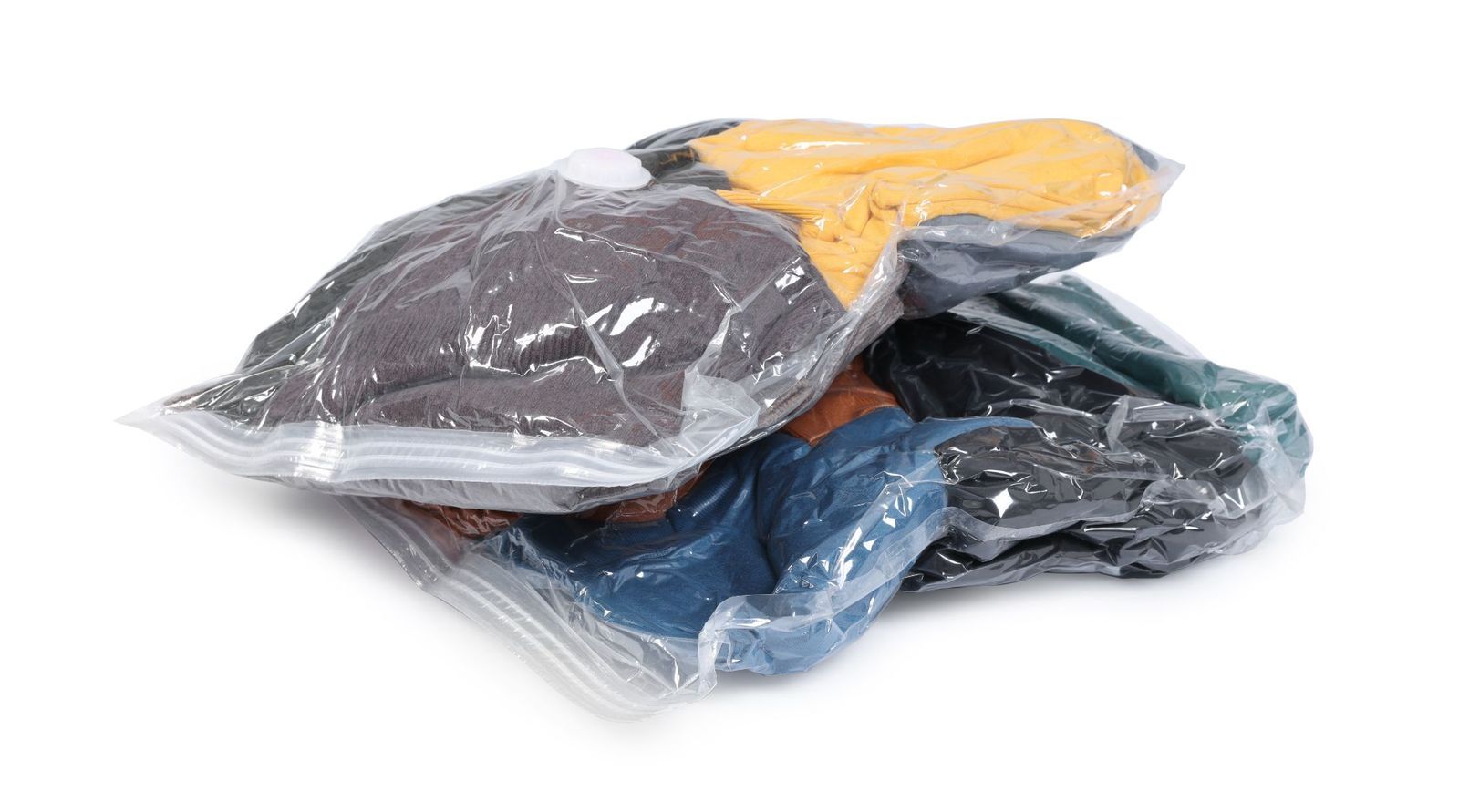
Compression bags squeeze the air out of sweaters, jackets, and other bulky items, shrinking them dramatically. This trick can be the difference between zipping your bag shut and sitting on it. Heading to Lake Tahoe in winter? Compress your bulky sweaters, and you'll still have room for the rest of your gear.
Bringing a small packet of laundry detergent

A tiny packet of detergent lets you wash essentials in a hotel sink, meaning you need far fewer clothes overall. It's a small item with a big payoff for trip length. On a two-week road trip through New England, a little detergent means you can rewear favorites fresh and clean instead of packing for fourteen separate days.
Leaving room for souvenirs
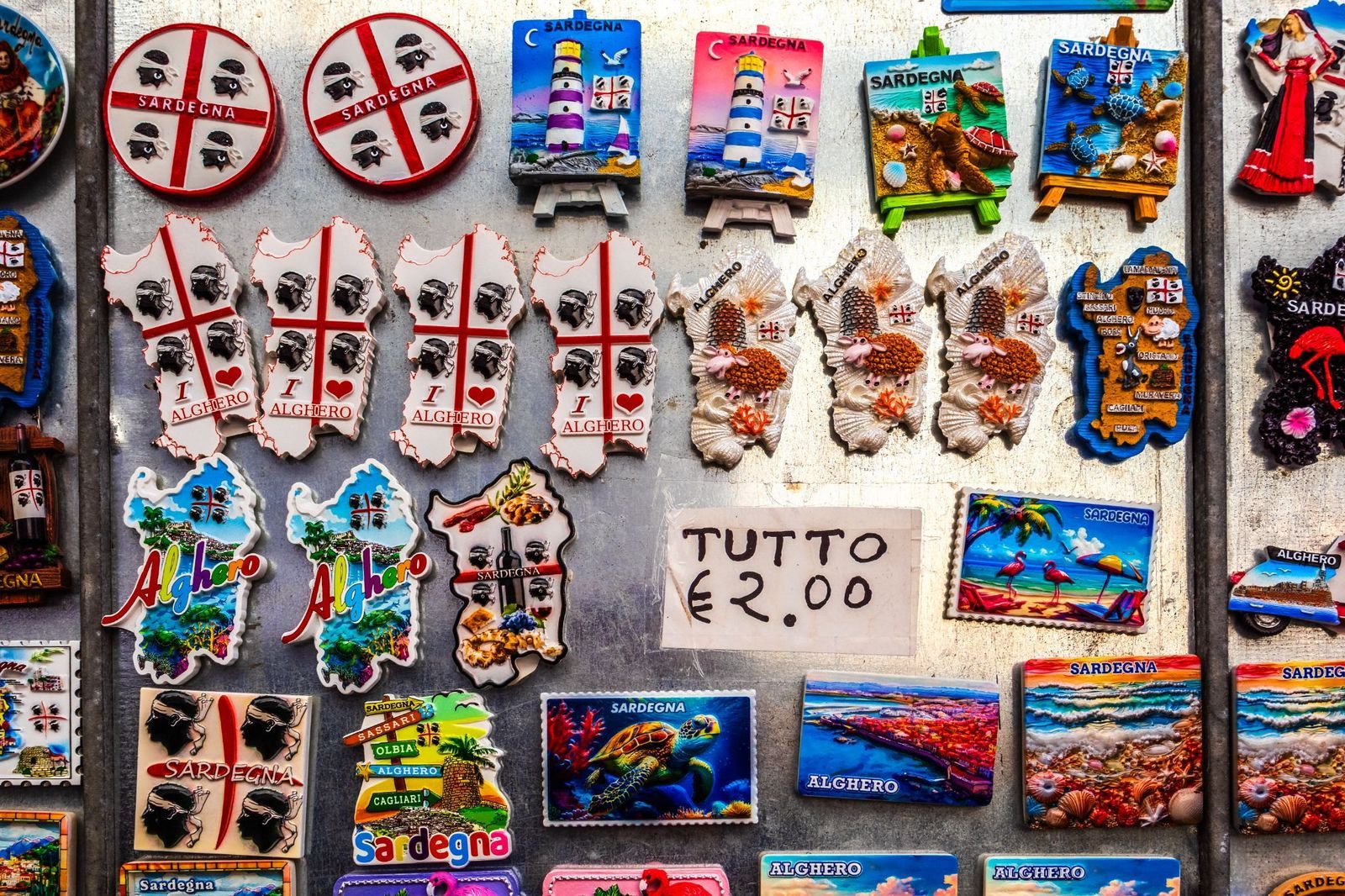
Packing with extra space in mind means you won't face a luggage crisis when you fall in love with local treasures. It saves you from wrestling an overstuffed suitcase shut on the way home. Visiting Santa Fe's famous markets? Leaving room means that the pottery or jewelry piece comes home in your suitcase, not in a separate shipped box.
Choosing versatile shoes that go with everything
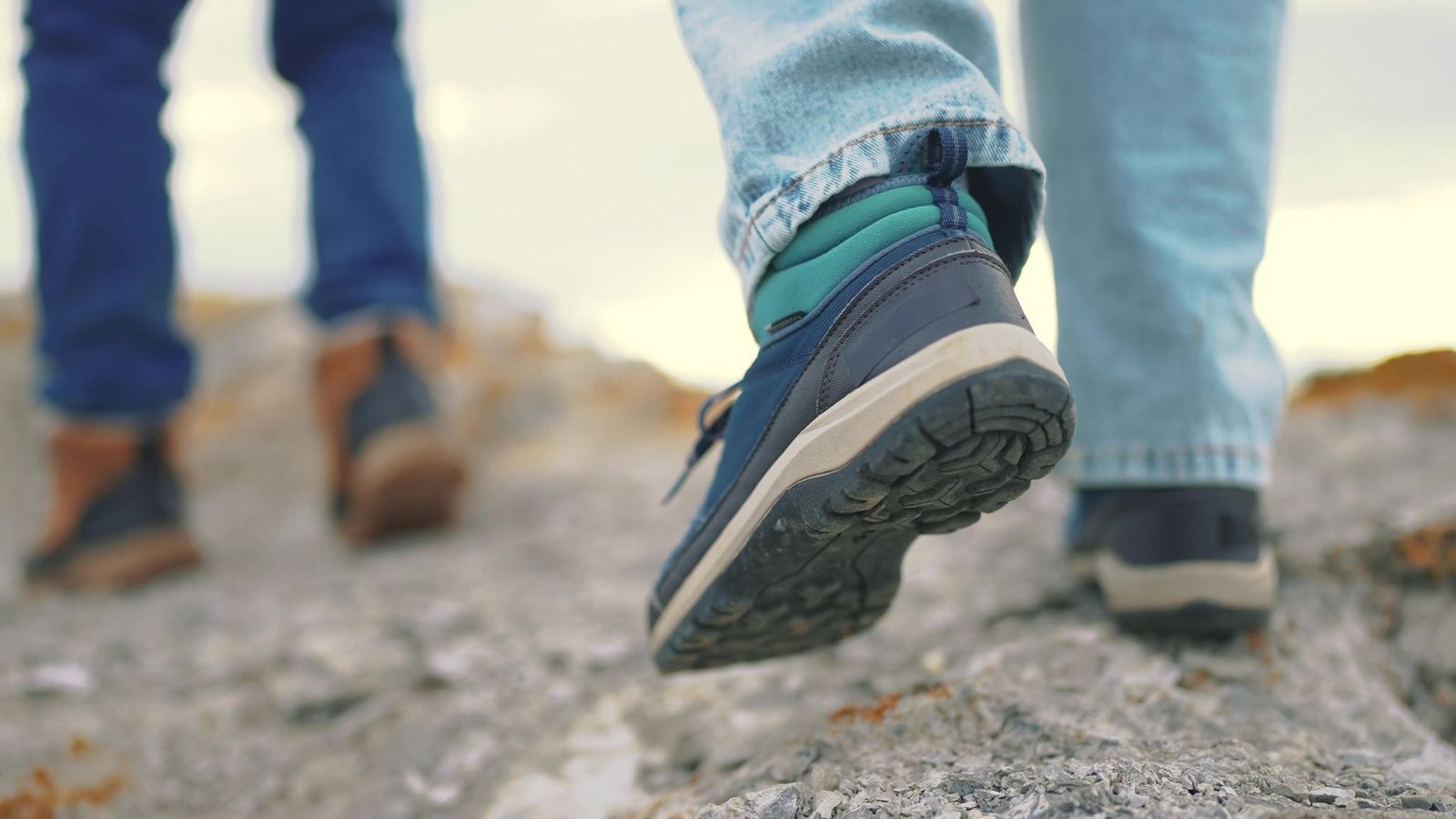
Two pairs of shoes that match your whole wardrobe save significant space and weight versus packing five pairs "just in case." Comfortable feet also make for happier sightseeing. Touring Boston's Freedom Trail? Comfortable walking shoes that also look fine at dinner mean you're not packing separate shoes for every occasion.
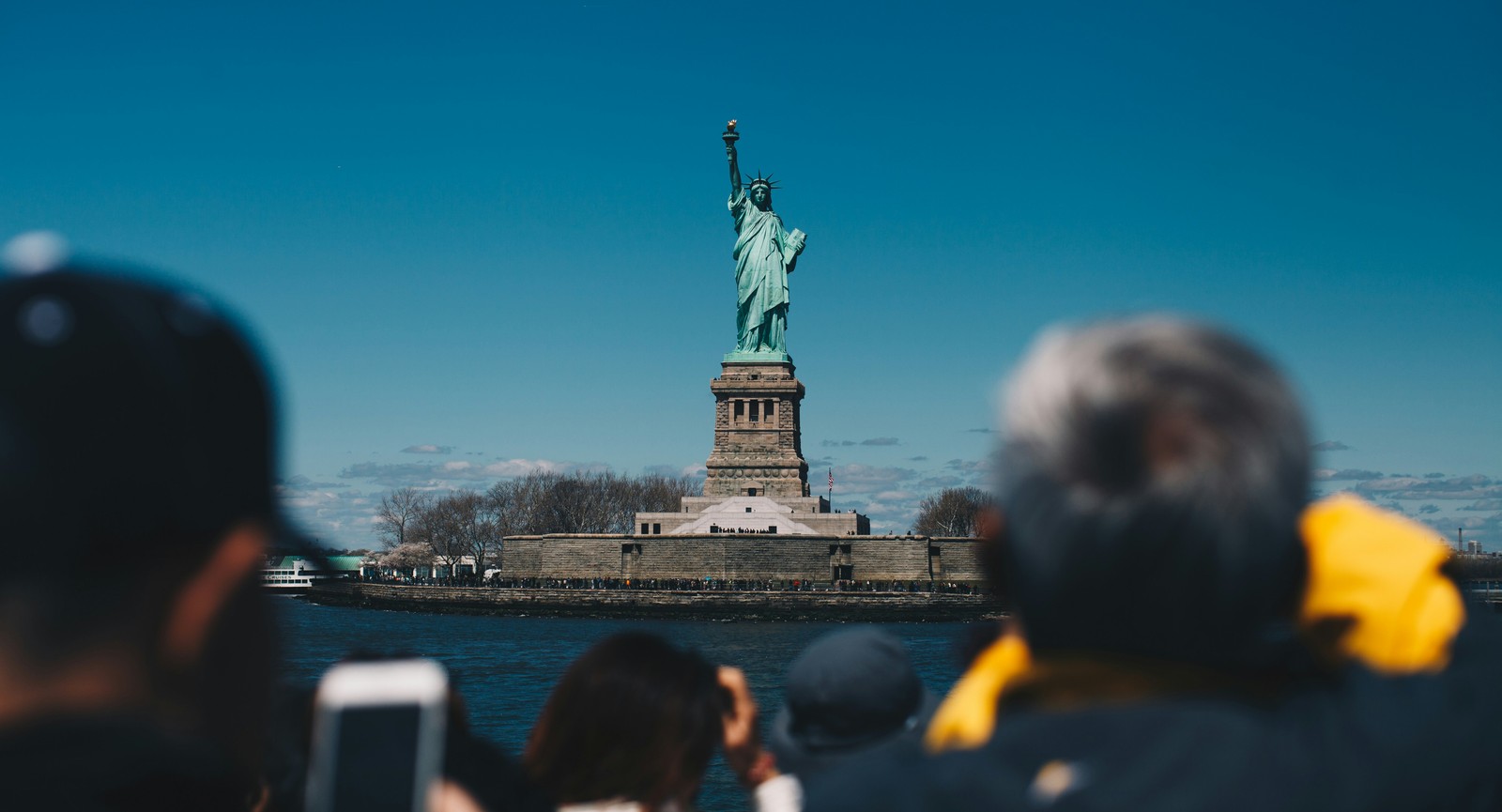
These are the 11 most shocking things for a foreigner visiting the U.S.
It’s not that obvious to outsiders
11 things that confuse first-time travelers in the U.S.
Traveling to the U.S. can feel familiar, until it suddenly doesn't. Even seasoned travelers can be caught off guard by small cultural differences that affect everyday situations and transactions. From paying at restaurants to how far apart cities really are, many situations that Americans take for granted take first-time visitors by surprise.
Tipping in restaurants
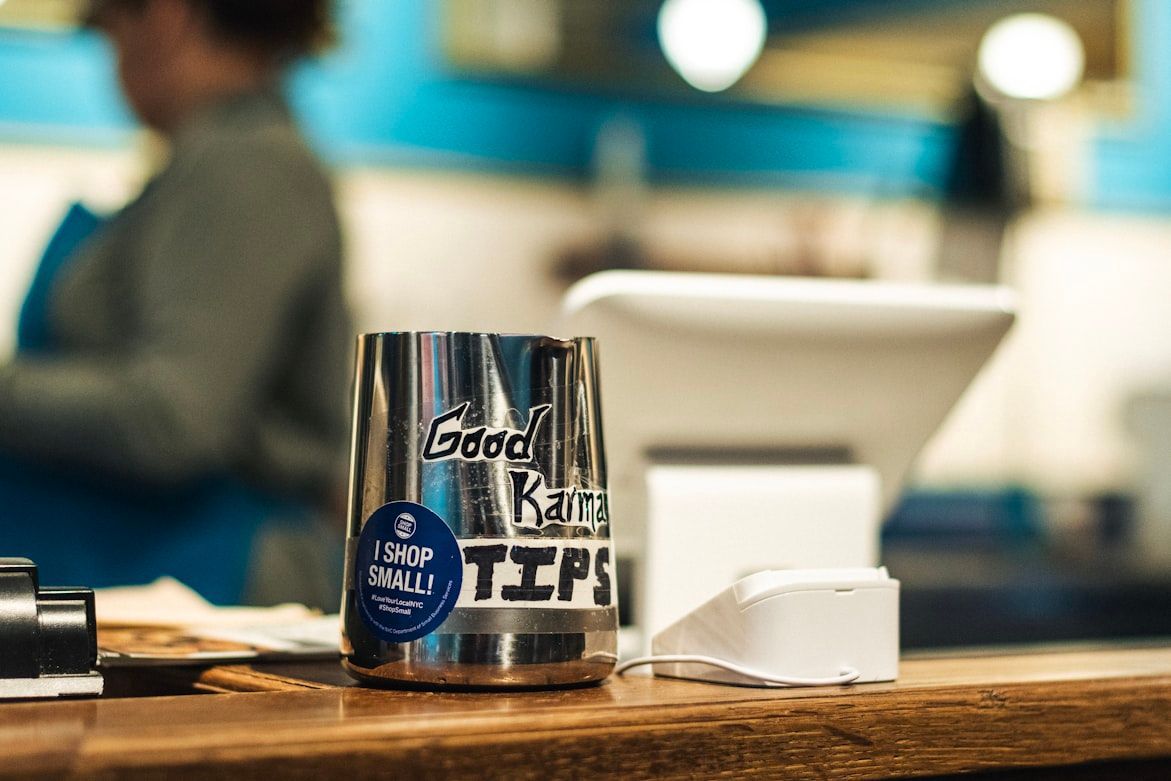
In the U.S., tipping isn’t just polite, it’s expected in many situations. Restaurant servers, taxi drivers, and hotel staff rely heavily on tips as part of their income, unlike many countries where service is included.
At restaurants, leaving around 18-20% of the bill is considered standard. Skipping a tip can be seen as dissatisfaction with the service, even if that wasn’t your intention.
Sales tax is not included in the displayed prices
One of the most confusing moments for non-American visitors happens at checkout. The price seen on the shelf is not the final price, and shoppers. pay more at the register due to sales tax.
This tax varies by state and even by city, so totals can differ depending on location. It’s a small detail, but it often catches travelers off guard when budgeting purchases.
Large portion sizes in restaurants
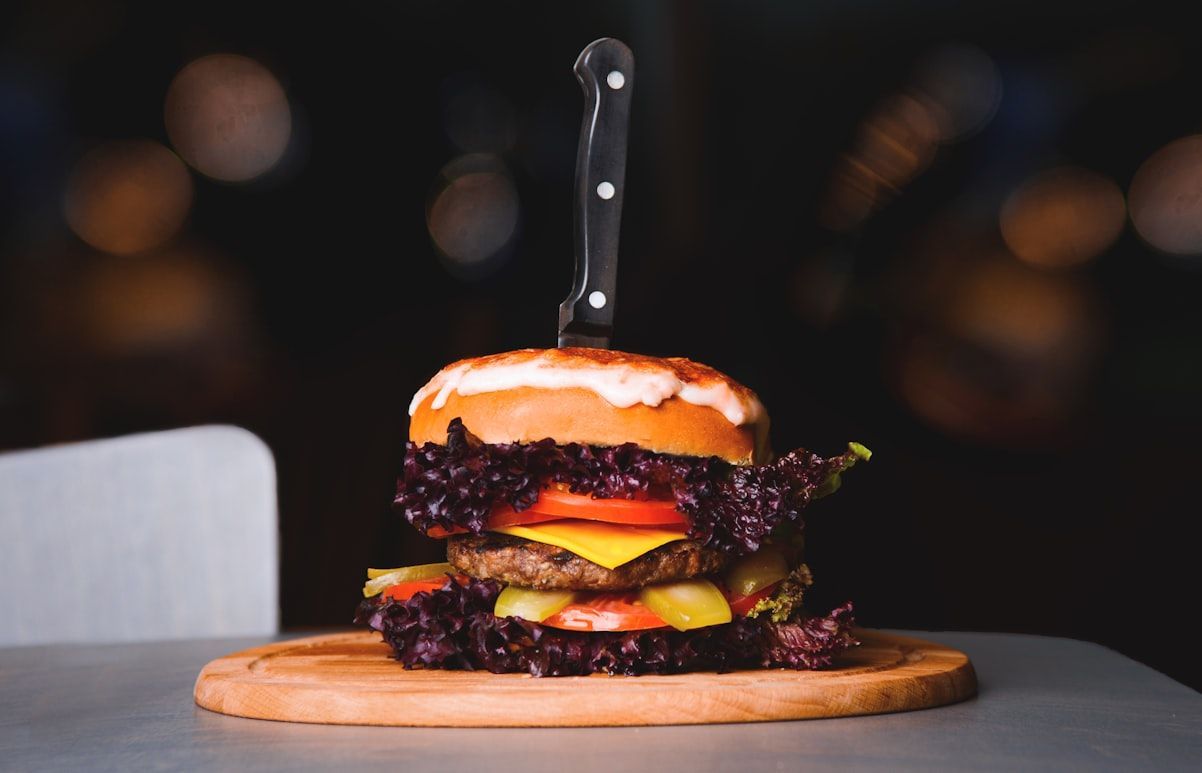
Food portions in the U.S. are famously generous. Meals are often large enough to share, and to-go boxes are common for leftovers.
For many first-time visitors, this can be overwhelming. Ordering multiple courses or sides without realizing portion sizes can quickly lead to oversized meals, wasted food, and higher bills.
Ice in drinks and free refills

In most American restaurants, drinks come filled with ice, sometimes more than liquid. For visitors from countries where this is uncommon, it can feel excessive.
Another surprise: free refills. Many places will refill soft drinks, coffee, or tea at no extra charge, which is not a standard practice in much of the world.
Differences between states
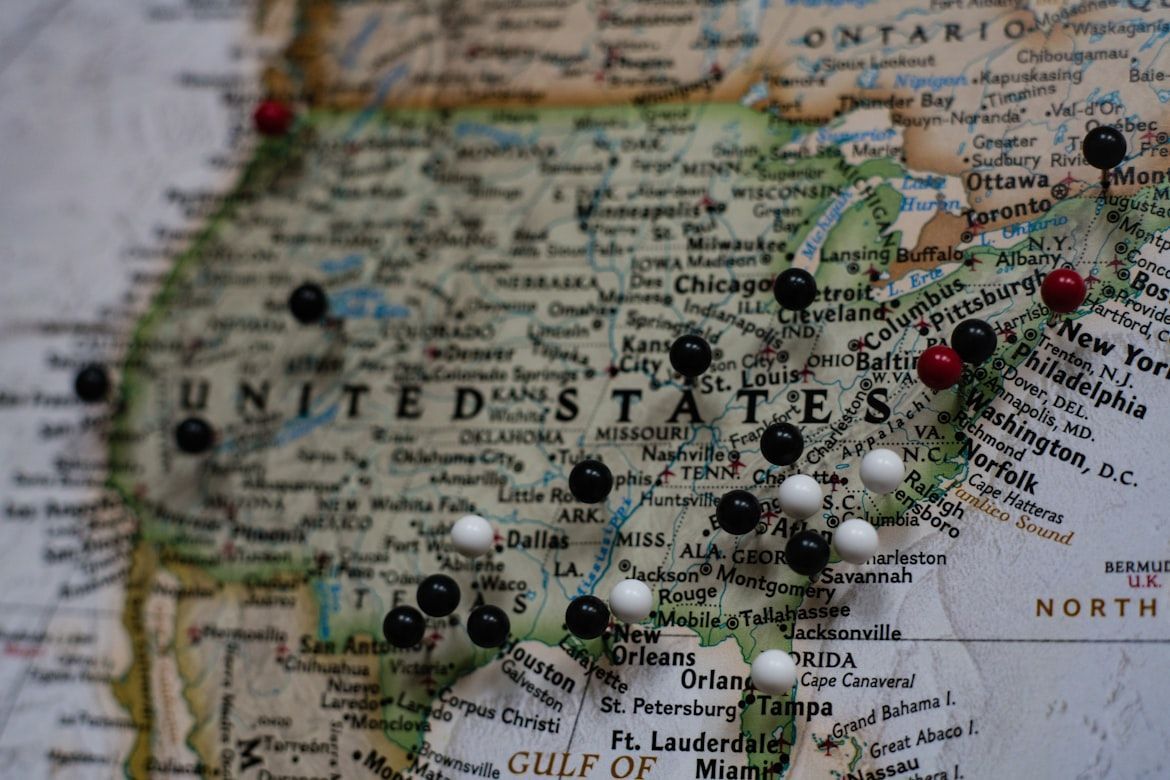
The U.S. is one country, but it often feels like many. (It does stretch across 3.8 million square miles, after all.) Laws, taxes, driving rules, and cultural norms can change significantly from one state to another.
For example, alcohol laws, smoking rules, and tipping expectations may vary. Travelers who assume uniformity across the country can easily run into confusion.
The distance between cities
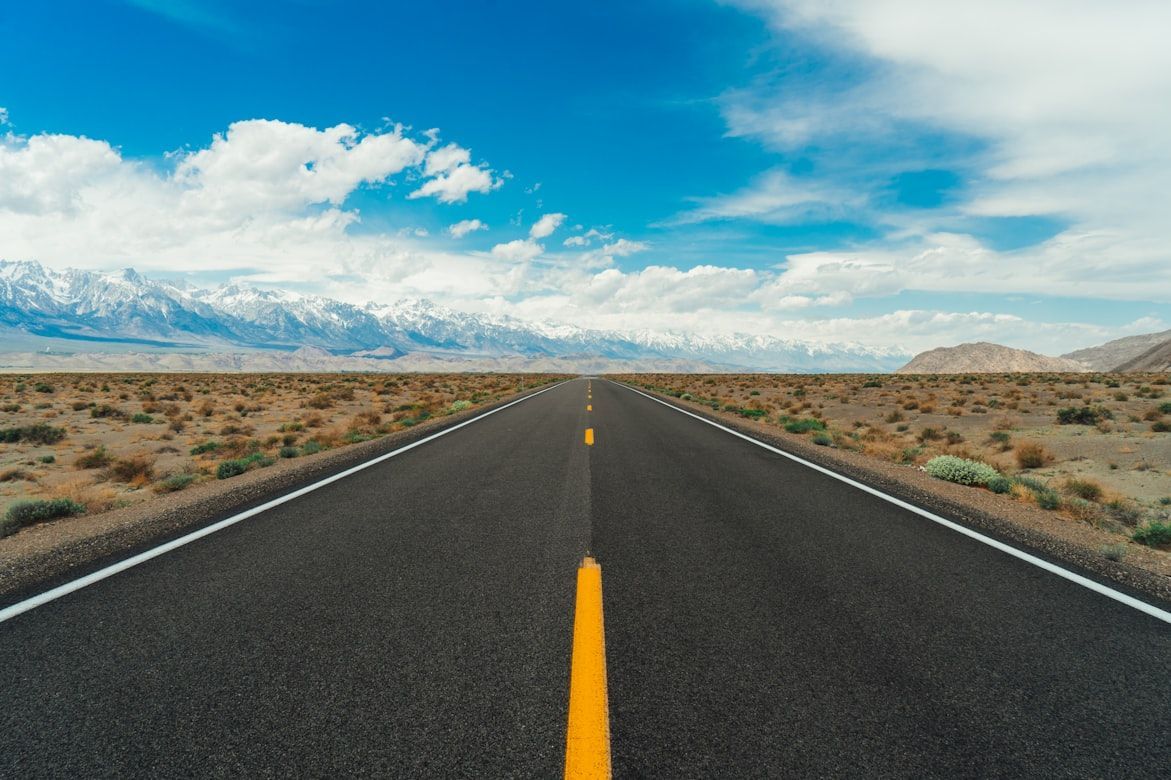
Looking at a map can be misleading. What seems like a short trip between cities can actually take several hours, or even require a flight.
The U.S. is vast, and distances between major destinations are often much greater than in Europe or other regions. Planning travel time carefully is essential.
Car dependency
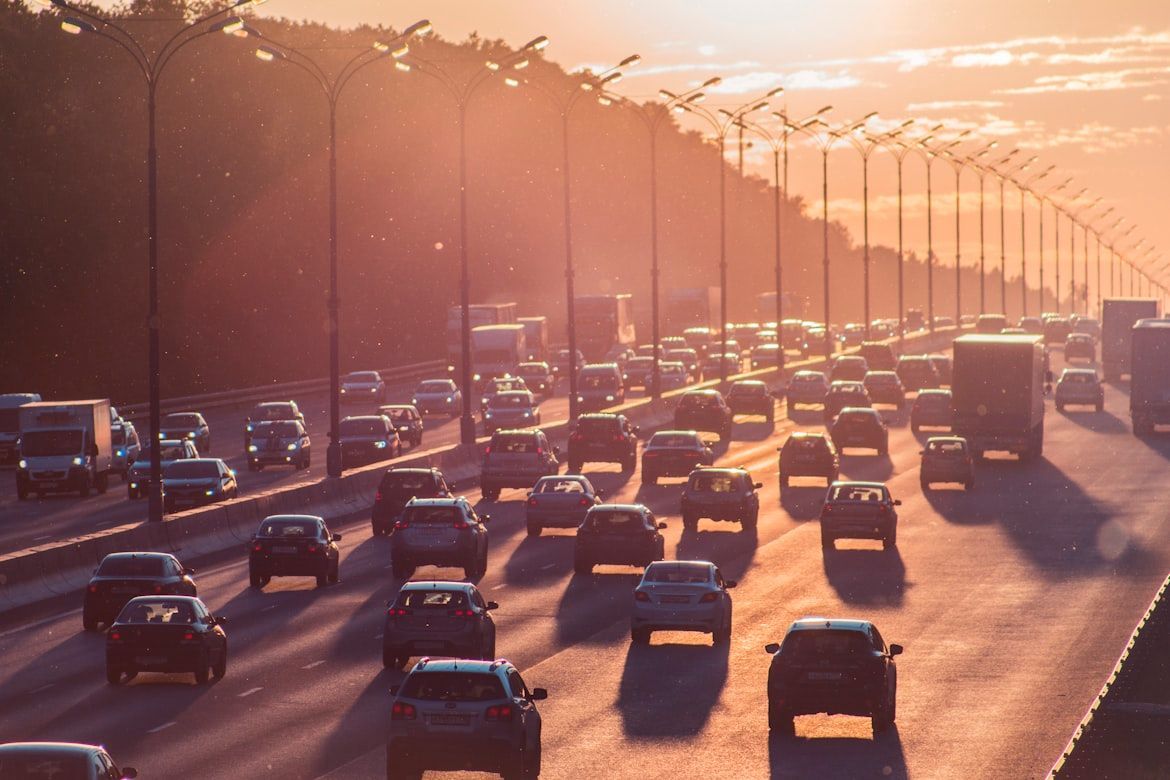
Outside of major cities like New York or Chicago, public transportation can be limited. In many parts of the country, having a car is almost essential.
This surprises travelers used to extensive train or bus systems. Renting a car often becomes necessary to explore beyond urban areas.
Hotel taxes and additional fees
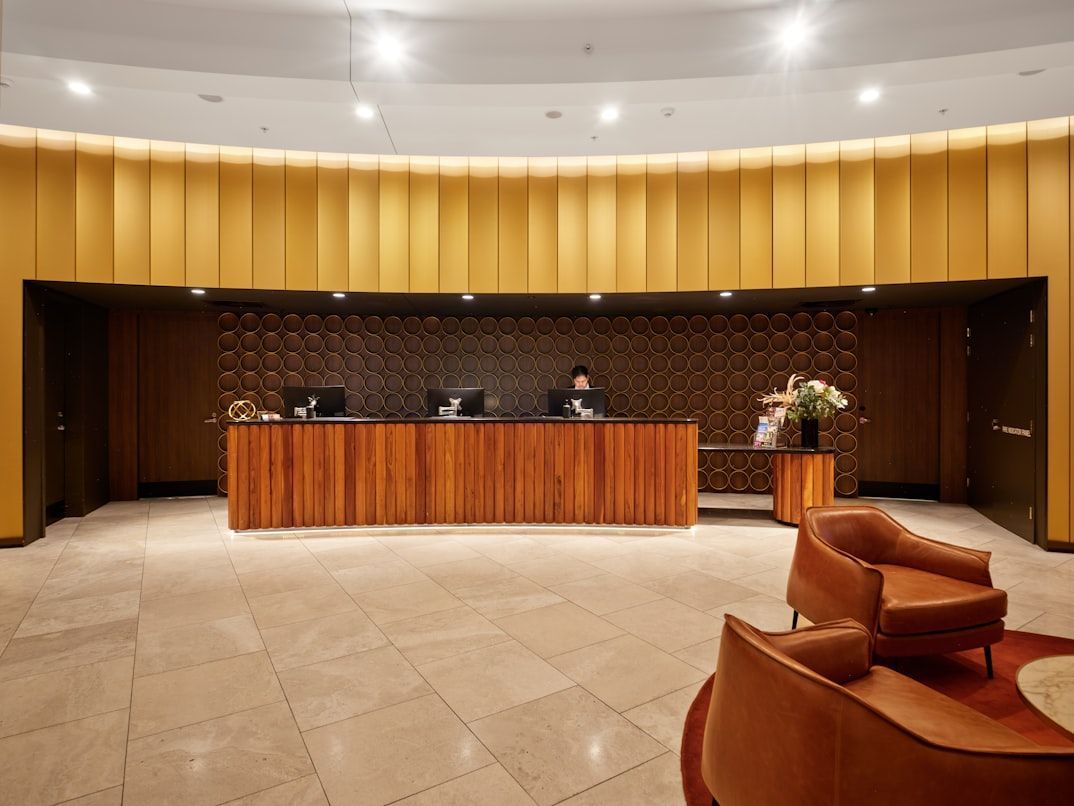
Hotel prices in the U.S. don’t always tell the full story. Extra charges such as local taxes, resort fees, or service fees may be added at checkout.
These additional costs can significantly increase the final price, especially in tourist-heavy destinations. Visitors should always check the full breakdown before booking.
Credit cards are used more than cash
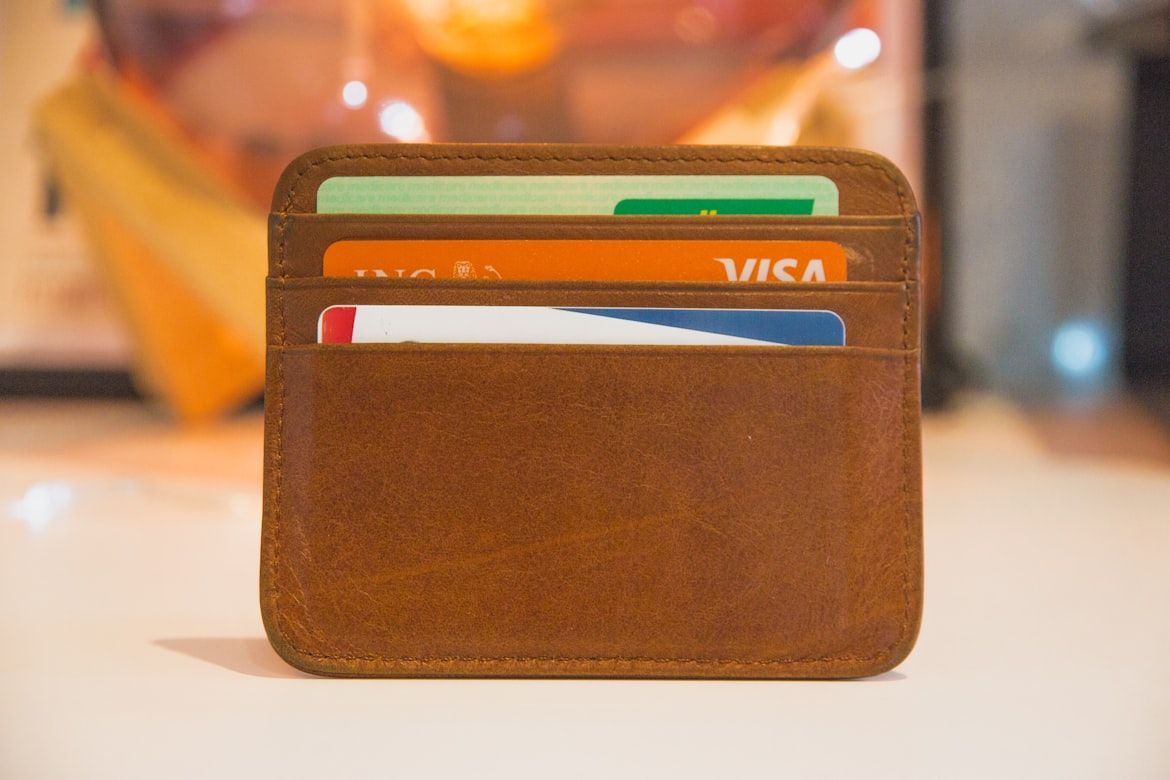
While cash is accepted, credit and debit cards are widely preferred. Many places, even small businesses, expect card payments.
Travelers relying on cash may find it inconvenient, especially in cities when using services like rideshare apps. Having a card is almost essential for smooth travel.
Informal customer service interactions

American customer service is often friendly and informal. Staff may introduce themselves, check in frequently, or engage in small talk.
For visitors from more reserved cultures, this can feel unusual or overly familiar. However, it’s simply part of the service style and not meant to be intrusive.
Drive-thru culture
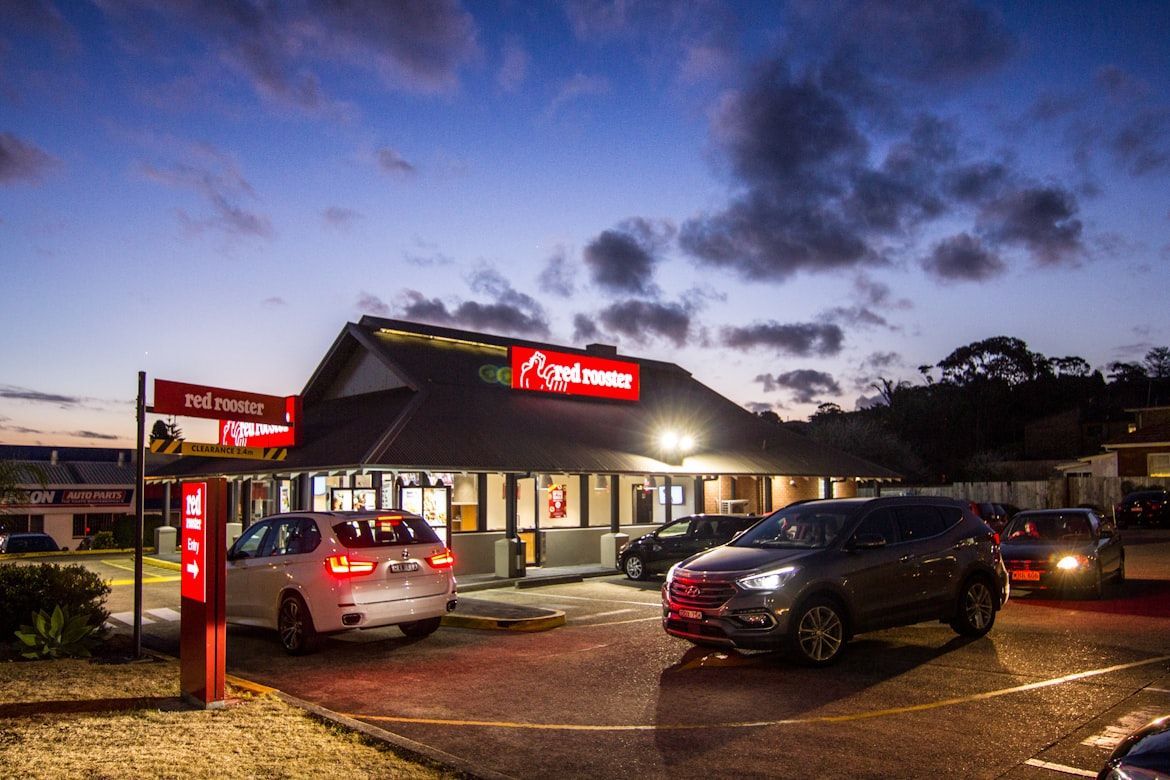
Drive-thrus in the U.S. go far beyond fast food. You’ll find them at pharmacies, coffee shops, banks, and even some dry cleaners.
This car-centered convenience can be surprising for first-time visitors, especially those from places where such services are rare or nonexistent.
Keep wandering
There’s always
more to explore

You'll never road trip the same way again if you follow these tips
5 min.
Read Now
 Landmarks

Walk into the myth: 10 legendary locations
5 min.
Read Now
 Culture

Pack Your Bags: 10 real places from iconic movies
5 min.
Read Now

Points vs. miles: Why you're likely leaving free flights on the table
4 min.
Read Now