Don't do this at airport security: Common behaviors that draw attention
 General
Airport Secrets
Don't do this at airport security: Common behaviors that draw attention
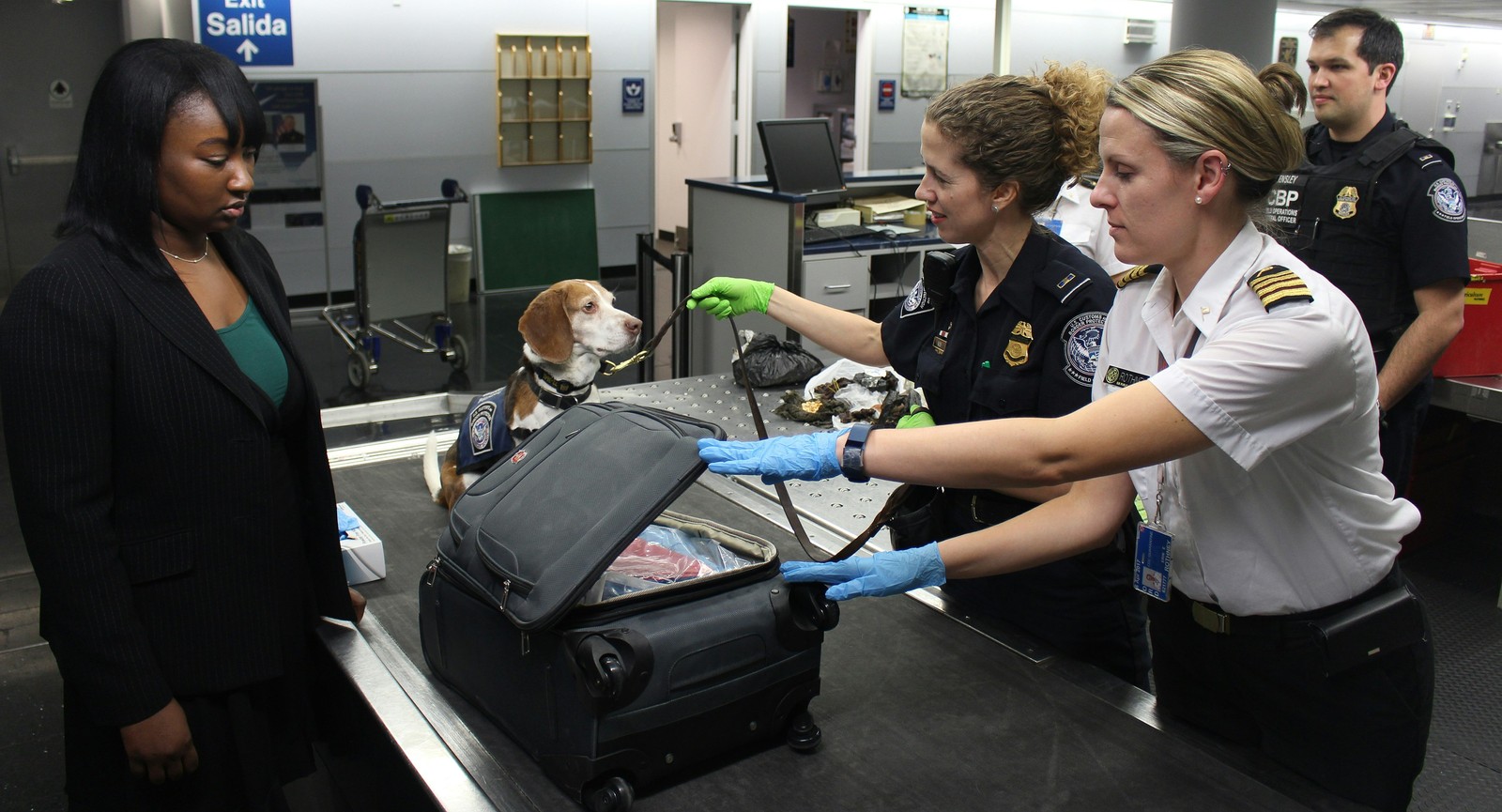
You’re going through airport security when suddenly an agent pulls your bag aside for inspection. It can be a little nerve-wracking, right? We all know not to pack dangerous or banned items, but there are more reasons than you might think that can raise a red flag. Here are 10 things to avoid so you can get through security smoothly.
Packing too tightly

We all want to pack our favorite clothes for a trip, but be careful: even if you manage to squeeze everything in and force your suitcase shut, you might end up opening it again at the security checkpoint.
It turns out that overpacked bags are harder to read on the scanner. Instead of a clear image, agents may see a dense blur with few details, which can trigger a manual inspection. Next time you travel, try to pack so everything fits comfortably; that way, you’ll save yourself time and hassle at security.
Electronic devices "buried" in the suitcase
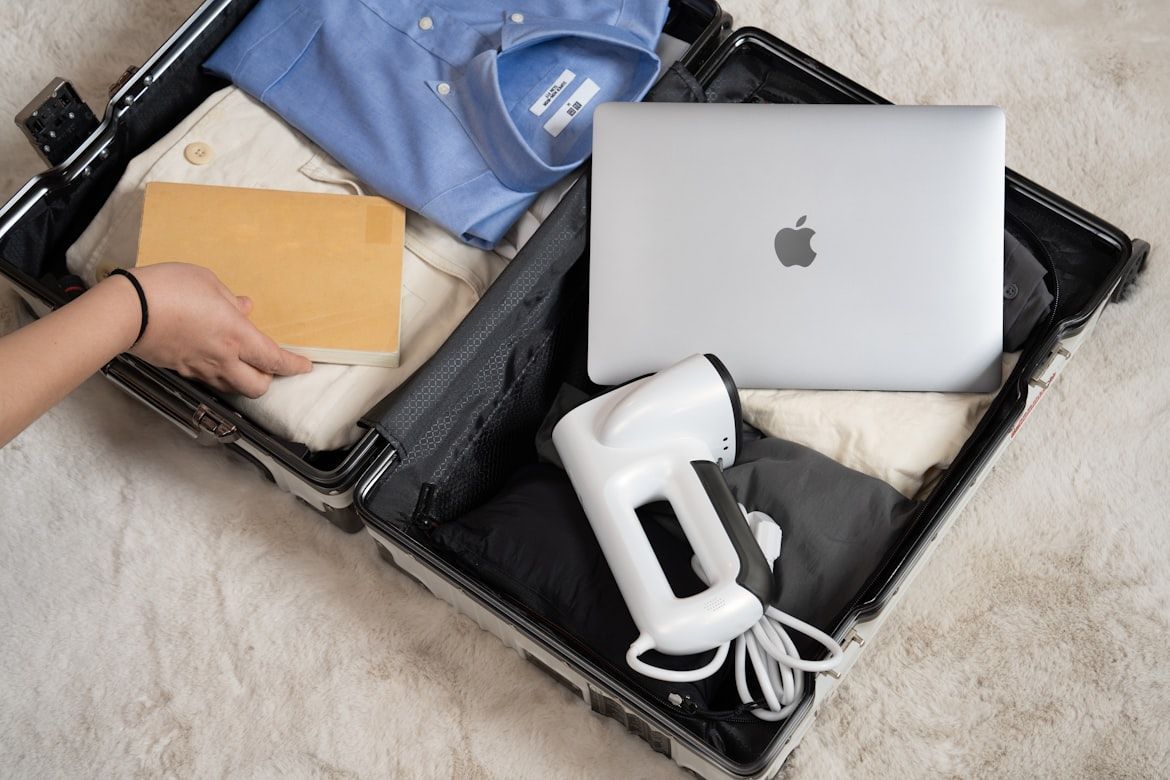
If you think tucking your laptop or tablet between layers of clothes is a good idea, you might want to think twice.
Electronics are dense, and they can create shadows on the X-ray that make it harder to see what’s around them. That can lead to your bag being pulled aside for a second look. It’s better to keep your devices in a padded case near the top of your bag or in an easy-to-reach pocket, and be ready to take them out and put them in a bin when you go through security.
Attitude in the line

Not every delay at airport security has to do with what’s in your bag; sometimes it’s about behavior.
Airports are closely monitored, and if a passenger seems unusually anxious, avoids eye contact, or acts aggressively or uncooperatively, it can draw attention. Even extremes, like being overly talkative or unusually quiet, may raise doubts. And there’s one more thing many people don’t realize: joking about security, explosives, or other threats is a serious red flag. To keep things smooth, it’s recommended to stay calm, be respectful, and follow the instructions at the checkpoint.
Small forgotten objects

This is one of the most common reasons bags get flagged at airport security. It’s easy to overlook small items tucked into pockets when you’re packing. Things like keys, lip balm, tissues, or even tiny metal items like tweezers or earrings can clutter the X-ray and raise questions.
Experts recommend checking and emptying every pocket before you pack. And if you’re bringing small items, keep them together in a pouch instead of letting them float loose in your bag.
Wrapped gifts

Are you bringing a gift for a friend? Be careful how you pack it. Over the years, there have been cases where people have used "gifts" to conceal prohibited items. That’s why staff pay close attention to these kinds of packages, especially when they’re inside the suitcase and surrounded by clothes.
To avoid awkward moments and deliver that gift, keep it in a bag that’s easy to inspect and place it separately when you go through screening.
Odd item combinations

Of course, you can pack your suitcase however you prefer, but most people tend to pack in similar ways. Security officers are used to those patterns, so when something looks different, it can stand out.
Unusual combinations of items, even if they’re completely harmless, can be harder to read on an X-ray or look suspicious. For example, stuffing shoes with socks, chargers, or other items can obscure shapes and make the contents look unclear. That’s often enough to trigger a closer inspection.
Liquids in random pockets

If you’re packing shampoo, gels, lotions, or other liquids in your carry-on, you’ll need to follow a few rules. Each container must be 3.4 ounces (100 ml) or less, and it’s best to keep them in small bottles inside a clear bag; all in one place.
If you scatter them around your bag, some in pockets, others loose inside, it can make the X-ray harder to read and could trigger alarms, since the texture may resemble that of dangerous or prohibited substances. A simple solution is to keep everything together in a neat toiletry bag.
Food and packaging

Many people like to pack a treat for someone back home or bring snacks in their carry-on, but food can sometimes slow you down at the security line.
Solid items are usually fine, but liquids and spreads (like yogurt, sauces, or peanut butter) follow the same rules as other liquids and can be harder to scan. Dense textures and opaque packaging, like foil or thick containers, can make images unclear, leading to an additional inspection. To avoid delays, keep these items easy to reach so you can take them out and place them in a separate bin if needed.
Lots of loose cables
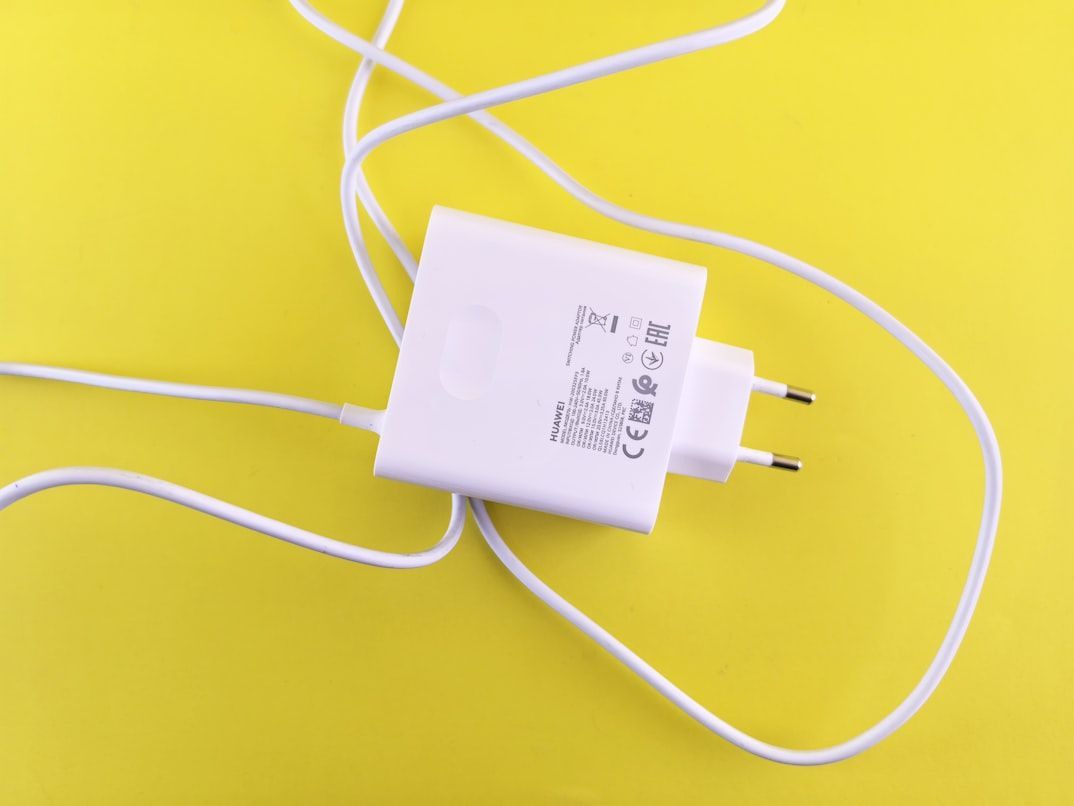
If your chargers and headphone cables are all tangled up, we get it; untangling them can be a headache. But it’s worth doing before you head to the airport. On an X-ray, a tangle of cords can look like parts of a complex or potentially concerning device, making it harder for agents to tell what they’re seeing.
As a simple solution, you can use a cable organizer or just coil your cords neatly and secure them with a Velcro strap or twist tie.
Powders

Powdered products are a common reason bags get flagged at airport security. Things like talcum powder, makeup, baby powder, protein, or even coffee can be very difficult to distinguish from other toxic and hazardous substances that come in that form. In some cases, they may need additional screening or even testing if anything seems suspicious. To go through security smoothly, keep each powder under 12 ounces (350 ml) and keep them handy, so it’s easy to access.
Drive-in movies were invented for this surprisingly personal reason
Behind the wheel
Cruise control was invented by a blind man: 10 car stories you never knew
Did you know cruise control was invented by a man who couldn't see? Or that cars weren’t required to come with seatbelts until 1968? Cars are such a big part of everyday life that we rarely stop to ask how certain features came to be. Some answers are surprising, like the carmaker that handed its best safety design to its rivals for free. Here are the stories behind some of the things we now take for granted on the road.
The blind engineer behind cruise control
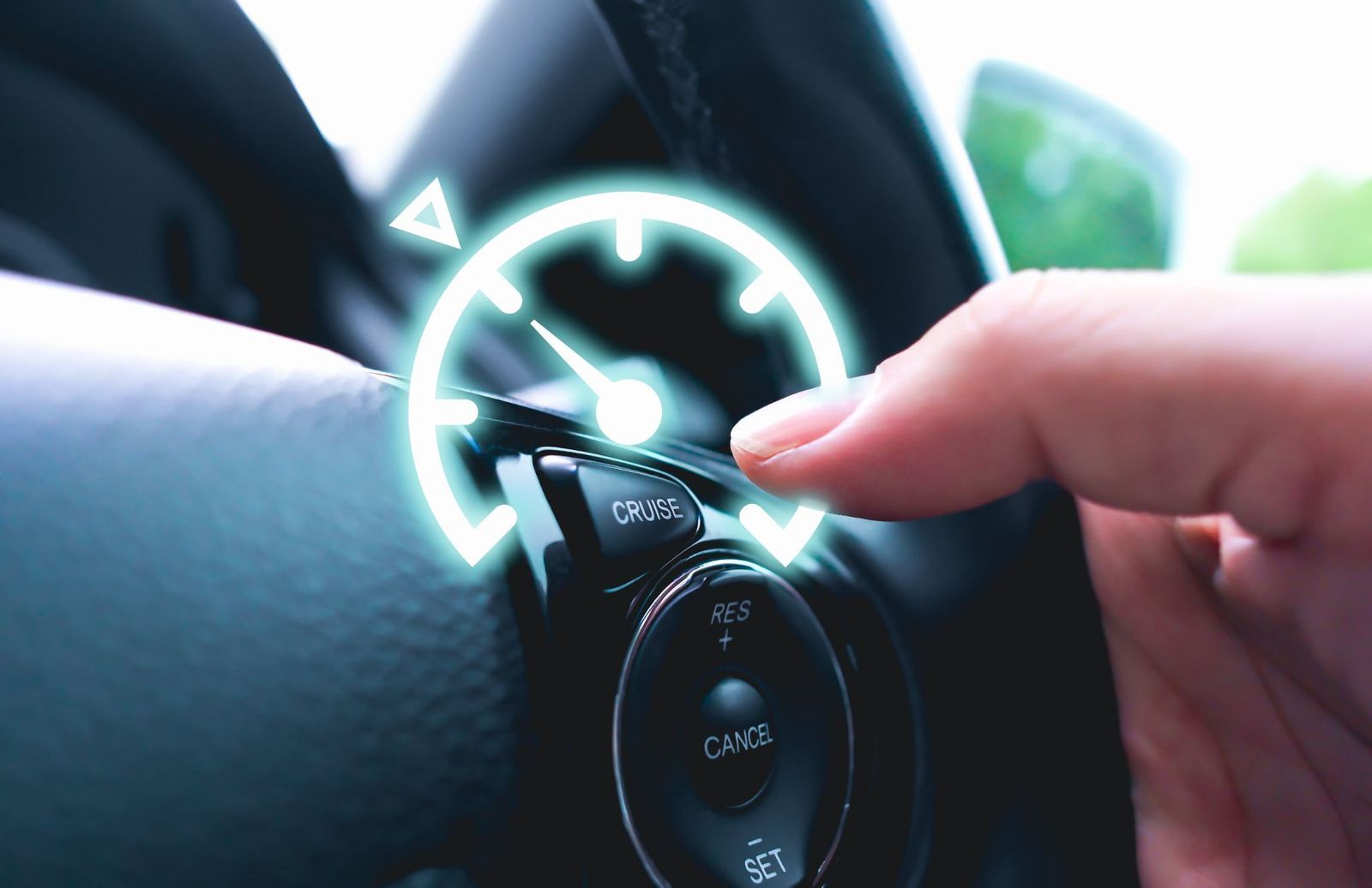
When Ralph Teetor was about six years old, he hurt his eyes in a knife accident and lost his sight. But this accident didn’t stop his ingenuity. At 12, he made a car using an engine from his father's machine shop. And in 1912, he graduated in mechanical engineering from the University of Pennsylvania.
Around 1936, he was a passenger riding with his patent lawyer, Harry Lindsey, who had the habit of slowing down when talking and speeding up when listening. Those rough movements annoyed Teetor enough that he decided to fix the problem. After 10 years, he created what’s now known as cruise control. He got the patent in 1950. In 1958, Chrysler put it in its Imperial, New Yorker, and Windsor models, with the name "Auto-Pilot." Cadillac later named it "Cruise Control," and that one stuck.
Why seatbelts weren't required until 1968
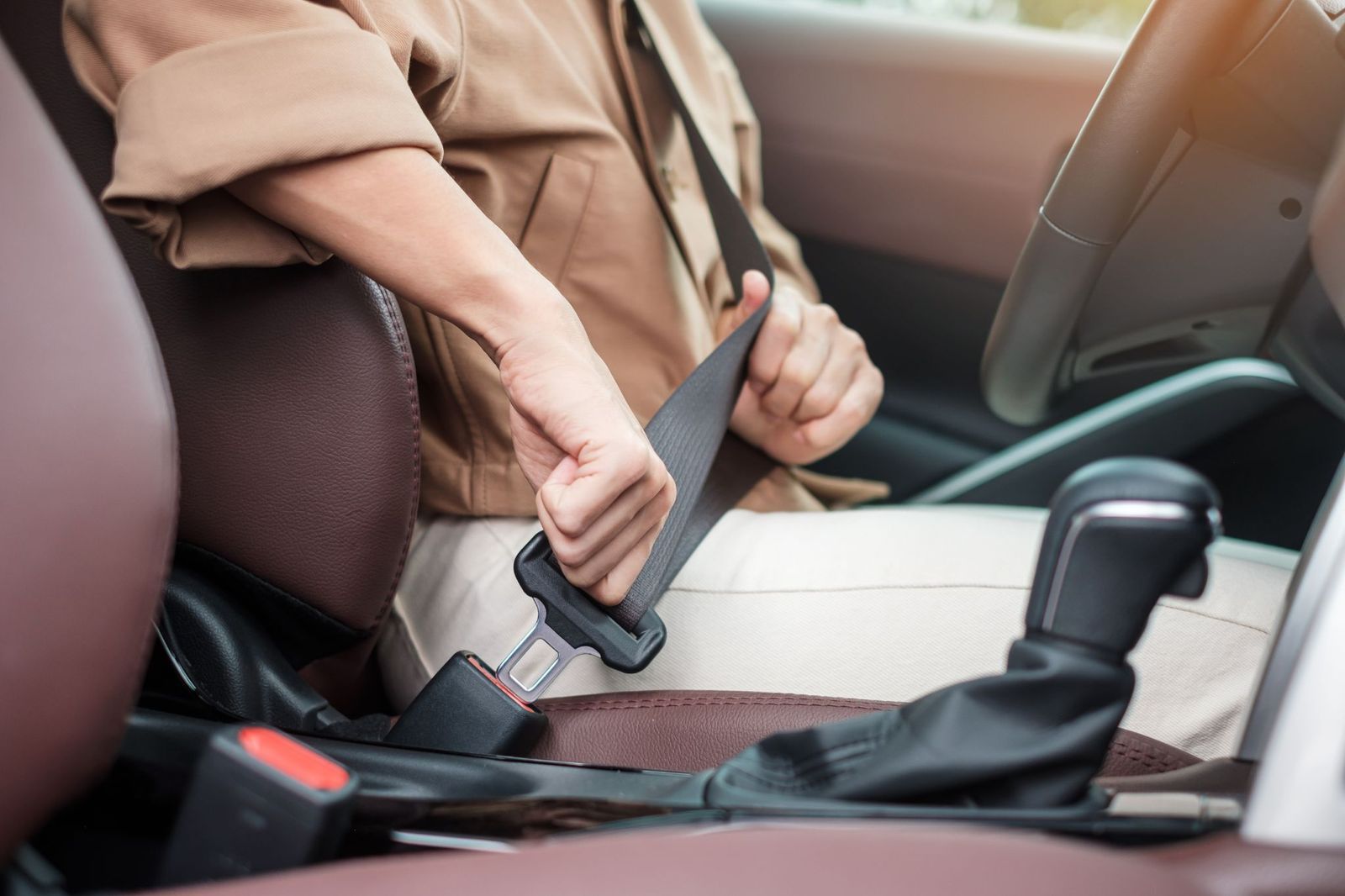
Seatbelts weren't very popular at first. Some car companies, such as Nash and Ford, offered them in their 1956 "Lifeguard" safety package, but only about one in five buyers ordered them.
Everything changed when President Lyndon B. Johnson signed the National Traffic and Motor Vehicle Safety Act in 1966. Under this law (starting on January 1, 1968), every new car had to have seatbelts, including lap-and-shoulder belts in the front seats next to the doors.
However, having seatbelts in the car didn't mean people wore them. That came later, in the 1980s. Because too many people were still dying in car accidents, New York stepped up and became the first state to make buckling up the law. It worked: more people started wearing their belts, and other states and countries soon followed.
Why Volvo gave away its seatbelt design for free
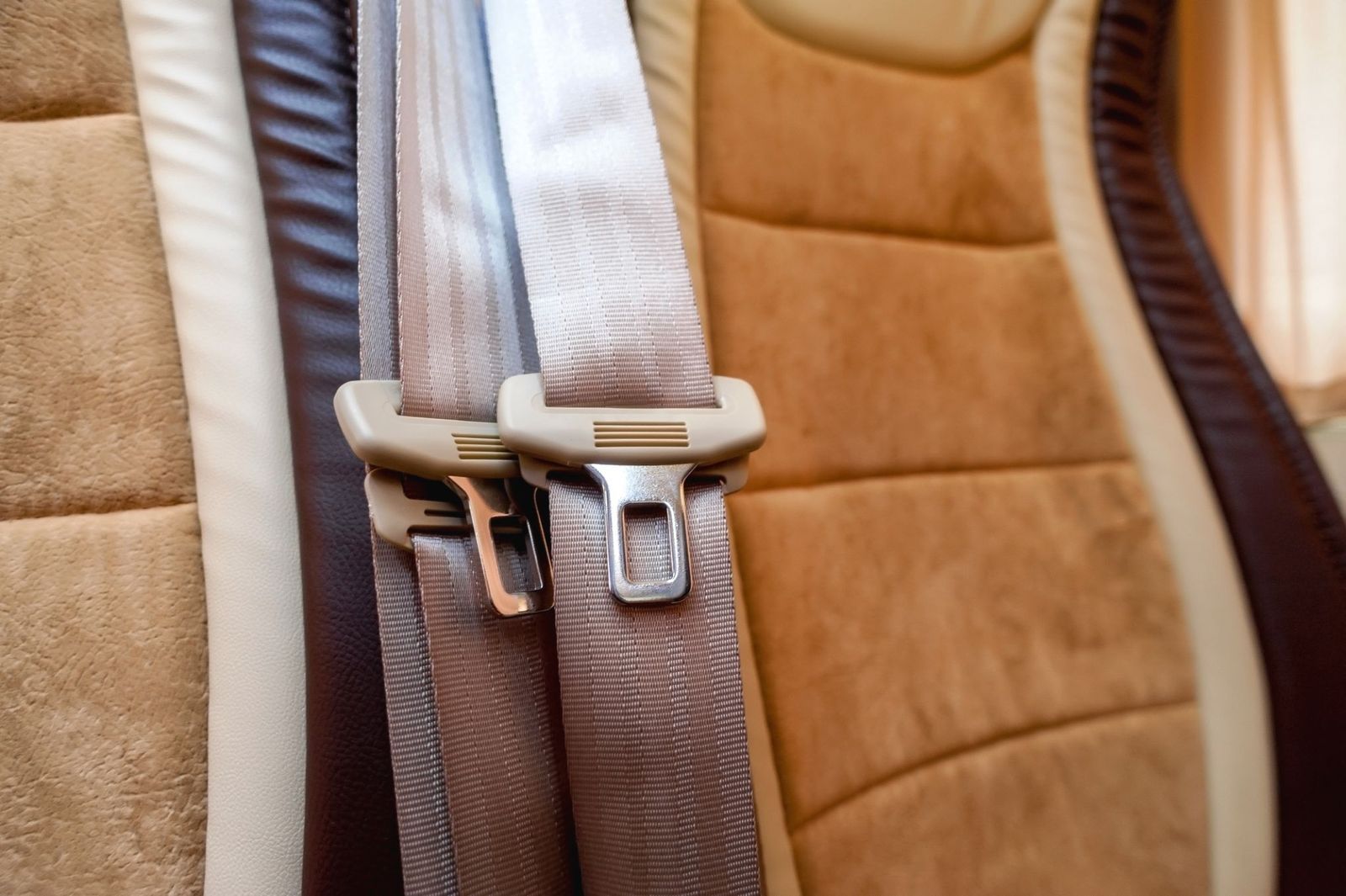
Did you know that the car seatbelts we use every day first appeared in 1959? They were designed by Swedish engineer Nils Bohlin, who, before cars, designed ejection seats for airplanes. In 1958, he joined the Swedish carmaker Volvo and created the three-point belt. It combined a lap belt and a shoulder belt, joined at one low point beside the seat, so it held both the upper and lower body in place during a crash. It was also simple enough to buckle with one hand.
The design was patented; still, Volvo made a surprising choice: it let other car companies use it for free, because it believed safety mattered more than profit. The company now estimates the three-point belt has saved at least one million lives worldwide.
How the first drive-in movie theater started in 1933
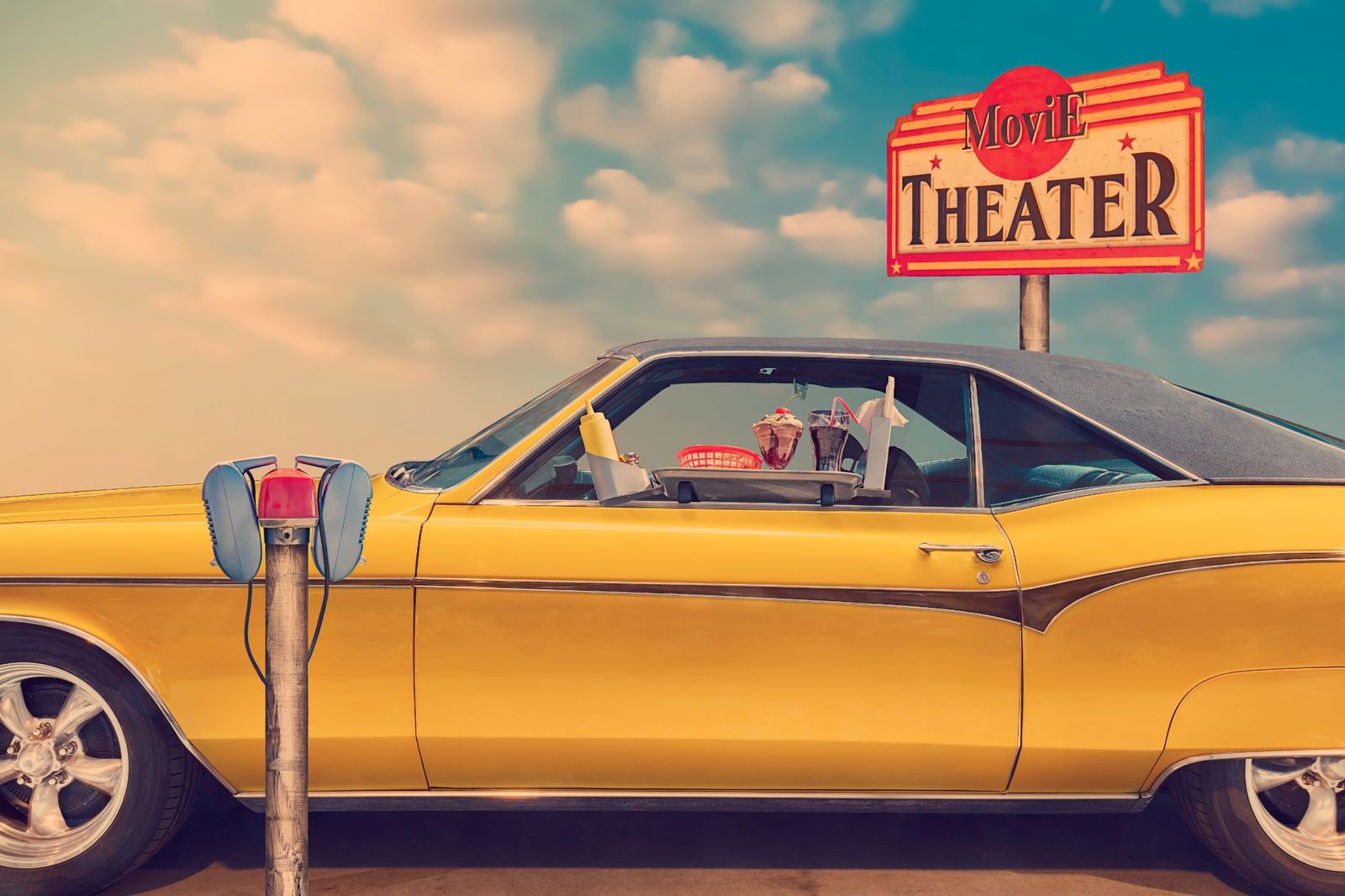
Richard Hollingshead came up with the idea for the first drive-in movie theater because his mother, who was overweight, had trouble fitting into regular theater seats. He was a sales manager at his family's auto parts company in Camden, New Jersey, and he started testing the idea in his driveway. He set a 1928 Kodak projector on the hood of his car, nailed a sheet to some trees for a screen, and put a radio behind it for sound. He even turned on his lawn sprinkler to see how a movie would look in the rain.
Once he had it all figured out, he patented his design in May 1933. A few weeks later, he opened the Park-In Theater in nearby Pennsauken. It cost about $30,000 to build it, and tickets cost 25 cents per car and 25 cents per person. The sound came from large speakers near the screen. Families loved it, and by the late 1950s there were about 4,000 drive-ins across the country.
Why 1950s cars had tailfins
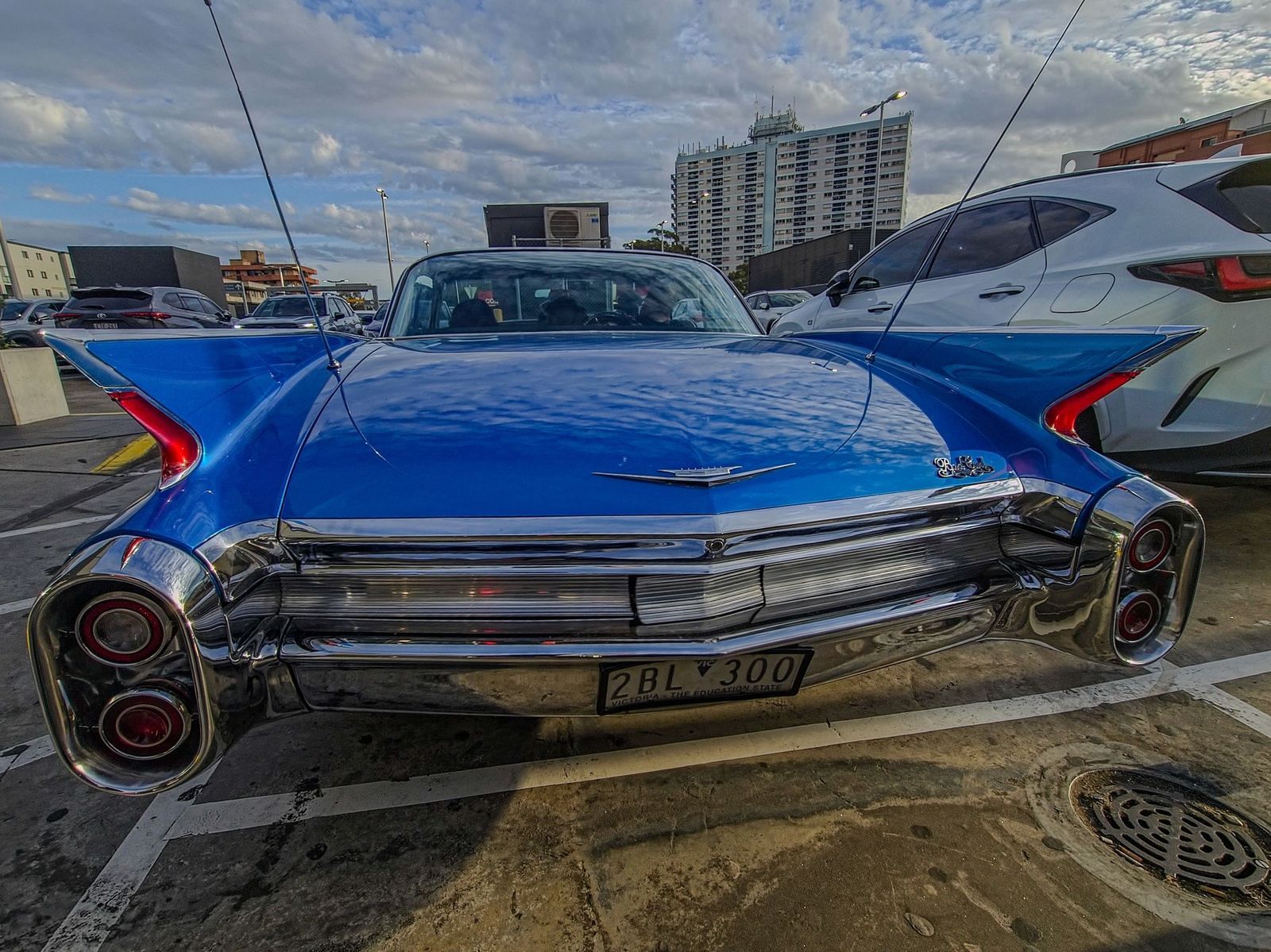
The 1950s were a decade when aviation and space travel were all the rage, so car manufacturers didn't miss the chance to jump on that trend. How? They added tailfins as a decorative feature at the back of their cars. Some companies claimed the fins were aerodynamic and helped keep cars steady on the road, but they were really just for looks.
Cadillac, operated by General Motors, became the most iconic car with this feature. Its sweeping fins stood for speed, futuristic rocket ships, and postwar American prosperity. Soon Chrysler and Ford joined in, and the three companies started a styling "arms race," adding bigger and bigger fins to stand out in the market. Critics later pointed out that the sharp fins could be dangerous for pedestrians and cyclists
Why the steering wheel is on the left in America
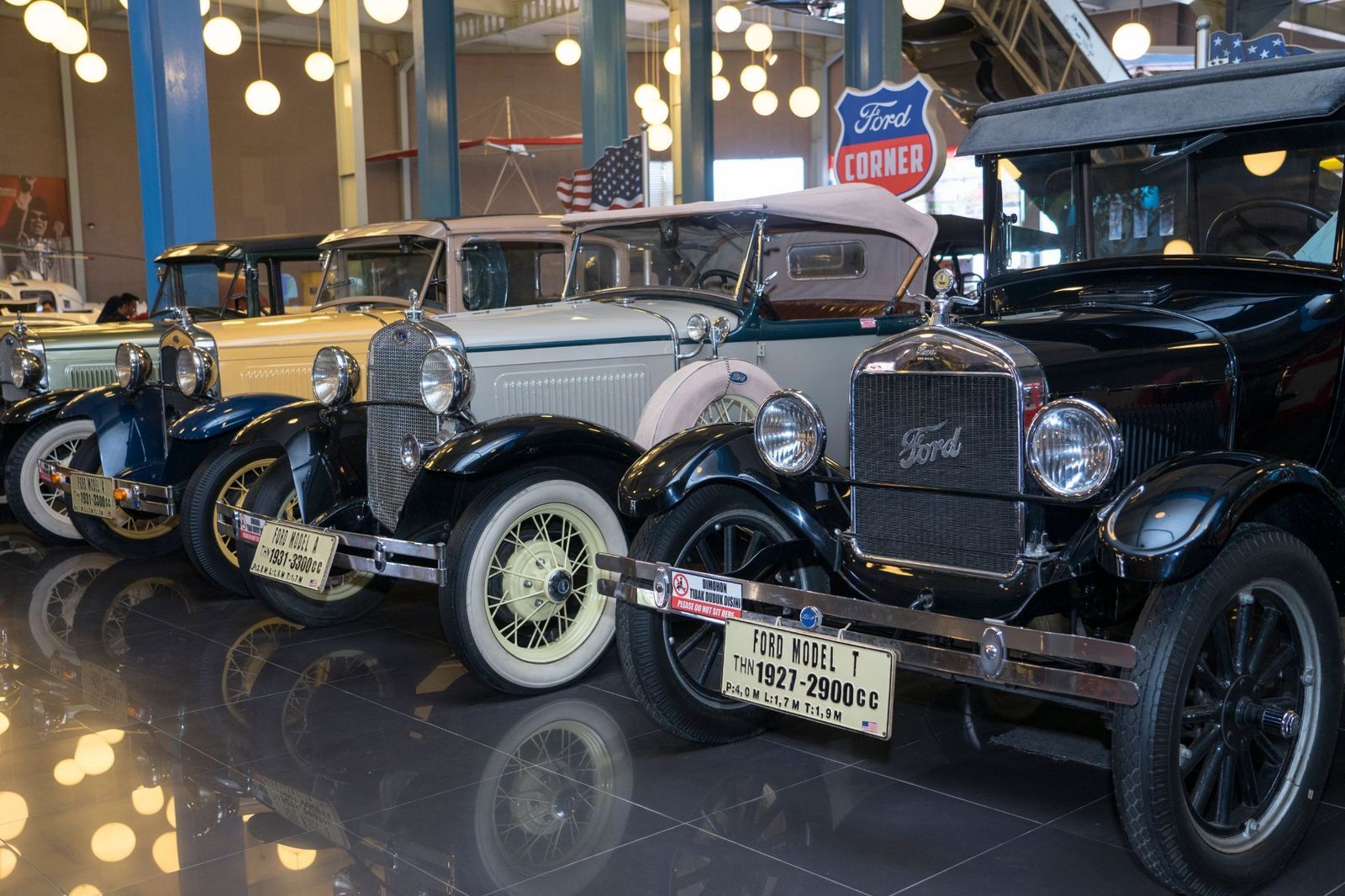
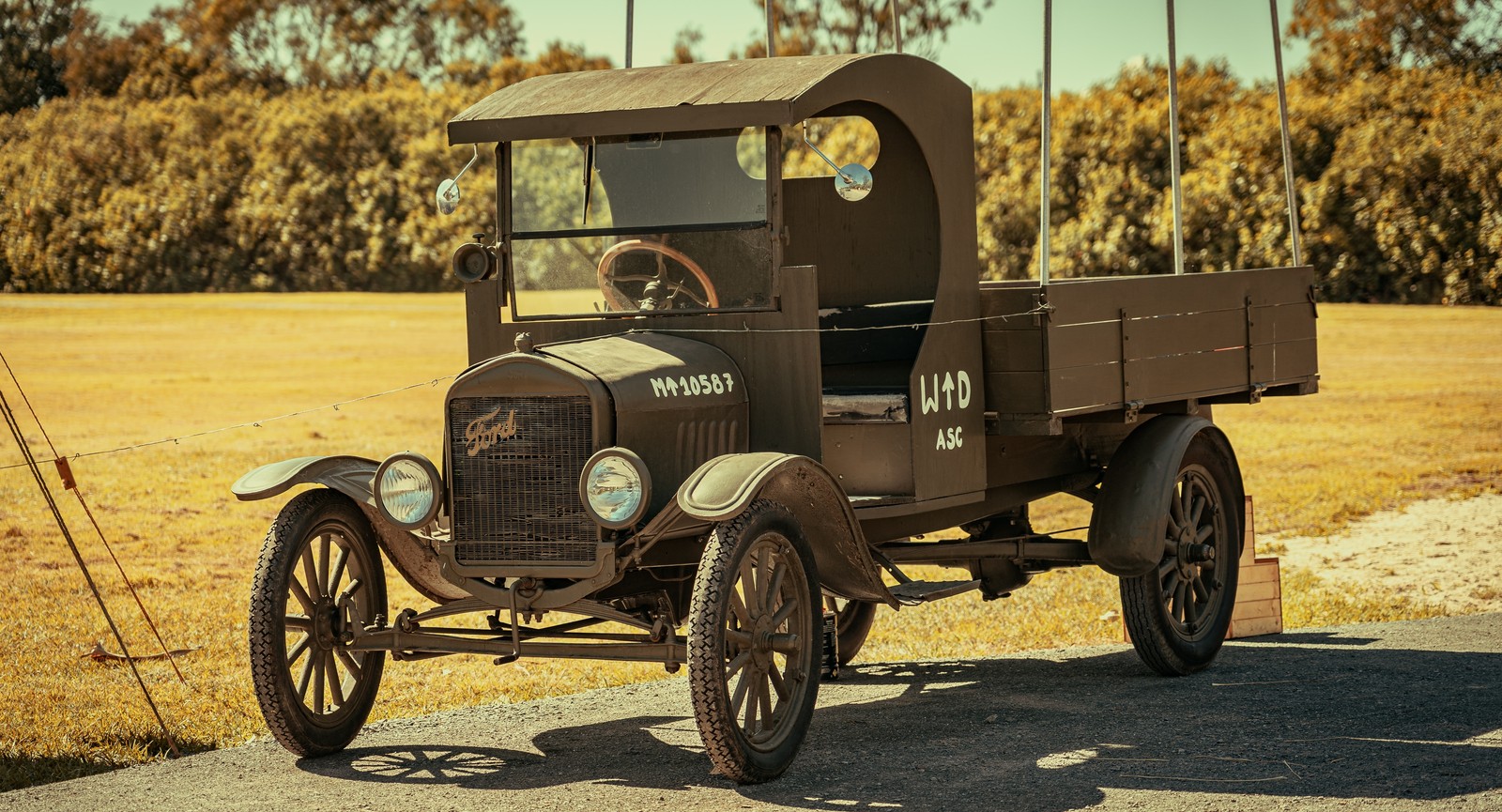
In the United Kingdom, the steering wheel is on the right. In American cars, it's on the left, and the reason is none other than Ford's Model T. Before Henry Ford launched it in 1908, many cars had the steering wheel on the right, even though Americans already drove on the right side of the road.
With the Model T's wheel on the left, the driver could see oncoming traffic better, and passengers could step out onto the sidewalk instead of into the street. It was the same idea drivers of the old Conestoga wagons had followed long before: they sat on the left to get a better view of the road.
How Motorola got its name from the car radio
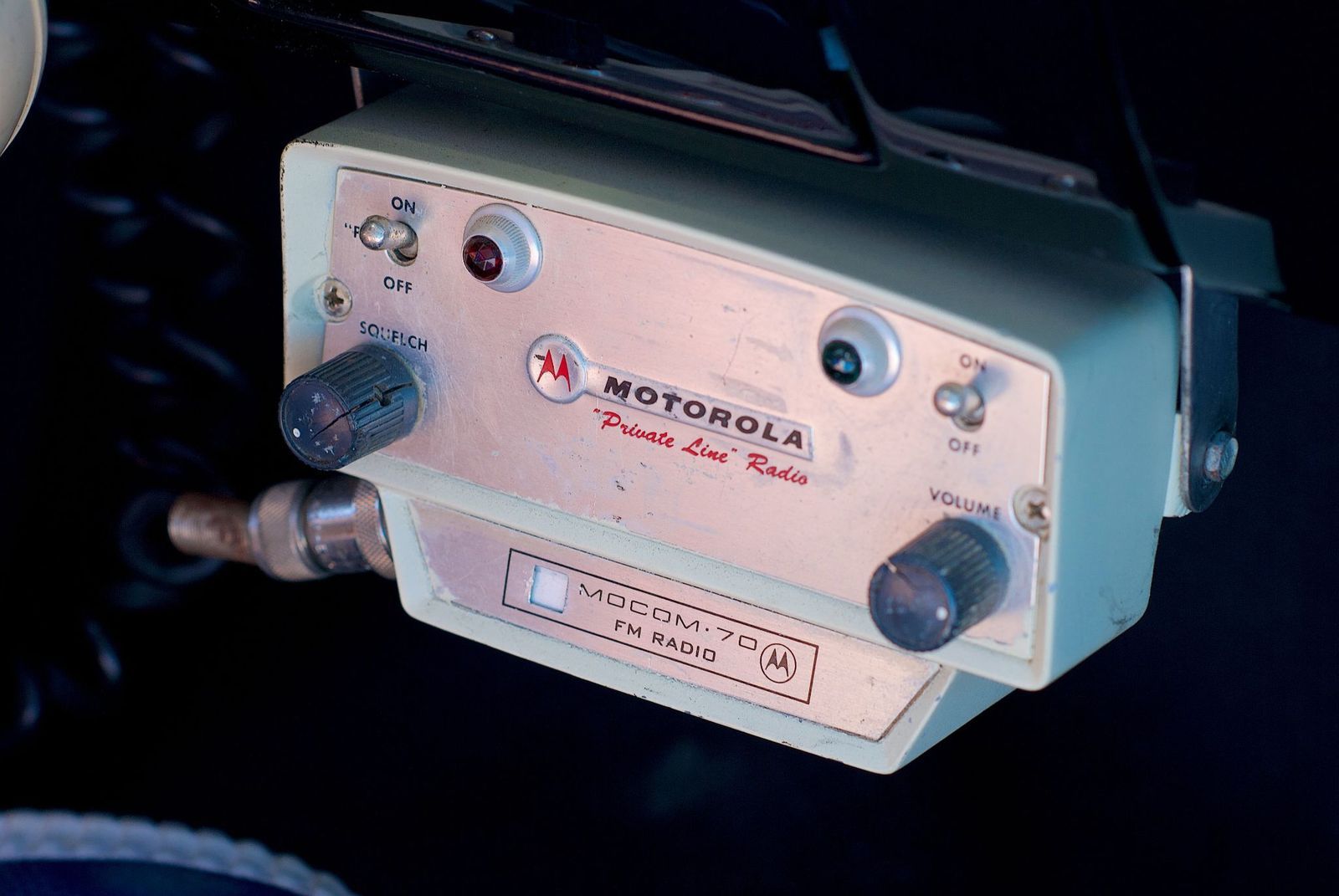
Many of us know Motorola as the company behind the first handheld cell phone, but it first made an impact decades earlier. In the 1930s, radios and cars were both booming, but it wasn’t until brothers Paul and Joseph Galvin stepped in that the two shared the same space. The Galvins ran the Galvin Manufacturing Corporation in Chicago; they made "battery eliminators" that let battery-powered radios run on household electricity. That was their job until their objective changed: to build affordable, sturdy radios for cars.
What would they call it? They took "motor" from motorcar and added "ola," borrowed from popular phonograph brands like Victrola. The result was Motorola, meaning "sound in motion." The radio was such a hit that in 1947 the company officially became Motorola, Inc.
The woman who invented the windshield wiper
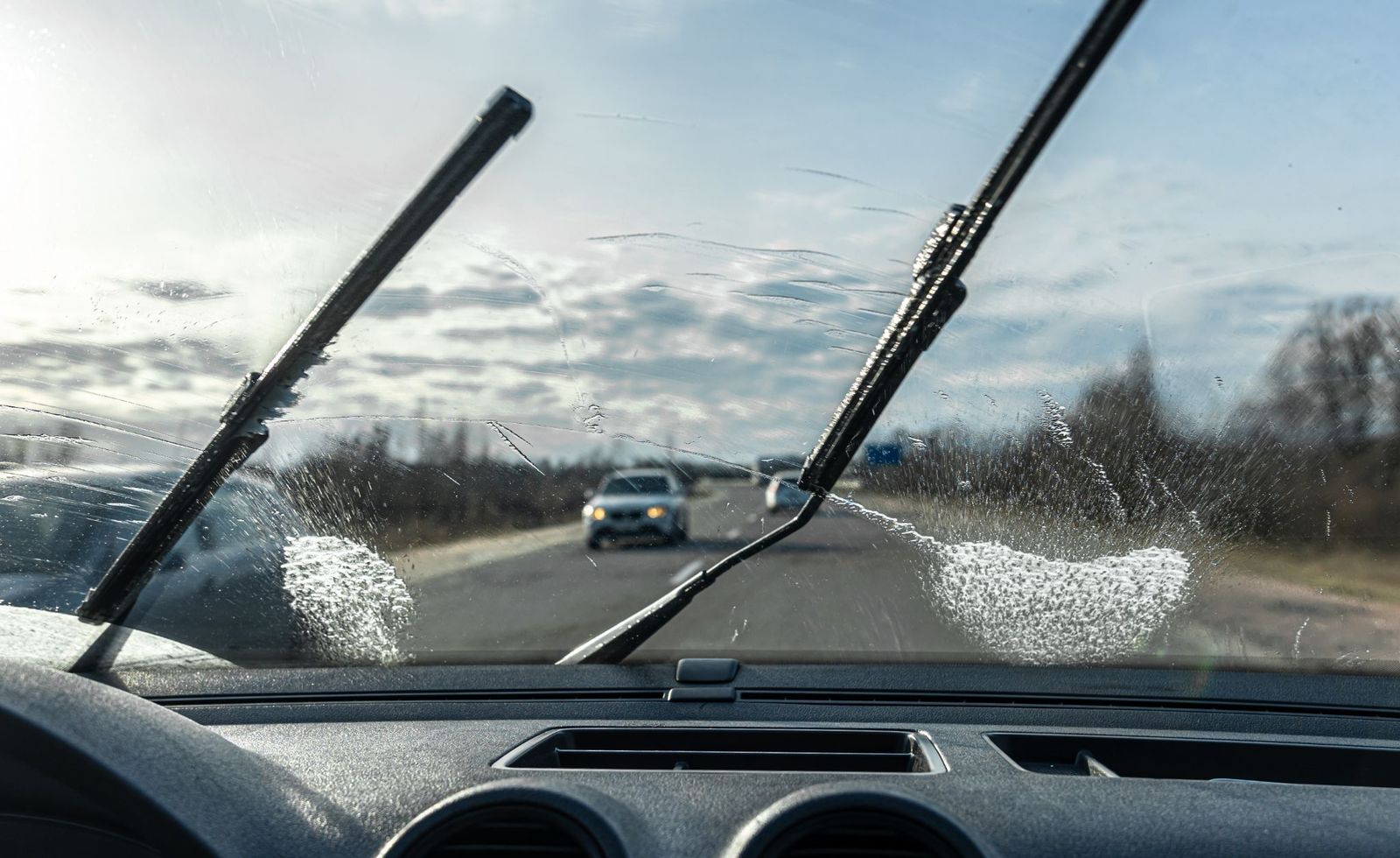
Mary Anderson was a real estate developer from Birmingham, Alabama. In the winter of 1902, she was riding a streetcar in New York City and noticed that the driver kept opening the window and stopping the car to clear snow and sleet off the glass. That gave her an idea, and she invented a simple device that worked with a lever inside the streetcar. When the driver moved the lever, a rubber blade swept across the windshield. A counterweight held the blade against the glass, and the whole thing could be taken off in better weather.
In 1903, she received a patent for her "window cleaning device for electric cars and other vehicles." But it expired in 1920, and she never made any money from it. Just two years later, Cadillac became the first carmaker to include windshield wipers as standard equipment, and soon they were part of every car. Anderson died in 1953 and was posthumously inducted into the National Inventors Hall of Fame in 2011.
The little arrow that tells you where your gas tank is
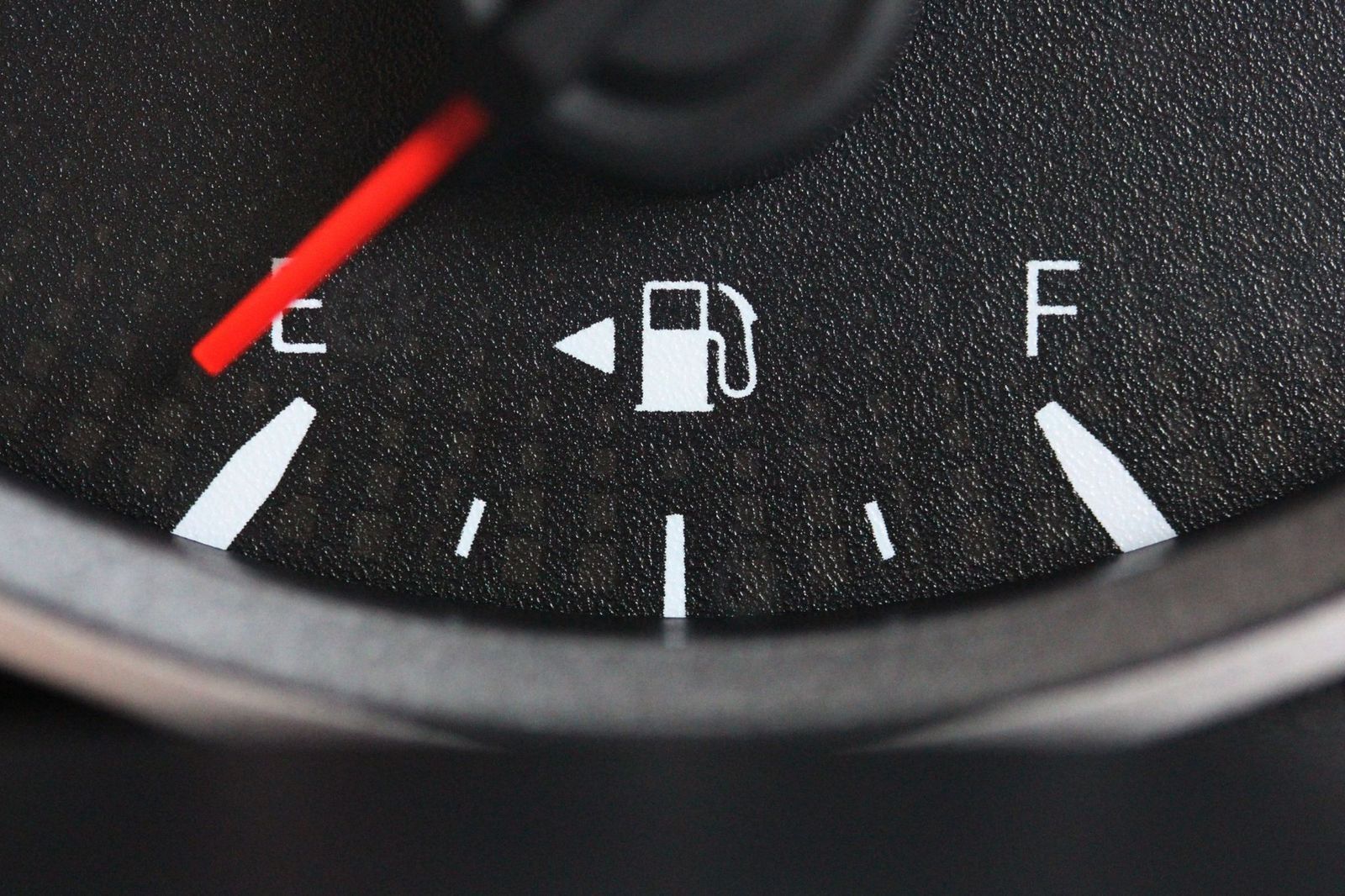
The Moylan Arrow is the small dashboard arrow that shows which side your gas tank is on. It's named after Jim Moylan, a Ford designer who, one rainy day in 1986, pulled into a gas station in a company car. He didn't know which side the tank was on, and he guessed wrong.
He had to get back in, move the car, and step out again into the rain. By the time the tank was full, he was dripping wet. Back at the office, he wrote down his idea: put a small arrow next to the fuel gauge, pointing to the gas door. Ford liked it, and in 1989 the arrow showed up on the Ford Escort and Mercury Tracer. Today, almost every carmaker uses it.
What really causes that "new car smell"
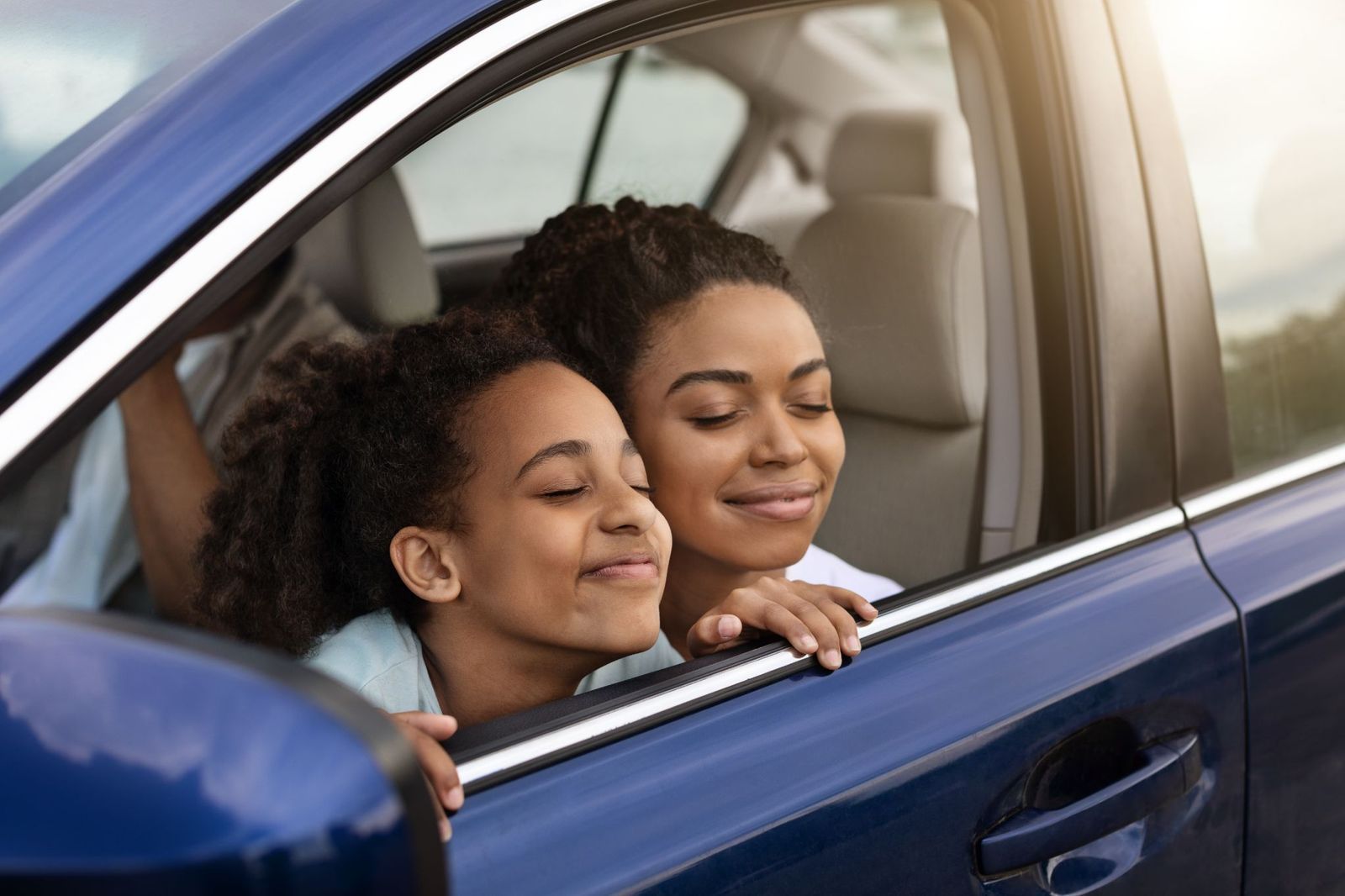
What’s behind that iconic "new car smell" beloved by many? The scent comes from chemicals, volatile organic compounds, released into the air as the new materials inside the car slowly dry out: the plastic and vinyl on the dashboard, the glue and sealants that hold everything together, the carpet, the foam in the seats, and the treatments used on leather. The smell fades in the first few weeks, but hot weather makes it stronger for a while.
10 unspoken rules for flying, from shoes to armrests
Nobody told you
Would you give up your seat? Why most flyers say no
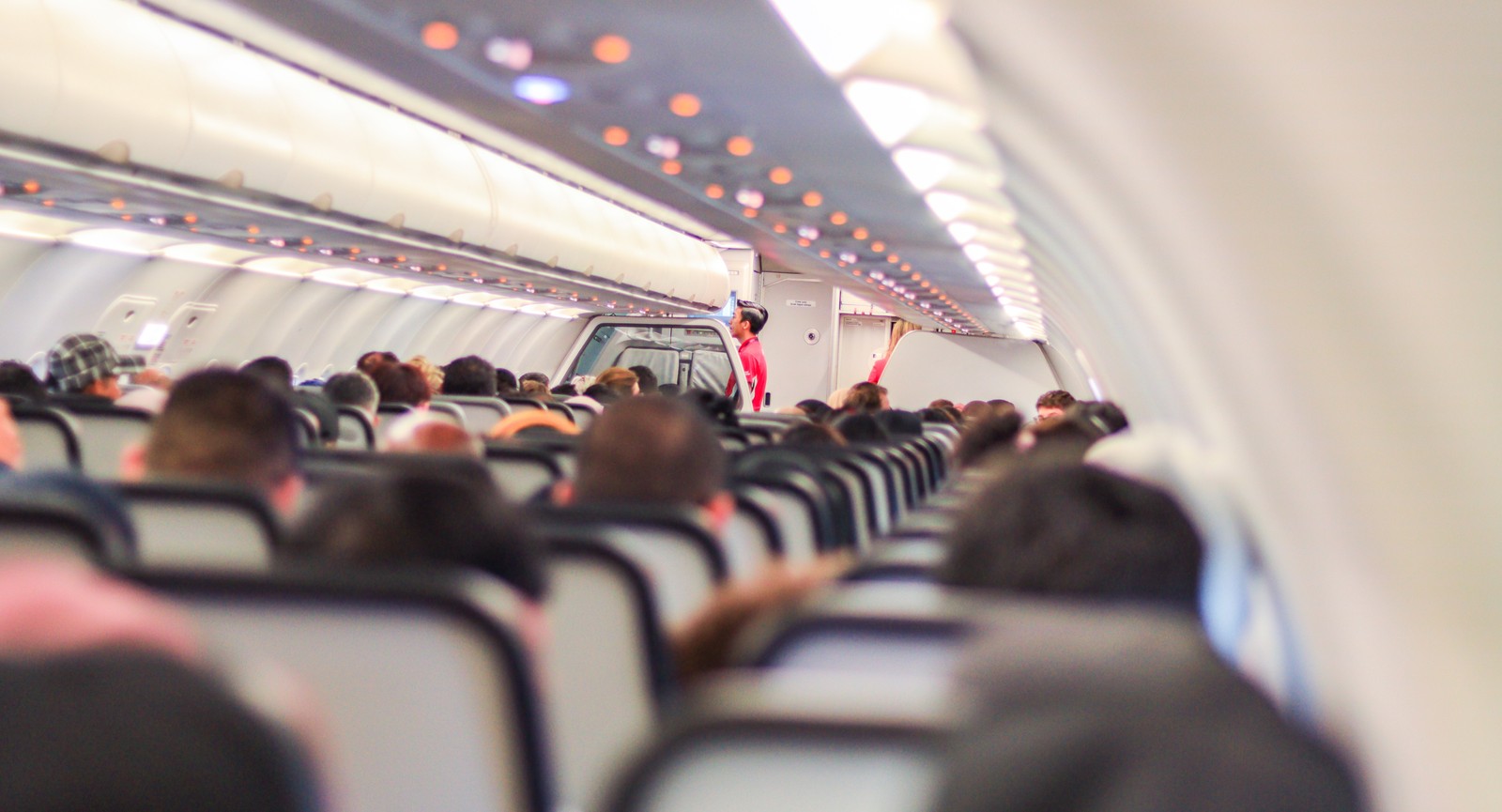
You already know to buckle up and stow your tray table, but do you know who really gets the armrest, or that reclining without a glance behind you is poor form? From the seat swap you're allowed to refuse, to the spot that's dirtier than you'd guess, flying comes with many unspoken rules. Here are 10 of them, and how to avoid becoming the passenger everyone remembers for the wrong reasons.
You can decline someone’s request to swap seats
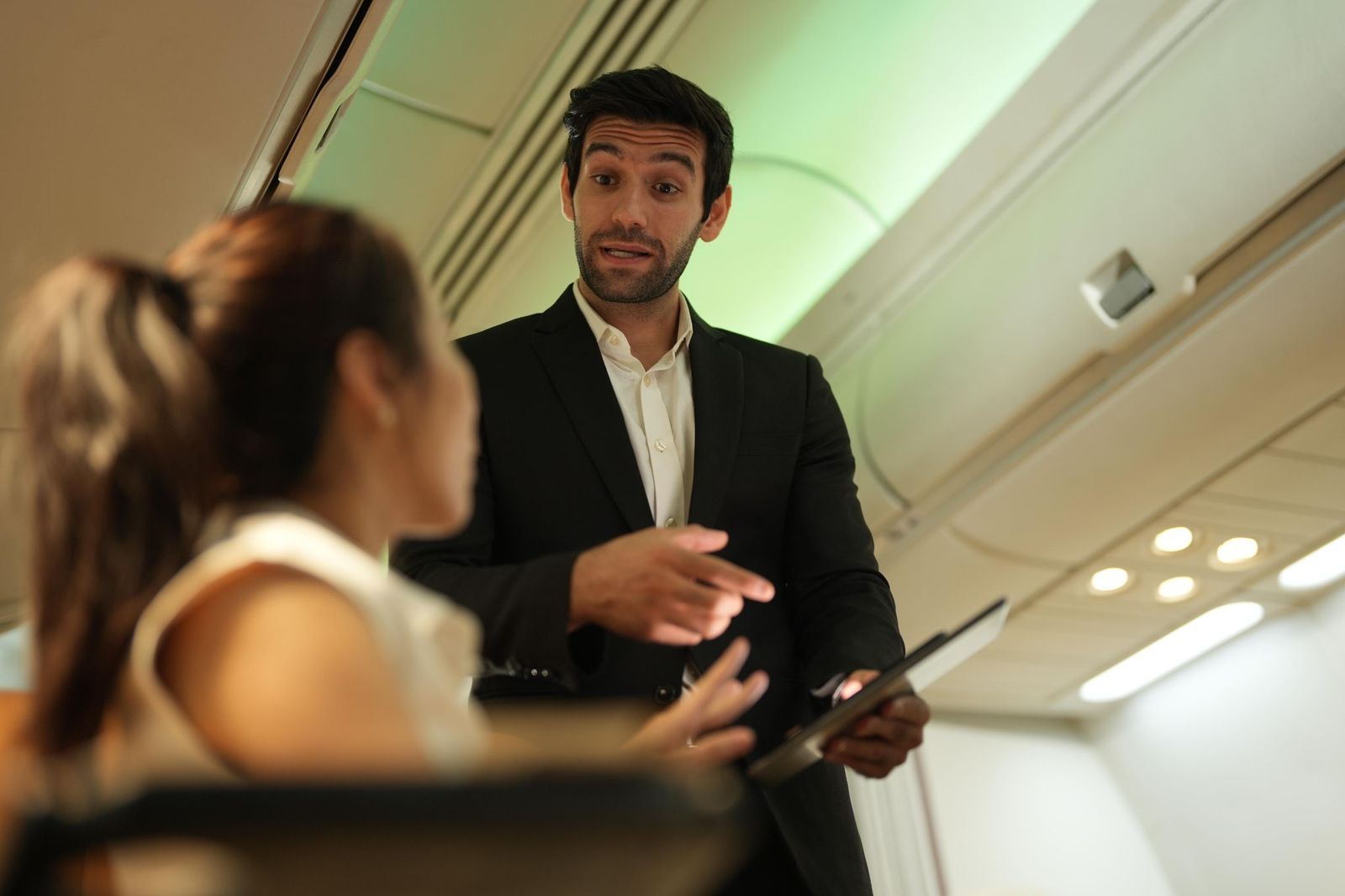
Somebody leans over with a hopeful smile and asks if you’d mind switching seats so they can sit with a spouse or a friend. It happens all the time, but it’s okay to say no.
Asking is fine, and so is declining, especially if you paid extra for an aisle seat or need the extra legroom for your knees. Nobody owes their seat to a stranger's request, no matter how nicely it's phrased. A simple, friendly explanation goes further than an awkward silence. You booked that seat for a reason, and keeping it doesn’t make you a bad passenger.
You can take off your shoes, but keep your socks on
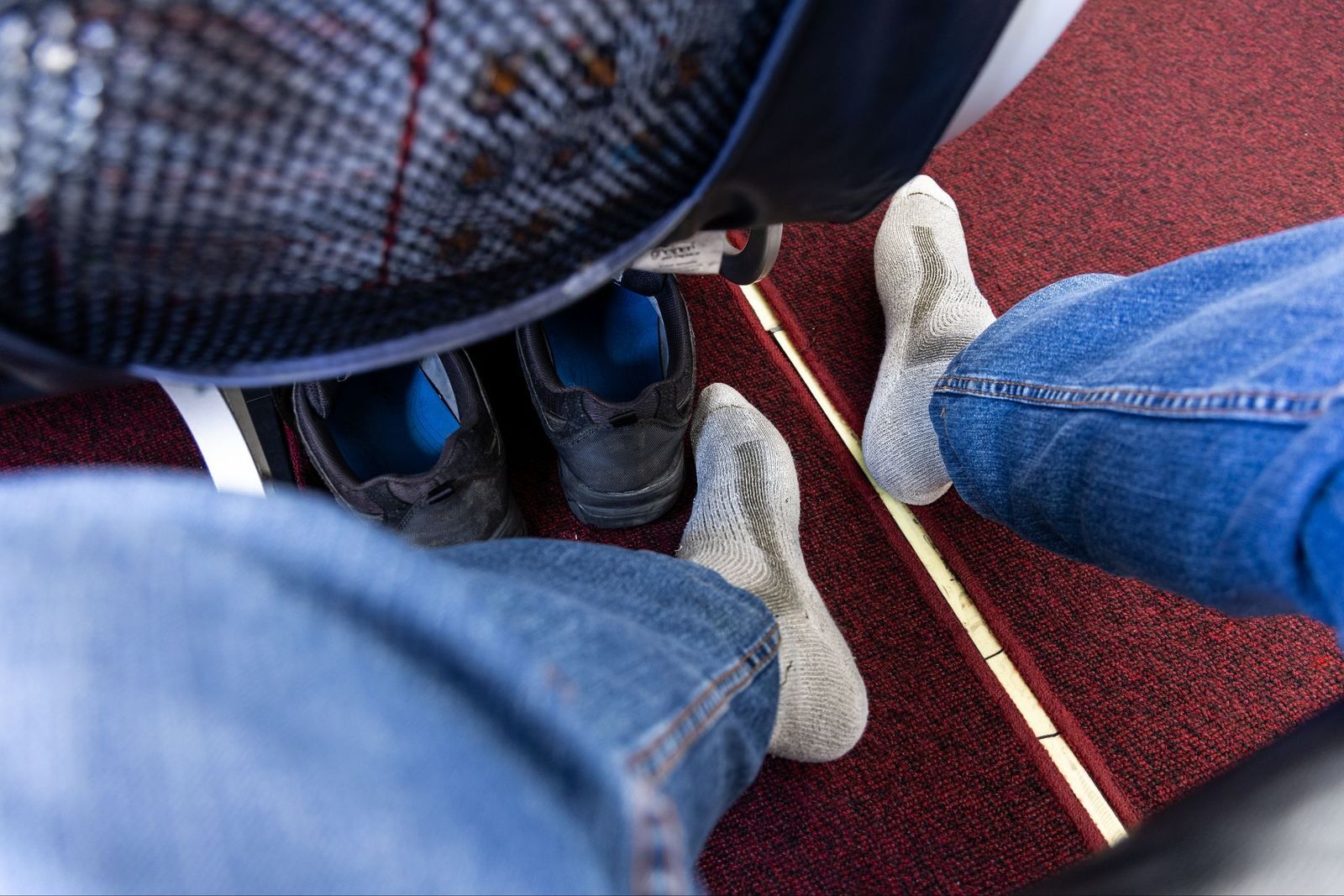
Somewhere between the safety demonstration and the drink cart, many travelers kick off their shoes for comfort, and that’s perfectly fine. What crosses a line is going fully barefoot.
Cabin floors see thousands of feet, spills, and worse over a single day, with only a quick cleaning between flights. Bare feet on a tray table, already the most contaminated part of a plane, or armrest are disrespectful and out of place, and totally unhygienic. Keeping socks not only protects your own feet, but it spares your seatmates an unwanted view (or odor). You can get comfortable, but be mindful of the people sharing the space around you.
Drink in moderation
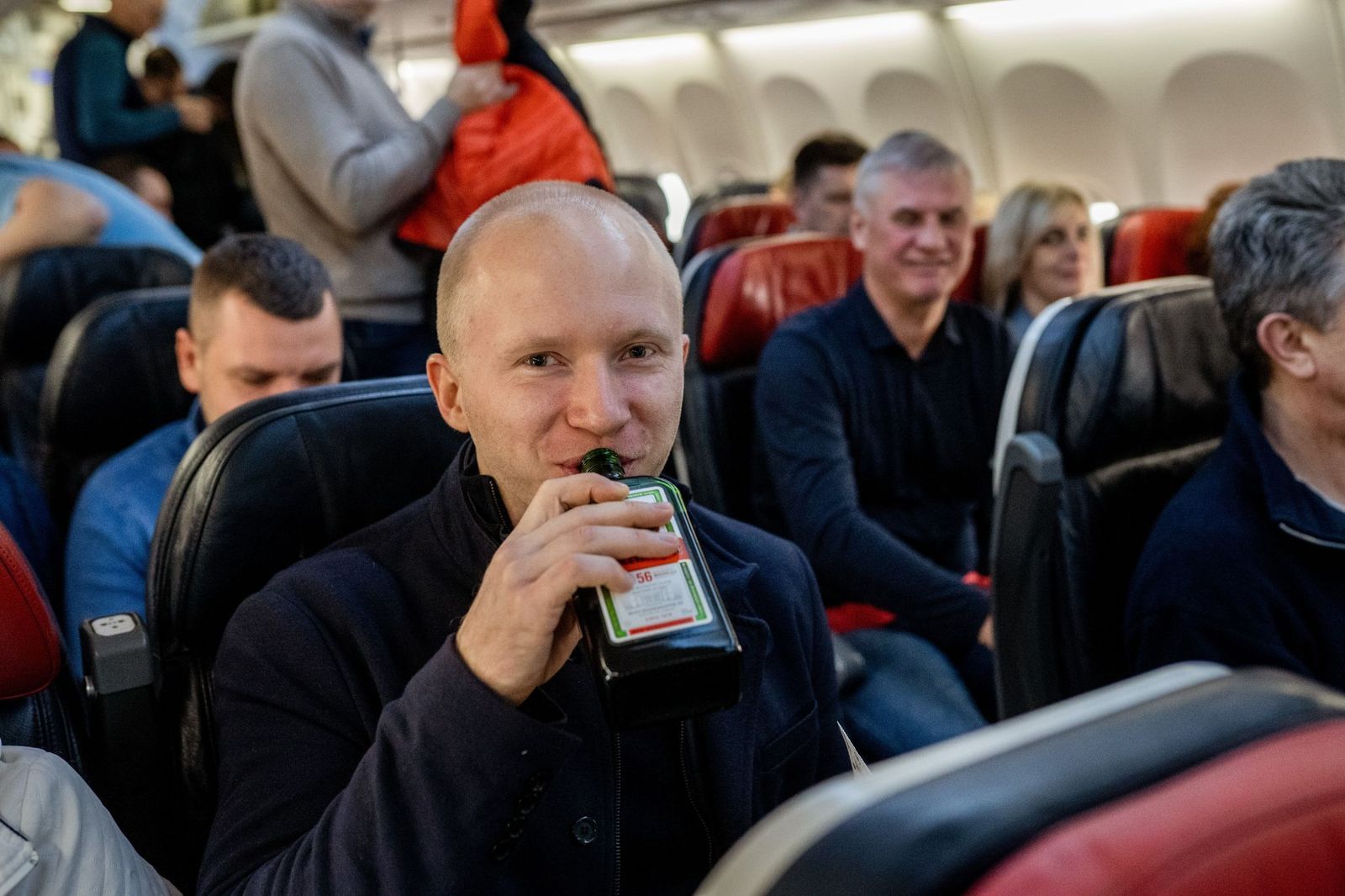
That single glass of wine can feel noticeably stronger somewhere over the clouds, and there's real science behind it.
Cabin pressure is typically kept at the equivalent of 6,000 to 8,000 feet of altitude, similar to being in Denver, which lowers the oxygen reaching your bloodstream. Researchers call this mild hypoxia, and while it doesn't actually raise your blood alcohol level, it does intensify how intoxicated you feel, especially combined with the cabin's notoriously dry air and the dehydration that comes with it. That mismatch between how much you drank and how strong it feels is exactly what catches people off guard at altitude. Pacing yourself, drinking water alongside any cocktail, and knowing your own limits keep the rest of the flight pleasant for you and everyone sitting around you.
Offer to lend an extra hand
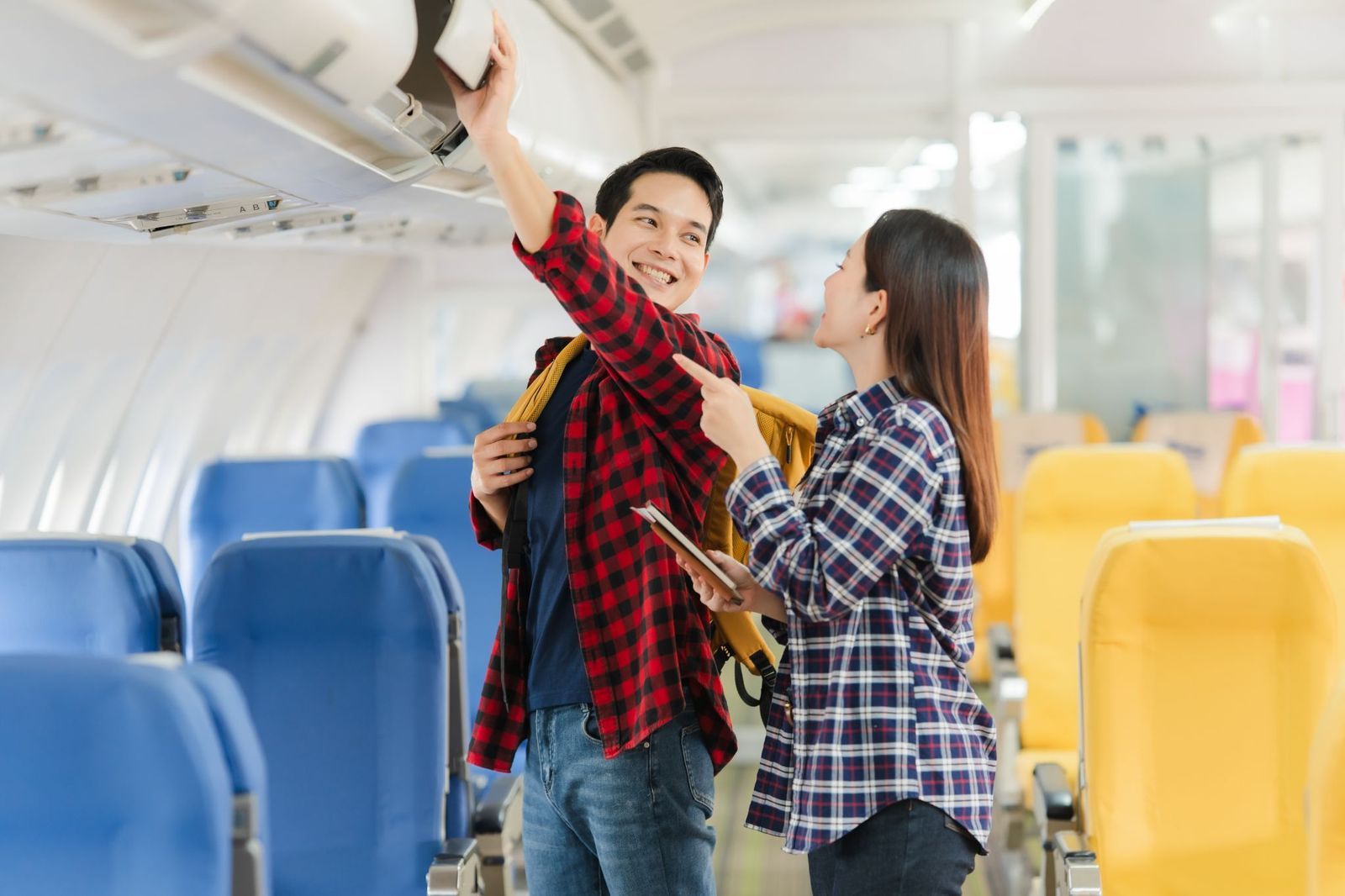
The boarding line at the gate may bring up a bunch of different scenarios: a struggling mother wrestling with a stroller, an elder carrying way too much weight, a bunch of first-time flyers trying to figure out what to do next. In those cases, a small gesture goes a long way.
Steadying a bag, grabbing a fallen toy, or lifting something overhead can turn a stressful moment into a kind one. Just read the room first. Some travelers welcome the help right away while others prefer to manage on their own, especially if independence matters to them. If your offer gets a polite no, thank you, let it go with a smile. The gesture already did its job.
Give the armrests to the person in the middle seat
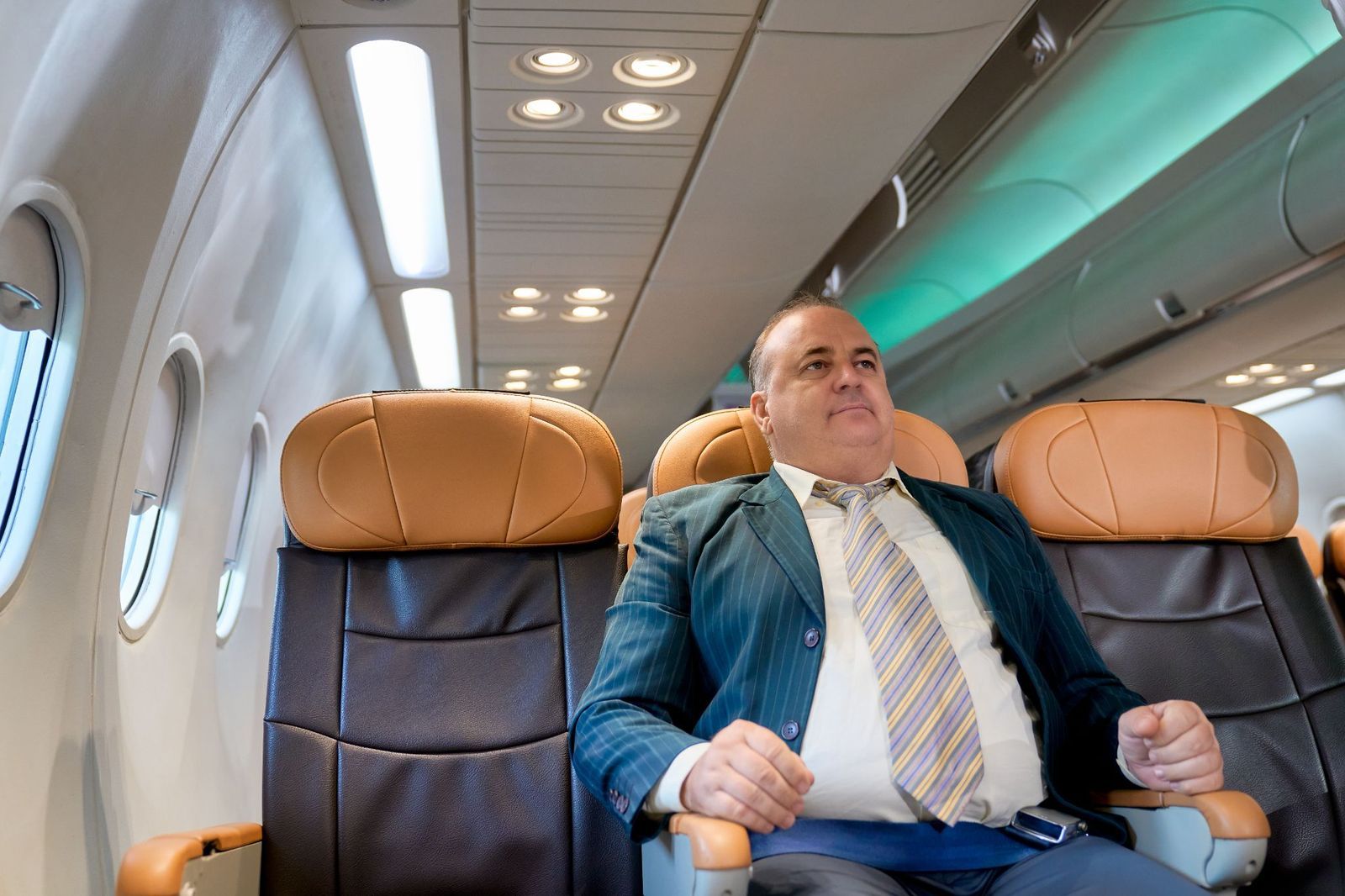
Few topics start more polite arguments 30,000 ft. in the air than who gets the armrest. Still, there's logic behind an old rule.
Window seat passengers can lean toward the wall for extra space, and aisle seat passengers get room to stretch a leg into the aisle. In a three-seat row, the middle seat has nowhere else to go. No wall to lean on, no aisle to spill into, just two armrests standing between comfort and three hours of elbows tucked in tight. Offering that little bit of shared space, even without a clear consensus, is one of the easiest ways to make a stranger’s flight noticeably more comfortable. On two-seat rows, instead, etiquette experts favor the first-come, first-served rule. However, basic politeness and cooperation will always apply.
Wear headphones when using devices with sound
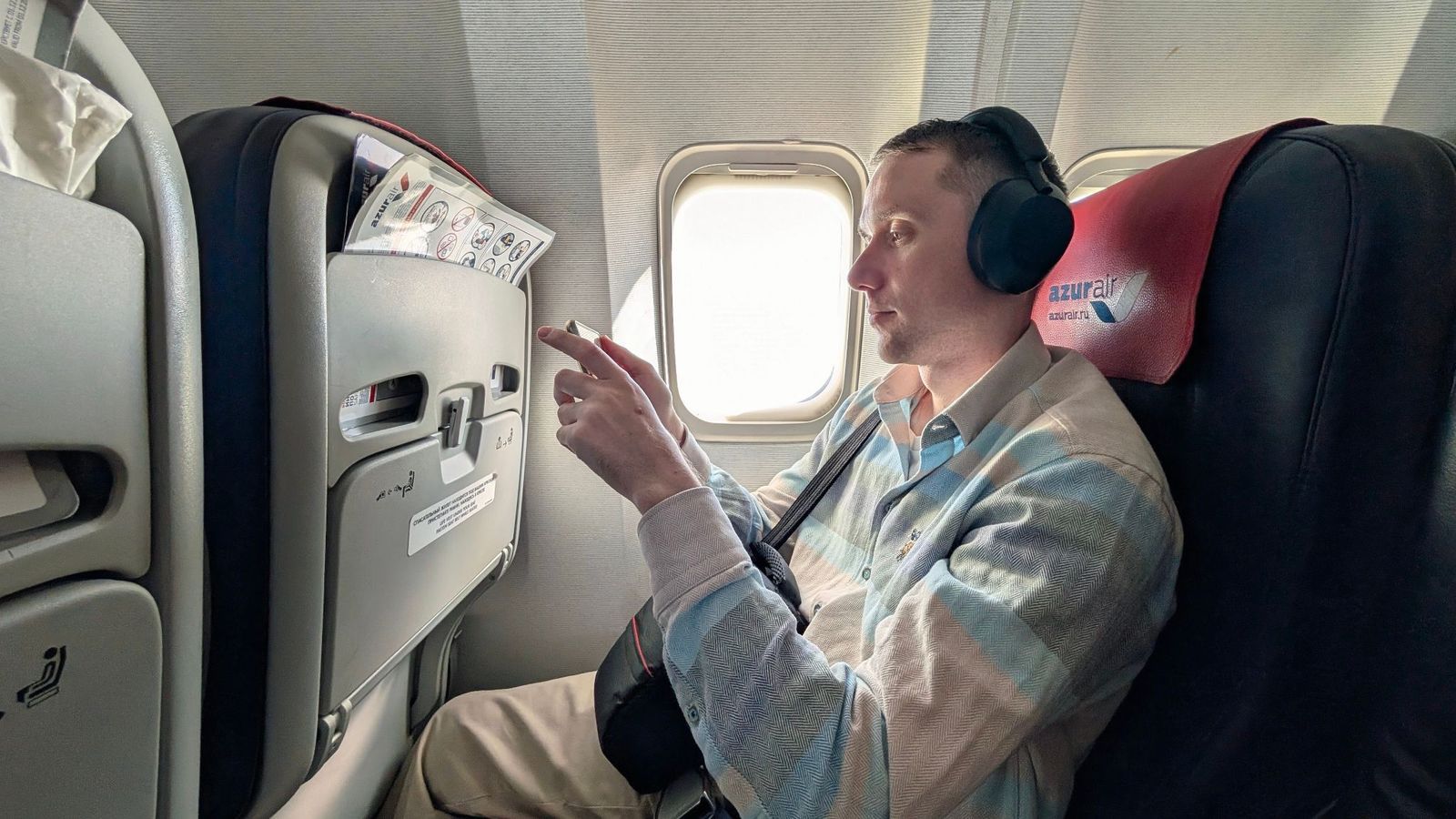
A packed cabin is basically one shared room for the next few hours, and sound travels further than you'd think. A video playing out loud from three rows away reaches ears that never signed up to listen in.
None of this means total silence is required. It just means the volume on your phone, tablet, or laptop should stay between your ears, not everyone else's. Earbuds are cheap, and even a basic pair solves the problem completely.
You can (considerately) recline your seat
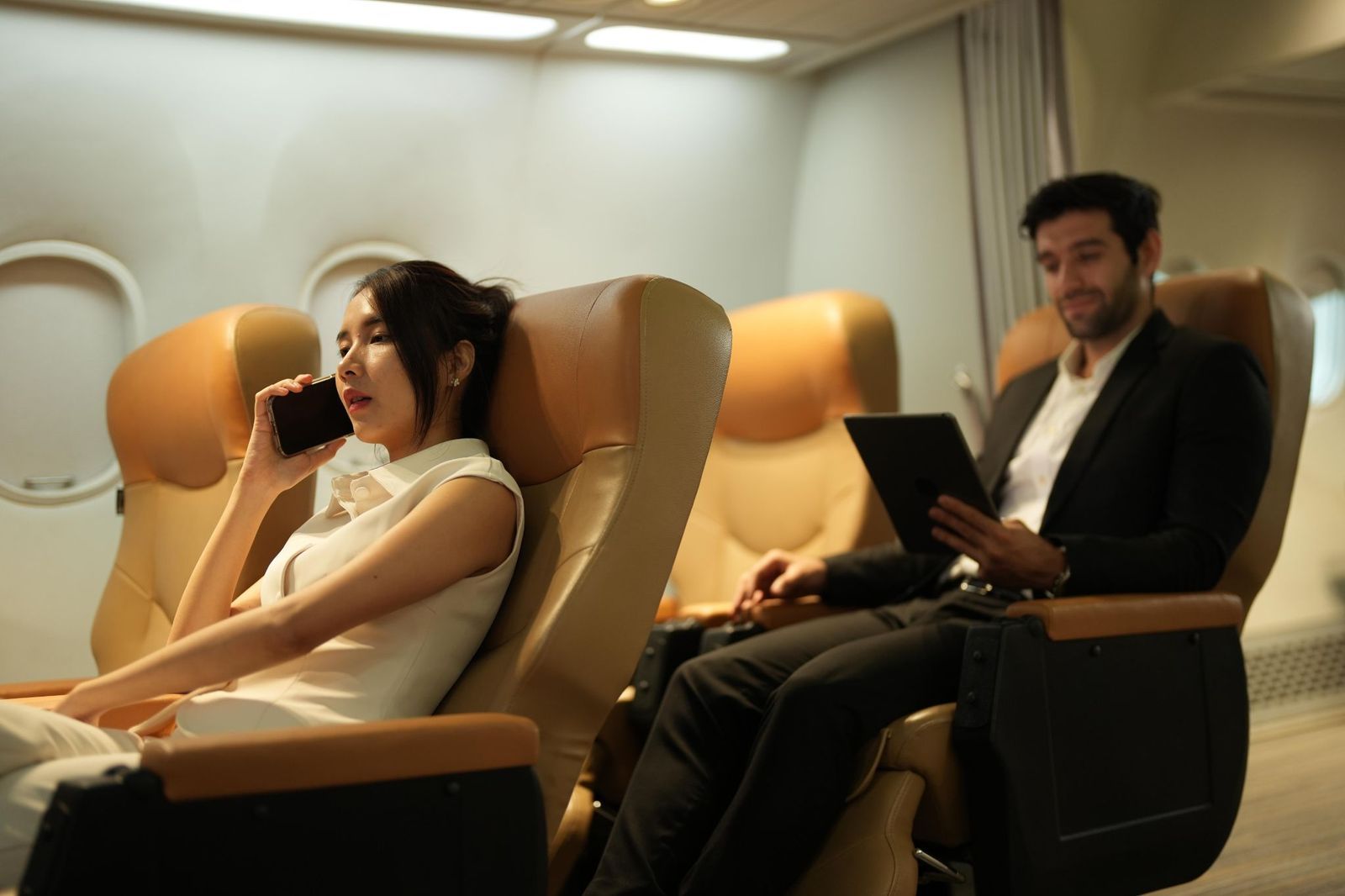
On August 24, 2014, a routine flight from Newark to Denver became a cautionary tale about reclining gone wrong.
One passenger had installed a device called the Knee Defender, invented in 2003 by frequent flyer Ira Goldman to stop the seat ahead of him from leaning back into his laptop. When the woman in front pushed her seat back anyway, tempers flared, a cup of water ended up being thrown, and the flight was diverted to Chicago before either passenger was allowed to continue their trip. The lesson survived the headlines: reclining is entirely your right; the seat was built to do it. The trick is doing it considerately. A quick glance behind you and a slow, gentle recline give the person behind a chance to move a drink or a laptop before your seat lands in their lap.
You can go to the galley (if the timing is right)
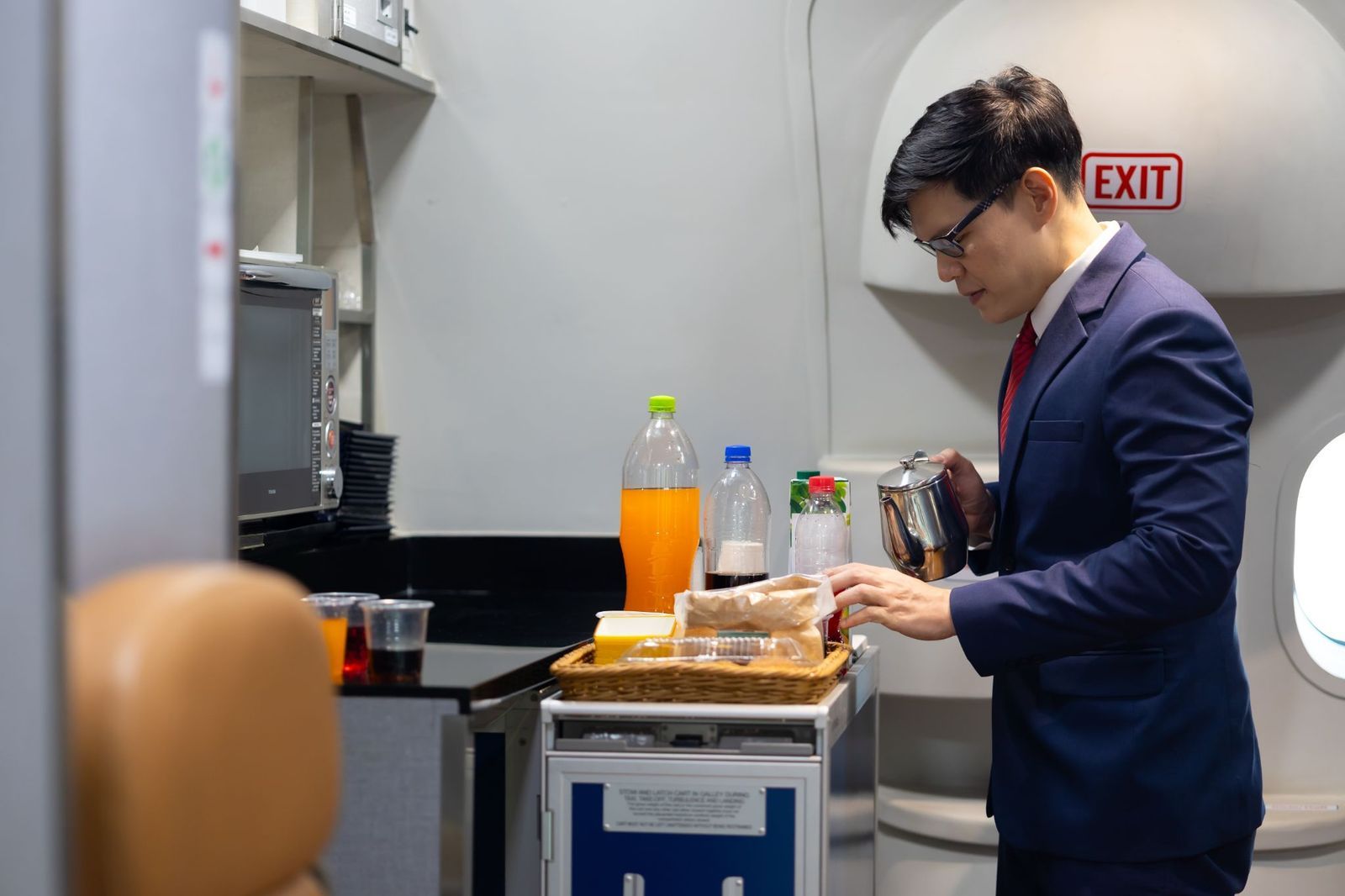
Long before any cart makes its way down the aisle, thirst can strike, and there's nothing wrong with a polite request outside the usual rounds. The key is reading the moment.
During takeoff, landing, turbulence, or whenever the seatbelt sign is lit, everyone in the cabin is meant to stay seated and settled, which makes it the wrong window for extra requests. Catch a quieter stretch instead, somewhere in the flat middle hours of a longer flight. The logic here isn't about rules for their own sake. It's about timing your needs to moments when meeting them is doable, instead of adding friction to an already busy few minutes.
Be mindful of the space around you
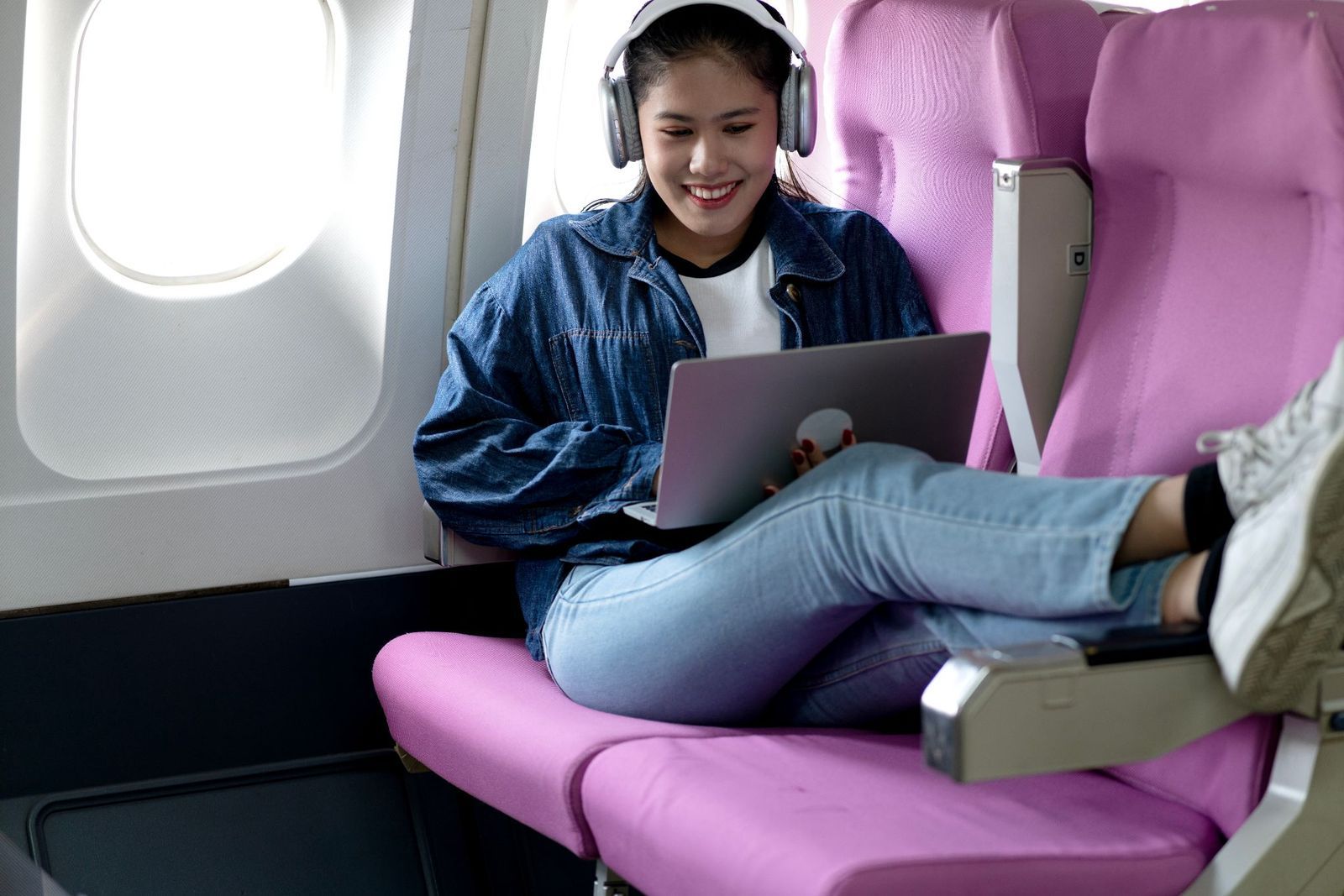
Air travel has a way of shrinking personal space to almost nothing, which makes shared spaces matter even more.
An oversized bag wedged sideways in the overhead bin can cost the next passenger their only spot. A rolling suitcase left jutting into the aisle becomes a trip hazard for everyone walking by. Even stretched-out legs can turn a narrow aisle into an obstacle course for anyone heading to the back of the plane. None of this requires shrinking yourself uncomfortably for an entire flight. It simply means a quick check before settling in: is my bag tucked in fully, is my seat area tidy, am I leaving enough room for the person who needs to squeeze past me to reach their row?
Skip the chitchat if your seatmate doesn’t want to talk
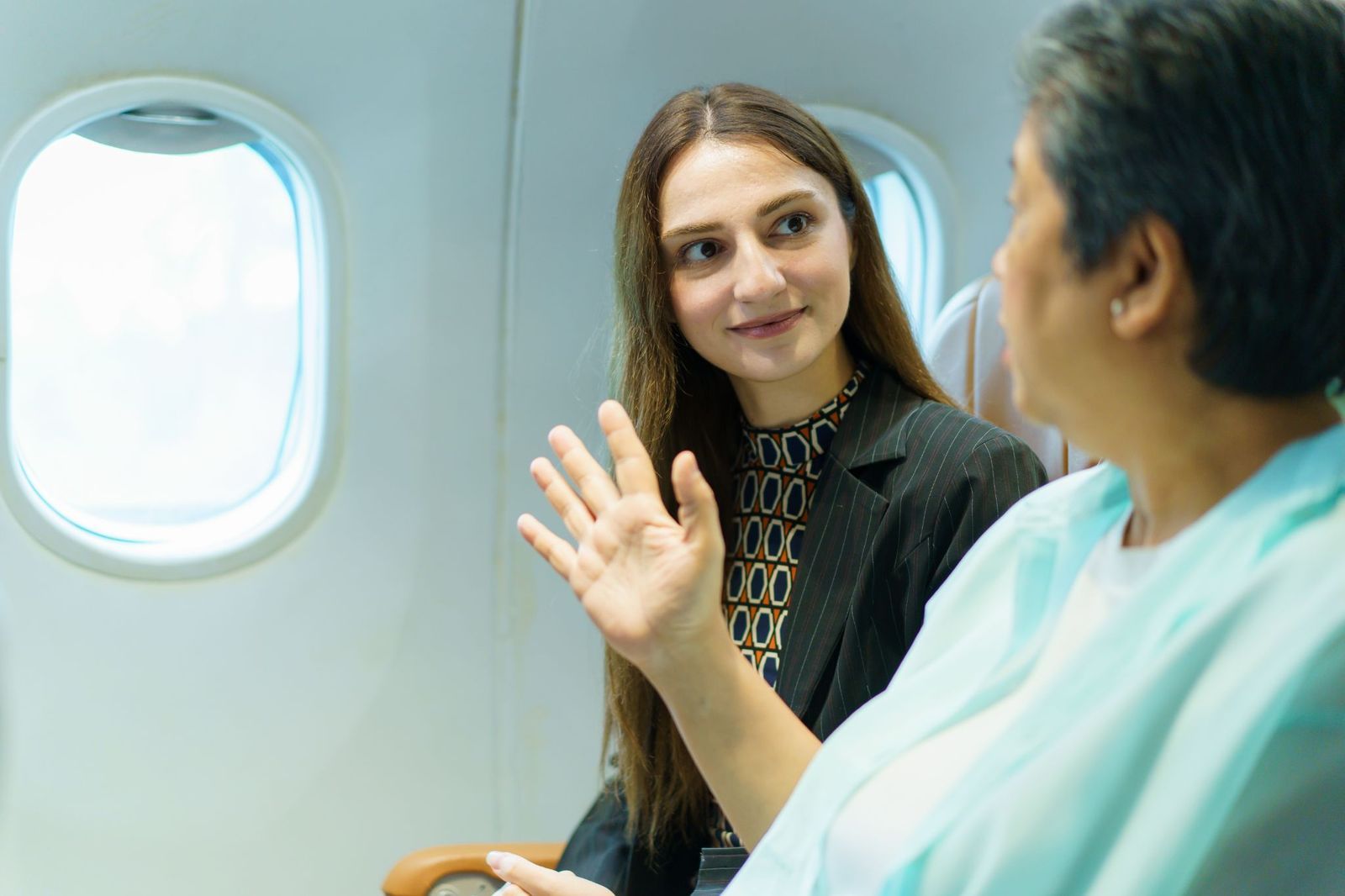
Some passengers board ready for a friendly conversation about where you're headed and why. Others slide in, put on headphones, and clearly hope for a few quiet hours to read, nap, or catch up on work.
Both are perfectly normal ways to fly, and the trick is learning to tell them apart quickly. Short answers, eyes fixed on a book, or headphones going in right after takeoff are all gentle signals that someone would rather not chat. Respecting that isn't cold; it's simply good manners in a shared space where nobody can easily step away for a break. If they want to talk later, they'll usually open the door themselves, maybe over a shared laugh about turbulence or a delayed connection.
Keep wandering
There’s always
more to explore
 Culture

Some of these state fairs have seriously weird attractions
5 min.
Read Now
A town called Chicken? Why are these 10 U.S. places named after food?
4 min.
Read Now
These 10 real places feel like stepping into famous paintings
5 min.
Read Now
Behind the front desk: Hotel secrets that will change how you check in
5 min.
Read Now