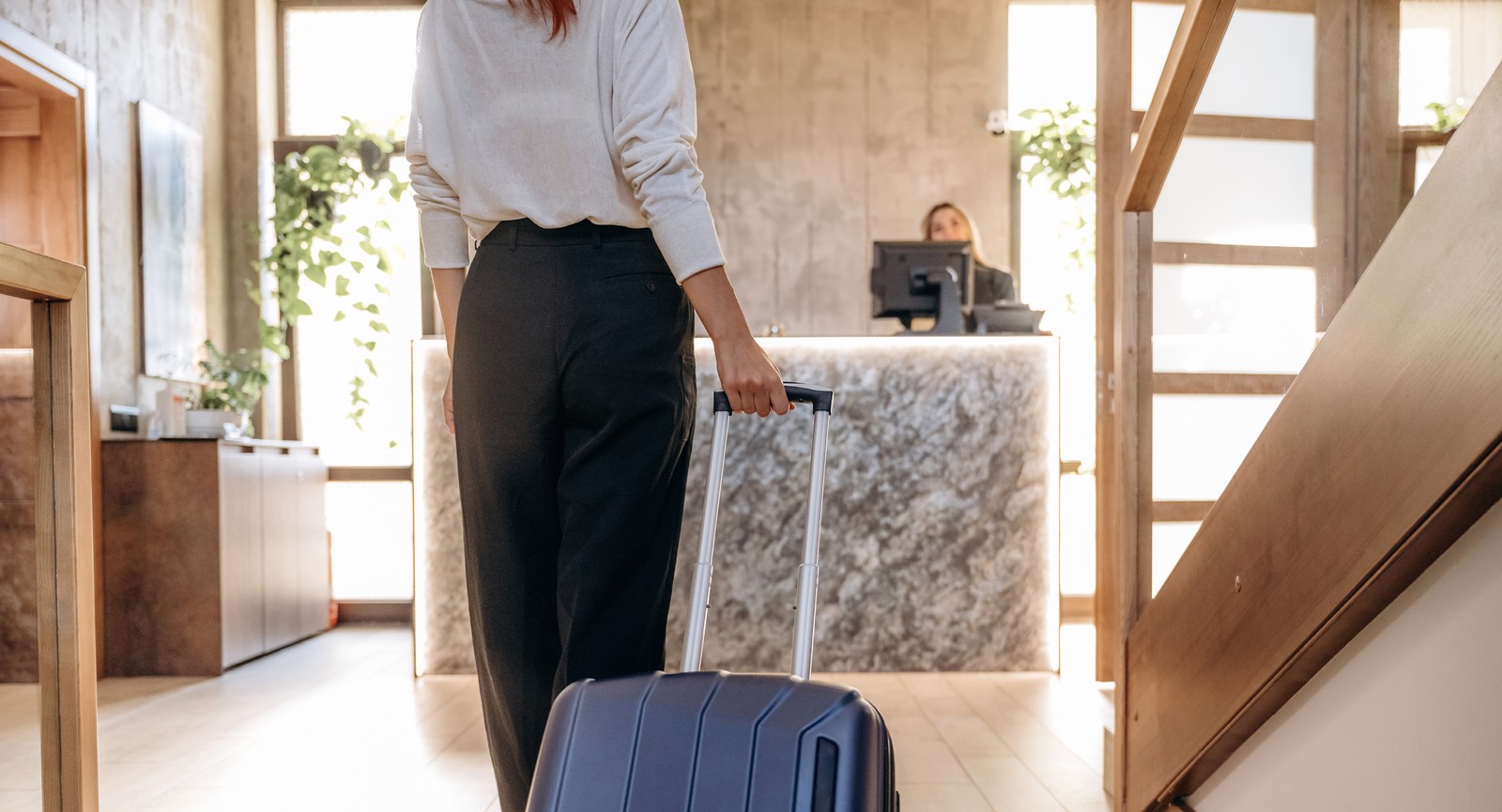
Behind the front desk: Hotel secrets that will change how you check in
 General
Hotel secrets they won’t tell you
Behind the front desk: Hotel secrets that will change how you check in
Most of us picture a hotel as a simple deal: you pay, you get a room, and the staff smiles and hands you a key. Behind the front desk, though, it’s closer to a high-stakes chess match, with computers, quirky superstitions, and plenty of room for a good-natured negotiation. Take something as small as your room number. Plenty of hotels quietly skip room 420, and you’d never notice unless you went looking. Or take those crisp white sheets you’ve always admired. They’re less about luxury and more about a very practical trick. Here are 10 secrets worth knowing before your next stay.
"Do not disturb" isn’t a permanent force field
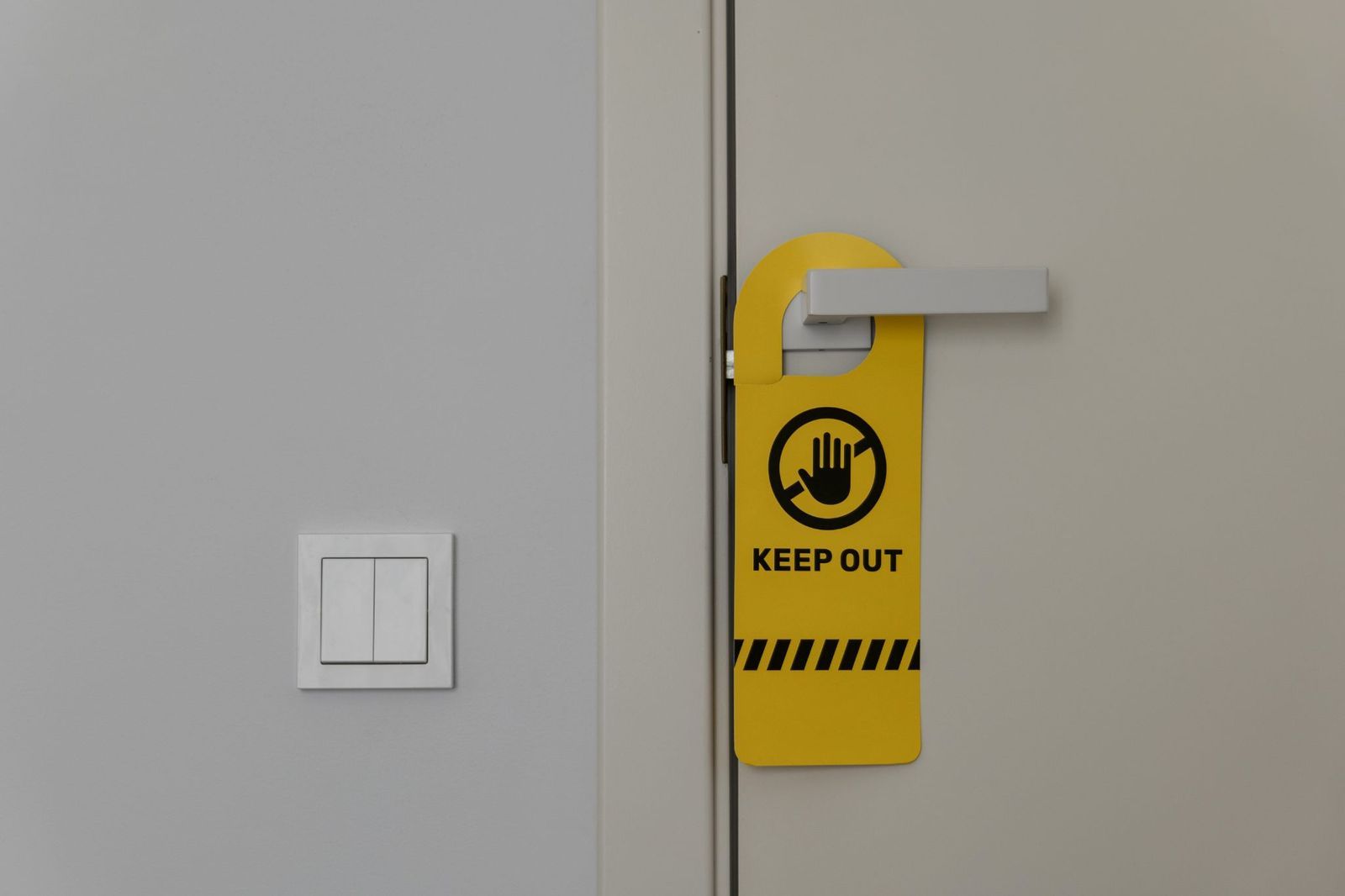
That little door hanger feels powerful, but it has limits. Most hotels have a policy that if the sign stays up for a full day or longer, staff will knock or even check on you. They’re mostly worried about guests who might be sick, hurt, or something worse. It also lets them make sure nothing improper is happening in the room.
If you plan a lazy, privacy-filled stay, call housekeeping and tell them you’re fine. A quick phone call keeps everybody calm and the cleaners away.
Front desk agents can hand out free upgrades
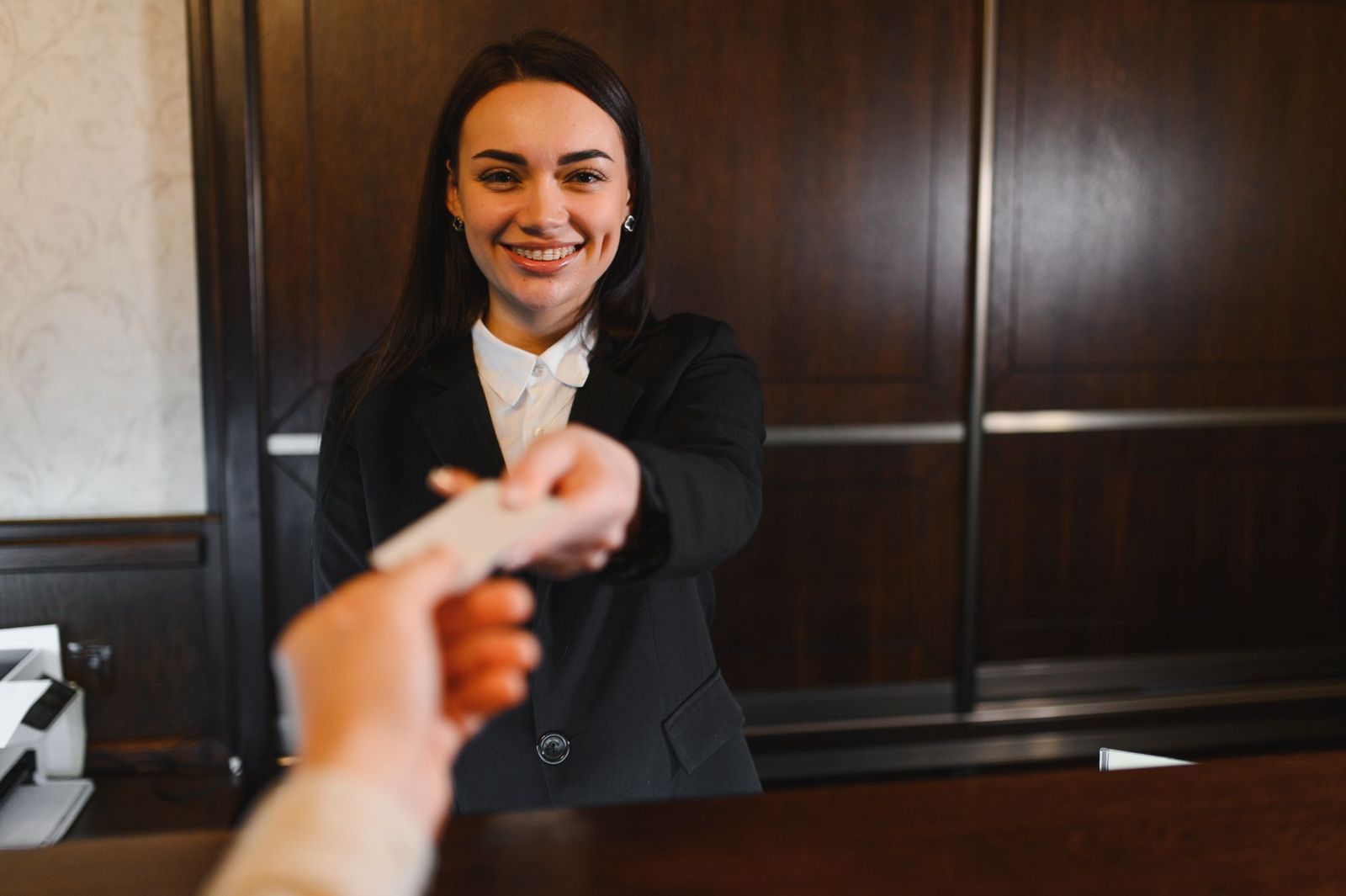
Here’s one worth remembering: the person behind the desk often has the power to move you to a better room without asking a manager. Maybe a bigger room, a higher floor, or a nicer view. The trick? Be pleasant: a smile does more than any coupon. Mention if it’s an anniversary or birthday, and ask politely, "Is there anything nicer available?" Arriving later in the day can help too, since the hotel knows exactly which rooms are still empty. Worst case, they say no, and you’ve lost nothing.
The TV remote is a germ magnet

If a germ-hunting scientist were to swab your hotel room, the remote control would likely win first prize. Studies have repeatedly found it among the dirtiest objects in the room, often more than the toilet handle. Think about it: hundreds of guests have held it, sneezed near it, and eaten snacks while using it. Housekeepers rarely disinfect it.
Pack a few disinfectant wipes and give it a quick once-over. If you want to go the extra mile, slip it into a zip-top bag while you watch.
Room 420 doesn’t always exist
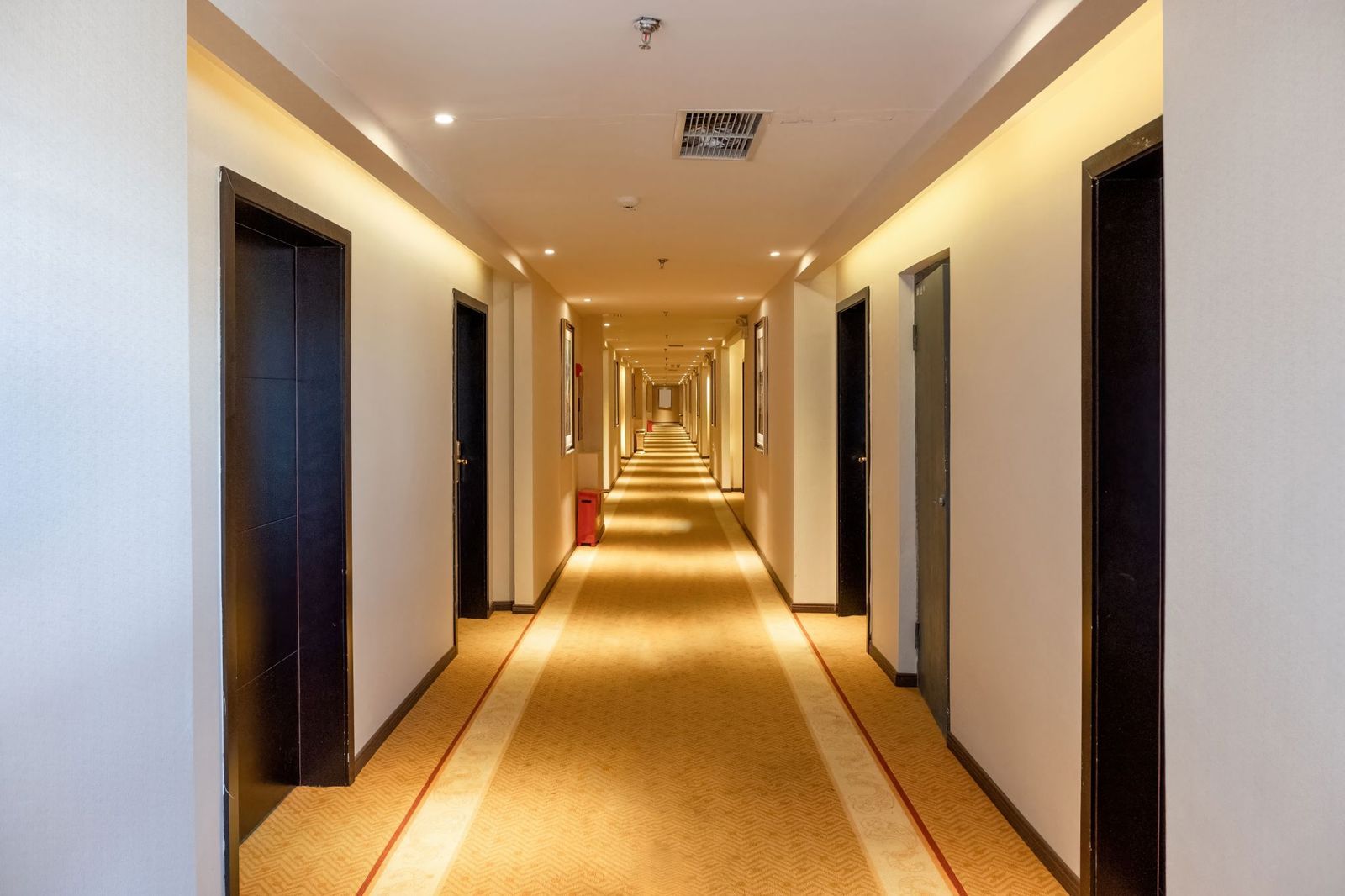
Plenty of hotels skip room 420 entirely, jumping from 419 to 421 as if nothing happened. The reason? Four-twenty is slang tied to marijuana, and some hotels found that signs and door plates with that number kept getting stolen as souvenirs, while the room itself attracted trouble.
Rather than keep replacing hardware, they simply retired the number. You may also find some skip the 13th floor, too. If you’re feeling curious on your next trip, wander the hallway and see which numbers are missing. It’s a fun little scavenger hunt.
White sheets are about cleanliness, not fancy looks

You might assume white sheets are just for that crisp, luxurious feel. Partly true, but the real reason is practical. White fabric can be washed with hot water and bleach over and over without fading, which keeps costs down and kills germs effectively. It also shows stains instantly, so housekeepers can’t miss a problem. So when you slide into those bright white linens, you’re really looking at the hotel’s cheapest, most reliable way of proving the bed is clean.
Overbooking is done on purpose, with a calculator
Ever been told a hotel is "fully booked" even though you had a reservation? That’s overbooking, and it isn’t carelessness. Hotels use predictive software that studies years of data to guess how many guests won’t show up, usually a few percent. They sell that many extra rooms to avoid empty beds. Most nights it works fine, but sometimes everyone arrives.
If you get "walked," the hotel normally pays for a room elsewhere. Arrive earlier in the day, and keep your confirmation number handy, just in case.
The minibar can detect if you take a beverage
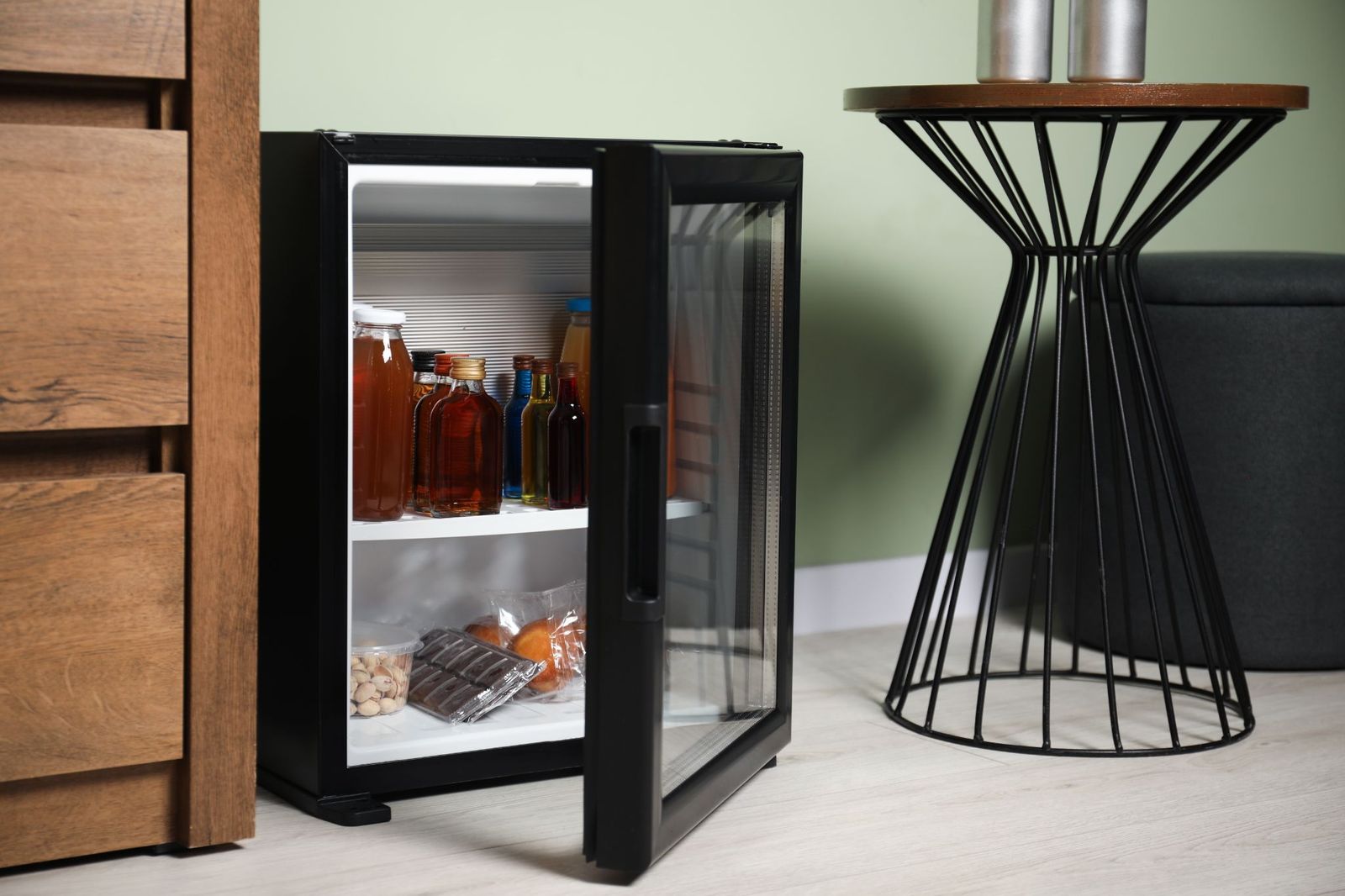
Some modern minibars have built-in sensors, and they charge your room the moment an item is lifted, whether or not you open it. Pick up a $9 bottle of water to make space for your own snacks, and you could see it on your bill. Honestly, a candy bar there can run $6 or more, so it’s pricey anyway.
Your best defense is simple: don’t touch anything. If you need the space, ask the front desk to empty the fridge, and always check your final bill before leaving.
Those glasses by the sink might not be so clean
Sorry to be the bearer of bad news, but several undercover investigations have found that some housekeepers, in a hurry, simply wipe the drinking glasses with a hand towel, or even a bathroom rag, instead of properly washing them. It doesn’t happen everywhere, but it happens enough to be worth knowing.
The fix is easy and cheap: wash the glasses yourself with a drop of hand soap and hot water, or use the paper cups when they’re available. Or pack a small plastic cup from home. Better safe than sorry.
Booking through third-party sites can land you the worst room

Those big travel websites promise great deals, and sometimes they deliver. But the hotel pays those sites a commission, often 15 to 25 percent, so guests who book that way are sometimes given the least desirable rooms: next to the elevator, near the ice machine, or facing the parking lot.
Hotels save the best spots for guests who pay them directly. If you do use a booking website, call ahead afterward and politely request a quiet room, a high floor, or a nice view. It costs nothing to ask.
Picking up the phone can save you money

In our online age, it feels odd to call anyone, but calling the hotel directly can really pay off. Front desk staff can often match or beat the online price, since they skip the commission and still keep your business. They may also toss in perks like free breakfast or parking, and this is the moment to ask about senior discounts or AAA rates.
Dial the hotel’s local number, not the national 800 line, because local staff have more freedom to make deals. A friendly chat could easily save you $20 or more per night.
Pilots would rather you didn’t bring a banana on board. Here’s why
Superstition beats science sometimes
Pilots would rather you didn’t bring a banana on board. Here’s why
Modern airplanes are packed with cutting-edge technology, but step inside the aviation world, and you’ll find traditions that are much older than the aircraft themselves. Some airlines skip row 13, pilots quietly tap their seatbelts before takeoff, and certain crews refuse to say "last flight" out loud. These customs don’t make flying any safer, but they reveal a fascinating side of aviation that most passengers never see.
No bananas on board
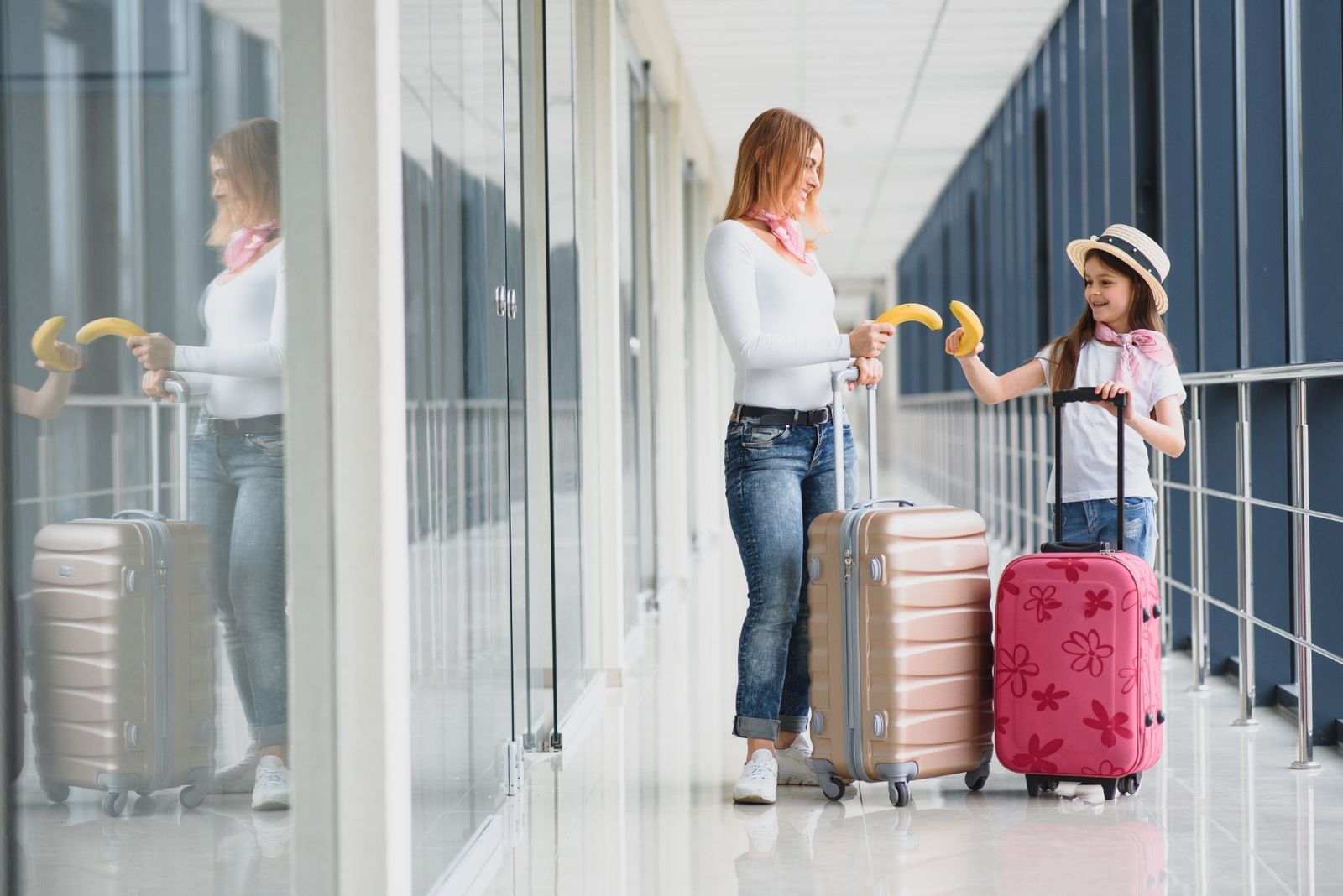
Packing a banana before leaving home seems like a healthy travel choice, yet some seaplane pilots would rather not see one on board.
The superstition dates back hundreds of years to maritime folklore, when sailors blamed bananas for spoiled voyages, poor fishing, and mysterious accidents at sea. There were practical reasons behind the stories. Bananas ripened quickly during long voyages, attracted insects, and often spoiled other cargo. As flying boats and seaplanes became more common during the twentieth century, some of these nautical beliefs quietly followed pilots into aviation.
Weather superstitions
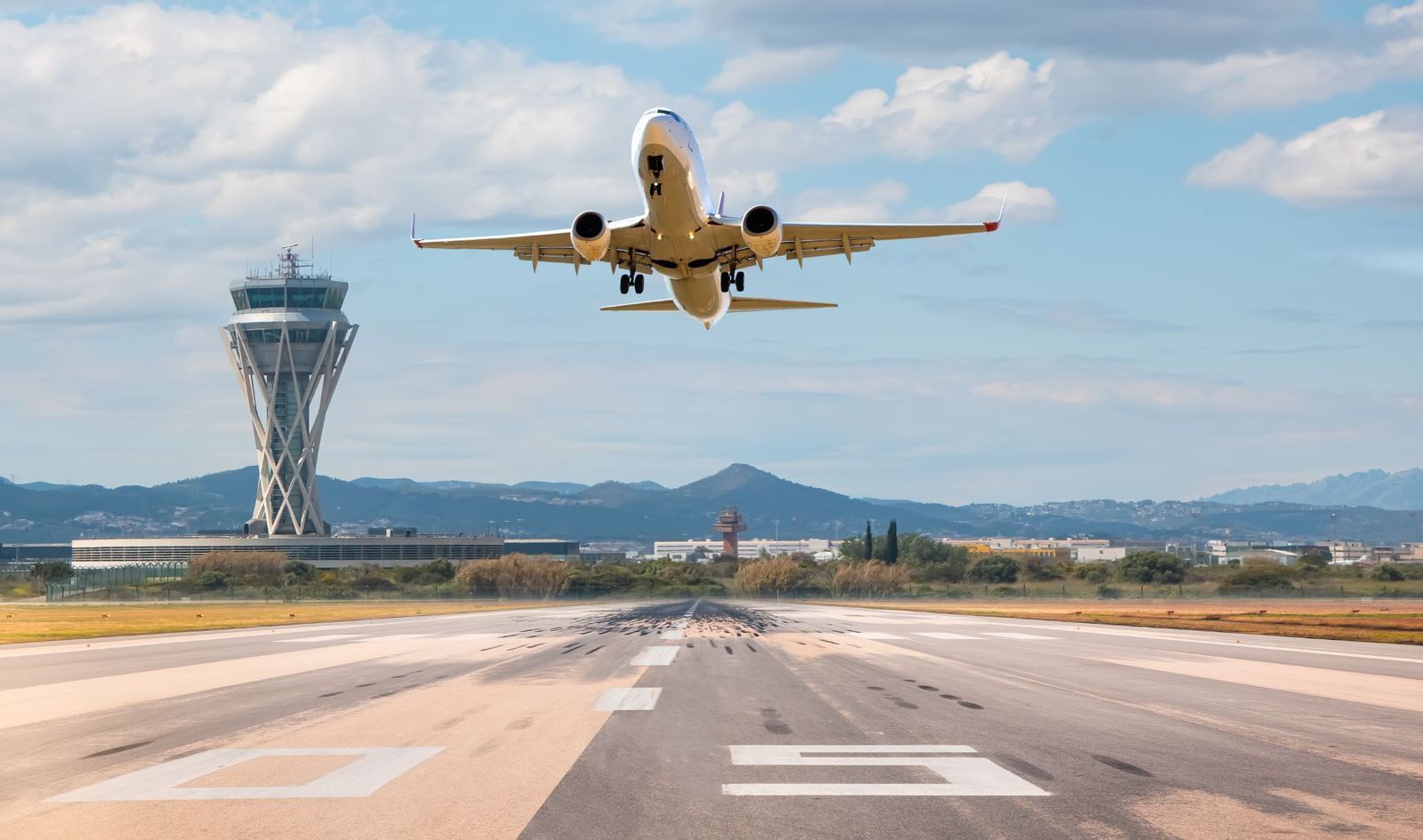
Weather remains one of aviation’s greatest challenges. Forecasting has improved dramatically over the decades, but pilots still joke that the weather has a mind of its own. That uncertainty has produced countless superstitions.
Pilots generally avoid pointing at the sky and complimenting the weather directly. They can mention the sun, but never the bright sky. Besides, when a storm comes rather suddenly, many whisper an apology to the sky, as a way to make it go away quickly. Others joke that washing an airplane is the fastest way to guarantee rain, much like washing the family car before a downpour. Nobody mistakes these sayings for science, yet they continue to circulate because they add humor to a profession where the weather always deserves respect.
Beware of row 13
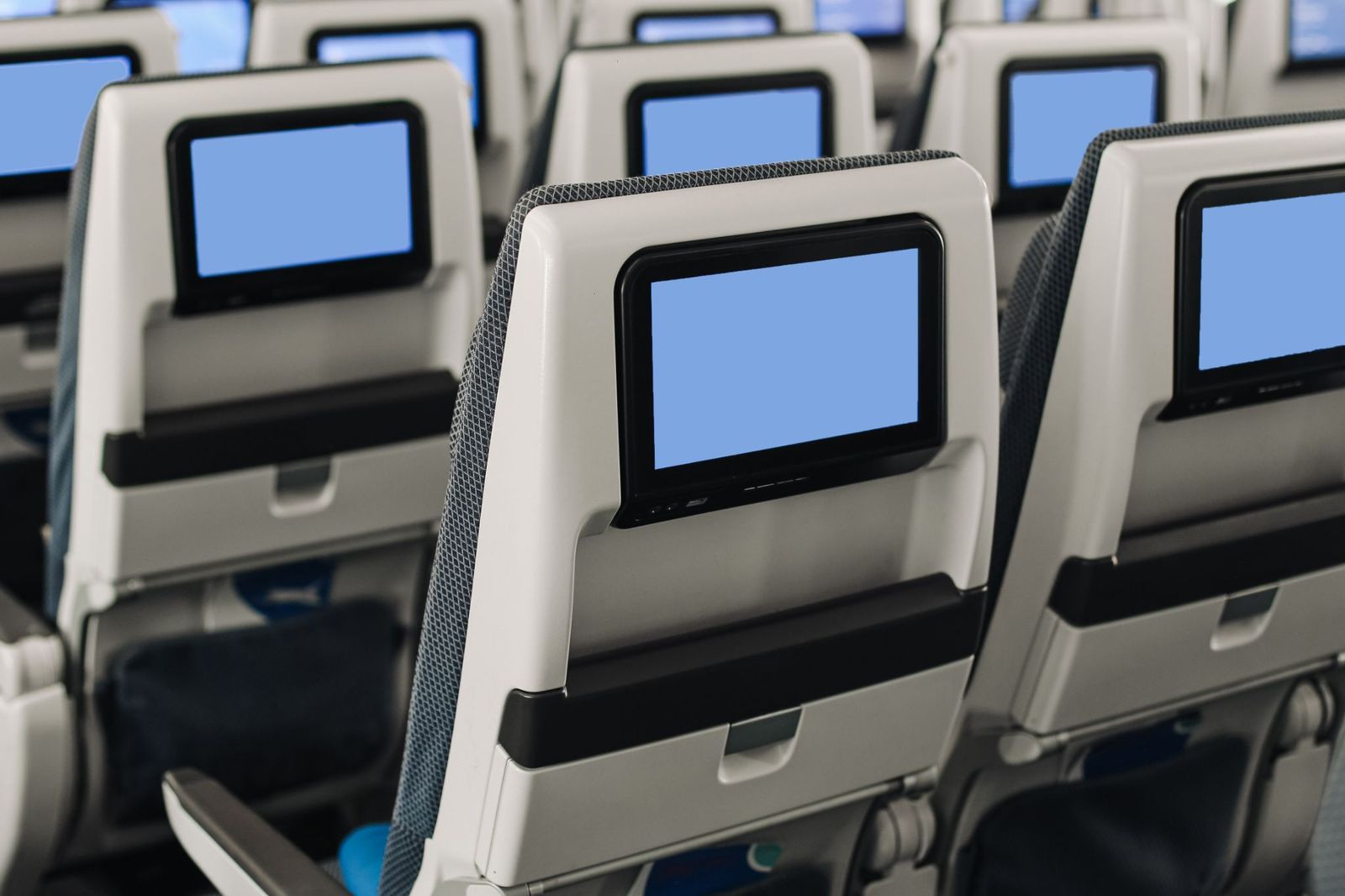
Anyone who has searched for an airplane seat has probably noticed something strange. The cabin goes from row 12 straight to row 14, leaving passengers wondering what happened to row 13. In many cases, it never existed to begin with.
Airlines began skipping the number because many travelers associate 13 with bad luck, a belief that has existed for centuries. Some carriers, including American Airlines, have omitted the row entirely to make uneasy passengers feel more comfortable. The superstition even extends to Friday the 13th, when demand is always lower than on any other date in the calendar. Aviation safety has never shown any connection between the date and accidents, but old beliefs are difficult to leave on the ground.
Lucky charms in the cockpit
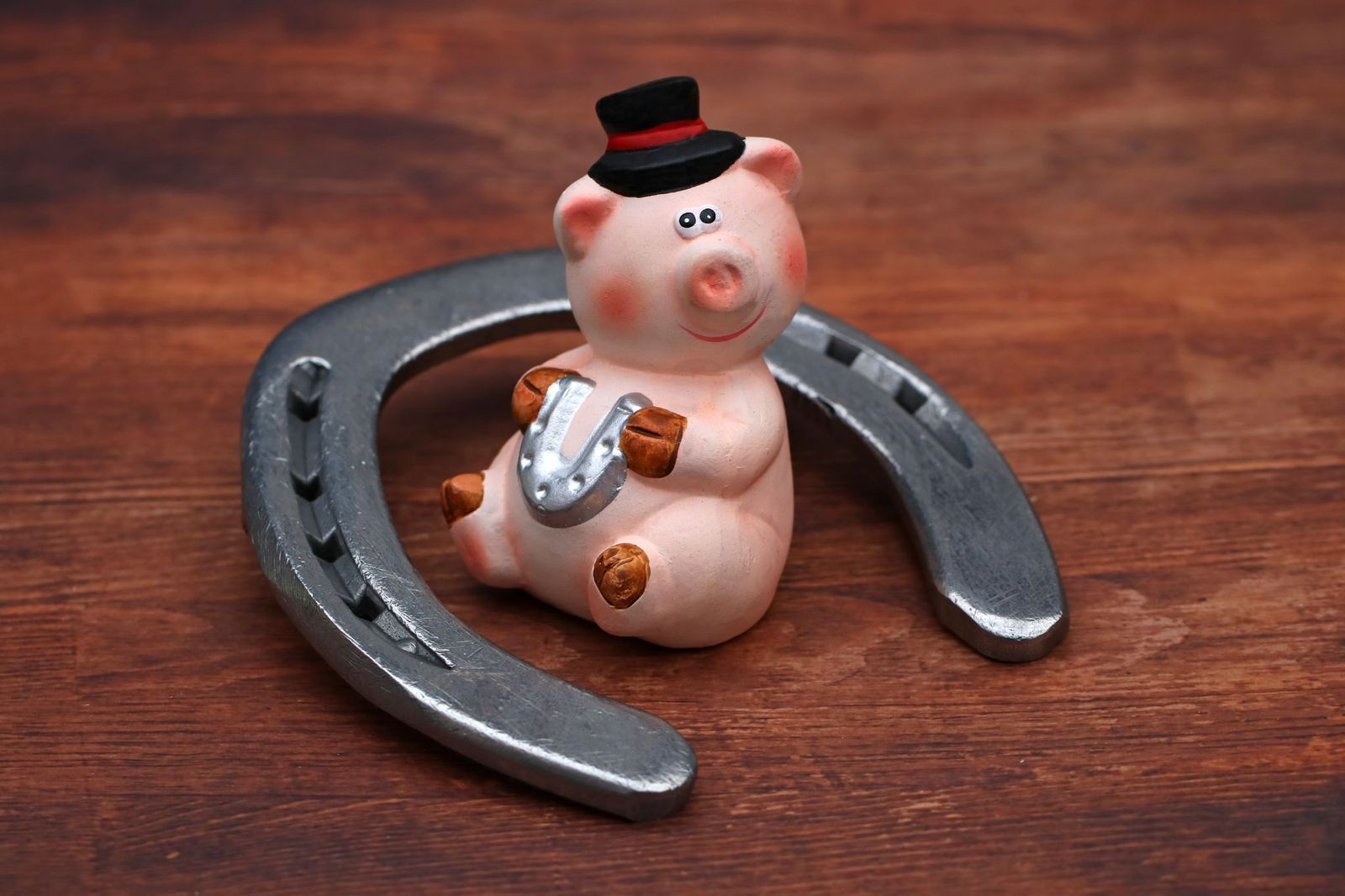
Many people carry something that reminds them of home, whether it is an old photograph, a special coin, or a gift from someone they love. Pilots are no exception. Some quietly keep a small good luck charm in their flight bag or pocket before every trip. It might be a religious medal, a challenge coin from military service, or a keepsake received from a mentor early in their career.
One of history’s most famous aviators, Charles Lindbergh, reportedly carried a rabbit's foot during his record-setting solo crossing of the Atlantic in 1927. Most modern pilots would never claim these objects influence a flight, but they often provide something equally valuable: reassurance.
No whistling in the cockpit
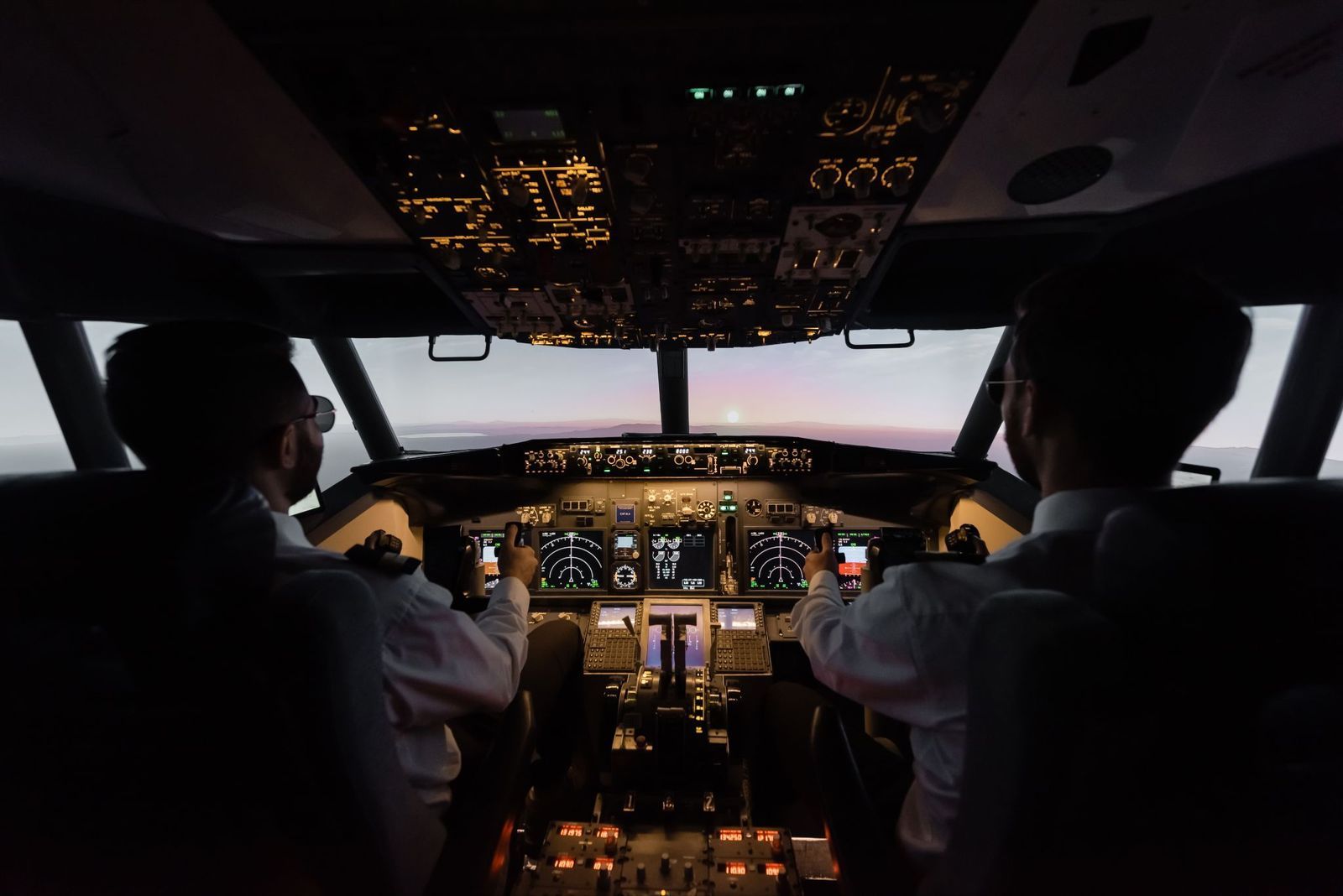
Walking through an airport, hearing someone whistle hardly seems unusual. In certain cockpits, however, it may earn a playful warning.
The belief probably originated centuries ago among sailors, who feared that whistling would "call up the wind" and bring dangerous storms. Aviation inherited many traditions from the maritime world because early pilots and navigators often came from seafaring backgrounds. As those customs moved from ships to airplanes, whistling became another act that some crews preferred to avoid.
Never say "last flight"
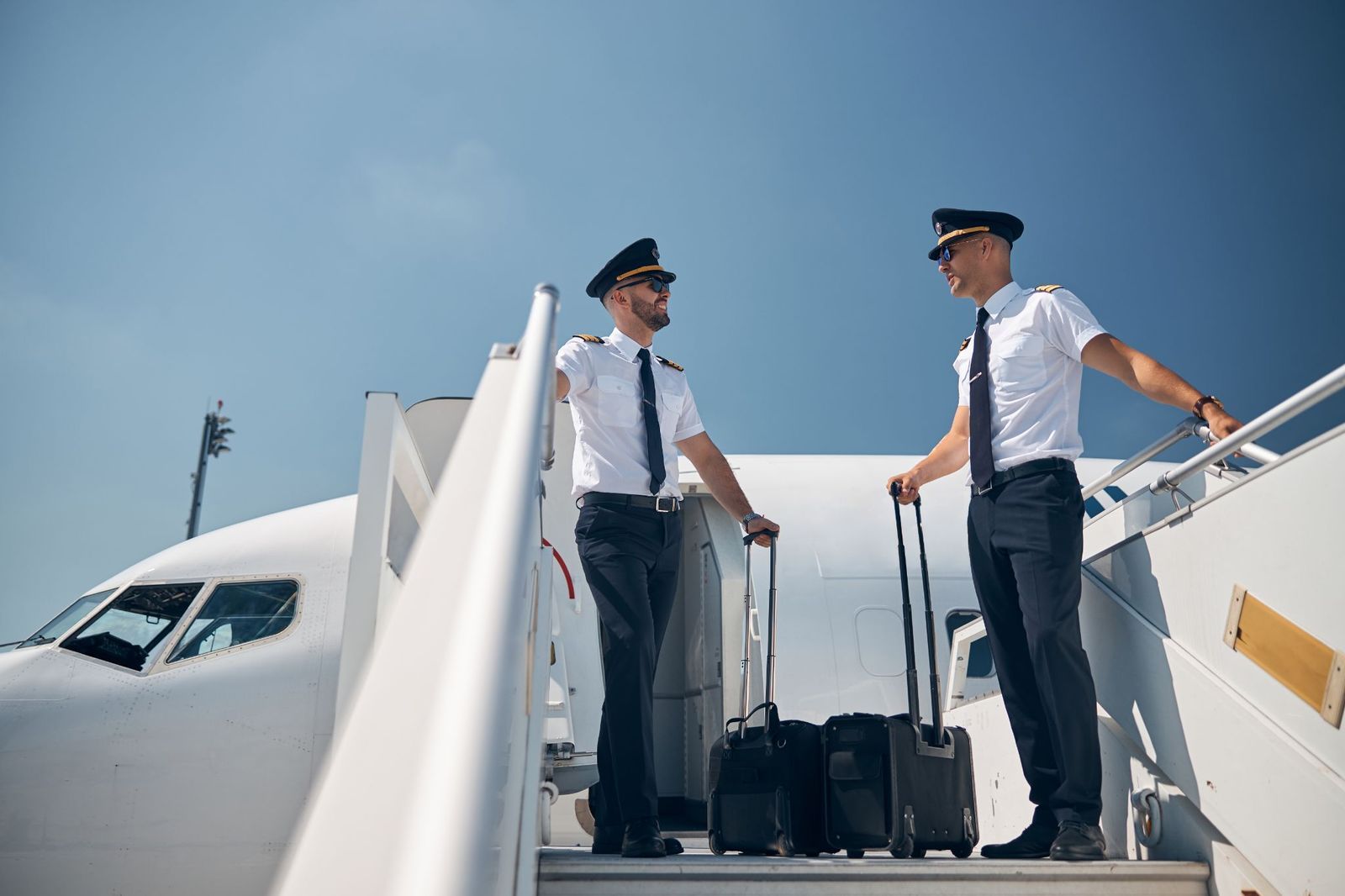
Toward the end of a busy day, most people casually mention their last meeting or last errand before heading home.
Airline crews often avoid that wording altogether. Instead of saying "last flight," many prefer expressions such as "final sector" or "next flight." The reason has nothing to do with regulations or company policy. It is an old superstition built on the idea that calling something the "last" flight somehow tempts fate. And there’s no sensible reason to do so while the stakes are 35,000 feet high already.
Avoid talking about crashes
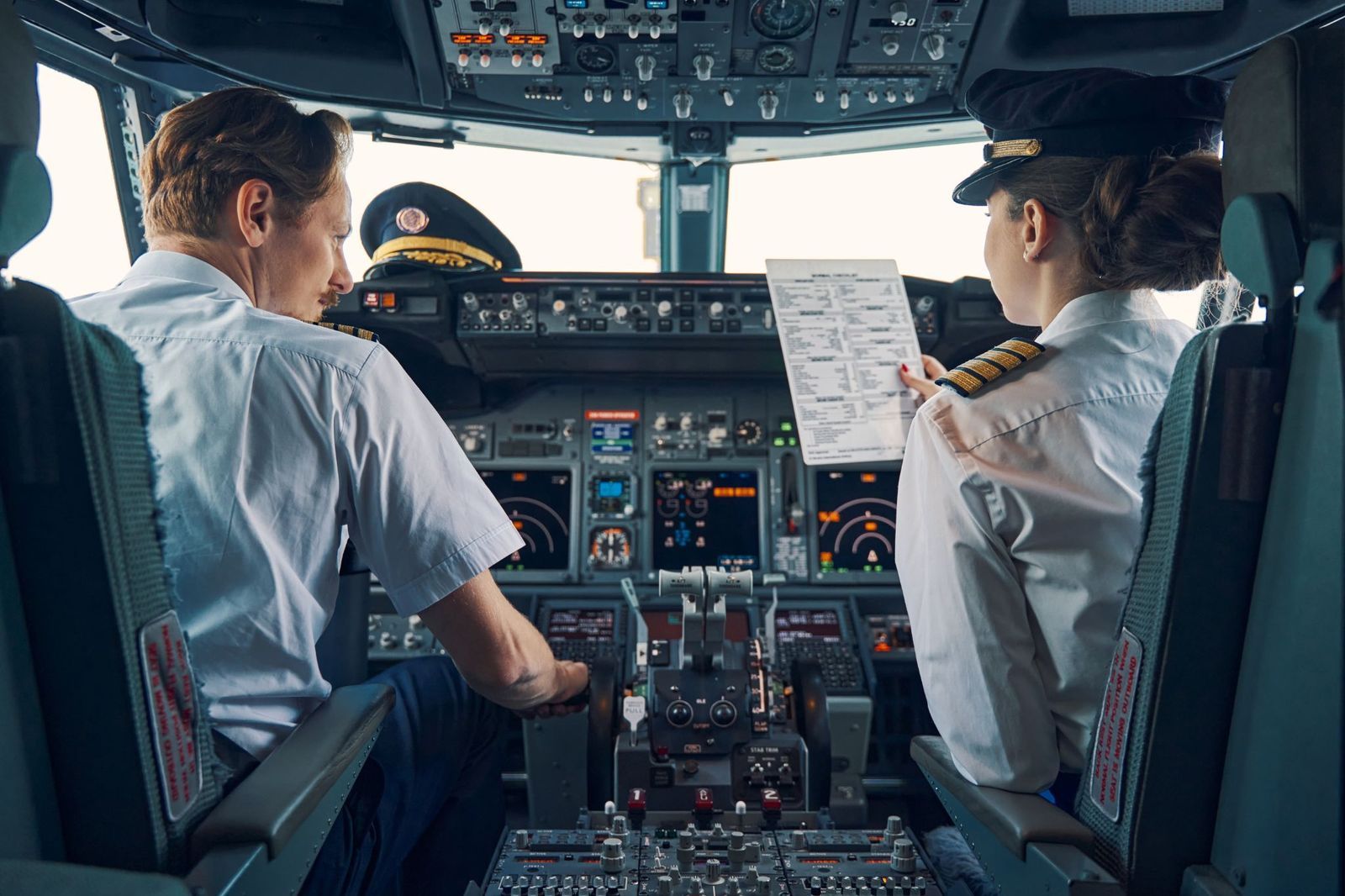
Imagine settling in your seat as someone starts describing a terrible accident. Even if there’s no real connection, the timing feels uncomfortable. Something similar happens in many cockpits.
Among some flight crews, discussing airplane crashes while aboard the aircraft, even before the engines are running, is considered bad luck. Serious conversations about past disasters are best left for the briefing room. Pilots spend their careers studying accidents to learn valuable lessons, but once it’s time to fly, the focus shifts completely to the flight ahead.
Chewing gum on the wing
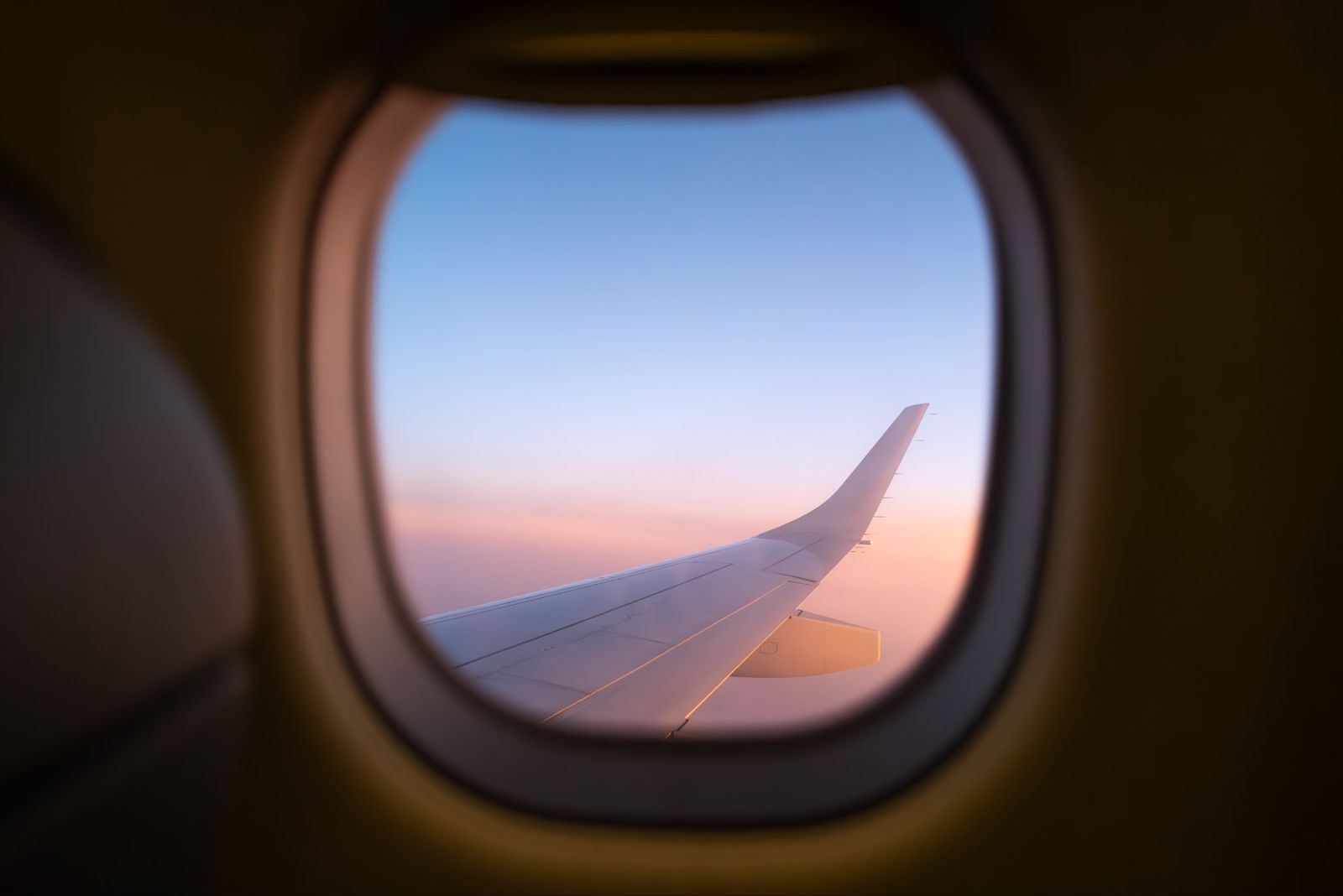
Most travelers throw away their chewing gum before boarding, but among some military pilots during WWII, it occasionally found an unexpected destination.
Stories passed through flying squadrons describe aviators sticking their chewed gum to the wing before takeoff, believing the small ritual might tip fortune in their favor. The practice was never widespread or officially encouraged, but it reflected the intense psychological pressure crews faced during dangerous combat missions. When every flight carried enormous risk, even the smallest personal ritual could provide a sense of confidence.
Naming aircraft
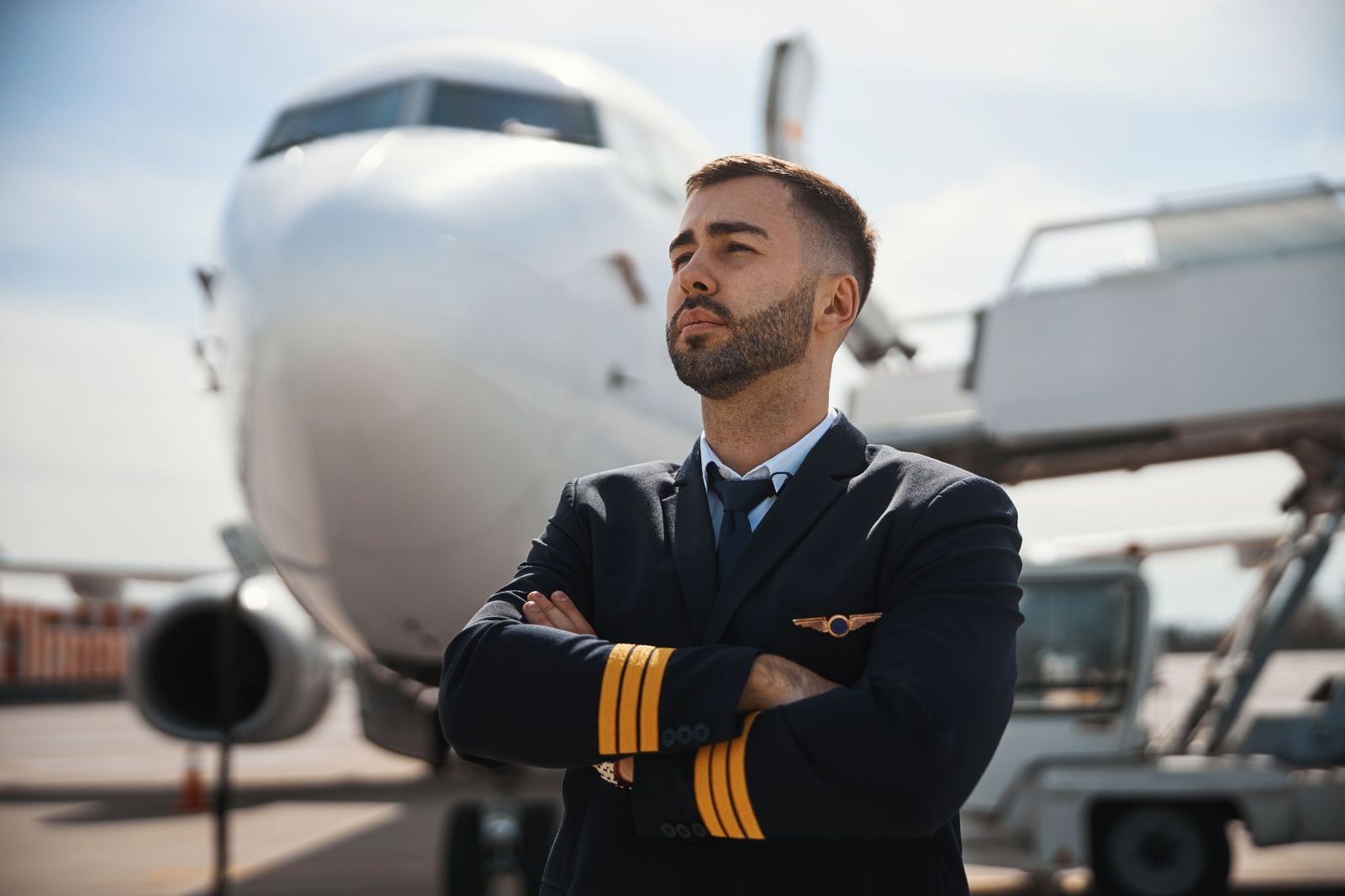
Think about famous ships like the Titanic or the USS Constitution. One thing they have in common is that they all had names, and early aviators borrowed that same tradition.
As commercial aviation expanded during the 1930s, many airlines began naming their aircraft after cities, historical figures, or symbols. Crews often felt a stronger connection to an airplane with a name than one known only by a registration number. Military pilots embraced the practice as well. Even today, airlines like Virgin Atlantic, the British airline, continue the tradition with playful names that give each aircraft its personality.
The seatbelt tug and harness tapping
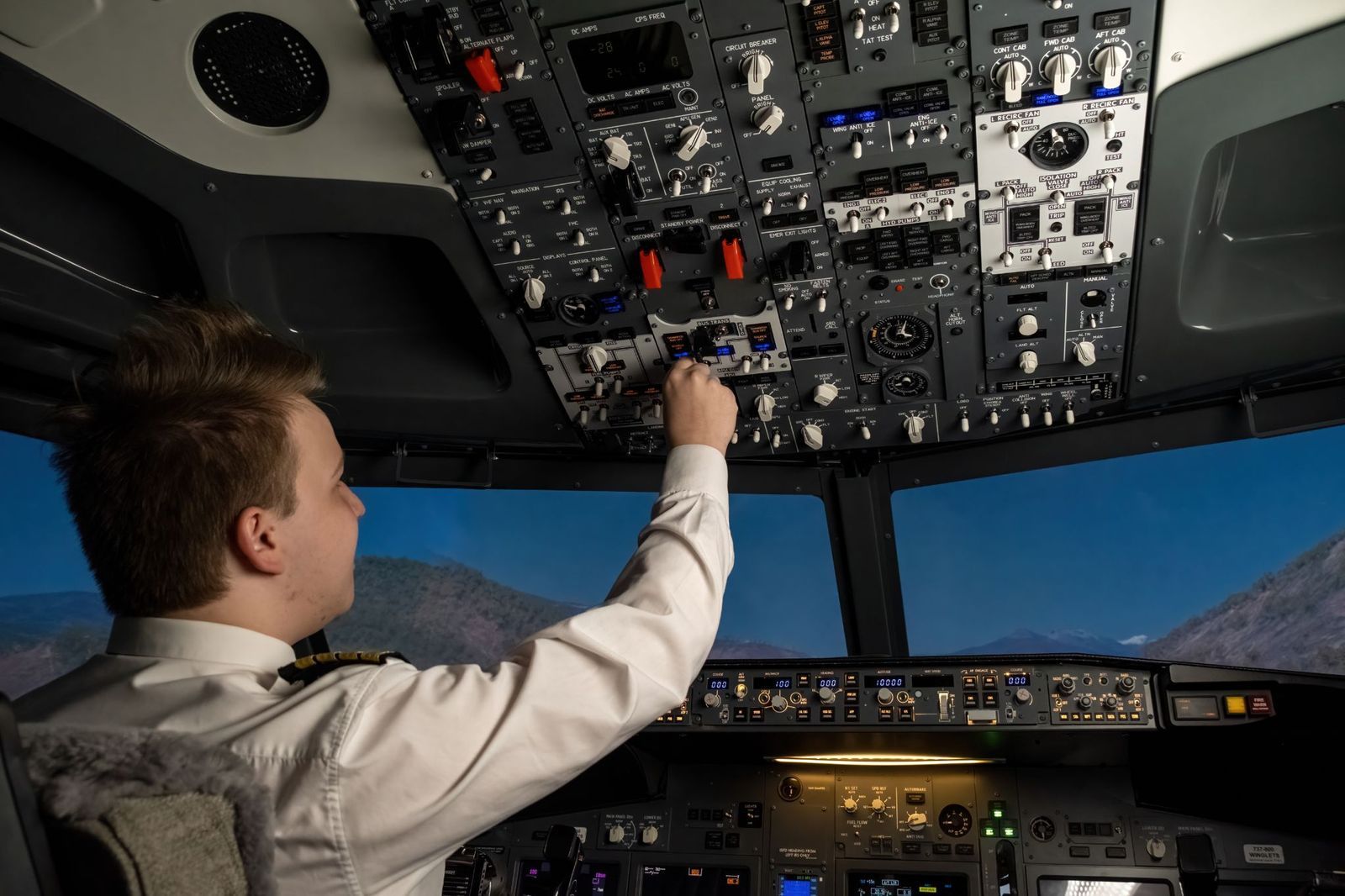
Buckling a seatbelt usually ends with one final pull to make sure everything feels secure. Many pilots do something remarkably similar.
After every required checklist has been completed, some instinctively give their harness a final tug or lightly tap the buckle before takeoff or landing. It’s not part of any operating manual, nor does it replace a safety check. Instead, it has become a personal ritual that signals it is time to focus completely on the task ahead with all the possible good luck.
Keep wandering
There’s always
more to explore
 Culture

Some of these state fairs have seriously weird attractions
5 min.
Read Now
A town called Chicken? Why are these 10 U.S. places named after food?
4 min.
Read Now
These 10 real places feel like stepping into famous paintings
5 min.
Read Now
Why you should never travel on an empty stomach
3 min.
Read Now