Don't do this at airport security: Common behaviors that draw attention
 General
Airport Secrets
Don't do this at airport security: Common behaviors that draw attention
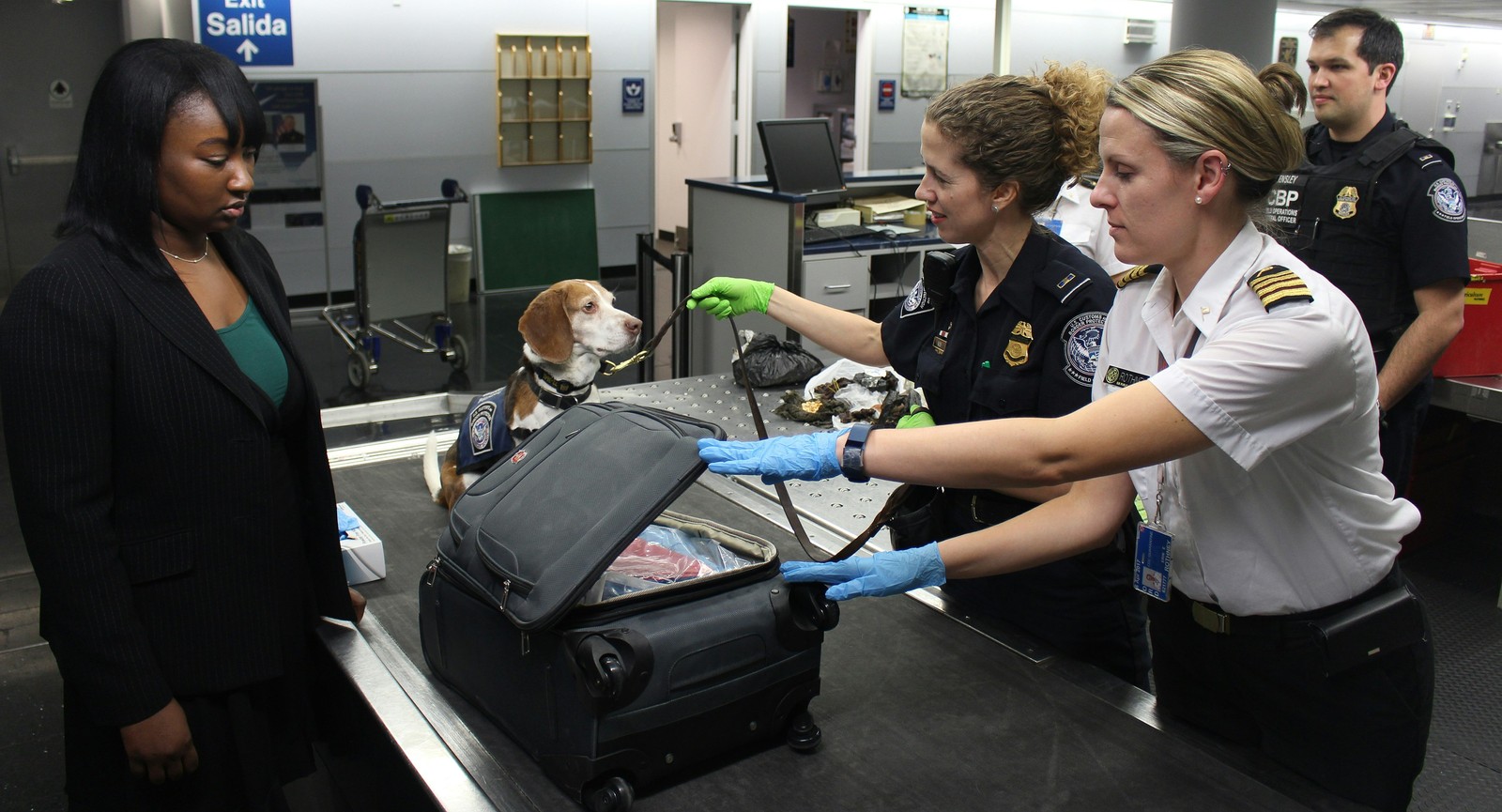
You’re going through airport security when suddenly an agent pulls your bag aside for inspection. It can be a little nerve-wracking, right? We all know not to pack dangerous or banned items, but there are more reasons than you might think that can raise a red flag. Here are 10 things to avoid so you can get through security smoothly.
Packing too tightly

We all want to pack our favorite clothes for a trip, but be careful: even if you manage to squeeze everything in and force your suitcase shut, you might end up opening it again at the security checkpoint.
It turns out that overpacked bags are harder to read on the scanner. Instead of a clear image, agents may see a dense blur with few details, which can trigger a manual inspection. Next time you travel, try to pack so everything fits comfortably; that way, you’ll save yourself time and hassle at security.
Electronic devices "buried" in the suitcase
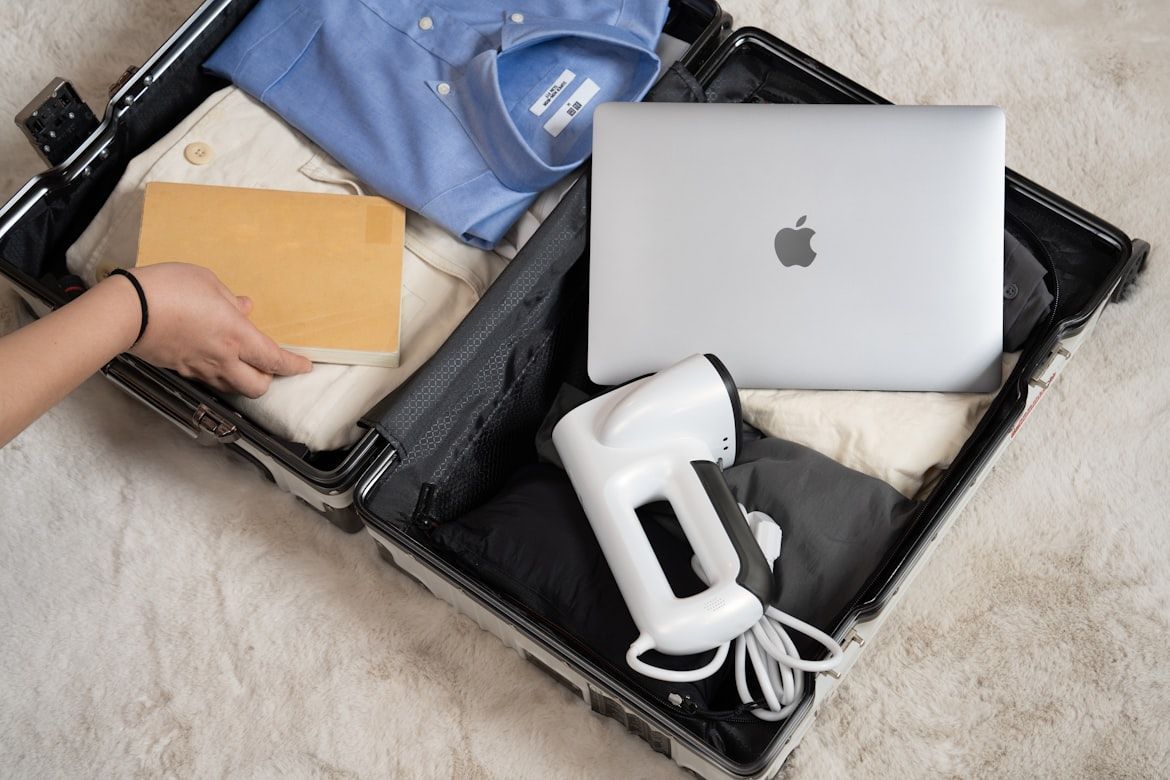
If you think tucking your laptop or tablet between layers of clothes is a good idea, you might want to think twice.
Electronics are dense, and they can create shadows on the X-ray that make it harder to see what’s around them. That can lead to your bag being pulled aside for a second look. It’s better to keep your devices in a padded case near the top of your bag or in an easy-to-reach pocket, and be ready to take them out and put them in a bin when you go through security.
Attitude in the line

Not every delay at airport security has to do with what’s in your bag; sometimes it’s about behavior.
Airports are closely monitored, and if a passenger seems unusually anxious, avoids eye contact, or acts aggressively or uncooperatively, it can draw attention. Even extremes, like being overly talkative or unusually quiet, may raise doubts. And there’s one more thing many people don’t realize: joking about security, explosives, or other threats is a serious red flag. To keep things smooth, it’s recommended to stay calm, be respectful, and follow the instructions at the checkpoint.
Small forgotten objects

This is one of the most common reasons bags get flagged at airport security. It’s easy to overlook small items tucked into pockets when you’re packing. Things like keys, lip balm, tissues, or even tiny metal items like tweezers or earrings can clutter the X-ray and raise questions.
Experts recommend checking and emptying every pocket before you pack. And if you’re bringing small items, keep them together in a pouch instead of letting them float loose in your bag.
Wrapped gifts

Are you bringing a gift for a friend? Be careful how you pack it. Over the years, there have been cases where people have used "gifts" to conceal prohibited items. That’s why staff pay close attention to these kinds of packages, especially when they’re inside the suitcase and surrounded by clothes.
To avoid awkward moments and deliver that gift, keep it in a bag that’s easy to inspect and place it separately when you go through screening.
Odd item combinations

Of course, you can pack your suitcase however you prefer, but most people tend to pack in similar ways. Security officers are used to those patterns, so when something looks different, it can stand out.
Unusual combinations of items, even if they’re completely harmless, can be harder to read on an X-ray or look suspicious. For example, stuffing shoes with socks, chargers, or other items can obscure shapes and make the contents look unclear. That’s often enough to trigger a closer inspection.
Liquids in random pockets

If you’re packing shampoo, gels, lotions, or other liquids in your carry-on, you’ll need to follow a few rules. Each container must be 3.4 ounces (100 ml) or less, and it’s best to keep them in small bottles inside a clear bag; all in one place.
If you scatter them around your bag, some in pockets, others loose inside, it can make the X-ray harder to read and could trigger alarms, since the texture may resemble that of dangerous or prohibited substances. A simple solution is to keep everything together in a neat toiletry bag.
Food and packaging

Many people like to pack a treat for someone back home or bring snacks in their carry-on, but food can sometimes slow you down at the security line.
Solid items are usually fine, but liquids and spreads (like yogurt, sauces, or peanut butter) follow the same rules as other liquids and can be harder to scan. Dense textures and opaque packaging, like foil or thick containers, can make images unclear, leading to an additional inspection. To avoid delays, keep these items easy to reach so you can take them out and place them in a separate bin if needed.
Lots of loose cables
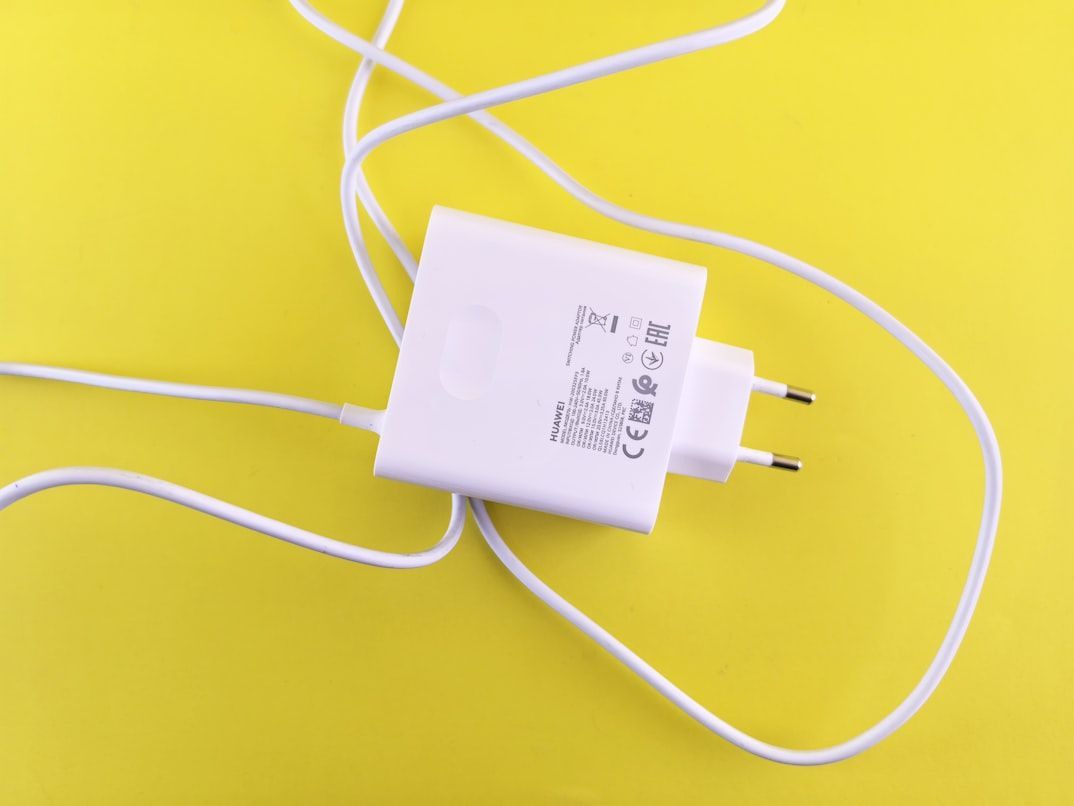
If your chargers and headphone cables are all tangled up, we get it; untangling them can be a headache. But it’s worth doing before you head to the airport. On an X-ray, a tangle of cords can look like parts of a complex or potentially concerning device, making it harder for agents to tell what they’re seeing.
As a simple solution, you can use a cable organizer or just coil your cords neatly and secure them with a Velcro strap or twist tie.
Powders

Powdered products are a common reason bags get flagged at airport security. Things like talcum powder, makeup, baby powder, protein, or even coffee can be very difficult to distinguish from other toxic and hazardous substances that come in that form. In some cases, they may need additional screening or even testing if anything seems suspicious. To go through security smoothly, keep each powder under 12 ounces (350 ml) and keep them handy, so it’s easy to access.
10 American place names you’ve been mispronouncing your entire life
 Landmarks
10 American place names you’ve been mispronouncing your entire life
The English language may be a bit erratic, but American geography takes linguistic chaos to an entirely different level. Across the United States, place names are a beautiful mixture of ancient Native American dialects, old European titles, and regional accents that have mutated over centuries. From coastal New England towns to deep southern bayous, here are 10 places whose names you most certainly have been mispronouncing your entire life.
Worcester, Massachusetts
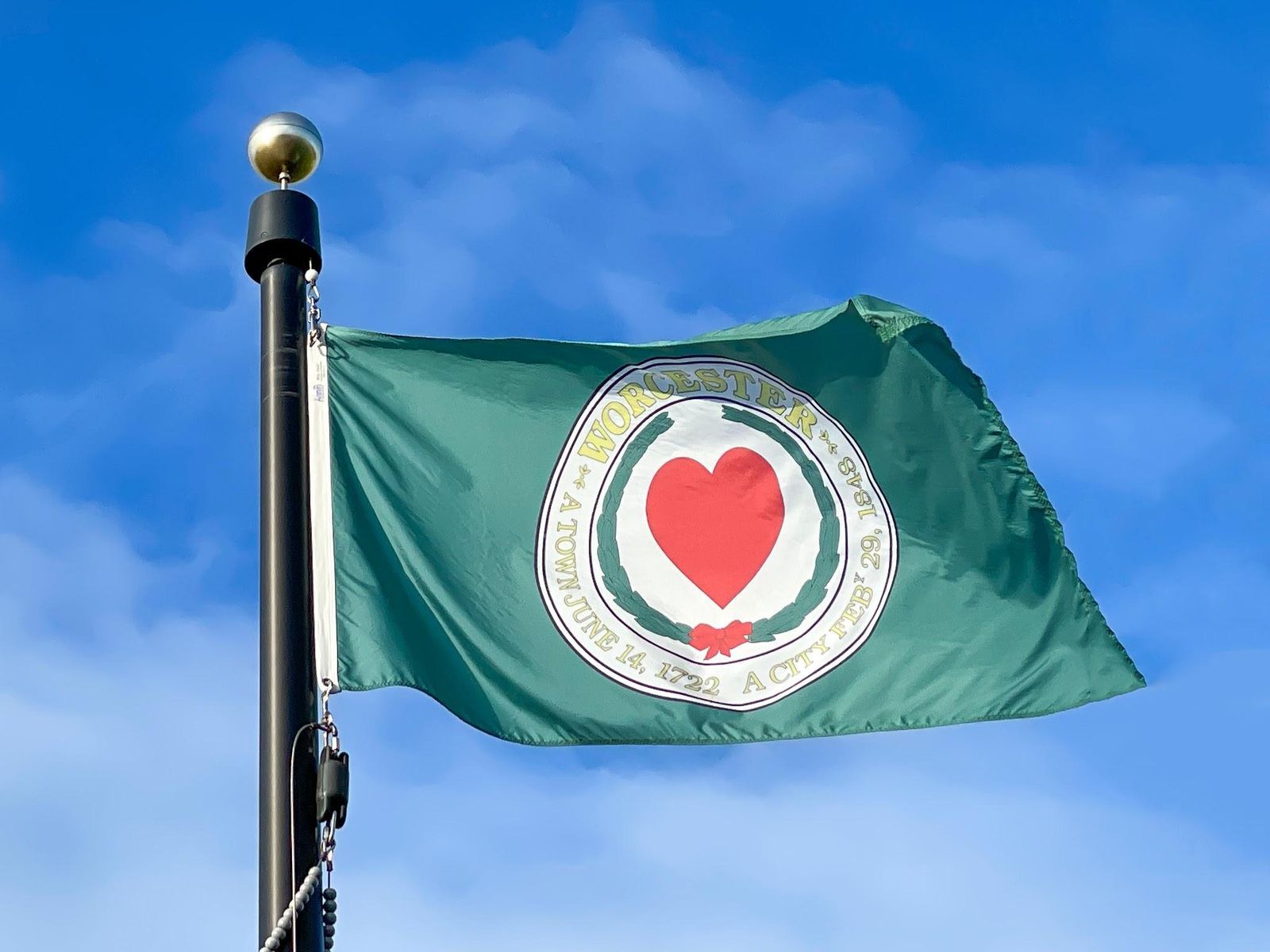
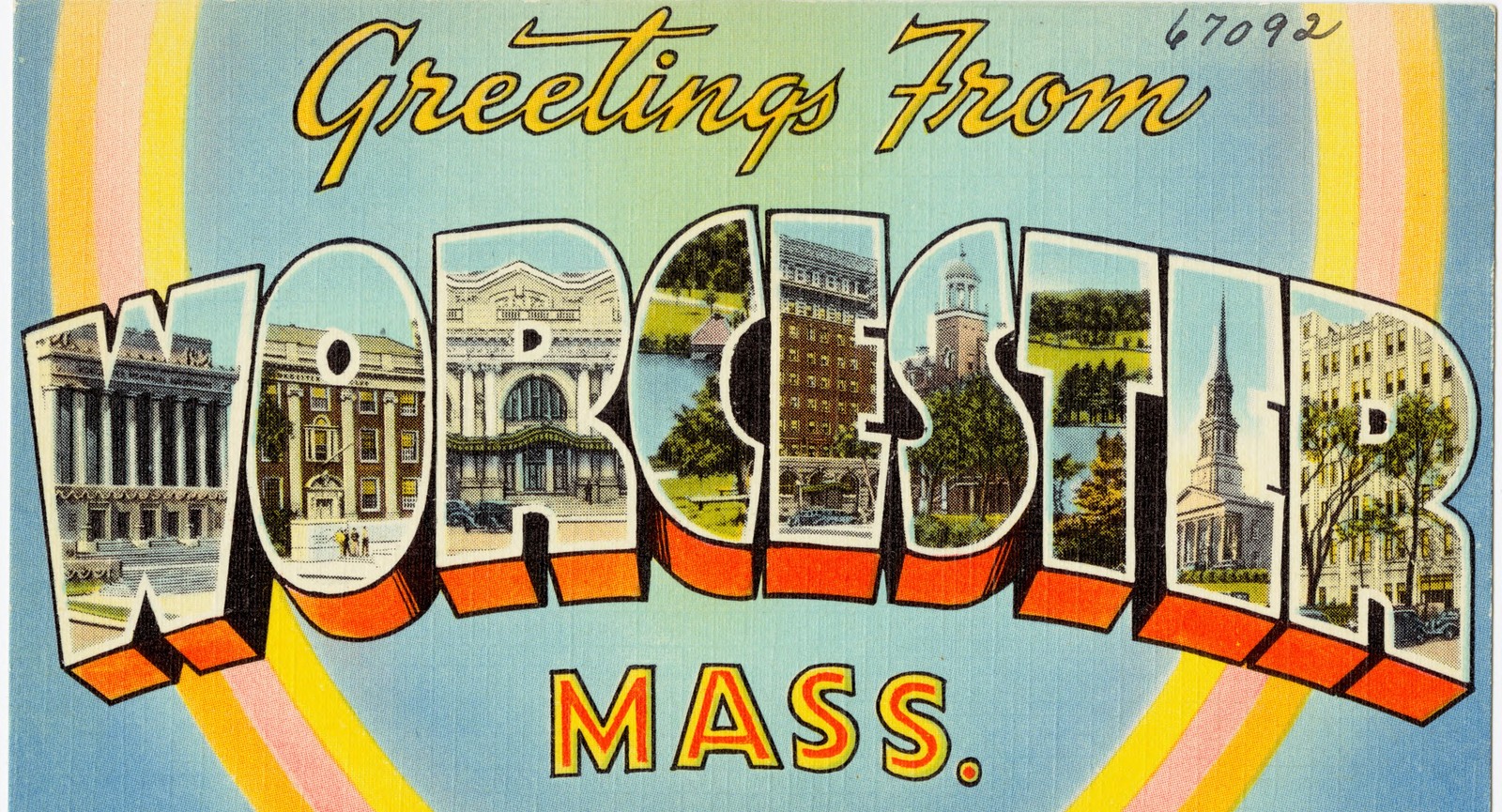
We’ll start with the ultimate gateway to linguistic confusion: New England. If you try to pronounce every syllable written on the map in Massachusetts, you’re going to have a rough time. Out-of-towners frequently look at Worcester and confidently utter "War-ces-ter" or create an assumed "War-chester".
Yet, locals completely bypass the middle of the word. Worcester is properly pronounced "WUST-er" (rhyming with the first syllable of "buster"). The spelling is directly inherited from Worcester, England, where the silent "ce" is a standard quirk of British town names.
Versailles, Kentucky

If you’ve taken a high school French class, your instinct when rolling into this Kentucky town will be to channel your inner Marie Antoinette and pronounce it "Ver-SIGH", just like the famous palace outside of Paris.
Do that in Kentucky, and you’ll get a round of weary but polite eye rolls. In a classic example of historic Americanization, the locals have rejected the French inflection. The town is proudly pronounced "Ver-SAYLS" (rhyming with "sales").
Spokane, Washington
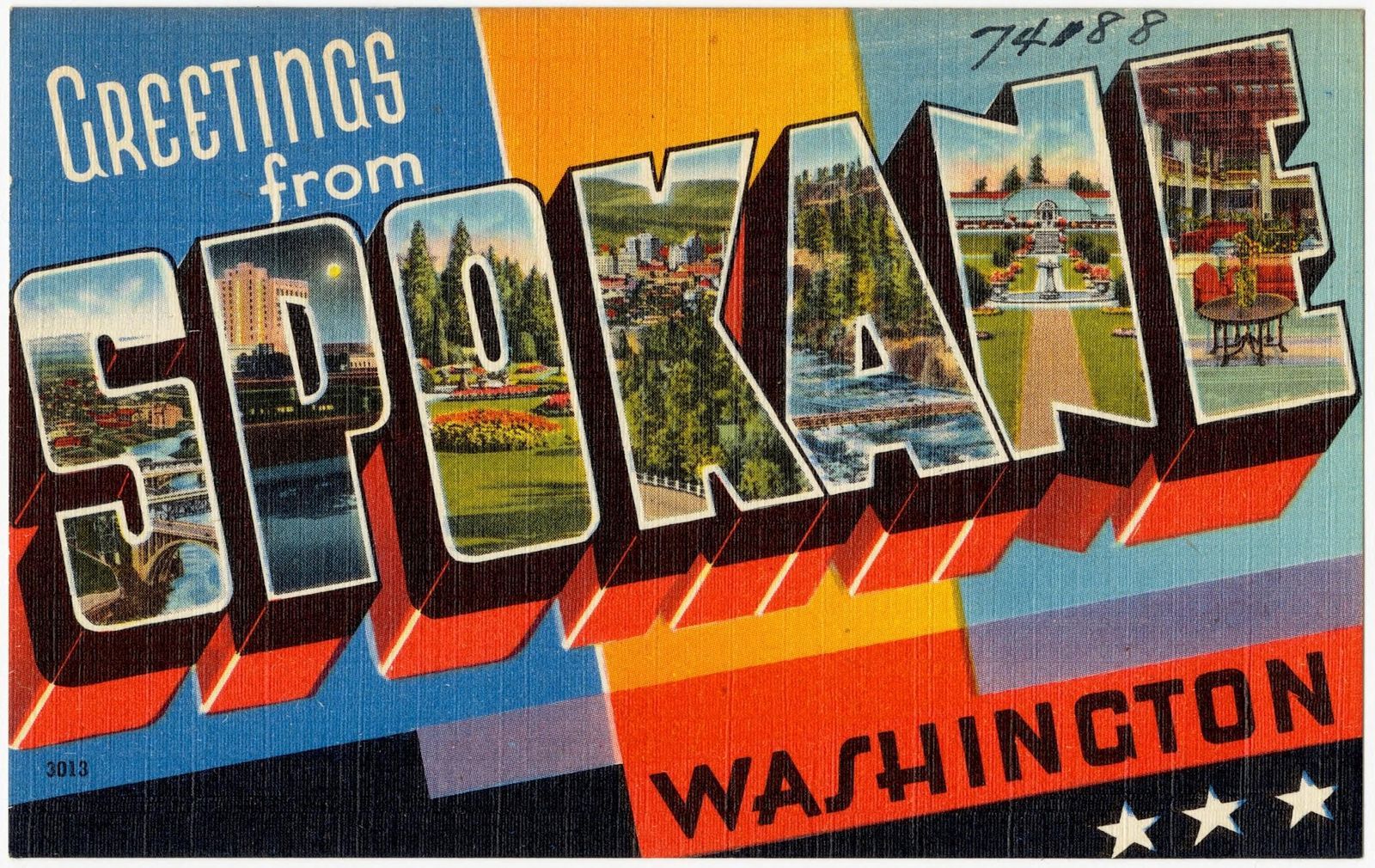
Located in eastern Washington, this vibrant Pacific Northwest city gets its name from the indigenous Spokane people, translating to "children of the sun".
The phonetic trap here lies right at the very end of the word. Because it ends in "ane", tourists almost universally read it with a long "A" sound, pronouncing it "Spo-CANE. But locals pronounce the final syllable with a short, flat "A", making it "Spo-CAN" (like a tin can).
Boise, Idaho
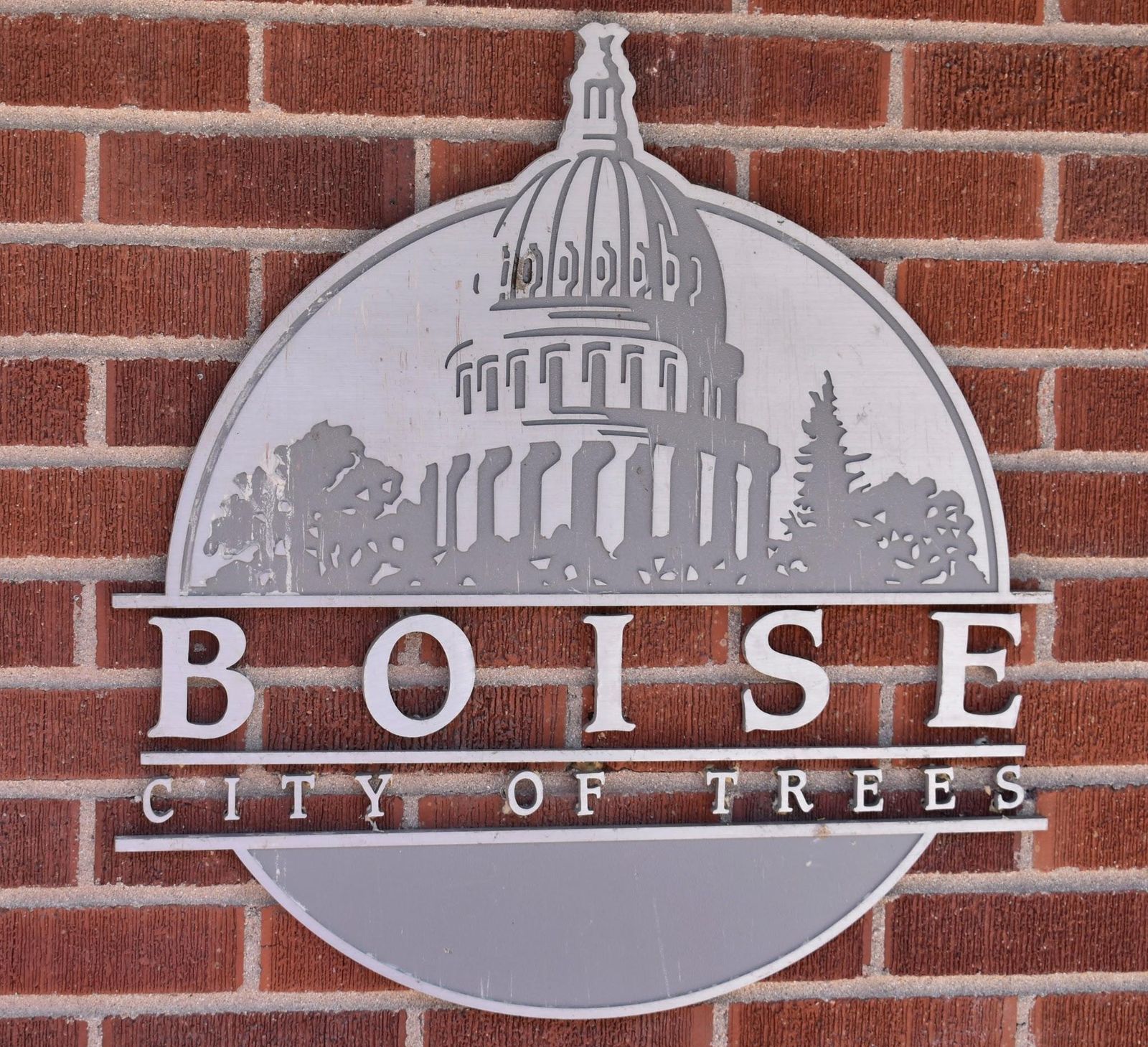
On paper, Idaho’s capital city seems straightforward. It is only five letters long, yet it is arguably one of the most mispronounced state capitals in the country.
Nearly everyone outside the Pacific Northwest inflects the middle consonant with a heavy "Z" sound, calling it "BOY-zee". If you want to blend in seamlessly with the locals, you need to soften that consonant into a crisp "S" sound. It’s "BOY-see".
Kissimmee, Florida
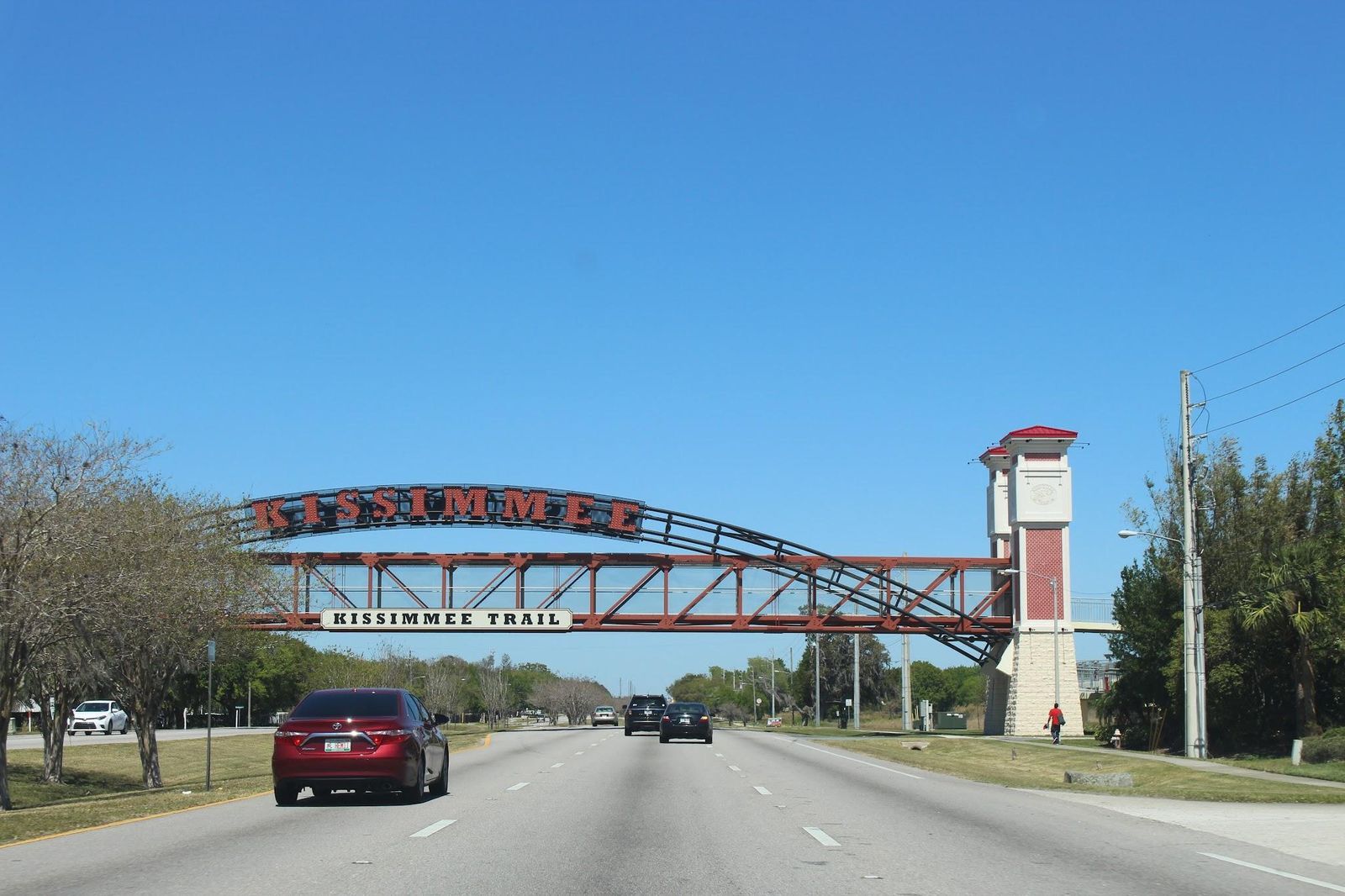
Located right next door to the massive tourism hub of Orlando and Walt Disney World, Kissimmee sees millions of international visitors pass through each year. And almost every single one of those visitors says it wrong.
Tourists instinctively put the stress on the very first syllable, making it sound like an invitation: "KISS-i-mee". The name, probably a modern spelling of a tribal word, can be traced back to the language of the Jororo people and means "long water." In turn, the proper, local pronunciation shifts the emphasis to the second syllable: "Kug-SIM-ee".
Patchogue, New York
Long Island, New York, is packed with complex place names left behind by the region’s original Native American inhabitants (think Ronkonkoma, Amagansett, or Massapequa). But Patchogue is the one that regularly stops travelers dead in their tracks.
Readers look at the "ogue" ending and panic, guessing everything from "Patch-o-gew" to "Pay-chog". The actual pronunciation is much more blunt: "PATCH-awg". Once you realize it rhymes with words like "dog" or "log," the fear of navigating Long Island’s highway signs disappears.
Wilkes-Barre, Pennsylvania
This historic northeastern Pennsylvania city was named in the 18th century to honor two distinct British politicians who supported the American colonies: John Wilkes and Isaac Barré. Because it combines two separate last names, the pronunciation has been a nuisance for decades.
The worst thing you can say is "Wilkes-BARE" as a single syllable. To say it correctly, you have to give Isaac Barré his due. Locals generally split into two acceptable options: the common "WILKS-berry" or the more traditional "WILKS-bar-uh". Both honor the two-syllable nature of the original names.
Helena, Montana
When people see the name of Montana’s capital city, their brains automatically map it to the classical European pronunciation: "He-LAY-nuh" or "He-LEE-nuh".
Yet, the founders of this frontier town had a much simpler cadence in mind. The city is named exactly like the woman’s name Helen, with an unstressed "schwa" sound added to the end. It is pronounced "HEL-i-nuh", with the emphasis landing on the very first syllable.
Norfolk, Virginia
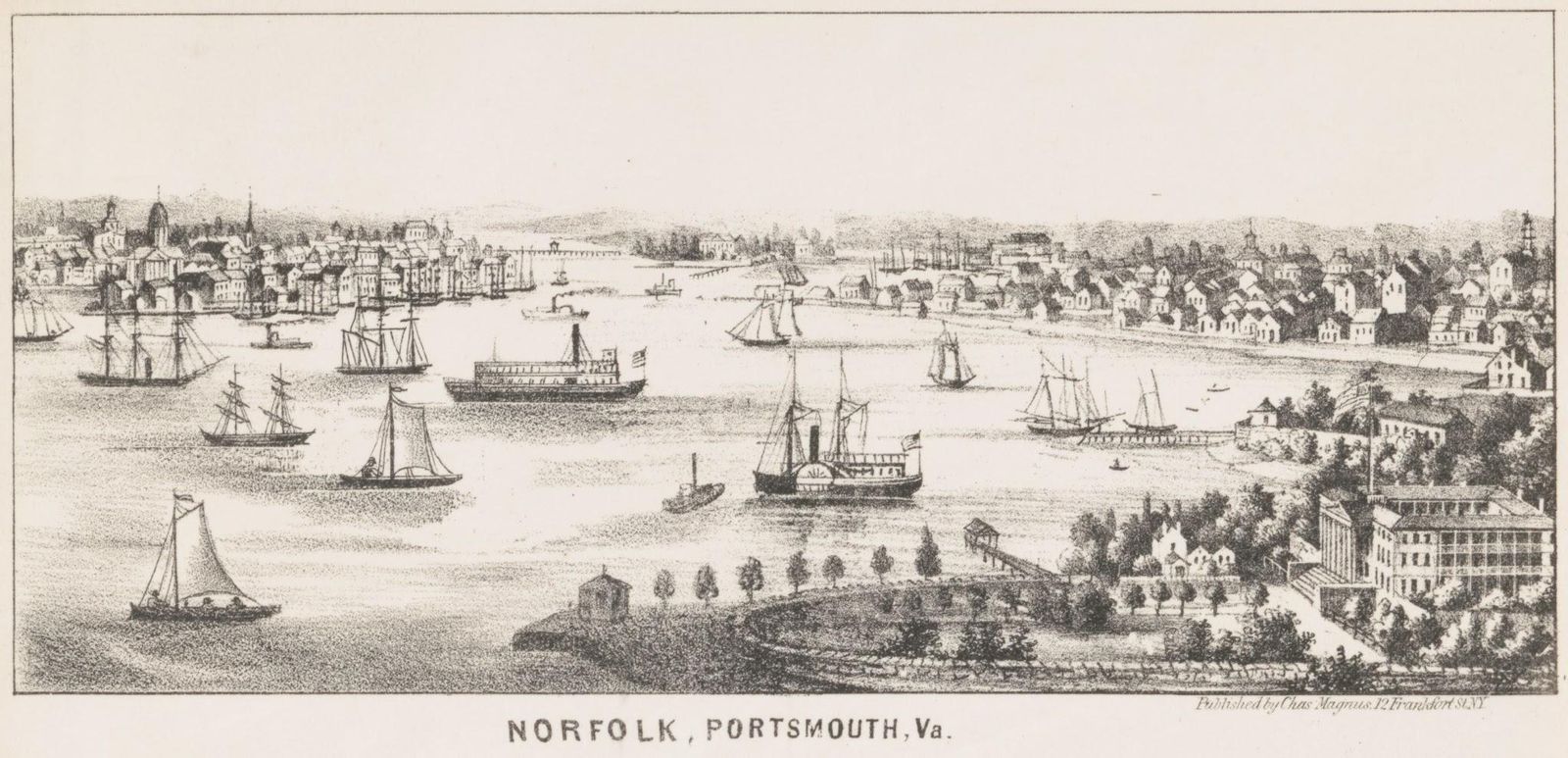
Norfolk is home to the world’s largest naval base, meaning thousands of sailors from across the globe arrive here every year. This massive influx of new residents creates a constant battle over how the city’s name should sound.
Phonetic readers will try to enunciate every letter, resulting in a stiff "Nor-FOLK". Locals, however, treat the "L" as if it doesn’t exist. Depending on how deep into the local accent you want to go, the accepted pronunciations range from a quick "NOR-fuk" to a very relaxed "NAW-fok".
Beaufort (NC) and Beaufort (SC)
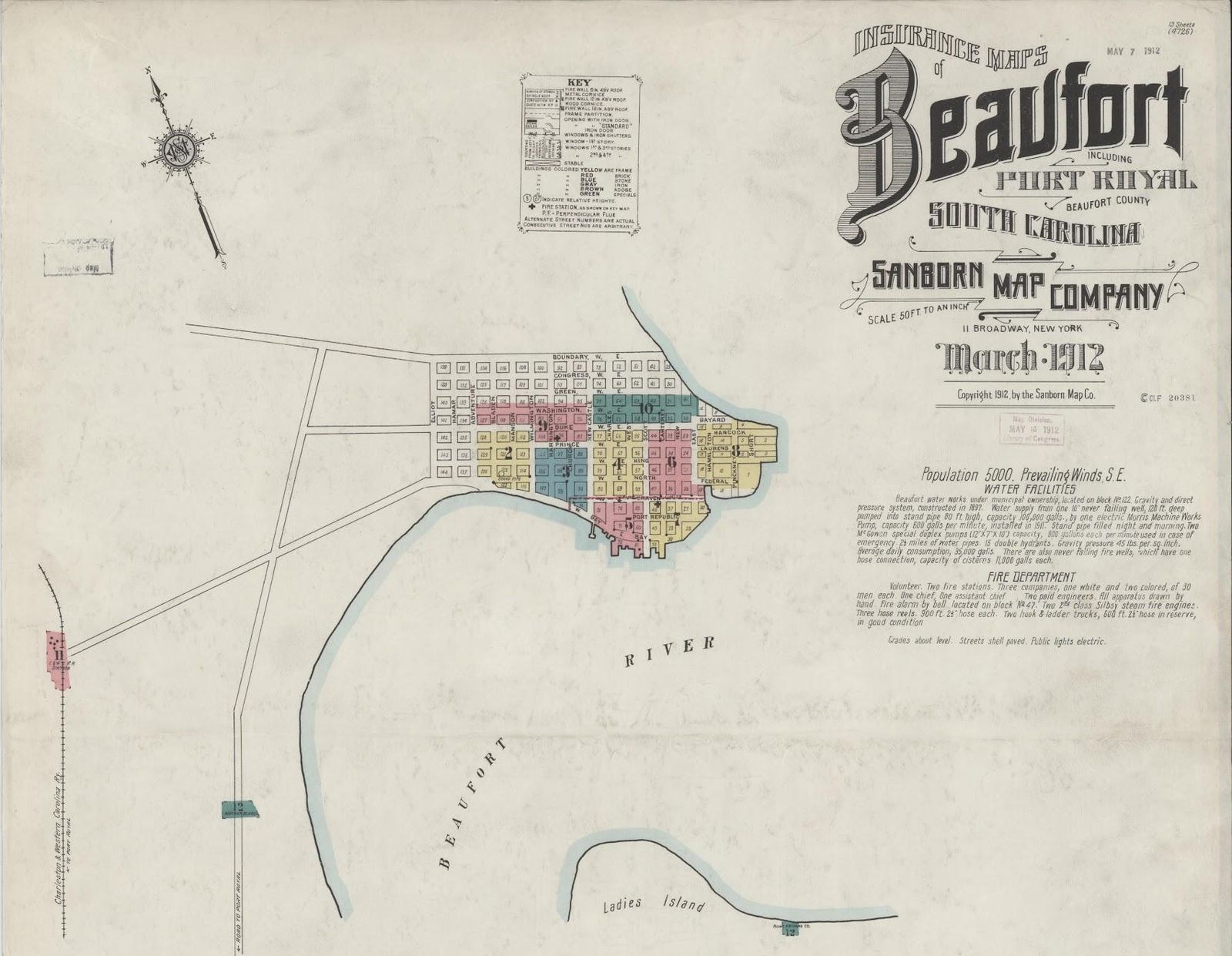
To wrap up our tour of geographical anomalies, we have an identical twin spelling trap located along the southeastern coast. There is a Beaufort in North Carolina and a Beaufort in South Carolina. They are spelled exactly the same way, but pronounced differently.
The difference comes down to accents: both towns were named after the British Duke of Beaufort. Yet, while Beaufort, South Carolina, is pronounced "BYOO-fort" (rhyming with beautiful), across the border, people in North Carolina pronounce it "BOW-fort".
Keep wandering
There’s always
more to explore
 Culture

Some of these state fairs have seriously weird attractions
5 min.
Read Now
A town called Chicken? Why are these 10 U.S. places named after food?
4 min.
Read Now

These 10 real places feel like stepping into famous paintings
5 min.
Read Now
Behind the front desk: Hotel secrets that will change how you check in
5 min.
Read Now