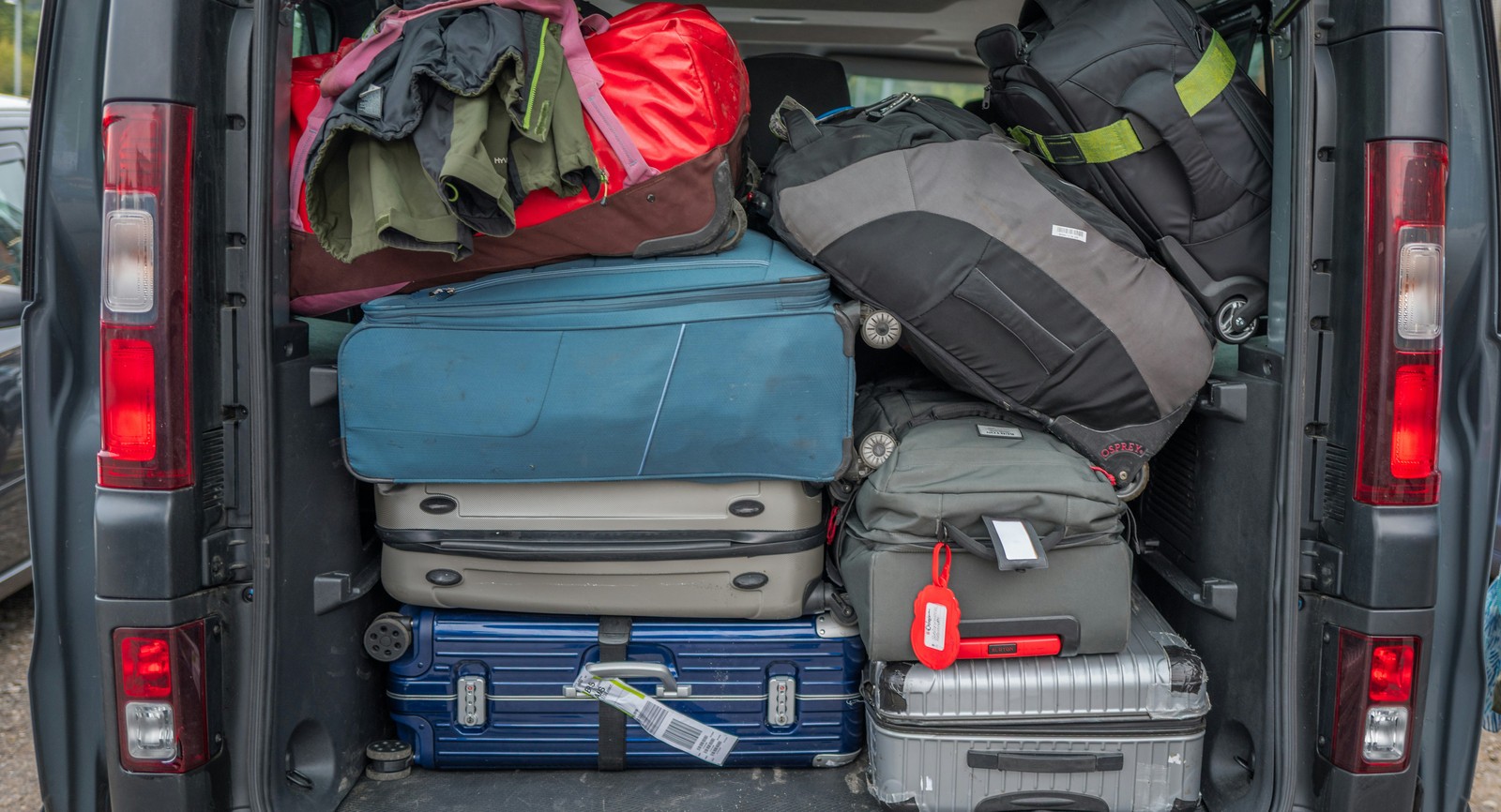
I wish I had known these tips before packing luggage for a long road trip
 General
Pack smart!
I wish I had known these tips before packing luggage for a long road trip
A long American road trip is a special kind of adventure, we all know that. From scenic highways to small-town diners, the journey is full of stories and memorable moments. But packing wisely can make those moments far more comfortable and less stressful. A little planning before you leave home can prevent constant rearranging later. Take a look at these 12 tips. Have you ever tried any of these?
Pack by zones, not just by person
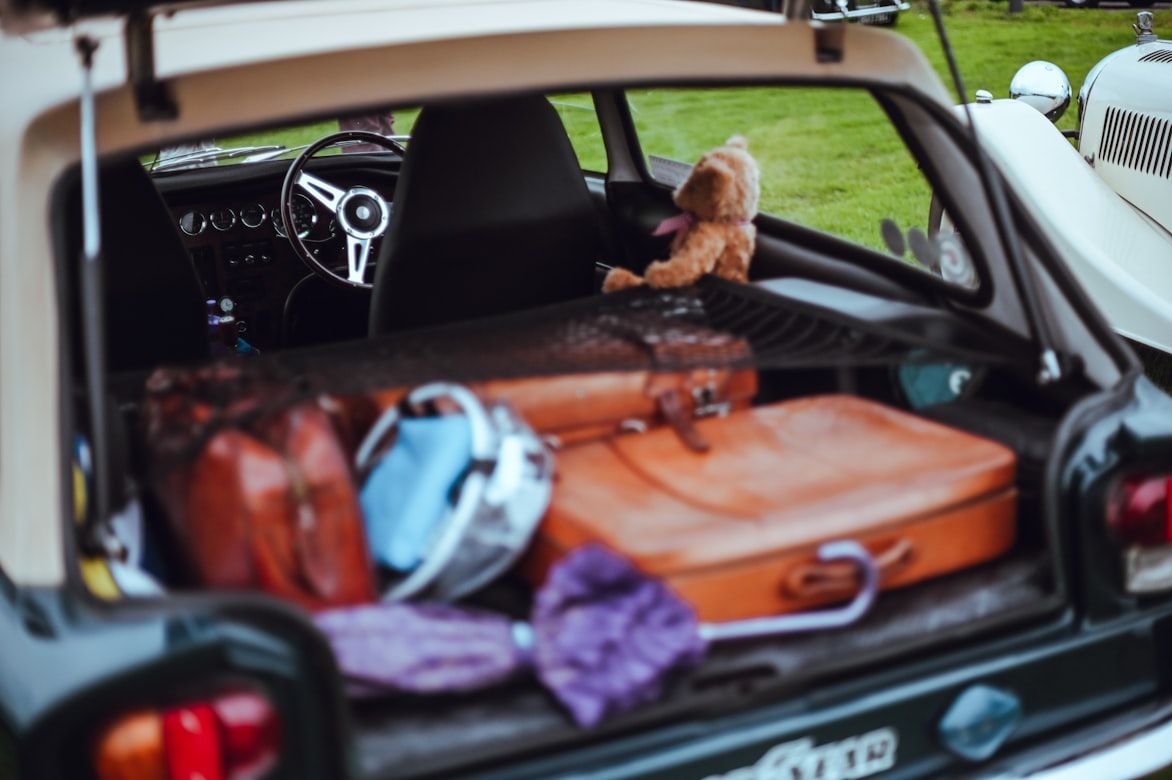
Instead of assigning one suitcase per traveler, think in practical "zones." Keep a small front-seat bag with snacks, medications, glasses, chargers, and travel documents within easy reach during the drive.
Store bulkier luggage in the trunk and group similar items together. This prevents repeated unpacking at rest stops and saves time when you need something quickly.
Use soft-sided bags
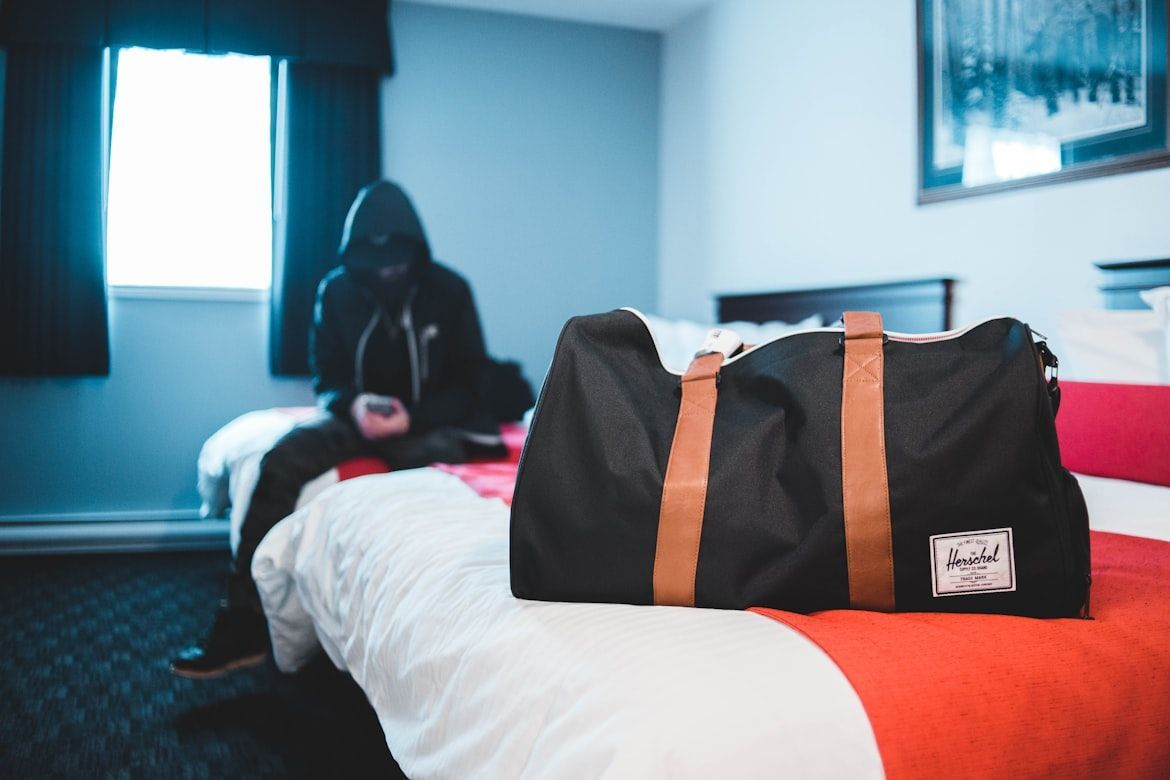
Soft duffel bags or flexible luggage fit more easily into a packed trunk than rigid suitcases. They slide into corners and around coolers, tool kits, or folding chairs.
Hard-shell cases are useful for flights, but road trips reward flexibility. Softer bags also reduce shifting and rattling during turns or braking.
Keep a dedicated overnight bag
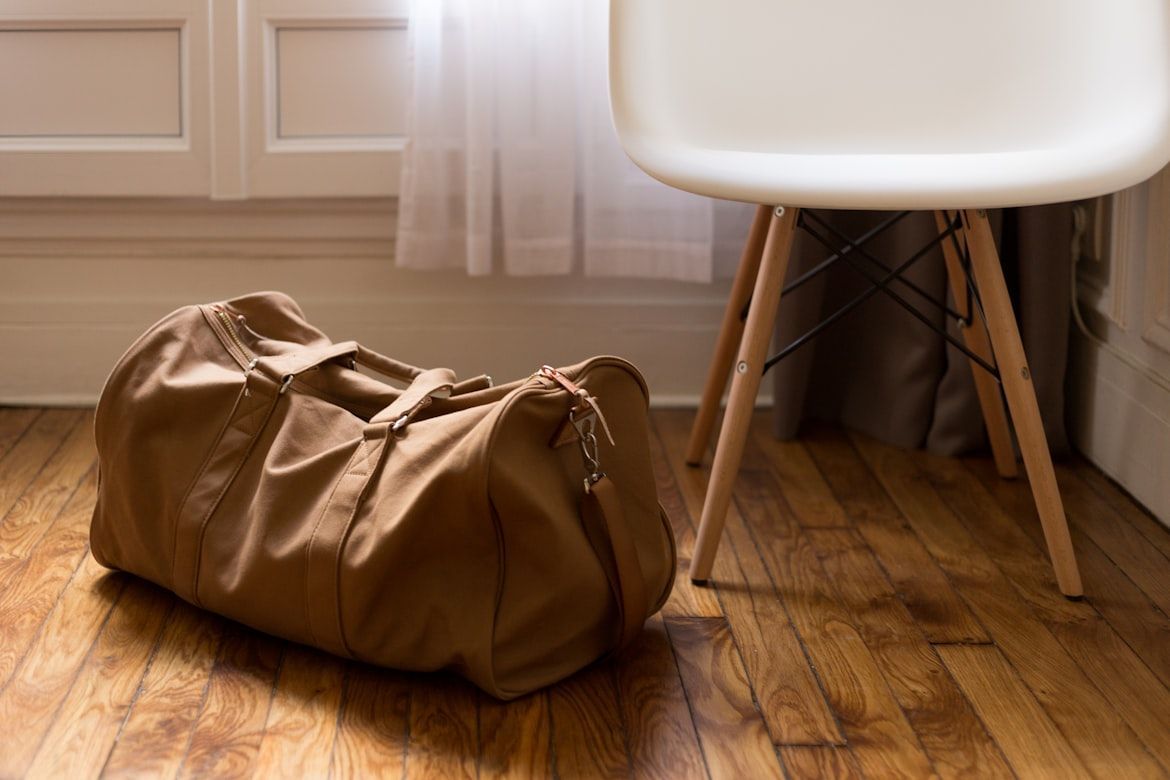
Prepare a compact overnight bag for hotel stops that includes pajamas, toiletries, medications, and a fresh change of clothes for the next day.
This way, you won’t need to unload the entire trunk each evening. After hours on the road, carrying just one small bag feels much easier.
Roll clothes and pack layers
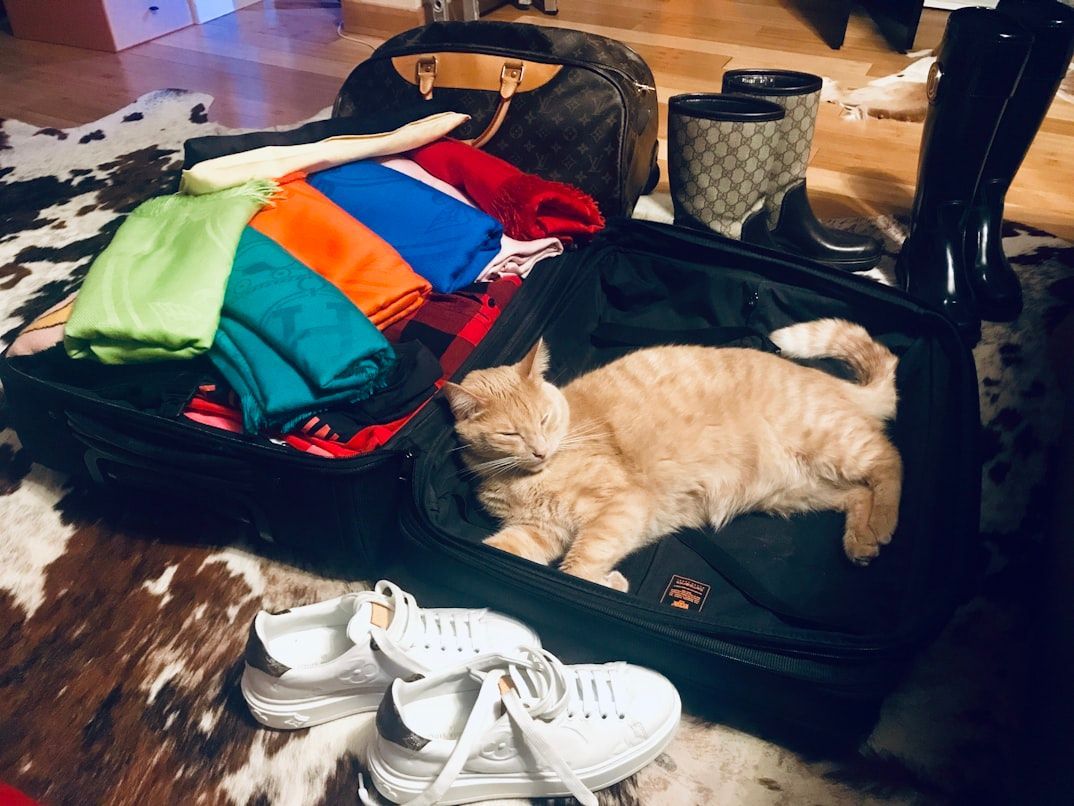
Rolling clothes instead of folding them helps reduce wrinkles and frees up valuable space. It also allows you to see your items at a glance. Place heavier garments, like jeans, at the bottom and lighter shirts on top.
Temperatures can vary widely between regions, so lightweight layers offer greater flexibility. A sweater, a light jacket, and a rain shell can usually handle most conditions without taking up too much room.
Store medications separately
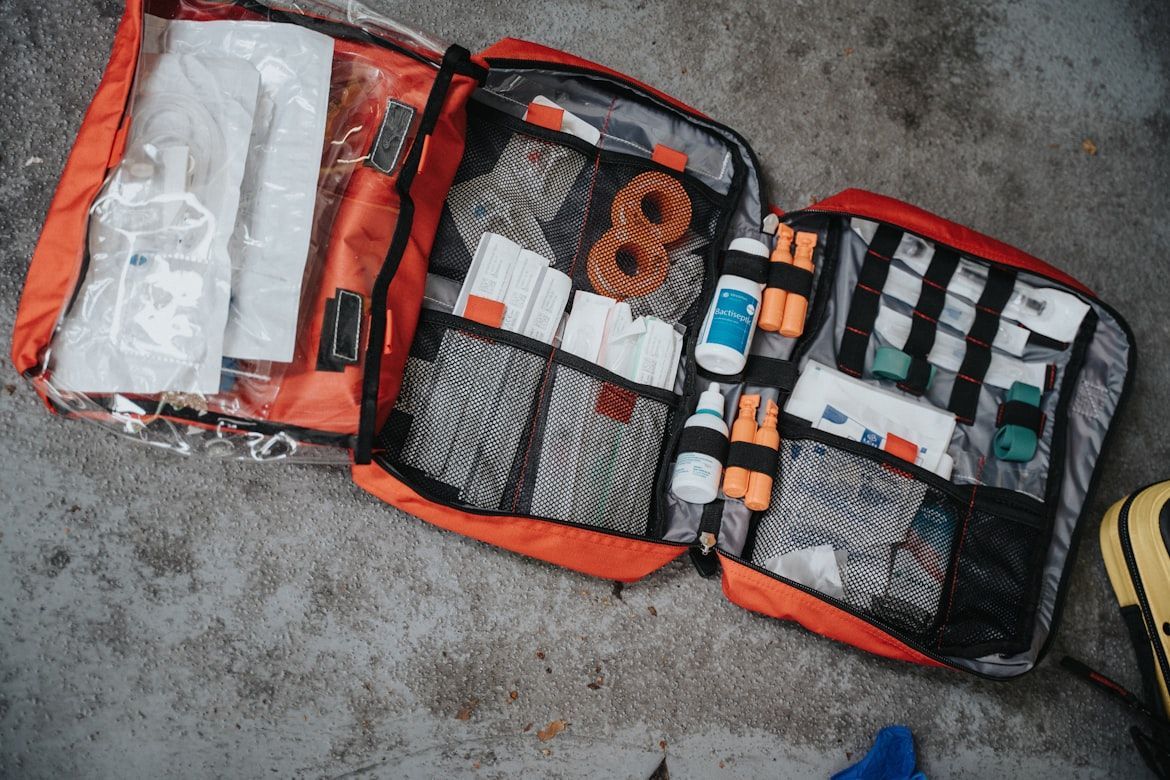
Keep all medications in a clearly labeled pouch that stays within reach in the car. Never bury important prescriptions inside larger suitcases.
Bring a small extra supply in case of delays. Carrying a printed list of your medication can also be helpful if refills are needed during your trip.
Use clear toiletry bags
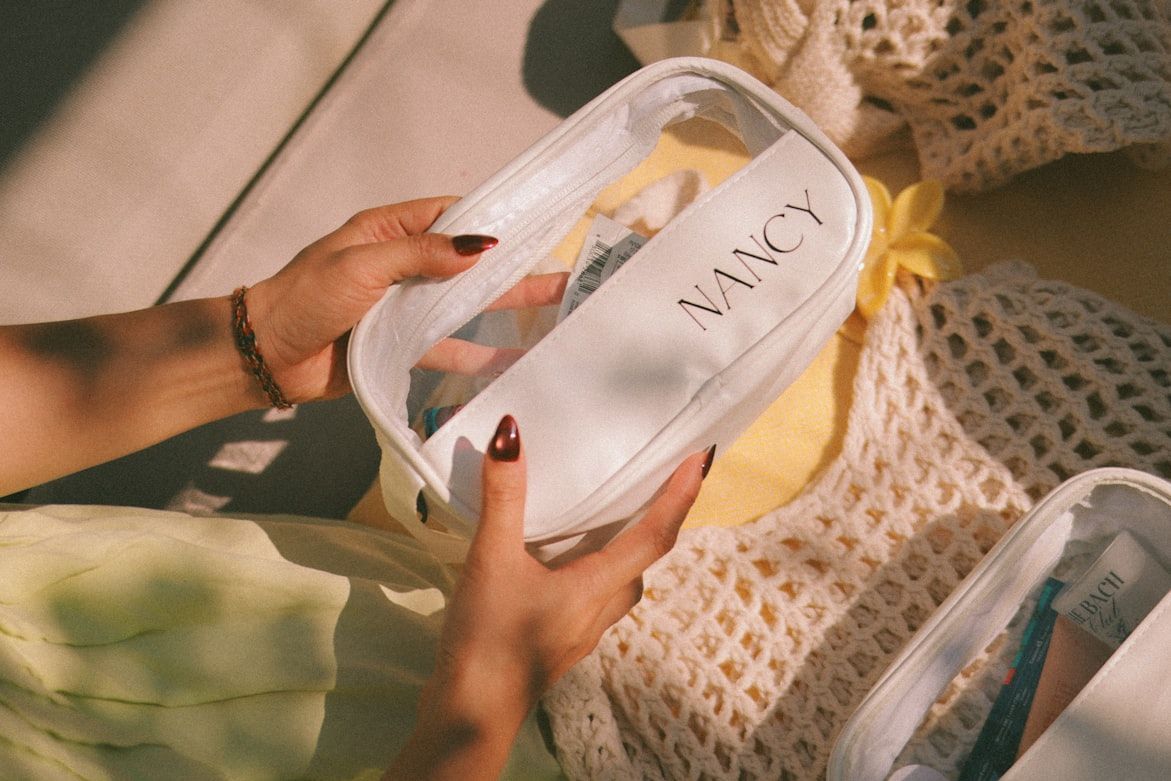
Transparent toiletry pouches make it easier to find what you need in small hotel bathrooms. They also help you spot leaks quickly.
Seal liquids tightly and place them inside zip-top bags. Adding a small towel to the pouch can help absorb spills before they spread.
Keep important papers together
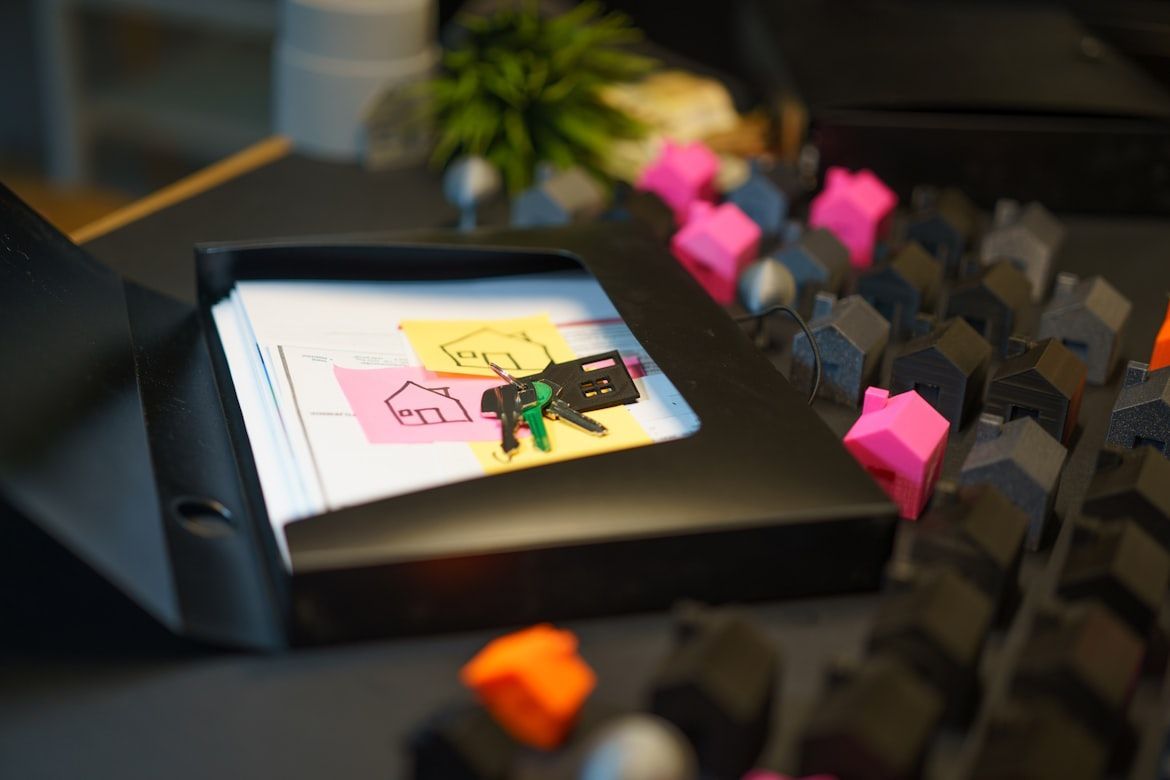
Store maps, hotel confirmations, insurance details, and identification in one sturdy folder or organizer. Paper backups remain useful, even in a digital age.
Keep this folder near the front of the car for quick access. Searching through packed luggage during check-in can be frustrating.
Limit shoes thoughtfully
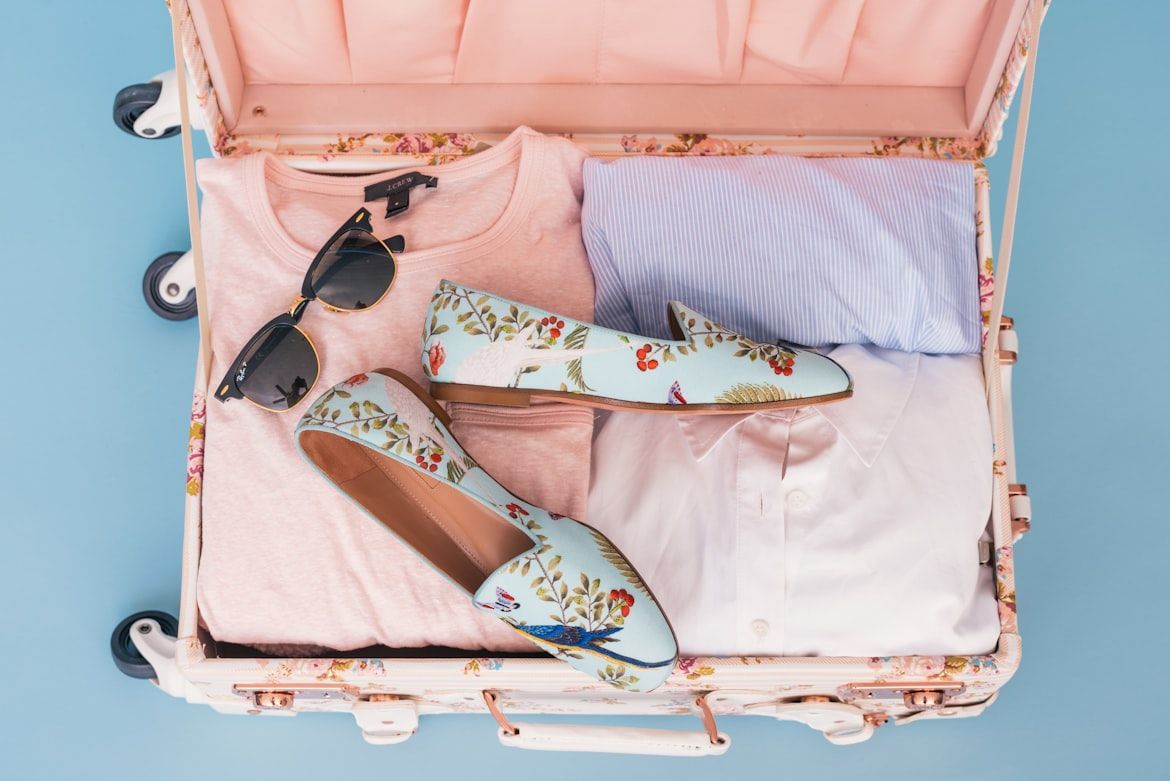
Shoes take up significant luggage space, so choose versatile pairs that match multiple outfits and activities. Comfort should guide your choices.
Wear your bulkiest pair while driving and pack lighter shoes in your bag. Slip-on styles are especially convenient for rest stops.
Separate dirty laundry early

Bring a lightweight laundry bag to keep worn clothes separate from clean items. Mixing them quickly creates confusion and clutter.
On longer trips, you may find hotel laundry rooms or local laundromats, which allows you to pack fewer clothes overall.
Organize electronic cords
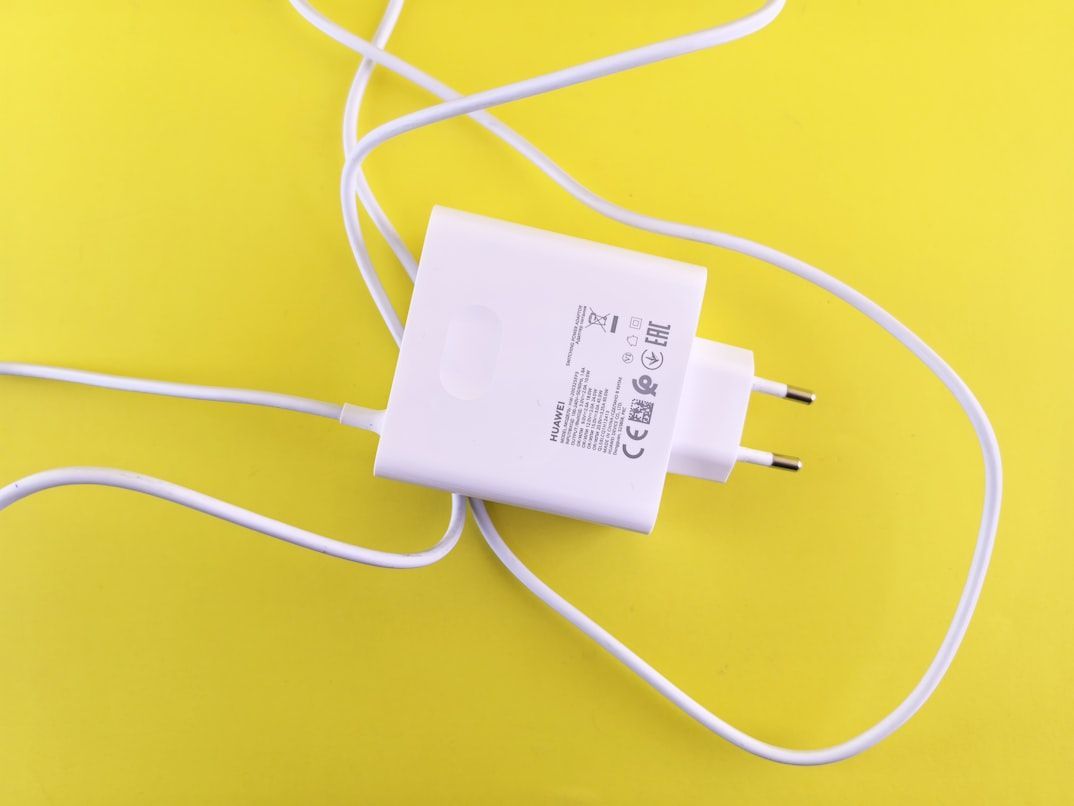
Use small pouches, zip bags, or elastic bands to prevent charging cables from tangling together in your luggage. Labeling them helps, too.
Keep a car charger adapter in the console so phones and GPS devices stay powered. A dead battery can disrupt travel plans.
Balance weight in the trunk
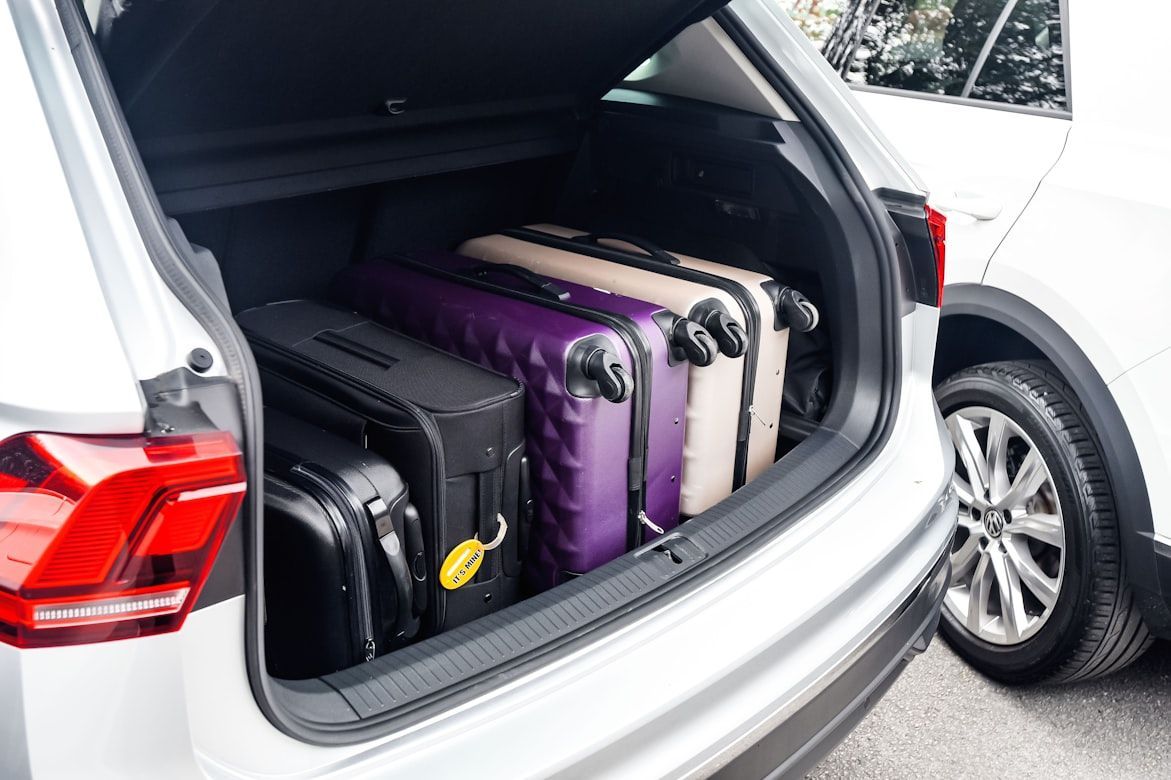
Distribute heavy items evenly across the trunk floor to maintain stable handling, especially on winding highways or uneven roads.
Place the heaviest bags closer to the back seats and lighter ones on top. Avoid stacking items too high to preserve rear visibility.
Leave a little extra space
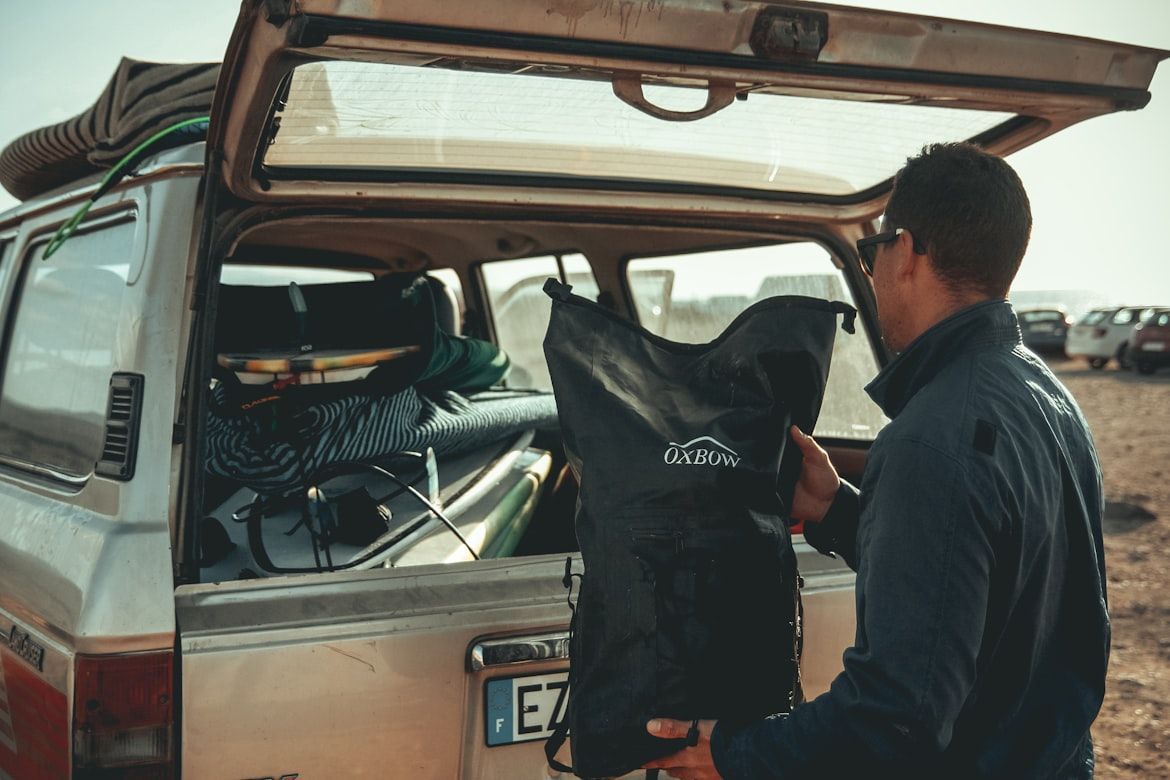
Resist filling the trunk completely before departure. Souvenirs, local treats, and small purchases tend to accumulate during long journeys.
A bit of extra room also makes daily repacking easier. On extended road trips, convenience matters more than squeezing in one extra outfit.
You probably stopped doing these wonderful travel traditions
These old-school travel habits are worth reviving today
Forgotten travel traditions that deserve a comeback
Travel used to involve a lot more effort and a lot less Wi-Fi. We've gained convenience and lost some charm along the way—that's just how progress works. But honestly? A few of those old habits weren't half bad. Here are ten vintage travel traditions worth dusting off and trying again, even in our hyperconnected world.
Sending postcards to yourself
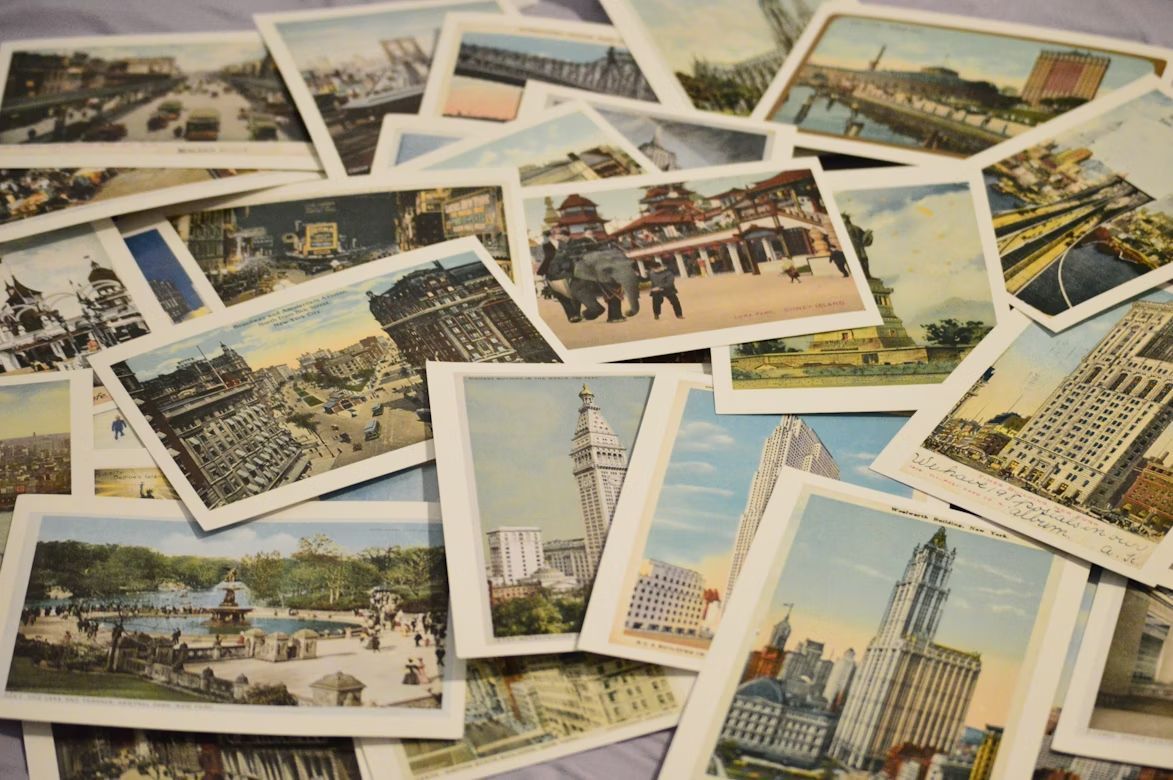 Image: Becky Phan
Before smartphones turned us all into amateur photographers, travelers would mail postcards to their own address as souvenirs. You'd pick the cheesiest, most touristy card you could find, scribble a few notes about your day, and drop it in a mailbox.
The magic happened weeks later when you'd forgotten all about it. That postcard would arrive in your regular mail like a little time capsule from your trip.
Dressing up for flights
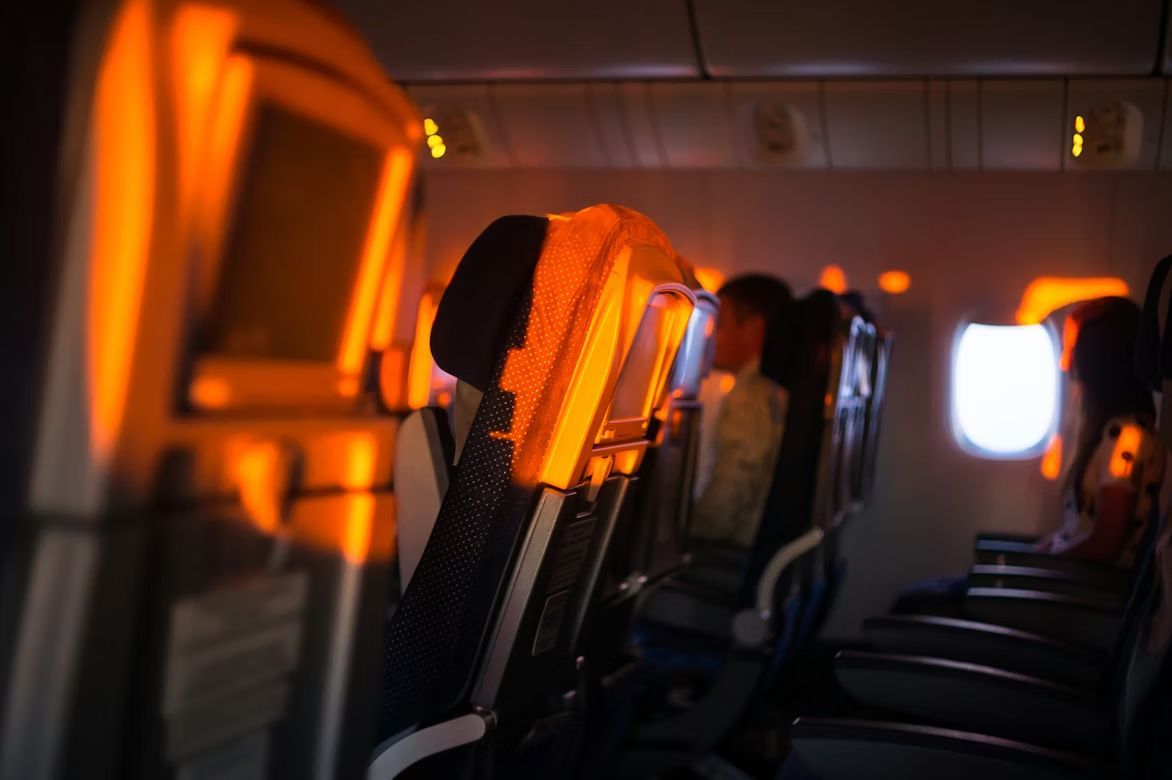 Image: Aleksei Zaitcev
Flying used to be an occasion. People wore their Sunday best just to sit in coach and eat peanuts. Men donned suits and ties, women wore dresses and heels—the whole nine yards.
Sure, nobody's suggesting we go back to wearing pantyhose on a red-eye to Phoenix. But there's something to be said for putting in a little effort.
Writing in travel journals
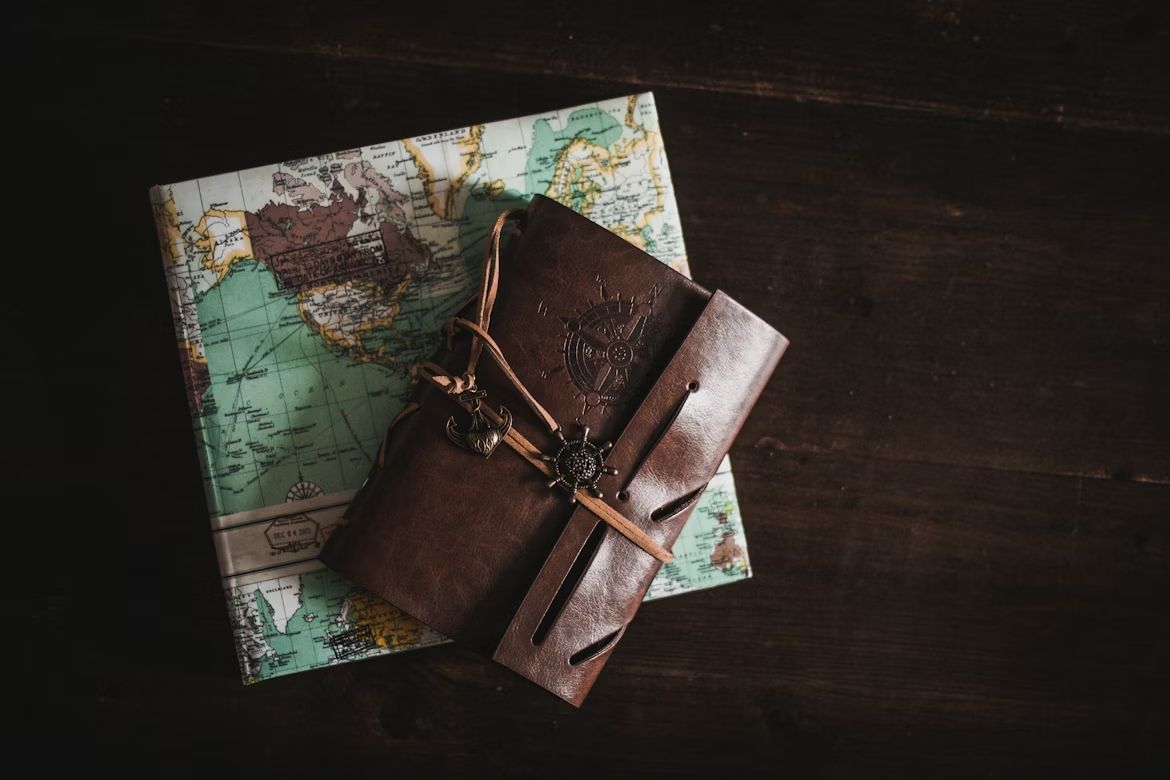 Image: Kira auf der Heide
We used to actually write things down during trips—not just take 500 photos we'll never look at again. A small notebook would capture the funny waiter's name, that weird thing you ate, or the locals' recommendation that wasn't on TripAdvisor.
These journals became treasures later: the name of that street musician in New Orleans, the joke your travel buddy told at dinner, the way the coffee tasted that perfect morning—all preserved in your own handwriting, typos and all.
Visiting tourist information centers
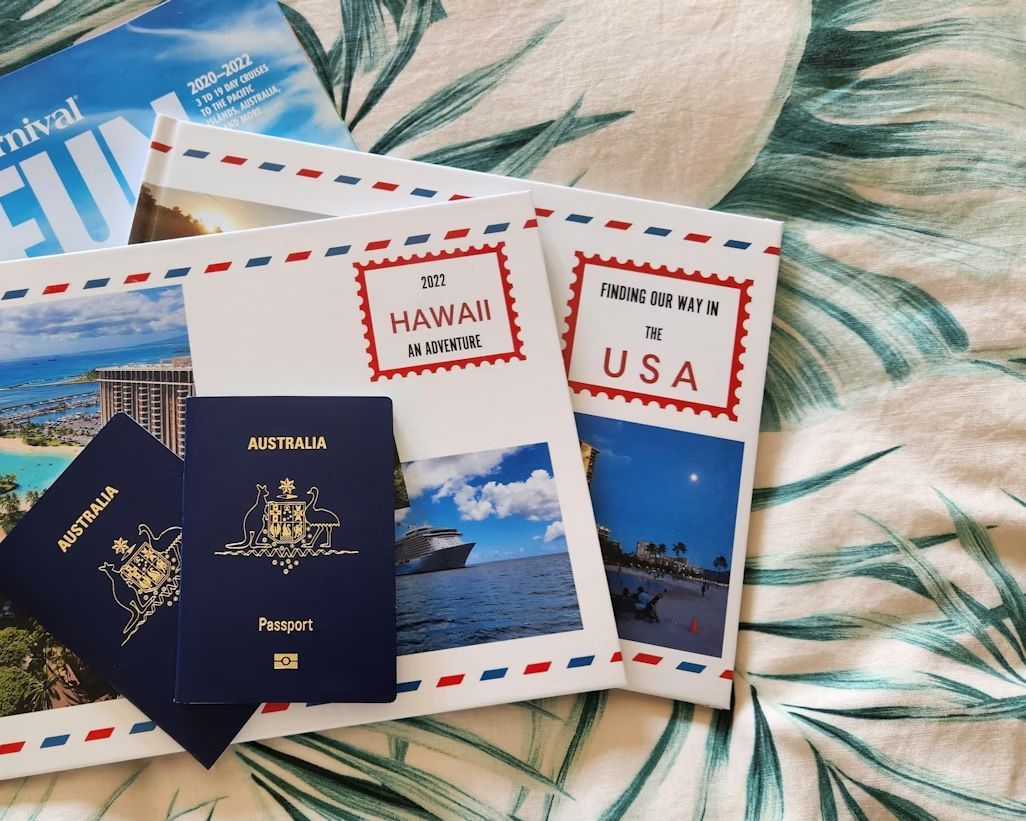 Image: Nico Smit
Remember those little buildings at highway rest stops and town entrances? Actual humans would hand you paper maps and tell you about the best local restaurants. They knew which attractions were worth your time and which were tourist traps.
Now we trust our phones to navigate everything, and half the time we end up at a closed restaurant or following some algorithm's idea of "highly rated." Those tourist center folks actually lived there. They had opinions, stories, and bathroom keys.
Bringing back souvenirs for neighbors
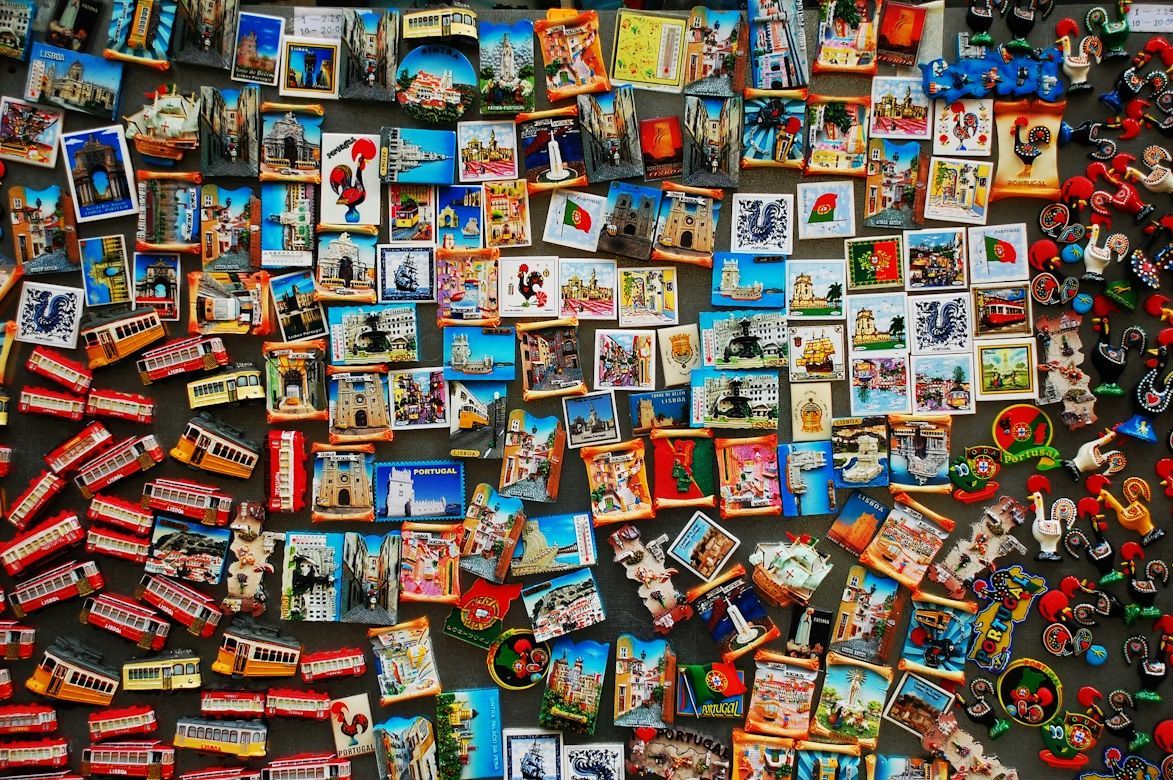 Image: Sunguk Kim
There was a time when you'd bring back little gifts for everyone—the neighbors who collected your mail, your coworkers, even your hairdresser. Nothing fancy, just local chocolates, keychains, or those little spoons with state names on them.
It wasn't about the stuff itself. It was about sharing your experience and saying thanks to the people who made your trip possible.
Taking the scenic route on purpose
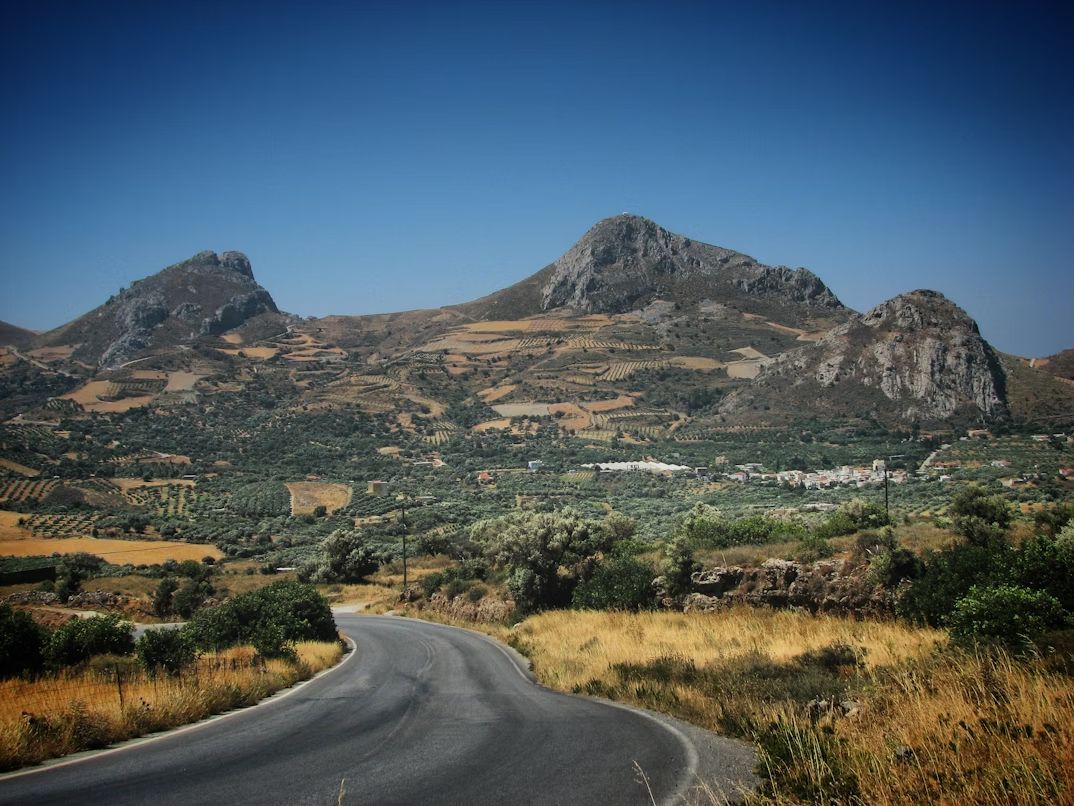 Image: Sergei Gussev
Before GPS optimized every drive, getting somewhere was half the adventure. You'd deliberately take the long way, following those "Scenic Route" signs just to see where they led. Sometimes you'd discover amazing roadside diners or quirky attractions.
The whole point was seeing things, not just arriving efficiently. You were already on vacation the minute you left the driveway.
Chatting with strangers at rest stops
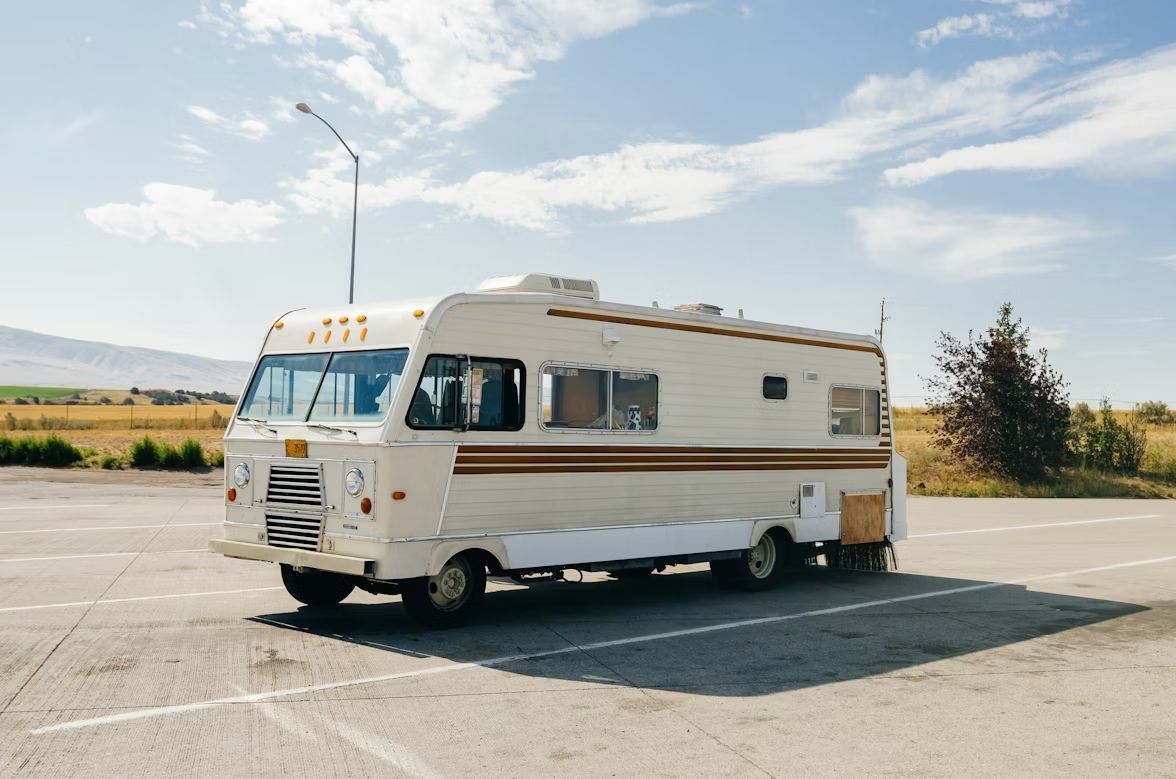 Image: Steven Weeks
Rest stops used to be social events. People would strike up conversations while stretching their legs, compare notes about traffic, and swap recommendations.
Now everyone just stares at their phones in the parking lot, missing out on those random human connections that made road trips memorable. Some of the best travel tips came from a chatty stranger who pulled up next to you at a rest area in Kansas.
Keeping travel scrapbooks
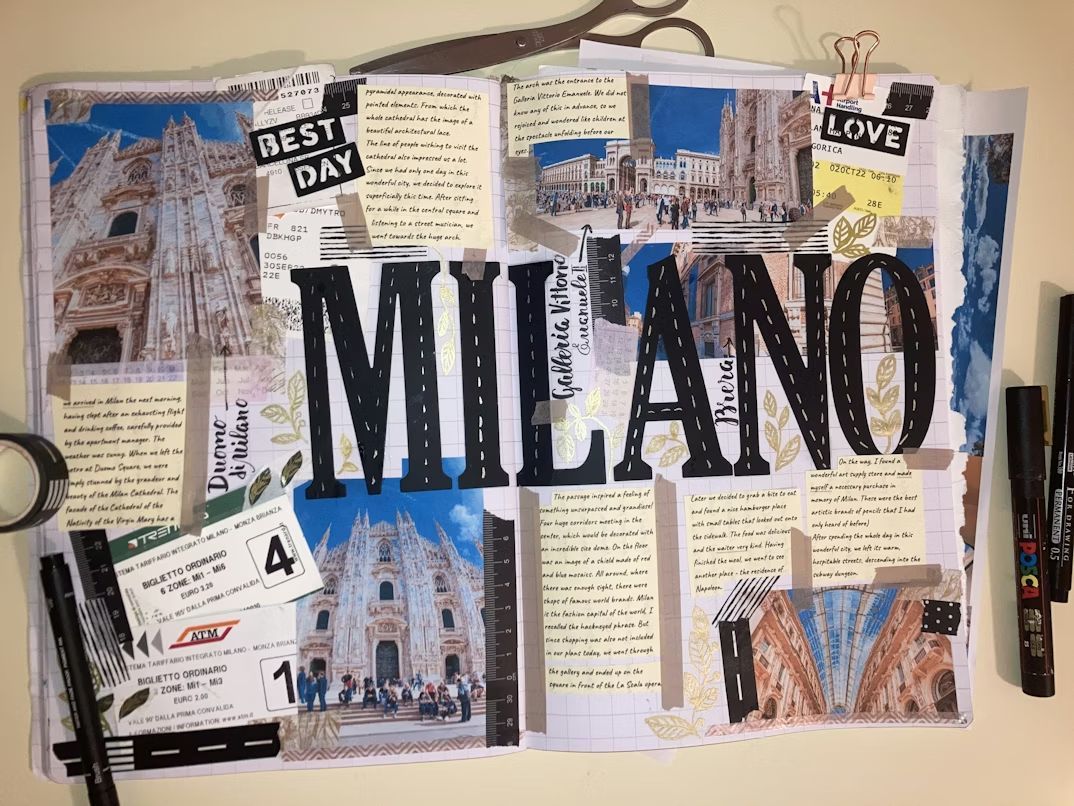 Image: Elena Mozhvilo
After trips, people would spend evenings cutting, pasting, and arranging their photos in actual albums with handwritten captions. You'd include ticket stubs, brochures, pressed flowers—whatever captured the moment. It was crafty and time-consuming, but kind of therapeutic.
These scrapbooks became family heirlooms that actually got looked at, unlike the 10,000 digital photos buried in your cloud storage.
Planning with paper maps
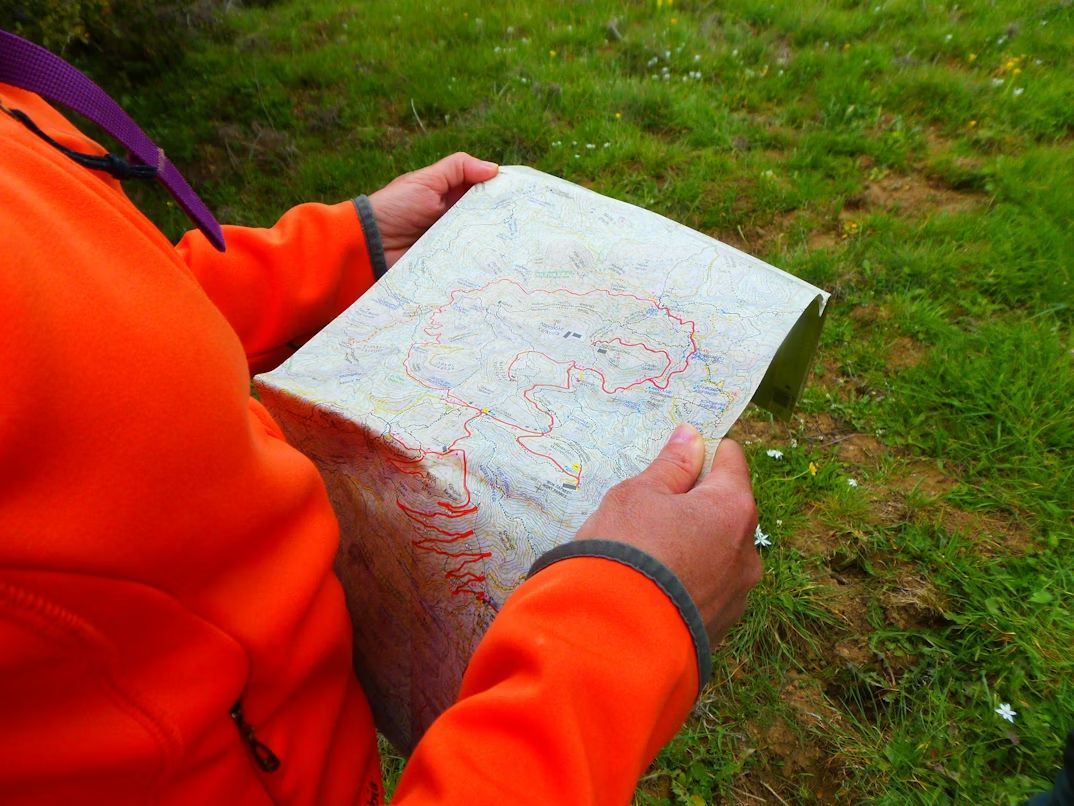 Image: Feri & Tasos
Unfolding a massive map on the hotel bed and tracing your route with a highlighter was part of the adventure. You'd circle attractions, estimate driving times, and discover interesting towns you'd never heard of just because they were along the way.
Sure, GPS is more accurate and doesn't require origami skills to refold. But studying a map gave you a sense of where you actually were in the world, not just blindly following turn-by-turn directions.
Taking film to be developed after trips
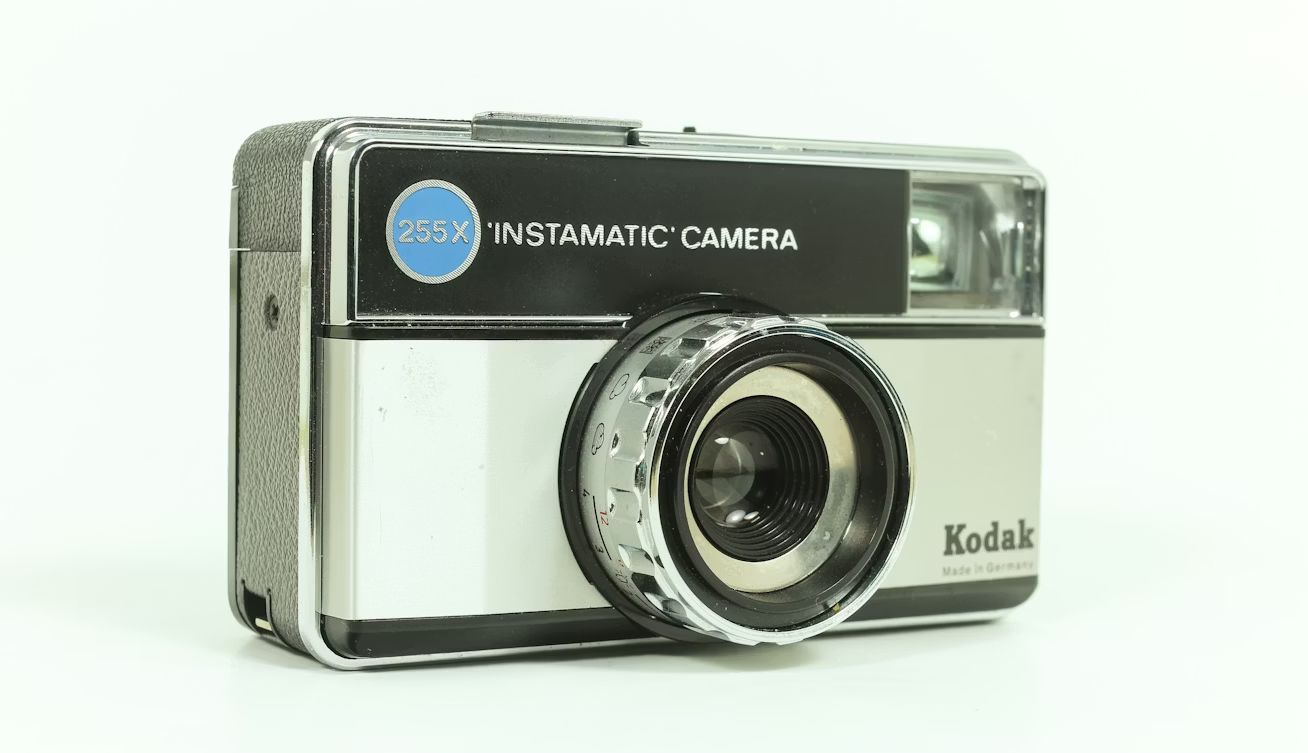 Image: Thomas Verleene
The anticipation of picking up your photos from the drugstore was almost as fun as the trip itself. You'd drop off the film and spend a week wondering if your shots turned out. Sometimes you'd discover you'd accidentally taken 12 photos of your thumb.
That delayed gratification made you appreciate the good photos more. Plus, you actually had to be selective about what you photographed because film cost money.
Keep wandering
There’s always
more to explore
Why are hard landings sometimes the perfect landings?
6 min.
Read Now
 History
Was Moby-Dick a real whale? These marine stories have real backgrounds
6 min.
Read Now

What passengers never see after midnight on a cruise ship
4 min.
Read Now
These 10 mysteries were solved. So why do we still believe them?
6 min.
Read Now