What these landmarks used to look like may surprise you
 Geography
Titles/subj lines to change:
Most people don't know how much these landmarks have evolved over time
To
From Stonehenge to the Parthenon, these landmarks looked much different back in the day
This last one doesn’t fit the 73-character limit; I could change it to:
"From Stonehenge to the Parthenon, these spots once looked much different" (72 ch)
What do you think?
Stories of icons
What these landmarks used to look like may surprise you
We know that the Statue of Liberty wasn’t always turquoise green; it was originally copper colored, but the salt and air naturally oxidized it. But did you know that the Eiffel Tower wasn’t originally gray, either? Have you ever seen a photo of the marsh that once surrounded Lincoln’s Memorial? Let’s explore what some world-famous landmarks used to look like —and see if we would recognize them.
Statue of Liberty, New York, US
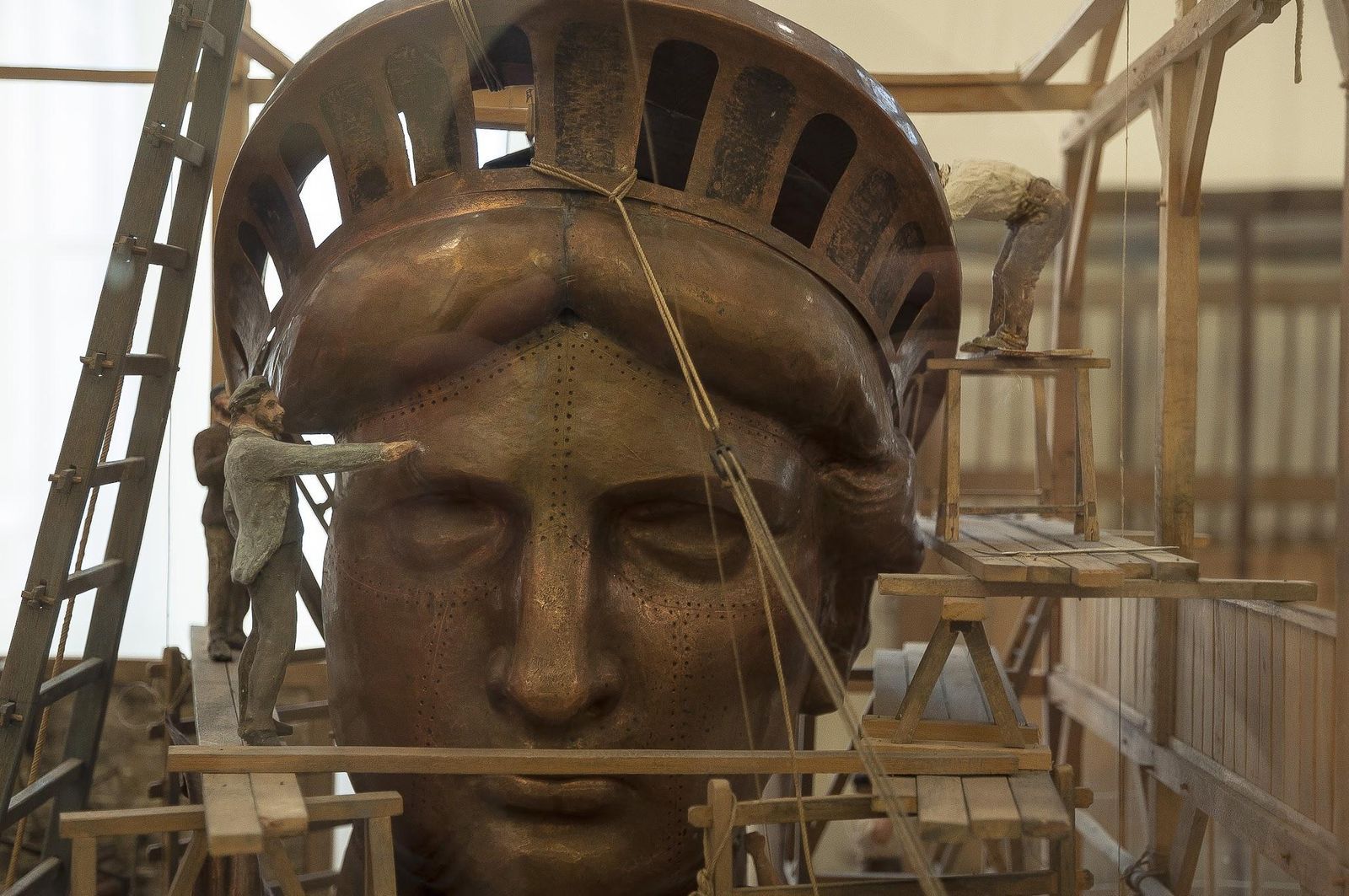
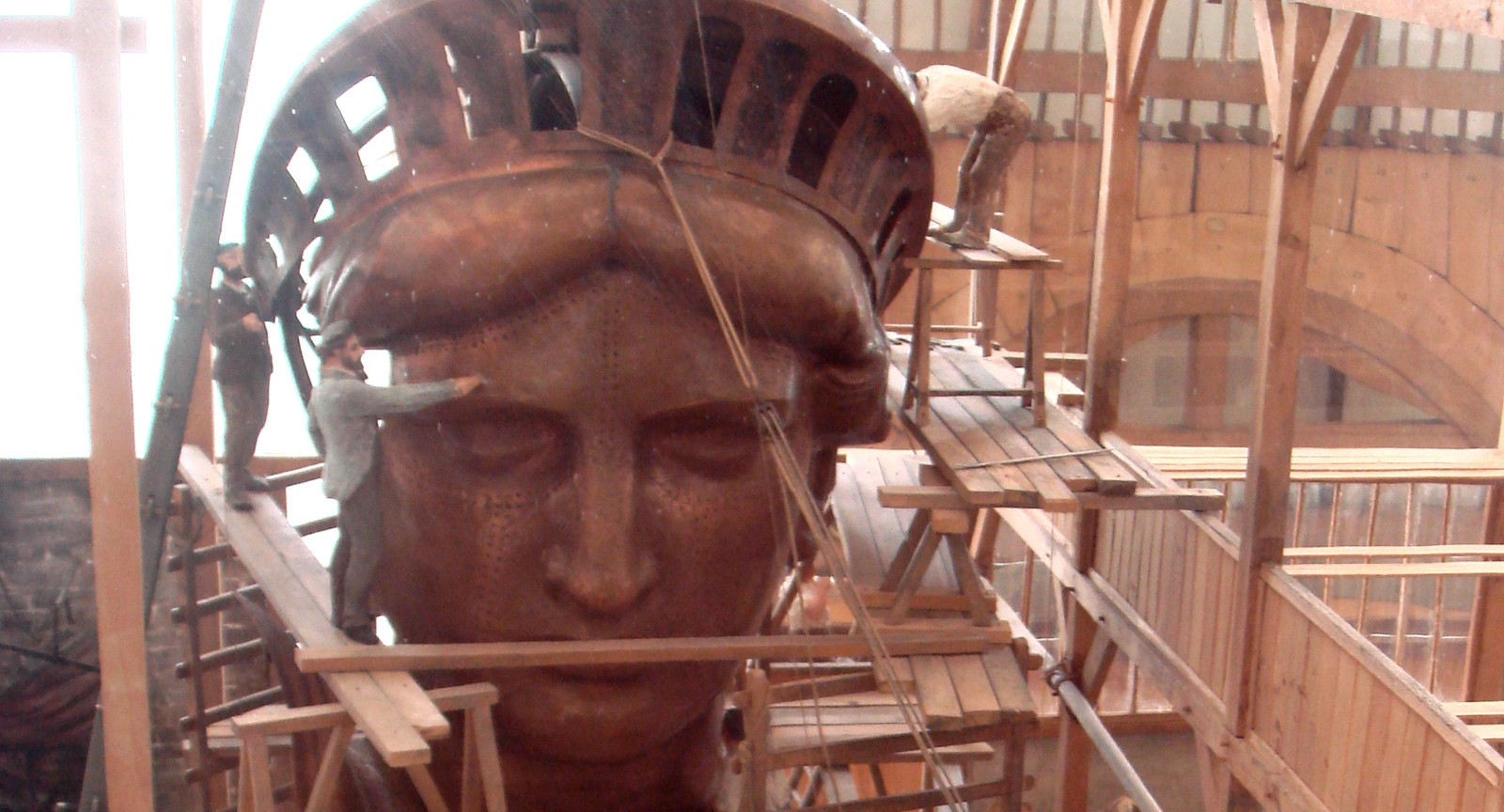
When Lady Liberty was unveiled in New York Harbor on October 28, 1886, she wasn’t the sea-green icon we know today. She was the color of a brand-new penny. It took nearly 30 years of exposure to salt air, ocean spray, and coastal weather to transform her copper skin into the blue-green patina that eventually became her signature.
By 1906, the discoloration had become noticeable enough that Congress actually debated repainting her. The sculptor himself, Frédéric Bartholdi, had expected the copper to darken to a deep reddish-brown, not green. He never saw the version the world now considers iconic.
Hollywood Sign, Los Angeles, US
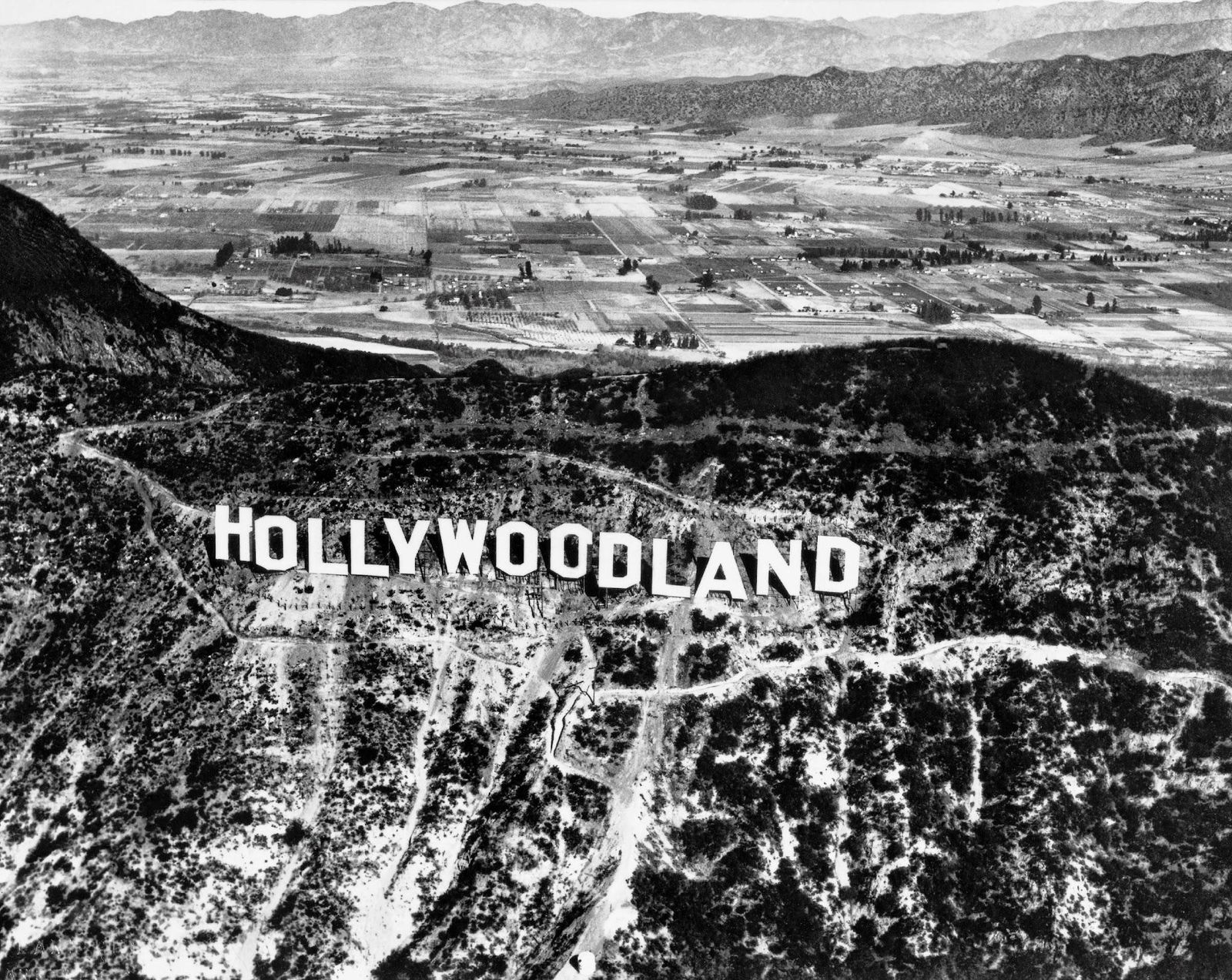
The most famous sign in the world was never supposed to be permanent, nor as meaningful as it has become. When it went up on the slope of Mount Lee in 1923, it was a billboard which read "HOLLYWOODLAND," commissioned to advertise the real estate development "on the Hollywood side of the hills." The broader neighborhood was already called Hollywood, but "Hollywoodland" was its branding name.
In the end, it outlasted the development itself. Locals had gotten so used to the view of the popular sign that in 1944, it was purchased by the City of Los Angeles. In 1949, the Hollywood Chamber of Commerce agreed to restore it, on one condition: to cut costs, the last four letters, "LAND," had to go.
Mount Rushmore, South Dakota, US
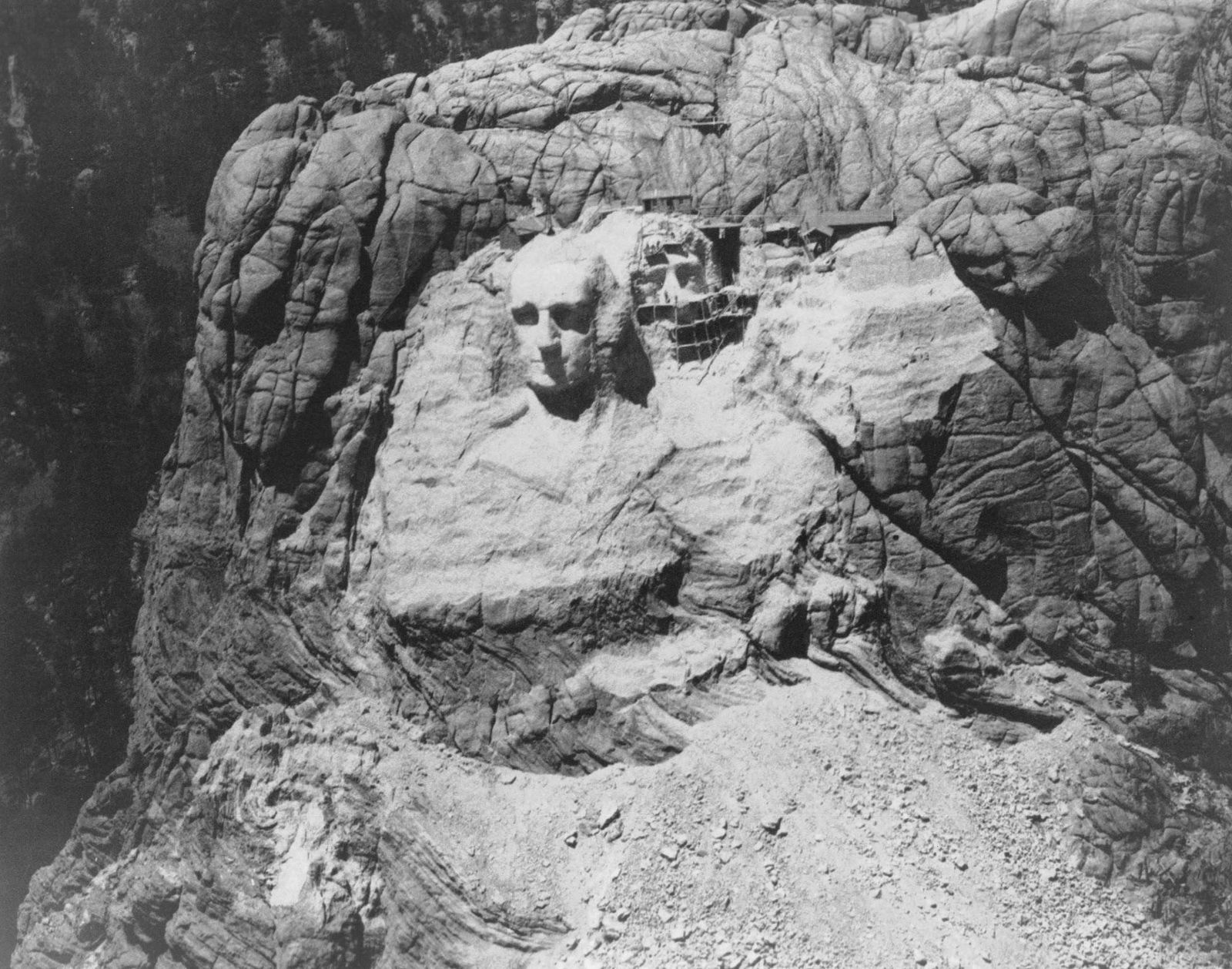
Known to the Lakota Sioux as "Six Grandfathers," this mountain was a sacred site on a spiritual route. The granite cliff was untouched. In 1884, it was renamed "Rushmore" in 1884 after Charles E. Rushmore, a New York lawyer on a prospecting trip who asked what the mountain was called and was told it could have his name.
Construction for the monument began in 1927. For the next 14 years, more than 400 workers hung from steel cables on the mountainside, using dynamite to blast away over 450,000 tons of rock while earning $8 a day. The sculptor, Gutzon Borglum, died in March 1941 and never saw the project completed.
The Great Sphinx of Giza, Giza, Egypt
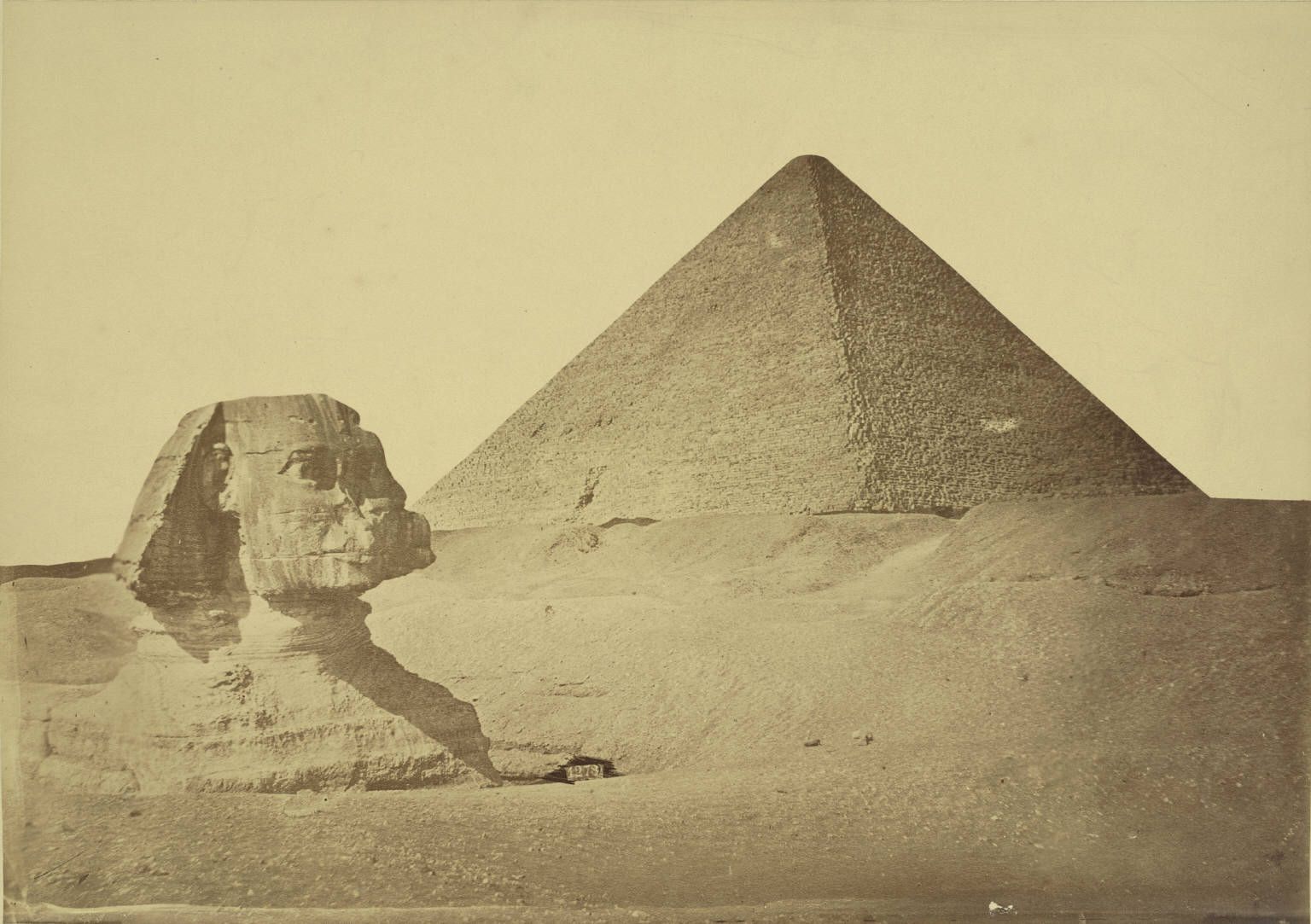
The image of the Great Sphinx rising fully from the desert floor is, historically speaking, very new. For most of the 4,500 years since it was carved, the Sphinx's body (240 feet long, 66 feet high) lay buried beneath desert sand. Only its head and shoulders were visible.
When Napoleon arrived in Egypt in 1798, he found it buried to the shoulders. A Genoese adventurer tried to excavate it in 1817 with a team of 160 men, but the sand poured back in nearly as fast as they could dig.
It wasn't until Egyptian archaeologist Selim Hassan led a sustained excavation between 1925 and 1936 that the Sphinx was fully revealed for the first time in modern history. That’s the open-air way it has looked for less than a century.
Eiffel Tower, Paris, France
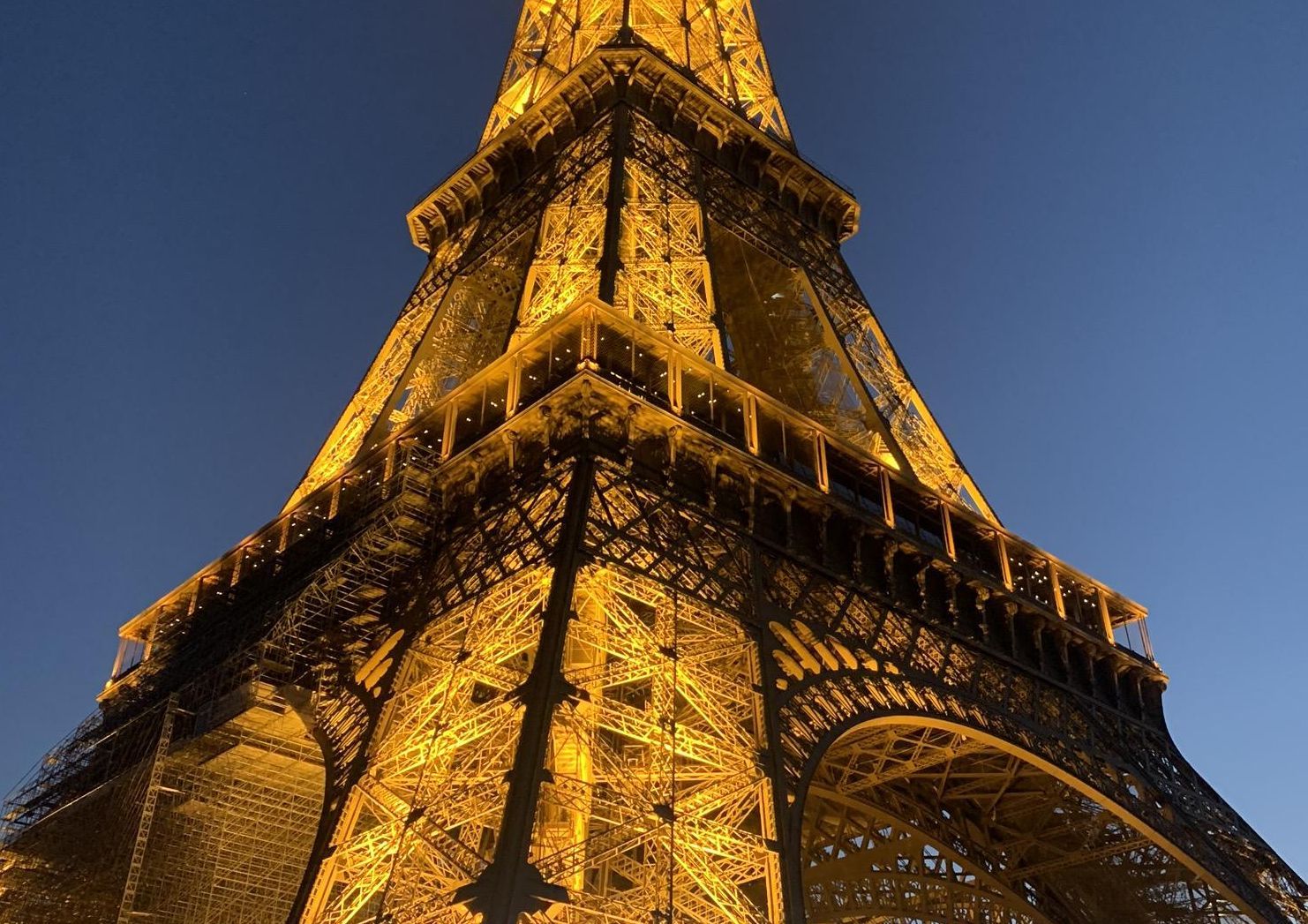
The Eiffel Tower has been many different colors over its lifetime. When its iron parts were being assembled in Gustave Eiffel's workshop in 1887 and 1888, they were painted a bold Venetian red. By the time it opened for the 1889 World's Fair, it had been repainted a deep reddish-brown.
Three years later, it turned ochre. To sum up, it has been repainted 20 times in its 136-year life, cycling through yellow-brown, brownish-red, and the "Eiffel Tower brown" most visitors know today.
The Iron Lady currently boasts a yellow-brown, which was applied for the 2024 Paris Olympics to evoke its original color. The lighting system still in place today was inaugurated in 1985, when 336 sodium-vapor lights were installed in its structure to transform the tower itself into a source of light.
Lincoln Memorial, Washington, D.C., US
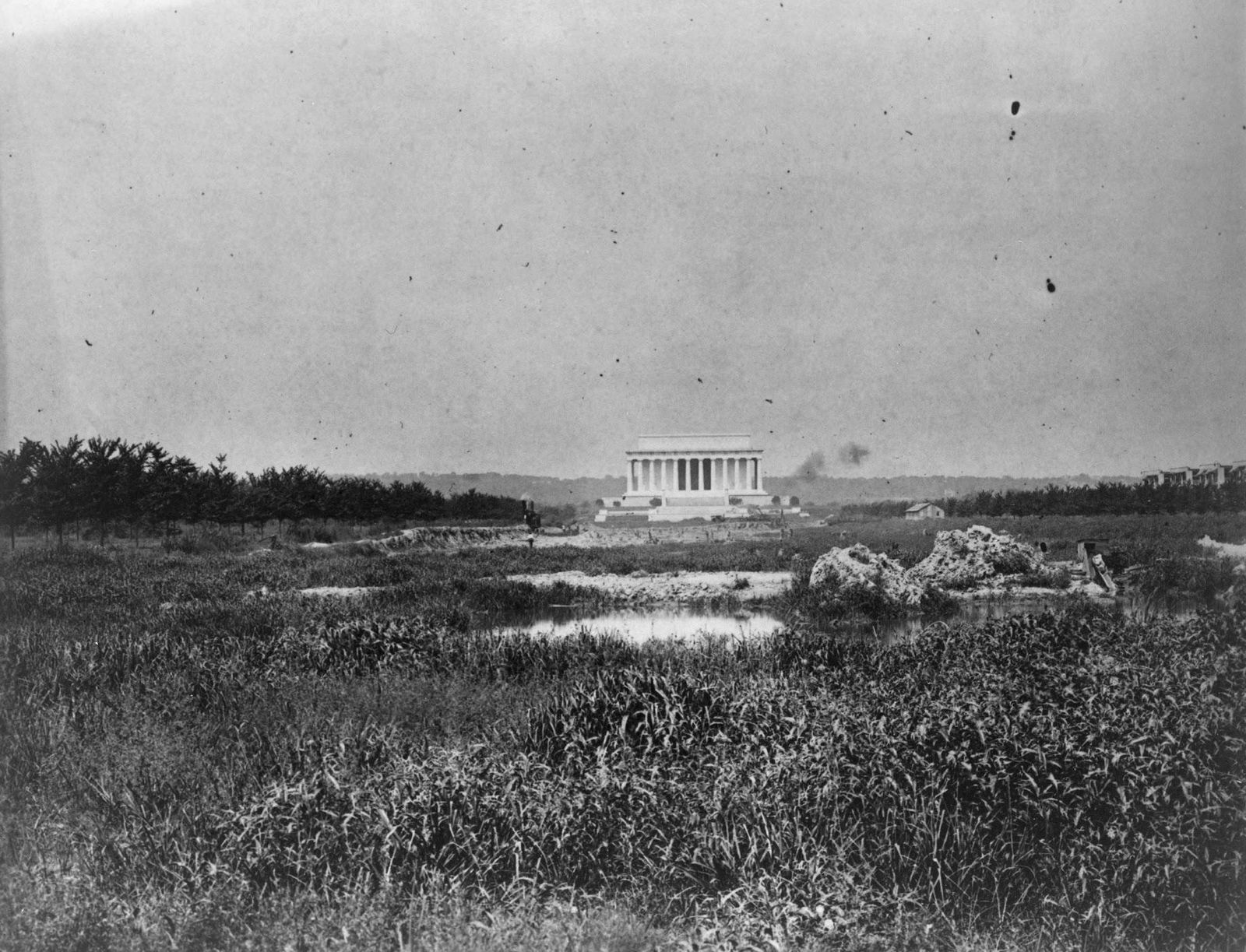
Did you know that the Lincoln Memorial was built on land reclaimed from tidal swampland at the edge of the Potomac River? Early photographs from the beginning of the 20th century show the foundation surrounded by murky, reed-filled water; a far cry from the dignified marble plaza and long Reflecting Pool that greet visitors today.
The Reflecting Pool itself wasn't completed until 1923, a year after the Memorial was dedicated. For the dedication ceremony in May 1922, the land was still raw and unlandscaped. It was attended by Lincoln's 79-year-old son, Robert Todd Lincoln, one of the last living direct connections to the president.
Times Square, New York, US
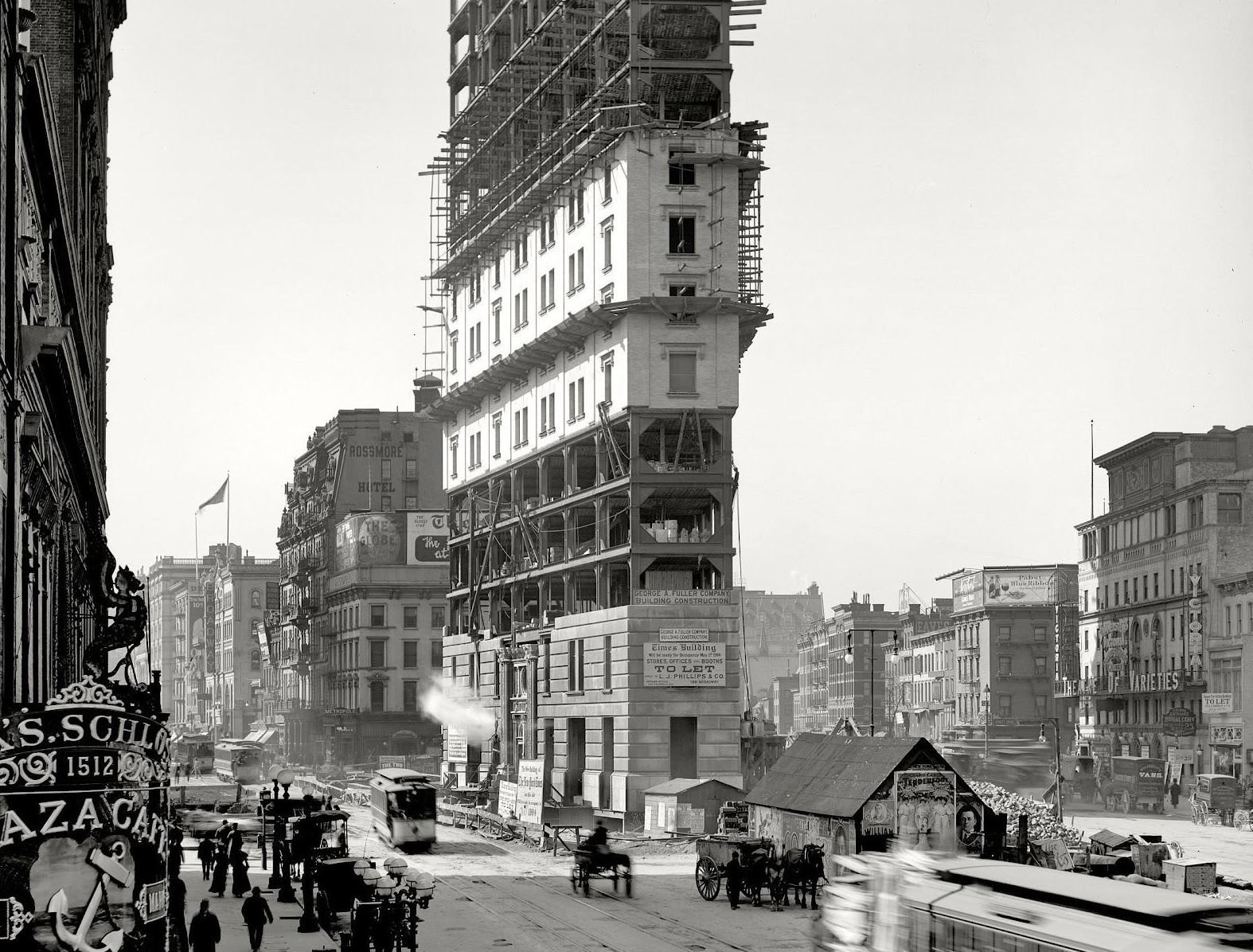
In 1904, the intersection now known as Times Square was called Longacre Square, a modest uptown neighborhood of carriage makers, horse stables, and low-rise commercial buildings. It was renamed when The New York Times moved its headquarters to a new 25-story tower there and persuaded the mayor to rename the block in the paper's honor.
It’s hard to recognize the world-famous hub without neon, billboards, or throngs of tourists.
Taj Mahal, Agra, India
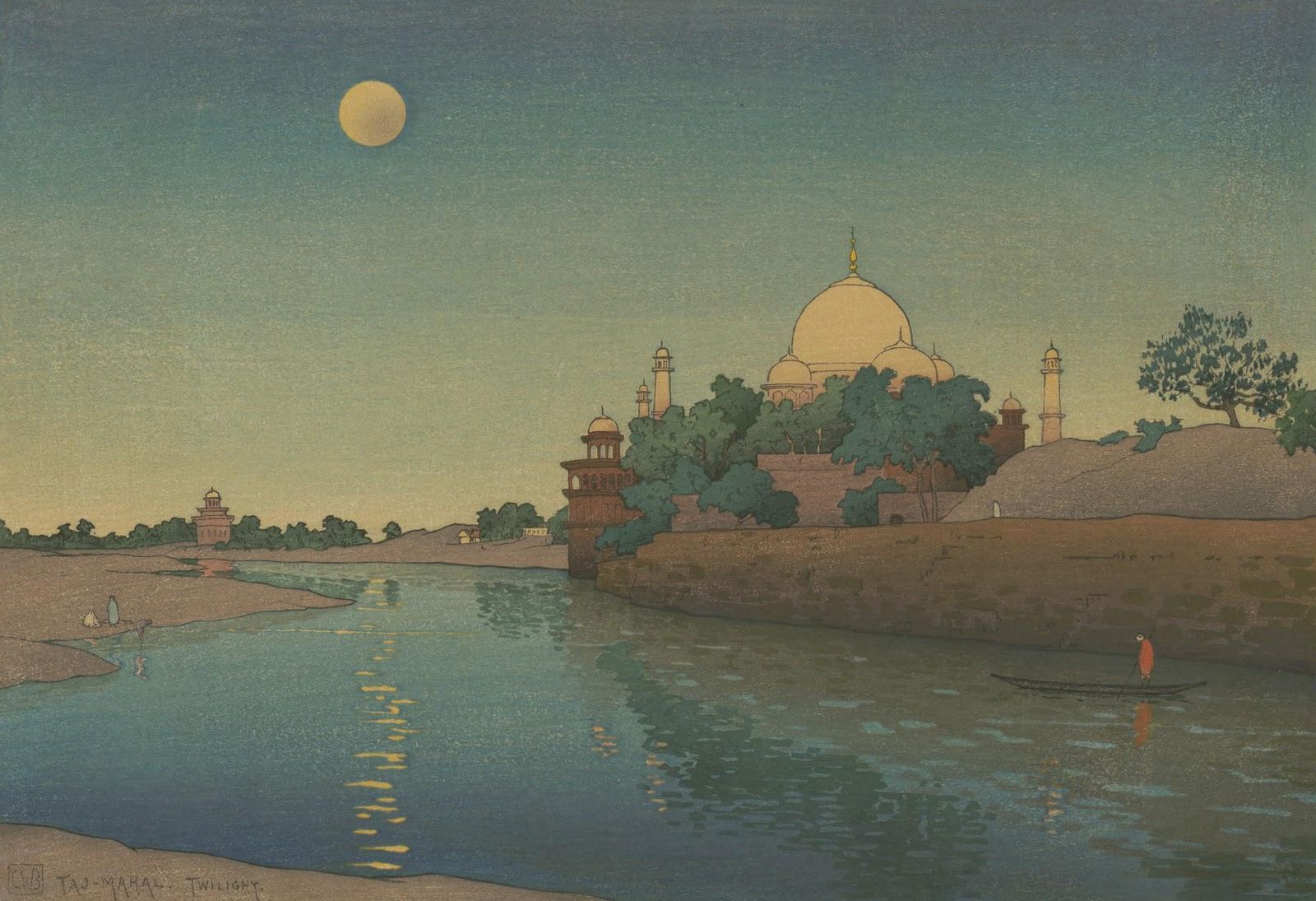
When the Taj Mahal was commissioned by Emperor Shah Jahan in 1632, he chose the location specifically because the Yamuna River curved sharply there, creating a broad, calm surface that would mirror the white marble mausoleum in a beautiful reflection.
Historical records show that massive foundations were built to stabilize the soft riverbank and protect the structure from the river's natural flow. As late as the 1890s and early 1900s, pictures show the Yamuna as a wide, shimmering river framing the monument exactly as Shah Jahan intended.
But today, that river behind the Taj has been depleted due to upstream dams and canals, and what’s left looks cloudier because of industrial pollution and sewage.
Parthenon, Athens, Greece
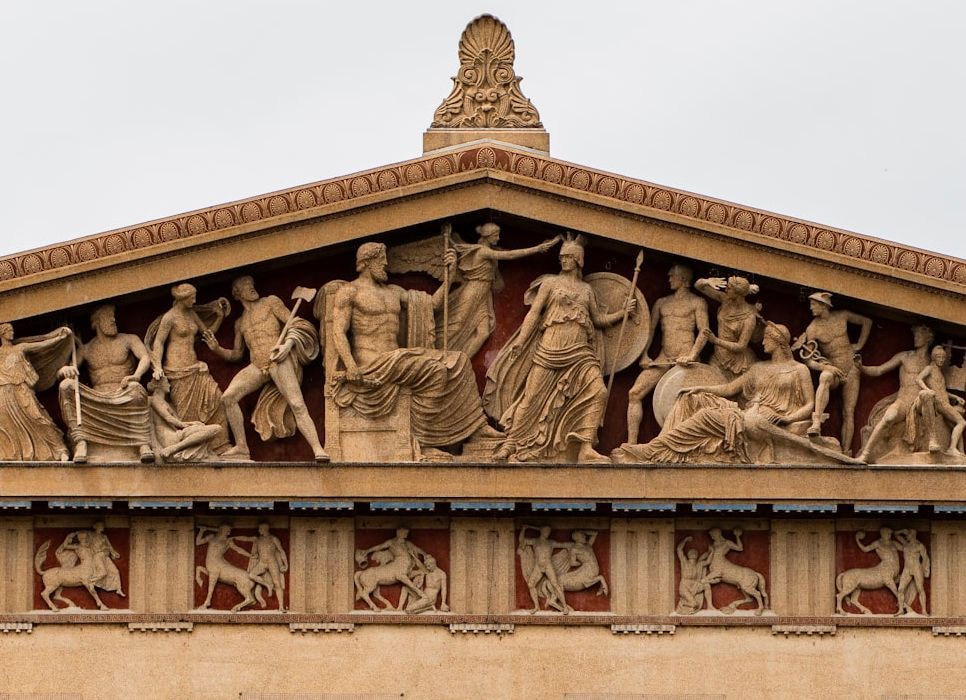
It’s easy to assume that ancient Greek buildings and statuary were pearly-white like the marble we see today. But the truth is that, like similar buildings, when the Parthenon was completed in 438 BC, it was painted in vibrant colors.
Scientific analysis using ultraviolet light and laser scanning has found clear traces of Egyptian blue, red ochre, and green malachite across the friezes, columns, and sculptures. The pigments were mixed with beeswax and applied by hand to every surface.
The ruin we know today is the result of 2,400 years of weather, war, and awkward restoration.
Stonehenge, Wiltshire, England
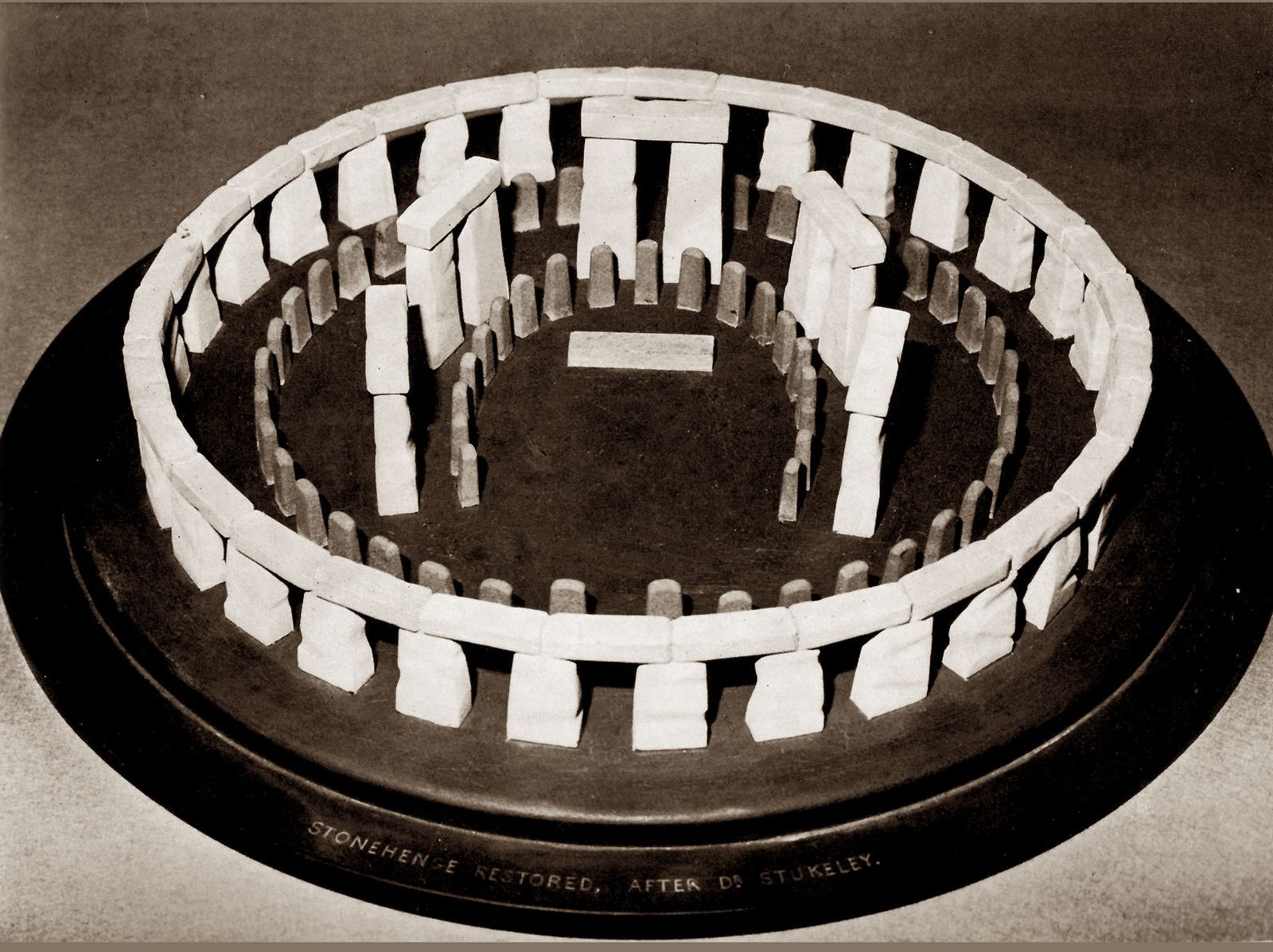
The Stonehenge we see today is merely a ruin in fragments. The original structure, completed around 2500 BC, was an unbroken double ring: an outer circle of 30 upright sarsen stones.
There once was a continuous ring 100 feet across, with 80 bluestones arranged inside it. Only 17 of the original 30 outer uprights still stand, but it’s enough to suggest reconstructions like the one illustrated.
State Parks With Scenery as Stunning as National Parks Without the Crowds
 General
Underrated State Parks Worth Traveling For
When people plan outdoor trips in the U.S., national parks often steal the spotlight. But tucked away in nearly every state are incredible state parks that rival famous destinations, without the crowds. These parks offer dramatic scenery, rich history, and unforgettable experiences for travelers willing to look beyond the obvious.
From desert canyons to coastal cliffs and ancient forests, these underrated state parks are more than worthy of a road trip. Each one delivers something distinctive, whether it’s a rare ecosystem, a surprising landscape, or a sense of peaceful discovery that’s increasingly hard to find.
Custer State Park (South Dakota)
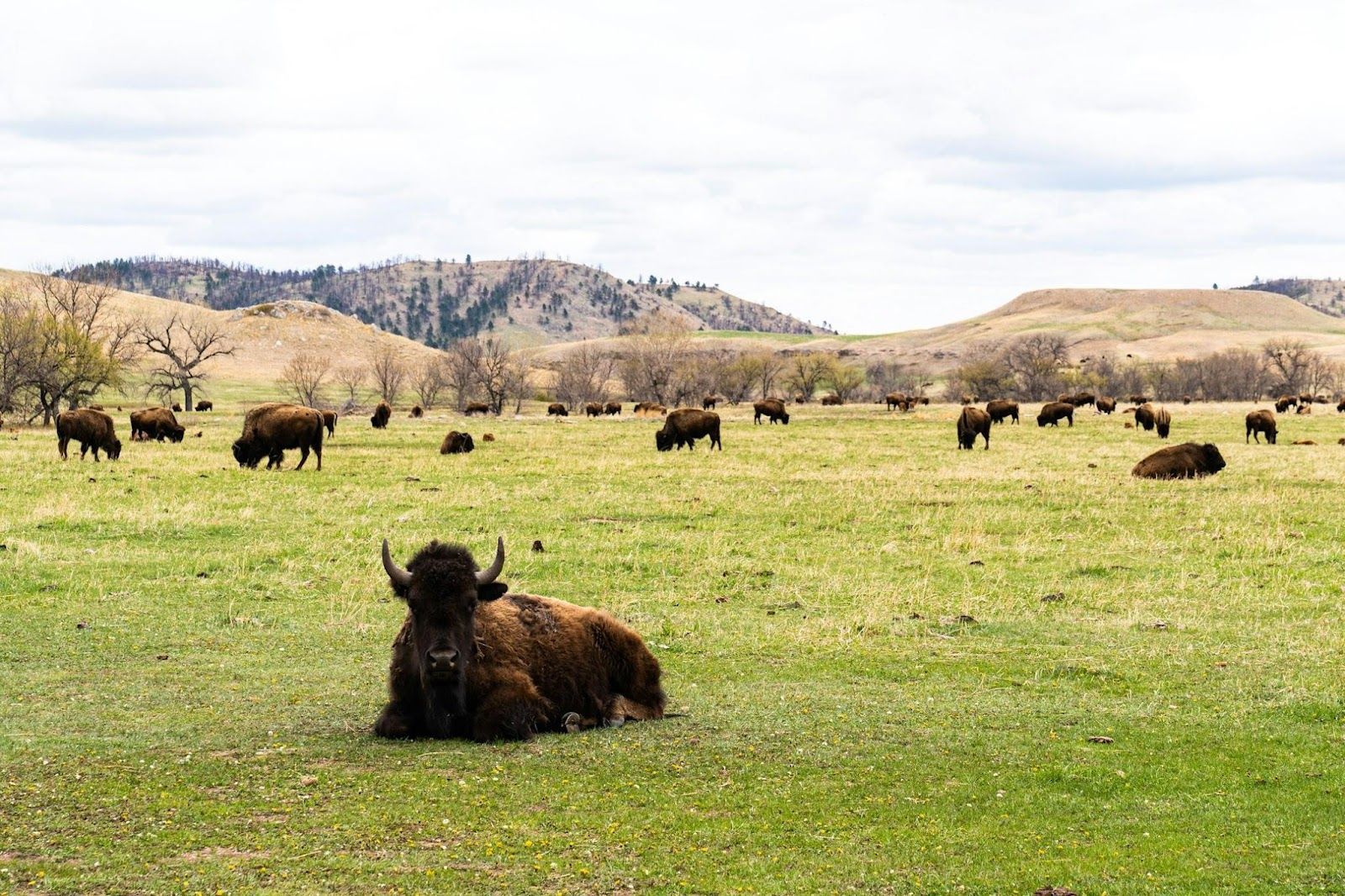
Custer State Park is often overshadowed by nearby Mount Rushmore, yet it offers some of the most scenic driving and wildlife viewing in the Midwest. Rolling granite hills, sparkling lakes, and open prairies create a landscape that feels both rugged and serene.
The park is especially known for its massive free-roaming bison herd, which regularly crosses roads and grazing areas. Travelers can explore scenic byways, hike among granite spires, or simply enjoy wide-open views that feel far removed from everyday life.
Valley of Fire State Park (Nevada)
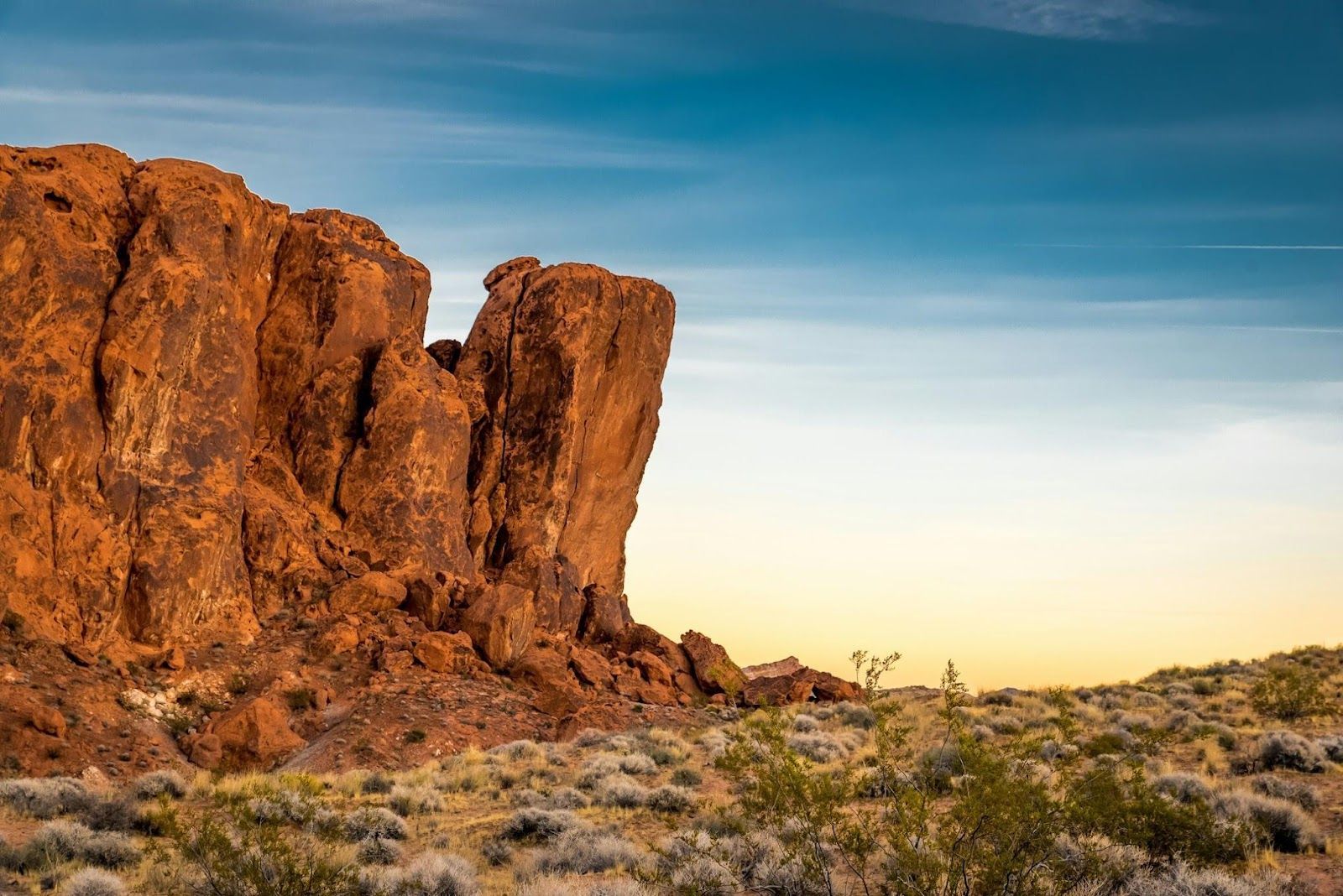
Valley of Fire is named for its brilliant red sandstone formations that seem to glow under the desert sun. Though close to Las Vegas, it feels worlds away, offering quiet trails and striking natural arches.
Ancient petroglyphs etched into the rock add a sense of deep history to the park. Short hikes lead to colorful canyons and panoramic views that rival far more famous desert parks.
Goblin Valley State Park (Utah)
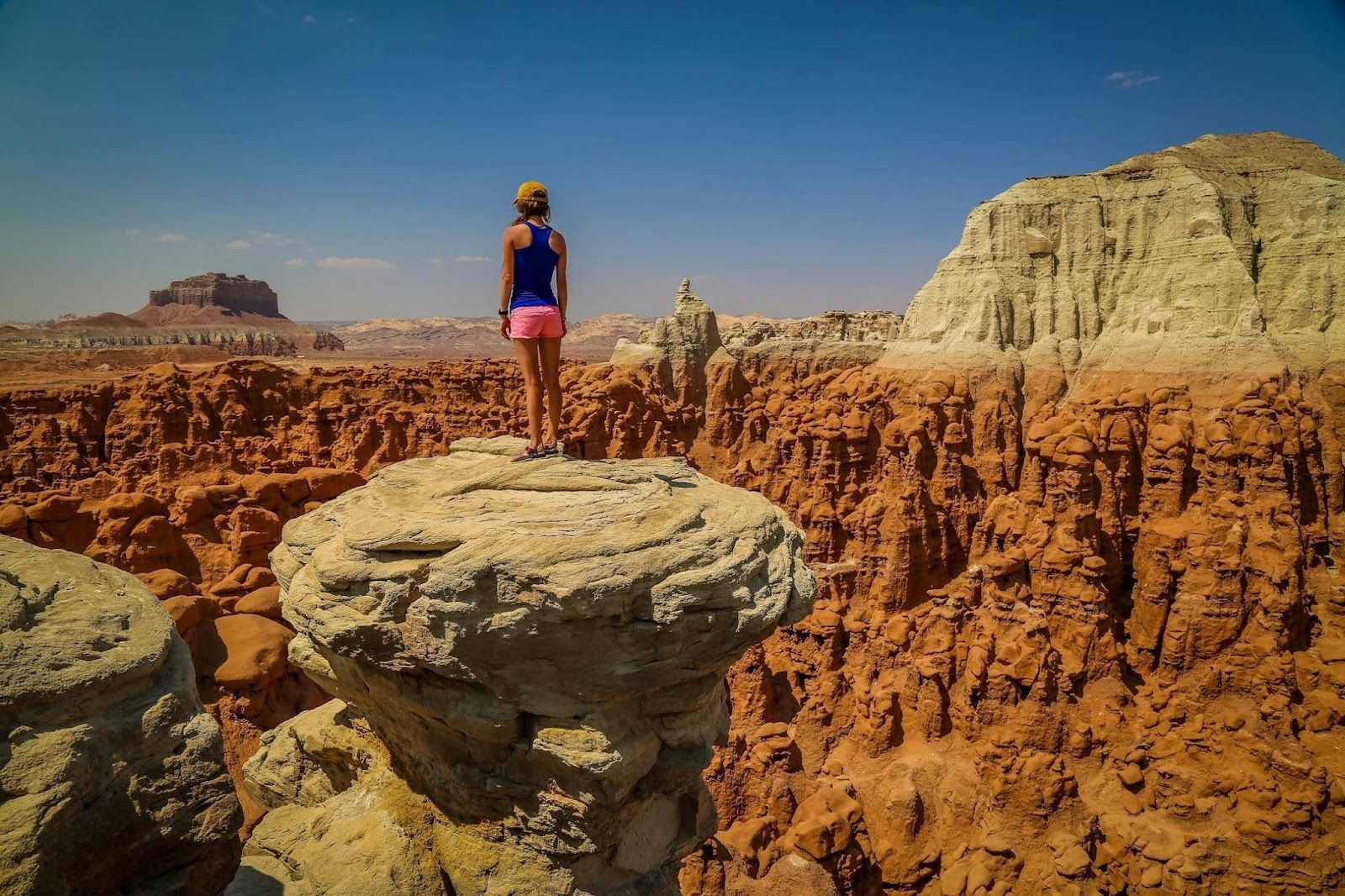
Goblin Valley State Park looks like something from another planet. Thousands of mushroom-shaped rock formations, nicknamed "goblins," fill a wide desert valley, creating a surreal and playful landscape unlike anywhere else in Utah.
Unlike many protected sites, visitors are encouraged to freely wander among the formations. The park is also a designated dark-sky area, making it an exceptional place for stargazing after sunset.
Porcupine Mountains Wilderness State Park (Michigan)
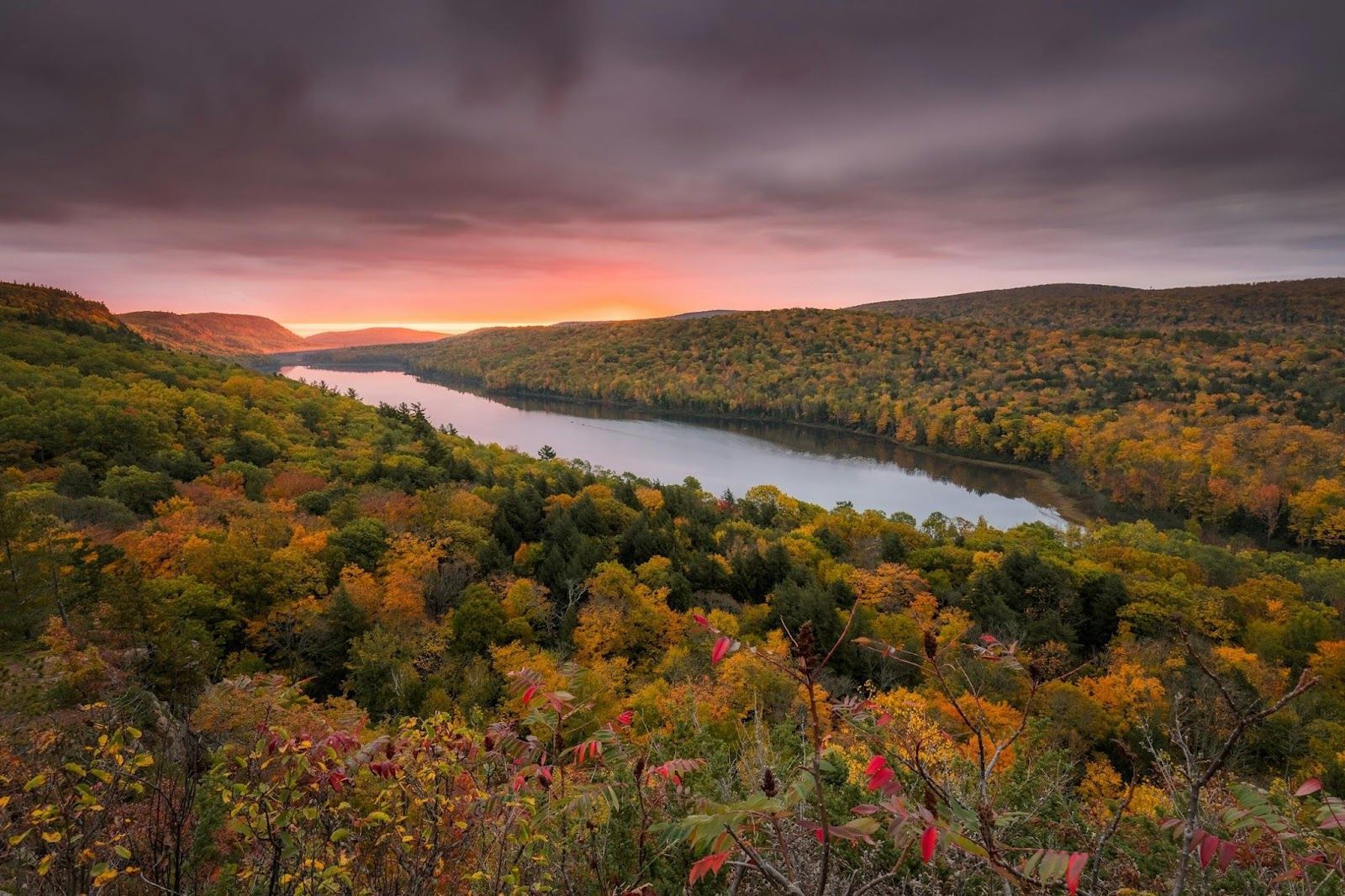
Often called "the Porkies," this park is one of the largest wilderness state parks in the Midwest. It features old-growth forests, dramatic Lake Superior shorelines, and waterfalls hidden deep in the woods.
The park’s extensive trail system makes it ideal for backpacking, while scenic overlooks like Lake of the Clouds provide jaw-dropping views. It’s a perfect destination for travelers seeking solitude and untamed natural beauty.
Anza-Borrego Desert State Park (California)
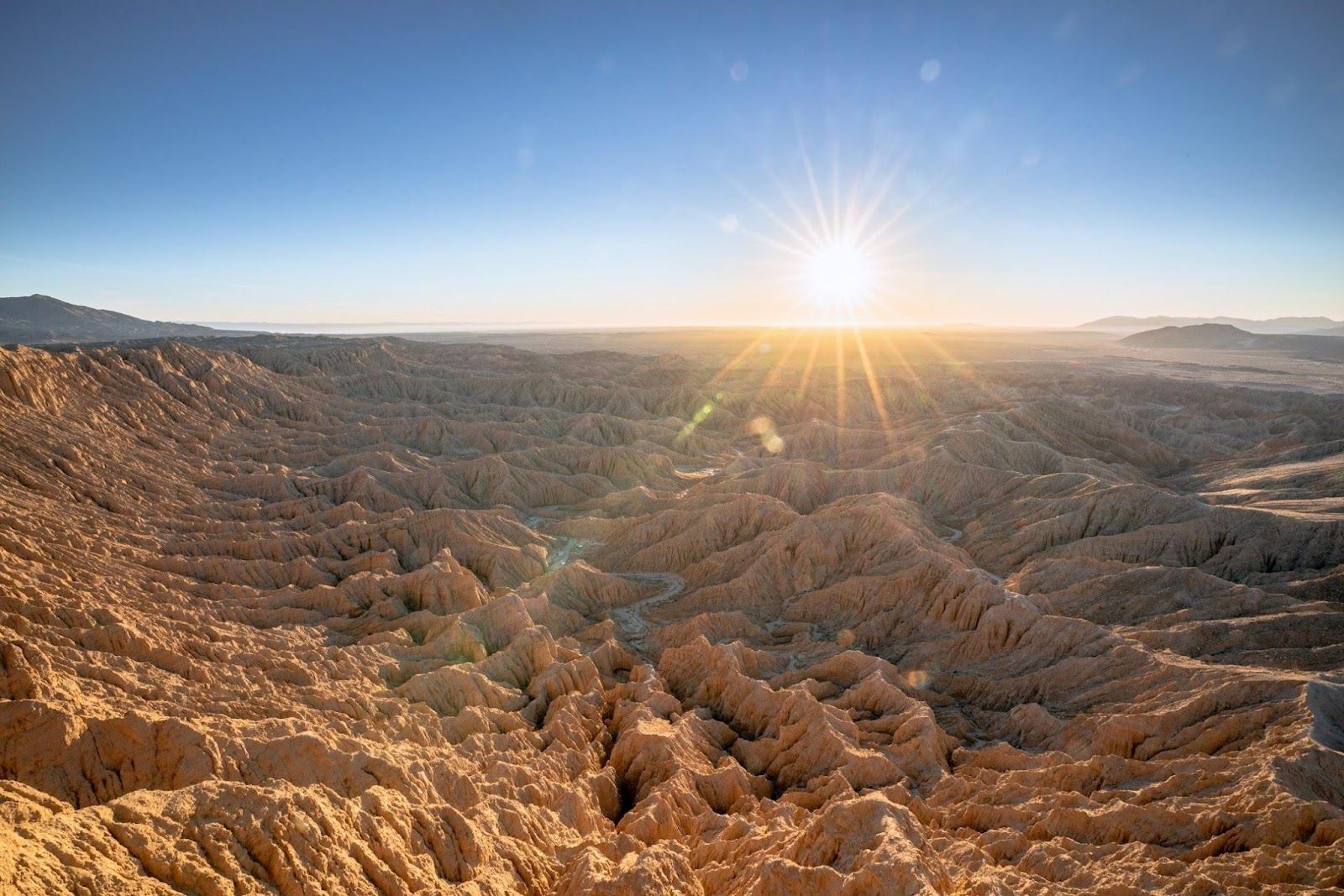
As California’s largest state park, Anza-Borrego remains surprisingly uncrowded. Its vast desert landscapes include slot canyons, palm oases, badlands, and seasonal wildflower blooms that transform the terrain in spring.
The park also features dramatic metal sculptures scattered across the desert floor and some of the best stargazing in Southern California. It’s a place where silence and scale leave a lasting impression.
Silver Falls State Park (Oregon)
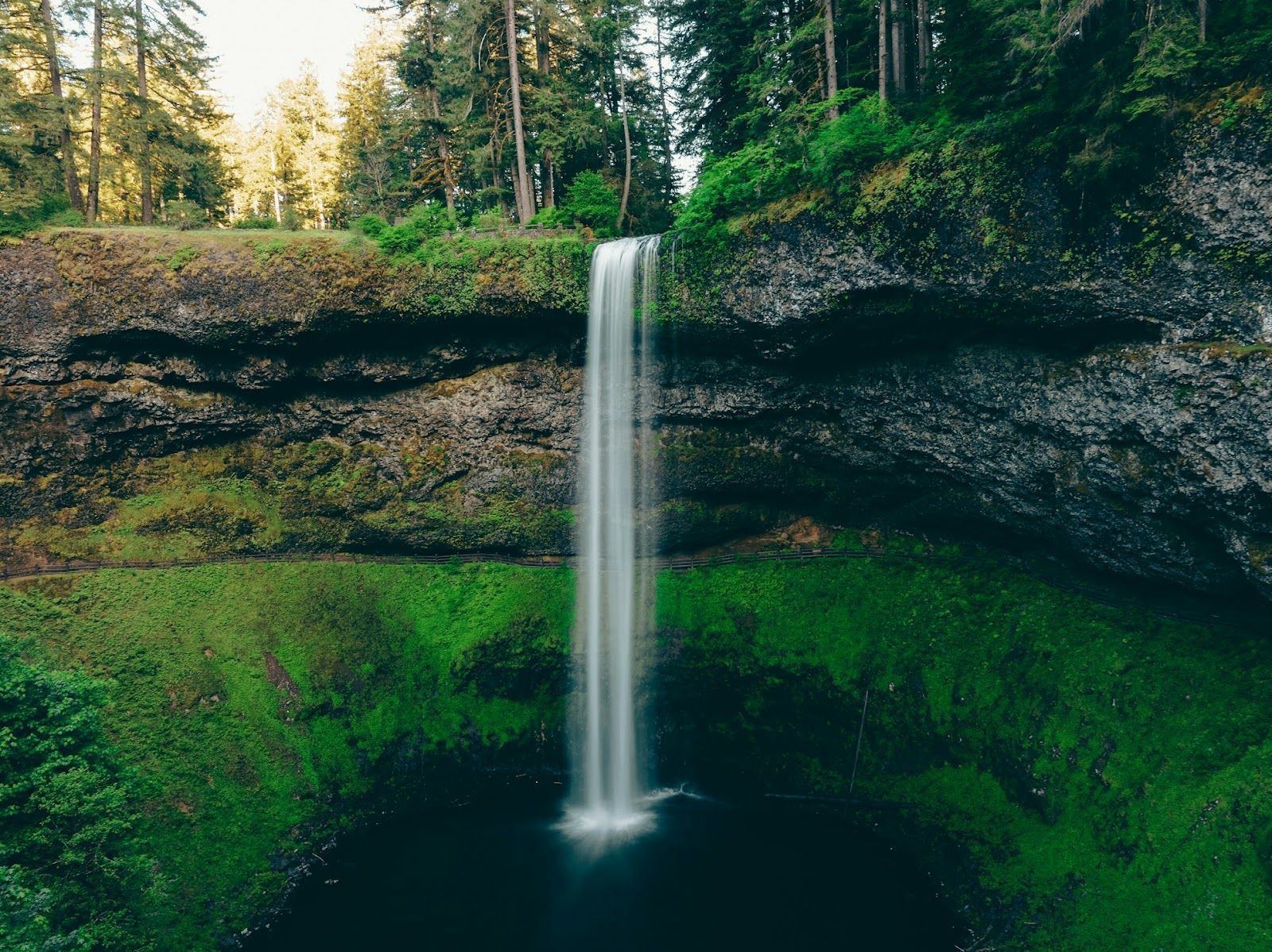
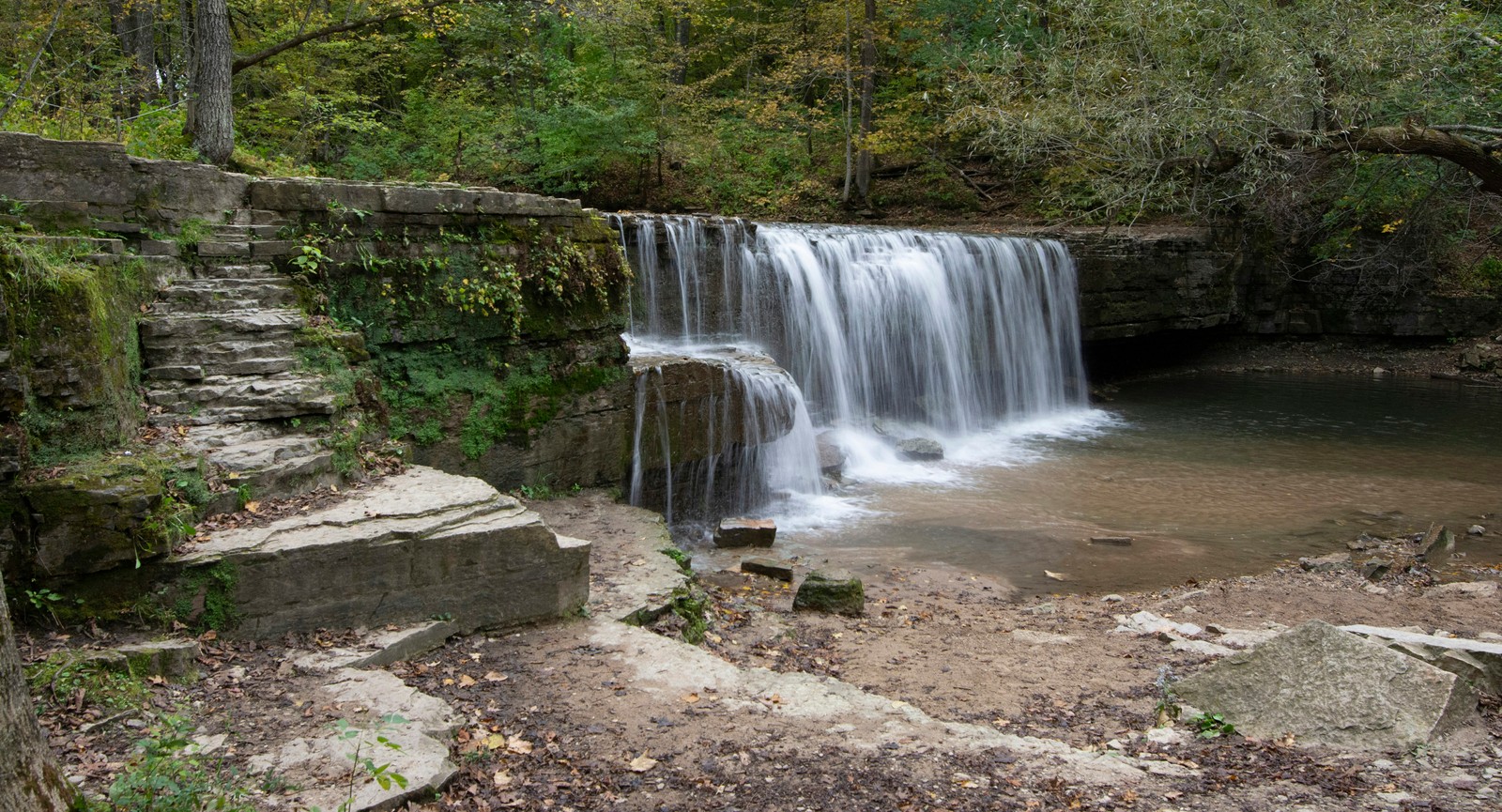
Silver Falls is best known for its "Trail of Ten Falls," a loop hike that passes behind several cascading waterfalls. Despite its beauty, it often flies under the radar compared to Oregon’s coastal and mountain destinations.
Lush forests, misty paths, and year-round water flow make this park magical in any season. It’s especially appealing to travelers who want dramatic scenery without committing to a long backcountry trek.
Hocking Hills State Park (Ohio)
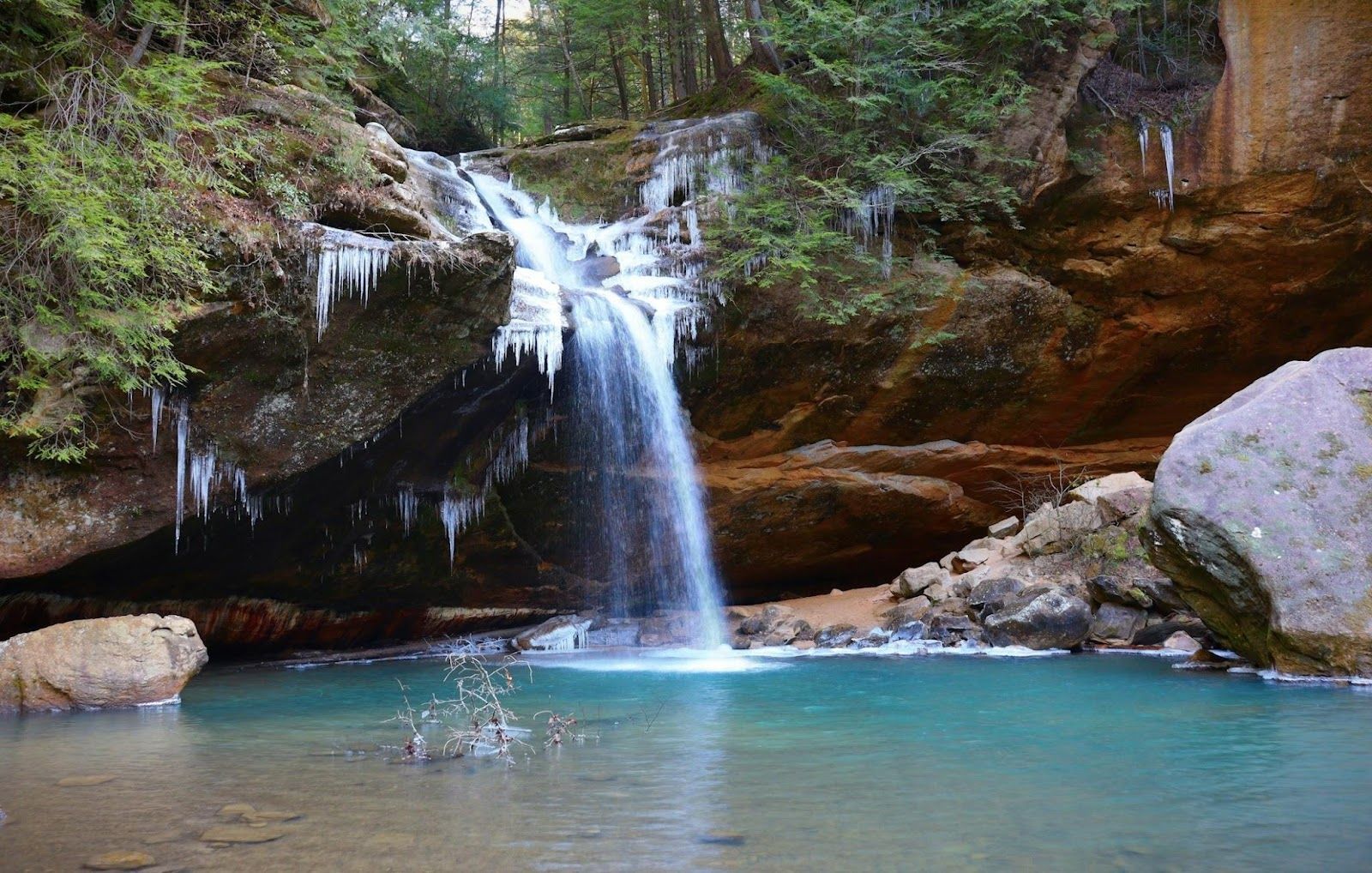
Hocking Hills surprises many first-time visitors with its rugged cliffs, deep gorges, and dramatic rock formations. Waterfalls, caves, and hemlock forests create a landscape more reminiscent of Appalachia than the Midwest.
The park’s well-maintained trails make it accessible while still feeling adventurous. It’s an ideal destination for a long weekend filled with hiking, photography, and cozy cabin stays.
Dead Horse Point State Park (Utah)
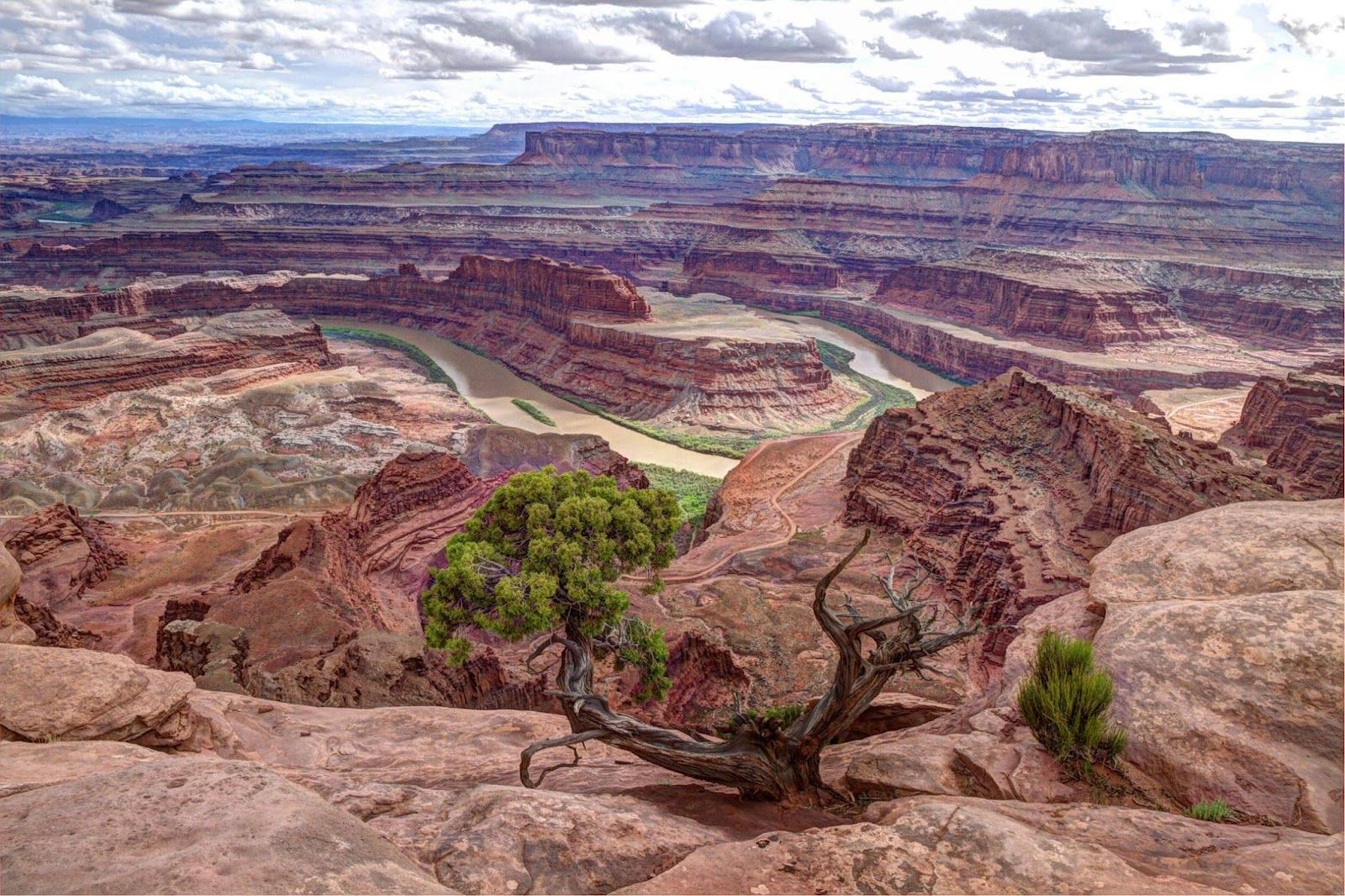
Perched high above the Colorado River, Dead Horse Point offers some of the most breathtaking canyon views in the Southwest. The dramatic overlooks rival those of nearby national parks, but with far fewer visitors.
The park is especially popular at sunrise and sunset, when the canyon walls shift through layers of color. Its compact size makes it easy to explore while still delivering unforgettable scenery.
Petit Jean State Park (Arkansas)
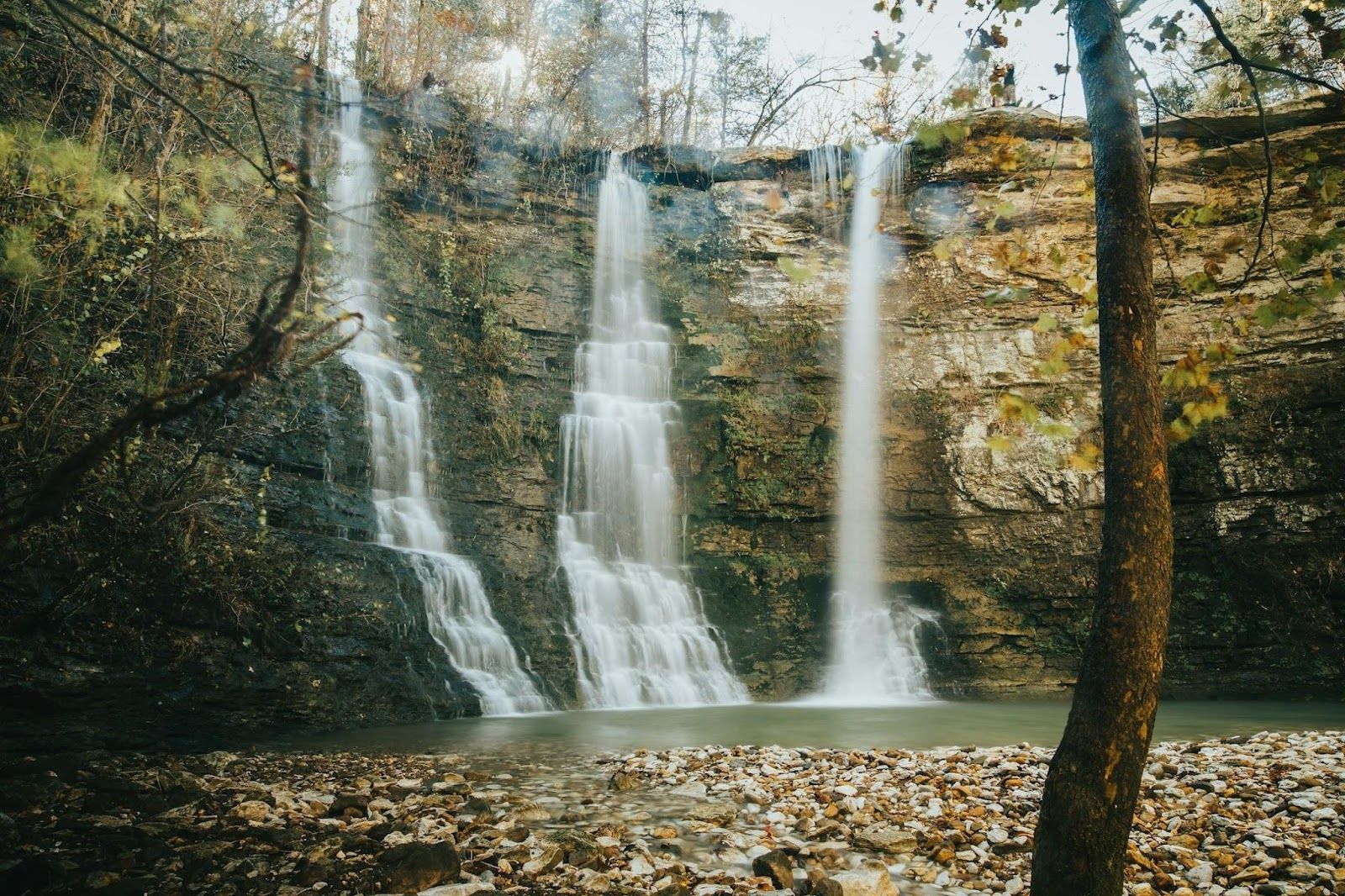
Petit Jean State Park blends natural beauty with local legend and history. Elevated viewpoints offer sweeping views of the Arkansas River Valley, while trails lead to waterfalls, caves, and rugged bluffs.
The park’s centerpiece, Cedar Falls, is one of the most photographed waterfalls in the state. With a mix of easy walks and challenging hikes, it appeals to travelers of all experience levels.
Baxter State Park (Maine)
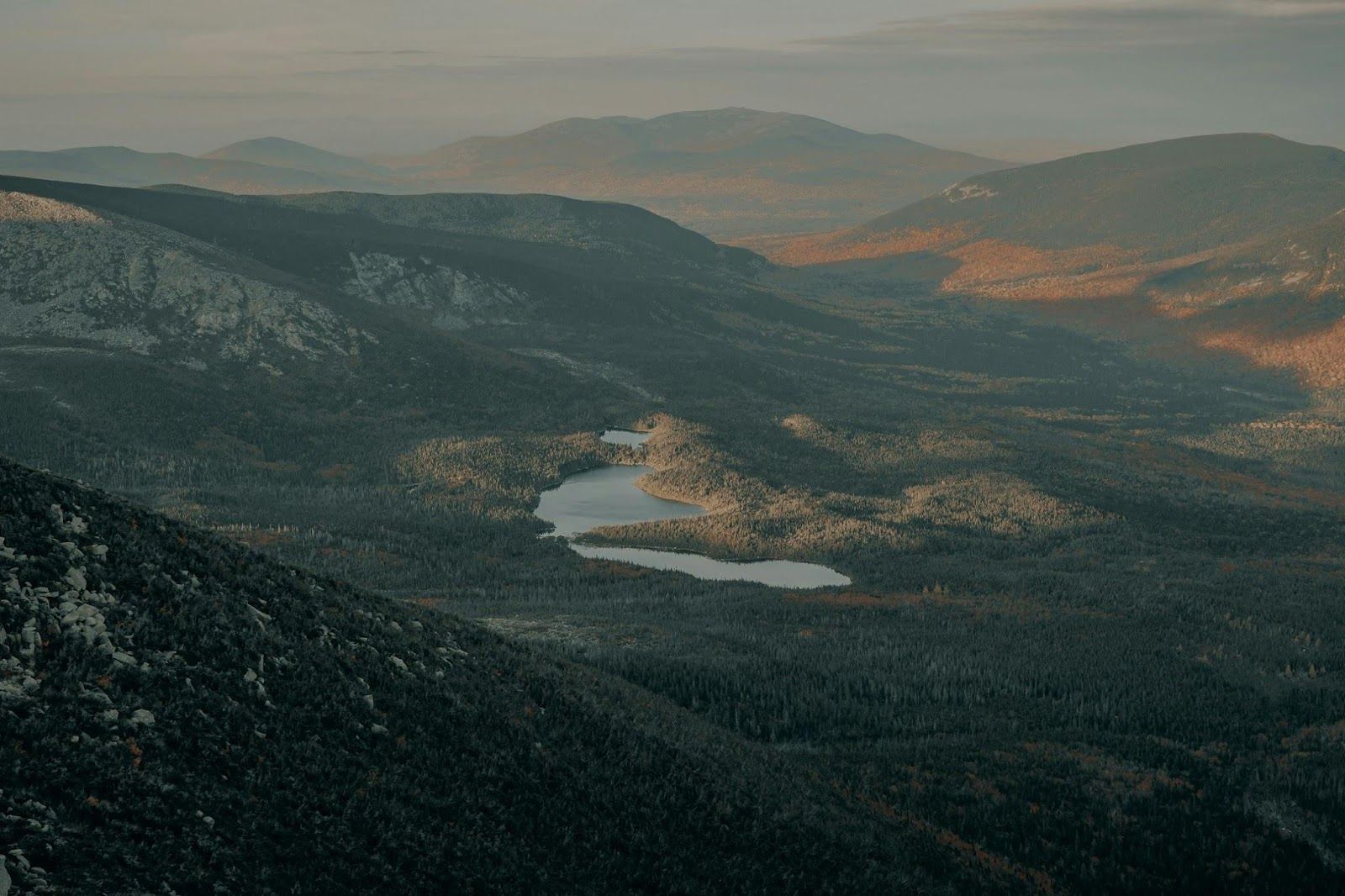
Baxter State Park is a true wilderness preserve, known for its remote feel and strict conservation rules. It’s home to Mount Katahdin, Maine’s highest peak, and the northern terminus of the Appalachian Trail.
Unlike many parks, Baxter limits development to protect its natural character. Visitors are rewarded with pristine forests, quiet lakes, and a sense of stepping into an untamed landscape rarely found in the eastern U.S
Keep wandering
There’s always
more to explore

Why are hard landings sometimes the perfect landings?
6 min.
Read Now
 History

Was Moby-Dick a real whale? These marine stories have real backgrounds
6 min.
Read Now
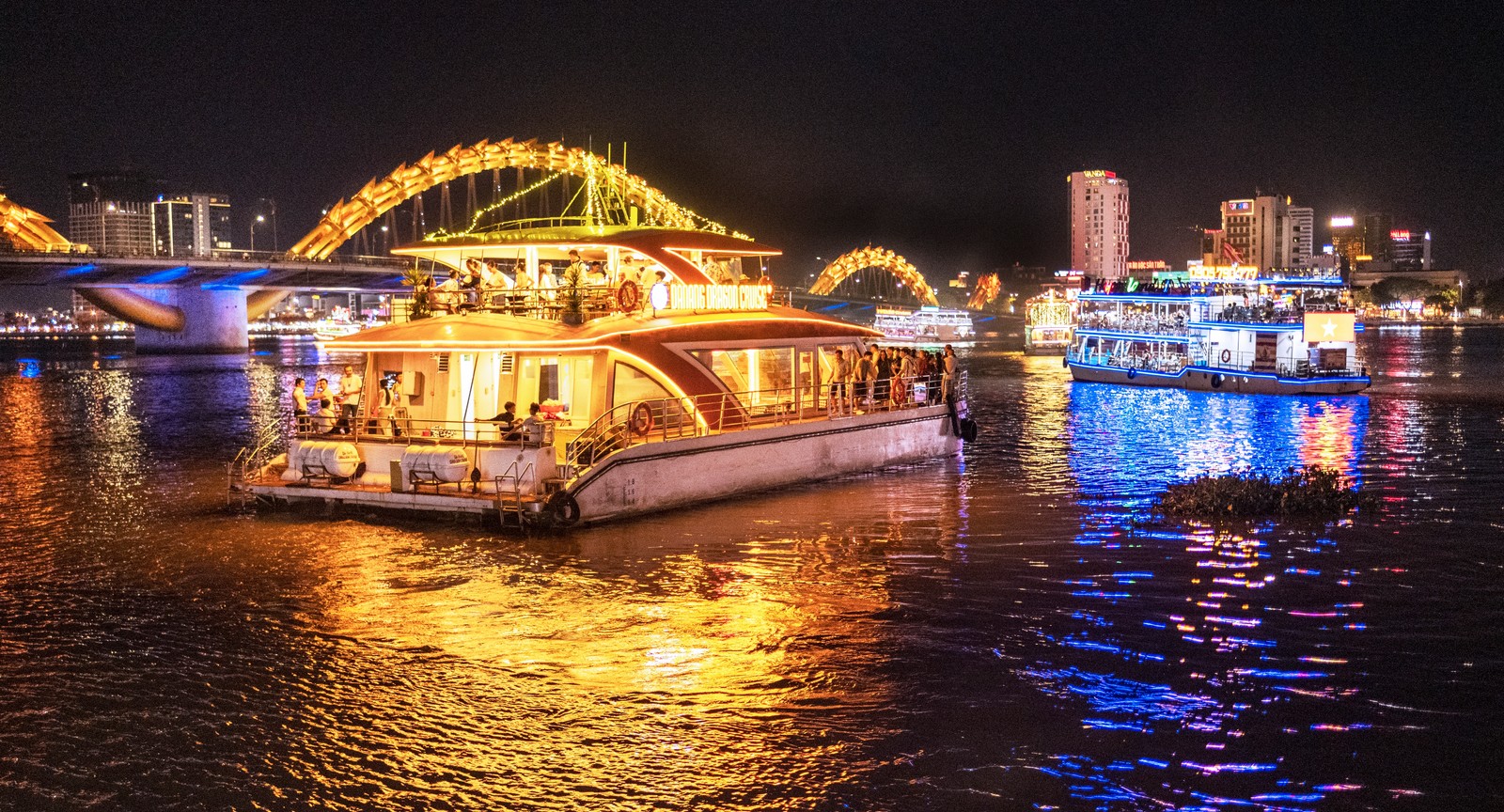
What passengers never see after midnight on a cruise ship
4 min.
Read Now

These 10 mysteries were solved. So why do we still believe them?
6 min.
Read Now