Which of these 12 cities in the U.S. has the cleanest air?
 General
Let’s clear the air
Which of these 12 cities in the U.S. has the cleanest air?
Clean air is one of the most important factors in quality of life, and some U.S. cities consistently stand out for it. Experts measure cleanliness using fine particle pollution (PM2.5), which refers to microscopic solid or liquid droplets that pose severe health risks, as well as overall air quality indices. The cities with the cleanest air often benefit from favorable geography, low industrial activity, and strong environmental policies. From coastal winds to mountain air, these 12 places offer some of the freshest environments in America.
Honolulu, Hawaii
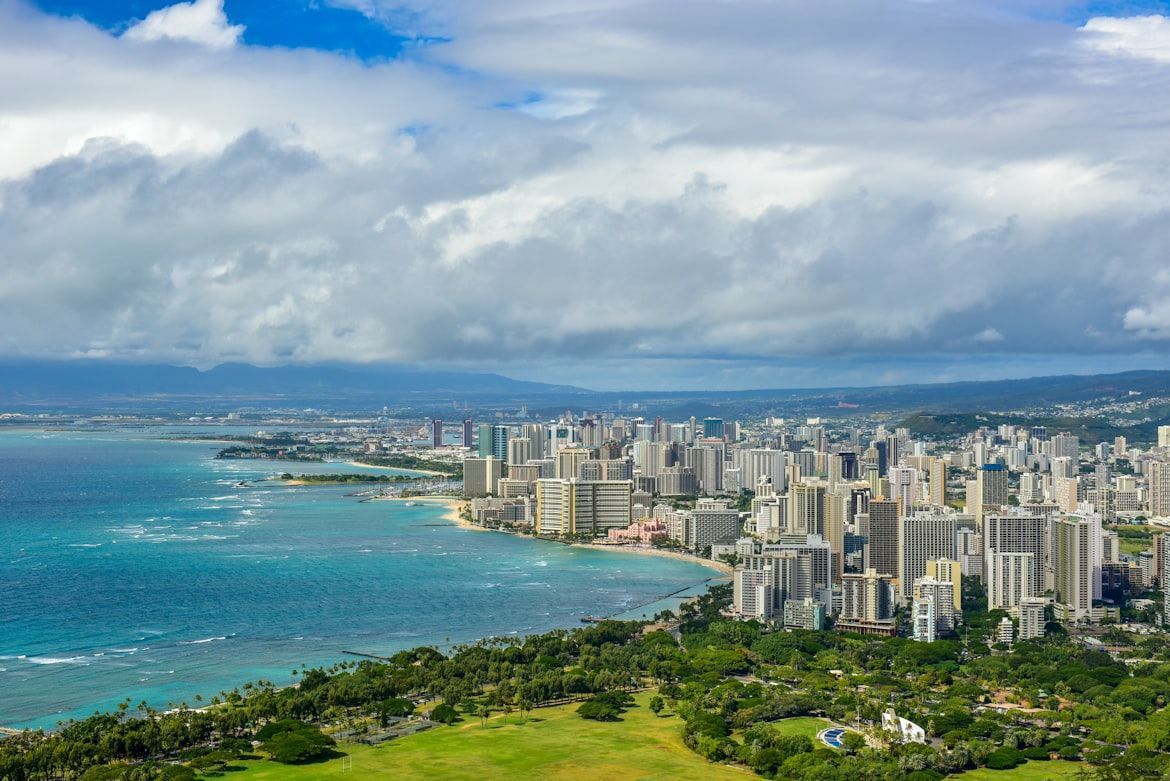
Honolulu consistently ranks among the cleanest cities in the U.S. The American Lung Association has repeatedly placed it at or near the top, with air quality rated "good" nearly 100% of the time.
Hawaii’s capital average PM2.5 level is about 4.1 µg/m³, below even strict global guidelines. Steady Pacific trade winds and the city’s remote island location help prevent pollution buildup, keeping the air fresh year-round.
Casper, Wyoming

The second-most populous city in Wyoming, Casper, is frequently ranked among the cities with the cleanest air in the U.S., according to national air quality rankings. With a small population and minimal industrial activity, pollution levels remain consistently low throughout the year.
Located on the open plains, Casper benefits from strong winds that disperse pollutants quickly. This natural ventilation keeps PM2.5 levels among the lowest recorded in American metro areas.
Kahului-Wailuku, Hawaii
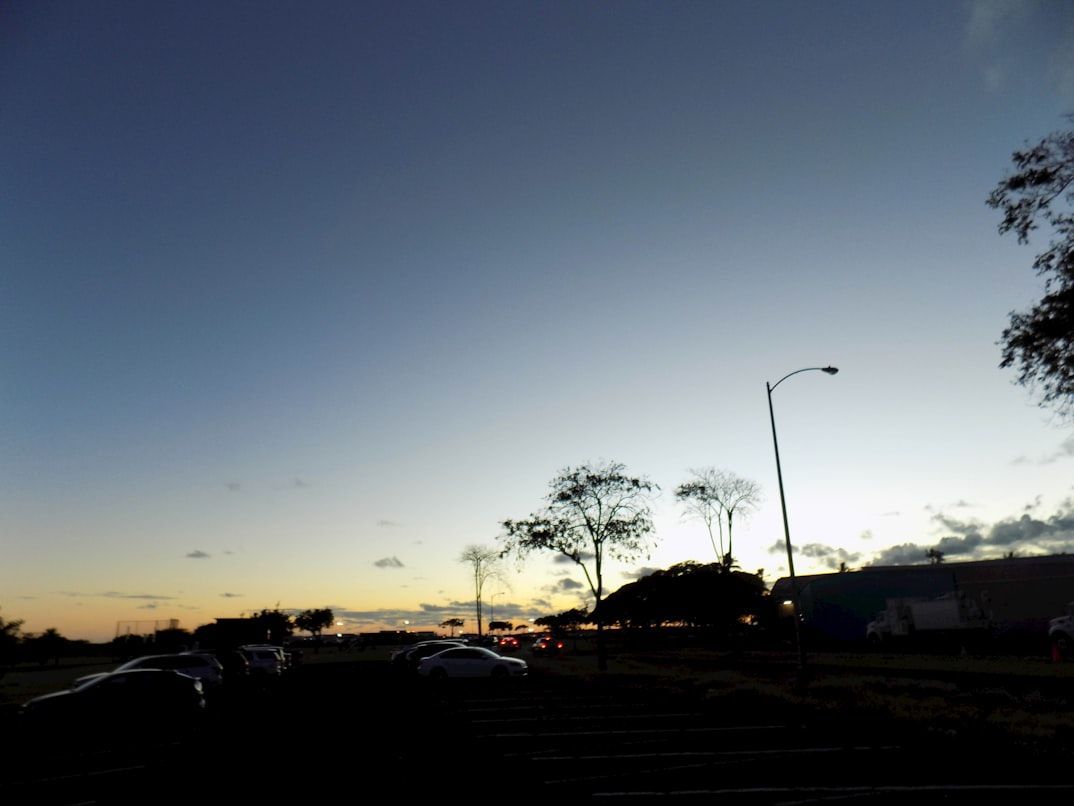
This Maui metro area regularly ranks among the cleanest in the country for particle pollution. Its air quality remains consistently excellent, with very few days exceeding "good" standards.
Ocean breezes and limited industrial development play a key role. Like Honolulu, Kahului-Wailuku’s islandic geography allows pollutants to dissipate quickly, maintaining low PM2.5 levels year-round.
Bellevue, Washington
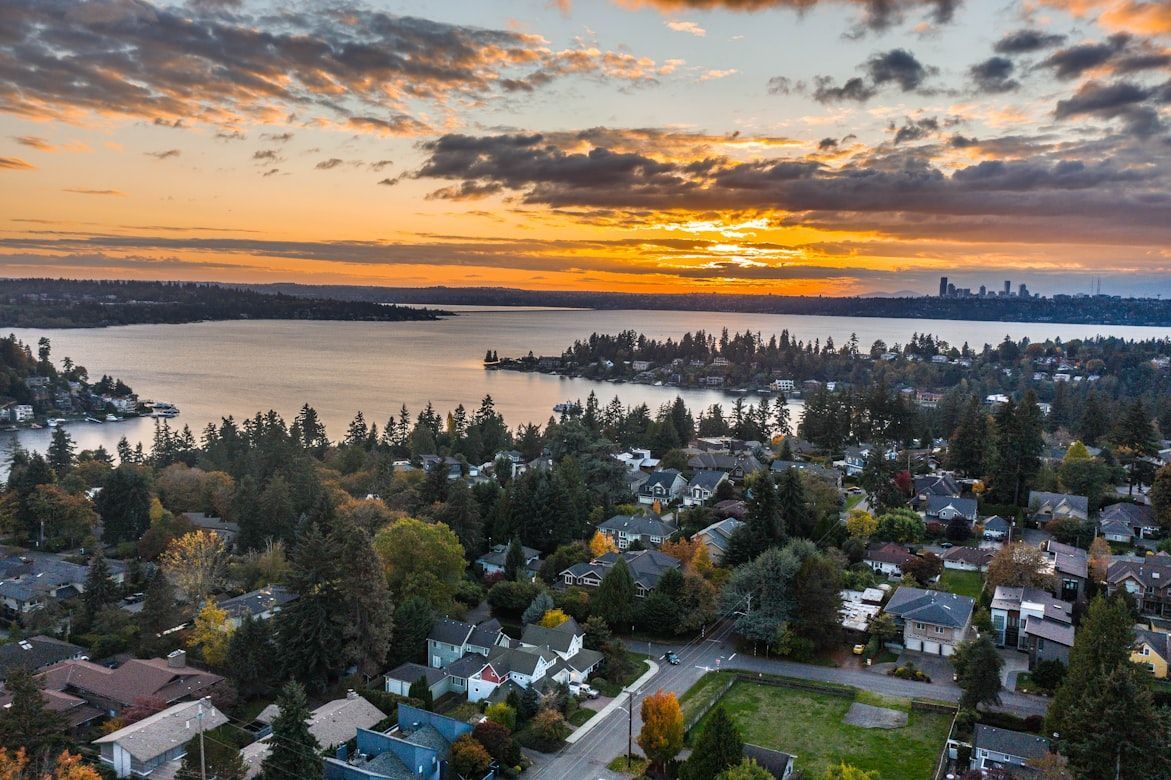
Bellevue, Washington, has been identified as one of the least polluted cities in the U.S., with PM2.5 levels around 3.8 µg/m³. That’s well below both U.S. and World Health Organization standards.
Located near Seattle but with less congestion, Bellevue benefits from Pacific Northwest air patterns. Regular rainfall and strong environmental regulations help maintain its clean air profile.
Colorado Springs, Colorado
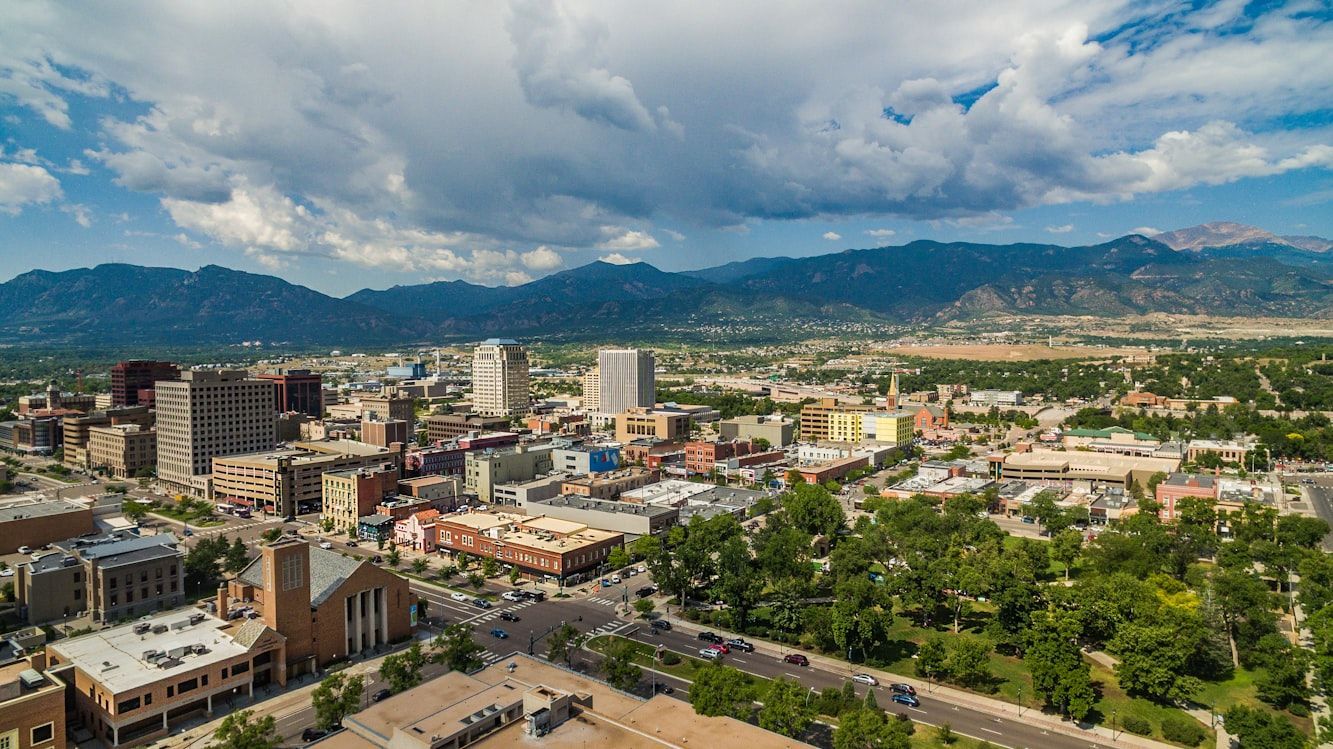
Colorado Springs enjoys some of the cleanest air in the Mountain West. PM2.5 levels average about 4.6 µg/m³, placing it among the top clean-air cities nationwide.
Its high elevation and proximity to the Rocky Mountains improve air circulation. Combined with relatively low industrial activity, this helps prevent pollution from particle accumulation.
Santa Rosa, California
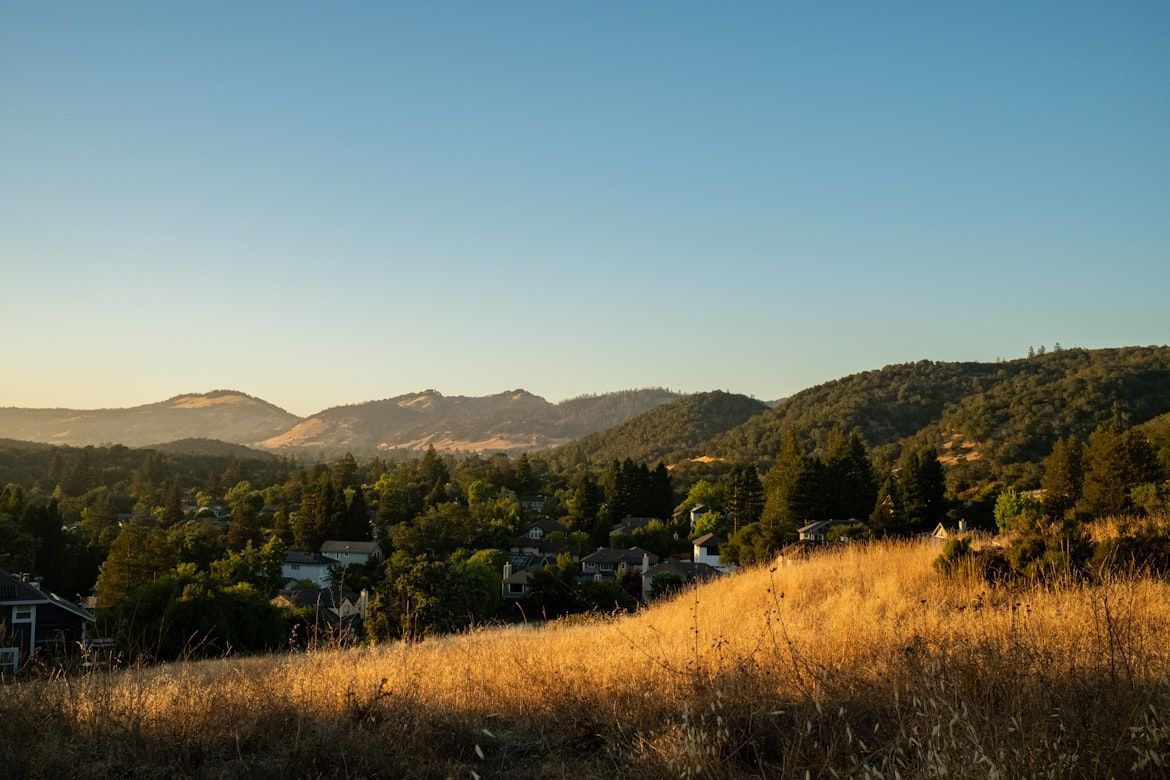
Santa Rosa stands out in California for its relatively clean air, with PM2.5 levels around 4.6 µg/m³. This is notable in a state often associated with smog in larger cities.
Located in Sonoma County, the city benefits from coastal breezes flowing inland from the Pacific Ocean. Lower population density compared to major metropolises also helps reduce emissions.
Eugene, Oregon
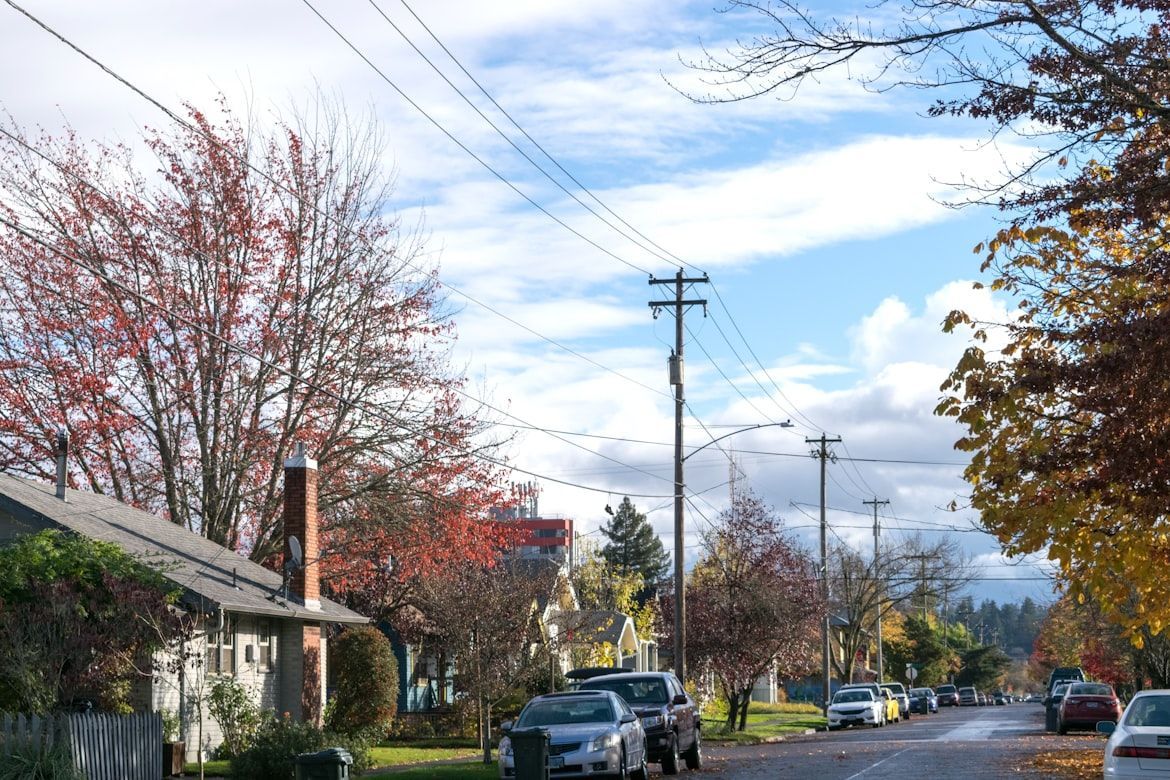
Eugene consistently reports low levels of fine particle pollution, averaging around 5.2 µg/m³. This keeps it with clean-air guidelines set by health organizations.
The city’s location, at the end of the lush Willamette Valley, combined with frequent rainfall, helps cleanse the air. Strong environmental policies in Oregon further support its clean-air reputation.
Boise, Idaho
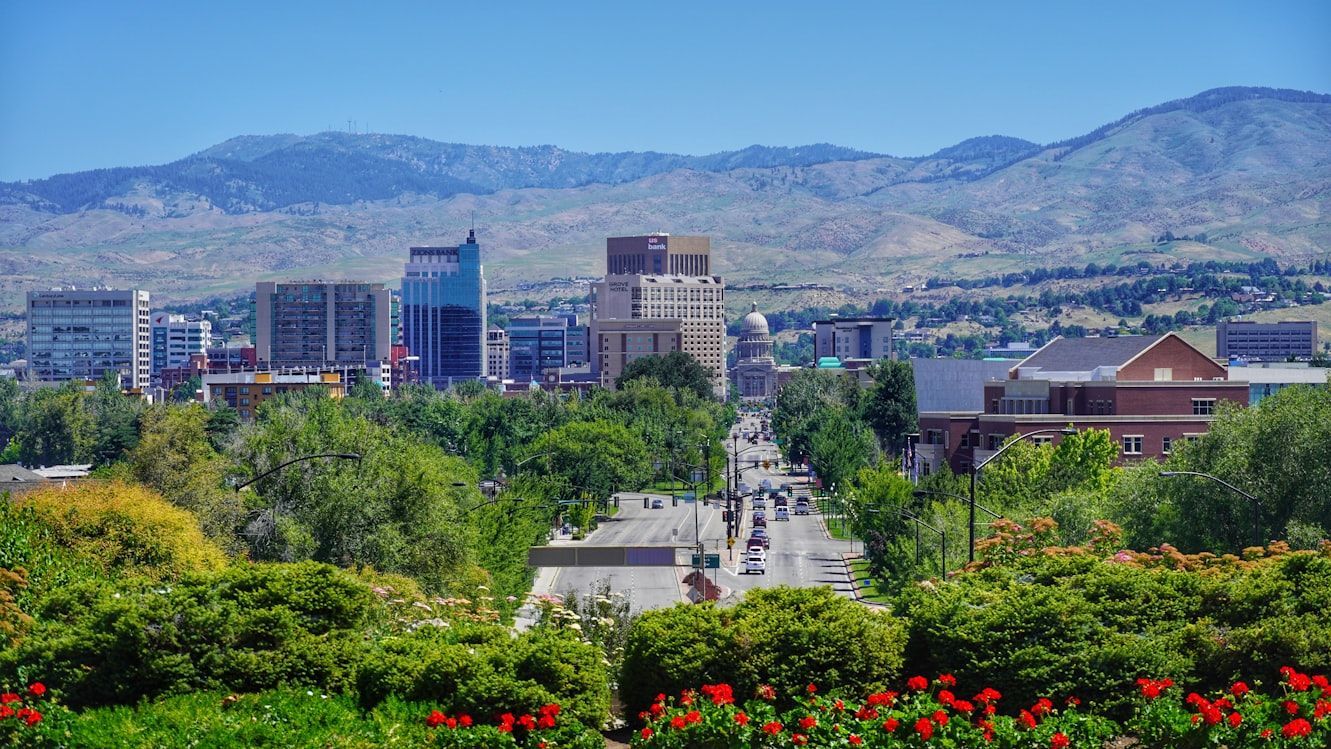
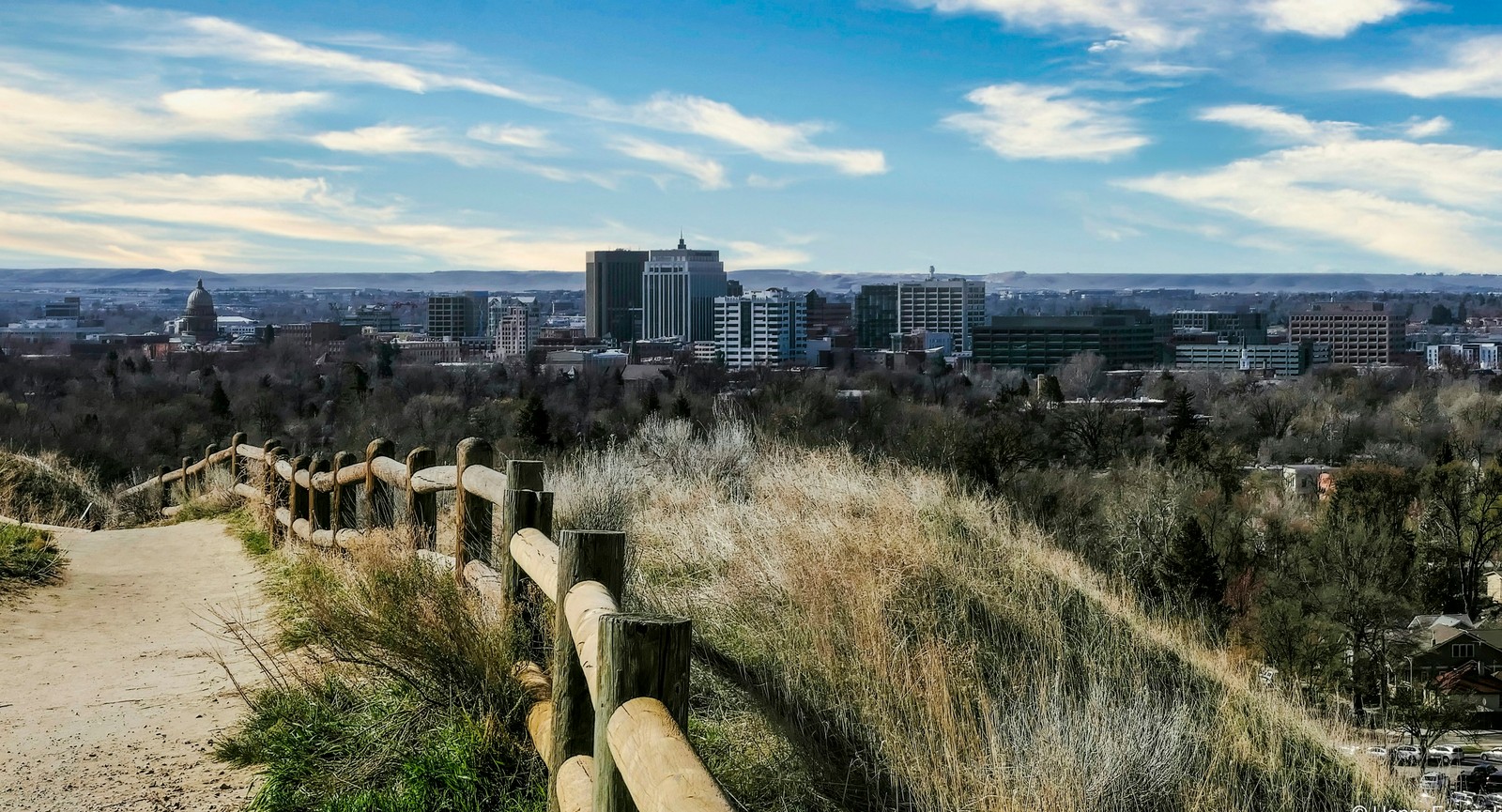
The capital and most populous city in Idaho, Boise, maintains relatively clean air compared to many U.S. cities. With PM2.5 levels near 5.6 µg/m³, it is often cited as one of the cleanest mid-sized cities in the country.
Extensive green spaces and limited heavy industry contribute to this. City planning efforts, including bike-friendly infrastructure, also help reduce vehicle emissions.
Anchorage, Alaska
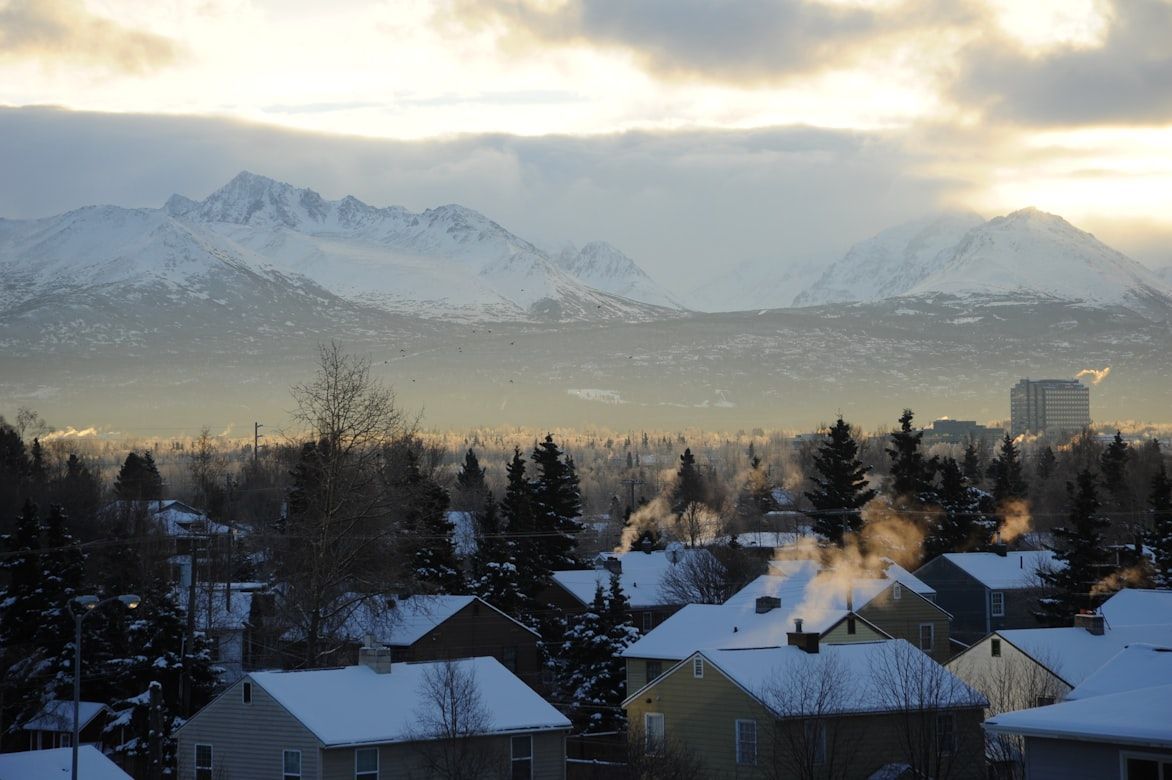
Anchorage, Alaska’s most populous city, offers some of the freshest air in the U.S., often recording AQI (Air Quality Index) values in the "good" range. PM2.5 levels can average close to 3.1 µg/m³ in favorable conditions.
Its remote location, low population density, and coastal winds all play a role. These factors combine to keep pollution levels low throughout much of the year.
Seattle, Washington
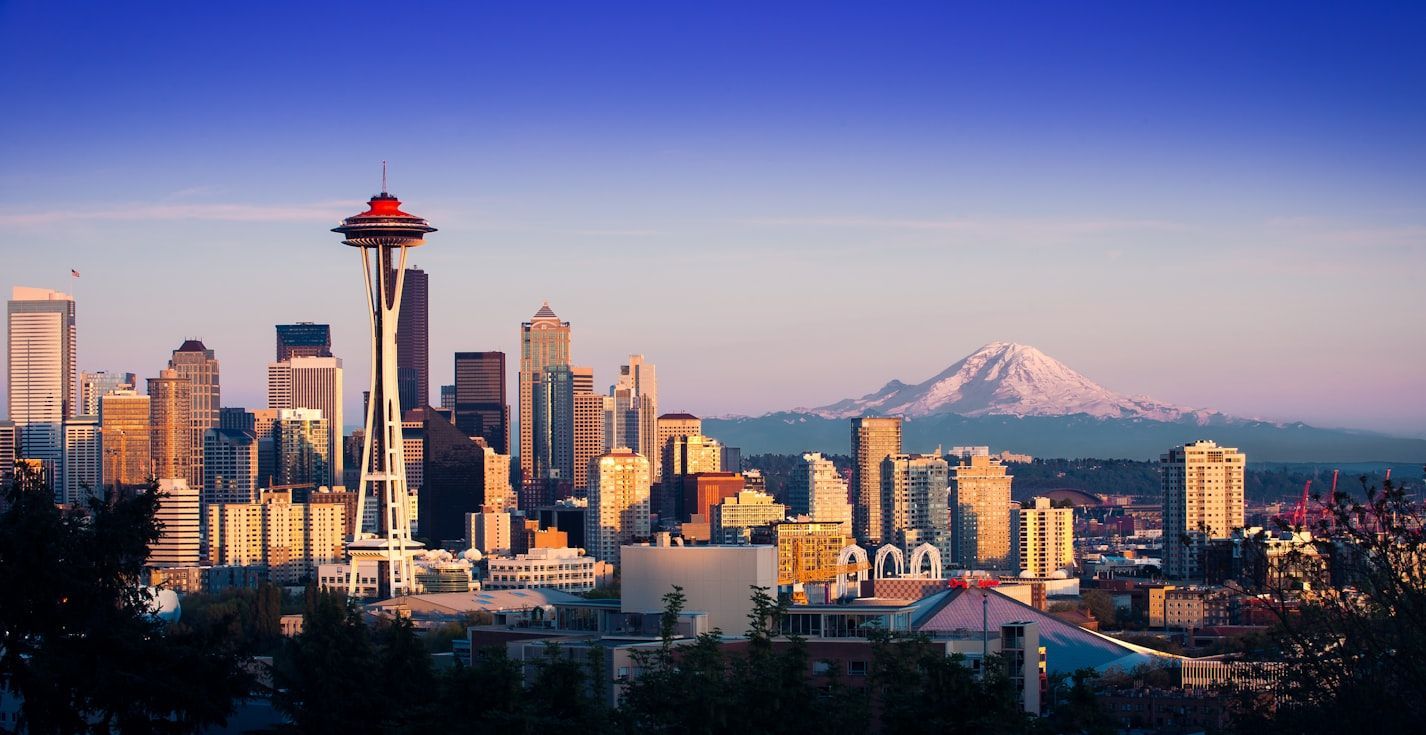
Seattle frequently enjoys good air quality, with AQI levels typically staying between 0 and 50. Its marine climate helps prevent pollution from lingering.
Rainfall and ocean air from Puget Sound help clear contaminants. However, the city can occasionally experience short-term spikes due to wildfire smoke in late summer.
Bellingham, Washington
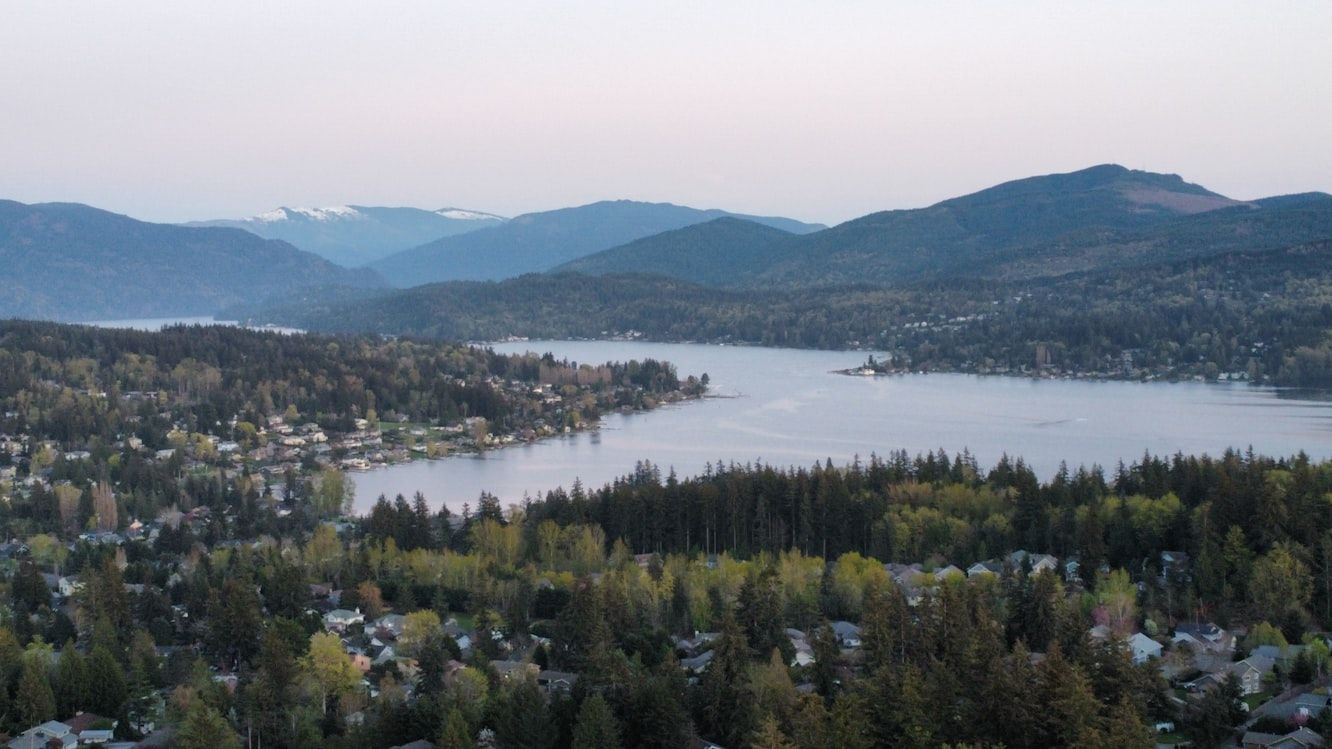
Bellingham, located in Washington near the Canadian border, is known for its consistently clean air. Pollution levels remain low thanks to its coastal setting and small population.
The city benefits from steady ocean winds and minimal industrial activity. PM2.5 levels often stay below 5 µg/m³, placing it among the cleanest urban areas in the region.
Worcester, Massachusetts
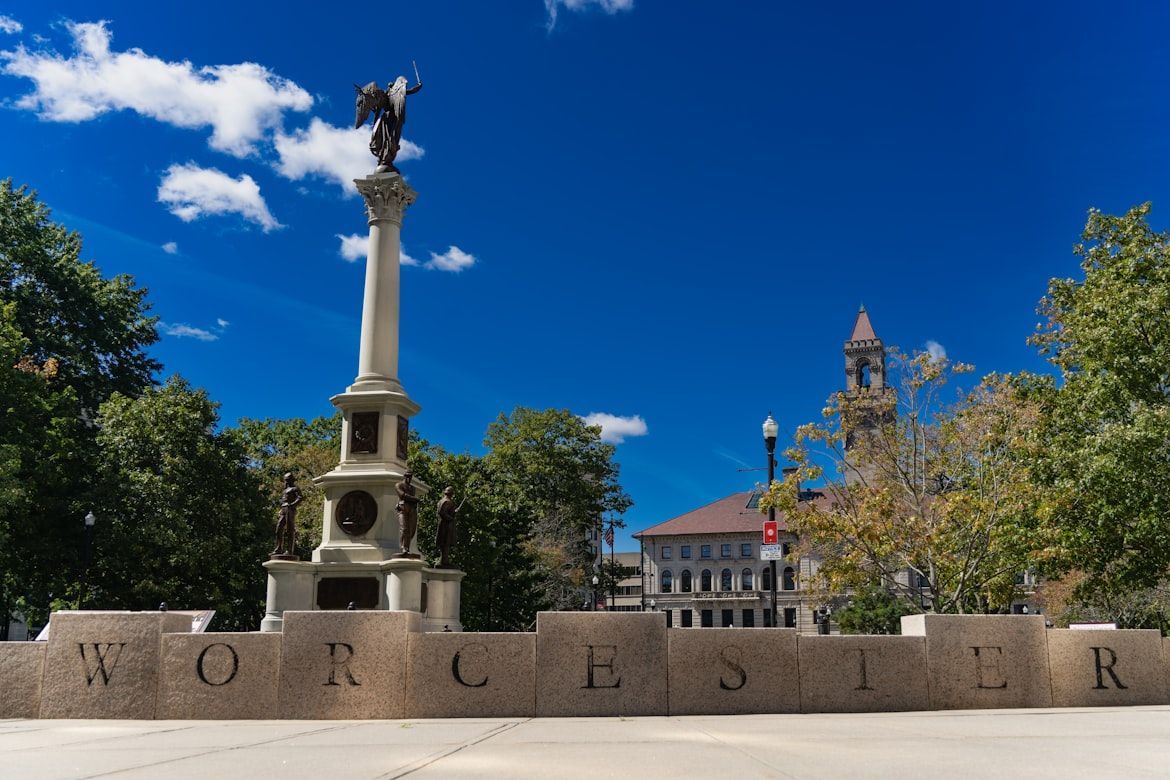
Worcester ranks among the cleanest cities in the Northeast, with PM2.5 levels around 5.8 µg/m³. This reflects major improvements in regional air quality over recent decades.
Once an industrial hub, the city now benefits from stricter emissions standards and reduced heavy industry. These changes have helped create noticeably cleaner air for residents.
Keep wandering
There’s always
more to explore

You've said these phrases your whole life… But pilots said them first
6 min.
Read Now

This item could save your life on your visit to a national park
6 min.
Read Now

Tips for leaving your home in order before you travel
5 min.
Read Now
 Culture

12 U.S. regions that prove that there is wine beyond Napa and Sonoma
3 min.
Read Now