This item could save your life on your visit to a national park
 General
Trail essentials
This item could save your life on your visit to a national park
So you’ve finally decided to head out to one of America's incredible national parks. Whether you've been meaning to visit Yellowstone for 20 years or just got inspired by a documentary on the Grand Canyon, there's no better time. But before you throw anything into a backpack willy-nilly, be sure to get your hands on the America the Beautiful Pass, which will save you a lot of money at the gate, and pick up a pair of sturdy boots: your old sneakers are not going to cut it on the trail. Here's a rundown of the ten things you really don't want to leave home without.
America the Beautiful Pass
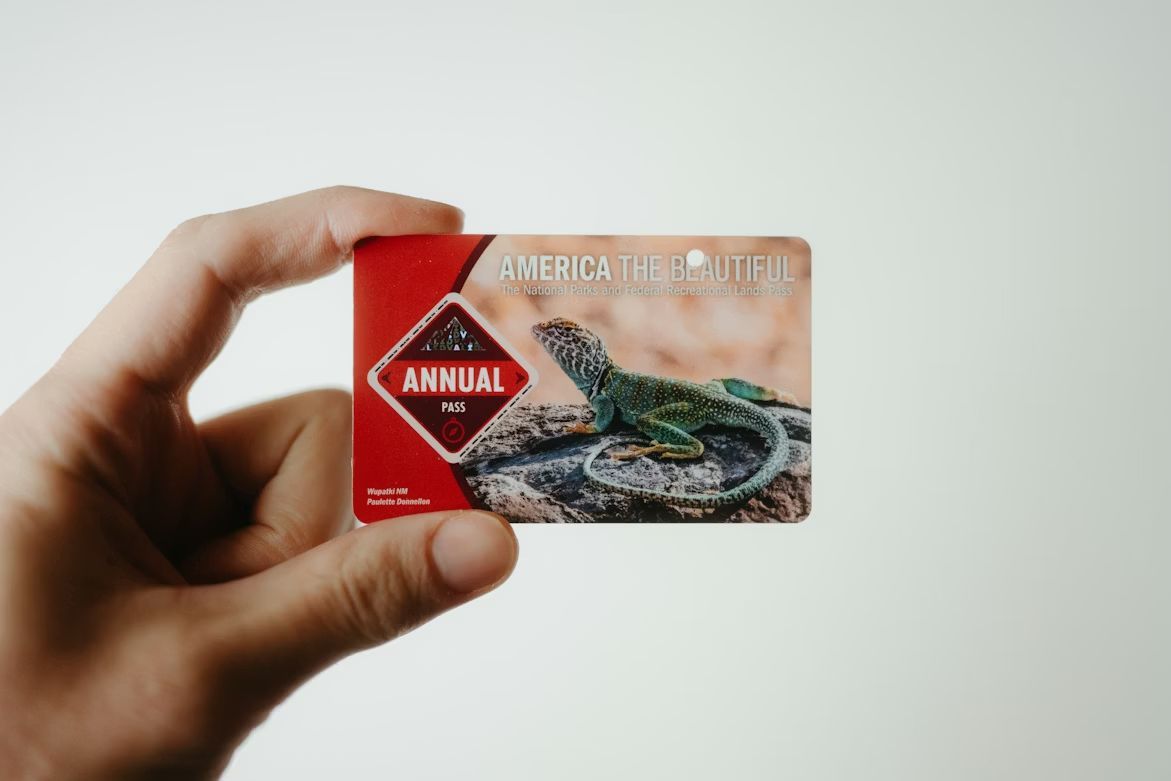
The America the Beautiful Pass is essentially an annual membership card to over 2,000 federal recreation sites across the country, including all national parks. You pay once—currently $80 a year—and you're in everywhere, no per-visit fees.
Picture this: you've driven hundreds, if not thousands, of miles to the entrance of Grand Teton National Park in Wyoming, and the line of cars stretches back a quarter mile. With your pass, you sail right through the annual pass lane, skip the fee booth entirely, and you're on your way to Jenny Lake before the folks behind you have even reached their wallets.
Sturdy hiking boots
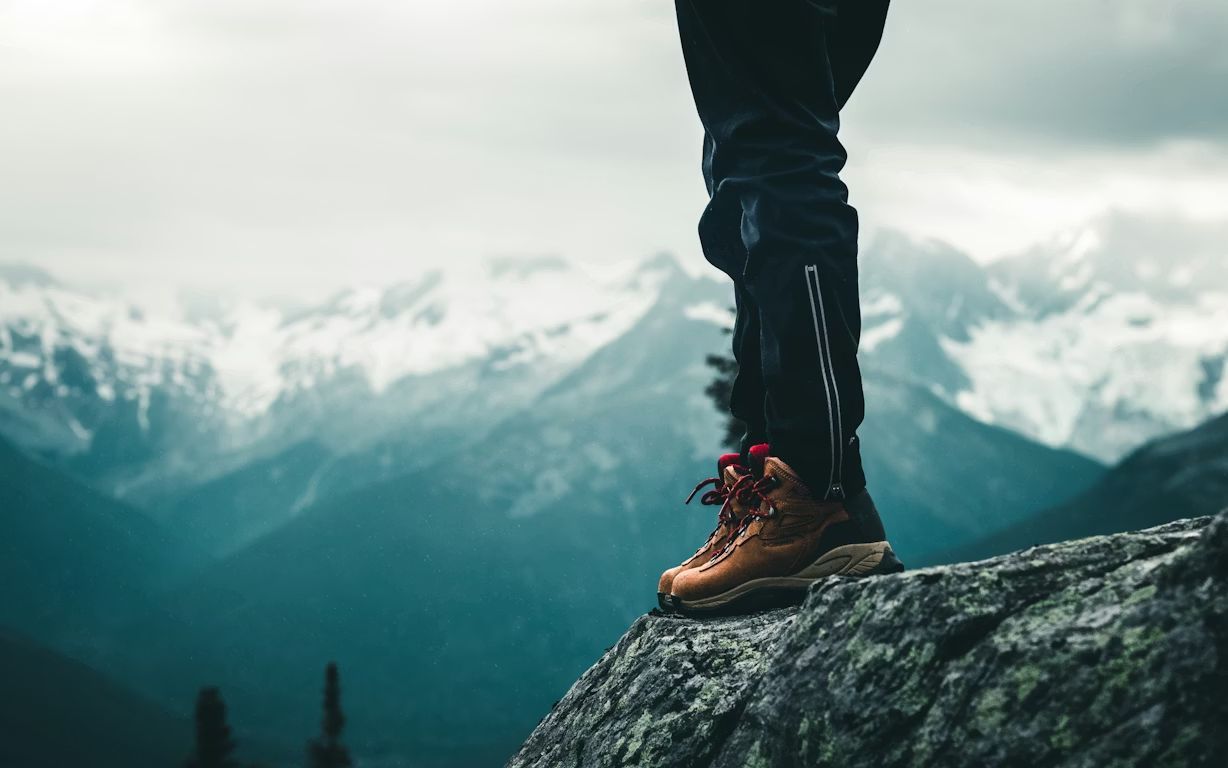
A good pair of hiking boots isn't just about comfort; it's about keeping your ankles stable on uneven ground, your feet dry when you cross a stream, and your knees happier at the end of the day. Look for boots with solid ankle support, a grippy rubber sole, and waterproofing.
Imagine you're hiking the Emerald Pools Trail in Zion National Park, Utah. The path starts easy enough, but before long, you're navigating rocky switchbacks and slick sandstone near the water. In old running shoes, one wrong step and you're sliding. In proper boots with ankle support and traction, you walk it confidently, stop for photos, and make it back to the trailhead without a single stumble or aches and pains the next day.
High-SPF sunscreen & lip balm
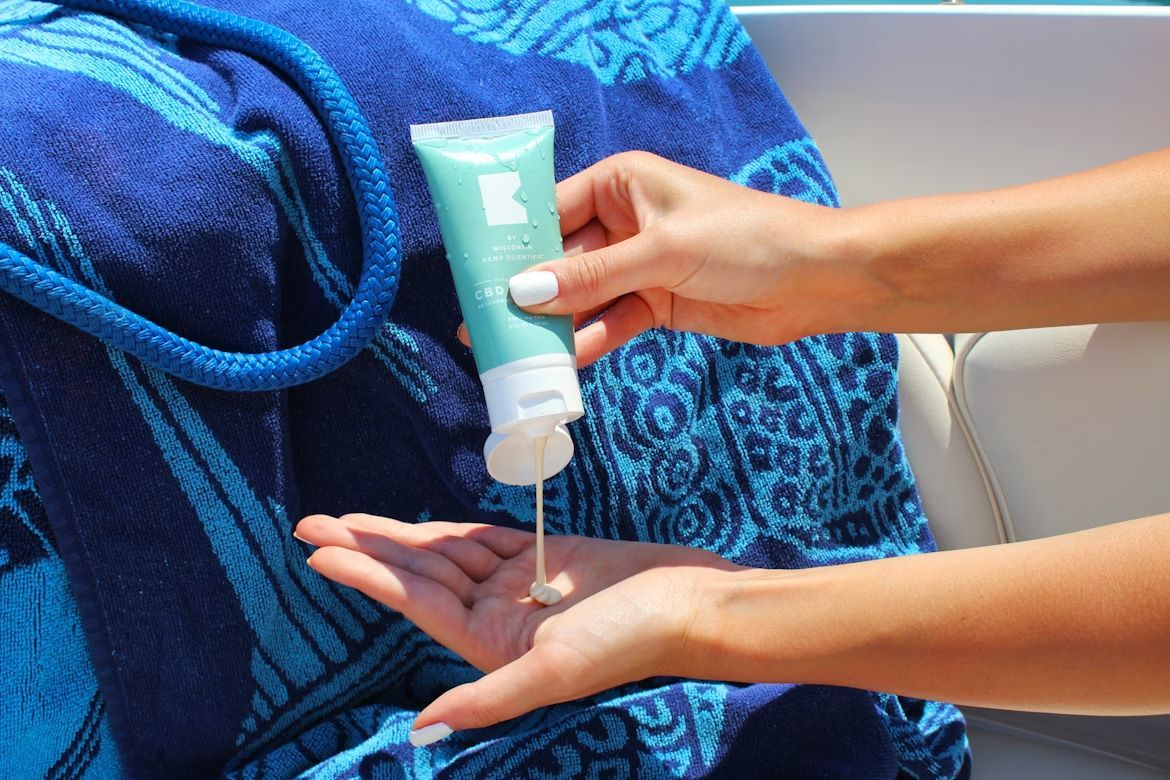
At altitude, UV radiation is significantly stronger than at sea level — about 4% more intense for every 1,000 feet of elevation gain. That means if you're hiking at 8,000 feet, you're dealing with roughly 32% more UV exposure than on the beach. SPF 50 sunscreen, reapplied every couple of hours, plus an SPF lip balm, are essentials you should pack without thinking twice.
Imagine a full day of exploring the geothermal basins at Yellowstone in Wyoming—you're out in the open, no shade, surrounded by white mineral deposits that reflect sunlight right back at you. With sunscreen and lip balm in your pocket, you can spend the day marveling at the geysers without worrying about a painful sunburn.
Bear canister or bear spray
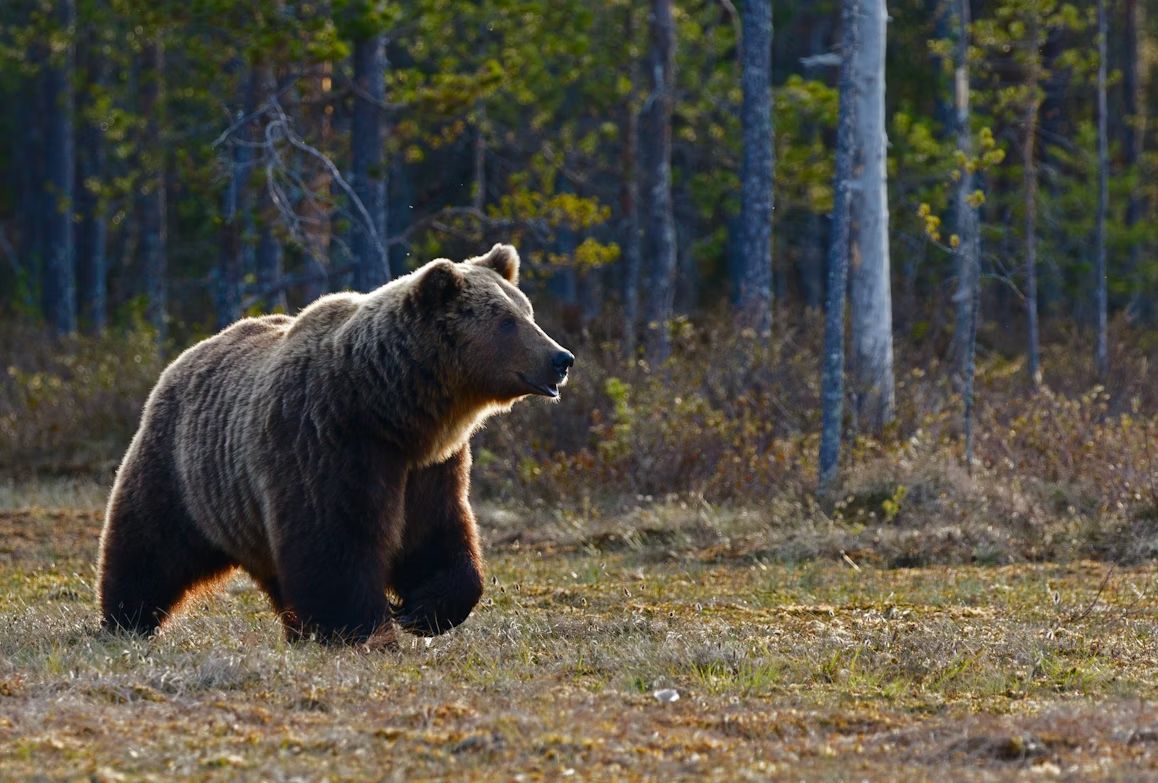
In bear country, which includes Yellowstone, Glacier, the Great Smoky Mountains, and many other national parks, you need to take wildlife safety seriously. Bear spray—a kind of extra-powerful pepper spray designed specifically to deter bears—should be on your hip and accessible, not buried in your pack.
Imagine hiking out of your campsite in Glacier National Park in Montana. On the trail out of your tent, you round a blind corner and a grizzly is just 20 yards away, startled by your sudden appearance. It huffs, pops its jaw, and starts moving toward you. You stand your ground, pull the safety clip off your bear spray, and when it closes within 30 feet, you deploy a short burst. The cloud stops the bear cold; it veers off and disappears into the trees.
Headlamp with extra batteries
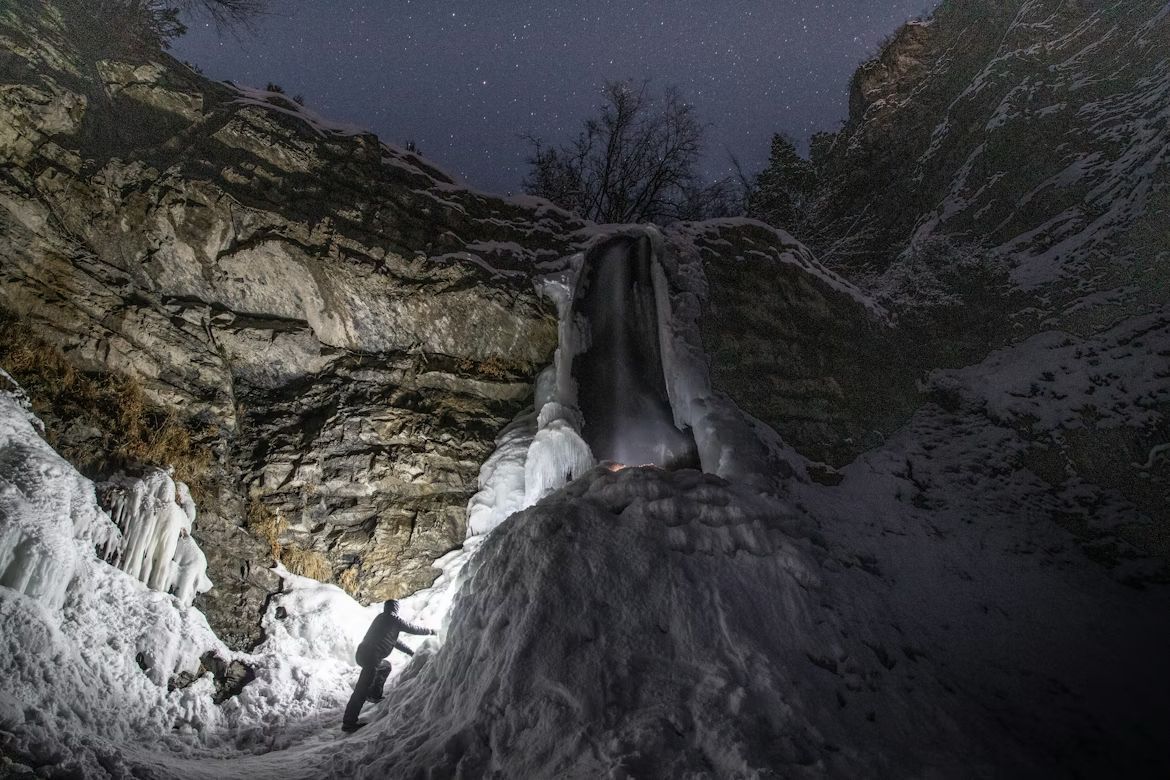
A headlamp is one of those things you hope you never need and will be incredibly grateful for if you do. Hikes run long, sunsets are faster than you expect, and having both hands free beats holding a flashlight every single time.
Consider a late-afternoon hike to see the sunset at Acadia National Park in Maine. You're at the summit of Cadillac Mountain, and the view is so stunning you stay longer than planned. By the time you start back down the carriage roads, it's dark. With a headlamp strapped to your forehead, you walk calmly back to the parking lot.
First aid kit
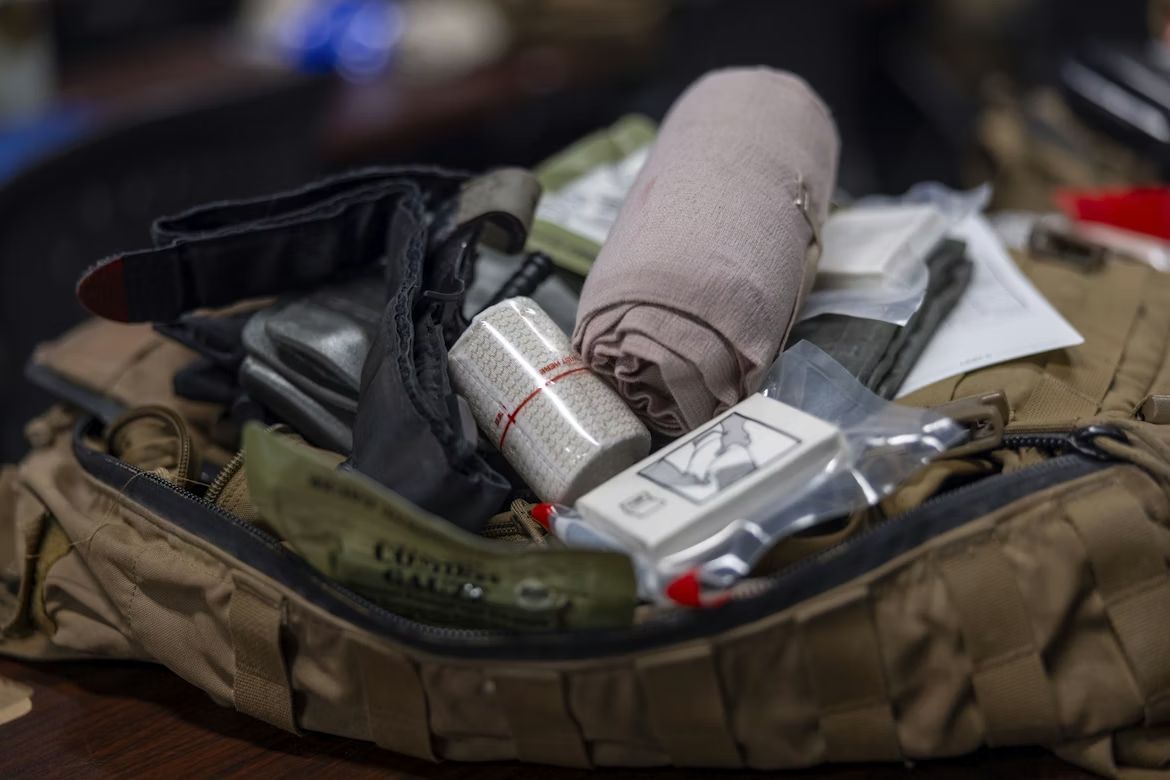
A basic first aid kit doesn't take up much space, and on a trail miles from the nearest road, it can make a real difference. At minimum, pack adhesive bandages, blister pads, antiseptic wipes, moleskin, pain relievers, and any personal medications.
Picture this: you're on the Appalachian Trail section running through Shenandoah National Park in Virginia, and about four miles in, a hot spot on your heel has turned into a full blister. Without moleskin or blister pads, that four-mile return hike becomes excruciating. With a small first aid kit in your daypack, you stop, treat it properly, pad it up, and finish the hike without a second thought.
Snacks & high-energy food
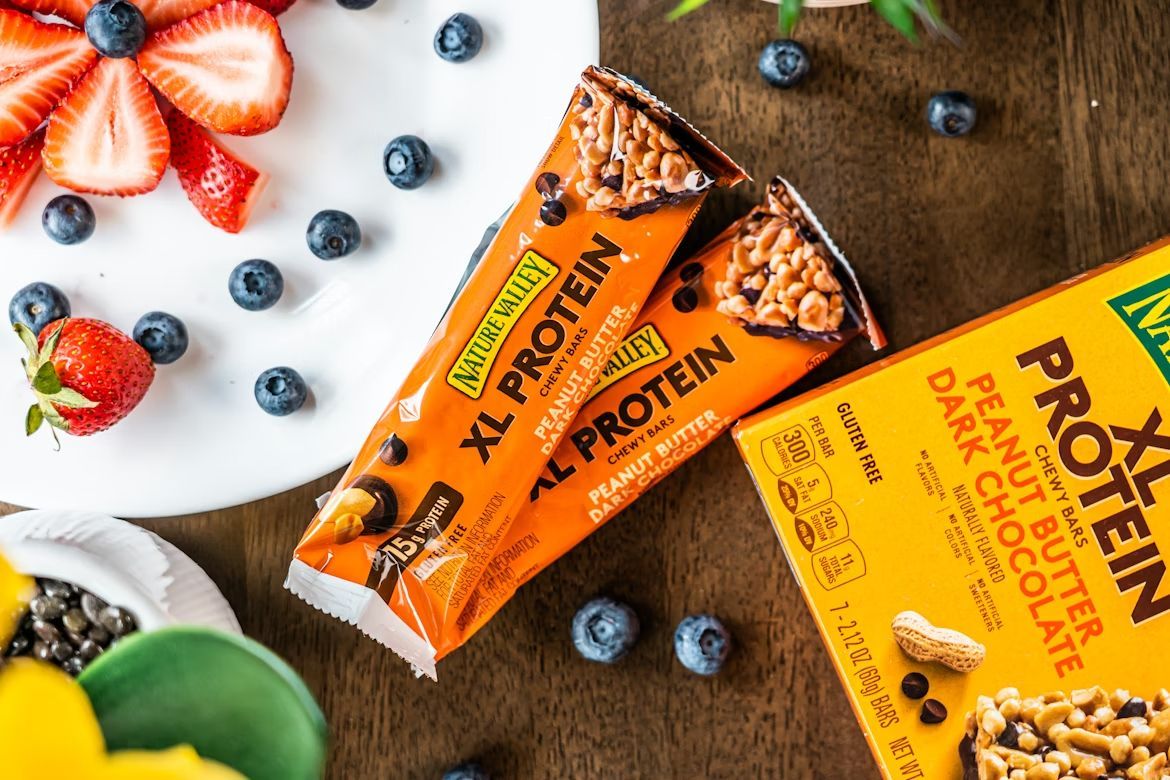
Hiking burns more calories than most people expect, and your energy levels drop faster when you're running on empty. Trail mix, energy bars, jerky, nuts, and dried fruit are lightweight, calorie-dense, and don't require refrigeration.
Say you're exploring the otherworldly hoodoos of Bryce Canyon National Park in Utah on the Navajo Loop Trail. It's more strenuous than it looks on the map, and by the time you've climbed back out of the canyon, you're genuinely spent. You sit down on a bench, pull out a handful of trail mix and a granola bar, and within fifteen minutes, you feel like a person again.
Detailed trail map or offline GPS app
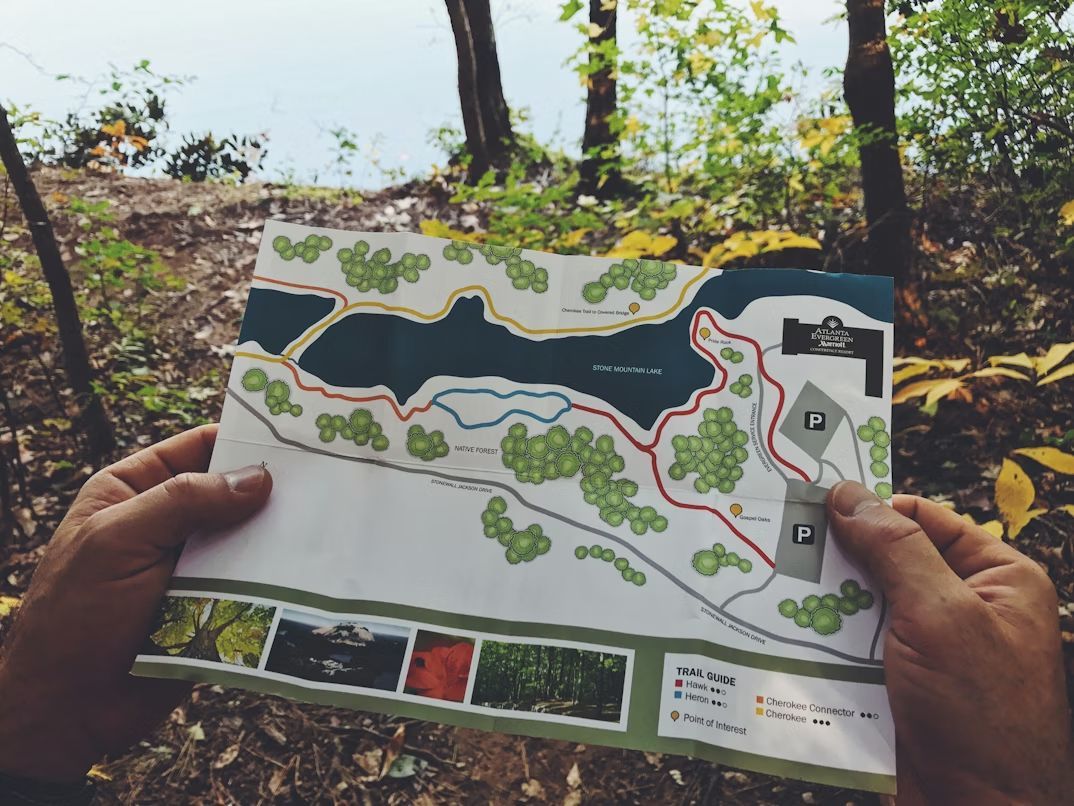
Cell service is unreliable in most national parks. Before you head out, download an offline map through an app like AllTrails or Gaia GPS, or pick up a printed trail map at the visitor center. Knowing where you are and where the trail goes gives you confidence and keeps you safe.
Let's say you're hiking in Olympic National Park in Washington, a massive and often foggy wilderness where trails can look surprisingly similar. You take what seems like the right fork and realize fifteen minutes later that the path is narrowing into overgrowth. With an offline GPS app, you can check your location instantly, see exactly where you went wrong, and backtrack.
Layered clothing
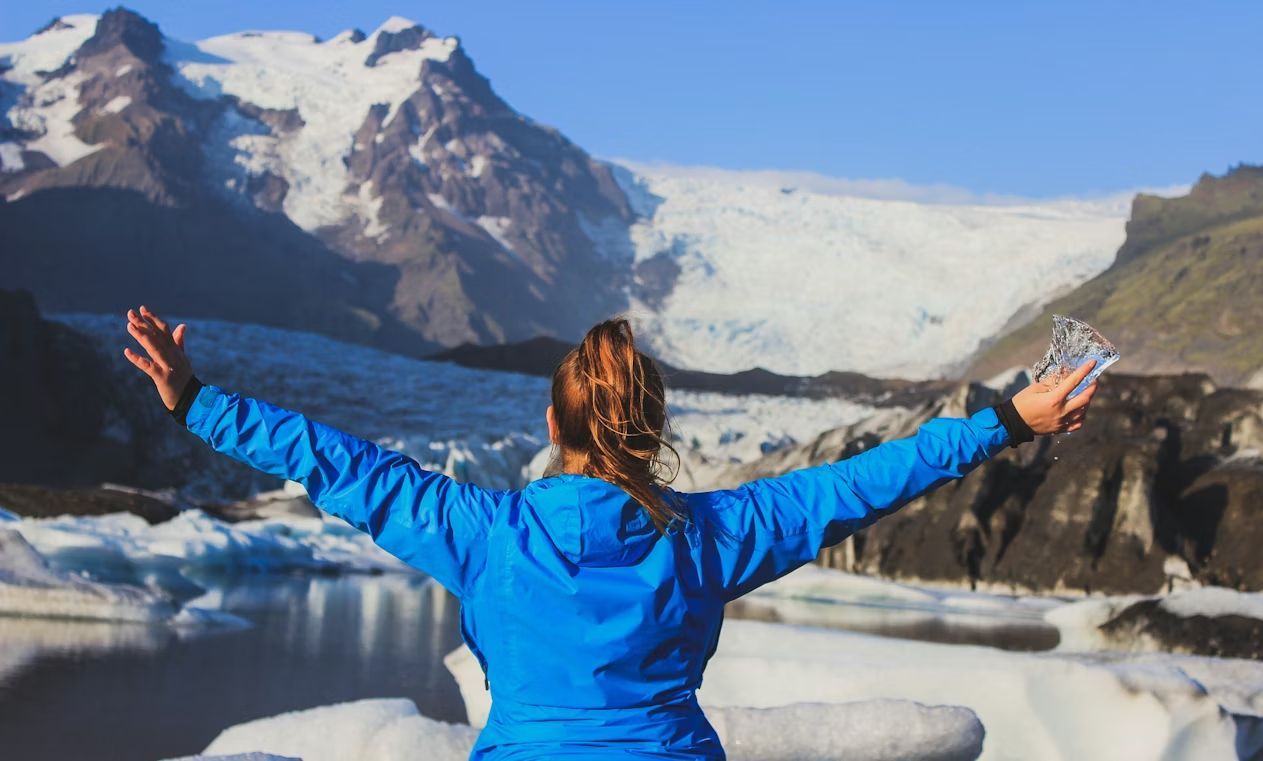
Mountain weather doesn't care about your plans. Temperatures in national parks can swing 30 degrees between morning and afternoon, and an afternoon thunderstorm can roll in out of nowhere. The solution is layers: a moisture-wicking base layer, a fleece or light insulating mid-layer, and a wind- and rain-resistant outer shell.
Say you're starting a morning hike at Rocky Mountain National Park in Colorado at 7 a.m.—it's 45°F and you're glad you have that fleece. By noon, you've peeled down to your base layer because the sun is blazing. Then at 2 p.m., a fast-moving storm rolls over the peaks, and you zip your shell right back on. One bag, three layers, and you've handled everything the Rockies threw at you.
Reusable water bottle or hydration pack
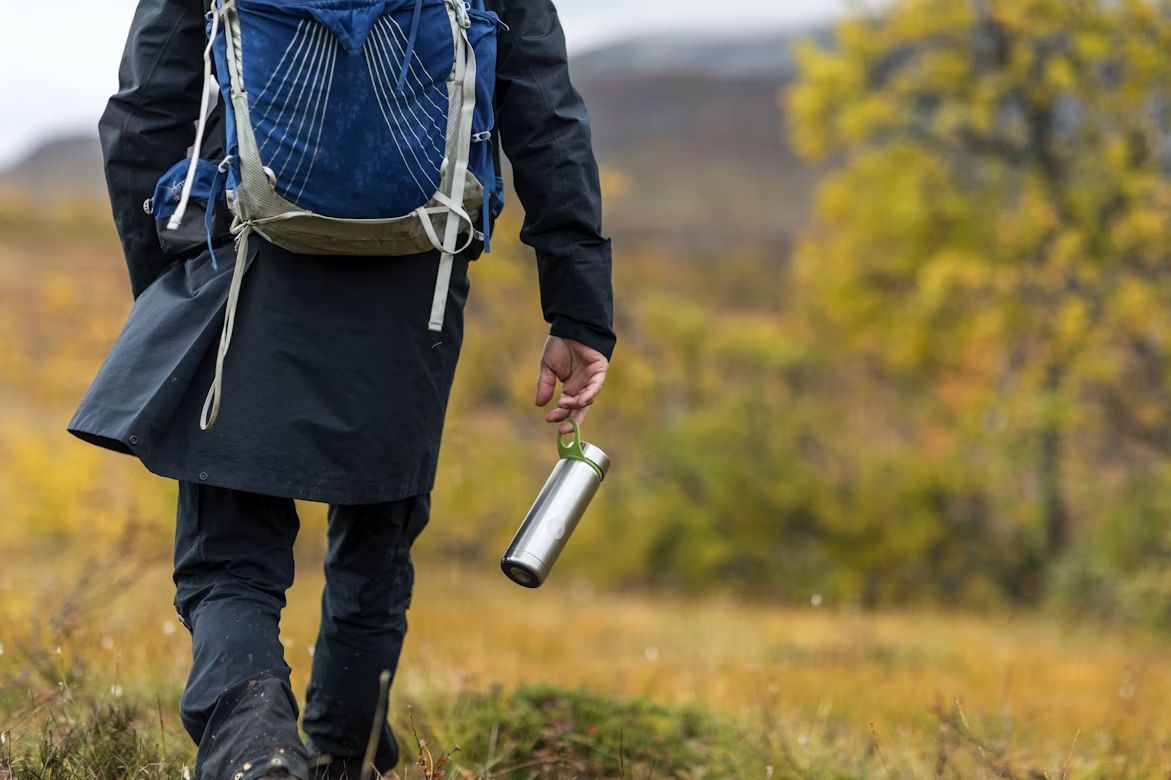
Staying hydrated on the trail is non-negotiable. A reusable 32-oz water bottle is the minimum; a hydration pack—the kind you wear like a small backpack with a drinking tube—is even better for longer hikes because you can sip without stopping.
Think about hiking the Bright Angel Trail down into the Grand Canyon in Arizona. It's one of the most popular trails in the country, and also one of the most dangerous for dehydration: the descent feels easy, but the climb back up in the heat is brutal. Rangers post signs reminding hikers to drink a liter of water per hour in summer. Having a full hydration pack means you're sipping regularly the whole way, and you make it back out feeling tired but fine.
Keep wandering
There’s always
more to explore
 Landmarks
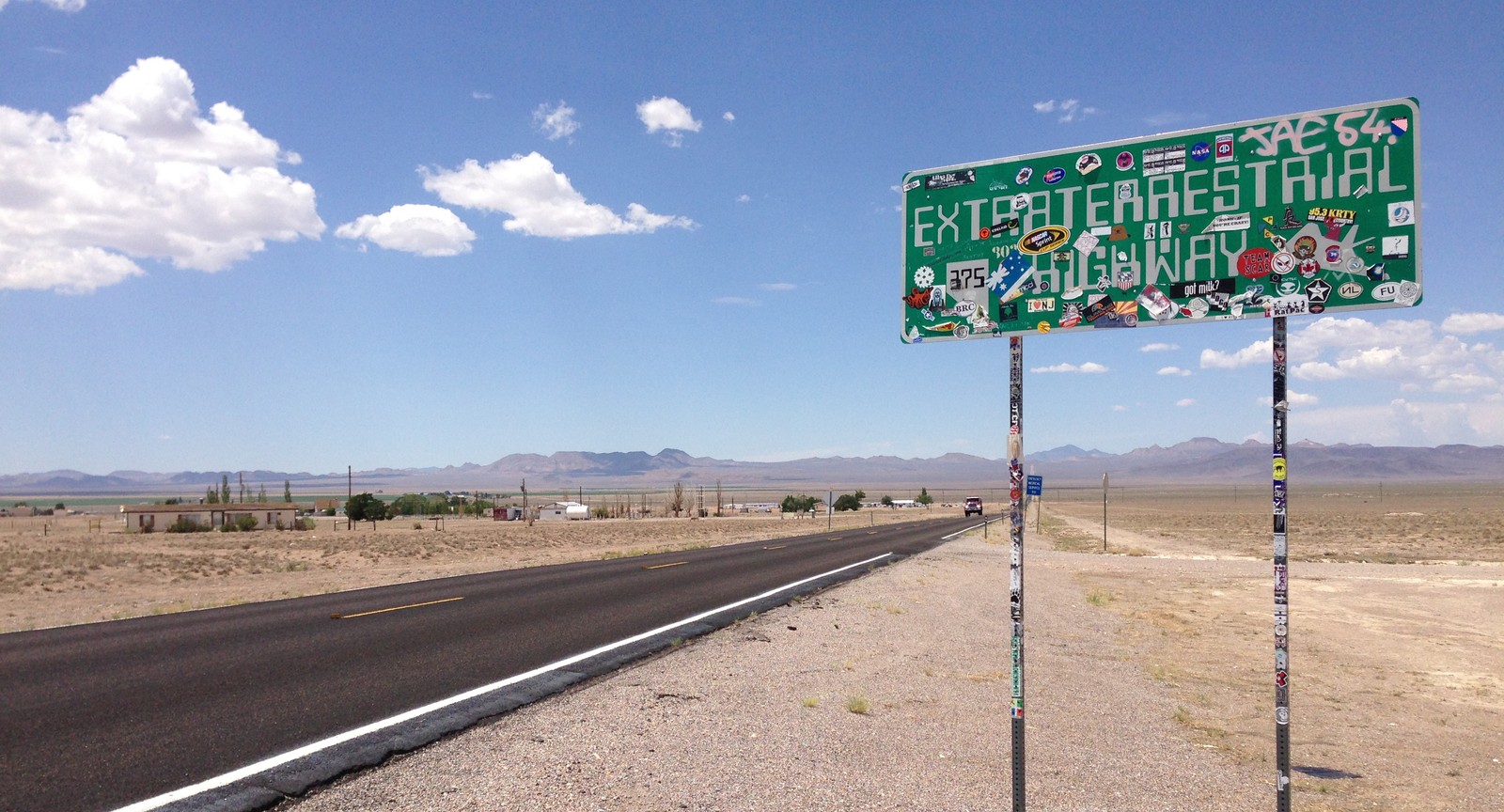
Why UFOs and giant bulldozers top the list of the strangest Nevada gems
5 min.
Read Now
Discover 10 countries with unreal (but Expensive) traffic laws
3 min.
Read Now
What happens to toilet waste above 35,000 feet? Here's the answer
5 min.
Read Now
Tips for leaving your home in order before you travel
5 min.
Read Now