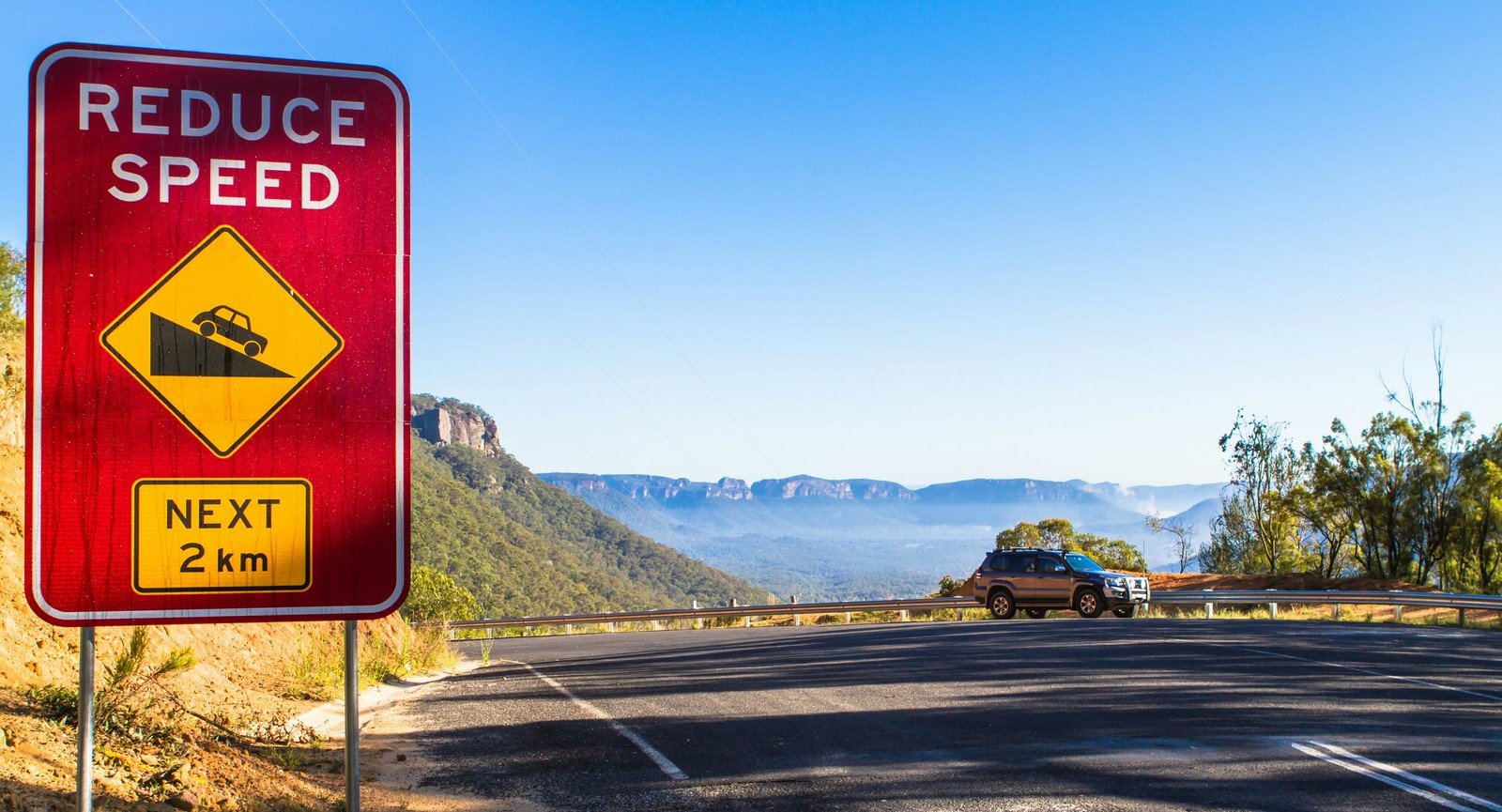
Discover 10 countries with unreal (but Expensive) traffic laws
 General
Discover 10 countries with unreal (but Expensive) traffic laws
Many travelers mistakenly assume that traffic rules are more or less universal. While a red light means "stop" everywhere, the nuances of parking, speed limits, and mandatory equipment vary wildly from border to border. Before you put the key in the ignition, here is a guide to the traffic rules and potential fines you might unexpectedly encounter in 10 popular destinations.
France
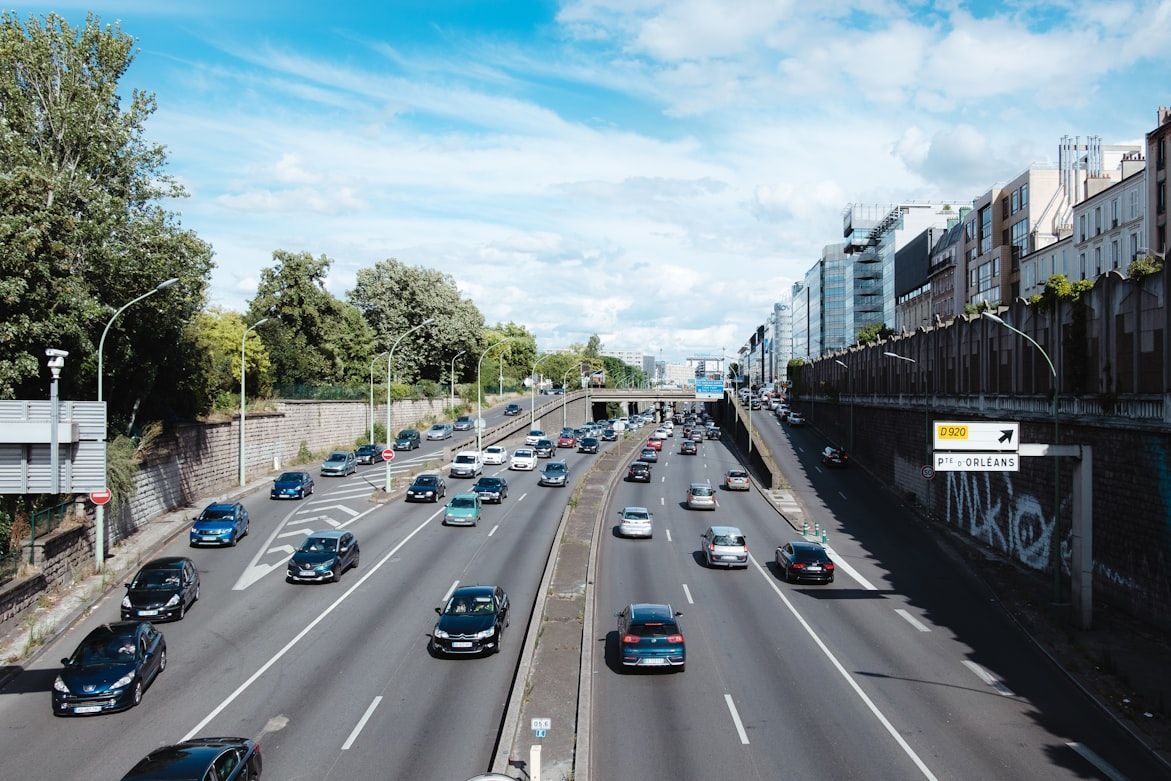
France has some of the strictest rules regarding technology. For example, it is illegal to have any device that alerts you to the position of fixed or mobile speed cameras. This includes standalone GPS units or even apps like Waze. If you don’t abide, the fine is a staggering €1,500 (1,763.68 USD), and the device can be confiscated.
Germany
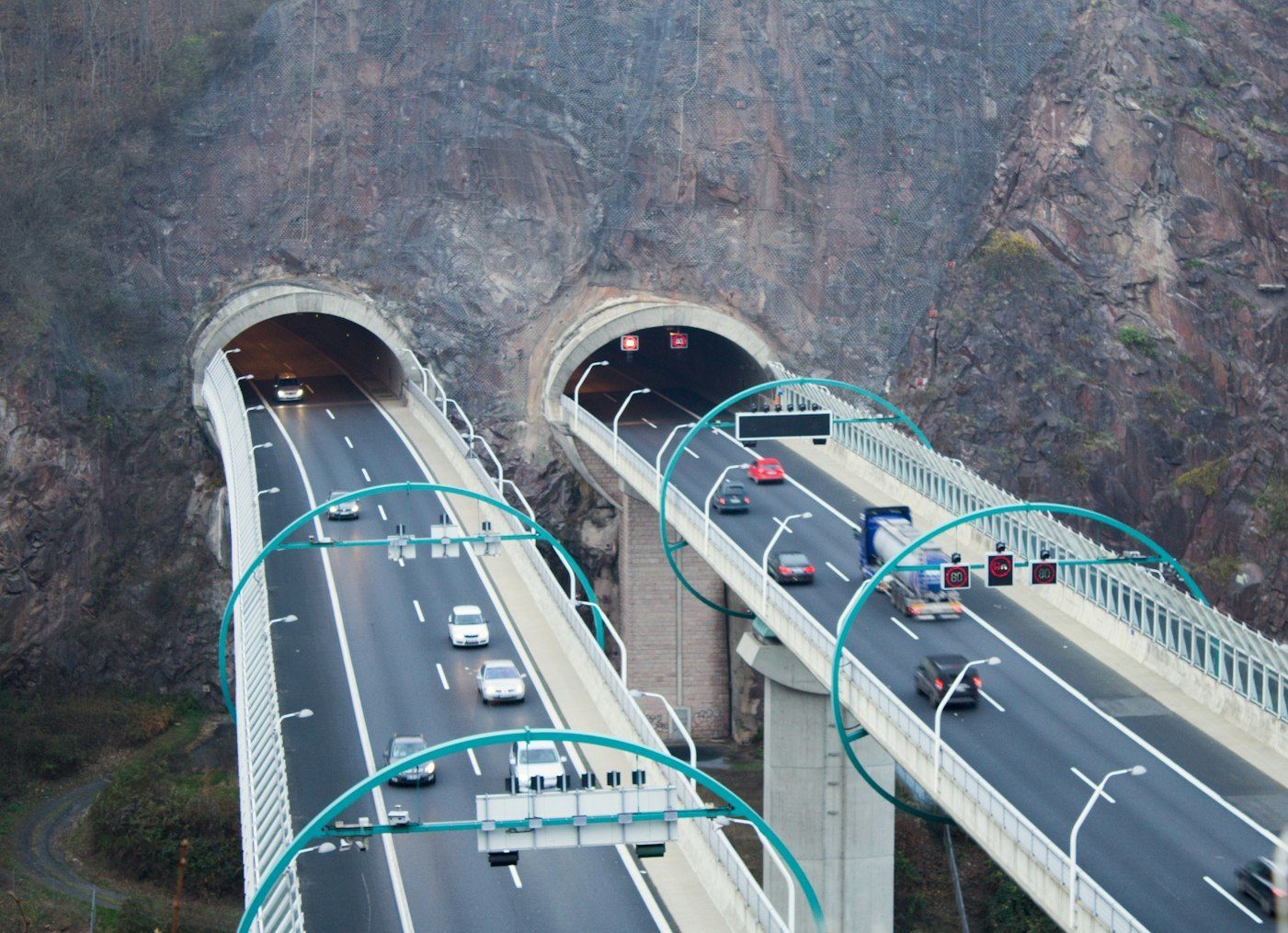
In Germany, devices are heavily penalized as well. Using a mobile phone while driving—even while stopped at a red light—will land you a €100 fine plus a negative point on your license. Also, this is important: While sections of the German Autobahn famously have no speed limit, the recommended speed is 130 km/h.
Italy
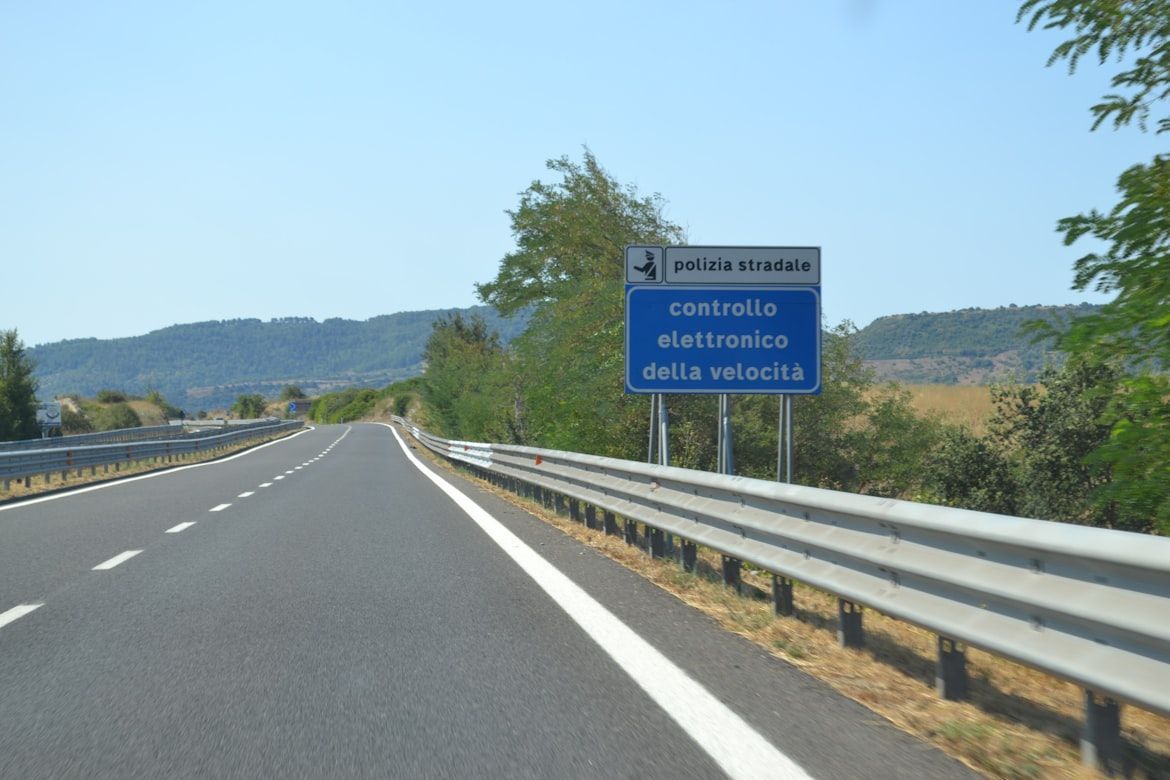
Italy is perhaps the most common place for tourists to receive surprise fines months after their trip ends. Most Italian city centers (Rome, Florence, Milan, Pisa) have restricted areas where only residents or authorized vehicles can drive, and cameras catch every unauthorized plate. Fines are usually around €100 per entry, meaning that if you take three wrong turns and pass the camera three times, you'll get three separate fines.
United Kingdom
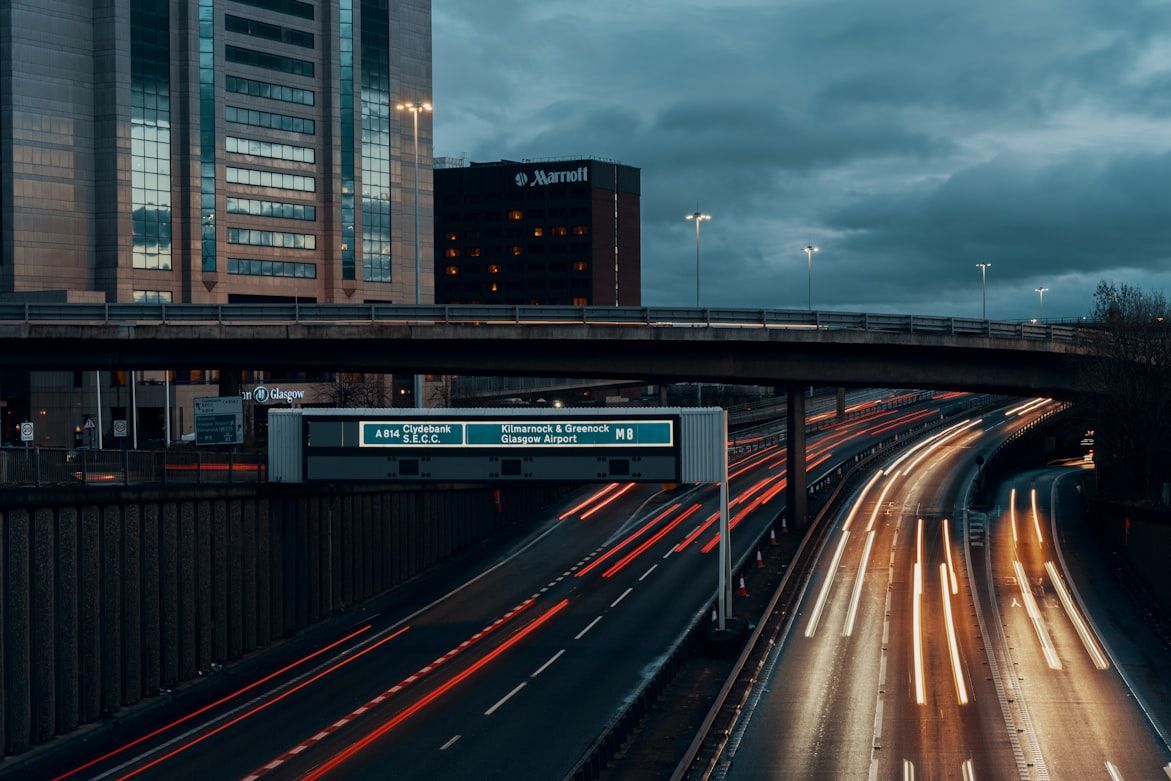
The most obvious challenge in the UK is driving on the left, yet there are other quirks to be aware of. For example, in London, there is a Low Emission Zone. Certain diesel vehicles, like older motor homes, can be charged if they don’t meet emissions standards. If you fail to pay this charge, you can face a penalty of £500 (679.55 USD) to £2000 (2718.20 USD).
Austria
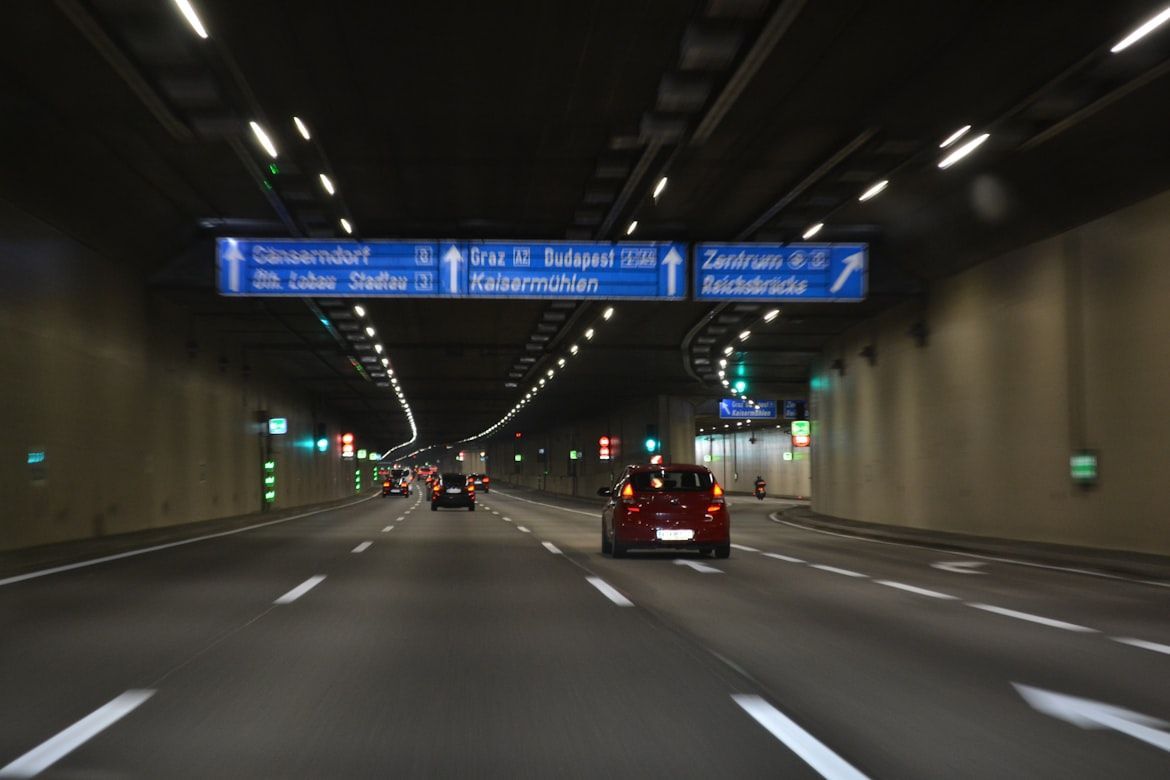
First rule to be aware of: Austria is famous for its impeccably maintained motorways, but they aren't free. All vehicles up to 3.5 tons must display a toll sticker on the windshield or have a registered digital version before entering a motorway. If you are caught without one, expect an on-the-spot fine of €120. Also, from November 1 to April 15, winter tires are mandatory in wintry conditions. If you cause a traffic obstruction without them, fines can soar to €5,000.
Spain
Spain has several unique rules designed to keep the driver’s attention entirely on the road. For instance, wearing headphones or earbuds while driving is strictly prohibited and carries a €200 fine. Also, Spanish police can fine you for driving in flip-flops or barefoot. Last but not least, this country requires drivers who wear glasses to carry a spare pair. Failing to wear your corrective lenses altogether is a major offense.
Netherlands
In the Netherlands, the hierarchy of the road is clear: cyclists come first. If you fail to give way to a cyclist where they have priority, expect a fine of at least €250. Also, take into account that parking fines in cities like Amsterdam are notoriously high, and wheel clamps are frequently used.
Portugal
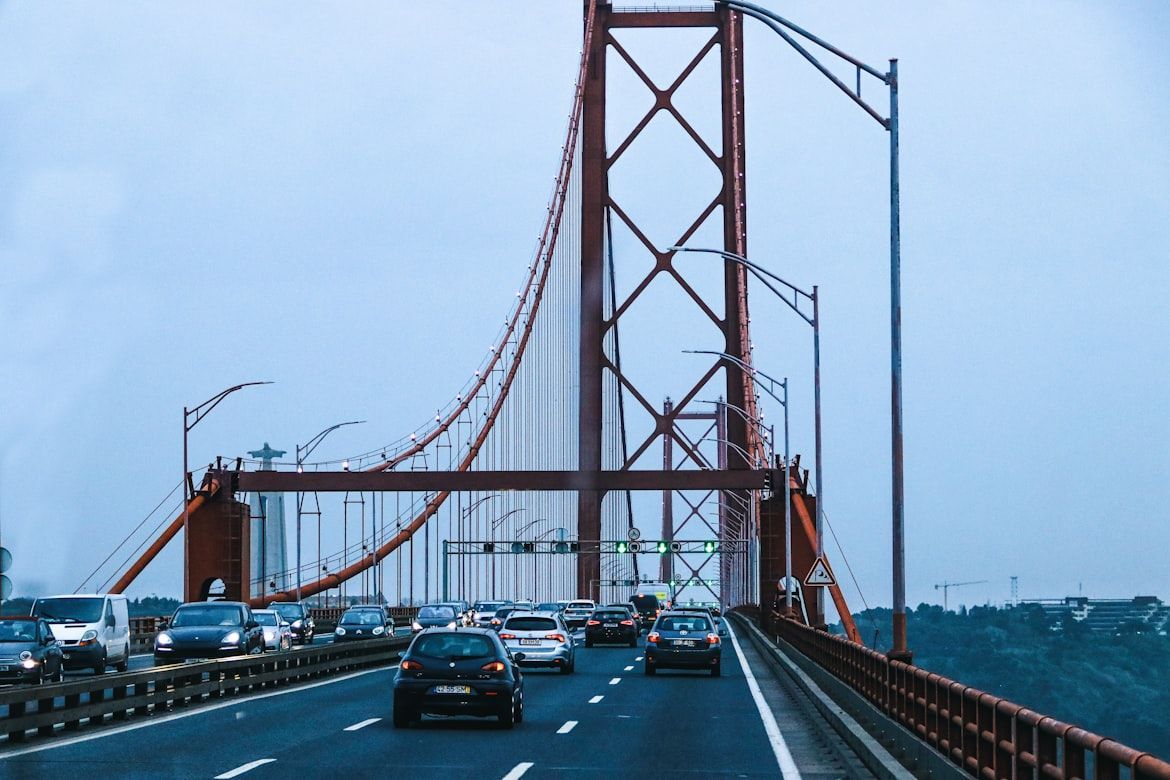
Portuguese traffic police are known for their efficiency and their demand for immediate payment. In fact, many police vehicles are equipped with portable ATMs. If you are a non-resident, they may demand that you pay the fine on the spot. If you refuse or cannot pay, they have the legal right to seize your vehicle. Common violations include speeding, mobile phone use, and failing to pay tolls. Fines range from €60 to €2,500.
Switzerland
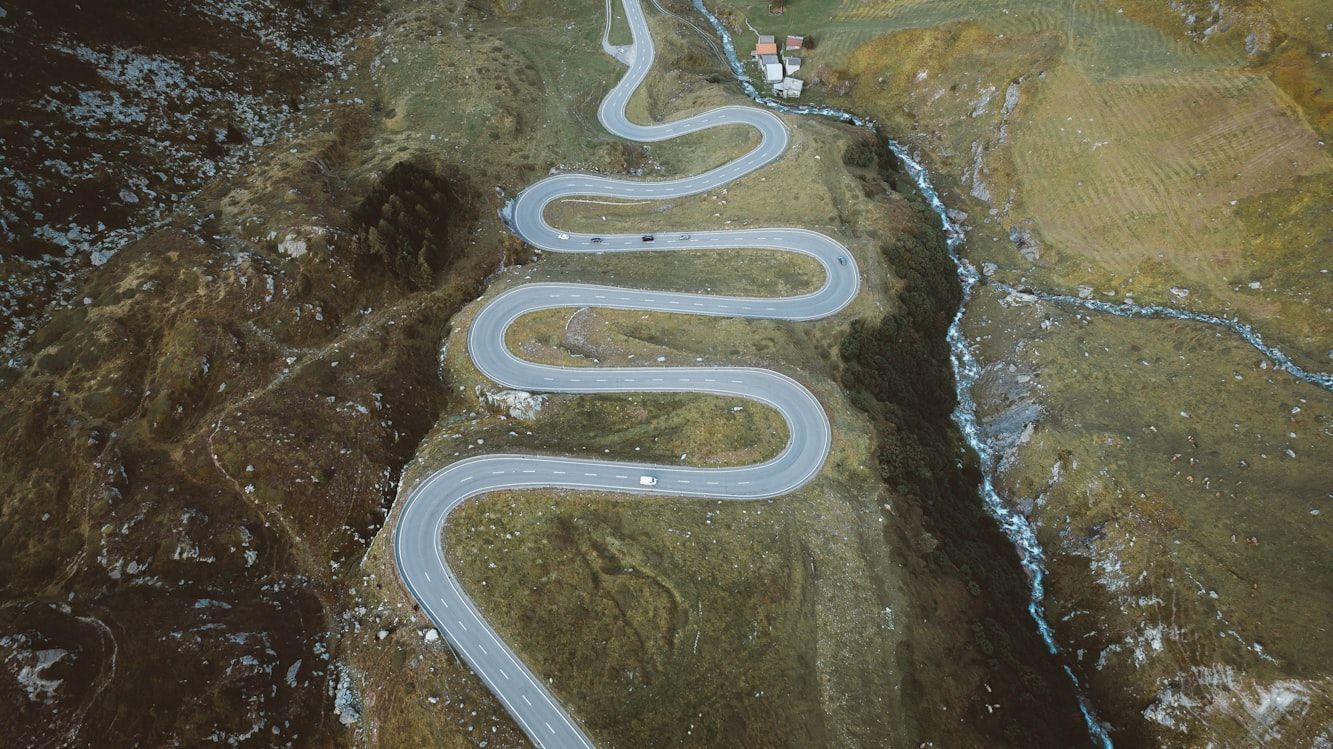
Switzerland is the most expensive place in the world to get a ticket. For minor speeding (1-3 m/h over), fines are fixed. However, for serious speeding, fines are calculated based on your daily income. In one famous case, a millionaire was fined nearly $300,000 for a single speeding offense. Also, have your headlights on during the day. Forgetting this results in a CHF 40 fine (51.38 USD).
Croatia

Croatia is a popular summer destination, but beware, its rules change with the seasons. From the start of November to the end of March, daytime running lights or dipped headlights are mandatory. Fines for forgetting are around €30. For drivers under the age of 24, the legal blood alcohol limit is 0.00%. Even a small beer can lead to a fine of €90 to €2,000 and a suspended license.
Which 12 things should always be kept in your travel First Aid Kit?
Prevention is everything
Which 12 things should always be kept in your travel First Aid Kit?
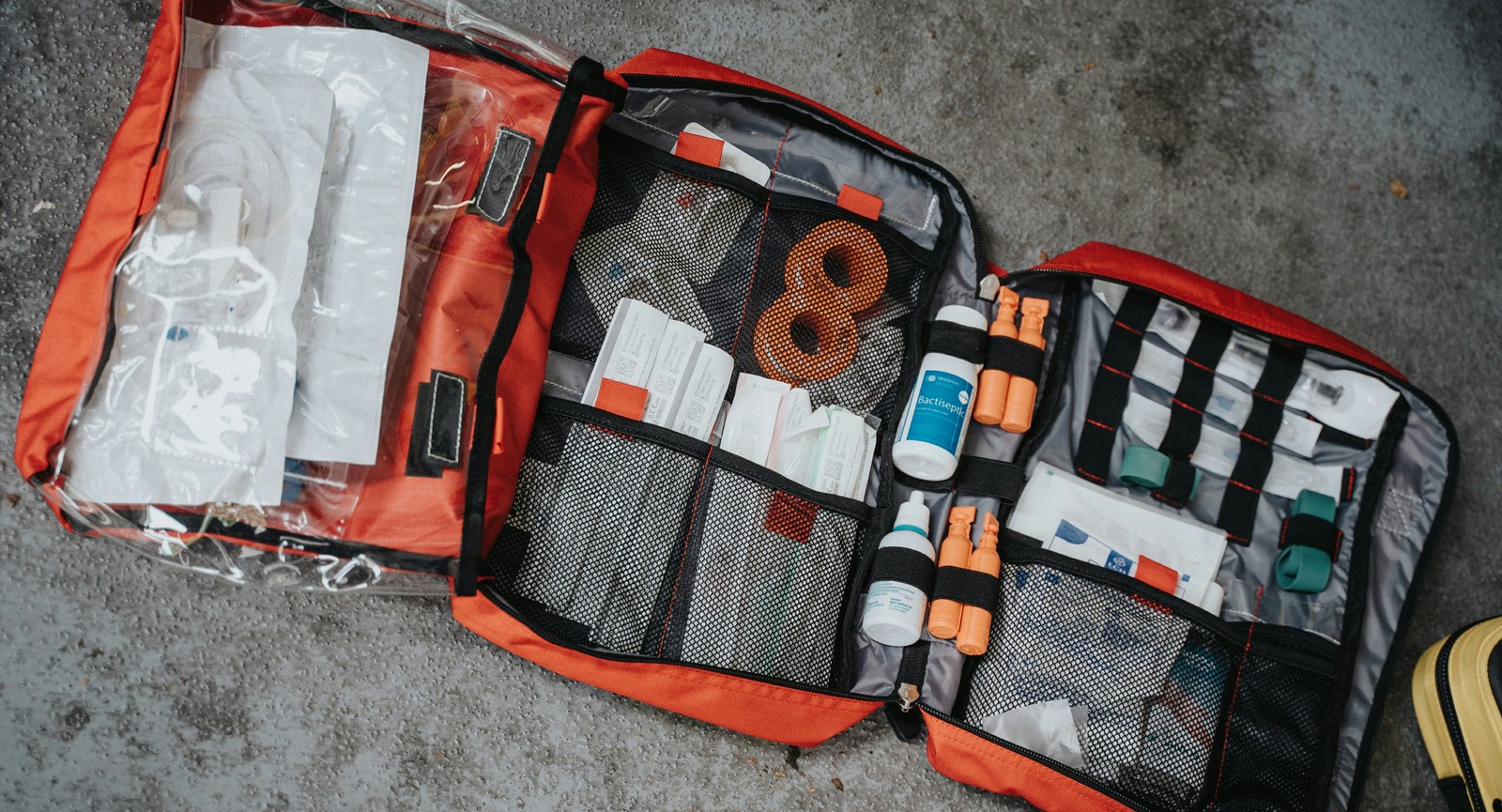
As the saying goes, bad things never happen to those who are prepared. While that might not be entirely true, it is true that those who are ready can face tricky situations with much greater ease than those who are not. A well-packed first aid kit can turn a stressful travel moment into a minor inconvenience. The following items are the essentials for every traveler to pack, no matter the destination.
Adhesive bandages
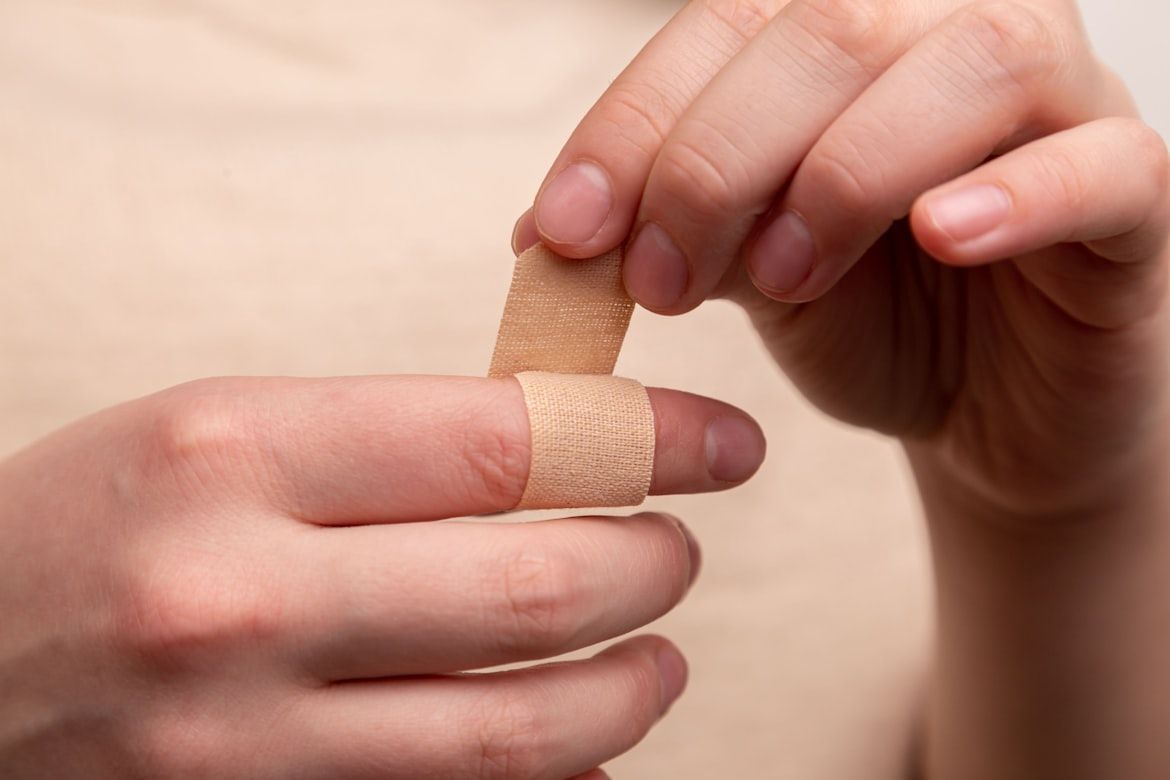
Minor cuts, scrapes, and blisters are among the most common travel annoyances. Adhesive bandages provide quick protection, keeping wounds clean and covered while you go about your day.
Pack several sizes, including small strips and wider patches. Comfortable, flexible bandages are especially useful for feet, where long walks and unfamiliar shoes can cause blisters.
Antiseptic wipes or solution
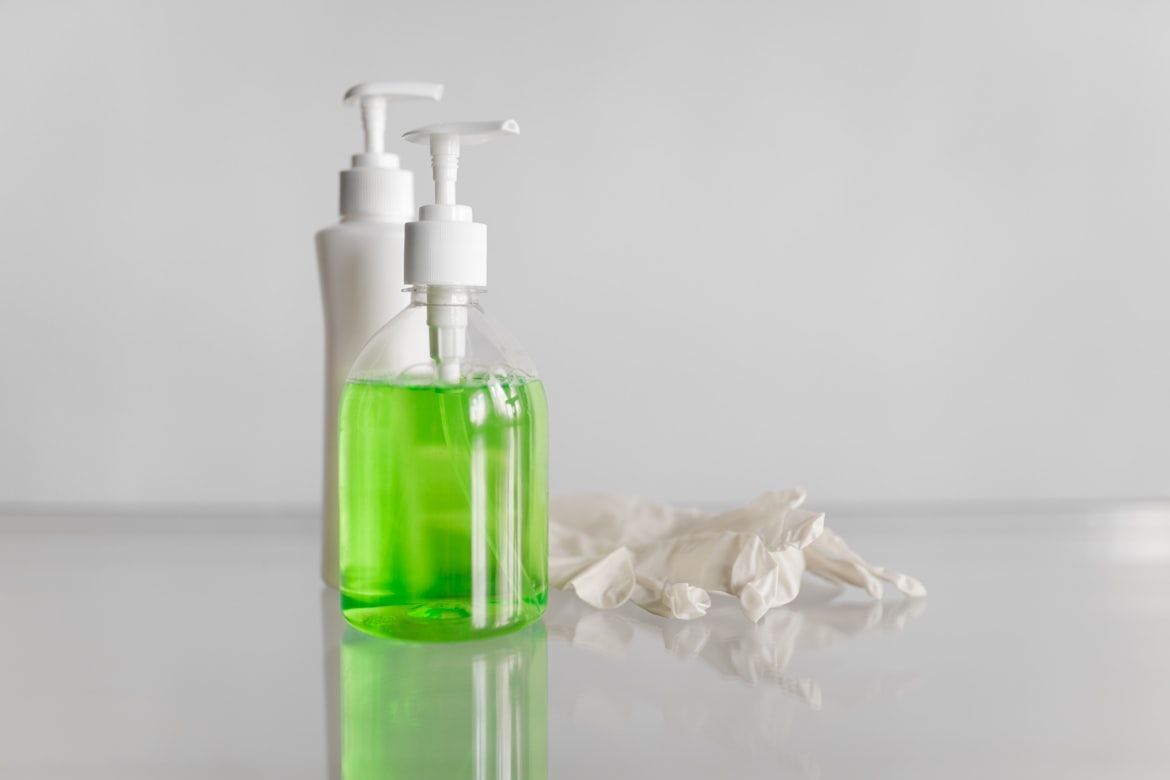
Cleaning a wound properly is just as important as covering it. Antiseptic wipes help remove dirt and bacteria before a bandage is applied, reducing the risk of infection.
Single-use wipes are ideal for travel since they’re lightweight and mess-free. They’re also handy for quick hand or surface cleaning when soap and water are not available.
Sterile gauze and medical tape
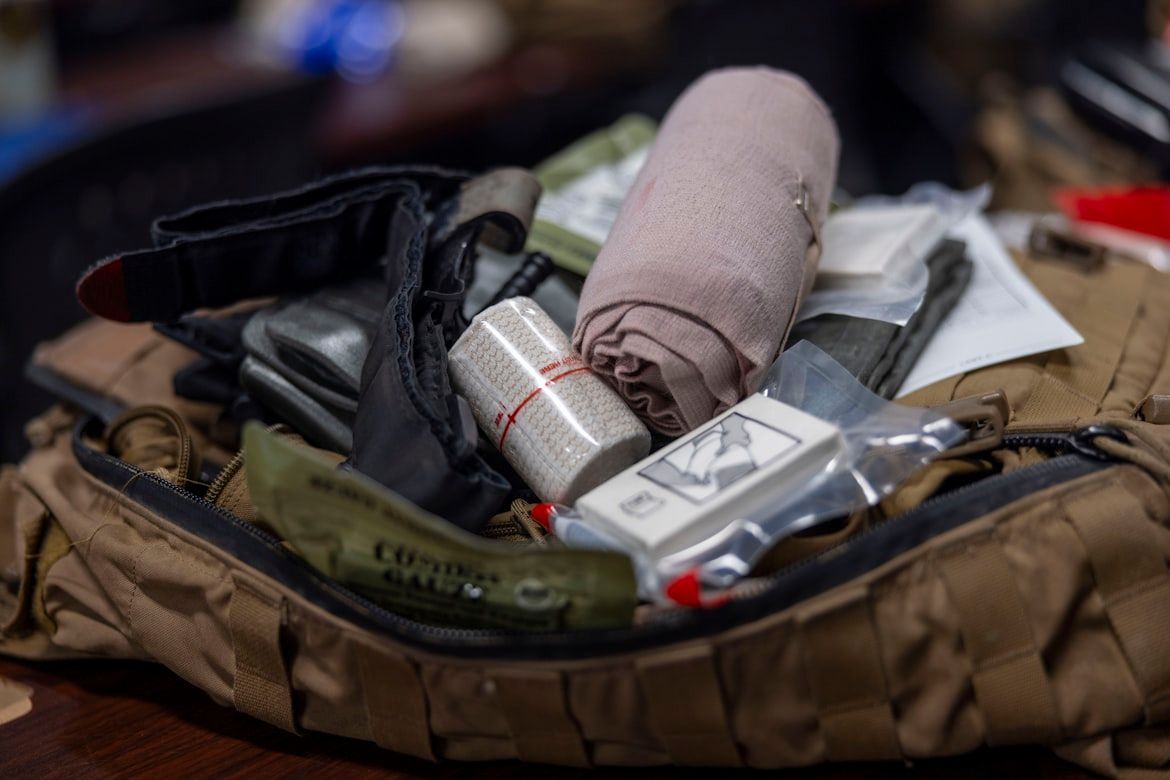
For larger cuts or abrasions, gauze provides better coverage than a standard adhesive bandage. It absorbs blood and helps protect sensitive skin during healing.
Medical tape keeps the gauze securely in place and can be adjusted for different areas of the body. Together, they offer flexibility for injuries that don’t fit neatly under a typical bandage.
Pain relievers
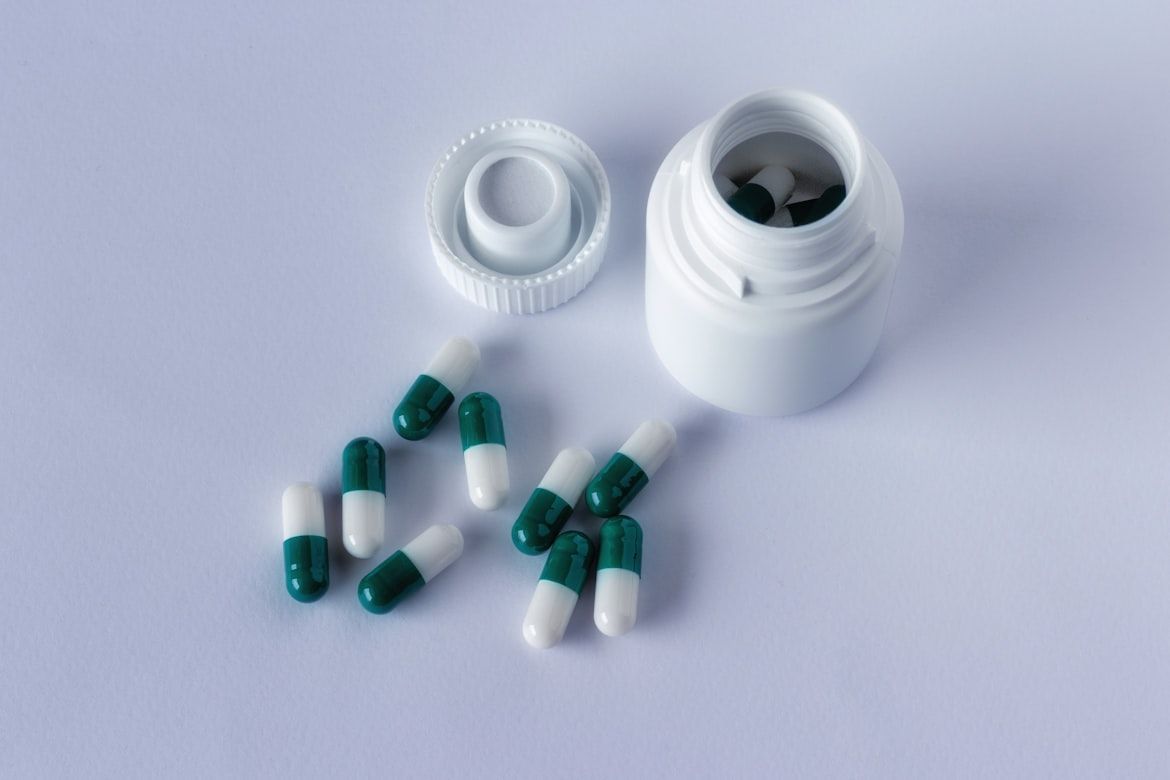
Headaches, sore muscles, and joint pain can sneak up during long travel days. A familiar pain reliever can help you stay comfortable and enjoy your plans.
Bring only what you need, keep it clearly labeled, and store it in its original container. Having it on hand avoids searching for a pharmacy in an unfamiliar place.
Antihistamines
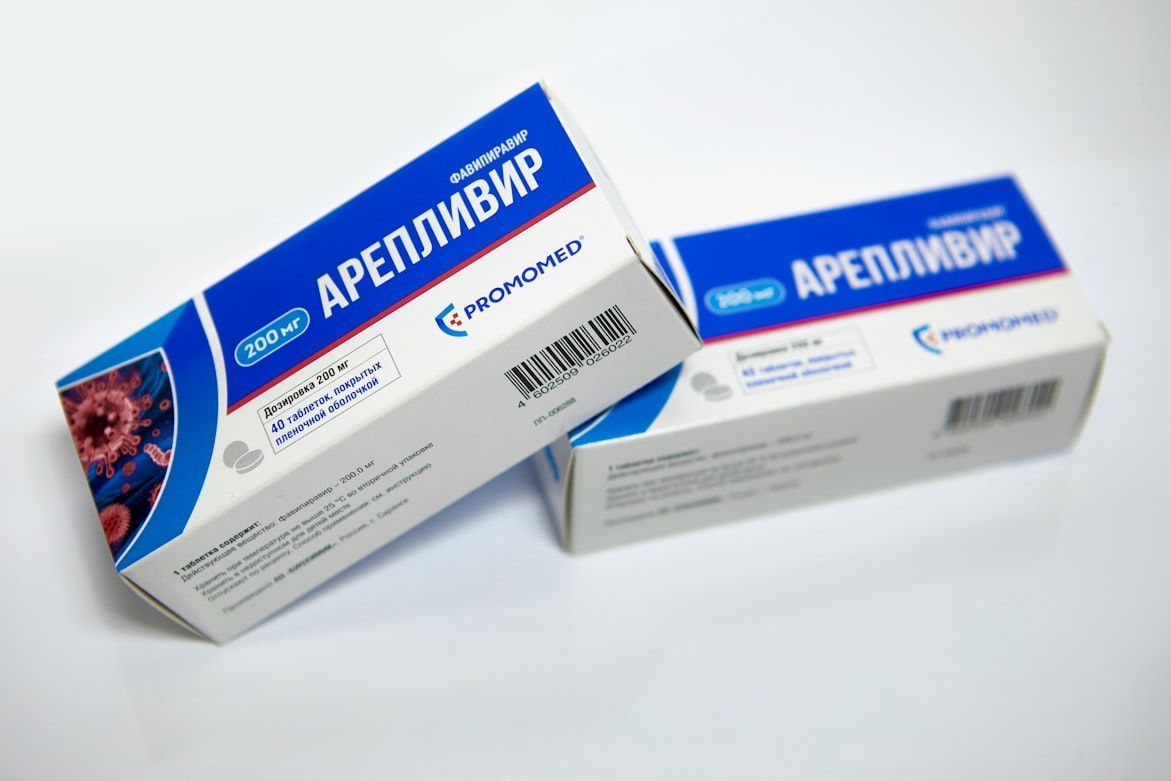
Allergies don’t take vacations. Antihistamines can relieve reactions to food, pollen, dust, or insect bites that may appear unexpectedly.
They’re especially useful when traveling to new climates or regions with unfamiliar plants. Some versions may cause drowsiness, so choose the option that best fits your travel schedule.
Anti-Diarrheal medication
Digestive trouble is one of the most common travel-related health issues. Anti-diarrheal medication helps control symptoms and can reduce the risk of dehydration during transit or sightseeing.
Having it ready means you won’t need to rush to find medical supplies when you’re already feeling unwell. It’s a small item that offers significant peace of mind.
Hand sanitizer or antibacterial wipes
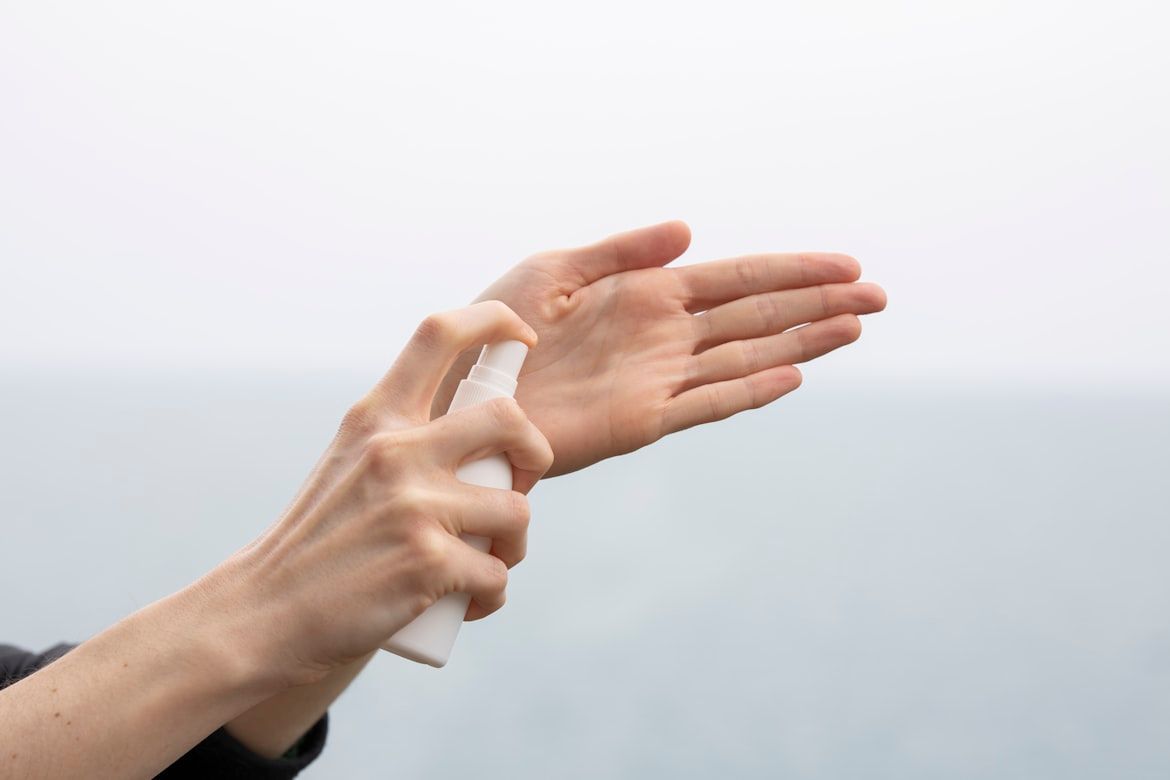
Good hygiene is your first line of defense against illness. Hand sanitizer is invaluable when sinks and soap are not readily available.
Use it before meals, after using public transportation, or when handling shared surfaces. Compact bottles or wipe packets slip easily into a day bag or pocket.
Tweezers or small scissors
Tweezers are essential for removing splinters, thorns, or ticks. A small pair of scissors can be used to cut gauze, tape, or clothing in an emergency.
Choose compact, travel-friendly versions, and check airline rules if packing carry-on luggage. These tools often prove useful beyond first-aid situations.
Self-adhesive bandage
An elastic wrap provides support for sprains, strained muscles, or swollen joints. It can also hold ice packs or dressings securely in place.
Self-adhesive versions stick to themselves without the need for clips, making them easy to apply. They’re especially helpful for travelers who plan to walk a lot.
Instant cold pack
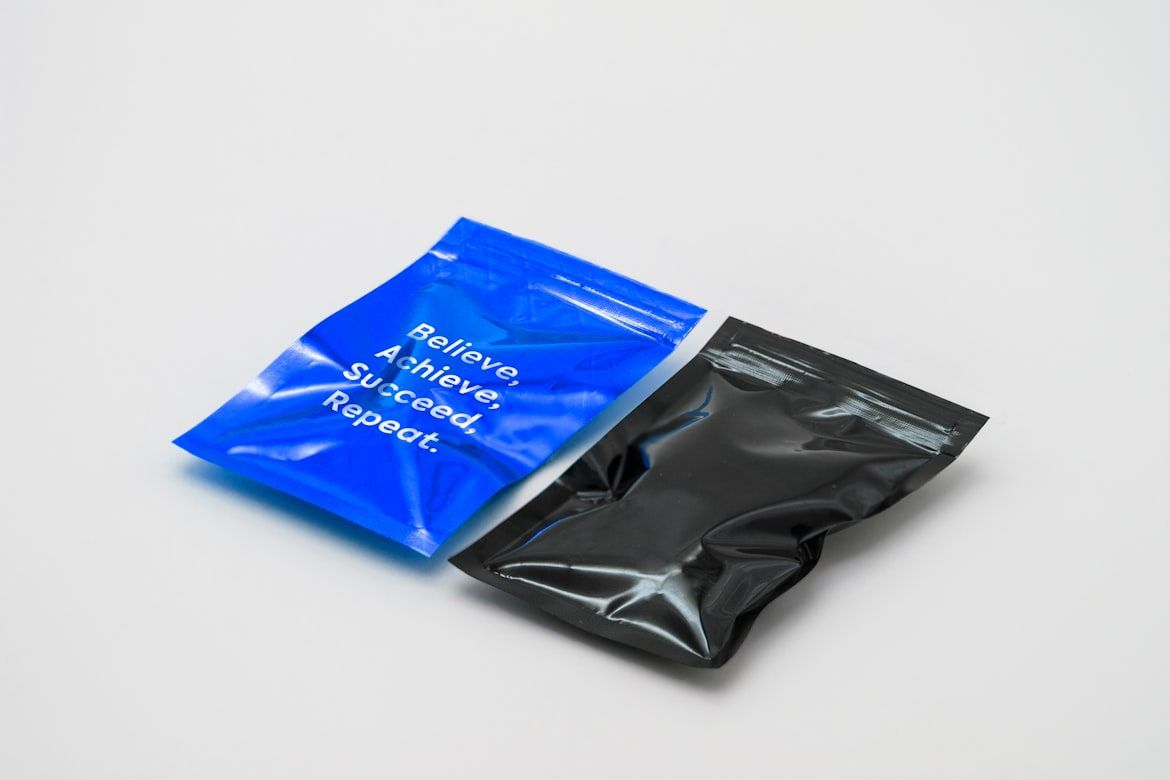
Cold packs reduce swelling and help ease pain after bumps or minor injuries. Instant versions activate with a simple squeeze, no freezer required.
They’re ideal for travel because they’re lightweight and disposable. Whether it’s a twisted ankle or a sore knee, quick cooling can make a big difference.
Thermometer
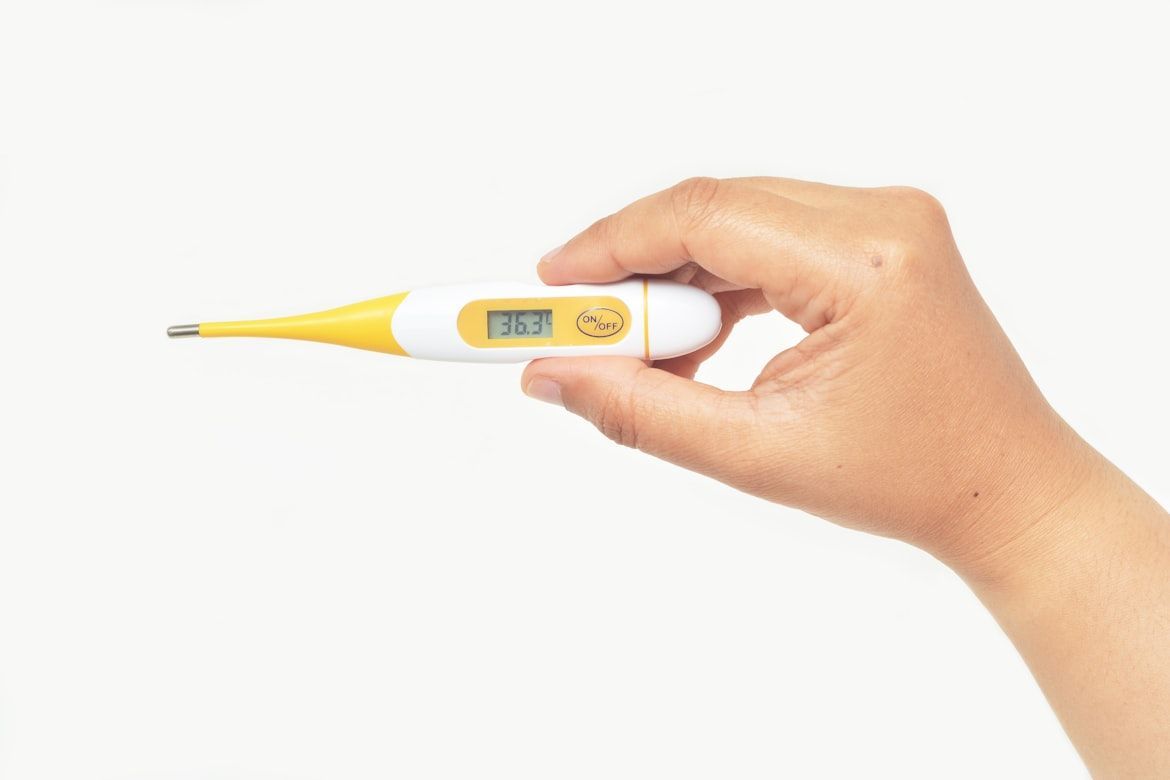
A thermometer helps you monitor fever and determine whether rest or medical attention is needed. It’s especially useful when traveling far from home.
Digital thermometers are compact and easy to read. Knowing your temperature removes guesswork and helps you respond calmly to sudden illness.
Disposable gloves
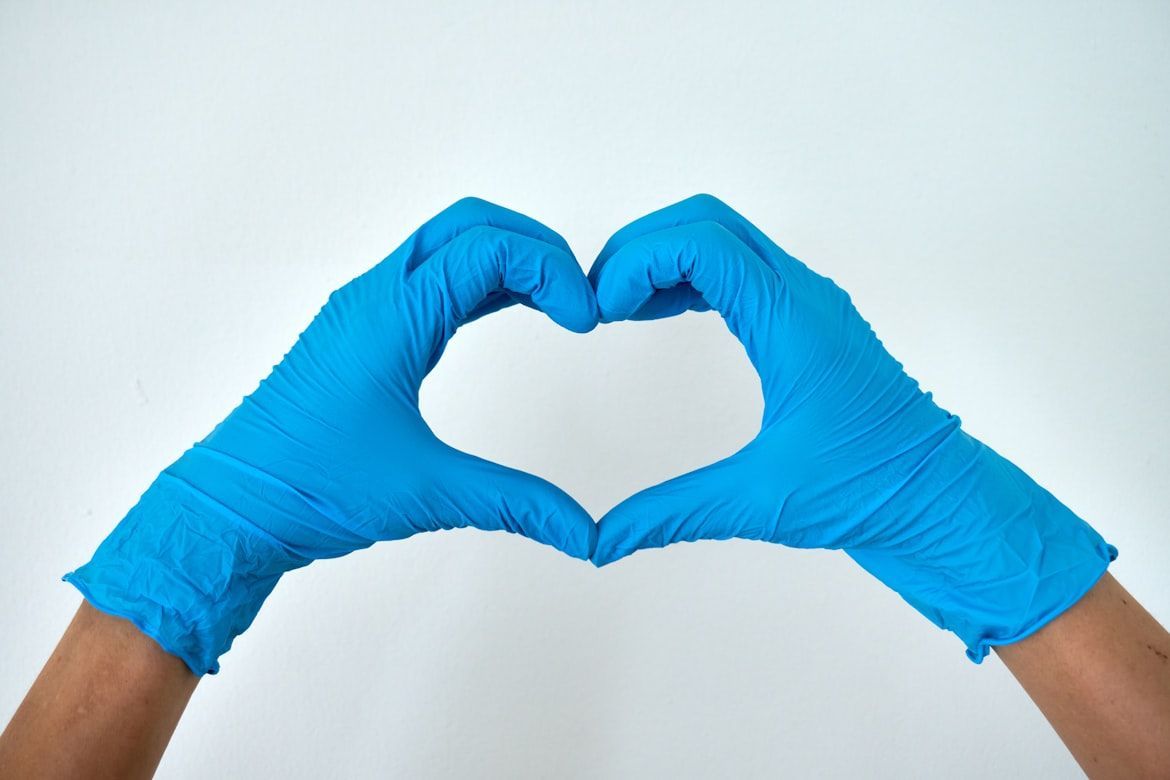
Disposable gloves protect both the caregiver and the injured person during wound care. They reduce the risk of contamination when treating cuts, scrapes, or blisters.
They take up almost no space and can be discarded after use. Even if you never need them, they’re reassuring to have in your kit.
Keep wandering
There’s always
more to explore
 Landmarks
What's hiding beneath Alcatraz, and why can't anybody visit it?
6 min.
Read Now
What should you do if you lose your passport while traveling?
4 min.
Read Now
 Culture
Maps lie: 10 famous cities that love to trick tourists
6 min.
Read Now

The whole town moved underground, and other stories that cities hide
6 min.
Read Now