12 U.S. regions that prove that there is wine beyond Napa and Sonoma
 Culture
Wine is fine!
12 U.S. regions that prove that there is wine beyond Napa and Sonoma
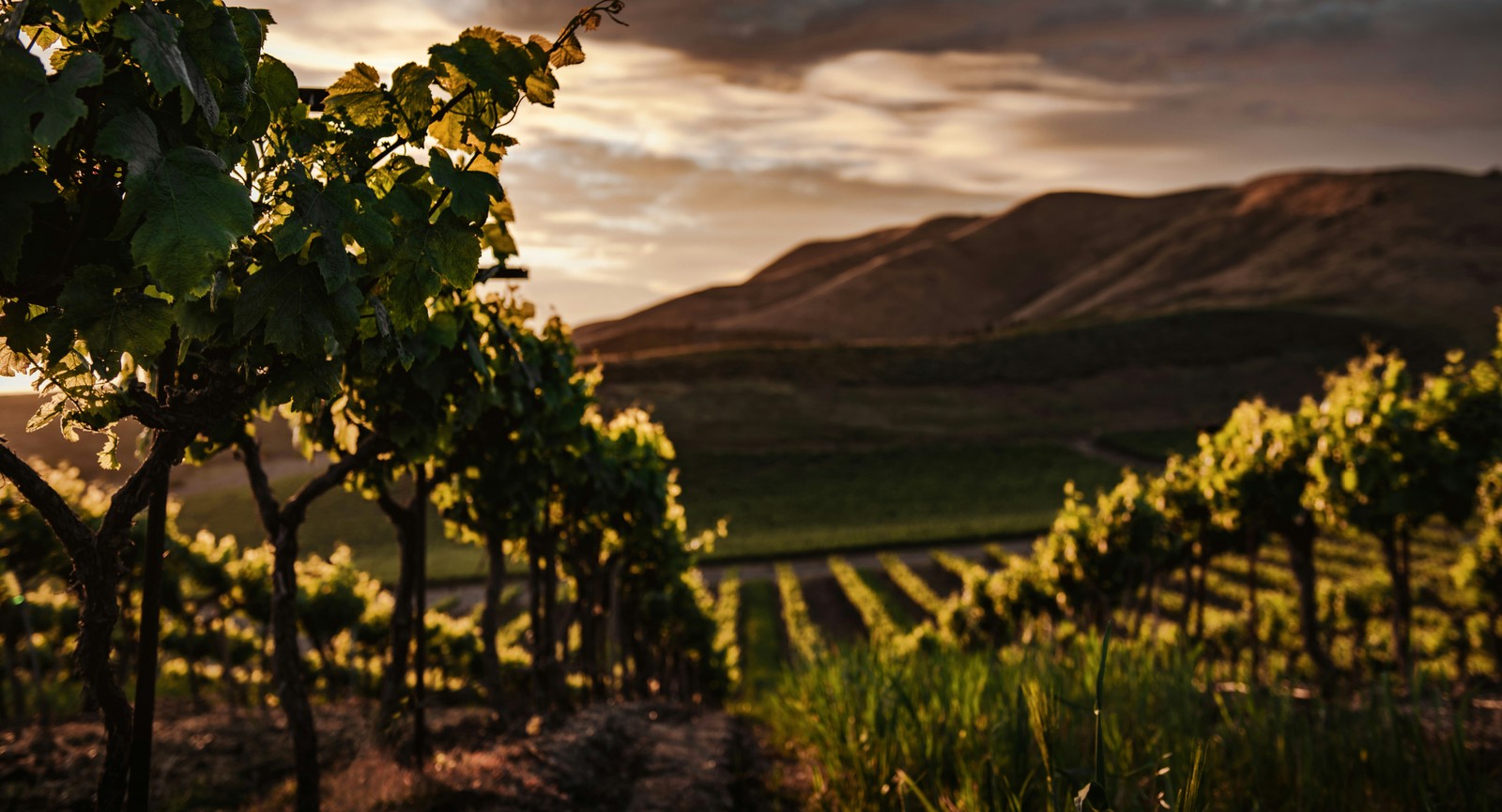
It goes without saying that Napa Valley may get most of the spotlight, but the U.S. wine scene stretches far beyond Northern California. With over 270 officially recognized wine regions across 30+ states, American wine is incredibly diverse in climate, grapes, and style. From cool-climate vineyards to sun-drenched valleys and everything in between, these 12 destinations, most of which are open all year round, offer world-class wines without Napa’s crowds or prices.
Willamette Valley, Oregon
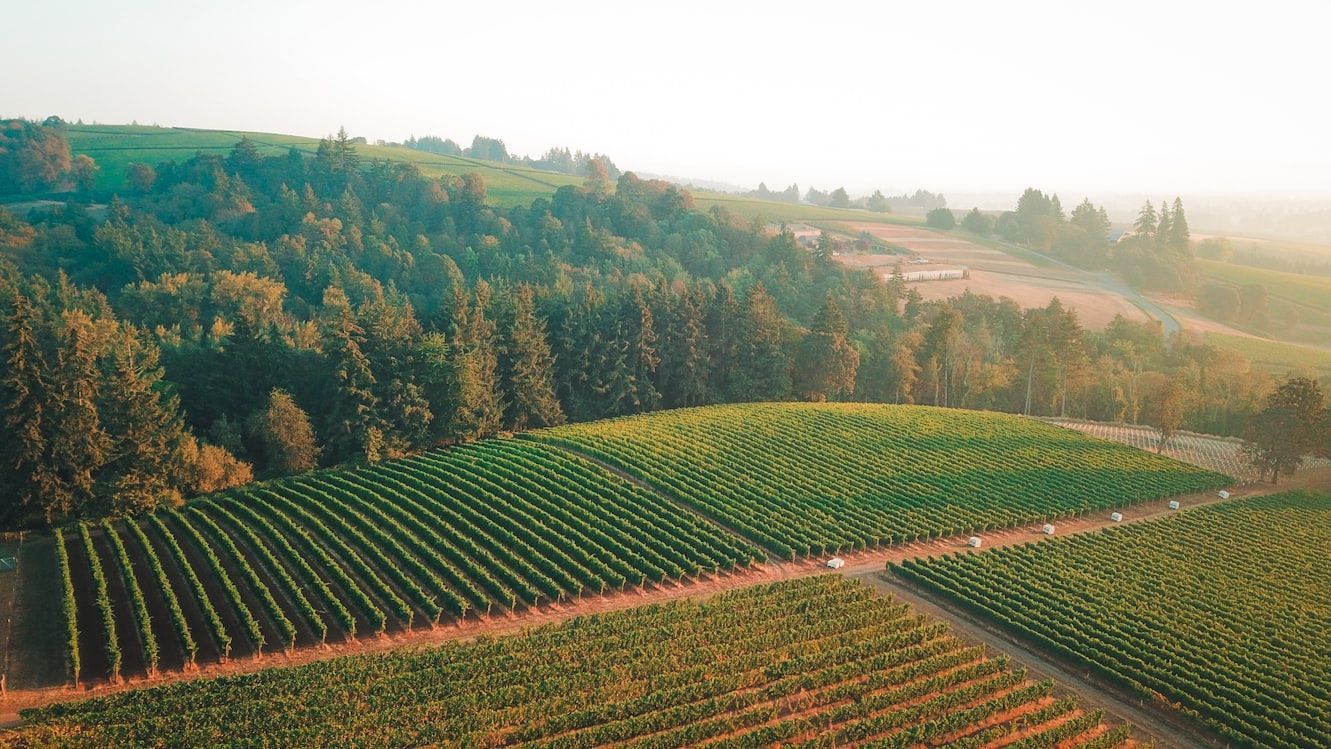
Located at a similar latitude to France’s Burgundy region, the Willamette Valley has built a global reputation for elegant Pinot Noir. Its cool climate allows grapes to ripen slowly, producing balanced wines with bright acidity and subtle complexity.
The region is also known for scenic rolling hills and small, family-run wineries. Tastings here often feel more relaxed and personal compared to larger, more commercial wine destinations.
Walla Walla Valley, Washington

This Eastern Washington region has become one of the country’s standout wine destinations, especially for bold reds like Cabernet Sauvignon and Syrah.
Despite its growing reputation, Walla Walla offers a laid-back atmosphere, with tasting rooms clustered around a charming downtown and vineyards spread across wide open landscapes.
Finger Lakes, New York
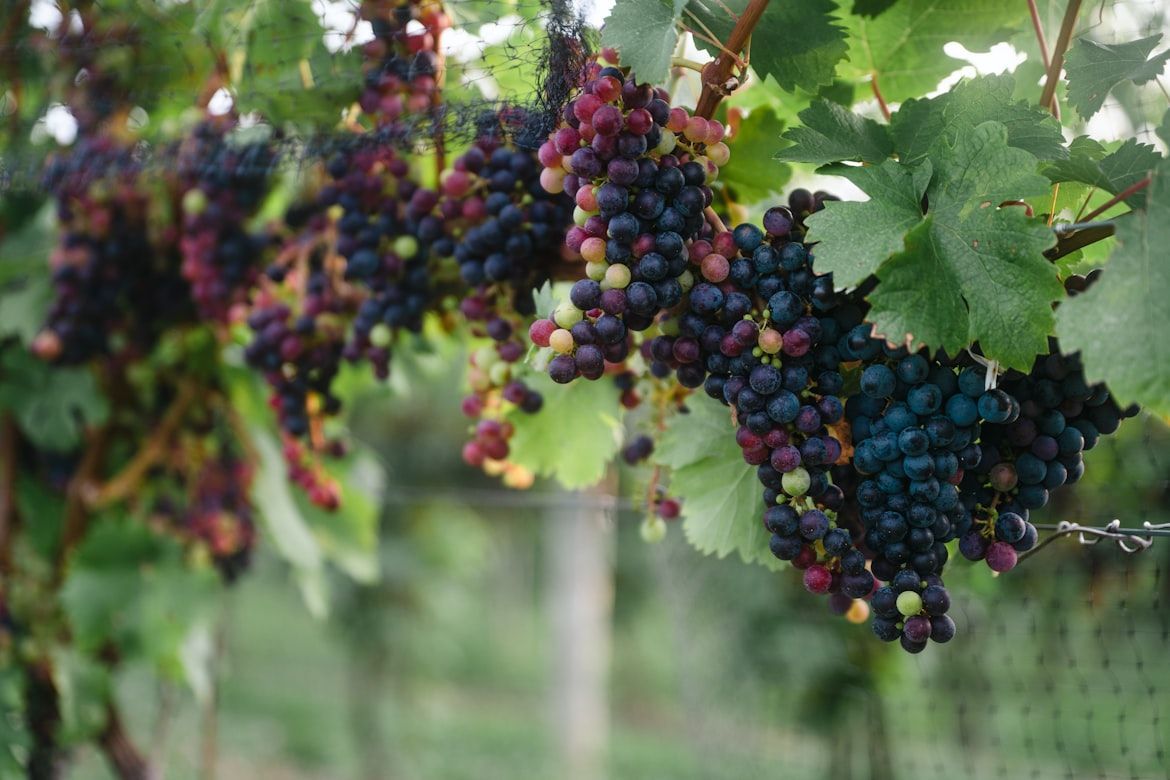
One of the oldest wine-producing areas in the U.S., the Finger Lakes region dates back to the 1800s and remains central to New York’s wine industry today.
Its deep lakes help moderate temperatures, making it ideal for Riesling and other cool-climate varieties. The lake views add a unique scenic appeal to every tasting stop.
Paso Robles, California
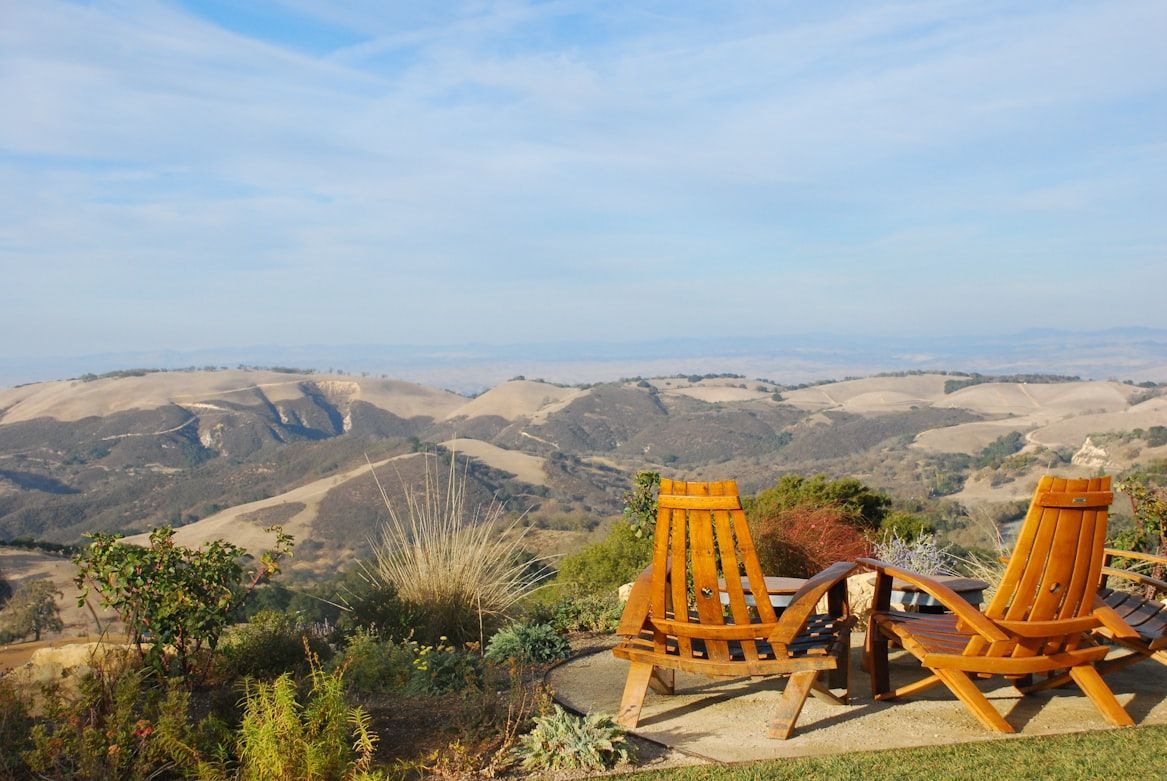
Located on California’s Central Coast, Paso Robles is known for its warm days, cool nights, and diverse soils: perfect conditions for bold, yet balanced wines.
The region excels in Rhone-style blends, Zinfandel, and Cabernet Sauvignon, offering a more relaxed and affordable alternative to Napa with over 200 wineries to explore.
Santa Barbara County, California
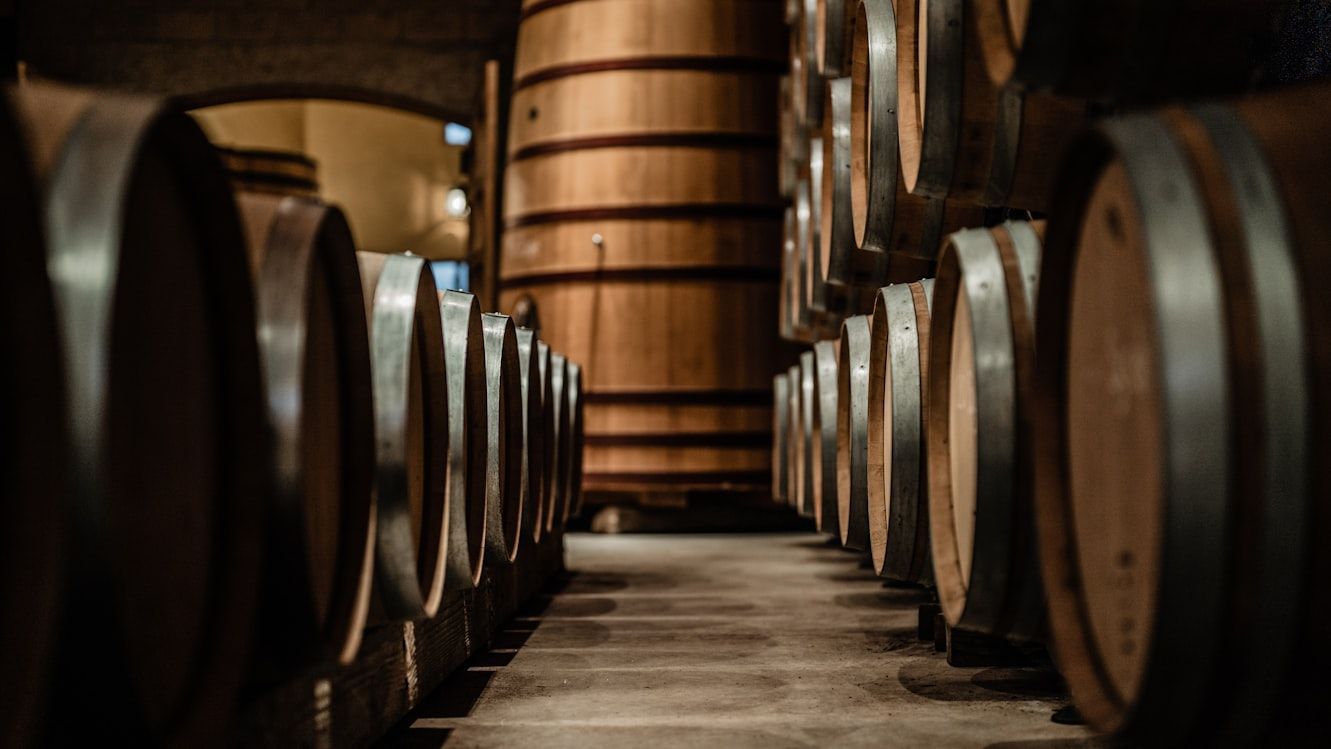
This region’s unusual east-west mountain ranges create a range of microclimates, allowing winemakers to grow everything from Pinot Noir to Syrah in proximity.
It’s also one of California’s more scenic wine areas, combining coastal breezes, vineyard landscapes, and a quieter, less crowded tasting experience.
Columbia Gorge, Oregon
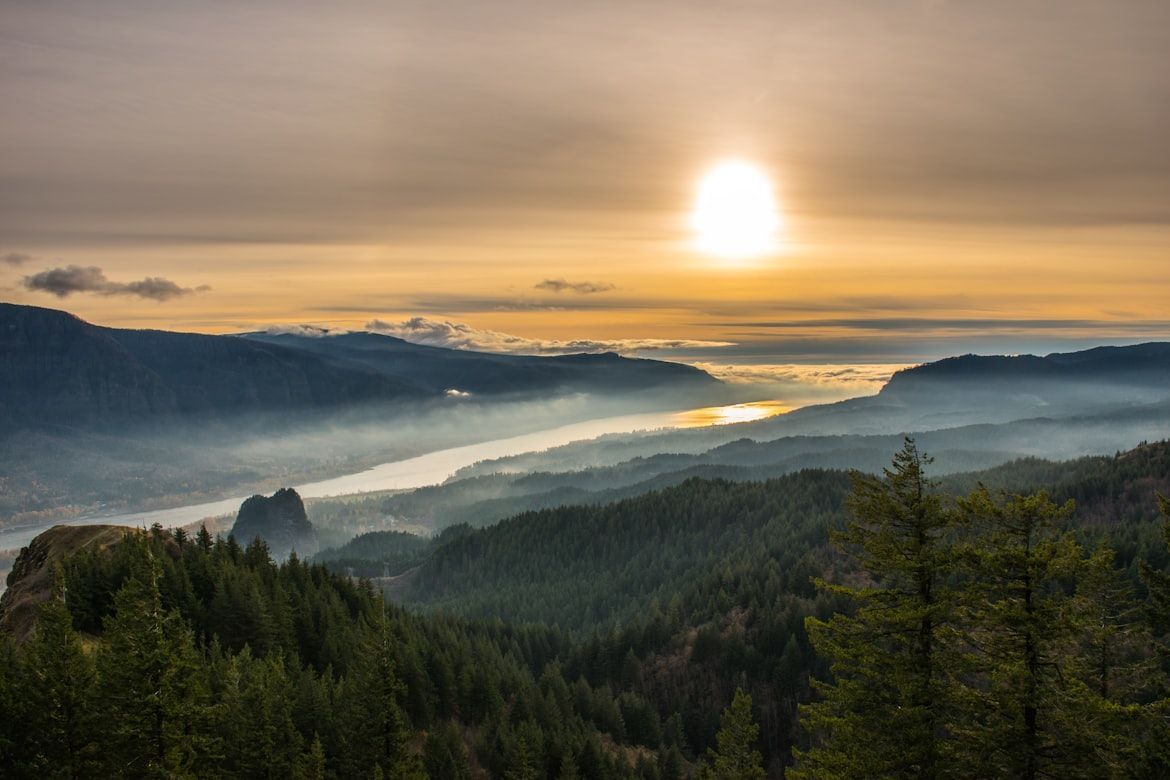
Straddling two states, the Columbia Gorge offers dramatic scenery and a wide range of wine styles thanks to its varied elevations and climates.
Within a short drive, you can find cool-climate whites like Riesling alongside richer reds, making it one of the most diverse wine regions in the country.
Texas Hill Country, Texas
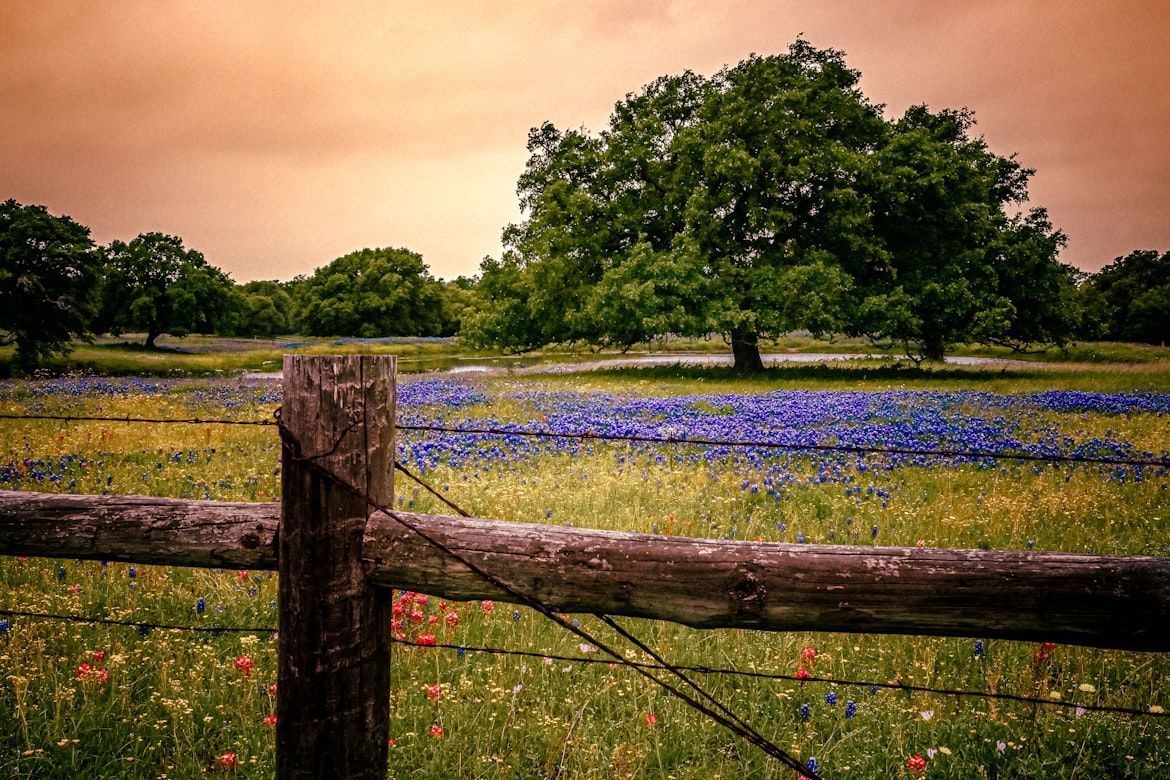
One of the fastest-growing wine regions in the U.S., Texas Hill Country boasts hundreds of wineries spread across rolling landscapes.
Its warm climate favors bold reds and Mediterranean-style grapes, and the region’s relaxed vibe makes it especially popular for road trips and weekend getaways.
Traverse Wine Coast, Michigan
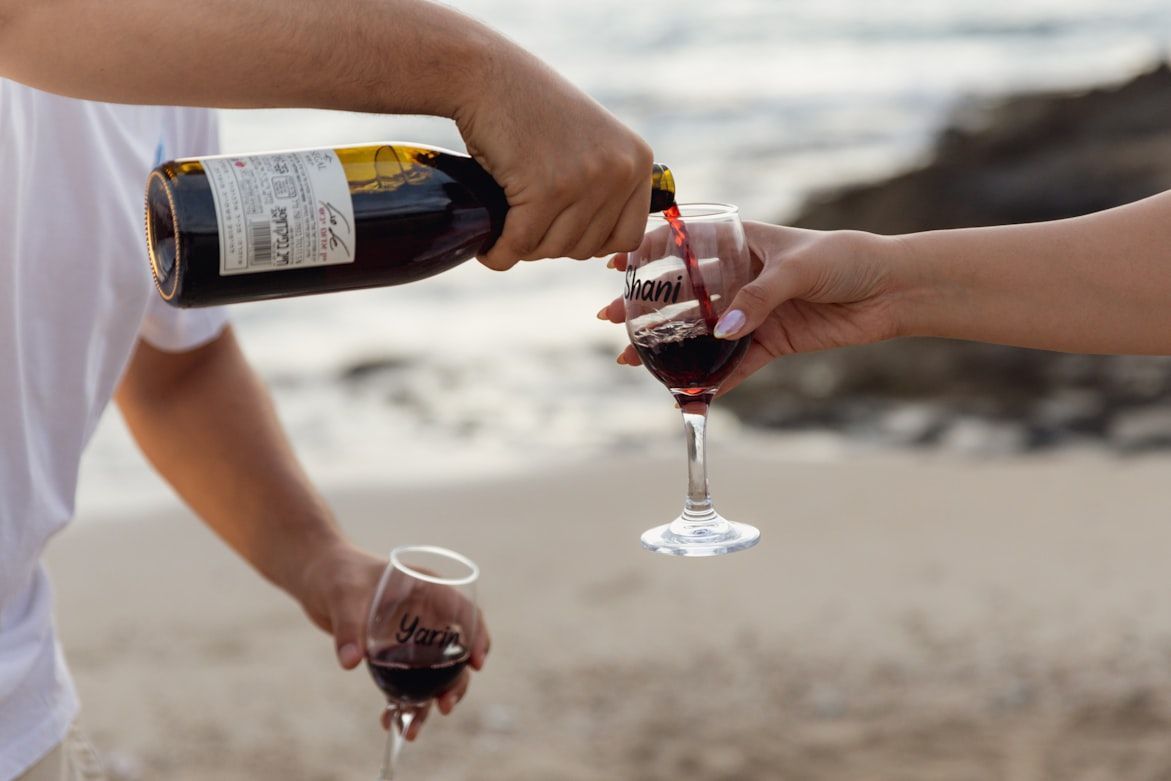
Along Lake Michigan, this cool-climate region produces crisp whites and increasingly respected sparkling wines.
The surrounding water helps regulate temperatures, extending the growing season and creating ideal conditions for grapes like Riesling and Chardonnay.
Temecula Valley, California
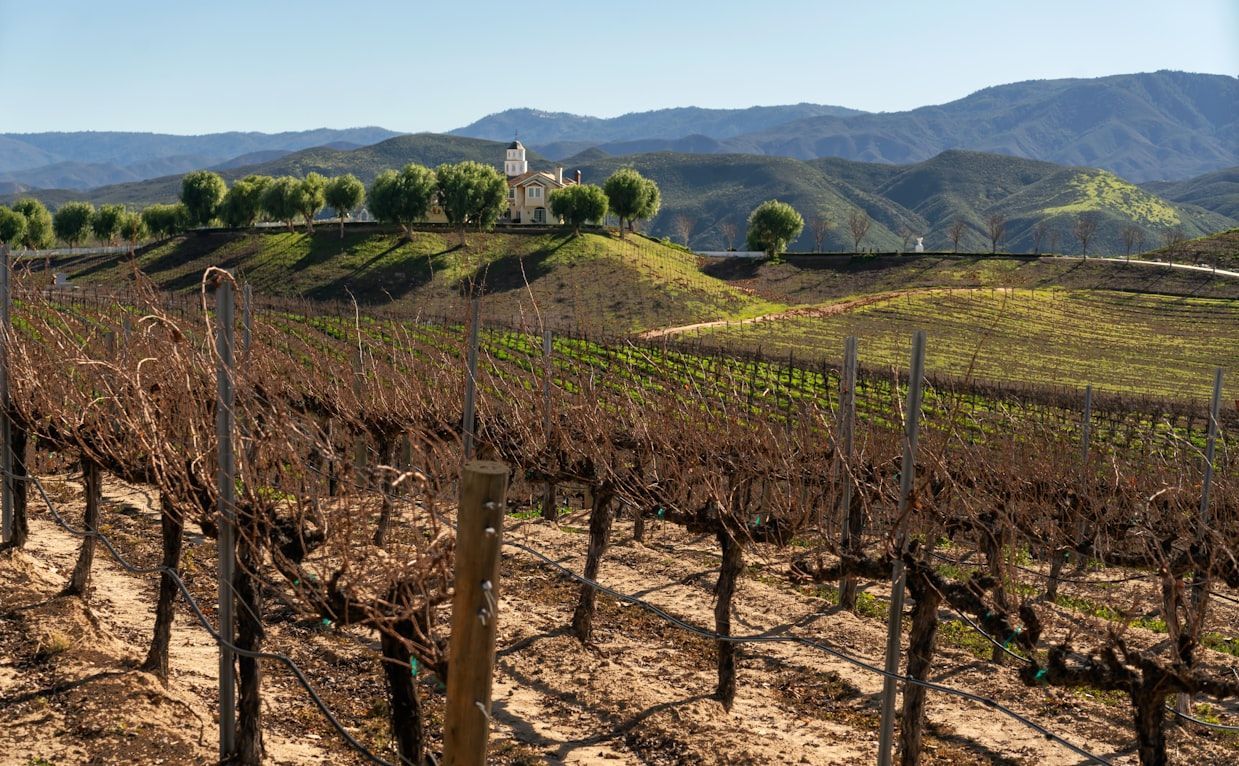
Just a short drive from Los Angeles and San Diego, Temecula offers an accessible wine country experience with over 40 wineries.
Its sunny climate supports a wide variety of grapes, while its proximity to major cities makes it one of the easiest wine regions to visit in Southern California.
Yakima Valley, Washington
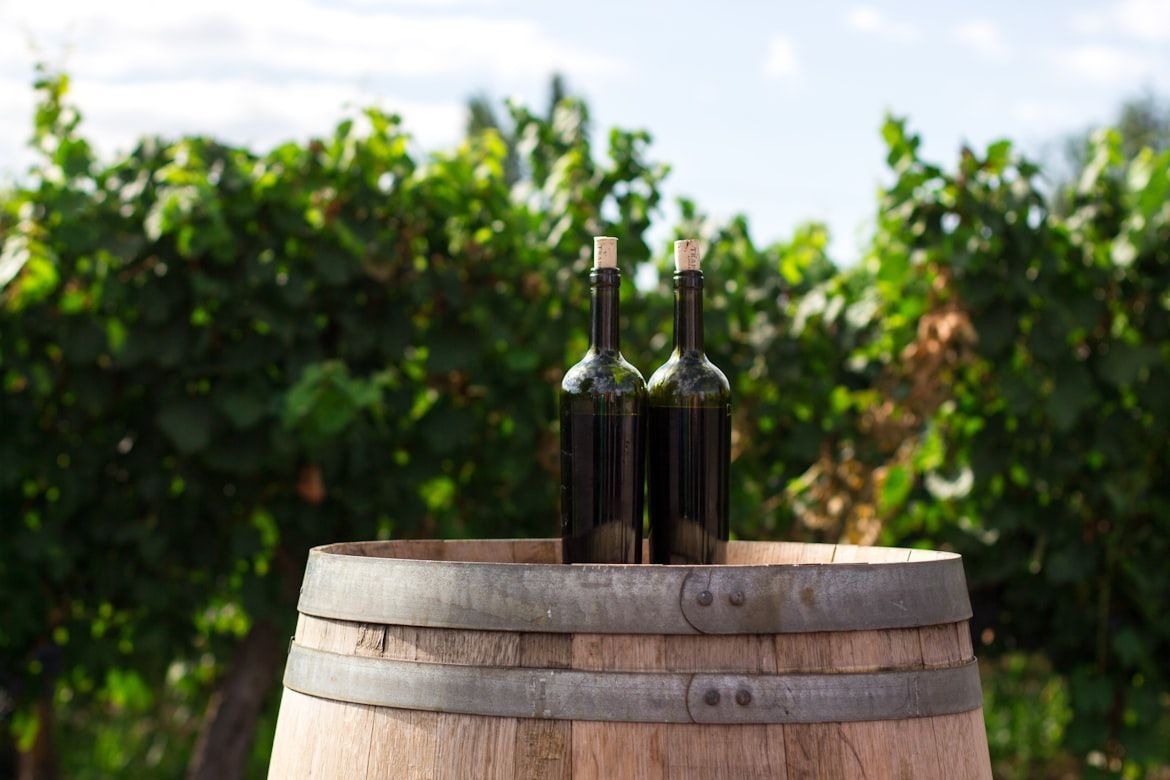
As Washington State’s oldest wine region, Yakima Valley plays a key role in the state’s thriving wine industry.
The area’s dry climate and irrigation from the Yakima River create ideal growing conditions for both red and white varieties, from Merlot to Chardonnay.
Monticello Wine Region, Virginia
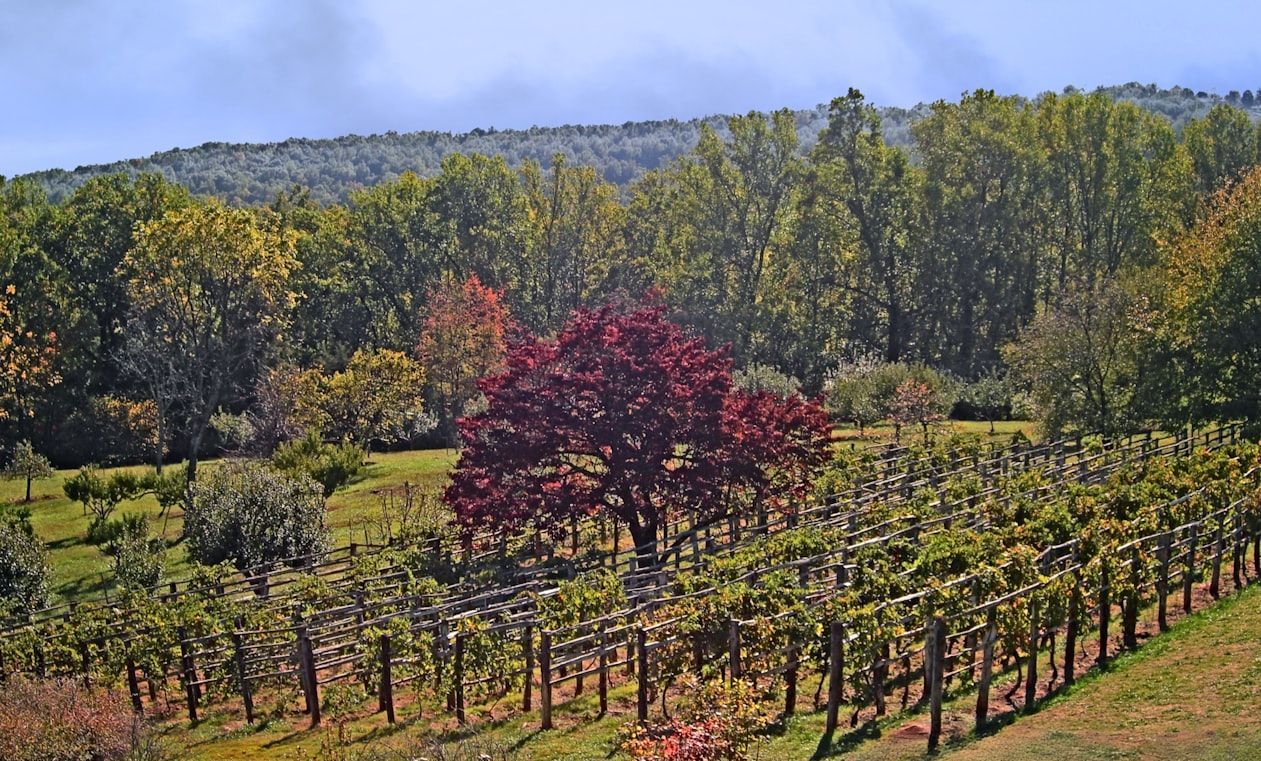
Located near Charlottesville, this historic region traces its wine roots back to Thomas Jefferson, one of America’s earliest wine enthusiasts.
Today, it’s known for refined wines like Viognier and Cabernet Franc, along with scenic vineyards set against the Blue Ridge Mountains.
North Georgia Mountains, Georgia
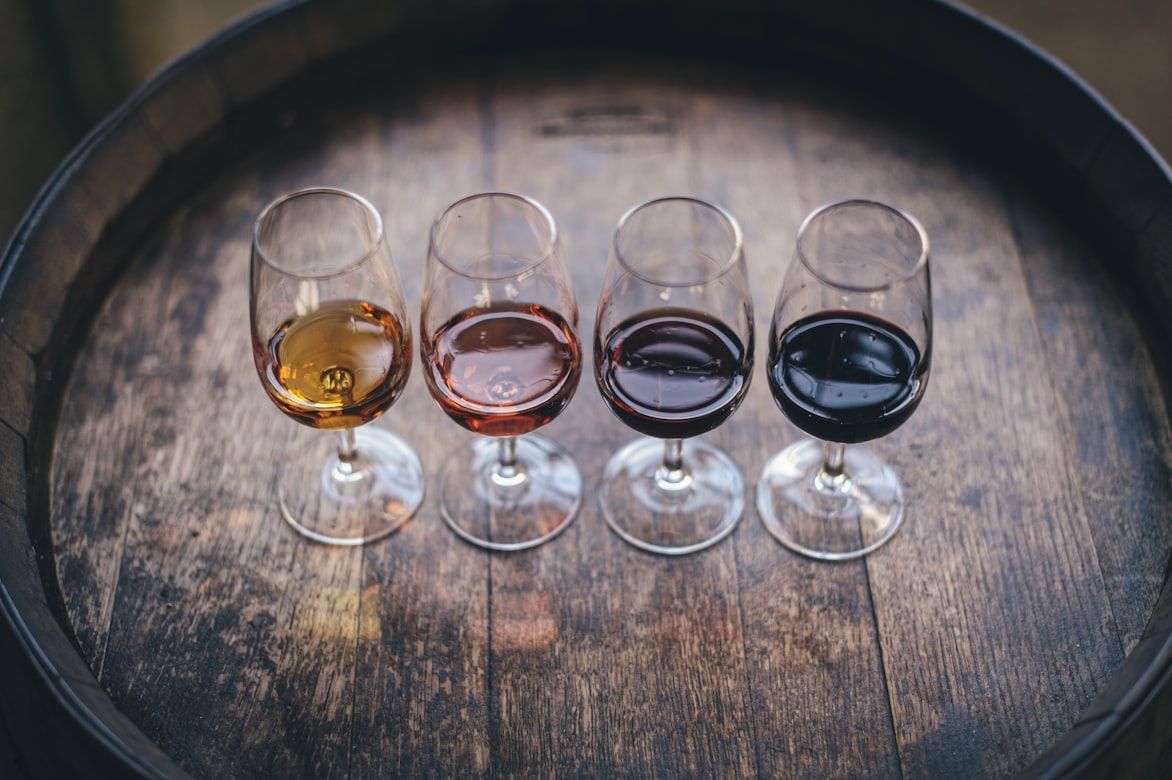
This emerging Southern wine region offers high-elevation vineyards and cooler temperatures than much of the surrounding Southeast.
It’s gaining attention for European-style wines and picturesque mountain views, providing a surprising and charming wine destination in an unexpected location.

Most people don’t know that these places are free to visit. Do you?
 Geography
Free is always better!
12 incredible places in the U.S. that you can (still) visit for free
Traveling in the U.S. doesn’t always require pricey tickets or admission fees. Some of the most memorable destinations are quietly free, even when they feel like attractions that should charge admission. From world-class museums to iconic urban experiences, these spots prove that curiosity, not cash, is often the real entry fee. Here are 12 remarkable places you can still enjoy without spending a dime.
Staten Island Ferry (New York)
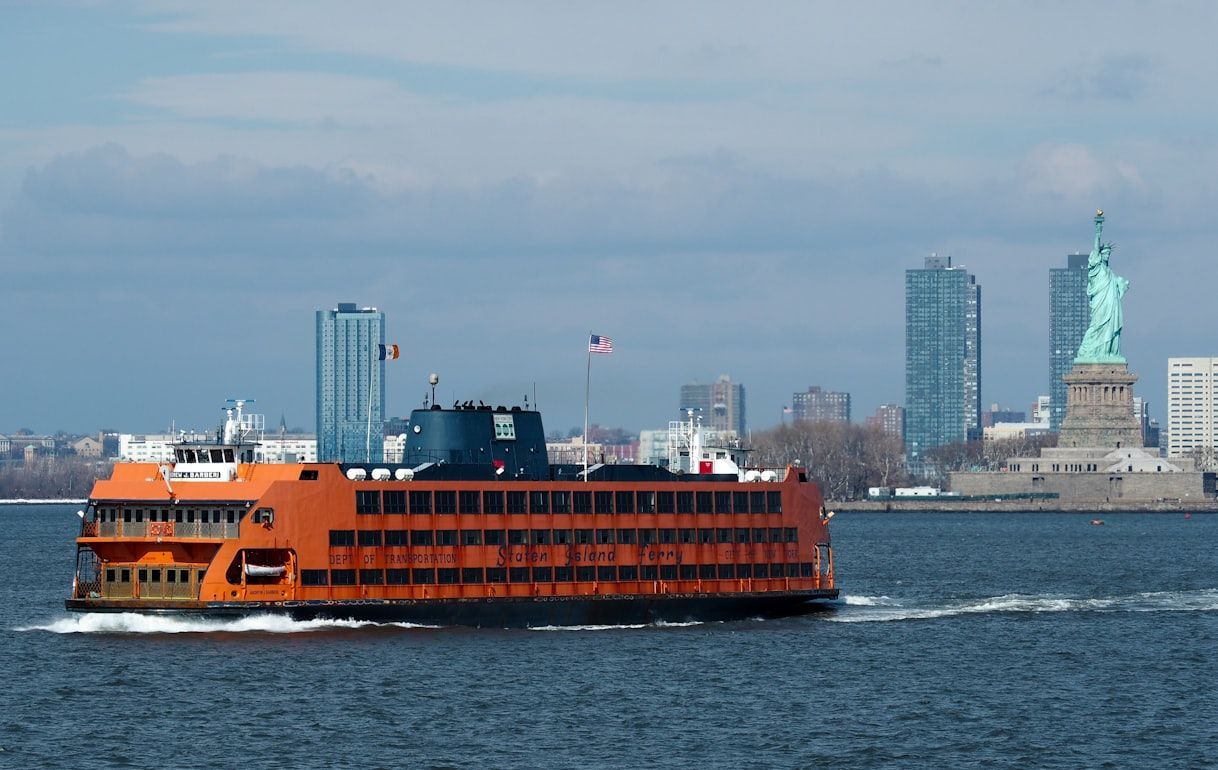
Many visitors assume you must pay to see New York Harbor by boat, but the Staten Island Ferry proves otherwise. This daily commuter ferry offers sweeping views of the Manhattan skyline and passes near the Statue of Liberty, all without charging passengers a cent.
The ride takes about 25 minutes each way and operates day and night, making it one of the city’s best free sightseeing experiences. Locals use it for work, while visitors quietly enjoy one of New York’s most iconic views.
Smithsonian Institution (Washington, D.C.)
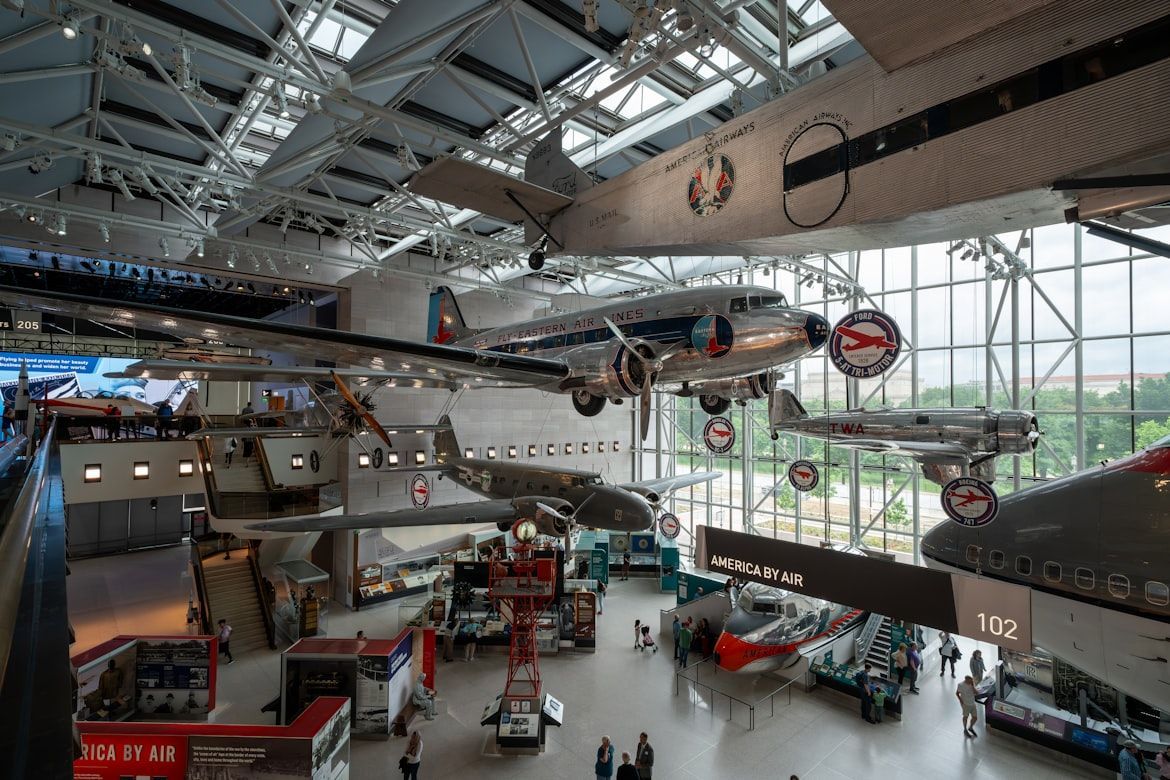
Few travelers realize that all Smithsonian museums are free to enter. These world-class institutions cover everything from aviation and natural history to art, culture, and American life, with no tickets required.
Funded by the federal government, the Smithsonian makes knowledge accessible to everyone. Visitors can spend hours exploring the priceless collections, making it one of the greatest cultural experiences not just in the U.S., but in the world.
Metromover (Miami)
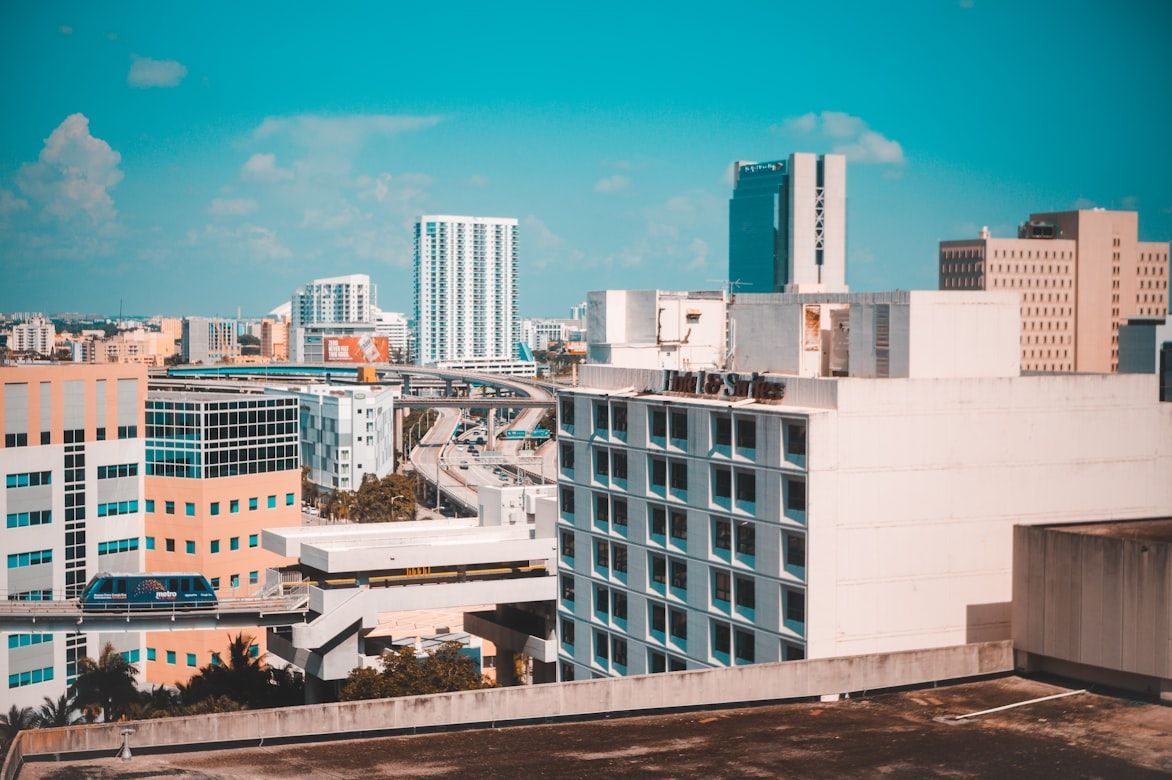
The Miami Metromover isn’t just public transportation; it’s a free sightseeing loop through downtown and Brickell. Elevated tracks provide great views of skyscrapers, waterways, and city life below.
Riding the Metromover costs nothing and requires no ticket. For visitors, it’s an easy, air-conditioned way to explore the city, rest tired feet, and get a feel of Miami without relying on tours or taxis.
The High Line (New York)
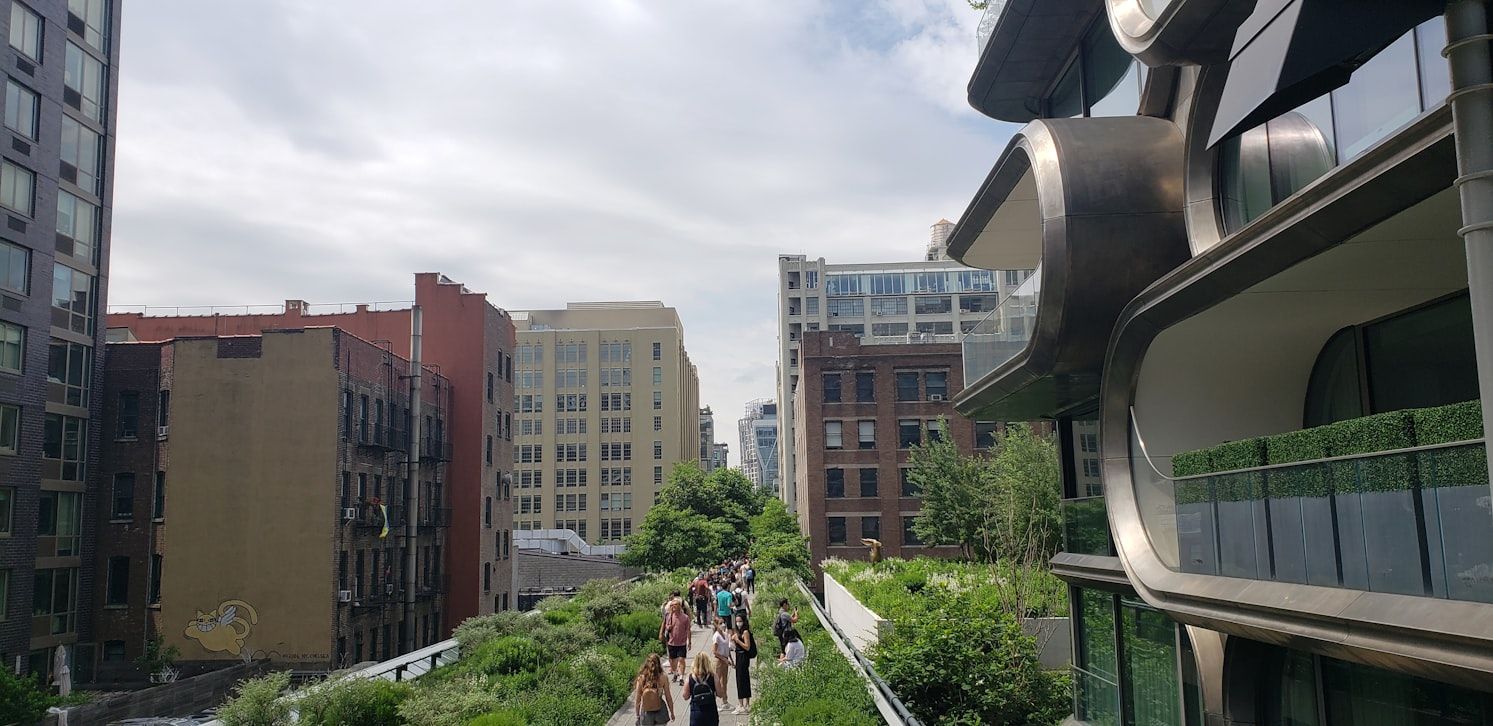
Built on an abandoned elevated railroad, the High Line feels like a designer attraction, but it’s completely free. This linear park winds above Manhattan streets, blending gardens, public art, and unique vantage points over the city.
Walking the High Line offers a slow, scenic way to experience New York without crowds or cost. Benches, overlooks, and seasonal installations make it as relaxing as it is memorable, especially for visitors who enjoy strolling rather than rushing.
Cable Car Museum (San Francisco)
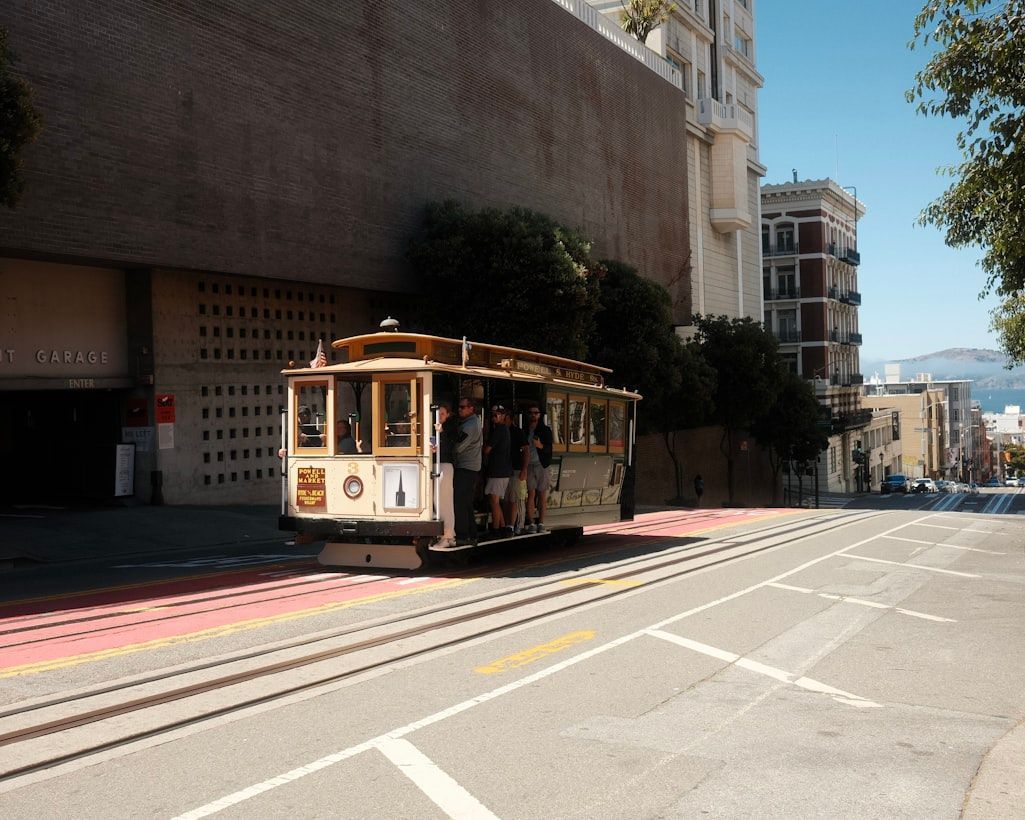
While riding a San Francisco cable car requires a fare, visiting the Cable Car Museum does not. Inside, you can watch the massive wheels and cables that keep the system running beneath the city streets.
The museum explains how this iconic transportation system works and why it still matters today. It’s educational, mechanical, and surprisingly fascinating. A behind-the-scenes experience that many visitors don’t realize is completely free.
Bellagio Fountains (Las Vegas)
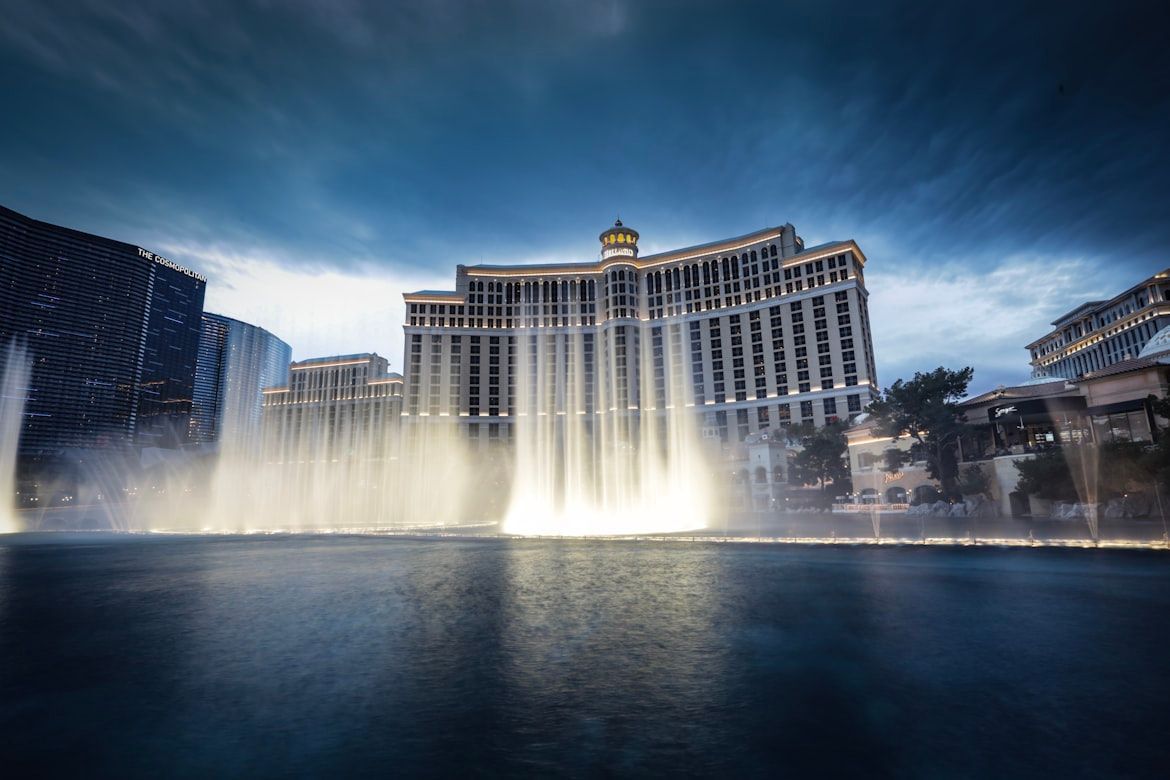
Las Vegas is known for excess, but one of its most famous attractions costs nothing to enjoy. The Bellagio Fountains perform choreographed water shows set to music several times each evening.
Crowds gather along the Strip to watch jets of water soar and sway in sync. The spectacle feels lavish and theatrical, yet anyone can stop, watch, and walk away without spending a dime.
Freedom Trail (Boston)
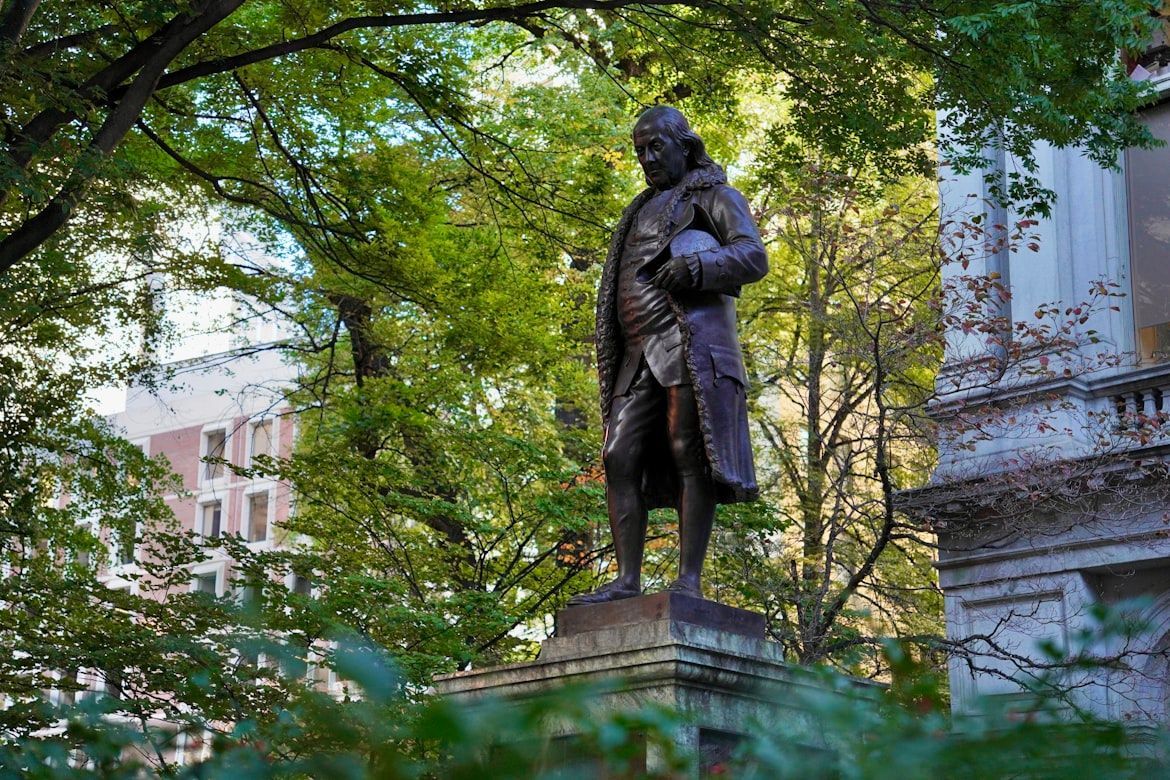
The Freedom Trail links 16 historic sites across Boston, marking key locations from the American Revolution. Walking the trail is completely free, and ranger-led tours are often available at no charge.
Brick markers guide visitors through neighborhoods, churches, and burial grounds tied to early American history. It’s an immersive way to experience the city, combining exercise, education, and storytelling without a ticket booth in sight.
Pike Place Market (Seattle)
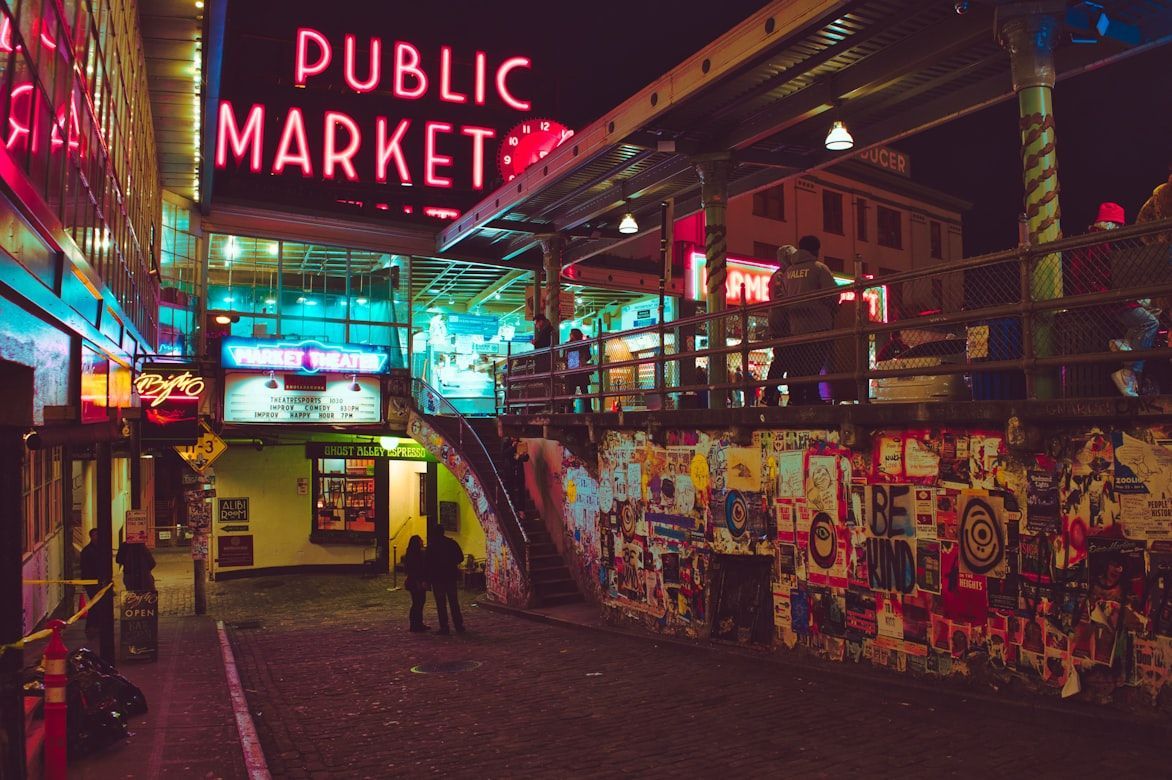
Pike Place Market may tempt visitors to spend money, but exploring it costs nothing. This historic public market is filled with sights, sounds, and characters that reflect Seattle’s personality.
Visitors can watch fishmongers at work, listen to street musicians, and browse local crafts without buying a thing. Even without shopping, the atmosphere alone makes it one of the city’s most rewarding free experiences.
Besthoff Sculpture Garden (New Orleans)
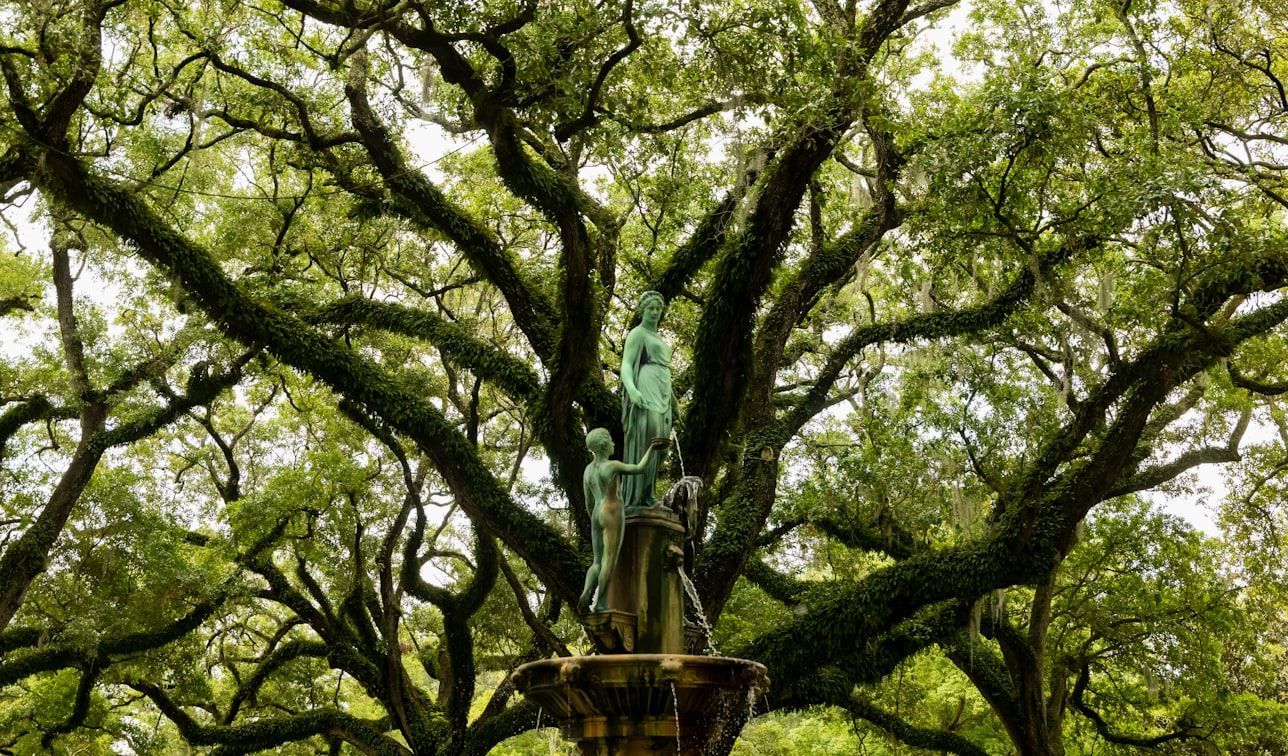
Located in City Park, the Besthoff Sculpture Garden offers free access to dozens of large-scale artworks set among lagoons and oak trees. It blends art and nature in a calm, walkable setting.
The garden feels like an outdoor museum, yet there are no gates or tickets. Visitors can take their time, enjoy shaded paths, and experience world-class sculpture without the formality or cost of a traditional gallery.
Boston Common (Boston)
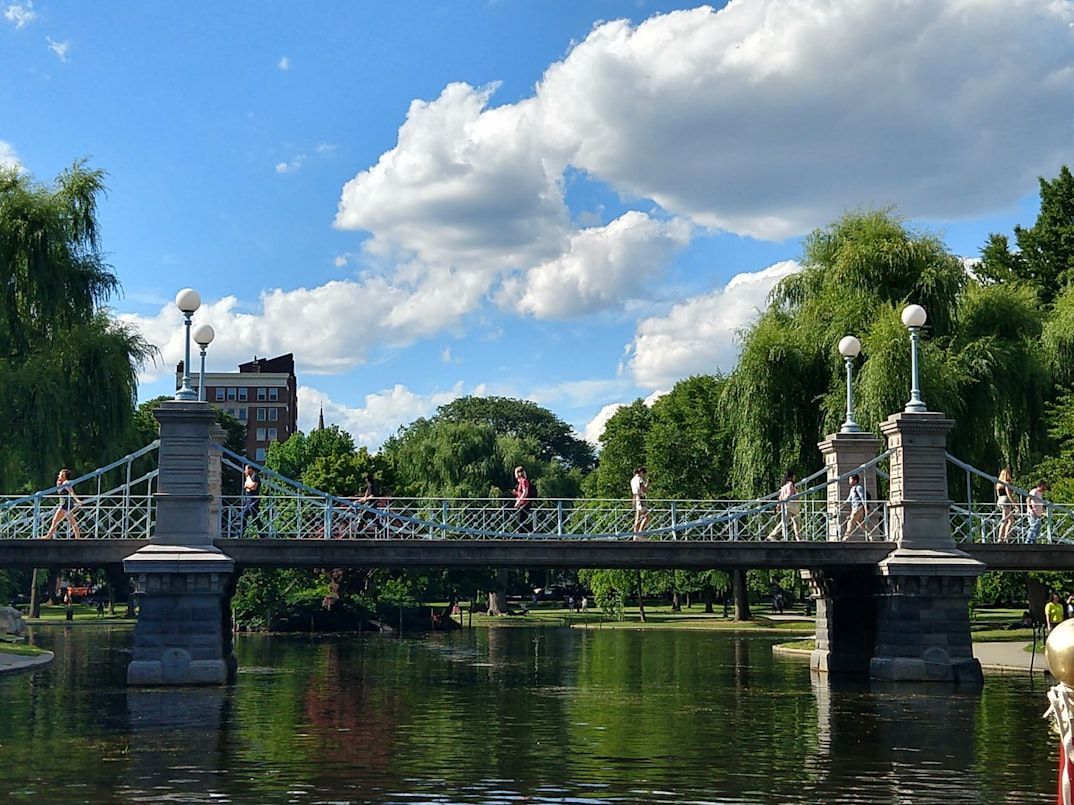
Boston Common is the oldest public park in the United States and remains open to everyone. While it may look like a simple green space, it has witnessed centuries of American history.
Today, visitors can relax, people-watch, or begin a Freedom Trail walk from its paths. Its open access reflects the longstanding idea that public spaces should belong to everyone, regardless of income or background.
McCourtie Park (Michigan)
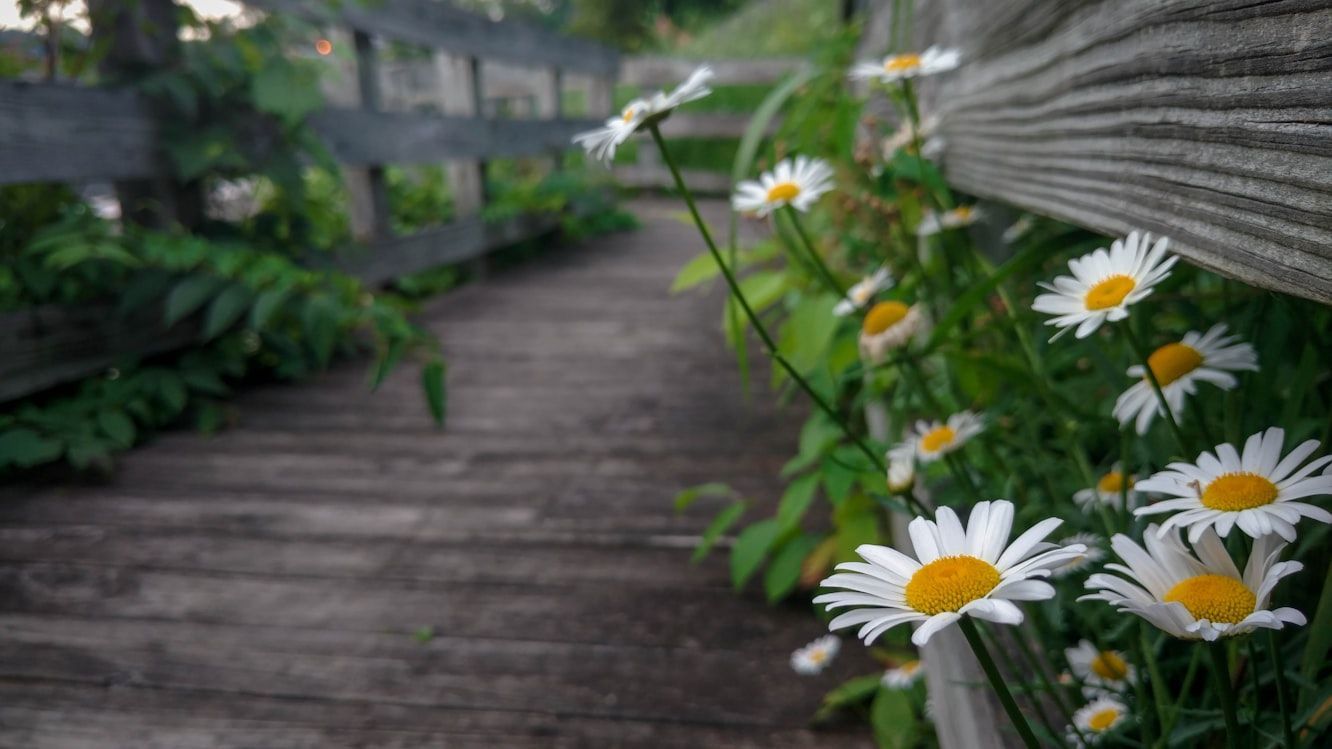
McCourtie Park is a little-known roadside treasure filled with handmade concrete bridges and sculptures designed to resemble wood. Created during the 1930s, it’s both curious and historic.
There is no admission fee, no crowds, and no pressure to rush. Visitors can wander quietly, admire folk art and craftsmanship, and enjoy a rare example of Depression-era creativity preserved in public space.
Wagner Free Institute of Science (Philadelphia)
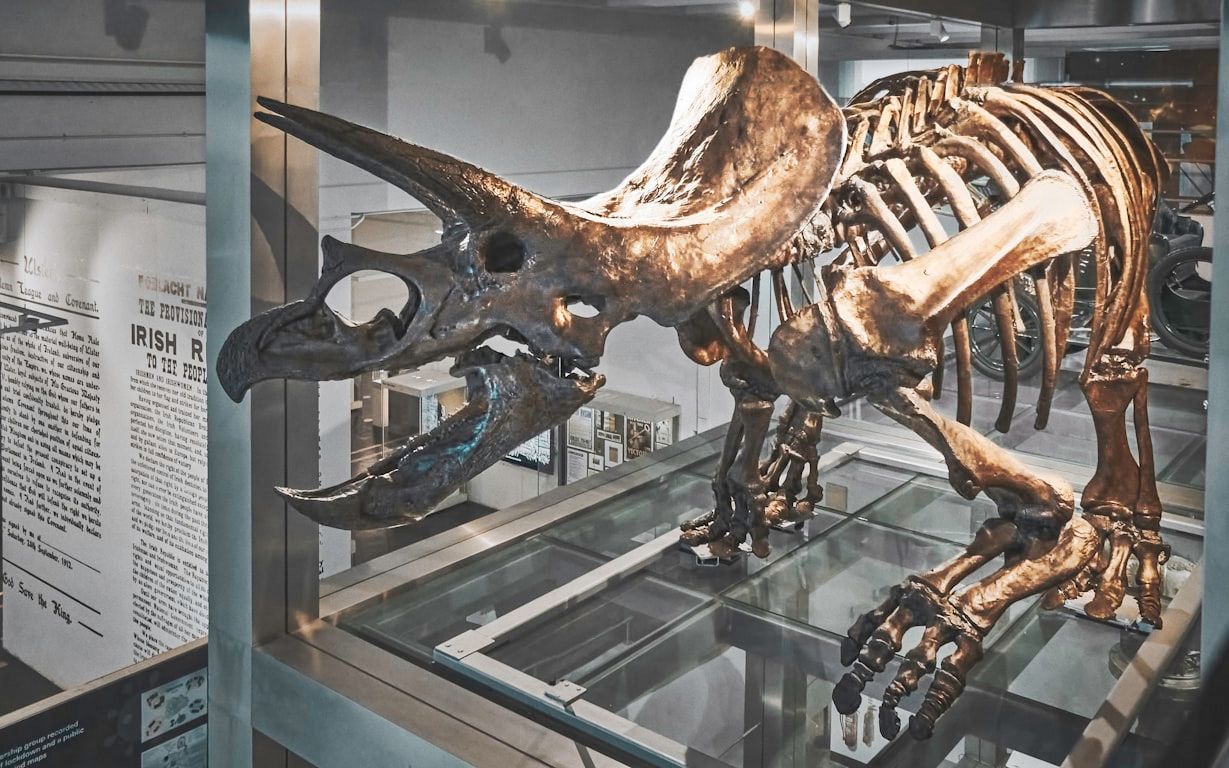
True to its name, the Wagner Free Institute of Science offers permanent free admission. This 19th-century institution houses a historic lecture hall and extensive natural history collections.
Its mission was to make science accessible to working adults, and that spirit continues today. Walking inside feels like stepping back in time, offering learning and wonder without modern ticket prices or crowds.
Keep wandering
There’s always
more to explore
 General

Why are hard landings sometimes the perfect landings?
6 min.
Read Now
 History
Was Moby-Dick a real whale? These marine stories have real backgrounds
6 min.
Read Now
What passengers never see after midnight on a cruise ship
4 min.
Read Now
These 10 mysteries were solved. So why do we still believe them?
6 min.
Read Now