You've said these phrases your whole life… But pilots said them first
 General
Plane talk
You've said these phrases your whole life… But pilots said them first
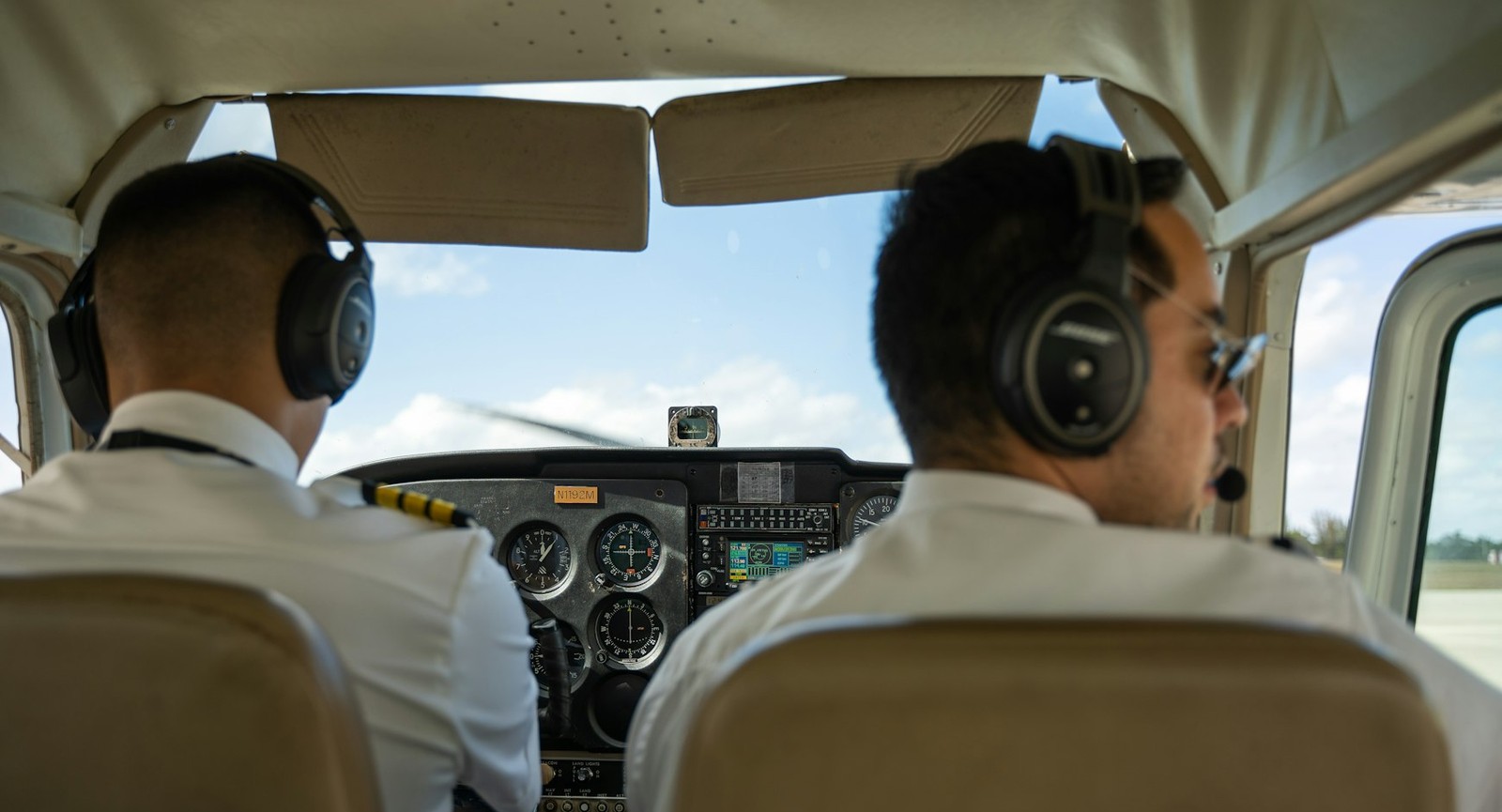
You talk like a pilot, and we can prove it. You’ve probably said "I’m on autopilot," "roger that," or "that’s not even on my radar" without realizing where these expressions originated: All these and many more actually began thousands of feet above in the air. Some came from wartime pilots, others from tense radio calls between cockpits and control towers. And a few, like "mayday," were born during real emergencies. Here are 10 everyday expressions that come from aviation and how they became so popular.
Autopilot
You drive to the grocery store and barely remember the trip. You fold laundry while thinking about dinner. Most of us know exactly what it feels like to run on "autopilot."
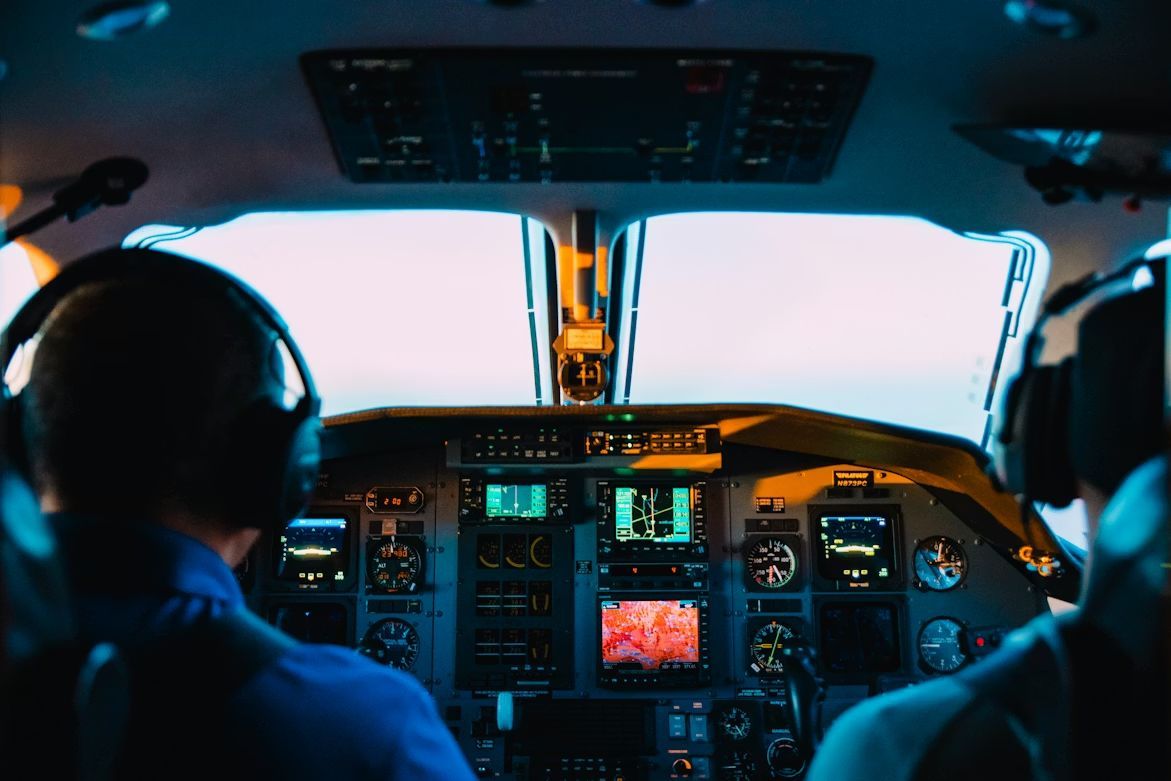
Today, we use "autopilot" to refer to those moments when routine takes over, and we simply follow it without giving much thought to our actions, but for pilots and planes, the autopilot was a groundbreaking invention. The first practical autopilot system was developed in 1912 by American inventor Lawrence Sperry. Before that, pilots had to keep constant hands-on control of the aircraft, especially during long flights over rough weather. As commercial air travel became more common in the 1950s, the word "autopilots" started appearing in newspapers, movies, and conversations about modern technology. Eventually, people noticed how perfect the analogy was and started using it to describe their own routines.
Roger that
Picture yourself helping organize a family reunion. A cousin texts from the grocery store and says, "Just got the potato salad." Without thinking twice, you answer "Roger that!"
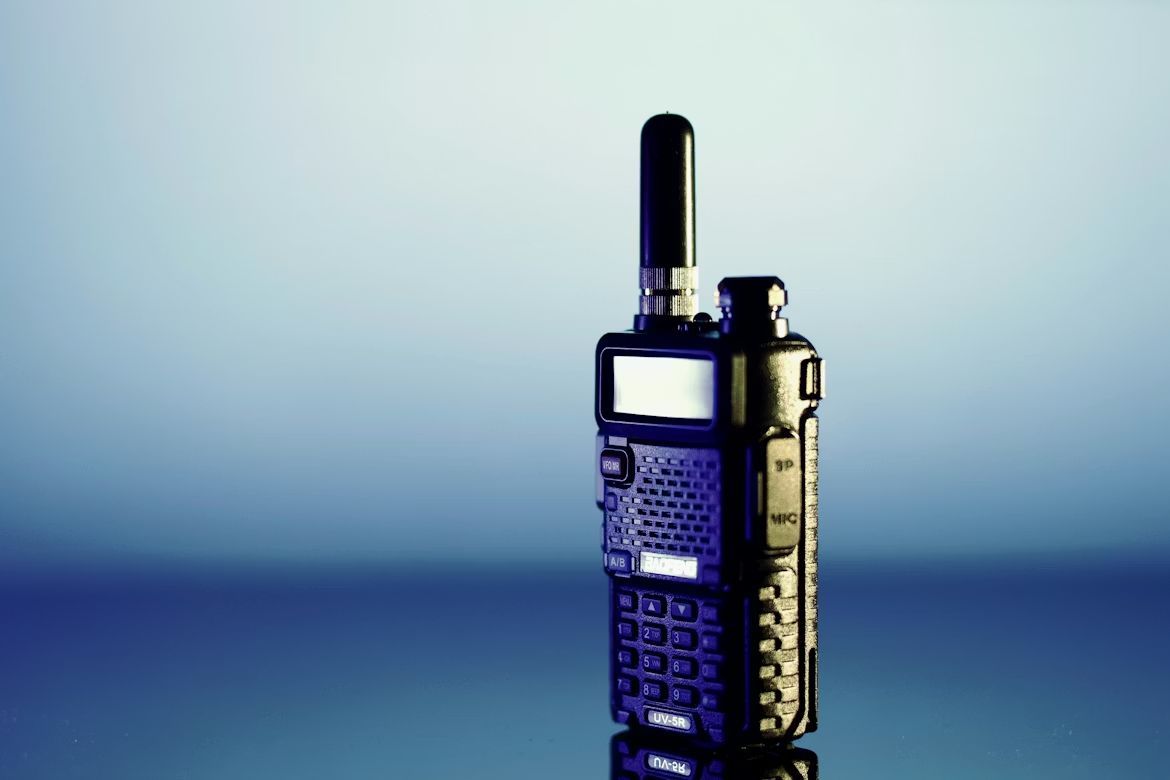
Back in the early days of radio communication, long before texting gave us thumbs-up emojis, pilots and radio operators needed quick, clear ways to confirm messages. The letter "R" stood for "received," and in the radio alphabet NATO used at the time, "R" was spoken as "Roger." In short, "Roger" meant "received." The phrase moved to everyday language when Hollywood picked it up and used it to portray realistic wartime scenes. Audiences heard pilots saying "Roger that" and, before long, they started repeating it in ordinary conversations.
On my radar

Maybe your neighbors keep talking about a little beach town they visited, or your grandkids keep recommending a new television series. You haven’t looked any of that up yet, but it’s officially "on your radar."
This phrase, which means something has caught your attention or suddenly comes up constantly in your life, comes from the radar technology developed before and during WWII. During the war, this innovative system allowed pilots to detect aircraft and ships from long distances. Radar became one of the most important technological advances of the war, especially during nighttime operations and poor weather conditions. After WWII, the technology expanded its uses, and the phrase eventually became part of everyday conversation to describe those things that you hear about, from vacation ideas and trends to restaurants you hope to visit one day.
Wingman
Almost everybody has played wingman at some point. You’ve helped a nervous friend at a party, sat through a double date, or backed someone up during a trip. Today, a "wingman" is the dependable friend who helps you out socially. But the term originally came from military aviation.
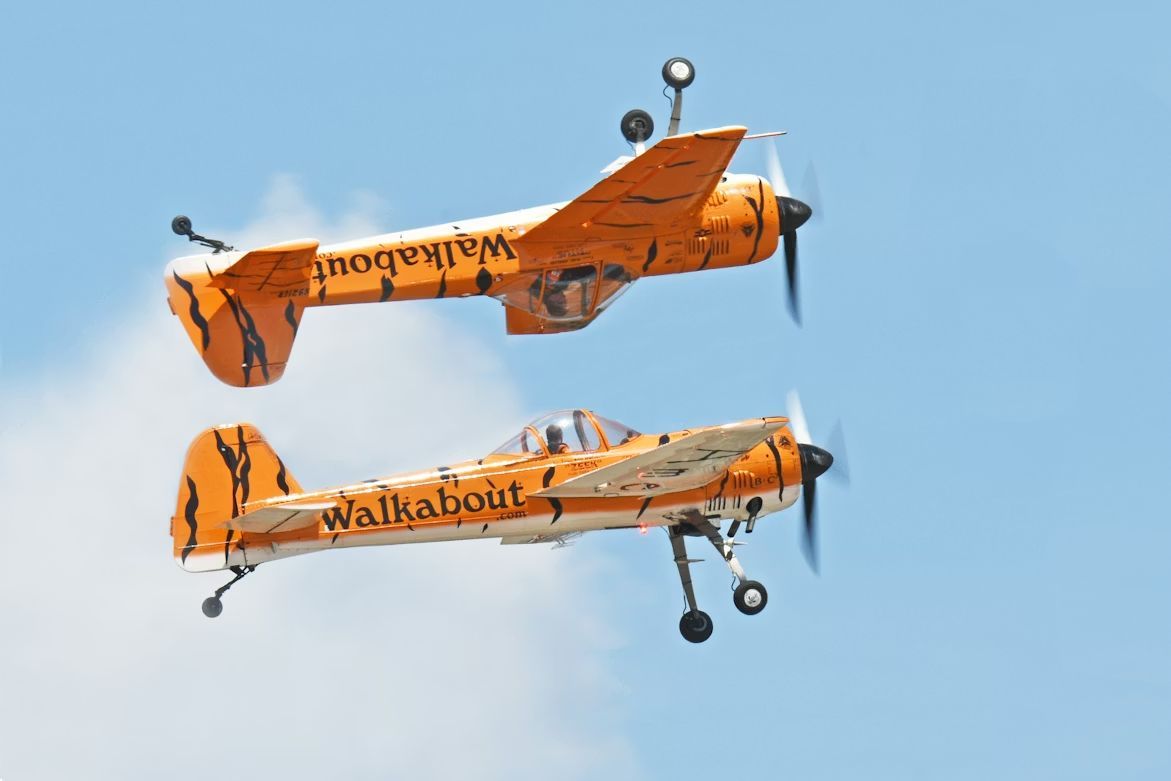
During WWII, fighter pilots flew in pairs, with the wingman positioned slightly behind and beside the lead aircraft. His job was to watch for enemy planes and protect the lead pilot from danger. The phrase later became part of everyday American slang, especially after movies like Top Gun made fighter pilot culture famous in the 1980s. Being a good wingman required trust, loyalty, and constant awareness, and everyone needs someone like that, even far away from a cockpit.
Mayday

You’re driving home late at night when the car suddenly starts sputtering, and smoke begins creeping out from under the hood. Before you know it, you see fire. That’s mayday.
Nowadays, "mayday" is universally recognized as the emergency distress call used by pilots and ship captains during life-threatening situations. However, the term dates back to 1923, when radio traffic between England and France was becoming increasingly common. A British radio officer named Frederick Stanley Mockford was asked to come up with a distress signal that both English and French speakers could understand clearly. He chose "mayday," inspired by the French phrase m’aider, which means "help me." The phrase became so famous through news reports and movies that even people who have never flown recognize it instantly.
Pan-Pan

Maybe it’s a delayed connection at the airport, a flat tire in the middle of nowhere, or realizing you forgot your wallet at the hotel. In any case, you’re worried, but not panicking yet. You know something’s wrong, and that feeling is basically what "pan-pan" means.
"Pan-pan" is used for urgent situations that are serious but not immediately dangerous. Pilots might issue a pan-pan call for mechanical problems, navigation issues, or medical concerns onboard. The phrase comes from the French word panne, meaning breakdown or failure. This expression is not as popular as "mayday," but frequent travelers and aviation enthusiasts still recognize it instantly.
Point of no return

You finally put down the deposit for that dream vacation, sign the papers to sell the family house, or agree to move closer to the grandkids. Suddenly, reality sets in: there’s no turning back now. You’ve reached a point of no return.
In aviation, the point of no return refers to the moment during a flight when a plane no longer has enough fuel to safely return to its starting point. Once pilots cross that line, continuing forward becomes the only option. The term became important during WWII, when military aircraft regularly crossed vast stretches of ocean with limited fuel reserves and few emergency landing options. The reason the phrase stuck in everyday life is simple. We all eventually face moments where a decision becomes permanent and moving forward is the only sensible path.
Bail out
Imagine you’re stuck in a little street in the middle of Paris, trying to get to that café everyone recommended, but you can’t seem to find it, and directions on your phone get less and less understandable. Finally, somebody says, "Maybe we should just bail out and ask somebody who knows where it is."
Today, "bail out" usually means escaping a difficult situation before it gets worse. But, during WWII, pilots flying damaged aircraft sometimes had no choice but to parachute to safety. "Bailing out" became military slang for abandoning a plane during an emergency. Over time, the phrase expanded far beyond aviation. Friends bail each other out of trouble, and people bail out of bad plans all the time.
Freefall
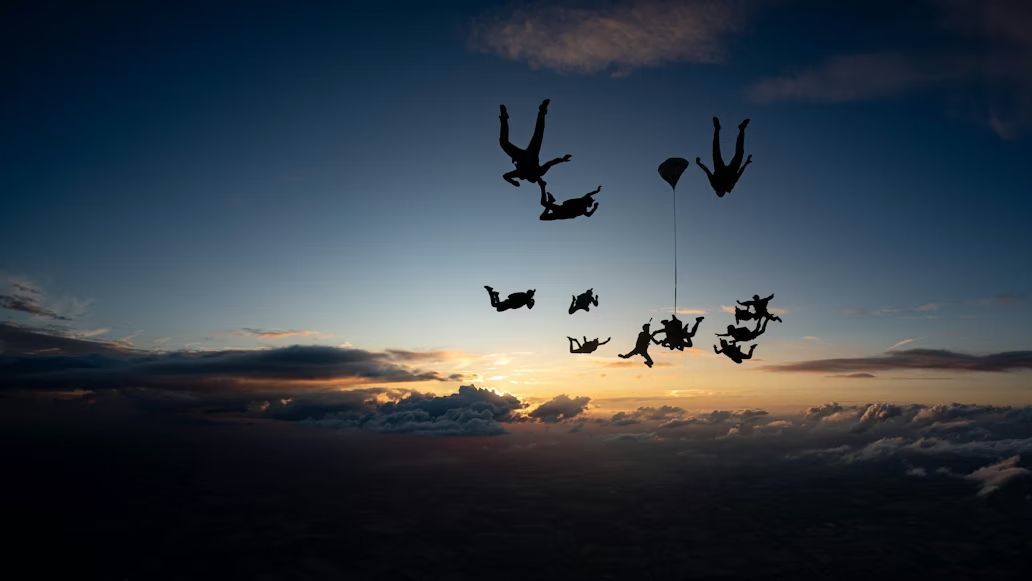
Today, people use "freefall" to describe anything that drops suddenly and uncontrollably. Stock prices freefall, temperatures freefall, and sometimes motivation does too after a big meal. In aviation and skydiving, though, freefall has a very literal meaning. It describes the period when gravity is the only force acting on a falling body.
The word eventually became part of everyday conversation because it creates a vivid mental image. Everyone understands the feeling of watching something spiral downward faster than expected. However, ironically, skydivers often describe freefall as the most exciting part of the jump.
Cleared for takeoff
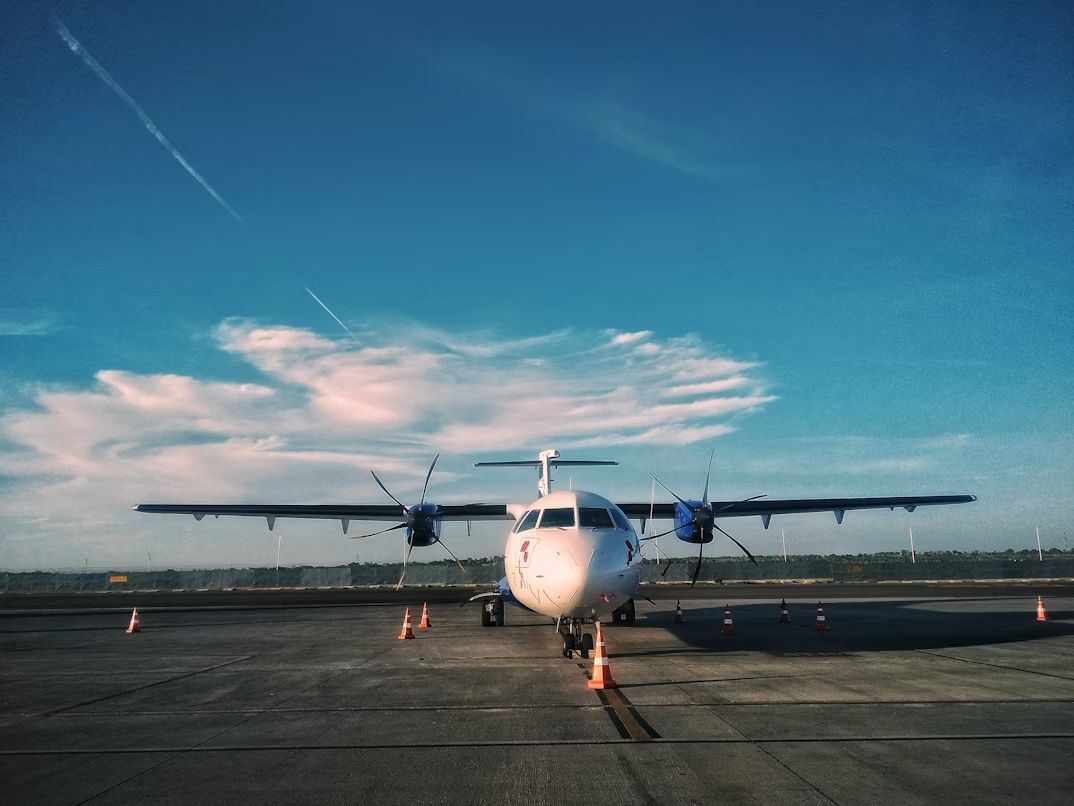
After weeks of comparing hotel prices, juggling family schedules, and waiting for everyone to agree on dates, somebody finally says, "Alright, we’re cleared for takeoff." Today, the phrase means a project or plan has officially been approved to begin. But in aviation, "cleared for takeoff" is a very specific instruction given by air traffic controllers.
Pilots cannot begin takeoff until the control tower grants permission. At busy airports, controllers carefully coordinate departures and arrivals to avoid dangerous runway conflicts. As air travel became more common during the Jet Age of the 1950s, aviation phrases slowly worked their way into everyday American speech. "Cleared for takeoff" quickly became a way to say something was finally ready to move forward.
Keep wandering
There’s always
more to explore

Tips for leaving your home in order before you travel
5 min.
Read Now
What happens to toilet waste above 35,000 feet? Here's the answer
5 min.
Read Now

The no-panic packing List: 10 tips to manage travel anxiety
5 min.
Read Now
Airport security: 10 TSA insider secrets you're finally about to learn
5 min.
Read Now