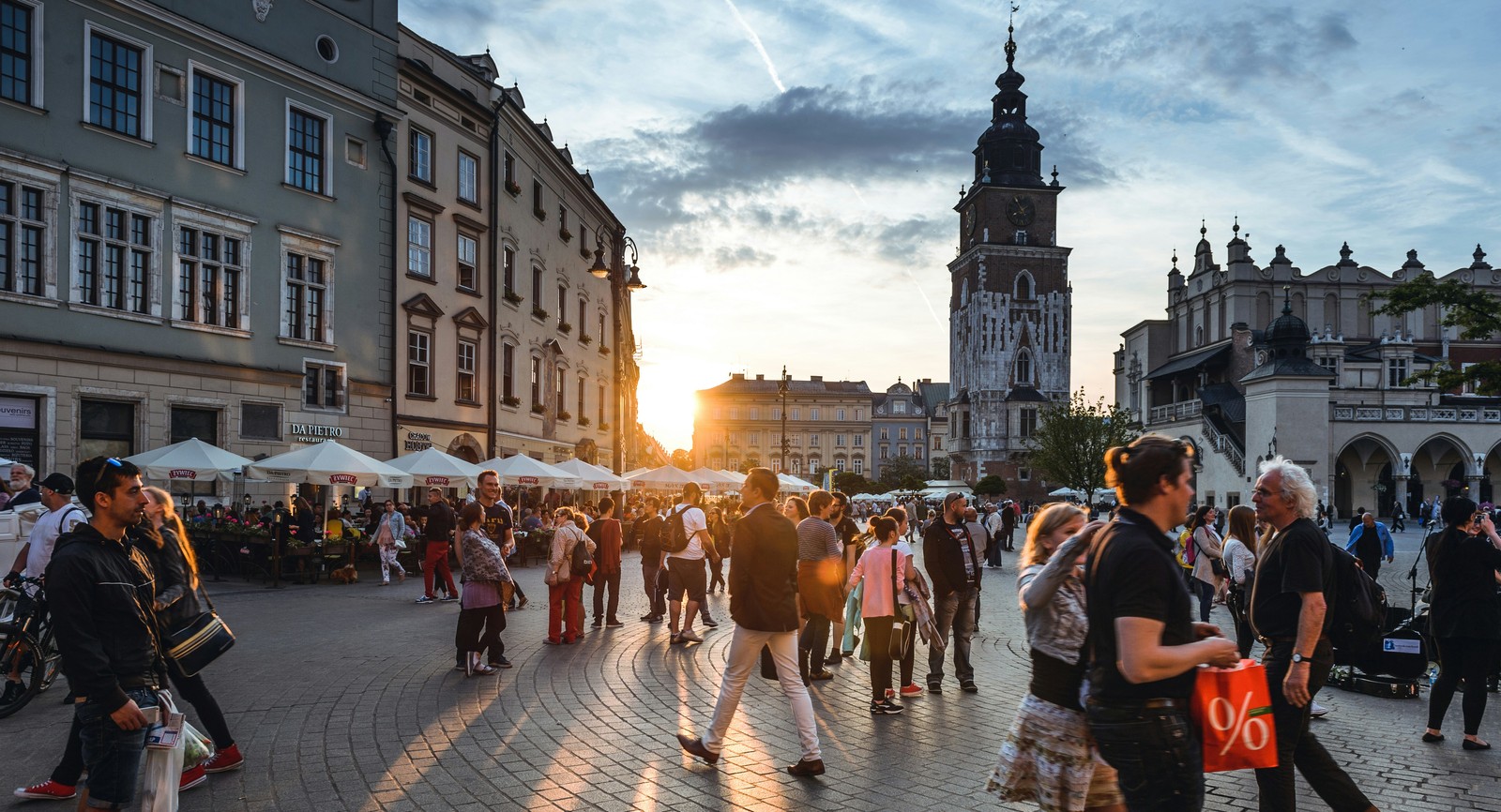
These foreign customs are small, but more important than you might think
 Culture
When in Rome
These foreign customs are small, but more important than you might think
As tourists in a foreign country, we will naturally come across behaviors and customs that are different from our own. Some of them might catch us by surprise, because they are small things we wouldn’t even think to question. What side of the road do you walk on? Do you buy groceries on a Sunday? Which floor is considered the 1st floor? Here are some small but important foreign customs that might baffle most Americans.
Japan: You should never tip your server

Tipping is quite ingrained in American culture, as well as many European and Latin American countries, though the rules around it might change from country to country. But things are quite different in places like Japan, where tipping is not only not customary, but even seen as rude. While in the Western mentality tipping is seen as a reward for good service, for the Japanese, expecting good service is the standard, so "rewarding" them for doing their job properly comes as an affront.
Germany: Sunday closures

Shops closing on a Sunday is not unheard of in America, but it is not the norm, although some places might reduce their working hours during the weekend. In Germany, however, most shops are legally required to close on a Sunday to give workers a Ruhetag or ‘day of rest’. While you will find cafés, museums, restaurants, gas stations, and even some bakeries open on a Sunday, retail stores, grocery shops, and supermarkets will be closed.
Spain: The bread basket
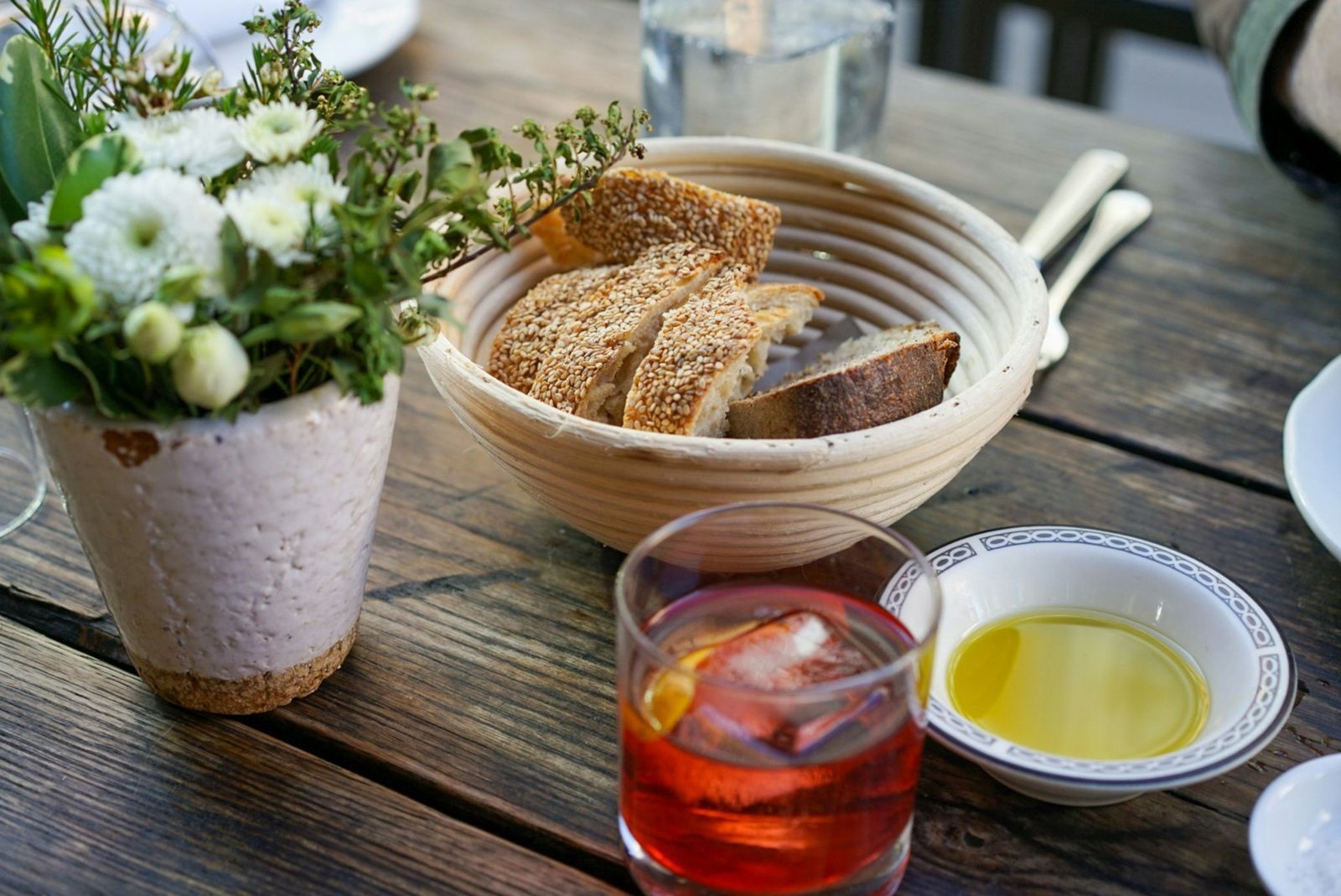
An essential part of eating out is digging into the bread basket, but what if I told you that it’s not always complimentary? If you are eating out in Spain, you will most likely be served a bread basket, which will later appear as a charge on your receipt. The restaurant, however, can only charge you for it if the bread basket is explicitly listed in the menu. If you don’t want to pay for it, you will have to ask the waiter to take it away as soon as they bring it to the table.
Brazil: Never flush toilet paper
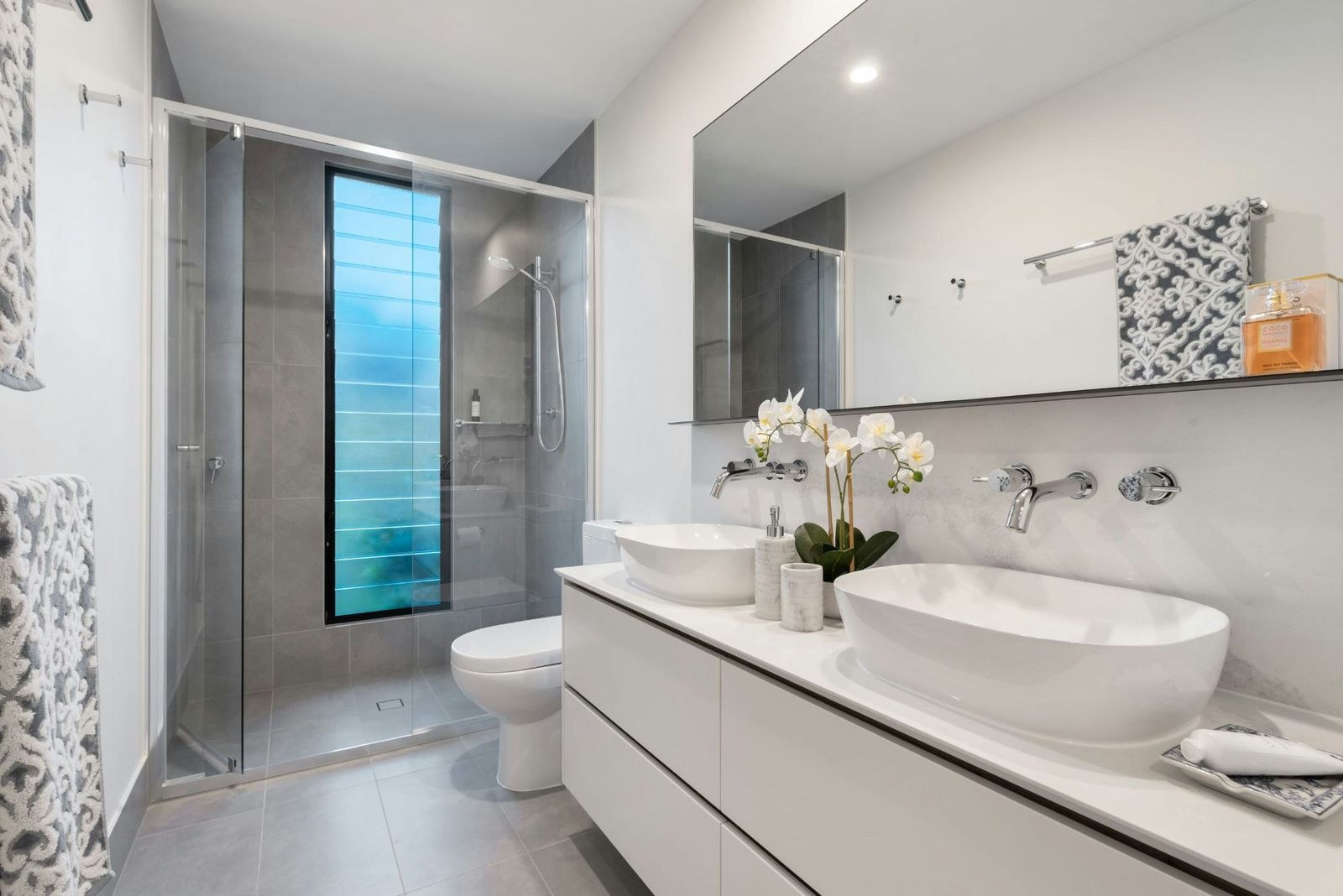
Many things shouldn’t be flushed down the toilet, but paper is not usually one of them. In America, flushing toilet paper is not an issue, and most people do it without thinking twice about it. If you are visiting Brazil, though, you will have to set a reminder. Brazil’s plumbing system is somewhat old, with narrow pipes that cannot handle too much paper. Instead, Brazilians typically dispose of toilet paper in a small trash can next to the toilet. Although modern establishments and hotels usually have better plumbing, always check for the trash can before flushing paper down the drain.
Australia: Pedestrians should always walk on the left side
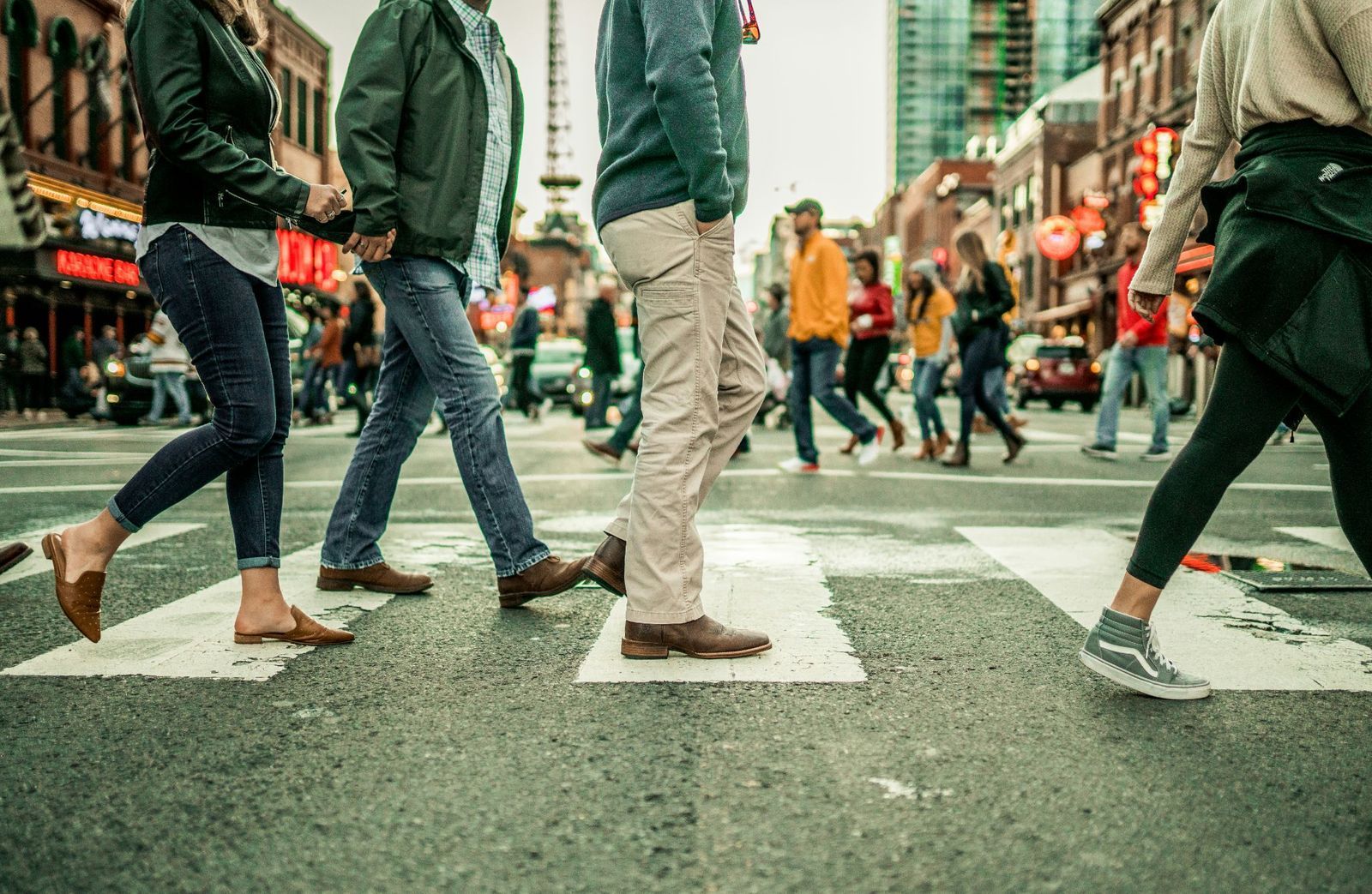
Do you keep to the left or the right when walking on the street? Aside from personal preferences, most Americans will naturally stay on the right side when walking or taking the stairs, but this is not always the case worldwide. In Australia, it is customary to keep to the left, which can cause some unexpected bumps on the streets and on escalators for American tourists.
France: The ground floor is number zero, not 1
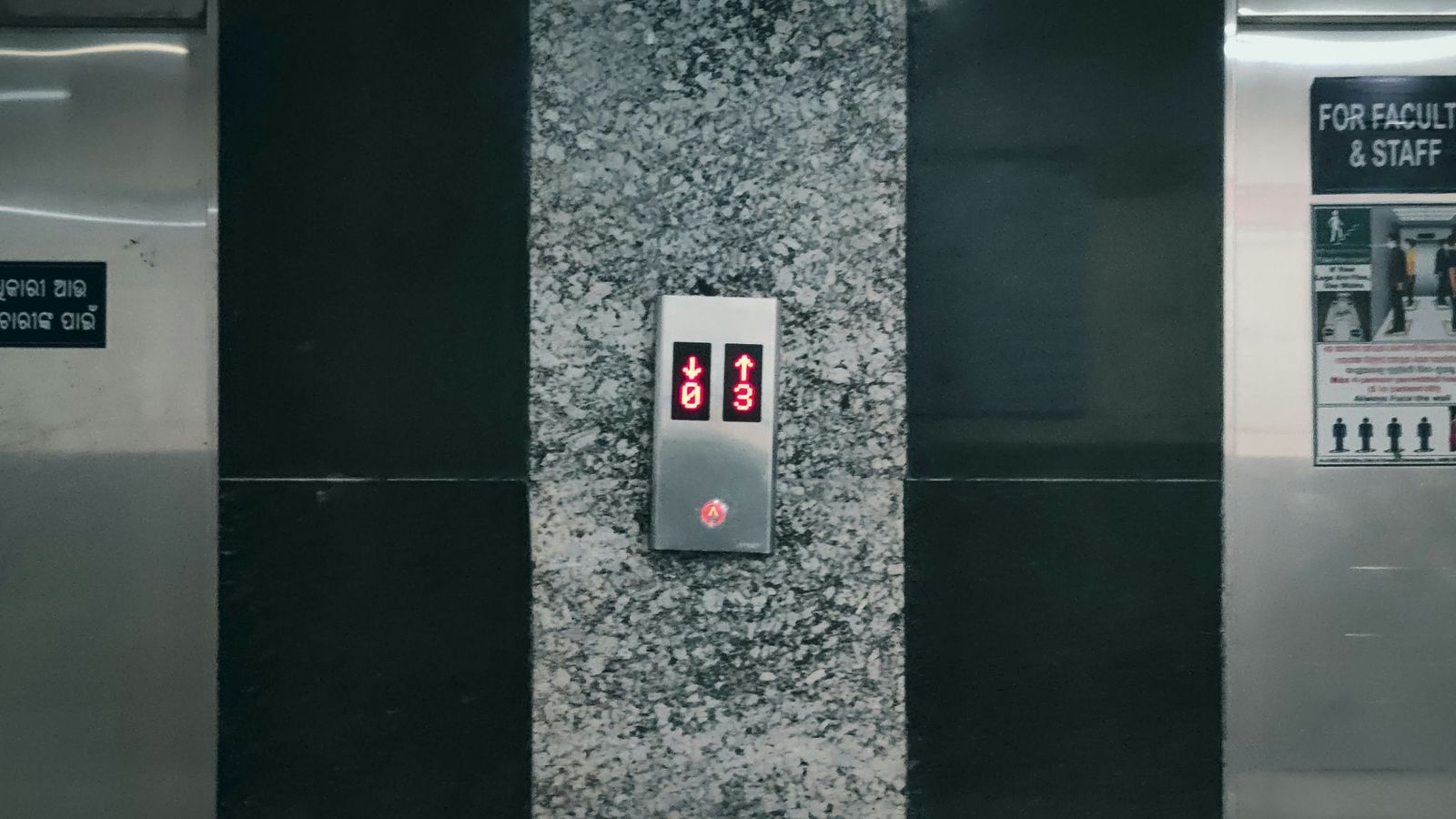
You get on the elevator and press 1 for the ground floor. Simple, right? Well, not if you are in France. For the French, the ground floor or rez-de-chaussée (often abbreviated as RDC) is not numbered as 1, but as 0. The first floor is instead the first level above the ground floor, so pressing 1 in the elevator will always leave you one floor above what you are used to.
England: In the pub, you have to ask and pay before sitting
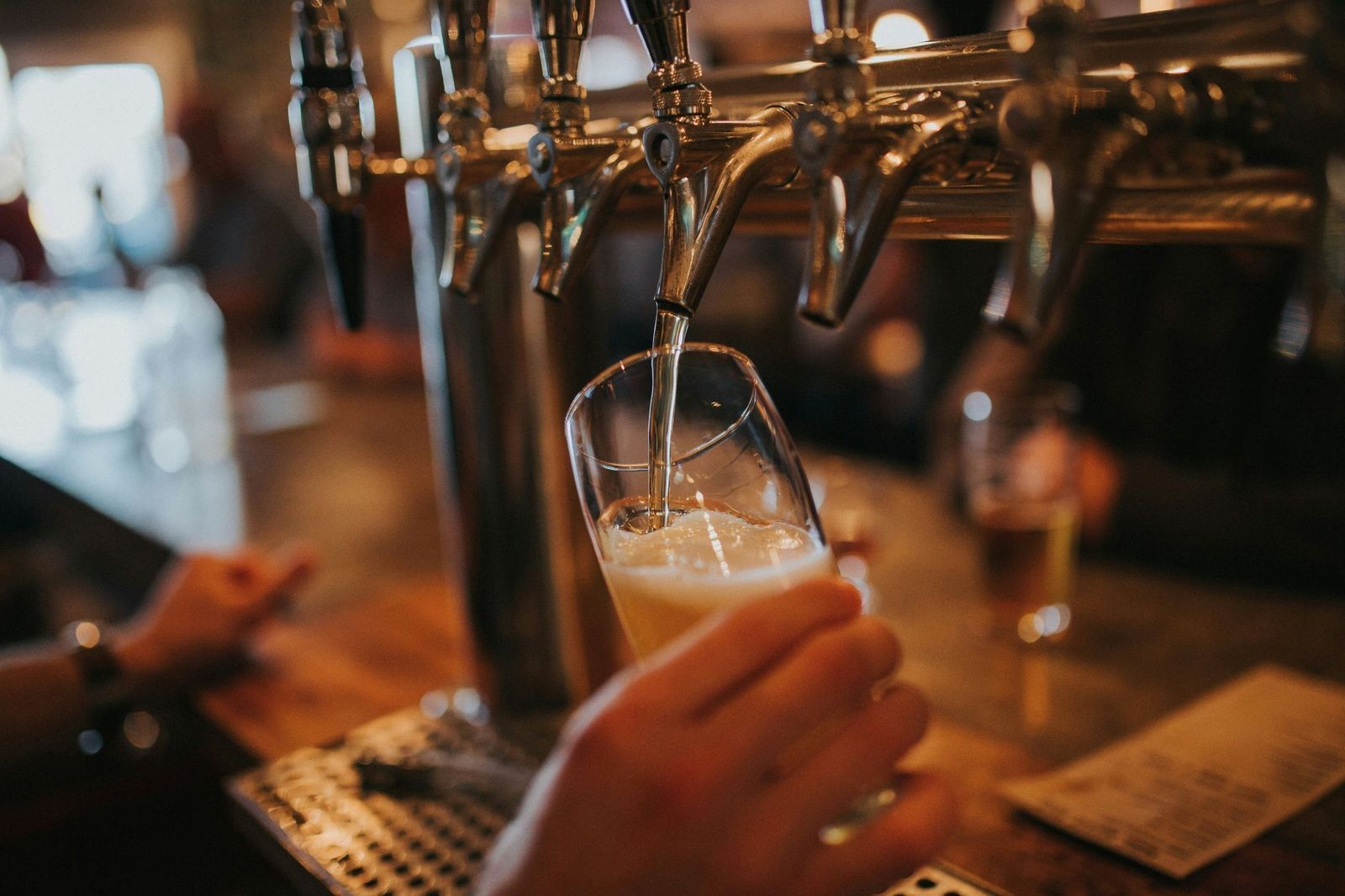
Bars work differently from restaurants, but in most American bars, you would get a table before waiting for a server to come take your order. If you do this in an English pub, however, you will get nothing except a few annoyed stares. English (and most British) pubs rely on ordering at the counter, and they require you to pay beforehand to prevent unpaid walk-outs or wasted food. While you can certainly get a table, you will have to then go to the bar, state your table number, and then request and pay for your food.
Italy: There is no tap water at restaurants
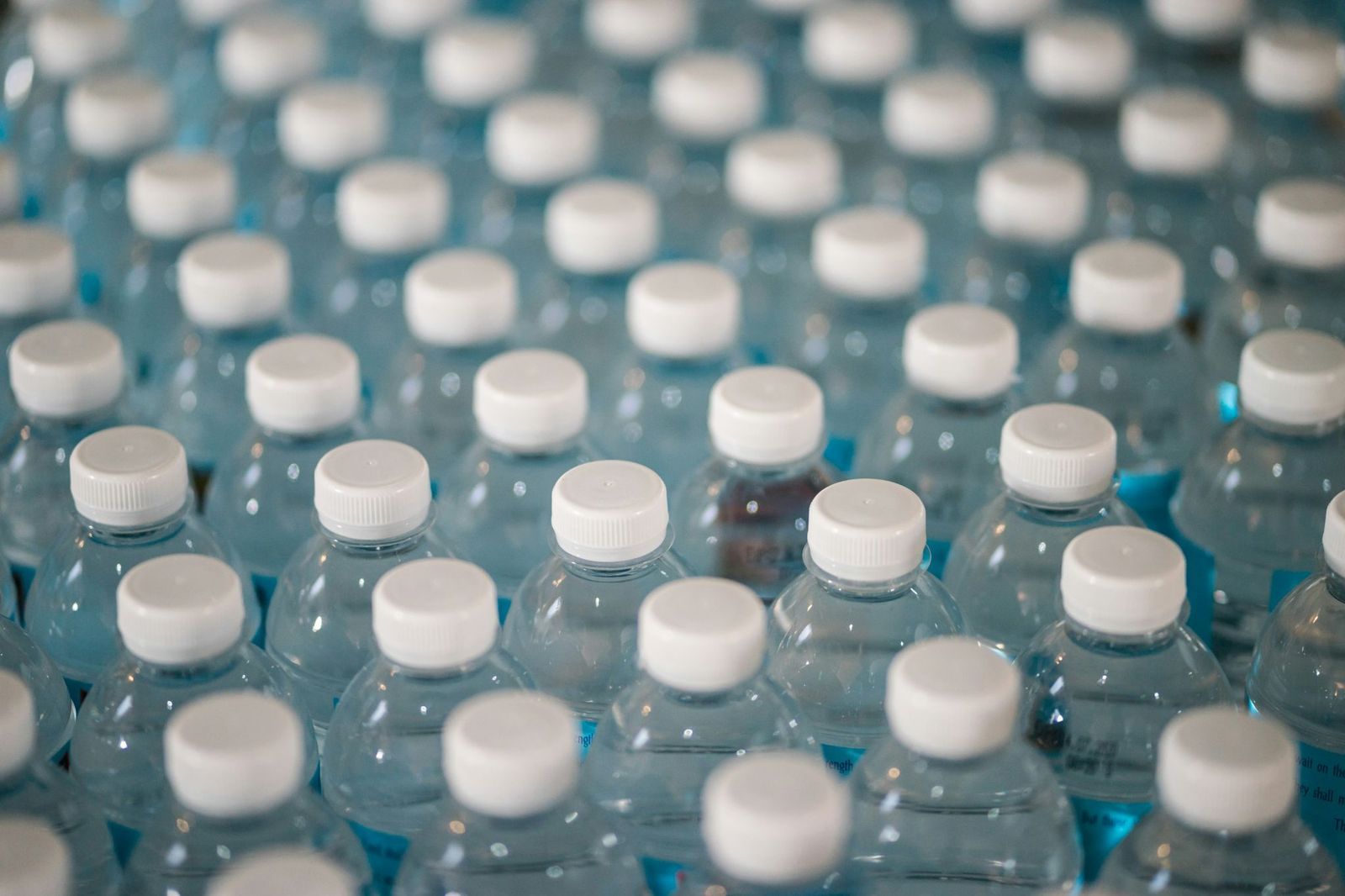
Tap water does exist in Italy, and it’s fit for drinking, but not in a restaurant setting. While Americans are used to asking for a pitcher of tap water, and in some places restaurants are legally required to provide it for free, this is not the case in Italy. You can request it, but bear in mind that the server might be confused or flat-out refuse. Instead, they will ask you if you prefer naturale (still) or frizzante (sparkling) water, in both cases bottled.
Iceland: You need to shower naked before entering hot springs or pools
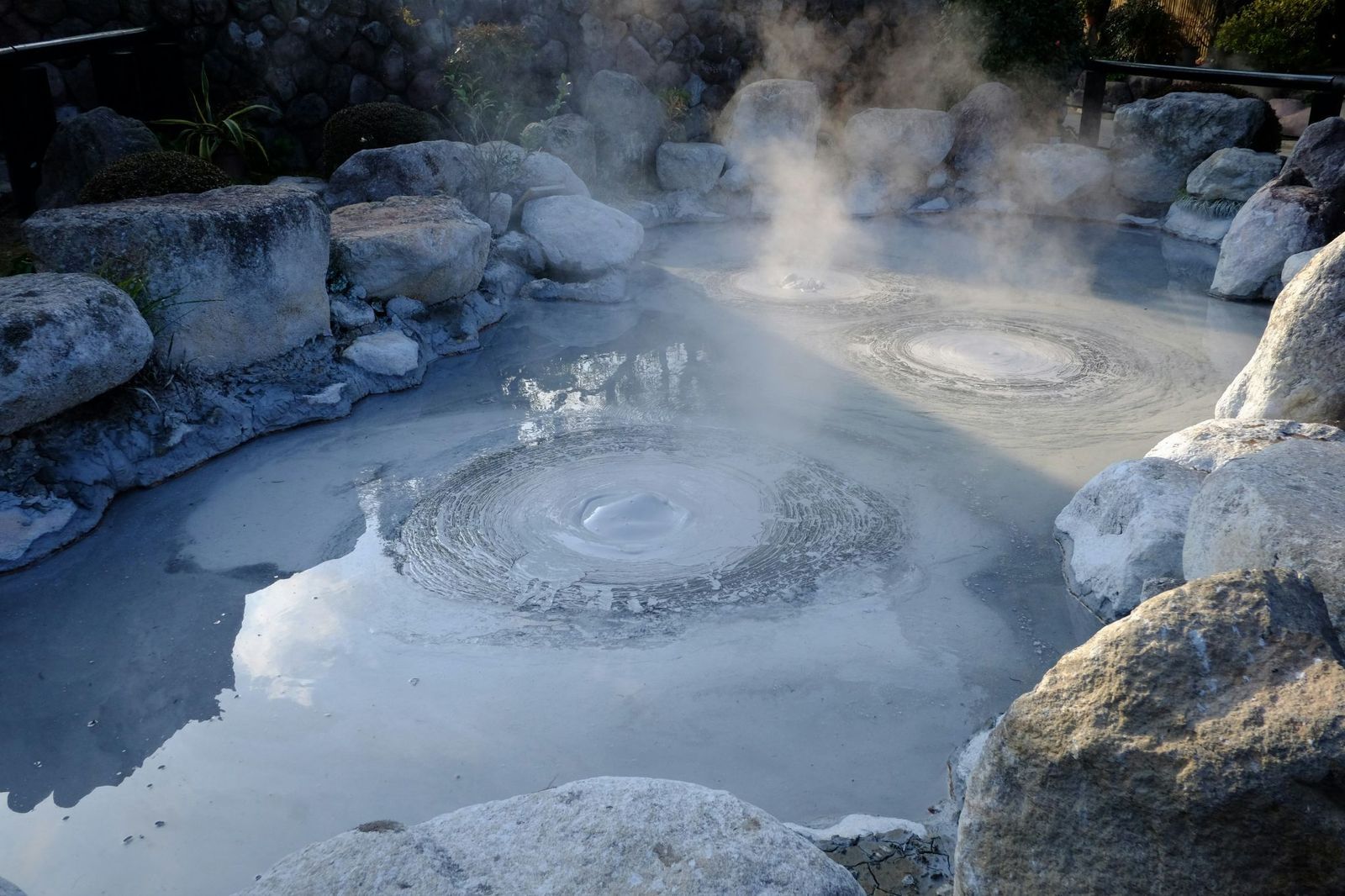
Showering before entering a public pool of any kind seems logical and a good way to keep the water clean. But would you do it if you had to take off all your clothes? While in America this is only a hypothetical question, it is a reality in Iceland, where showering naked with soap (not just rinsing yourself) is mandatory before using public pools, geothermal spas, and even some lakes. Don’t worry, most places will allow you to put your swimsuit back on after the shower.
Indonesia: Always use your right hand

Most people will use their dominant hand —either the right or the left— for daily activities, from shaking hands to paying with cash at the store. While the hand you use is irrelevant in America, it is a great deal in countries such as Indonesia, where the left hand is traditionally used for personal hygiene and is therefore considered unclean. When interacting with others, it is important to use only the right hand to avoid coming across as rude or disrespectful. If your right hand is already holding something, switch the item to the left hand. If you can’t avoid using your left hand, make sure to sincerely apologize.

Why do airlines always give you bottled water? The real reason
 General
Flying facts
The science behind ear popping: What happens to your body on a plane
Some people board a plane and fall asleep before takeoff, while others feel every turbulence and get nauseous. Which one are you? At 35,000 feet, your body goes through a series of changes, and different bodies react differently. Why do your ears pop? Why do some people feel airsick? Today, we’re breaking down what really happens to your body when you fly and the surprising reasons behind those sensations.
Those all-too-common ear pops
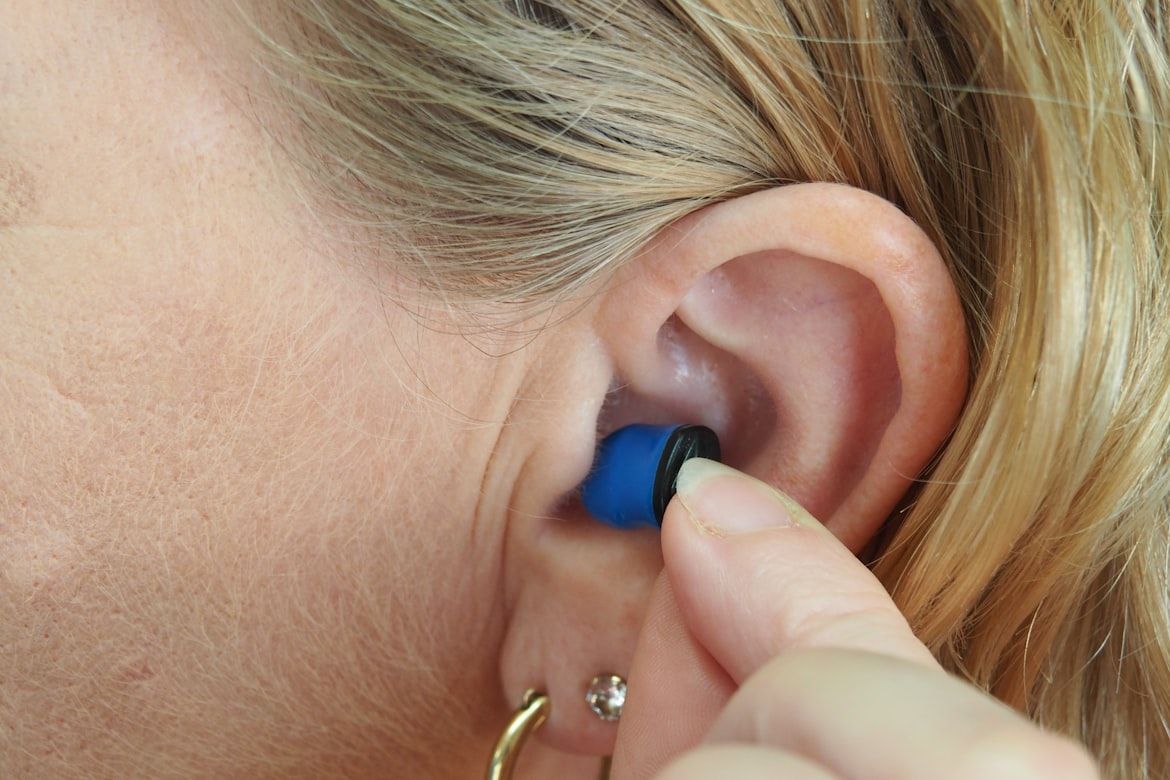
Most people feel their ears "clog" or pop during a flight, and there’s a reason why. This is known as ear barotrauma, or "airplane ear," and it happens when air pressure changes quickly during takeoff and landing. As the plane quickly climbs or descends, the pressure outside your body shifts faster than the pressure in your middle ear can equalize. That imbalance is what causes the discomfort or popping sensation.
How to avoid it? Chewing gum, swallowing, or yawning can help open the Eustachian tubes (a small passage connecting the middle ear to the back of the nose and throat) and relieve the pressure.
The reason behind swollen feet
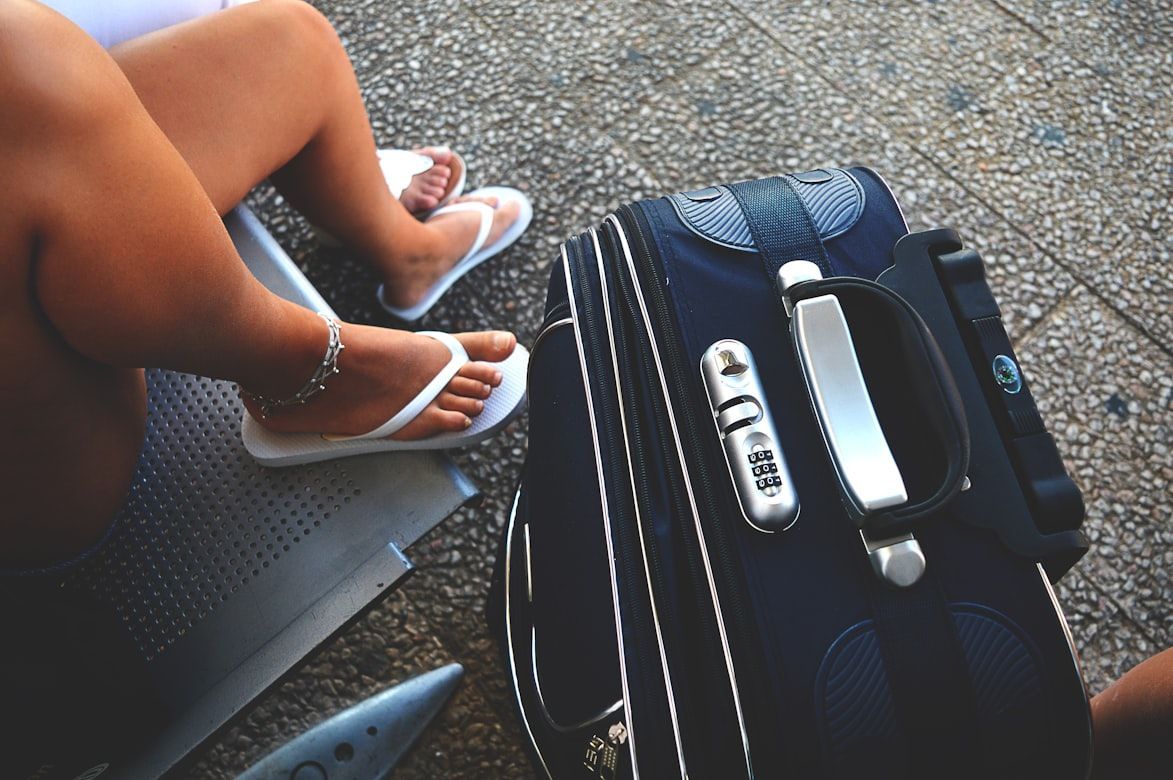
Swollen feet and ankles (edema) are one of the most common temporary issues during air travel. But why does it happen? On most flights, especially in economy class, you’re sitting for long periods with your feet down and little room to move. That position slows blood flow, allowing fluid to pool in your lower legs and feet. To reduce the swelling, try to move your legs regularly during flight, flex and rotate your ankles in your seat, and, when it’s safe to do so, stand up or walk the aisle. For longer flights or if you’re prone to swelling, compression socks can also help.
The cause of jet lag
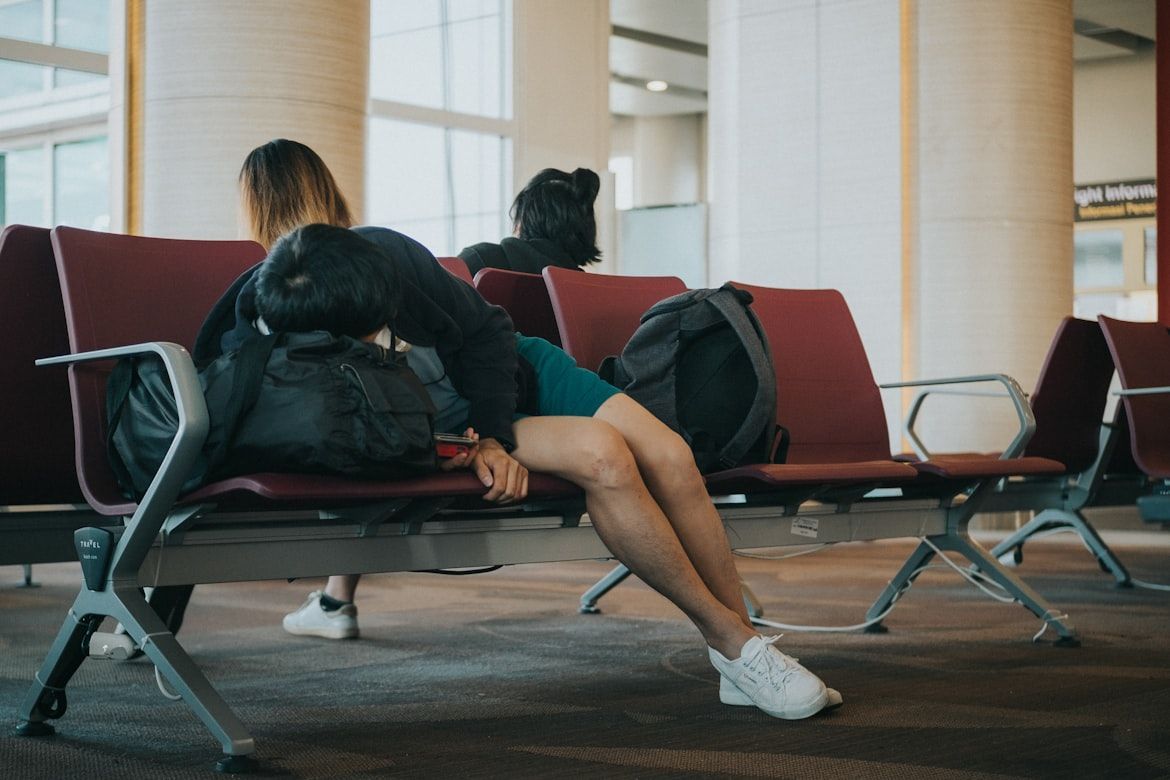
Your circadian rhythm is your body’s 24-hour internal clock, the system that regulates sleep, hormone release, and body temperature. But when you fly across time zones, that clock gets "out of sync". This mismatch between your internal time and the local time at your destination is what causes jet lag. Your body might be ready to sleep when it’s daytime, or feel hungry in the middle of the night, leading to fatigue, insomnia, and even digestive issues.
Why do you get thirsty?
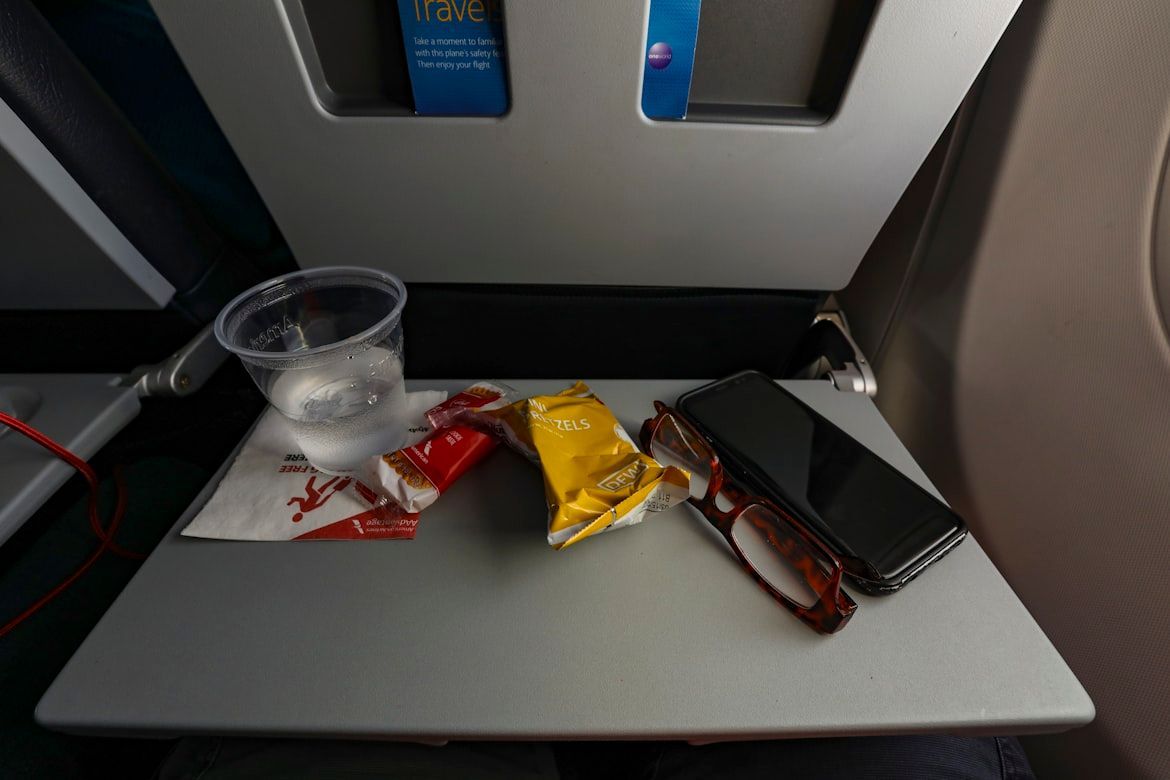
Bottles of water and other drinks are very common on flights, even short ones. But it’s not just a nice touch; there’s a real reason for it. At that altitude, cabin air is extremely dry, often with humidity below 20%, which can quickly dehydrate your body. That’s why you start to feel thirsty. It’s a good idea to drink plenty of water on the day you fly, but don’t overdo it. Around 2 to 3 liters a day is generally enough, and let’s be honest, no one wants to be stuck making constant trips to the bathroom at 35,000 feet.
What does acne have to do with flying?

Many people notice changes in their skin during a flight: some feel unusually dry, others get itchy, and some even break out. So what’s going on? The dry cabin air is the main culprit. With humidity often below 20%, your skin loses moisture, just like your eyes and airways. That dryness can weaken your skin’s barrier, sometimes leading to irritation, or, for some people, excess oil production that can trigger acne. To help prevent this, use a good moisturizer before and during the flight; it helps your skin stay balanced, even in that dry environment.
This is why you feel bloated

"Jet belly" is the playful name experts give to the bloating many people feel during a flight. To explain this, they use Boyle’s Law: as air pressure drops, gas expands. Inside a plane cabin, the gas in your digestive system can expand by 20 to 30%. That’s what causes the tight, bloated, and uncomfortable feeling. To minimize it, try to avoid carbonated drinks and heavy, salty, or fatty foods before and during the flight. Staying hydrated also helps, and if it’s allowed, getting up for a short walk can keep things moving inside, too, easing the discomfort.
Bad breath isn’t just your imagination

Have you ever gotten off a plane with surprisingly bad breath, even if you barely slept? You’re not imagining it: there’s a real reason. Inside the cabin, the air is extremely dry, and that low humidity can dehydrate your body, reducing saliva production. Since saliva helps control bacteria, less of it means odor-causing bacteria can appear more easily. If you want to land feeling fresh, keep a toothbrush or mints in your carry-on for a quick fix before you get off the plane.
Your food doesn't taste the same
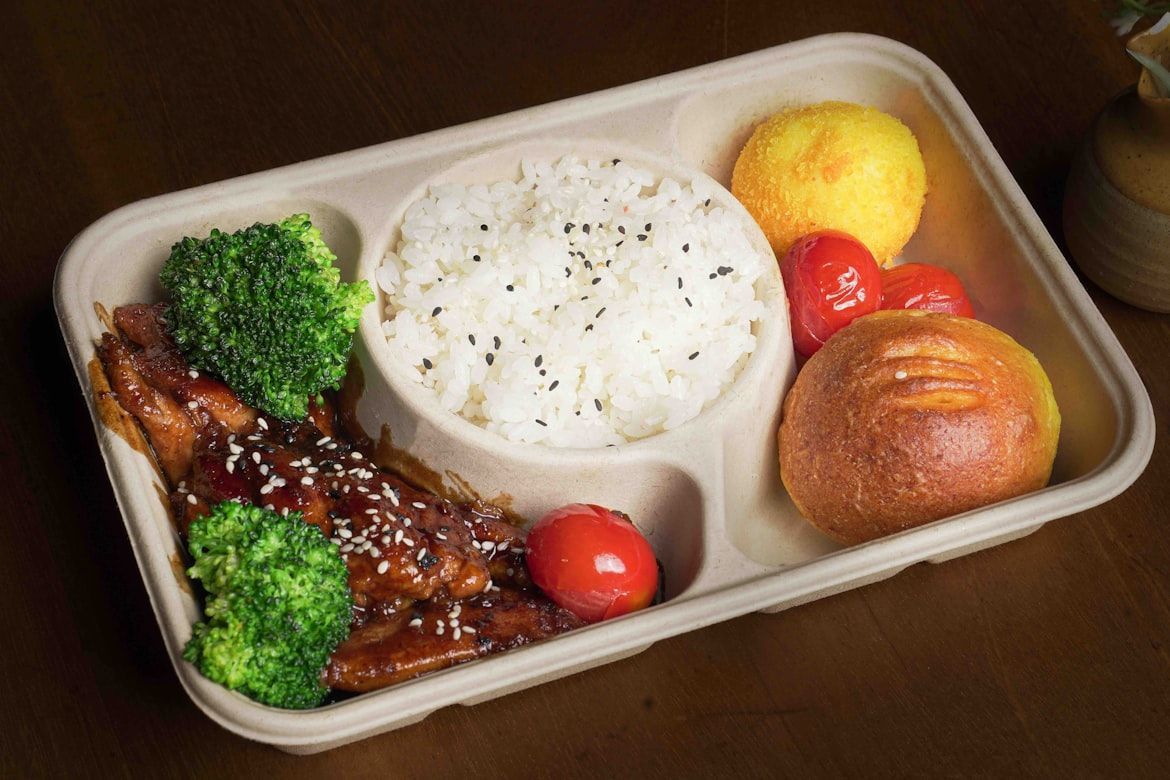
Ever feel like food tastes different on a plane? Well, it turns out your sense of taste and smell actually change because of lower air pressure and low humidity in the cabin. These conditions dry out your nasal passages and mouth, and since smell plays a big role in flavor, that dryness dulls your ability to taste, especially sweet and salty notes. According to some studies, your sensitivity can drop by around 20–30%, but airlines know this, which is why many in-flight meals are more heavily seasoned than you’d expect on the ground.
Tired after a flight? That’s normal

Conditions inside the aircraft cabin also affect oxygen levels. While cabins are pressurized and carefully monitored, the air at that altitude still contains less oxygen than at sea level. Combined with long periods of sitting still, this can make your body work a bit harder to deliver oxygen to your cells, leaving you feeling slightly tired or sluggish. To help counter this, stay well hydrated and try to get a good night’s sleep before your flight.
Your mood changes, too
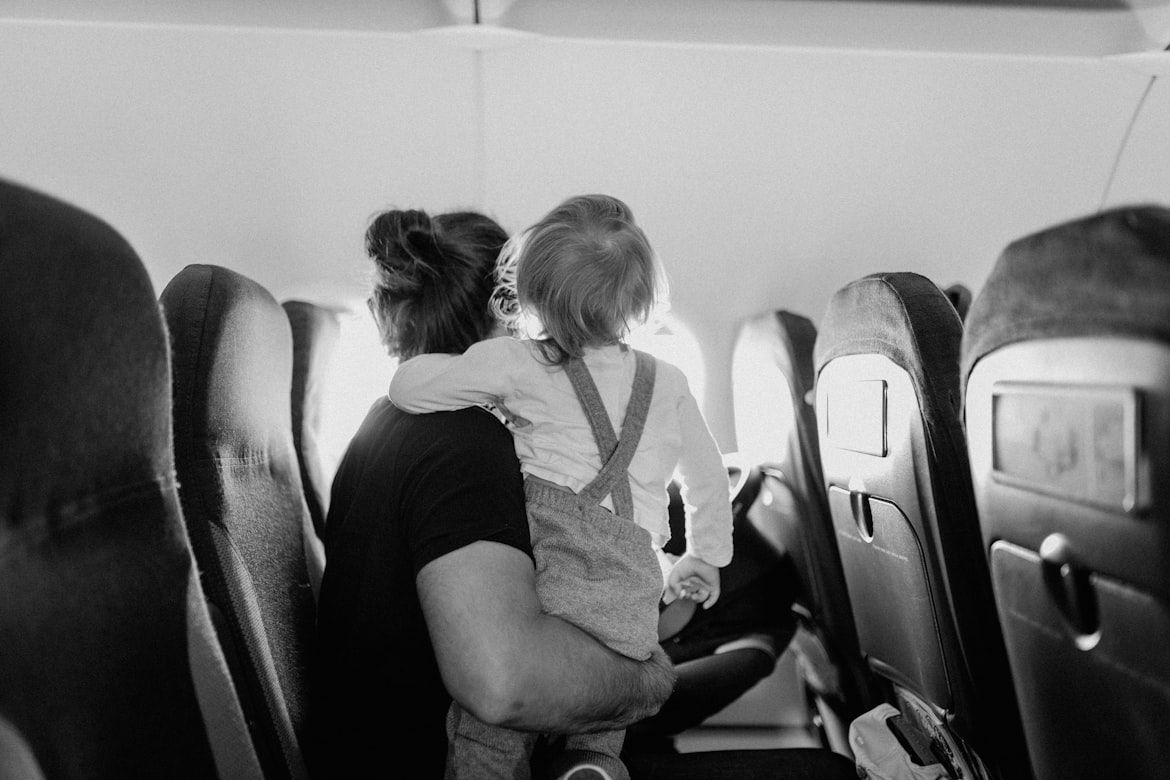
If you thought flying only affects your body, think again: your mood can shift, too. The lower oxygen levels in the cabin can slightly affect cognitive function, making it a bit harder to manage your emotions. That might explain why a movie hits harder at 35,000 feet or why your seatmate is suddenly tearing up. Add in the stress of travel, disrupted routines, and long hours in a small space, and it’s no surprise your emotions can feel a bit intense during a flight.
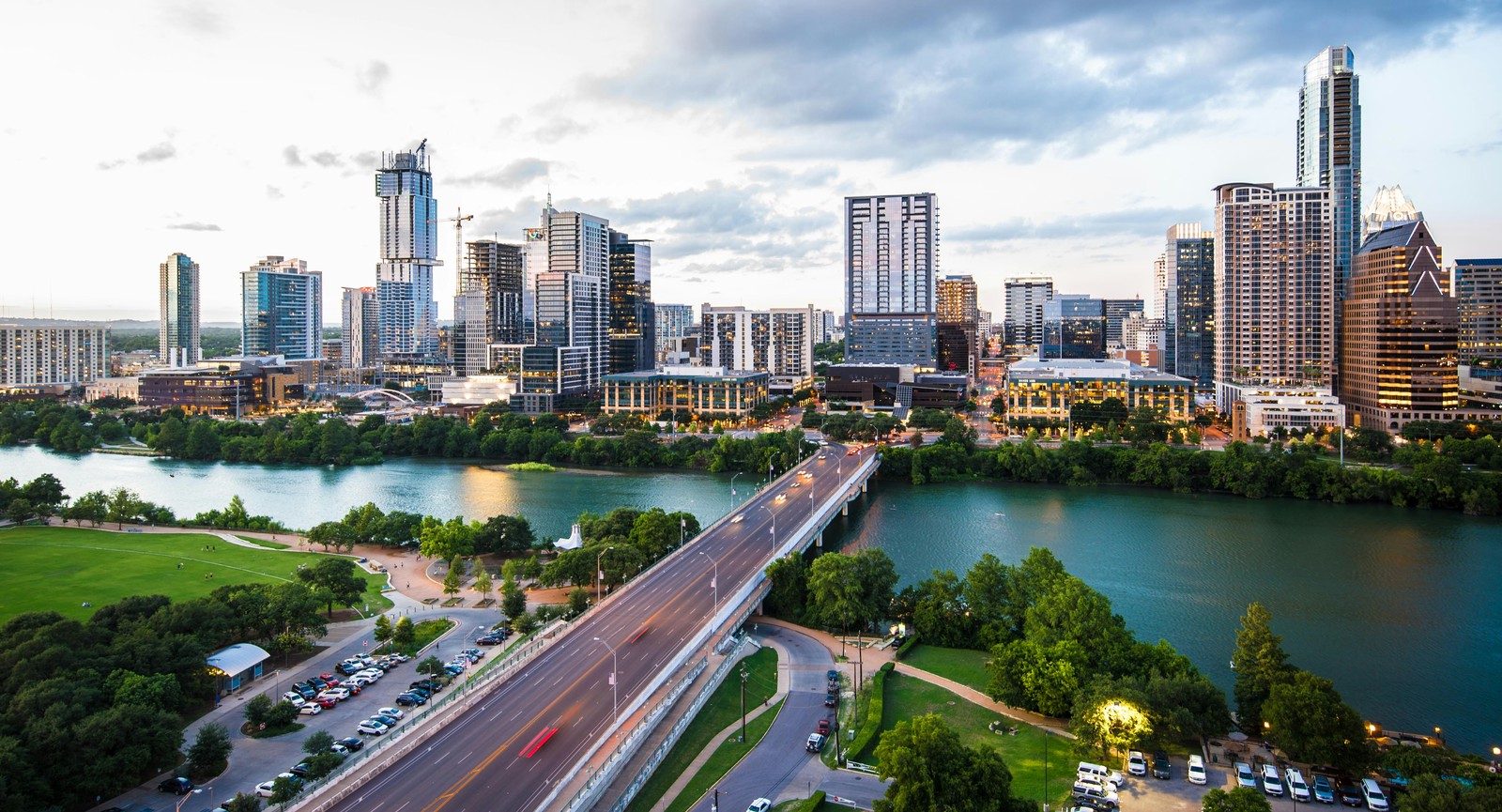
One of These Cities Is Split Between Two Continents
 Landmarks
Waterworld
These 14 cities were shaped by their proximity to water
From ancient trade routes to modern waterfront revivals, cities close to water tend to feel more alive. Rivers move people and goods, canals organize daily life, and seas open doors to culture and commerce. These places didn’t just happen to be near water; they were built around it, and the relationship still defines how they look, move, and breathe. Here are some of the world’s most memorable cities where water isn’t just scenery, but it’s the backbone of urban life.
Venice, Italy
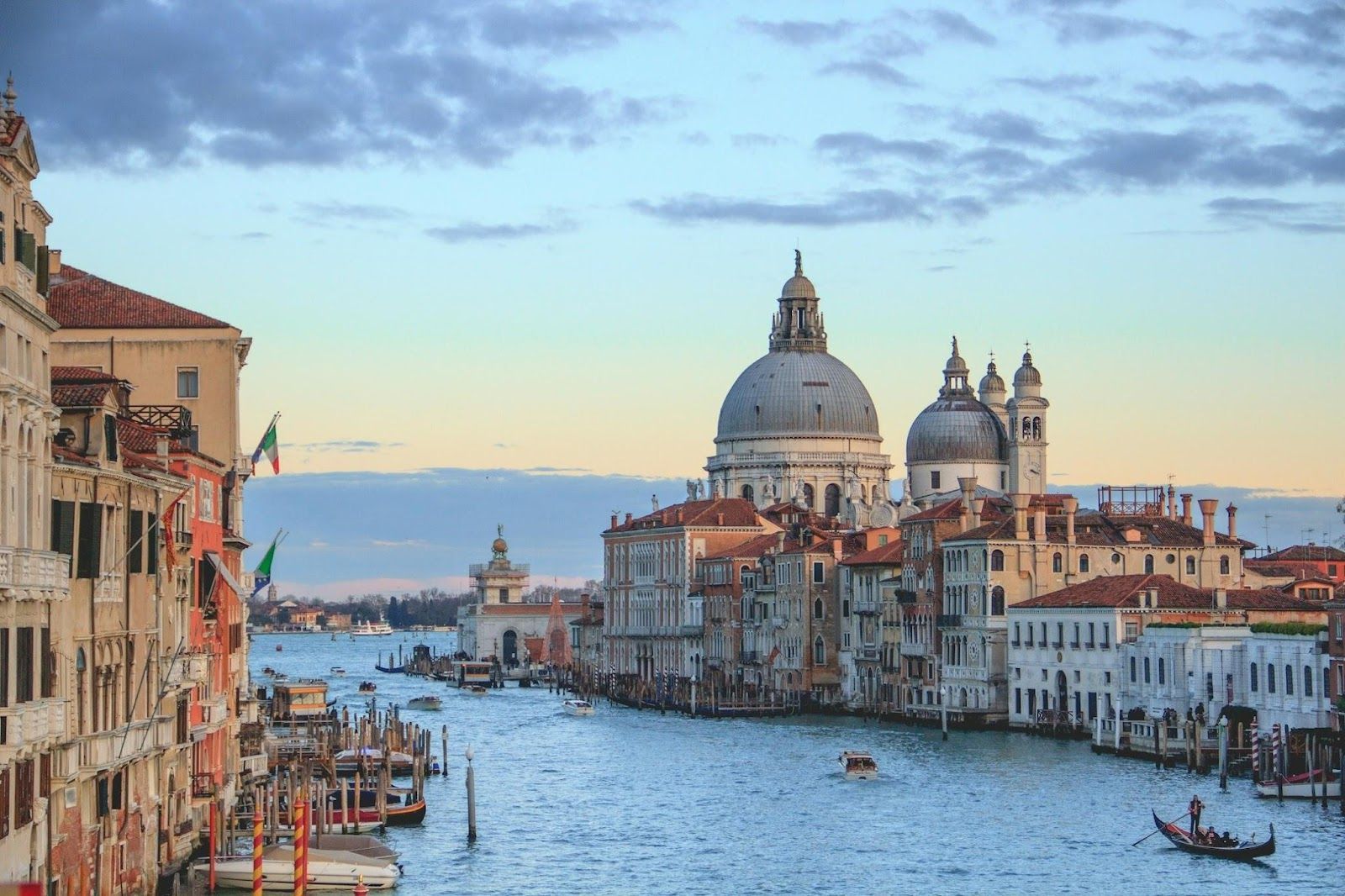
Venice is the ultimate proof that a city can grow out of water rather than next to it. Built on more than 100 small islands in a shallow lagoon, the city’s canals replaced streets, and boats replaced carriages. Even today, gondolas and water buses glide past palaces that seem to float on the tide.
The Grand Canal acts like Venice’s main artery, curving through the city and linking neighborhoods that once felt worlds apart. Beyond the postcard views, Venice’s long history as a maritime republic shows how trade and sea power shaped its art, wealth, and distinctive architecture.
Istanbul, Turkey
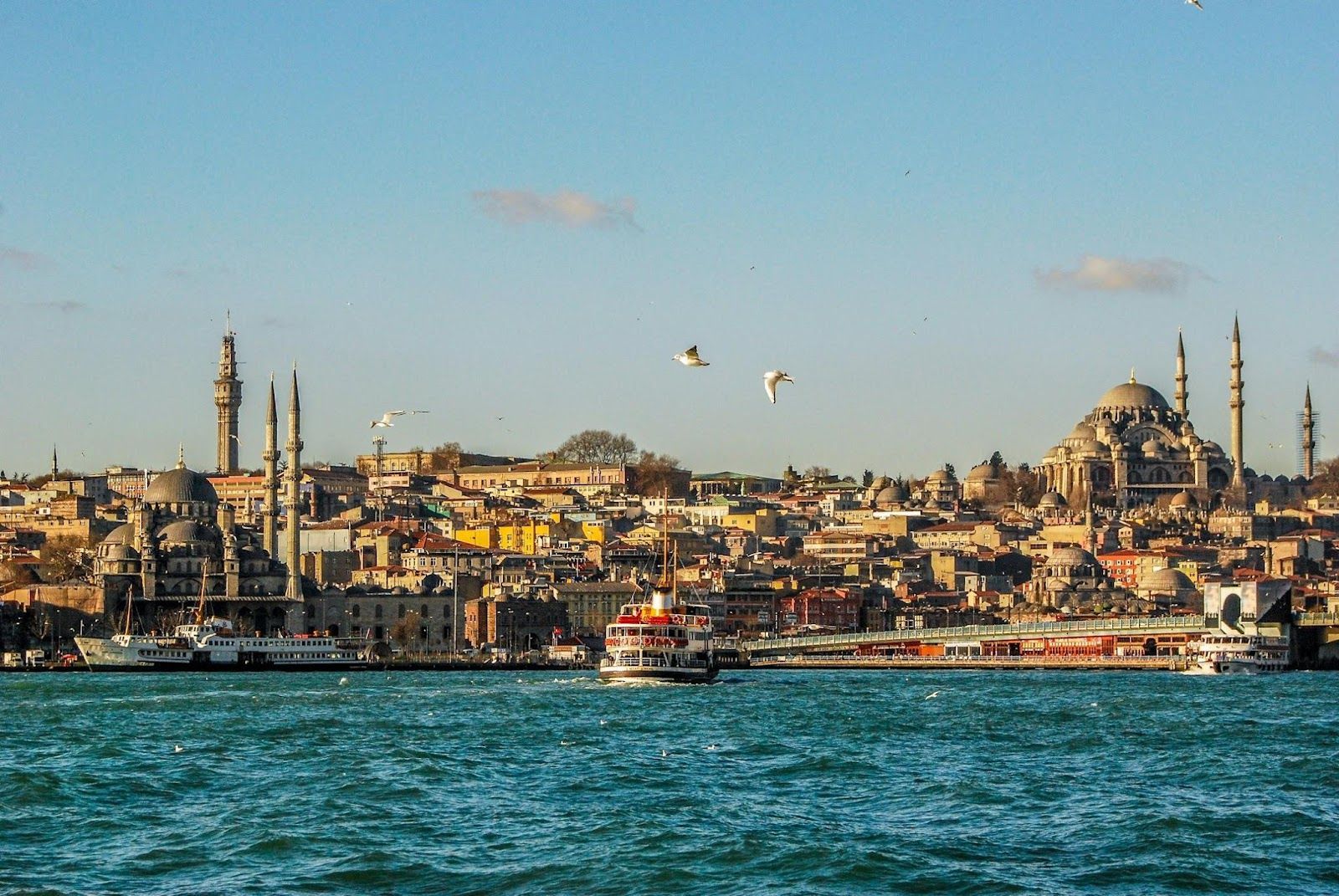
Istanbul is shaped by water on nearly every side. The Bosphorus Strait splits the city between Europe and Asia, while the Golden Horn curves into its historic core. This geography made Istanbul a strategic prize for empires and a crossroads of cultures.
Ferries still function like city buses, shuttling commuters across continents in minutes. The water defines daily routines as much as it defines the skyline, reminding visitors that Istanbul isn’t just near water; it lives with it, constantly in motion between shores.
Amsterdam, Netherlands
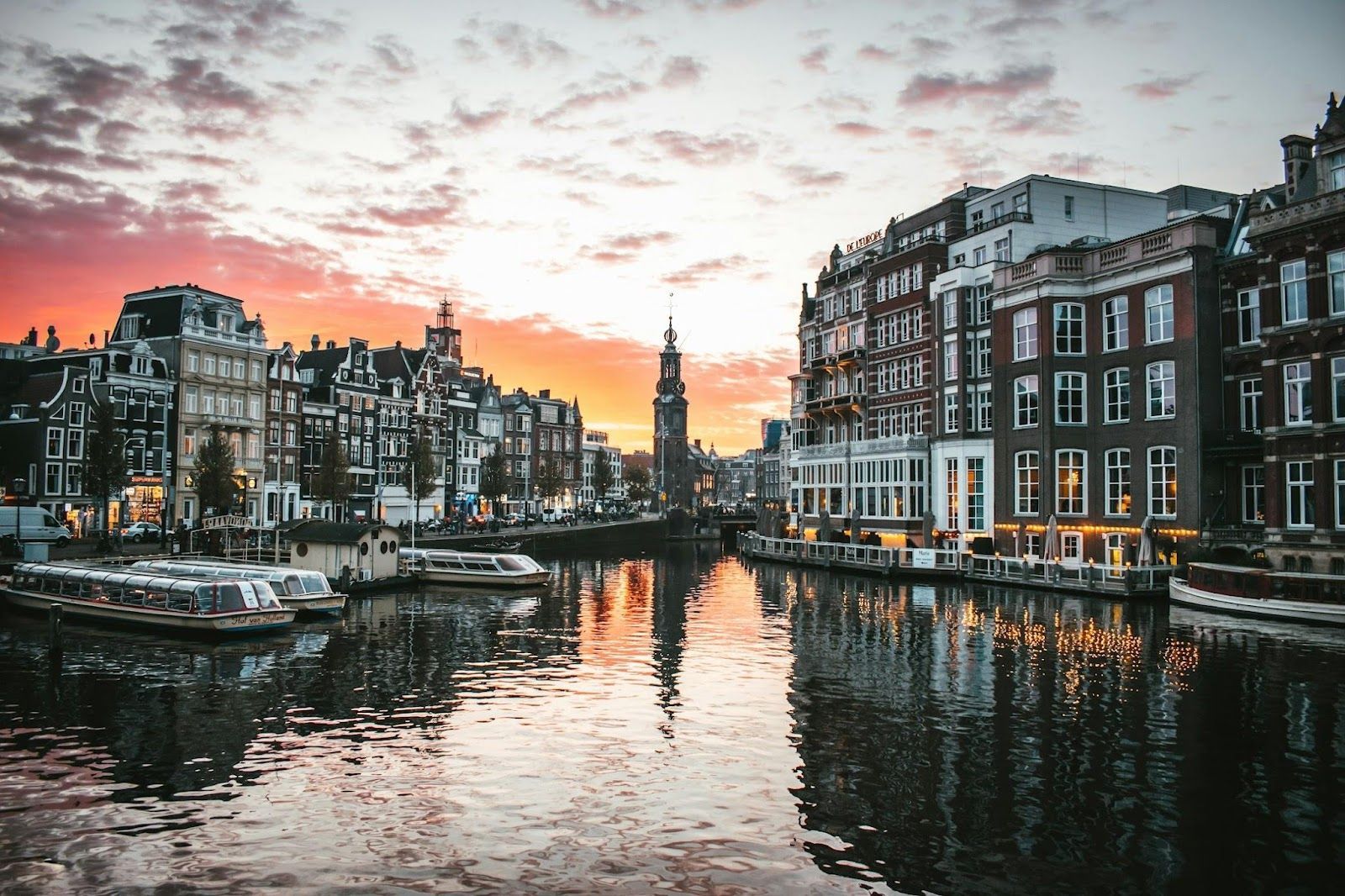
Amsterdam’s famous ring of canals was urban planning genius. Built in the 17th century, the canal system helped manage water levels, defend the city, and create new neighborhoods all at once. The result is a city where homes lean toward the water, and bridges stitch everything together.
Today, the canals set the pace of daily life. People bike along them, picnic beside them, and hop on small boats after work. The water softens the city’s density, giving Amsterdam a relaxed rhythm that feels both historic and effortlessly modern.
Paris, France
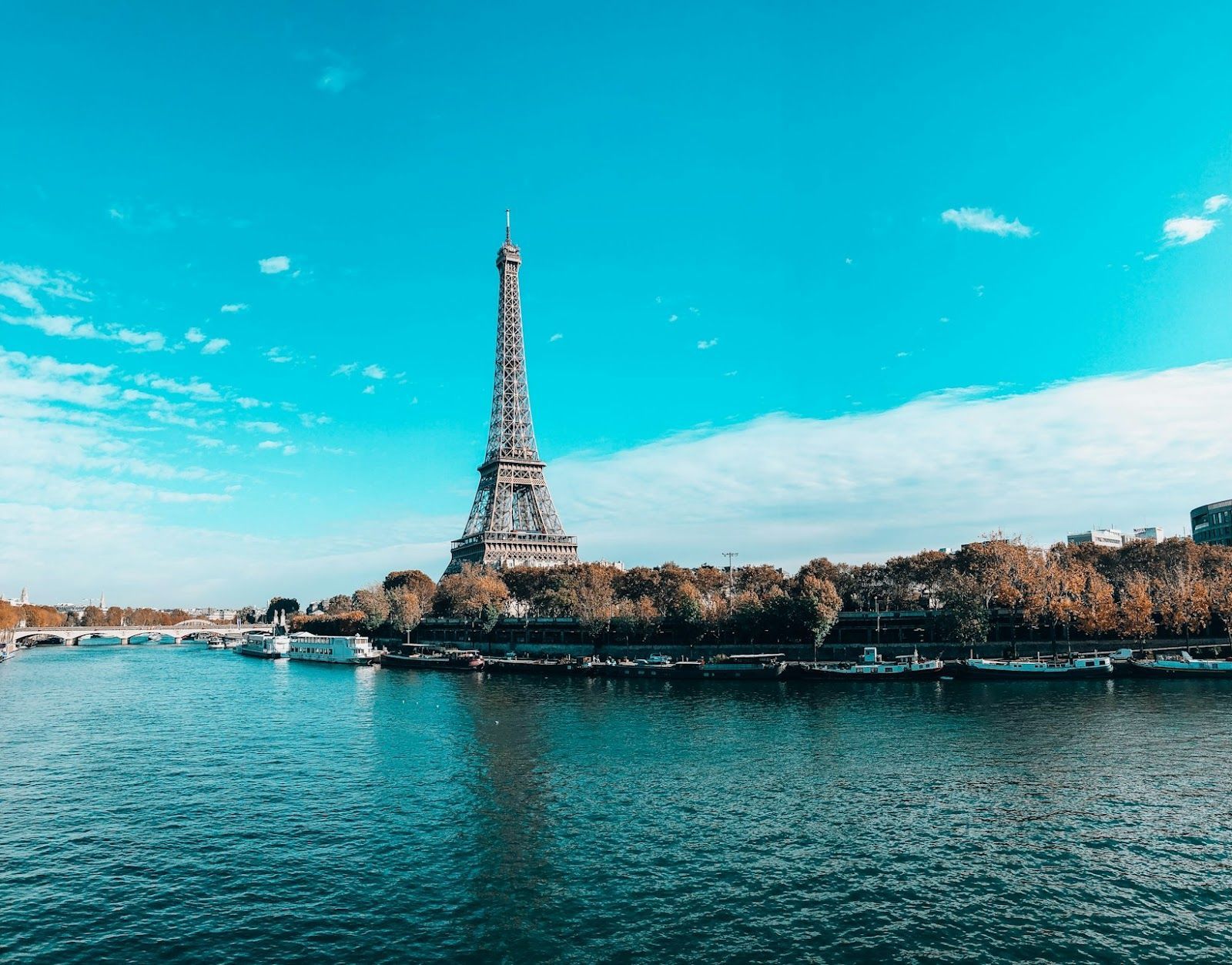
The Seine doesn’t just cut through Paris; it organizes it. Many of the city’s most famous neighborhoods grew along its banks, and some of its most iconic landmarks line the river like a greatest-hits album cover. The water has long been a route for trade, travel, and inspiration.
In recent years, parts of the riverfront have been reclaimed for people rather than cars. Pop-up beaches, riverside cafes, and pedestrian promenades turn the Seine into a social space, not just a backdrop. Paris feels more open and human when you follow the water.
London, England
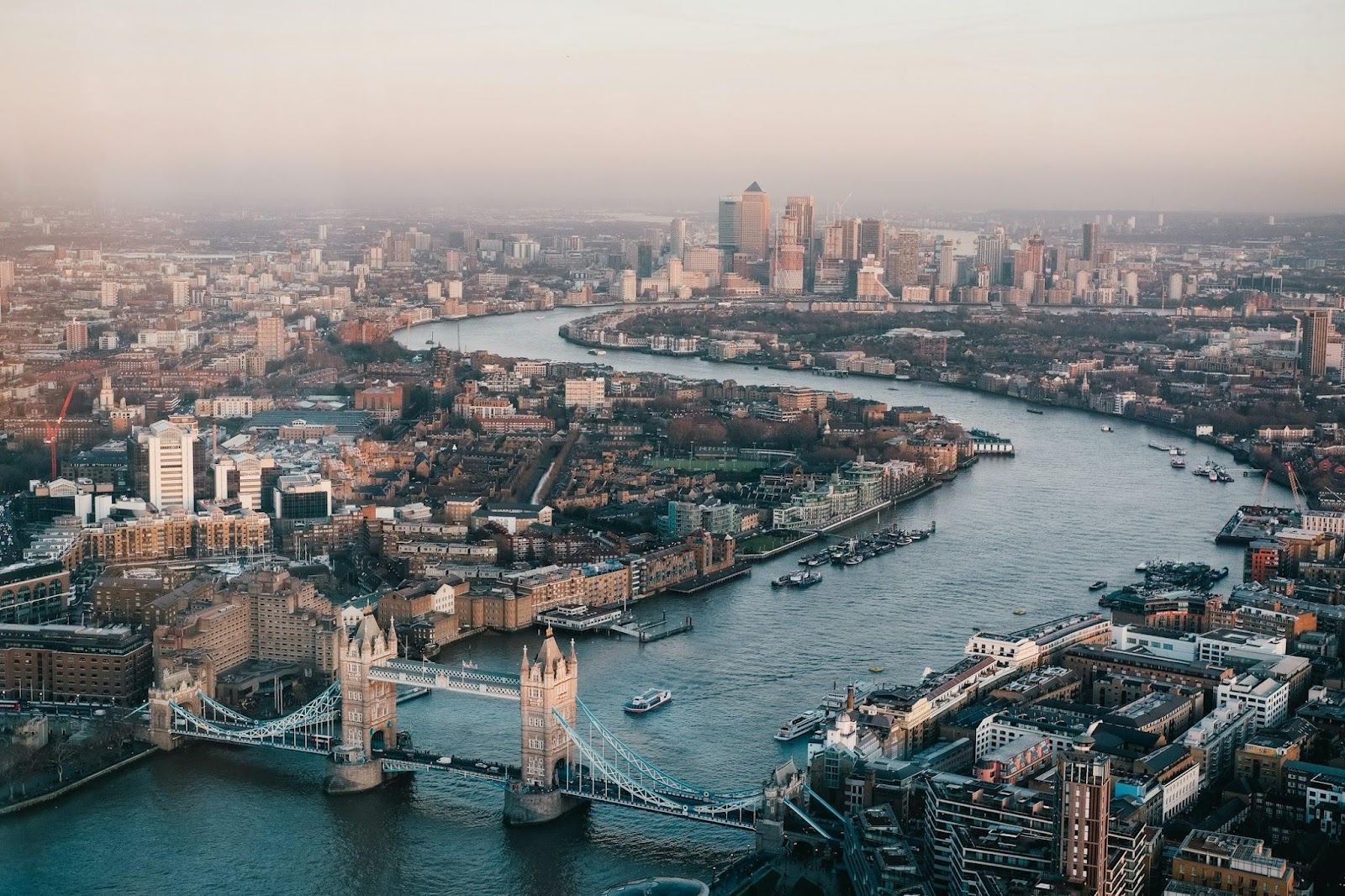
London exists because of the Thames. The river made the city a natural hub for trade with the wider world, helping it grow from a Roman outpost into a global capital. Docks, warehouses, and shipyards once crowded the waterfront, powering the city’s economy for centuries.
While much of that industrial life has moved on, the Thames still anchors London’s identity. Revitalized riverbanks, modern bridges, and riverside neighborhoods show how the city continues to reinvent its relationship with water, now less about cargo and more about culture and public space.
Bangkok, Thailand
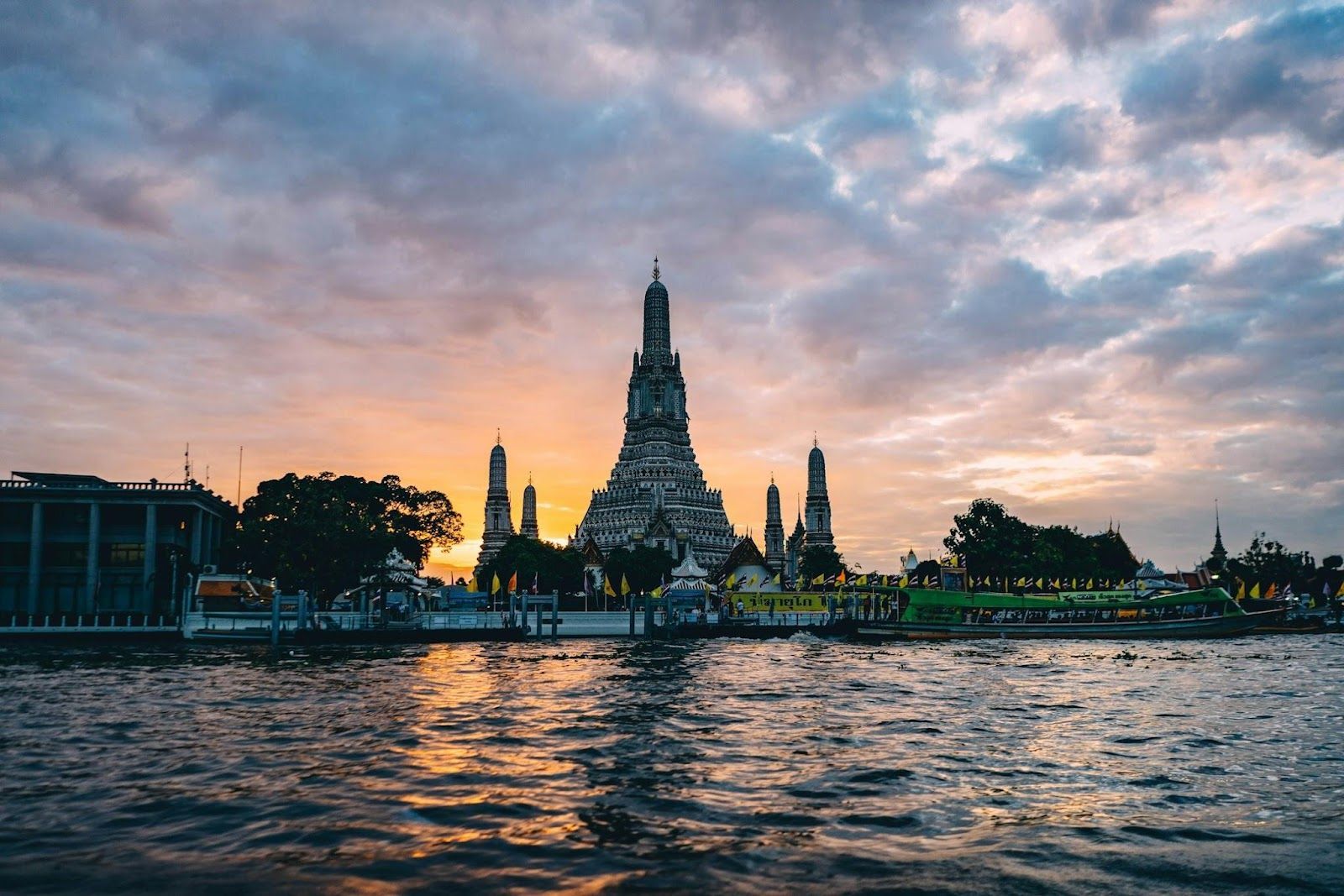
Bangkok was once known as the Venice of the East, thanks to a dense network of canals, or khlongs, that served as roads, markets, and neighborhoods. People lived on stilted houses along the water, and daily life unfolded from boats as much as from land.
Although many canals have been filled in, water still shapes the city’s rhythm. River ferries zip along the Chao Phraya, offering a fast, scenic way to move through the chaos. Floating markets and riverside temples keep Bangkok’s watery roots alive amid rapid urban growth.
Bruges, Belgium
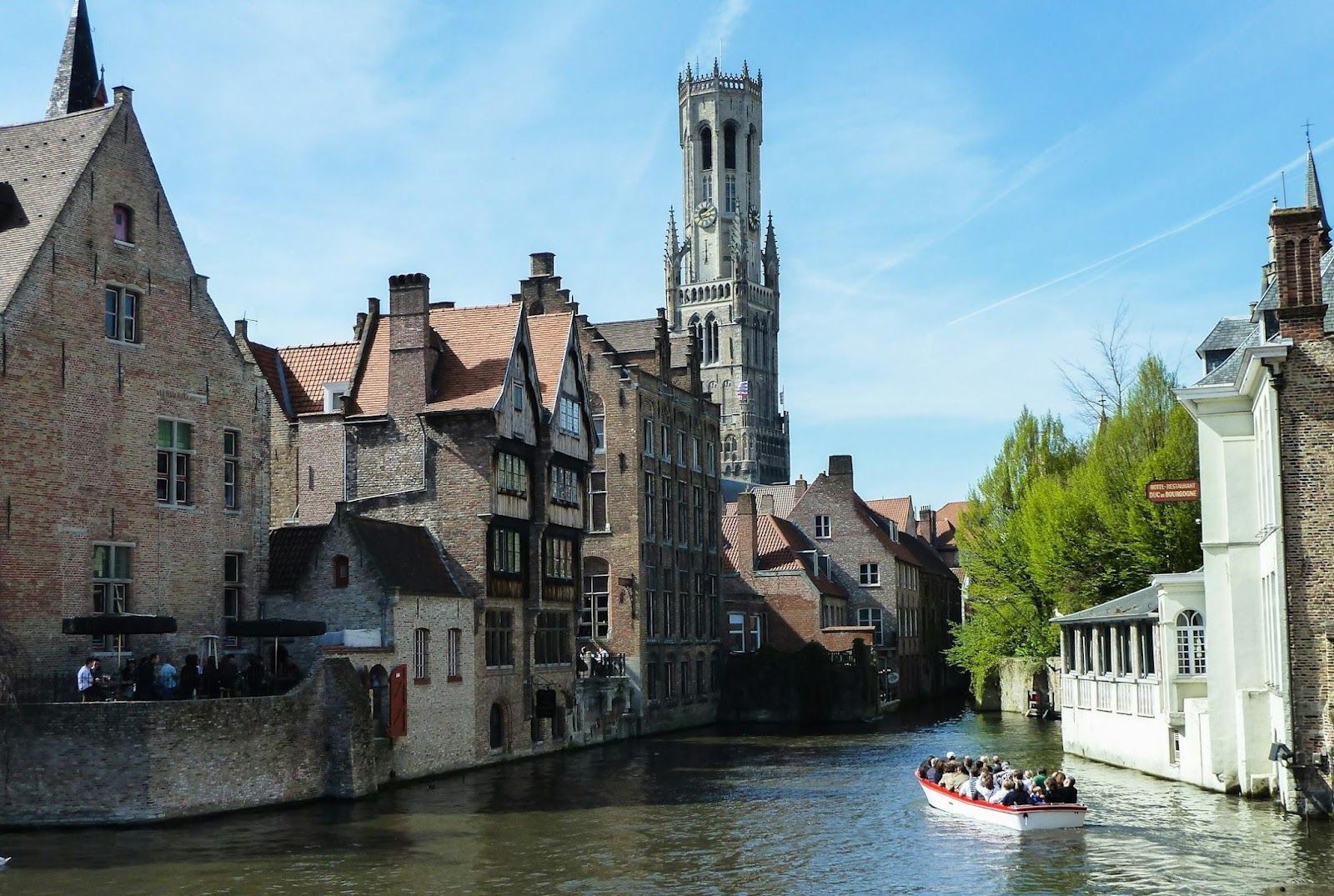
Bruges feels like a medieval storybook, and its canals are a big reason why. In the Middle Ages, these waterways connected the city to the North Sea, turning it into a powerful trading center. Wealth flowed in, and the city filled with ornate guild halls and stone bridges.
When trade routes shifted, Bruges quieted down, but the canals preserved its beauty. Today, they wind through quiet streets and leafy corners, giving the city an intimate, almost frozen-in-time feel. Water here isn’t about speed; it’s about atmosphere.
Stockholm, Sweden
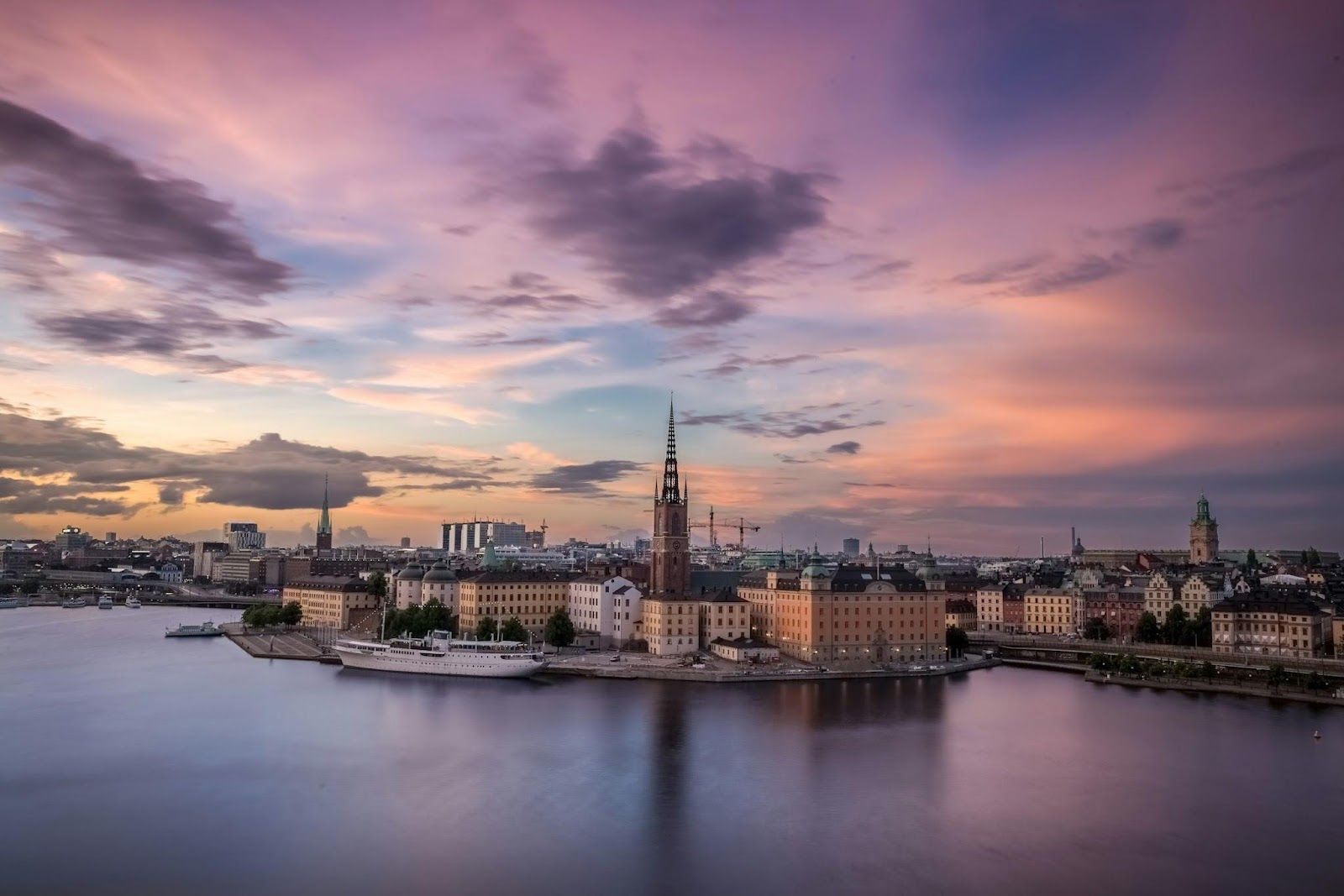
Stockholm is built on an archipelago of islands where Lake Mälaren meets the Baltic Sea. Bridges and ferries link neighborhoods that are separated by channels and bays, making water a constant presence in everyday movement.
This geography shapes the city’s personality. Green spaces meet waterfront promenades, and urban life blends easily with nature. In summer, residents swim, kayak, and picnic by the water; in winter, the frozen edges of the city feel just as dramatic. Stockholm’s beauty is inseparable from its setting.
New York City, USA
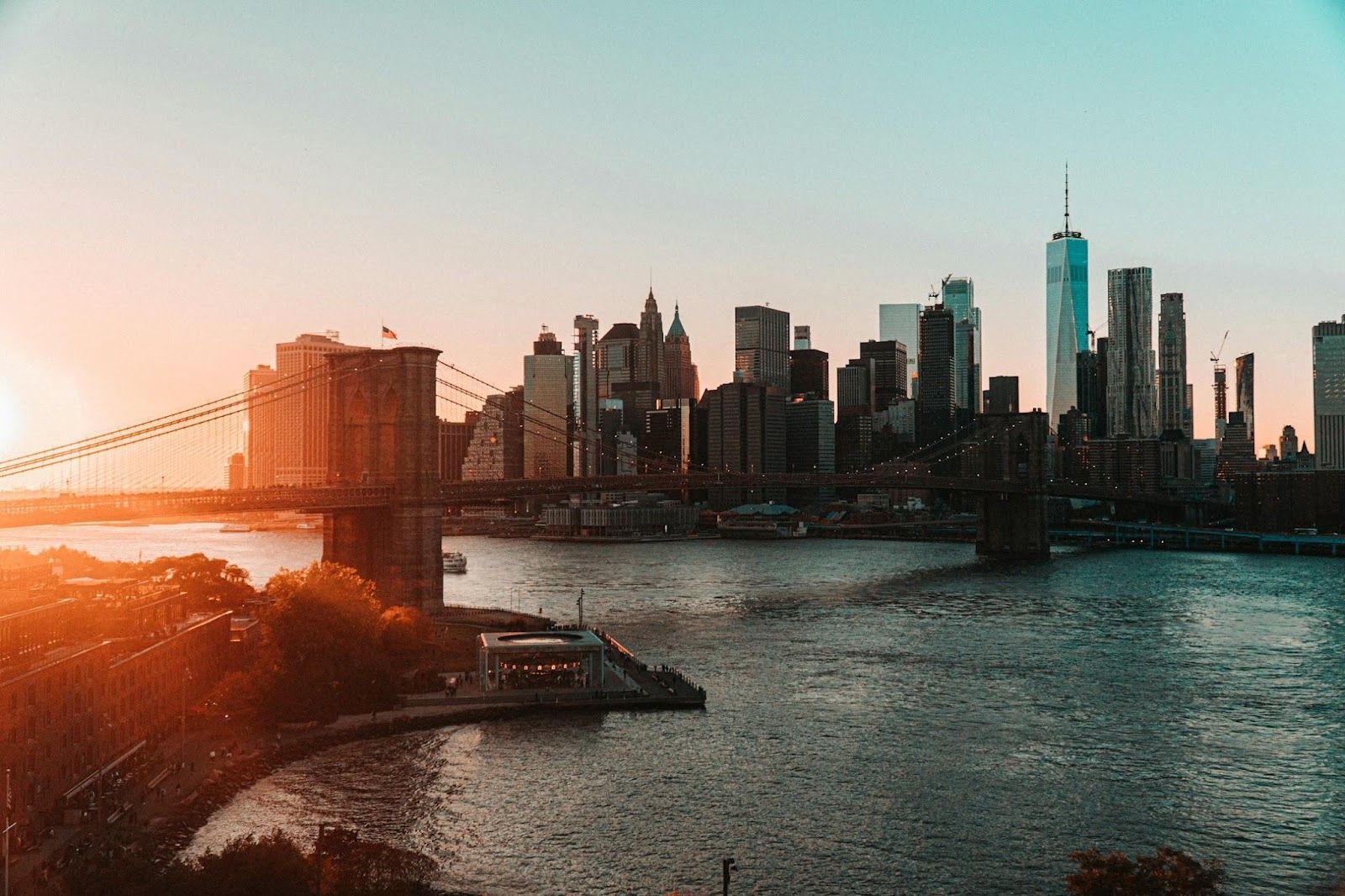
New York’s rise is inseparable from its harbor and rivers. The Hudson and East Rivers turned the city into a gateway for immigrants and goods, while the deep natural harbor helped it become one of the world’s busiest ports. Entire neighborhoods grew around docks and waterfront industries.
As shipping moved elsewhere, the city reclaimed much of its shoreline for people. Parks, ferries, and waterfront paths now frame the skyline from the water’s edge. The result is a city rediscovering its maritime roots, with some of its best views found along the river.
Cairo, Egypt
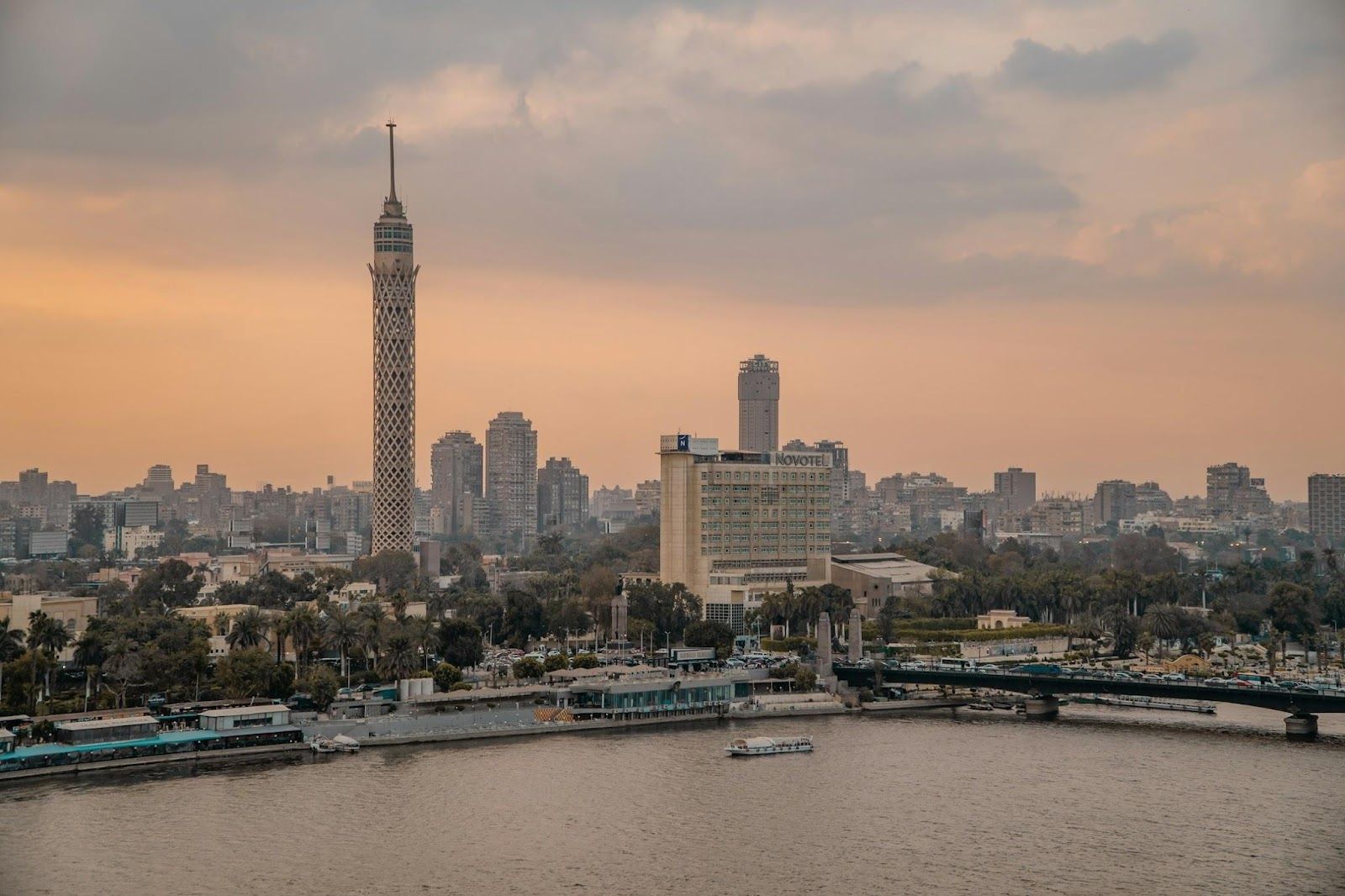
The Nile is Cairo’s lifeline. For thousands of years, the river’s annual floods made agriculture possible in the surrounding desert, supporting one of the world’s oldest urban civilizations. Cairo grew along this dependable source of water, food, and trade.
Even in a megacity of millions, the Nile still offers breathing room. Feluccas drift past modern towers, and riverside cafes draw crowds at sunset. The contrast between ancient rhythms and modern sprawl is part of what makes Cairo’s relationship with water so powerful.
Hamburg, Germany
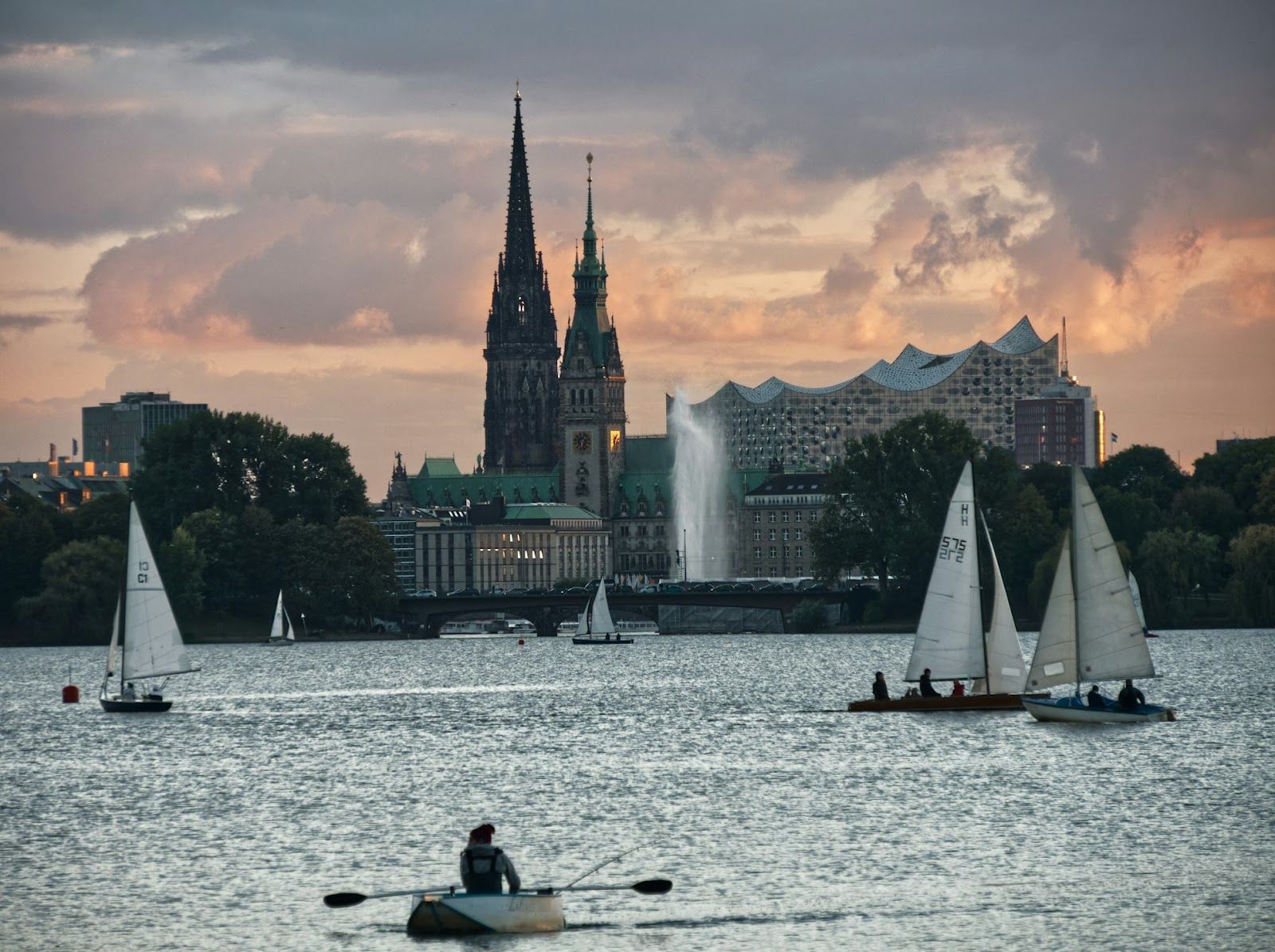
Hamburg calls itself Germany’s "gateway to the world," and its port has long been the reason. The Elbe River connects the city to the North Sea, allowing ships to bring global trade deep inland. Warehouses and canals once defined entire districts of the city.
Today, former port areas like Hafen City have been transformed into modern neighborhoods with apartments, offices, and public plazas. Water remains central to Hamburg’s identity, but the focus has shifted from heavy industry to livable waterfronts and cultural spaces.
Singapore
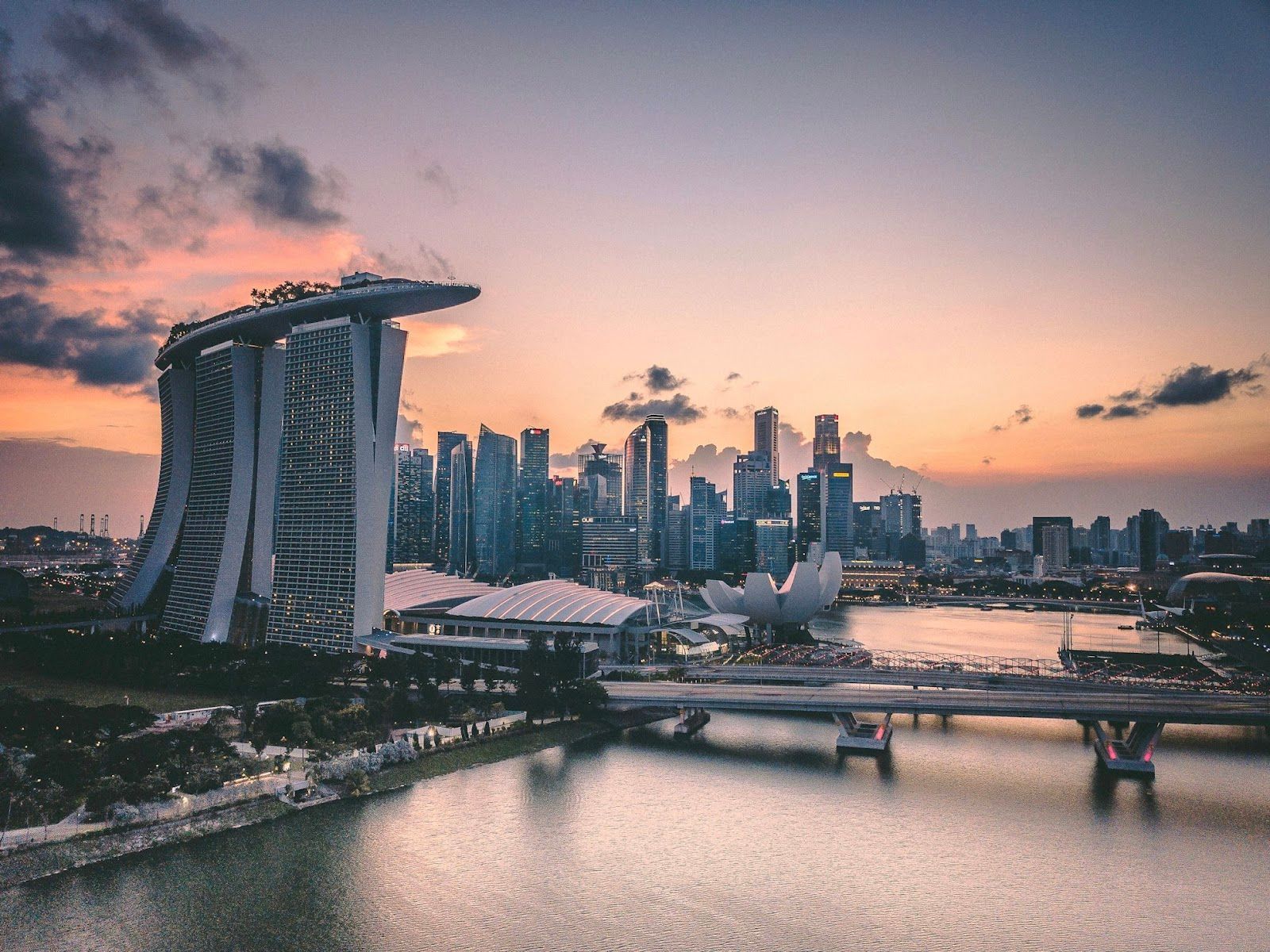
Singapore is a city-state: a megacity that covers the entire island-nation. Its position at the edge of the sea made it a natural trading hub, and the Singapore River once funneled goods into the heart of the city. The area was crowded with warehouses and boat traffic during the colonial era.
Massive clean-up and redevelopment projects turned those working waterways into vibrant public spaces. Now, riverfront promenades, cafes, and sleek architecture line the water. Singapore shows how a city can modernize its relationship with water without erasing its maritime past.
Barcelona, Spain
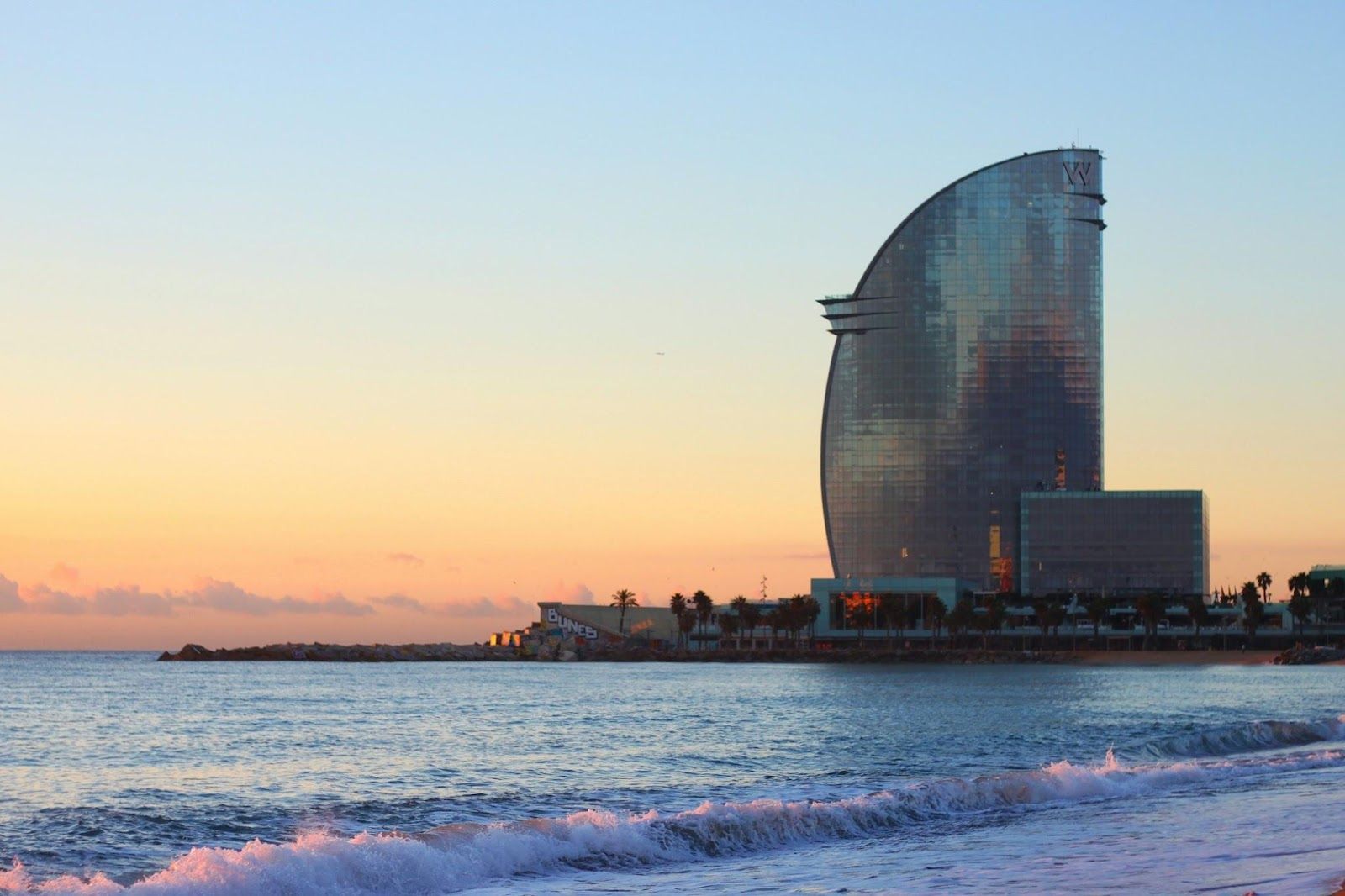
Barcelona’s identity is deeply tied to the Mediterranean, with the sea shaping both its history and its modern lifestyle.
What was once a working port and industrial coastline has been transformed into lively beaches and waterfront promenades, especially after the city’s major redevelopment for the 1992 Olympics.
Today, the coastline is where locals jog, swim, and gather at sunset, blending urban energy with seaside ease. The port still anchors Barcelona as a gateway for trade and travel, but the city’s relationship with the sea now feels more about quality of life than pure commerce.
Rio de Janeiro, Brazil
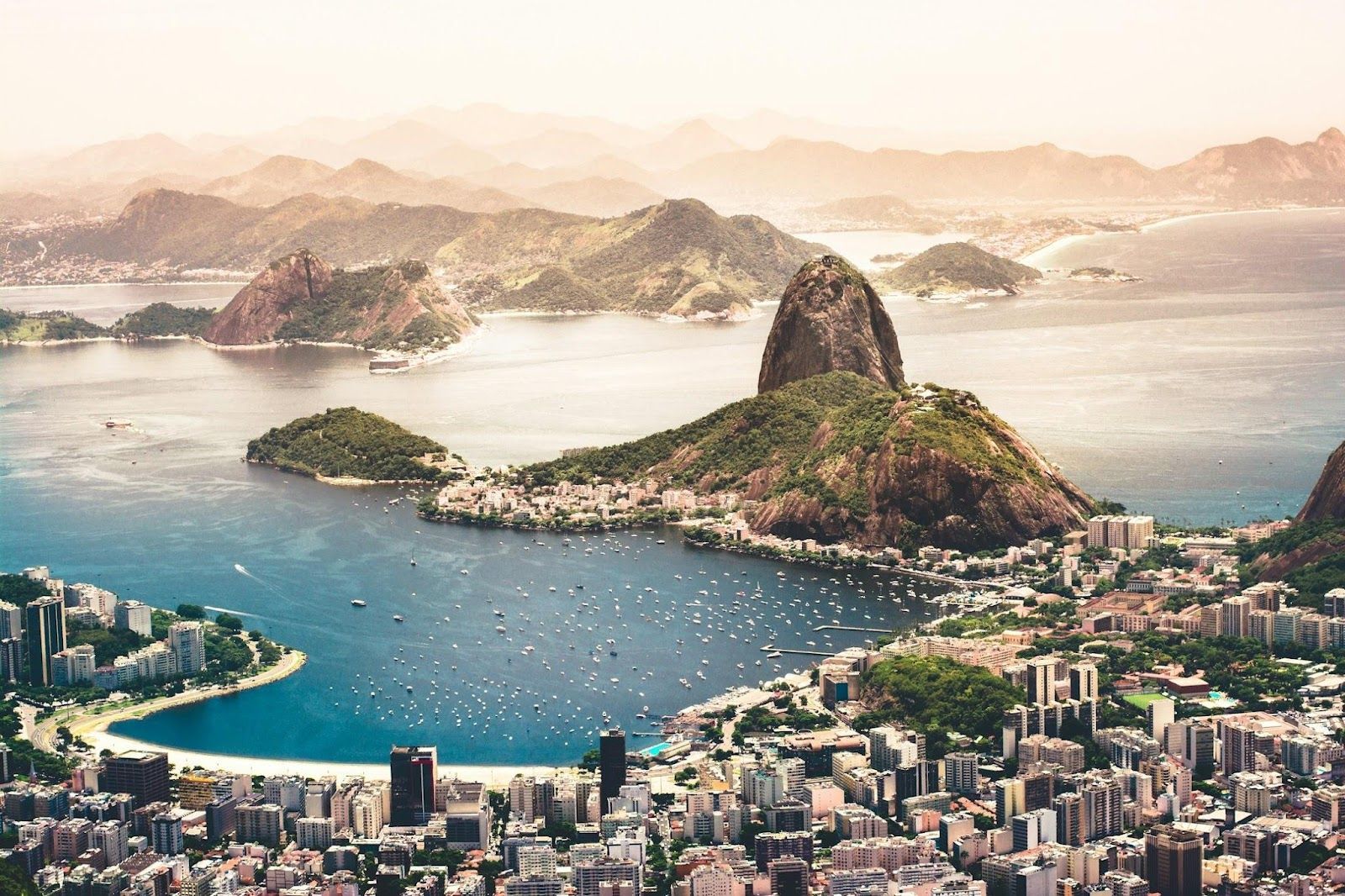
Rio de Janeiro is built around water in one of the most dramatic settings on Earth, where mountains plunge into the Atlantic, and sweeping bays shape the city’s layout.
Guanabara Bay and the long curve of oceanfront beaches like Copacabana and Ipanema define how the city moves and relaxes, turning the shoreline into a social stage. Water in Rio is where daily life happens, from sunrise swims and beach sports to boat traffic in the bay. The result is a city whose rhythm follows the tide as much as the clock.
If you’re planning future travel content, this theme is gold for visuals and storytelling. Each city’s waterfront tells a different story about how people adapt to, depend on, and reshape water over time.
Keep wandering
There’s always
more to explore
Why should you keep your gas tank at least half-full during winter?
4 min.
Read Now
Why do pros take amazing photos even with a smartphone? 12 tips explained
4 min.
Read Now
Skip Times Square and go to these NYC spots instead — local-approved!
4 min.
Read Now

10 creepy inexplicable archaeological discoveries
5 min.
Read Now