Hidden in plain sight: 10 secrets of famous city statues
 General
Statues of America
Hidden in plain sight: 10 secrets of famous city statues
Passing a statue in a city park can feel like visiting an old friend. While casual observers usually focus on a monument's scale and how worn it is, the best stories often lie in the smallest details. It turns out that even the most famous landmarks hold secrets, symbols, and Easter eggs hidden in plain sight. Look a little closer, and these familiar landmarks begin to feel far more alive.
The Statue of Liberty’s secret chains
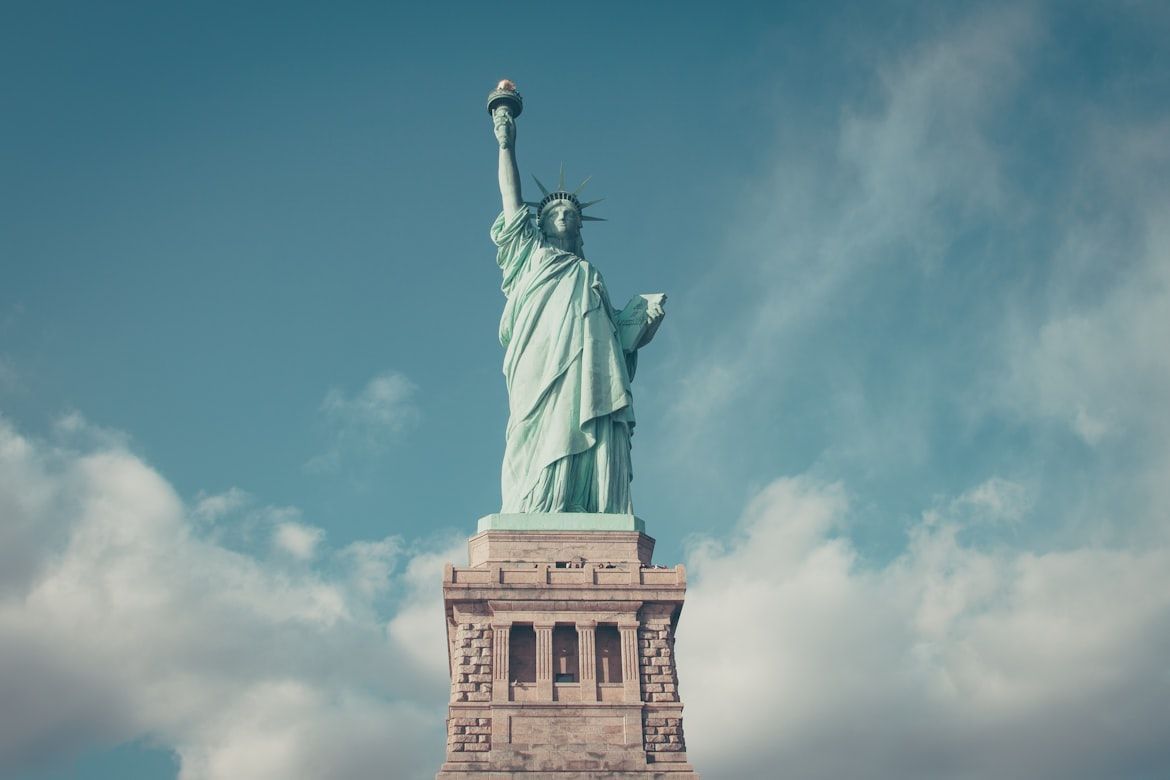
Have you ever noticed what lies at Lady Liberty’s feet? From a distance, it’s natural to focus on the torch and the crown. However, beneath the heavy folds of her copper robes lies a detail many visitors miss. Tucked near the hem are broken shackles and chains.
This element was central to the original vision of its creator, Édouard de Laboulaye, who intended the statue to commemorate the abolition of slavery at the end of the Civil War. Early sketches even showed the statue holding the chains in her left hand. Later, when the statue was officially dedicated in 1886, the symbolism was placed at her feet, making room for the tablet inscribed with July 4, 1776. It is a quiet reminder of the deeper meaning behind this gift from France.
The typo at the Lincoln Memorial
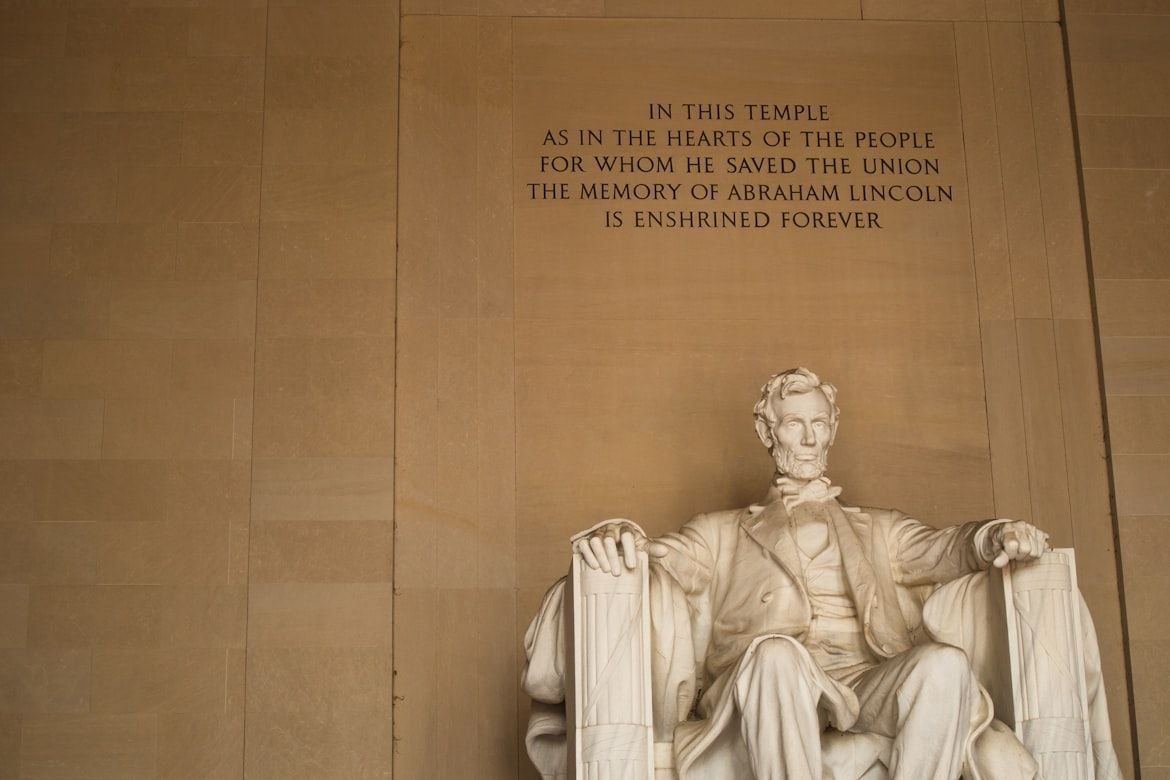
Carved from 38,000 tons of marble and unveiled on Memorial Day, May 30, 1922, the Lincoln Memorial was built to honor the 16th president’s legacy. Yet inside, in the north chamber, a permanent "oops" is etched into the stone.
Lincoln’s Second Inaugural Address is inscribed across the wall in large marble letters. In the word "FUTURE," an extra stroke was carved and later adjusted. The correction is subtle, but under the right light, the change can still be seen. Even the most enduring monuments are shaped by human hands.
The hidden hall of Mount Rushmore
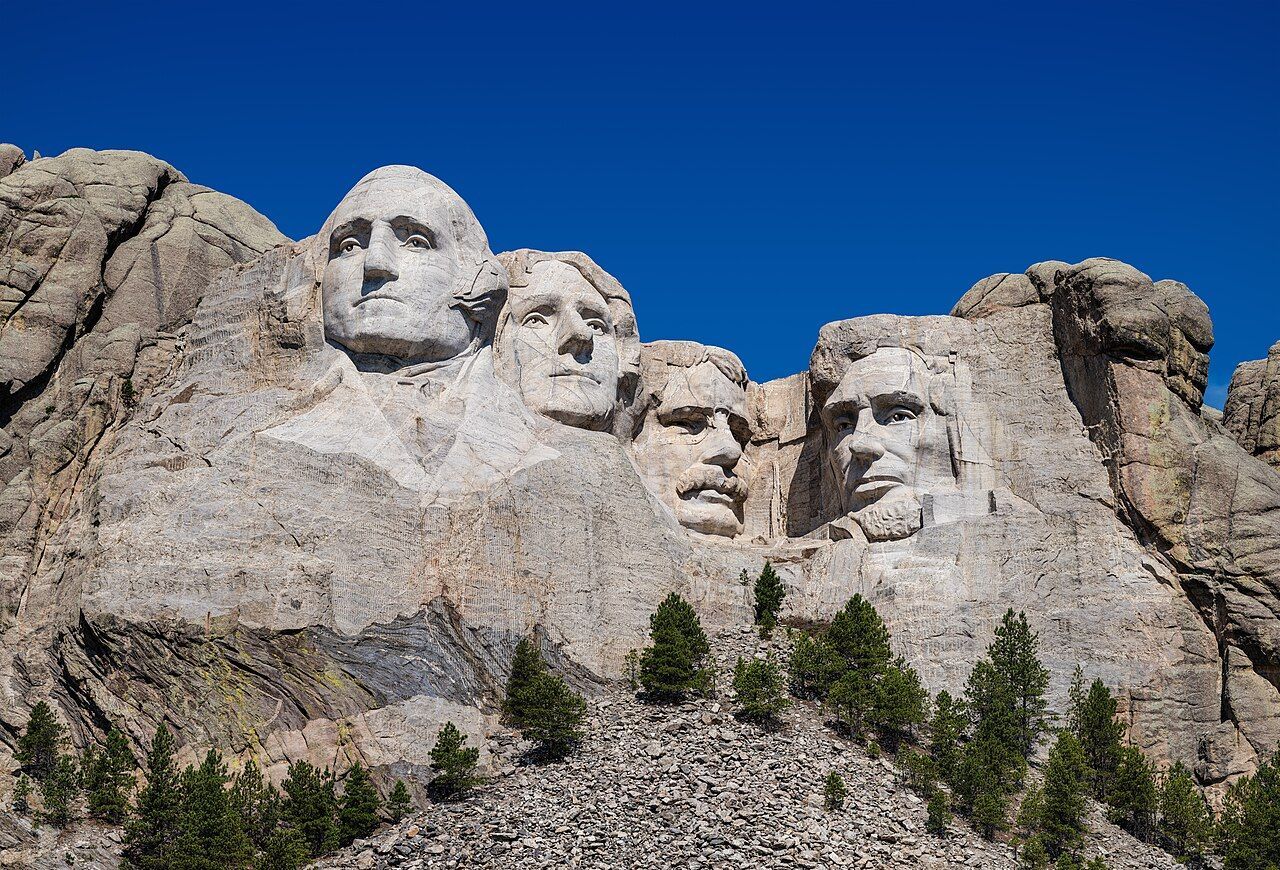
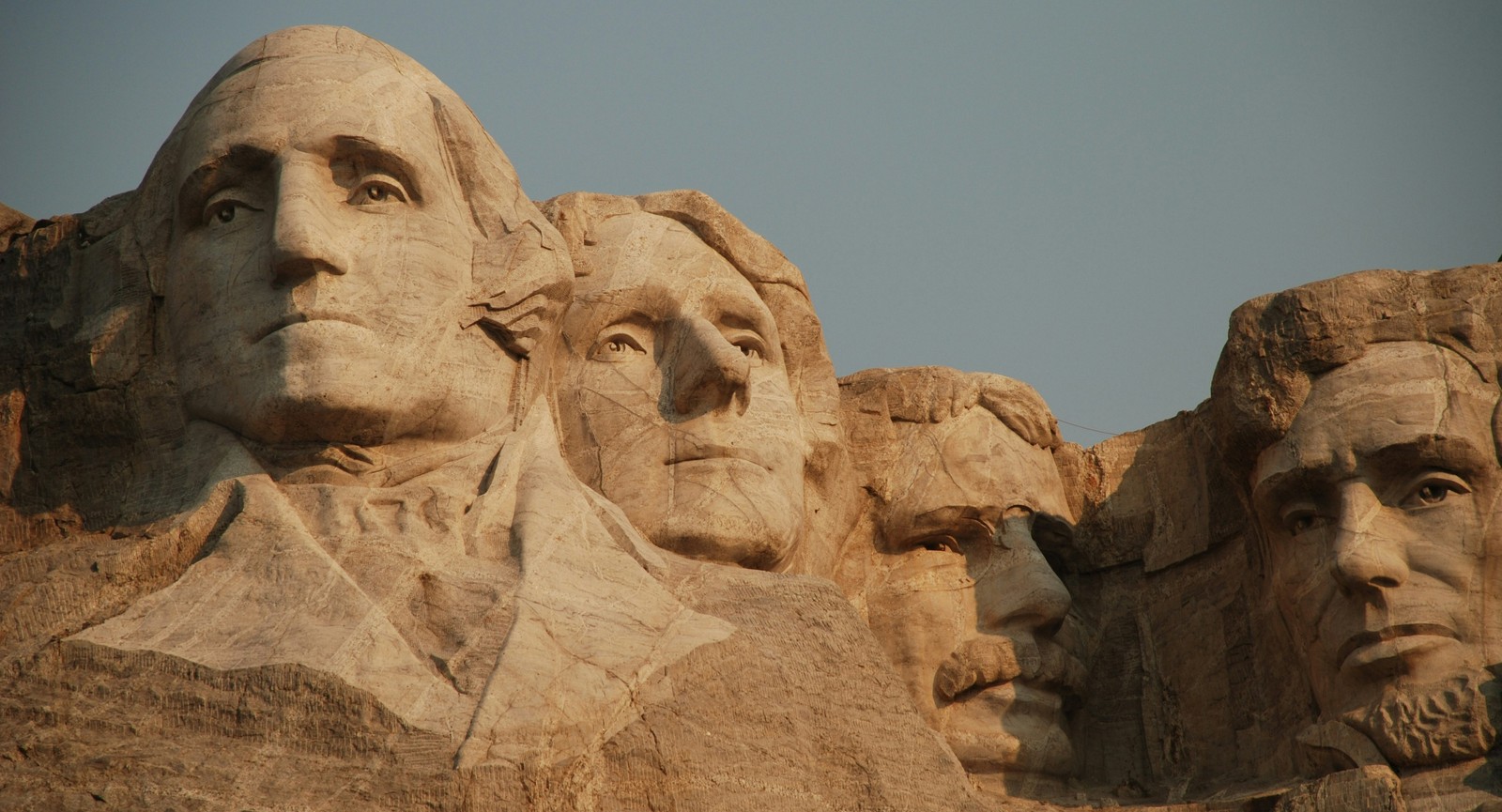
Carved into the solid granite behind Abraham Lincoln’s stoic gaze lies a secret chamber known as the Hall of Records. Sculptor Gutzon Borglum envisioned a grand room inside the rock, reached by an 800-foot granite stairway, where America’s most foundational documents could be preserved for future generations. The staircase was never built, but workers did carve a 70-foot tunnel before construction stopped in 1939.
Nearly sixty years later, in 1998, part of that vision was realized. A titanium vault was installed inside the tunnel, housing a teakwood box with documents that explain the history and purpose of the monument and the nation it represents.
The Washington Monument’s two-tone stone
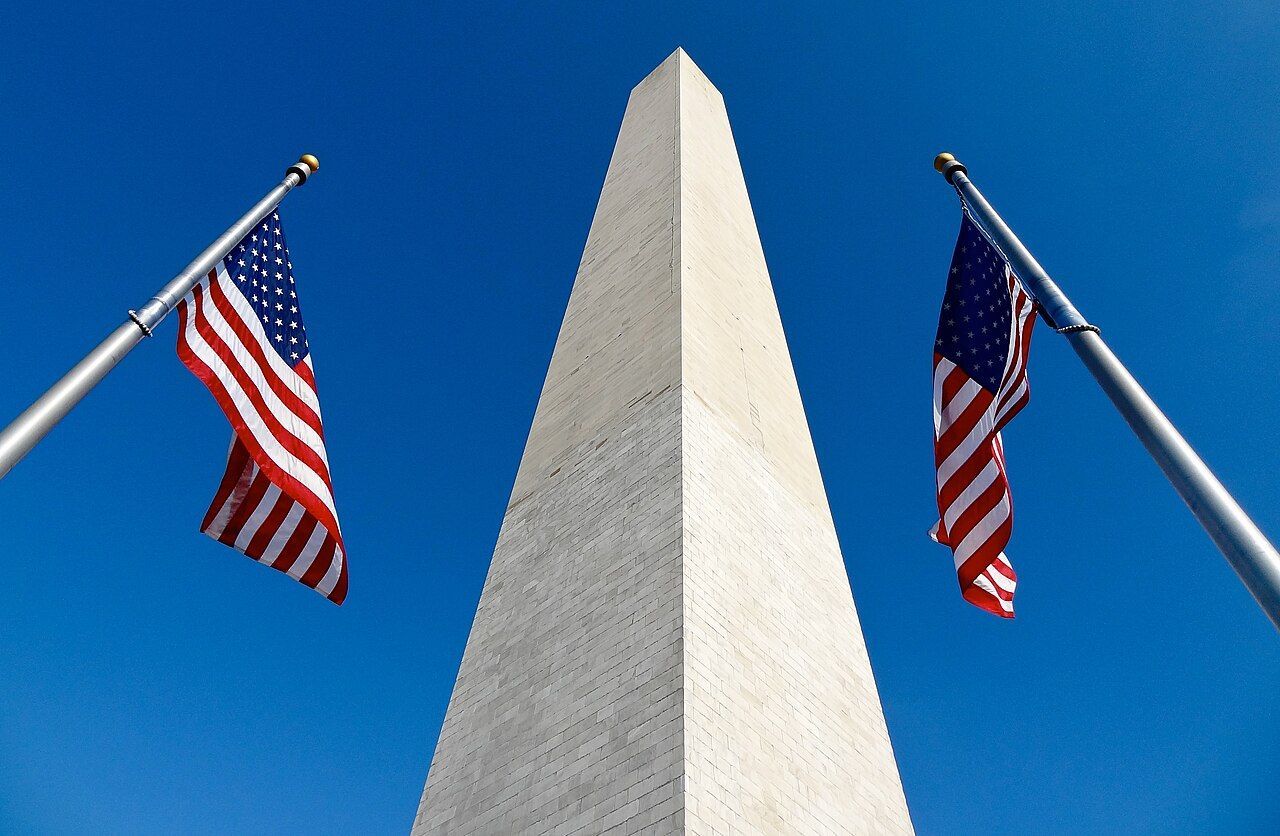
Have you ever noticed that the lower portion of the Washington Monument does not quite match the upper section? The color difference is subtle, but it becomes clear once you know to look for it.
Construction on the monument began in 1848, but the project was halted for nearly twenty years when funding ran out. When work finally resumed, the original quarry had closed. Builders were forced to use marble from different sources that initially appeared similar; the structure was completed on December 6, 1884. Over time, weathering caused the stone to age at different rates, leaving a visible seam.
The Rocky statue’s movie roots
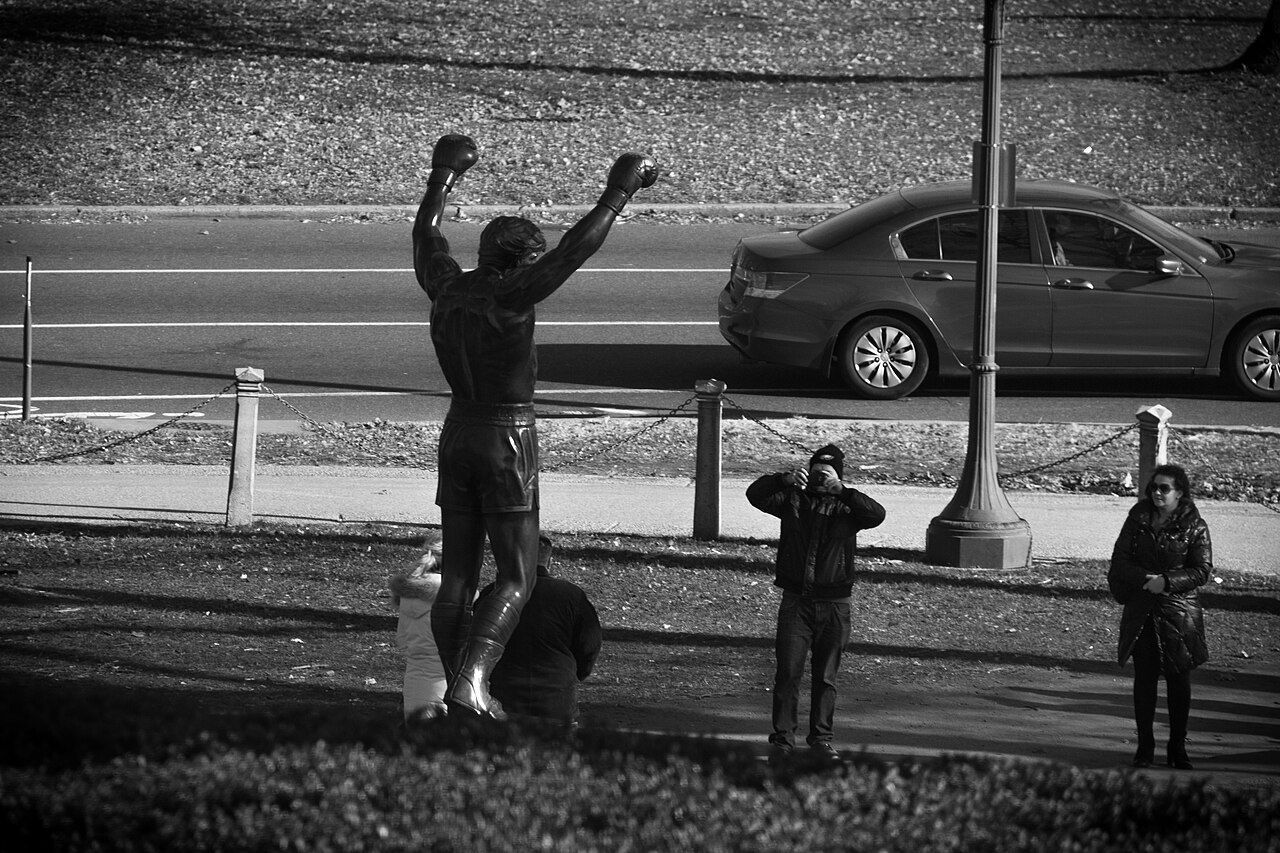
How does a movie prop become one of Philadelphia’s most photographed landmarks? The bronze statue of Rocky Balboa was created in 1980 for the film Rocky III. After filming wrapped in 1982, the statue moved between locations, and a decades-long debate ensued: Was the statue "art" worthy of the Philadelphia Museum of Art, or simply a movie prop?
Bouncing between the Spectrum sports arena and the museum, in 2006, it was given a permanent home near the base of the Art Museum steps. Today, visitors line up to take photos and recreate the triumphant "Rocky Run".
"Balto" was present at his own unveiling
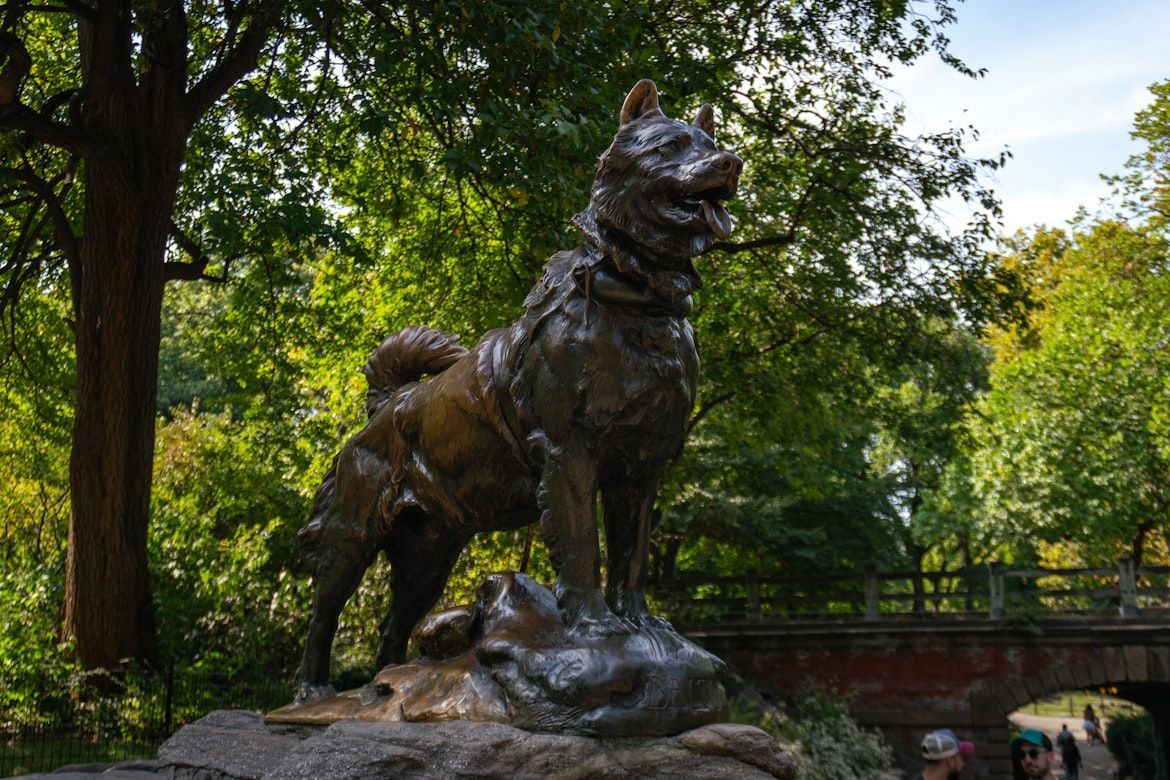
In the heart of New York’s Central Park stands a bronze statue of Balto, the sled dog who helped deliver life-saving medicine to Nome, Alaska, in 1925. Few monuments can claim their subject was present at the unveiling; Balto was.
Just ten months after the famous Serum Run, the real Balto, a Siberian Husky, stood wagging his tail beside his own likeness at the dedication ceremony. Over the years, the statue’s ears and back have been polished smooth by generations of children climbing up for photos. These worn spots serve as a shining testament to a century of affection, proving that some heroes never truly fade away.
The hidden owl of Columbia University
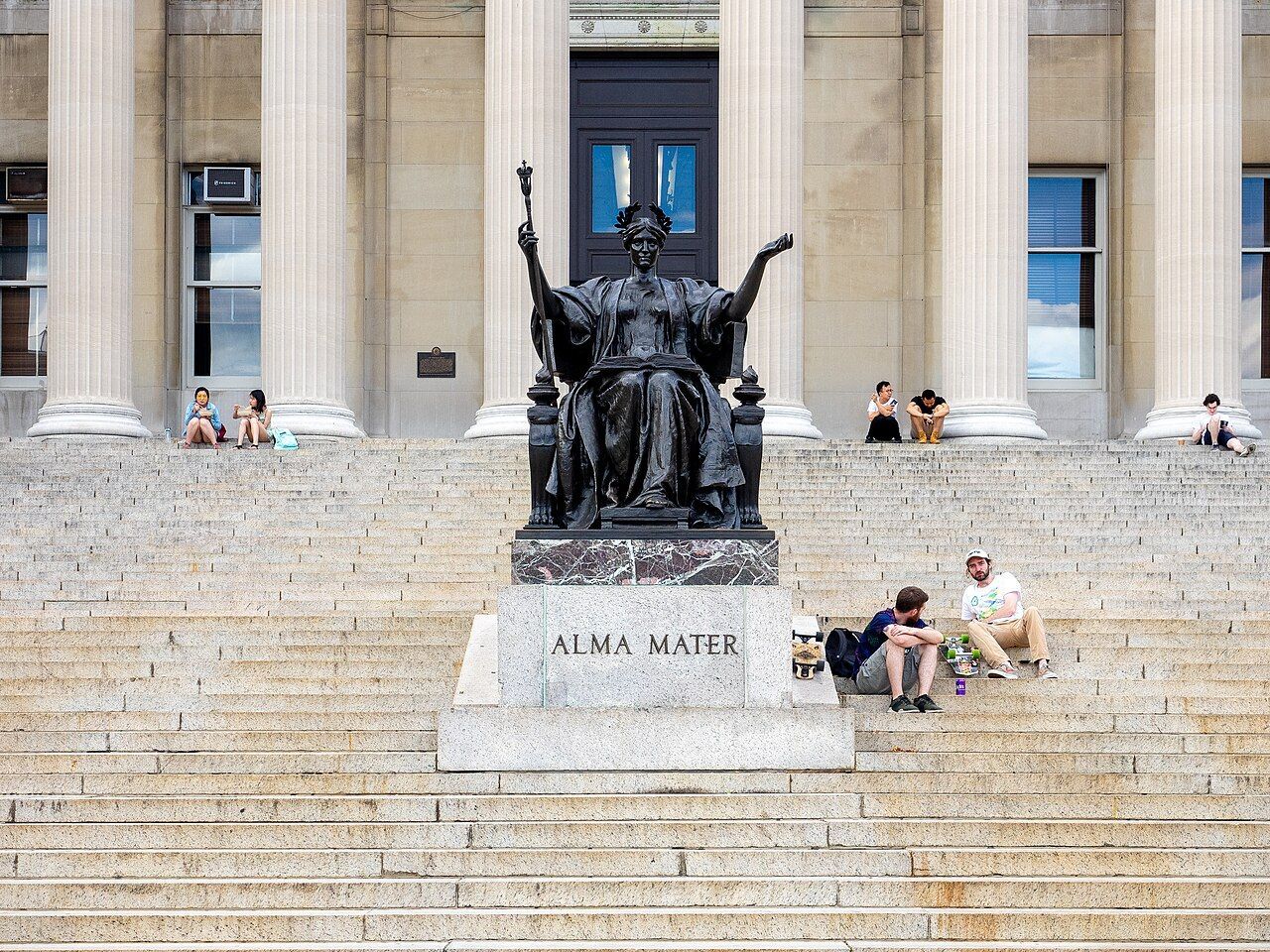
In the center of Columbia University's grand campus in upper Manhattan sits a welcoming figure that has watched over students for years. At its center stands the "Alma Mater" statue, a seated figure representing the goddess Minerva. Hidden within the folds of her bronze robes is a small owl that many visitors overlook. Spotting it has become a long-standing campus tradition.
According to student legend, the first freshman to find the owl will graduate at the top of the class or marry a fellow student. Whether you believe the superstitions or not, the "owl hunt" remains an enduring tradition that connects every visitor to the hidden narrative of the campus.
The 13th hand mystery
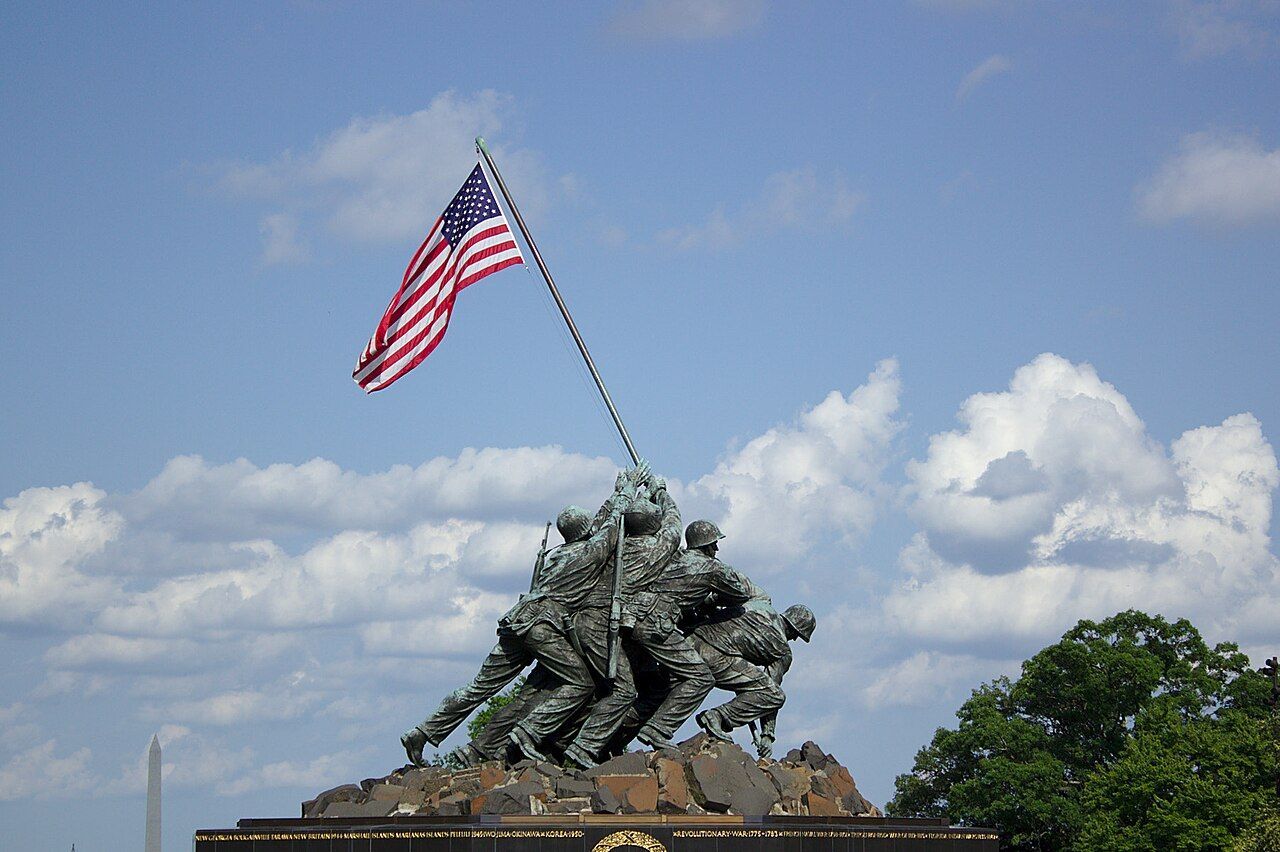
For decades, a rumor has surrounded the Marine Corps War Memorial, also known as the Iwo Jima Memorial, in Arlington. Some visitors claim they can see thirteen hands in the sculpture depicting the flag-raising on Mount Suribachi.
The legend claims that the sculptor, Felix de Weldon, added an extra hand, a "Hand of God," to assist the six servicemen in raising the heavy flagpole. Park officials confirm that the story is simply local folklore that began shortly after the memorial was unveiled in 1954. Next time you visit, you might still find yourself counting the fingers just to be sure.
Chicago’s Cloud Gate
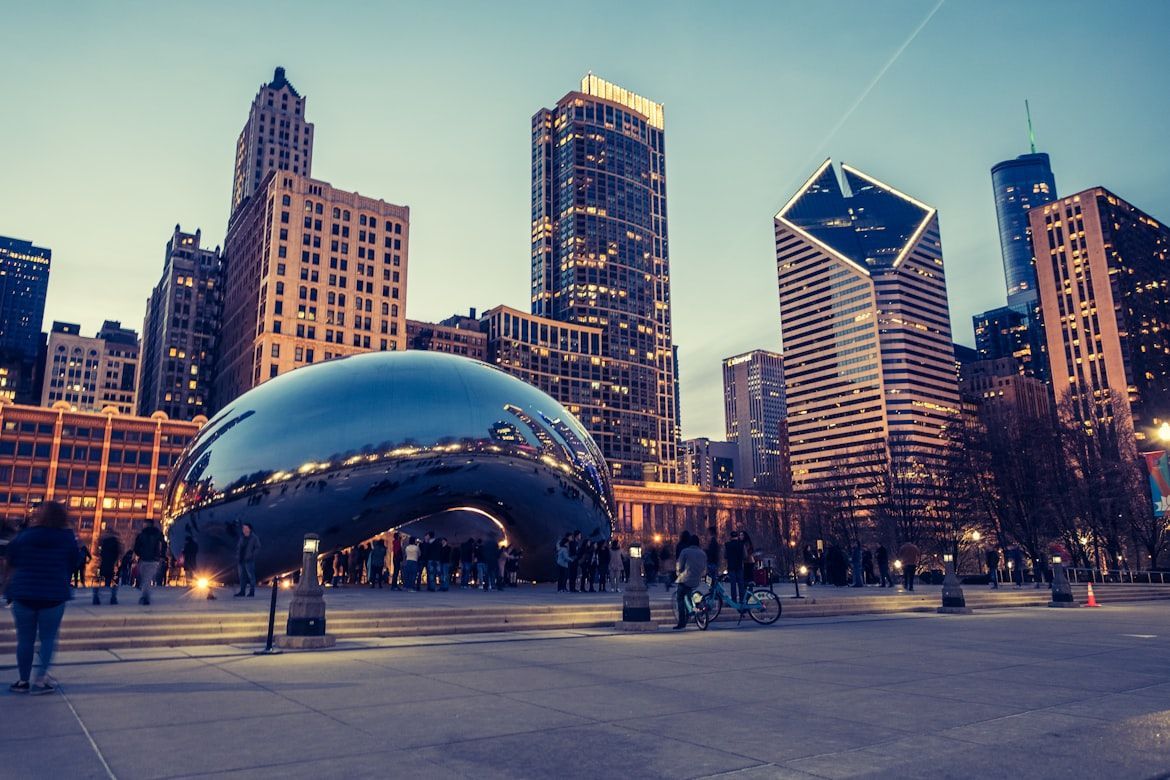
Most visitors know it as "The Bean," though its official title is Cloud Gate. Designed by artist Anish Kapoor, the sculpture is made of 168 stainless steel plates, yet it appears as a single, liquid drop of mercury. When it was unveiled in 2004, some critics questioned its modern design and cost; it actually cost $23 million. Over time, it became one of Chicago’s most recognizable landmarks. It was designed to reflect both the skyline and the people who walk beneath it.
Maintaining its mirror-like finish requires constant care. The lower portion is polished by hand several times a day to remove fingerprints left by visitors who pass beneath its arch. And twice a year, the entire sculpture undergoes a "deep clean." After all, it’s the crown jewel of Millennium Park.
Yoda in San Francisco

The final secret on our list proves that an iconic landmark doesn’t have to be massive to be meaningful. Tucked away in a serene courtyard within San Francisco’s Presidio National Park, a life-sized bronze statue of Yoda sits atop a fountain outside the headquarters of Lucasfilm. Unlike many city landmarks, this one feels almost hidden. Visitors who remember seeing the original Star Wars films in theaters often make a short detour to see it in person.
Although the building itself houses offices, the courtyard is open to the public, offering a peaceful pause from more crowded tourist areas. The statue has become an informal stop for fans and curious passersby alike.
Save time and money by avoiding these tourist traps!
 Culture
Don't fall for it
Save time and money by avoiding these tourist traps!
Every destination has a few spots that look incredible in photos but feel underwhelming in person. Most of them aren't bad per se, but they're often overcrowded, overpriced, and in the way of more authentic experiences. Knowing which ones to approach with caution can save you time, money, and frustration while traveling. The key lies in knowing when and where to look, even if that takes you just a few steps off the beaten path. Here are 10 famous tourist traps, and some alternatives to experience the same destinations.
Times Square, New York City
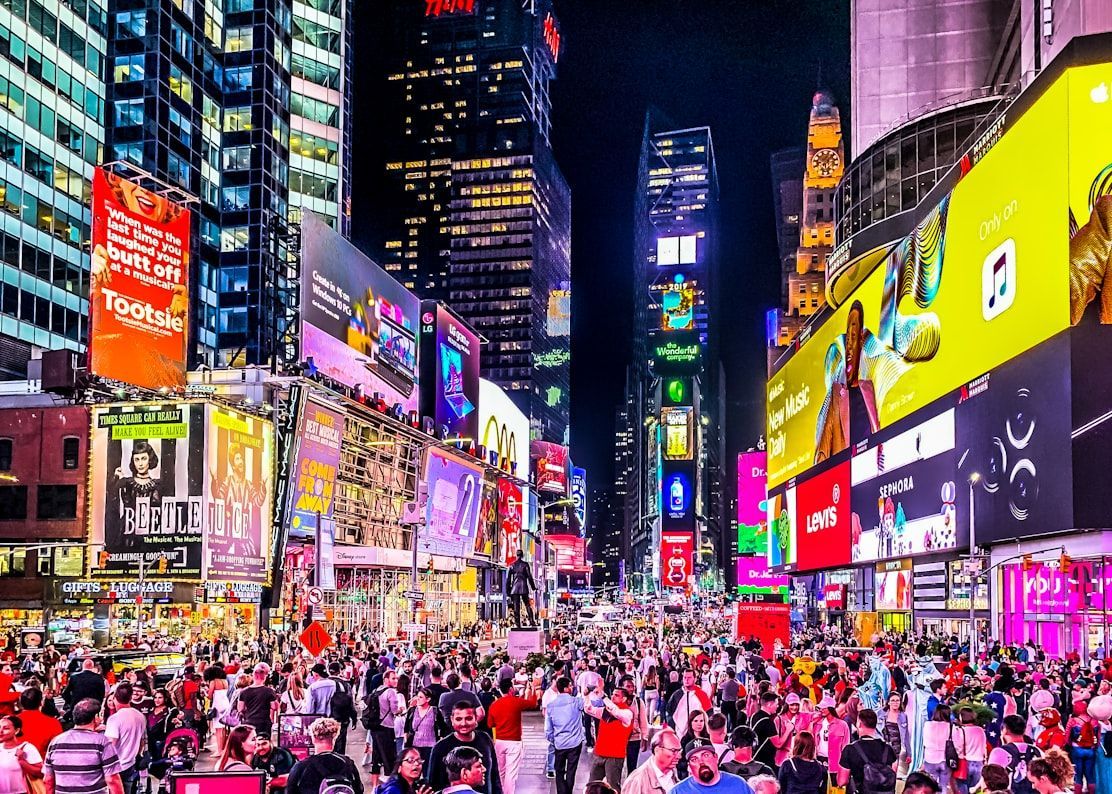 Image: Andreas M
Bright Lights and massive billboards in the city that never sleeps. Times Square looks and feels like the center of the world, but the reality is that it's a loud place, packed shoulder-to-shoulder, and filled with overpriced stores and aggressive photo hustlers happy to separate you from your money.
The truth is that you can get the full New York experience by walking just a few blocks away. Neighborhoods like SoHo or Greenwich Village offer vibrant atmospheres without the sensory overload of Times Square.
Leaning Tower of Pisa, Italy
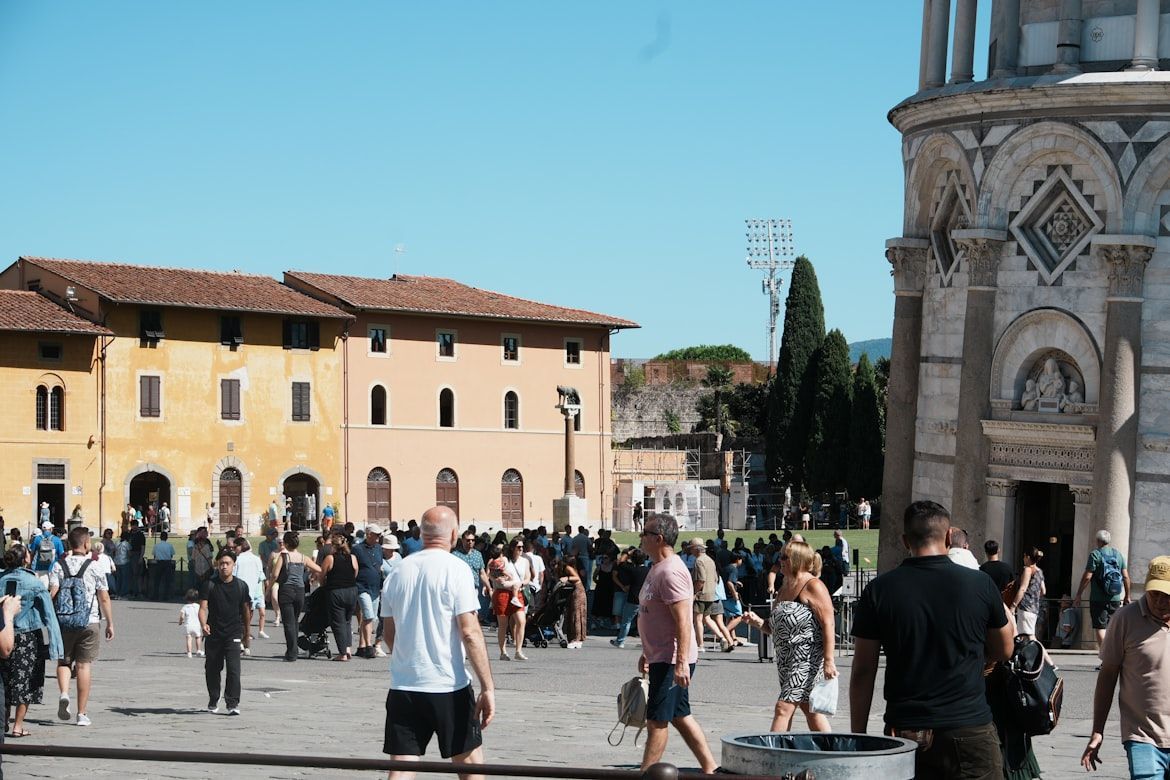 Image: Ali AOUF
The tower itself is undoubtedly impressive, and it's one of the most photographed monuments in the world for a reason. However, the surrounding area has become a sea of souvenir stalls and tourists lining up to take the exact same "holding up the tower" photo from the perfect angle. The novelty wears off quite quickly.
If you are already in the Tuscany region of Italy, nearby cities like Lucca or Siena offer fewer crowds, rich history, and scenes just as memorable without the hustle and bustle of a rushed photo stop.
Hollywood Walk of Fame, Los Angeles
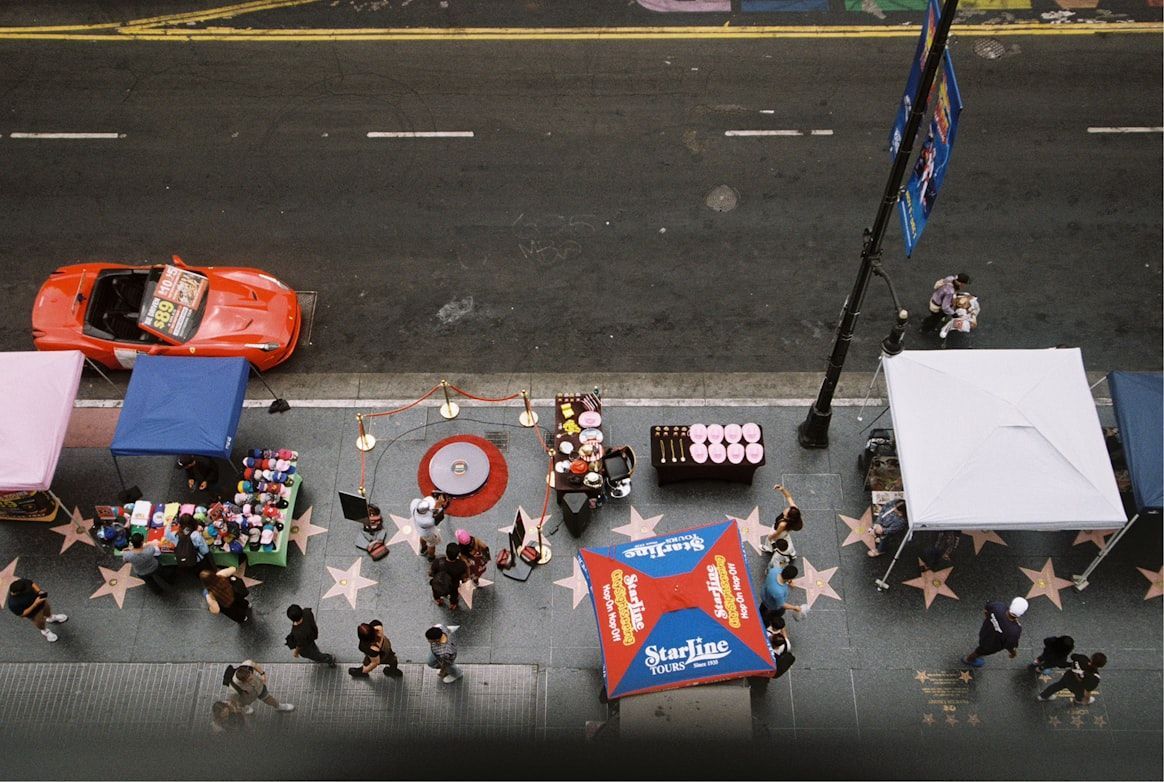 Image: Sasha Matveeva
Seeing the names of your favorite celebrities embedded in the sidewalk may sound exciting, but the reality remains that the Hollywood Walk of Fame is a crowded and chaotic area dominated by souvenir shops.
If you are interested in film history, places like the Academy Museum of Motion Pictures or a studio tour in Burbank offer a more complete and insightful look into Hollywood's past and present.
Eiffel Tower, Paris
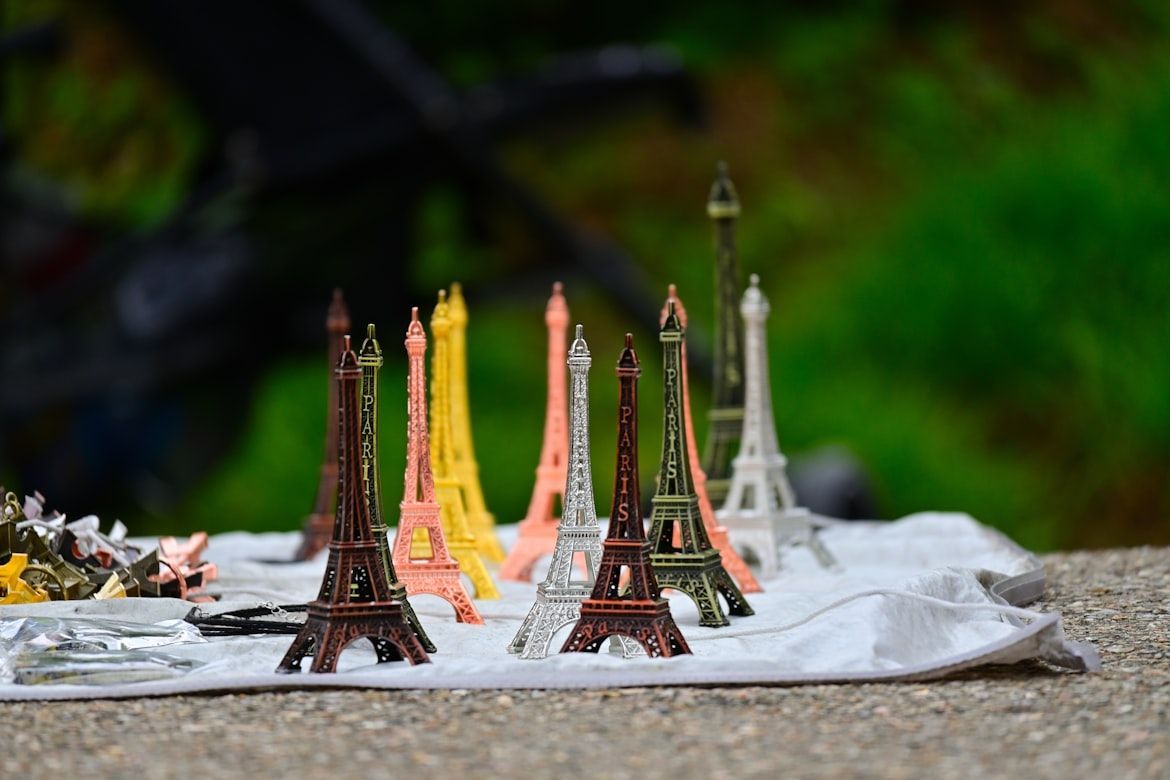 Image: Amin Zabardast
Don't get us wrong: the Eiffel Tower is a must-see if you ever find yourself in Paris. However, the area immediately around it is crowded with souvenir sellers trying to sell you mass-produced trinkets at very inflated prices.
For a better view (and a much calmer atmosphere), head across the Seine to the Place du Trocadero at sunrise, where the tower can be admired without constant interruptions.
Loch Ness, Scotland
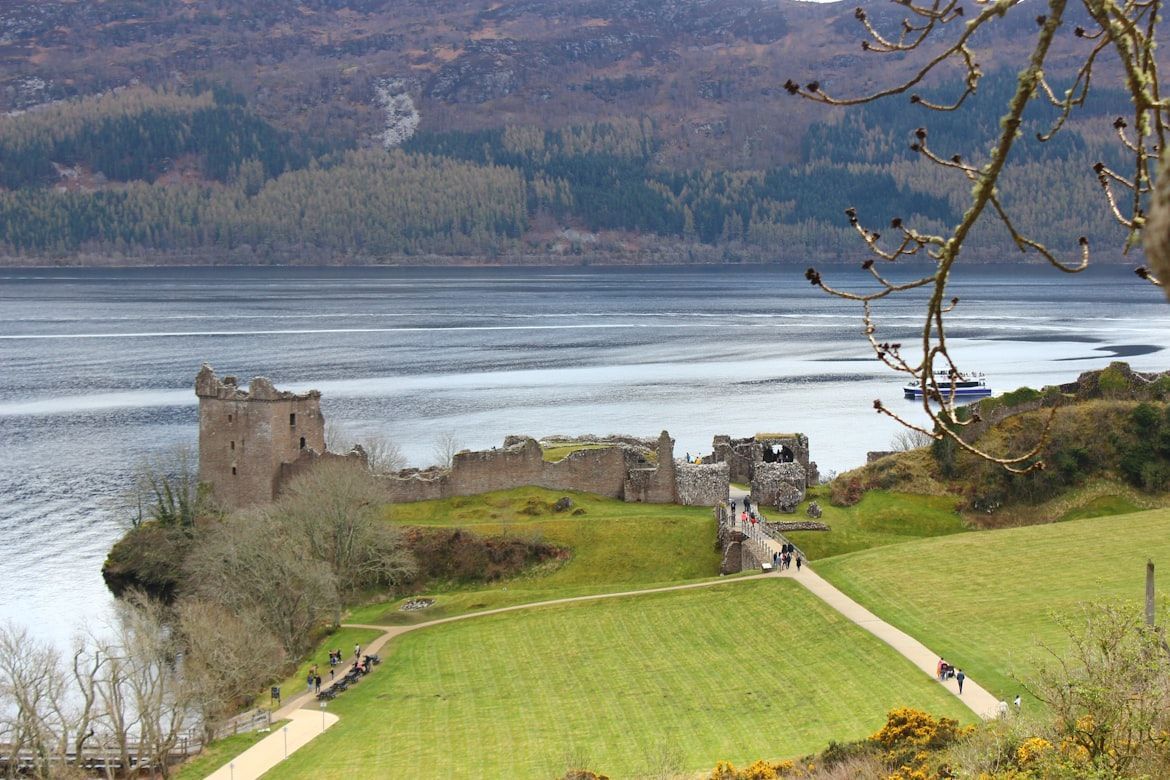 Image: Lāsma Artmane
Sadly, you'll find no legendary monsters here. Loch Ness is just as pretty as any other lake in Scotland, yet its natural beauty and mysterious reputation don't justify paying for an overpriced tour and a bunch of gimmicky souvenirs. Luckily, Scotland has no shortage of sightseeing opportunities for the enthusiastic traveler, from the rugged landscapes of the Isle of Skye to the vast number of medieval castles peppered throughout the region.
Gondola Rides, Venice
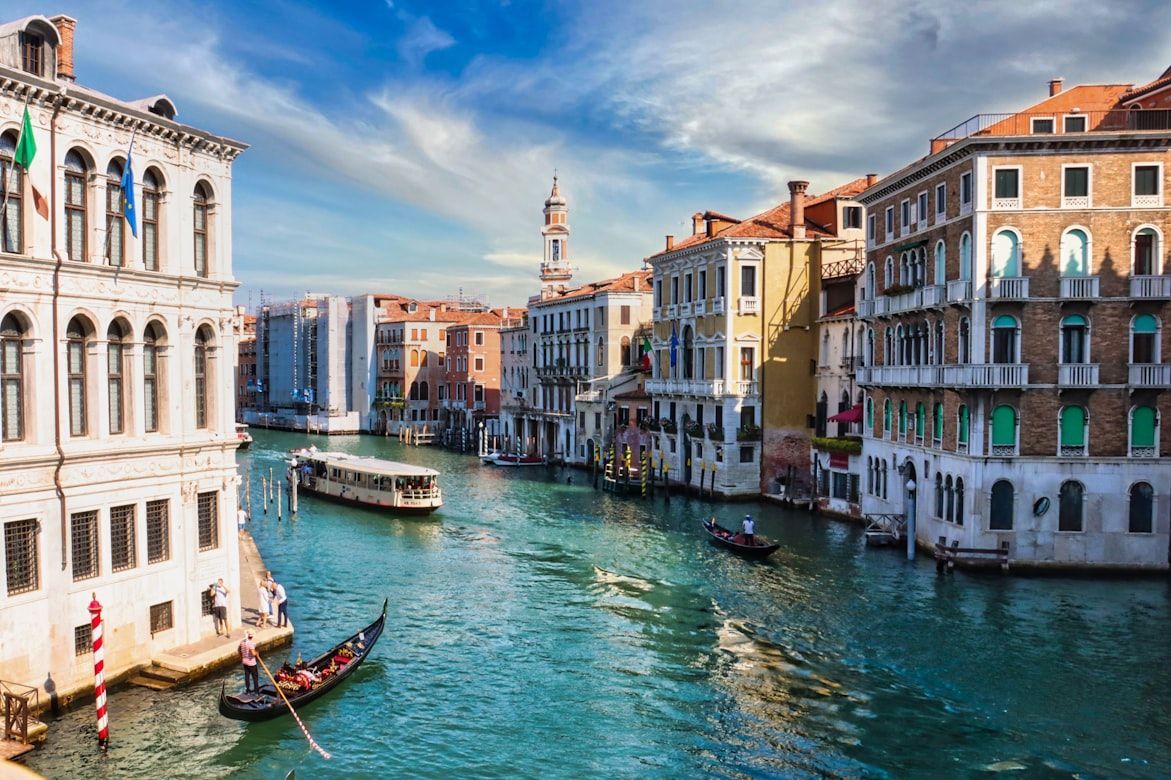 Image: Angelo Casto
Gondola rides are iconic, and they do offer some of that romantic film magic. However, they are usually in high demand and cost a pretty penny. A more budget-friendly alternative is the vaporetto, Venice's public water bus. It lets you enjoy the canals at a fraction of the cost while still soaking in the city's unique atmosphere, even if it's not quite as romantic.
The London Eye, London
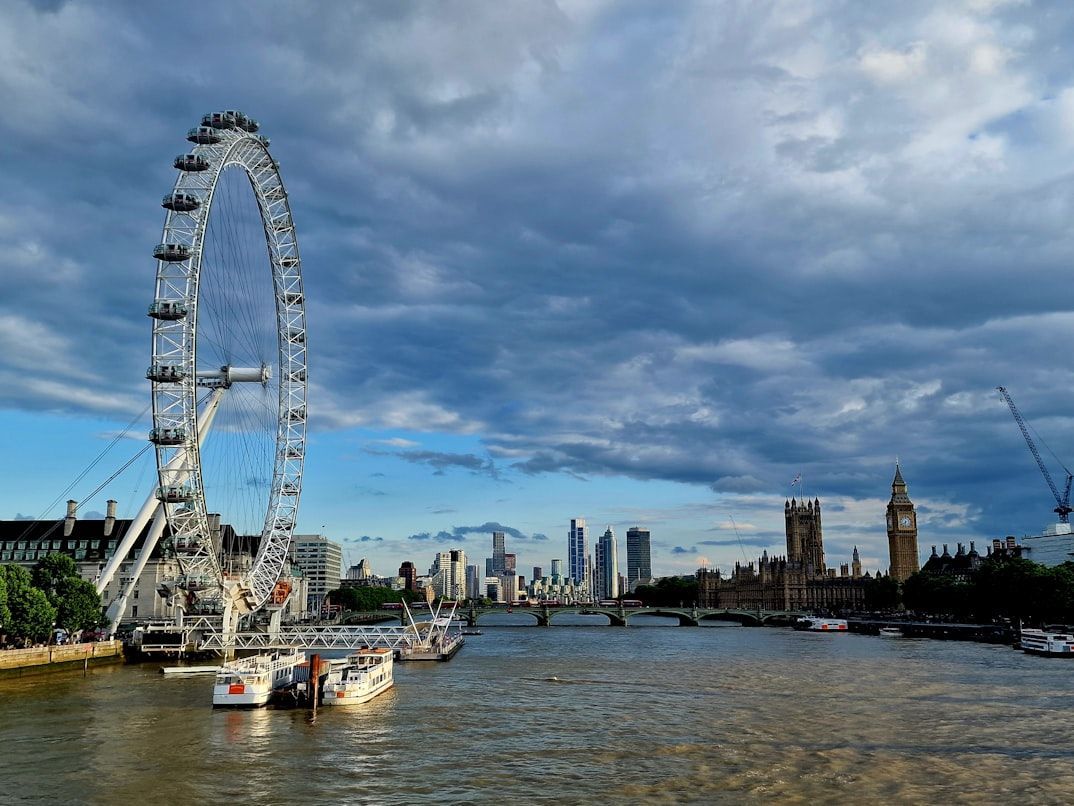 Image: Krisztina Anna Berecz
Built in 1999 to celebrate the new millennium, the London Eye was marketed as a modern masterpiece that would redefine the city's skyline. In reality, it's a pretty mundane Ferris wheel that contrasts unfavorably with the quaint aesthetics of the surrounding Victorian architecture.
If you can spare the costly price of a ride, you might as well go for it, but we recommend taking a leisurely stroll instead. The Elizabeth Tower is right there.
The Mona Lisa, Paris
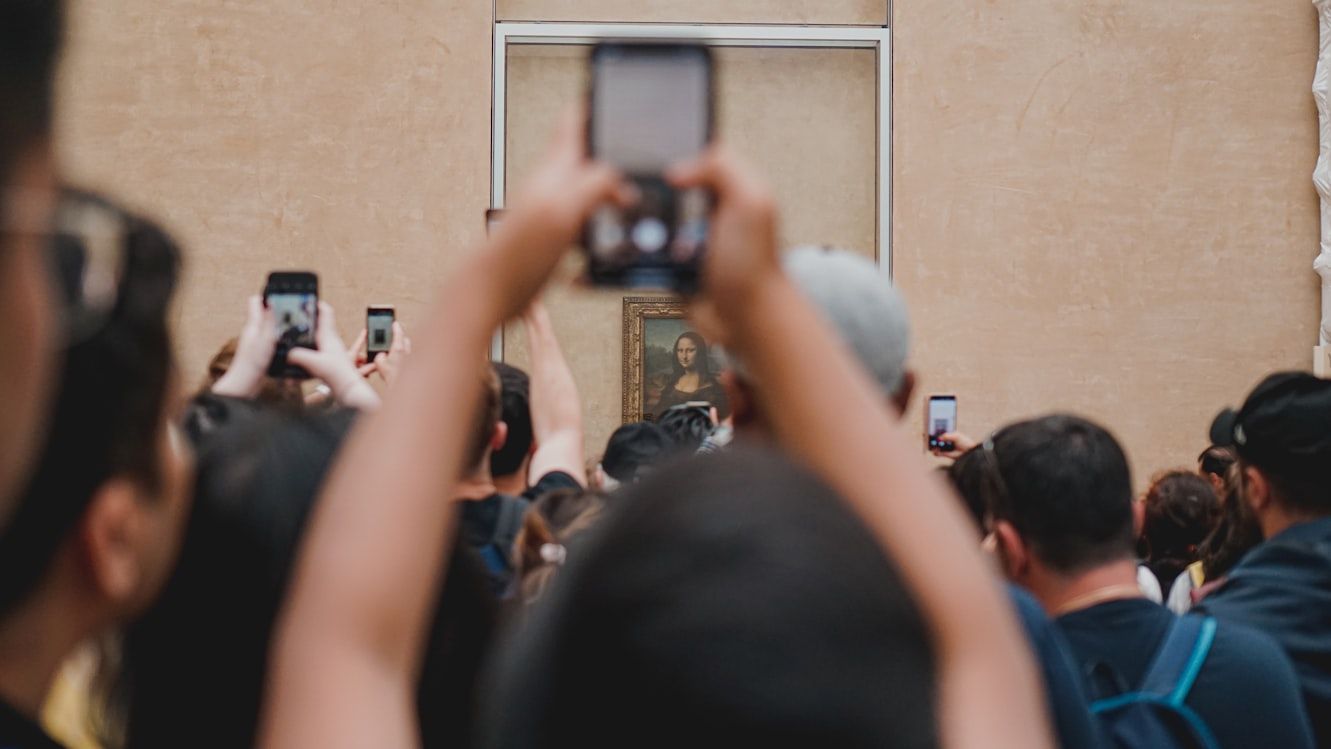 Image: Tarik
The Mona Lisa is a masterpiece of the Italian Renaissance, the magnum opus of Leonardo da Vinci himself. It's been called "the best known, the most visited, the most written about" piece of art in the world. And therein lies the problem: getting to actually see it is a pain.
The painting itself is small, only 30 x 20 inches, it's protected behind a glass wall, and the viewing area is beyond crowded at all times. Visitors spend hours fighting each other just to get a quick glimpse or snap a blurry photo of the Gioconda. If you ever visit the Louvre, we believe that your time would be better spent appreciating other galleries at a calmer pace.
Clifton Hill, Niagara Falls, Ontario
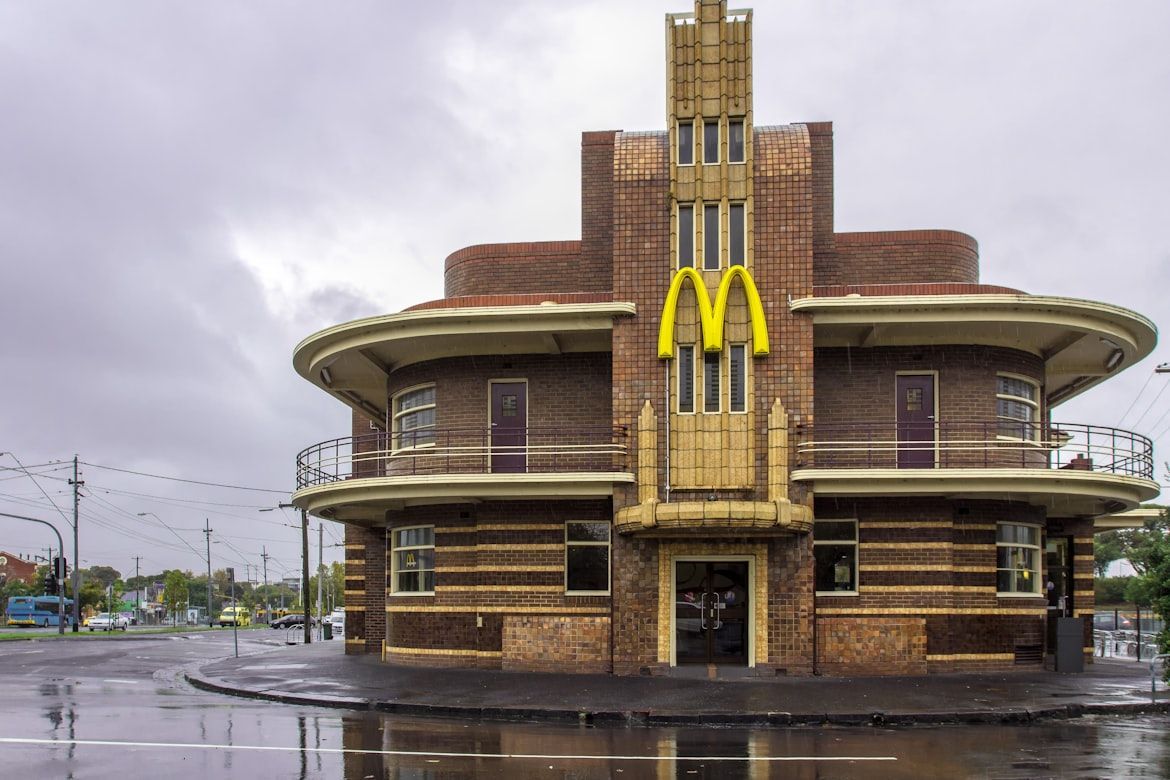 Image: https://images.unsplash.com/photo-1693823132605-6be395d58d52?q=80&w=1170&auto=format&fit=crop&ixlib=rb-4.1.0&ixid=M3wxMjA3fDB8MHxwaG90by1wYWdlfHx8fGVufDB8fHx8fA%3D%3D
Cashing in on its proximity to the Canadian Falls, Clifton Hills feels out of sync with the natural beauty of its surroundings: it is like an amusement strip filled with arcades, go-kart tracks, and wax museums at over-inflated prices.
For a more nature-oriented and complete experience of Niagara Falls, you can take a sightseeing boat tour of the area. The Maid of the Mist, for instance, starts and ends on the American side of the falls, but it also crosses briefly into Canada.
Plymouth Rock, Massachusetts
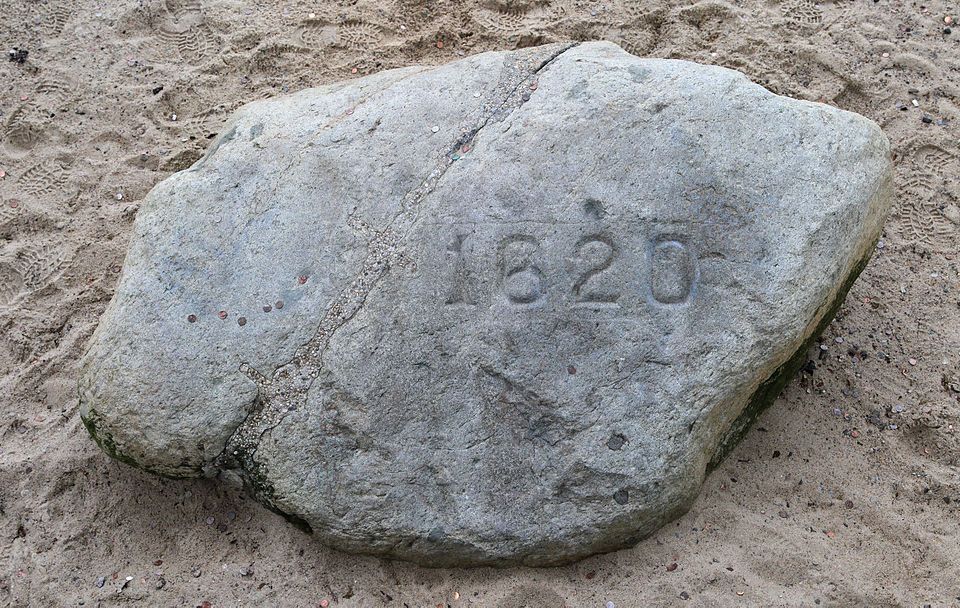 Image: jjron, GFDL 1.2, via Wikimedia Commons
Plymouth Rock carries tons of symbolic weight: It represents the beginning of National history, marking the place where the Mayflower Pilgrims landed to found Plymouth Colony in December 1620. Visitors often expect something monumental, and instead find… just a boulder.
As symbolic as it may be, the experience leaves much to be desired. What's more, there's no evidence that the boulder on display was actually there in 1620: the first documented record of Plymouth Rock's existence is from 1741, 121 years after the arrival of the Pilgrims. In any case, there are plenty of monuments and museums dedicated to early American history that are more worthy of your time.
Keep wandering
There’s always
more to explore
What happens to tourist towns after everyone goes home?
5 min.
Read Now
 Landmarks

The construction mistake that made this tower famous
5 min.
Read Now
Why did San Antonio move an entire hotel through downtown?
6 min.
Read Now
Ever wonder why there’s a tiny hole in airplane windows?
6 min.
Read Now