New York City has one of only two authentic Chinese gardens in the U.S.
 Landmarks
Beyond the velvet rope
New York City has one of only two authentic Chinese gardens in the U.S.
New York City is often defined by its "Big Three"—the Metropolitan Museum of Art, the Museum of Modern Art, and the American Museum of Natural History. But if you’ve already fought the crowds at Van Gogh’s self-portrait and stared at the iconic blue whale for too long, you might be feeling mainstream fatigue. Sometimes, the true soul of New York can be found in abandoned subway stations, hotel stairwells, and industrial warehouses in Brooklyn. If you’re ready to trade velvet ropes for pinball flippers and dusty archives for Gilded Age glitz, here are 10 alternative museums to get to know the Big Apple from a different perspective.
The New York Transit Museum (Brooklyn)
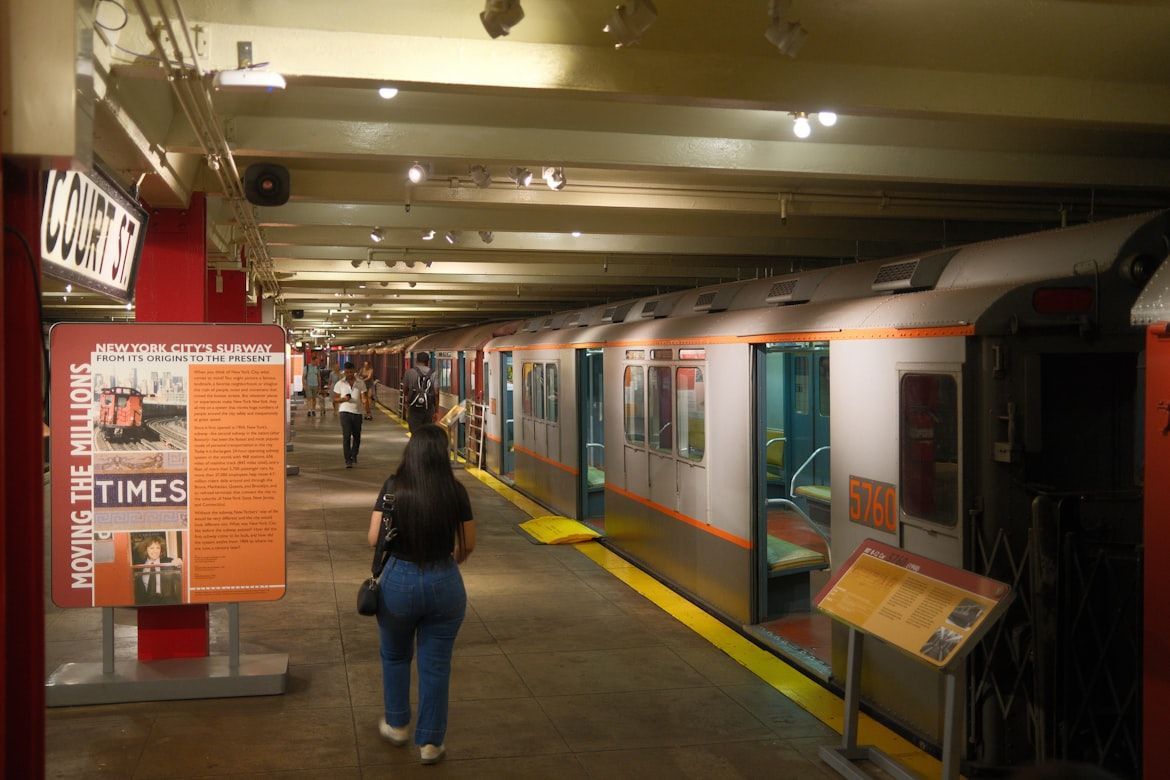
Located in an authentic 1936 decommissioned subway station in Downtown Brooklyn, New York Transit Museum is the ultimate deep dive into the city’s circulatory system. You can walk through cars dating back to the early 1900s, complete with wicker seats, porcelain hand straps, and vintage advertisements for cigarettes and 5-cent soaps. If you visit the museum, you’ll feel like a time traveler as you step off the modern street and into a platform that evokes a bygone era.
Red Hook Pinball Museum (Red Hook, Brooklyn)
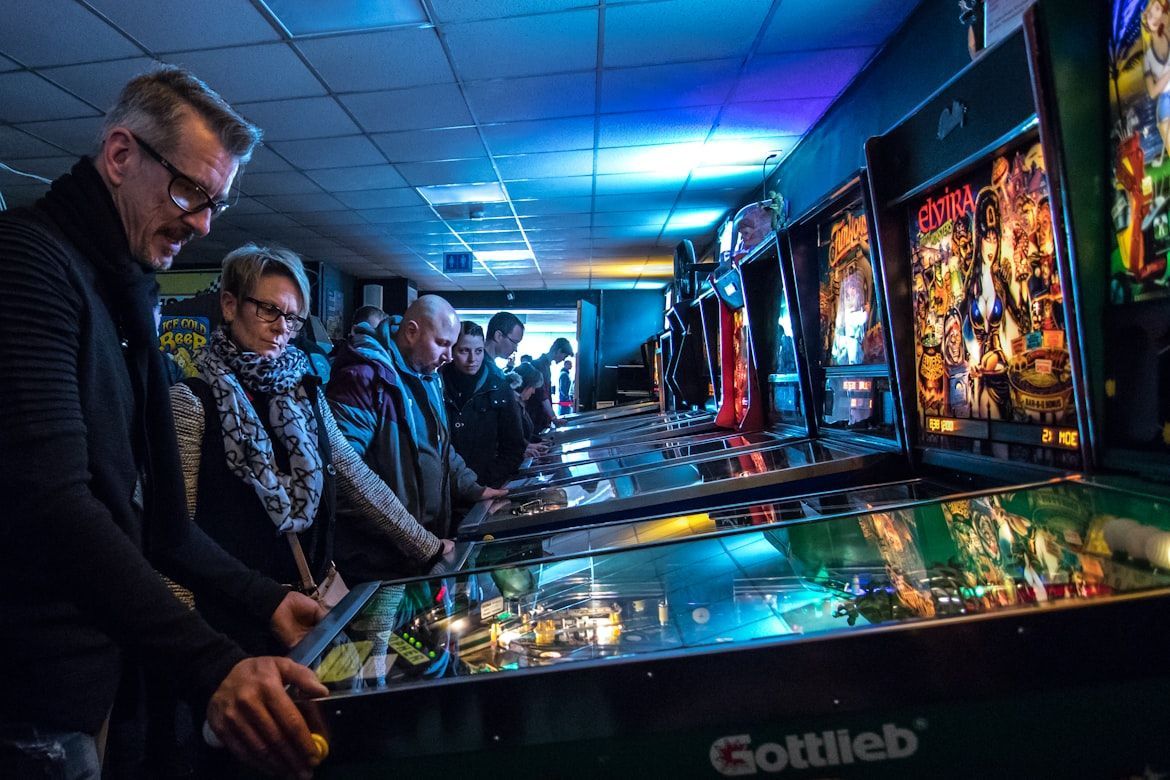
Think neon lights, mechanical clicking, and pure 1980s nostalgia. The Red Hook Pinball Museum was founded by friends and pinball enthusiasts who wanted to share their passion for restoring vintage pinball machines with their community. Here, you’ll find a wide variety of machines, from the wood-paneled, flipperless games of the 1930s to the high-tech, licensed movie tie-ins of the 2020s. Unlike traditional museums, visitors are encouraged to play and interact with the objects.
The Morgan Library & Museum (Manhattan)
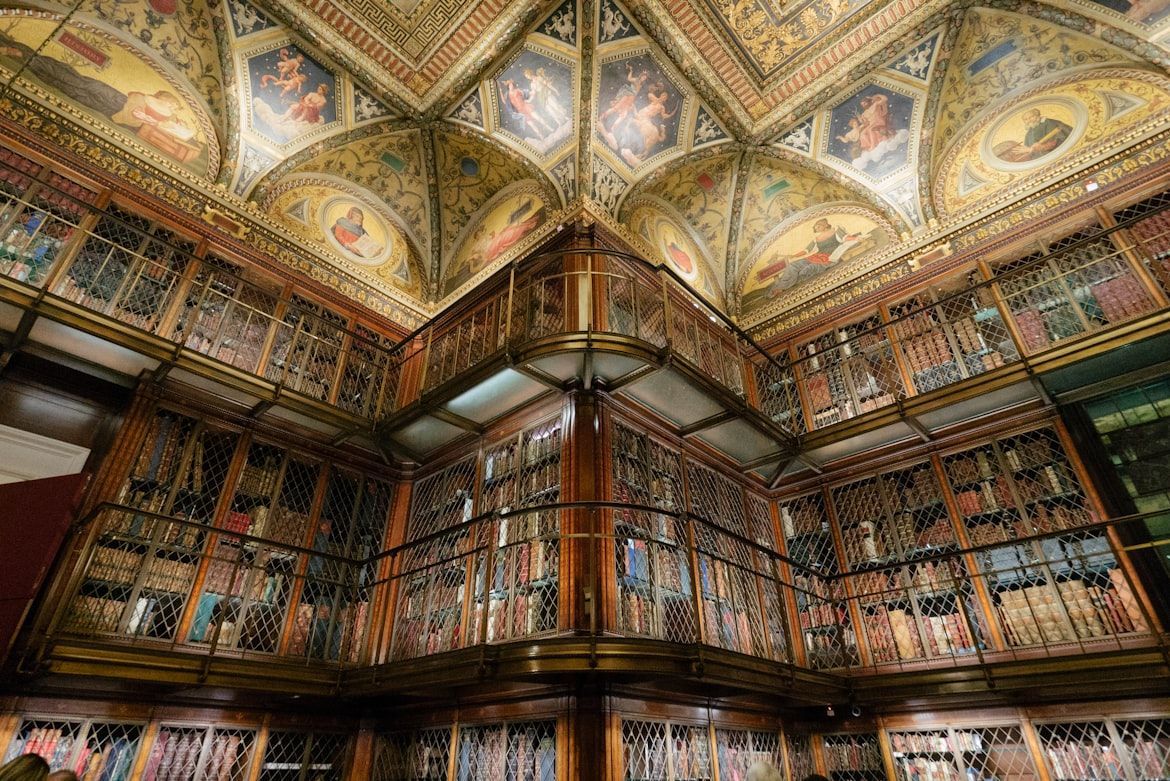
If you’ve ever wanted to feel like a Bond villain or a Victorian scholar, J.P. Morgan’s private library is your sanctuary. The Morgan Library & Museum is an Italian Renaissance-style palazzo with floor-to-ceiling mahogany, secret passages, and the smell of old parchment. The library houses three Gutenberg Bibles, original Mozart scores, and Thoreau’s journals. Pro tip: Look for the hidden staircase behind the bookshelves on the ground floor. It’s exactly what you’d expect from the world’s most powerful banker!
Museum of Contemporary African Diasporan Arts - MoCADA (Brooklyn)
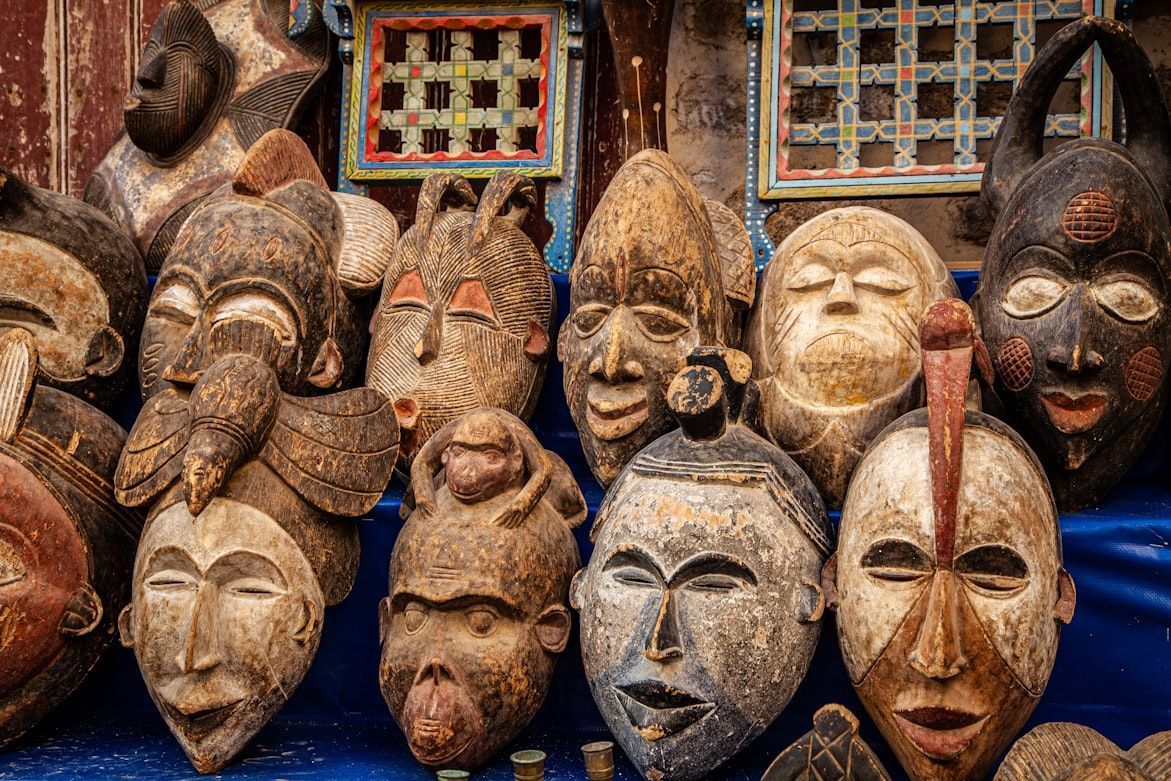
Located in the heart of Brooklyn, the Museum of Contemporary African Diasporan Arts (MoCADA) uses art as a lens to examine the political and social issues facing the African diaspora. Founded in 1999, it showcases a range of works, from paintings and collages to mixed media, exploring Black identity and African American culture. MoCADA is a vital stop for anyone looking to understand the intersection of Brooklyn's local culture and the global African experience.
Museum of Street Art - MoSA (The Bowery, Manhattan)
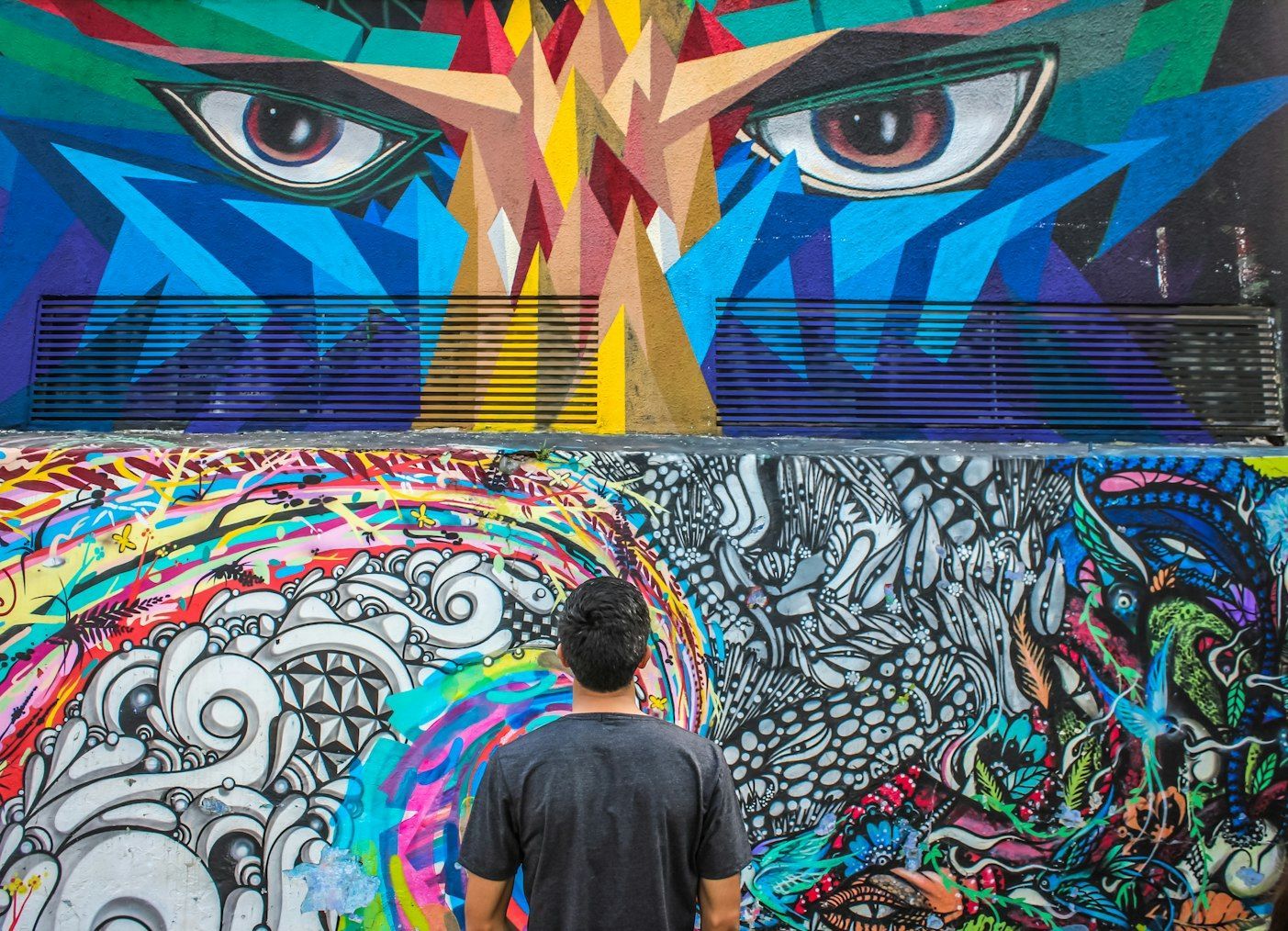
Hidden within the CitizenM Bowery hotel, the Museum of Street Art (MoSA) is a vertical gallery that occupies the hotel’s multi-story internal stairwell. Essentially, it’s a tribute to 5 Pointz, the late and iconic graffiti haven in Queens that was painted over and demolished in 2014. After that loss, the hotel partnered with artists who originally displayed work at the Queens site to give their art a permanent, legal home in Manhattan. Admission is free and open to the public. Look for the massive portrait of RuPaul or the portrait of poet Allen Ginsberg.
Maritime Industry Museum at Fort Schuyler (Throgs Neck, The Bronx)
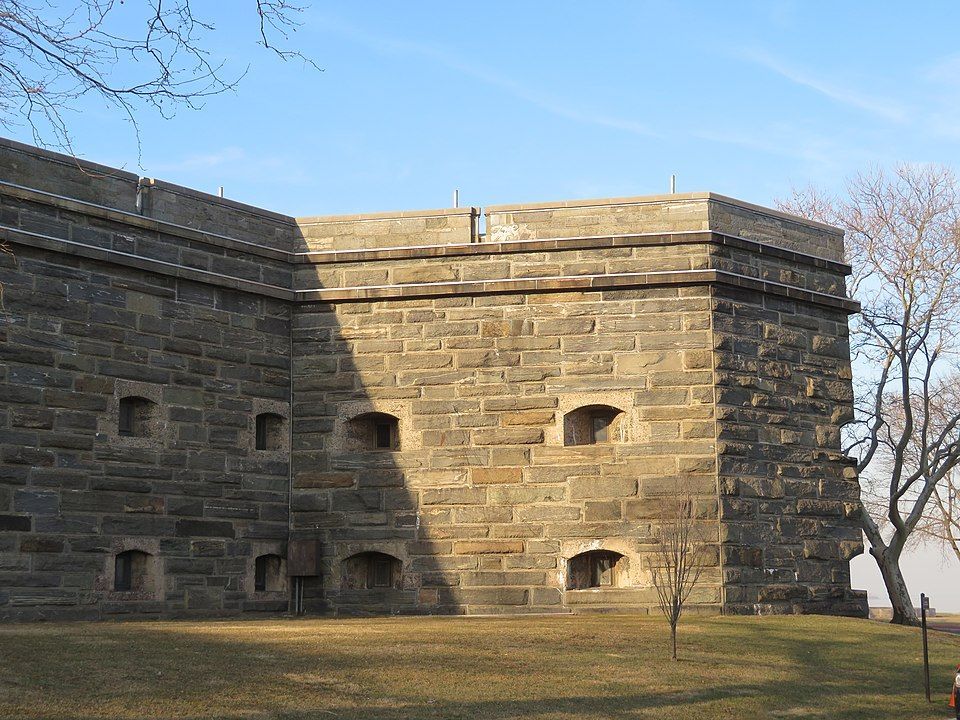
Located on the campus of SUNY Maritime College, Fort Schuyler houses a maritime museum within its 19th-century granite walls. The view of the Throgs Neck Bridge is worth the trip alone, but the collection of more than 2,000 ship models and maritime artifacts—ranging from the era of sail to modern nuclear submarines—is staggering. It’s a trek to get to the edge of the Bronx, but for history buffs, it’s a pilgrimage.
Museum of Nostalgia (Astoria, Queens)
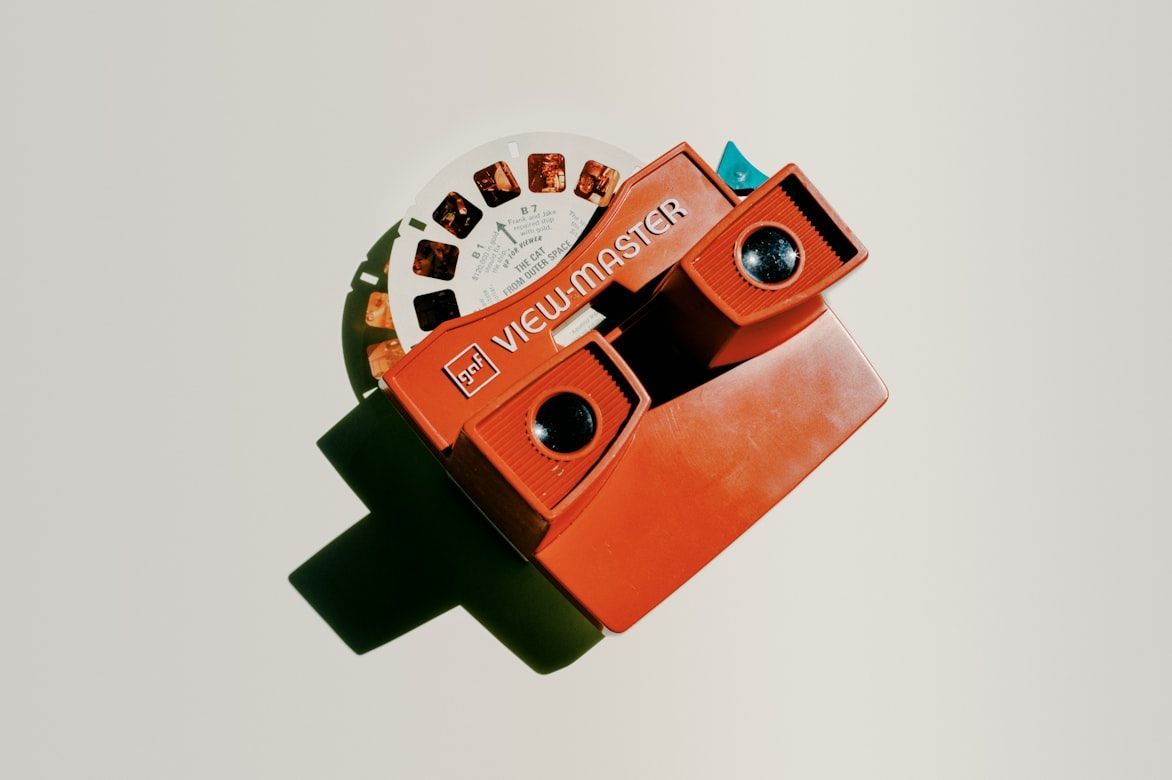
Located in Astoria, the Museum of Nostalgia is a relatively new addition to the NYC scene that focuses on 20th-century toys and pop culture. Created by collectors Phoebe Taylor and Jeff Zappala, the space gives off 1980s basement-den vibes. Overall, the museum is a fascinating look at how play has evolved, from mechanical tin toys to plastic action figures. Also, if there’s something in the exhibit you want to take home, there’s a chance you can buy something similar in the toy shop, which features classics from every decade.
Marlene Yu Museum (Long Island City, Queens)

Originally based in Louisiana, the Marlene Yu Museum consists of three floors of giant paintings—some reaching up to 50 feet in length—by Marlene Yu, an internationally acclaimed artist whose career spans over 60 years and 80-plus solo exhibitions worldwide. Her work blends traditional Chinese brushwork and Western Abstract Expressionism, resulting in massive, high-energy canvases that capture the raw power of the natural world. The museum offers a rare sense of vastness and calm rarely experienced in a busy city like New York. Definitely worth a visit.
Autophoto (Lower East Side, Manhattan)
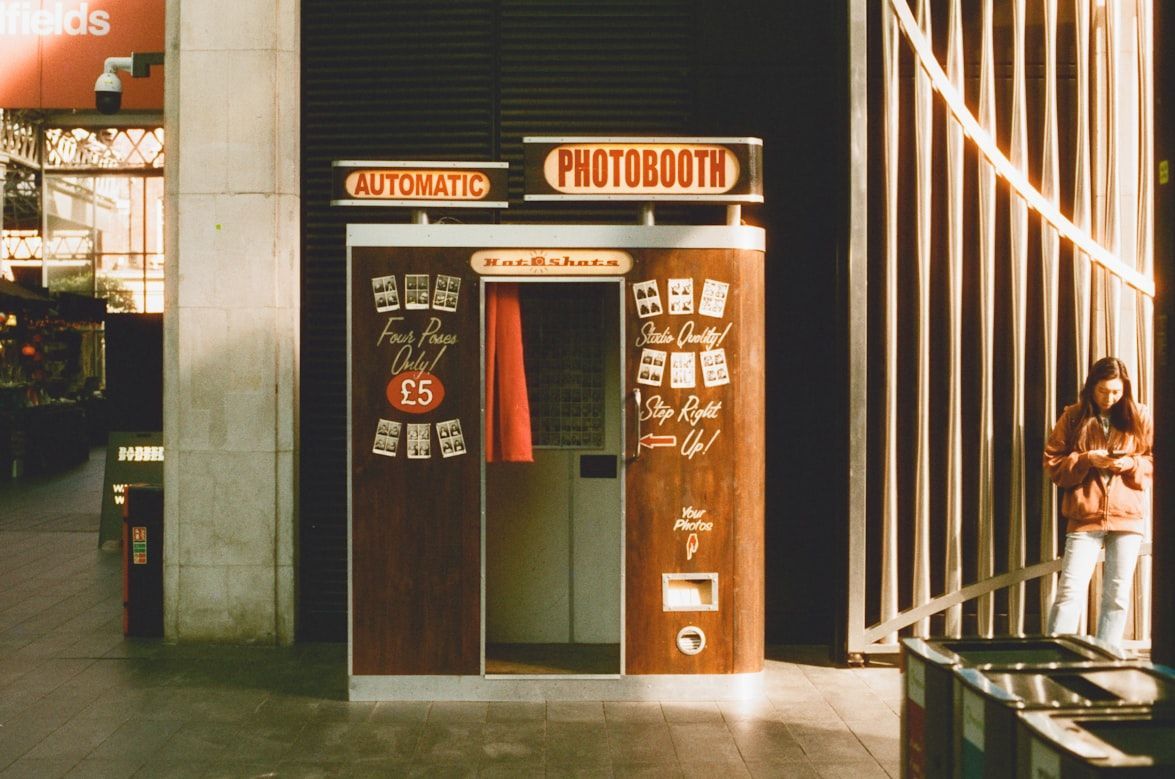
The city’s newest museum, Autophoto, opened in October 2025, during the centennial of the invention of the analog photobooth, and operates as both a museum and a photobooth hotspot. Here, you’ll be able to experience the original analog selfie machines. Trust us, in a world of digital filters, the mechanical complexity of a machine that could develop a photo in three minutes in 1925 is mind-blowing. After brushing up on the history of the technology, there are seven operating analog photobooths for visitors to try out.
New York Chinese Scholar's Garden (Snug Harbor, Staten Island)
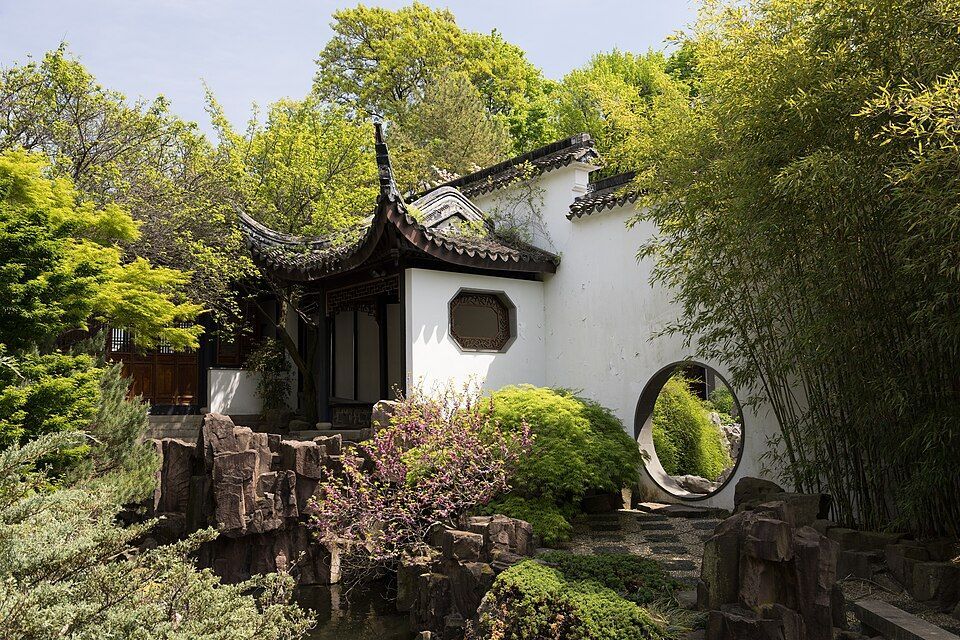
Looking for complete, utter silence in NYC? Part of the Snug Harbor Cultural Center & Botanical Garden, the New York Chinese Scholar’s Garden is one of only a handful of authentic classical Chinese gardens built in the U.S. The architecture is outstanding: many of the components—including roof tiles, rocks, and bridges—were handcrafted in Suzhou, China, designed to be a path to harmony. Often described by locals as a "hidden gem," the garden feels completely removed from the noise of the city, offering a level of tranquility that is rare to find in the five boroughs.
Cultural capitals: 10 American cities with worldwide claims to fame
 Geography
Capital with a capital C
Cultural capitals: 10 American cities with worldwide claims to fame
America has no shortage of capital cities. After all, besides the national capital, there is a capital city for each state and territory. But what about unofficial capitals? Some cities are so relevant to an industry, concept, or phenomenon that they transcend all political boundaries. Here are 10 American cultural capitals you might not know!
Nashville: The Country Music Capital of the World
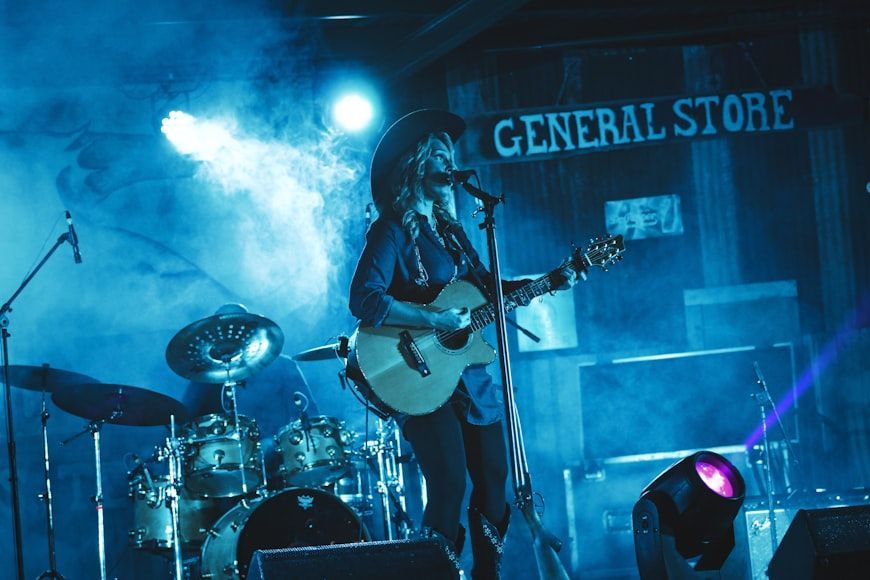
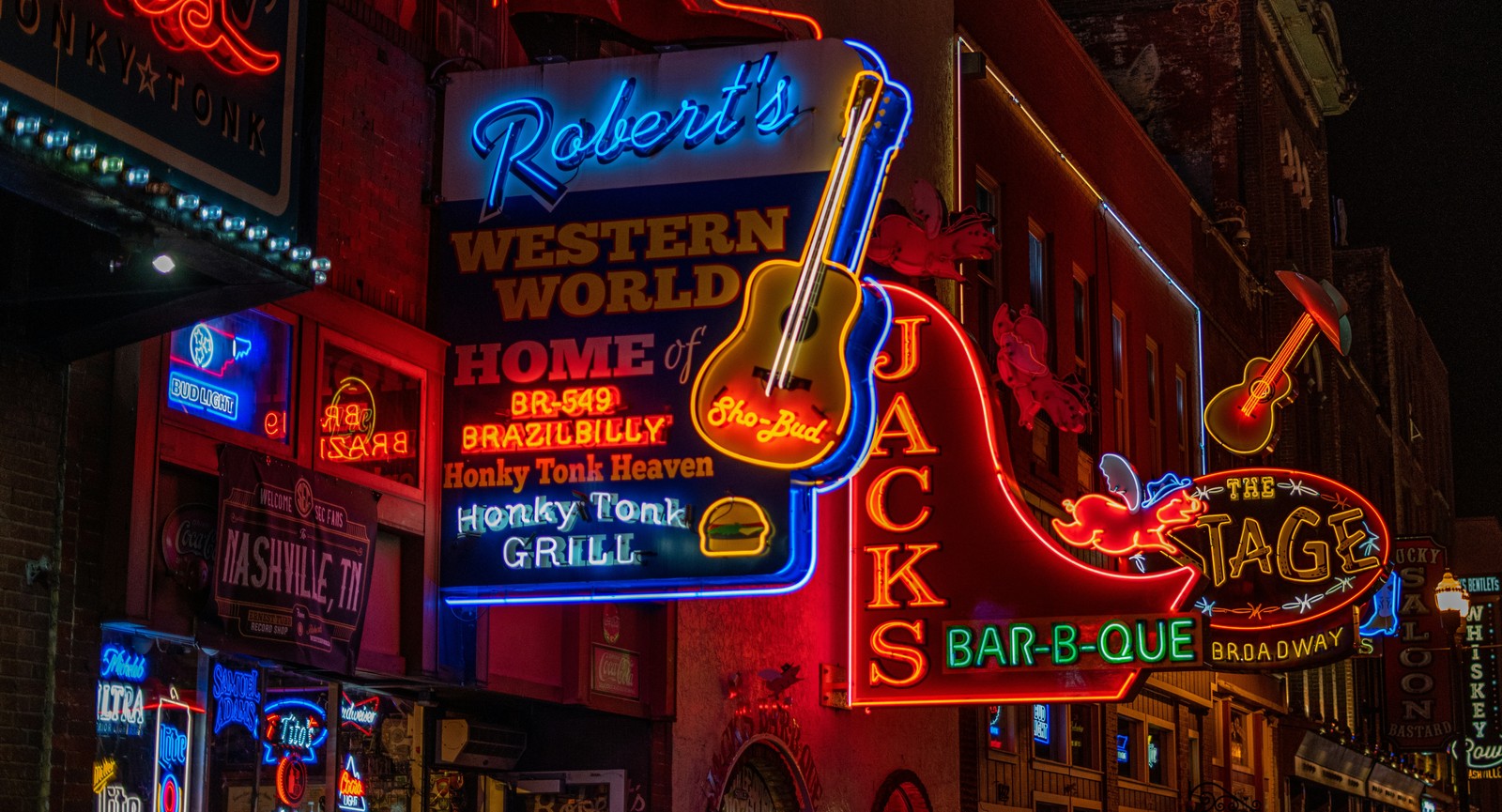
Let’s start with an easy one. If you think country music, you think Nashville. Besides being the capital of Tennessee, Nashville is the epicenter of the country music scene, home to landmarks such as the Grand Ole Opry, the Ryman Auditorium, and Legends Corner.
Scottsboro: The Lost Luggage Capital of the World
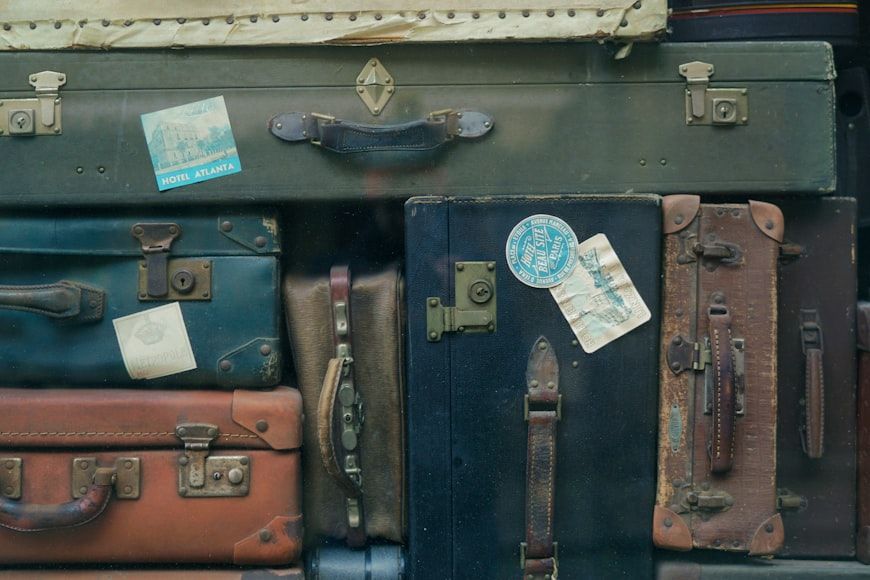
If you’ve lost your luggage, you might want to check Scottsboro, Alabama. The town is home to the Unclaimed Baggage Center, which buys and resells lost and forgotten luggage from across the country at a discounted rate. Among their most famous finds are a suitcase filled with Egyptian artifacts, a two-century-old violin, and a huge diamond ring that was concealed in a sock.
Niagara Falls: The Honeymoon Capital of the World
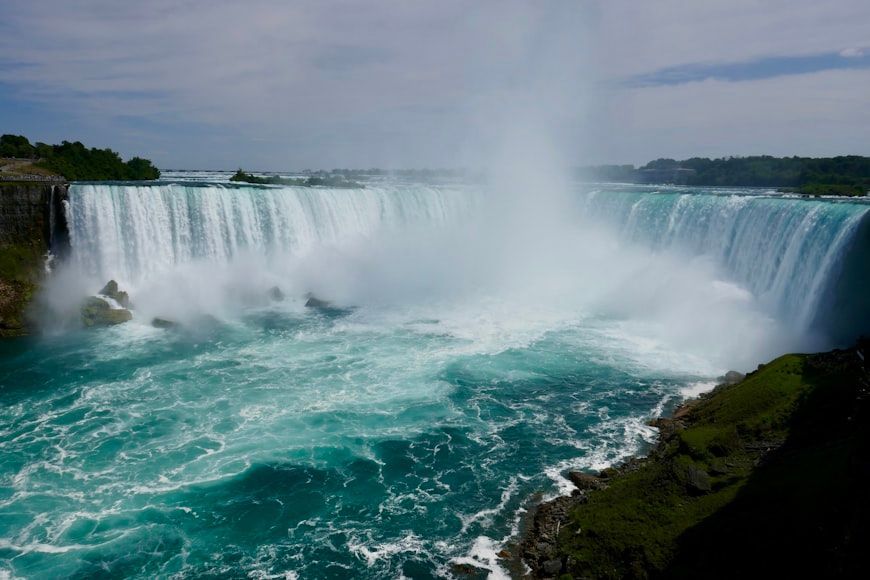
Niagara Falls is known for its beautiful scenery and relaxing nature, which makes it a perfect destination for newlyweds. But who started the trend of choosing Niagara Falls as a honeymoon spot? According to popular legend, Theodosia Burr, the daughter of Vice President Aaron Burr, was one of the first people to visit the place after her wedding.
Barberton: The Fried Chicken Capital of the World
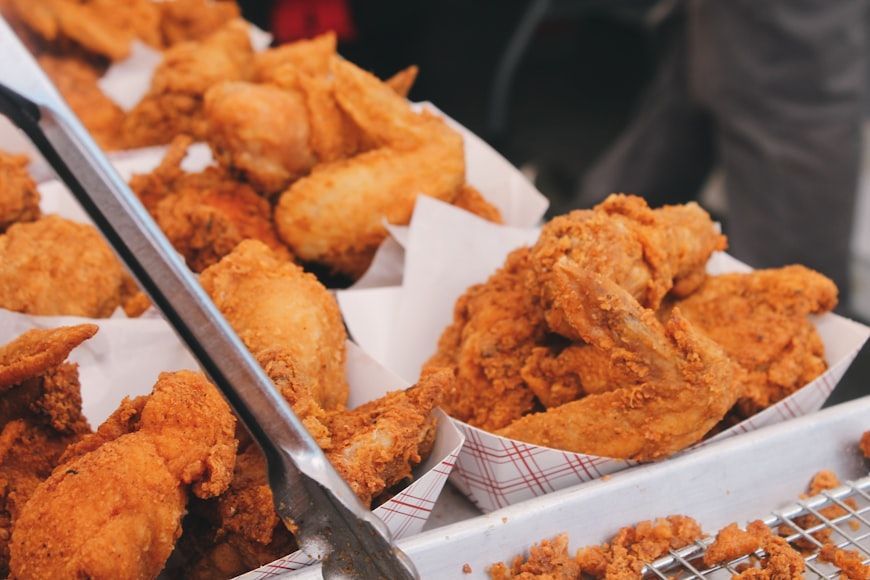
If you were asked to pick a city of utmost importance for fried chicken, would you pick Barberton, Ohio? This choice might seem surprising, but Barberton has been a center for fried chicken since the 1930s. It all stems from two Serbian immigrants who, during the Great Depression, opened a Serbian-style fried chicken business. The dish became the town’s signature, and Barberton restaurants continue to sell thousands of pounds of fried chicken to this day.
Kennett Square: The Mushroom Capital of the World

What began almost by accident has become central to the town’s identity. Pennsylvania is not the obvious choice to grow mushrooms, but this did not stop a group of local Quakers from wanting to take full advantage of their greenhouses. What started as a small venture in the 1880s eventually grew into a place that produces roughly half of the mushrooms consumed in the United States.
Traverse City: The Cherry Capital of the World
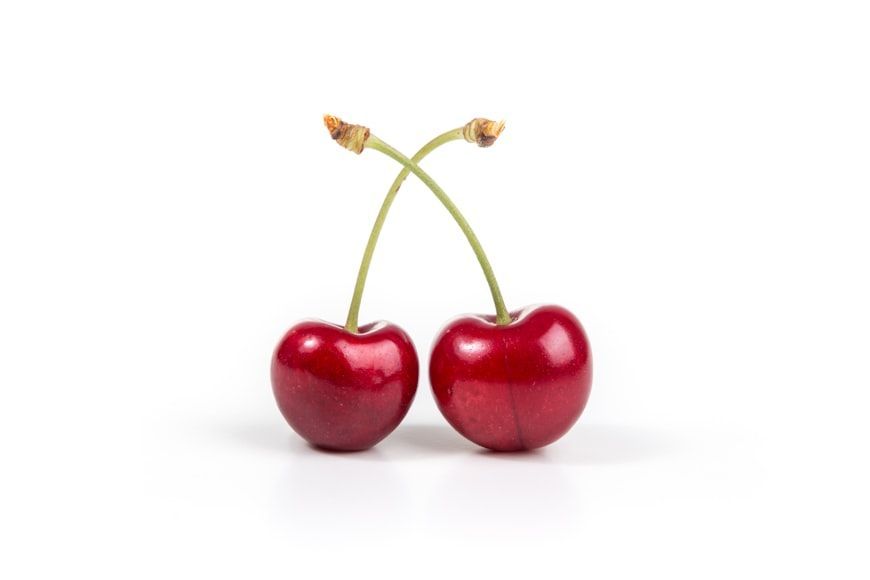
If you produce three-fourths of America’s tart cherries, it is only fair that you receive the "Cherry Capital" title. Thanks to its unique climate and soil conditions, this Michigan city leads not only the tart cherry production, but is also a major producer of sweet cherries. Its annual National Cherry Festival attracts around 500,000 visitors per edition.
Hartford: The Insurance Capital of the World
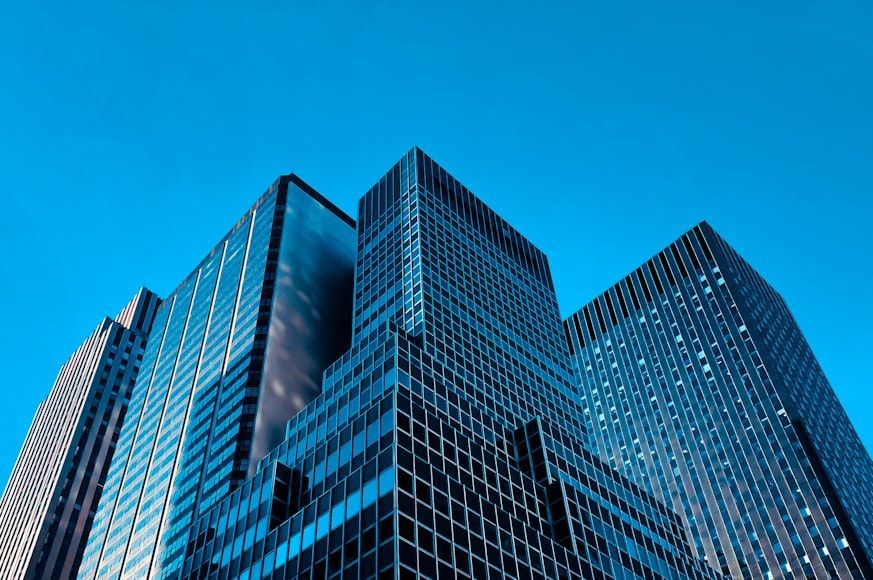
Hosting more than 150 insurance companies, Hartford, Connecticut, sits at the center of the U.S. insurance industry. Compared with the rest of the country, this region has roughly nine times the percentage of insurance workers and is home to the headquarters of major insurance companies.
New York: The Pizza Capital of… the World?
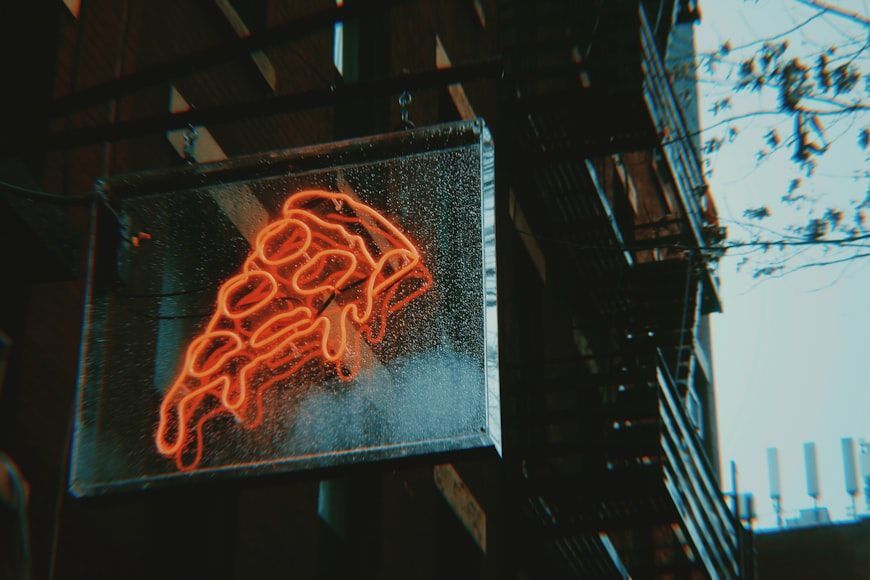
A disclaimer for any angry Italians: we know this is a polemical title, hence the question mark. But setting the rest of the world aside, New York is a strong contender for the Pizza Capital of America for several reasons: the sheer number of pizzerias, the cultural importance of thin-crust pizza, and the many legendary spots, to name just a few. That said, New Haven, Connecticut, has also laid claim to the title, so we’ll leave it to readers to decide.
New Castle: The Hot-Dog Capital of the World
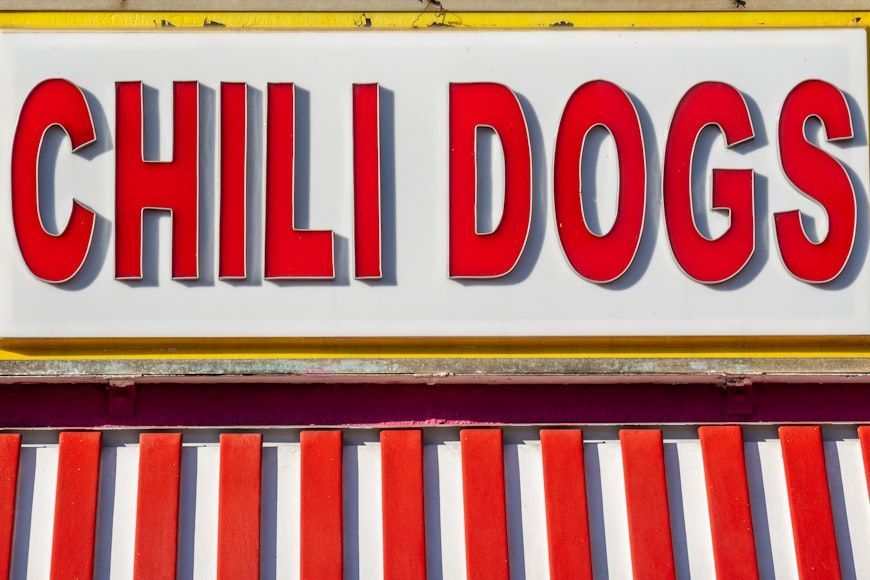
Hot dog styles in America are as diverse as the country itself, so what makes New Castle, Pennsylvania, special? In this case, it is the unusually high number of hot dog restaurants, particularly of Greek origin. These spots are famous for their signature chili-topped, Coney Island-style dogs, and some of them have been operating for nearly a century.
Portland: The Craft Beer Capital of the World
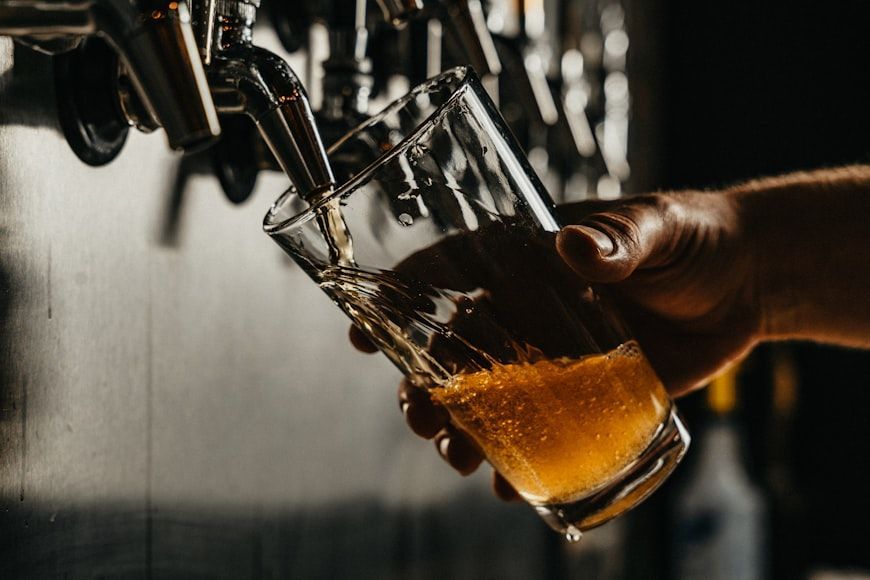
Home to dozens of craft breweries, Portland, Oregon, is a mecca for beer enthusiasts everywhere. Though mainly known for its West Coast IPAs, the city is also renowned for its wide range of beer styles, both specialized and traditional. Besides the high concentration of breweries, Portland is also famous for its vibrant pub culture.
Keep wandering
There’s always
more to explore
 General

10 steps to take if you get sick right before flying
4 min.
Read Now

This trench could swallow Everest, with room to spare
6 min.
Read Now

The one thing thieves hope you leave in your car
4 min.
Read Now
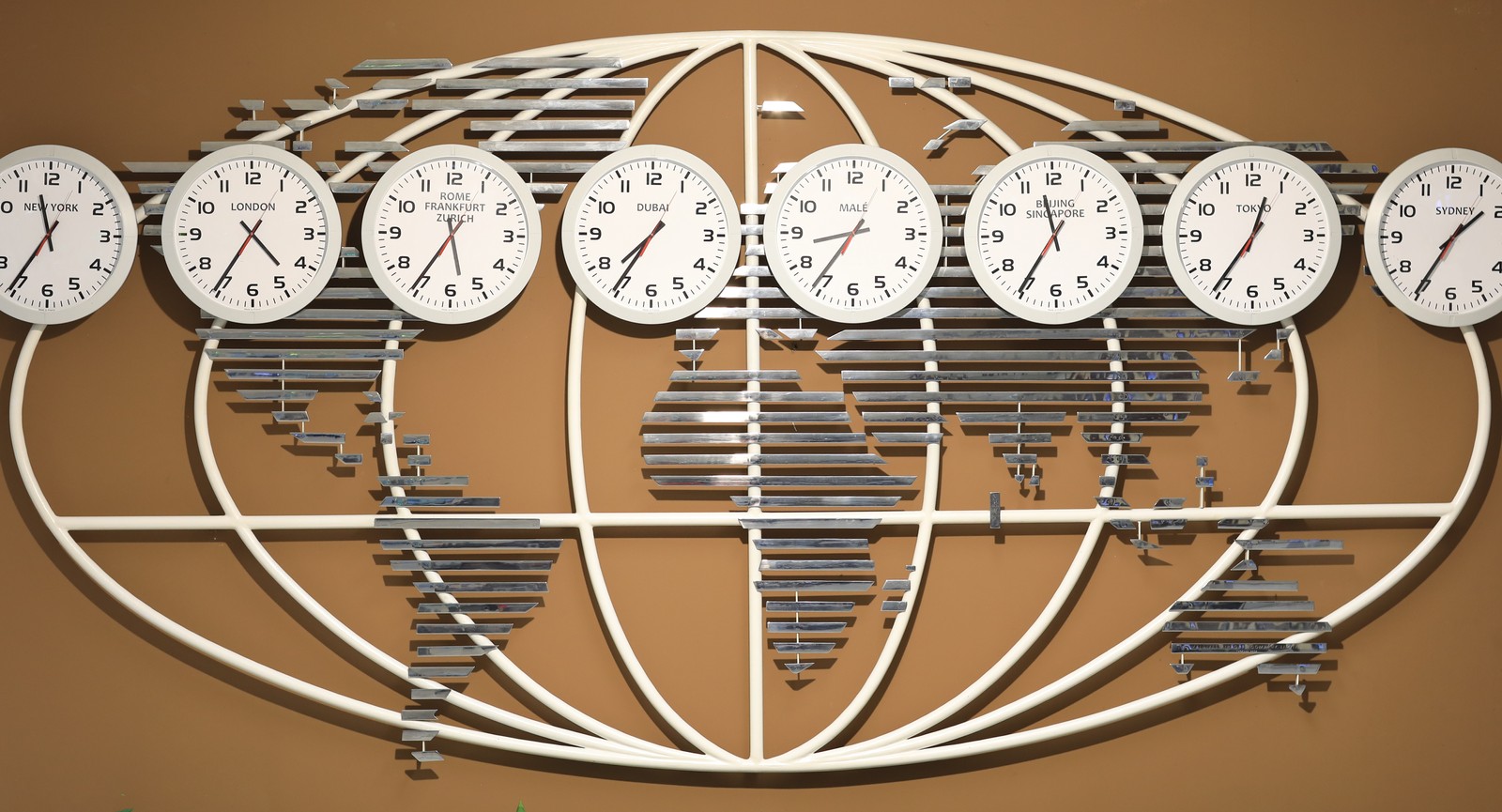
How many time zones does the United States have?
5 min.
Read Now