Never do this on a plane: 10 things that could get you kicked off
 General
Conflicts in the air
Never do this on a plane: 10 things that could get you kicked off
Have you ever seen someone get kicked off a plane before takeoff? If you think it could never happen to you, think again; reality might surprise you. From safety concerns to purely administrative rules, there are more reasons than you might expect that could lead to removal. Here’s what you need to know to stay on board.
Leave safety equipment alone
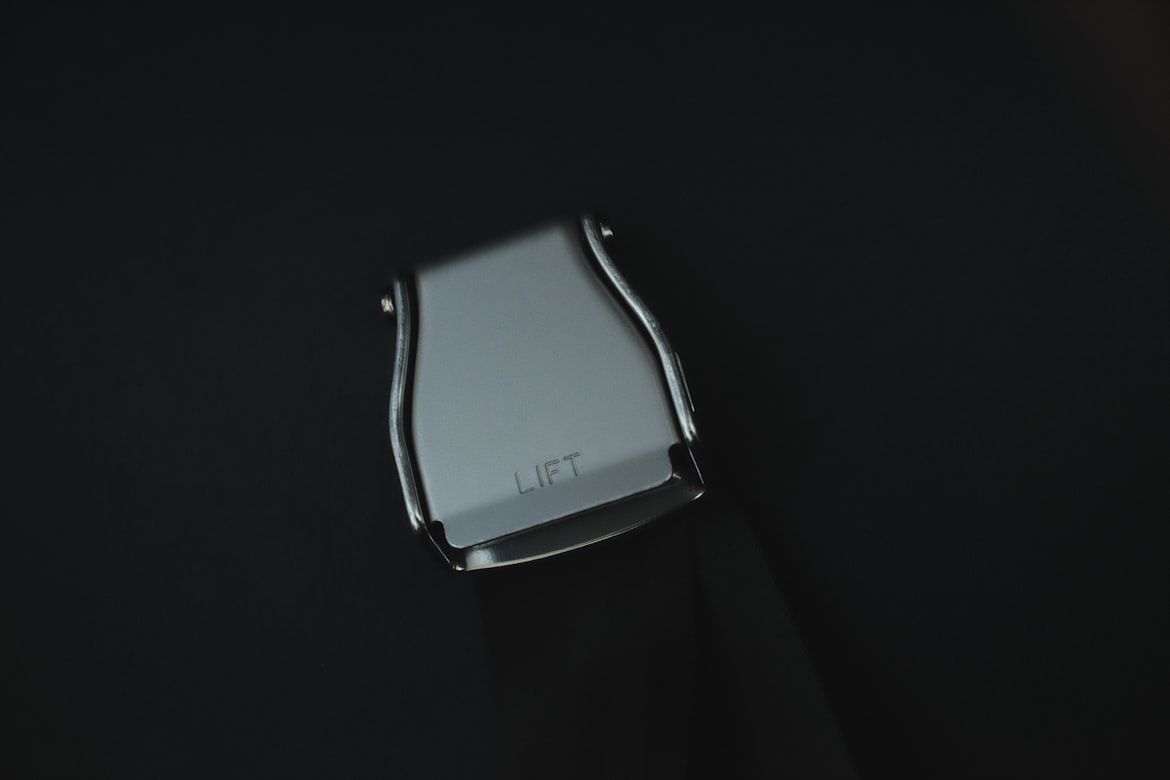
Tampering with safety equipment on a plane can lead to consequences much more serious than simply being removed from the flight. Interfering with items such as smoke detectors, emergency exits, or the cockpit door is considered a serious offense in the US, and it could lead to the passenger being detained and arrested after landing. Penalties may include hefty fines (sometimes up to several thousand dollars) and even a permanent ban from the airline.
One drink is fine
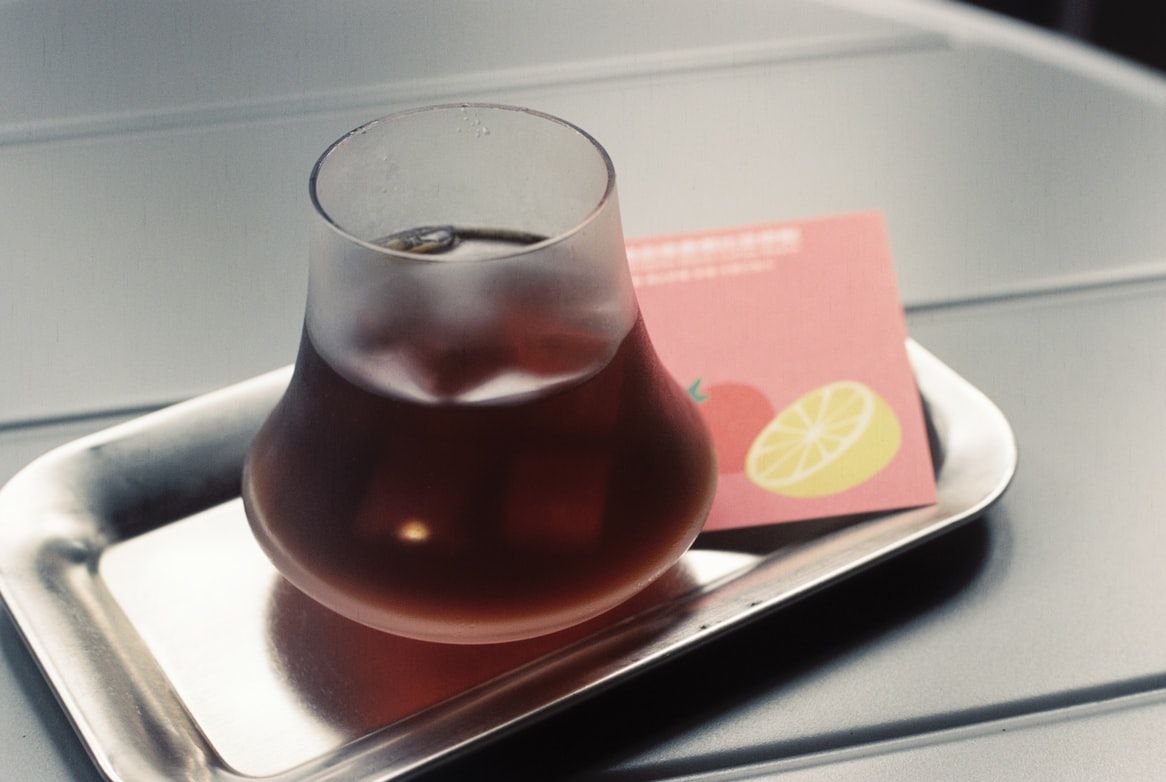
On most flights, flight attendants offer adult passengers a drink or two. And while that can be enjoyable, be careful not to overdo it. Arriving at the plane or being on board while clearly intoxicated can result in removal from the flight. It actually happens more often than you’d think: alcohol-related incidents are among the most common reasons passengers are removed, and airlines have strict policies regarding intoxication and disruptive behavior.
No smoking
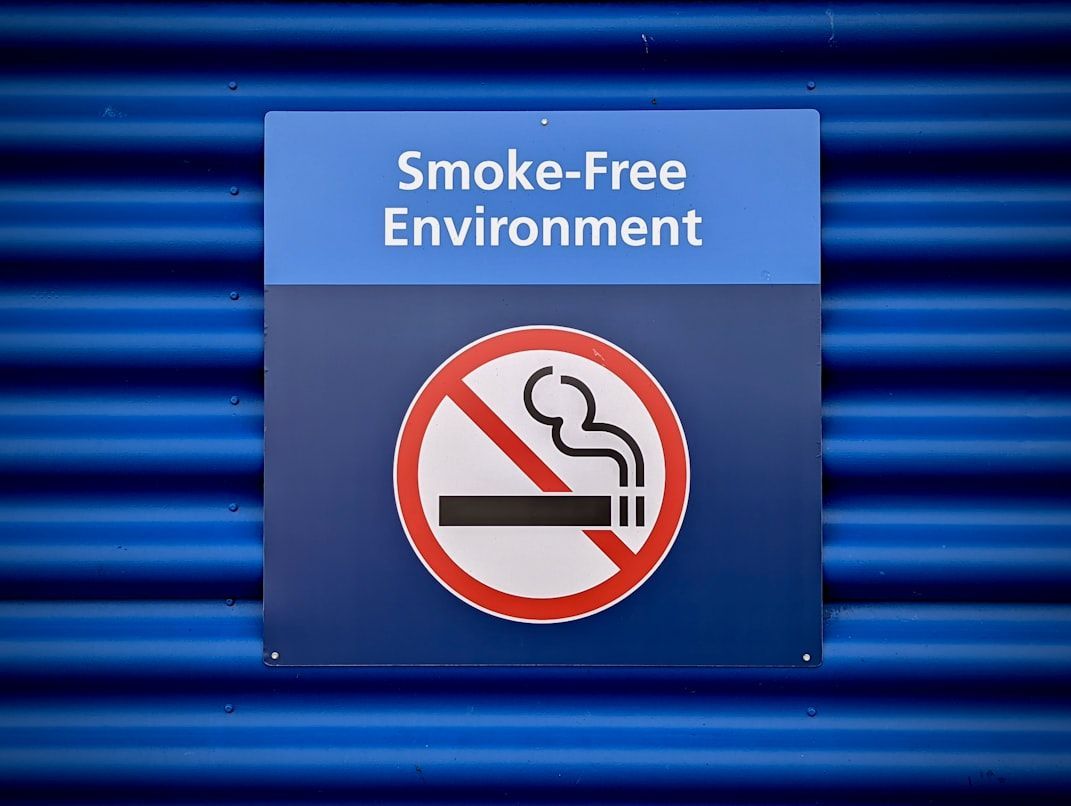
A few decades ago, it wasn’t unusual to see people smoking on airplanes, something that would feel almost unthinkable today. Smoking is now banned on virtually all commercial flights around the world, and the reason isn’t just about protecting other passengers’ health. It’s also about safety, since smoke, open flames, or even hot ash can pose a serious risk in such a confined space. What about vapes? They’re banned as well, primarily due to safety concerns related to their lithium batteries and the potential for overheating or fire.
Unpleasant odors

Items or conditions that could affect the health or comfort of other passengers may violate most airlines’ policies. And this can include poor hygiene. If a passenger’s body odor is strong enough that it’s noticed by the crew or leads to complaints from others, that person could be asked to leave the aircraft.
They assign a seat for a reason
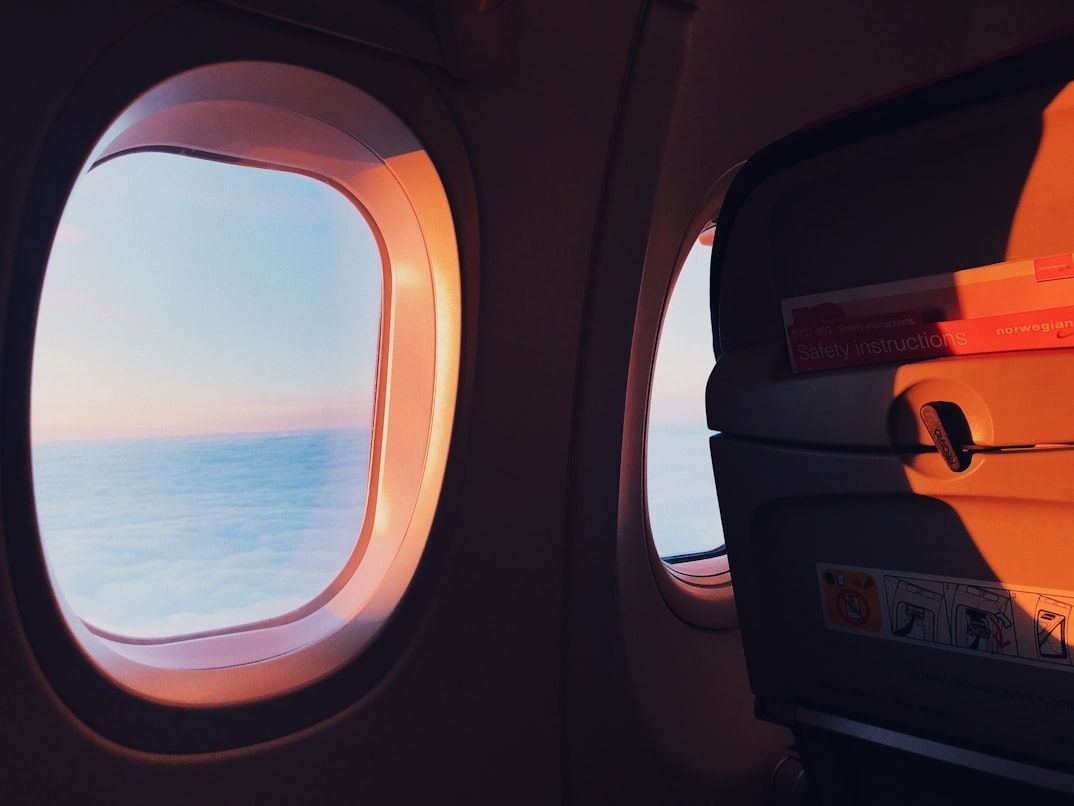
The seat number on your ticket does more than just tell you where to sit; it serves several important purposes. It helps speed up boarding, keeps the cabin properly balanced, and ensures that certain seats are reserved for specific passengers. If you refuse to sit in your assigned seat or get into a dispute over a seat that isn’t yours, the situation could escalate to the point where you may be asked to leave the aircraft.
Passengers' belongings
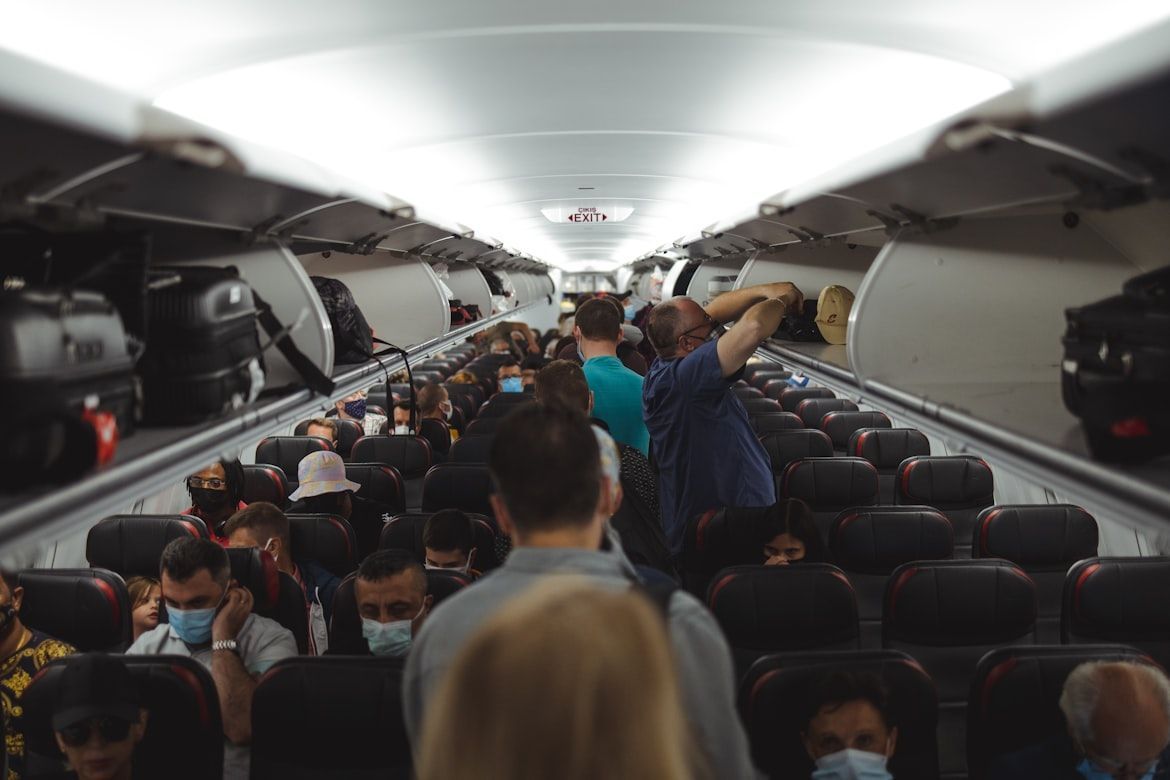
Checked luggage is stored safely in the cargo hold, but what about your carry-on? It’s always a good idea to keep an eye on it during the flight, but airlines also have policies in place to protect passengers’ belongings. If someone starts moving, touching, or opening your bag without permission, you can report it to the crew. Depending on the situation, that person may be warned or, in more serious cases, asked to leave the plane before takeoff. Did you know about this rule?
When the flight attendant talks, it’s class time
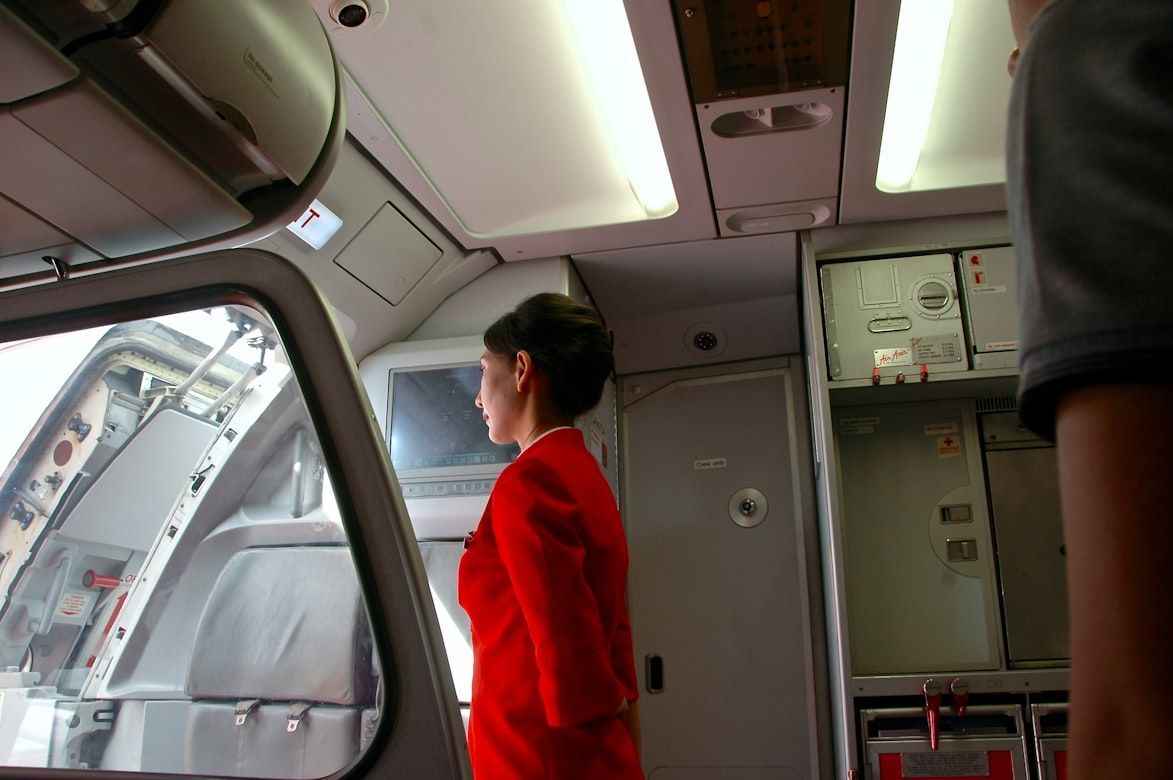
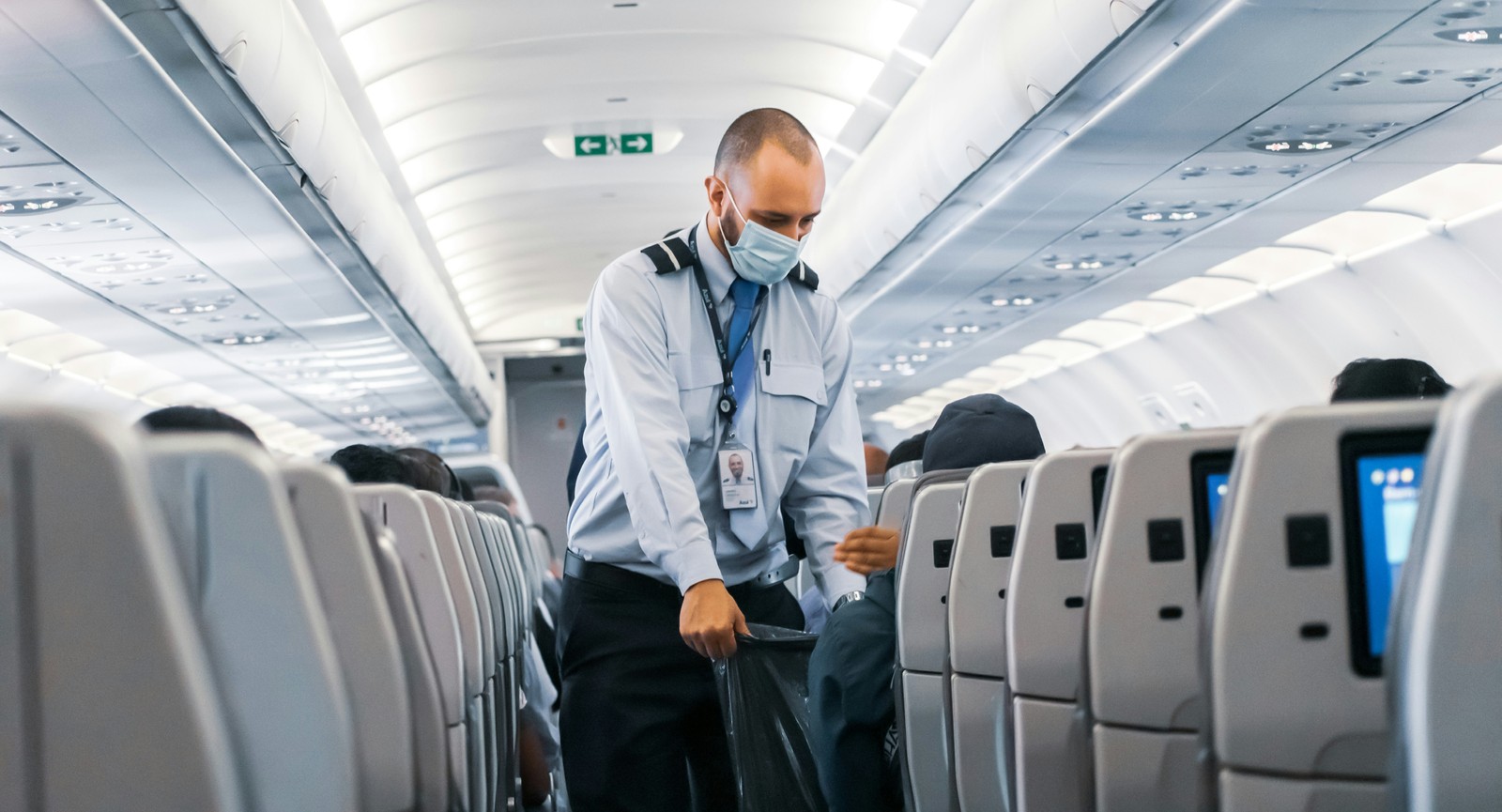
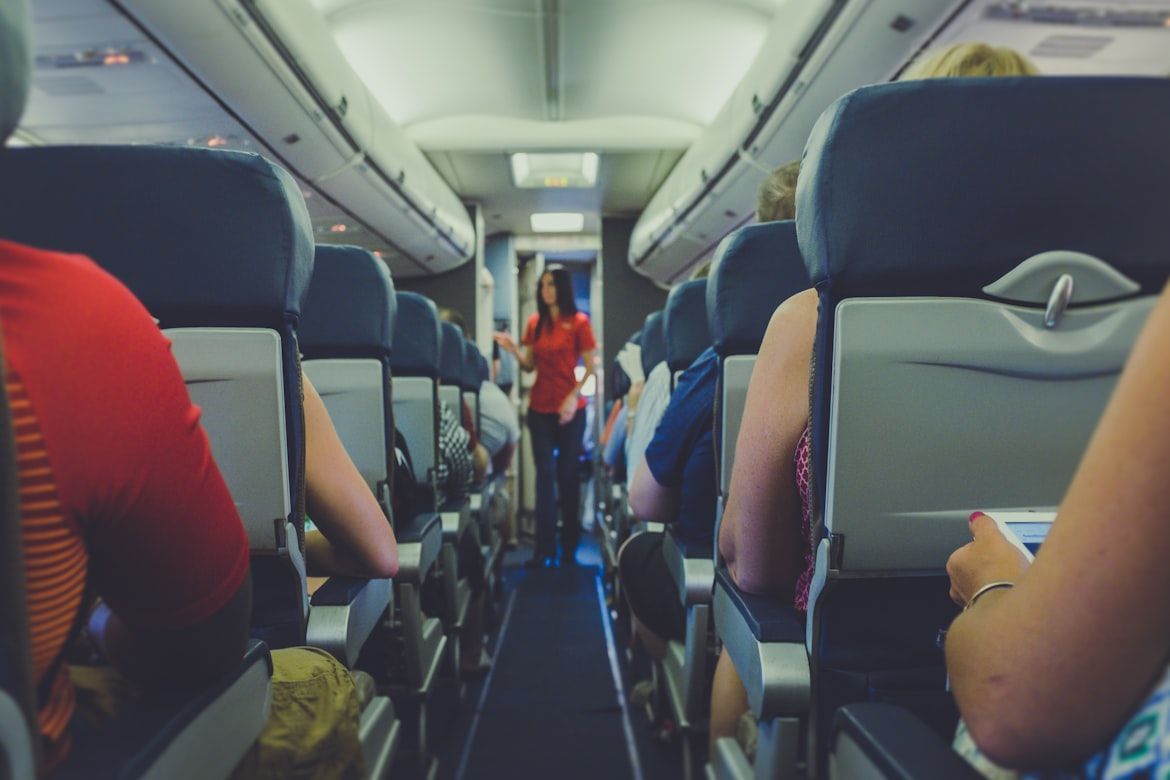
If a passenger refuses to fasten their seatbelt or remain seated when instructed, they’re not just being difficult; they’re also risking getting kicked off the plane. When you buy a ticket, you’re agreeing to follow the rules on board, so ignoring a flight attendant or refusing to comply with their instructions can be sufficient grounds for the airline to ask you to leave the aircraft.
If you wear it to the beach, don't wear it on the plane
Most people think dress codes are only for parties or formal settings, but airlines have them too. They’re generally much more relaxed, but passengers are still expected to follow a few basic guidelines. It’s nothing complicated: avoid overly revealing outfits, clothing with offensive or inappropriate slogans, and of course, keep your shoes on when you’re not in your seat.
God bless you, but get off the plane
Airlines must prioritize the health and safety of everyone on board. So if a passenger appears seriously ill or shows signs of a potentially contagious condition, the airline may decide not to let them fly. As a general rule, if you’re dealing with a bad cold or flu symptoms, it’s best to wait until you’re feeling better before traveling.
Good behavior is a must
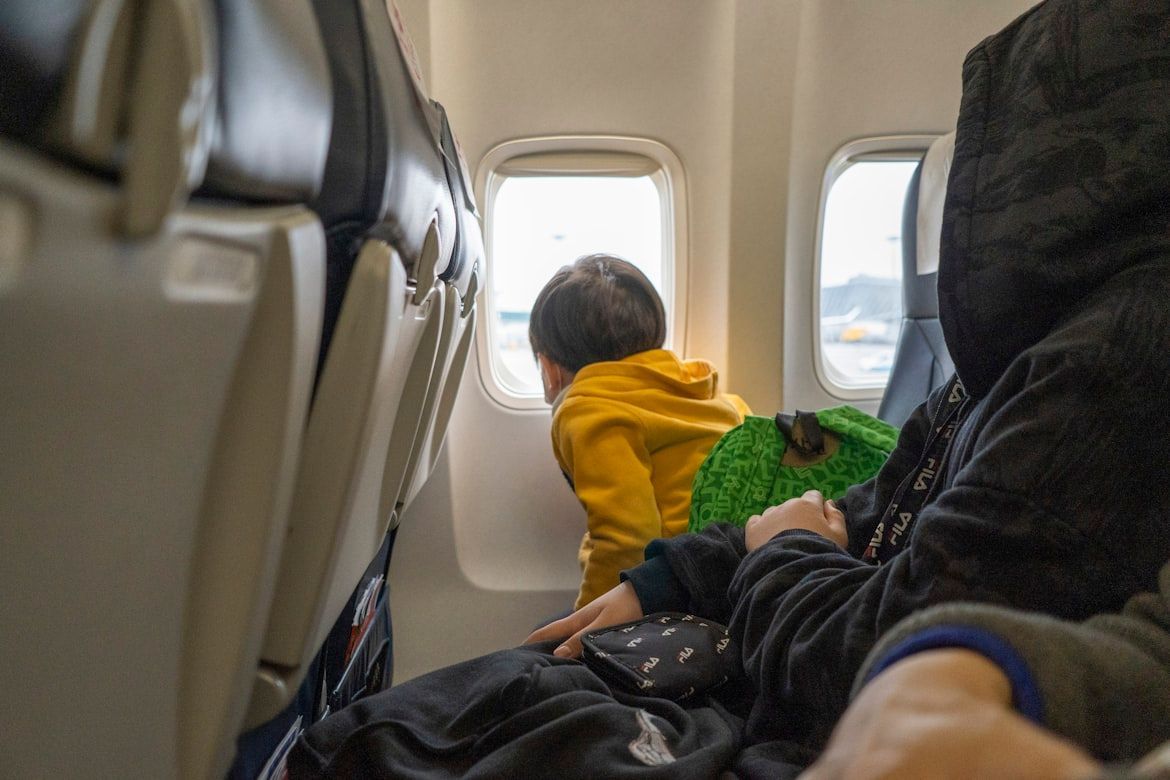
We’ve saved the most important one for last. Even when you follow the dress code, remain seated, and avoid alcohol or smoking, your spot on the flight isn’t guaranteed if you behave aggressively toward other passengers or the crew. Violence, threats, or abusive language on a plane are taken very seriously. Airlines and the Federal Aviation Administration enforce a strict, often zero-tolerance policy for dangerous behavior, and passengers who cross the line can face serious consequences.
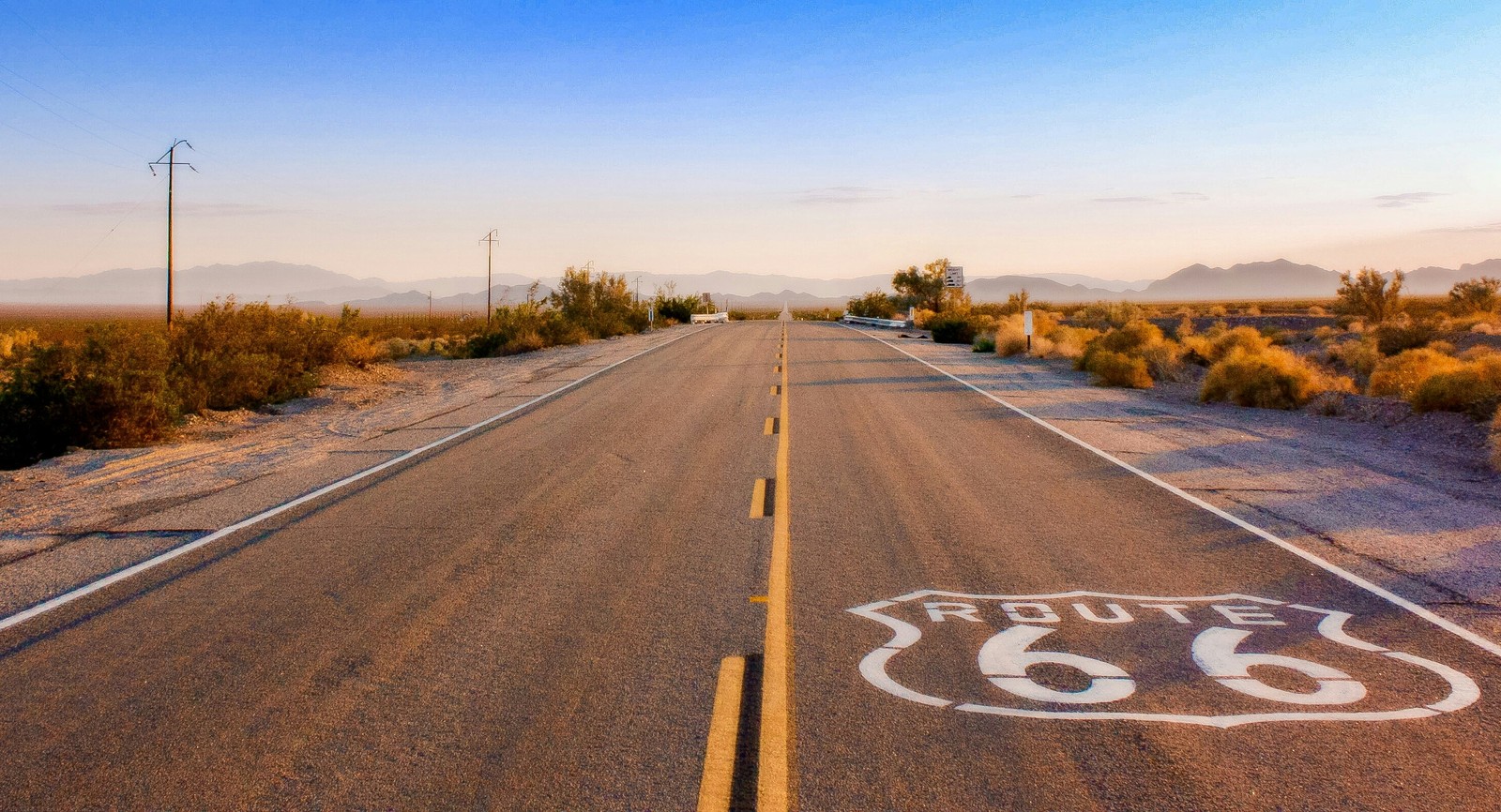
Route 66 roadside attractions too quirky to tear down
 Landmarks
Ten quirky Route 66 roadside attractions that have survived the decades
Route 66 roadside attractions too quirky to tear down
The Mother Road has seen better days, sure, but some of its weirdest landmarks refuse to fade into history. These ten survivors prove that America's appetite for roadside oddities is stronger than ever.
Blue Whale of Catoosa, Oklahoma
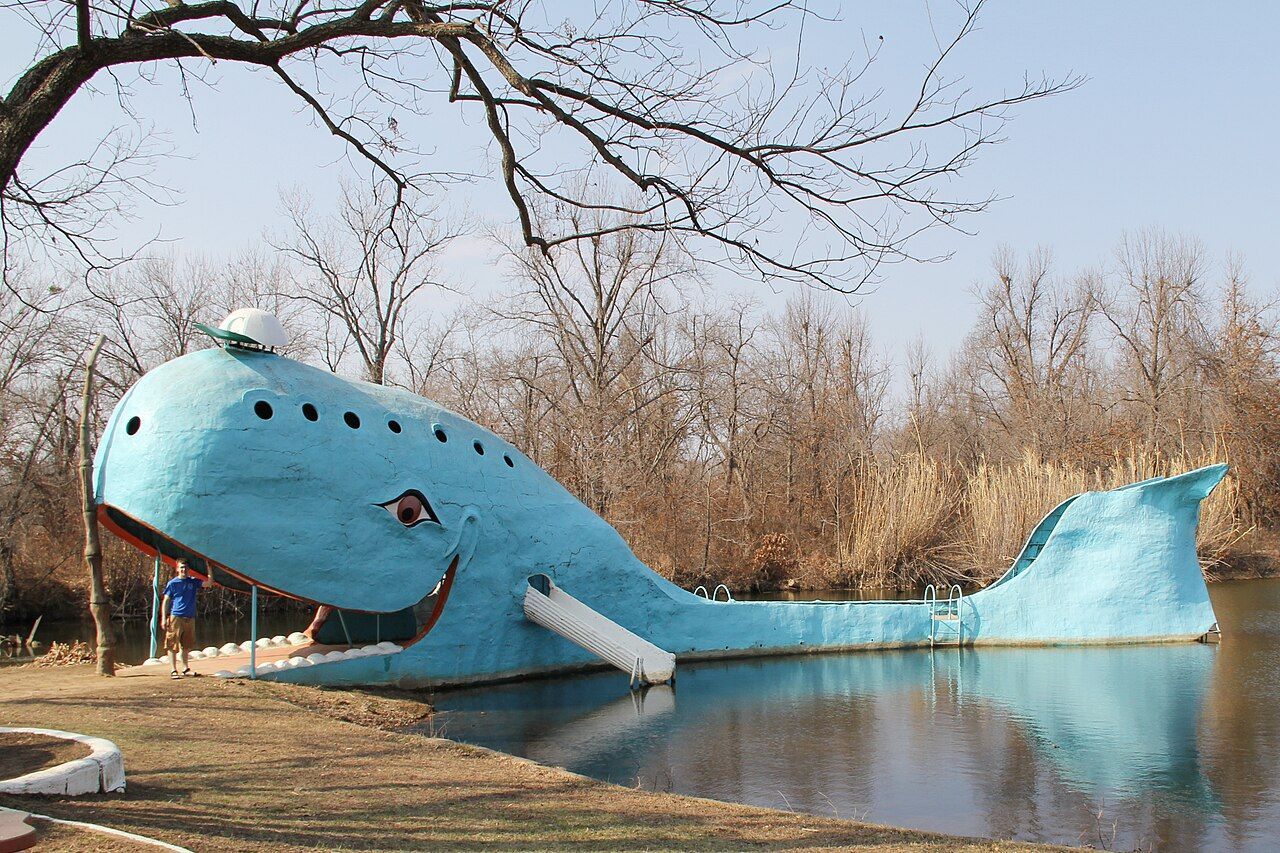 Image: The Erica Chang, CC BY 3.0 <https://creativecommons.org/licenses/by/3.0>, via Wikimedia Commons
Hugh Davis built this smiling 80-foot whale in 1972 as an anniversary gift for his wife, who collected whale figurines. What started as a backyard pond ornament became a beloved swimming hole where kids would cannonball off the tail and slide down the fins. The water's gone now, but that goofy grin remains.
Today, it stands as one of Route 66's most photographed stops, which is saying something on a highway full of giant things.
Cadillac Ranch, Amarillo, Texas
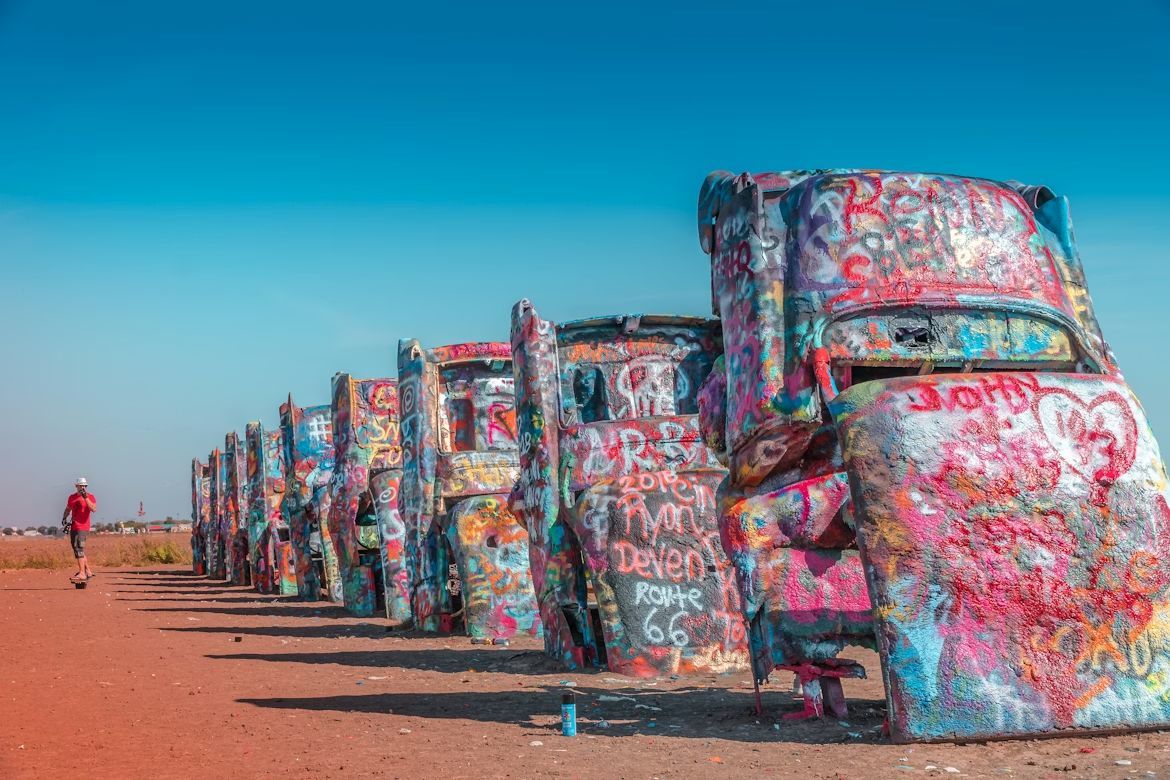 Image: Heidi Kaden
In 1974, some artists decided the best use for ten Cadillacs was planting them nose-first in a wheat field at the same angle as the Great Pyramid of Giza. Sure, why not? Visitors are actively encouraged to spray paint the cars, so they've been repainted thousands of times in every color combination imaginable.
The installation has been relocated once to escape urban development, but otherwise remains as wonderfully useless as it was fifty years ago.
Gemini Giant, Wilmington, Illinois
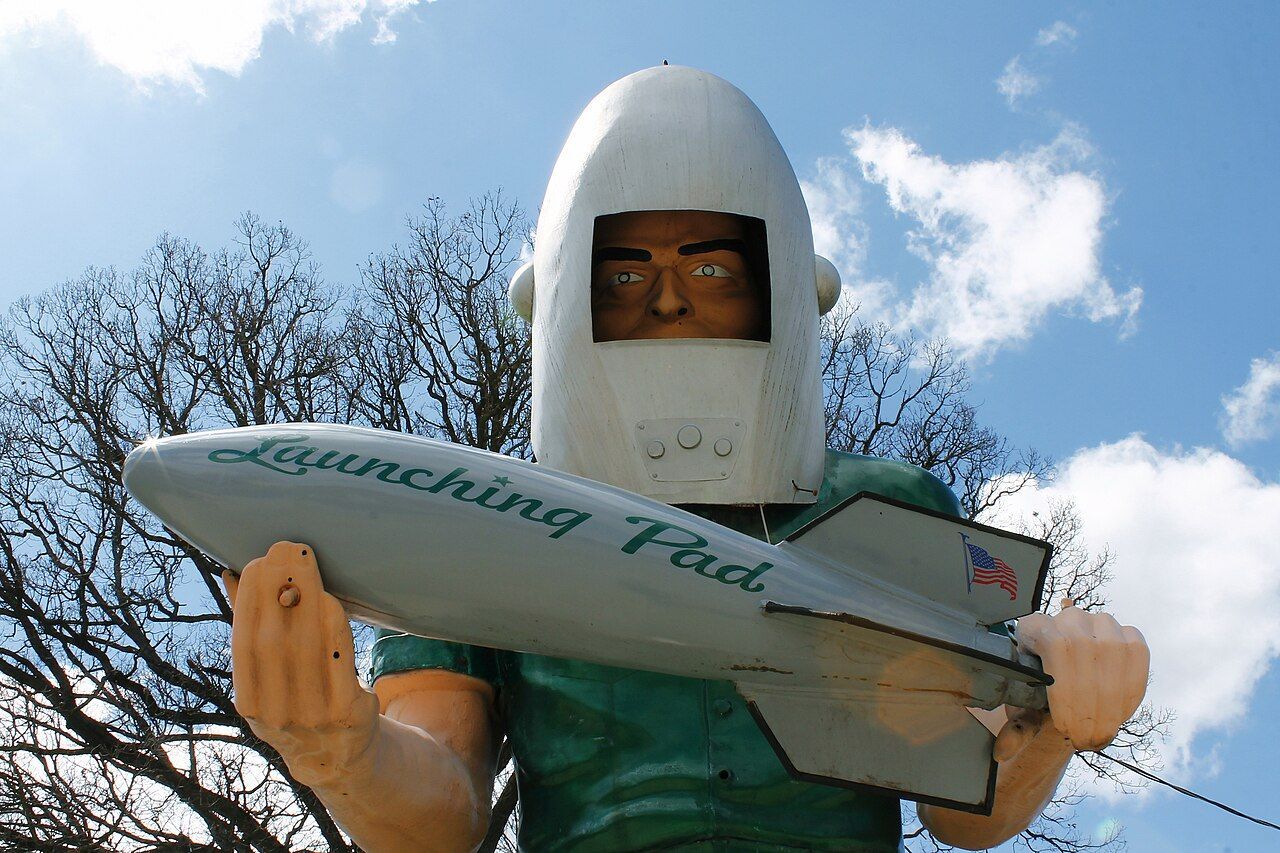 Image: formulanone from Huntsville, United States, CC BY-SA 2.0 <https://creativecommons.org/licenses/by-sa/2.0>, via Wikimedia Commons
Standing 28 feet tall in full astronaut gear, clutching a silver rocket ship, the Gemini Giant has been luring hungry motorists to what's now a Polish restaurant since 1965. He's one of the few surviving "Muffler Men", those giant fiberglass statues that used to decorate the American landscape like some weird corporate totem pole convention.
His space suit might be a bit outdated, but he's been restored and repainted a couple of times. The restaurant beneath him has changed concepts more times than anyone can count, but the big guy stays put, still holding that rocket like he's waiting for NASA to call him back.
Elmer's Bottle Tree Ranch, Oro Grande, California
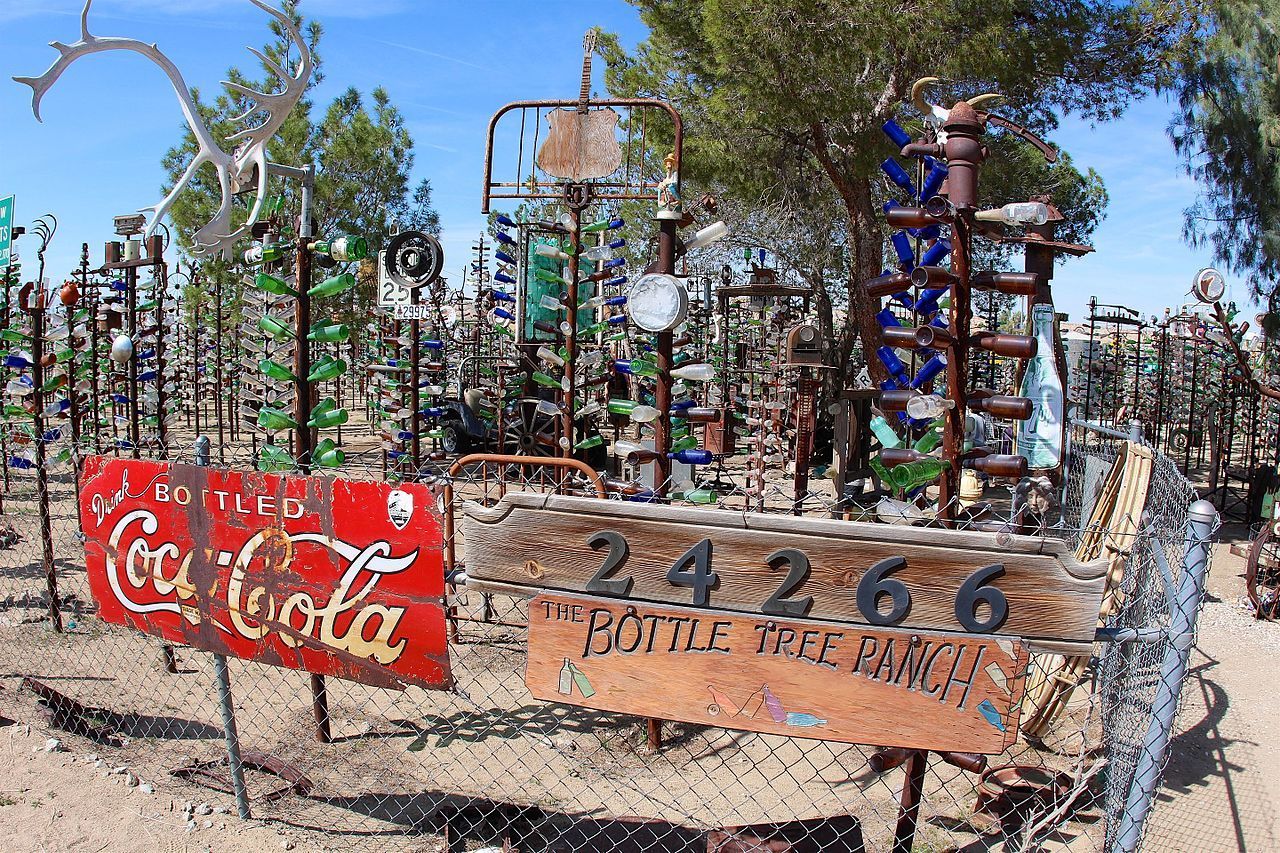 Image: daveynin, CC BY 2.0 <https://creativecommons.org/licenses/by/2.0>, via Wikimedia Commons
Elmer Long took his father's old glass bottles and created a forest of "trees" made from pipes and bottles that catch the desert sun like a fever dream. Over 200 bottle trees stand in the Mojave Desert, along with vintage signs, old railings, and whatever else Elmer felt like adding to his peculiar garden.
It started as one man's tribute to his dad and became a kaleidoscope attraction that makes you question whether you've had too much sun. Elmer passed away in 2019, but his family keeps the ranch open and free to visitors.
U-Drop Inn, Shamrock, Texas
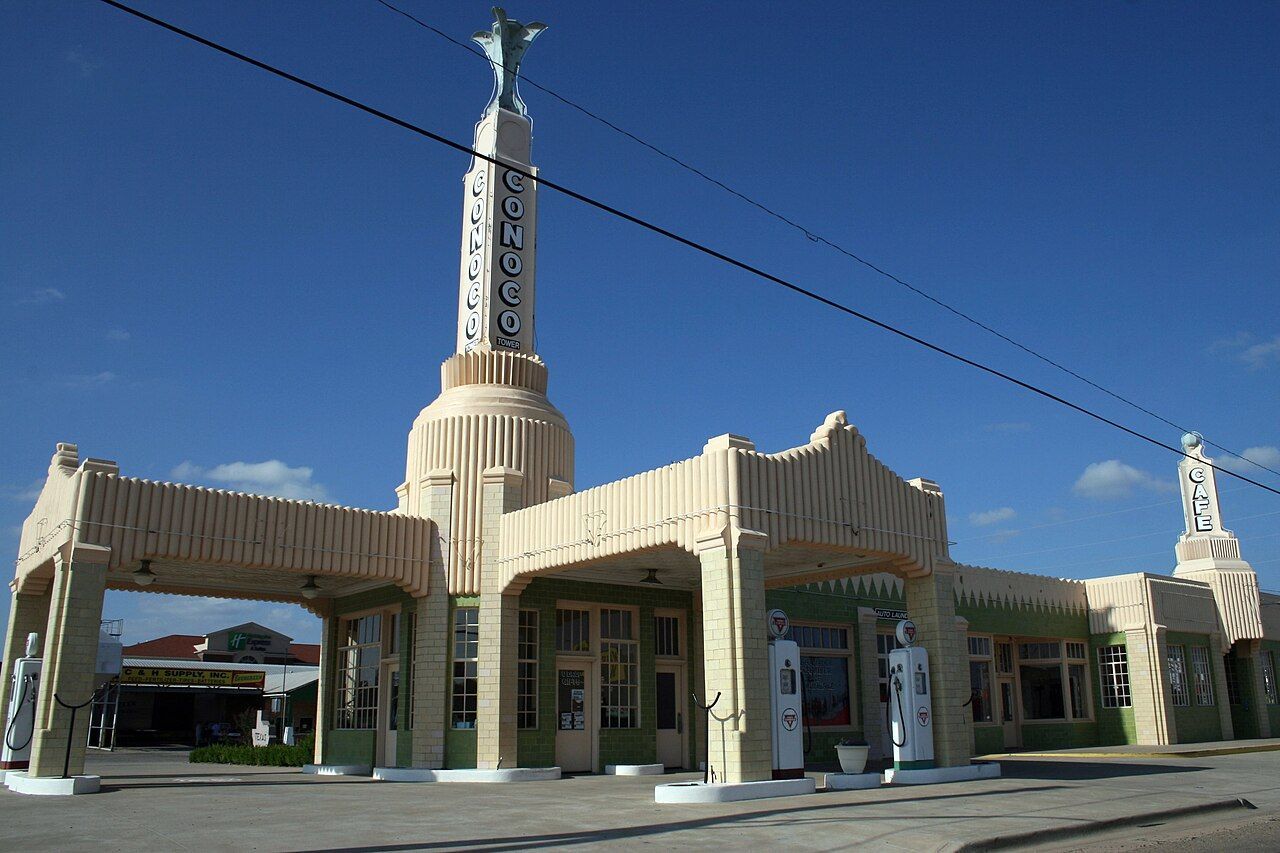 Image: ExqBoredinNac, CC BY-SA 4.0 <https://creativecommons.org/licenses/by-sa/4.0>, via Wikimedia Commons
This Art Deco masterpiece from 1936 was nearly demolished before locals rallied to save and restore it. With its green glazed tiles, geometric patterns, and tower that wouldn't look out of place in Oz, it's no wonder Pixar used it as inspiration for the Cars movie.
Today, it serves as Shamrock's visitor center. The restoration brought back the neon signs, making nighttime photos spectacular.
Wigwam Village #7, San Bernardino, California
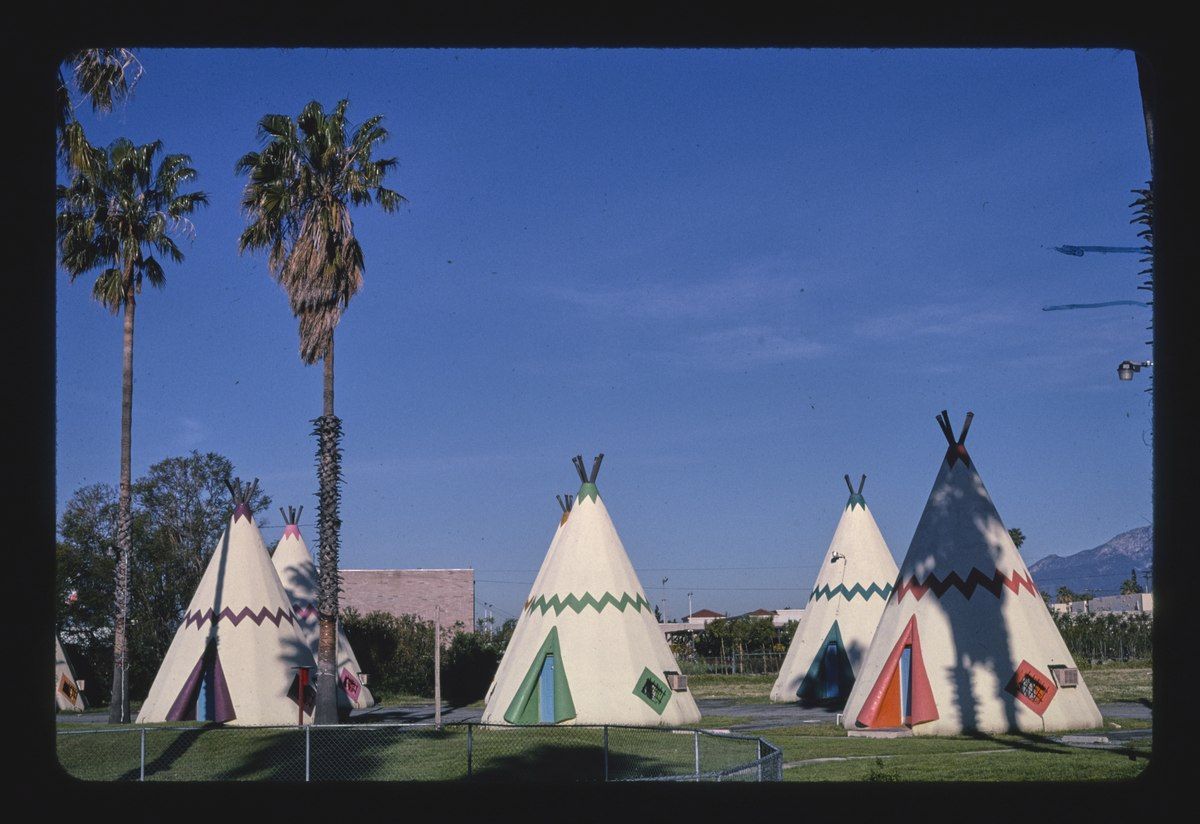 Image: John Margolies, Public domain, via Wikimedia Commons
Built in 1949, this is one of the only three surviving Wigwam Villages from a chain of seven that once dotted the country. Each "wigwam" is a separate room arranged in a semicircle around the main office wigwam.
Despite the questionable concept, preservationists fought to save it, and it's now on the National Register of Historic Places. The rooms have been updated with modern amenities, but the outsides remain wonderfully vintage.
World's Largest Catsup Bottle, Collinsville, Illinois
 Image: Dofftoubab, CC BY-SA 4.0 <https://creativecommons.org/licenses/by-sa/4.0>, via Wikimedia Commons
A 170-foot water tower disguised as a Brooks Catsup bottle has been confusing and delighting drivers since 1949. It held water for the Brooks bottling plant, which means this town literally kept itself hydrated with a giant condiment. The plant closed, but destroying a beloved ketchup monument? That's un-American.
A community group formed specifically to save and restore it in the 1990s, complete with fresh paint and structural repairs. It's now a proud symbol of Collinsville, which really commits to the bit—they even host an annual catsup bottle festival.
Standin' on the Corner Park, Winslow, Arizona
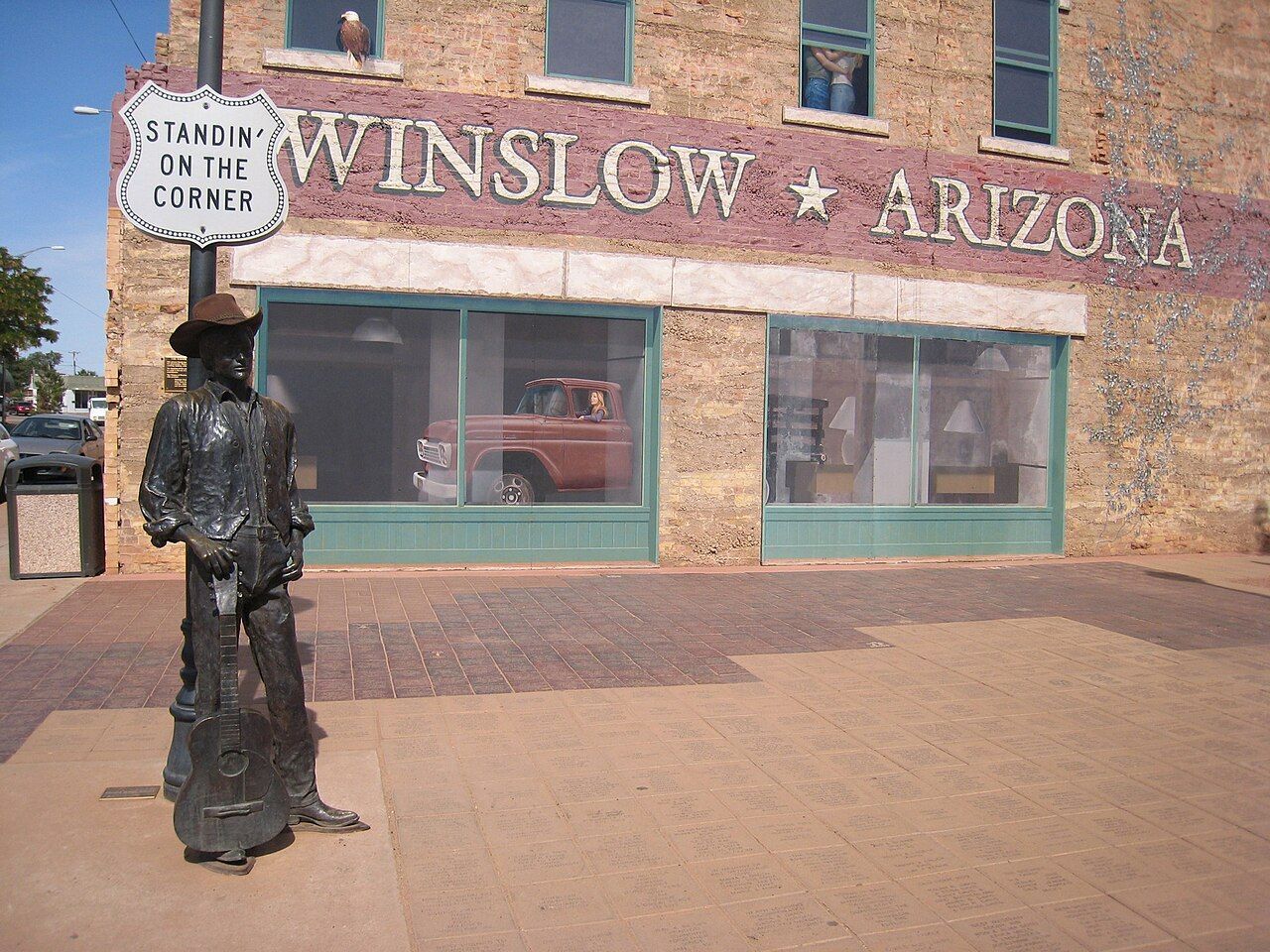 Image: Alan Levine, CC BY-SA 2.0 <https://creativecommons.org/licenses/by-sa/2.0>, via Wikimedia Commons
When the Eagles sang about standing on a corner in Winslow, Arizona, they probably didn't imagine the town would build an actual tourist attraction around it. But that's exactly what happened. There's a statue of a guy with a guitar, a trompe-l'oeil mural showing the girl in the flatbed Ford, and tourists taking turns posing on that corner every single day.
Winslow was dying when Route 66 got bypassed by the interstate, but this corner became a lifeline. The whole town got into the act with shops and restaurants cashing in on seven words from a song.
Chain of Rocks Bridge, Madison, Illinois/ St. Louis, Missouri
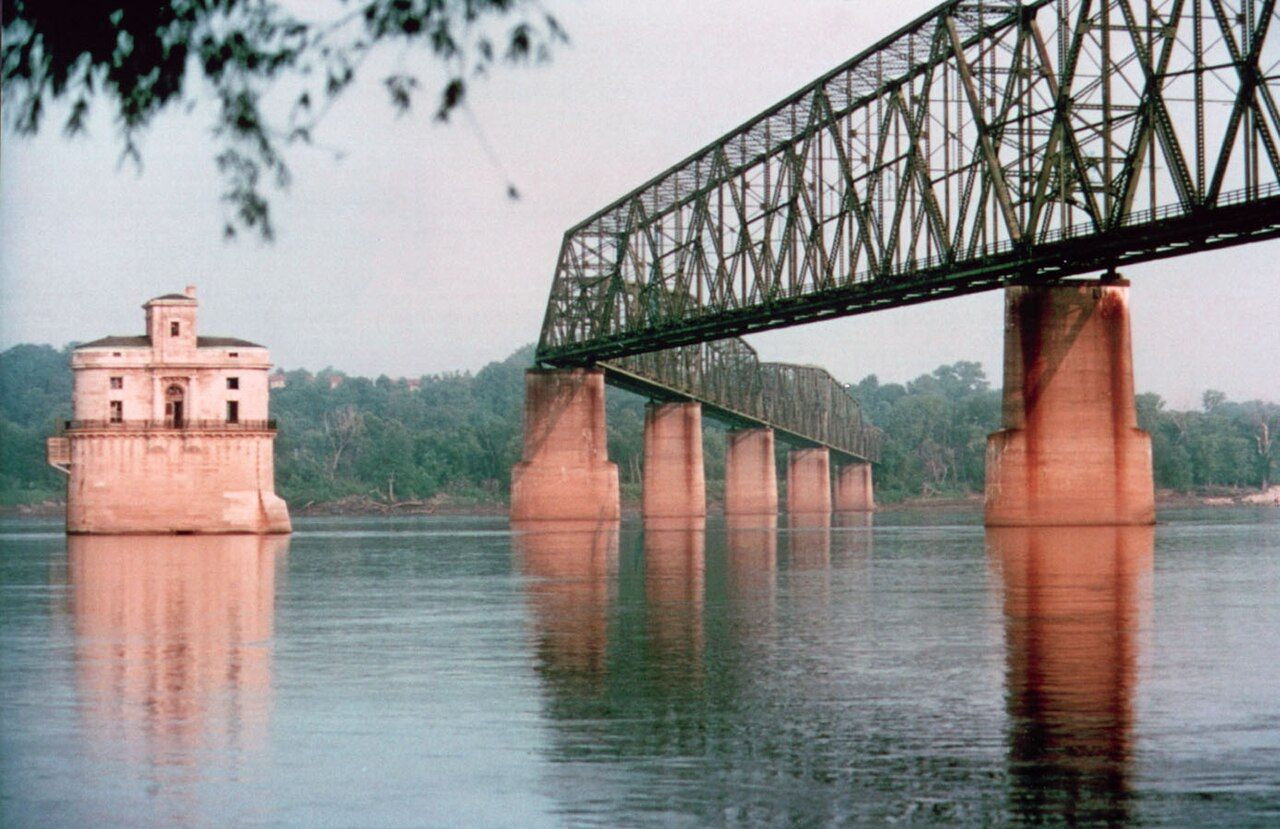 Image: David Hinkson, http://www.trailnet.org/, Public domain, via Wikimedia Commons
Most bridges go straight across the water because, you know, engineering. This one makes a dramatic 22-degree bend halfway across the Mississippi River, which must have been a delightful surprise for drivers. The bend was built to avoid a rock formation underneath, proving that sometimes geography can beat good sense.
Closed to cars in 1970, it's now a bike and walking trail where you can experience that weird bend without worrying about oncoming traffic. On a clear day, you can see the Gateway Arch from here, making it a two-for-one landmark special.
Jack Rabbit Trading Post, Joseph City, Arizona
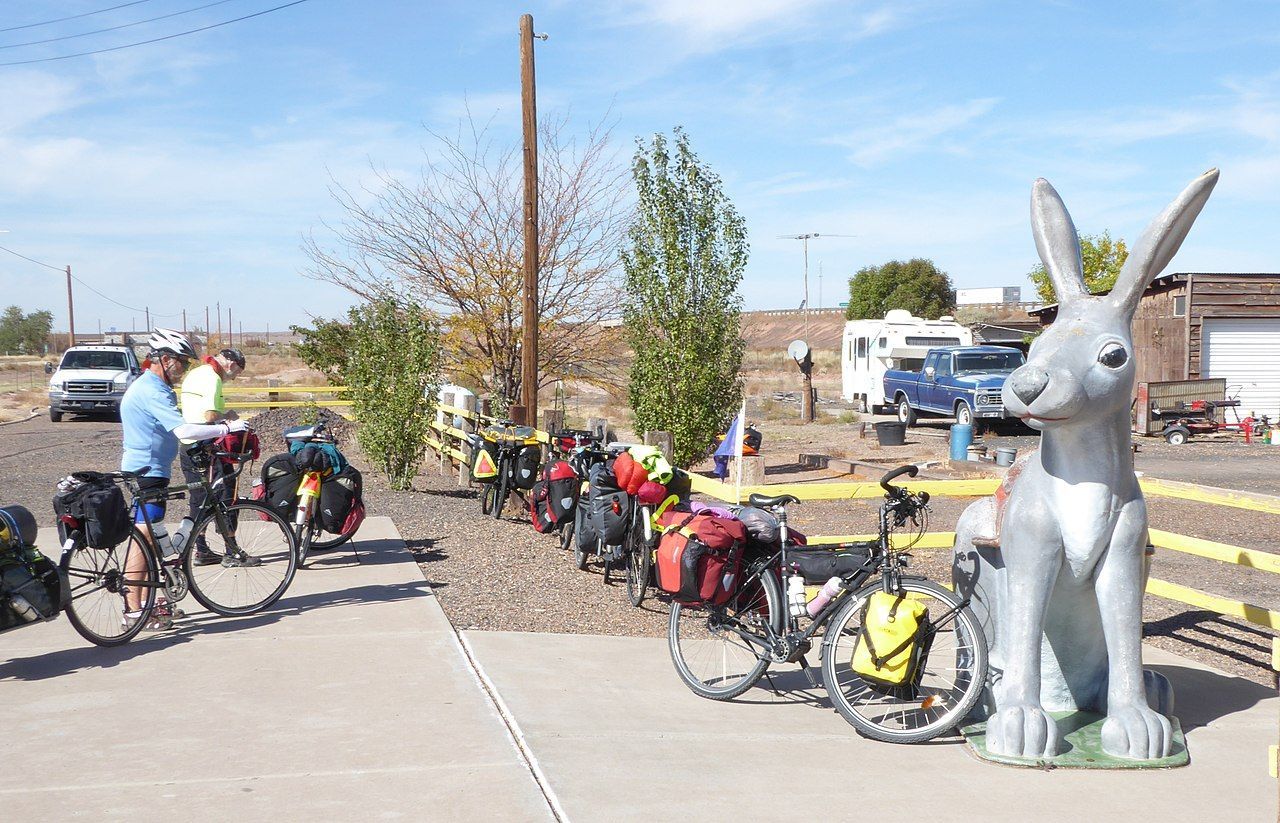 Image: Volker Schmidt, CC0, via Wikimedia Commons
For miles along the highway, yellow billboards proclaim "HERE IT IS". When you finally arrive, you're greeted by a giant jackrabbit statue that's equal parts charming and unsettling. The trading post has been selling souvenirs, Native American crafts, and jackrabbit postcards since 1949, proving that effective advertising never goes out of style.
The rabbit itself has become more famous than what's being sold inside, which is the whole point of roadside attractions anyway.
Keep wandering
There’s always
more to explore
What's hiding beneath Alcatraz, and why can't anybody visit it?
6 min.
Read Now
What should you do if you lose your passport while traveling?
4 min.
Read Now
 Culture
Maps lie: 10 famous cities that love to trick tourists
6 min.
Read Now
The whole town moved underground, and other stories that cities hide
6 min.
Read Now