These 10 classic traveling habits seem to have slowly disappeared
 Culture
Do you miss these?
These 10 classic traveling habits seem to have slowly disappeared
Not so long ago, traveling looked very different. We carried phrasebooks. We scribbled on postcards and actually sent them out. We snapped photos, not knowing whether we’d find our thumb ruining them weeks later. It seems that some travel habits, be it due to the evolution of technology or culture, have slowly faded. Here are some of the traditions that we miss, and some that we don’t!
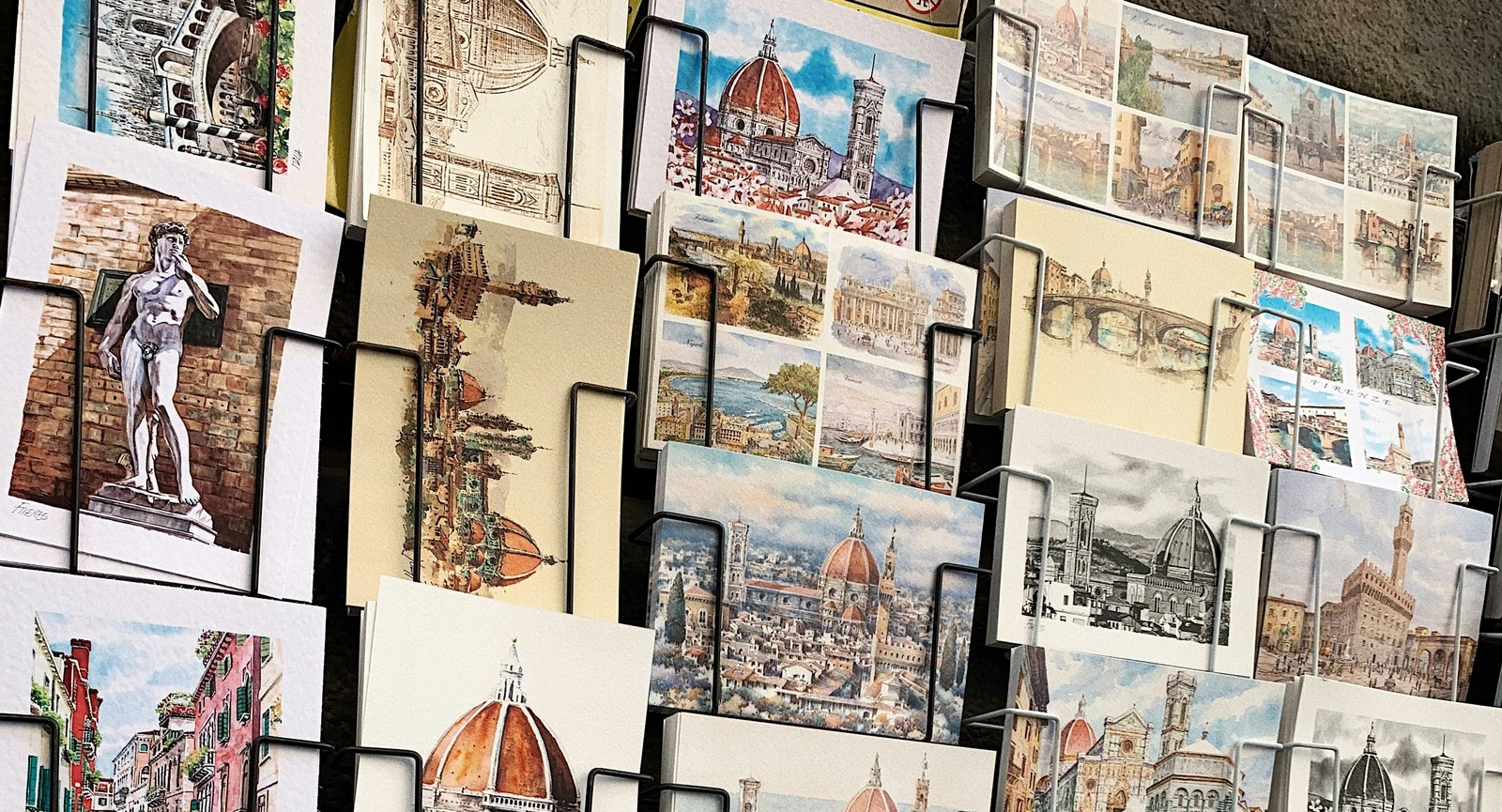
Writing (and sending) postcards
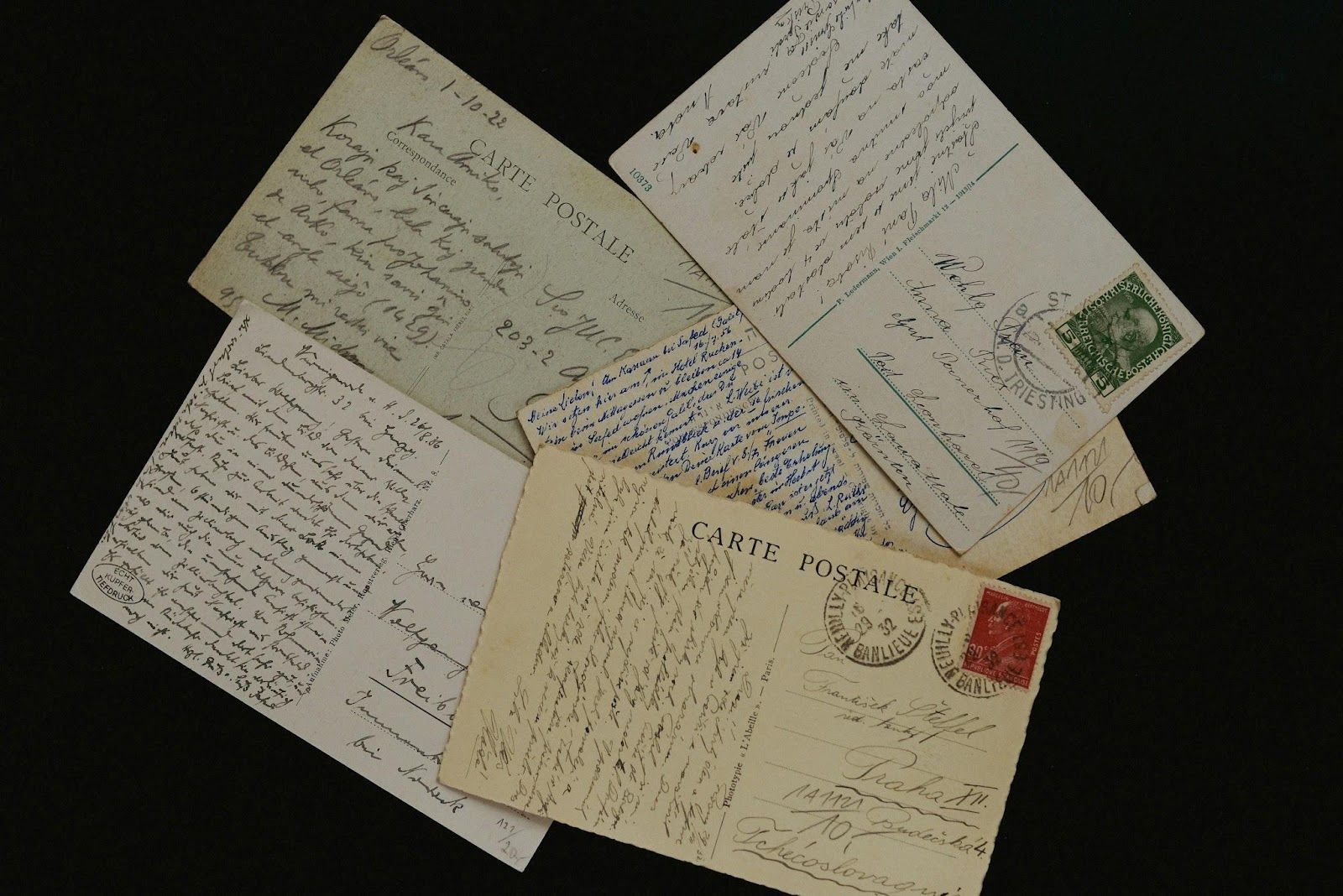
Have you ever carefully picked a postcard that your mom would love, sat down after a day of traveling, and then sent it from the hotel’s desk? The times before instant messaging certainly held more magic!
Of course, there was an incomparable delay, and you might even have gotten back home before your letter arrived. But that was part of the charm. Simply texting your family doesn’t feel quite as special.
Carrying a pocket phrasebook
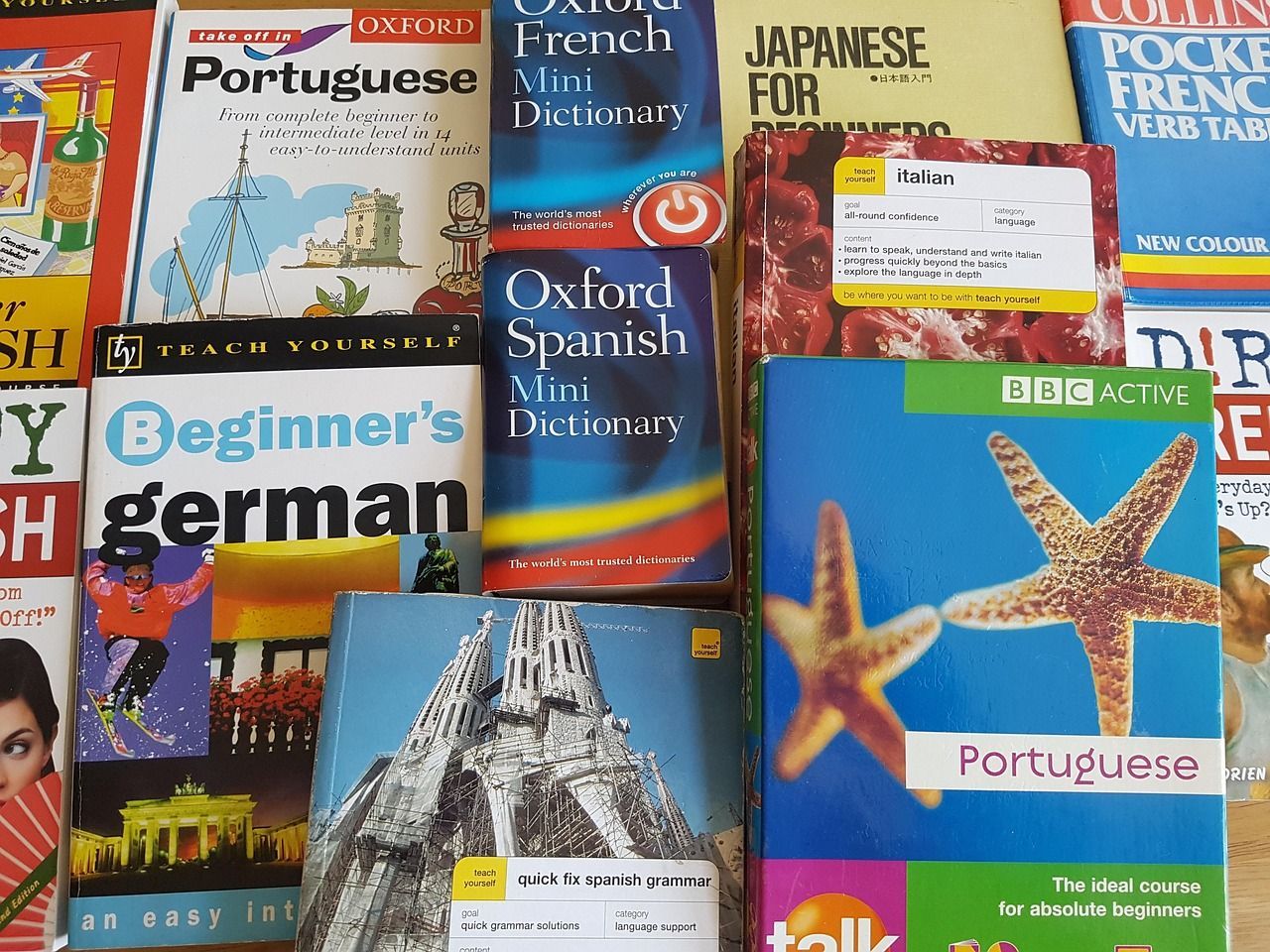
Wasn't it scary to land somewhere with a foreign language equipped only with a phrasebook that you had read a couple of pages from? Small language guides with basic phrases like "Where is the train station?" or "How much does this cost?" used to be essential.
Nowadays, translation apps have replaced phrasebooks almost entirely. Why carry the extra weight when your phone can perform the same task more expediently?
Developing film after your trip
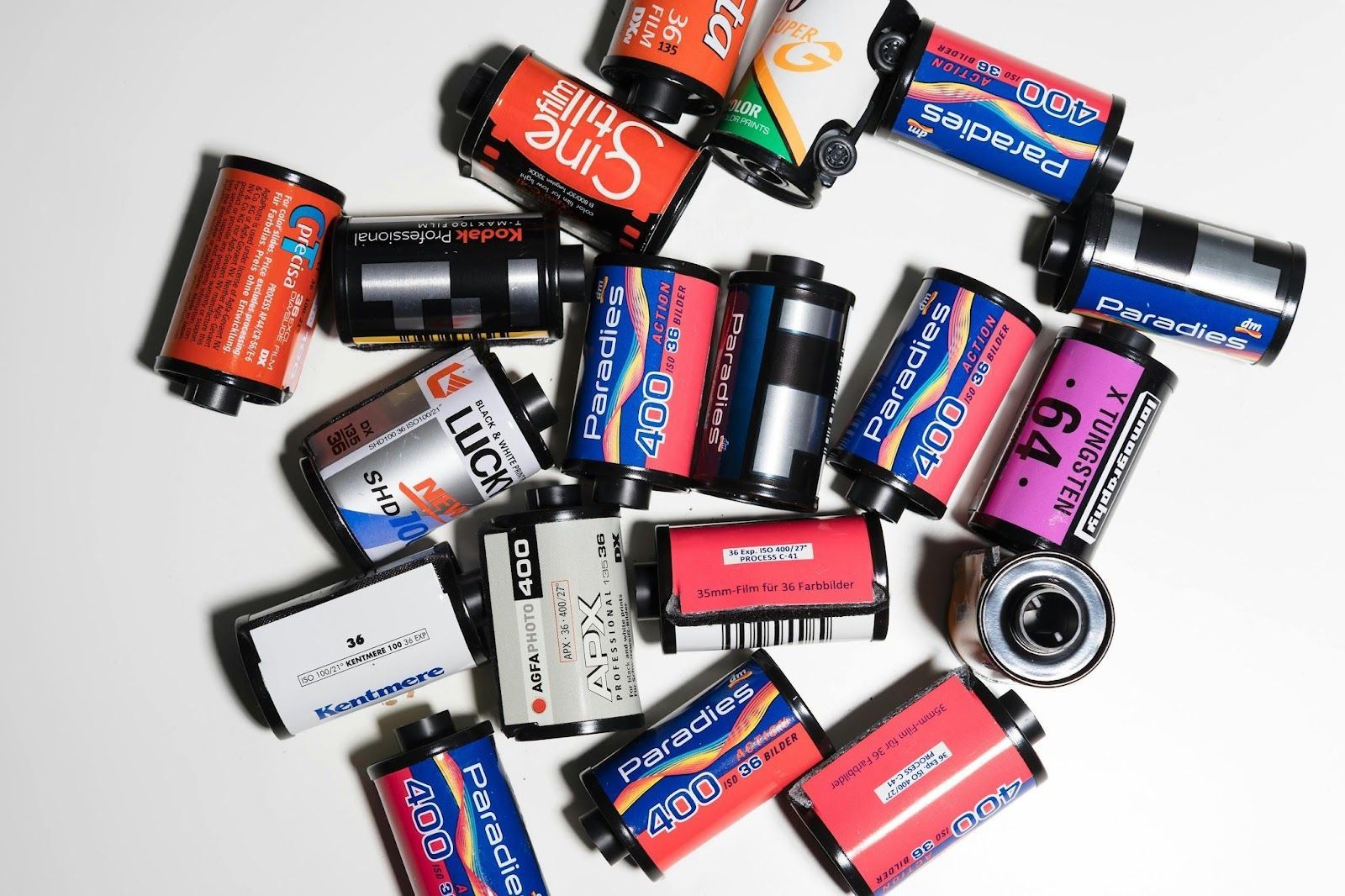
Modern smartphones allow us to snap pictures to our heart’s content. But there are many amateur photographers out there who miss the satisfaction that came from holding the perfect printed photo of a memory.
Analog photography is experiencing a comeback, its shortcomings becoming its selling point. You have a limited number of frames, so you need to show restraint. You can’t know if your photos turned out ok until you develop the film, so you have to exercise patience. If some of your pictures show up with awkward faces or a random finger covering the lens, well… that's part of the charm.
Printing boarding passes and travel confirmations
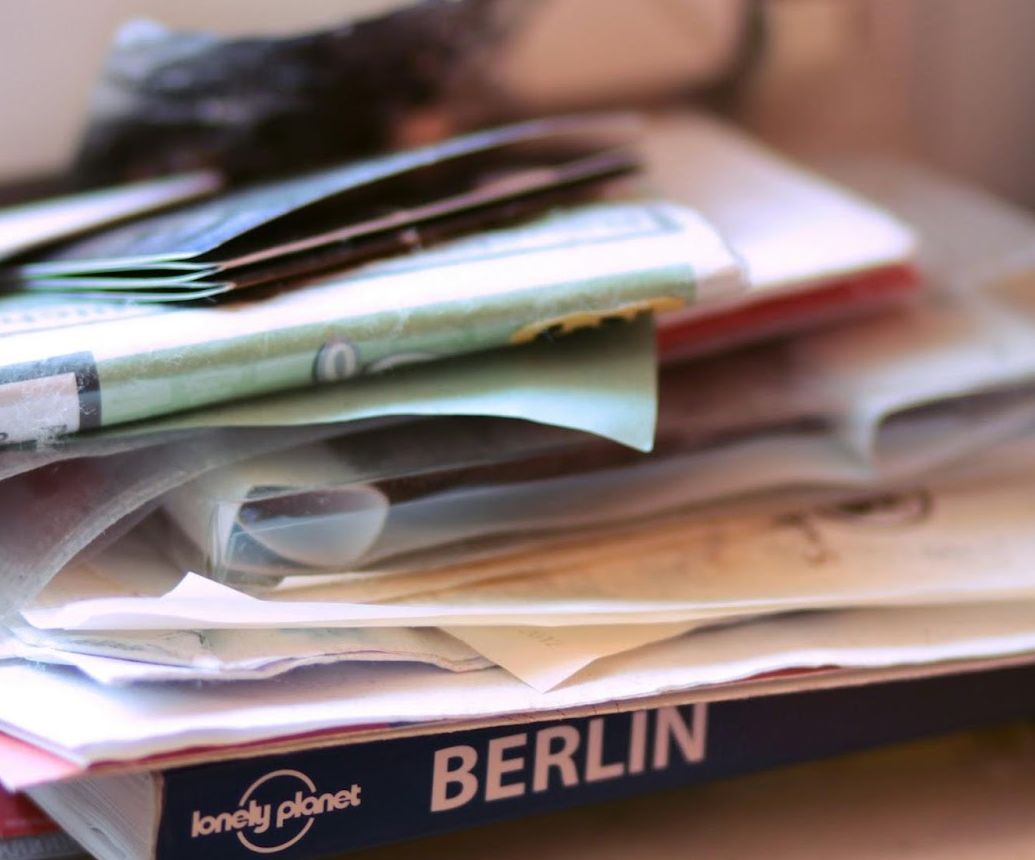
Do you recall having to travel with a whole stack of paper documents? If you were a neat traveller, you carried a folder stuffed with printed hotel reservations, flight details, and car rental confirmations.
Of course, now we can fit all of those into our smartphones. We simply have to make sure we don't run out of battery!
Visiting internet cafés
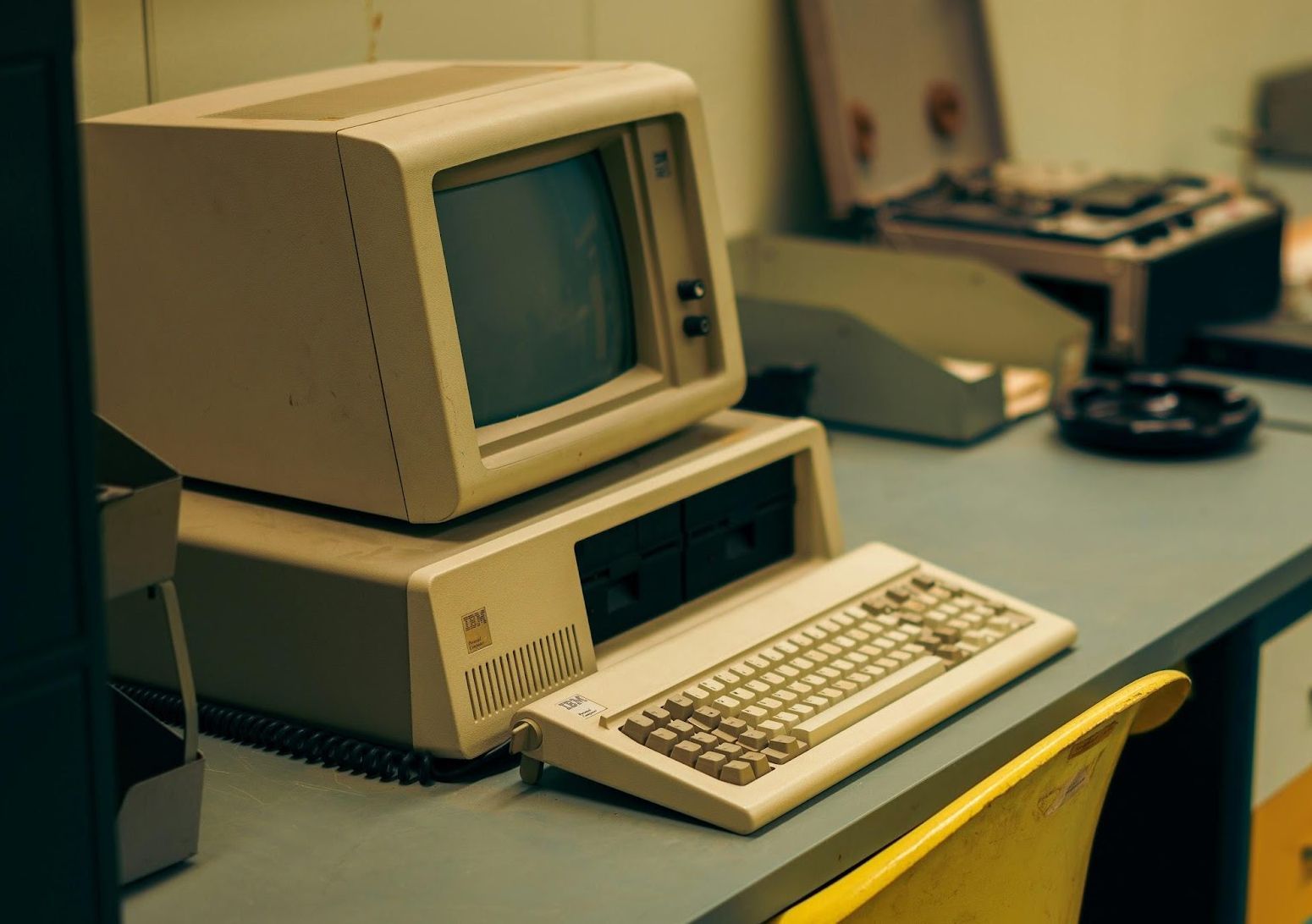
Before widespread smartphones and roaming data, we used to sit at internet cafés to check emails, print tickets, or update family. Time was paid by the minute, but it often made for interesting experiences.
Do you have memories of fumbling with foreign keyboard layouts while trying to send an email home letting them know you were okay? Many do, and it was as cumbersome as it sounds.
Buying souvenirs for everyone
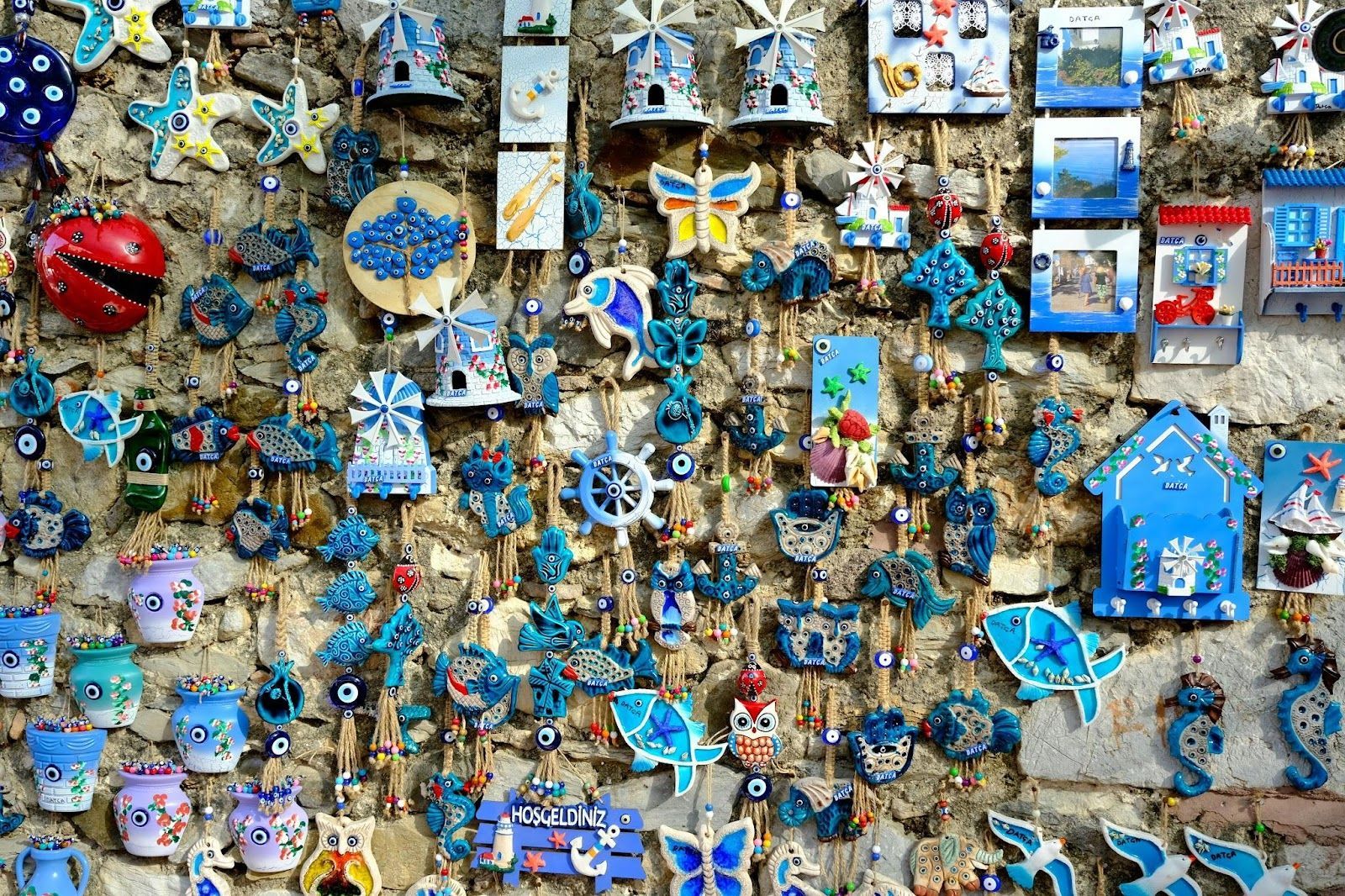
There was a time when traveling meant mentally keeping a list of people back home and thinking, "What should I bring them?" Keychains, magnets, snow globes, and local sweets were all thoroughly browsed to match each item to a coworker, cousin, neighbor, or teacher. Also, some of these trinkets could be pricey.
It seems that now the habit has faded, and digital photos and social media have replaced physical mementos.
Meeting strangers, not knowing what they looked like

When meeting someone abroad, you relied on description: "I’ll be wearing a green jacket." That’s because we had no instant photo sharing and no live location pin. You simply showed up at the agreed place and trusted the plan.
Sometimes you would awkwardly approach the wrong person. Which, of course, made for a funny anecdote. And when you finally spotted each other, there was a small rush of relief and excitement.
Using paper maps
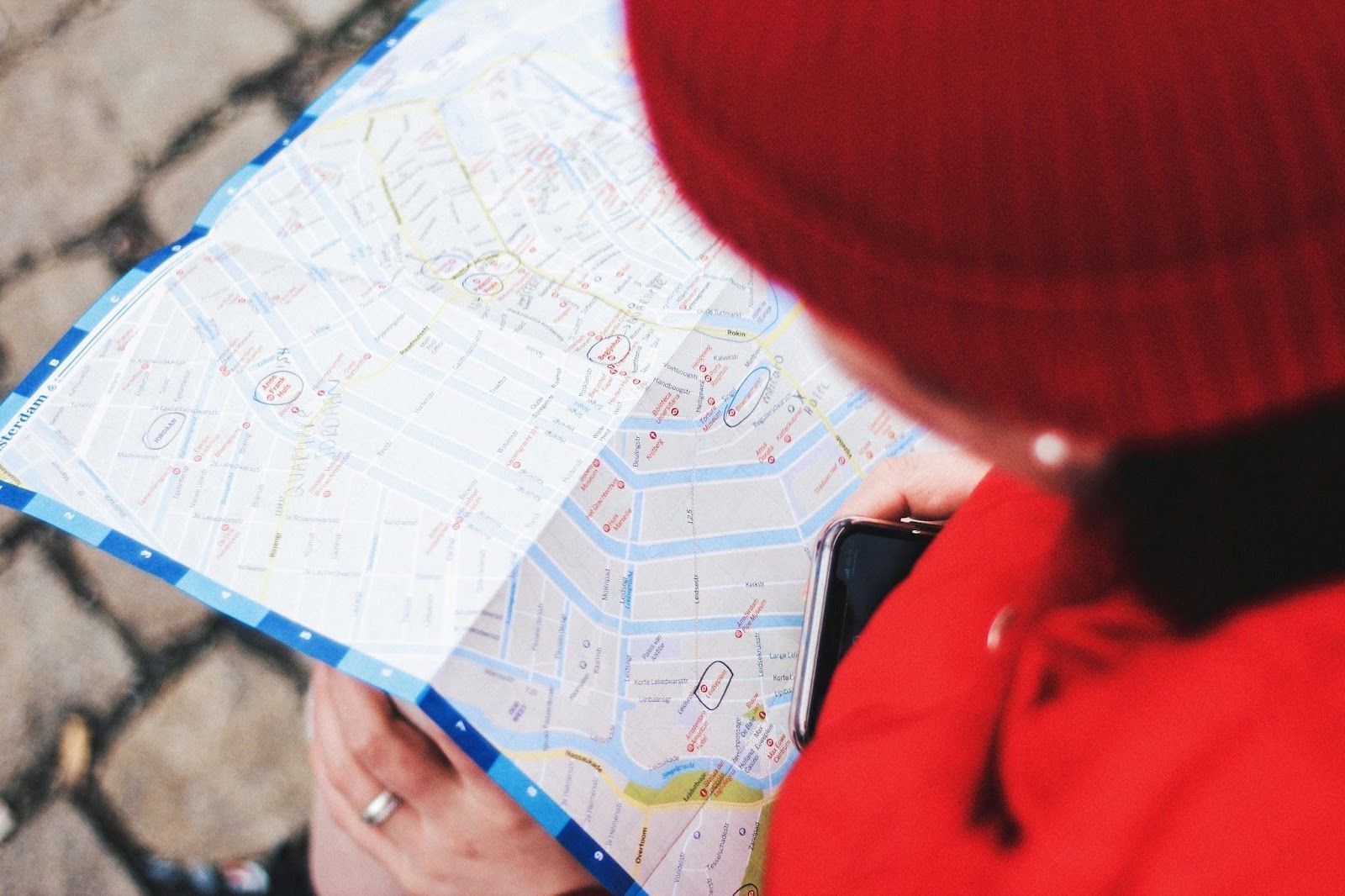
Before blue dots told us where we stood, we unfolded giant paper maps in the middle of sidewalks and tried to make sense of a maze of streets. They used to tear at the seams, and they never folded back properly; they turned into an origami mess within days. But you could always resort to asking strangers for help, which seemed to be far more ordinary back then.
Relying entirely on travel agencies
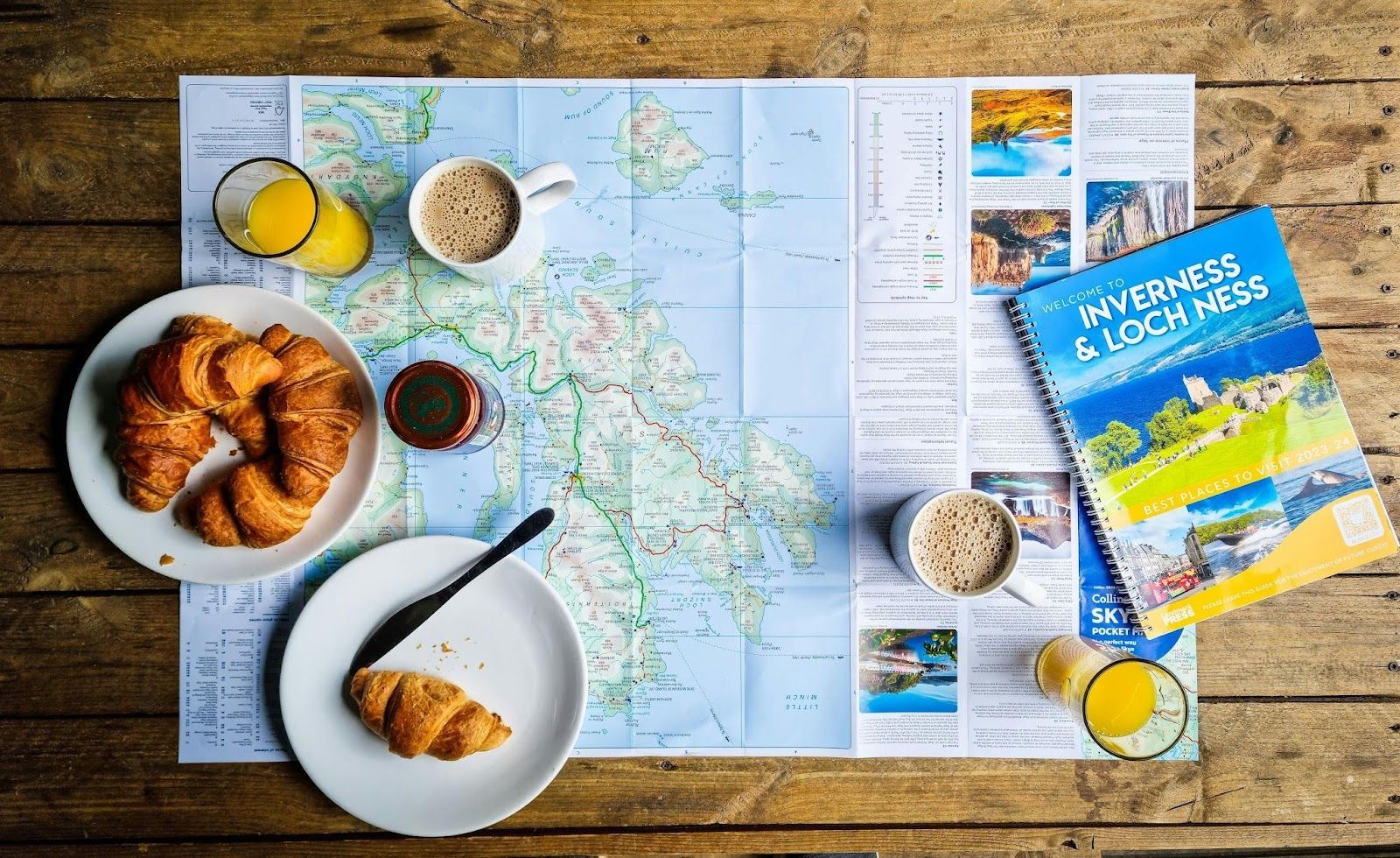
Planning a trip once meant sitting across from a travel agent, flipping through brochures filled with glossy photos and circled prices. They booked your flights, printed your tickets, arranged transfers, and handed you an envelope with everything neatly organized.
Nowadays, it’s all comparison tabs open and endless review scrolling.
Dressing formally for air travel
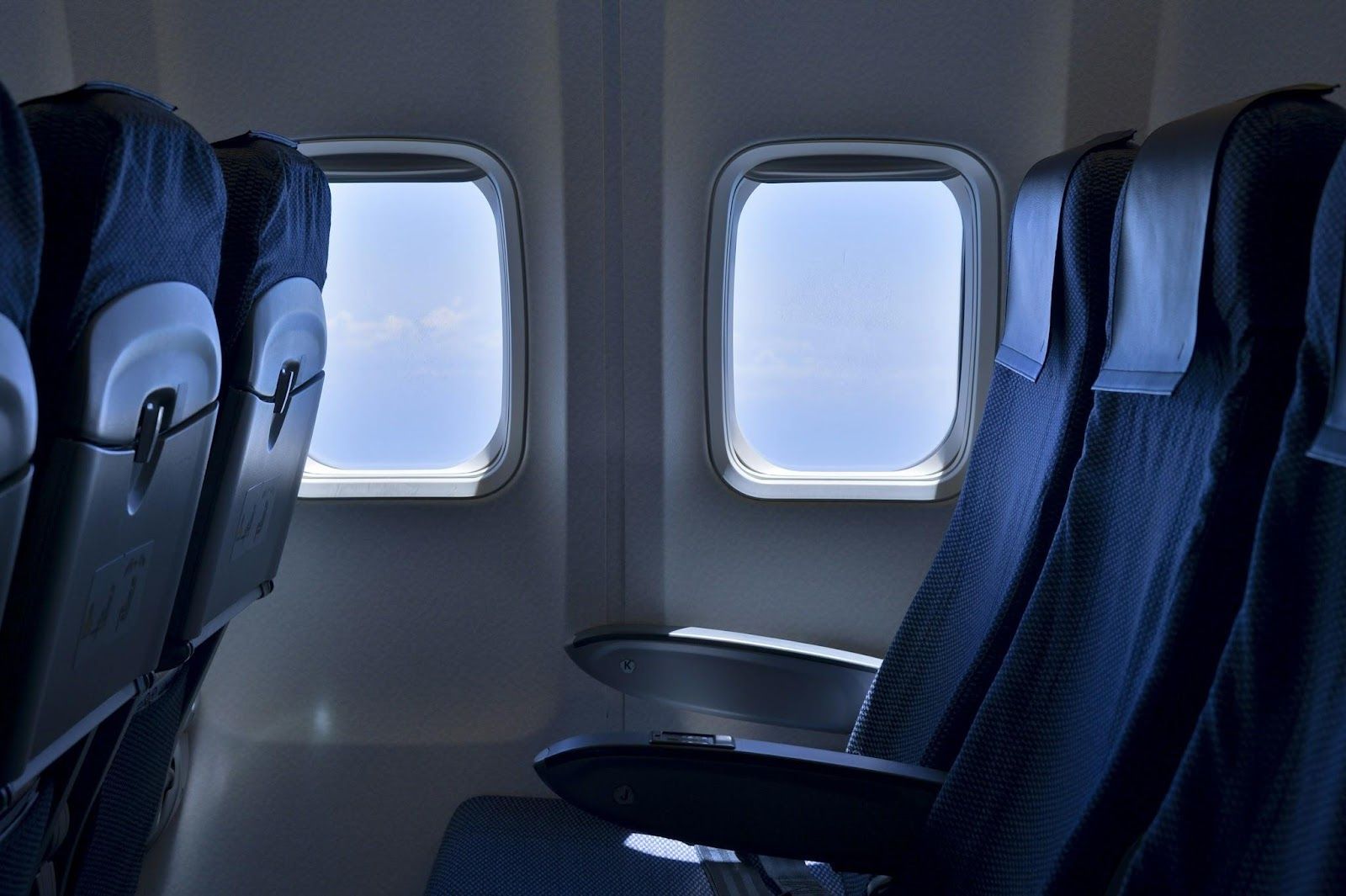
We can be thankful that this one was left out. Nobody really enjoyed wearing ties or pearls on the plane, right? We know that loose cotton clothes and travel neck pillows may not be the most elegant looks, but today they are perfectly acceptable. Particularly for long flights!
Airline lingo decoded: The words you probably hear, but never learned!
 General
Check-in time
Ever wondered what flight attendants are really saying? Guess no more!
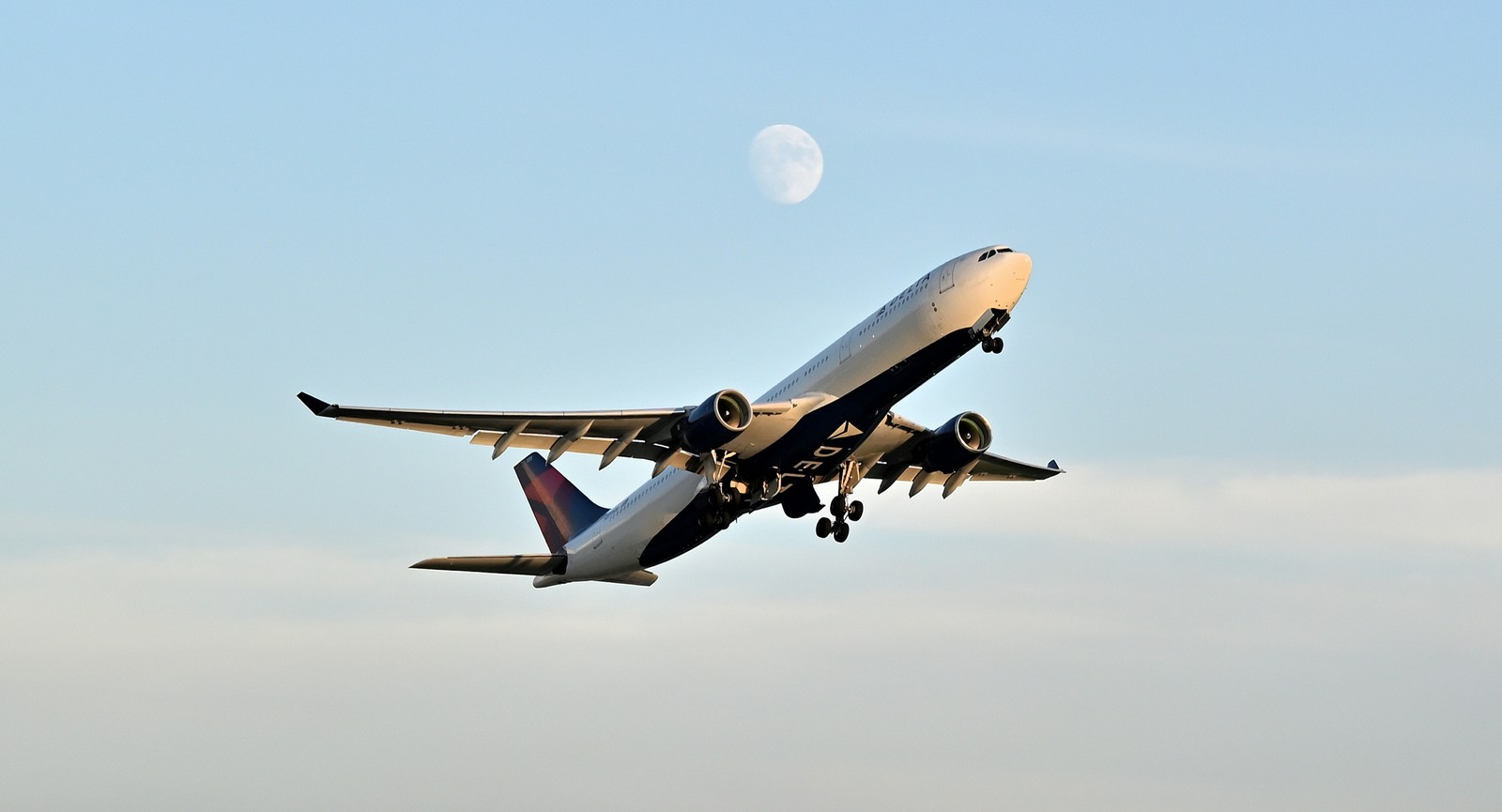
You’ve probably sat on a plane and listened to flight attendants talk among themselves, but how much did you really understand? Where are they when they talk about the "blue room"? Should we worry about the "pink eye" on board? The code words they use sound funny, and some, dramatic, but one thing is certain: we never got the memo on what they mean. So today, we’re pulling back the curtain and translating some common crew expressions for you! Hop on board!
Red-eye
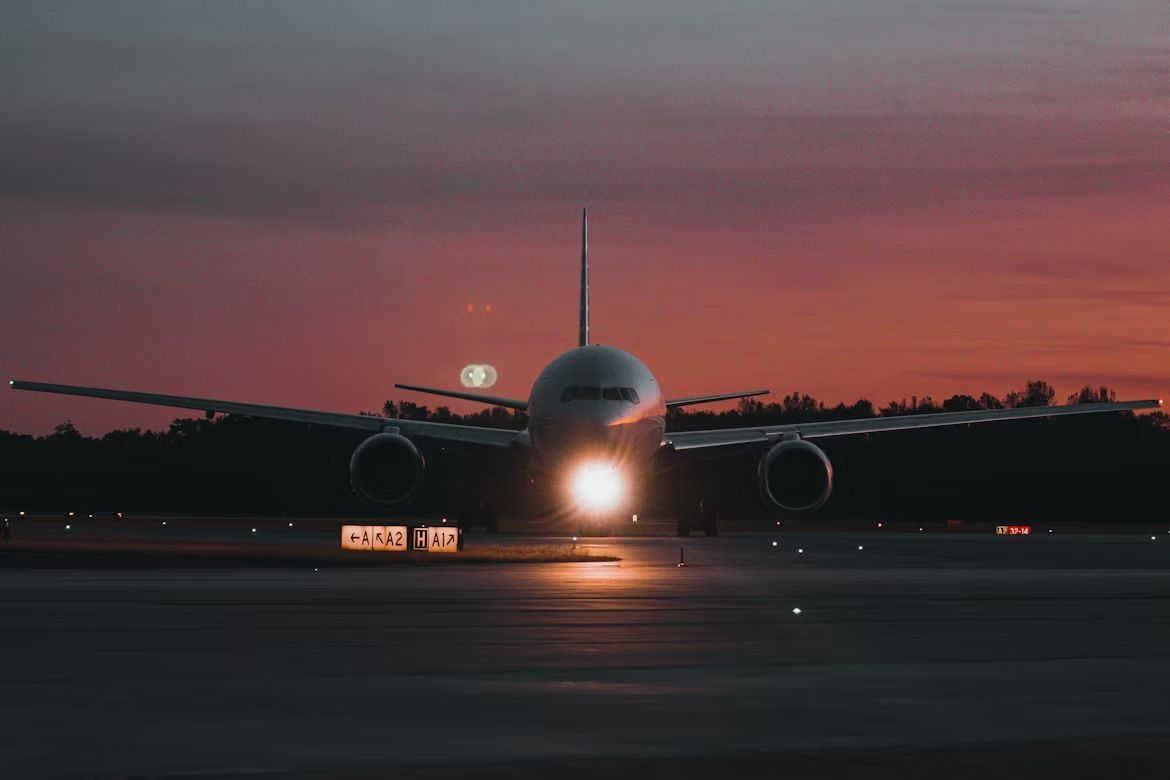 Image: Johnny Williams
Don’t worry, everyone’s eyes are okay! This expression is quite common. A red-eye is a late-night flight that leaves after dark and lands early the next morning. Travelers often choose these flights to save daytime hours, especially if it is a holiday trip. You take a nap, land at sunrise, and head straight into the day, coffee in hand and bags under your eyes.
Pink-eye
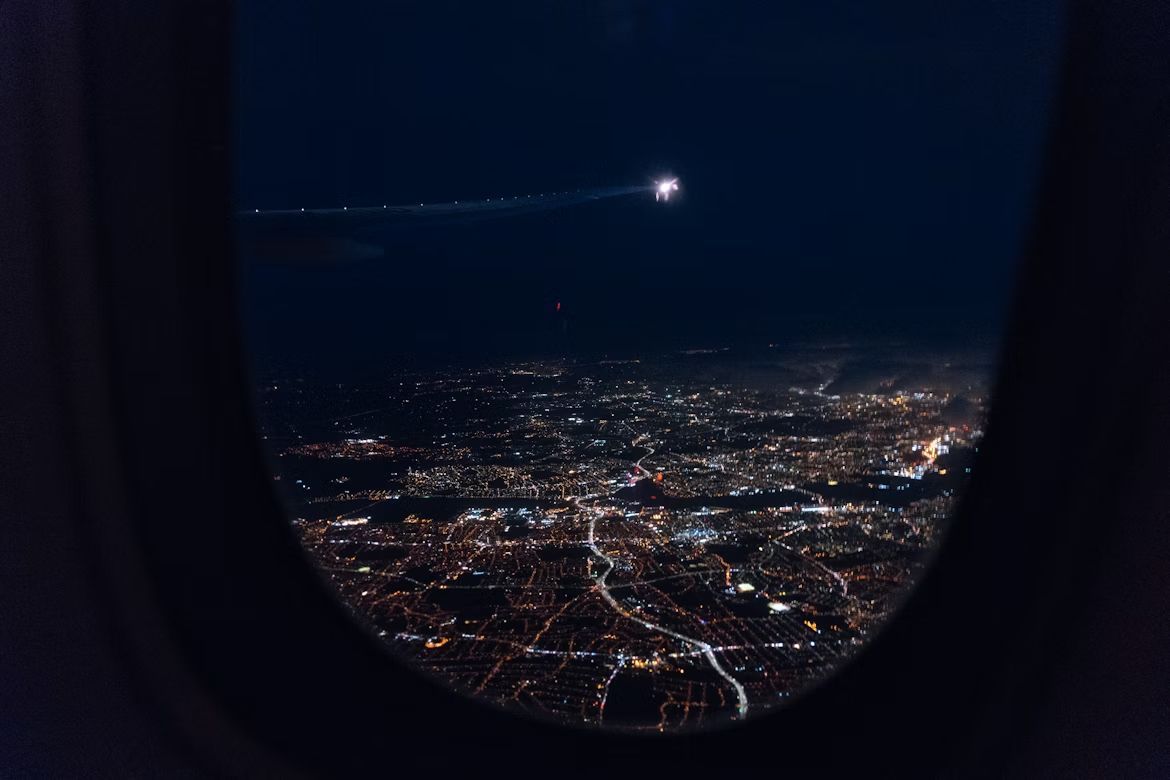 Image: Paolo Nicolello
No, this has nothing to do with conjunctivitis. Similar to the previous one, a pink-eye flight also leaves late, but this one doesn’t run through the night. It departs slightly earlier than a red-eye and usually lands before midnight. The good thing is you get to sleep in your own bed or a hotel room, rather than waking up mid-air.
Spinner
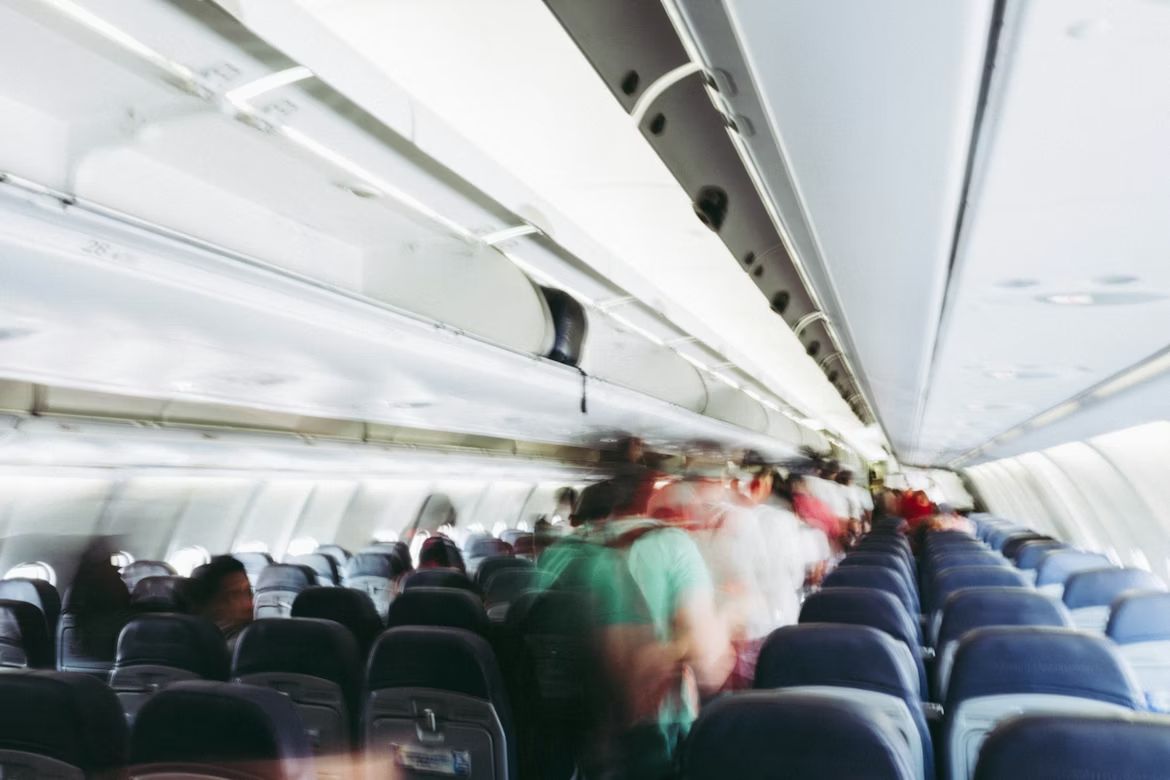 Image: Ina Carolino
This one is a classic. You know when you get on the plane, and there’s always a passenger frozen in the middle of the aisle, turning their heads, looking for their seat number, and scanning each seat row? Well, that’s a spinner. The word refers to how they slowly turn in circles, trying to figure things out while unintentionally stopping traffic on their way.
Cross-check
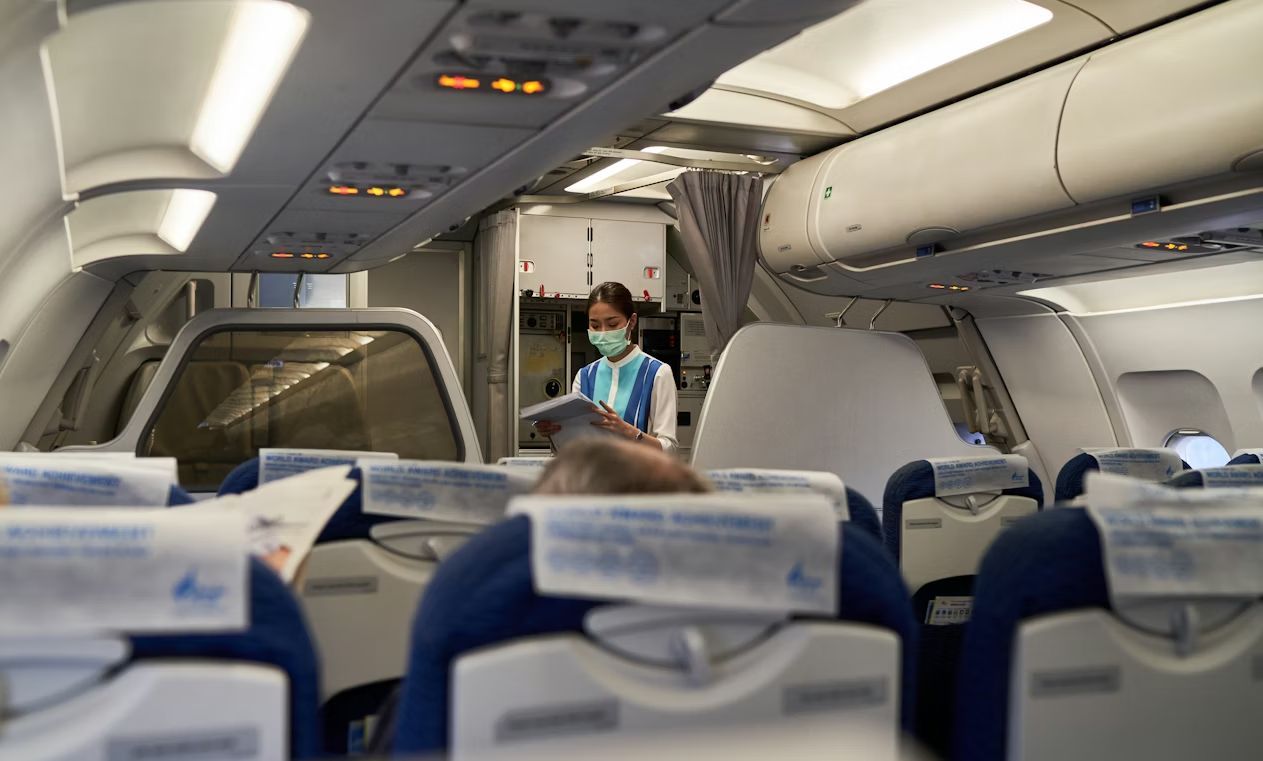 Image: Norbert Braun
You can cross-check many things. In the context of a plane, the cross-check process involves some of the crew members carefully verifying each door is correctly armed or disarmed, depending on the phase of flight. This process happens before departure and again after landing.
All-call
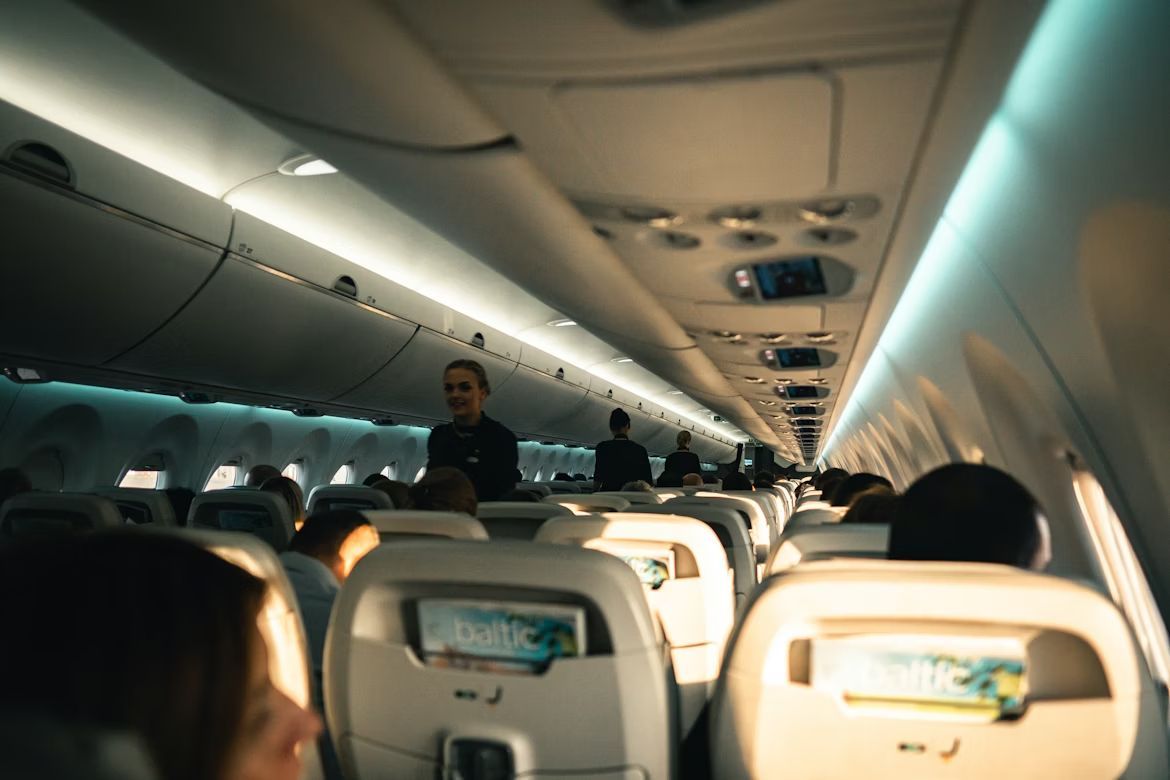 Image: Anton Shakirov
Unlike a cross-check, where only some of the members verify the doors, an all-call brings everyone together. Flight attendants use an internal phone system that allows them to confirm, for example, that all the doors are correctly set. The goal is always the same: making sure the entire team is on the same page about safety.
Blue room
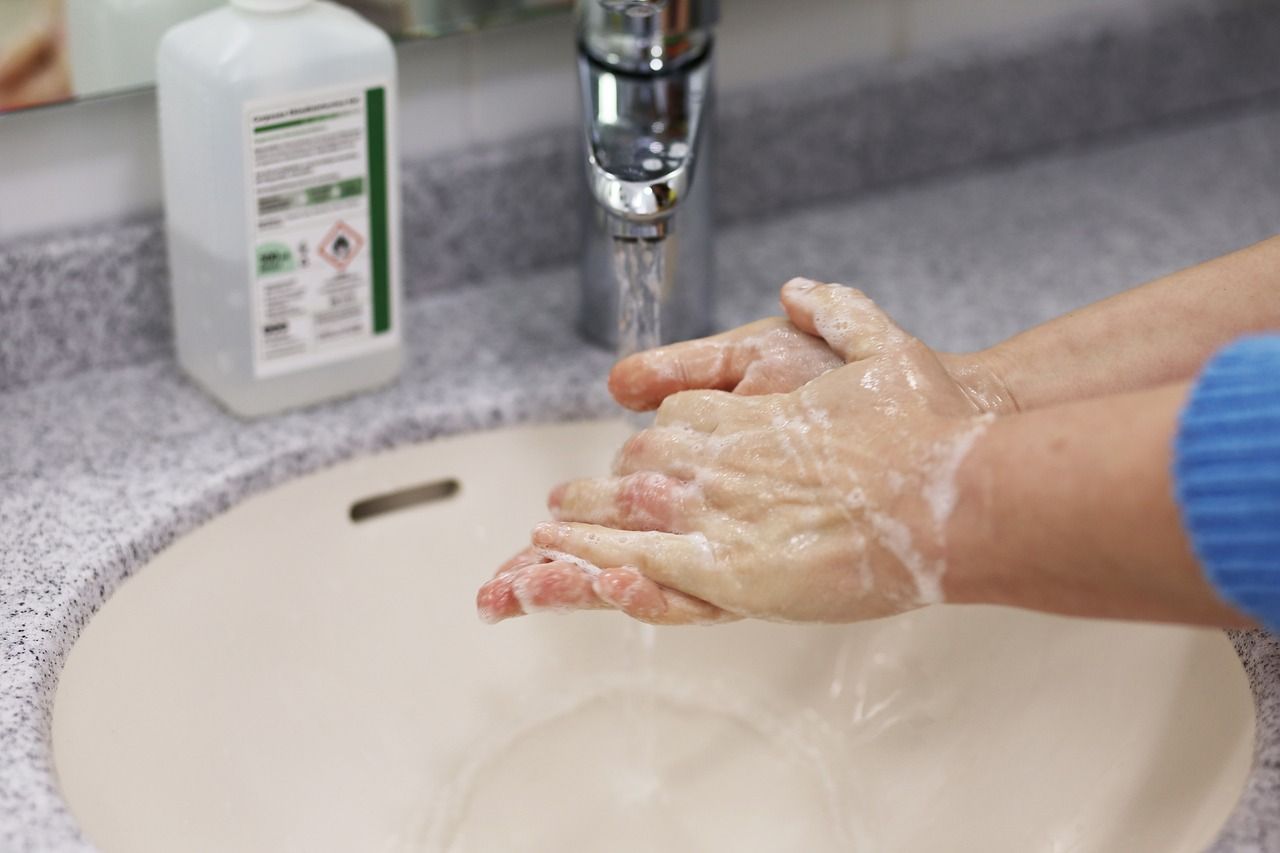 Image: zukunftssicherer
Is this a super VIP, crew-exclusive lounge? No, it isn’t! When you hear the flight attendants talking about going to the "blue room," they just need to use the bathroom. The nickname comes from the blue disinfectant liquid used in the toilet system. Nothing glamorous at all, but a little easier to say during a busy flight.
Galley
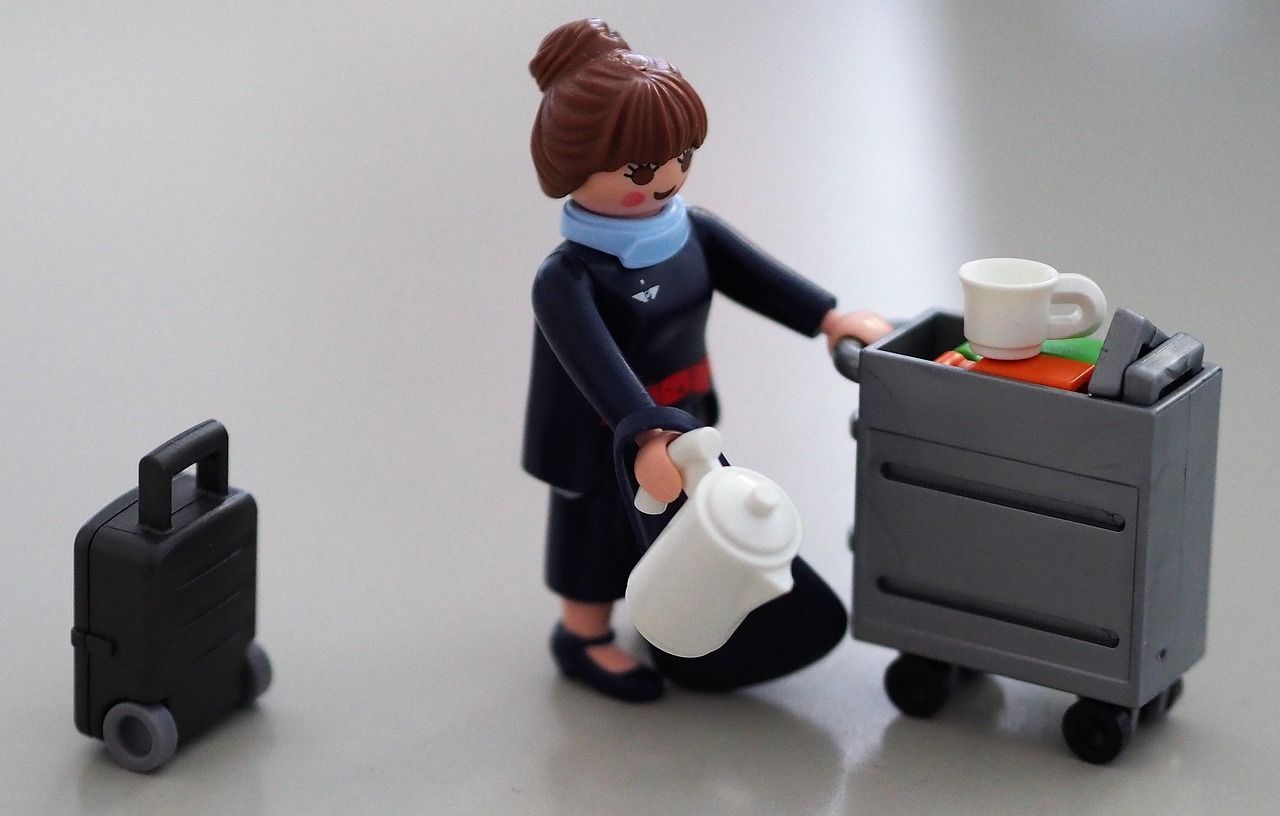 Image: SandraTropp
This is another key part of the plane, but in this case, it’s the compact kitchen area. The galley is where drinks are prepared, meals and snacks are organized, and service carts are stocked. It’s small and hidden from the passengers, but it’s central to the service you get on board!
Jump seat
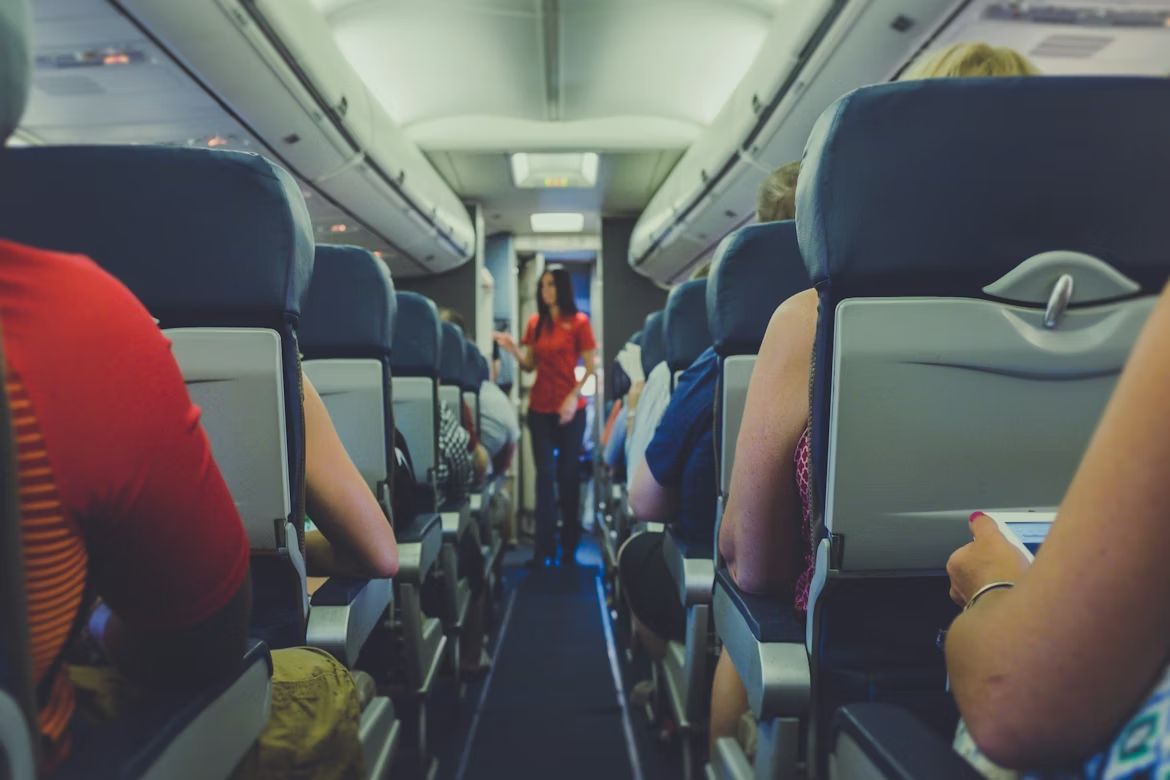 Image: Kenny Eliason
Have you ever noticed those fold-down seats placed near the exits? Those are jump seats. Flight attendants use them during takeoff, landing, and periods of turbulence when they must be seated and secured. They are designed to save space and allow the crew to jump out of them if necessary. The good thing is, when they are not in use, they fold away like magic!
RON
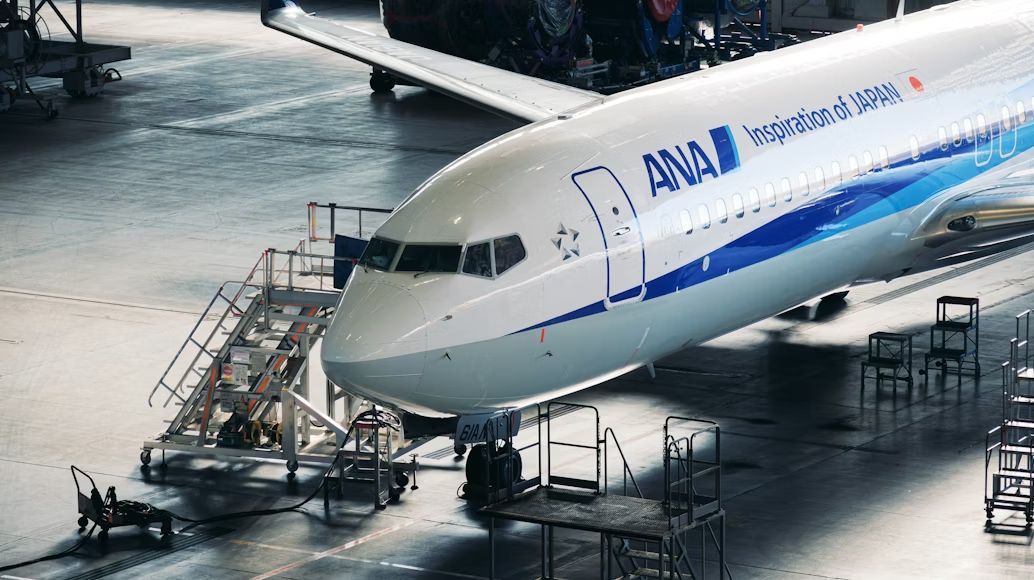 Image: 鱼 鱼
RON is not a person’s name, but an abbreviation. You might hear the crew ask each other if the flight is a RON, meaning if it is a "remain overnight." In practical terms, it indicates the plane is done flying for the day and will stay at that airport until the next morning. In crew slang, it can also be called a terminator, signaling the end of the day’s schedule.
Originator
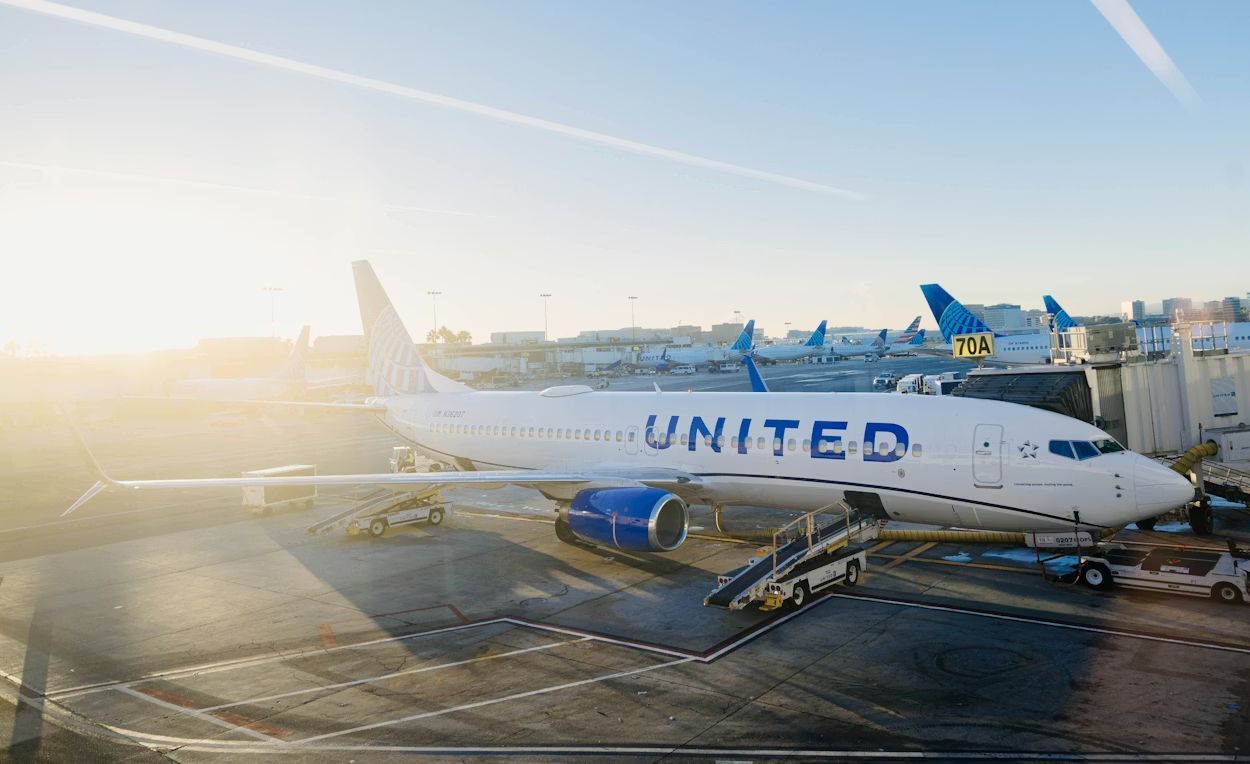 Image: Will Goodman
On the opposite end of the schedule, flight attendants may refer to the "originator," that is, the first flight of the day for a certain aircraft. Airlines keep a close eye on these flights because a delay on the first flight can ripple through every trip scheduled afterward. When an originator runs on time, the whole day has a better chance of staying on track.
Keep wandering
There’s always
more to explore

What do these 10 American cities really celebrate every year?
6 min.
Read Now
Curious visitors only: Secrets hidden beneath famous cities
6 min.
Read Now
 History
Ancient cities that have stood the test of time
6 min.
Read Now

The parking trick that could save you $40 a night in California
3 min.
Read Now