
Is NYC a happy place? These city happiness rankings might surprise you
 Culture
Finding the happiest spots
Is NYC a happy place? These city happiness rankings might surprise you
What makes a city a happy place to live? Is it the weather? The culture? How happy are the citizens of New York City? Are those in San Francisco better off? What about Paris, or Helsinki? The Happy City Index is the result of global research that measures the conditions that encourage happiness across certain categories, like education, culture, environment, economy, health, or mobility. Let’s look at how these 10 cities rank, and why.
New York City, US (#207)

Are you surprised that New York City ranks almost at the bottom of this 250-city list? Its position is due to a mix of strengths and trade-offs. Look closely: the city excels in access to culture, top-tier healthcare, and economic opportunity, with one of the largest economies in the world. But daily life there can be demanding.
The high costs of living and crowded infrastructure can certainly play against joy levels. The city’s public transit is extensive, but long commutes eventually weigh in on work-life balance. Also, while green spaces like Central Park offer relief, they’re limited compared to the city’s density.
San Francisco, US (#45)

At place 45, San Francisco seems pretty low. But that makes it the top-performing city in the US on this ranking. The city Anchors Silicon Valley, with companies like Google and Apple nearby, which make it a global hub for innovation and drive economic opportunity.
Getting around in the city is easy, with BART trains and iconic cable cars connecting areas. And you have green spaces like Golden Gate Park and the Presidio to take a break from the dense city, alongside sweeping bay views.
Looking at this list, California would appear to be the happiest state, since next come San Diego, CA (at #155), San Jose, CA (#172).
Chicago, US (#243)
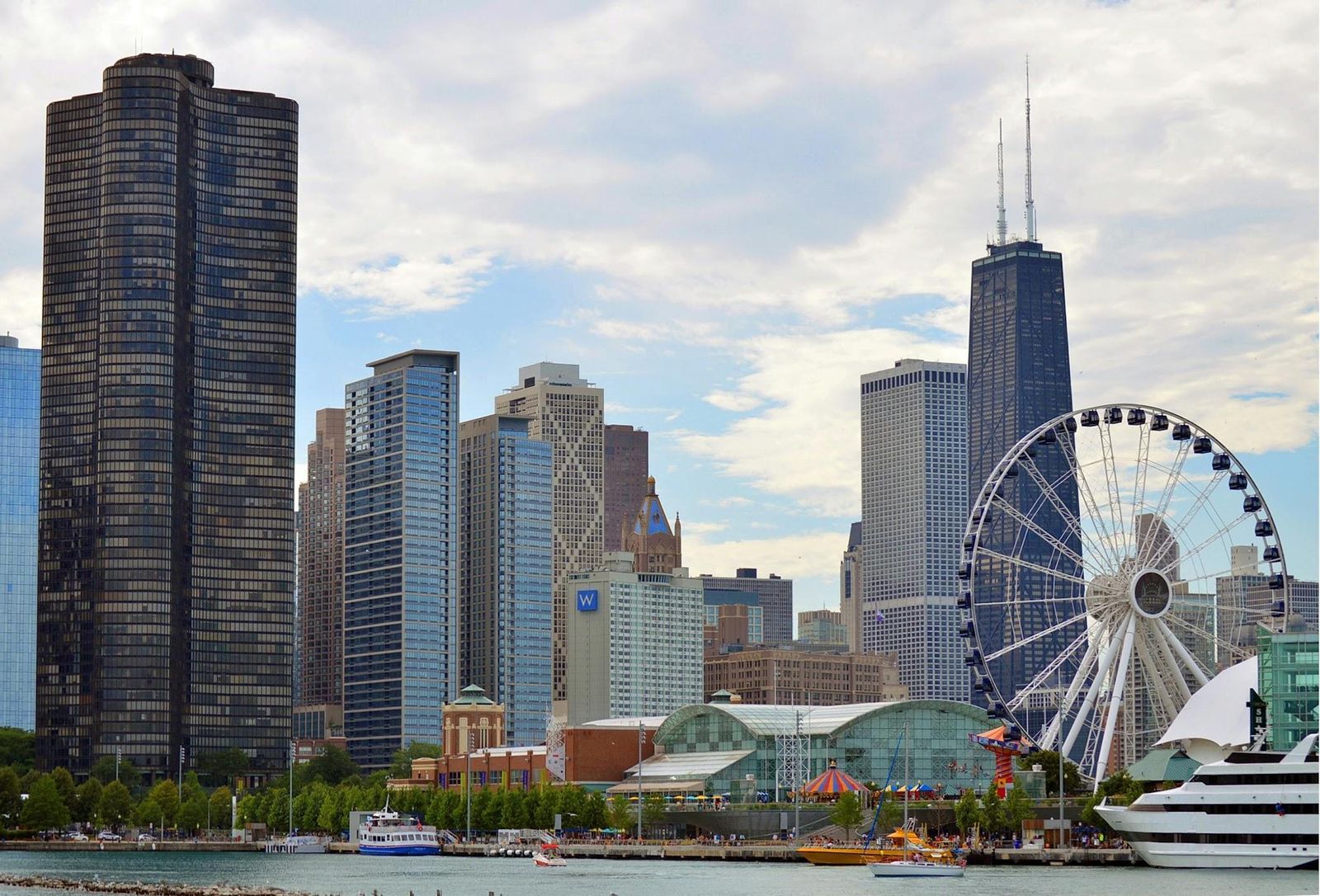
Chicago appears lower on the list at #243. The city offers a rich cultural life: think of the Art Institute of Chicago, shows in The Loop, and music roots in neighborhoods like Bronzeville. You’ll also find beautiful green spaces in parks and trails along Lake Michigan, while the Chicago "L" train keeps the city connected.
However, it has its challenges, which weigh on its ranking. Public safety concerns and aging infrastructure affect daily life in some areas. The experience of the city’s strengths will vary greatly depending on where in Chicago you live.
London, United Kingdom (#48)
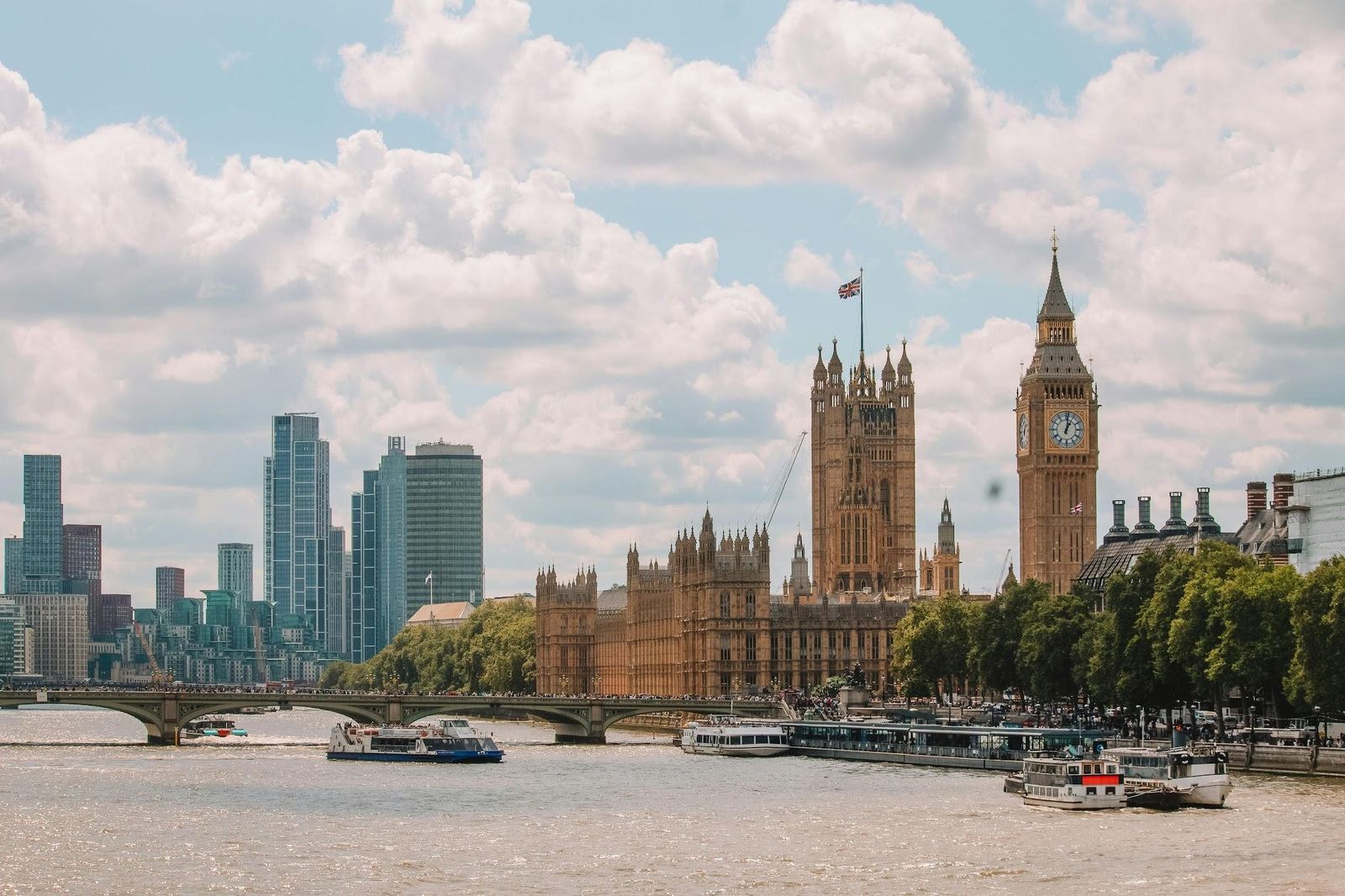
London, capital of the United Kingdom, shines in healthcare access, cultural life, and public transportation, with one of the most connected transit systems in the world. But even with its Undergrund, its West End, and its Hyde Park, life can feel intense there. High living costs, crowded housing, and long commutes affect citizens here as well.
This might be why Edinburgh, Scotland’s capital city, ranks one step higher; it offers many of the same cultural and public service strengths, but on a smaller, more manageable scale, with easier access to a slower pace of life.
Vancouver, Canada (#39)
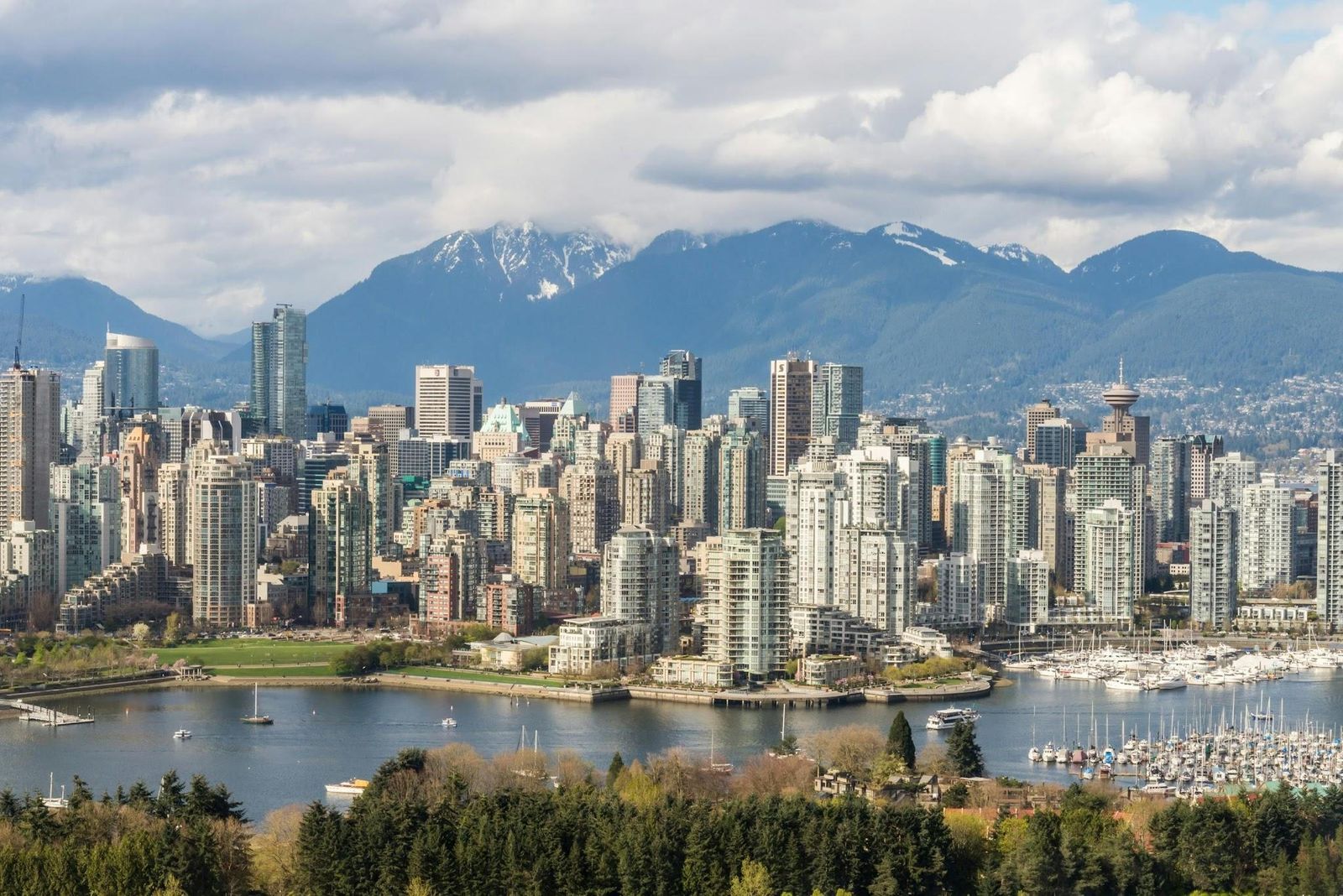
The top Canadian city on this list is Vancouver, at #39. Just a look at one picture and you can tell that its natural setting plays a big role. Stanley Park stretches along the waterfront, while the North Shore Mountains rise just across the bay. Outdoor life is built in, from seaside walks to nearby ski slopes.
But there’s a catch. Housing in areas like Downtown Vancouver ranks among the most expensive in North America. Vancouver is clean, active, and scenic, but it’s not exactly affordable for everyone.
Paris, France (#25)

The architectural style and cultural richness of Paris are endlessly imitated across the world. For a major city with approximately 2.1 million residents, it shows up remarkably high on the happiness index list. It might have to do with its extensive public transport system, or its quaint cafés that spill onto sidewalks, and neighborhoods that are built for walking.
Life near the Seine River seems idyllic, but it has its caveats; dense districts and rising costs, especially in central areas like Le Marais, can make the city feel crowded and expensive.
Barcelona, Spain (#12)
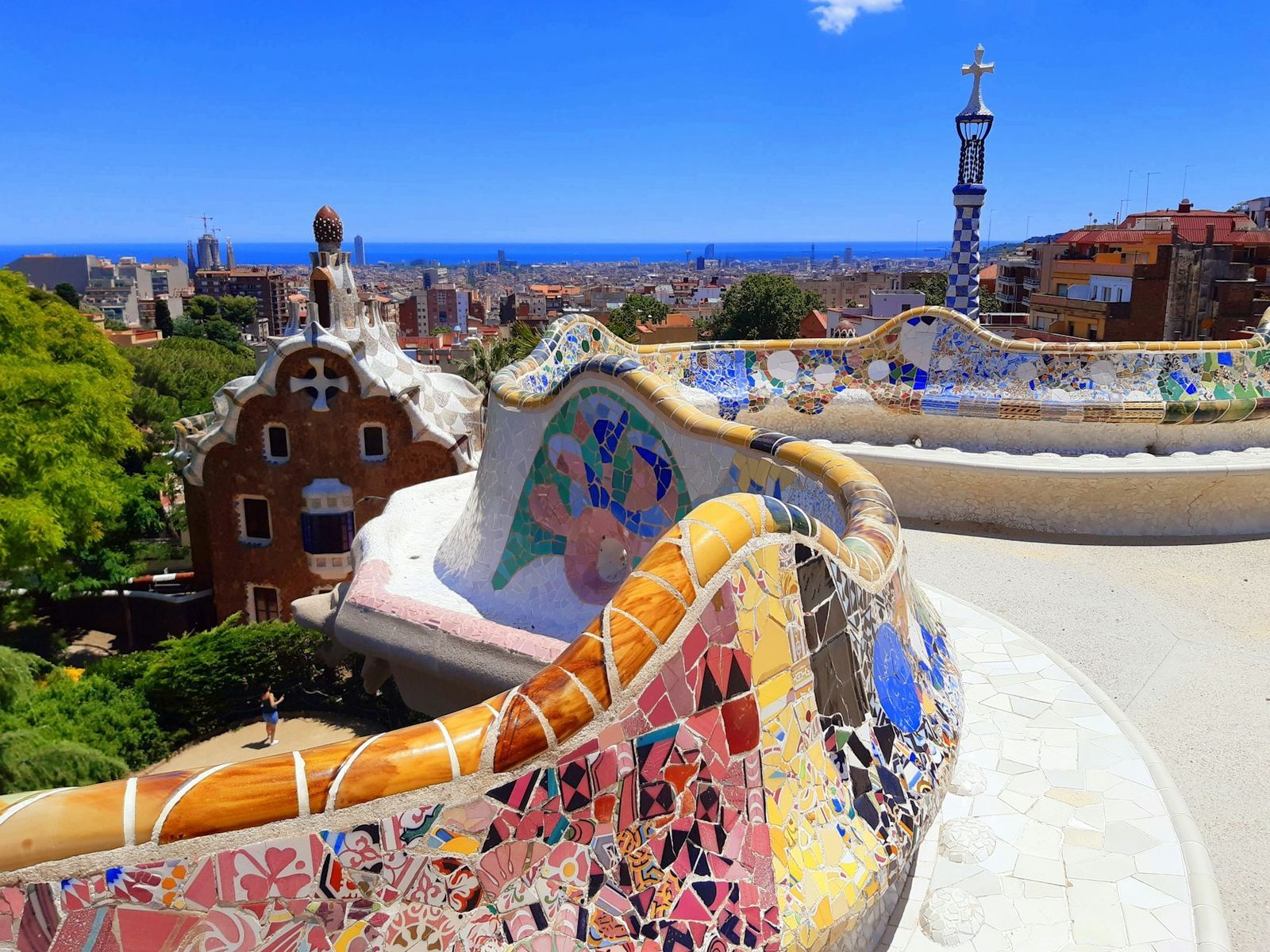
Barcelona ranks at #12, and it’s easy to see why. Look closely: the city opens directly onto Barceloneta Beach, while green spaces like Park Güell add color and elevation. Wide avenues and pedestrian zones make daily life feel outdoors, especially in districts like the Eixample. Public transportation, including metro and tram lines, keeps the city well-connected.
However, if there is one thing residents complain often and loudly about, it's the heavy tourism and rising housing costs.
Tokyo, Japan (#5)
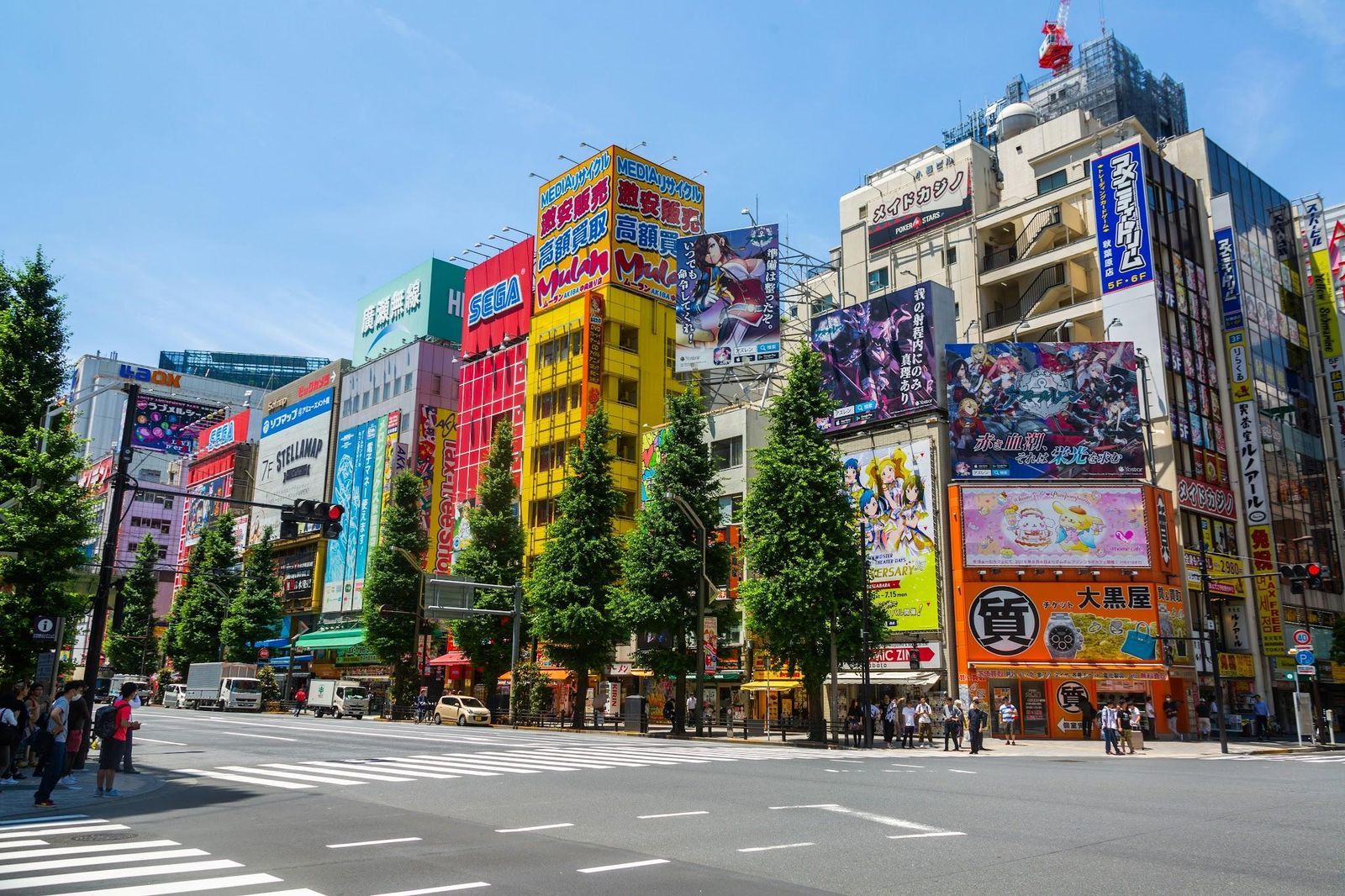
Japan’s Tokyo nears the top of this list. It is in part thanks to systems that run with remarkable precision, which visitors often comment on. The city moves on rail networks like the Tokyo Metro and JR Yamanote Line, where trains arrive almost to the minute.
Neighborhoods such as Shinjuku and Shibuya stay active yet orderly. Healthcare access here is strong, and even dense areas include pockets of calm like Shinjuku Gyoen.
Helsinki, Finland (#2)
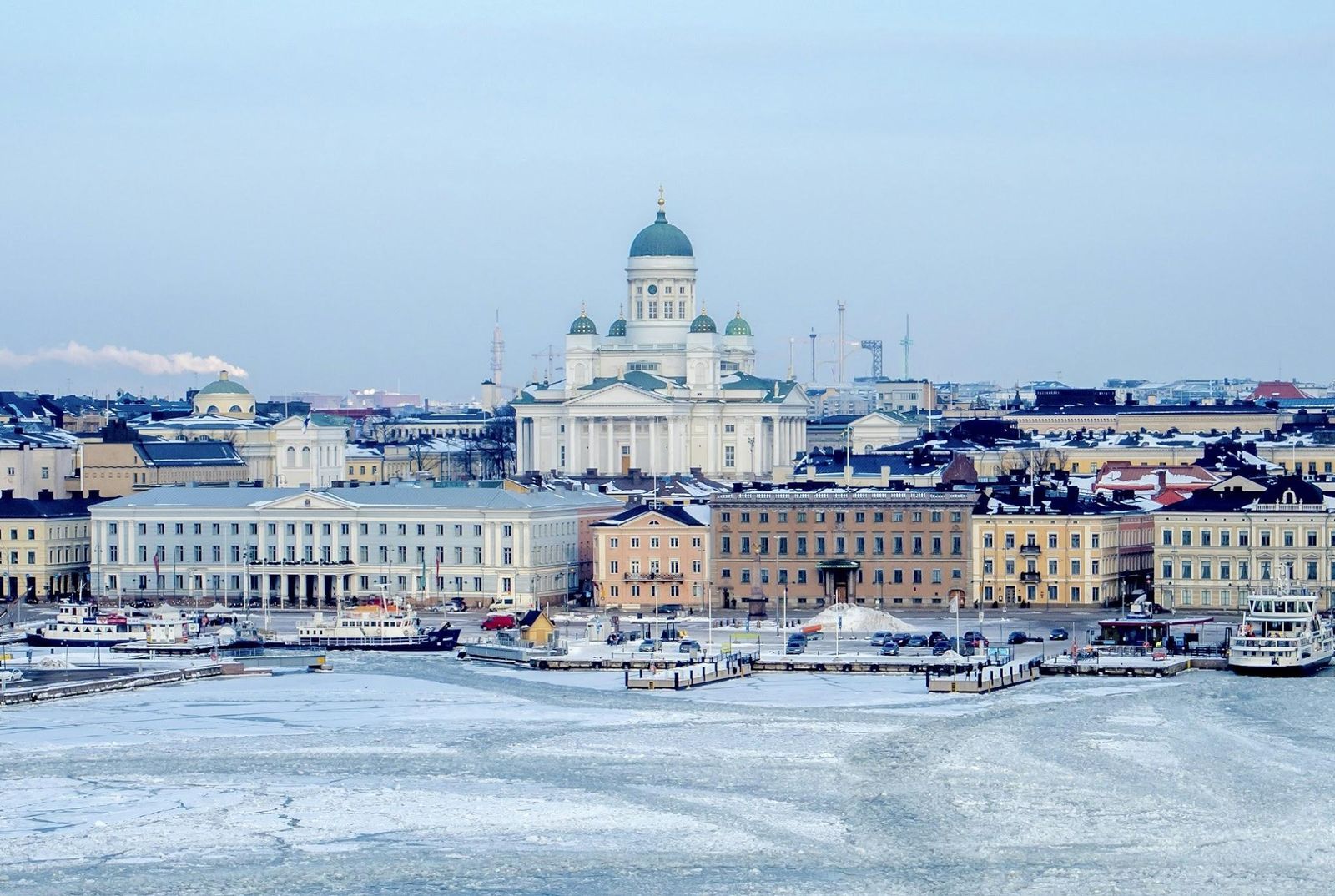
The enchanting Baltic shoreline is never far away in Finland’s capital city. Of course, if you were to move there, you would have to get used to the long, dark winters. But it may be worth the trade-off.
The pace there is calm, with shorter workweeks and strong public services. There’s universal healthcare and education, and green spaces such as Central Park stretch into the city, while cultural landmarks like Helsinki Central Library Oodi double as community hubs.
Copenhagen, Denmark (#1)
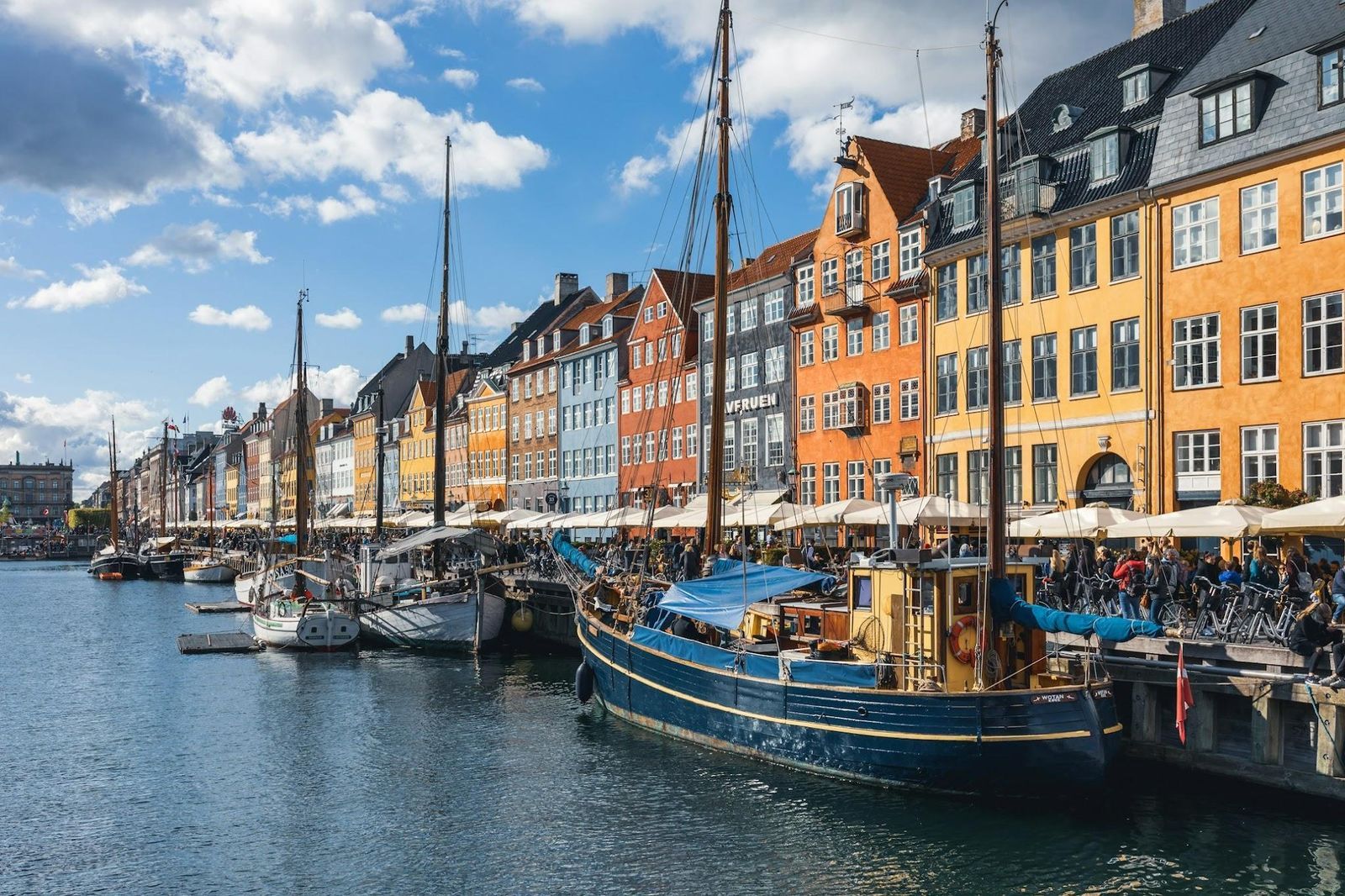
Copenhagen takes the top spot, and it shows in the details of its daily life. Think of bike lanes that span the city, with routes like the Cycle Superhighways making cycling a primary way to get around.
Along the Nyhavn, its historic port, colorful houses and antique wooden boats strike a lively impression on visitors. Denmark is the leading country according to this list, occupying not only the 1st place but the 4th (Aarhus), 15th (Aalborg, and 26th (Roskilde).

Ten tips to experience luxury travel on a moderate budget
 General
Enjoy luxury travel without overspending
Ten tips to experience luxury travel on a moderate budget
You've worked hard all your life, and now you're ready to see the world in style—without breaking the bank. The good news is that luxury travel doesn't always require a luxury budget. Here are 10 ways to travel like royalty while keeping your retirement fund intact.
Travel during shoulder season

Forget summer crowds and winter ski-lodge prices. The sweet spot for luxury on a budget is those magical weeks between peak and off-peak seasons. Think late April in Europe or September in the Caribbean. Hotels that charge $500 a night in July might drop to $200 in October, and you'll actually be able to get a table at that famous restaurant without booking six months in advance.
Sign up for hotel loyalty programs

Hotel loyalty programs are free to join and can score you some seriously sweet perks. We're talking room upgrades, free breakfast, late checkout, and sometimes even complimentary spa credits. The key is to stick with one or two hotel chains rather than bouncing around between many of them. Before you know it, that luxury suite with an ocean view could be yours for the price of a standard room.
Book through travel advisors who specialize in perks

Modern travel advisors, especially those with connections to luxury hotel programs, can hook you up with perks you might never get when booking online. Think complimentary breakfast for two, hotel credits, room upgrades, and early check-in. These advisors have established relationships with properties and can often throw in extras that make a regular stay feel truly special. The best part? Their services usually don't cost you a dime, since hotels pay them a commission.
Splurge strategically on what matters most

You don't need to go all out on everything. Pick one or two aspects of your trip to really splurge on, and save money elsewhere. Love great food? Book that Michelin-starred dinner but stay in a comfortable three-star hotel. Dying for an ocean-view suite? Go for it, then pack sandwiches for lunch instead of eating out three times a day. Nobody needs to know you're eating grocery store cheese while staying in a room with a view that normally costs $50 more per night.
Use credit card points wisely

If you've been using the same plain-vanilla credit card for twenty years, it might be time for an upgrade. Travel rewards cards can be absolute game-changers, especially for flights and hotels. Many cards offer huge sign-up bonuses—sometimes enough points for a free round-trip flight or several hotel nights.
Do a little research to find a card that matches your spending habits. Some offer great points on dining and travel, while others reward purchases on groceries and gas. Once you've racked up those points, you can book business-class flights or luxury hotels for a fraction of the usual cost.
Look for package deals and all-inclusives

All-inclusive resorts might seem expensive upfront, but when you factor in meals, drinks, activities, and entertainment, they can actually save you serious cash. No more sticker shock when the dinner bill arrives or worrying about every cocktail you order by the pool. Everything's paid for, so you can actually relax.
The same goes for vacation packages that combine flights and hotels. Travel sites often offer deals where booking them together costs less than buying them separately. Just make sure to read the fine print about what's included.
Consider luxury cruises during wave season

Cruise lines have a secret weapon called "wave season"—typically January through March—when they roll out their biggest deals of the year. We're talking substantial discounts, onboard credits, free upgrades, and perks like drink packages or shore excursions. The ships are basically floating five-star hotels, with incredible food, entertainment, and destinations all rolled into one price.
Cruising also eliminates the hassle of packing and unpacking at every stop, which frankly sounds better and better the older we get. You unpack once, and your floating hotel takes you from port to port.
Rent vacation homes in upscale areas

Here's a secret: staying in a vacation rental in a fancy neighborhood can cost less than a hotel in a mediocre area. Check out homes in upscale suburbs or residential neighborhoods in popular cities. You'll get more space, a full kitchen, and the chance to live like a local in a ritzy zip code. Plus, many luxury rentals come with amenities like pools, hot tubs, or stunning views.
Split the cost with another couple if you're comfortable traveling with friends, and suddenly that villa in Tuscany or beachfront house in California becomes surprisingly affordable.
Take advantage of senior discounts and off-peak rates

Don't be shy about that AARP card—it's basically a golden ticket to savings. Many hotels, car rental companies, airlines, and attractions offer senior discounts that can add up to significant savings. Some luxury hotels offer special rates for guests over 55 or 60, especially during weekdays or the off-season. Always ask if there's a senior rate, even if it's not advertised.
Museums, tours, and even some restaurants offer discounts too. That extra 10-20% off here and there frees up money for the fun stuff, like that sunset harbor cruise or cooking class you've been eyeing.
Extend your luxury for less by mixing in budget days

Mix luxury experiences with more budget-friendly days. Splurge on a fancy hotel for the first few nights to really kick off your trip in style, then move to a comfortable but less expensive place for the rest. Or book that elegant restaurant for one memorable dinner and enjoy casual local spots the other nights.
Think of your trip as having "on" days and "off" days. The contrast actually makes the luxury moments feel even more special. Plus, some of the best travel experiences—wandering through neighborhoods, people-watching at a café, and exploring local markets—are free or cheap anyway. You'll come home with amazing memories and money still in your account.
Keep wandering
There’s always
more to explore

Some of these state fairs have seriously weird attractions
5 min.
Read Now

A town called Chicken? Why are these 10 U.S. places named after food?
4 min.
Read Now

These 10 real places feel like stepping into famous paintings
5 min.
Read Now

Behind the front desk: Hotel secrets that will change how you check in
5 min.
Read Now