
Are you overpaying for your seat? 10 ways to outsmart airline pricing
 General
Strategies for cheaper airfare
Are you overpaying for your seat? 10 ways to outsmart airline pricing
Finding the perfect flight often feels like a high-stakes game of cat and mouse with an invisible algorithm. However, while airlines use complex data to hike prices, you can use the same logic to bring them down. By shifting your strategy from "buying a ticket" to "hacking the system," you can save hundreds of dollars on your next adventure. Here are 10 essential tips for finding cheap flights.
Follow the "Flight First" rule

The first rule for successful air travel is to be flexible. Most people choose a destination, pick their dates, and then look for a flight. This is the most expensive way to travel. Instead, flip the script: find a cheap flight first, and let the price dictate where and when to go. For example, tools like Google Flights allow you to leave the destination box empty to see a map of the cheapest places to fly from your home airport.
Experiment with Flight Aggregators

Don’t rely on just one site. Different search engines use different algorithms and sometimes have access to different "private" fares. Google Flights is best for speed and broad searches, while Skyscanner is excellent for finding "hacker fares" combining two different airlines. Others, like Momondo, often find smaller, budget carriers that others miss.
Set a flight price alert

Flight prices change by the hour. Instead of refreshing your browser manually, let technology do the work. Set a price alert on sites like Hopper or Kayak for your specific route. You’ll get a push notification the moment the price drops, allowing you to take advantage of a deal before it disappears.
Book in the "Goldilocks Zone"
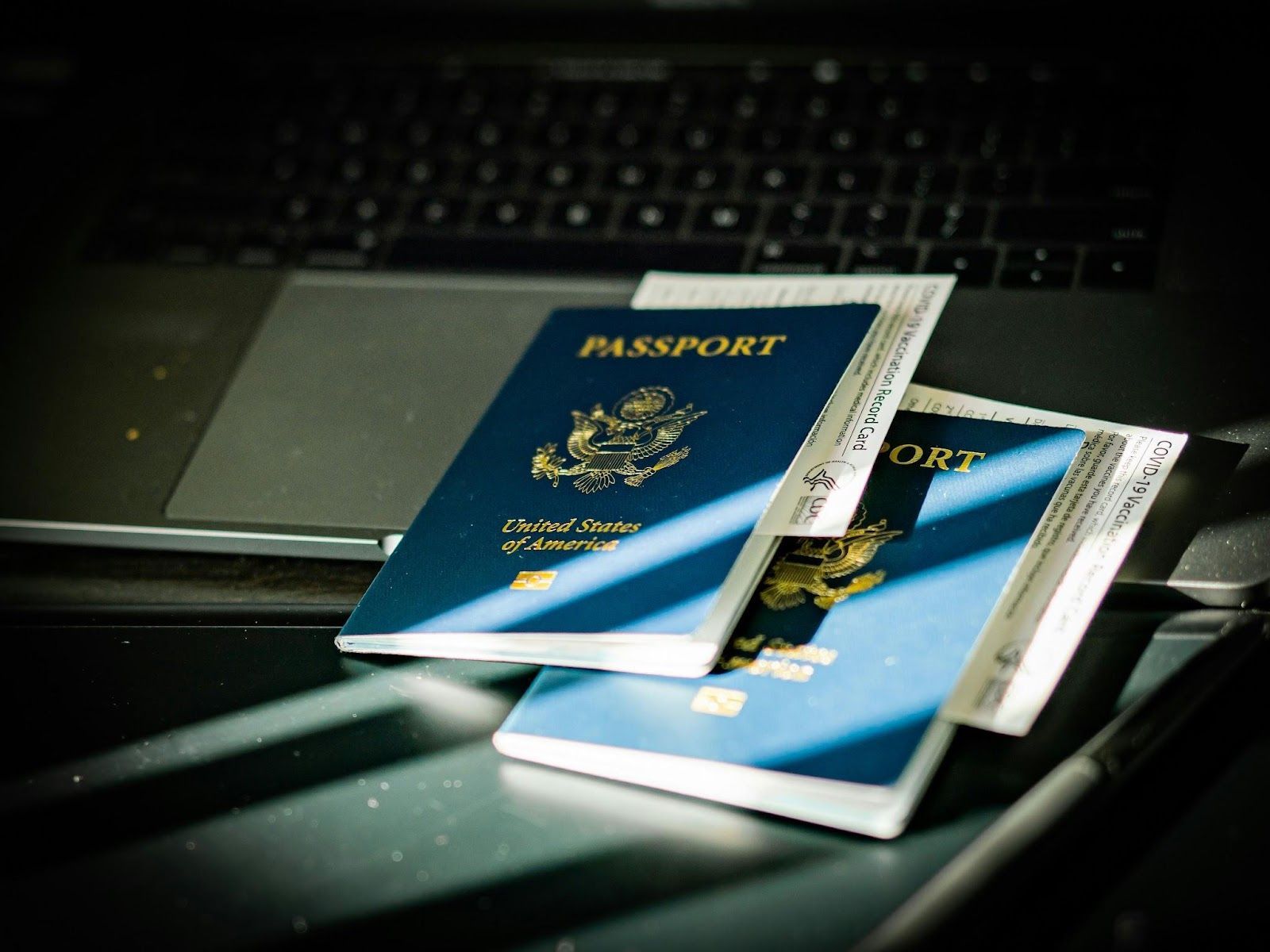
Timing is everything, but the early bird does not always get the worm. Booking too early can be just as expensive as booking too late. You need to find your "Goldilocks Zone": after the early-bird spikes, but before the last-minute business traveler surges. If you are looking to book a domestic flight, aim for 1 to 3 months in advance. For international flights, book 2 to 8 months in advance.
Travel during the Shoulder Season

Wondering what the "Shoulder Season" is? It’s the sweet spot between the peak season (high prices, crowds) and the off-season (bad weather, closed attractions). For example, visiting Italy in May or September rather than July. You get great weather and significantly lower airfare because the demand isn't at its absolute peak.
Invest in a VPN

Airlines often practice dynamic pricing based on where you are located. By using a Virtual Private Network (VPN), you can change your IP address to a different country. Sometimes, booking a flight from a country with a lower cost of living or a different currency can result in a lower price for the exact same seat. It may sound like cheating, but you’ll discover it’s a very useful tool.
Search multiple airports
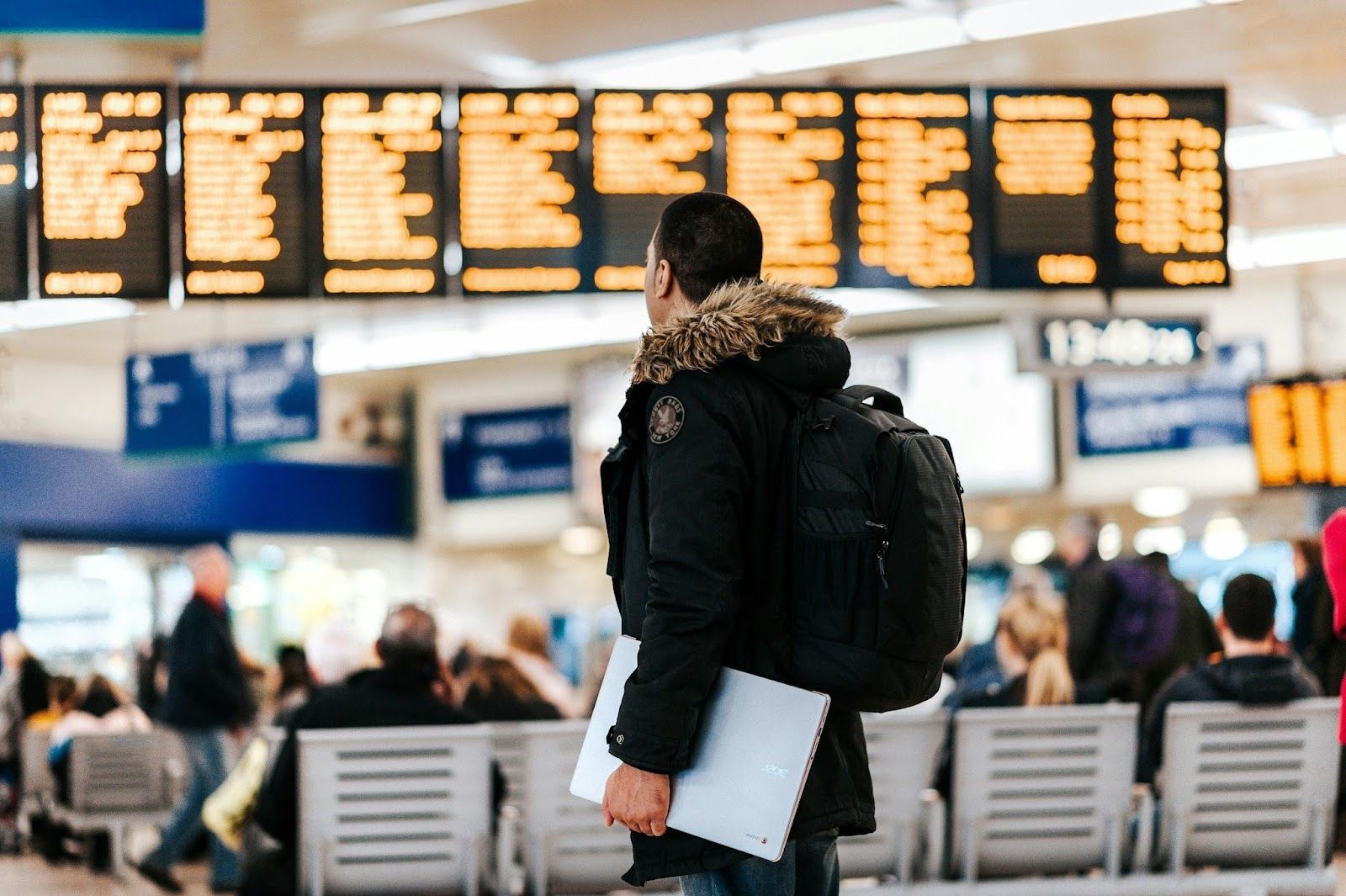
Don't just check the airport closest to your house. Major hubs often have much lower prices due to increased competition. If you live in Philadelphia, it might be a lot cheaper to take a train to JFK in New York and fly from there. Always check "All Airports" within a 100-mile radius of your start and end points to find the best rate.
Take advantage of credit card travel offers
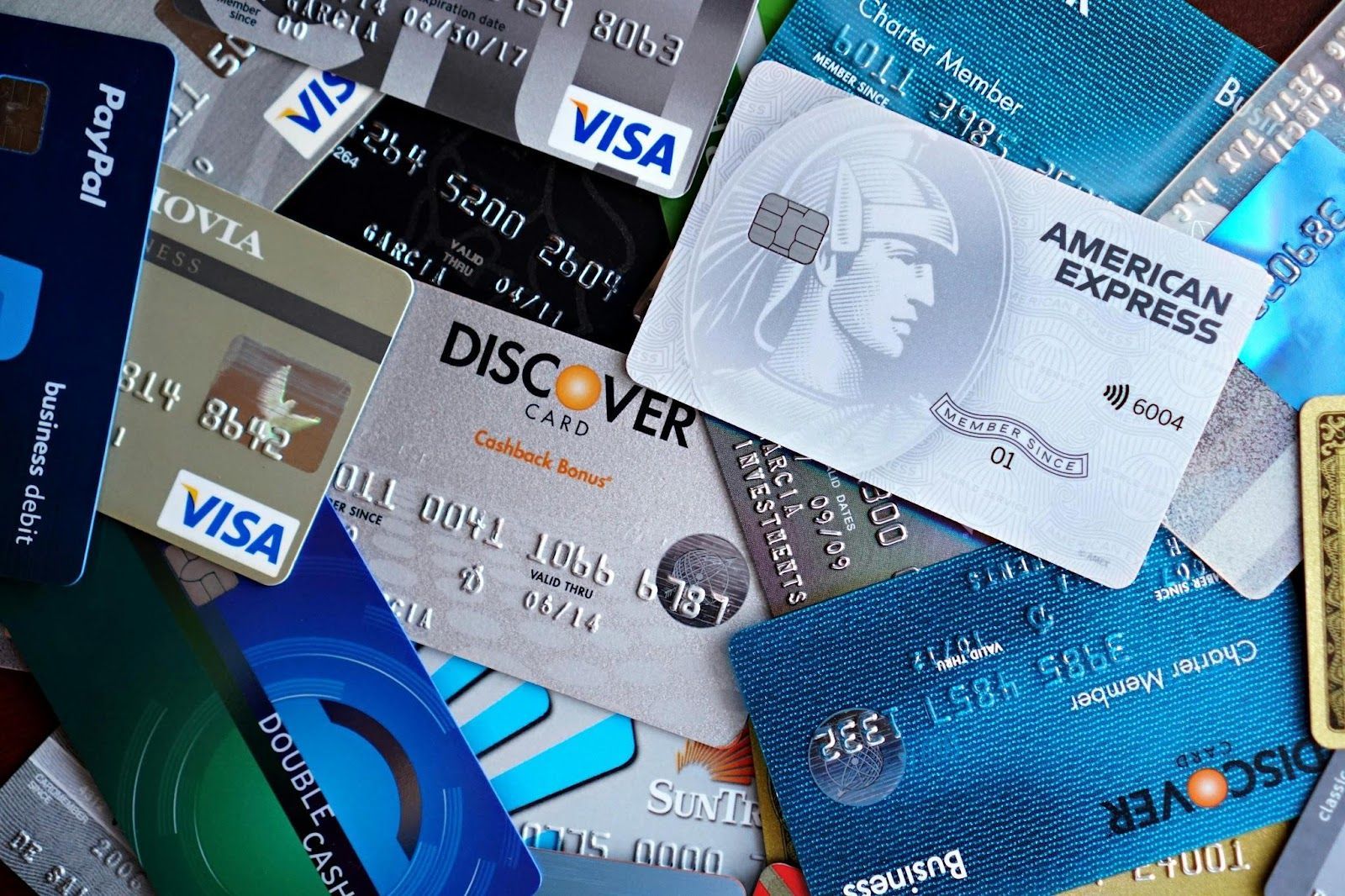
Your daily spending can fund your flights. Many premium credit cards offer "statement credits" for travel or specific discounts with partner airlines. Also, you can earn points that you can later exchange for bonus miles. Before you book, check your banking app’s "offers" section, where you might find a "5% back on United Airlines" or a "$100 off $500" deal waiting for you.
Use frequent flier miles and join a community
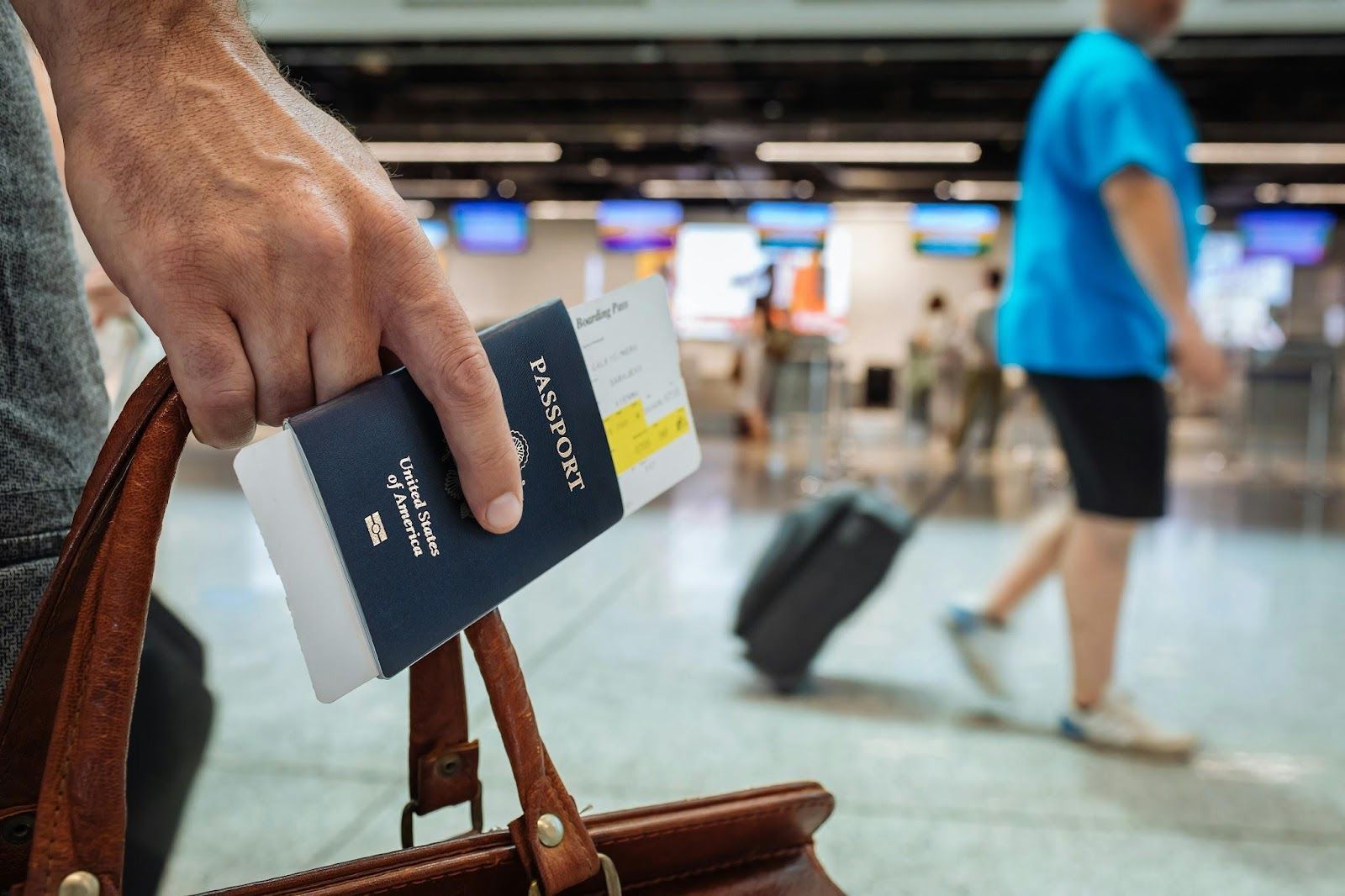
Frequent flier miles are a currency of their own, and you should not postpone using them. If you don't have enough points for a full flight, many airlines offer "Points + Cash" options. Additionally, joining a community or a deal-finding club (like Going or Jack’s Flight Club) gives you access to "mistake fares", heavily discounted tickets caused by human error or computer glitches.
Ask the airline for a discount

It sounds old-fashioned, but it can work. If you are looking for a specific flight and you find a slightly lower price elsewhere, or if you are a student, a senior, or a member of the military, call the airline's booking line directly. While the Golden Age of haggling is mostly over, agents occasionally have the authority to waive certain booking fees or apply specific discount codes that aren't visible on the main website. Sometimes old-fashioned hacks work best.
10 things airlines won't tell you about a missing bag
Luggage uncover
10 things airlines won't tell you about a missing bag
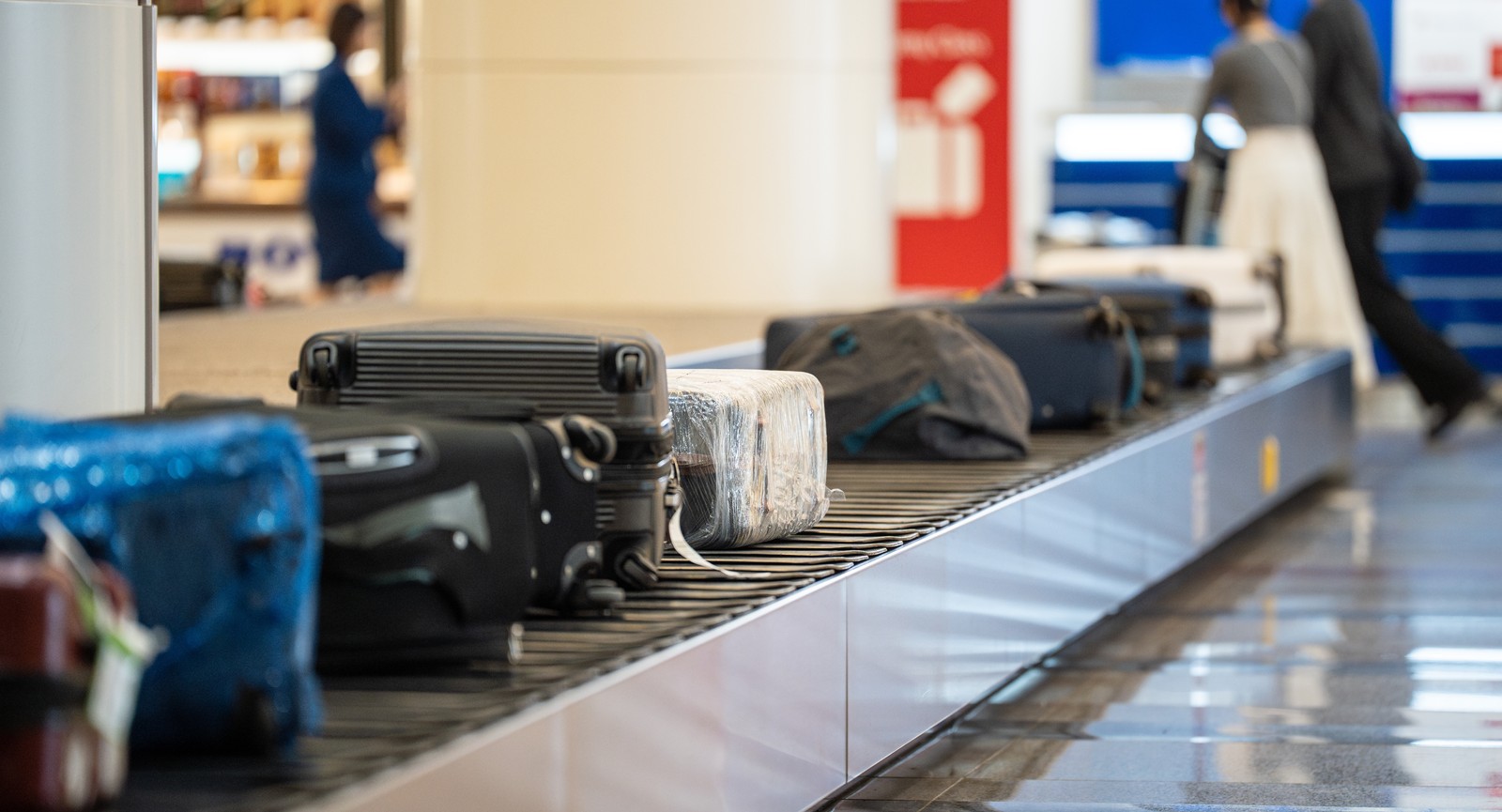
Picture yourself standing at baggage claim after a long flight. The carousel starts moving, people pick up their bags, and the crowd slowly disappears. The belt stops, but your luggage never comes out. What happens next? Before sinking into frustration, knowing this step-by-step process can help you manage your missing bag. This is how airlines usually handle a delayed bag.
How airlines notice a missing bag

Airlines can actually notice a missing bag through tracking records. When checking your bag, the airline attaches a tag with a barcode or tracking number. That tag links the bag to your name, flight, destination, and baggage claim receipt. So, as the bag moves through the airport system, it may be scanned at different points and spots where the bag was last recorded.
But if the bag remains unclaimed, the airline may never notice that the passenger is waiting for it. So it's important to report the loss before leaving the airport or as soon as possible through the airline’s baggage claim system. This report creates an official file that is the starting point for tracking it.
What travelers can buy while they wait
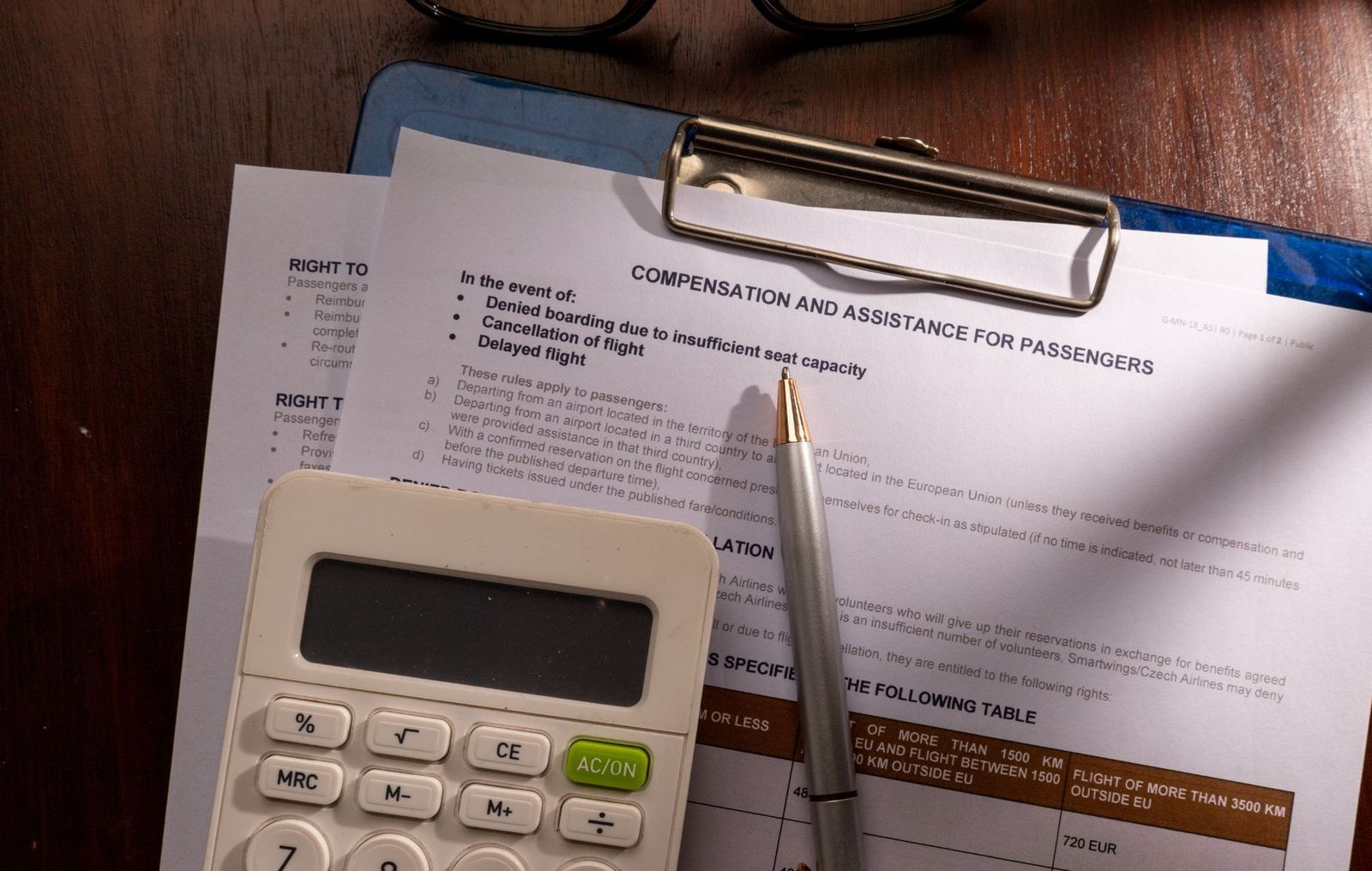
You are at the airport, waiting for the airline to find your suitcase, and you realise you need a few basic items such as toiletries, underwear, medication replacements, etc. In this situation, the keyword is "necessary." Airlines may compensate for the delay by paying for reasonable expenses, but passengers need to save the receipts. Unnecessary purchases may not be covered, only what you need for the short term. Keep every receipt, take photos of them, and send them to the airline with your claim.
How compensation for lost luggage works
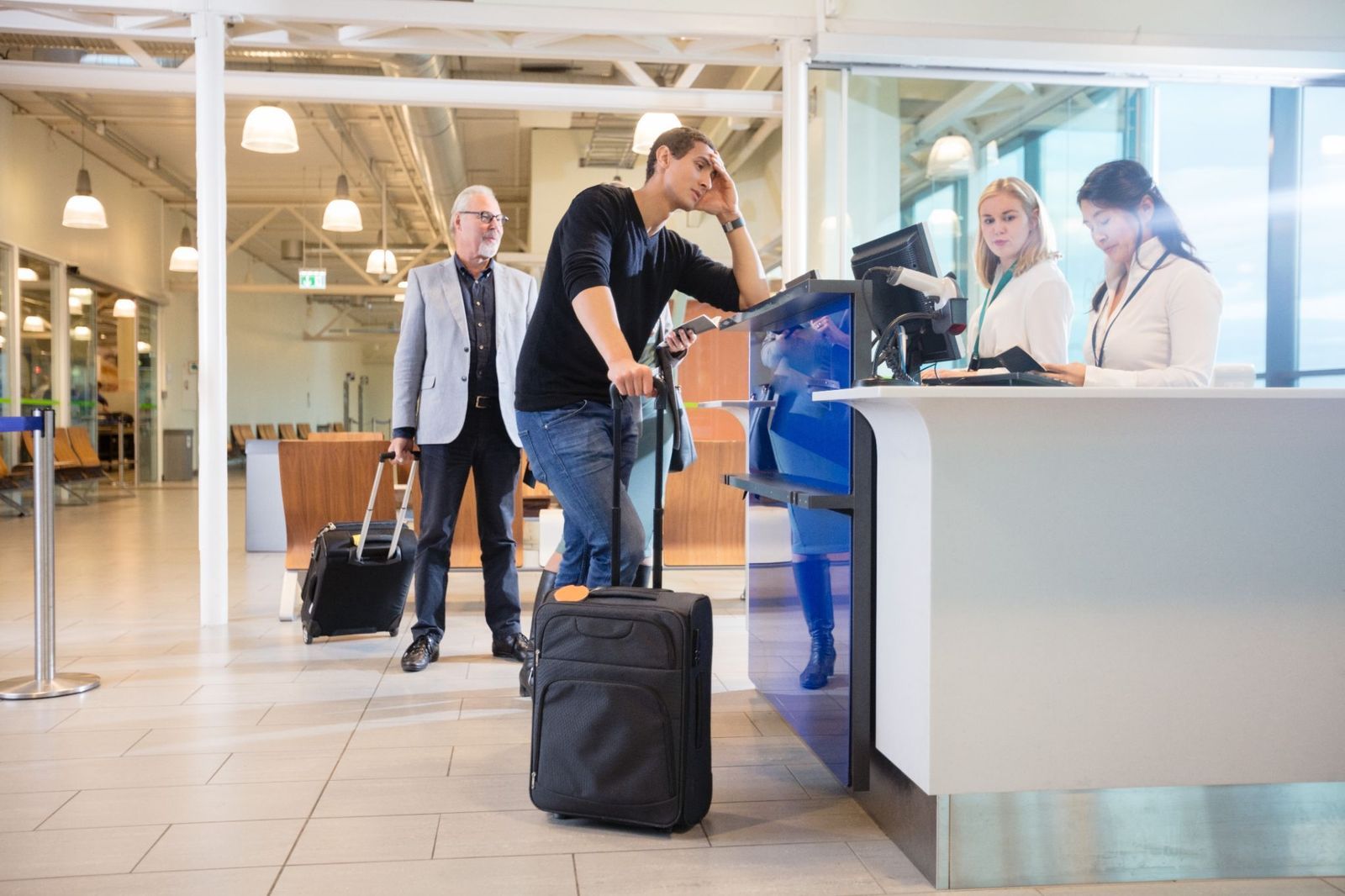
Now suppose the worst happens: the airline says your bag is lost. At that point, the airline is usually responsible for paying you back for the items inside the bag. But there are some rules to follow. The airline may ask for proof of what was in the bag, and it may not pay the full original price for older items. There are also legal limits on how much the airline has to pay. Most of the time, the airline must also refund the baggage fee you paid to check that bag.
What information airlines need from you

The information needed includes your name, contact information, flight number, baggage claim ticket, bag tag number, final destination, and a delivery address. Reasonably, the airline would ask for a description of the bag: brand, color, size, material, wheels, handles, tags, stickers, or any remarkable item. You should be able to describe what is inside the bag, especially if it has been missing for a few days. It helps to confirm ownership when the tag gets damaged or is missing.
Where delayed luggage goes first
Delayed bags that missed the carousel could be in a baggage room at the departure airport; it might have missed a connection, been placed on a later flight, or even arrived at your destination airport but went to the airline’s baggage service area instead of the carousel. In most cases, a missing suitcase is delayed, not lost.
That is why the first step isn’t to claim compensation. The first step should be checking the last scan, tracking the bag, and matching that information with the passenger’s report. If the bag is already at the destination airport, you’d get the best scenario. If it’s still in another city, the airline should send it on the next available flight.
How bags are tracked between airports
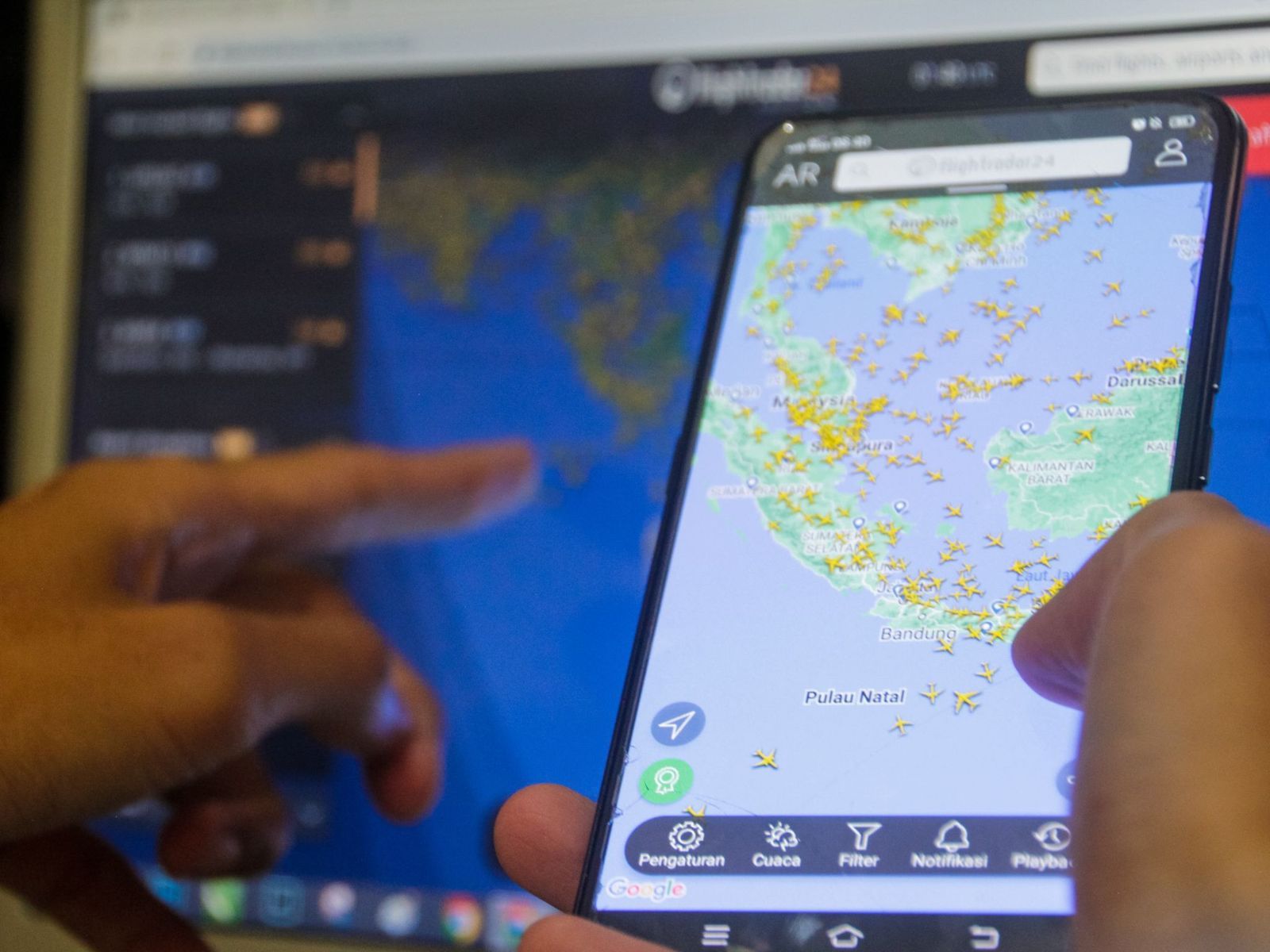
Let’s go deeper into the tracking possibilities. Checked bags are tracked through the bag tag. The number on it is the key piece of information, telling the airline the bag’s owner and where it is going.
However, some airlines also let passengers track checked bags through an app or online tool. This can show when the bag was checked in, loaded, transferred, or delivered. But even if the passenger can see that the bag is at another airport, the airline still needs to process the bag, match it to the claim, and arrange transportation.
Why luggage sometimes takes a different flight
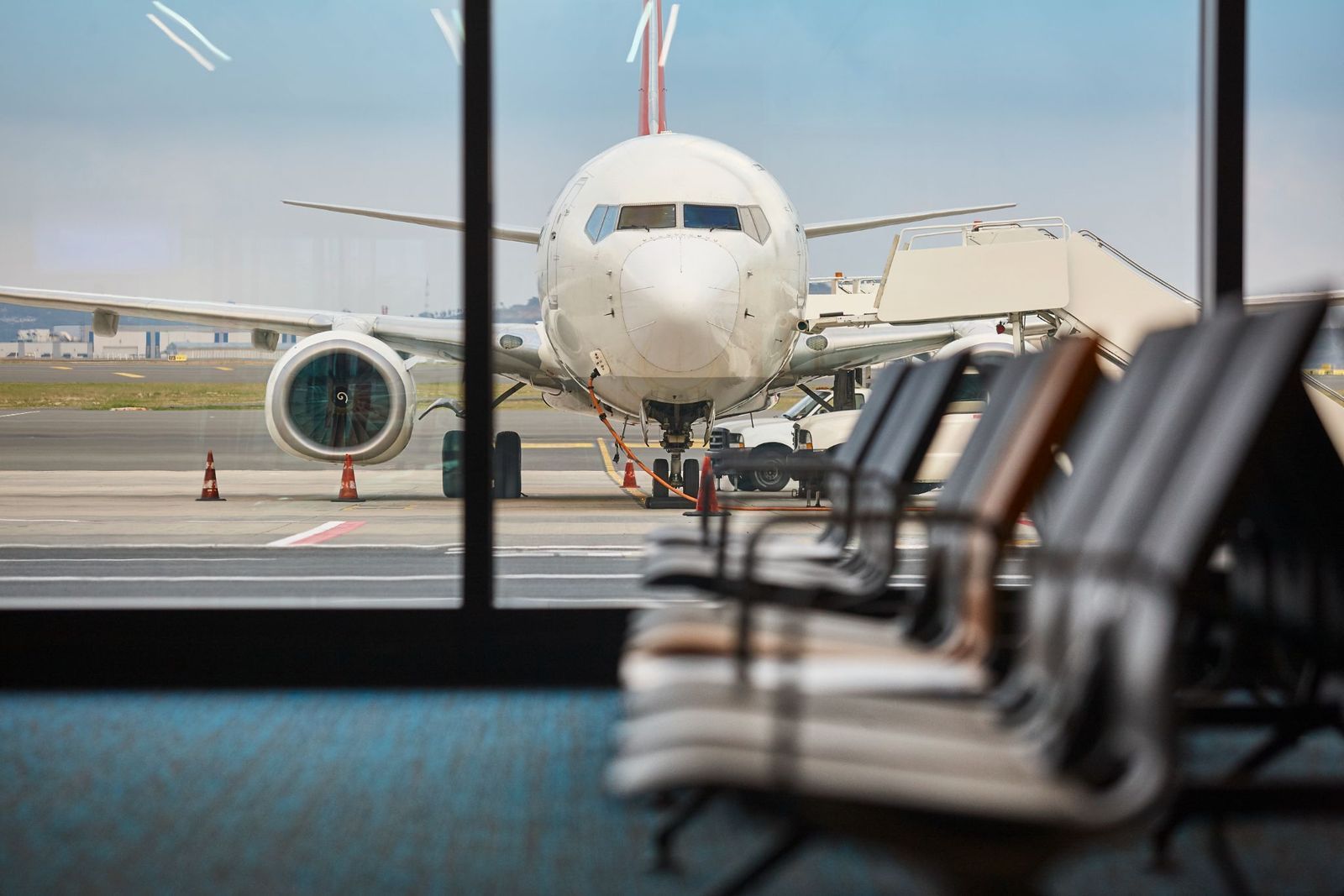
One of the most common reasons a bag misses a flight is a tight connection. Although the passenger may have enough time to reach the next gate, the bag may not have enough time to move from one aircraft to another.
Bad weather, late flights, last-minute aircraft changes, short staffing working that day, or mechanical delays can slow the baggage process. When that happens, the passenger may make the flight, but the bag may fall behind.
When the airline delivers the bag to your hotel
What happens when the airline finally finds the bag? If the issue wasn’t resolved within the next few hours, the passenger will likely have left the airport without his suitcase. But once the airline finds the delayed bag, it’s sent to the airport where the passenger arrived and later delivered to the hotel, home, or another address agreed with the passenger.
That is why the baggage report is so important. If you are staying at a hotel, give the full hotel name, address, phone number, reservation name, and the dates you will be there. If you are moving from one city to another, tell the airline right away to avoid being sent to the wrong place.
When a delayed bag becomes officially lost

If your bag doesn’t show up on the first day, that doesn’t mean it is lost. Most of the time, the airline still treats it as delayed while it keeps searching. The Department of Transportation says most airlines make that decision somewhere between five and fourteen days after the flight. A domestic flight is often easier to check, while an international one can take longer because it involves partner airlines, customs rules, and different baggage systems.
How to reduce the risk of losing a bag

What should a casual passenger do to reduce the probability of losing a bag? A clear luggage tag with your name, phone number, and email address could be one of the best alternatives. Also, before checking the bag, remove old airline tags so they do not confuse the system, and add something highly recognizable, like a strap or a sticker.
Packing the most important items in your carry-on is also a safe move. Always bring with you one change of clothes, basic toiletries, medication, documents, and chargers. That way, if your checked bag is delayed, it’ll be frustrating, but it doesn’t stop the whole trip.
Keep wandering
There’s always
more to explore

Nearly everyone in this town lives in one 14-story building
6 min.
Read Now
 Landmarks

10 mysterious wonders you can only see from the sky
4 min.
Read Now
 Culture

Can too many visitors change a town forever? The truth about tourism
6 min.
Read Now
Why toasting with a glass of water could get you into serious trouble
6 min.
Read Now