
Why your glasses are better than contacts (and 9 other air travel tips)
 General
Fly like a pro
Why your glasses are better than contacts (and 9 other air travel tips)
Flying is a modern marvel, but let’s be honest: entering the stratosphere in a pressurized metal tube isn’t exactly what the human body was designed for. Between the desert-dry air and the cramped quarters, a long-haul flight can feel like a marathon you didn't train for. To ensure you arrive at your destination feeling like a human being, here are 10 essential health tips for safer, more comfortable air travel.
The carry-on rule: Keep your meds close

Never, under any circumstances, pack essential medications in your checked luggage. If your suitcases go missing, your health shouldn't suffer. Keep all prescriptions in your carry-on bag in their original containers. Not only does this ensure you have them if your luggage takes an unplanned detour to Timbuktu, but it also makes it easier to pass through security.
Document your health: ID and notification cards

If you live with a chronic condition (such as diabetes, epilepsy, or severe allergies), carry a medical notification card or wear a medical ID bracelet. In the unlikely event of a medical emergency mid-flight, cabin crew and redirected medical professionals need to know your history instantly.
Hydrate like you’re in the Sahara

Airplane cabins often have humidity levels lower than 20%; believe it or not, that’s drier than some deserts. We know freebies are tempting, but it is best to skip the booze and caffeine: both are diuretics that will leave you feeling parched. Instead, aim to drink at least 250ml (one cup) of water for every hour you’re in the air.
Master the pressure: Relieving ear pain
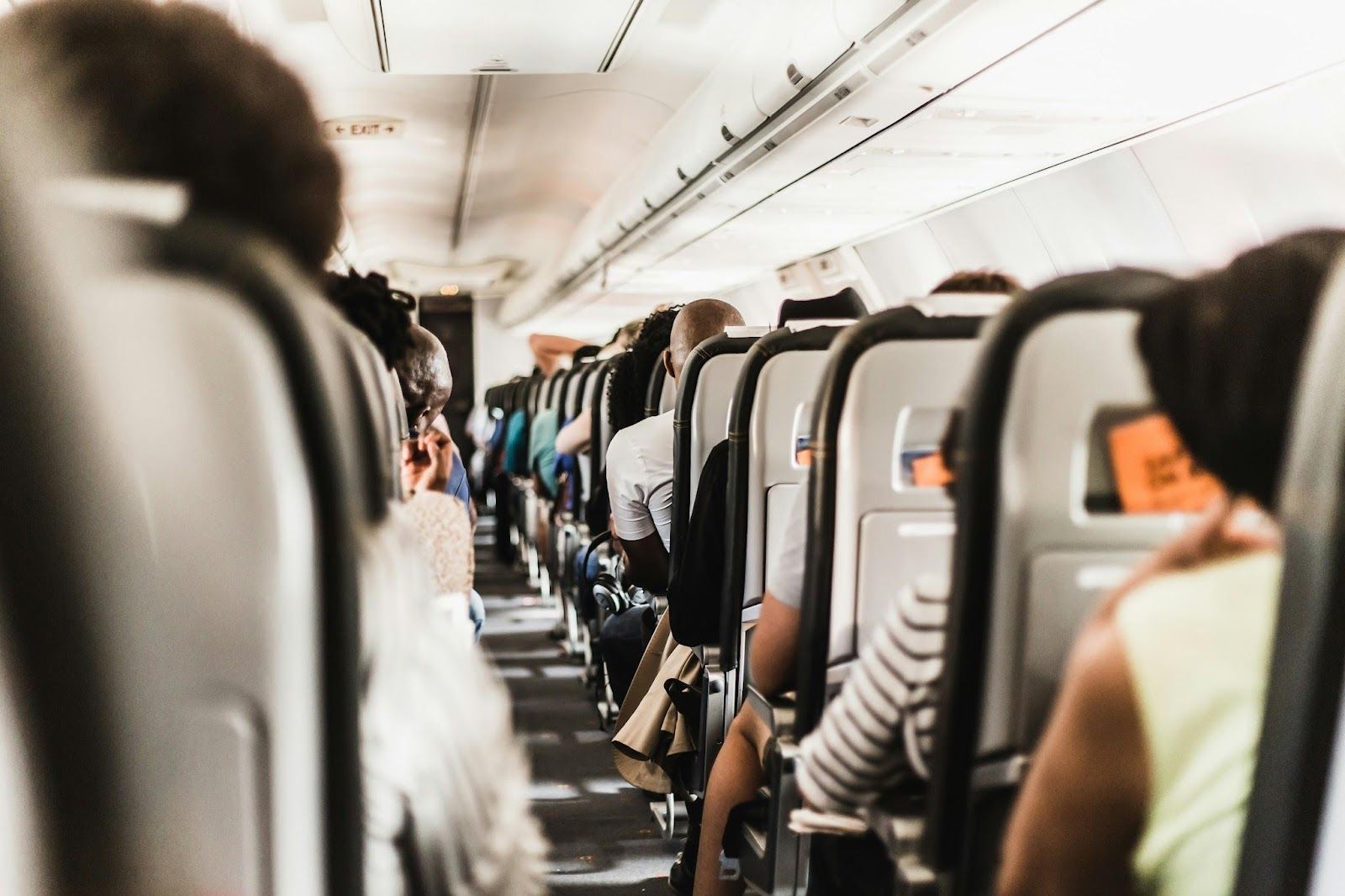
Have you ever experienced that painful "pop" during takeoff and landing? It is caused by the pressure differential between your middle ear and the cabin. To find relief, you can try the Valsalva Maneuver: Pinch your nose, close your mouth, and gently try to blow out through your nose. Another strategy is to practice "active swallowing" by chewing gum or sucking on hard candy to keep the Eustachian tubes open frequently.
Tame the sway: Relieving motion sickness
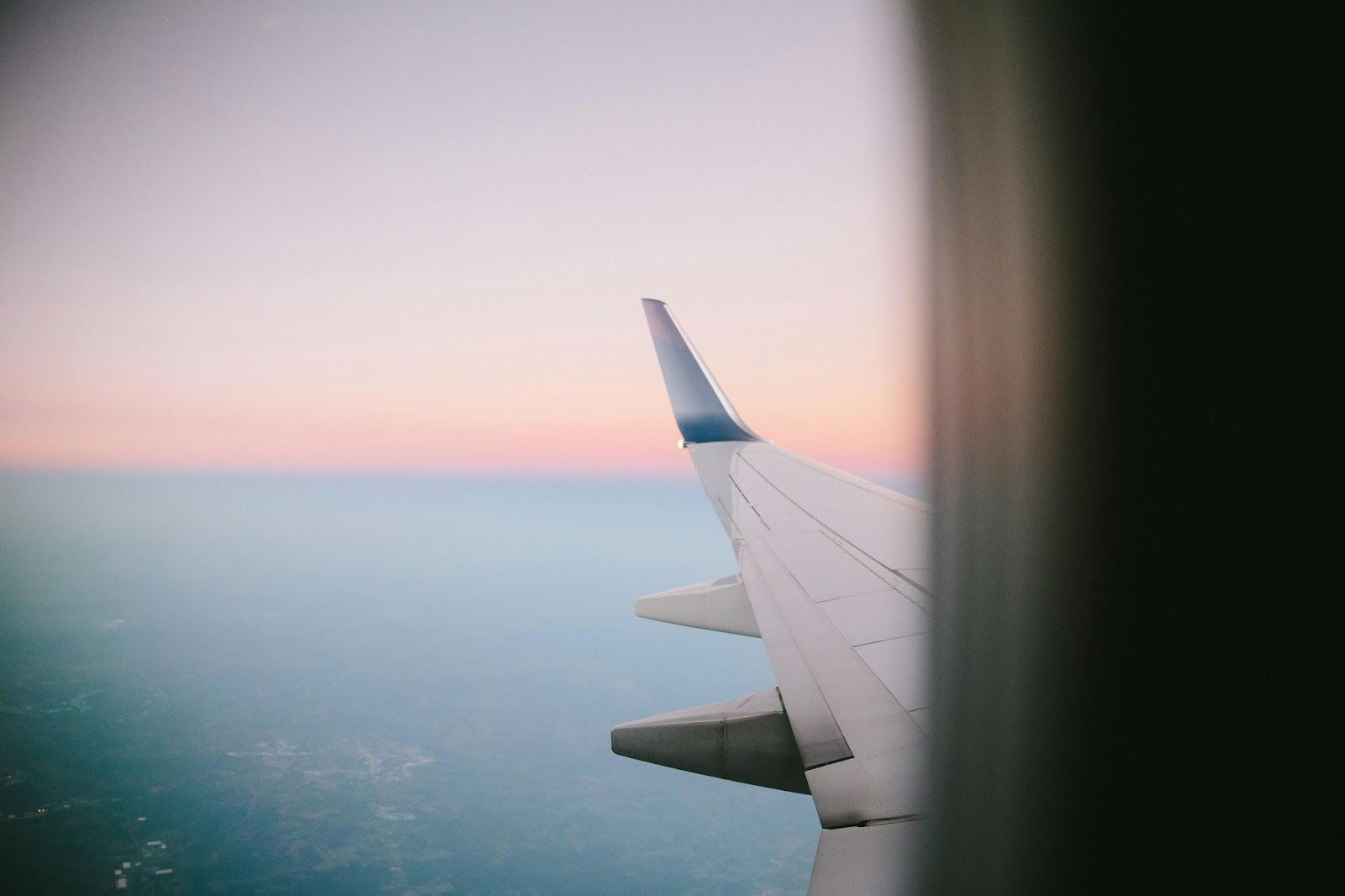
If the feeling of turbulence usually gets to you, try to book a seat over the wings: this is the most stable part of the aircraft. During the flight, you can keep your eyes on the horizon or a fixed point to avoid discomfort. Also, consider natural remedies like ginger lozenges or acupressure wristbands to keep motion sickness and nausea in check.
Combat the "Economy Class Syndrome"
Sitting still for hours increases the risk of Deep Vein Thrombosis (DVT). To keep your blood flowing, you can walk down the aisle. Simply take a stroll to the galley or restroom several times during your flight. Every 30 minutes or so, you can do some seated stretches like ankle circles, knee lifts, and toe points. Also, if you usually suffer from swollen legs when you travel, wear compression socks to prevent blood pooling.
Give your eyes a break

Contact lenses and recycled cabin air are a recipe for sandpaper eyes. If you can, wear your glasses for the duration of the flight. If you absolutely must wear contacts, bring preservative-free re-wetting drops and apply them frequently to prevent the lenses from drying out and sticking to your corneas.
Stretch while you sit

You don't need an aisle to stay limber. While seated, you can still manage some stretches. For example, do some shoulder rolls, pulling your shoulders up to your ears and rolling them back. Add neck tilts, gently move your ear toward your shoulder to release tension from those tiny airplane pillows. Lastly, if space permits, lean forward to touch your shins to stretch your lower back.
Don't wait: Arrange special needs early

Airlines are there to help, but they aren't mind readers. If you have special needs, ask for accommodations and authorizations before your flight. Most carriers require at least 48 hours' notice for specific requirements. This includes dietary restrictions, like needing a low-sodium, vegan, or gluten-free meal; mobility assistance, such as reserving a wheelchair or an aisle-accessible seat; or bringing special equipment, like your own CPAP machine or portable oxygen concentrator.
The golden rule of comfort: Dress in layers

Cabin temperatures can fluctuate from "Arctic Tundra" to "Tropical Rainforest" in minutes. Wear breathable, loose-fitting layers and always pack a light scarf or sweater. Comfort isn't just a luxury; it reduces stress, which in turn keeps your immune system in better shape for a pleasant, stress-free vacation.
These lost cities around the world look like scenes from adventure films
 Geography
Trails to the past
These lost cities around the world look like scenes from adventure films
Some say it is just like being in a movie: You advance slowly in the middle of a jungle, sand, or cliffs, only to find the sight of a legendary city telling tales of the past in plain sight. For centuries, these places existed only in memory until explorers, archaeologists, or curious locals stumbled upon them again. Today, reaching many of these lost cities still requires effort: long hikes, steep staircases, and winding paths through forests or deserts. But that journey is part of the magic. Let’s look at the ruins of 10 ancient sites that attract people from all over the world.
Machu Picchu in Peru
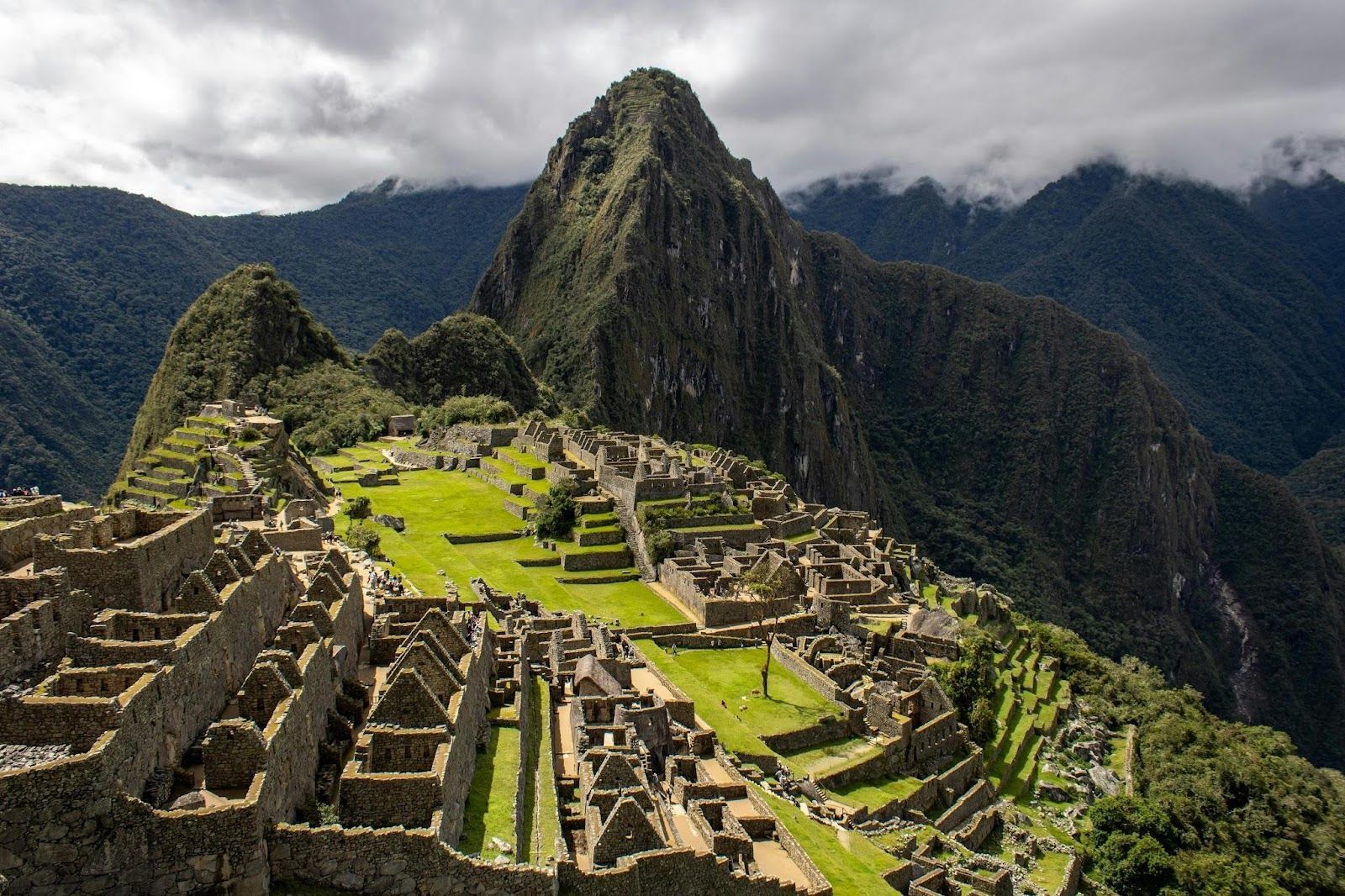 Image: Anyela Málaga
High in the Andes, Machu Picchu no longer feels like a secret the mountains kept. Built by the Incas in the 15th century and abandoned not long after, the city remained unknown to the outside world for centuries, protected by clouds and steep terrain.
Visitors usually reach it after days of hiking along ancient stone paths, or by train, followed by a final ascent. Early in the morning, when mist drifts through the ruins, Machu Picchu feels truly magical.
Petra in Jordan
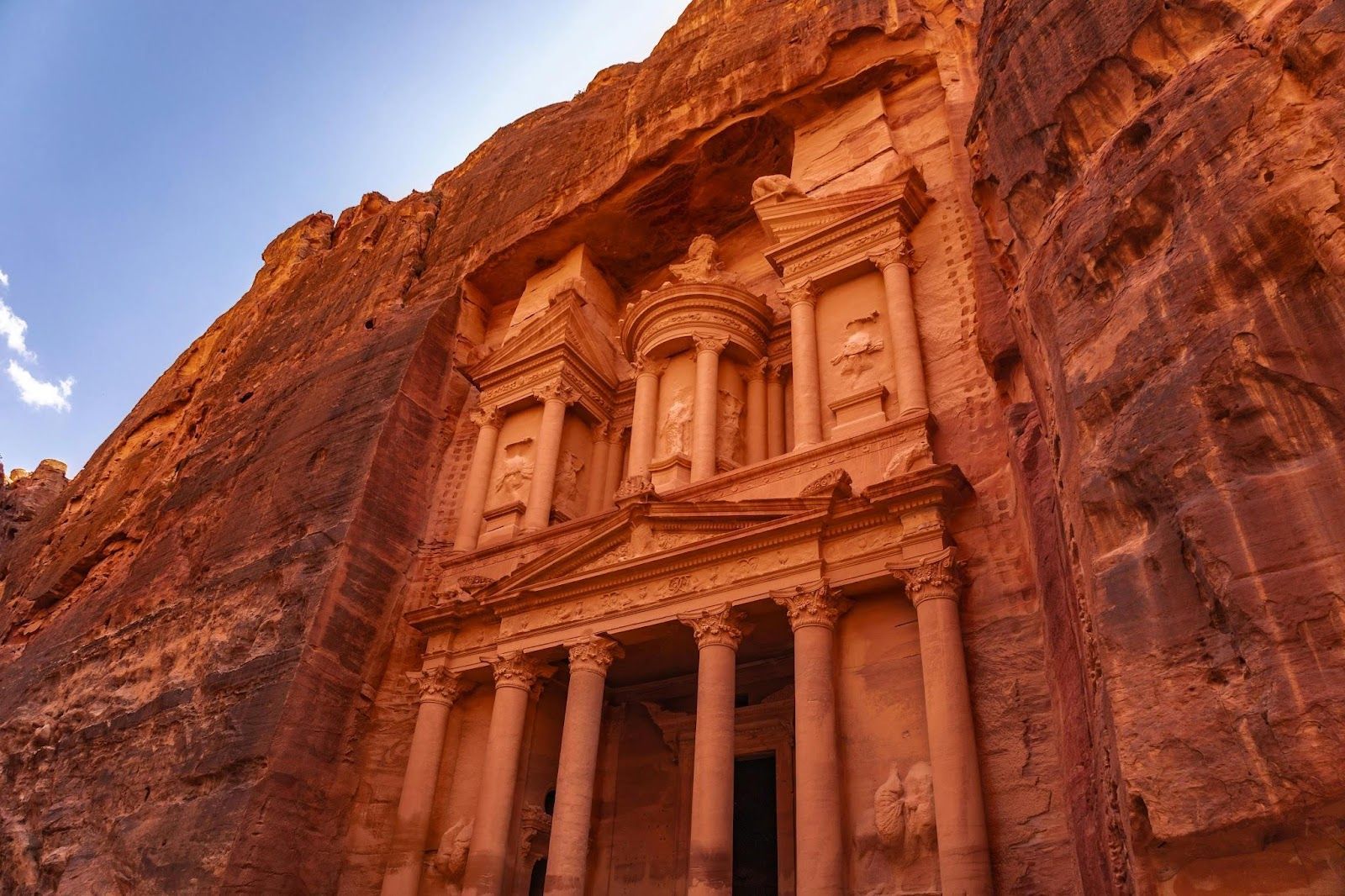 Image: Andrea Imre
Petra doesn’t reveal itself all at once. Visitors walk through a narrow sandstone canyon called the Siq, its walls towering overhead, before suddenly emerging in front of the Treasury, carved directly into rose-colored rock.
Once the capital of the Nabataean Kingdom, Petra was a major trading hub before being abandoned and forgotten for hundreds of years. Exploring the site means walking miles of trails past tombs, temples, and hidden stairways.
Mesa Verde National Park in the United States
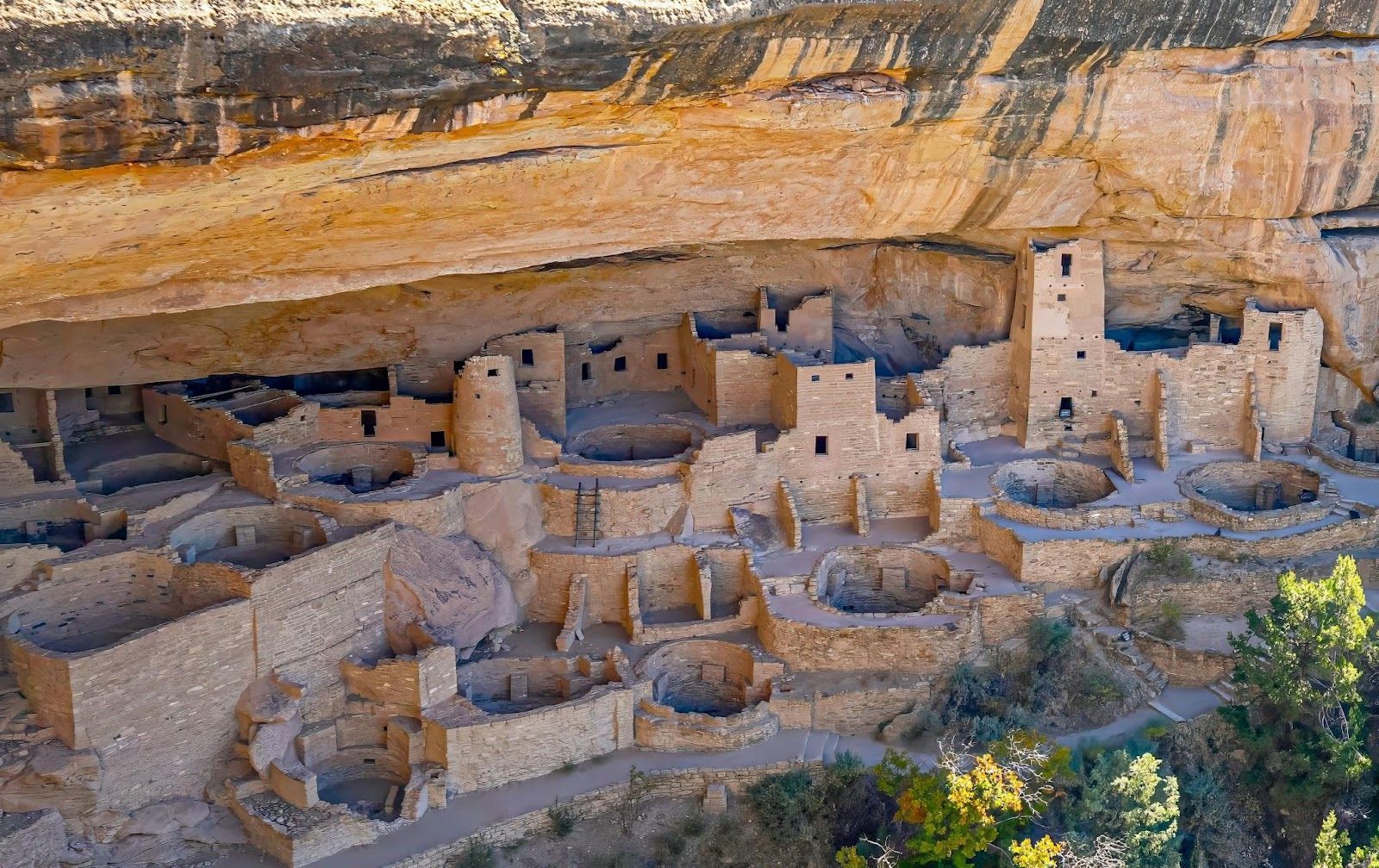 Image: mana5280
Mesa Verde offers one of the most striking "lost city" experiences in the United States. Built by the Ancestral Pueblo people over 700 years ago, its famous cliff dwellings are tucked high into canyon walls, protected by rocky overhangs.
Unlike many ruins, these structures still look and feel human, with rooms, ladders, and plazas clearly visible.
Ciudad Perdida in Colombia
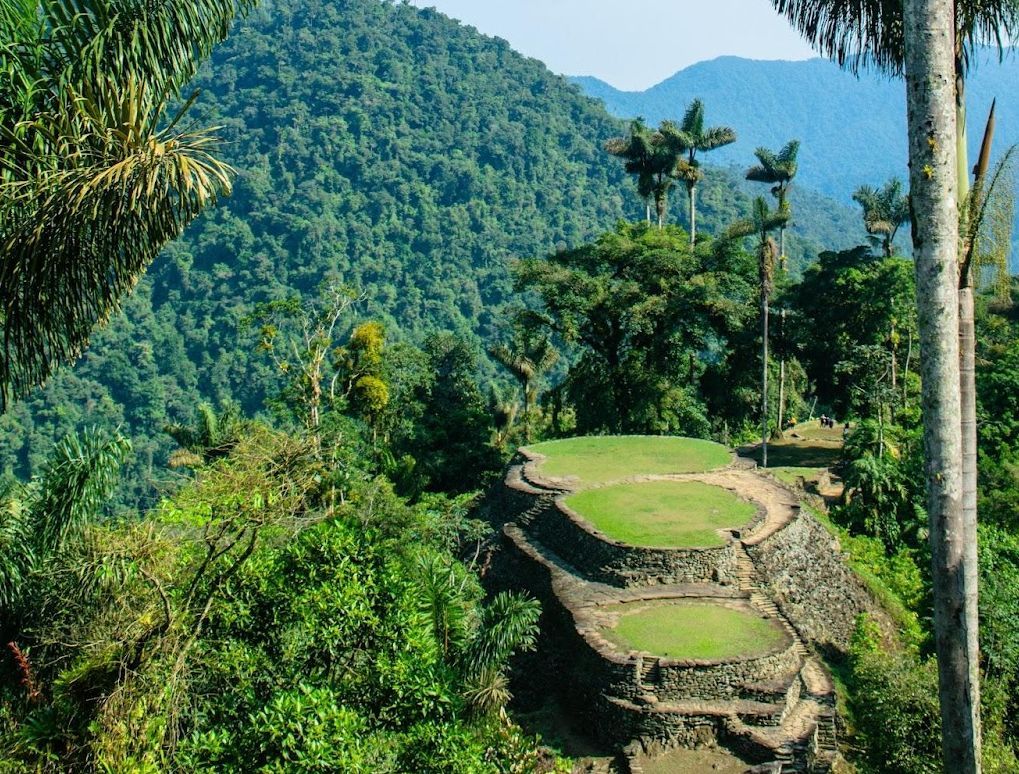 Image: Ákos Helgert
Ciudad Perdida, or "The Lost City," lives up to its name. Hidden deep in Colombia’s Sierra Nevada mountains, it was built around 800 AD, which means it is older than Machu Picchu.
Reaching it isn’t easy: visitors must complete a multi-day trek through dense jungle, crossing rivers and climbing steep paths. But those who make the journey are rewarded with stone terraces and staircases that emerge quietly from the forest.
Angkor in Cambodia
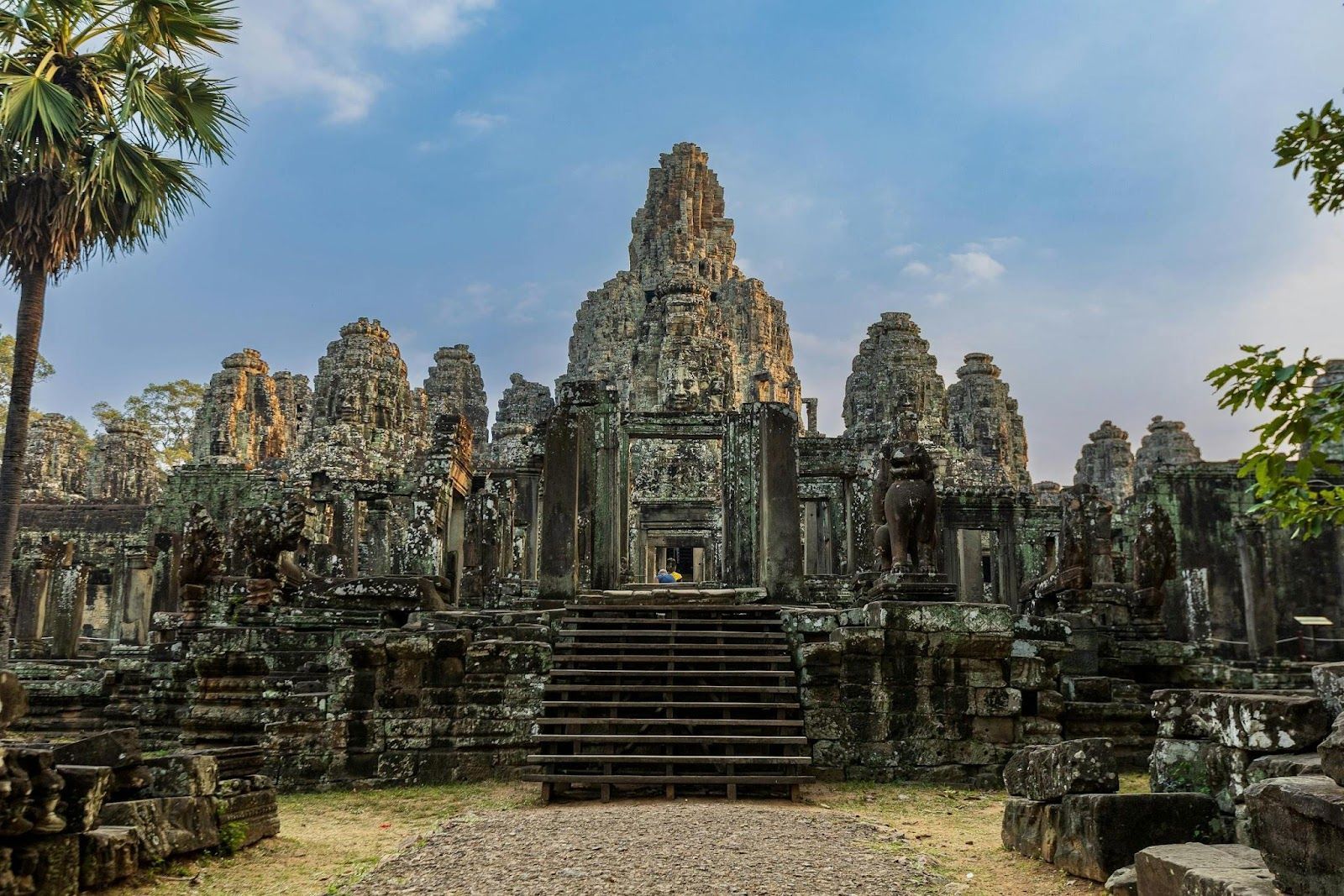 Image: Serg Alesenko
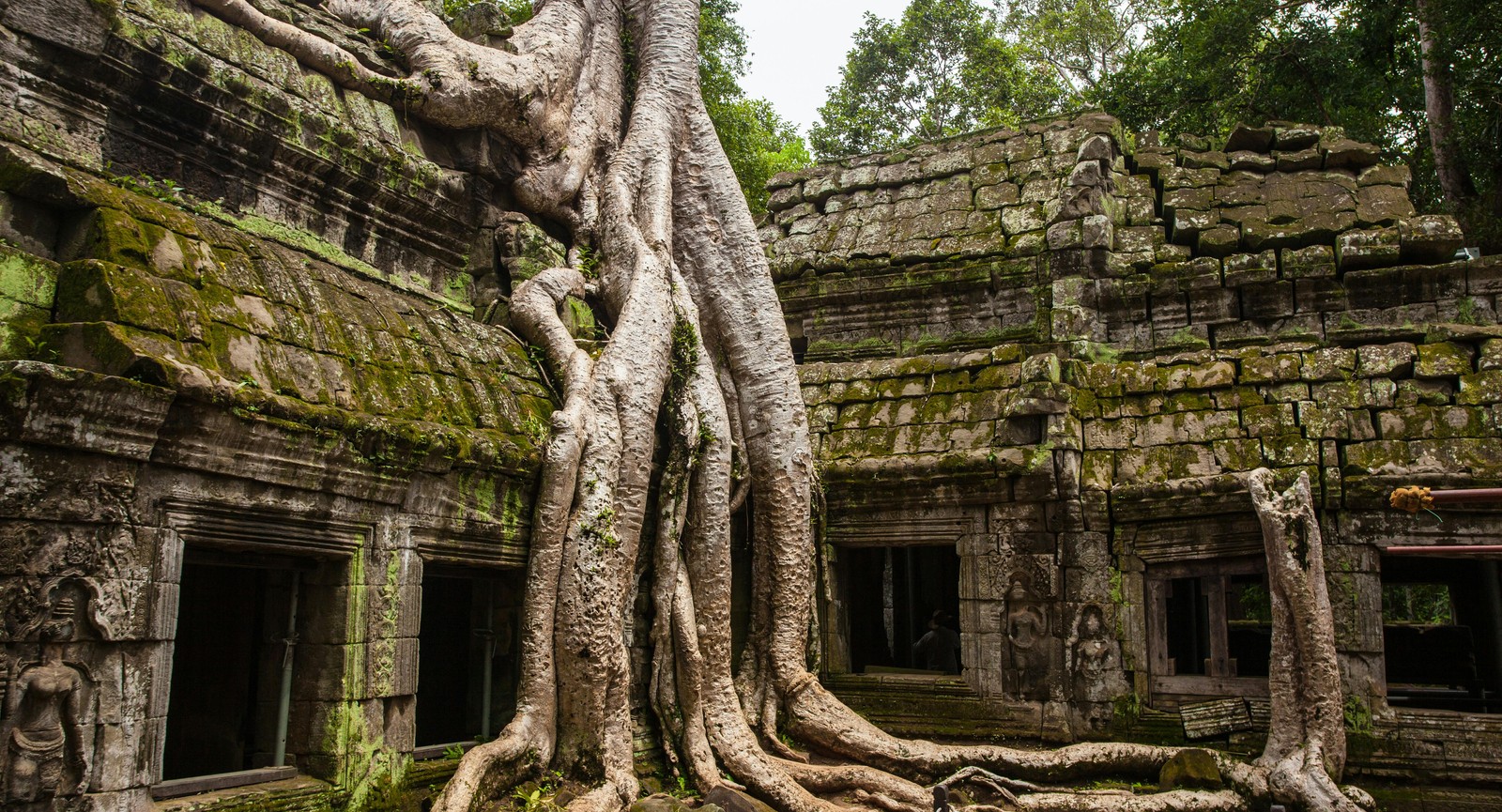
Angkor is not just a lost city, but an entire ancient world. At its height, this was one of the largest urban centers on Earth, home to temples, reservoirs, and ceremonial roads stretching for miles. After the Khmer Empire declined, the jungle slowly reclaimed it.
Today, visitors wander along forest paths where massive stone towers rise suddenly from the trees, roots wrapped around walls like living sculptures.
Tikal in Guatemala
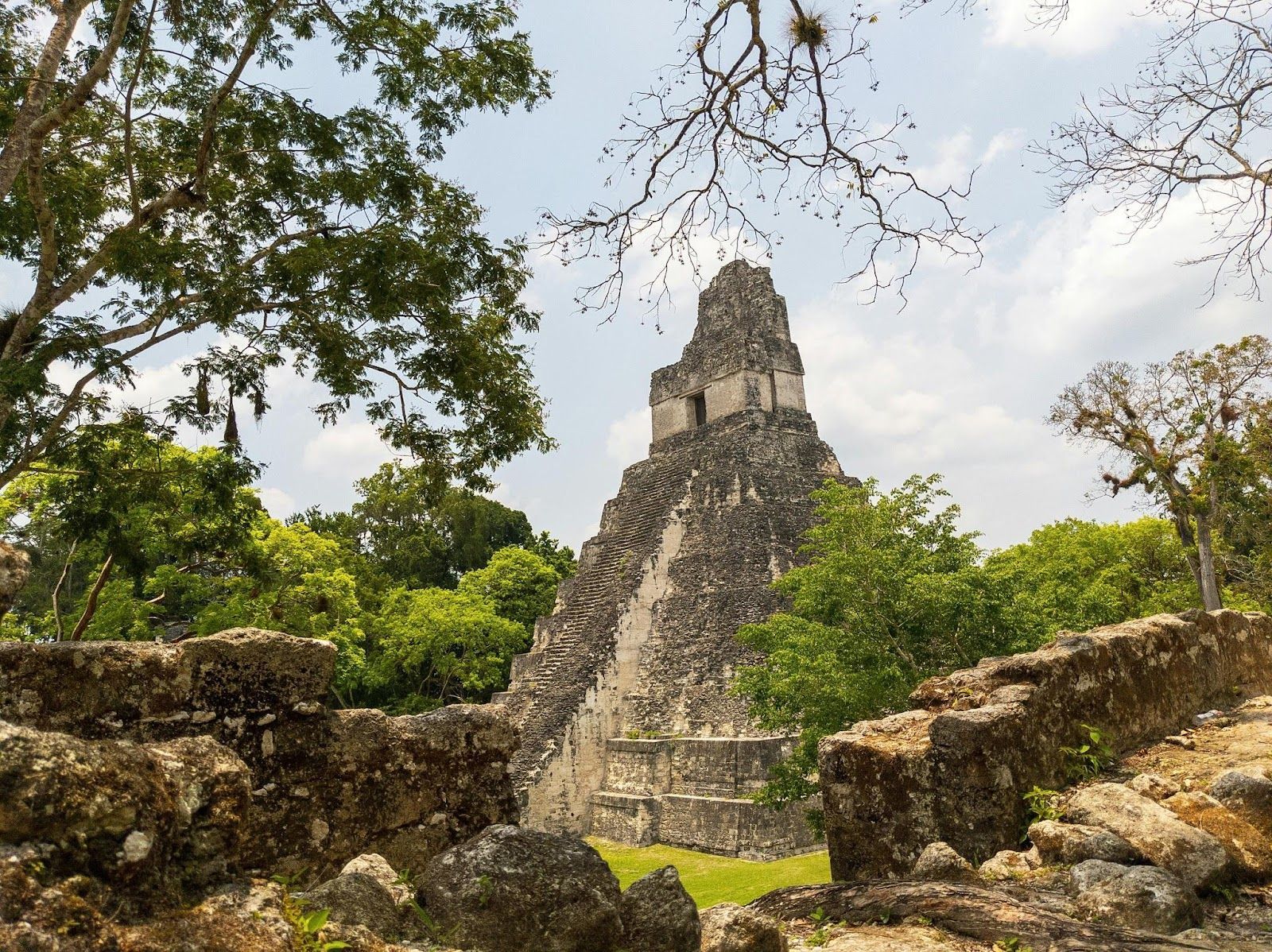 Image: Matthias Stutzman
Deep in the Guatemalan rainforest, howler monkeys roar from the treetops as ancient Maya temples slowly come into view. Once a powerful city-state, Tikal was abandoned around the 10th century and swallowed by the jungle for centuries.
Climbing Temple IV offers a rare moment: looking out over endless green, with stone spires breaking through like islands.
Choquequirao in Peru
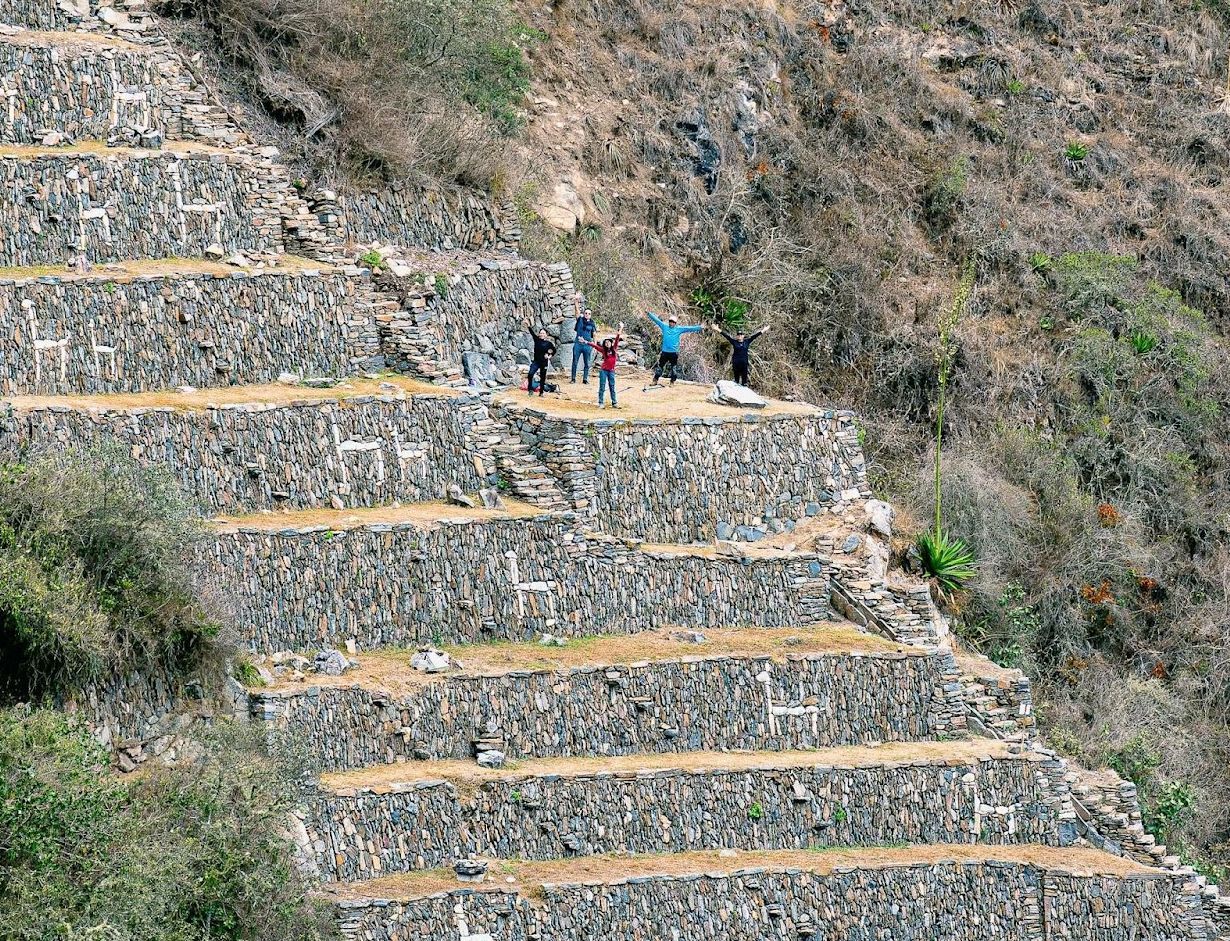 Image: Jose Galarza
Larger in size than Machu Picchu but far harder to reach, this Incan city sits high above a dramatic canyon and can only be accessed by a demanding multi-day trek. That effort is exactly what makes it special.
You arrive there and find yourself nearly alone among terraces, temples, and ceremonial platforms still being reclaimed by nature. Llamas sometimes graze where priests once walked. The most striking thing about Choquequirao is the silence.
Sigiriya in Sri Lanka
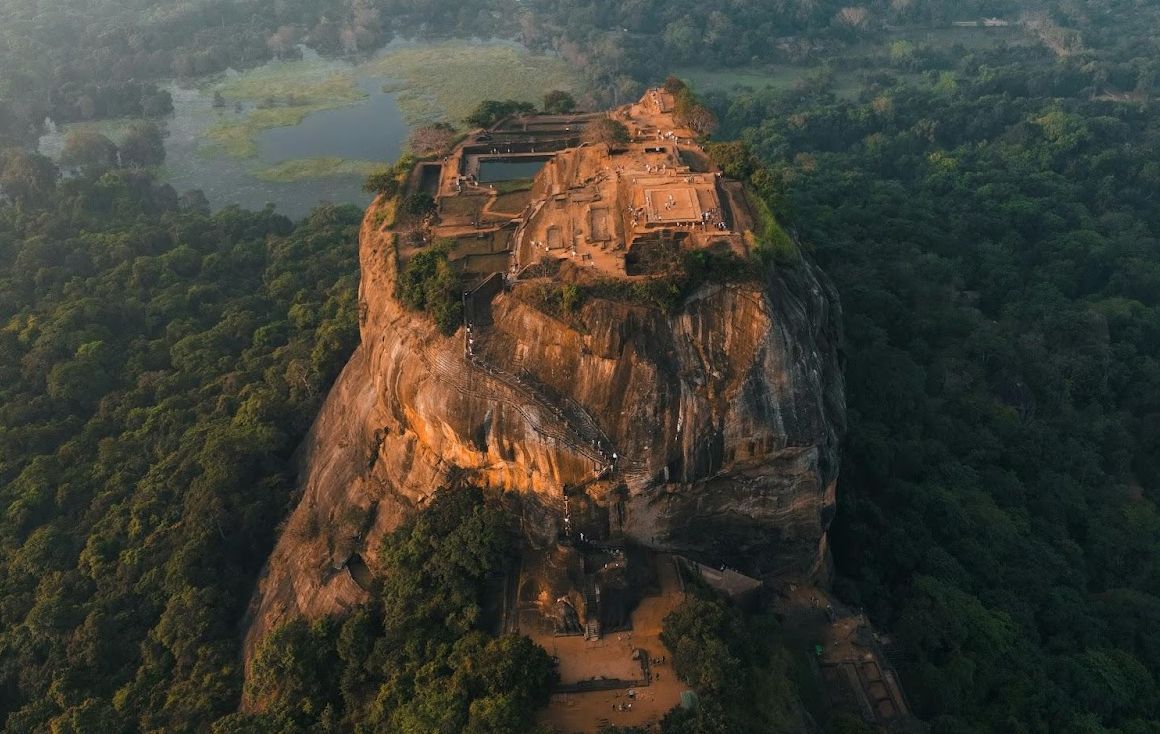 Image: sander traa
This massive rock fortress was once the center of a royal city in the 5th century, complete with gardens, pools, and palaces.
Along the way are ancient frescoes and enormous carved lion paws that once guarded the entrance. The climb is steep but manageable, and the reward at the top is sweeping jungle views in every direction.
Hampi in India
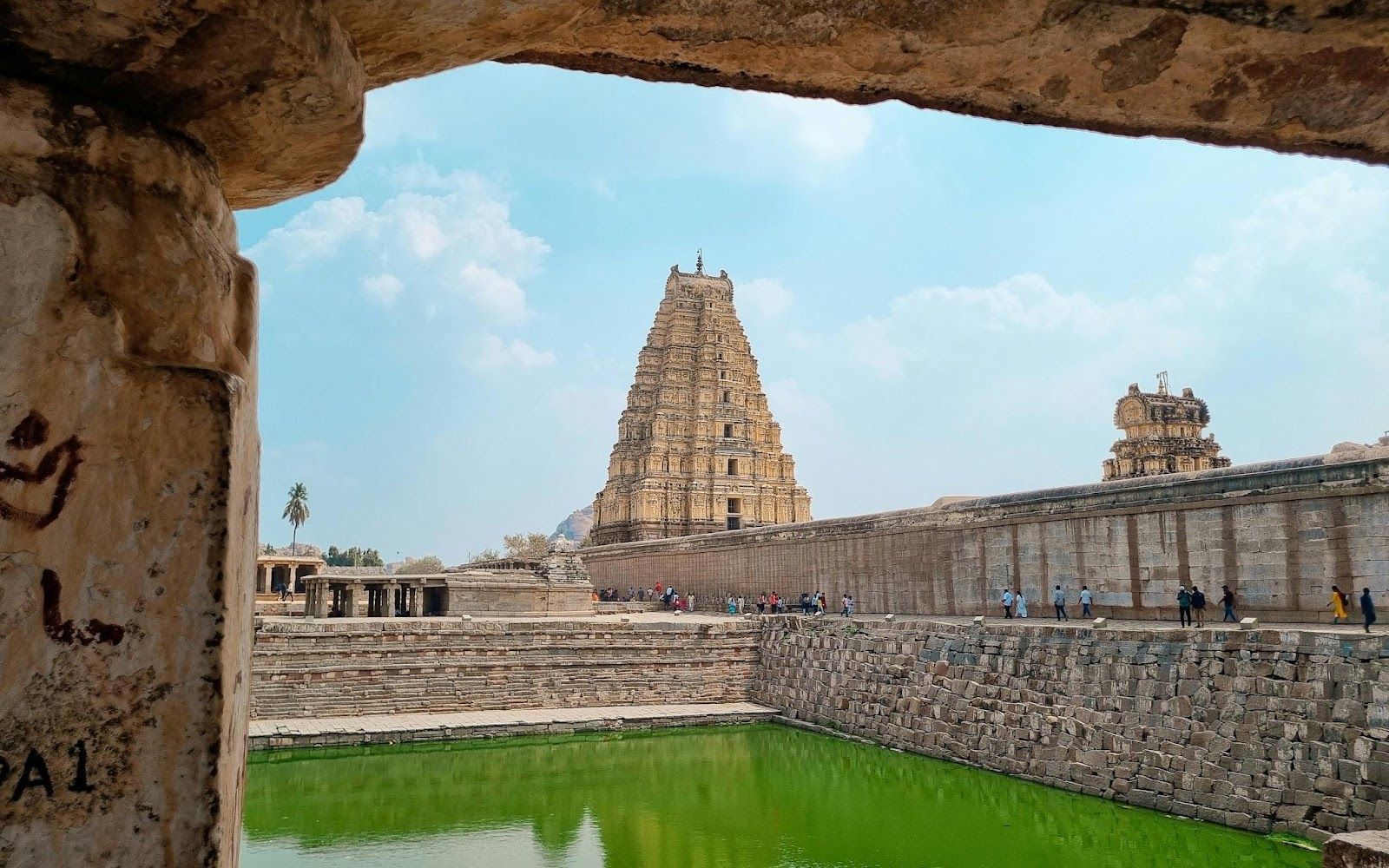 Image: Rushikesh Patil
Once the capital of the powerful Vijayanagara Empire, it was abandoned after an invasion in the 16th century. Today, one can walk dusty paths between ruined temples, stone markets, and giant boulders piled improbably across the land.
Leptis Magna in Libya
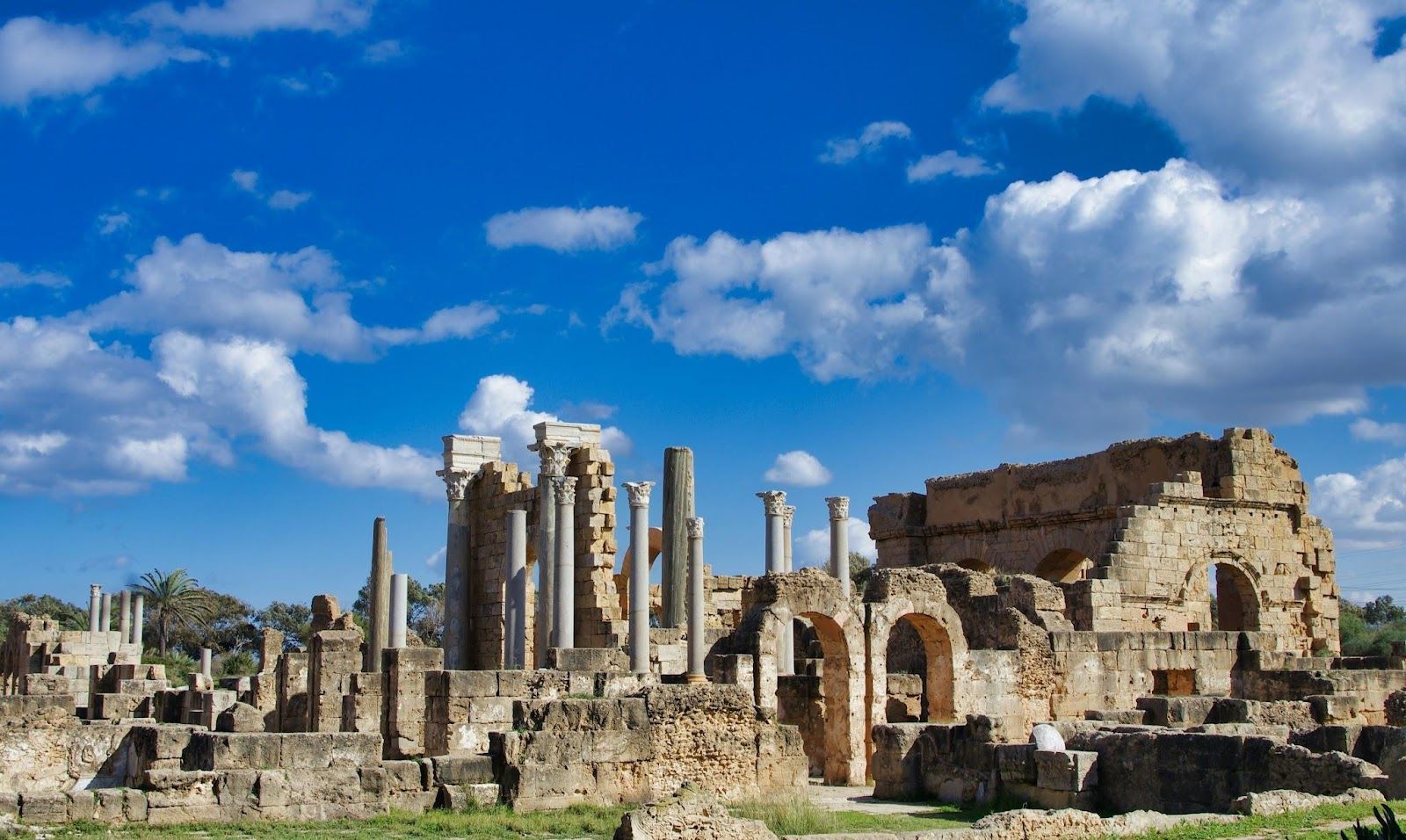 Image: Ahmed Almakhzanji
Leptis Magna is one of the most astonishing Roman cities you’ve probably never heard of. Once a major Mediterranean port, it was gradually abandoned and eventually buried under sand, which helped preserve it remarkably well.
Walking its stone streets today feels like stepping into a paused moment of Roman life, complete with theaters, markets, baths, and triumphal arches.
Palenque in Mexico
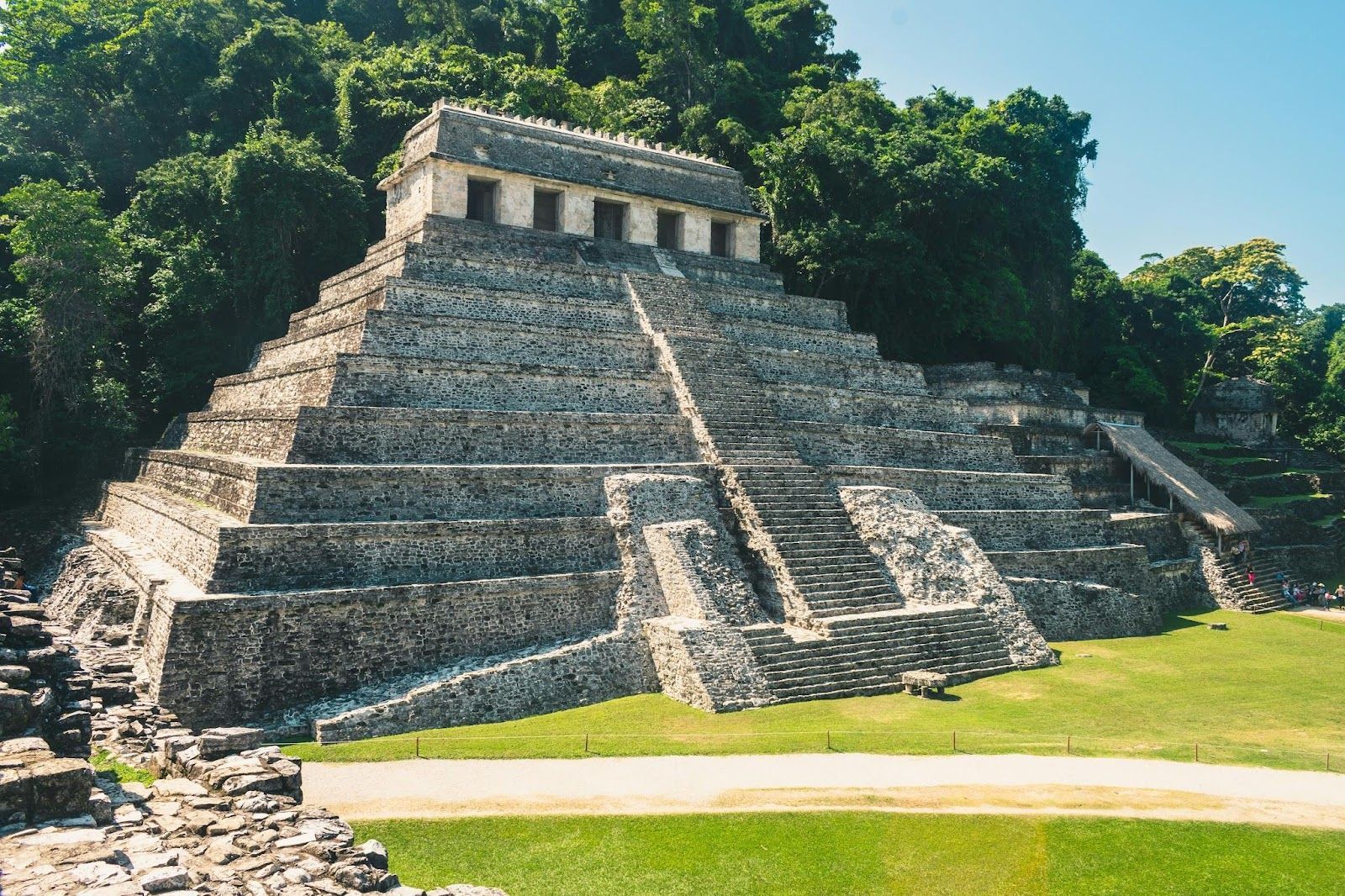 Image: Elias Almaguer
Hidden in the lush jungles of southern Mexico, this Maya city is smaller than Tikal but rich in detail and atmosphere. Temples and palaces rise out of dense greenery, often accompanied by mist, birdsong, and the sound of flowing water.
Palenque was a center of art and learning, and many of its carvings and inscriptions are remarkably detailed.
Keep wandering
There’s always
more to explore
 Culture
What happens to tourist towns after everyone goes home?
5 min.
Read Now
 Landmarks

The construction mistake that made this tower famous
5 min.
Read Now
Why did San Antonio move an entire hotel through downtown?
6 min.
Read Now
Ever wonder why there’s a tiny hole in airplane windows?
6 min.
Read Now