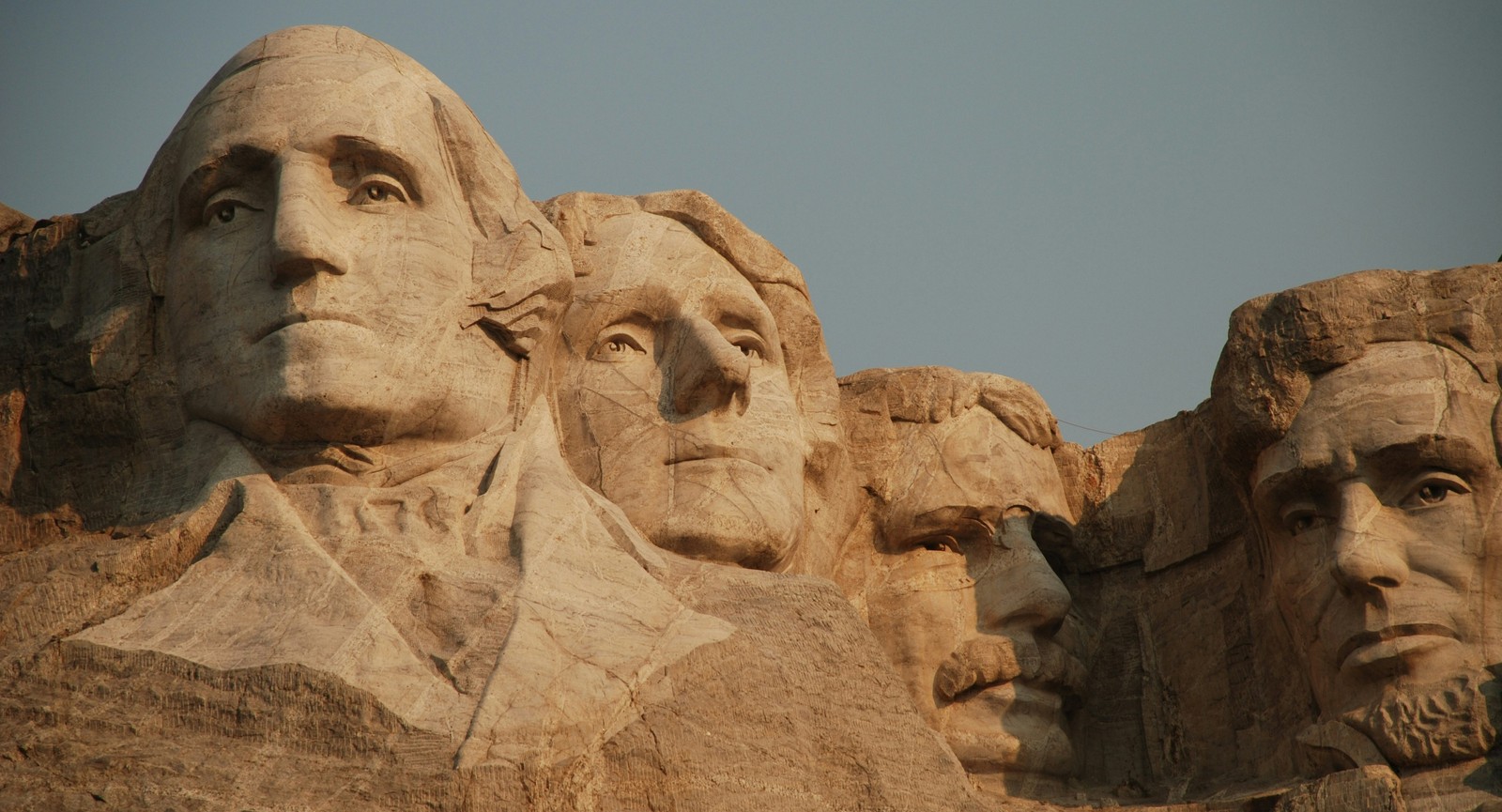
Hidden in plain sight: 10 secrets of famous city statues
 General
Statues of America
Hidden in plain sight: 10 secrets of famous city statues
Passing a statue in a city park can feel like visiting an old friend. While casual observers usually focus on a monument's scale and how worn it is, the best stories often lie in the smallest details. It turns out that even the most famous landmarks hold secrets, symbols, and Easter eggs hidden in plain sight. Look a little closer, and these familiar landmarks begin to feel far more alive.
The Statue of Liberty’s secret chains
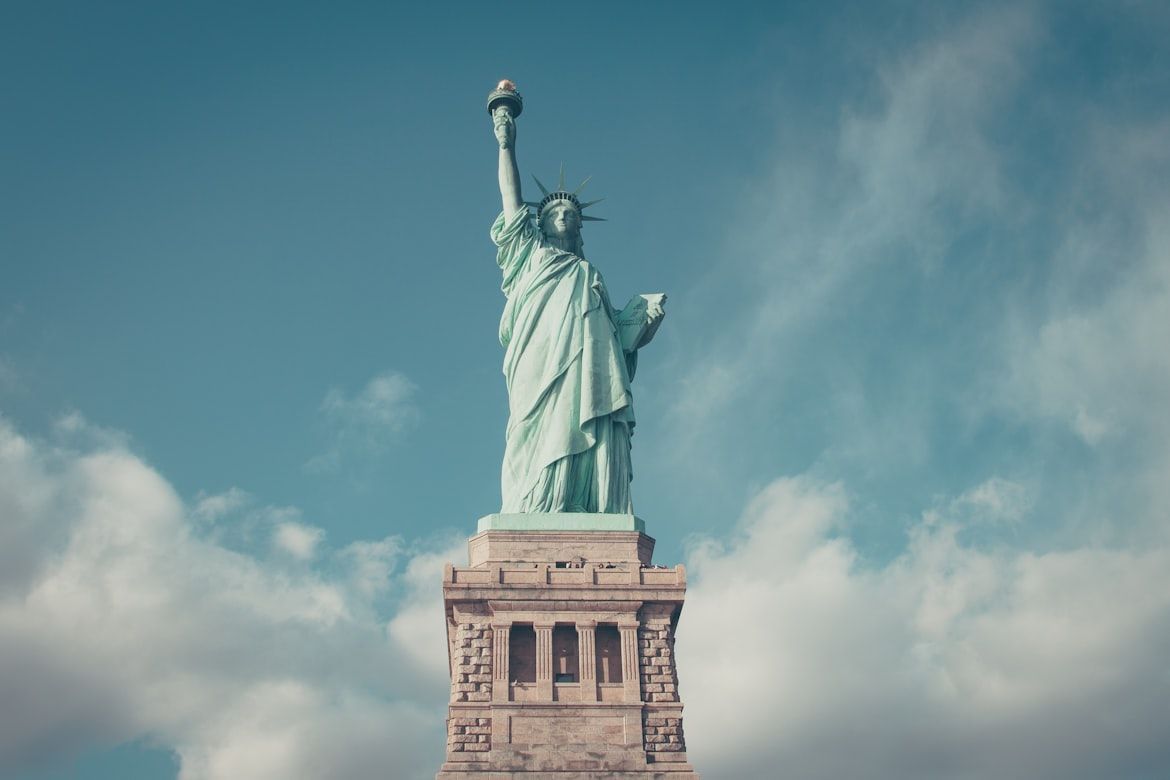
Have you ever noticed what lies at Lady Liberty’s feet? From a distance, it’s natural to focus on the torch and the crown. However, beneath the heavy folds of her copper robes lies a detail many visitors miss. Tucked near the hem are broken shackles and chains.
This element was central to the original vision of its creator, Édouard de Laboulaye, who intended the statue to commemorate the abolition of slavery at the end of the Civil War. Early sketches even showed the statue holding the chains in her left hand. Later, when the statue was officially dedicated in 1886, the symbolism was placed at her feet, making room for the tablet inscribed with July 4, 1776. It is a quiet reminder of the deeper meaning behind this gift from France.
The typo at the Lincoln Memorial
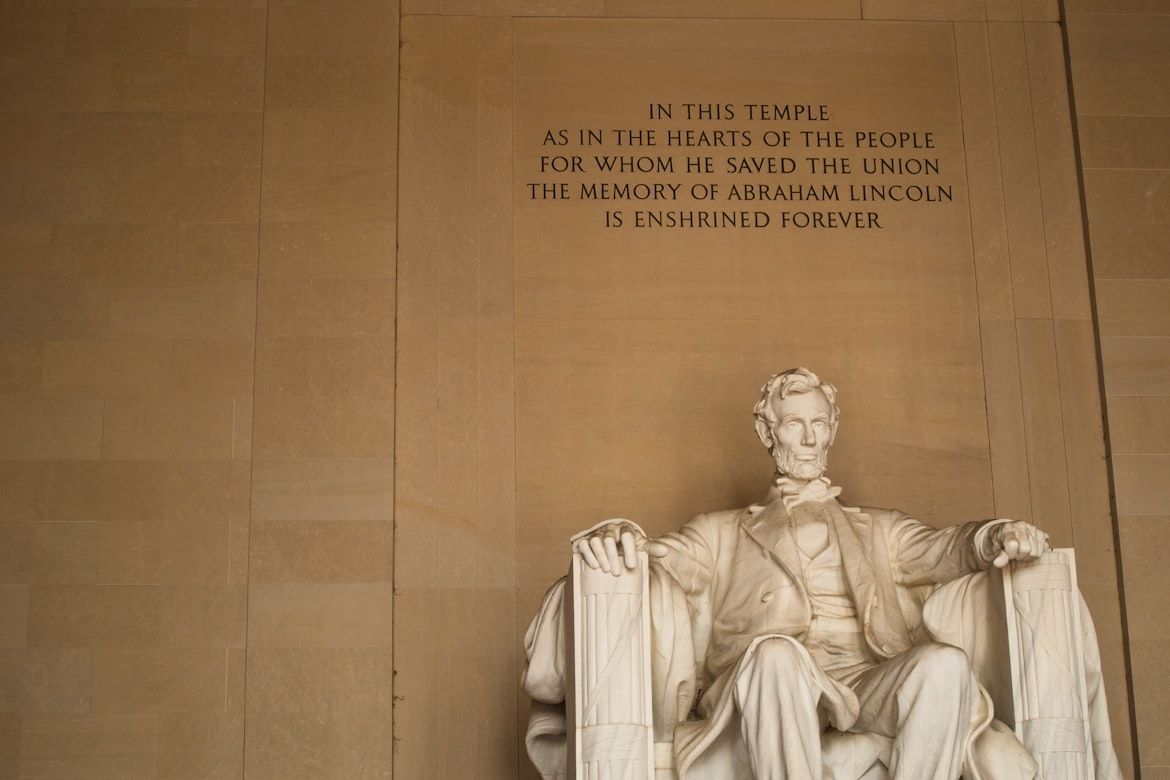
Carved from 38,000 tons of marble and unveiled on Memorial Day, May 30, 1922, the Lincoln Memorial was built to honor the 16th president’s legacy. Yet inside, in the north chamber, a permanent "oops" is etched into the stone.
Lincoln’s Second Inaugural Address is inscribed across the wall in large marble letters. In the word "FUTURE," an extra stroke was carved and later adjusted. The correction is subtle, but under the right light, the change can still be seen. Even the most enduring monuments are shaped by human hands.
The hidden hall of Mount Rushmore
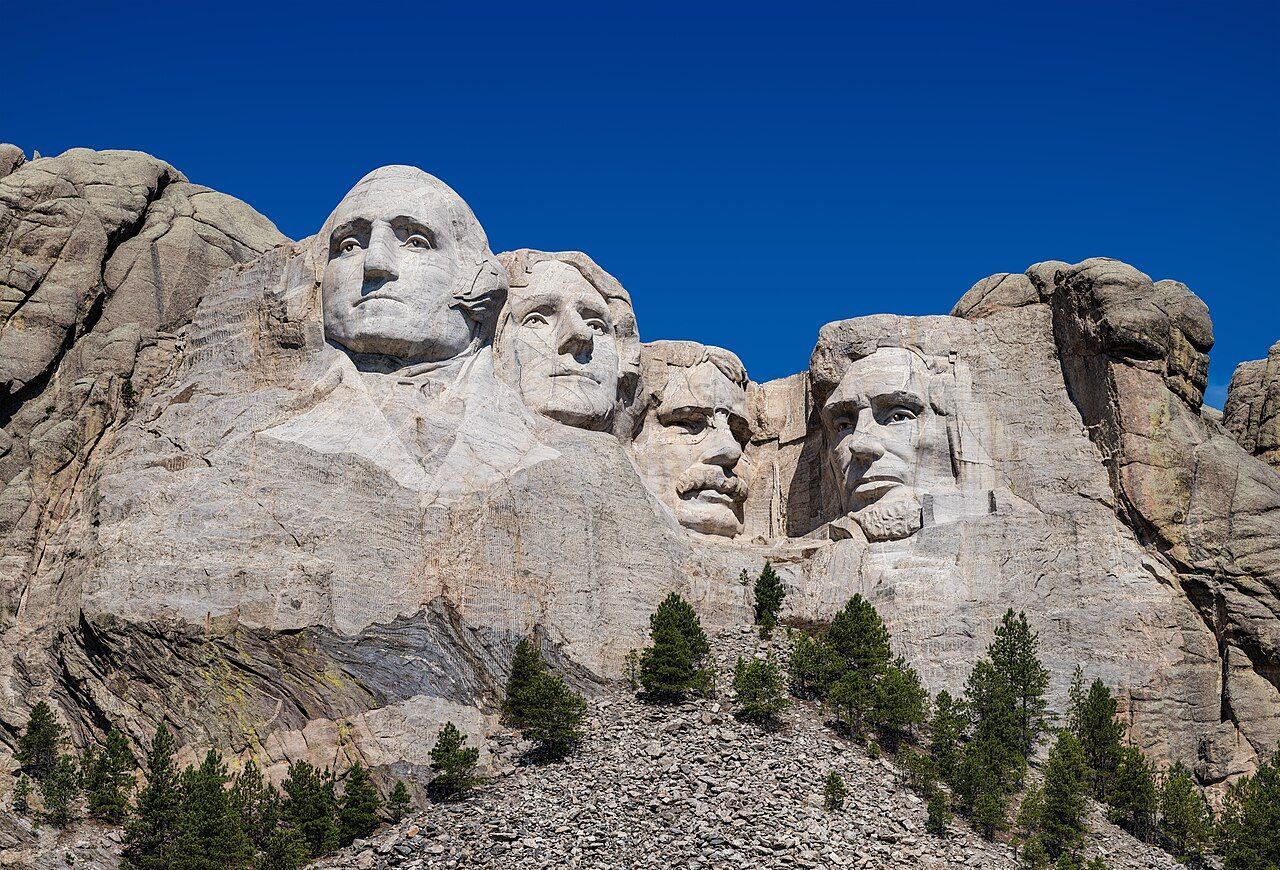
Carved into the solid granite behind Abraham Lincoln’s stoic gaze lies a secret chamber known as the Hall of Records. Sculptor Gutzon Borglum envisioned a grand room inside the rock, reached by an 800-foot granite stairway, where America’s most foundational documents could be preserved for future generations. The staircase was never built, but workers did carve a 70-foot tunnel before construction stopped in 1939.
Nearly sixty years later, in 1998, part of that vision was realized. A titanium vault was installed inside the tunnel, housing a teakwood box with documents that explain the history and purpose of the monument and the nation it represents.
The Washington Monument’s two-tone stone
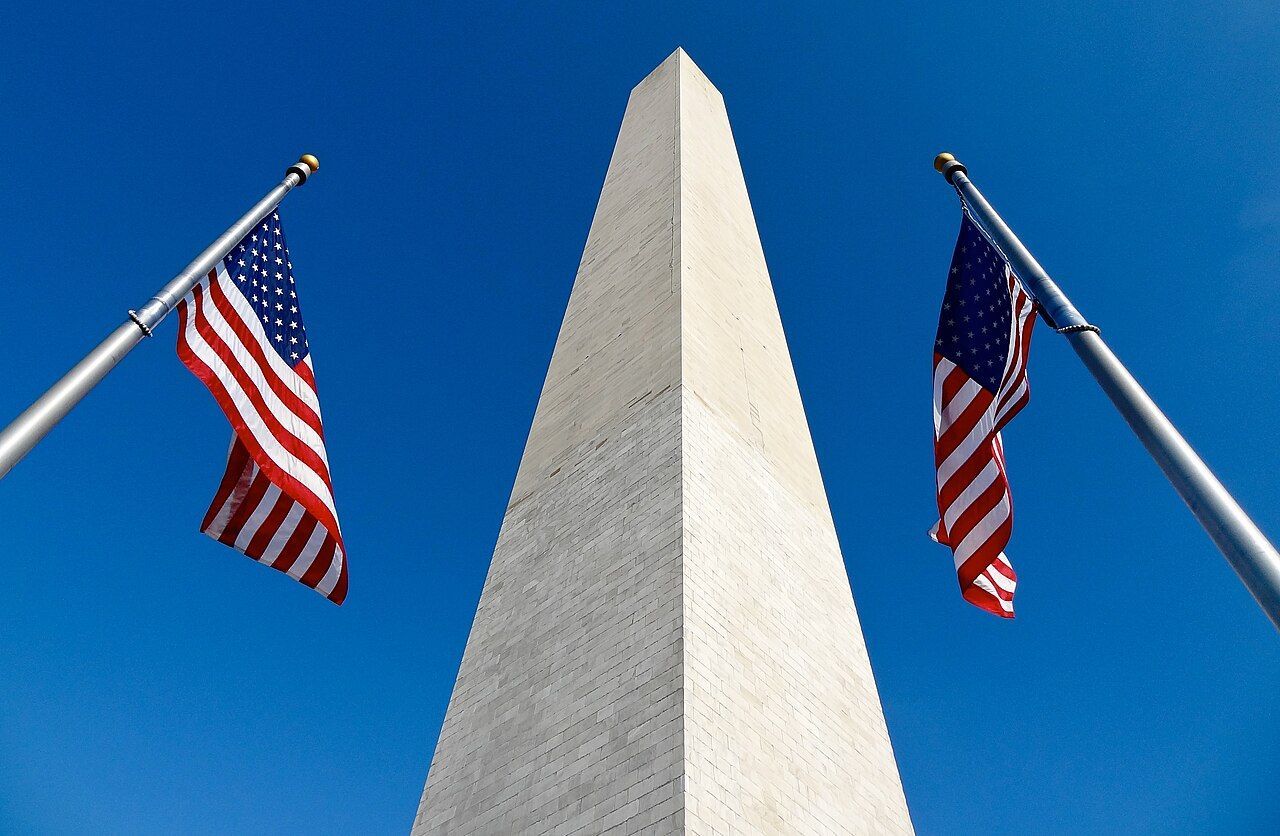
Have you ever noticed that the lower portion of the Washington Monument does not quite match the upper section? The color difference is subtle, but it becomes clear once you know to look for it.
Construction on the monument began in 1848, but the project was halted for nearly twenty years when funding ran out. When work finally resumed, the original quarry had closed. Builders were forced to use marble from different sources that initially appeared similar; the structure was completed on December 6, 1884. Over time, weathering caused the stone to age at different rates, leaving a visible seam.
The Rocky statue’s movie roots
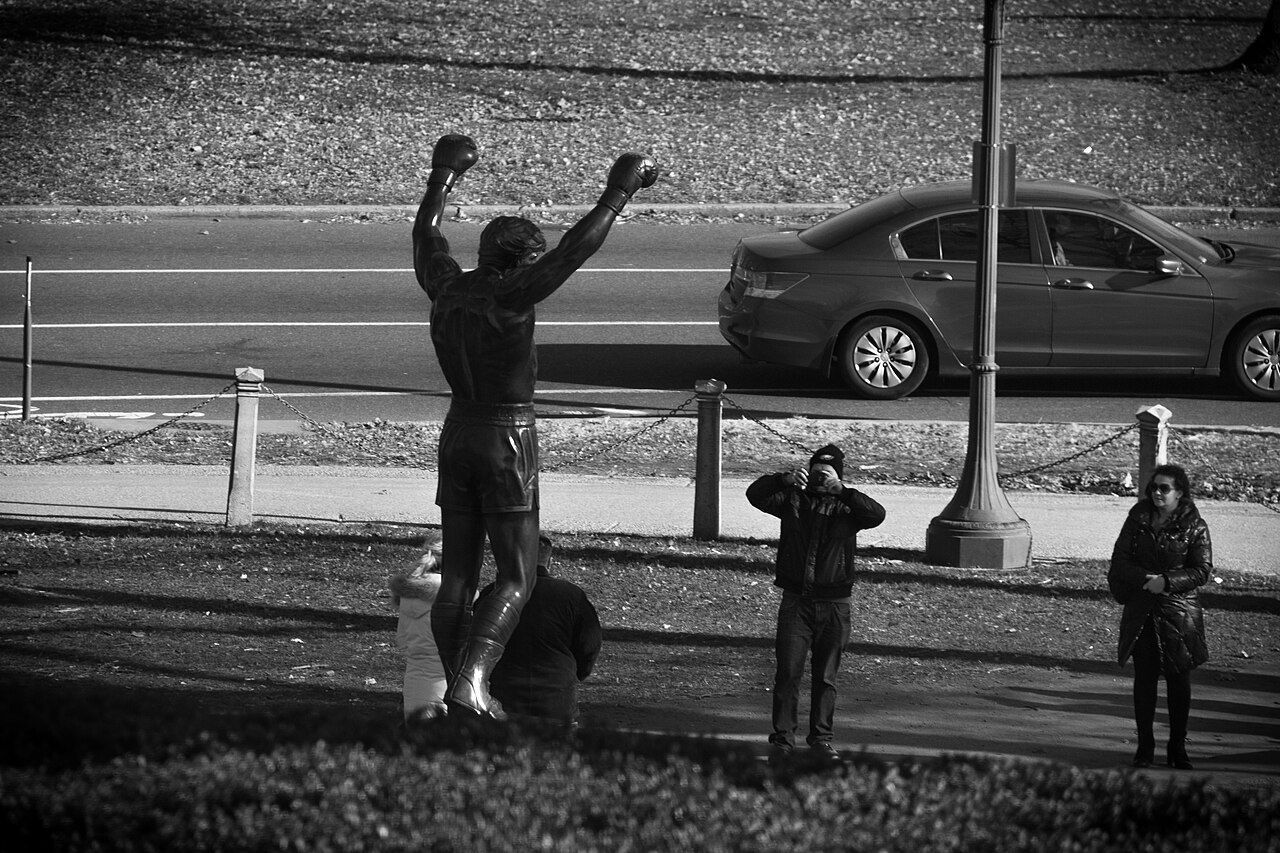
How does a movie prop become one of Philadelphia’s most photographed landmarks? The bronze statue of Rocky Balboa was created in 1980 for the film Rocky III. After filming wrapped in 1982, the statue moved between locations, and a decades-long debate ensued: Was the statue "art" worthy of the Philadelphia Museum of Art, or simply a movie prop?
Bouncing between the Spectrum sports arena and the museum, in 2006, it was given a permanent home near the base of the Art Museum steps. Today, visitors line up to take photos and recreate the triumphant "Rocky Run".
"Balto" was present at his own unveiling
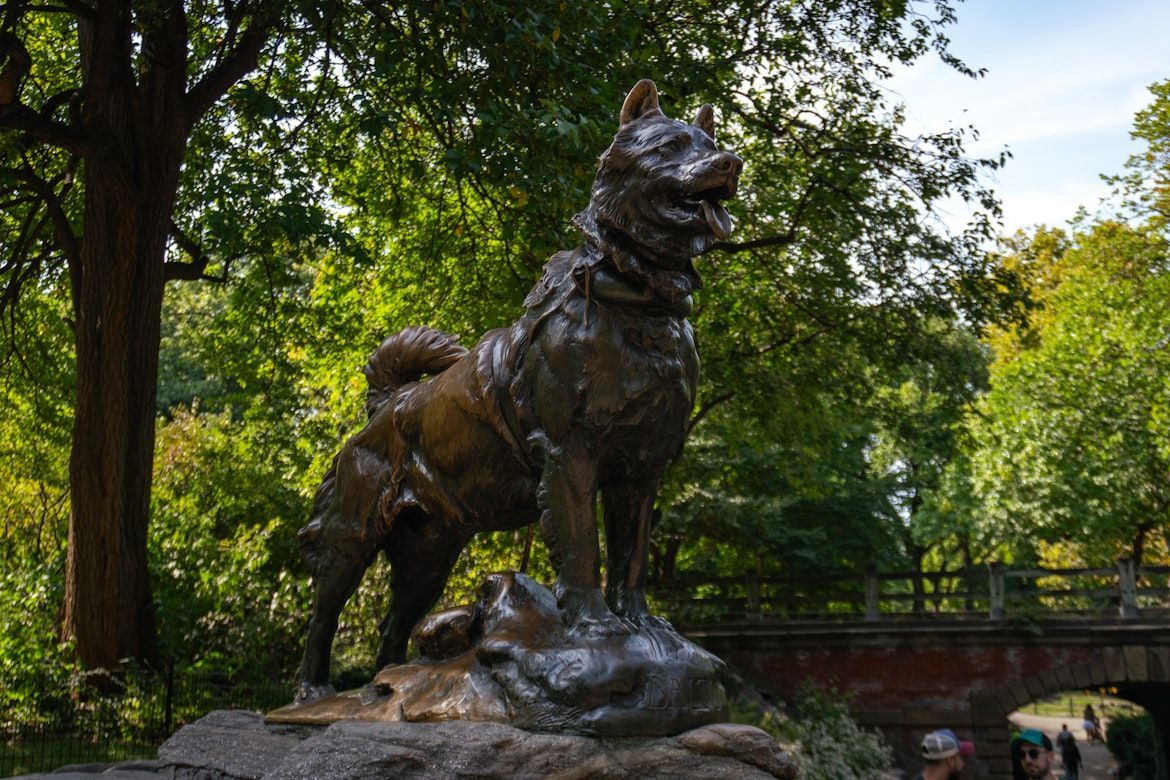
In the heart of New York’s Central Park stands a bronze statue of Balto, the sled dog who helped deliver life-saving medicine to Nome, Alaska, in 1925. Few monuments can claim their subject was present at the unveiling; Balto was.
Just ten months after the famous Serum Run, the real Balto, a Siberian Husky, stood wagging his tail beside his own likeness at the dedication ceremony. Over the years, the statue’s ears and back have been polished smooth by generations of children climbing up for photos. These worn spots serve as a shining testament to a century of affection, proving that some heroes never truly fade away.
The hidden owl of Columbia University
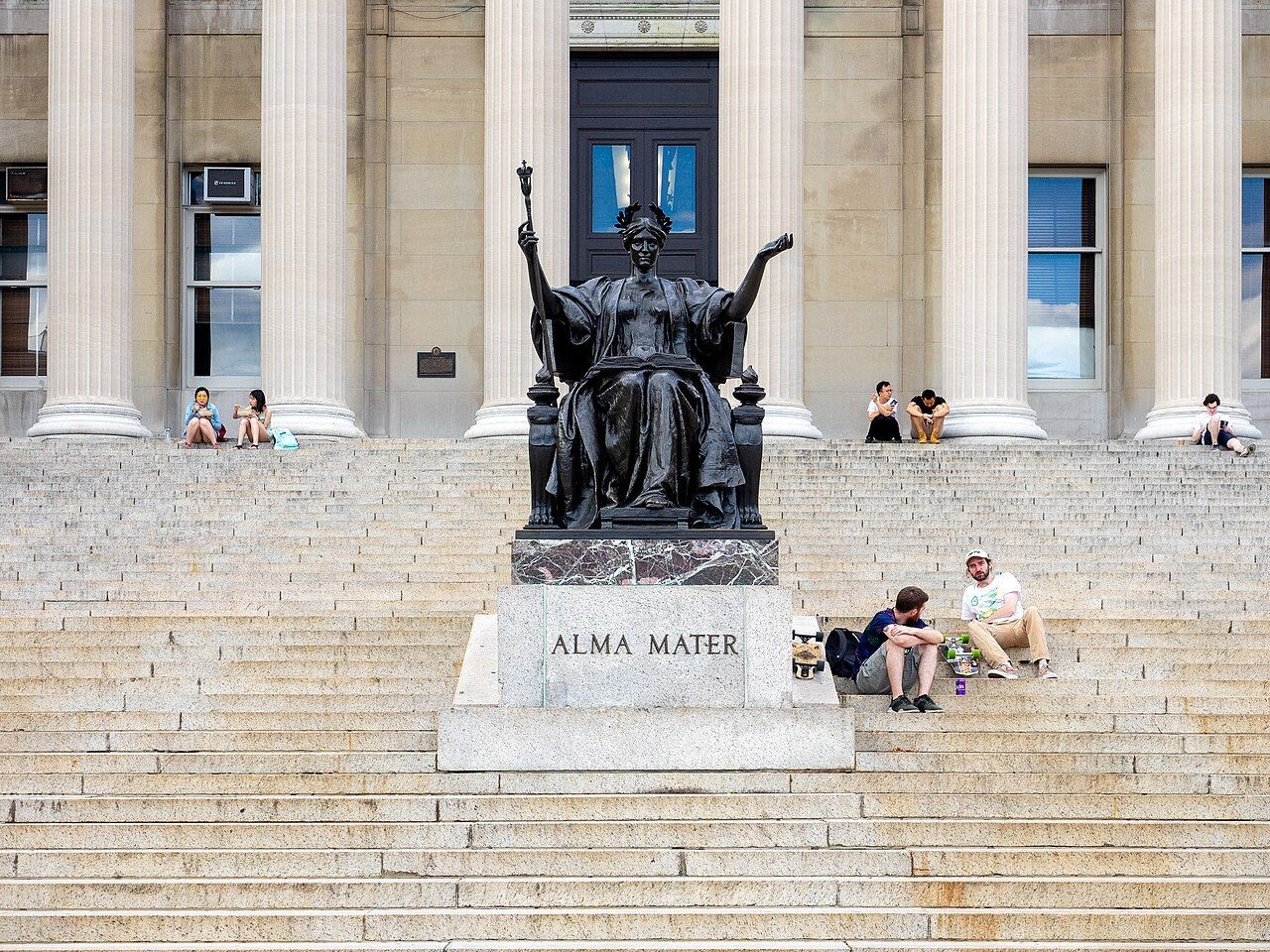
In the center of Columbia University's grand campus in upper Manhattan sits a welcoming figure that has watched over students for years. At its center stands the "Alma Mater" statue, a seated figure representing the goddess Minerva. Hidden within the folds of her bronze robes is a small owl that many visitors overlook. Spotting it has become a long-standing campus tradition.
According to student legend, the first freshman to find the owl will graduate at the top of the class or marry a fellow student. Whether you believe the superstitions or not, the "owl hunt" remains an enduring tradition that connects every visitor to the hidden narrative of the campus.
The 13th hand mystery
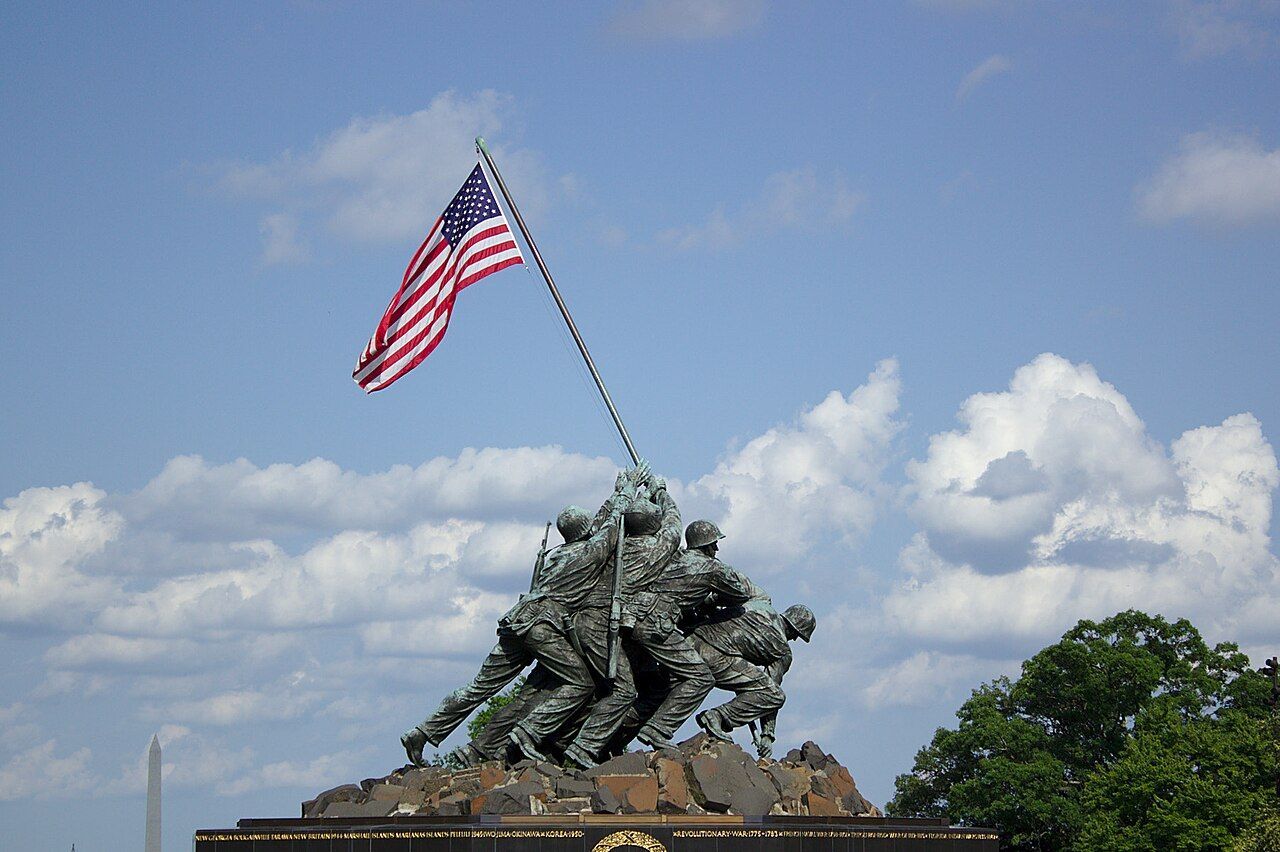
For decades, a rumor has surrounded the Marine Corps War Memorial, also known as the Iwo Jima Memorial, in Arlington. Some visitors claim they can see thirteen hands in the sculpture depicting the flag-raising on Mount Suribachi.
The legend claims that the sculptor, Felix de Weldon, added an extra hand, a "Hand of God," to assist the six servicemen in raising the heavy flagpole. Park officials confirm that the story is simply local folklore that began shortly after the memorial was unveiled in 1954. Next time you visit, you might still find yourself counting the fingers just to be sure.
Chicago’s Cloud Gate
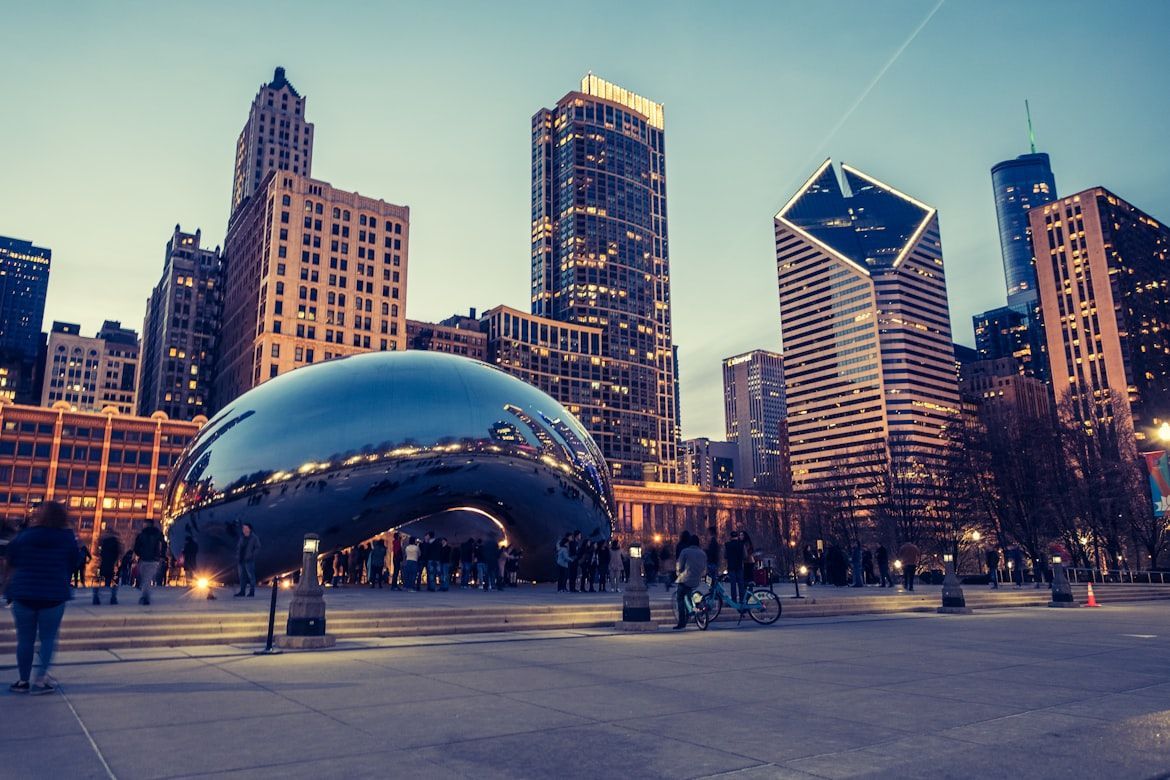
Most visitors know it as "The Bean," though its official title is Cloud Gate. Designed by artist Anish Kapoor, the sculpture is made of 168 stainless steel plates, yet it appears as a single, liquid drop of mercury. When it was unveiled in 2004, some critics questioned its modern design and cost; it actually cost $23 million. Over time, it became one of Chicago’s most recognizable landmarks. It was designed to reflect both the skyline and the people who walk beneath it.
Maintaining its mirror-like finish requires constant care. The lower portion is polished by hand several times a day to remove fingerprints left by visitors who pass beneath its arch. And twice a year, the entire sculpture undergoes a "deep clean." After all, it’s the crown jewel of Millennium Park.
Yoda in San Francisco
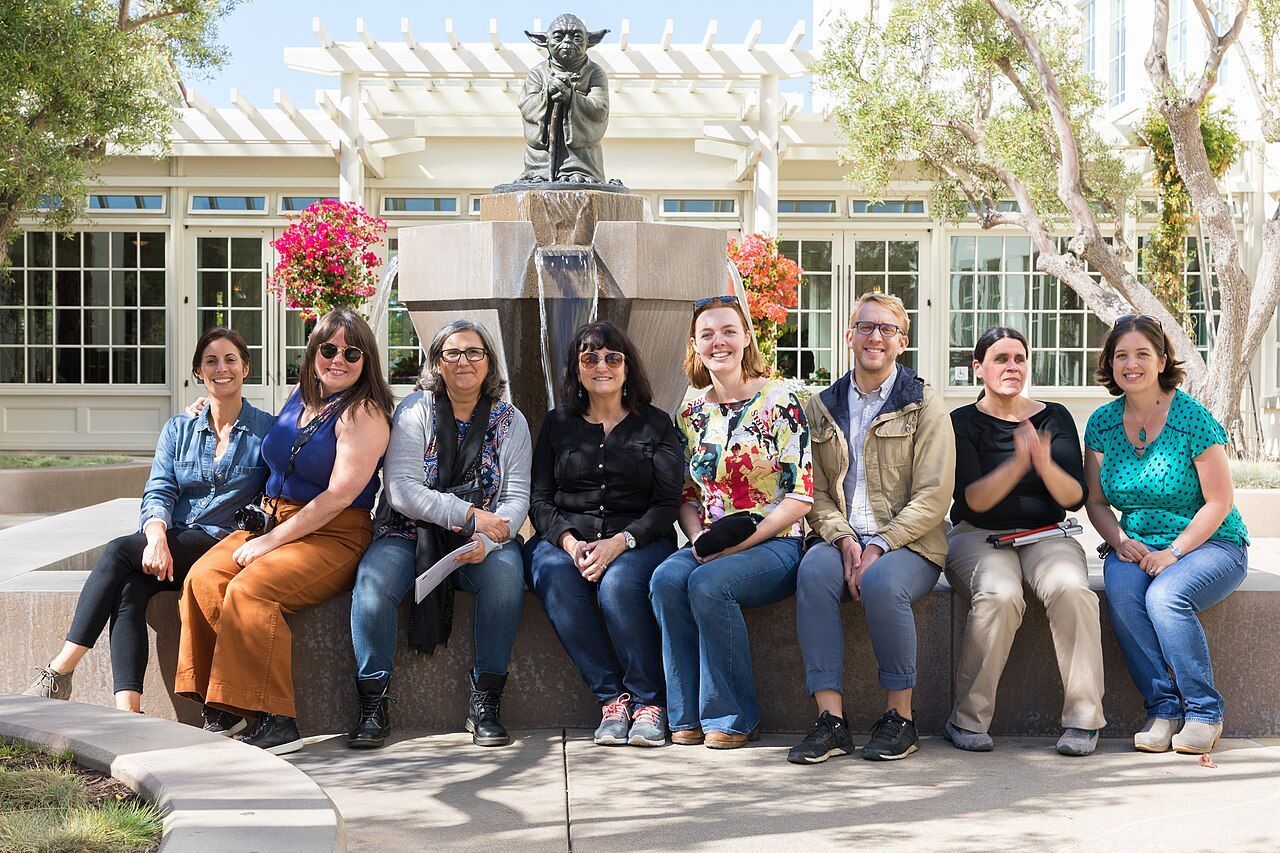
The final secret on our list proves that an iconic landmark doesn’t have to be massive to be meaningful. Tucked away in a serene courtyard within San Francisco’s Presidio National Park, a life-sized bronze statue of Yoda sits atop a fountain outside the headquarters of Lucasfilm. Unlike many city landmarks, this one feels almost hidden. Visitors who remember seeing the original Star Wars films in theaters often make a short detour to see it in person.
Although the building itself houses offices, the courtyard is open to the public, offering a peaceful pause from more crowded tourist areas. The statue has become an informal stop for fans and curious passersby alike.
Why is this island off limits? The stories behind 10 forbidden places
 Landmarks
No ticket will get you inside these places
What are they hiding? America’s most mysterious off-limits places
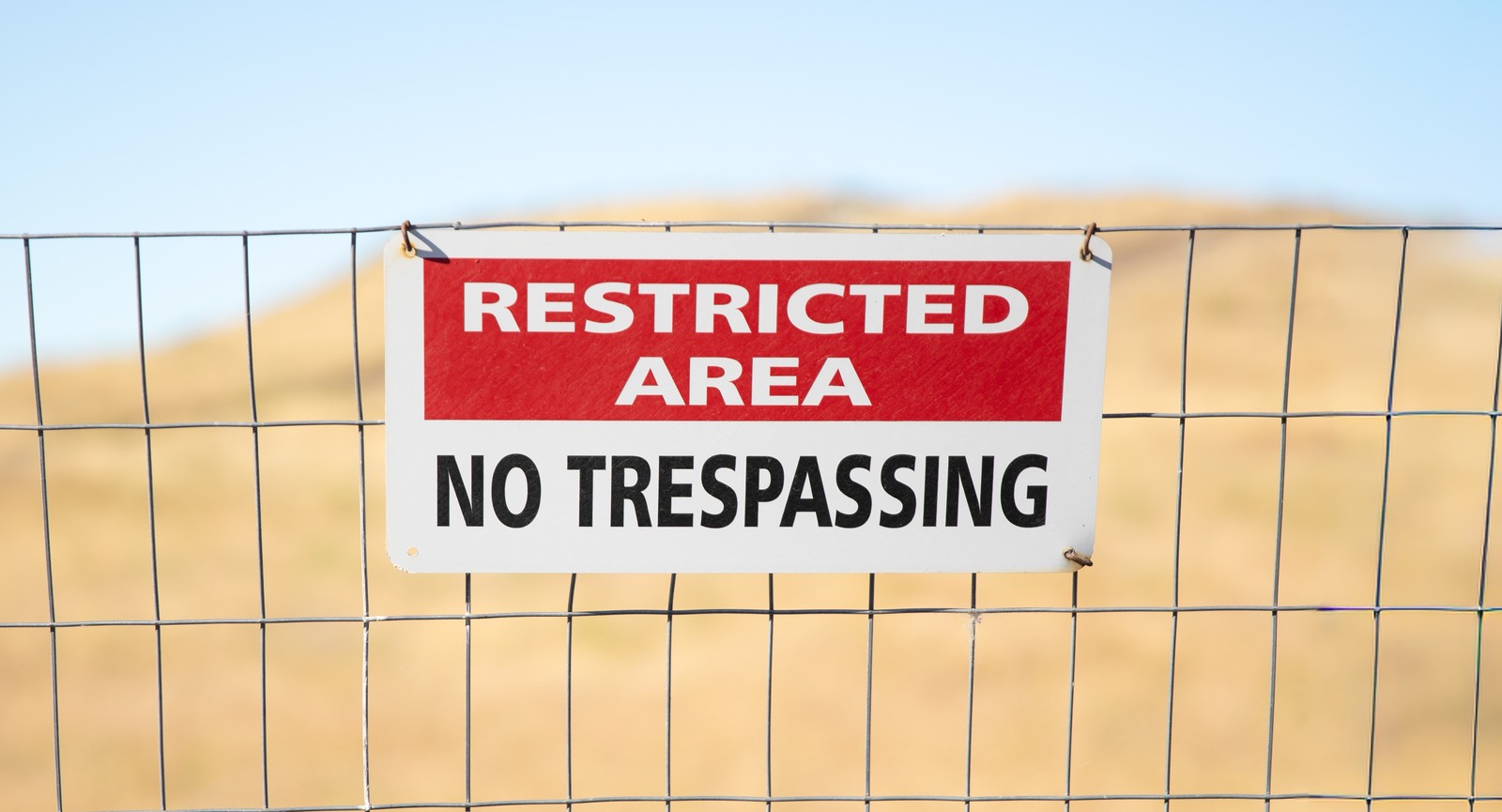
You love travelling and exploring, but some places are simply off limits. Maybe you've driven past Fort Knox and wondered what’s hiding in there, or dreamt about visiting the secret vault in Atlanta that holds the Coca-Cola recipe. Some sites across America remain almost completely out of reach due to national security, private ownership, or decades of mystery. Here are 10 locations with stories that are far more surprising than the "No Trespassing" signs suggest.
Fort Knox, Kentucky
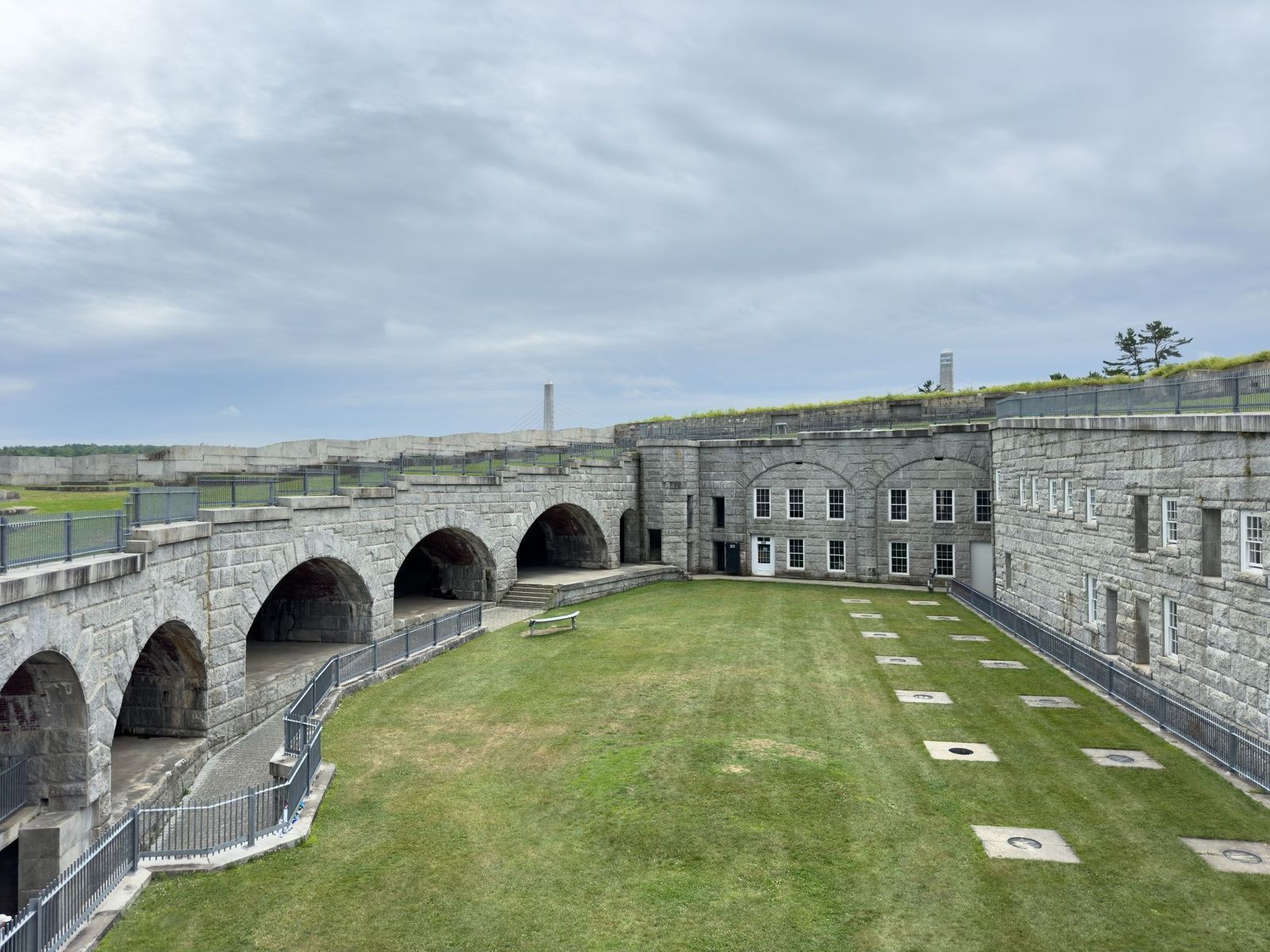
It’s common parlance to describe something as"locked up tighter than Fort Knox" — that’s because the site is a mystery to us all.
Located in Kentucky, Fort Knox is one of the most heavily protected military installations in the United States and the world**.** Completed in 1936, the famous United States Bullion Depository was designed with reinforced granite walls, steel, and concrete to safeguard much of the nation’s gold reserves. During World War II, it also stored priceless historical documents, including the Declaration of Independence and the Constitution, until they could safely return to Washington. Public tours are not offered, and even many military personnel stationed nearby never enter the vault itself. The mystery surrounding what lies behind those massive doors has only strengthened Fort Knox’s legendary reputation.
Coca-Cola Vault, Georgia
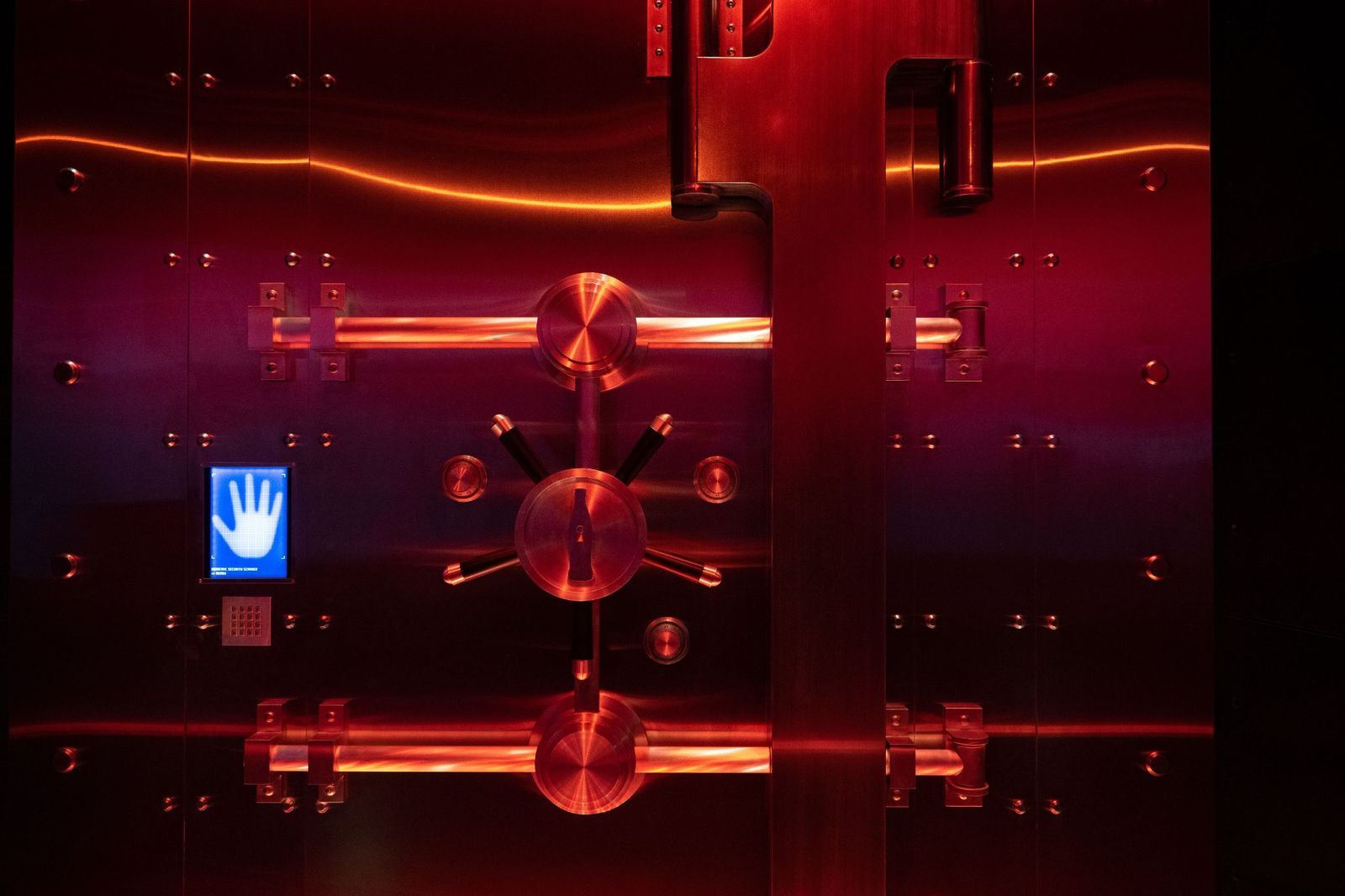
Many people have tried to recreate Coca-Cola in their home kitchens, convinced they could come close with the right ingredients. Yet the original recipe for the soft drink remains one of the world's most famous trade secrets.
Inside the World of Coca-Cola museum in Atlanta, Georgia, sits a heavily protected vault containing the company’s legendary formula. While the exact security measures are kept confidential, Coca-Cola has carefully cultivated the mystery for more than a century. The formula was developed by pharmacist John Pemberton in 1886, and over the years, the company has claimed that only a very small number of people know the complete recipe at any given time. Whether every legend surrounding the vault is true or not, the area is strictly off limits for regular visitors, and even most of the company’s staff.
Tillamook Rock Lighthouse, Oregon
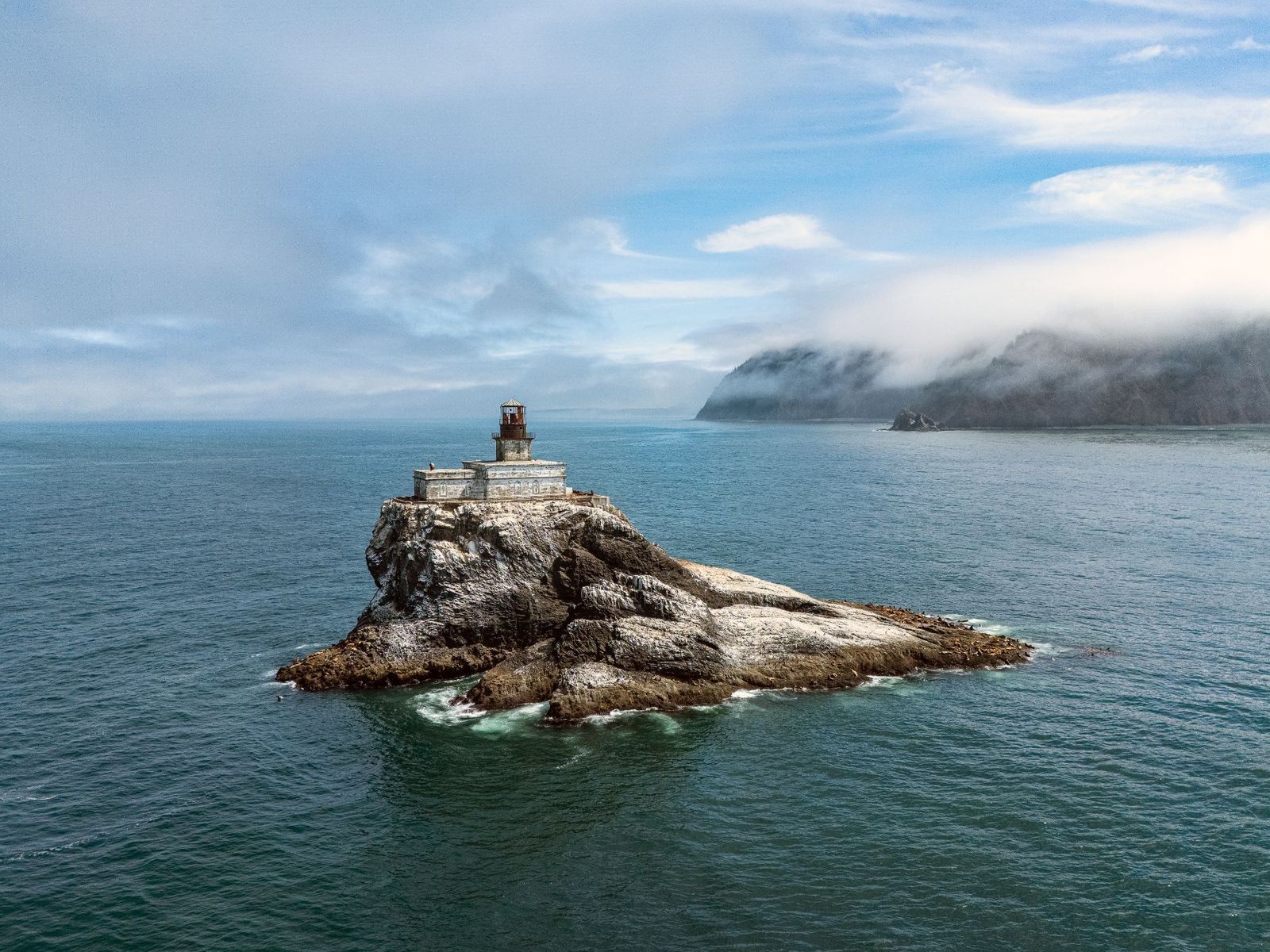
Lighthouses often bring to mind peaceful coastal views and postcard-worthy sunsets. This one, however, earned a far less romantic reputation.
Perched on a basalt rock nearly a mile off the Oregon coast, Tillamook Rock Lighthouse was completed in 1881 after an incredibly difficult construction project. Workers battled violent storms, dangerous seas, and isolation while building it. Even after it opened, lighthouse keepers faced relentless weather that made everyday life exhausting. Over time, shipwrecks, harsh conditions, and repeated damage led to its closure in 1957. Today, the structure remains inaccessible to visitors because of the hazardous ocean surrounding it and the deteriorating condition of the building, and the nickname alone, "Terrible Tilly," is enough to scare visitors away.
North Brother Island, New York
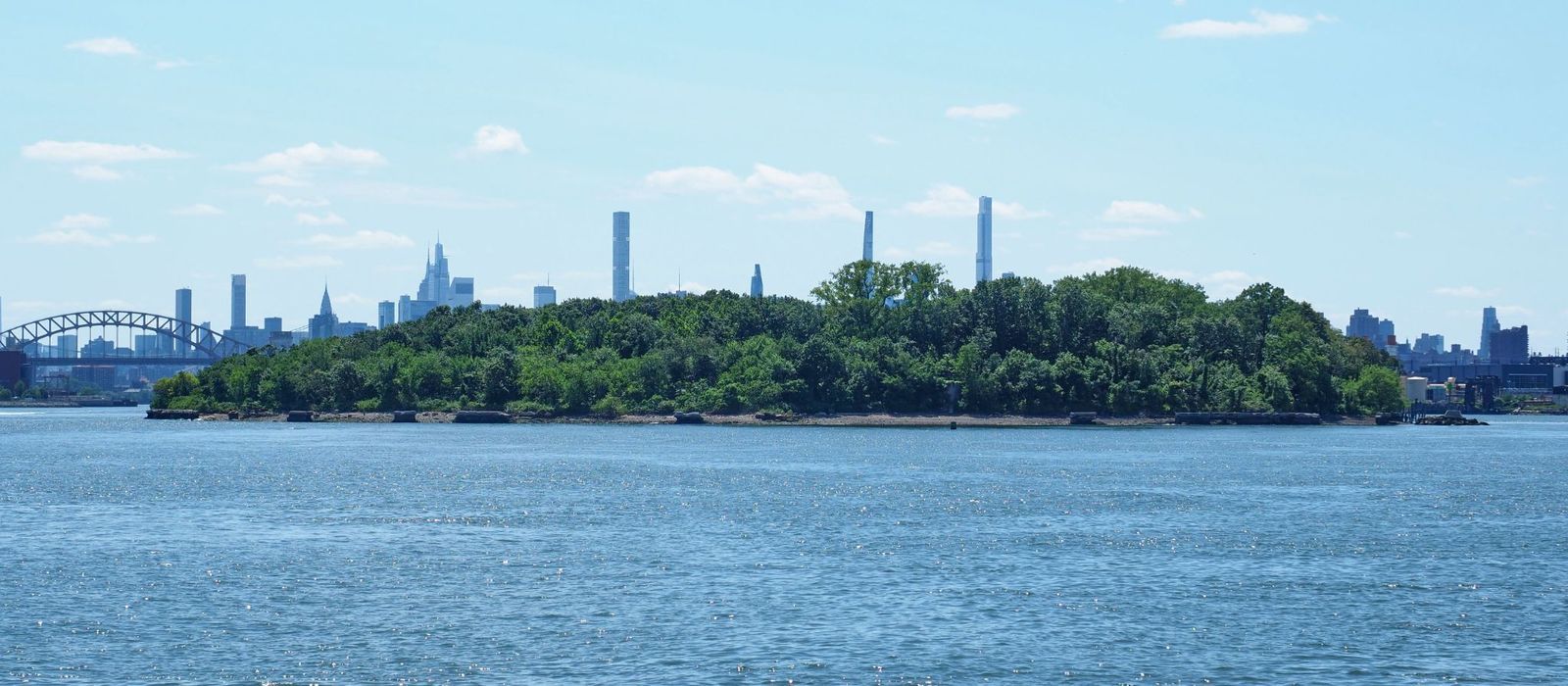
There’s a small island crossing New York City’s waterways where no boats ever seem to stop. They used to, but that stopped after that quiet patch of land witnessed some tragic chapters of American history.
North Brother Island sits in the East River between the Bronx and Rikers Island. In 1885, the island housed Riverside Hospital, where patients with contagious diseases such as smallpox and tuberculosis were isolated from the rest of the city. It is perhaps best remembered as the place where Mary Mallon, better known as "Typhoid Mary," spent many years in forced quarantine from 1907 after unknowingly spreading typhoid fever. After the hospital closed in 1943, nature reclaimed the island. Today, it is a protected bird sanctuary, and public access is almost entirely prohibited to preserve its fragile ecosystem.
Langley, Virginia
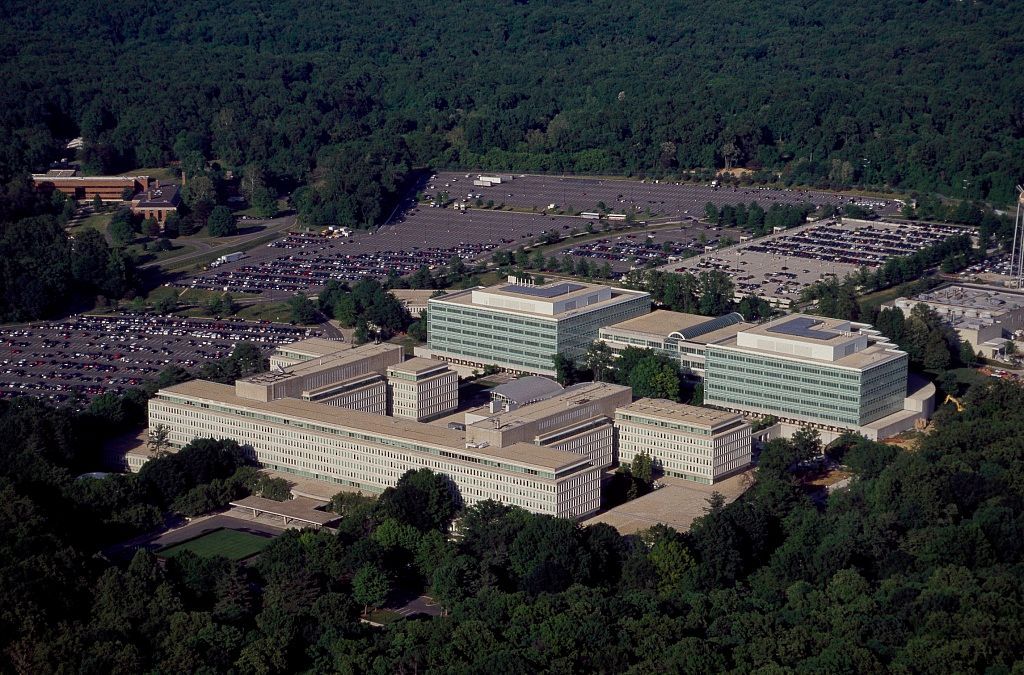
We’ve all seen spy movies where agents disappear behind guarded gates into secret government buildings. While Hollywood takes plenty of liberties, one famous headquarters really does exist.
Langley, Virginia, is home to the CIA headquarters, which officially opened in 1961. From this campus, intelligence officers analyze information, coordinate overseas operations, and advise national leaders on national security matters. Unsurprisingly, access is tightly controlled, requiring security clearances and strict identification procedures. Visitors cannot simply stop by for a tour. The building itself has become a symbol of American intelligence work, even if much of what happens inside remains classified.
Dulce Base, New Mexico
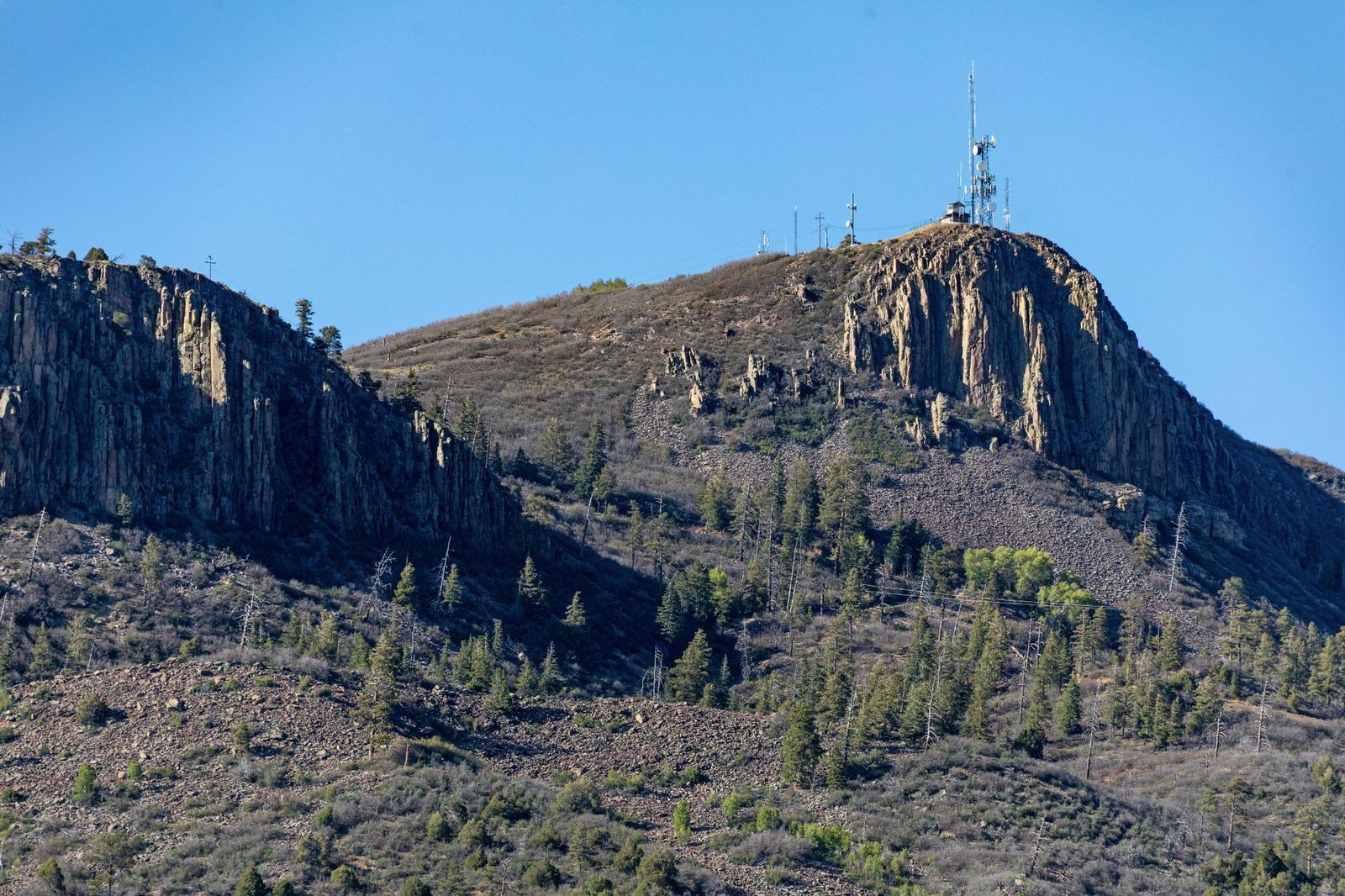
Most communities have local legends that grow bigger every time they’re told. In northern New Mexico, one rumor has captured imaginations for generations.
Stories about the so-called Dulce Base describe a secret underground military installation beneath Archuleta Mesa near the town of Dulce. The story began with Albuquerque businessman Paul Bennewitz, who in 1979 became convinced he was intercepting electronic communications from alien spacecraft and installations, and later believed he had uncovered evidence of a secret base populated by grey aliens and humans. However, no credible evidence has ever confirmed that such a facility exists. So you can’t visit it, simply because it doesn’t exist. Although the surrounding area includes Native American lands and some government facilities elsewhere in New Mexico, the legendary base itself remains firmly in the realm of speculation rather than fact.
Ni'ihau Island, Hawaii
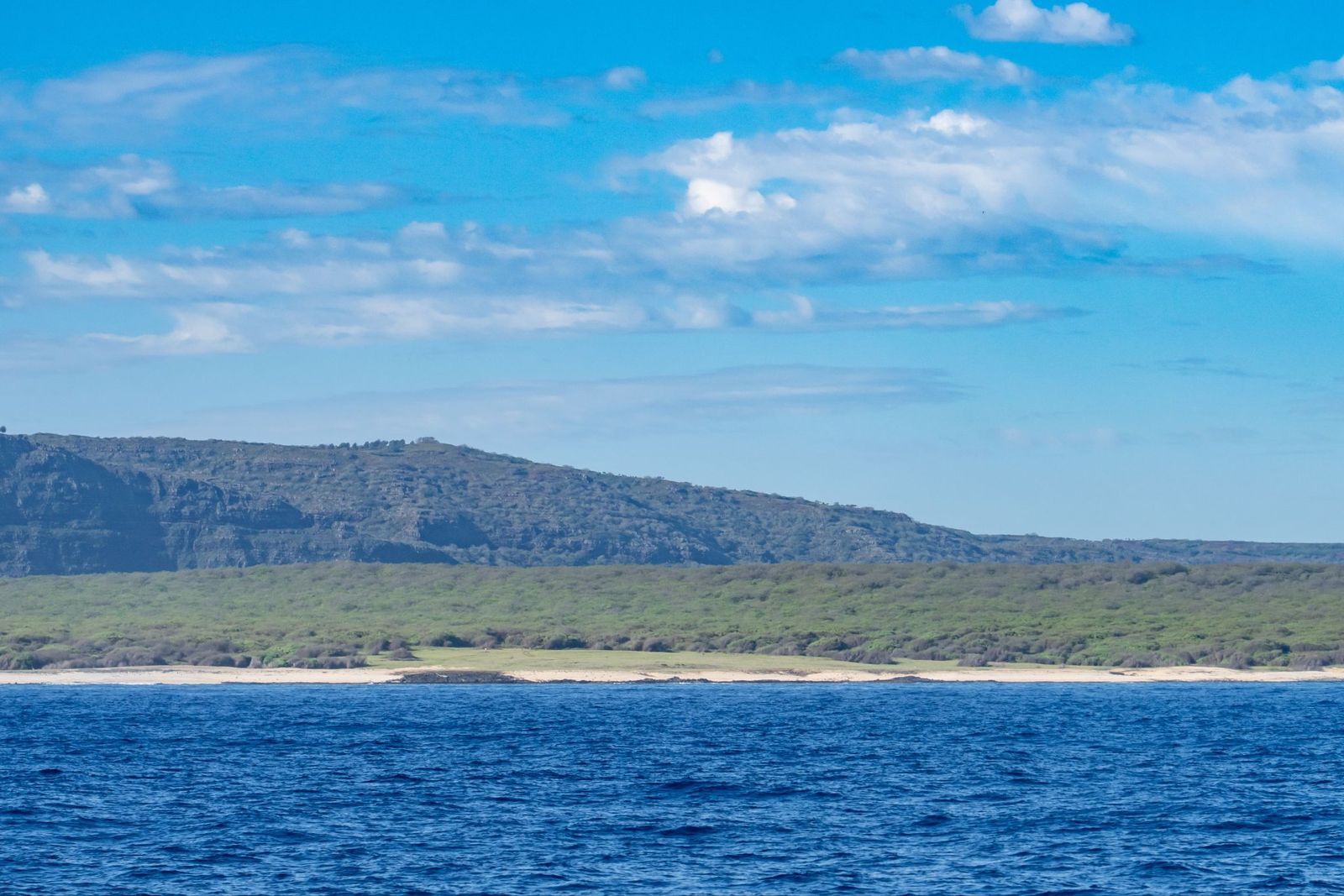
Hawaii attracts millions of visitors each year, yet one island has stayed largely untouched by modern tourism.
Niʻihau, often called the "Forbidden Island," has been privately owned since 1864, when Elizabeth Sinclair, a Scottish farmer and plantation owner, led the migration of her whole family to this land and purchased it from King Kamehameha V. Her descendants continue to own the island today, and for generations, they have limited access to protect the Native Hawaiian community, its language, traditions, and way of life. Fewer than 200 permanent residents live there, and regular tourism is not permitted. Aside from a handful of carefully managed hunting excursions and limited helicopter tours that do not provide general access to the community, Niʻihau remains one of the most isolated inhabited places in the United States.
Abandoned Farmhouse, New York
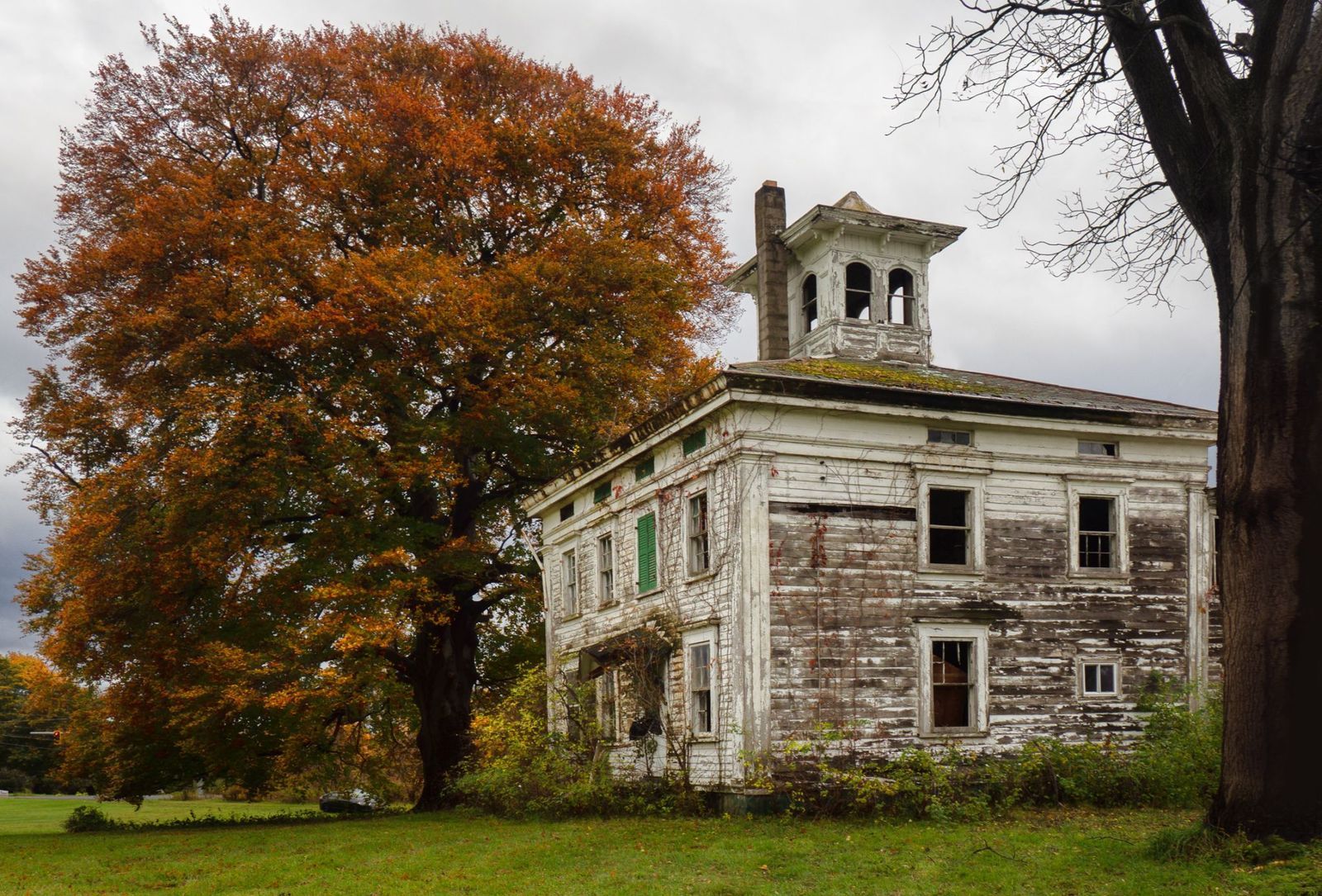
Almost every town has an old house that neighbors whisper about. Overgrown weeds, broken windows, and a lonely front porch seem to invite curiosity and myth-making.
In the town of Hector, near Seneca Lake in New York, sits one abandoned farmhouse from the late 1880s that has attracted photographers and urban explorers over the years. Although its weathered appearance sparks interest, the property is privately owned, making unauthorized entry illegal. The details of who owns it and when or why this building was abandoned remain a mystery, but it poses serious dangers, including collapsing floors, unstable roofs, exposed nails, and weakened staircases. What may look like an intriguing step back in time can quickly become hazardous, which is why property owners strongly discourage visitors from venturing inside.
Club 33, California
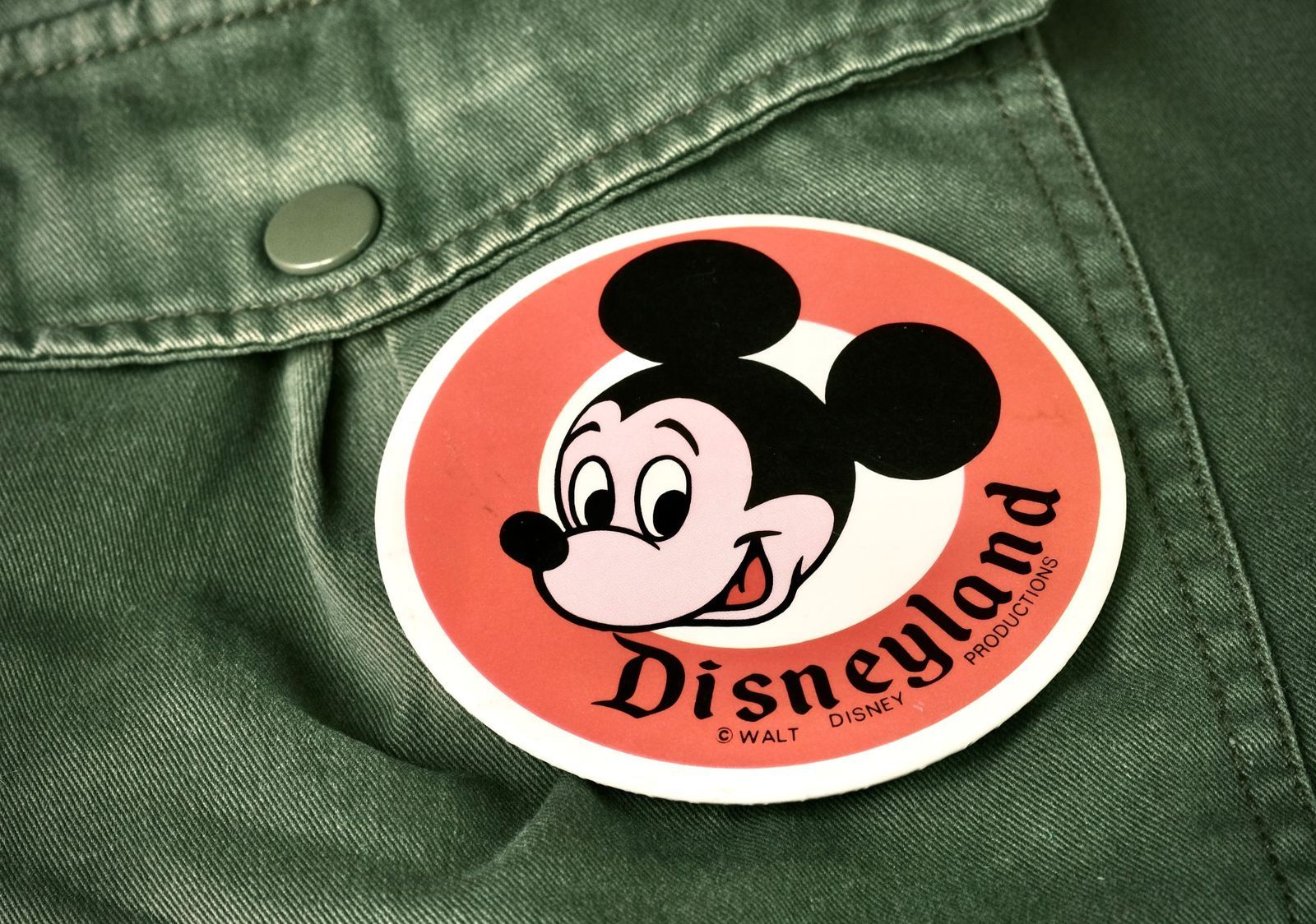
A visit to Disneyland in Anaheim, California, usually means waiting in line for popular attractions and enjoying classic treats. Few guests realize there’s a hidden door leading to one of the park’s most exclusive experiences.
Club 33 was conceived by Walt Disney in the 1960s as a private place where he could entertain corporate sponsors, celebrities, and distinguished guests. Although Disney passed away one year before it officially opened in 1967, the elegant club became exactly that. Hidden in New Orleans Square, it offers fine dining, exclusive artwork, and private lounges unavailable to regular park visitors. Membership costs tens of thousands of dollars, followed by substantial annual dues, and the waiting list has often stretched for years. For most Disneyland guests, Club 33 remains one of the park's greatest mysteries.
Granite Mountain Secret Vault, Utah
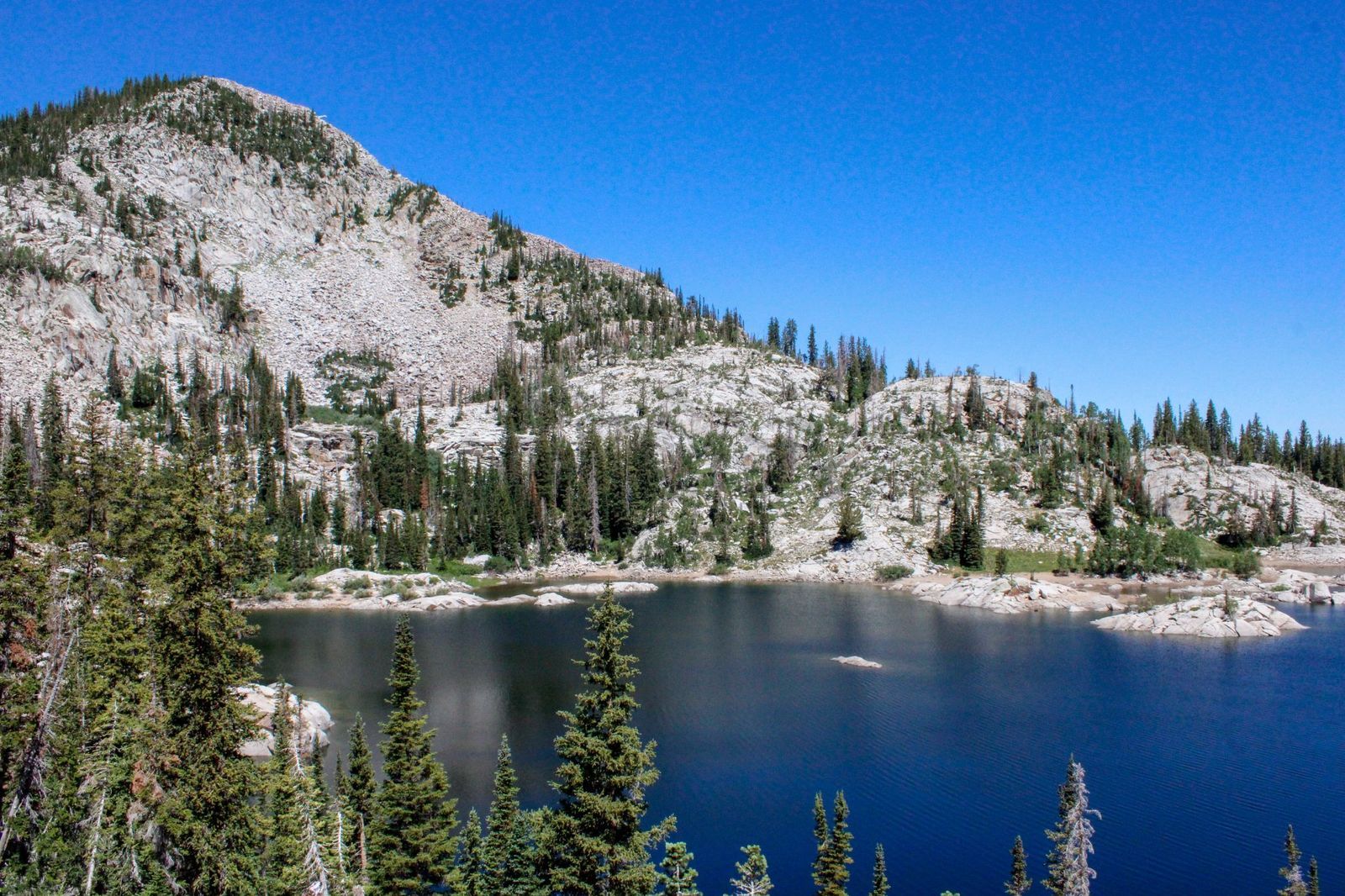
Many families have spent hours digging through old photo albums or building a family tree. Imagine preserving those memories on a global scale inside a mountain.
Near Salt Lake City, the Granite Mountain Records Vault was built by The Church of Jesus Christ of Latter-day Saints 600 feet inside solid granite. Completed in 1965, the climate-controlled facility protects billions of genealogical records, historical documents, photographs, and digital archives collected from around the world. The vault itself is not open to the public because of its security and preservation requirements, but much of the information stored there eventually becomes available through genealogical research centers and online databases, helping millions trace their family histories.
Keep wandering
There’s always
more to explore
 Culture
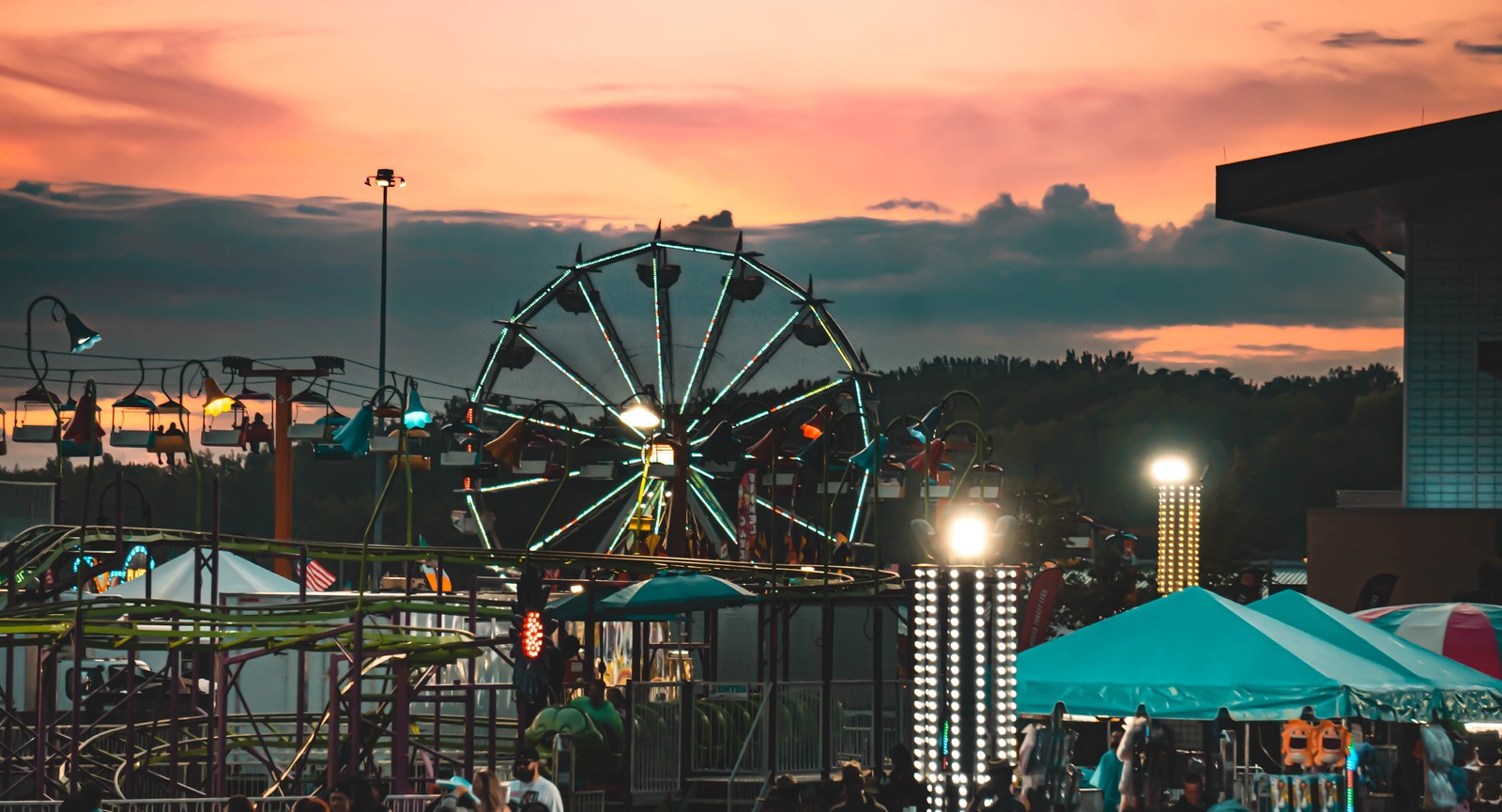
Some of these state fairs have seriously weird attractions
5 min.
Read Now
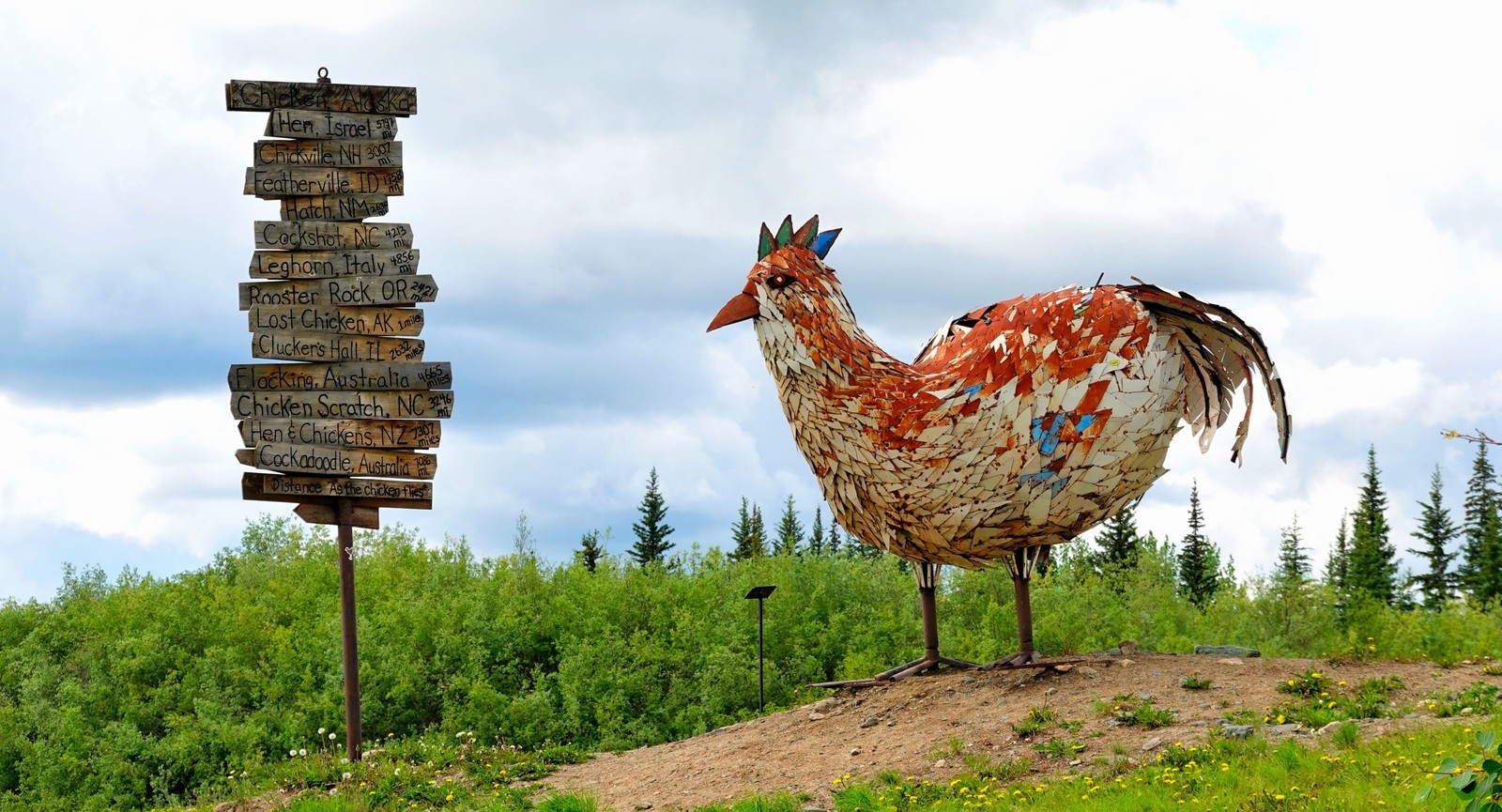
A town called Chicken? Why are these 10 U.S. places named after food?
4 min.
Read Now
These 10 real places feel like stepping into famous paintings
5 min.
Read Now

Behind the front desk: Hotel secrets that will change how you check in
5 min.
Read Now