What happens to toilet waste above 35,000 feet? Here's the answer
 General
Debunked!
What happens to toilet waste above 35,000 feet? Here's the answer
What if some of the things we’ve believed for decades about air travel simply aren’t true? One bump of turbulence, one flash of lightning outside the window, or one rumor about airplane doors opening mid-flight can make the imagination run wild. But there’s logic behind all that. From the mystery of the "black box" to what really happens when you flush the toilet at 35,000 feet, these common airplane myths have surprising explanations behind them.
Flying is riskier than driving
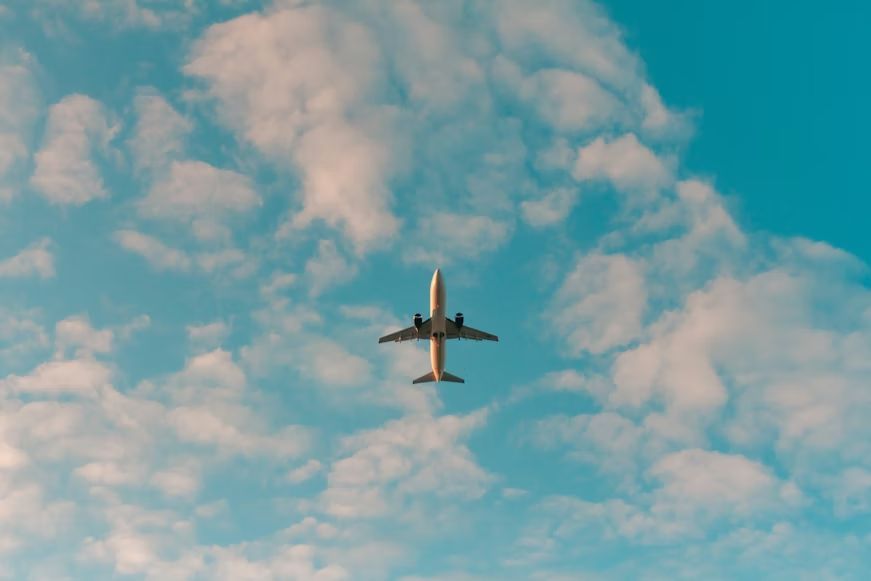
It may not feel that way when you’re gripping the armrest during takeoff, but statistically, flying remains one of the safest ways to travel. It’s funny how we can feel nervous during a flight but perfectly fine while merging onto a busy interstate.
Statistically, flying is much safer than driving. According to global aviation data, millions of flights operate safely every year with remarkably few serious accidents. Commercial aviation is built around layers upon layers of safety checks, training, maintenance, and oversight. According to the International Air Transport Association (IATA), 2023 recorded just one major accident for every 1.26 million flights.
Turbulence means a plane is in trouble
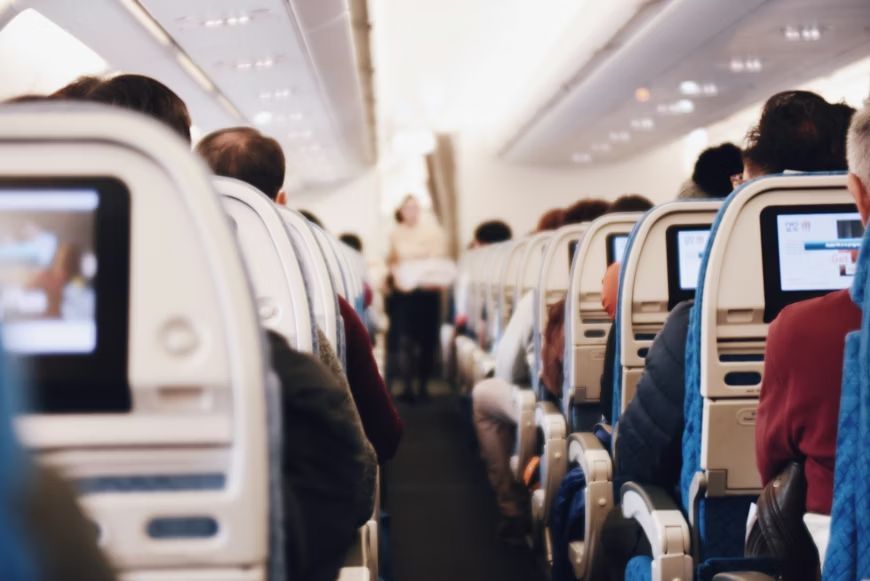
If you have ever been on a cross-country flight and felt the plane start to shudder, your heart probably did a little somersault. We tend to think turbulence means the plane is struggling, but pilots actually view it quite differently.
Modern airplanes are built to handle forces far stronger than everyday turbulence. Engineers test aircraft wings by bending them dramatically without breaking. Pilots are also trained extensively to navigate rough air safely, whether by flying through it or adjusting altitude to find smoother skies. These days, crews often know rough patches are coming long before passengers feel the first shake. So while turbulence may spill your coffee, it’s very unlikely to threaten the aircraft itself.
Mobile phones can crash planes
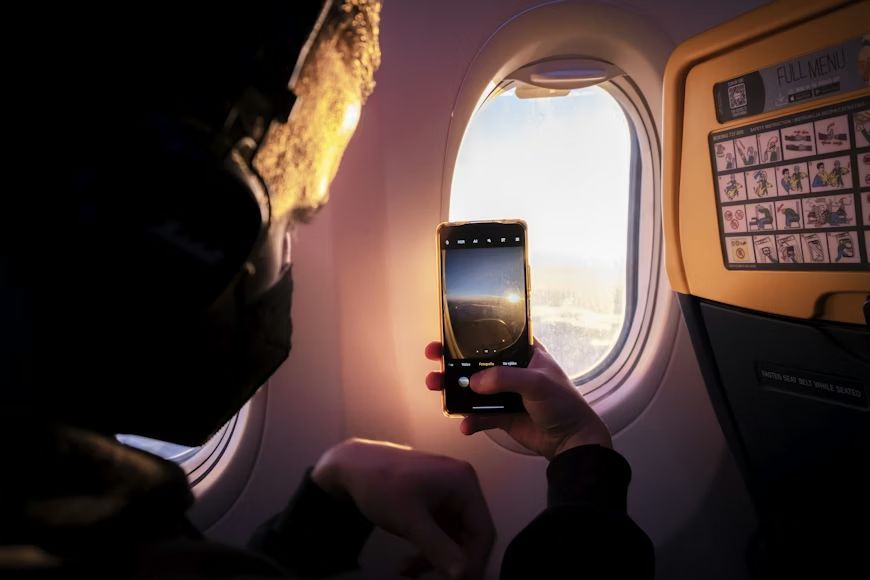
For years, passengers were told to switch off their phones because they could interfere with airplane systems. That warning sparked all kinds of fears, and while it feels like one text message could bring down the whole operation, that is not the case.
The truth is much less dramatic. Modern aircraft are heavily shielded against electronic interference, and experts say personal devices are extremely unlikely to affect navigation systems. The bigger concern has traditionally been distraction during takeoff and landing, when passengers need to pay attention to safety instructions. That’s why many airlines now allow phones in airplane mode throughout the flight.
The air inside the plane is full of germs
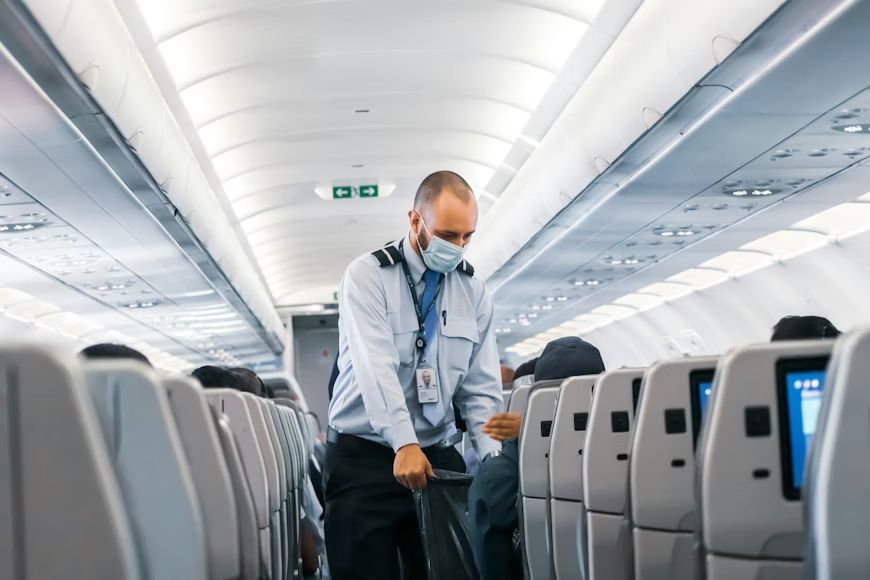
Many travelers worry that the recycled air in a cabin is a breeding ground for the latest flu or cold. Sitting shoulder to shoulder with strangers for hours sounds like the perfect recipe for illness. However, you might be surprised to learn that the air on a plane is often cleaner than you think.
Most commercial aircraft use HEPA filtration systems similar to those found in hospitals. These filters remove more than 99% of airborne particles, including bacteria and viruses. Cabin air is also refreshed frequently during flight. Every few minutes, fresh outside air cycles through the cabin while used air is filtered and recirculated.
The black box isn’t black
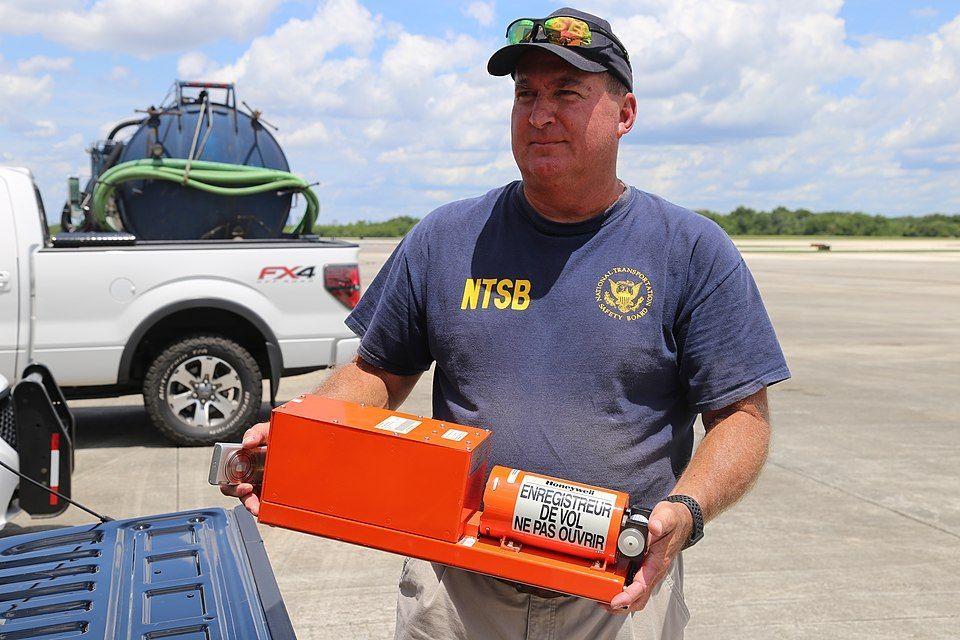
If you’ve ever watched news coverage after an aviation accident, you’ve probably heard reporters talk about recovering the "black box." Most people picture a dark metal cube hidden somewhere deep inside the plane. In reality, the flight data recorder is bright orange. And it isn’t even box-shaped.
These devices are designed to survive extreme crashes, fires, and deep-water pressure. The vivid orange color makes them easier to locate in wreckage. They’re usually placed near the tail section because that area often survives impacts better than the front of the aircraft. The recorder captures vital flight information and cockpit audio, helping investigators understand exactly what happened. It’s one of the reasons air travel has become safer decade after decade.
Emptying toilets mid-air
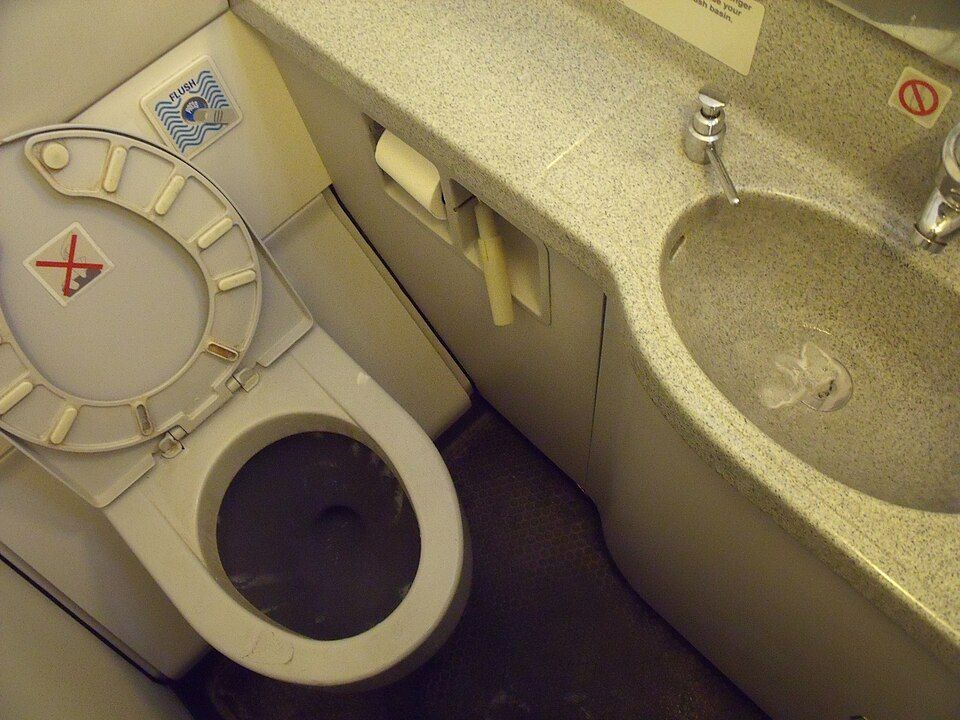
There is an old urban legend that airplanes simply empty the lavatory tanks while flying over the countryside. You might have even heard stories of "blue ice" falling from the sky.
Aircraft toilets use vacuum systems that store waste in sealed onboard tanks. Once the plane lands, specialized airport crews empty those tanks safely on the ground. The myth likely grew because older planes sometimes released a harmless blue disinfectant fluid by accident. Seeing blue ice near airports fueled wild stories for years. Thankfully, today’s systems are much more advanced and tightly regulated.
The doors can open mid-flight
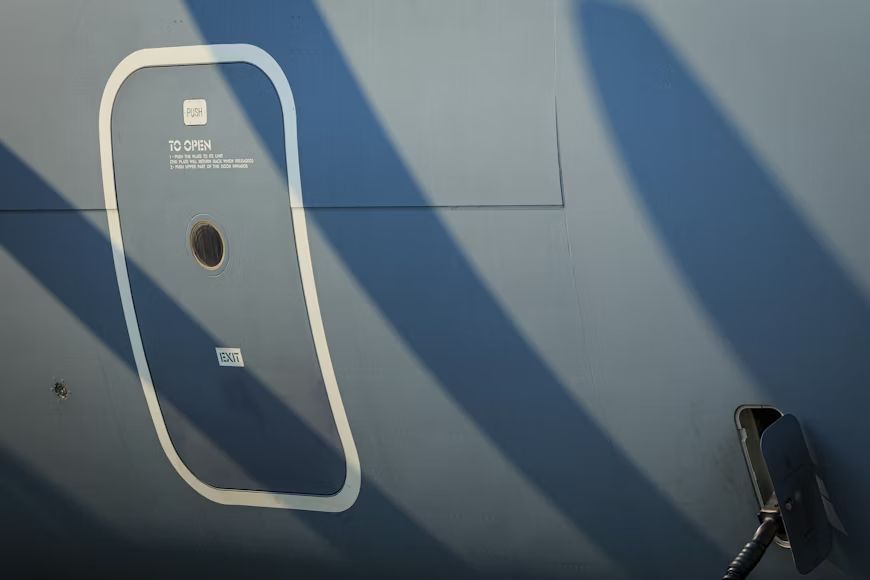
Movies love this scene: a panicked passenger grabs the handle, the cabin erupts into chaos, and papers start flying everywhere. Hollywood makes it look easy. Physics says otherwise.
At cruising altitude, the difference between cabin pressure and outside air pressure creates thousands of pounds of force sealing the doors shut. Even the strongest person on board couldn’t pull the door open during the flight. Once the plane descends and pressure equalizes, the doors can open normally again. But at 35,000 feet, they’re effectively locked in place by nature itself.
Oxygen masks don’t really help

Some passengers assume those dangling oxygen masks are mostly for show. In truth, they’re one of the most important emergency systems on the plane.
If cabin pressure suddenly drops, oxygen levels at high altitude become dangerously low very quickly. Without supplemental oxygen, passengers could lose consciousness within minutes. The masks provide enough oxygen to keep everyone alert while pilots perform an emergency descent to a lower, breathable altitude. Flight crews practice these procedures regularly in simulators.
Lightning strikes can bring down a plane
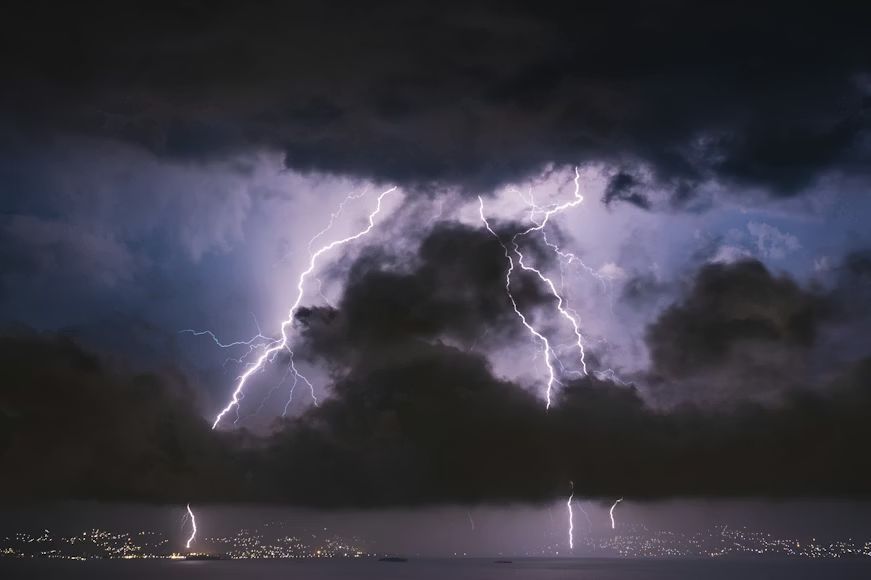
Seeing lightning flash outside an airplane window can make even seasoned travelers uneasy. The good news is that commercial aircraft are specifically designed to handle lightning strikes.
In fact, planes are struck by lightning more often than many people realize, usually about once a year on average. The aircraft’s outer shell safely conducts the electrical energy around the plane and out the other side, much like a car protects passengers during a thunderstorm. Engineers spend years testing aircraft systems against extreme weather conditions. Pilots also use advanced radar to avoid the worst storms whenever possible.
Pilots rely entirely on autopilot
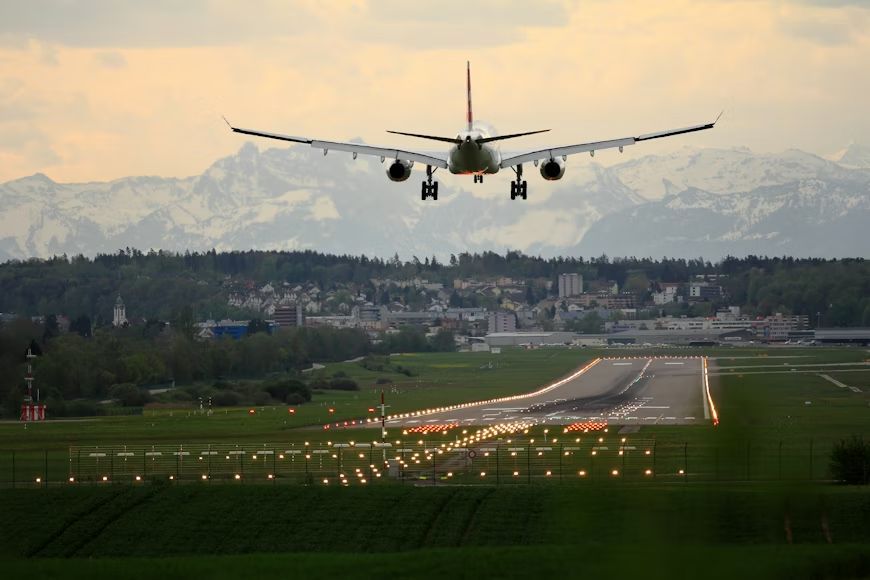
Autopilot technology has become incredibly advanced, but that doesn’t mean pilots spend flights sipping coffee while computers do all the work.
Pilots remain deeply involved throughout every trip. They handle takeoffs and landings, monitor weather conditions, communicate with air traffic control, and constantly oversee the aircraft’s systems. Even if it’s on for most of the flight, the autopilot is a sophisticated assistant rather than a replacement. It helps reduce workload during long flights so pilots can stay focused and alert.
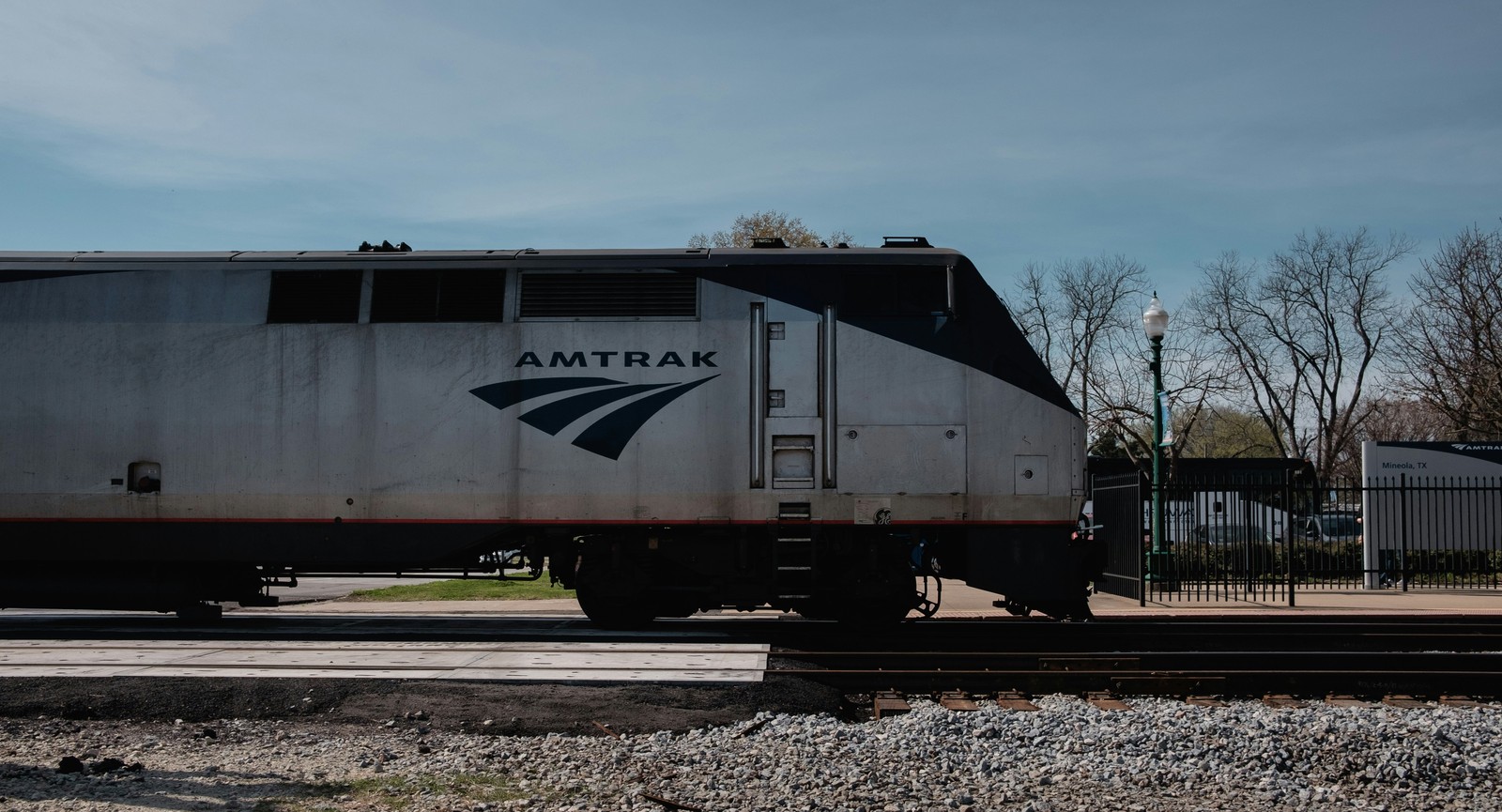
12 things everyone should know before riding on an Amtrak train
Are you a train enthusiast?
Amtrak 101: 12 tips to make the most of US intercity trains
Train travel in the U.S. follows a different rhythm than flying, and a slower pace is part of its appeal. With wide seats, scenic routes, and fewer rigid rules, Amtrak rewards travelers who know what to expect. These tips help first-timers and occasional riders feel prepared, relaxed, and ready to enjoy the journey.
Arrive earlier than you think

Amtrak stations are generally calmer than airports, but timing still matters. Most routes recommend arriving at least 30 minutes before departure, especially if you need assistance or have checked luggage. Platforms and boarding areas are often announced shortly before departure rather than posted far in advance.
Arriving early gives you time to listen for announcements, find the correct boarding area, and settle in without rushing. It’s also helpful if the station layout is unfamiliar or larger than expected.
Boarding is announced, not assigned
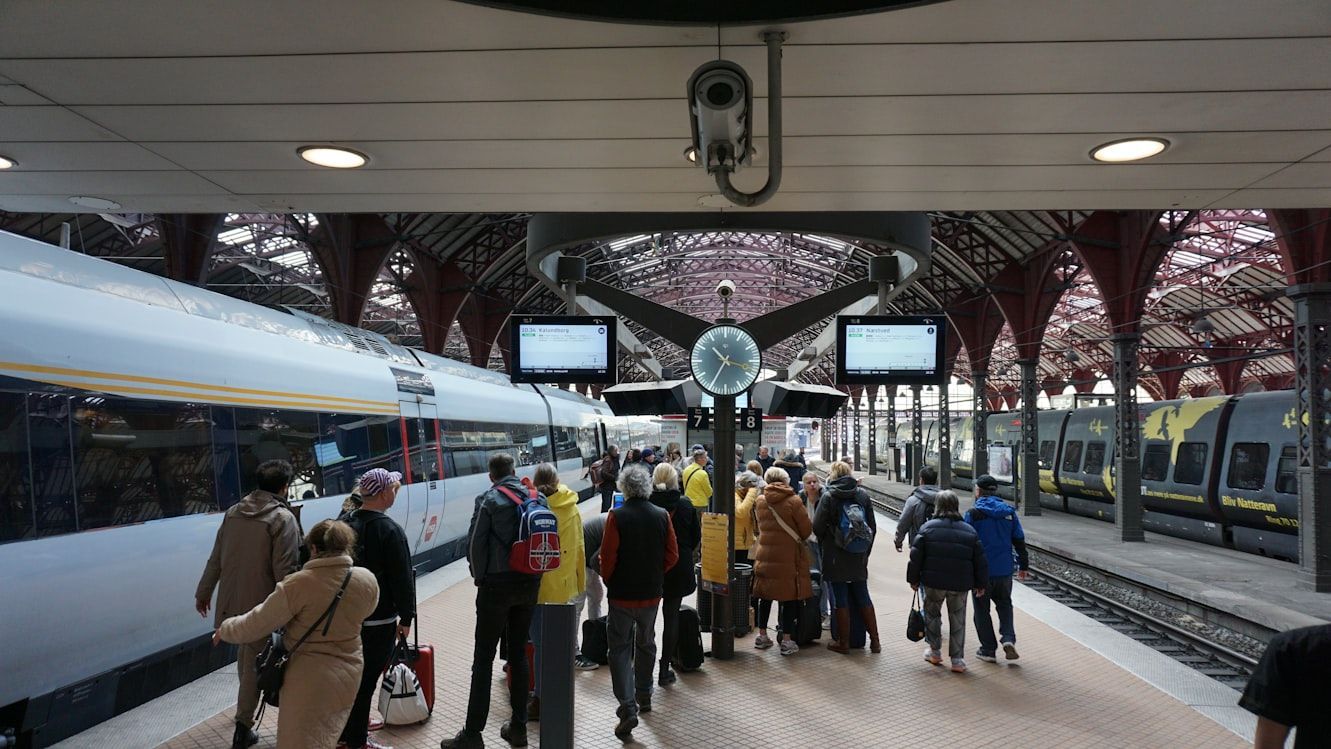
Unlike airlines, Amtrak often boards by announcement rather than fixed gate numbers. Conductors or station staff call passengers forward when the train is ready, sometimes only 10–15 minutes before departure. Paying attention is key.
Staying near the waiting area and listening carefully ensures you won’t miss your call. At smaller stations, boarding may happen directly from the platform with minimal signage or warning.
Seating rules vary by route
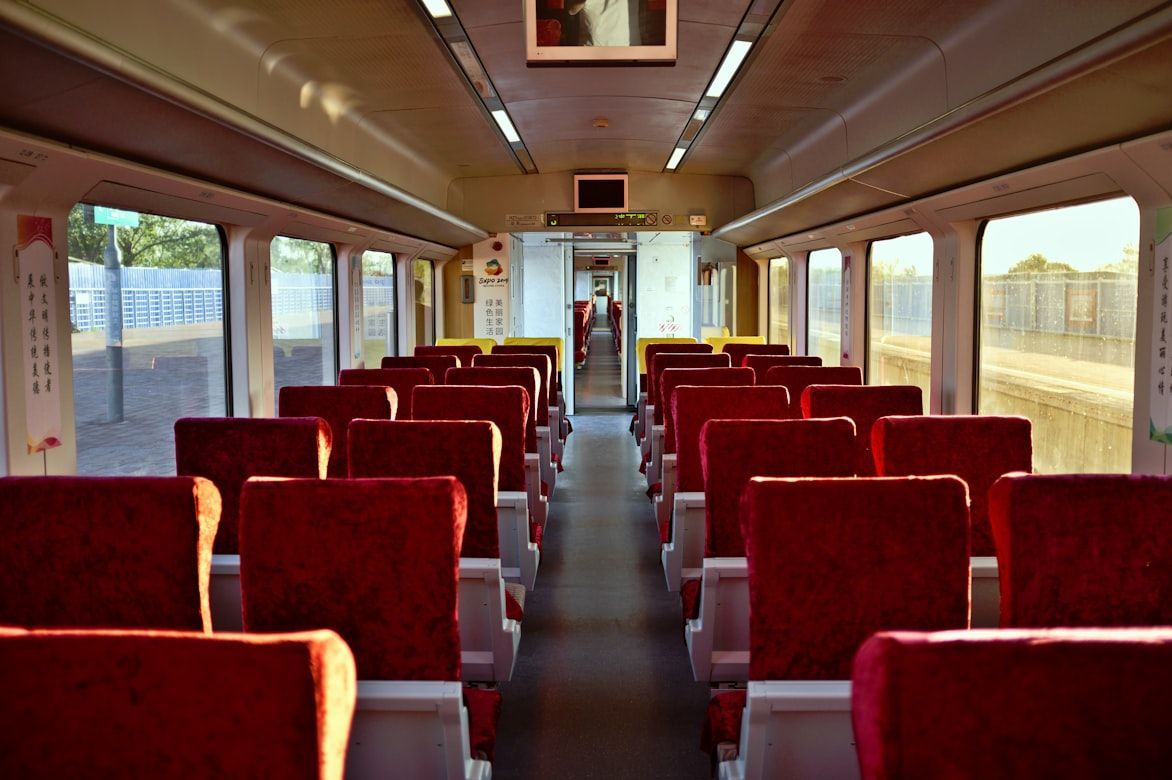
Some Amtrak routes use assigned seating, while others allow open seating within your ticketed class. Conductors may direct you to a specific car based on your destination or how full the train is.
If you’re traveling with a companion, boarding early improves your chances of sitting together. Once the train fills up, switching seats later may not be permitted or encouraged.
Pack your carry-on carefully
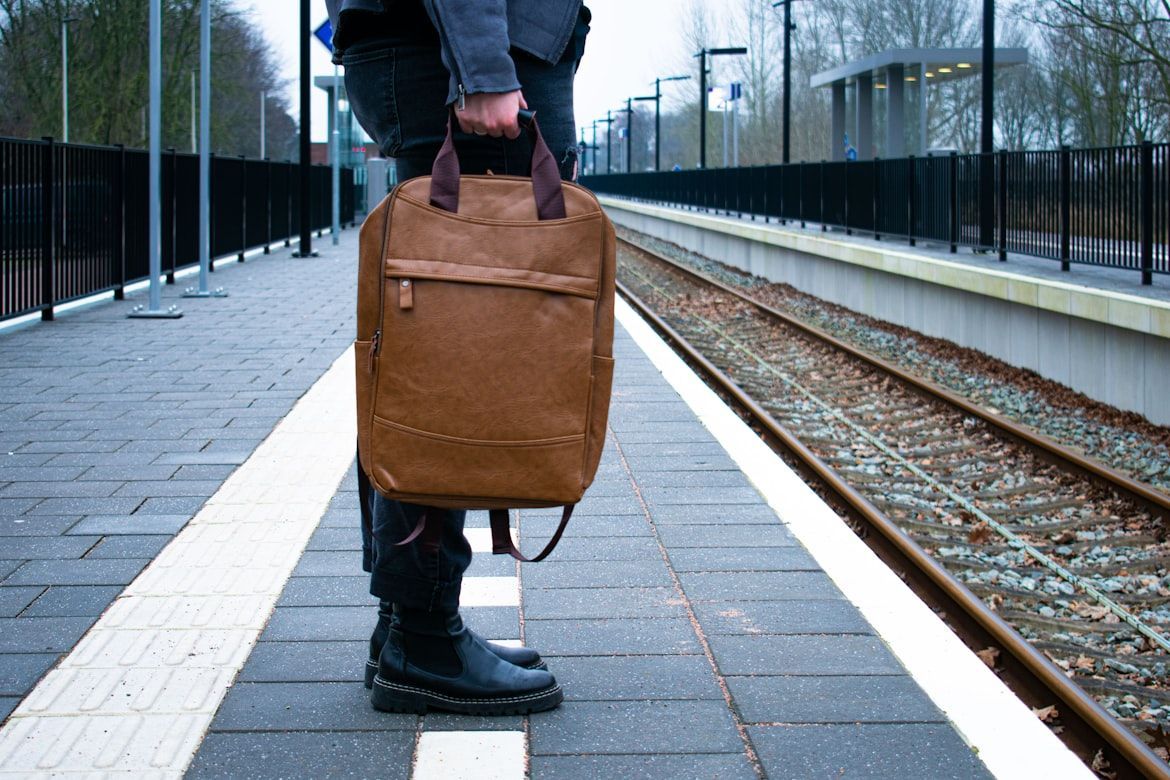
Amtrak allows generous baggage limits, but you won’t have access to checked bags once onboard. Important items like medications, snacks, chargers, documents, and a light jacket should stay with you at your seat.
Overhead racks are roomy, but aisles must remain clear. Soft bags are often easier to manage than hard suitcases, especially when lifting items overhead.
Delays are common
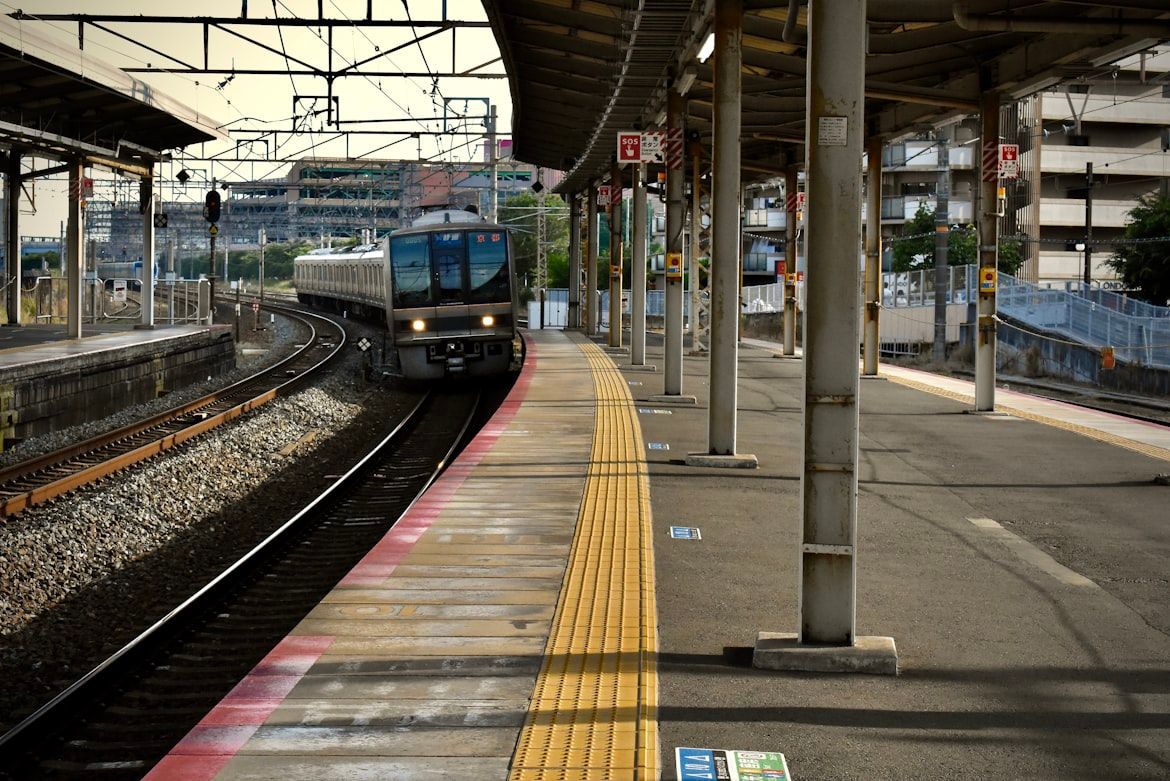
Amtrak trains frequently share tracks with freight trains, which can cause delays beyond the railroad’s control. Even well-planned trips may arrive later than scheduled, especially on long-distance routes.
Building flexibility into your plans helps reduce frustration. The upside is that delays usually occur while you’re already seated comfortably, rather than standing in line or waiting at a gate.
Bring comfort items
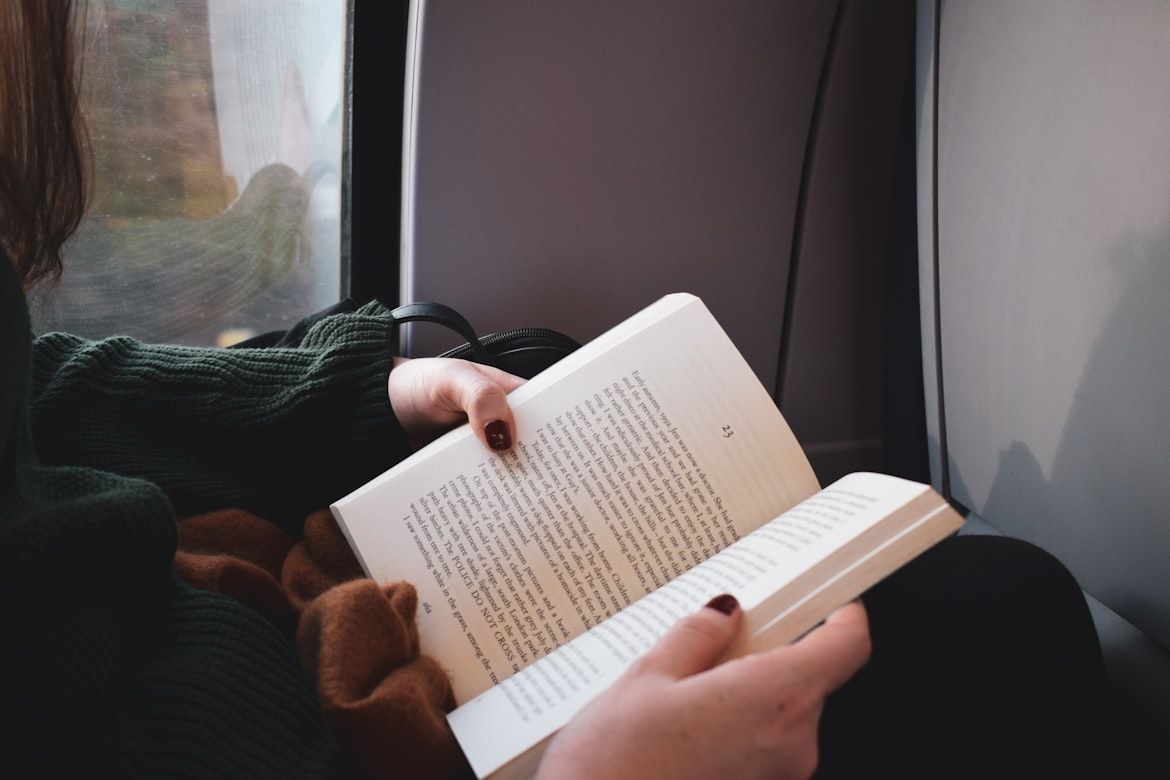
Seats are wider than plane seats, but long journeys feel more comfortable with a few personal touches. A book, a small pillow, a light blanket, a refillable water bottle, or an eye mask can make a noticeable difference.
Power outlets are common but not guaranteed at every seat. Having a charged phone or a small backup battery ensures your entertainment remains available throughout the trip.
Listen to announcements
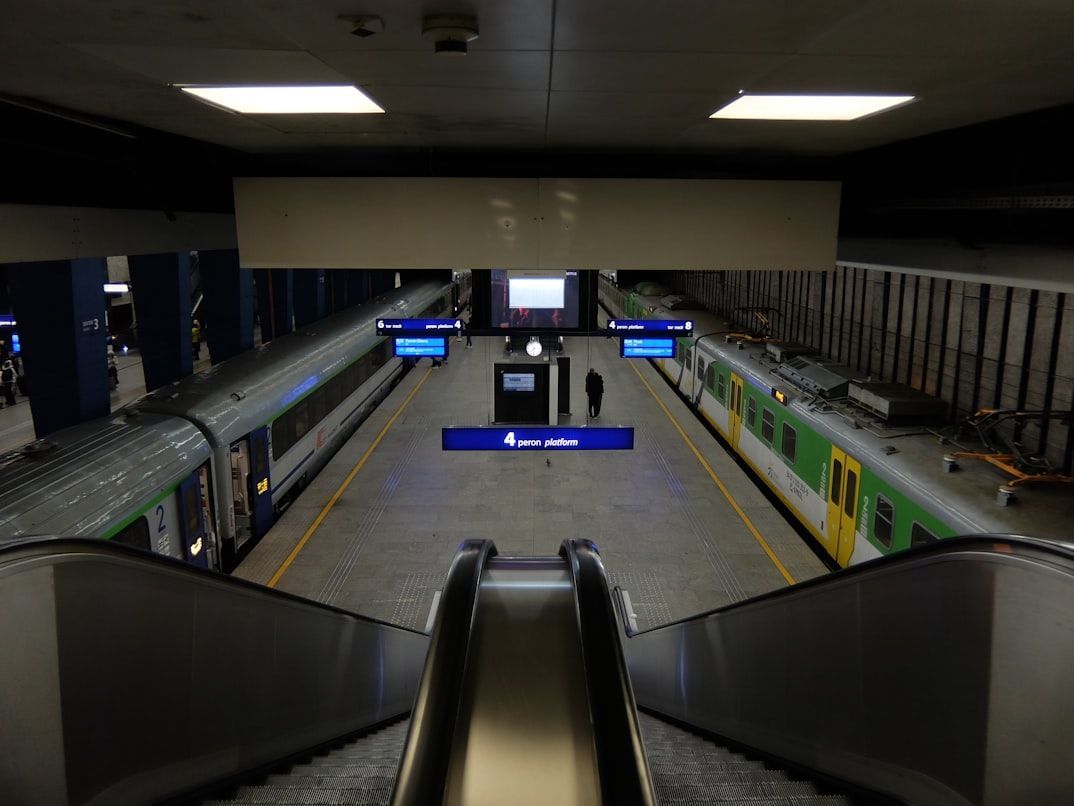
Conductors announce upcoming stops, longer breaks, and dining information over the public-address system. These announcements matter and may be your only warning before a stop arrives.
Volume and clarity vary by car, so staying alert helps avoid missing stations or meal-service windows. This is especially important during nighttime or quieter portions of the trip.
Walking is allowed
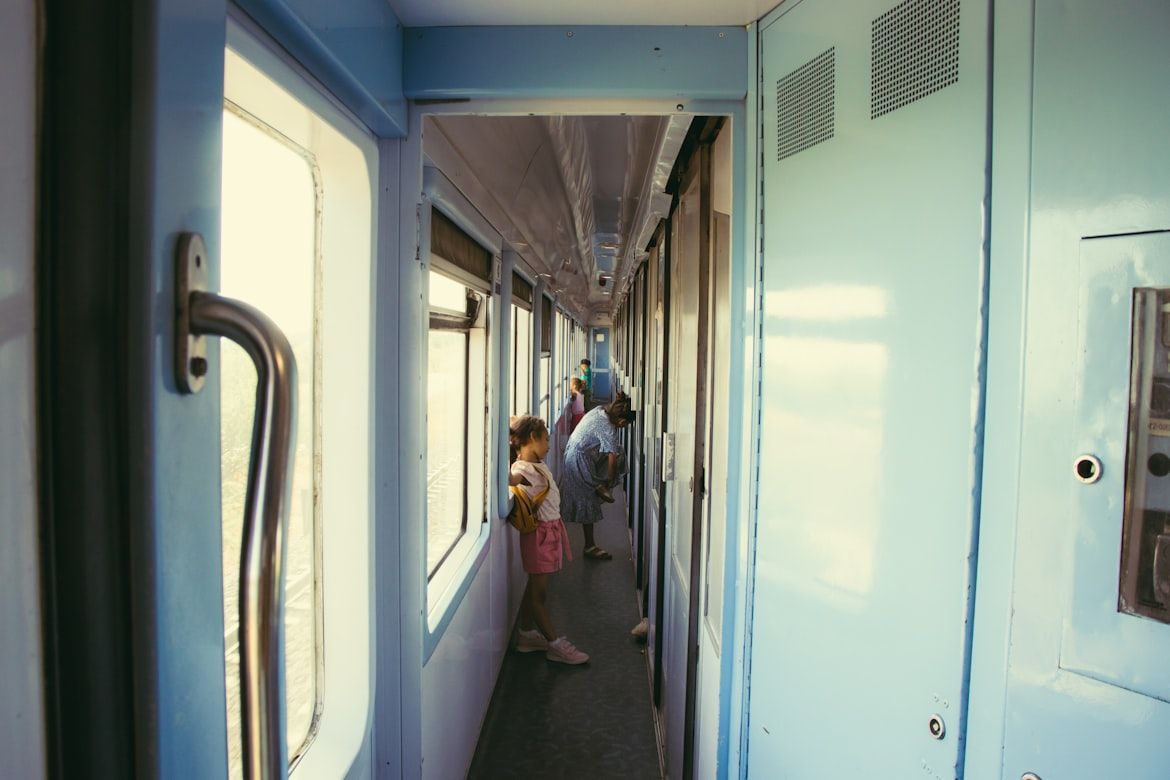
One advantage of train travel is the freedom to stand up and move around. You can visit the café or observation car and stretch your legs during the journey.
Always use handrails when walking between cars, especially while the train is moving. Trains can sway unexpectedly, particularly on curves or when switching tracks.
Expect compact restrooms
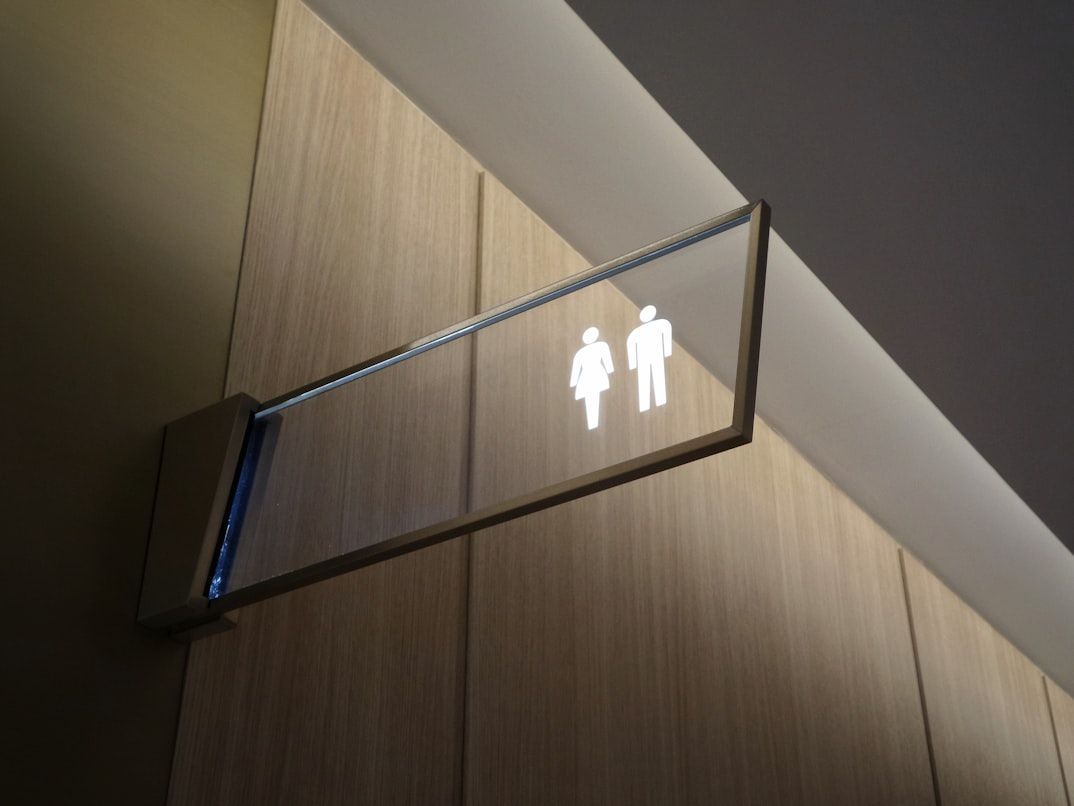
Every Amtrak car has restrooms, but they are functional rather than spacious. Bringing small personal items, such as hand sanitizer or tissues, can make visits more comfortable.
On overnight routes, restrooms tend to be busiest in the morning. Visiting earlier or later than peak times can help you avoid lines and crowded conditions.
Scenery is part of the journey
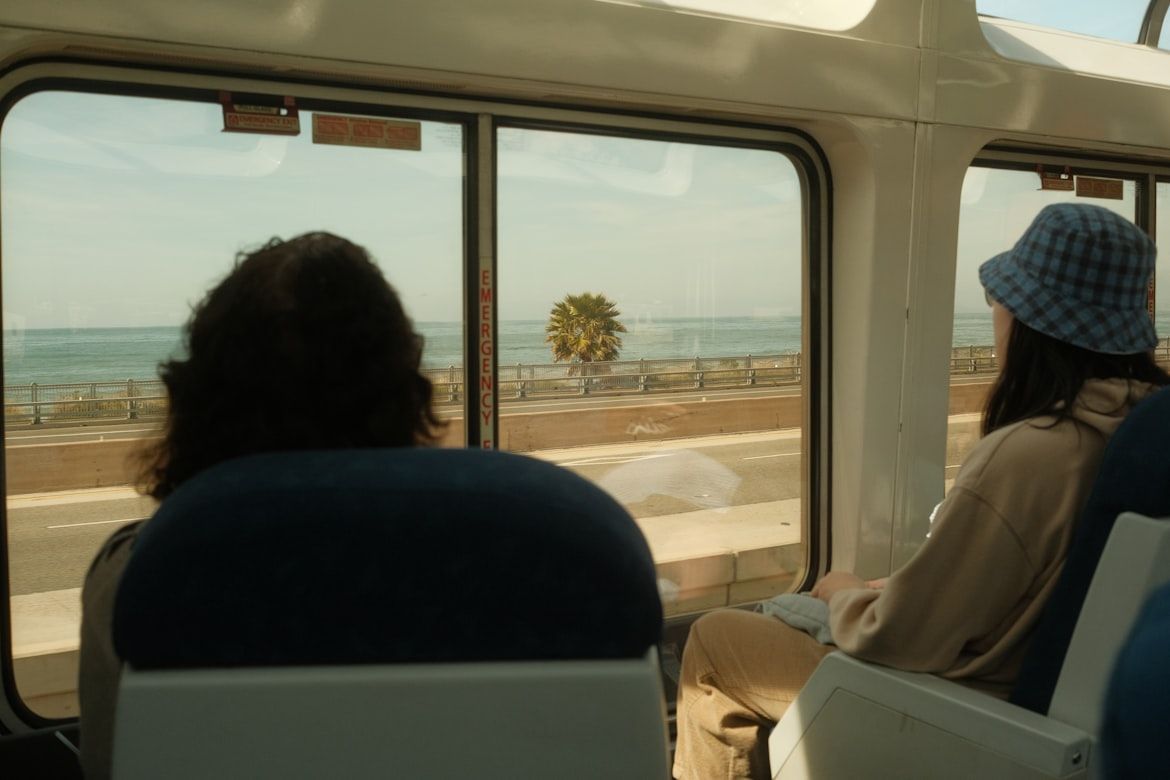
Many Amtrak routes pass rivers, mountains, farmland, and historic towns rarely seen from highways. Some trains include observation cars with large panoramic windows.
Seats aren’t assigned based on the view, so feel free to move when permitted. Daylight stretches often become the most memorable part of the entire journey.
Download the Amtrak App

The official Amtrak app stores digital tickets, shows real-time train status, and provides updates about boarding or delays. It’s especially useful at larger stations.
Even travelers who prefer paper tickets benefit from having the app as a backup. It offers peace of mind when schedules change unexpectedly.
Know the quiet and dining car rules
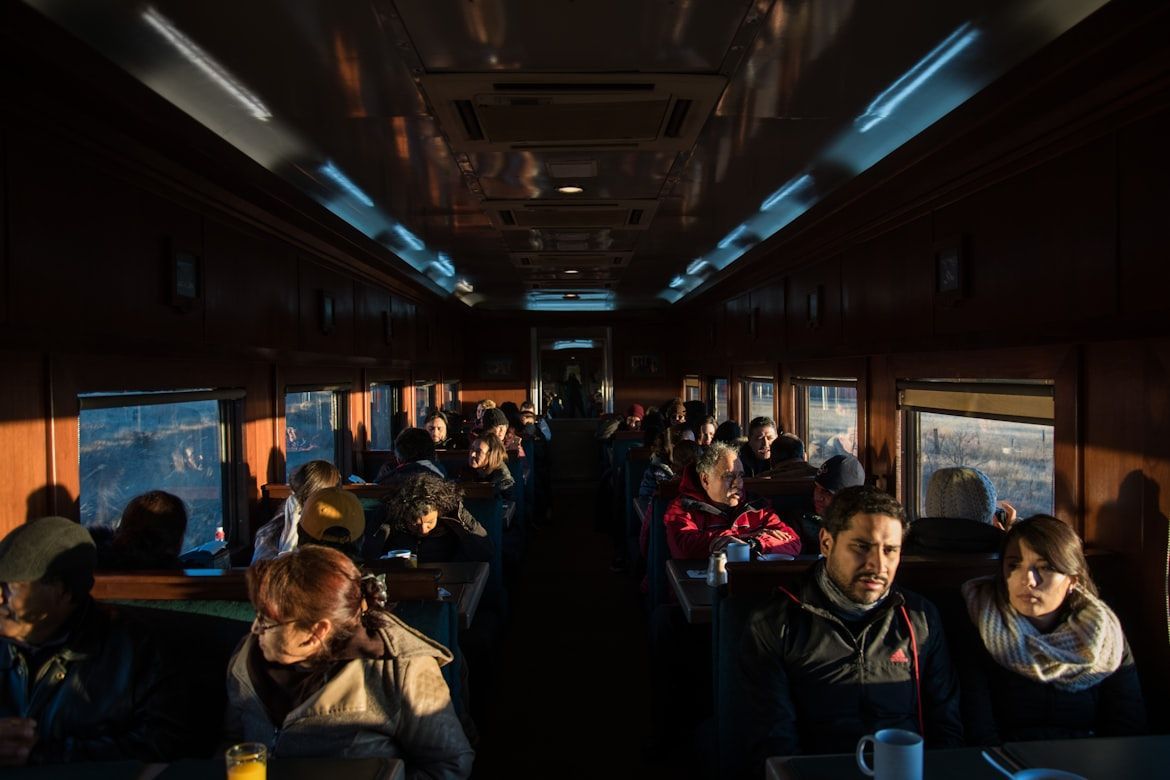
Quiet cars are designed for low voices, muted devices, and peaceful travel. They’re ideal for reading or resting but not for phone calls or conversations.
Dining and café cars follow their own schedules and customs. Knowing where talking is welcome helps everyone enjoy the ride more comfortably.
Keep wandering
There’s always
more to explore
 Landmarks

Did the three men who escaped Alcatraz in 1962 actually survive?
7 min.
Read Now
 History
Ancient cities that have stood the test of time
6 min.
Read Now

Hotel staff can tell these 10 things about you almost immediately
6 min.
Read Now
 Culture

Maps lie: 10 famous cities that love to trick tourists
6 min.
Read Now