The dirtiest spot on your plane isn't the bathroom
 General
Nobody told you
The dirtiest spot on your plane isn't the bathroom
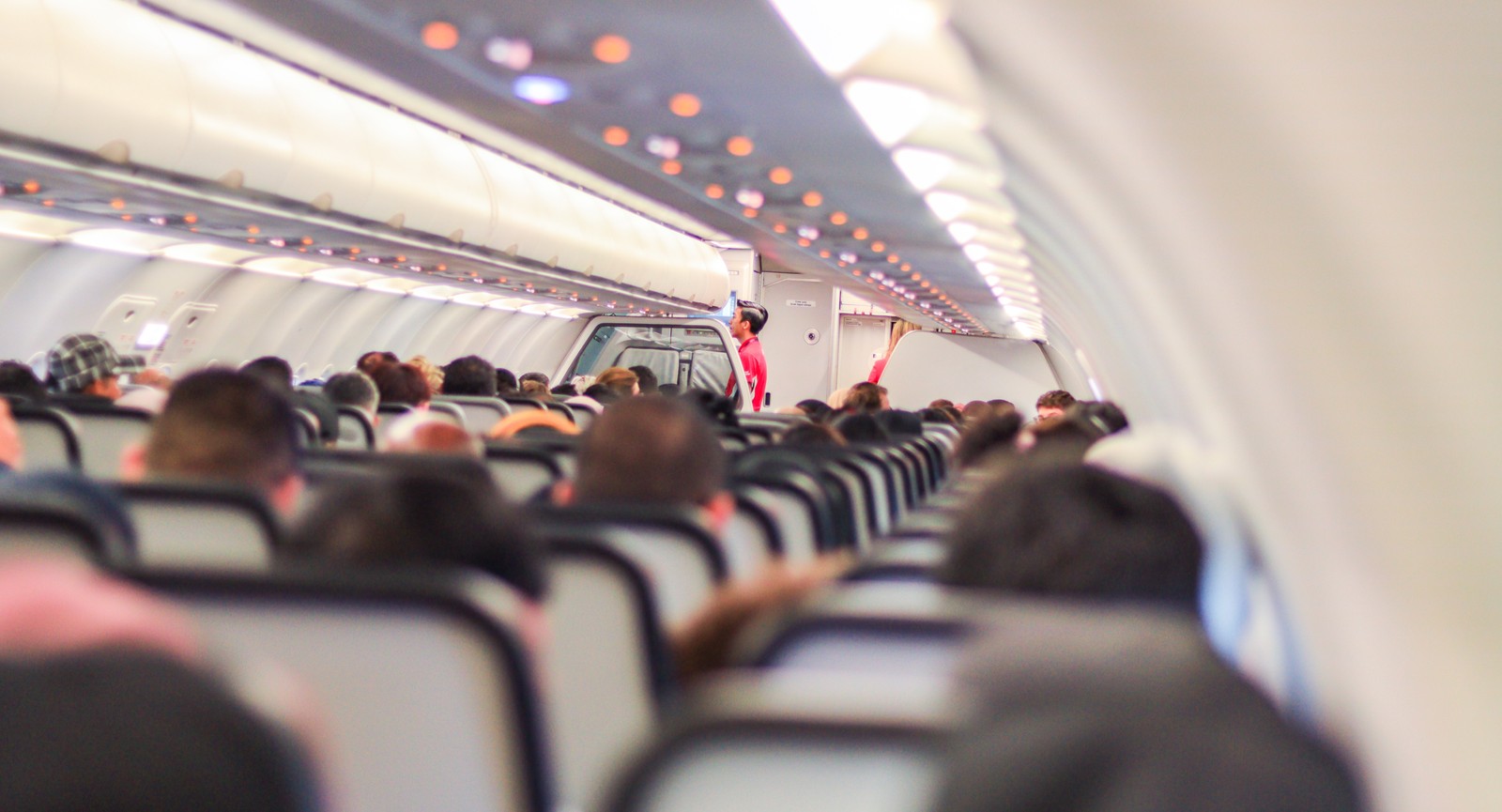
You already know to buckle up and stow your tray table, but do you know who really gets the armrest, or that reclining without a glance behind you is poor form? From the seat swap you're allowed to refuse, to the spot that's dirtier than you'd guess, flying comes with many unspoken rules. Here are 10 of them, and how to avoid becoming the passenger everyone remembers for the wrong reasons.
You can decline someone’s request to swap seats
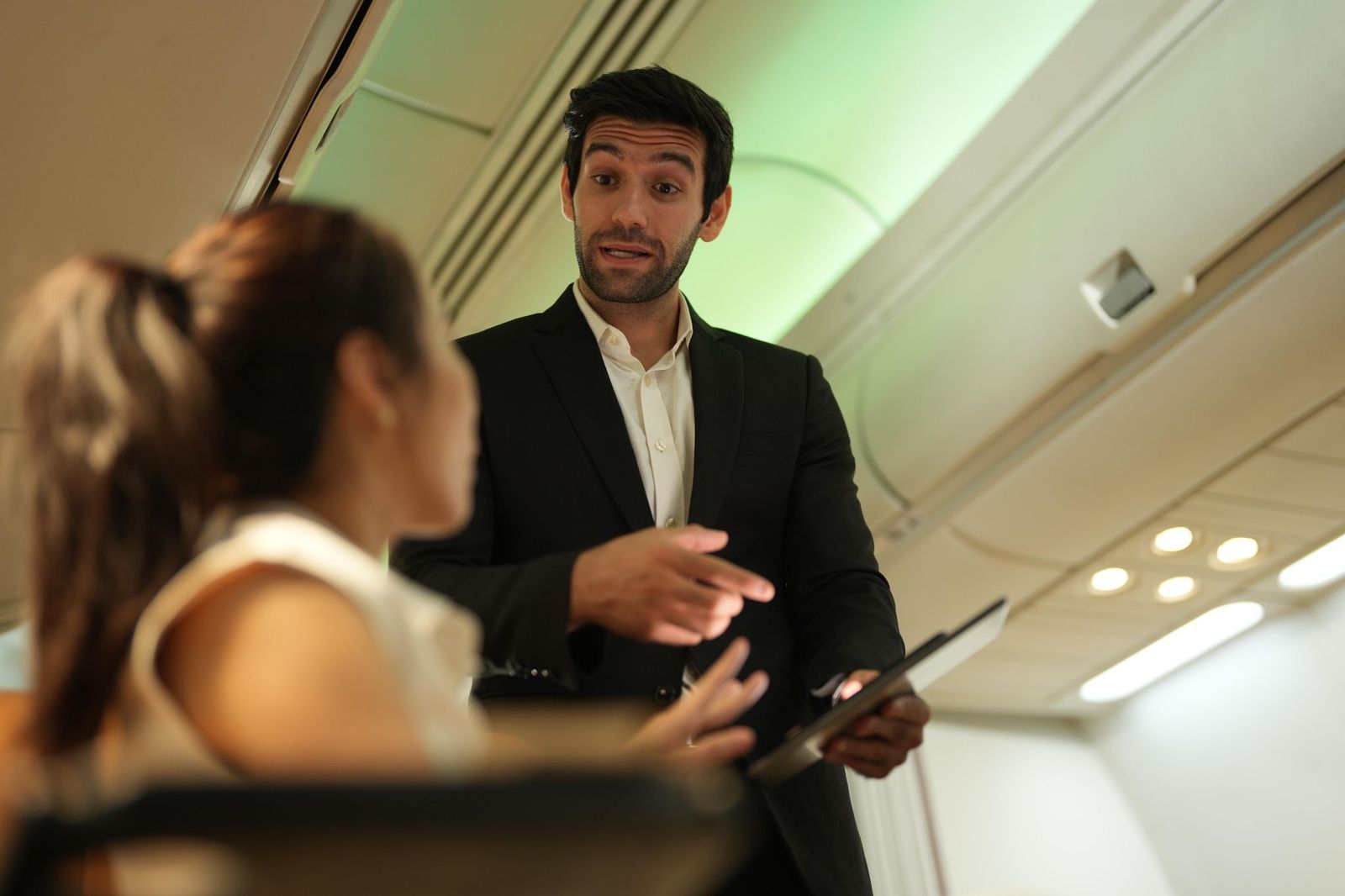
Somebody leans over with a hopeful smile and asks if you’d mind switching seats so they can sit with a spouse or a friend. It happens all the time, but it’s okay to say no.
Asking is fine, and so is declining, especially if you paid extra for an aisle seat or need the extra legroom for your knees. Nobody owes their seat to a stranger's request, no matter how nicely it's phrased. A simple, friendly explanation goes further than an awkward silence. You booked that seat for a reason, and keeping it doesn’t make you a bad passenger.
You can take off your shoes, but keep your socks on
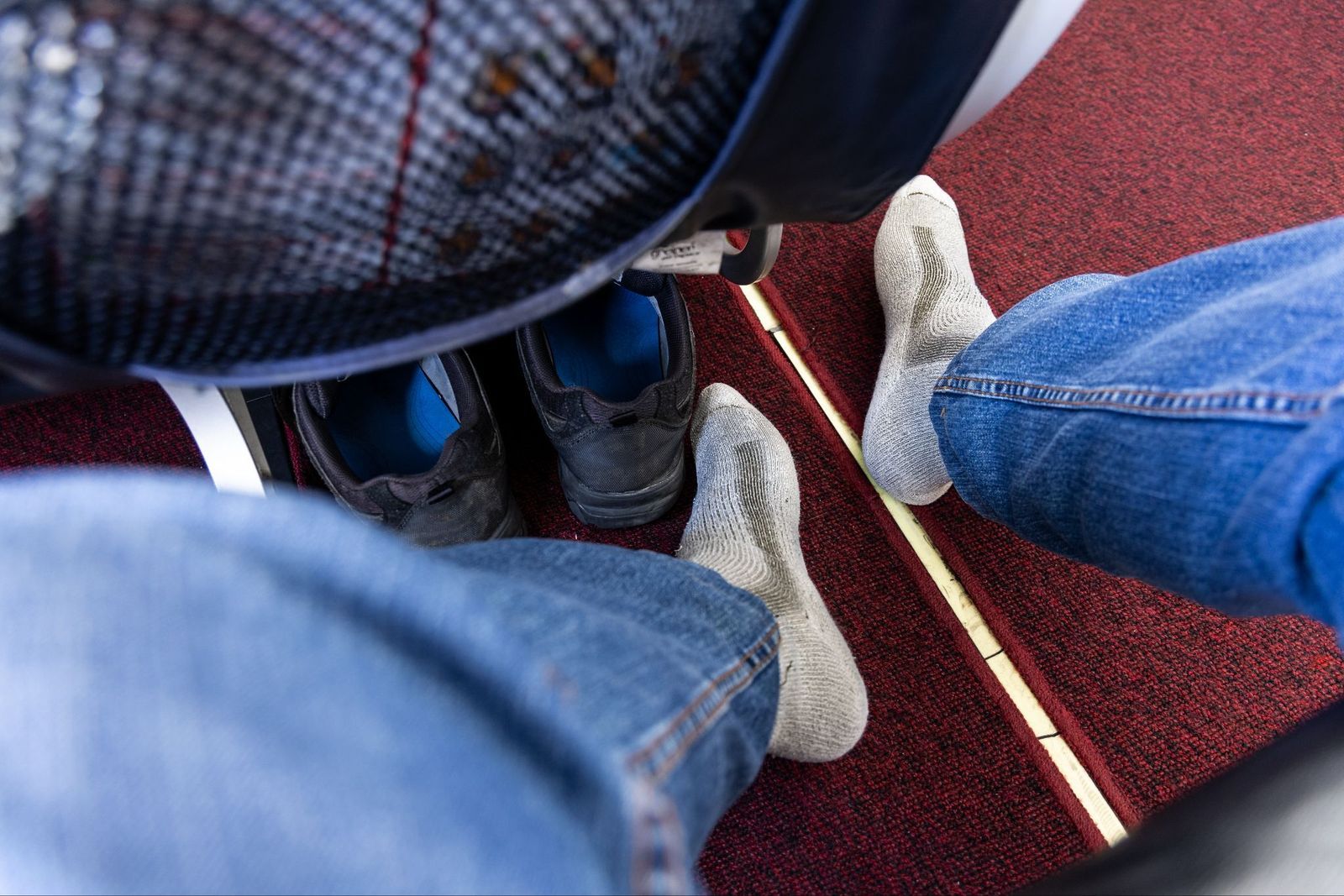
Somewhere between the safety demonstration and the drink cart, many travelers kick off their shoes for comfort, and that’s perfectly fine. What crosses a line is going fully barefoot.
Cabin floors see thousands of feet, spills, and worse over a single day, with only a quick cleaning between flights. Bare feet on a tray table, already the most contaminated part of a plane, or armrest are disrespectful and out of place, and totally unhygienic. Keeping socks not only protects your own feet, but it spares your seatmates an unwanted view (or odor). You can get comfortable, but be mindful of the people sharing the space around you.
Drink in moderation
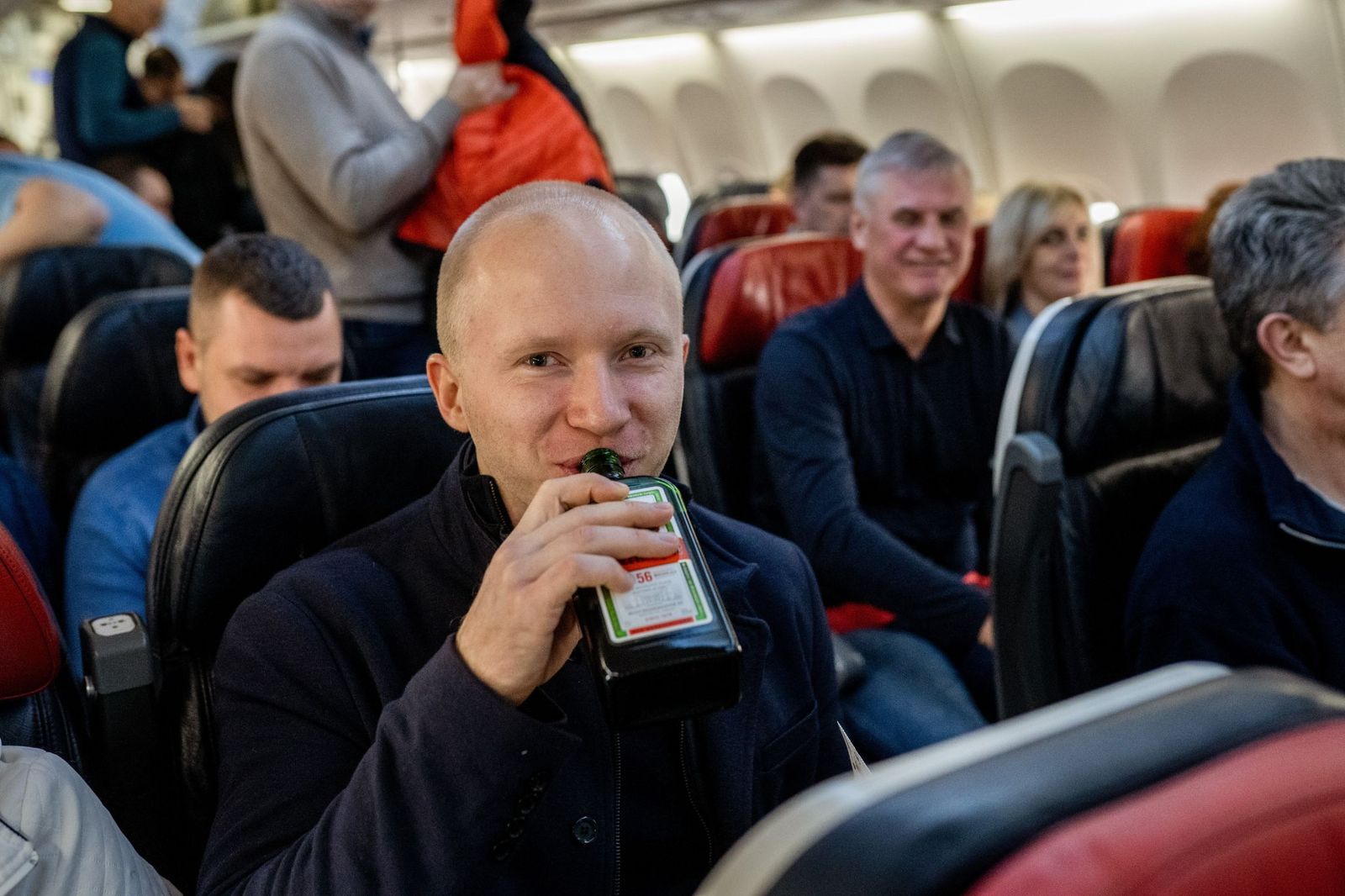
That single glass of wine can feel noticeably stronger somewhere over the clouds, and there's real science behind it.
Cabin pressure is typically kept at the equivalent of 6,000 to 8,000 feet of altitude, similar to being in Denver, which lowers the oxygen reaching your bloodstream. Researchers call this mild hypoxia, and while it doesn't actually raise your blood alcohol level, it does intensify how intoxicated you feel, especially combined with the cabin's notoriously dry air and the dehydration that comes with it. That mismatch between how much you drank and how strong it feels is exactly what catches people off guard at altitude. Pacing yourself, drinking water alongside any cocktail, and knowing your own limits keep the rest of the flight pleasant for you and everyone sitting around you.
Offer to lend an extra hand
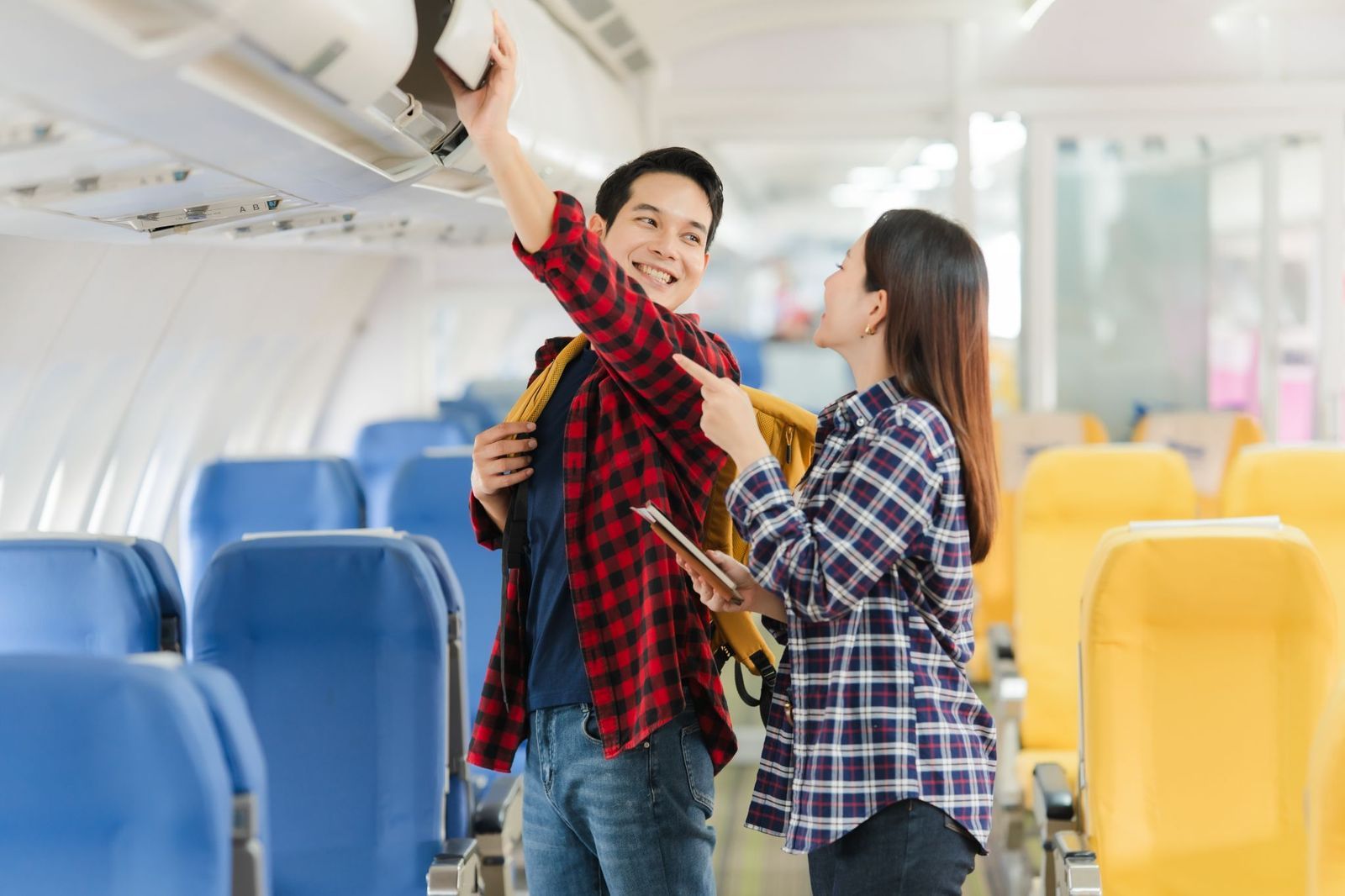
The boarding line at the gate may bring up a bunch of different scenarios: a struggling mother wrestling with a stroller, an elder carrying way too much weight, a bunch of first-time flyers trying to figure out what to do next. In those cases, a small gesture goes a long way.
Steadying a bag, grabbing a fallen toy, or lifting something overhead can turn a stressful moment into a kind one. Just read the room first. Some travelers welcome the help right away while others prefer to manage on their own, especially if independence matters to them. If your offer gets a polite no, thank you, let it go with a smile. The gesture already did its job.
Give the armrests to the person in the middle seat
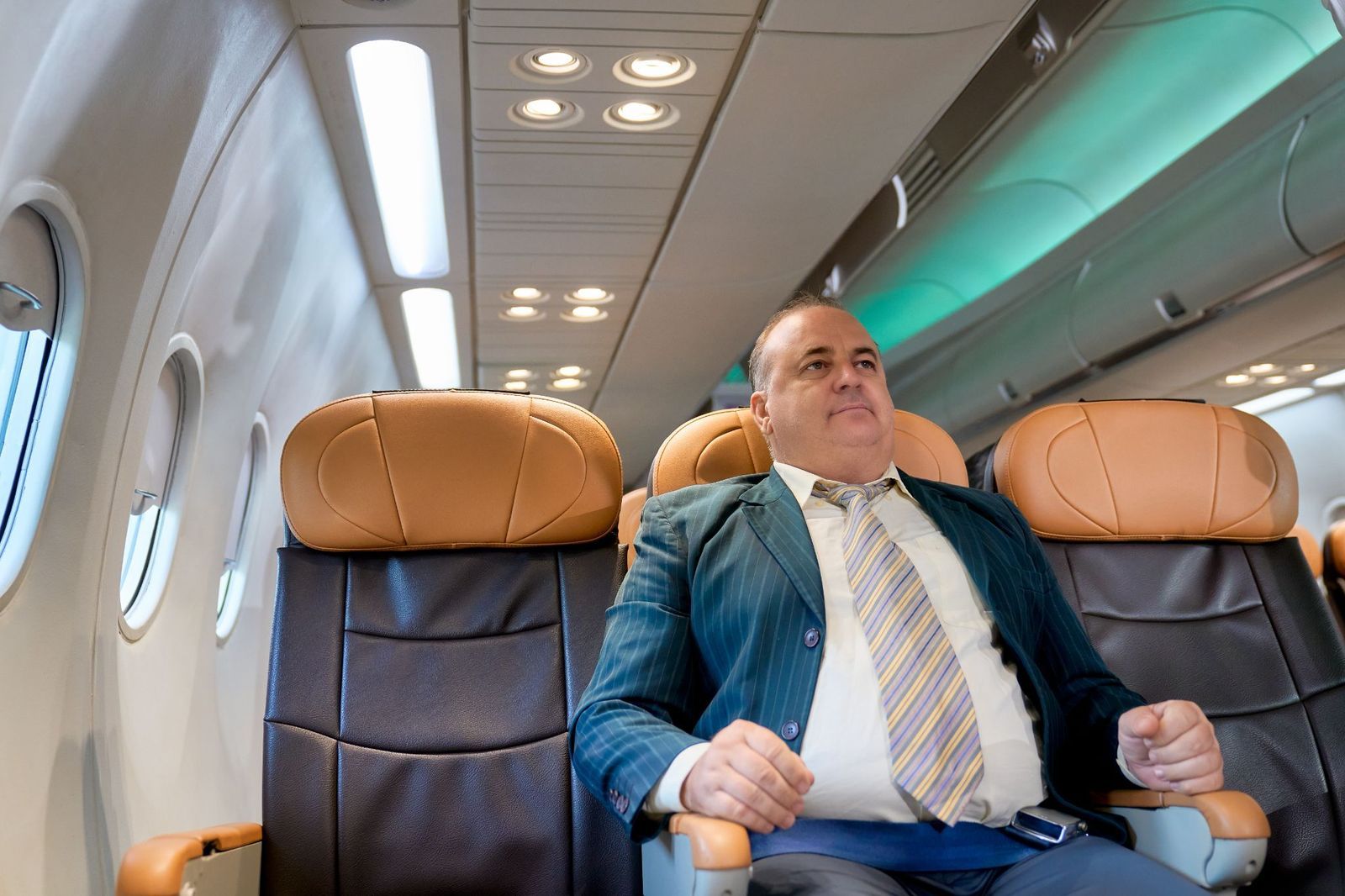
Few topics start more polite arguments 30,000 ft. in the air than who gets the armrest. Still, there's logic behind an old rule.
Window seat passengers can lean toward the wall for extra space, and aisle seat passengers get room to stretch a leg into the aisle. In a three-seat row, the middle seat has nowhere else to go. No wall to lean on, no aisle to spill into, just two armrests standing between comfort and three hours of elbows tucked in tight. Offering that little bit of shared space, even without a clear consensus, is one of the easiest ways to make a stranger’s flight noticeably more comfortable. On two-seat rows, instead, etiquette experts favor the first-come, first-served rule. However, basic politeness and cooperation will always apply.
Wear headphones when using devices with sound
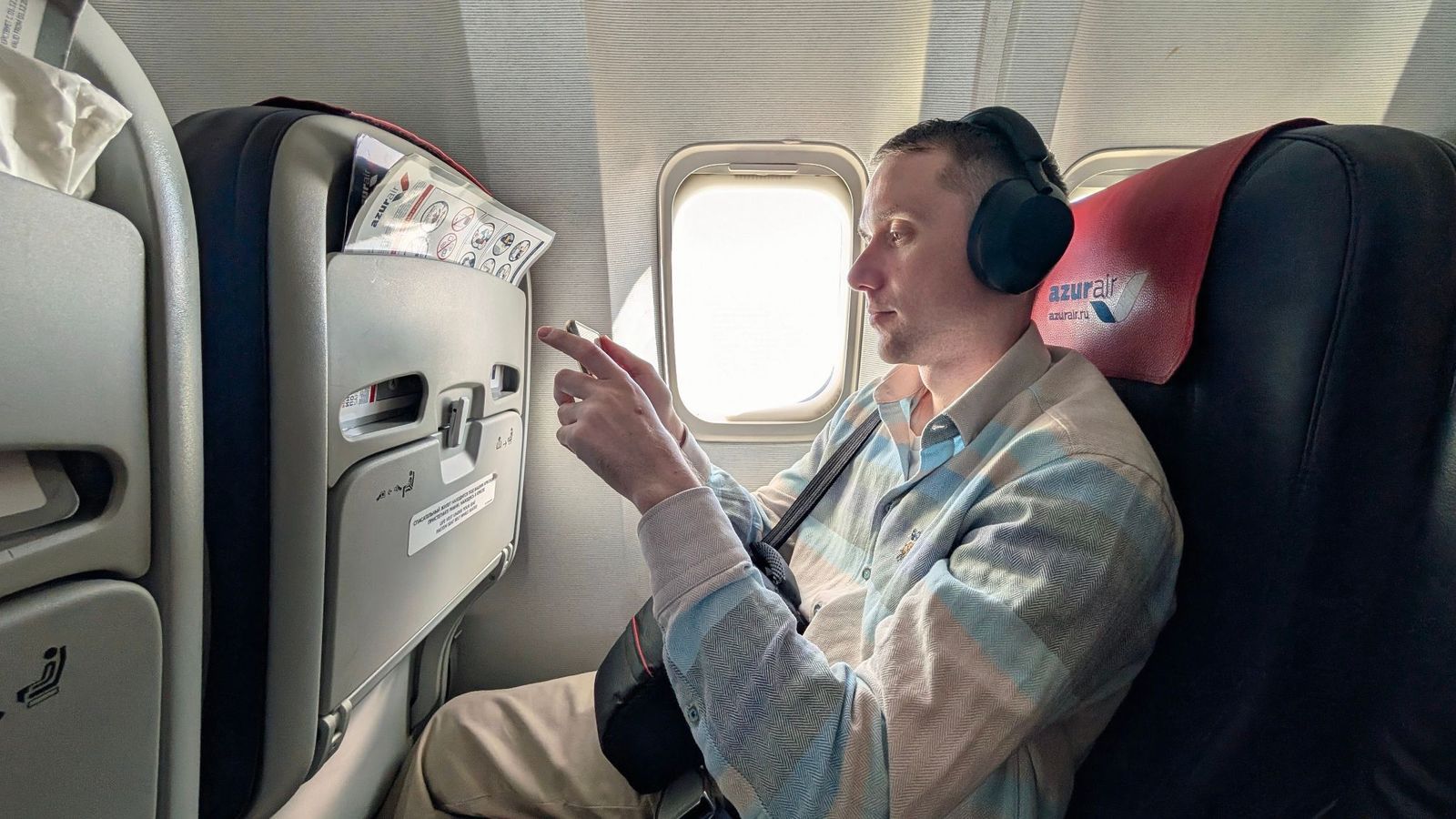
A packed cabin is basically one shared room for the next few hours, and sound travels further than you'd think. A video playing out loud from three rows away reaches ears that never signed up to listen in.
None of this means total silence is required. It just means the volume on your phone, tablet, or laptop should stay between your ears, not everyone else's. Earbuds are cheap, and even a basic pair solves the problem completely.
You can (considerately) recline your seat
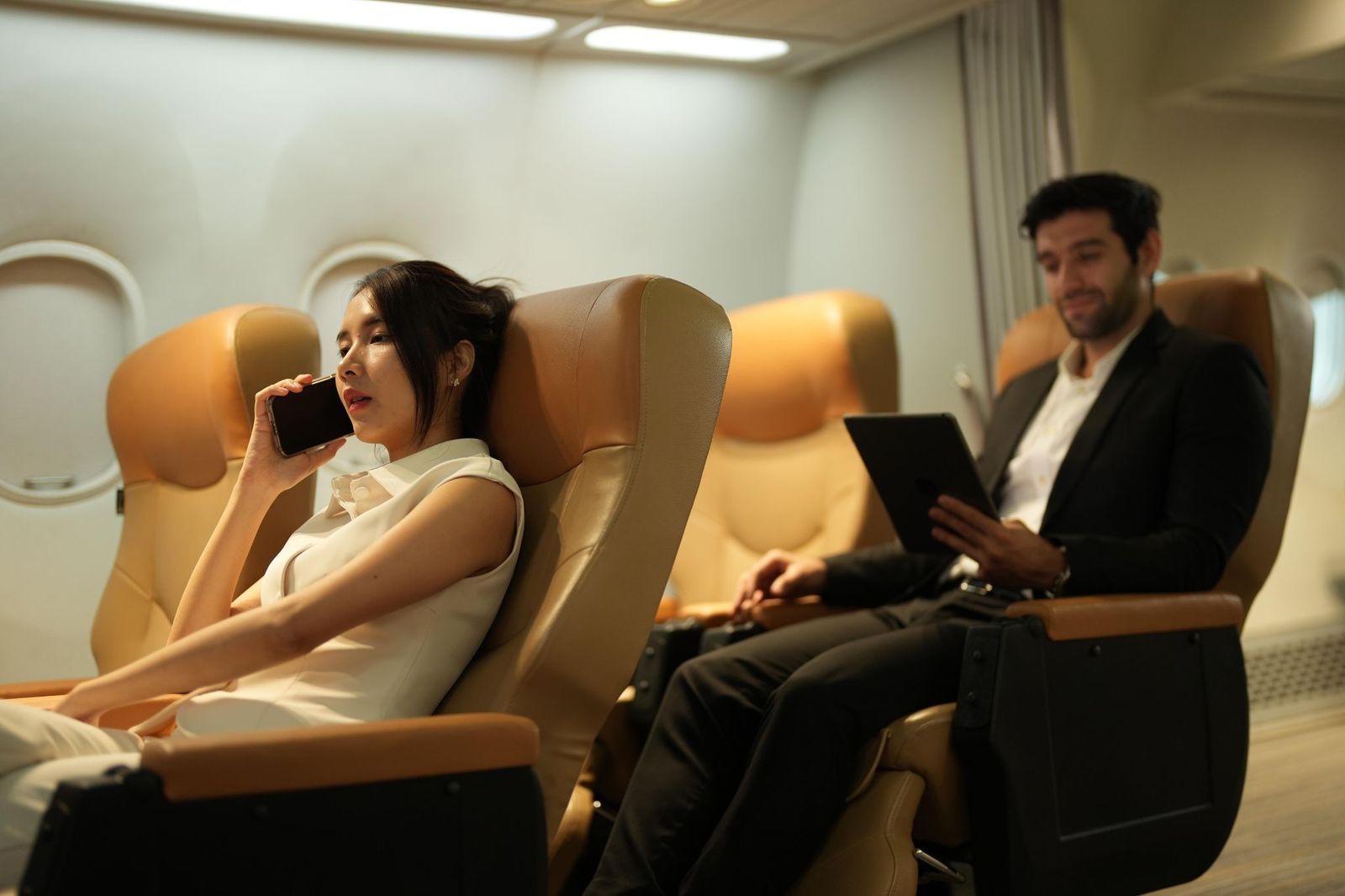
On August 24, 2014, a routine flight from Newark to Denver became a cautionary tale about reclining gone wrong.
One passenger had installed a device called the Knee Defender, invented in 2003 by frequent flyer Ira Goldman to stop the seat ahead of him from leaning back into his laptop. When the woman in front pushed her seat back anyway, tempers flared, a cup of water ended up being thrown, and the flight was diverted to Chicago before either passenger was allowed to continue their trip. The lesson survived the headlines: reclining is entirely your right; the seat was built to do it. The trick is doing it considerately. A quick glance behind you and a slow, gentle recline give the person behind a chance to move a drink or a laptop before your seat lands in their lap.
You can go to the galley (if the timing is right)
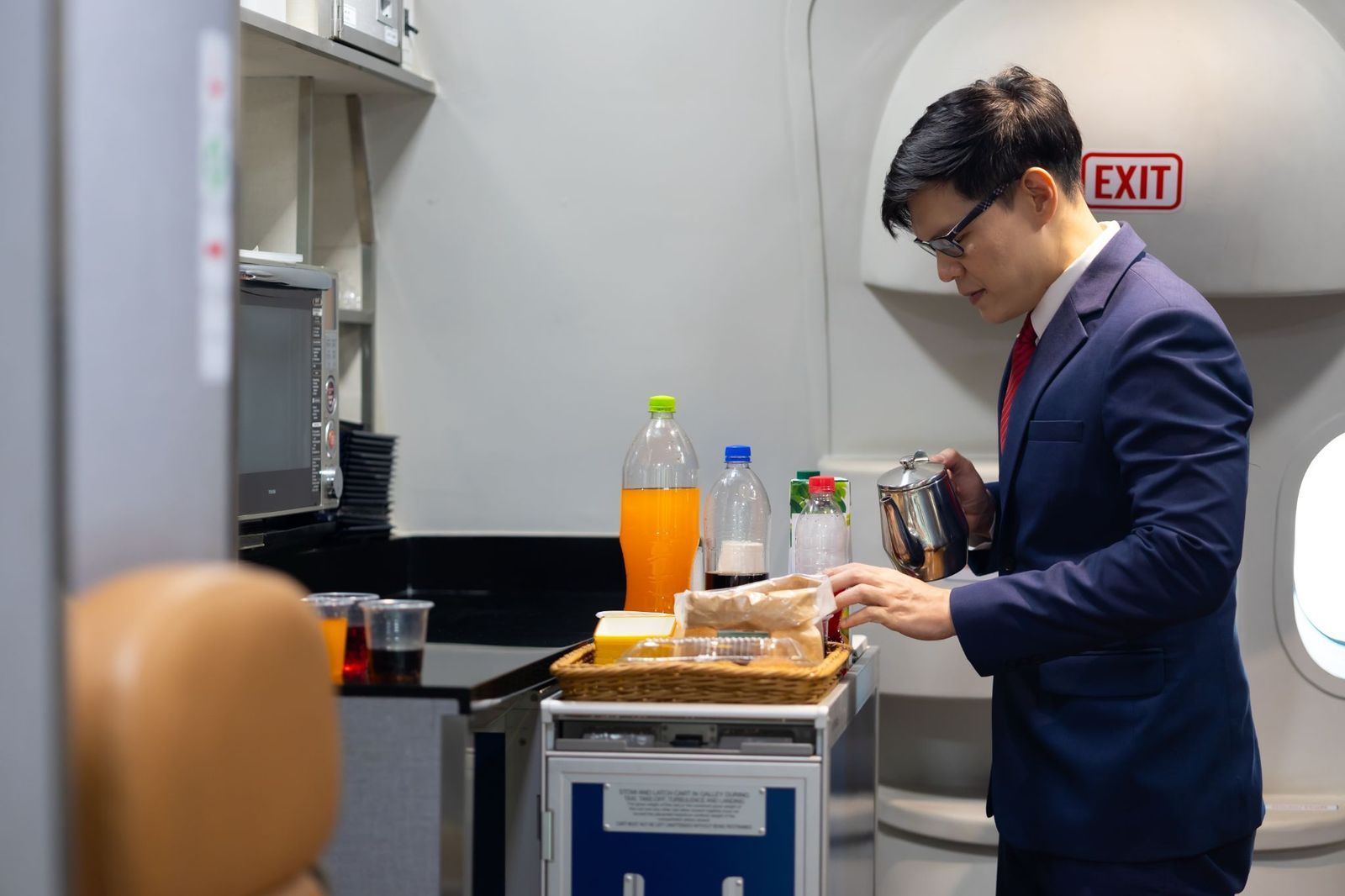
Long before any cart makes its way down the aisle, thirst can strike, and there's nothing wrong with a polite request outside the usual rounds. The key is reading the moment.
During takeoff, landing, turbulence, or whenever the seatbelt sign is lit, everyone in the cabin is meant to stay seated and settled, which makes it the wrong window for extra requests. Catch a quieter stretch instead, somewhere in the flat middle hours of a longer flight. The logic here isn't about rules for their own sake. It's about timing your needs to moments when meeting them is doable, instead of adding friction to an already busy few minutes.
Be mindful of the space around you
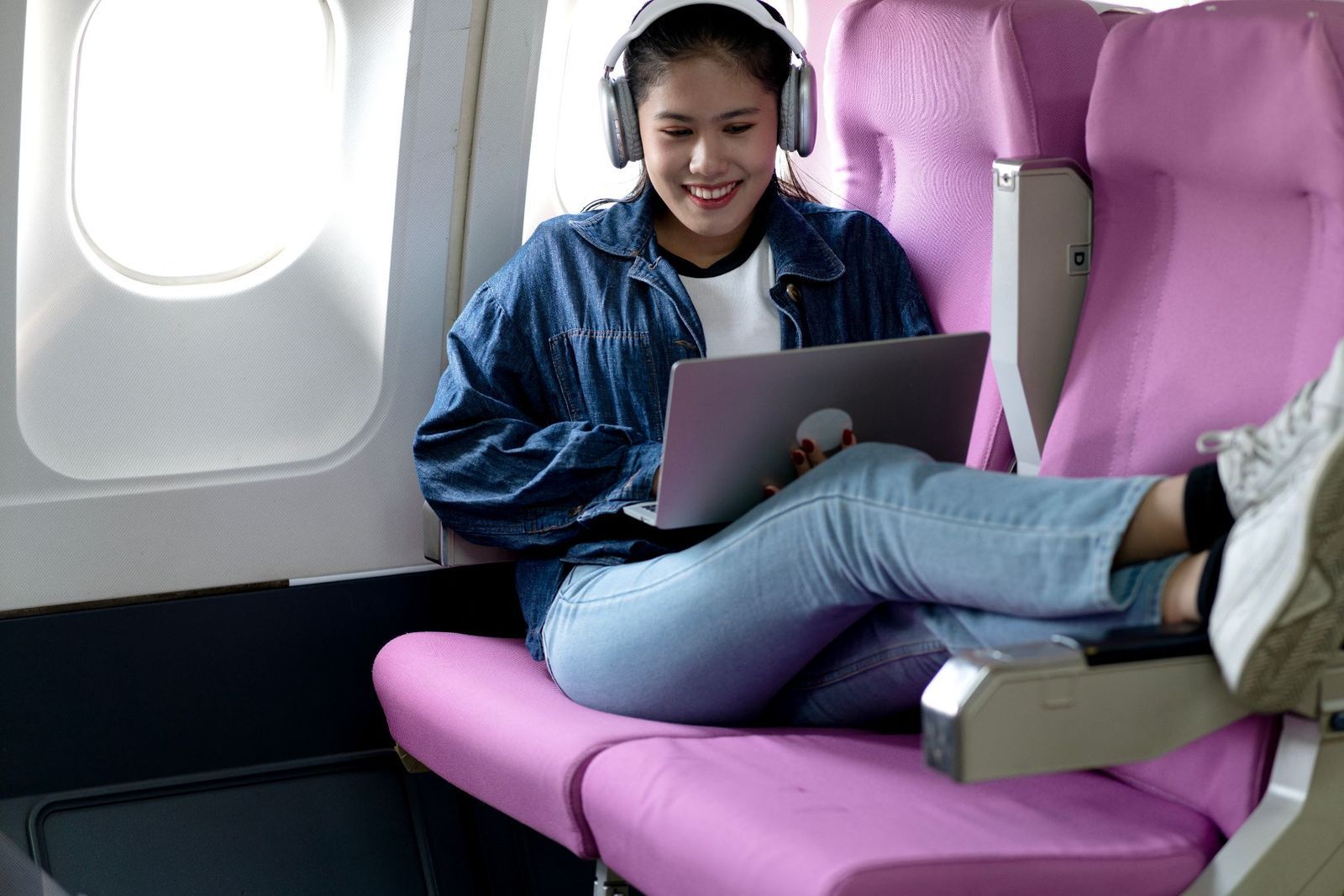
Air travel has a way of shrinking personal space to almost nothing, which makes shared spaces matter even more.
An oversized bag wedged sideways in the overhead bin can cost the next passenger their only spot. A rolling suitcase left jutting into the aisle becomes a trip hazard for everyone walking by. Even stretched-out legs can turn a narrow aisle into an obstacle course for anyone heading to the back of the plane. None of this requires shrinking yourself uncomfortably for an entire flight. It simply means a quick check before settling in: is my bag tucked in fully, is my seat area tidy, am I leaving enough room for the person who needs to squeeze past me to reach their row?
Skip the chitchat if your seatmate doesn’t want to talk
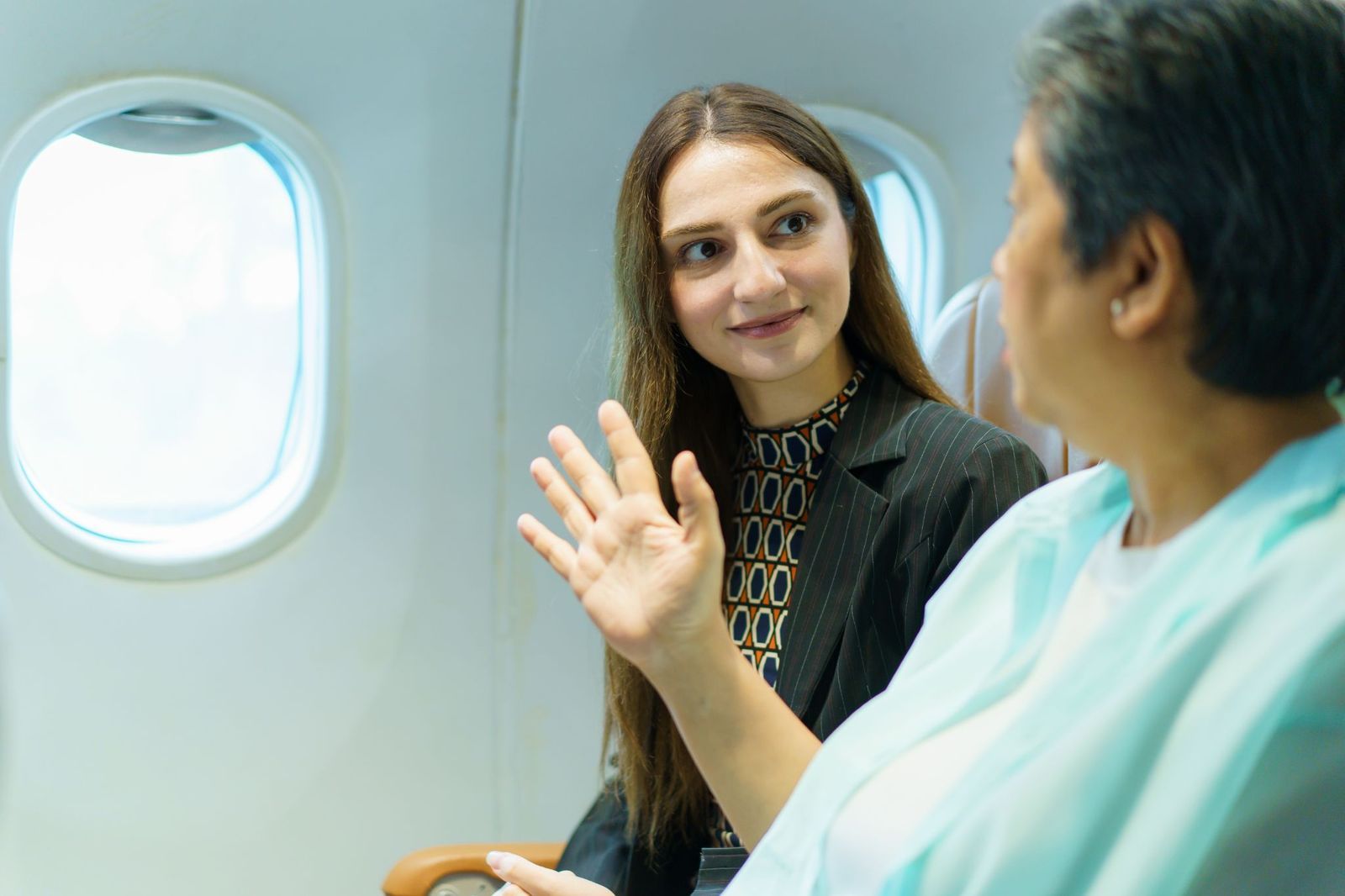
Some passengers board ready for a friendly conversation about where you're headed and why. Others slide in, put on headphones, and clearly hope for a few quiet hours to read, nap, or catch up on work.
Both are perfectly normal ways to fly, and the trick is learning to tell them apart quickly. Short answers, eyes fixed on a book, or headphones going in right after takeoff are all gentle signals that someone would rather not chat. Respecting that isn't cold; it's simply good manners in a shared space where nobody can easily step away for a break. If they want to talk later, they'll usually open the door themselves, maybe over a shared laugh about turbulence or a delayed connection.
These travel expenses are worth every penny—and the ones to skip
To splurge or not to splurge?
The biggest travel mistake isn't what you’re spending—it’s where
Vacations are supposed to be about fun, not spreadsheets. But when money is involved, a little planning can make a huge difference. Why pay extra for a first-class seat on the flight to an all-inclusive resort, where you'll spend the next ten days relaxing anyway? Or why save a few dollars by skipping travel insurance, only to risk spending thousands if something goes wrong? Not every travel expense is worth the splurge. Here’s our guide.
Flights
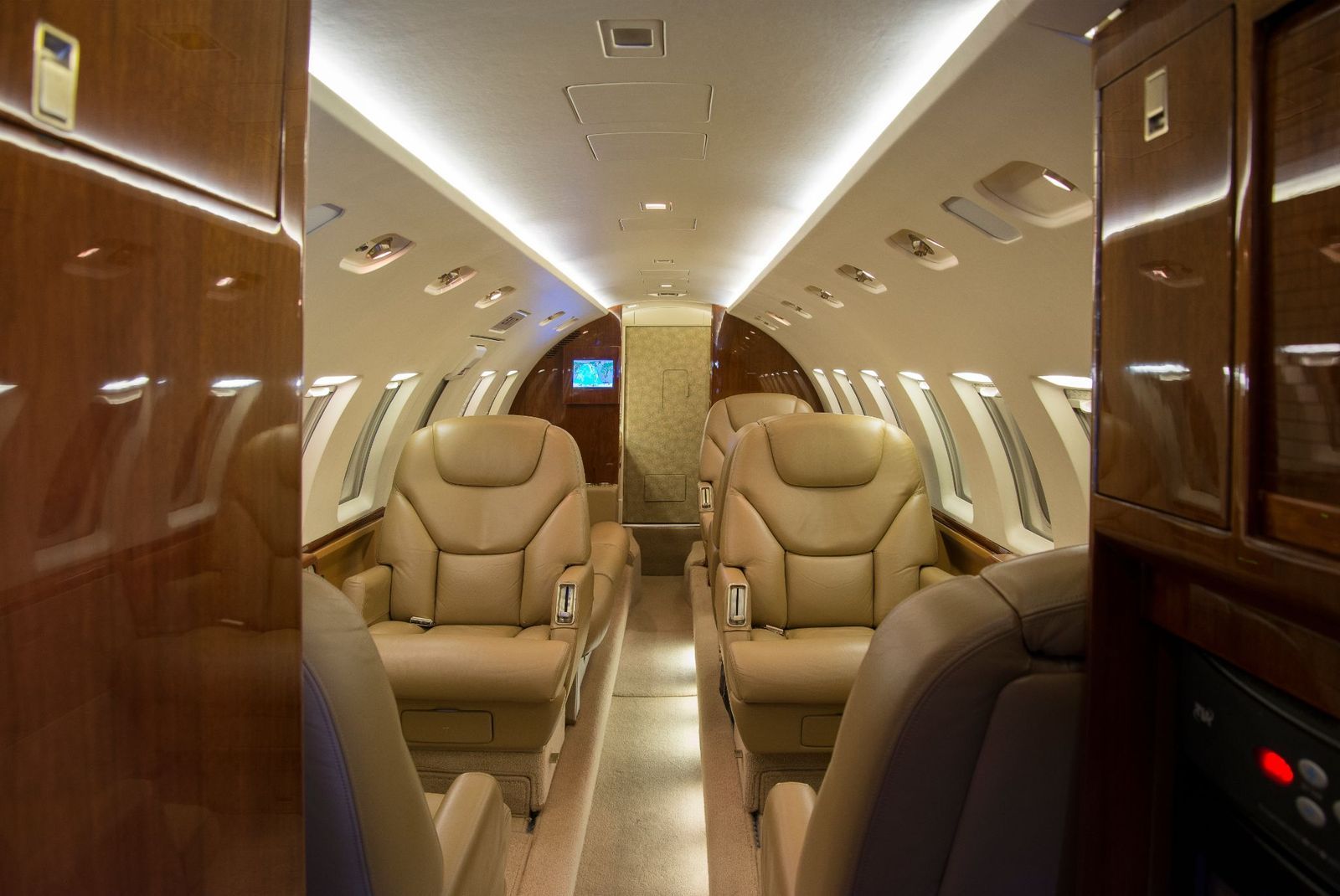
If you’re flying to a beach resort where you’ll spend the next week lounging by the pool, consider upgrading your return flight instead. You’ll already be relaxed, and ending the vacation with a comfortable trip home lets that feeling last a little longer. But if you’re landing in a busy destination where you’ll immediately start sightseeing, changing hotels, or catching trains, the outbound flight is the better investment. Arriving well-rested can make the first few days of your trip much more enjoyable. The best upgrade isn’t the most expensive one—it’s the one that helps you the most.
Luggage
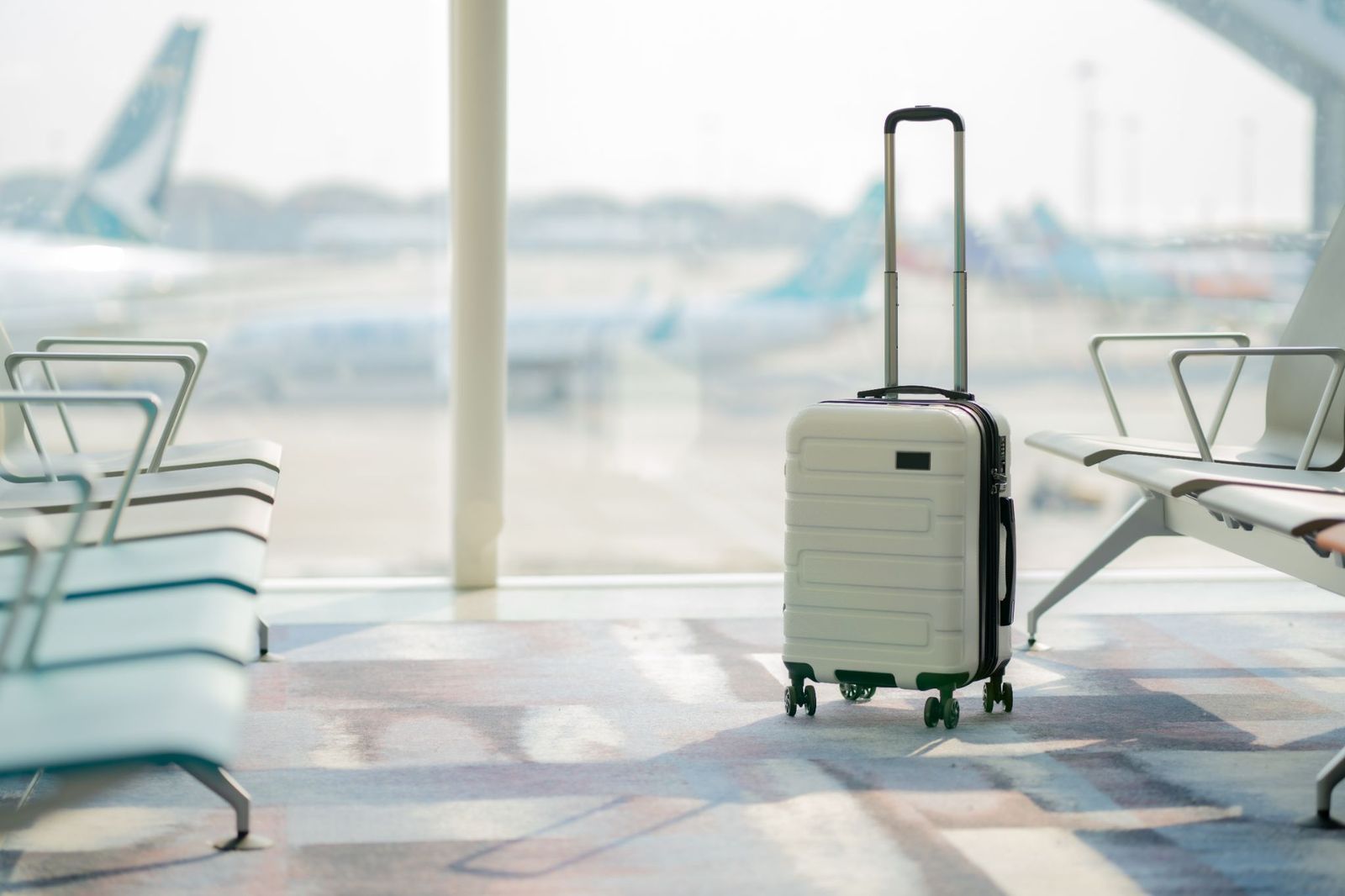
Expensive checked luggage usually isn’t the smartest purchase. It gets tossed onto baggage carts, stacked in cargo holds, and handled by several different people before it reaches the baggage carousel. If you’re going to spend extra money, put it toward a sturdy, well-made carry-on instead. You’re the one handling it; you’ll use it on almost every trip, and it protects the items you care about the most. Save on the suitcase you won't even see during the flight, and invest in the one that stays with you.
Accommodations
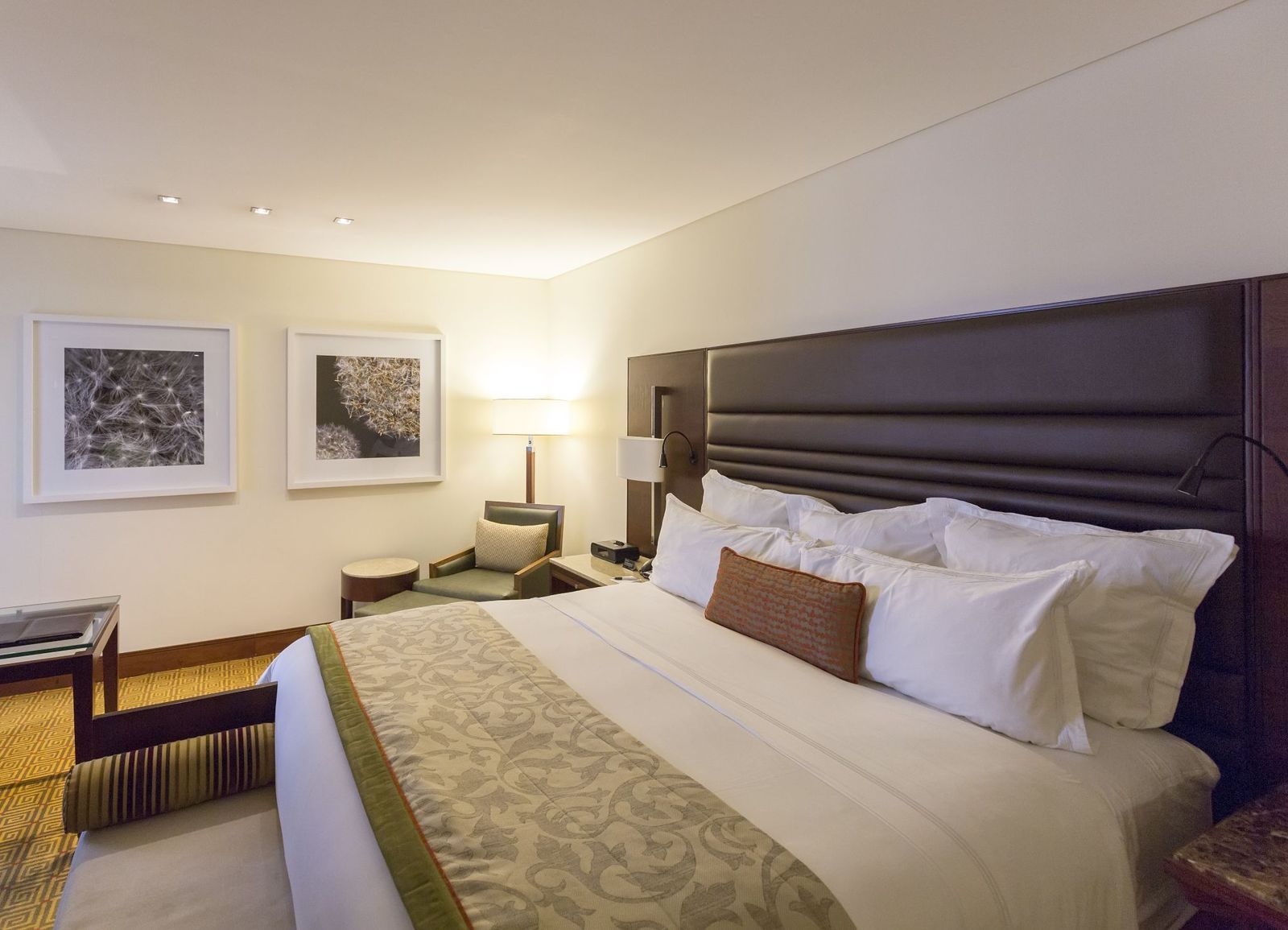
If you're staying at a beach resort, a mountain retreat, or another destination designed for relaxation, a nicer hotel can absolutely be worth the extra money. Comfortable rooms, good service, a great pool, and inviting common areas become part of the vacation itself. However, in places like Rome, Paris, or London, chances are you’ll leave early every morning and come back late every evening. In those cases, a clean room, a comfortable bed, and a good shower are all you really need.
Travel insurance
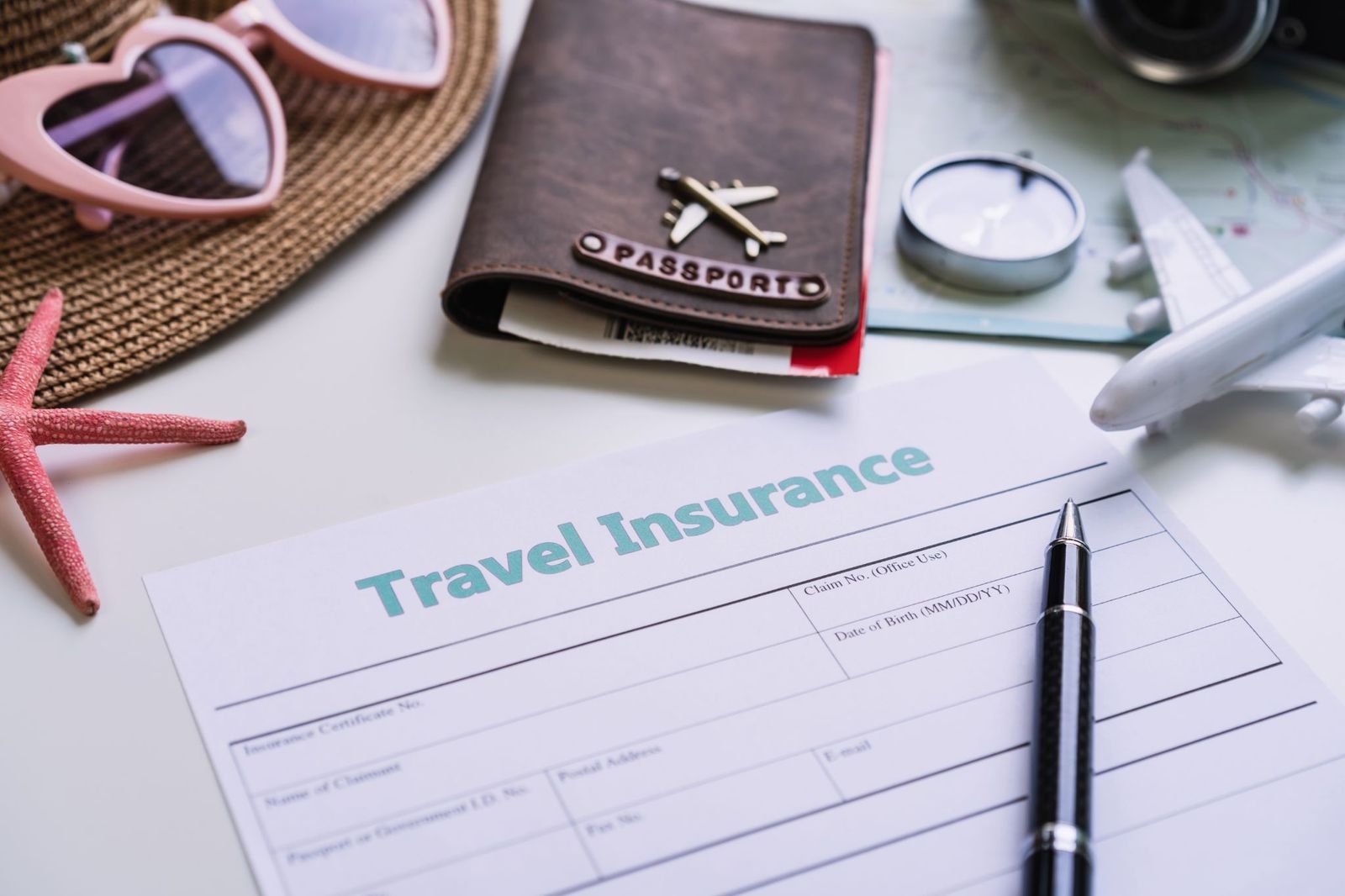
Most vacations go exactly as planned, but all it takes is one medical emergency, one canceled flight, or one lost suitcase to turn a dream trip into an expensive headache. Medical treatment abroad can cost thousands of dollars, and unexpected delays often create extra expenses. Travel insurance acts as a financial safety net. Most of the time, you won’t need it. But if something does go wrong, it can solve problems in hours that might otherwise cost you days of stress and far more money. Some travel expenses are optional. This isn’t one of them.
Guided tours

For famous landmarks with rich history—places like the Colosseum or The Louvre—a smaller or private tour is often worth the extra money. A knowledgeable guide can completely change the experience by explaining details you’d never notice on your own. For getting a general feel for a city, though, free walking tours are often an excellent value. You’ll cover several neighborhoods, hear interesting stories, and gain unique new perspectives. At the conclusion of the tour, simply tip what you think the experience was worth. In general, $10 or $20 per person is enough, but that’s entirely up to you.
Airport transportation
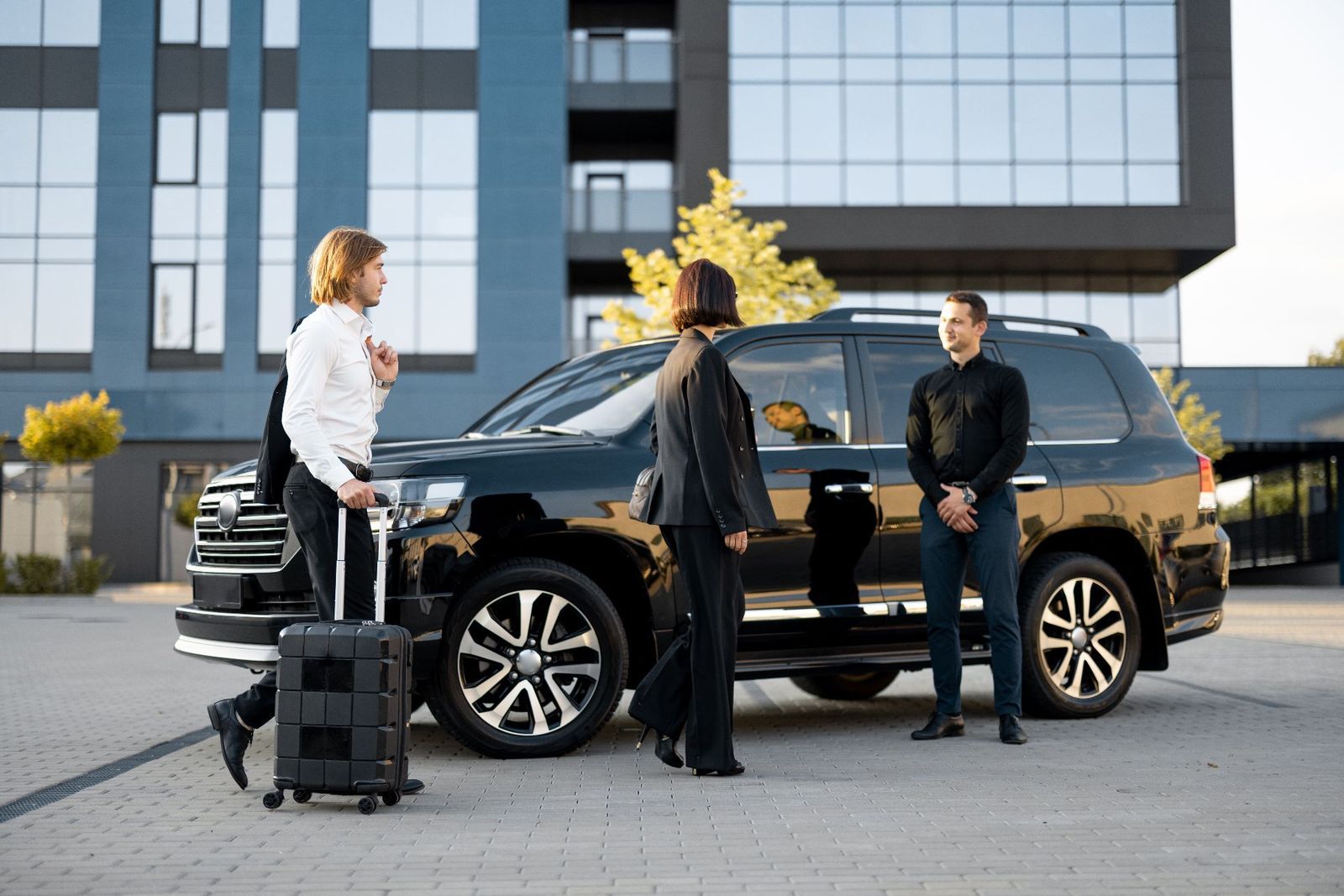
After a long international flight, paying for a driver can remove a lot of stress. Someone is waiting for you, your luggage is handled, and you arrive at your hotel without worrying about getting lost or hauling heavy bags through a busy street. The return trip is different. By then, you’ve learned the local transit system, you’re rested, and you’re far more comfortable finding your way around. Not every expense is about luxury; some are for peace of mind.
Dining
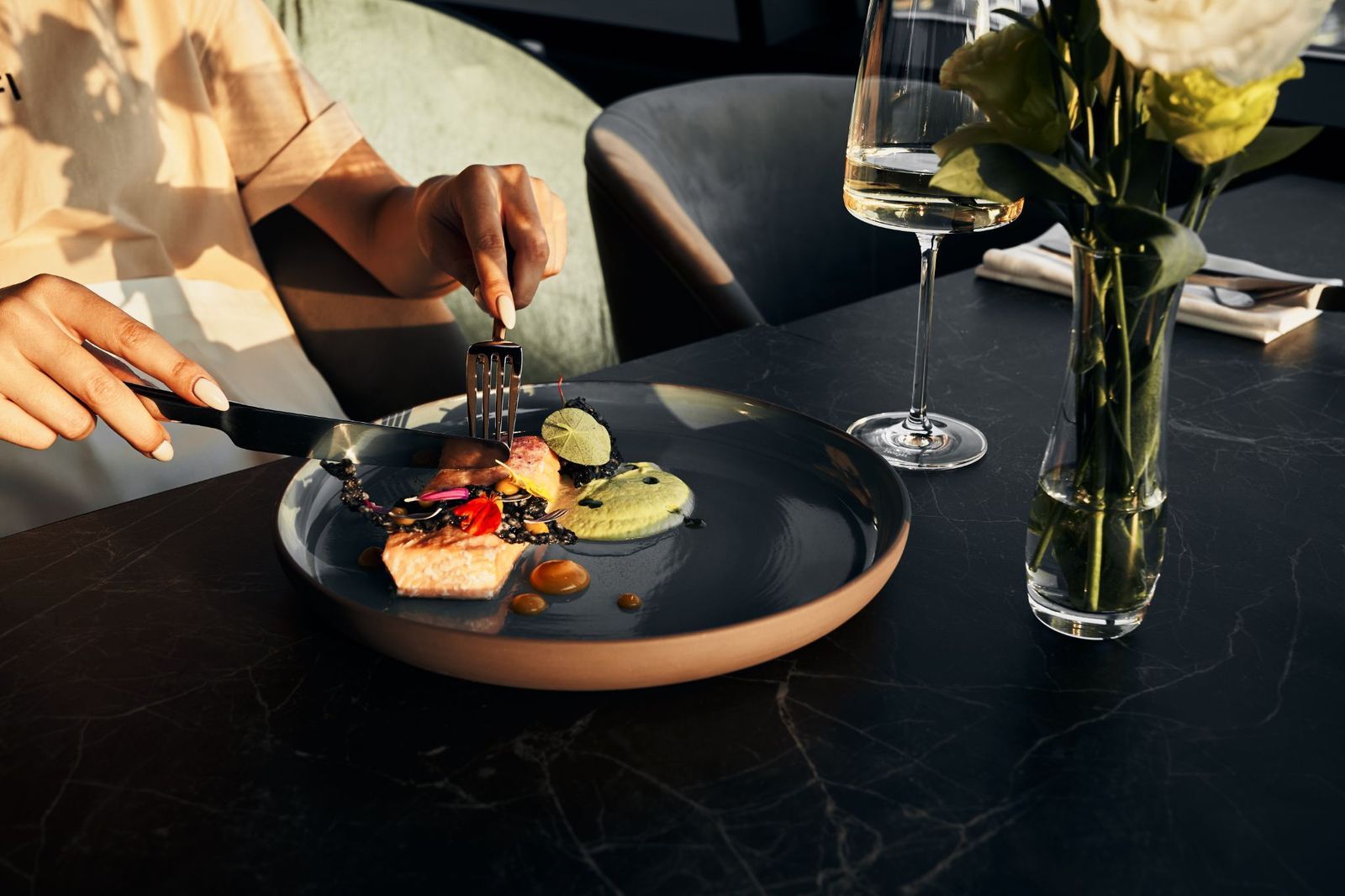
Treat yourself to one outstanding, high-end restaurant that showcases the local cuisine at its very best. Then, for the rest of the trip, eat where the locals do. Not only because it will be cheaper, but also because they know where the good food is. Street food, neighborhood cafés, bakeries, and food markets often serve incredible meals for a fraction of the price. Not only will you save money, but you’ll probably enjoy a more authentic experience too.
Attraction passes
Skip-the-line tickets can seem expensive when you’re booking them, but what you’re really buying isn’t just faster entry; it’s more time to enjoy your trip. Those extra hours can be spent visiting another museum, relaxing, or simply wandering the streets instead of standing behind a rope barrier. When time is limited, buying your time back is often one of the smartest travel investments you can make.
Hotel breakfast

Hotel breakfasts are convenient, but they’re also one of the easiest ways to spend more than you need to. Unless breakfast is reasonably included in the room price, consider walking a few blocks to a neighborhood café instead. You’ll usually pay much less, enjoy fresher local specialties, and start your day surrounded by locals.
Connectivity

Instead of relying on your home carrier, buying a digital eSIM before your trip is one of the smartest travel purchases you can make. Setup only takes a few minutes, and you’ll have affordable data for maps, translation apps, restaurant searches, and keeping in touch with family. Similar to travel insurance, whatever you choose, this is an expense you want to make, as good connectivity is also a way to stay safe abroad.
Keep wandering
There’s always
more to explore
This mysterious monument is 6,000 years older than Stonehenge
5 min.
Read Now
 Culture

What happens to tourist towns after everyone goes home?
5 min.
Read Now
Most tourists never find these London spots hiding in plain sight
3 min.
Read Now
Why do hotels have bed scarves, two peepholes, and bathroom phones?
6 min.
Read Now